Yesterday (January 29), the Chinese martial arts game *A Touch of Autumn: The Imperial Guards* finally released its latest gameplay trailer.
Compared to the previous PV, this new one shows a significant improvement in both visual detail and fluidity of movement—especially in the depiction of large-scale scenes—which gives a glimpse of the ambition behind *The Imperial Guards*.
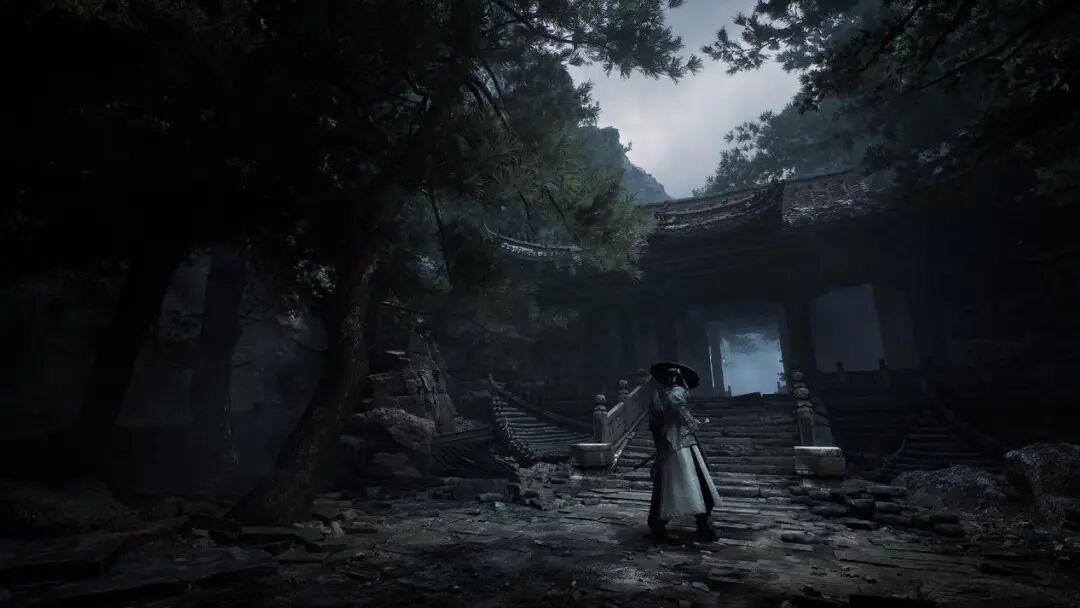
Prior to this, Teahouse was invited to participate in a hands-on demo of *The Imperial Guards* and held an in-depth discussion with producer Liu Qiwei, gaining a general understanding of this upcoming game.
First of all, *The Imperial Guards* does not follow the mainstream linear progression or open-world gameplay found in most games on the market. Instead, it adopts a gameplay loop similar to that of *Monster Hunter*. In the game, players accept missions in a main city that serves as a safe zone and then complete them in other semi-open, boxed-in maps, creating a gameplay loop.
A sense of everyday life
It’s worth noting that this demo didn’t showcase the main city, but instead focused on the two core gameplay elements: combat and tactical simulation. *The Imperial Guards* leans toward the ARPG genre; aside from the belt, most equipment primarily serves to boost stats, while the belt plays a unique role by determining how many weapons the protagonist can carry at once—currently capped at four.
Each weapon can be bound to three corresponding combat techniques, allowing players to unleash their respective skills. However, these skills aren’t triggered instantly; instead, they consist of multiple movesets, and different skills can be chained together. Certain special skills also feature mechanics such as invincibility, dodging, parrying, and unstoppable attacks, requiring players to time their releases precisely to counter incoming attacks and reap a sense of immense satisfaction.
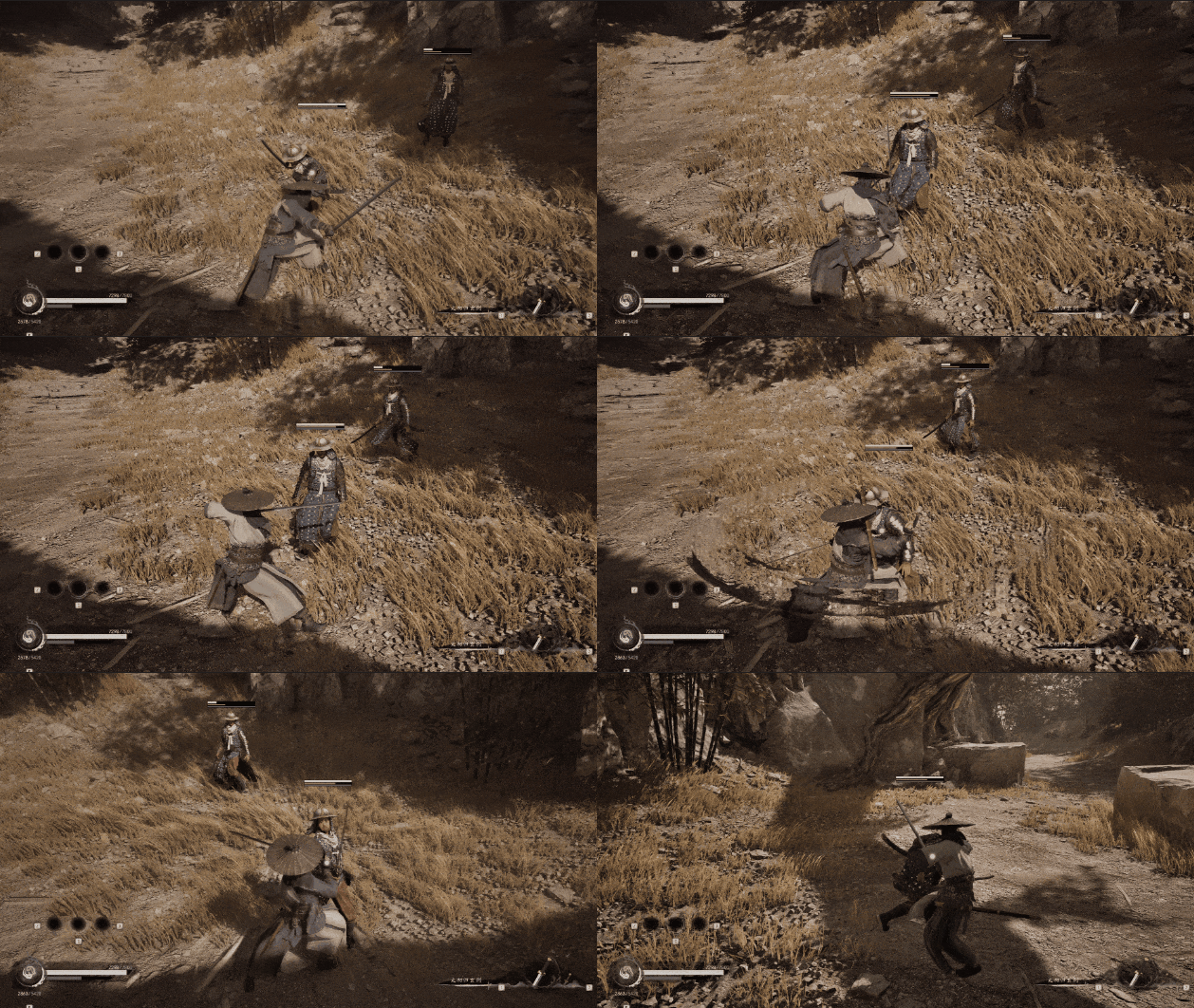
Spring-loaded pull-out tool
In addition to traditional mechanics commonly found in action games—such as assassination, parrying, perfect dodges, invincibility frames, and blocking—*The Imperial Guards* also introduces an exhilarating chain-kill mechanic. Once players deplete an enemy’s chi gauge, they enter an execution phase; if other enemies are nearby at this point, they can be executed in succession. This is somewhat similar to the chain-kill mechanic in *Ninja Gaiden 3*, though it’s much easier to trigger.
In addition, the game features a Chi system. Players can earn Chi points by performing a series of advantageous actions, such as consecutive attacks, parries, perfect dodges, and counter-attacks. These points can be used to unleash weapon skills or internal martial arts techniques, and once the gauge is full, players can unleash a special move that consumes a large amount of Chi.
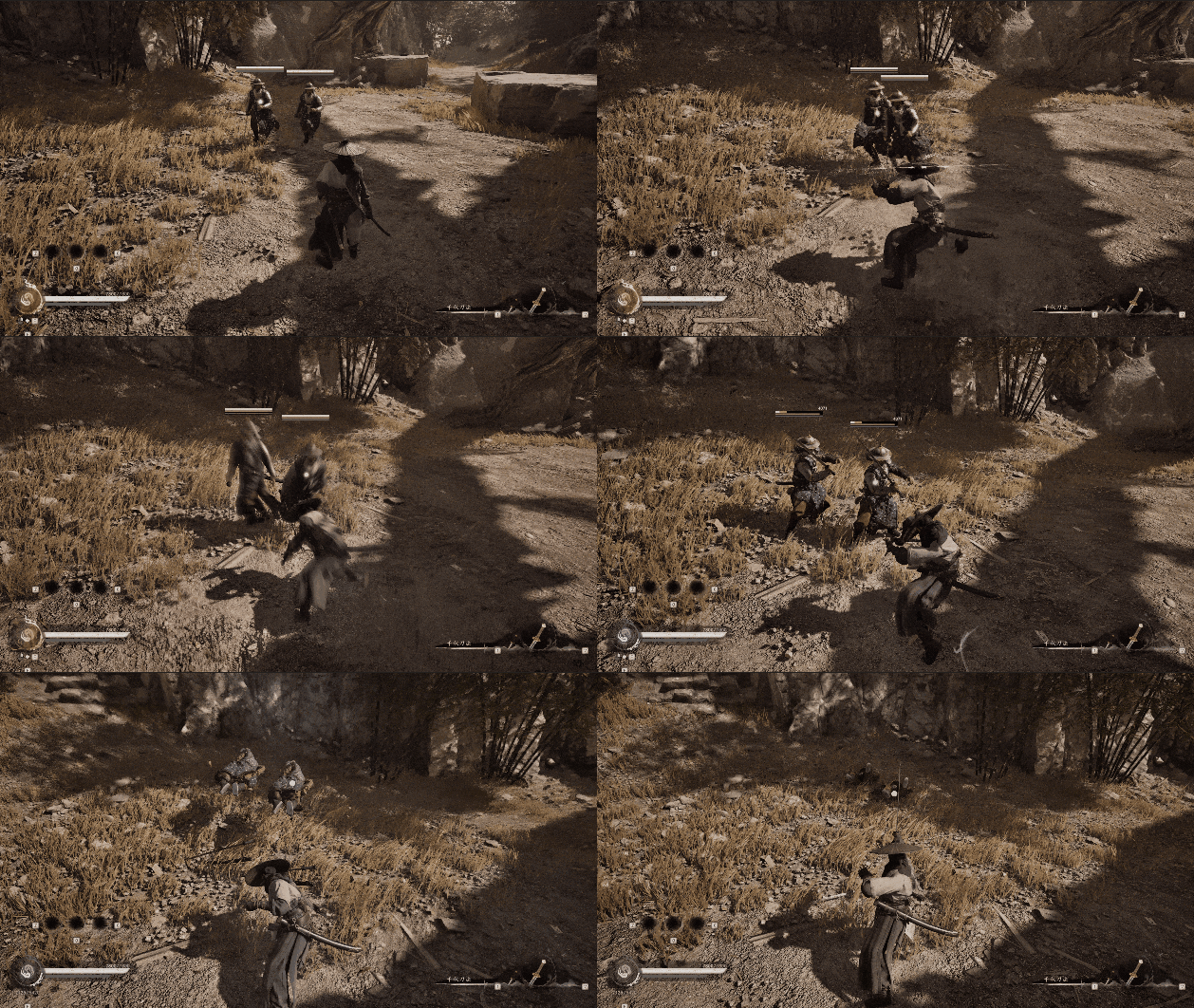
Secret Move
Once an enemy’s Qi gauge is depleted, you can perform a finishing move. However, if the protagonist’s Qi gauge is depleted, they will enter a state of exhaustion and will need time or an internal martial arts technique to recover. The internal martial arts techniques available in this demo can restore health, so players must adapt to the situation—whether to play it safe and regenerate health or to keep up the offensive.
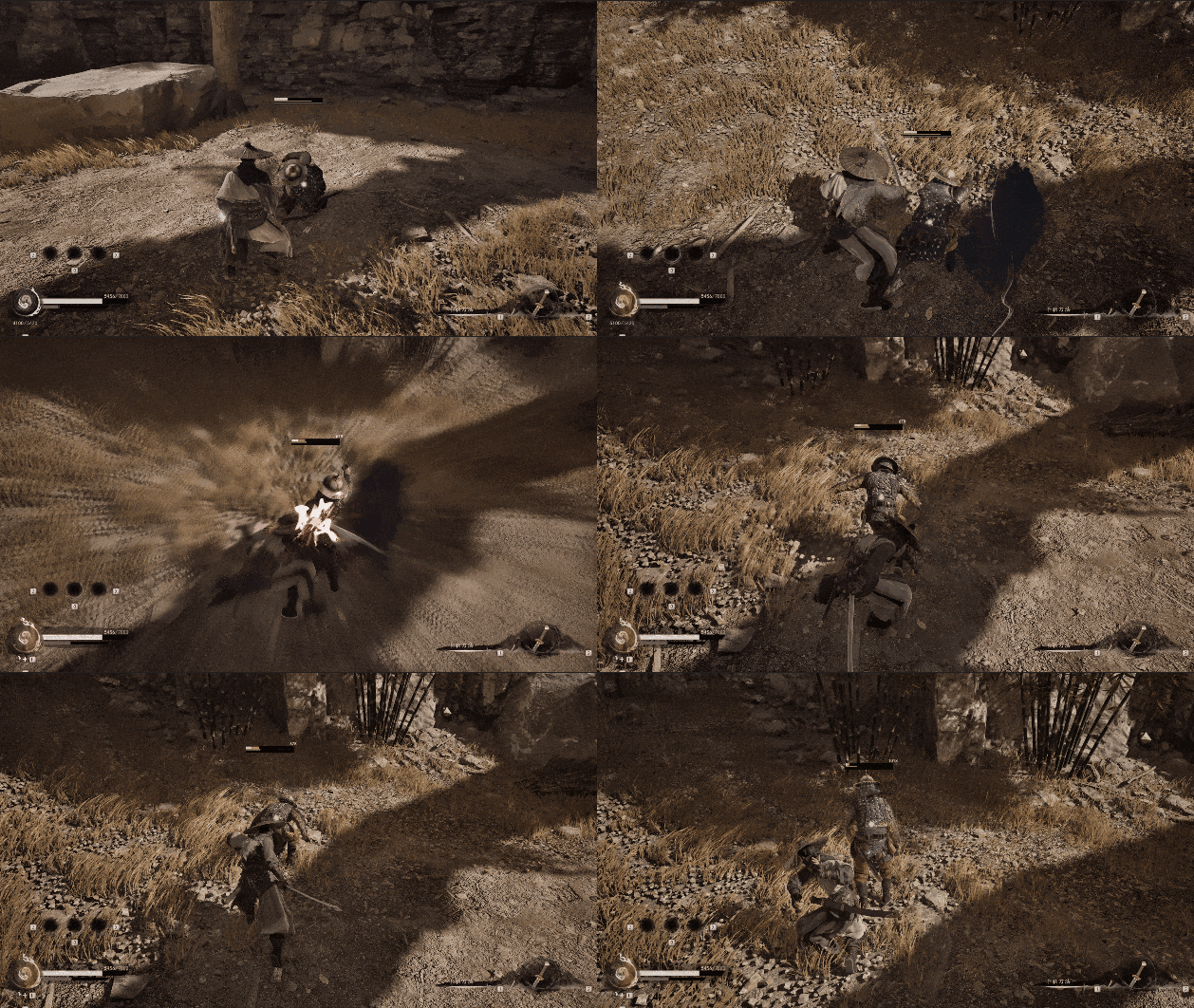
Counter
Now that we’ve covered combat, let’s talk about the rewind mechanic. It’s somewhat similar to the rewind systems found in other games, but with one key difference: in *The Imperial Guards*, rewind points are selected from a few predetermined checkpoints. Since the items you collect or the people you kill at each checkpoint can affect the subsequent gameplay, different choices made during each rewind often lead to a fresh new experience.

Backtracking
For example, in this demo, players must team up with other Imperial Guards to defeat the final boss. However, the protagonist you control also has a hidden mission: to obtain a crucial item from the boss. As a result, time becomes a key factor that influences the game’s ending.If the player spends too much time in the battle, they will eventually find that the boss has already been defeated, and the final opponent will be the Imperial Guards. However, if the player arrives first, they will have to face the final boss alone. There is even a condition that triggers a different ending: if the player arrives just as the boss and the Imperial Guards are fighting, a completely different battle will be unlocked.
Here’s a spoiler: the spinning top-like object that appears repeatedly in the PV is the anchor that triggers the simulation. In addition to rewinding, players can use their mental energy to save the path nodes after rewinding, allowing them to return at any time—eliminating the need to repeatedly go through the same process.
Overall, *A Sound of Autumn: The Imperial Guards* introduces many innovative mechanics and gameplay elements that set it apart from traditional wuxia games on the market. It raises the bar in terms of strategic depth and combat complexity, and truly shows great promise for the future.
The following is an interview with the producer, which has been edited for readability:
01
Teahouse: What is the current status of the entire team?
Liu Qiwei: This team started with just six core members. It took us about three years to gradually build it up, and we now have a total of about 40 people.
I feel like the entire team has grown gradually. We all share a common goal: we want to create fun, distinctive games. It’s this shared vision that drew us together and brought us as a team.For example, a small portion of the team has experience at major studios—mostly from companies like Tencent, NetEase, and Ubisoft. Another group consists of developers who have spent a long time in the single-player game scene. The rest are team members with strong learning abilities and great potential—for instance, some majored in game design and joined our team after returning from studying abroad.
Teahouse: Before *The Imperial Guards*, you actually developed an indie game called *Sword Soul* as an independent developer. What does that game mean to you, and what did you gain from that development experience?
Liu Qiwei: That’s right. It took about seven years to go from the Early Access version to Chapter 2 of *Sword Soul*. At first, I was working on it alone, but later I gradually built a small team.To be honest, I’ve reflected a lot since the game launched. I realize that, as a game producer, I was actually quite self-centered—I didn’t consider the player experience from the very beginning. I created a lot of content that was meant to be a form of self-expression, and these more experimental elements weren’t always easy for players to accept.
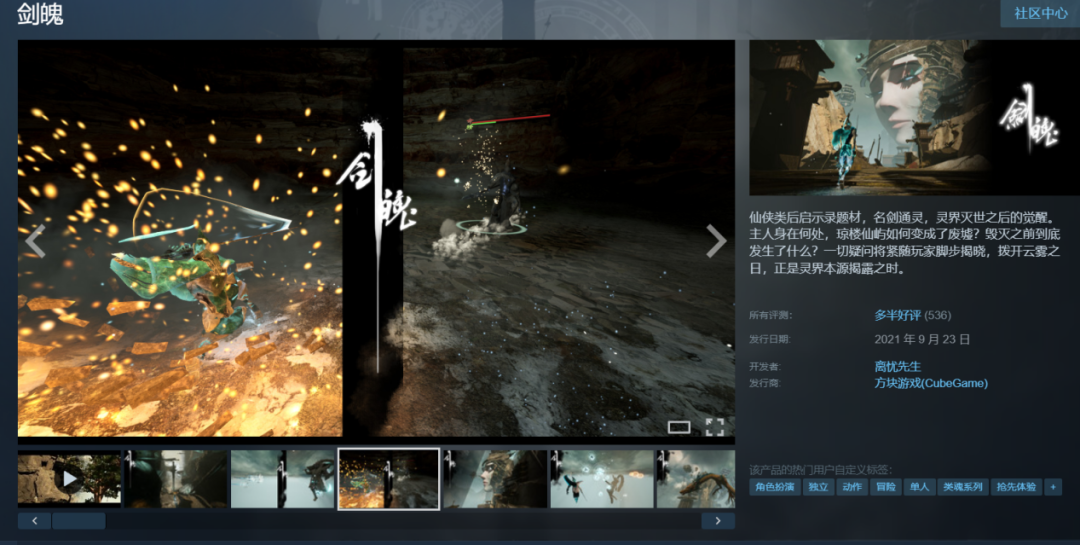
Sword Spirit
But I never expected such overwhelming support from the players. At the time, my thinking was simple: as long as I could make a living from indie gaming, I was willing to devote all my time to it, no matter the cost. It wasn’t until my partner came along and helped me handle many of the tasks that the project’s situation began to improve significantly.
Looking back now, though, I realize I was incredibly arrogant and ambitious back then. That led to the initial vision for Jianpo being incredibly grand—I thought I could make it happen through sheer persistence. But in the end, I realized it was a bit too far-fetched; in fact, by the later stages, it had turned into a game that relied entirely on brainwaves.
So, I made a decision to put this project on hold for the time being and come back to it once we’d built up some experience. At the time, I figured I’d probably spend the rest of my life in the gaming industry.
Teahouse: What made you decide to develop the game *Sword Soul*?
Liu Qiwei: I started out as a web developer at a company in Shanghai. After that, I joined a game company specializing in casual games and worked there for about a year. Eventually, I realized that the company was focusing all its efforts on in-game purchases rather than gameplay mechanics. At that point, I felt that this wasn’t the kind of game I wanted to make. Around that time, I happened to see a gameplay demo of Yang Bin’s *Lost Soul*, which made me start to have second thoughts. As I continued my studies, I discovered the indie game genre.
However, there weren’t many teams in China working on single-player games at the time. After sending out a bunch of resumes and not getting hired, I realized I might need to build my own stepping stones before I could land an opportunity. So I launched the *Sword Soul* project and started developing an indie game while learning as I went.
Teahouse: *Sword Soul* is a relatively small-scale game. Why did you suddenly decide to take on a large-scale project like *The Imperial Guards*?
Liu Qiwei: There’s actually some background to this. I’m someone whose thoughts tend to jump around a lot, so I’m constantly coming up with new ideas. *The Imperial Guards* is just one small slice of those many ideas. So this is meant to be a larger series, and we’ll be announcing it this time—it should be called *A Lamp of Autumn Sounds*.
A Lamp of Autumn Sounds: The Imperial Guard
Our vision is that, within the vast expanse of Chinese history, we might be able to weave a story imbued with a touch of nostalgia and historical depth in the time it takes to enjoy a cup of tea or the glow of a single lamp—hence the name of this series. Additionally, the series follows a distinctive narrative framework: we aim to tell stories from the perspective of a mysterious organization operating within the ruling class across various historical periods, spanning from the Qin Dynasty all the way into the future.
Personally, I’m a huge fan of the Ming Dynasty, and the Imperial Guard is one of its most iconic groups—mysterious and fascinating. They often appear in TV shows and movies, though there aren’t many works that feature them as the main characters. One of the more famous examples in recent years is probably *The Swordsman*.Another reason is that I’ve played a lot of wuxia games, and I’m particularly fond of *Nine Yin Classic*. This game has likely played a significant role in shaping my personality, and its greatest influence is probably on how I construct and understand wuxia games—for example, what a wuxia world should look like, and what underlying logic and mechanics should support it.
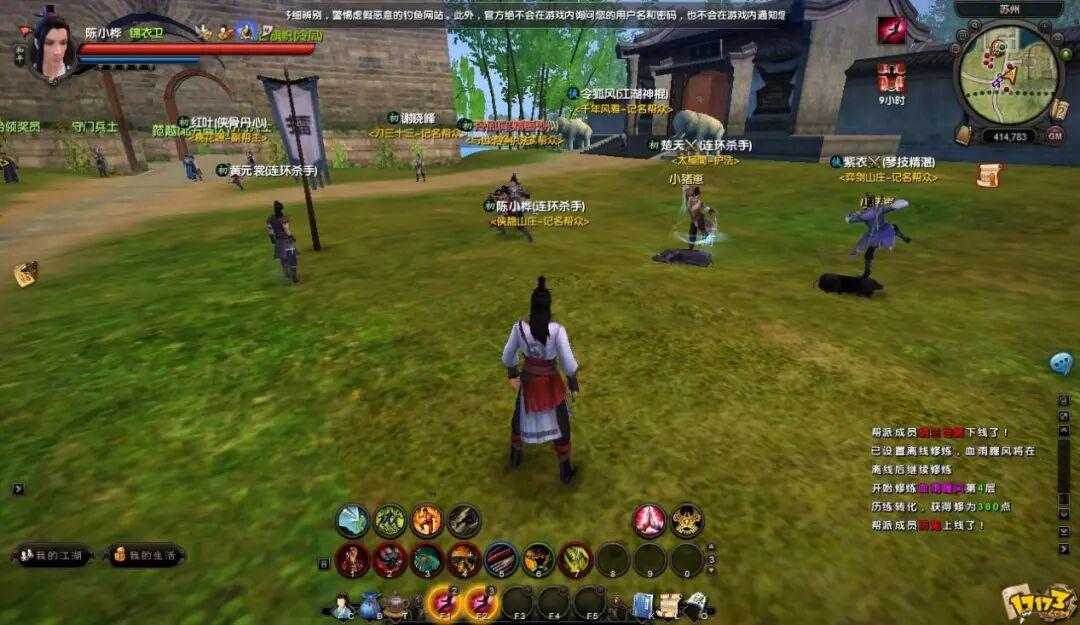
The Nine Yin Manual Online
Given all these factors, we decided to tell this chapter of Ming Dynasty history from the perspective of the Imperial Guard. I believe Chinese players, especially fans of wuxia games, will really enjoy it.
02
Teahouse: When was *The Imperial Guards* greenlit?
Liu Qiwei: Development officially began around July 2021, though the project was likely initiated even earlier.
Teahouse: What kind of game was *The Imperial Guards* originally envisioned to be?
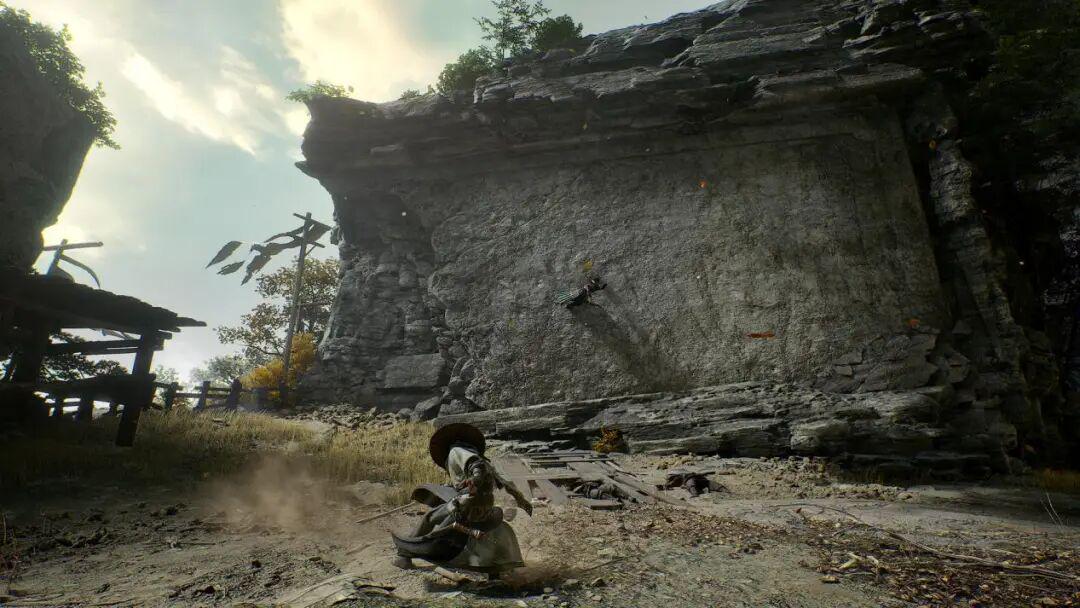
Liu Qiwei: Our initial concept was a game with a gameplay loop similar to *Monster Hunter*. The game features a main street that serves as the hub for RPG progression; players accept quests there and then head to other semi-open, box-garden-style maps to complete them.
We strive to recreate the stereotypical elements of wuxia as faithfully as possible. We start by envisioning what a wuxia world should look like, then break it down into systems to see how they can fit naturally. From there, we distill the most critical elements.For example, in a wuxia game, this might involve the structure of your martial arts skills; combat should be about parrying and countering moves. We spent a significant amount of time researching these aspects. Additionally, in the open-world levels, we have a core mechanic called “Deduction”—somewhat akin to the iconic Golden Apple and hidden blades in *Assassin’s Creed*. Our game also features two signature designs: one is Deduction, and the other remains under wraps for now.
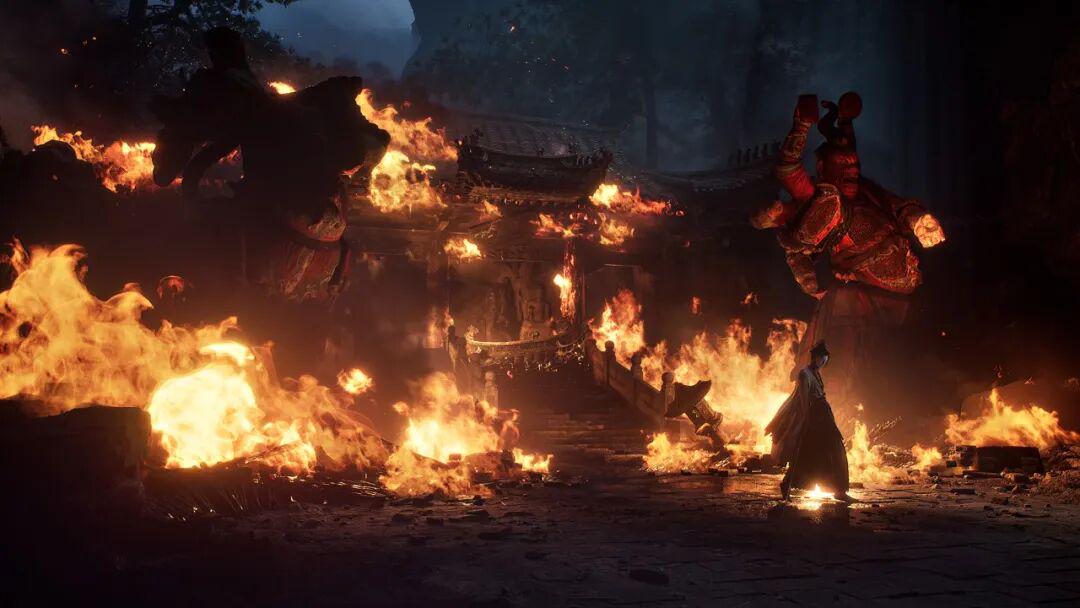
Teahouse: I’m a bit curious—why didn’t you go with the current mainstream open-world or linear design? The “accept a quest, complete a quest” approach seen in Monster Hunter feels better suited for multiplayer co-op.
Liu Qiwei: Actually, I wanted to leave some room for my own ambition. If we start from the very beginning of the design process, we naturally begin by focusing on the character of the Imperial Guard, and then we explore how he carries out his missions. It’s a very natural process.
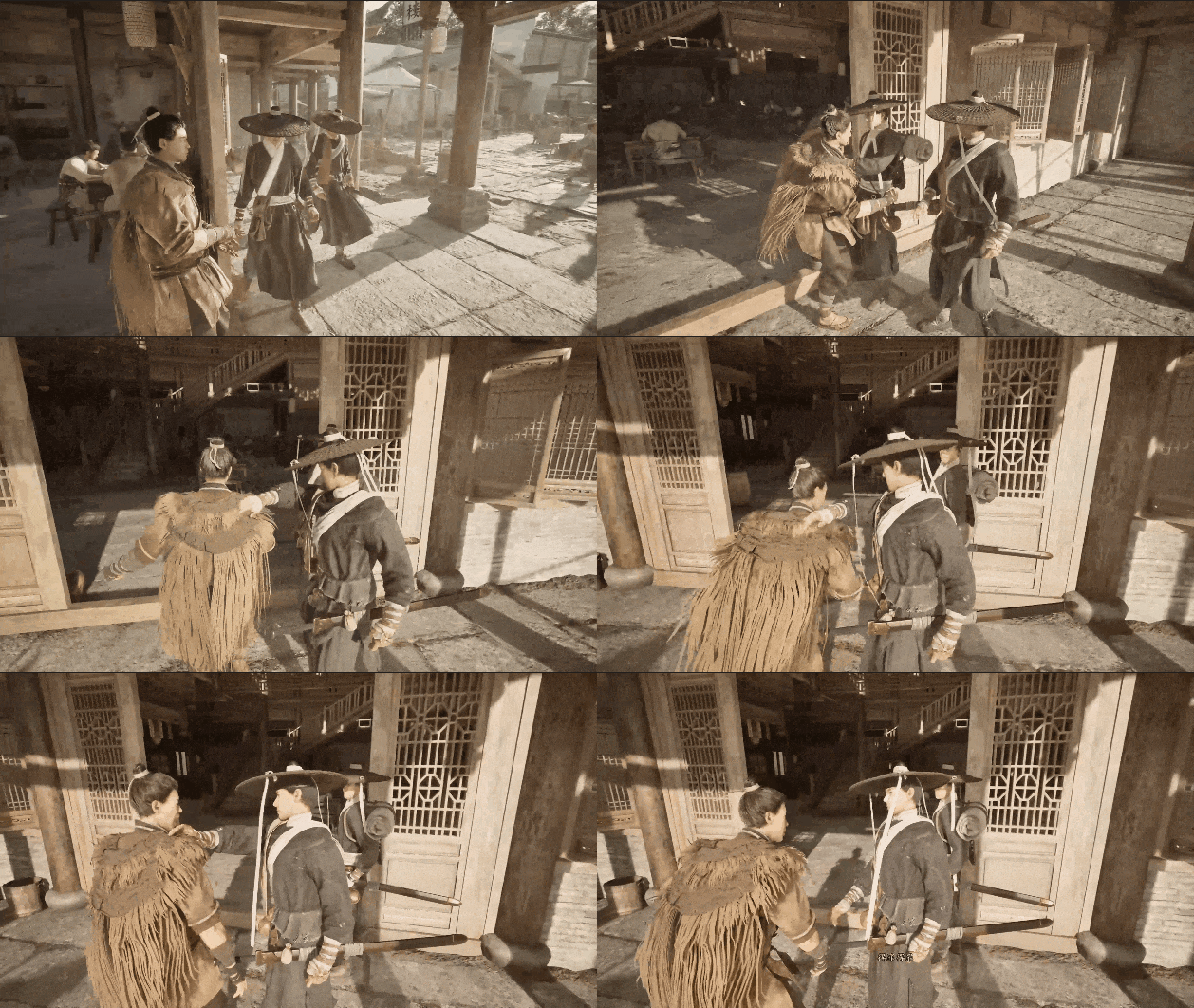
For example, if I’m assigned a mission, I’ll complete it as quickly as possible and then return to report back. There are actually many ways to complete a mission, and the use of force is likely the last resort for the Imperial Guard.Imagine this scenario: typically, a Jinyiwei would simply sit down, place his token to one side, and the other person would immediately recognize him as a Jinyiwei. After that, a conversation might ensue: “Where has the child of your neighbor’s wife been these past few days? He must be five years old now, right? What does he like to eat? And it seems like their little dog has grown quite a bit.”
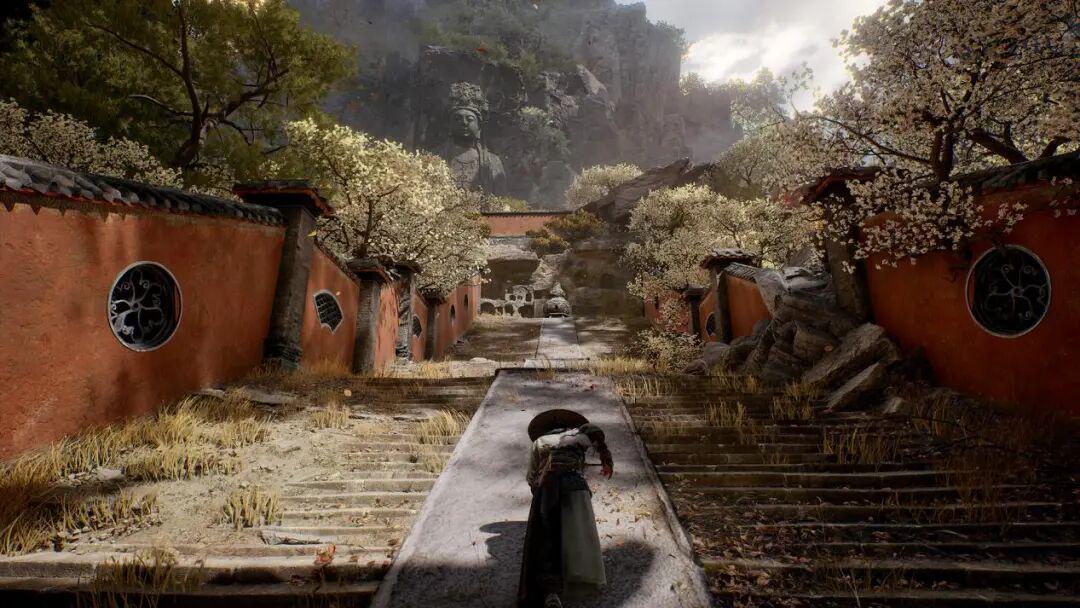
This tactic of dropping hints feels as though you’re in complete control; it creates an invisible sense of pressure that naturally makes the other person much more compliant, allowing you to extract a lot of useful information. Drawing your sword, so to speak, is likely the last resort.
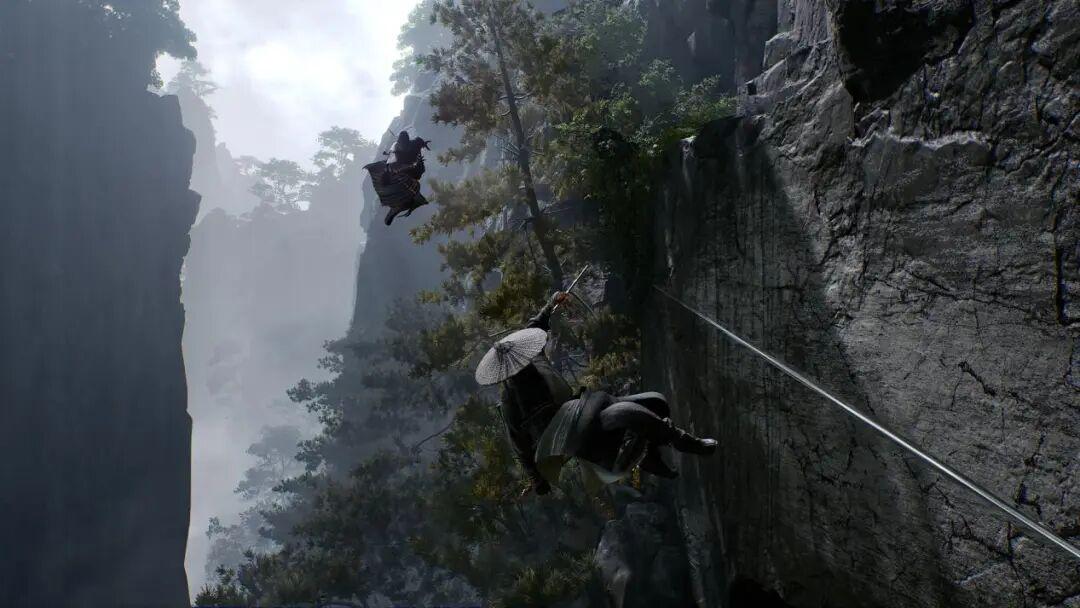
This includes acrobatic feats like scaling walls and leaping across rooftops, which naturally lead us to conclude that the Imperial Guards have a wide range of options when carrying out missions. As a result, the gameplay won’t feel strictly linear, so we need to ensure that the level of freedom is correspondingly increased. The scenario outlined above is also intended to highlight this multi-faceted nature of missions: you can complete them in different ways and even gain different experiences and outcomes. From this perspective, a purely open-world structure and a linear progression aren’t the best fit.
Teahouse: I remember that in early 2024, you released a gameplay demo that sparked a lot of controversy. Why did you decide to release that video? Did you consider the situation at the time?
Liu Qiwei: That’s a classic mindset of an indie game developer. At the time, I hadn’t quite adjusted my thinking yet, because we initially set out to develop it as an indie game. But at some point, the outside world had already subtly come to view it as a large-scale, commercially oriented single-player game.
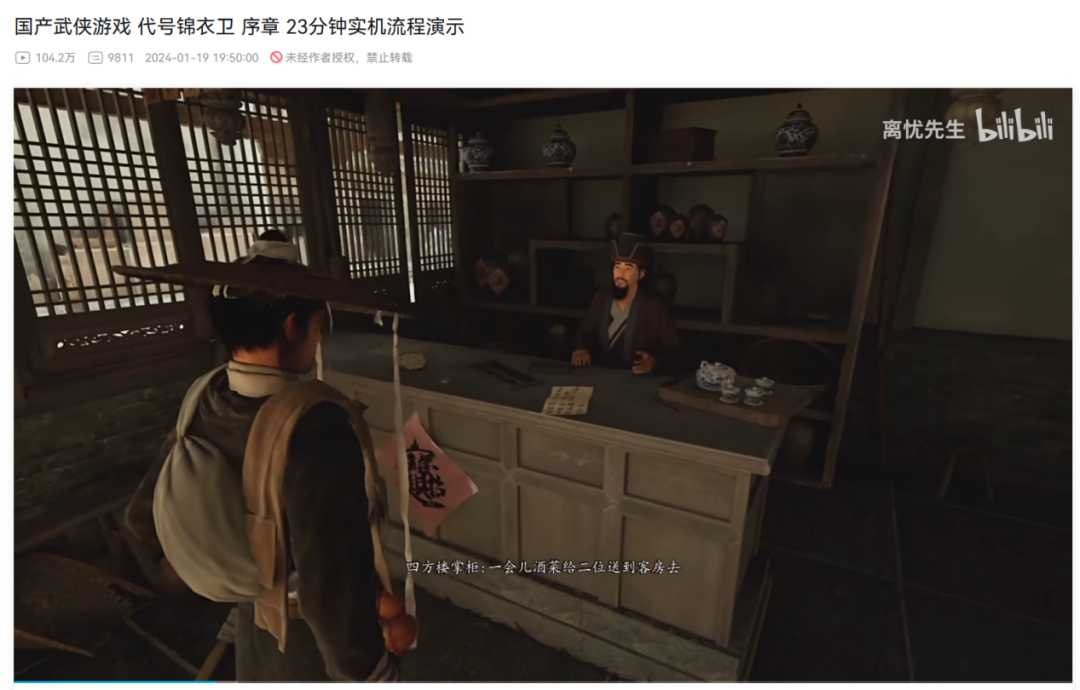
This gap between expectations and reality can lead to some unexpected consequences. When I first started working on *Sword Soul*, I was in the habit of sharing the development process as I went along, and I released a lot of very rough content at the time. I had the same idea for the *Jinyiwei* video—I just wanted to show players what we’d achieved so far—but by then, players no longer expected the quality of an indie game.So, we learned our lesson from that point on, and we’ve been investing more and more in our subsequent trailers and gameplay demos.
Teahouse: The style and changes in this newly released PV are quite significant. What adjustments has the team made recently, and how has your production approach evolved?
Liu Qiwei: We’ve been through a lot over this long period, and we’ve made some internal adjustments to the team. Ultimately, our decision was to elevate this game to a level where it truly stands out. With several benchmark titles already emerging in the domestic market, our top priority is to ensure that, at the very least in terms of visuals, *The Imperial Guards* meets a standard that most players will find acceptable. To that end, we’ve implemented all the latest technologies, including character scanning and scene scanning.
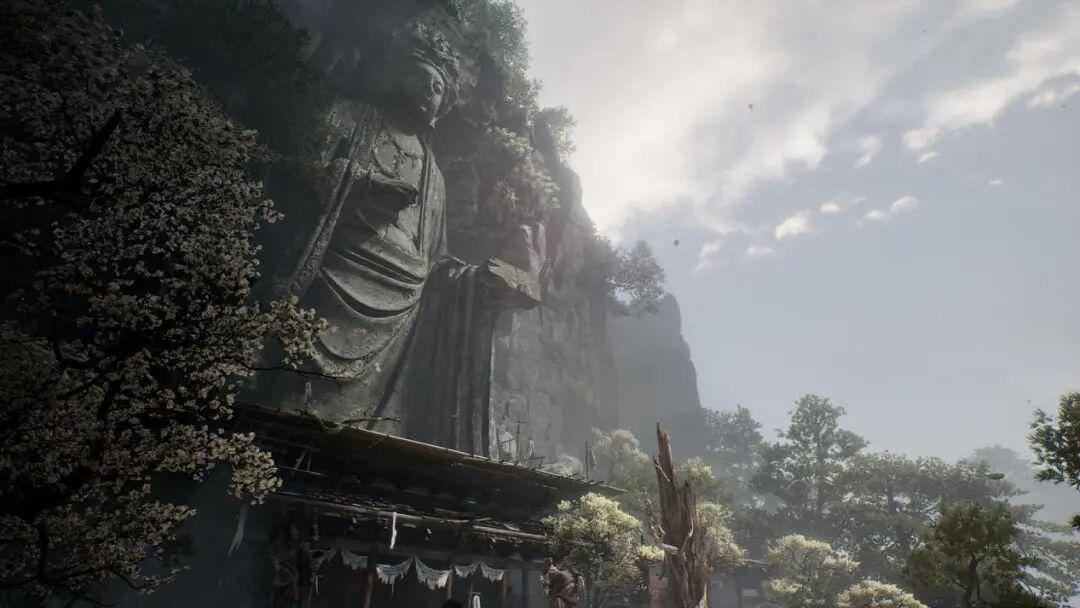
We have essentially completed testing of the technical aspects, as well as the levels, and we’ve been continuously refining the combat mechanics. We believe we can successfully meet both our production targets and wrap up the project—at least within our current resource constraints. We’re doing our utmost to deliver the best possible product, and that’s what matters most.
03
Teahouse: In your opinion, what is the biggest highlight of *The Imperial Guards* compared to similar products on the market, and how did you delve deeper into these signature features?
Liu Qiwei: The design philosophy behind this game ensures that every aspect is imbued with its own unique characteristics, but when communicating with the public, we typically distill these features into a few key concepts.As I mentioned earlier, the levels in The Imperial Guards are born from the game’s lore. We imagine how the Imperial Guards would approach a mission and what they should do, including open-ended, box-garden-style exploration. While these elements may sound fragmented, we’ve woven them all together through a single system: the deduction mechanic.
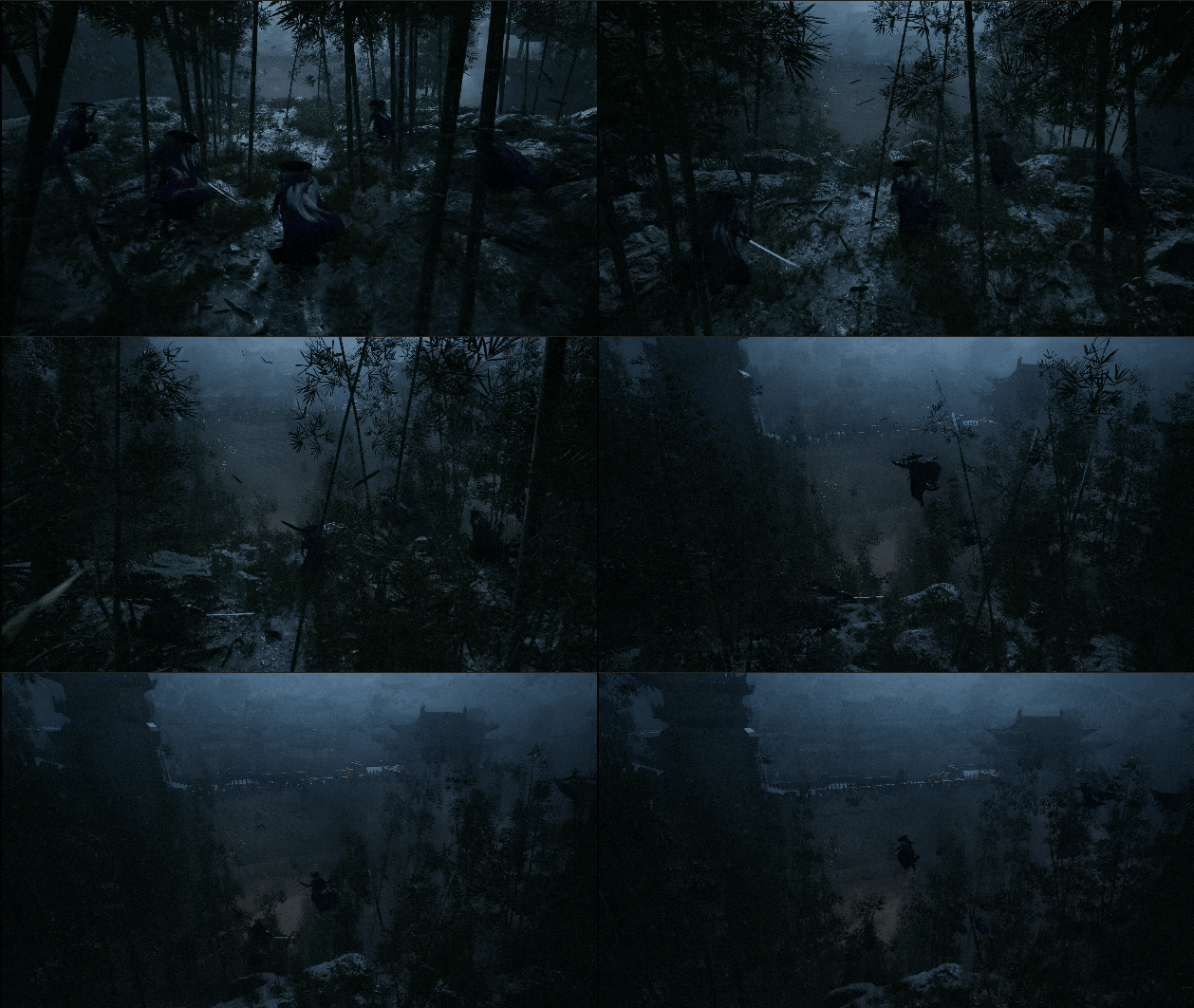
The gameplay allows players a high degree of freedom to choose how they approach tasks, what useful information they uncover, and which key characters they defeat. You’ll even encounter different events at different points in time, travel freely between timelines without any cost, collect items and materials, and fold the entire level’s time and space together—all while moving about freely. That’s pretty much the feeling.
Another aspect is combat. Essentially, what do we want to portray? We want to show how a martial artist grows stronger step by step. On one hand, this involves numerical stats; on the other, it involves martial arts skills. We’ve defined these skills clearly, implemented that definition through the game system, and then integrated them into the players’ combat style—that’s basically the logic behind it.
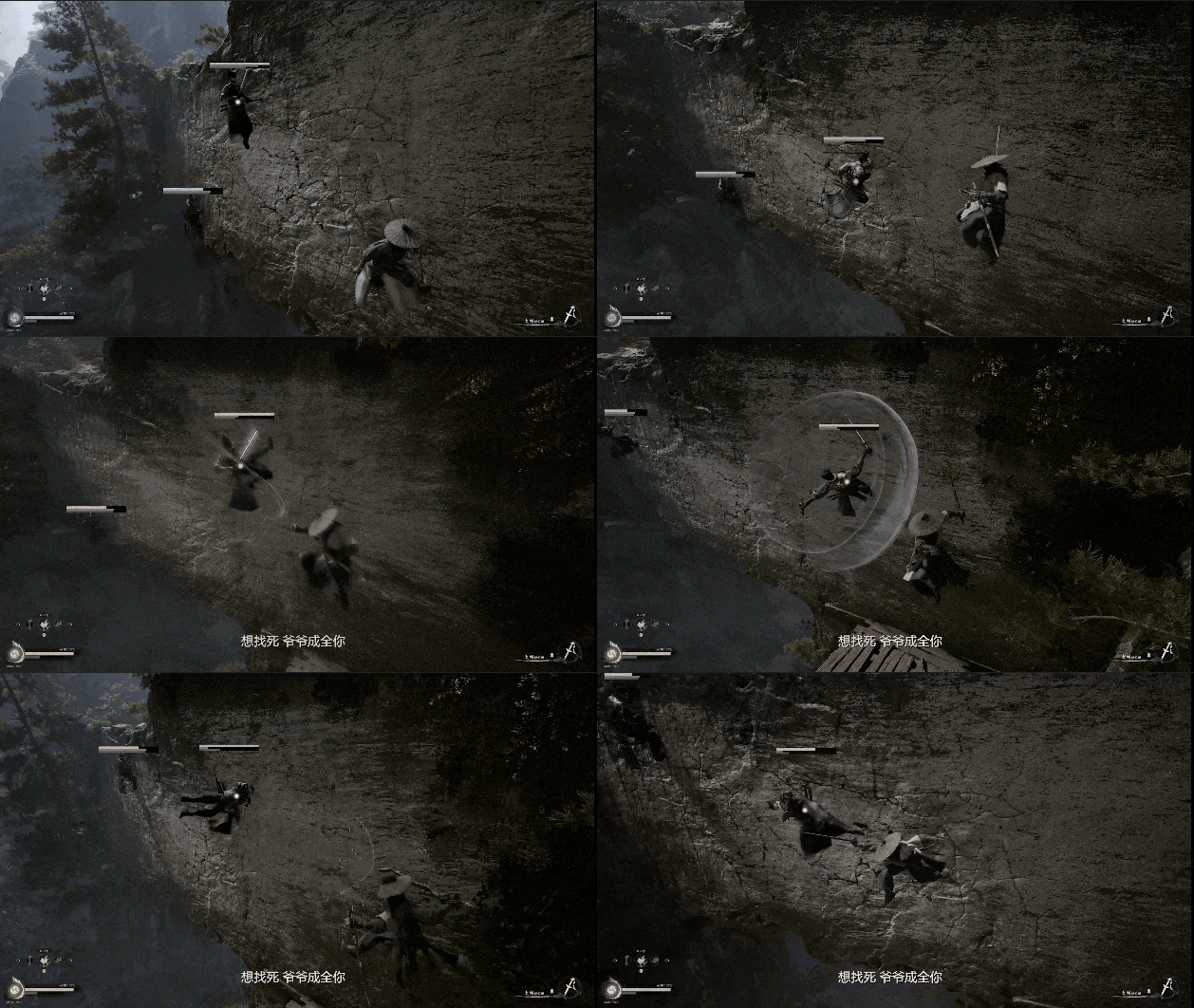
Air Combat
Teahouse: In terms of combat, I feel like it incorporates the best aspects of many games, such as *Sekiro* and *Ninja Gaiden*. The combo system, in particular, is incredibly satisfying, but the complexity of the system might make it harder for new players to pick up. How do you view this issue?
Liu Qiwei: Our vision is to create a diverse array of martial arts styles that players can freely choose from. Since we’ve designed so many different martial arts, we need to pair them with a wide range of mechanics and build a robust foundational system to support them. This allows each style to showcase its unique characteristics and produce the corresponding effects. For example, our game features blocking, parrying, perfect dodges, counter-attacks, and various throws.
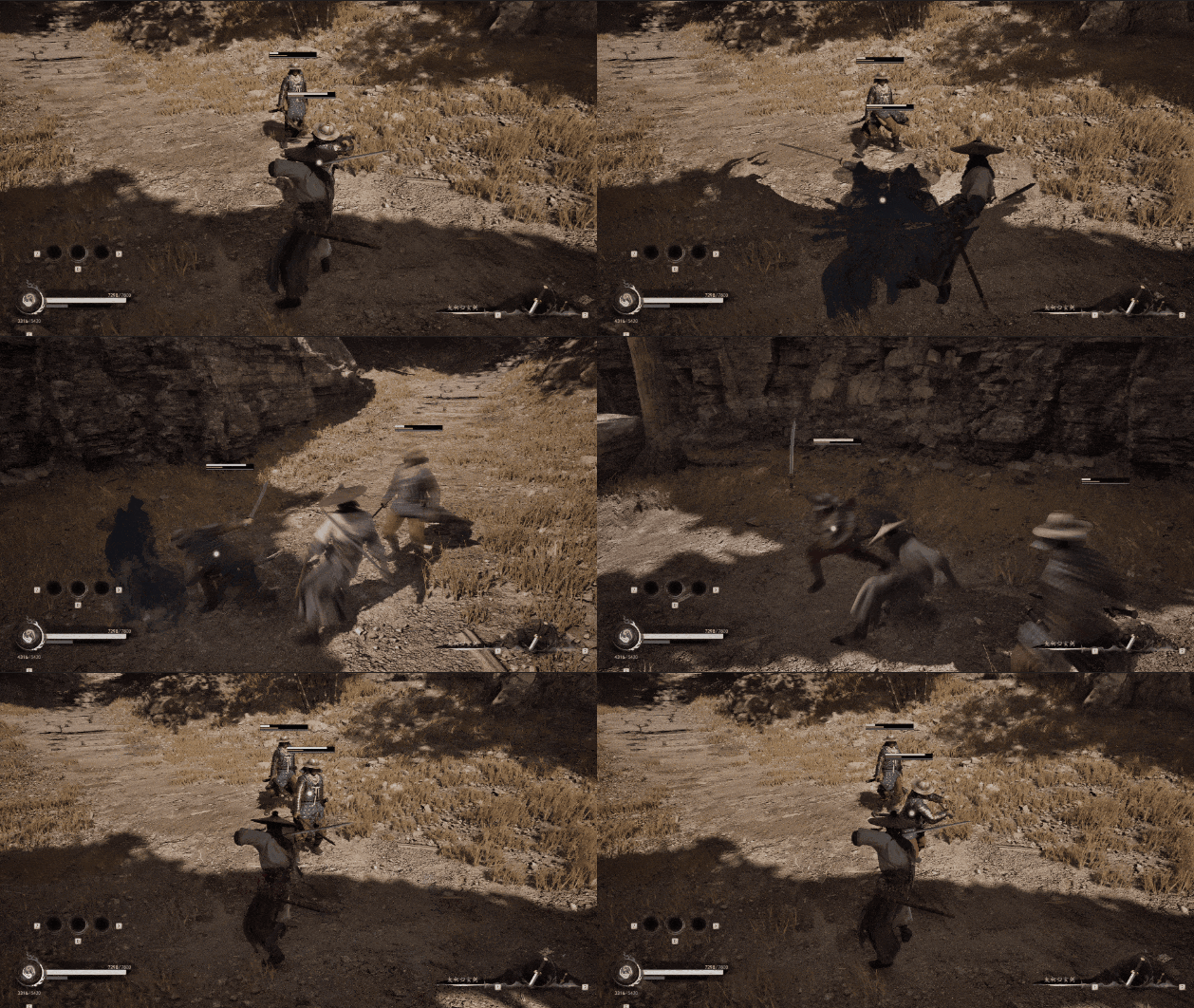
Perfect Dodge
It might seem complicated, but here’s how we approach it: you don’t have to use all these martial arts skills. Instead, you can build a specific build (BD) to continuously strengthen a particular playstyle. For example, if your internal energy has a skill that boosts parry, and your martial arts happen to have two skills related to parrying, then you can skip using Perfect Dodge and rely on parrying to counter your enemies—that’s the general idea.The more you understand a specific build and tailor your setup around it, the more natural and intuitive it will feel.
Teahouse: Speaking of which, I’ve noticed that many martial arts moves come with built-in mechanics like dodging, parrying, invincibility frames, and invincibility. Why were so many of these mechanics included, and what do you find enjoyable about them?
Liu Qiwei: The mechanics behind these moves all stem from the logic underlying our core system. As for why we call them "moves," it’s obviously because each serves a specific purpose. For example, if I want to use the "Dugu Nine Swords," in the game that might be a sword technique focused on parrying attacks; as long as you time your execution correctly, it will consistently parry your opponent’s moves.
The logic goes something like this: since the game has so many mechanics, I can use them to showcase the unique characteristics of each martial art style, rather than just presenting a straightforward process where you cast a skill and lose a certain amount of health.
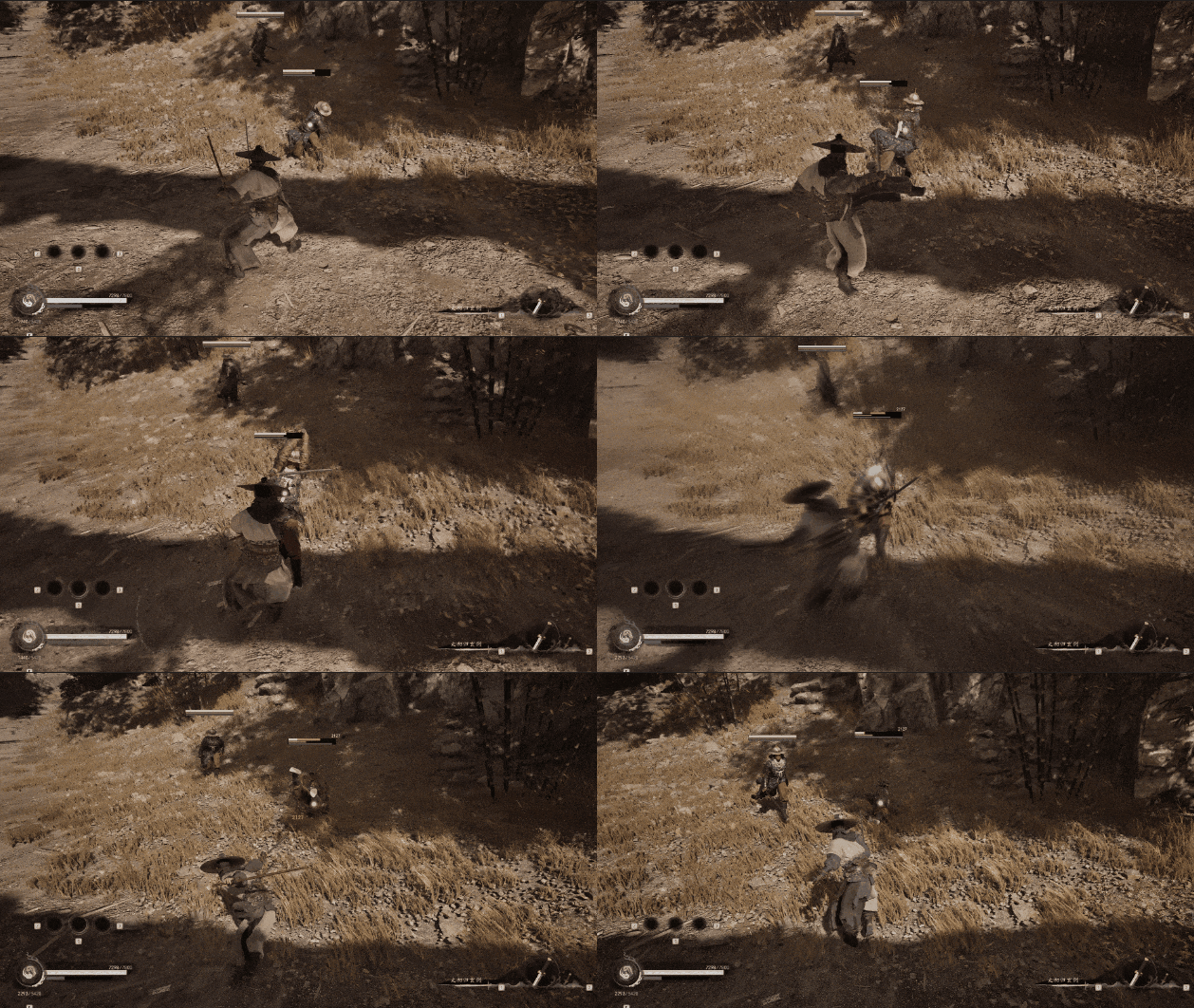
Weapon Skills
Here’s another simple example: in *Elden Ring*, there’s a dagger whose combat move involves spinning backward to dodge an attack, then thrusting forward to land a hit on the enemy. We’ve incorporated many such mechanics into our movesets—for instance, you might parry or deflect an enemy’s attack and then immediately follow up with an attack of your own. This continuous positive feedback loop can keep players engaged and having a blast.
Our ultimate goal is to let skilled players win with true elegance—just like the Imperial Guards, emerging from a fierce battle unscathed.
Teahouse: How many weapons and martial arts styles do you plan to include in the game?
Liu Qiwei: That’s under wraps for now, but in the version released in July 2024, we already included six types of weapons. We had originally designed nine types of weapons, and each weapon has at least one corresponding martial art style—the sword, for example, has three.
Teahouse: Now that we’ve talked about combat, let’s discuss another core mechanic—the simulation system. You’ve mentioned it quite a bit before, so where did the inspiration for this system come from?
Liu Qiwei: This concept stems from our initial design, but the real challenge lies in how to implement this simulation process and turn it into a core gameplay mechanic.
We’ve actually been working on this system for quite some time. Initially, we simply wanted to give players a way to keep experimenting, without intending to delve too deeply into it. It wasn’t until later that we realized the protagonist—starting out as an ordinary underdog—ultimately rose to prominence precisely because of this simulation. Whether from a character or design perspective, there’s absolutely no issue with making simulation a core design element.
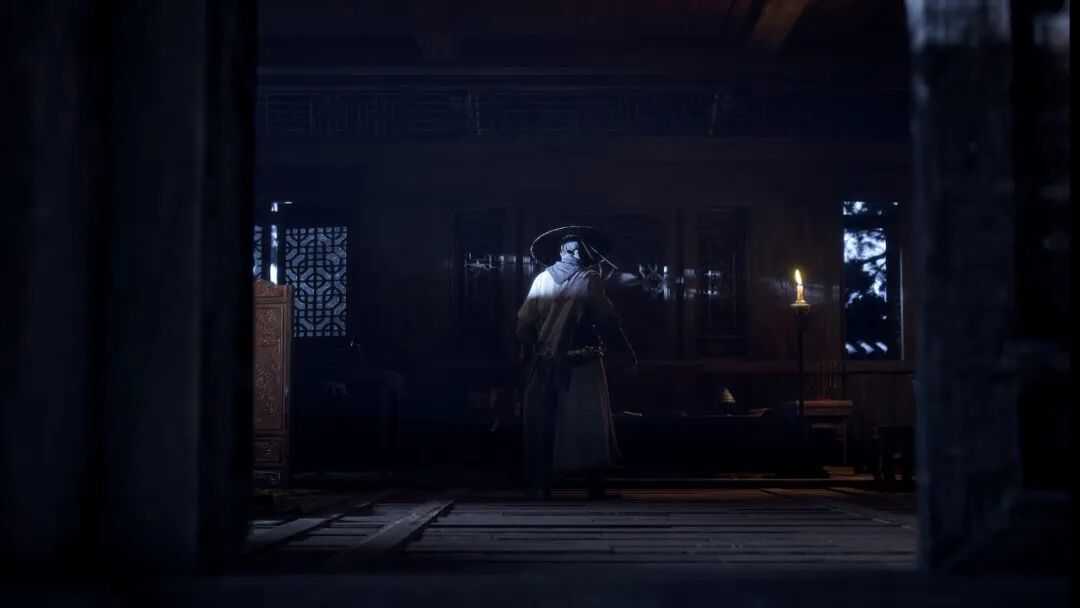
That’s why we shifted our focus to developing this system last year. Simulation alone isn’t enough to make a game; it requires a solid foundation to build the stage upon, so that the simulation can truly demonstrate its value. Fortunately, our original design approach had a clear advantage: the Imperial Guards themselves employ a variety of methods to complete missions, so simulation can help solve many problems within those missions. Following this line of thinking, we created levels to test the concept and found that the two elements complement each other perfectly.
Teahouse: In many cases, this might simply serve as a save point, but the simulation feature not only allows you to rewind the process but also lets you bring previously obtained items back with you. This actually opens up a whole range of unexpected gameplay possibilities.
Liu Qiwei: Right, actually there have been many games featuring time reversal before, such as *Prince of Persia* and *Samurai Zero*. We’ve also considered using time reversal—for example, when an enemy swings at you, the player can use time reversal to see what will happen next. But while these ideas are brilliant, they don’t allow for true branching events.
I’m sure many players noticed the spinning top-like device behind the protagonist in the trailer. Our lead artist put a lot of effort into designing its intricate internal mechanics. It’s somewhat reminiscent of the spinning top from *Inception*, and the protagonist uses it to determine whether he’s in a “dream.”
We also designed a special storyline leading up to this point: before players obtain this device, they’ll be so immersed in the simulation that they won’t be able to tell what’s real and what’s not.
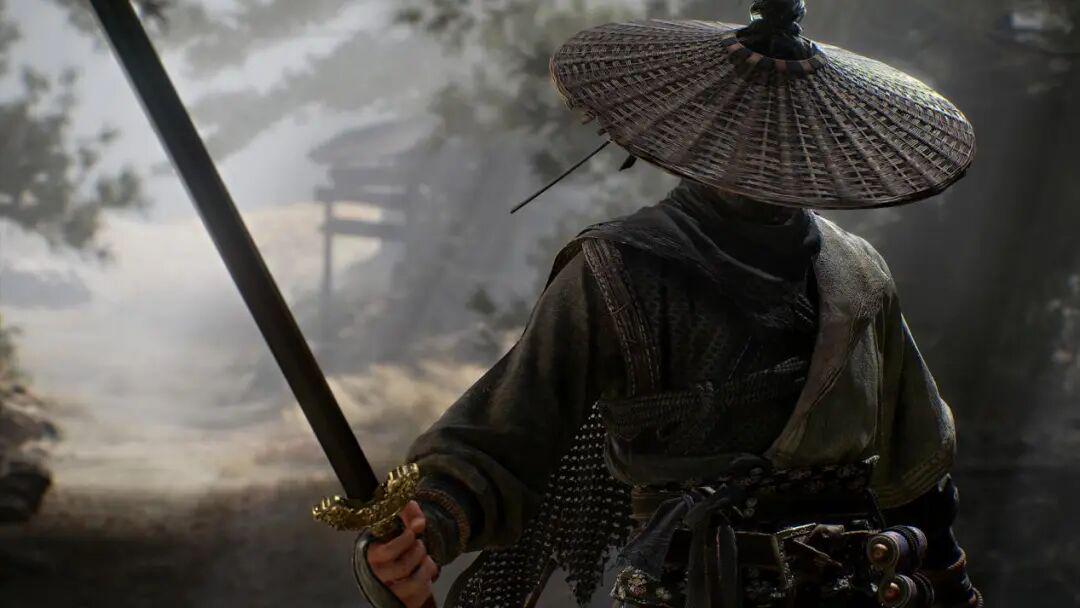
Teahouse: I’m a little curious—if replaying simply means going back in time, does that mean players can only choose which ending to proceed with? Will the outcomes of different quests affect one another?
Liu Qiwei: Currently, only the outcomes of the main storyline’s simulations influence one another. As for which outcome to choose, if you pay attention to the simulation feature, you’ll actually find that you can bring the items obtained through simulation back to the past. To put it simply, it’s like saying, “I want it all.”
The fun of puzzle-solving lies in the fact that players discover many new solutions through constant experimentation. For example, if I don’t want the boss to die, but there’s an item I can only obtain once he’s dead, I can wait until he dies and collect the item, then use that knowledge to figure out a route where he stays alive. Through constant experimentation, players can always find a great solution without getting too bogged down by “decision paralysis.”
Teahouse: That does indeed fit the Jin Yi Wei’s status and modus operandi—it’s a bit like saying, “This job has to be done with style.”
Liu Qiwei: Yes, that includes the previous demo. If players arrive too late, the final boss might already have been defeated by others; if they arrive too early, they’ll have to fight the boss themselves. So what happens if they arrive at just the right time? We’ve actually taken all of that into account.
04
Teahouse: I’ve noticed that the game’s graphics have improved significantly this time around. What efforts did you make to achieve this?
Liu Qiwei: As I mentioned earlier, we’ve utilized virtually every live-action motion capture and environment scanning technique we have at our disposal. You might ask if we could push the graphics quality even further. We could, but we believe that as long as the visuals are acceptable to players, we can instead focus that energy on refining the gameplay and polishing the content.
Teahouse: I’m actually a little worried. Since your game isn’t linear, will the storyline be too disjointed, and will players have trouble following it?
Liu Qiwei: It’s actually a bit like *Dishonored*—the main storyline is relatively more cohesive and clear, while the side quests only change based on the player’s choices.I can reveal this in advance: the protagonist of *The Imperial Guards* is actually an undercover agent—originally a member of the underworld who later infiltrated the Imperial Guards. So most of the main story missions come from the underworld; you need to complete these objectives, but sometimes the interests of these underworld missions conflict with those of the Imperial Guards, requiring you to navigate and maneuver between them.
Teahouse: How is the game's development coming along? How long has it been in development?
Liu Qiwei: It’s been over three years now. The overall framework is solid, so the next step is to add features and content, followed by continuous iterations on combat mechanics and overall gameplay feel.
Teahouse: Are you currently seeking distribution and investment?
Liu Qiwei: We’ve definitely been making progress on this recently. Since we’re not backed by a major company, we’ve always faced financial pressure. There are still some funding gaps at the moment, but our current goal is to accelerate the process, finalize this project as soon as possible, and then make it available to all players.
Teahouse: For a while there, rumors were flying that you’d already “hit the road with your bags.”
Liu Qiwei: Our product hasn’t even launched yet, so there’s no question of us running off with the money, right? I’m not good at anything else—I only know how to make games—so how could I possibly run off? My plan is to put down roots in the gaming industry.
With this promotional video, we want to share with all players what we’re currently working on and the future direction of *The Imperial Guards*. If you like it, please show your support by following us; if you don’t, please feel free to share your feedback—we’re open to all suggestions. Ultimately, our goal is simply to deliver a truly fun and unique game to our players, and that’s all that matters.
原创文章,作者:游茶妹儿,禁止转载:https://youxichaguan.com/en/archives/195422