In the casual gaming sector of 2025, a dark horse emerged from Changsha and shook up the entire summer season.
Youpin Technology’s dragon-battling mini-game *Who Can Beat It?* burst onto the scene, generating over 40 million in revenue in just two months and becoming the talk of the industry. This success is no accident; Youpin Technology already had an impressive track record. From the puzzle game *Tidying Tales* to the underdog story *I’ll Take Care of You*, they have consistently produced a new hit almost every year.
A few days ago, riding the wave of the “Hunan Gaming Elite Return Home” event, our team finally had the opportunity to visit Youpin Technology and meet Hou Tianle, the CEO behind the company. He had just finished interviewing a candidate and came striding toward us with a spring in his step. Dressed in a black sweater with his hair slicked back and his sleeves casually rolled up, he exuded the crisp, no-nonsense demeanor of a hands-on leader.

With over 100 employees already filling Youpin Technology’s current office to capacity, the company’s expansion plans are still moving forward. Hou Tianle told Teahouse that their goal for this year is to grow the team to 200 people, and they have already purchased an entire floor—more than 2,000 square meters—at Meixihu Zhaoshang Garden City, with plans to officially move in this December.
As he spoke, his resolute tone clearly reflected the ambition and confidence of this young company. It’s hard to imagine that this leader, who is now making waves in the mini-games sector, was just a few years ago a “contractor” with no connection to the gaming industry.
01
Cross-disciplinary
Unlike stories of people with privileged backgrounds who dip their toes into entrepreneurship, Hou Tianle truly started from scratch.
Hou Tianle was born in 1991, the Year of the Goat. When looking back on his past, he always recalls the old saying: “They say ‘nine out of ten Goats have an incomplete life,’ and my first twenty years were indeed full of ups and downs.”
The early death of his parents forced him to shoulder the family’s burdens sooner than his peers.In late 2009, just after turning 18, Hou Tianle entered the construction industry through a family connection, starting as a document clerk earning a monthly salary of 600 yuan. He remained in this field for eight years. Through sheer tenacity, he worked his way up from the lowest-level position, eventually becoming a fully independent general contractor for projects, all while completing his college education during this time.
Things were gradually looking up, but years of constant socializing and travel had taken a toll on his health. After being hospitalized twice for gastric bleeding caused by excessive drinking, he truly felt the weight of his exhaustion. Considering the construction industry’s long payment cycles, he began to take a step back and seriously consider a career change.
When he was feeling lost, he turned to his passion for video games. “I’ve loved playing games since I was a kid; by the time I was about five, I was already going to shady internet cafes to play single-player games.” It was this passion that sparked a bold idea in him: why not try his hand at the gaming industry?
He wasted no time. After spending two months teaching himself game design online, he began sending out resumes en masse to local game companies in Changsha through major job recruitment websites. He sent out some seventy or eighty resumes in total, but ultimately received replies from only a dozen or so companies. He attended every single interview, but the results were disappointing: not a single company was willing to hire him. His background in the construction industry and his lack of experience in the gaming field deterred every company.
The turning point came at the end of 2019, when Hou Tianle, following an interview invitation, found an office near Changsha West Bus Station.
It was a tiny office, barely a few square meters in size, crammed with four or five employees. The boss was sitting on the sofa by the door, scrolling through his phone—a scene that made him wonder for a moment if this was a pyramid scheme operation. He paced back and forth at the door several times, thinking that since he was already there and it was broad daylight, he might as well go in.
To his surprise, the conversation sparked a keen interest in him. It turned out that the boss had a background in game operations and had just moved from Wuhan to Changsha to start his own business. His company had only five employees in total and was currently looking for a game designer.
The two hit it off so well that they arranged to have dinner that evening. Over dinner, the boss couldn’t help but ask him why he was driving a car worth over a million yuan to look for a job. Hou Tianle immediately came clean, explaining that he had switched careers from the construction industry and that his job search wasn’t about making a living—he simply wanted to gain a deeper understanding of the gaming industry. He even added that he wouldn’t mind working for free.
And so, he joined HanYou Network, successfully breaking into the gaming industry with a monthly salary of 4,000 yuan.
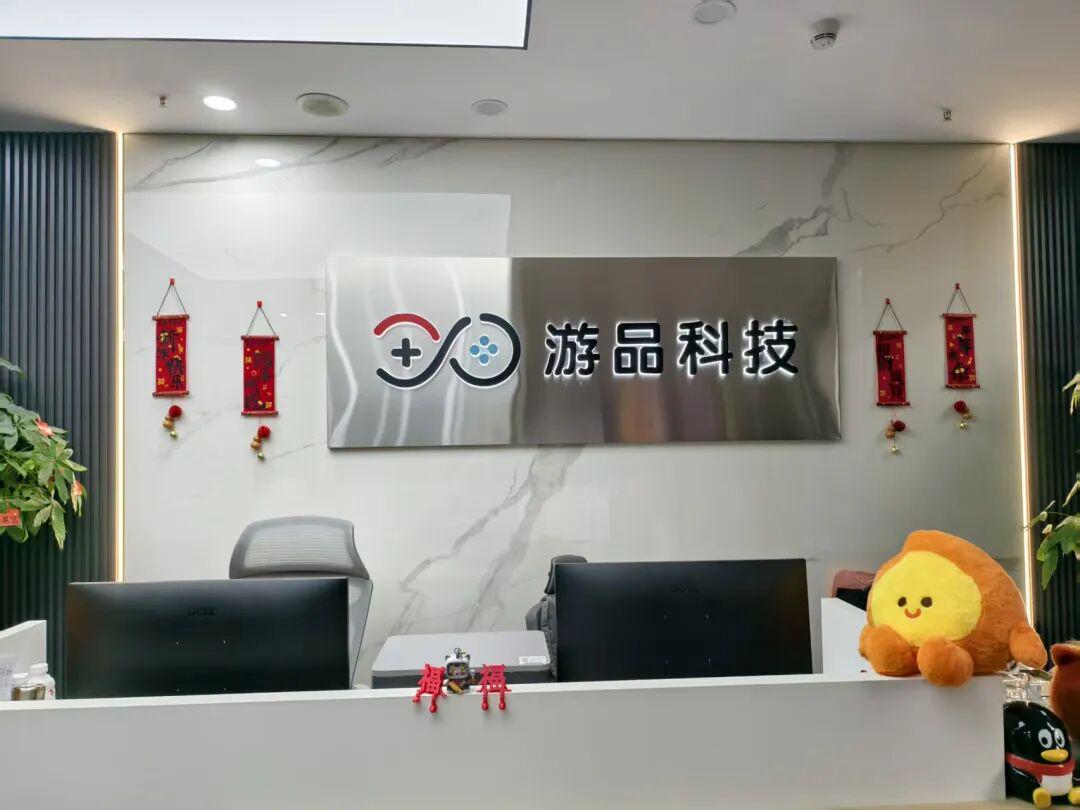
Youpin Technology Today
02
Explore
That year, the domestic mini-game market was still in the final stages of its unregulated boom, plagued by rampant issues such as forced redirects and accidental pop-ups; many products were even jokingly referred to as “ad players.” Upon seeing the state of the industry, Hou Tianle was deeply shocked. He firmly believed that this crude approach was not a sustainable long-term strategy, so he resolved to make his mark and create truly entertaining games in the mini-game sector.
But every beginning is difficult, and his first attempt ultimately ended in failure—car games with overly complex controls aren’t suitable for casual gamers seeking light entertainment; casual games must be designed with simplicity in mind. After reflecting on the experience, Hou Tianle quickly adjusted the development direction. Drawing inspiration from the indie game *Maru-Boss Musou* and pairing it with a more streamlined art style, he finalized the proposal for his second project, *Play a Hammer*.
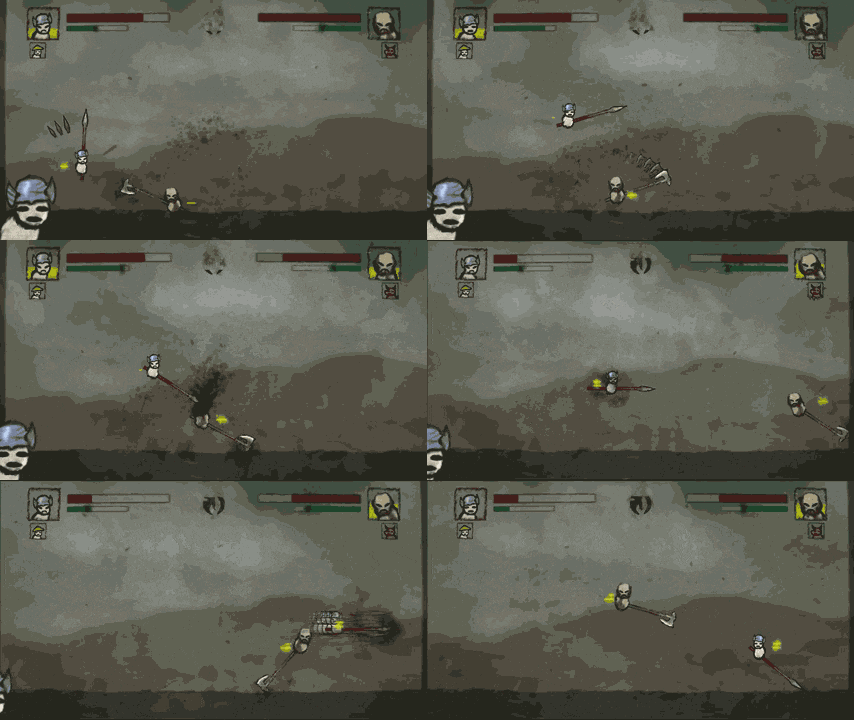
"Maru-Batsu Musou"
Little did he know that halfway through the project, the company’s owner suddenly told him that the company was facing a cash crunch and wouldn’t be able to pay next month’s salaries. At the time, Hou Tianle was determined to finish the game to test the viability of his design concept, so he simply paid out 50,000 yuan of his own money to cover the employees’ salaries. At the same time, he registered and established Changsha Youpin Technology, becoming a co-founder with a 40% stake in the company.
To speed up game development, Hou Tianle was deeply involved in every stage of the process—from level editing, map layout, and setting up the numerical framework to fine-tuning the game’s mechanics. He took the initiative to delve into every detail and personally oversaw every aspect, ultimately completing the game in just 14 days. Hou Tianle said, “‘In my view, a competent game designer must understand both art and programming, and must force themselves to get their hands dirty—only then can they progress and mature quickly.’”
This highly anticipated title lived up to expectations; after its launch, it quickly gained a large following thanks to its innovative gameplay and successfully made it into the Top 10 list of casual puzzle games for the second half of 2020.
Building on the success of his debut title, Hou Tianle capitalized on his momentum and went on to develop the survival adventure game *Deserted Island Survival Simulator*, which, thanks to its exceptional quality, became the first title in Hunan Province to be selected for Tencent Advertising’s IAA Game Selection Program.
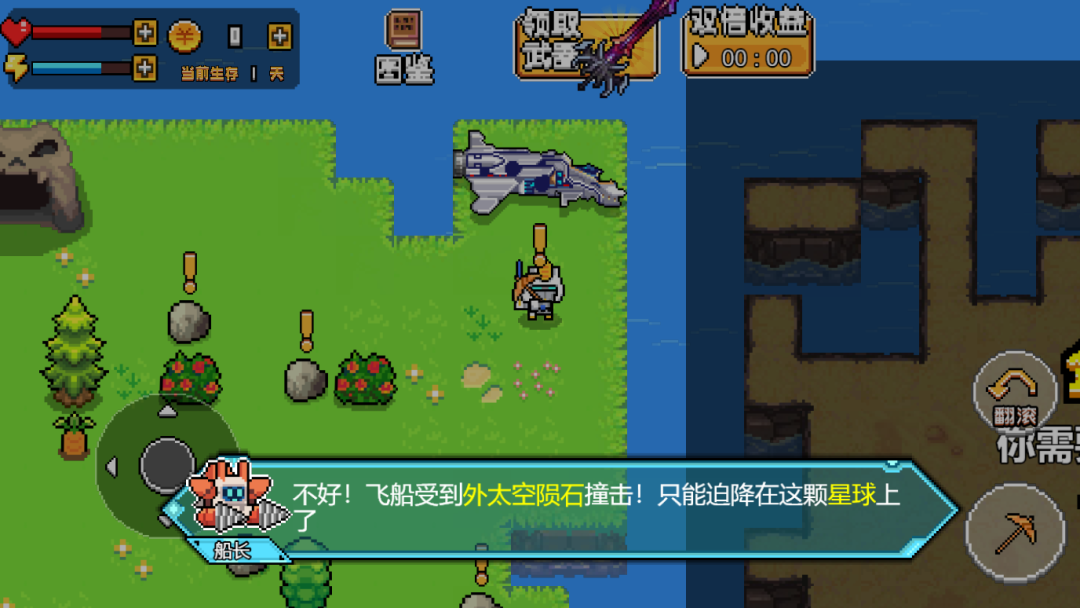
"Desert Island Survival Simulator"
In 2021, buoyed by the success of two consecutive products, Youpin Technology had gradually expanded to a team of 20 people, and adjustments were made to its internal equity and business structure—a new partner took over the 60% stake previously held by the founder and assumed leadership of the company’s publishing operations.
Just as the company’s growth was finally gaining momentum, the strictest-ever new regulations on preventing minors from becoming addicted to online games were implemented. A large number of casual game developers targeting young players found themselves in a period of growing pains, and Youpin Technology was no exception. The company entered its most difficult period: its publishing operations came to a complete standstill, and with only slightly over one million yuan remaining in its accounts, it could barely keep its doors open by taking on custom projects and collecting advance payments.
03
Success
It wasn’t until 2022 that Hou Tianle came across the Douyin Publisher Program—which had been launched just a year earlier—while working on a custom collaboration project, and this gave him hope for a fresh start.
But the team hit a snag right from the start. Without fully understanding the rules, they agreed to various subsidy and minimum revenue guarantees for the influencers. As a result, they lost over 100,000 yuan without gaining a single valid user. After that, Hou Tianle spent every waking hour on Douyin, repeatedly communicating and coordinating with the influencers while studying the patterns of trending content and the characteristics of viral games within Douyin’s Publisher Program. Gradually, a clear strategy began to take shape in his mind.
Just then, a game modeled after the Steam title *A Little to the Left* went viral on Douyin thanks to its simple organizing gameplay. After investigating, Hou Tianle discovered that 90% of the game’s traffic came from a creator named “Transforming into Digimon to Play Games.”
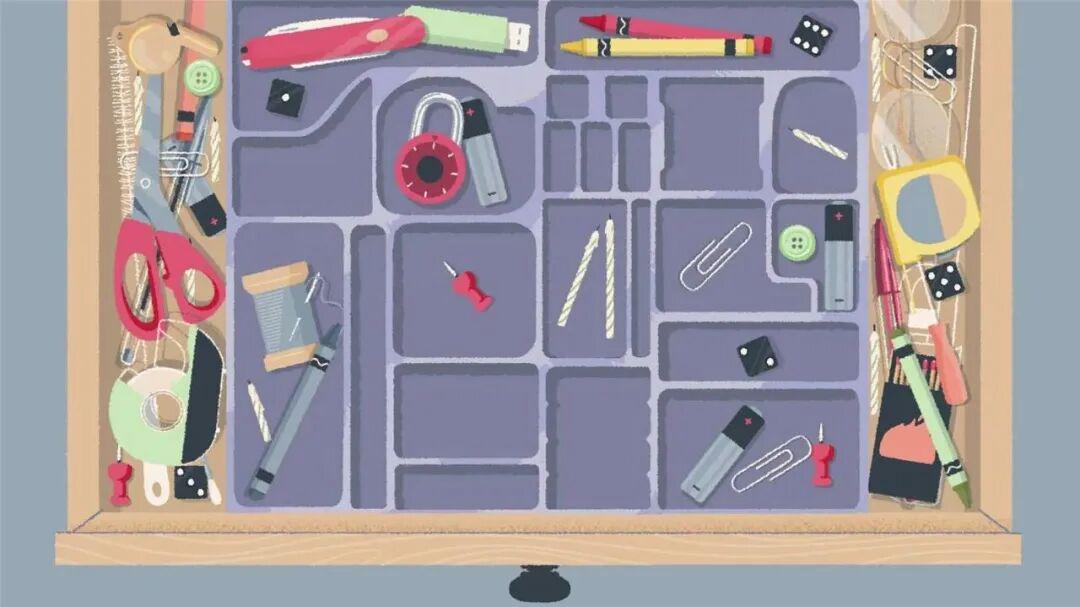
"A Little to the Left"
Looking at the game, he thought to himself: “With gameplay this simple, we can definitely make something like this too—but if we do, we have to make sure it’s a surefire success.” And his first move to break the deadlock was to “capture the king first”—to secure this top influencer.
The problem was, given that throwing money at the problem didn’t necessarily guarantee an advantage, how could he win over this influencer? Hou Tianle decided to take a different approach: he reached out to the influencer directly and asked, “Would you like to have a game that’s truly your own?” He proactively presented a unique partnership proposal: the influencer would serve as the game’s publisher and receive a 30% cut of the profits. This offer, which promised both financial gain and a lasting legacy, naturally won the influencer over.
In terms of product development, the team has also introduced some clever upgrades. Building on the original storage mechanics, they’ve added stress-relieving activities—such as washing carpets and trimming hooves—that have gone viral across Chinese social media, further enhancing the game’s depth and playability.
Following this approach, the team spent a week developing *Storage Story*. After creating five levels, they asked influencers to record videos to test the game’s appeal. To their surprise, the very first video went viral, racking up nearly 100 million views and over 600,000 likes shortly after its release, and driving the game’s active user base to soar to over 2 million on the very same day.
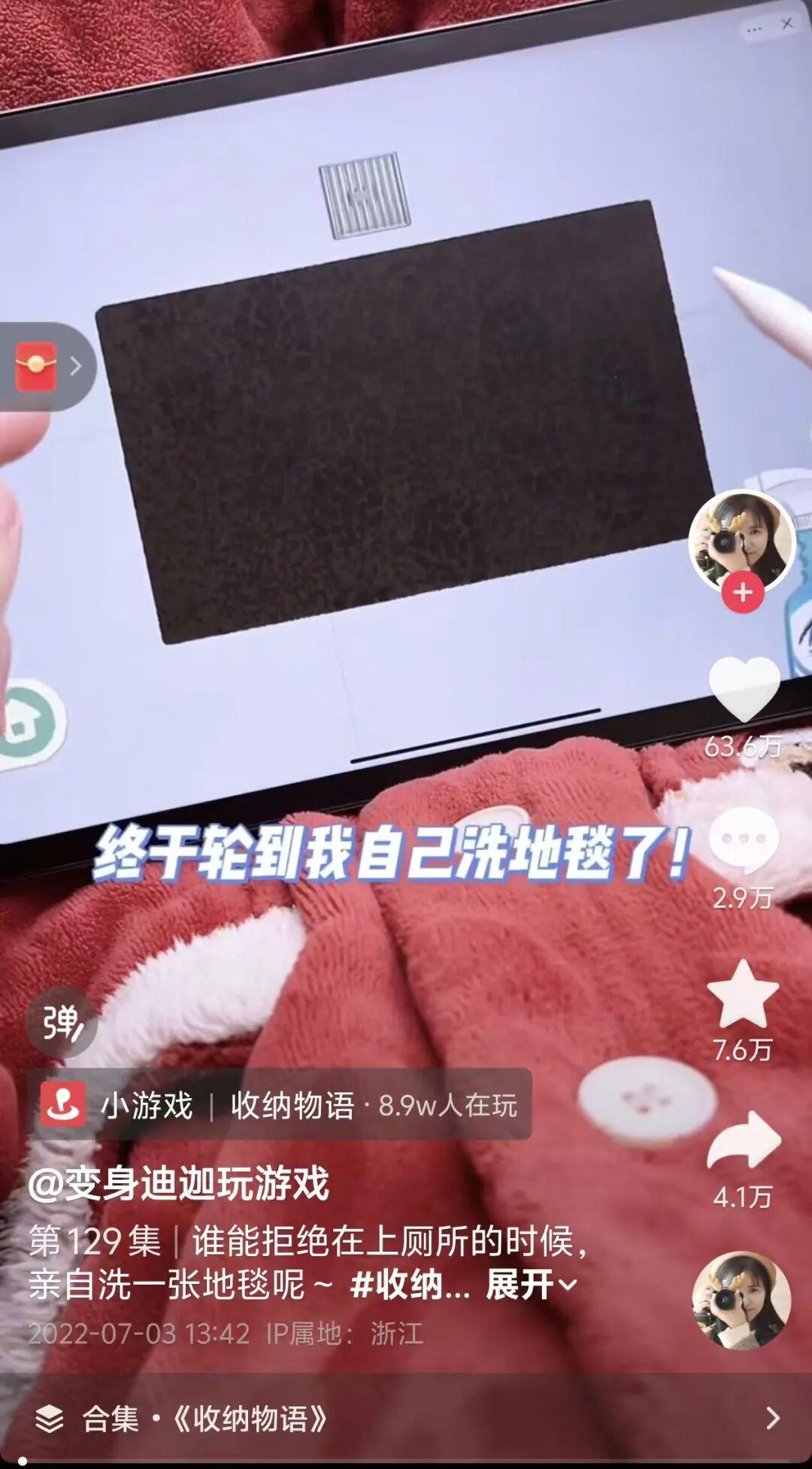
The surprise came so suddenly that Hou Tianle and his team didn’t have time to celebrate; instead, they worked through the night to rush the development of subsequent levels to ensure a seamless experience for players. Thanks to the team’s dedicated efforts, the game ultimately remained in the top three of Douyin’s trending charts for several months. Even the influencer who partnered with them as a publisher was able to use the game’s success to buy a spacious ocean-view apartment in his hometown.
The success of *Tidying Tales* allowed Youpin Technology to truly establish a foothold in the mini-game market and helped the team build a large pool of high-quality, reliable influencer resources, laying a solid foundation for the subsequent massive success of products like *Attack of the Text*. To this day, Hou Tianle still believes that *Tidying Tales* is the most milestone-worthy title in Youpin’s history.
As we enter 2023, the market has seen new developments: Douyin’s direct advertising has scaled up significantly, and the mini-games market has officially entered an era of precision targeting.
Recognizing the shifting market trends, Youpin Technology swiftly ramped up its advertising spend on Douyin, capitalizing on the then-trending “underdog” theme. By integrating the storyline of short-form dramas, the company launched its new game, *I’ll Take Care of You*. Upon release, the publisher and Douyin’s in-house advertising team worked in tandem to drive the game’s 14-day ROI up to 3.8.

The game is named after a famous scene from a Stephen Chow movie
Later, during a presentation at an industry conference, the moment Hou Tianle revealed this data, the entire audience sprang to their feet to take photos. In that instant, he truly experienced the feeling of “success.”
04
Breakthrough
By 2025, Hou Tianle had completed the share buyback, becoming the undisputed leader of Youpin, and had also developed a unique strategy for creating hit products.
Unlike other casual game developers who frequently release new titles, Youpin sticks to developing only two or three games a year.Hou Tianle revealed to Teahouse that they continuously track popular products and content across various platforms, even drawing inspiration from overseas user acquisition materials. They constantly innovate and optimize this content and gameplay, refining it into game demos. Ultimately, he selects projects based on the actual performance of these demos, leading the team to concentrate their efforts on building core products—a strategy designed to firmly control the team’s success rate in creating hit titles.
An eye-catching gameplay prototype, combined with the team’s accumulated innovation capabilities and publishing experience, is enough to help a product stand out in the market. For example, the massive hit *Who Can Beat It?* from 2025 drew its core “dragon-slaying” gameplay prototype from popular overseas user acquisition creatives.Although other developers had previously created IAA products based on this concept, the Youpin team believed there was still significant room for optimization. Consequently, they comprehensively refined and polished the gameplay structure to create this title.
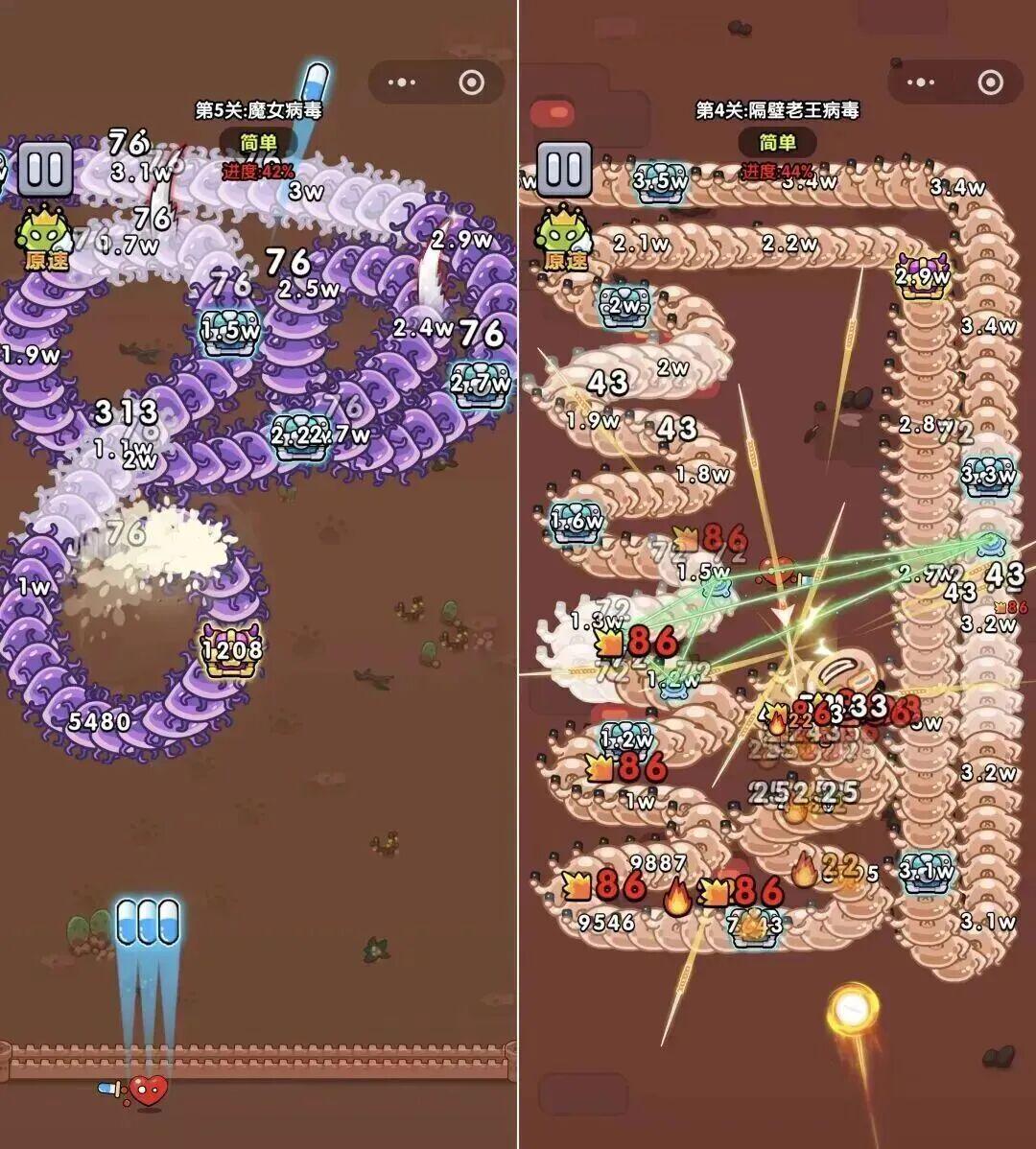
"Let's See Who Can Beat It"
After its launch, the game indeed delivered impressive results: ad spend on Douyin exceeded 100 million yuan, with cumulative spend on WeChat reaching tens of millions, and an additional 200 to 300 million yuan spent in overseas markets, bringing the total global ad spend for 2025 to approximately 500 million yuan. The project team behind it is expected to receive millions in bonuses this year.
Beyond its impressive performance metrics, the most significant value of *Who Can Beat It?* lies in the fact that it laid a crucial foundation for Youpin to test the waters with the IAP model.
Today, the domestic mini-game market has long entered an era of long-term operations, and the metrics for evaluating ad campaigns have evolved from the initial focus on day-one ROI and 7-day ROI to the current emphasis on 30-day ROI.Hou Tianle stated, “To sustain effective operations for 30 days, a product must have at least 60 days’ worth of content in reserve. Creating high-quality content for the long term entails higher production costs, which means the product must achieve faster return on investment—making IAP the optimal solution.” The international version of *Who Can Beat It?* has now incorporated IAP and received a positive response; in the future, Youpin will further expand its exploration of the IAP model.
In addition to further developing the IAP model, Hou Tianle also plans to establish a dedicated international expansion department in 2026 to comprehensively accelerate the overseas expansion of Youpin.
He firmly believes that mini-games still hold immense potential in overseas markets, particularly on TikTok—which has just completed an ecosystem upgrade—where the mini-games segment is currently in a rare early-growth window, making it a highly worthwhile investment. At the same time, he hopes to leverage the expansion of Chinese games into international markets as an opportunity to promote Chinese culture abroad, enabling more overseas players to enjoy mini-games developed in China.
With a clear roadmap for future growth, Youpin Technology has an increasingly urgent need for top talent. Hou Tianle is currently planning to double the size of the team, expanding it to 200 people.
But attracting a large pool of gaming talent to Changsha is no easy task.Hou Tianle reflected: “Today, experienced game professionals in the industry are either firmly established at other local companies or have long since moved elsewhere to pursue their careers.” This has only strengthened his resolve regarding Youpin’s long-term development goals—he hopes to establish Youpin Technology as a benchmark for the regional gaming industry. By leveraging the company’s capabilities and the appeal of its platform, he aims to encourage more Hunan-born game professionals currently working elsewhere to return home and contribute to the local gaming market, thereby injecting new vitality into it!
原创文章,作者:游茶妹儿,禁止转载:https://youxichaguan.com/en/archives/195424