I'm not the kind of gamer who particularly likes buying tools on Steam.
Aside from the vast number of discounted games gathering dust on shelves—games people buy but never play—the only two utility apps are the "Little Red Car," which many jokingly call a "movie-watching tool," and "3DMark," which is arguably the most expensive utility app out there.
However, a tool called *Relaxing Moments: Sharing Lo-Fi Stories with You* recently caught my attention. I refer to it as a “game-like tool” mainly because *Relaxing Moments: Sharing Lo-Fi Stories with You* isn’t a traditional visual novel or dating sim; its overall style is more akin to a companion tool designed to aid with studying and work.
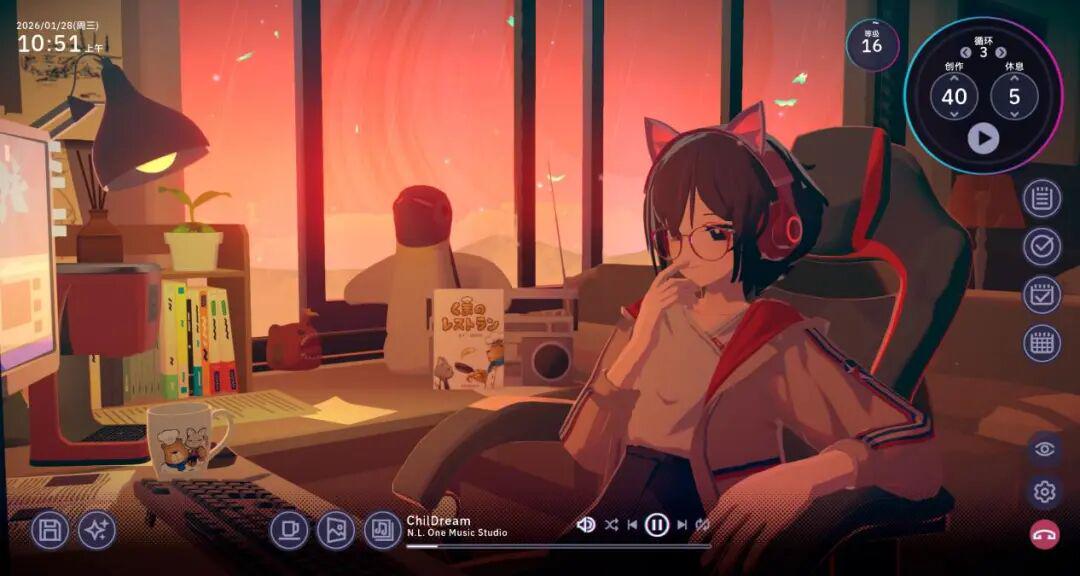
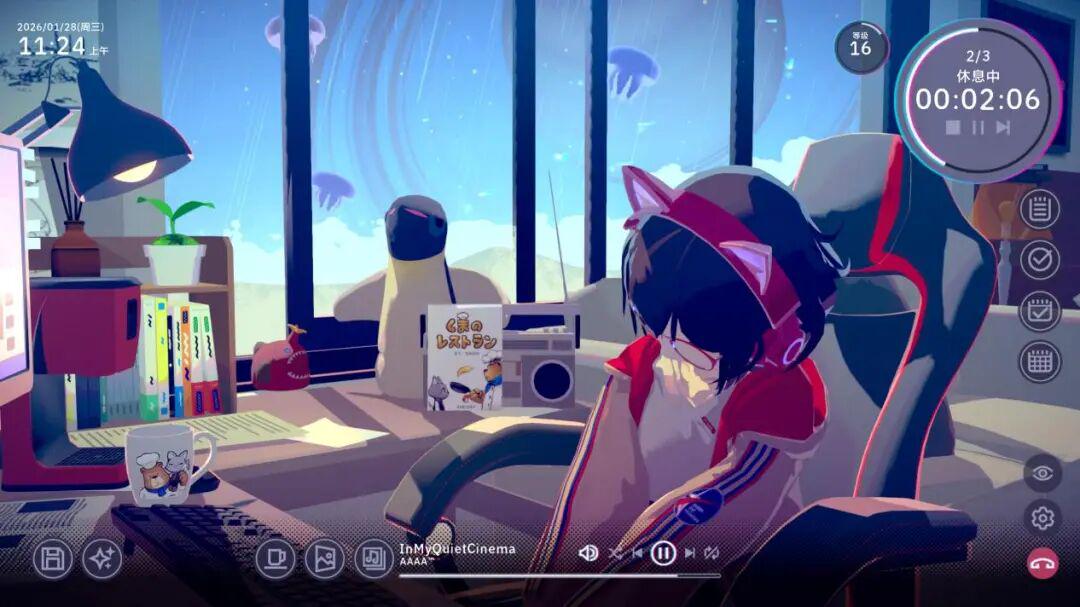
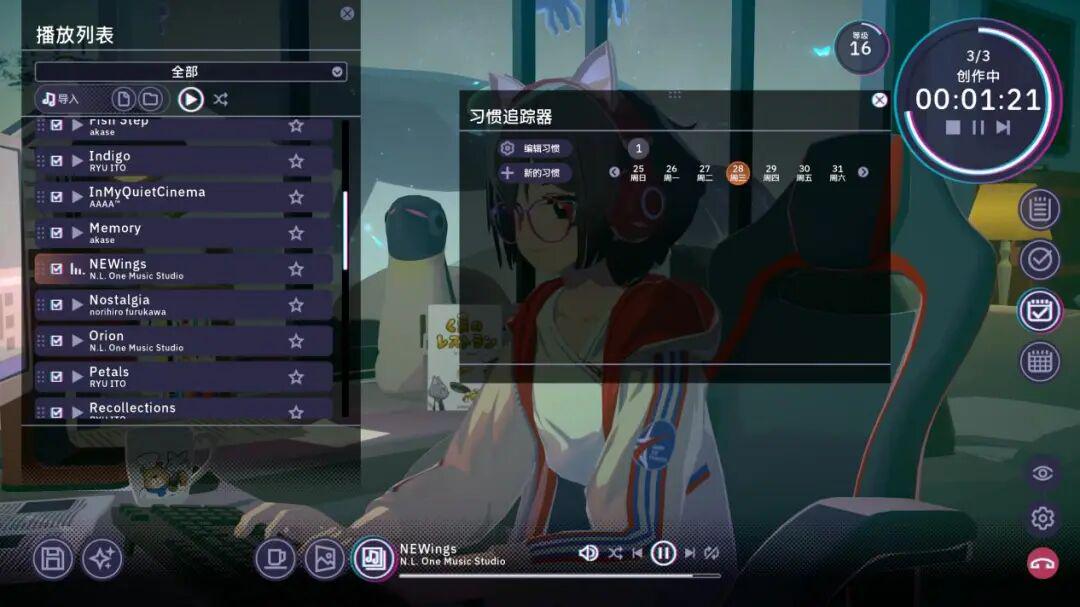
Players can use the game’s built-in tomato timer to customize their work and break schedules, while notes and sticky notes can be used to remind them of important events. In addition, *Relaxing Moments: Sharing Lo-Fi Stories with You* features 34 original soothing instrumental tracks, as well as a variety of nature-inspired white noise sounds, such as “rain, snow, wind, and waves.”
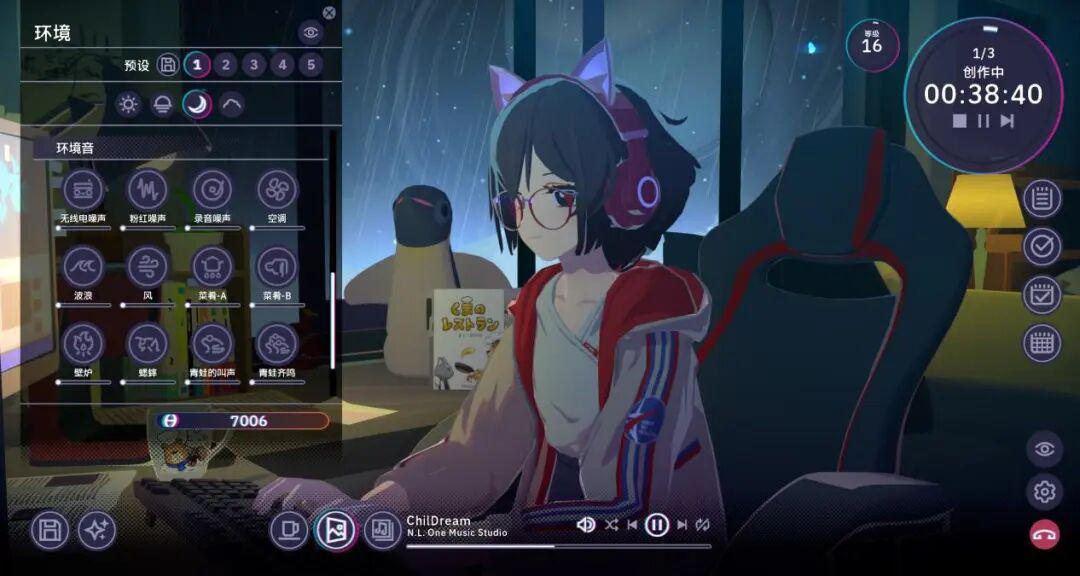
All players need to do is set their work hours and shifts. Once the timer runs out, they’ll earn the corresponding experience points and currency, unlocking more scene decorations and white noise tracks.
Doesn't that sound a little boring? You might be wondering, "Isn't this just another run-of-the-mill productivity app?" What about the companionship you mentioned?
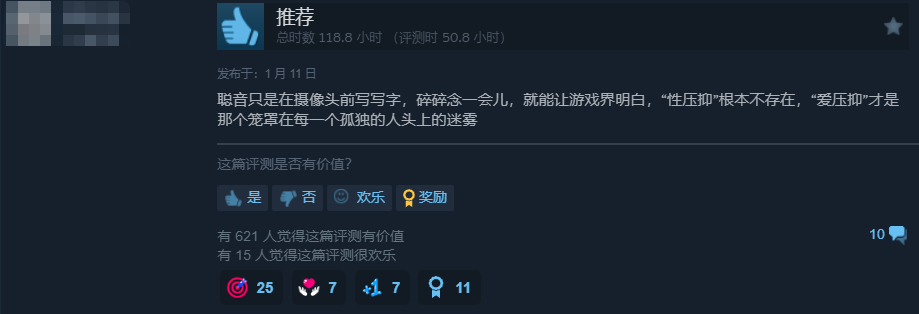
Don’t worry—the best part of *Relaxing Moments: Sharing Lo-Fi Stories with You* is yet to come. While it does feature a cute girl named Congyin with glasses as your companion, after playing for a while, I realized that what moved me most wasn’t the character herself, but the sense of humanity behind her.
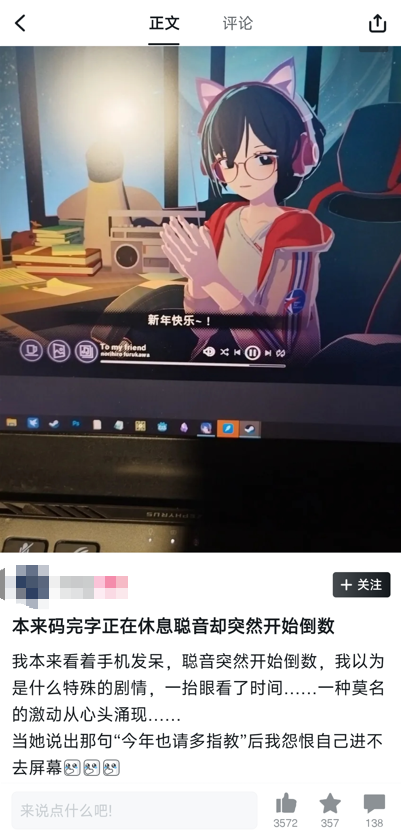
Anyone can play a character, but few can make them feel like a real person. The game is set during a remote collaboration session, and the player’s perspective is like that of a camera, fixed within a confined space. Every time you launch the game, you’ll see Congyin testing the equipment and greeting you proactively, just as if you were actually starting a remote meetup.
Of course, the game is full of little details like this.
If players tap Congyin while in the middle of creating, she’ll look at them and remind them to “focus a little more.” If it’s during a break, you can even hear her humming softly.Sometimes she’ll even pause to think for a moment, pour herself a cup of coffee to savor, or lean over to open the window for some fresh air. These little gestures don’t happen often, but whenever you happen to notice them, they evoke an indescribable sense of warmth—as if you were sitting across from a real friend who’s truly there for you.

Of course, the game also features story segments that unlock progressively as you level up, allowing you to learn more about Sōon’s personal story through various vignettes. However, unlike many adventure games on the market that center on romance, Sōon’s relationship with the player remains firmly within the bounds of a reasonable friendship from start to finish—never overly intimate, yet it feels as though they can talk about anything.
This sense of restrained distance has opened up a whole new world for many players who struggle with social interactions. One player even commented, “It’s as if a lonely soul has found the perfect solace. This game sells more than just gameplay; it offers the emotional value that so many people have been desperately seeking.”
Recently, Teahouse reached out to Nestopi, the development team behind *Relaxing Moments: Sharing Lo-Fi Stories with You*, and conducted an in-depth interview with the developers.He told me that the inspiration for *Relaxing Moments: Sharing Lo-Fi Stories with You* came from the “study background music” found on major video platforms, particularly the “Lofi Girl” videos that loop footage of a girl studying to music. This inspired him to create a “youthful” experience akin to sitting next to a girl in the library and studying together.
In addition, the tea house has learned that *Relaxing Moments: Sharing Lo-Fi Stories with You* was co-developed by three Japanese creators. The official sales figures previously revealed that the game sold 200,000 copies in less than a month; based on this, current sales are estimated to be close to 300,000 copies, with total revenue conservatively estimated to exceed 10 million yuan.
For your convenience, the interview is summarized below:
01
Teahouse: What is the composition of the development team? Do any of you have prior experience in game development?
The core team behind *Nestopi: Relaxing Moments: Sharing Lo-Fi Stories with You* consists of three members: a director, a designer, and a programmer. In addition, there is a planning assistant who also serves as the PR manager and is primarily responsible for external publicity and promotion.
It’s worth noting that both the designers and programmers are recent graduates with no prior experience in game development. Although the director has over 10 years of experience as a 3D CG artist in the industry, he has never held a directorial role before and has not worked on any full-scale games. However, our team operates in a unique environment where we can provide suggestions and feedback on development and operational needs to other experienced developers within the company.
Teahouse: Nestopi Studio has developed several games in the past, but they haven’t garnered much attention. Does that discourage you?
Nestopi: As an indie game studio, Nestopi is a bit unique. First, I should mention that this studio isn’t just our team alone. Its mission is to provide more young creators with opportunities to produce original works. Therefore, in addition to us, there are many creators who haven’t participated in previous game projects. Consequently, we weren’t involved in the development of any previous games. *Relaxing Moments: Sharing Lo-Fi Stories with You* is our first title.
Our studio operates on the principle that releasing games—regardless of their success or failure—helps creators grow rapidly. That’s why, even when a product might seem like a “failure” to outsiders, we take immense pride in the fact that we were able to release it. While many of our titles haven’t become blockbusters, the joy we receive from players far outweighs the sense of accomplishment derived from sales figures.
Teahouse: What was your perspective on the indie game market back then? What was your goal in making games—was it to make money, fulfill a dream, or simply enjoy the process of game development?
Nestopi: I’ve always believed that the indie game market is a warm, inclusive space that welcomes novel ideas. At Nestopi, we don’t plan projects by reverse-engineering market trends and sales figures; instead, we prioritize the creator’s “creative impulse.” As a result, we aren’t particularly skilled at conducting market analysis.
Our goal is to use a low-cost development model to give young creators the opportunity to produce original works that can turn a profit even if sales are low. The viral success of *Relaxing Moments: Sharing Lo-Fi Stories with You* was more of a stroke of luck.
02
Teahouse: Where did the inspiration for *Relaxing Moments: Sharing Lo-Fi Stories with You* come from?
Nestopi: This game was originally spearheaded by Mr. Uehara. We noticed that videos featuring “study BGM” often garner millions of views on major video platforms, especially those—like “Lofi Girl”—that loop footage of a girl studying to music.
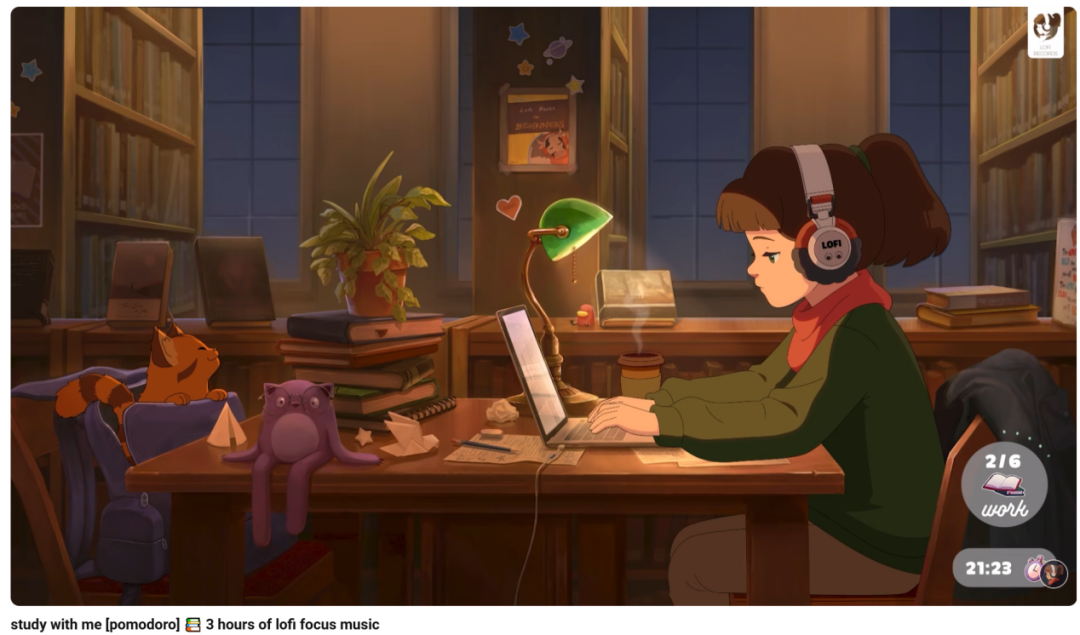
This phenomenon also got us thinking: “What kind of unique sparks might fly if we could make the connection between people who work and study together feel even stronger?” Thus, our initial inspiration was to offer a “youthful” experience similar to sitting next to a girl in the library and studying together—an experience that should hold deeper value for users.
Teahouse: I’ve noticed that in some interviews you’ve mentioned that many people feel lonely but are reluctant to speak up about it. How did you become aware of this phenomenon? Was there a specific event that touched you and sparked this realization?
Nestopi: It wasn’t any specific dramatic event that struck a chord with me, but rather during an interview when we talked about *Re:VER PROJECT -TOKYO-*, it suddenly brought back those raw emotions and feelings I had when I first moved from the countryside to the city—especially the oppressive weight of intense social competition, and the sense that I couldn’t afford to “show weakness” or reveal my true feelings.
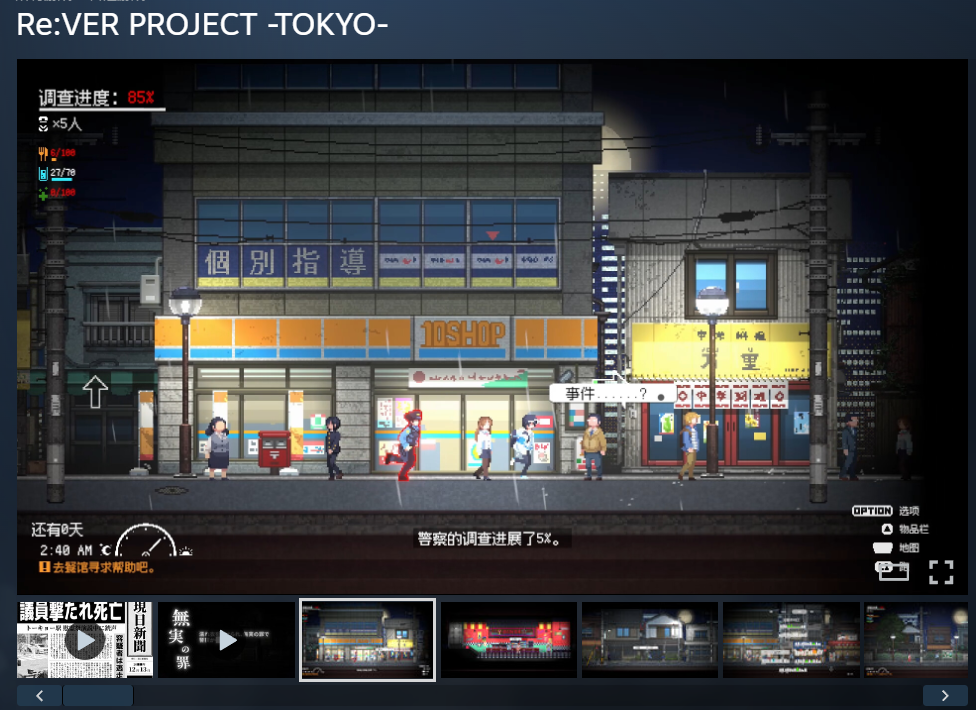
Based on this particular experience, I believe that as social competition intensifies, more people than ever before are burdened by immense pressure and anxiety, as well as a sense of loneliness and vulnerability they find difficult to express—and they may need emotional comfort.
Teahouse: How did you design the character Satone? Were there any specific aspects you wanted to highlight or convey?
Nestopi: When designing Congyin, I deliberately chose not to emphasize her personality or backstory too much. Her expressions and overall presence were crafted to be quiet and serene, with the goal of not imposing any particular emotions on the player.
In today’s fast-paced and competitive society, I hope that the time players spend with Congyin will be more peaceful, allowing them to relax and focus on what they need to do without feeling any pressure.
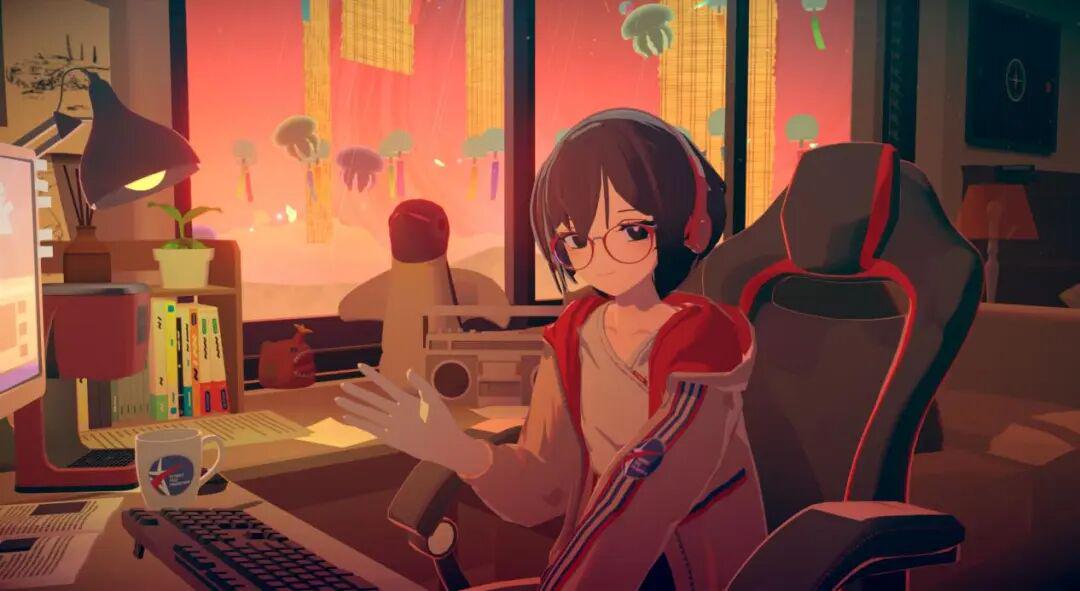
Teahouse: Why did you choose a fixed camera angle instead of designing more animations for Satone?
Nestopi: We chose a fixed camera angle and minimized sudden, extra movements so that players would feel as though Sōon is really there. In our setting, Sōon has simply turned on her camera, and the player is the person she’s video chatting with. If the player were able to freely control the camera angle or move around, that sense of realism would be instantly shattered.
The fixed camera setup is also designed to enhance the "live chat" experience. We intentionally omitted scenes where players might casually sit on a sofa or lie in bed during actual calls, to avoid distracting players who are focused on getting their work done. In this confined, fixed space, players receive a limited amount of information, making it easier for them to concentrate on the task at hand.
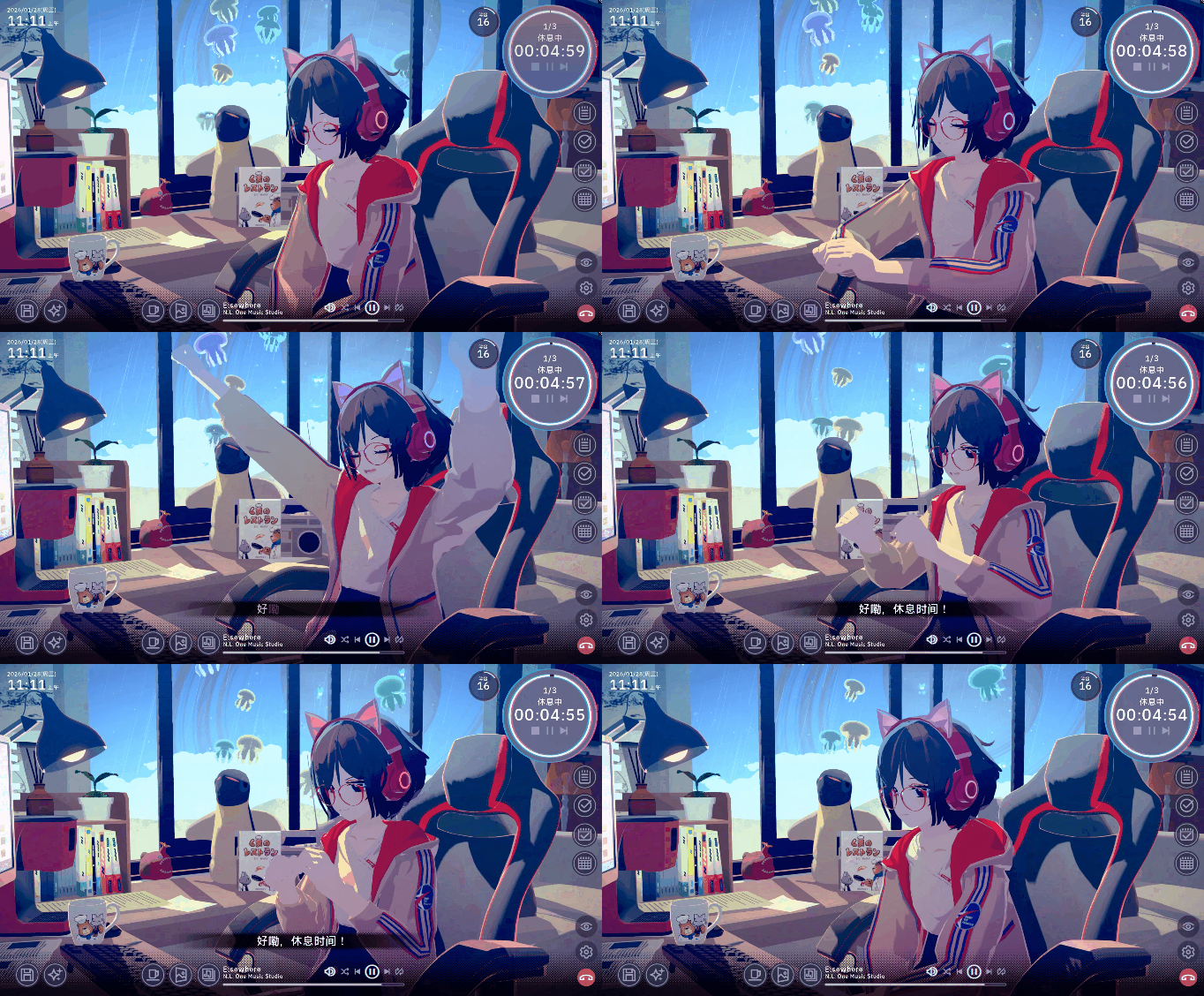
Teahouse: In my opinion, Satone is very different from other virtual companions. She doesn’t come across as overly intimate; instead, she maintains a certain distance from the player. For many players, this distance is just right, since they aren’t particularly sociable. Did the development team intentionally create this sense of distance? Why did they do that?
Nestopi: That’s right, that was indeed our intention. If we included too many affectionate gestures, it would close the distance between them too quickly, and any of Congyin’s actions might distract the player instead of keeping them focused on the task at hand.
We value a “just-right sense of distance” in our writing partnership, so that we can work together without falling into the same kind of conflict that romantic couples often face—wondering whether “I am more important, or the work is more important.”
It’s like when you’re at the library or preparing for a school festival, and someone nearby is going about their business—you’re aware of each other’s presence without it feeling intrusive; instead, there’s a sense of shared enjoyment in working together.

Teahouse: Background music is a very important element in games. You mentioned earlier that you’ve found soothing background music to be very popular. I’m curious—in your opinion, why do you think this kind of music helps alleviate people’s feelings of loneliness? When selecting background music for a game, how do you go about screening and choosing the tracks?
Nestopi: This is how I see it: language requires understanding, but music does not. Melody is something that resonates with most people, so healing music fills the space with melody rather than human speech. It can directly influence emotions, evoke a sense of connection, and provide a sense of security.
When selecting music, we prioritize tracks that are not overly conspicuous, as melodies that stand out too much tend to distract players and prevent them from focusing on the task at hand. We aim to create sounds that blend naturally into the environment—sounds that support the player and convey subtle, unspoken emotions more effectively than words ever could.
Teahouse: In addition to music, the game also features a lot of white noise and nature sounds. Why were these sounds added?
Nestopi: Just like lo-fi music, ambient "white noise" is also very popular. As I mentioned, this white noise comes from nature itself, so it doesn’t sound jarring and blends easily into the environment.
Therefore, since Lo-Fi is a core feature of the game, we want to give players the freedom to choose their own white noise, allowing them to “sample” their own ambient sounds and create the most relaxing environment to suit their specific needs.
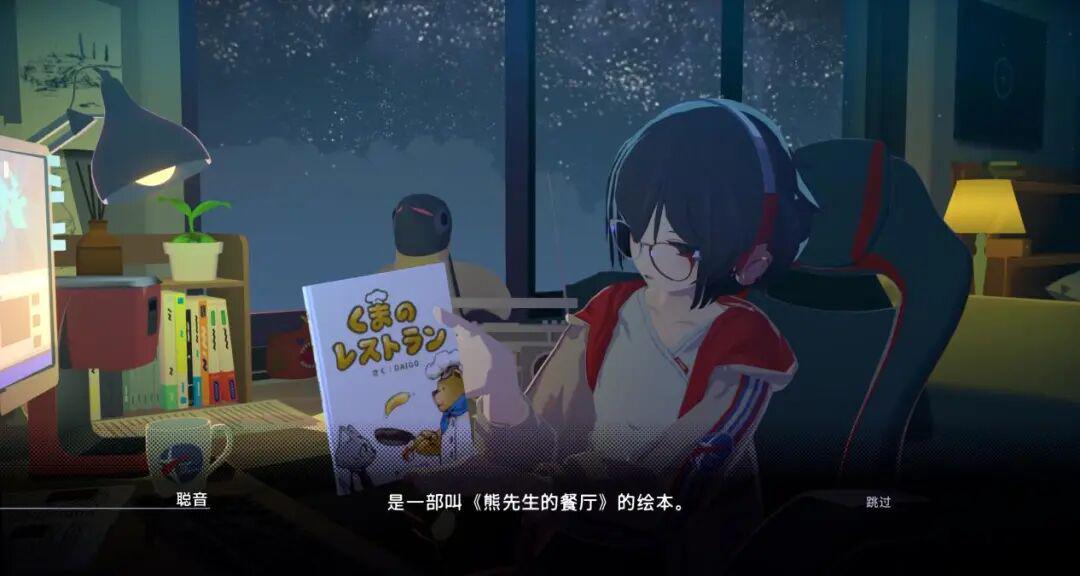
Teahouse: What are your thoughts on the emotional connection players have formed with Satone?
Nestopi: In my view, this connection isn’t romantic love or familial affection; it’s more like a virtual friendship formed by chance.
It must be said that this differs significantly from many dating sims or virtual companion games; it’s very difficult to establish this sense of closeness through friendship alone. We’ve deliberately downplayed the elements found in traditional dating sims—where relationships are deepened through emotional reactions—and instead prioritized a relationship that blends into everyday life and feels “casual and enduring.” We hope that players will form an emotional connection simply because she’s “there,” listening to all sorts of little stories.
03
Teahouse: Would you classify *Relaxing Moments: Sharing Lo-Fi Stories with You* as a tool or a game? It doesn’t seem to have very strong gameplay elements. So why did you decide to create this product instead of continuing to develop a purely game-based format?
Nestopi: I developed it as a "game" because I define a game as something that can be "played"; any product whose content can be played is a game.
Although *Relaxing Moments: Sharing Lo-Fi Stories with You* features fewer interactive elements than traditional games, I view the player’s actual “work time”—specifically the collaborative segments with Congyin and various small interactions—as a form of gameplay in itself. I believe this establishes a new type of gaming experience.
Teahouse: I noticed that half of the reviews on Steam are from Chinese users, which shows that many Chinese players really love the game. What are your thoughts on this? Did you ever imagine such numbers when you first started?
Nestopi: To be honest, I never imagined that so many Chinese players would enjoy it this much. But during development, I learned about the concept of “youth retirement homes” from Chinese news reports—that is, young people who have chosen to “lie flat” due to intense social competition—and it really struck a chord with me.
I wanted to create a virtual space where these emotionally exhausted young people could find a moment of peace. That’s why Congyin doesn’t force players to work; she simply stays by your side, supporting you as you find your own rhythm. I deliberately incorporated this message into the final chapter of the story.
Teahouse: What updates and plans do you have for the future?
Nestopi: Based on our current schedule, in response to the top request from the player survey, we will first focus on expanding Congyin’s responses. For example, we recently (on January 27) released an update featuring a large number of new dialogues for Congyin (including an additional ambient sound effect for a closet), as well as a habit tracker that allows players to record their daily routines.
Looking ahead to the Spring Festival update, we’ll be adding more dialogue and reactions, introducing a real-time synchronization system, and implementing new mechanics designed to enhance the game’s replay value. We hope you’ll stay tuned.
原创文章,作者:游茶妹儿,禁止转载:https://youxichaguan.com/en/archives/195416