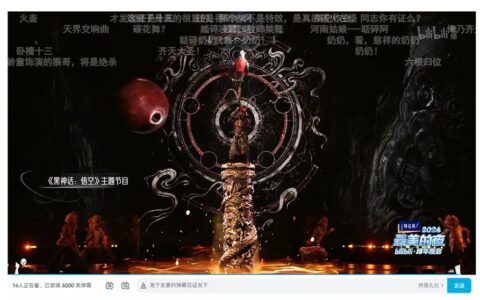
As the year drew to a close and the new one began, *Zero Zone* ended on a high note and got off to a great start.
On December 30, 2025, Version 2.5 of *Zero Zone* was released. That afternoon, following the coronation of the new Virtual Hunter "Ye Shunguang,"the game saw a massive influx of rewards—including free S-rank limited characters "Teru" and "Jane Doe" in swimsuit outfits—along with numerous system optimizations. Following "Hoshimi Aya," "Zero Zone" once again topped the iOS Top Grossing chart after a year and ranked second on the overall chart. Riding this momentum, "Cloud: Zero Zone" also entered the Top 10 of the Top Grossing chart.

Actually, there was a prelude to this surge in popularity: just two days before the update went live, the first *Zero Zone* Fes wrapped up successfully in Guangzhou. To be honest, the event’s popularity far exceeded my expectations: tickets sold out in 30 seconds, over 30,000 people attended over the three days, and 60% of the attendees came from outside Guangdong Province.
The event was so popular that even Guangzhou’s state-run media outlet, *Yangcheng Evening News*, devoted multiple pages to covering it. On the 26th, the *New Aili Du Express*, a joint publication by *Yangcheng Evening News* and *Zero Zone*, sold out completely across Guangzhou. Priced at just 2 yuan, players dubbed it the “cheapest official guide.”
To capitalize on this massive surge in traffic, the *Yangcheng Evening News* rushed out additional coverage for two days, providing comprehensive coverage of the entire Jue Fes across all its platforms.(From this perspective, choosing Guangzhou as the venue for the inaugural Fes was indeed a masterstroke. First, Guangzhou is now arguably China’s second-largest anime and manga hub, and the support from state-run media has been substantial. Furthermore, the stage design for *Absolute Zero* is inspired by Cantonese culture—truly a perfect convergence of timing, location, and human support.)

The Yangcheng Evening News features multiple pages of coverage on the "Absolute Zero" Fes,
It even turned the New Aili Express into a meme
With its unique hybrid model combining a comic convention and a music festival, the *Zero District* Fes has garnered widespread acclaim. Many players have taken to online forums to express their surprise, saying they never imagined the Fes could be turned into a music festival.
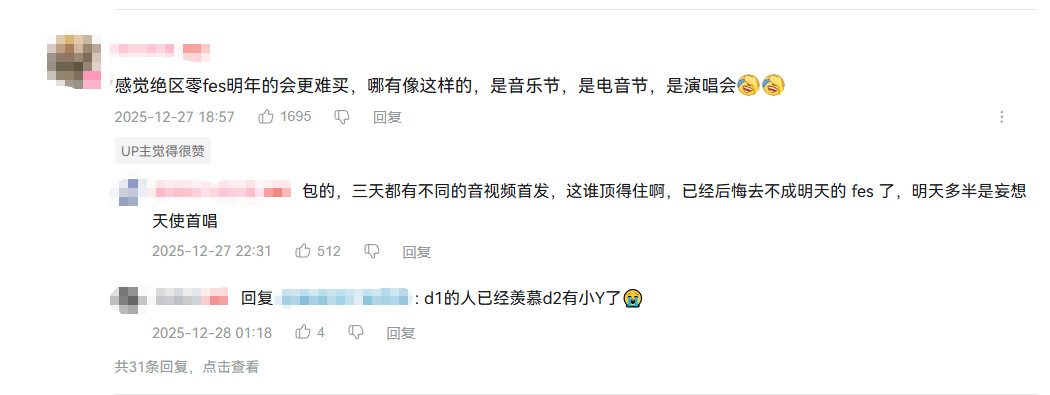
After Fes ended, many players took to social media to say they were experiencing severe withdrawal symptoms.
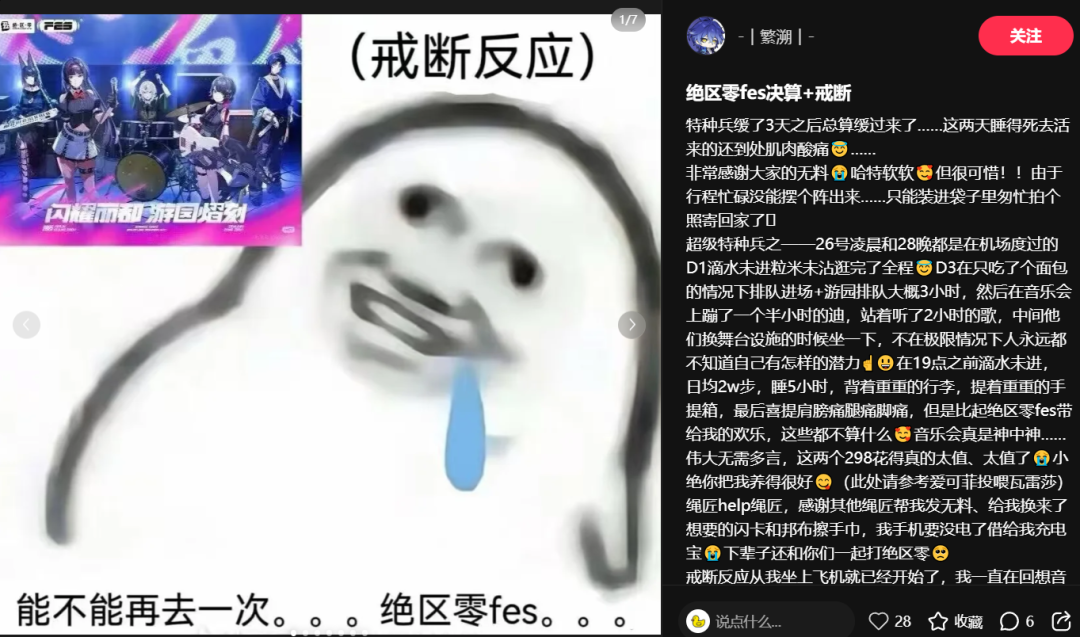
Just then, Version 2.5 was released. Players had just returned to their daily routines after the live event, and with nowhere else to channel their pent-up emotions and attention, they found a perfect outlet to continue the excitement, directly translating the enthusiasm built up offline into online spending and engagement.
In my view, what’s particularly important is that the Zero Fes actually gave players a huge boost of confidence. Beforehand, there were plenty of voices claiming that *Zero* was doomed—that it had no players and was a flop—but as soon as the Fes kicked off, the sheer number of fellow fans and the electrifying atmosphere on-site immediately put many players’ concerns to rest.

I used to wonder if the fact that Zetsu Fes didn’t open until after February 25th might have diminished its impact, but I was completely wrong. The timing of Zetsu Fes was spot-on; it served as a catalyst, building anticipation for *Zero Zone*’s rise to the top.
Whether it’s Fes or the charts, this further demonstrates two things. First, *Zero* now boasts a player base that combines both size and loyalty, and their profile is relatively clear: they possess a keen aesthetic sense and a strong affinity for anime culture, while also being receptive to diverse modern urban cultural content. The existence of this player base also indirectly validates the viability of action games—backed by stylized art and top-tier content—in the anime gaming sector.
Second, the IP value of *Zero Zone* has already approached that of *Honor of Kings* in less than two years since its launch. Moreover, the game’s full potential has yet to be realized. Before miHoYo’s next flagship title is released, *Zero Zone*—with its further content optimizations and integration of online and offline experiences—is likely to be the key to bolstering miHoYo’s revenue in the near future and even driving significant growth.
If we take a step back and analyze *Zero Zone* since version 2.0 from a content perspective, we can see that its surge in popularity at the end of the year was actually the result of a long-term strategy. It was a direct outcome of the lessons learned from the *Zero Zone* project over the past year or so, and it also outlines the overall approach to the game’s content operations as they mature.
01
Light: More Than Just a Moment
When discussing the game, we naturally have to start with the characters.
Due to their monetization models, today’s mobile games all follow a kind of “theater principle”: essentially, a mobile game is a stage constructed from gameplay mechanics, copywriting, and numerical values. Players are the audience in the seats; they buy tickets not to watch the stage itself, but to see the characters on it. The stage is decorated solely to serve those characters.
The most common practice in the industry today is to use a single game update to rapidly establish the main featured character through high-density promotion, and then complete a conversion cycle over the course of that update. Once the gacha event ends, the spotlight shifts to a new character, while the previous protagonist quickly fades into the background—often only being briefly brought back during reruns.

The image is unrelated to the text (Miss Zhao is so cute!)
To be honest, if the content in a particular version is good enough, even a single appearance can leave a lasting impression on players. However, as the game’s operation period extends, memories are just that—memories. Without a continuous connection to sustain players’ emotional investment in characters, it becomes difficult to foster a lasting emotional bond between characters and players. Coupled with other factors such as stat increases, this makes it quite challenging to achieve compound growth from existing assets in a sequel.
Given this situation, the current dilemma facing the second-tier game industry is that content cycles are fragmented by frequent updates, forcing developers to constantly churn out new content. This approach inevitably gives players a sense of transactionality, while players are forced to accept the constant rotation of characters and storylines—and the emotional disconnection that comes with it. Ultimately, this traps both sides in a grueling marathon: making games is a struggle, and playing them is no picnic.
This is the alienation of creativity and experience brought about by the business model.
In other words, for mobile games aiming for sustainable long-term success, the real test isn’t whether a single update can fully develop a particular character, but whether the game can maintain that character’s presence on the stage over the long term.

While this isn’t really feasible without changing the existing business model, *Zero Zone* has been striving to achieve this since the 2.0 update. Specifically, the team has extended the character development cycle: before the release of a new featured character, they allocate some production capacity to lay the groundwork for that character’s story. Additionally, after the update, they prioritize bringing back existing characters as much as possible—without prioritizing monetization—to keep them in the spotlight.
This is pretty straightforward, and *Zero*’s approach is fairly standard—basically every update’s events and storylines feature returning characters, and this is especially true for a major finale update like Version 2.5.
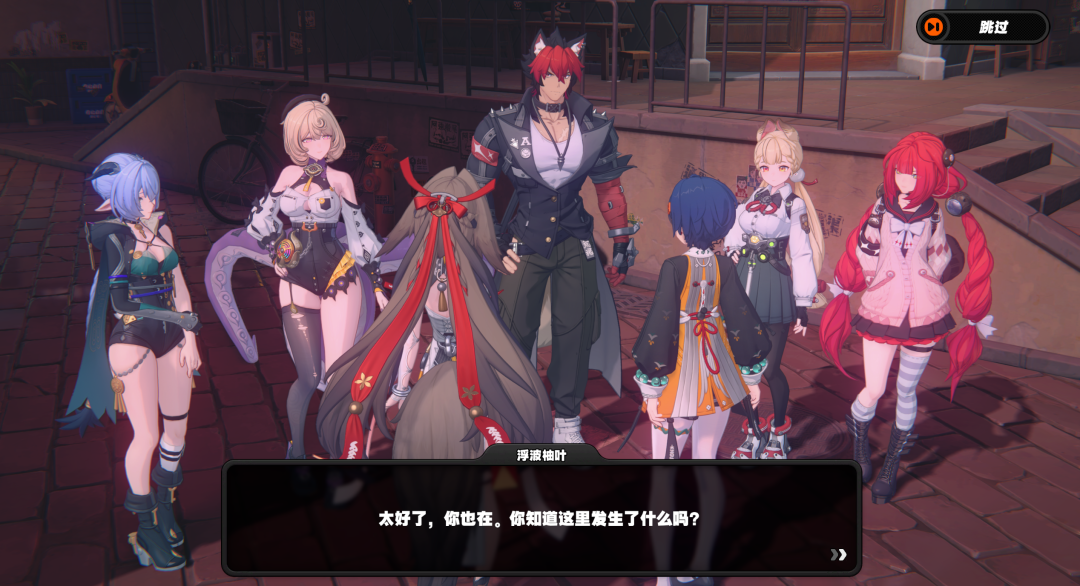
What I really want to focus on is the build-up. Take Ye Shunguang, the protagonist of 2.5, for example. His character design actually appeared in the PV and the game as early as the launch of 2.0. In the affection quest for Senior Sister Ju Fufu, which was introduced in 2.0, it was mentioned that there is also a gentle-voiced junior sister named Xiao Guang on Yunkuishan.
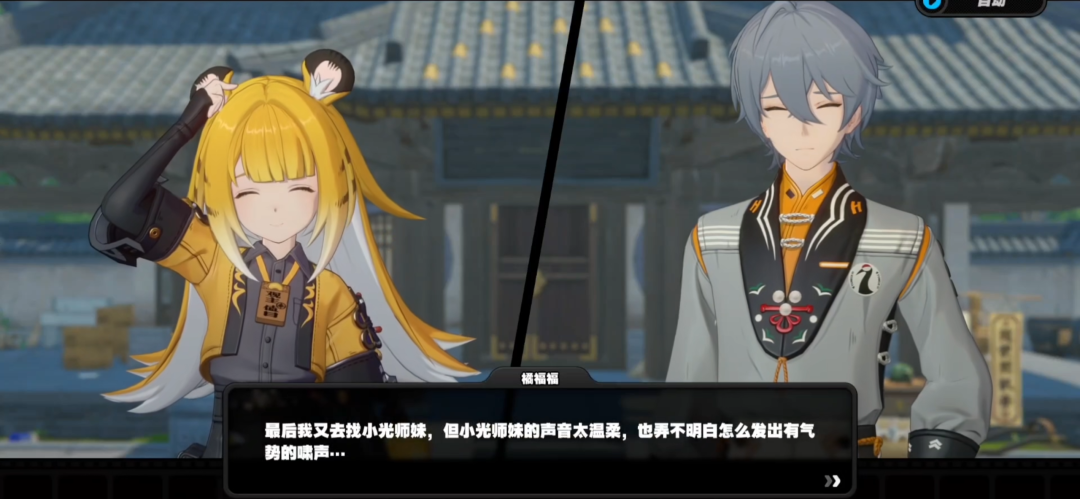
Tangerine Fufu's Affection Quest
Later, the Qingming Sword’s lore was introduced through Yi Xuan’s storyline. In Version 2.1, the pharmacy NPC Aunt Fang revealed that the sword already had a new master. Combined with Ye Shiyuan’s numerous lines regarding his younger sister, this laid the groundwork for Ye Shunguang’s identity as the “Master of the Qingming Sword.”
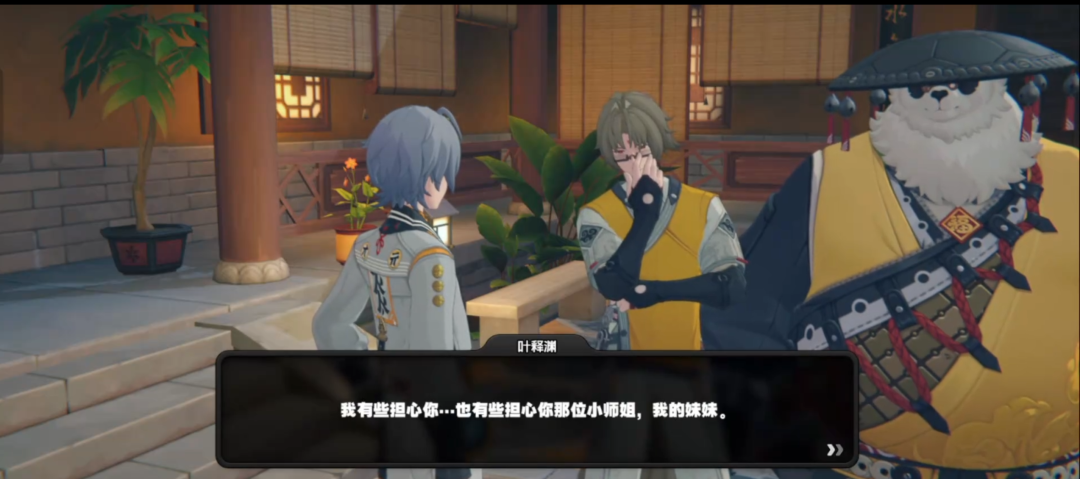
In the storylines of the antagonist Sarah in versions 2.2 and 2.3, *Zero Zone* develops the characters of the Ghost Story House and the Opulus Squad while using Ye Shiyuan’s storyline to hint that there is a certain price to pay for Ye Shunguang’s use of the Qingming Sword.In the middle of the update, Senior Sister Orange Cat even described Ye Shunguang’s physical appearance, further cementing the player’s impression and setting the stage for his official debut at the end of 2.3.
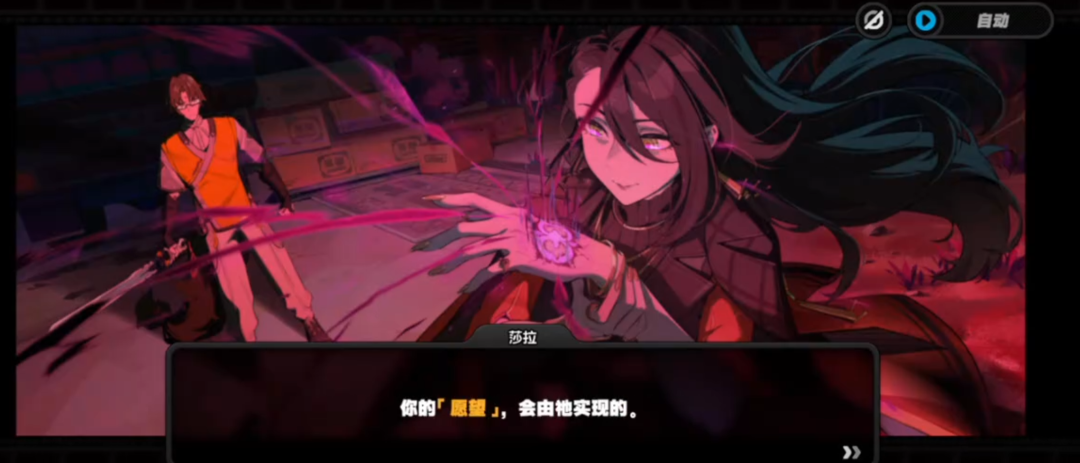
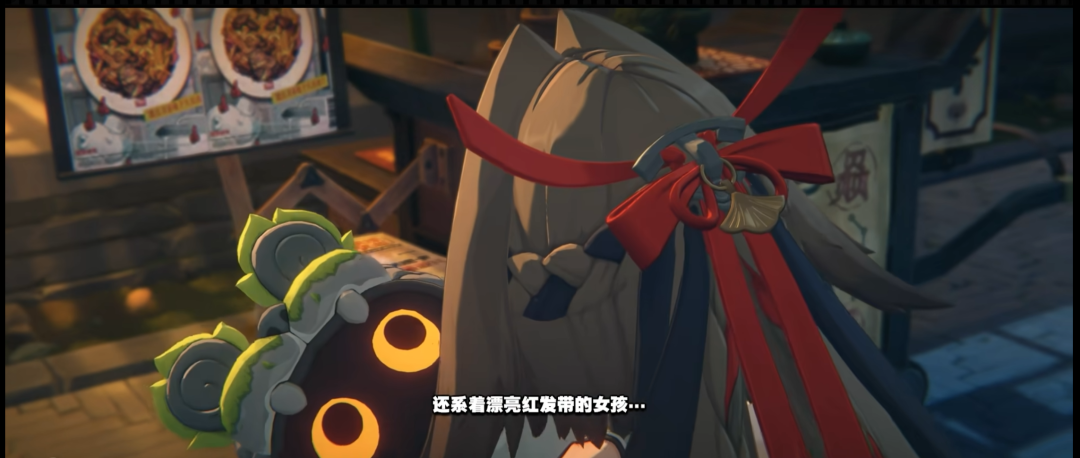
It wasn’t until the narrative of Version 2.4 officially began that Ye Shunguang truly joined the story, becoming a key factor in driving the plot forward. At this point, although the protagonists remained Ryuon of the Black Branch and Ban’yaku, *Absolute Zero* not only delivered standout character development—such as the customer service representative resolving her emotional turmoil and Ban’yaku confronting his past—but also successfully tied up the loose ends and fulfilled the expectations set up earlier.allowing players to learn the price paid for the Qingming Sword’s ability to strip away the five senses, the weight of the fate borne by Ye Shunguang, the reason behind Ye Shiyuan’s departure from the mountain gate, and more.
Version 2.5 essentially served as a cathartic release of the pent-up frustration players had been feeling for nearly half a year.The reason Ye Shunguang’s choice to sacrifice himself for salvation resonated so deeply is that his motives, stance, and the price he paid had already been established and reaffirmed across multiple updates. The reason the flashbacks during the process of regaining his five senses felt so poignant was not simply because of the overused theme of amnesia itself, but rather because this narrative element truly struck a chord with players’ emotions.
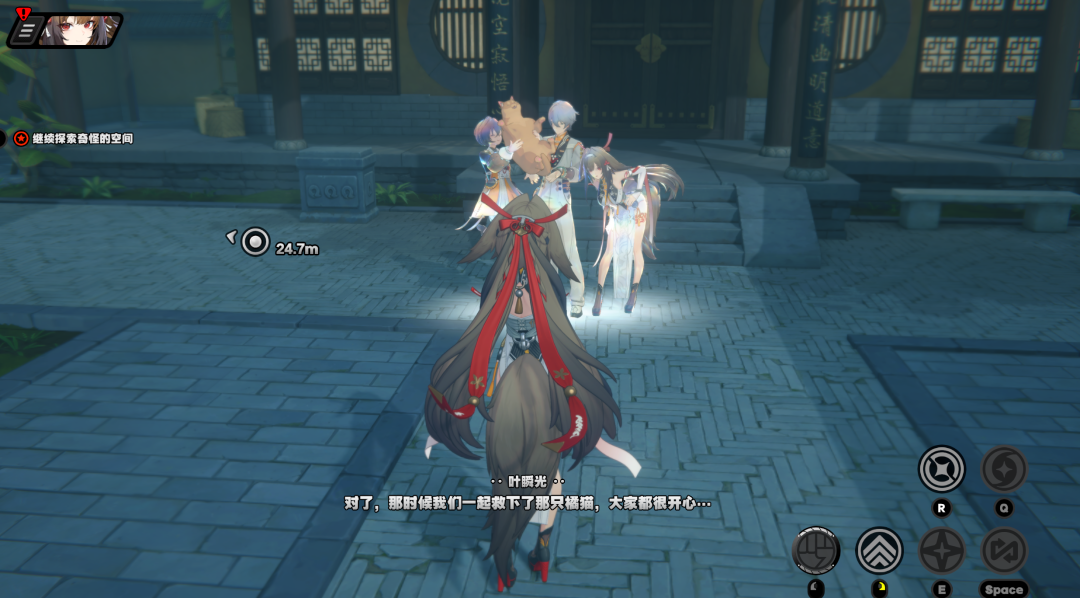
So, looking back at the character development of Ye Shunguang, we can see that *Zero Zone* didn’t rush to thrust this key character into the spotlight. Instead, it first handed the narrative perspective to others—particularly through the scattered remarks made by various characters on Yunkuishan. This approach not only established a sense of camaraderie between Ye Shunguang and his fellow disciples in advance but also deliberately left some gaps, letting players know that there was a character behind the scenes who had yet to make an appearance.
The value of this strategy lies in breaking down a character’s introduction into two steps: first, establishing the character through discussion, and then bringing them to life on screen. This approach makes the character resonate more deeply with the audience. If this foundation is further enriched with ample backstory and distinctive character traits, commercial success should follow naturally.
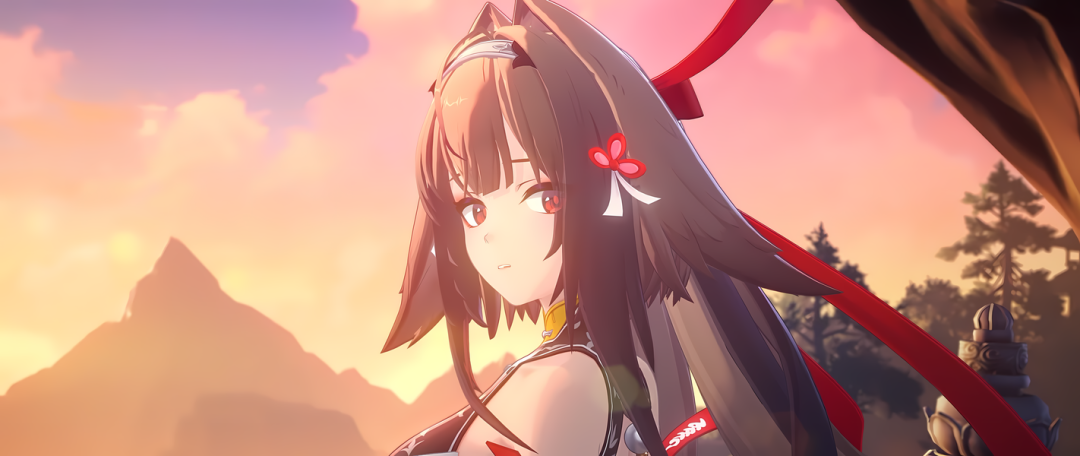
What’s more, after the main story concludes, *Zero Zone* features a substantial post-story narrative titled “Kongming’s Quest for the Sword,” which follows Ye Shunguang as he becomes a “Hunter of the Void.” This story delves deeper into the plot surrounding the Qingming Sword and further develops Ye Shunguang’s character arc.
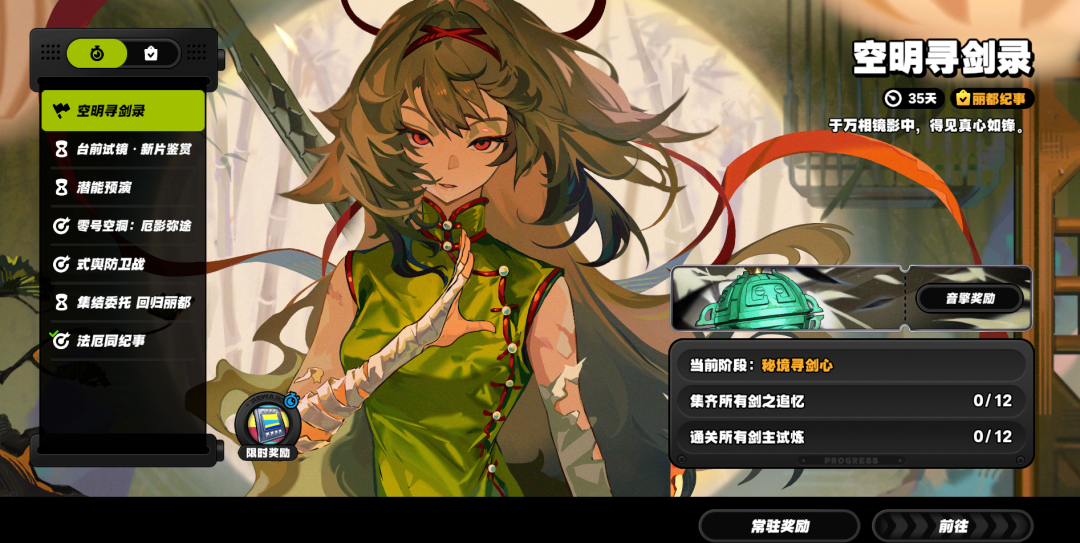
Back when version 1.4 was released, much of Xing Jianya’s success was actually driven by momentum carried over from earlier testing phases. In contrast, Ye Shunguang took a more deliberate approach to content curation and execution, and the overall packaging strategy is clearly more replicable.
This isn’t to say that Ye Shunguang’s character is a weak point, of course; his starkly contrasting inner and outer personalities are what make him so captivating—they remind me of Long Kui from *The Legend of Sword and Fairy*.
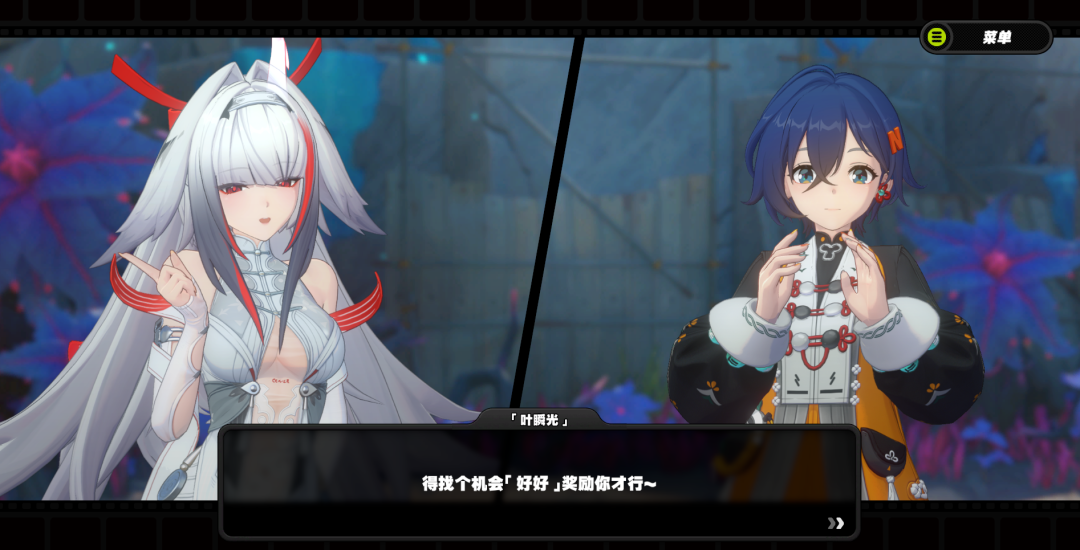


Physical beauty is, of course, also an important factor to consider
Do you know that even the three million celestial sword immortals must bow their heads before me?
Some might say, isn't this level of overkill simply because Ye Shunguang is a Void Hunter?
It’s true that *Zero Zone* has invested more in Xu Shou than in some other characters—that’s simply a business strategy. But as I mentioned earlier, this doesn’t mean the development team has neglected the other characters; Miss Zhao, who shared the spotlight with Ye Shunguang in Version 2.5, is a prime example.
As early as Version 2.2, this adorable character made her official debut as a representative of the Kamps Black Branch faction. Moreover, *Zero Zone* established Shou’s character in just a few lines: though she looks like a cute pink bunny, she actually works as a judge of censorship rulings; behind her adorable voice lies an unmistakable sense of ruthlessness and decisiveness.
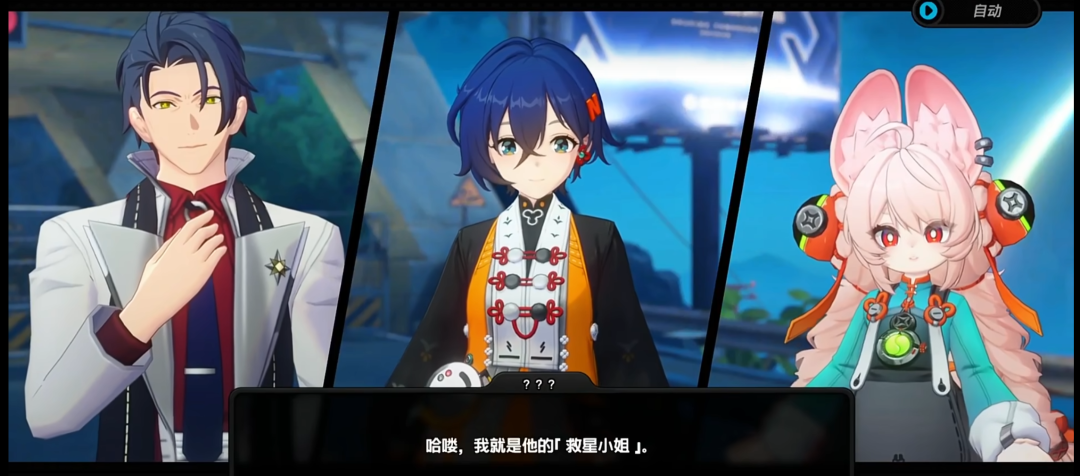
During Chapter 2.4, Shao had a significant role. Not only did she participate in the investigation into Sarah and Ye Shiyuan as Ryuon’s supervisor, but exclusive event quests also provided further insight into her character, peeling back the layers of her sharp, assertive exterior to reveal her bittersweet past as a rabbit.
So, even before version 2.5, Zhao’s character arc had already taken shape.
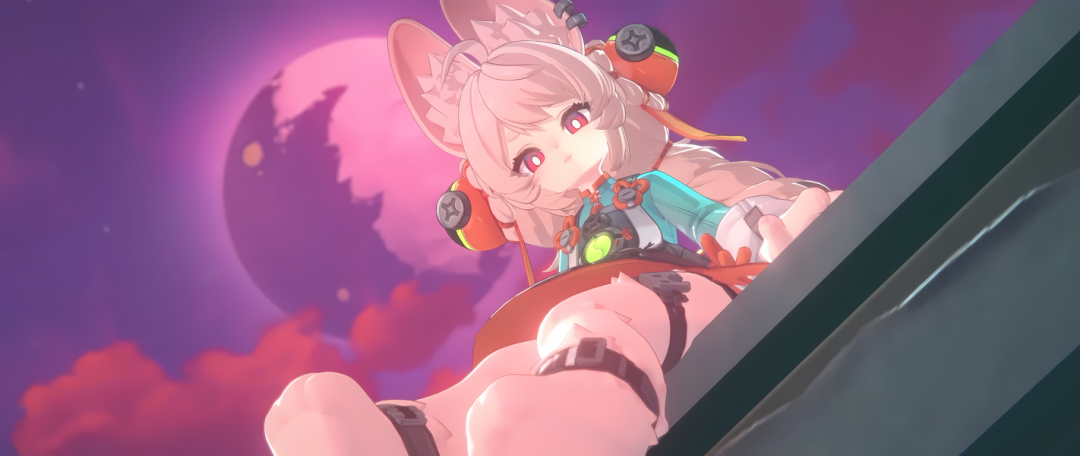
Just as Miss Zhao and Ye Shunguang embraced their identities as Masters of the Qingming Sword in Version 2.5, truly becoming the masters of their own destinies and heroes who saved the world, the version in which she officially makes her debut is also designed to complete her character arc.
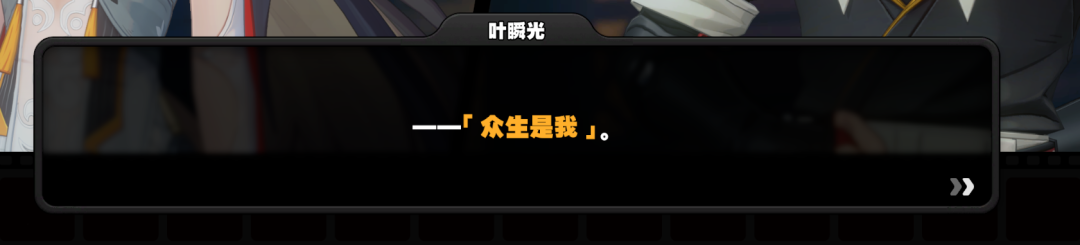
Through her interactions with the protagonist and Ye Shunguang, Zhaotutu comes to realize that a person’s value lies not in their usefulness, but in their very existence. She no longer regards equivalent exchange as an absolute rule, and the character’s past and present ultimately converge on the theme of growth.

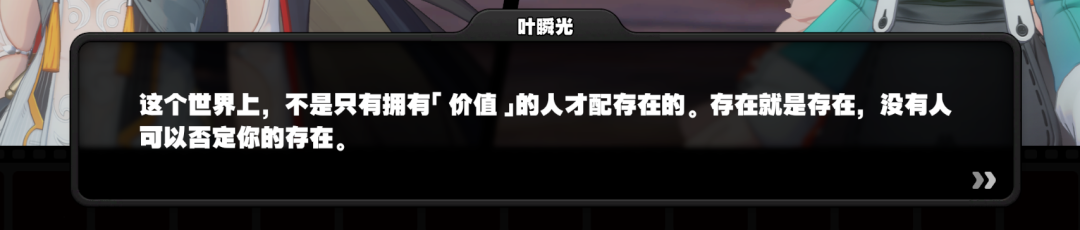
There are actually quite a few examples like this, such as Ban'yue, Idheili, and even the original Kyuushu Wanju, who may appear as a gacha character in the future.
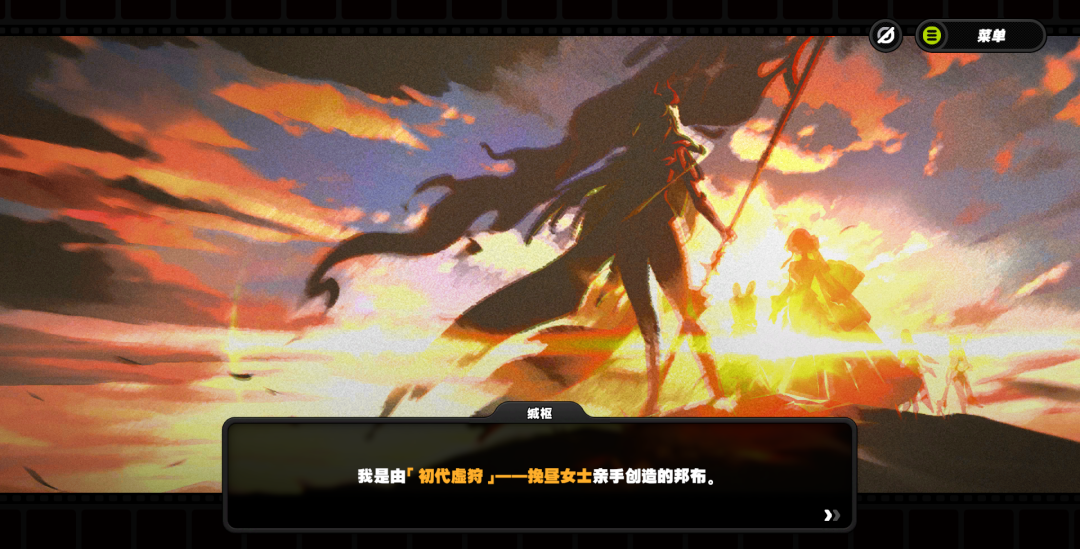
2.5 Devoted a significant amount of space to fleshing out Wan Zhou's character background
These narrative elements all reflect *Zero Zone*’s strategic approach to countering commercial logic. The team aims to ensure that the main characters shine within each update, while supporting characters are introduced early through their plot roles and relationship networks. Through limited interactions, these characters are given a reason for players to remember them; subsequently, through follow-up content, the team revisits and fleshes out these characters, completing the character development cycle.
This approach is undoubtedly more challenging in terms of content production capacity and pacing, as it not only increases the workload but also requires the team to consistently manage the frequency of information disclosure, the development of character relationships, and the allocation of production resources over the long term. Any imbalance could result in certain elements overshadowing the main narrative or diluting the story.
That is precisely why, in my view, it is relatively difficult to replicate. At miHoYo, the fact that the *Zero* project team can mobilize development resources that are hard to match elsewhere is one thing; but whether any other project team besides *Zero* would actually be willing to make such an investment is another matter entirely.

Another point worth noting is that if we shift our perspective beyond the game itself, we’ll find that *Zero Zone* continues to expand the scope of its character development.Setting aside the usual promotional materials like EPs and PVs, prior to Version 2.5, *Zero Zone* launched a pre-registration page featuring an H5 mini-game where players could gradually recover Ye Shunguang’s memories, foreshadowing the version’s theme in advance. Additionally, through the Fes event, the game used various real-world formats—including music—to preview upcoming content, such as the idol group Delusion Angels.
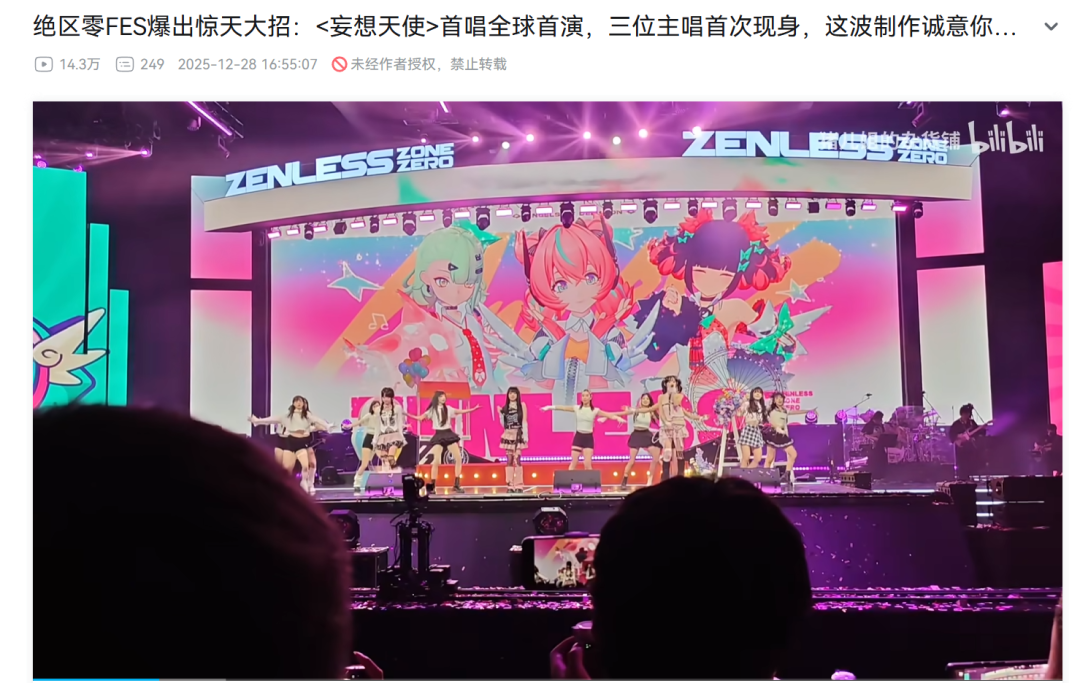
This represents a more sophisticated approach to content strategy, where characters and the game world no longer rely solely on the game or preview livestreams to reach users, but also incorporate portals, social communities, and offline events. This is a model that miHoYo has consistently employed and executed with great success.
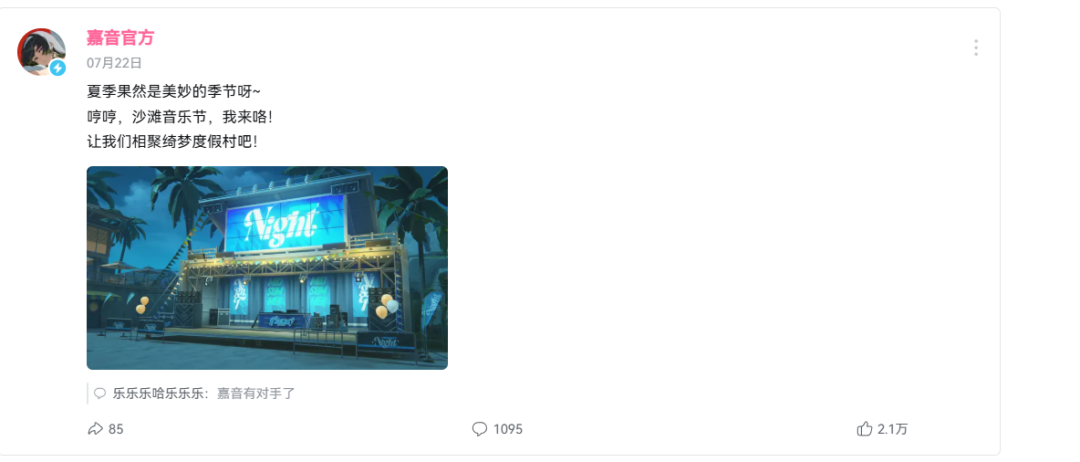
Yao Jia Yin had previously set up a personal account as well
So, as you can see, it really comes down to the same old saying: as long as the anime and manga gaming industry relies on character-based monetization, whoever controls the characters still controls the market. However, characters alone aren’t enough—after all, games are meant to be played. In today’s competitive landscape, developers must not only provide high-quality content but also address the critical challenge of ensuring players have a comfortable gaming experience.
02
The Word "Sincerity"
From a macro perspective, we can say that the long-term operation of casual and mobile games is, at its core, about managing relationships. These relationships exist not only between characters and players, but also between players and the game system, as well as between players and the monetization model.
Many mobile games rely on intense stimulation in the early stages to attract new users, drive conversions, and establish a foothold, but once they enter the mid-to-late stages, they often suffer the consequences of a poor user experience.
Because gacha pools are designed to rotate with each game update, characters in gacha games face issues related to payment cycles and rotation out of the game. This creates a direct correlation between the cost for new players and the game’s operational lifespan: the older the game, the higher the barrier to entry. Furthermore, after system and numerical adjustments, even returning players who previously invested in the game but have been inactive for a period of time will face the same challenges.
Furthermore, even long-time players who have stuck with the game face the problem of their old characters becoming dead weight due to outdated stats or mechanics.
When these players’ long-standing conflicts with non-content aspects of the game remain unresolved, issues such as stagnation, user churn, and a decline in community engagement will arise. At that point, even the best content will be undermined by a poor user experience.
That’s what a “trial bond” is.
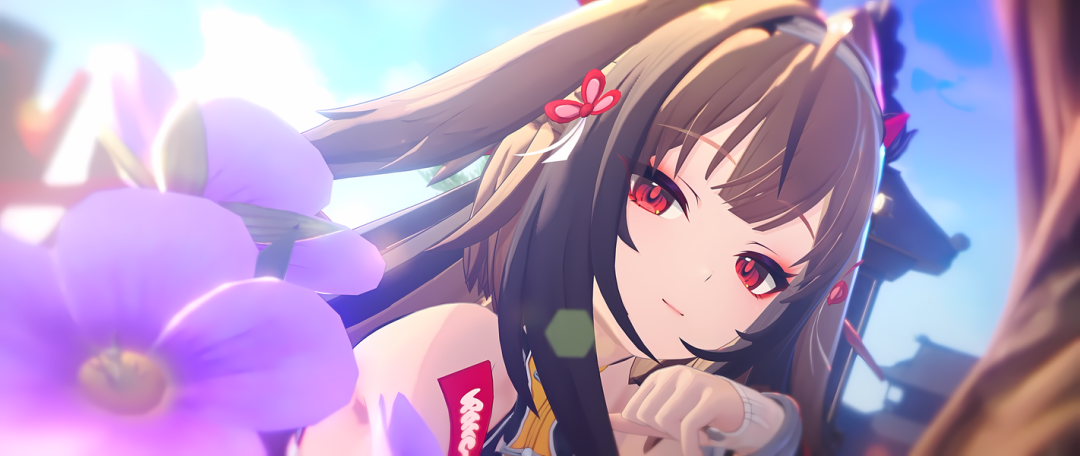
The image here is still unrelated to the text (Senior Sister Xiaoguang is so cute!)
The solution is actually quite simple: just address the root cause. However, since the root of the problem lies in the monetization of mobile games, any developer looking to fix it will inevitably have to do one thing: cut prices.
This really puts to the test how developers view their relationship with players—or, rather, it reflects the kind of relationship developers wish to build with them.
When it comes to *Zero Zone*, their approach can clearly be summed up in two words: “sincerity.”
If we take a closer look at the 2.5 update, we’ll see that alongside the generous giveaways, *Zero Zone* has also introduced a host of “remedial” measures designed to address the specific pain points of new players, returning players, and core players alike.
First, *Zero* lowers the entry barrier by mitigating the frustration of gacha draws in specific pools. Version 2.5 will introduce miHoYo’s first-ever “fair pool.”
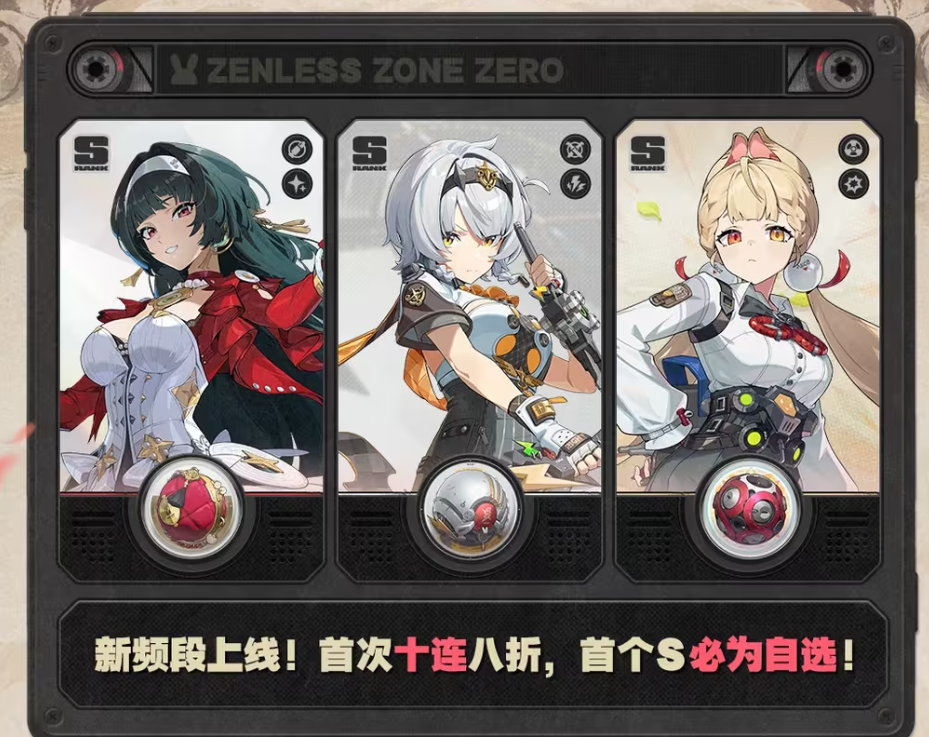
When it comes to the payment psychology in mobile games, I’m sure I don’t need to elaborate on the value of a fair gacha system; compared to offering discounts, it carries a much stronger implication of rebuilding trust. Characters are the core source of revenue for mobile games, but the frustration of gacha draws is also one of the main reasons for player churn. In fact, when the expectations surrounding gacha draws are generally manageable, players’ decision-making cycles regarding spending typically shorten significantly—which is actually quite a win-win situation.
Cumulative recharge events such as "Preview Rewards" are also an extension of this approach to managing player expectations.
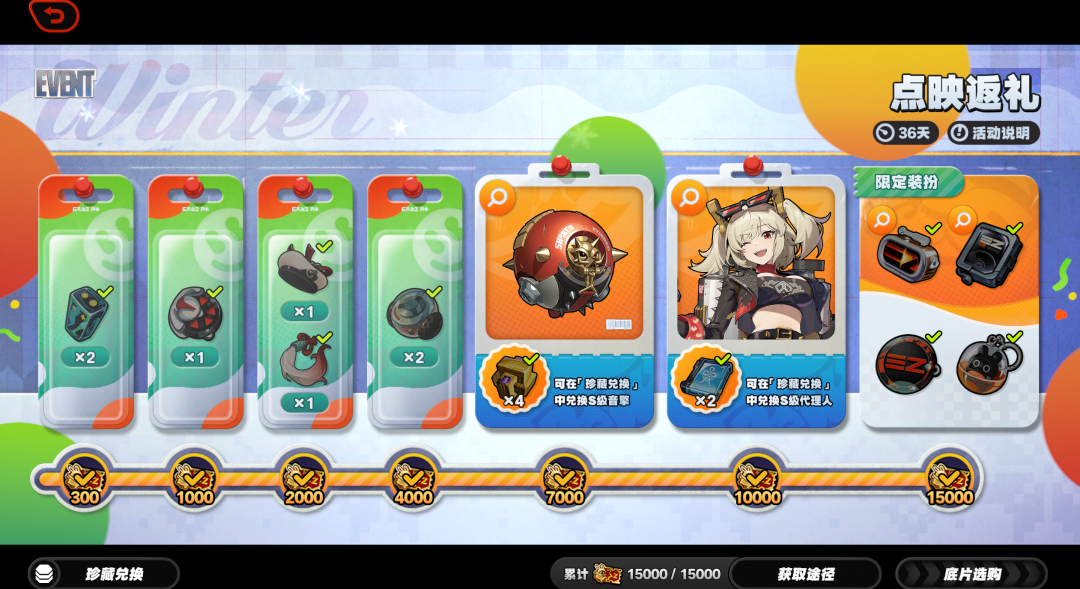
A good deal isn’t just about slashing prices; it’s about giving players the option to pay for certain features. *Zero Zone* marks the first step in this direction for miHoYo’s products.
If cumulative top-ups and balanced gacha pools address the issue of character acquisition for both new and veteran players, then for veteran players, the urgent priority is strengthening their existing characters.
Actually, as an action game, *Zero Zone* doesn’t see its characters become obsolete as quickly as other games. Even today, the 4-star characters available at launch are still sufficient for most levels in the hands of some players.
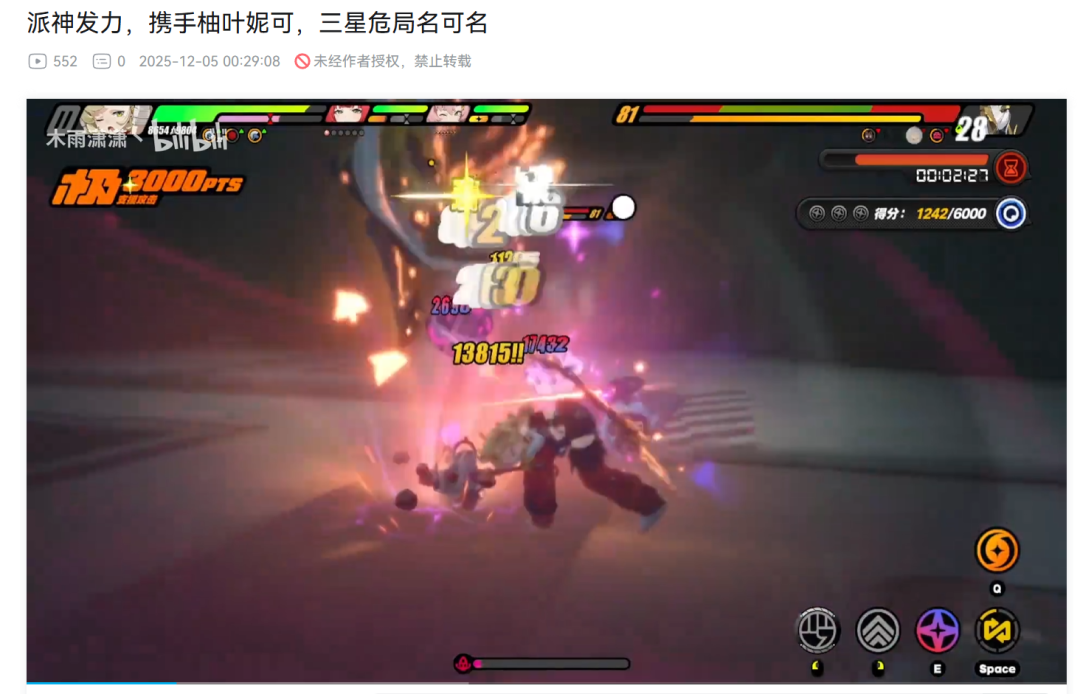
Image source: Bilibili @木雨潇潇丶
However, for players like me who aren’t too keen on grinding, older characters do struggle a bit when tackling high-difficulty dungeons. *Zero Zone* actually moved quickly to buff older characters, with Aileen’s buffs rolling out as early as Version 2.0.
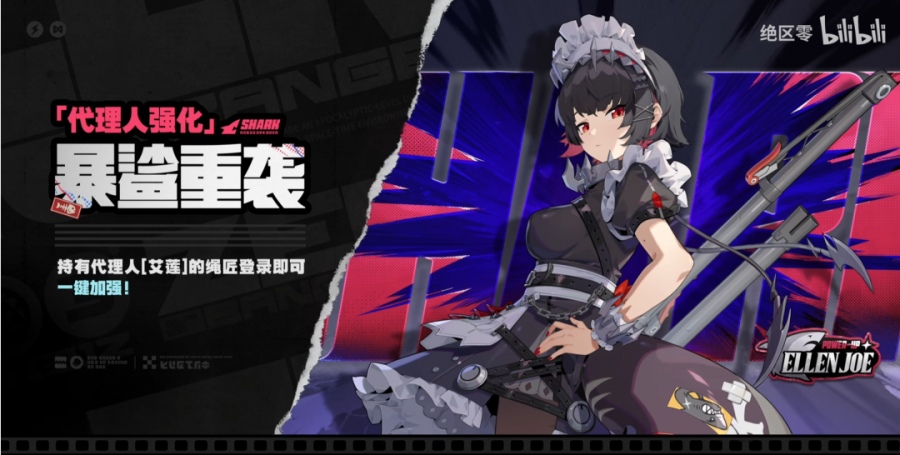
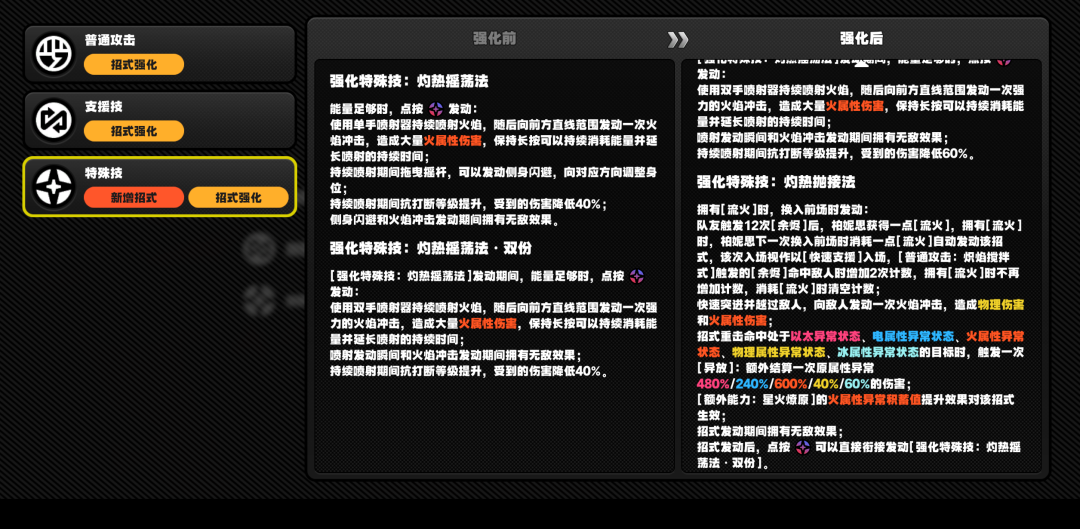
By version 2.5, the buffs to existing characters had been systematically implemented. This is most evident in the Potential Silhouette system, which provides existing characters with dual optimizations in both stats and mechanics. For example, Bernice has seen improvements in both her energy regeneration rate and damage-dealing mechanics thanks to the Potential Silhouette enhancements.
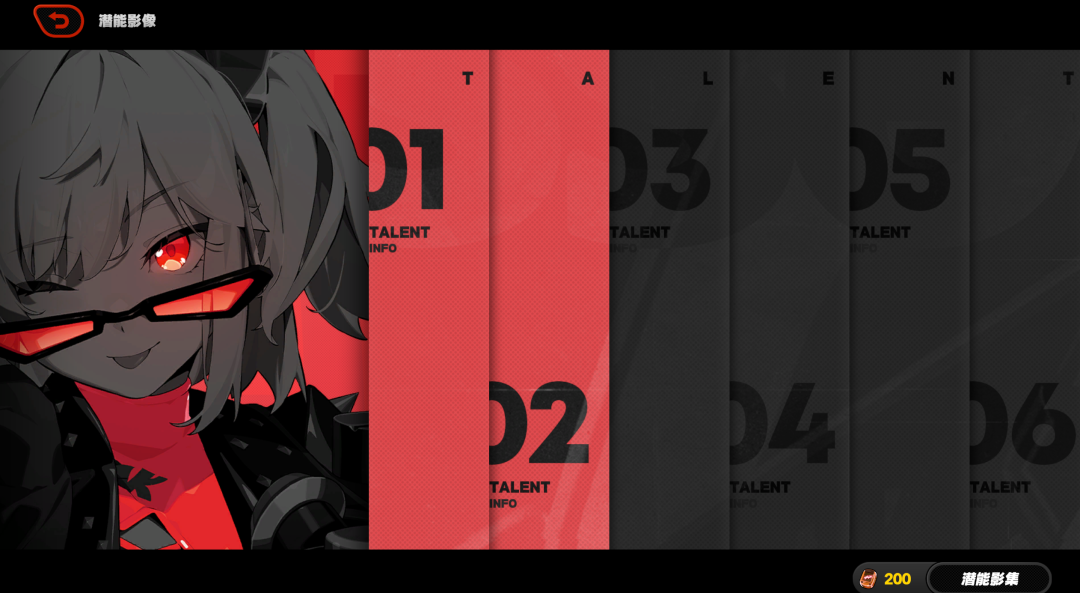
Furthermore, *Zero* has pledged to eventually expand its enhancement scope to include all permanent S-rank agents. This approach effectively addresses players’ emotional needs from an operational standpoint, making the promise of character companionship more predictable and bringing the gaming experience closer to the stability expected of a long-term product.
Going into all the other details would be a bit too much, since there have been so many changes in *Zero Zone Zero*. For example, to make the game less time-consuming, the daily material dungeons now support the "Sweep" feature, and the character progression cycle has been significantly shortened.

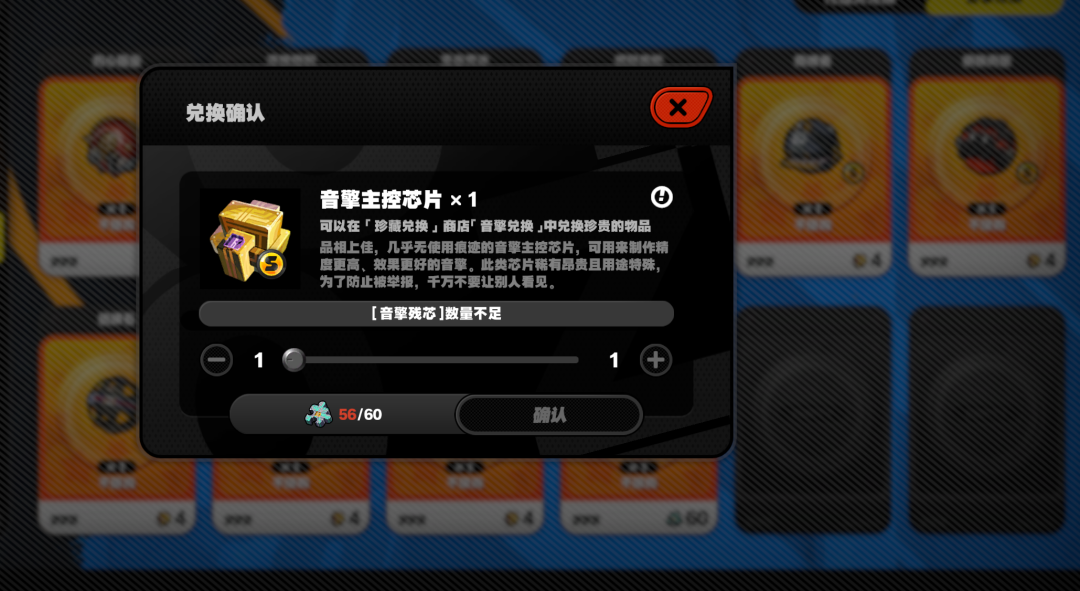
The resource cycle has become even more balanced with the introduction of new mechanisms such as the Sound Engine Control Chip and Sound Engine Scrap. Now, by decomposing the Sound Engine, players can obtain byproducts that can be exchanged for 5-star weapons. Crucially, *Zero Zone* has also issued retroactive rewards for past decomposition activities.
Even in terms of cutscenes, *Zero* has begun experimenting with more diverse approaches, such as interactive sequences—exemplified by the scene where Ye Shunguang attempts to sacrifice himself and the player steps in to stop him—as well as more radical map interactions like “Flying Sword Movement” and “The Art of Manifestation: Retrospective,” which go beyond the collapse of manifestations.
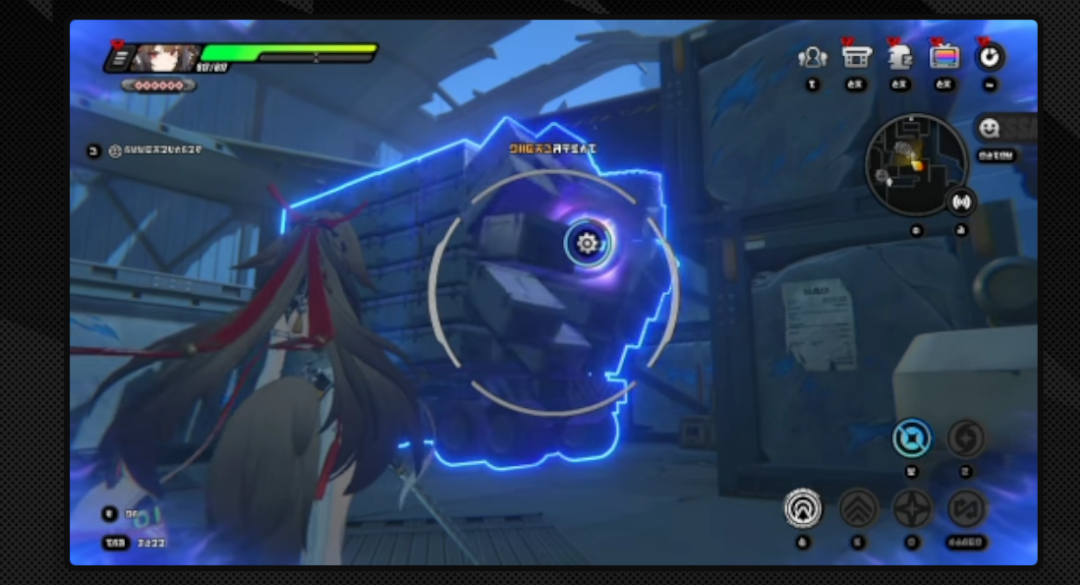
In terms of social features, *Zero* is also exploring new avenues, having launched a guild-like platform. Although it currently functions primarily as a large chat room, it may well serve as a stepping stone for future social features.
Never underestimate these seemingly minor details; sometimes, optimizing them takes even higher priority than introducing new gameplay features in long-term operations, because they directly determine players’ daily engagement.
Especially in an action-adventure game like *Zero Zone*, the core of the experience should focus on controls and pacing. Once elements like character progression, grinding, inventory management, and loading screens start to slow things down, players will start to feel fatigued.
2.5 From an industry perspective, these optimizations have taken the efficiency of *Zero Zone*’s progression system, daily routines, information presentation, and gameplay feedback to a whole new level.
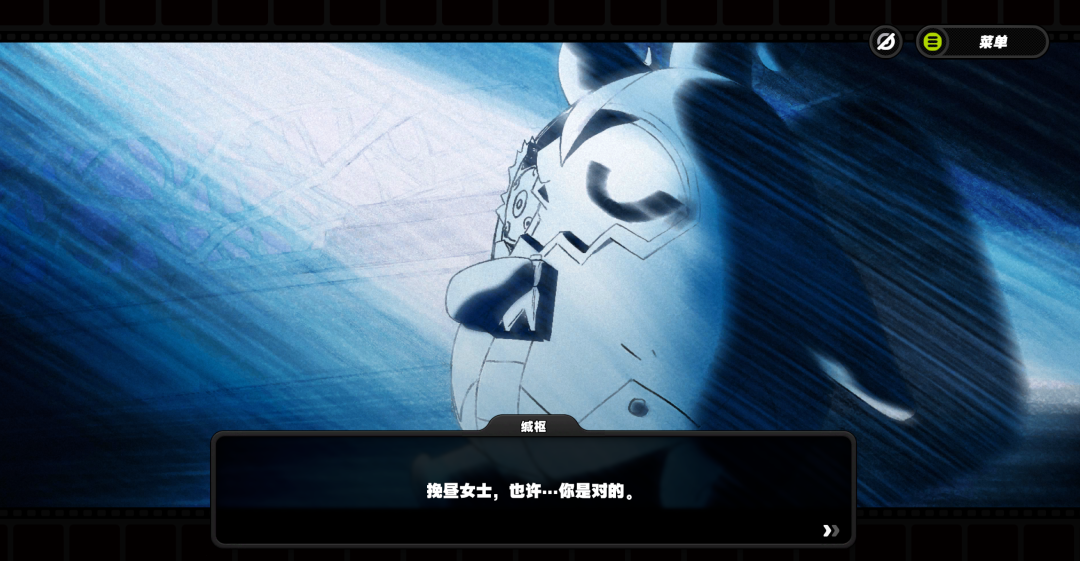
All of the above serves to show players that *Zero Zone* consistently treats the player experience as a core objective for each update, making it a significant focus of their development efforts. I’ve noticed that the *Zero Zone* development team often prefers not to make a big deal out of these improvements; instead, they quietly implement changes and then roll out both optimizations and player perks together in key updates.
For a product designed for long-term operation, this level of execution clearly speaks louder than any verbal promise. Furthermore, when benefits and optimizations are rolled out at different times, they can feel disjointed—one seems like compensation, the other like a quick fix—making it difficult for players to perceive the product as actually improving.Only when in-game benefits, character development, and gameplay improvements are introduced simultaneously do players feel a more tangible difference, and their positive emotions are more likely to coalesce into word-of-mouth. This is one of the reasons why Version 2.5 was able to break through, and I believe this operational approach from *Zero Zone* is worth emulating.

But if we look a little deeper, what we call “sincerity” really comes down to the fact that the *Zero Zone* development team had the courage to confront players’ concerns and actually make changes. If we were to place all mobile games on a single coordinate system for comparison, *Zero Zone* would be positioned quite far into the “taking feedback to heart” quadrant.
Sometimes I even feel like they’re too willing to take advice, because there are very few games that adjust their core gameplay after the open beta without completely breaking the game’s framework. Since *Zero Zone* switched to a grid-based system, there was a somewhat awkward transition period, but ultimately, everything has remained internally consistent.
That's really rare.
Ahead of the 2.5 update, *Zero Zone* released three behind-the-scenes development videos. Although the content didn’t mention the development team’s workload, many players noticed that the team members featured in the videos all looked incredibly serene.
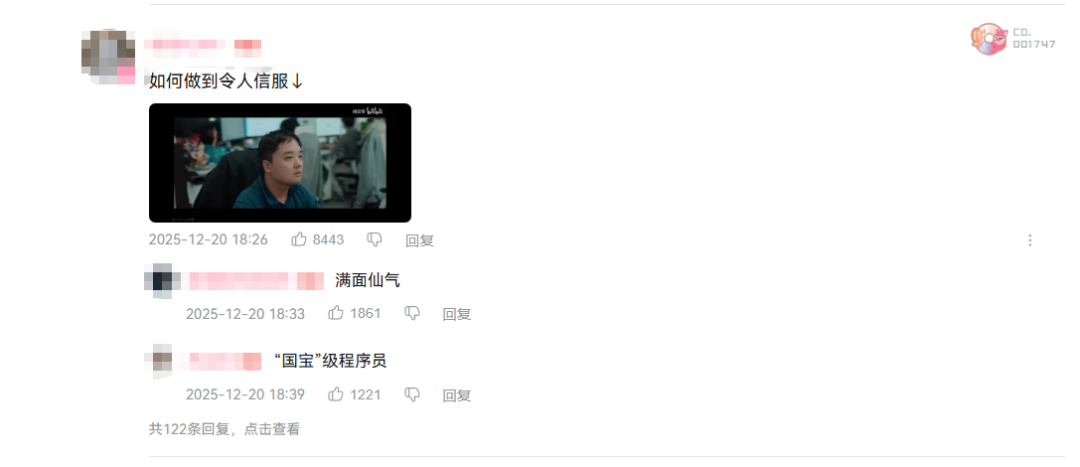
In the game *Zero District*, the satirical take on overtime culture resonates more deeply with working people than in virtually any other game on the market. This sense of humor—which plays on the idea of "living a half-life"—is something that’s hard to capture in creative works unless you’ve experienced it firsthand. After all, people generally can’t imagine things they’ve never seen, and creative work lacking real-life experience is all too easy to see through.
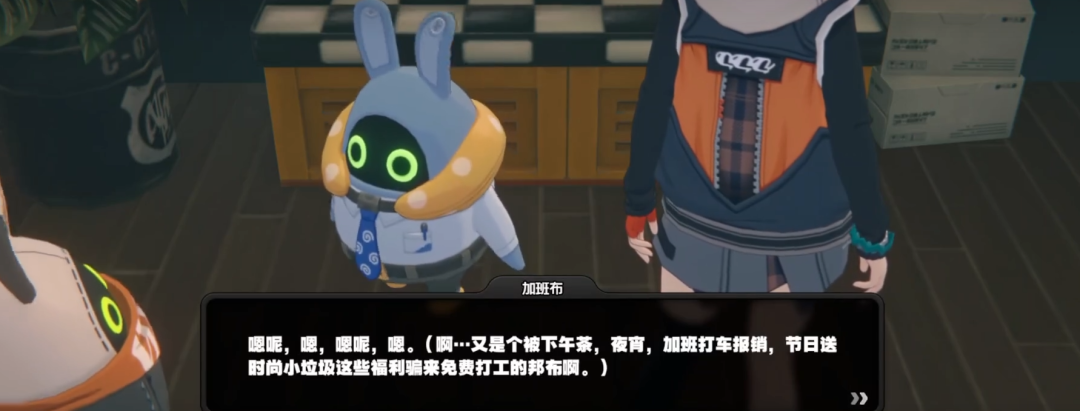
I can’t begin to guess how much effort the development team put into making *Zero* a hit at the end of the year, but they certainly deserve this success.
I believe that great work speaks for itself; there are certain qualities that simply can’t be faked. When you watch the behind-the-scenes videos, you’ll notice that, aside from their ethereal aura, the team members’ faces are filled with smiles. Although many of them look a bit stiff, it’s clear that when they talk about their game, there’s no trace of a mechanical, sales-y vibe—instead, there’s a genuine love for their creation.
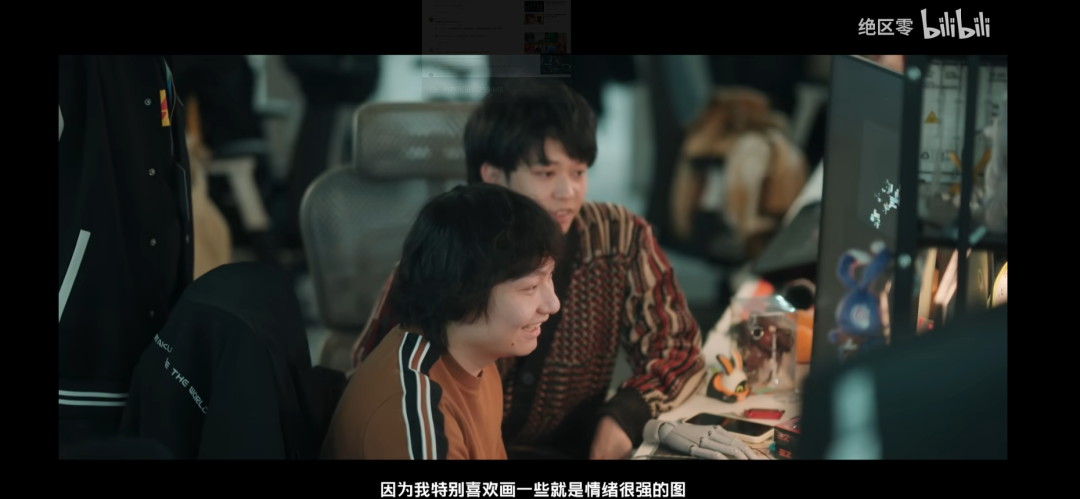

In my limited experience in the industry, many people have told me that they don’t actually like their own games. I’m not sure when it became such a rare quality in today’s gaming industry to genuinely love the games you create.
But one thing I can say for certain is that the *Zero Zone* development team is made up of many developers who are passionate about the code they write and the art they create. That shared passion for New Aili is likely the very reason *Zero Zone* has come this far.
Conclusion: Beyond the Void, Light a Lamp
In Chapter 2.5, Ye Shunguang asked Zhe and Ling a question, the gist of which was: If there were an abyss ahead, would you still keep going?
The protagonist we play says this:
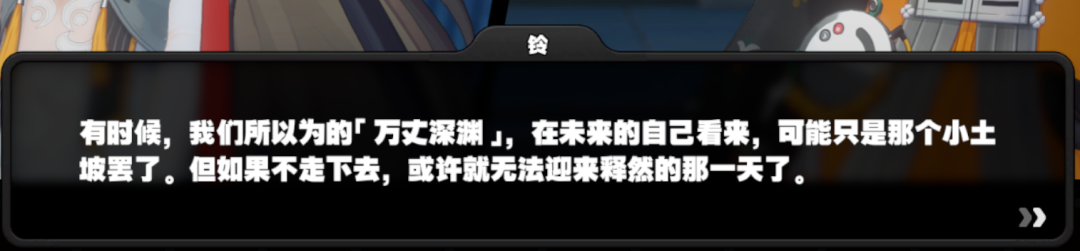
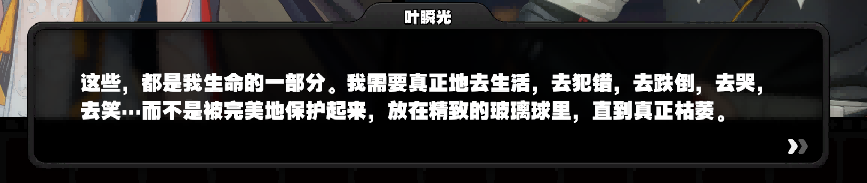
Perhaps this is the worldview that Zhe and Ling formed in their childhood; perhaps it was just something said offhand to comfort Xiao Guang at the time; perhaps the development team is using their dialogue to convey their own thoughts to the players; or perhaps it is simply a summary of their past experiences in *Zero Zone*.
At one point, many claimed that *Zero* was a niche title; some judged it solely by its revenue, while others dismissed it as worthless. As a project that originated within miHoYo, *Zero* is certainly not perfect, but it has been steadily improving. Perhaps, when the development team looks back, they realize that the “abysses” they once struggled to cross while working on a full-scale commercial project were, in reality, nothing more than mere mounds of dirt.
As we reach this point, 2025 is already behind us.
Looking back on the past year, the mobile gaming market has remained a hive of activity, with some companies soaring to new heights while others have crumbled. Caught up in the whirlwind of KPI pressures and cutthroat competition, we often find ourselves on the verge of forgetting that gaming is, at its core, an industry that creates dreams.
Is it okay for me to say that? Well, at least we still have *Zero Zone*.
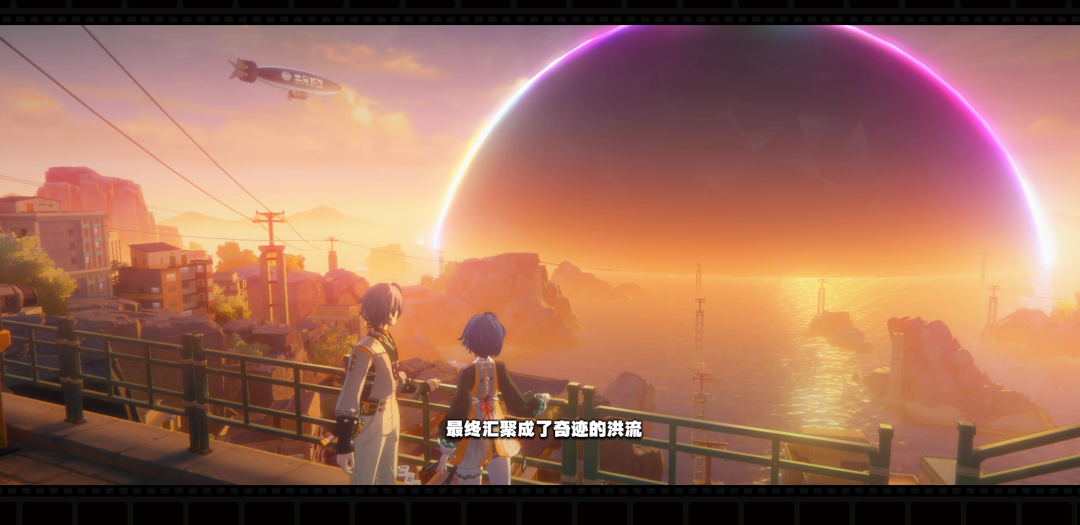
As the year draws to a close and a new one begins, the old gives way to the new.
In this uncertain world, we are all travelers walking on the edge of the abyss, often feeling anxious, exhausted, and even lost. But just like Ye Shunguang—who, though once covered in dust, shone brightly again thanks to the support of fellow travelers—you and I will always find a way through.
原创文章,作者:游茶妹儿,禁止转载:https://youxichaguan.com/en/archives/195241