At 7:00 p.m. on December 25, at Chengdu CRRC·Yuan STAGE, multiple screens in the control room were all active. Technicians stared intently at the monitors, their fingers moving swiftly across the switcher. Standing near the exit, I had a unique vantage point: I could see both the multi-camera feeds on the monitors and everything happening directly on stage.
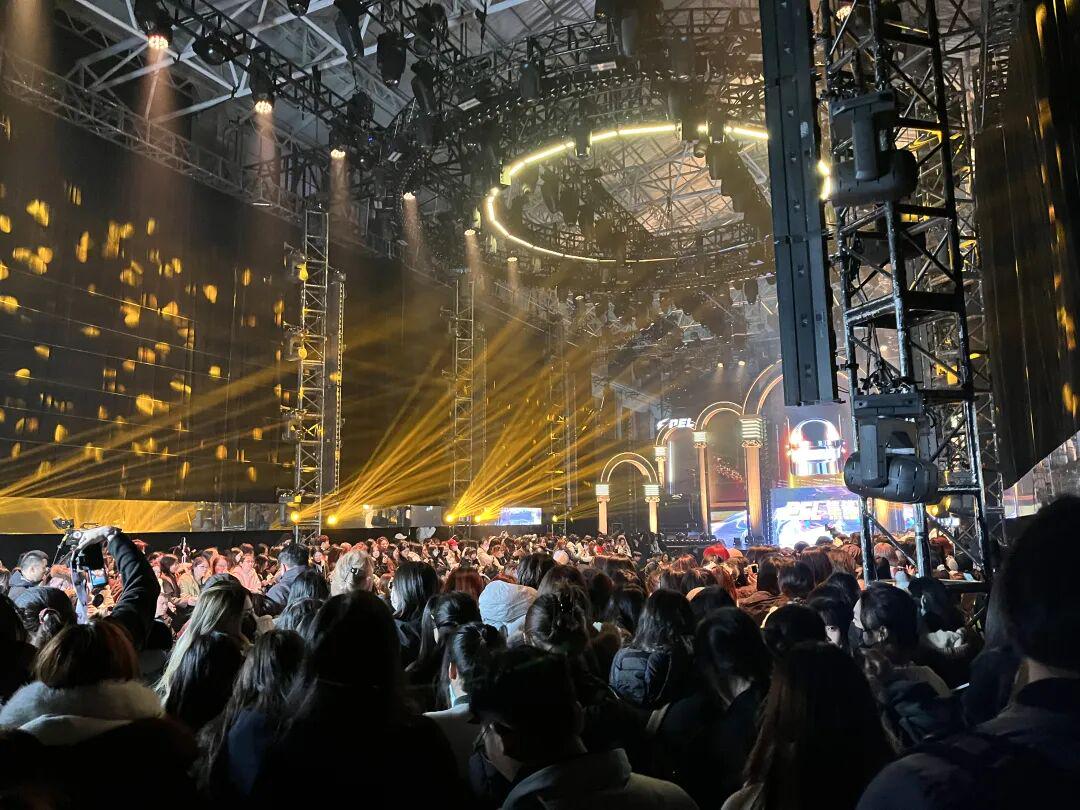
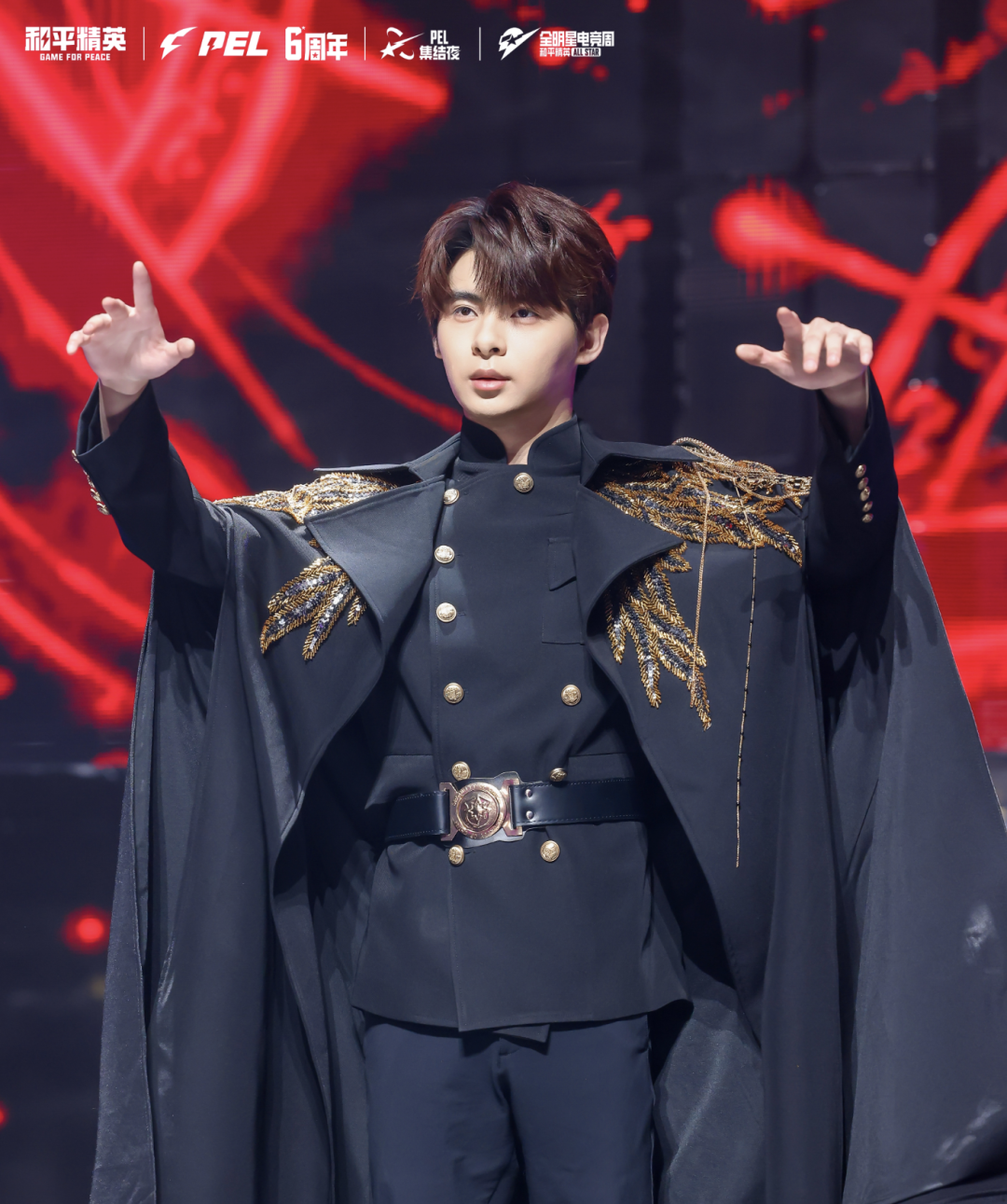
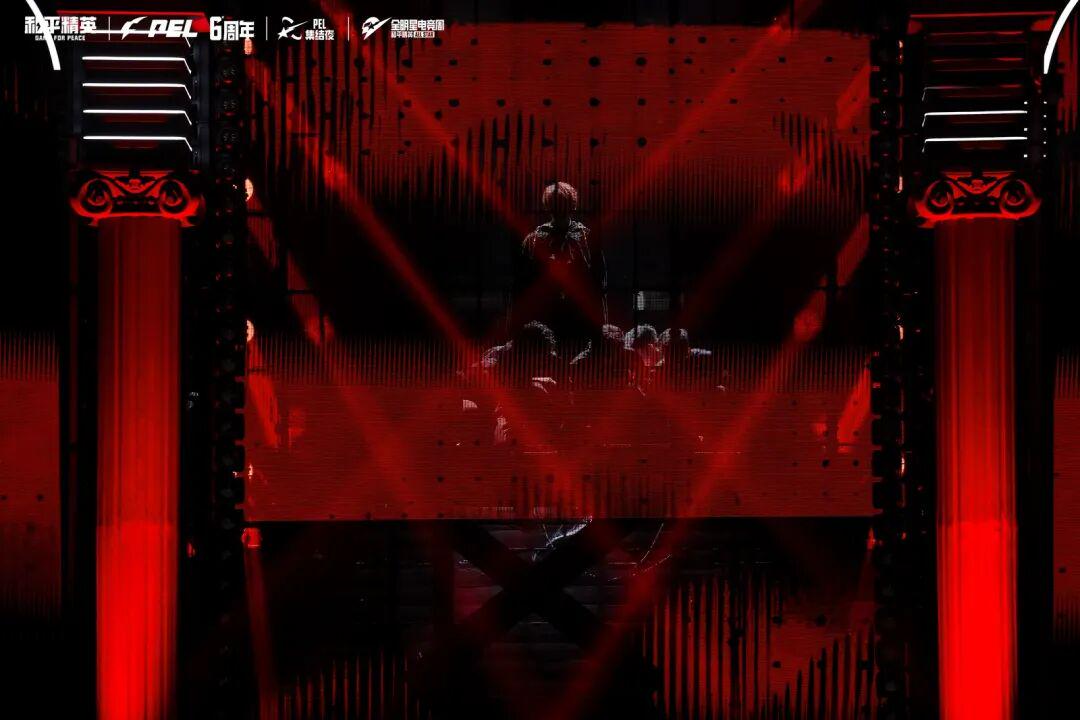
In the center of the stage, a massive circular structure lit up, accompanied by golden lights and smoke effects.Beijing’s JDG.Paraboy, clad in a black-and-gold cape, took the stage as a puppeteer. Screams erupted from the audience, and every angle—close-ups, wide shots, and side views—on the production booth monitors captured the moment. A professional player who had commanded the stage with such composure just three days earlier in the Stimulus Cup finals now stood in the spotlight in a completely different capacity.
Standing next to the director's console, Cha Guan Jun suddenly realized that Peace Elite was no longer just hosting an offline event for a game company; instead, it was using esports to turn the competition into a cultural phenomenon, transforming the players into cultural icons for young people.
Unlike the traditional sports industry, Peace Elite has not only established a complete ecosystem encompassing tournaments, star players, content creation, fan engagement, and monetization in just six years, but it has also adopted a new approach distinct from traditional sports. By consistently delivering content and emotional value to bridge the gap with fans and players, it has achieved a model that is both more challenging and more dynamic.
This magic-themed red carpet event was just a snapshot of the Peace Elite All-Star Esports Week. From December 20 to 28, the Quantum Jie Esports Center and CRRC•Yuan STAGE hosted a series of competitions across various disciplines, and the PEL Gathering Night on the evening of December 25 was undoubtedly the most “trendy” highlight of the entire esports week.
This isn’t the first time Tea House has covered Peace Elite’s offline events. From the series’ kickoff in Shanghai in 2021 to the “Thrilling Night” event in Chengdu in 2024—which generated over 180 trending topics across the internet—Tea House has been following this year’s magic-themed “Gathering Night” ever since the pre-event hype began.
But it wasn’t until I stood next to the director’s console and witnessed both the technical team’s professional operations and the visual presentation on stage that I truly understood: the core of this event wasn’t just about having the contestants walk the runway, but about presenting a complete narrative for the professional players on the field, the young members of amateur teams, and the live audience.
And the key to this narrative is what the PEL has consistently strived for: "being on-trend."
01
When Esports Champions Become Red Carpet Stars
Just as focused as she is on the field, she’s just as immersed in the moment on the red carpet.
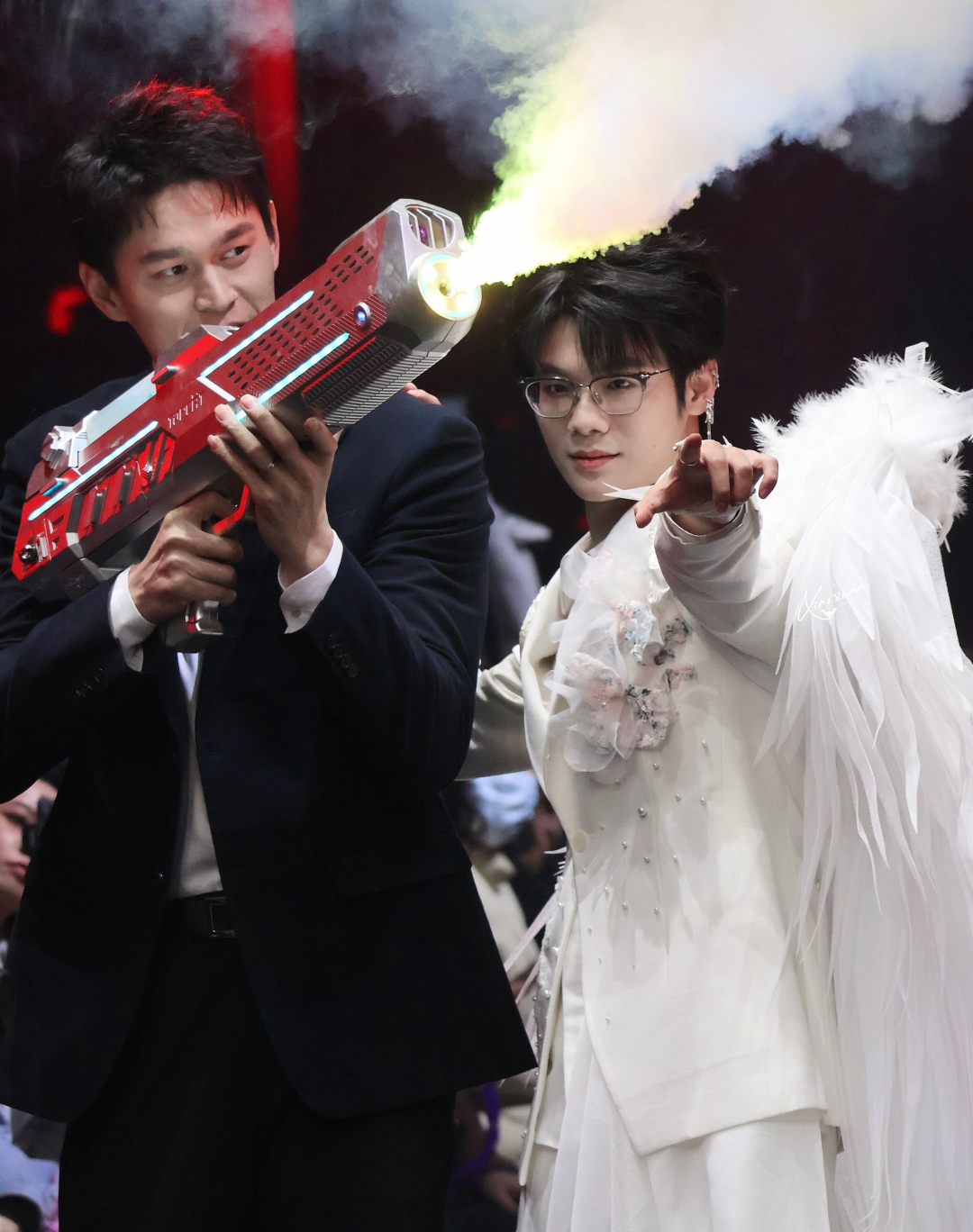
That evening, Hunan's TEC.33Svan wore a white suit and black-rimmed glasses, and when he appeared on stage alongside Chinese swimmer and Olympic champion Sun Yang, the cheers from the audience rose to a whole new level.
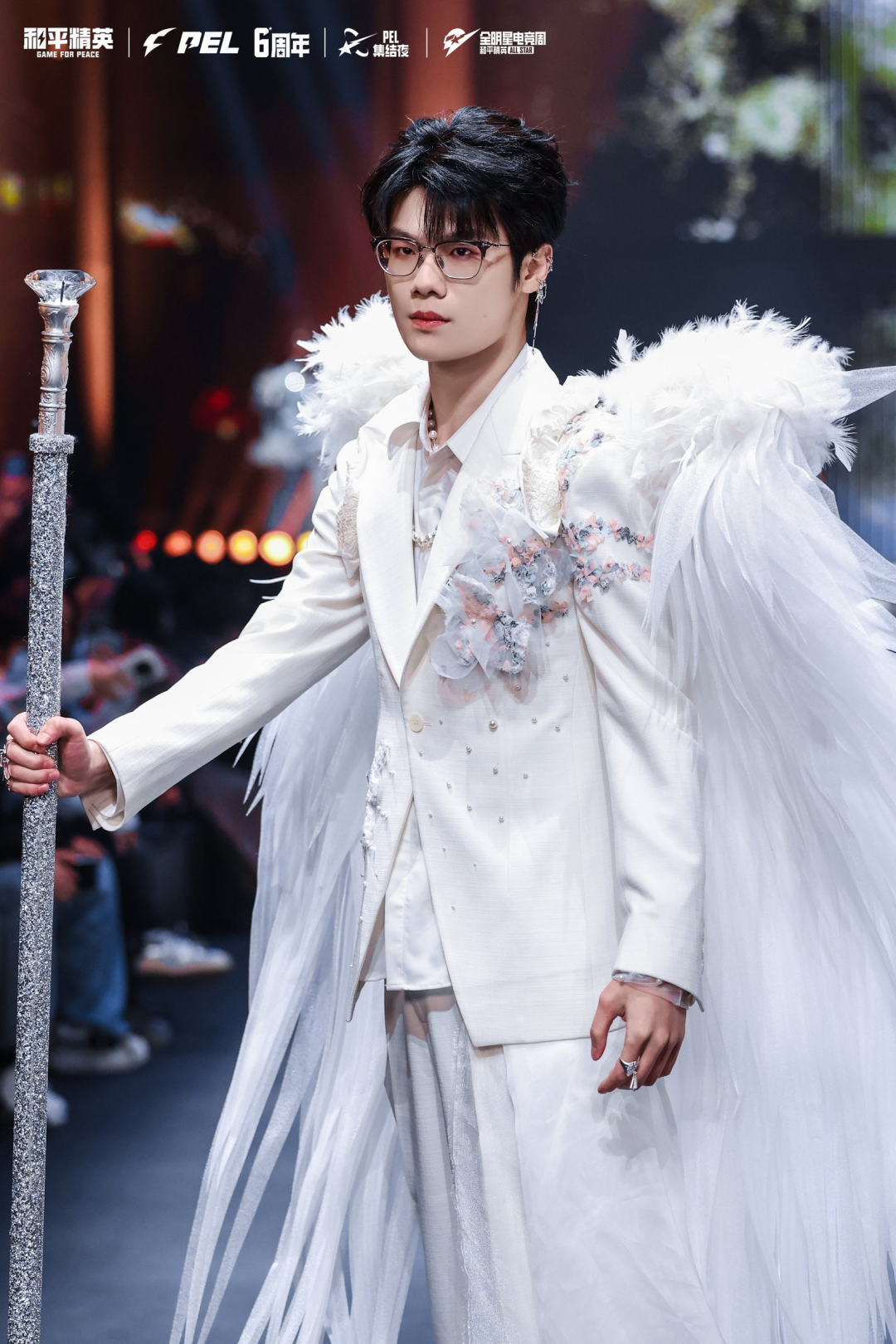
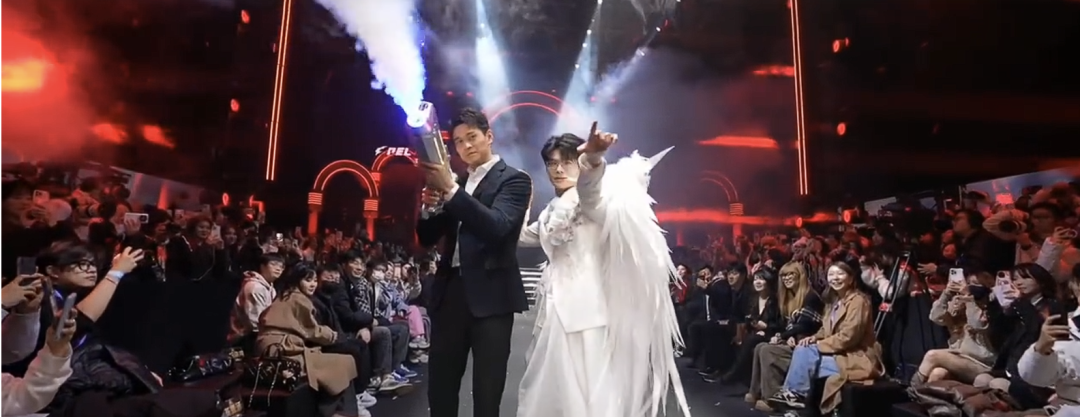
But viewers familiar with the PEL know exactly what 33Svan is like on the battlefield: taking down four opponents in a row, pulling off precise shots, pulling off last-second comebacks, and commanding the team with unwavering confidence. Yet here on stage, his demeanor is completely different—graceful turns, engaging interactions, and a natural presence in front of the camera.
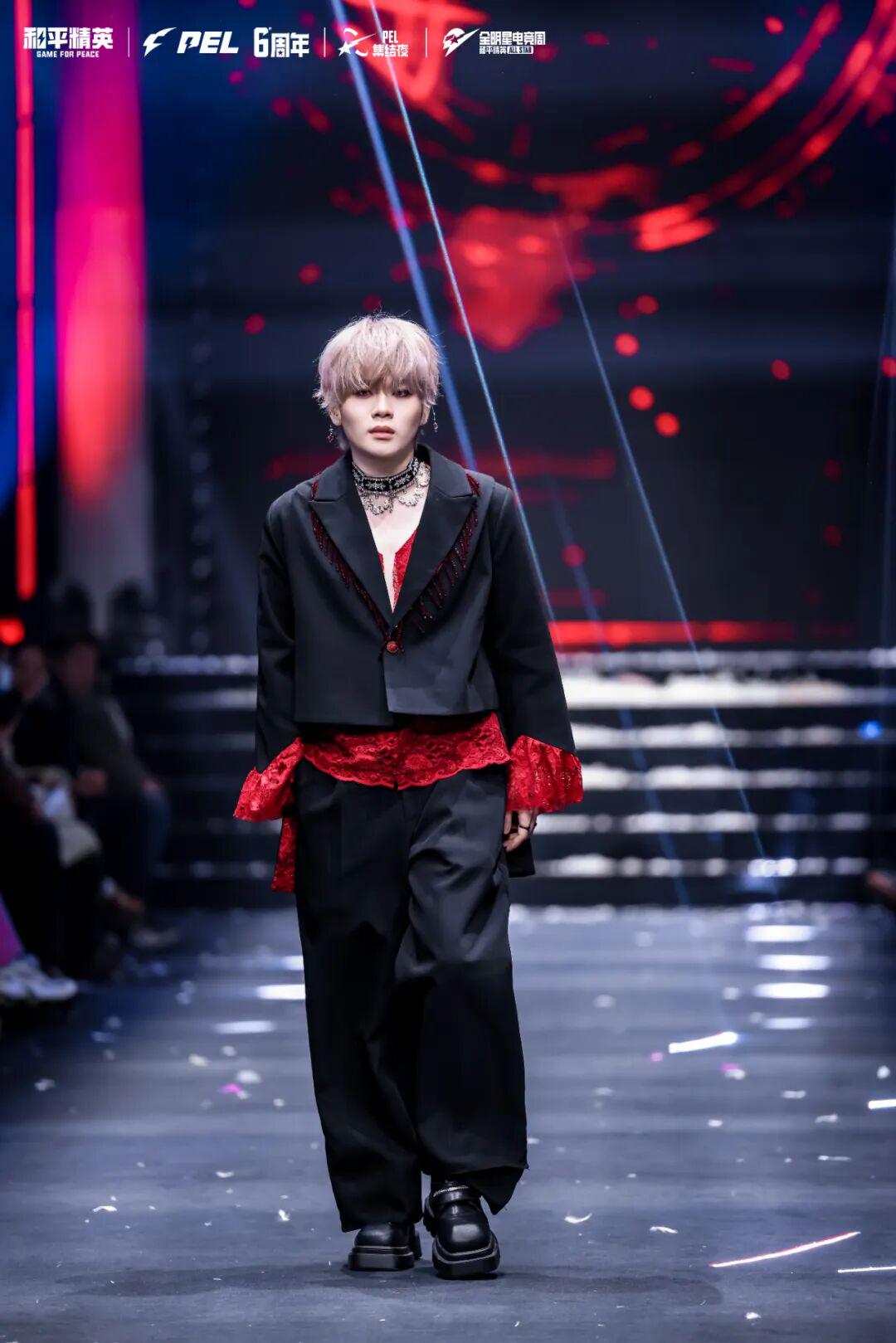
Shanghai RW. Cheng C’s “Vampire Prince” look perfectly captures this transformation. With smoky eyes and a “Midnight Rose” theme, he exudes an air of nobility. The moment he stepped onto the red carpet, the visual impact of the “demon slayer” of the arena transforming into the “red carpet prince” was absolutely stunning.
At the "Born A Winner" dance show in Chengdu, AG and Sima Guang performed a seamless routine with Menier.
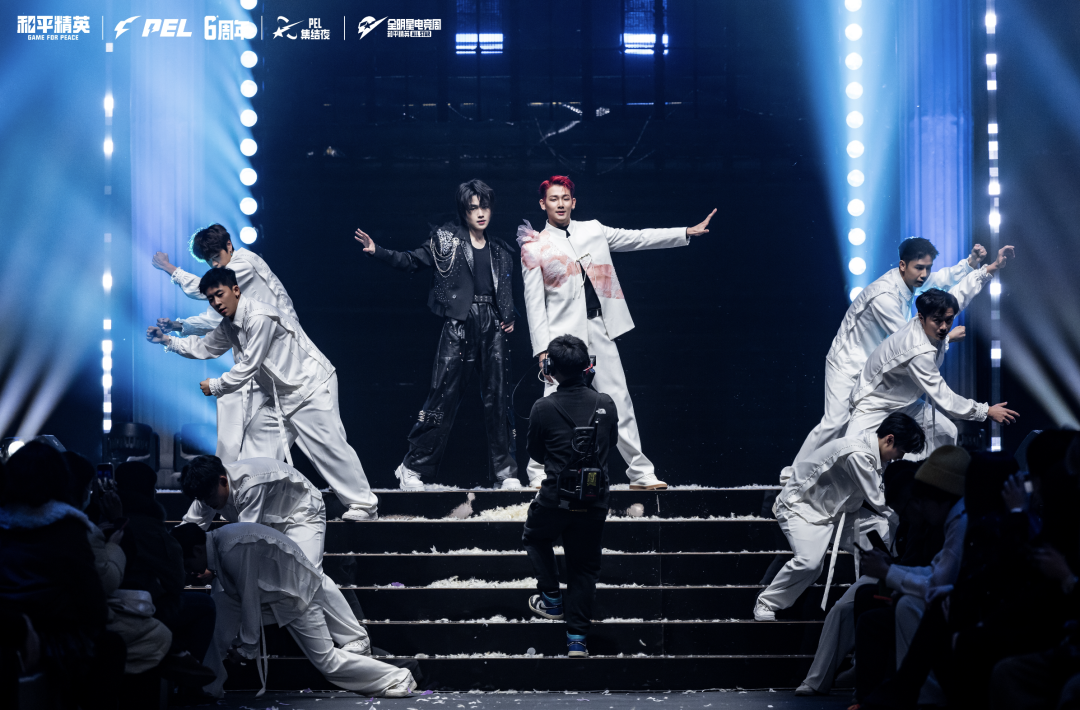
The most significant change lies in the narrative structure of the entire event. The 2021 Shanghai event showcased visually stunning skins; the 2024 Chengdu event evolved into a visual spectacle featuring celebrities and players; and this 2025 magic-themed event has completely transformed into a story—a clash between light and shadow, with a Puppet Master controlling the stage and a Knight in White making his entrance, as each player takes on a role in this drama.
02
The Systematic Planning of the Nine-Day Carnival
The nine-day All-Star Esports Week is, in fact, a carefully crafted emotional journey.
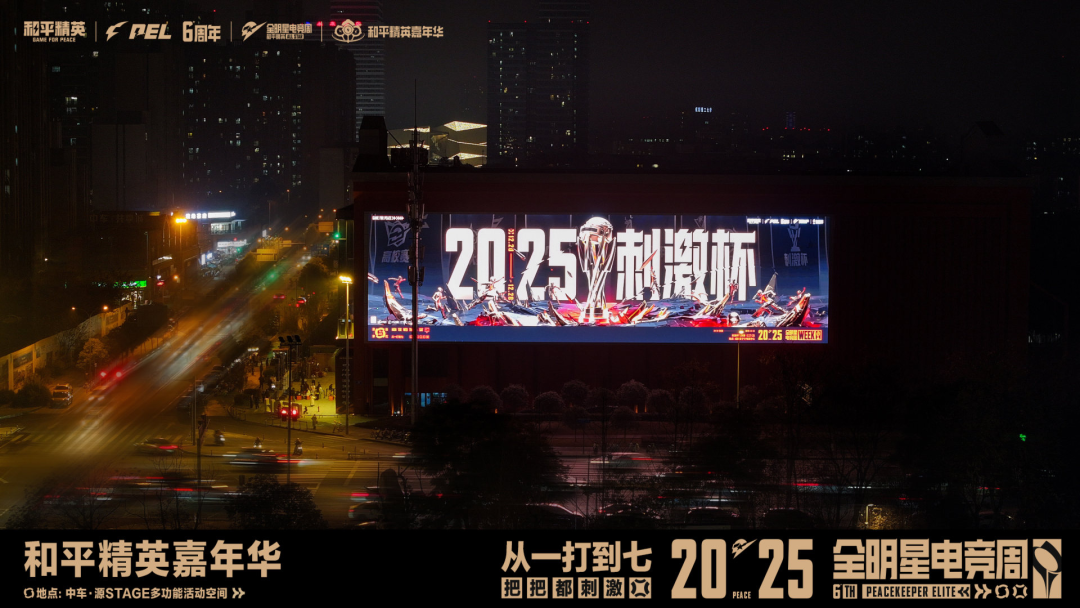
The event kicked off on the 20th with the Qualifiers leading the way, delivering intense competition and a thrilling atmosphere. The Thrill Cup Finals took place on the 27th and 28th, with 32 teams from across the ecosystem competing for a 2 million yuan prize pool. The “Match Point—Winner Takes All” format kept every match filled with suspense.In the end, Suzhou Tianba claimed the championship, with team member Qingzhi securing the FMVP title by delivering the highest single-match damage (2,950) and seven eliminations in a single round. The biggest surprise, however, came from Hunan Majia Ban. Having advanced from the mobile division of the national tournament, this team became the only non-PEL squad on the podium, dominating multiple statistical categories that day, including highest elimination score, ranking points, and top-five placement rate.
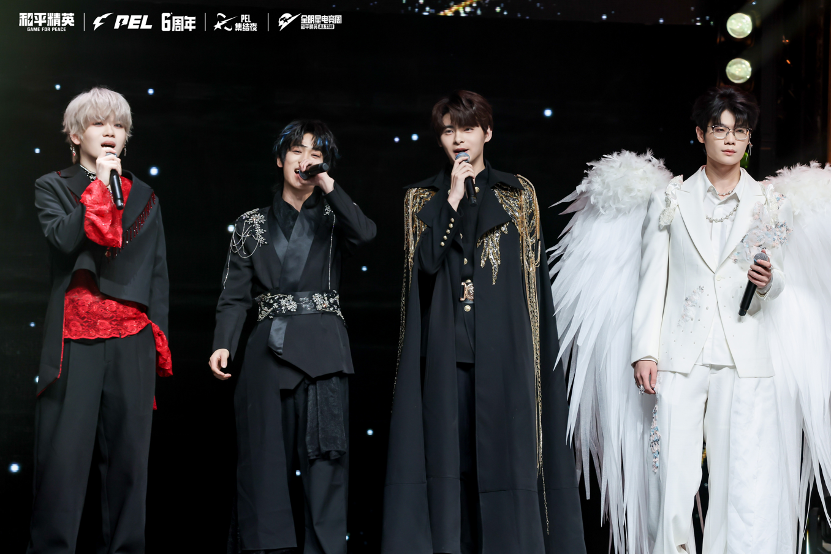
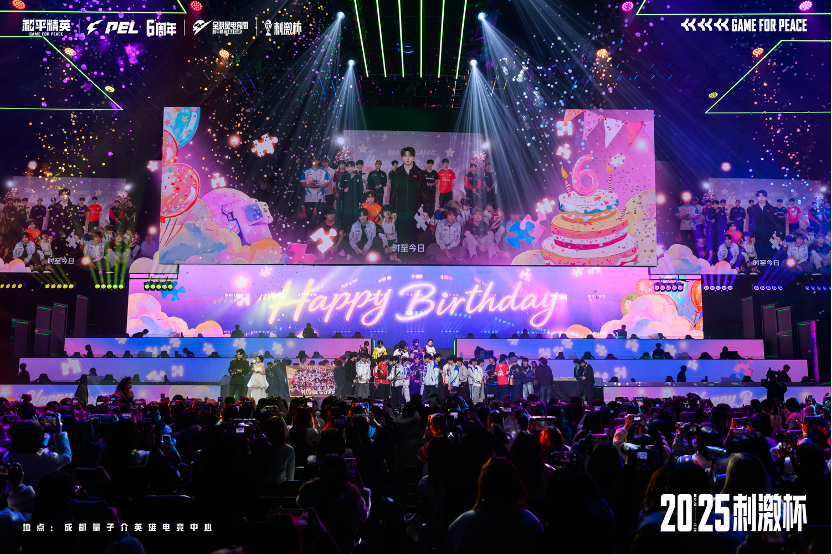
On the evening of the 25th, "Magic Night" took the stage as a visual feast, with its stylish presentation drawing significant attention from outside the gaming community. Players from Beijing JDG.Paraboy, Hunan TEC.33Svan, Shanghai RW.ChengC, and Beijing WBG.Suk performed a four-part harmony of "Elite Extraordinary." At the sixth-anniversary birthday party that concluded on the 28th, all the players cut the anniversary cake together, bringing the emotional resonance to a peak.
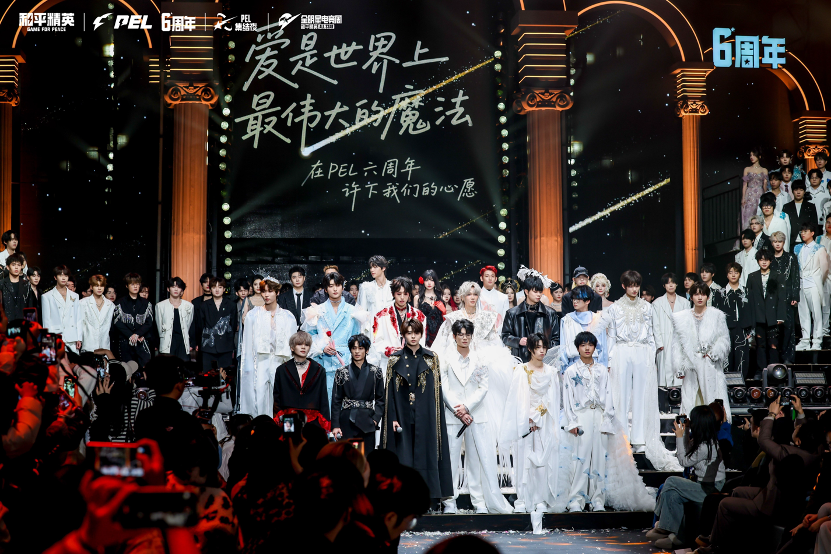
Competition, spectacle, and nostalgia—these three distinct emotions intertwined to create a unique highlight every day over the nine-day event. The fact that the grassroots team, Ma's Crew, stood on the same podium as professional teams broke down not only the barriers of the competition but also the invisible wall that has long existed in traditional competitive sports.
The stage design for "Magic Night" was built around a narrative theme of light and shadow—not merely a gimmick, but a storyline that ran throughout the entire show. The puppeteer took control of the stage at the opening, the Knight in White made his entrance amid a shower of petals, and finally, all the contestants returned to the stage together, creating a narrative as cohesive as an opera. Every look was meticulously designed to not only be visually stunning but also to provide users with shareable content.
The venue’s immersive atmosphere is nothing short of spectacular. A massive circular lighting fixture hangs above the center of the stage, complementing the stage design on the floor to create a 360-degree visual experience. The lighting, fog effects, and sound quality are all on par with professional concert standards. Standing inside the venue, you can truly feel the impact of this professional production.
But the deeper source of energy actually lies in the content ecosystem. During the After Party segment, contestants like Shenzhen STE’s Zhitian showcased their talents and fulfilled their fans’ wishes; at the carnival, the contestants joined fans in participating in activities at the exhibition areas. Traditional competitive sports rely on a sense of distance to foster admiration, but PEL takes a different approach: by combining professional competition with transparency into the players’ personal lives, it creates not a sense of admiration, but a sense of companionship.
For example, in traditional fan culture, fans typically give gifts to their idols. However, during the PEL Summer Finals, the organizers designed a "reverse cheering" segment in which the players personally wrote messages of encouragement and held up the cheering boards that fans usually display. This mutual interaction broke away from the traditional one-way admiration.
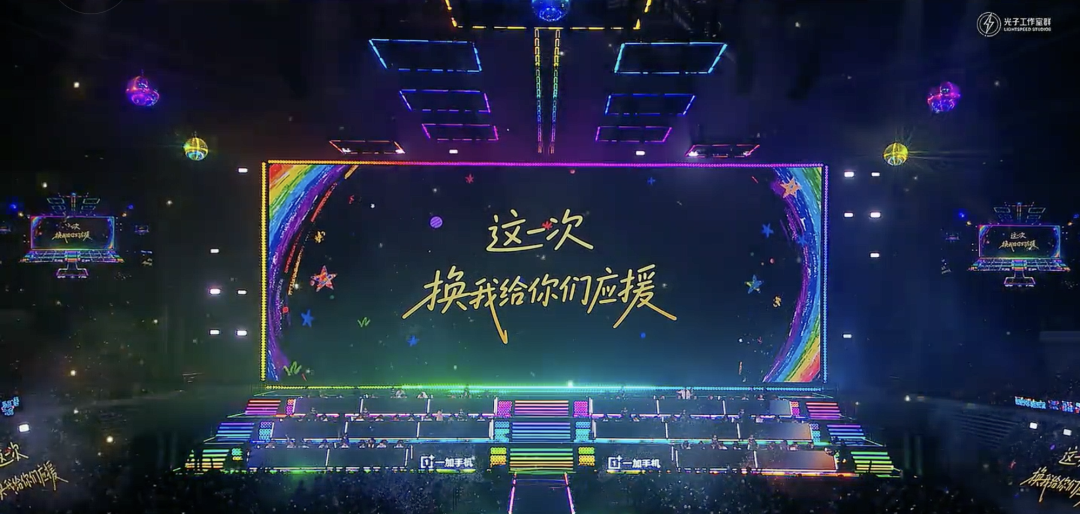
Building a player’s persona is a long-term endeavor. Chengdu AG’s Sima Guang didn’t just dance once at the Gathering Night; the halftime shows during the Spring and Summer Splits served as ongoing groundwork. The title of “Best Short Video Player of the Year” attests to his success in content creation.Hunan TEC.33Svan took home two major awards at the awards ceremony: PEL Weibo’s “Most Popular Player of the Year” and “Best Live Streamer of the Year.” Additionally, his iconic “one-man-four-kill” play that eliminated TC was named “Moment of the Year.” With three awards under his belt and a million followers, the player’s multifaceted value is clearly evident.
The Chengdu AG Club swept two major awards—Club of the Year and Most Commercially Valuable Club of the Year—while the Guangzhou TT Club claimed honors including Most Dominant Club on the Court and Best Coaching Staff of the Year, with three of its players also named to the All-Star Team. These accolades did not come out of nowhere; they are the result of sustained investment and long-term strategic management throughout the season.
Conclusion: Behind the Scenes of the Fashion Show
What exactly is going on at the Peace Elite red carpet event?
For brands, this is a case worth studying. Young audiences are not interested in one-way product placement, but rather in interactive experiences. Sponsorship exposure is not a forced advertisement, but rather an integral part of the narrative. Sun Yang’s appearance as a special guest on the red carpet and the performance by artist Kasper—these cross-industry collaborations all serve to amplify the event’s buzz and reach.
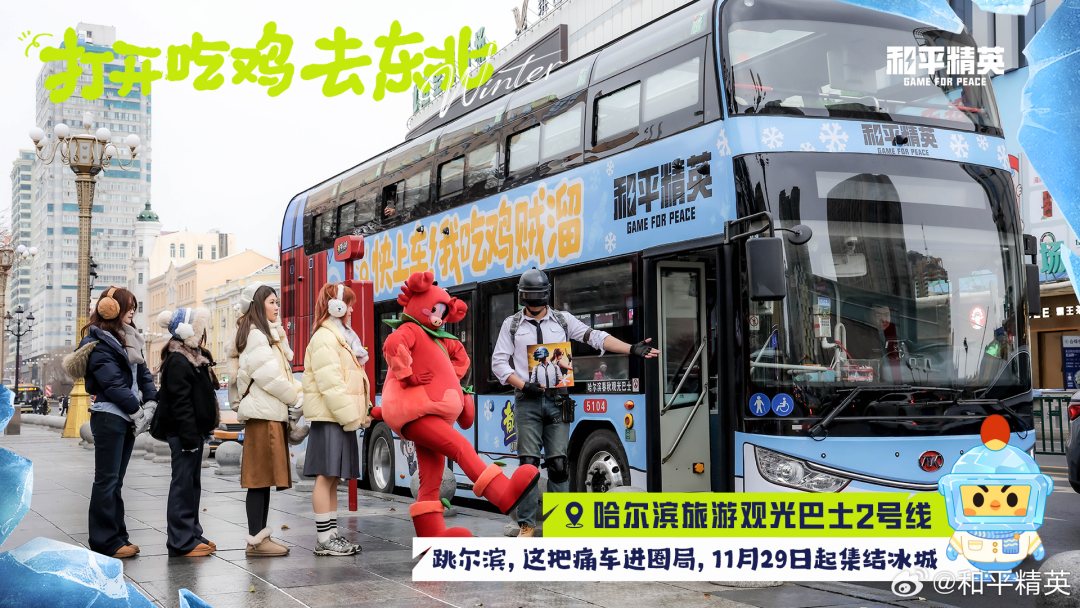
For cities, 2020 marked the beginning of a new trend: the “City Spotlight Project” (also known as “Mountain and River Spotlight”), which used large-scale online maps to recreate landmarks in 1:1 scale for tens of millions of daily active players, while setting up real-world check-in points to drive traffic back to the physical world.
Earlier this year, the "Great Tang Xi'an" update introduced the Bell Tower, Drum Tower, and Ziyun Tower into the game map, sparking a surge in cultural tourism. This winter, the game partnered with Harbin's cultural tourism sector, transforming the entire city into a "Peace Elite" theme park—from the airport's giant screens to the photo spots on Central Street. The hashtag #PeaceEliteIceHarbin garnered over 1.1 billion views across Douyin and Kuaishou.
As the host city for two consecutive years, Chengdu saw venues such as the Quantum Media Esports Center and CRRC•Yuan STAGE remain in operation throughout this year’s event. Behind this effort lies Peace Elite’s use of esports content to help the city find a youthful voice. It is not merely about applying an industrial label, but about transforming physical venues into social spaces for young people and using games to spread the city’s culture across the nation.
For the industry, Peace Elite has taken a different path—from training players to building an ecosystem, and from focusing on match results to creating a comprehensive IP. The lines between players, creators, operators, and KOLs are blurring, and anyone can become a content creator.
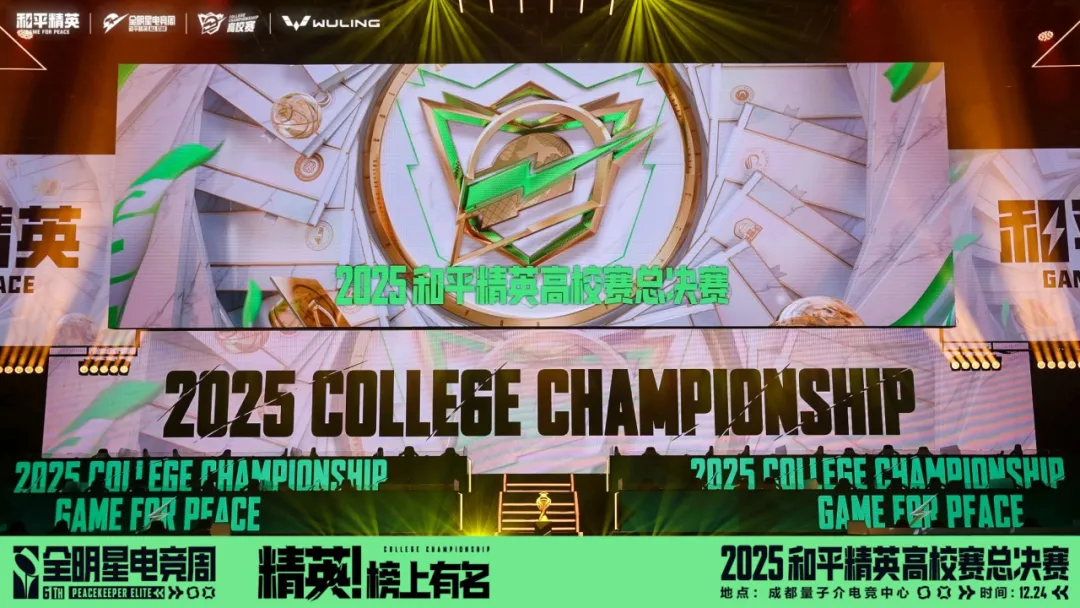
For example, the finals of this university tournament—featuring showdowns between 15 top university teams and an exhibition match pitting four PEL players against 60 university elite players—demonstrate the comprehensiveness of our talent development system.For the first time, the national tournament established separate mobile and tablet divisions, breaking down device barriers, with the champions advancing directly to the Stim Cup finals—a move that bridges the gap between public tournaments and the professional ecosystem. The annual Mo Jin Cup finals determined the strongest team in the Subway Escape mode, proving the success of diversifying gameplay.
This ecosystem logic extends far beyond esports tournaments. For example, Oasis Qiyuan, a player-created content platform, reached a milestone in the third quarter of this year, with its active user base hitting 33 million. The total number of gameplay modes and maps currently available exceeds 150,000, and modes completely unrelated to shooting—such as the "Driving School Simulator: Test 2" and "Bullshit Tavern"—have attracted hundreds of millions of views.The "Authoritative Tomato" skin transformed from an obscure item into a cultural icon, prompting the official team to release a short animated series; the "Grand Ambition" dance went viral across the internet, and the game immediately introduced the same dance moves. Through the co-creation section of Oasis Qiyuan, "Peace Elite" has generated a massive amount of pure, unadulterated fun while building a vast UGC ecosystem foundation. Only such a massive, diverse, and stable foundation can support an ecosystem capable of producing top-tier content.
Whether through user-generated content or fashion trends, Peacekeeper Elite is doing one thing: transforming users from consumers into participants, and shifting them from passive recipients to active co-creators. It is this openness that serves as the foundation for its ability to consistently generate buzz.
At its core, so-called "magic" is essentially a sophisticated business model. The sense of an accessible idol breaks down traditional barriers; narrative-driven event design creates shareable memories; fan engagement that fosters mutual connection builds emotional bonds; and a systematic ecosystem ensures a steady stream of content.
Standing next to the director’s console for those few hours, my biggest takeaway was that Peace Elite has never defined itself as just a game, but rather as a cultural infrastructure for the younger generation. It is both an arena and a stage, a social hub and a dream factory. This positioning is the real reason behind its sustained popularity over the past six years and its ability to dominate social media with every event.
On the evening of the 28th, as all the PEL players cut into the sixth-anniversary birthday cake and streamers flew through the air, I suddenly understood the complete narrative of these nine days of events—from the competitive fervor of the 20th, to the magical night of the 25th, to the emotional resonance of the 28th. Every moment was crafted to create a memorable experience.It wasn’t about turning the players into stars, but rather making every participant—whether it was the young prodigy from Suzhou Tianba, the grassroots youth from Hunan’s Ma Family Clan, or the live audience—a part of the story.
This, perhaps, is the core strength that allows Peace Elite to consistently create blockbuster events.
原创文章,作者:游茶妹儿,禁止转载:https://youxichaguan.com/en/archives/195240