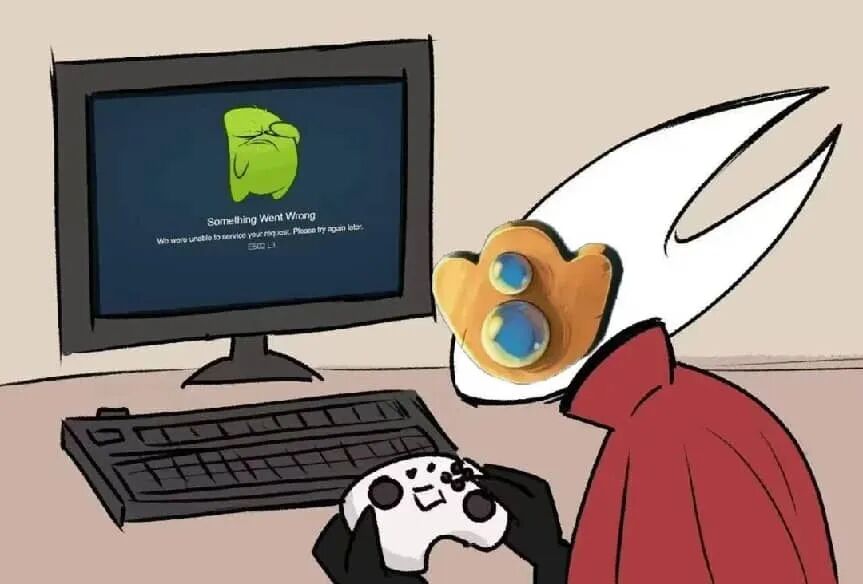
After a delay of nearly a year, *Slay the Spire 2*, eagerly anticipated by countless players, officially launched in Early Access at 2:00 a.m. today (March 6). Hailed as the game that defined the entire roguelike card-building subgenre, it has consistently ranked among the top five on Steam’s Wishlist in recent years thanks to its exceptional quality and the player community’s remarkable ability to create memes.has consistently ranked among the top five on Steam’s Wishlist in recent years. Even before its launch, many were concerned that it might crash the servers upon release, just like *Hollow Knight: Song of the Void*, and that’s exactly what happened: the platform began to crash at 1:50 a.m. and didn’t stabilize until 3:00 a.m.,demonstrating just how enthusiastic the players are.
To date, *Slay the Spire 2* has achieved a peak concurrent player count of over 280,000, topped the Steam Best Sellers chart, and earned a 97% positive review rating across all languages, fully continuing its commercial and critical success.
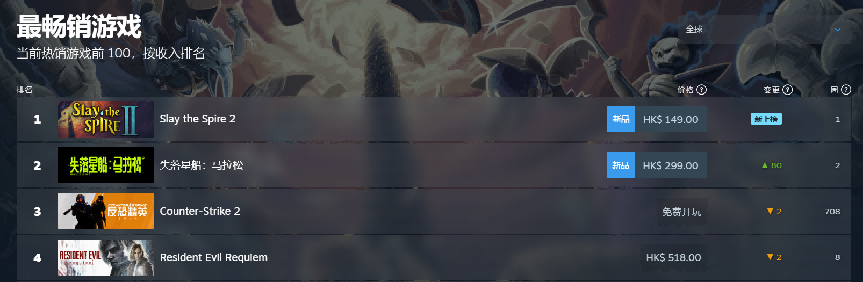
However, due to Steam’s policies, pre-orders are not available for games in the Early Access phase, so the developer certainly cannot be blamed for this outage.However, some players—including those in the Tea House—reported that after successfully purchasing the game in the early hours of the morning, it didn’t appear in their library, and they didn’t receive a refund even after making a duplicate purchase. The Tea House kindly advises sending a screenshot of your payment order to Steam Support along with a description of the issue; the fastest resolution typically takes about half an hour. While you wait, you can fire up the first game in the series for a quick round of “Chicken Pot.”
After thoroughly testing all characters and clearing the Tier 0 difficulty with three of them, the Teahouse can confidently say that *Slay the Spire 2* is by no means a simple sequel.It fulfills the expectations of the original game’s players for new decks and deck-building strategies, while also propelling the future of the entire IP to new heights. With its depth of content and high level of polish, it is already a fully evolved title even in its Early Access phase.
1. Success comes from doing three things
If I had to sum up the biggest changes in this game in one sentence, it would be that the graphics are more detailed, the characters are more refined, the gameplay is more diverse, and the guidance is more user-friendly. Even in just a few short hours, you can tell that this game offers far more content than the first installment.
The game’s core mechanics and gameplay haven’t strayed far from the first installment; players still choose a character to climb from the bottom of the tower, defeating monsters, drawing cards, and encountering random events across a map consisting of three completely randomized levels per match. The goal is to build a deck to take on increasingly powerful enemies, defeat the final boss, and escape the tower.
When the trailer was first released, many longtime players felt the art style had changed too drastically and couldn’t get used to it, but after actually playing the game, they found that it only enhanced the sense of immersion.Since the game switched to the Godot engine for development, characters now perform genuine slashing and spell-casting animations during combat, making the action much smoother. This provides more satisfying combat feedback and makes up for the shortcoming in the first game, where the development team—due to technical limitations—could only depict attacks as simple character movements.
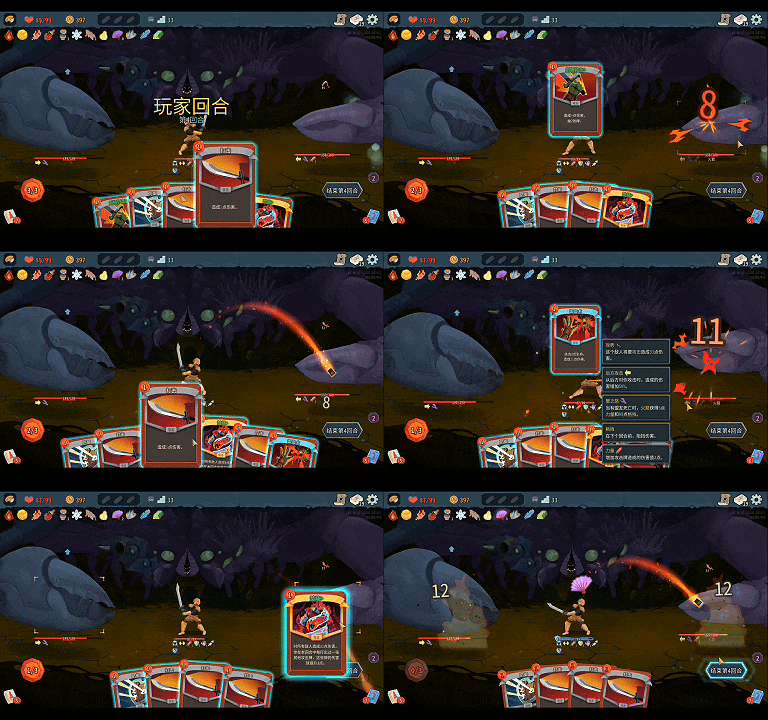
Both players and enemies have hit feedback.
At the same time, various random events have been transformed from static images into immersive full-screen animations featuring particle effects, resulting in a more noticeable visual upgrade.
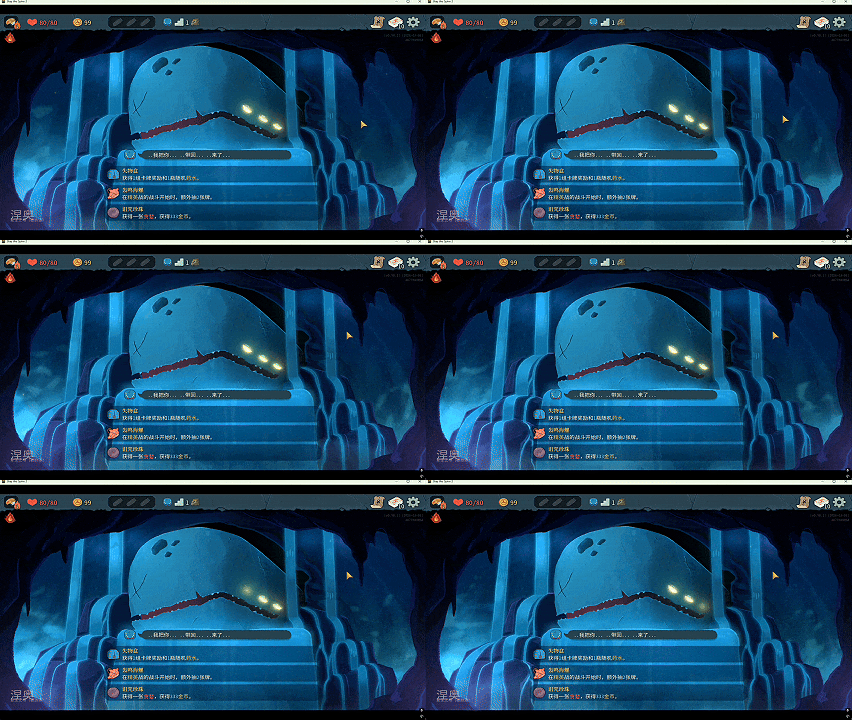
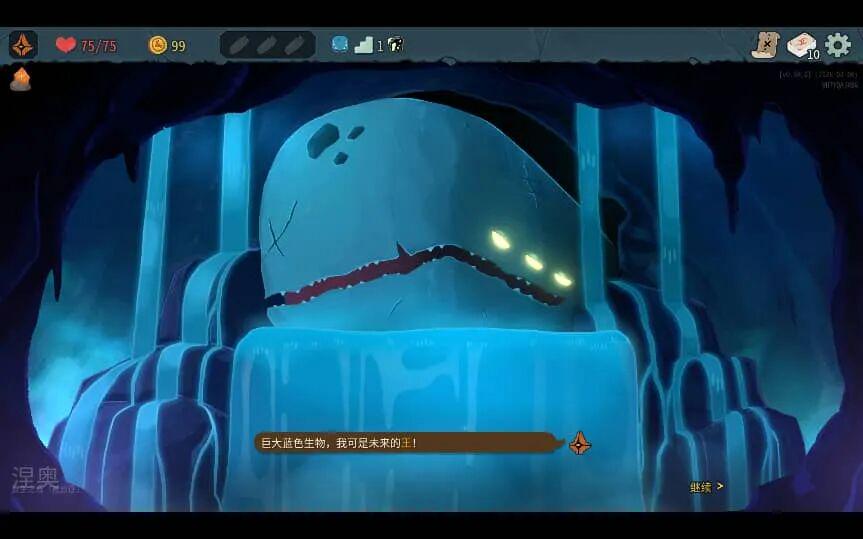
The Grand Return of Our Old Friend Neol
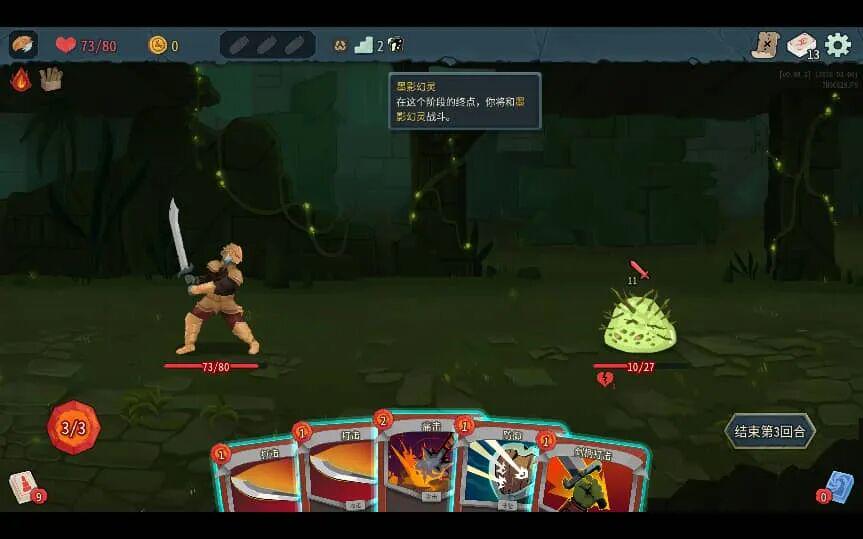
Aside from the visual effects, this installment has also improved the game’s guidance system. Players can now see the final boss of the current level directly at the top of the battle screen. Compared to the first game, where players had to study the murals on the map to figure it out, this direct indication allows new players to more consciously build their decks along the way based on the characteristics of different bosses.At the end of each turn, the current turn number is also displayed, making it easier to see at a glance when certain artifacts or cards are triggered, so players don’t have to rely on memory.
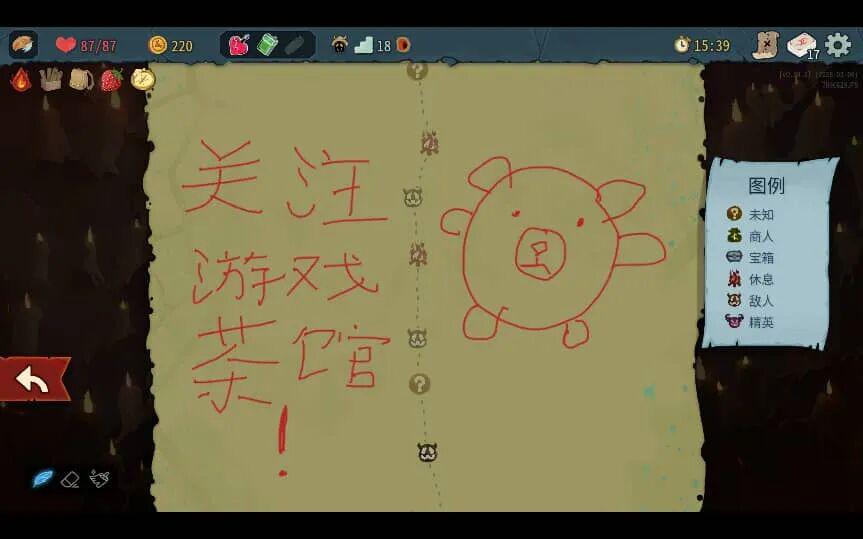
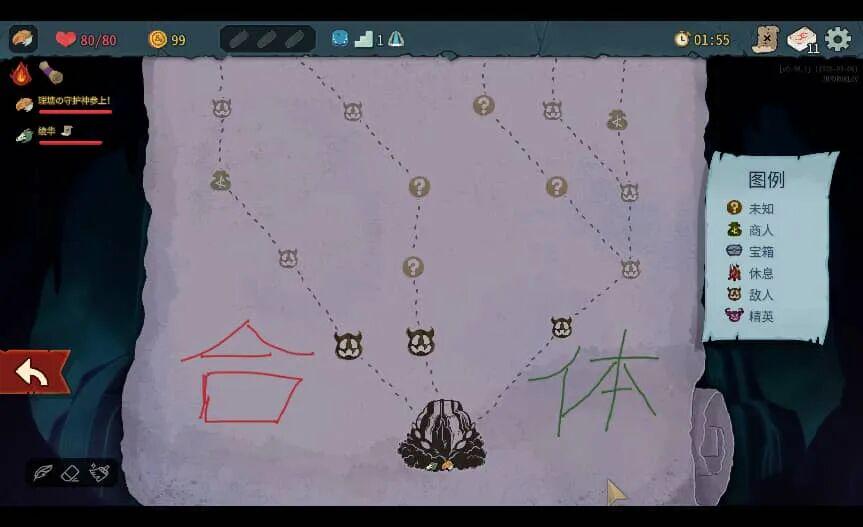
Also, a new doodling feature has been added to the navigation system. You can use the left mouse button to draw, erase, or clear everything with a single click, or simply hold down the right mouse button to draw. This feature not only lets you have fun with your teammates in multiplayer mode but can also be used in single-player mode to plan routes and record events.
As mentioned earlier, Tower 2 will take the entire IP to new heights, thanks to major overhauls to the off-game progression system, which now aligns more closely with the game’s lore. Players can, of course, continue to unlock new cards and artifacts by earning points through matches, just as in previous installments, but this installment introduces the concept of “historical milestones.”, allowing us to piece together the Spire’s millennia-long history through countless tower runs. By uncovering characters’ story memories, we unlock new items, transforming the off-tower progression into a heartfelt, narrative-driven exploration—while also serving as a major initiative by the developers to refine and expand the game’s lore.
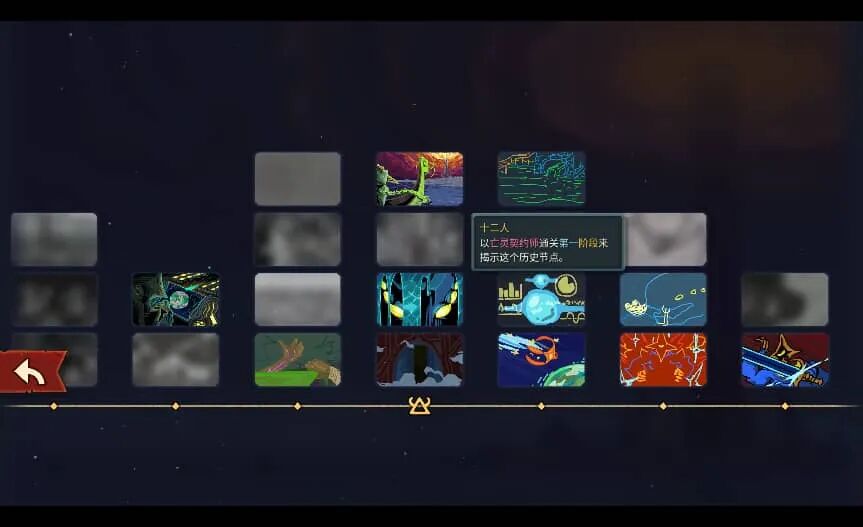
Each historical milestone has different unlock conditions.
After completing each round, the system will automatically award a certain number of Timeline Shards based on your overall performance, including the number of levels cleared, difficulty level, event completion rate, and score. Additionally, some historical events are no longer limited to a single character but are shared among all characters, so players who prefer a single character won’t feel too much pressure.
When a node is unlocked, it is presented through a combination of exquisite animations, artwork, and text files, offering insights into the world’s lore—including major events that occurred during the Spire’s 1,000-year slumber, the origins of both new and returning characters, and the reasons behind the Spire’s reactivation.All players need to do is piece together the complete timeline step by step, like a jigsaw puzzle, which greatly enhances immersion. This stands in stark contrast to the first game, where the story was confined to scattered fragments found in certain event artifacts or equipment, requiring Towerologists to constantly piece them together to roughly infer the plot.this approach—which reveals nearly the entire story—makes it hard not to wonder if the development team has plans to expand the IP. Perhaps we’ll even see a *Slay the Spire* anime in the future.
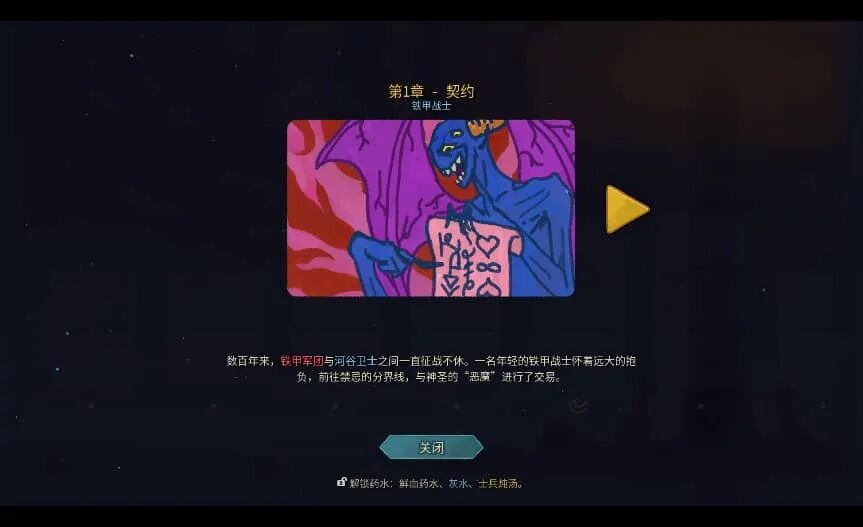
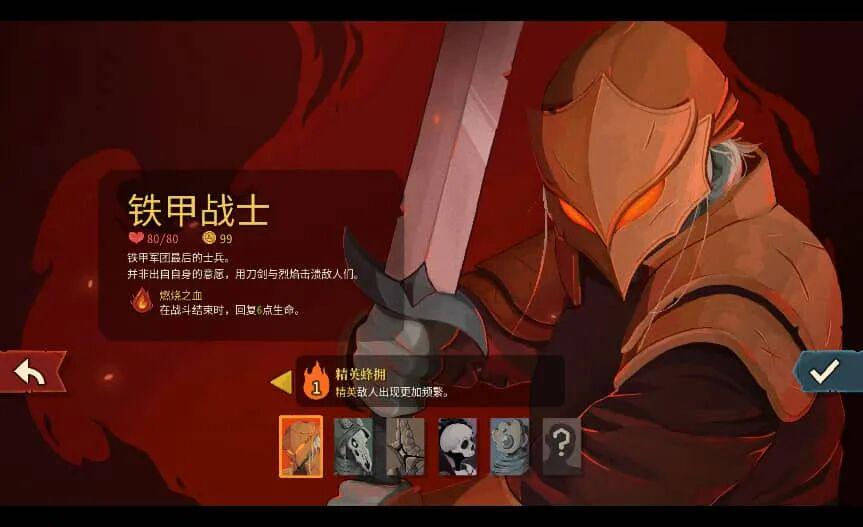
The Origin Story of the Iron Warrior's Tower Climb
2. Old Friends, New Faces
Before the final PV was released, many players thought there were only four characters, but the final PV brought back everyone’s fourth-favorite malfunctioning robot.
There are five characters in *Slay the Spire 2*. The starting character is still the Iron Warrior, but you only need to complete one match to unlock the subsequent characters. If you want to play as the Malfunctioning Robot sooner, you can simply quit right at the start (though you’ll at least have to face the first boss…).
Warriors, Silent Hunters, and Malfunctioning Robots from the first generation are all climbing the tower once again, bringing along some of their old cards and a large number of brand-new ones. Since Teahouse likes to play Warriors, let’s take him as an example: his card pool totals 85 cards, 44 of which are new.All the art for the old cards has been completely revamped, and the rarity of some old cards has changed—for example, “Heavy Hammer” has been downgraded from “Rare” to “Common,” while “Dark Contract” has been upgraded from “Common” to “Rare.”
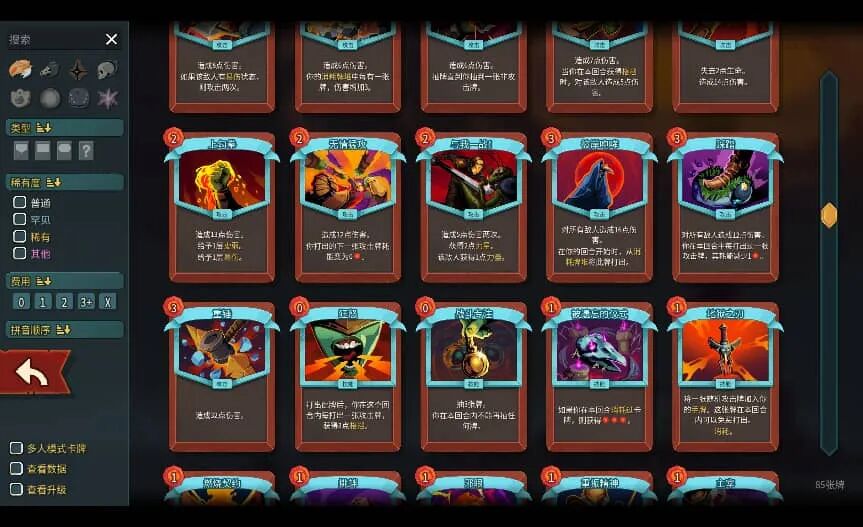
When it comes to deck-building strategies, Warriors can still go with the traditional “Infinite Burn” and “Belly” builds (though I haven’t found “Corruption” or “Branch” in the Teahouse yet /(ㄒoㄒ)/), but this installment also introduces the “Vulnerability” build, which finally allows the Warrior’s core card, “Heavy Hammer,” to synergize better with other deck components.The same applies to other characters. Veteran players can start out using the same approach as in the first game, and as they gradually unlock new cards, they’ll discover that the second game offers an extremely high ceiling for deck-building.
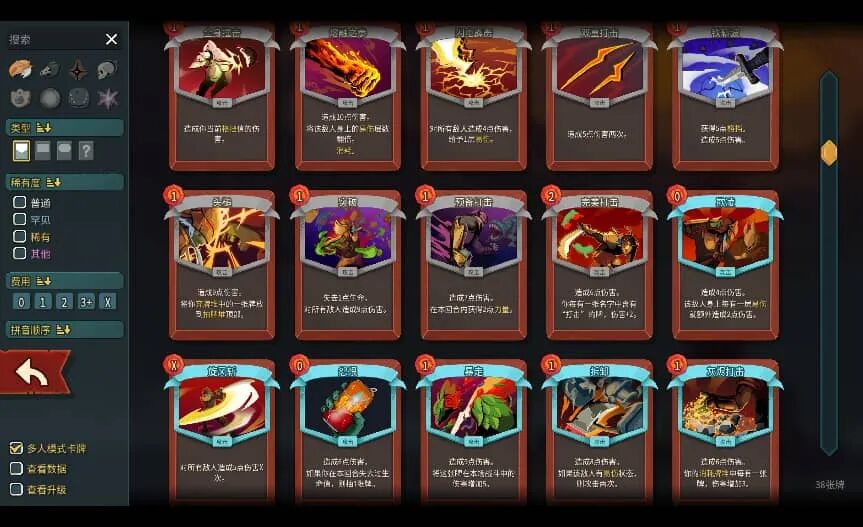
The new characters are the Crown Prince and the Necromancer. After trying them out, the Teahouse liked the former best and beat the game on the first try.
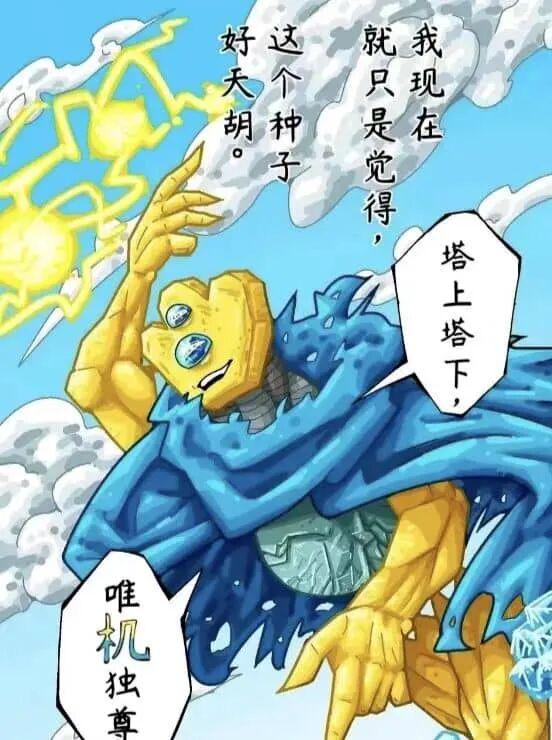
The Crown Prince's English name is Regent—which can also be translated as "Regent"—and his attack style and personality perfectly match this imposing name.
When facing the ancient peoples of each realm, he alone was not bewildered by the unknown before him; instead, he consistently maintained an air of supreme authority—as if he were the only one of his kind in all the heavens and on earth—as he engaged them in dialogue.
His legacy is starting with three Stardust. As a unique resource for the Crown Prince, the resource cost of the cards he plays is divided into Energy, Stardust, or a combination of Energy and Stardust. Stardust can be obtained through certain cards,This trait makes him the Tea House’s undisputed “King of Early Game” in the current meta. He can easily accumulate over a dozen Stardust, continuously stacking layers on the Sword of the King for a devastating final strike—capable of both one-on-one duels and area-of-effect attacks. Paired with his perpetually strategic demeanor, this is the second-generation Lord Observer.
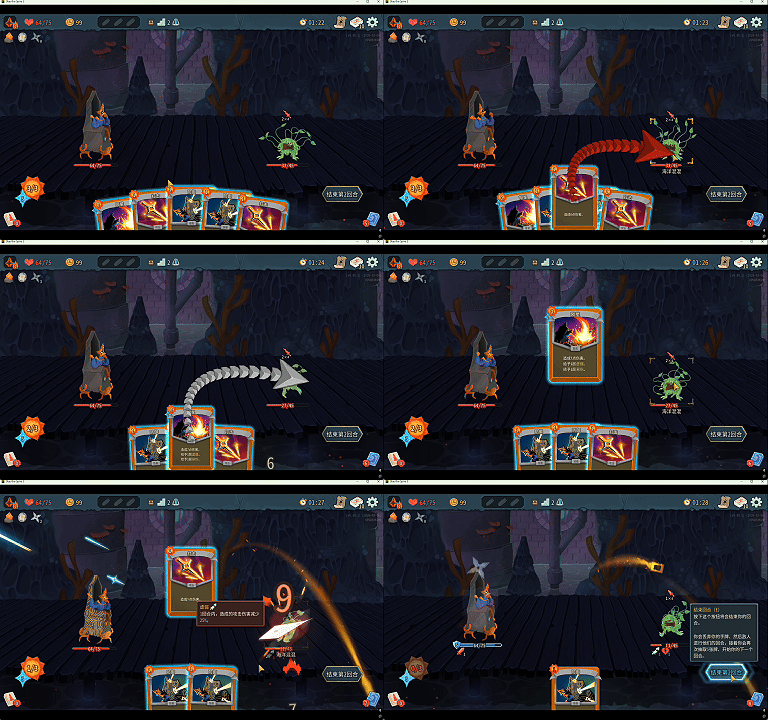
As for the other new character, the Undead Contract Master, due to time constraints, the Teahouse wasn’t able to delve deeply into her, but it’s safe to say she’s the character with the most potential for development. She also has a collaboration card with the Malfunctioning Robot, so we’ll just have to explore that further later on.
Speaking of new characters, we definitely can’t forget the glitchy robot—who ranked fourth in popularity in the previous game—and there’s even an official in-game reference to him in this installment.
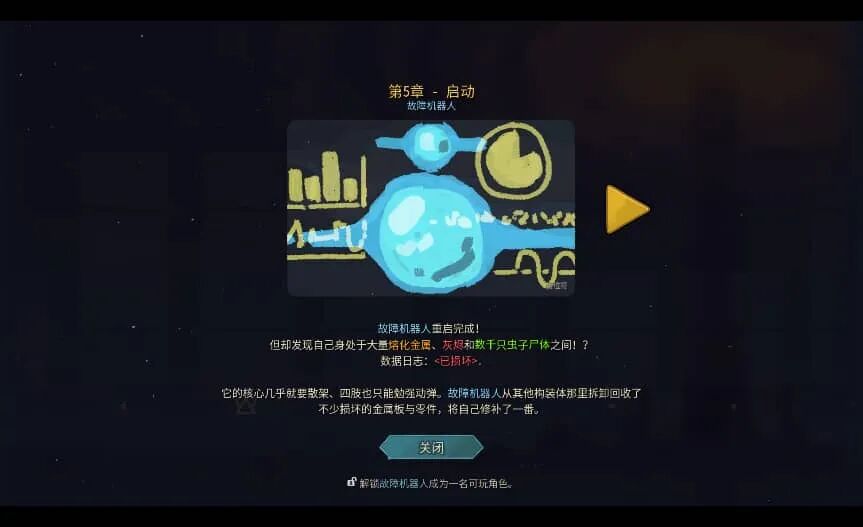
I've started
As the last character to be unlocked, the Malfunctioning Robot has the most drastically different appearance compared to the previous game.In the previous game, players consistently criticized its extremely slow startup speed when tackling the game’s higher difficulty levels, which inherently put it a step behind other characters. They had hoped for a buff in the new installment, but after testing it in the Teahouse, it seems we can only say that Ji Bao was dreaming of becoming a superstar.While the addition of some new artifacts has made it slightly stronger, compared to other characters, it’s simply laughable.
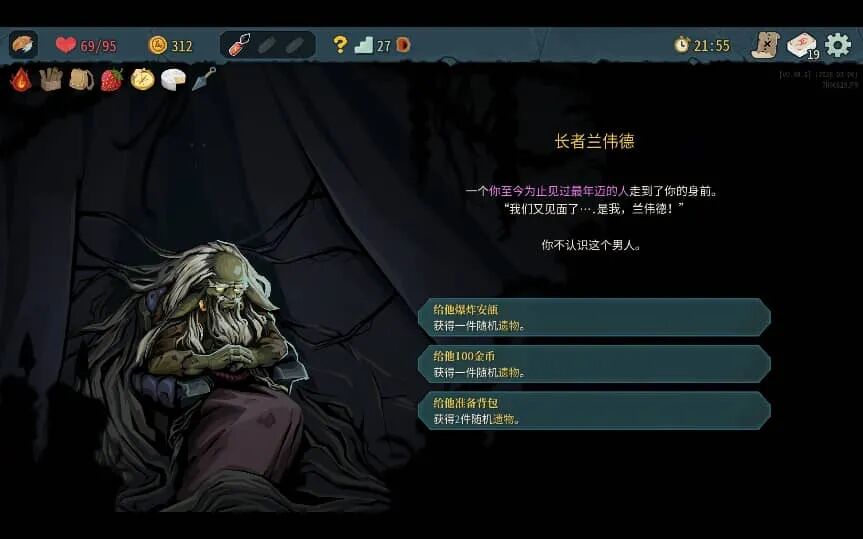
Speaking of old friends, Lan Weide from the First Generation also appears in this event. A thousand years have passed, and he has gone from being a beggar to the elderly man he is today. But this time, you don’t have the option to beat him up—there’s someone in the tower who’s been keeping track of you for thousands of years.
In addition to the two new characters, there are a large number of unknown new random events, and even new maps that become available as you unlock historical milestones. During gameplay, the Teahouse encountered the following interesting new events and mechanics.
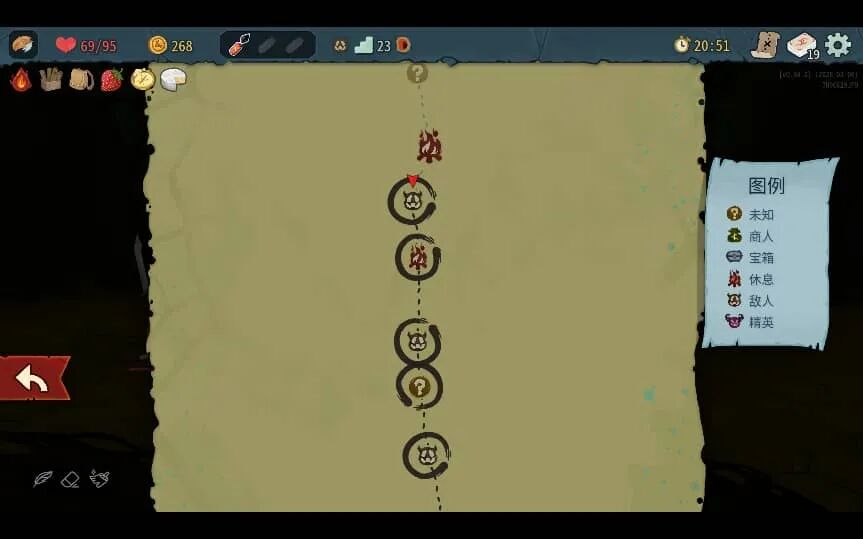
The entire floor's route has been consolidated into a single path; there isn't a single fire pit elite chest missing, but it's full of challenges.
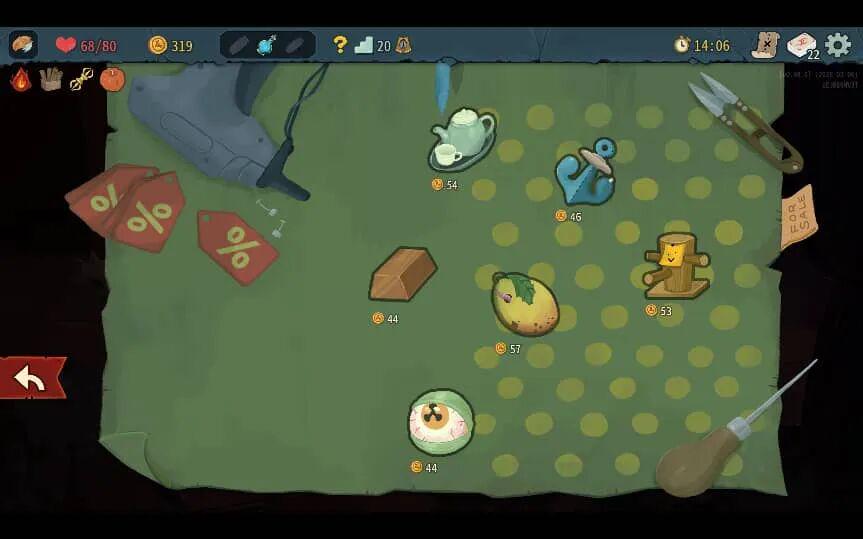
Encountered the Dark Merchant in the Question Mark Room? (The price of relics is reduced by three-quarters, but their effects are also halved; for example, the Mango only increases maximum health by 7.)
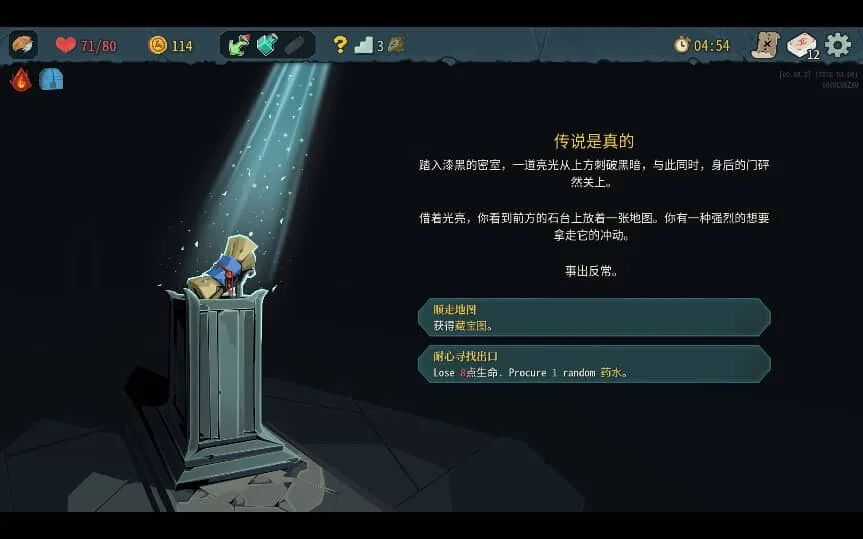
A treasure map included in the deck; you'll receive 600 gold coins after advancing to the next level.
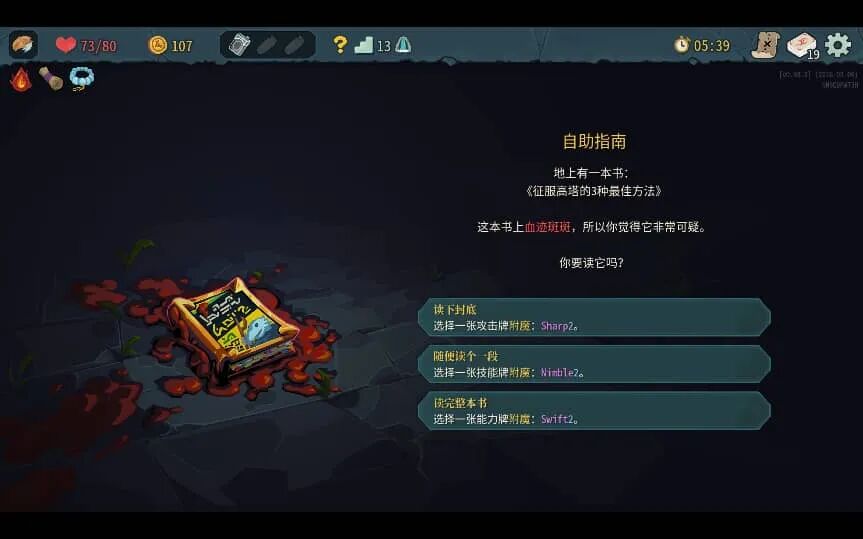
More importantly, the game also features a card enchantment mechanic that can increase the damage of attack cards, boost the defense of defense cards, or allow you to draw two cards after playing a card. Another enchantment effect is “Sowing”:which adds one energy upon being played, as well as an effect that triggers twice when the card is played. These features give cards that were once considered useless a much higher potential for impact and provide greater flexibility in deck building. It’s safe to say that the enchantment system will undoubtedly be a frequent topic of discussion among players as the game progresses.
The game heavily promotes its co-op mode, and playing it with friends is actually a lot of fun.
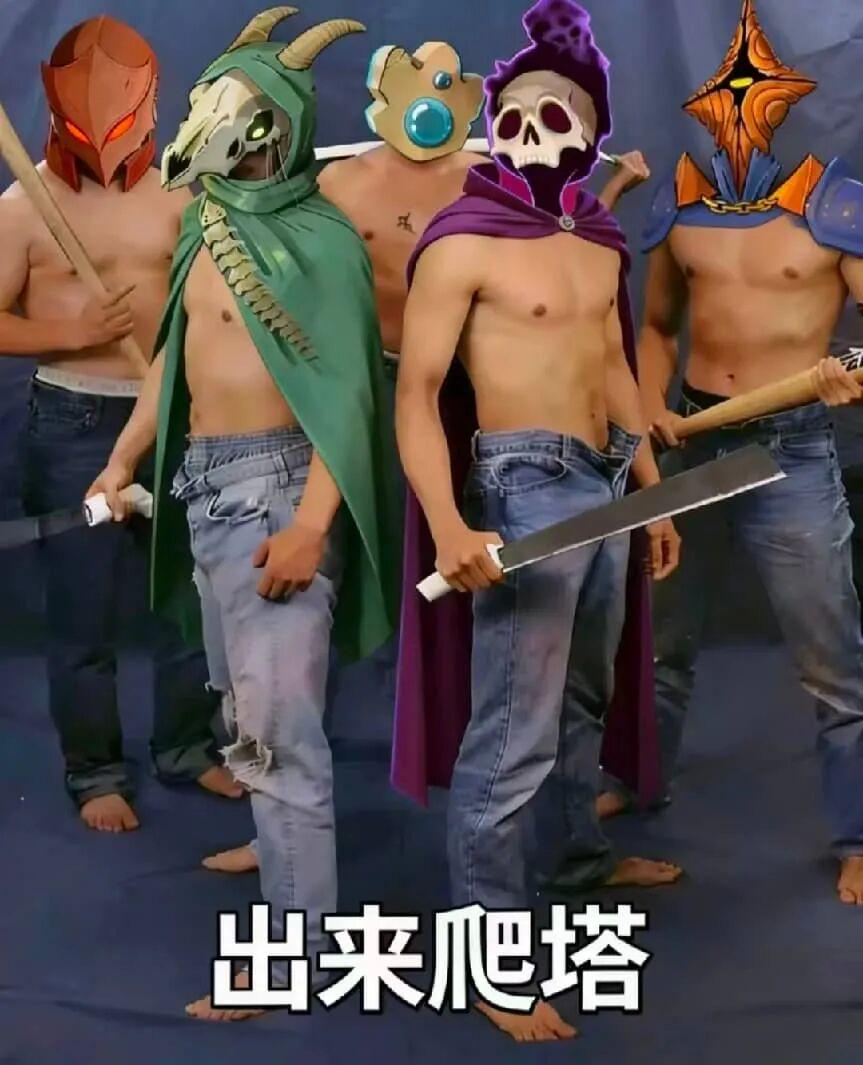
First, different players can choose the same character, which avoids disagreements over character selection when friends play together. The enemies' health is equal to the number of players × N.
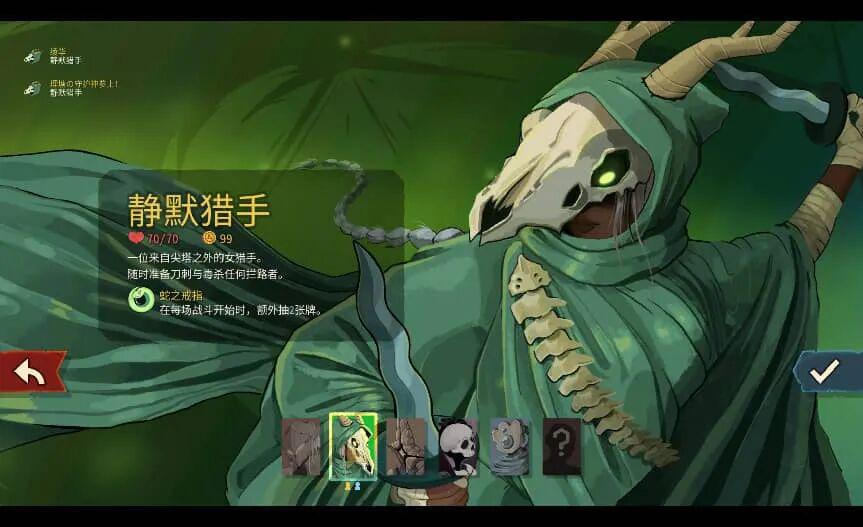
When selecting a route, the majority rules; in the event of a tie, the system automatically chooses a random route. Additionally, multiple players can select the same item during the card-selection and relic-acquisition phases. Different characters also have their own multiplayer-exclusive cards that can grant buffs or heal teammates.After a brief trial, Teahouse believes that the best aspect of *Slay the Spire 2*’s multiplayer mode is how it goes to great lengths to avoid disagreements among friends, truly focusing solely on infusing the mode with fun. We believe it will become a leading example of multiplayer gaming in the future.
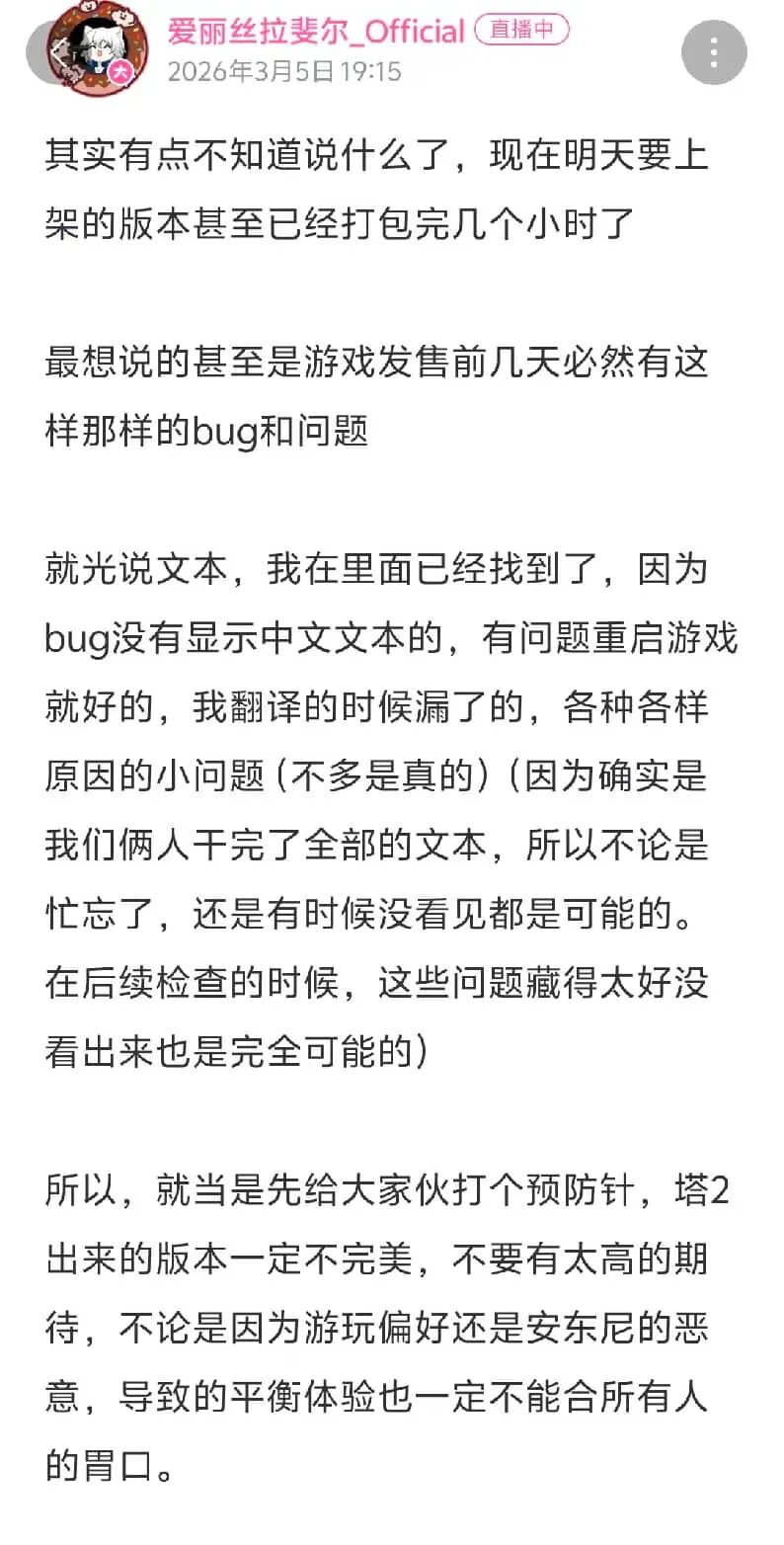
As you can see in the image above, some text hasn’t been localized yet, and members of the localization team posted last night before the game’s launch, noting that there might be some omissions and minor bugs. A team of just two people developed *Slay the Spire 1*, and a localization team of just two people took on the entire *Slay the Spire 2*—and this spirit of passion is truly priceless. If you encounter any bugs in the game, you can press F2 to submit feedback directly. As this content creator said, it’s really cool to grow alongside a game.
3. A coin toss that determines whether you get *Slay the Spire 2*?
Ten years later, seeing how the release of *Tower of Slaughter 2* has crashed Steam’s servers, will Mega Crit founders Anthony and Casey recall that afternoon when *Tower of Slaughter* sold only 2,000 copies in its first week after launch?
Chinese players undoubtedly played the biggest role in the game’s global phenomenon. More specifically, it was a live-streaming video by Bilibili content creator Wang Laoju that drew viewers to rush out and buy the game, ultimately resulting in the remarkable feat of Chinese sales accounting for as much as 43% of total sales—even before the game had been localized. Afterward, the game’s reputation began to spread globally.The game sold 1 million copies in just eight months, but the two-person team did not rest on their laurels. They continued to refine the game with an extremely high frequency of bug fixes and new card releases. Even after the official version launched in January 2019, they introduced the final character, The Spectator, in 2020. Furthermore, they were extremely supportive of creators,strongly supported Creative Workshop mods, and actively made balance adjustments themselves—ultimately cementing *Slay the Spire*’s status as a legendary roguelike card game.
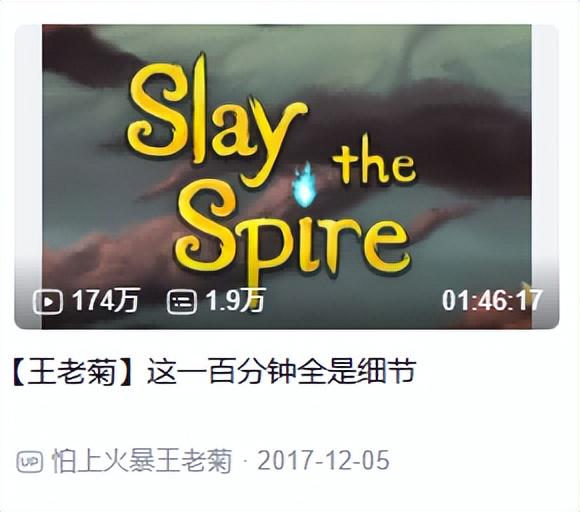
After the experiences of the first generation, the team has placed great importance on the Chinese market. Not only was the second generation released directly in Chinese, but all announcements on Steam have also been localized into Chinese. Furthermore, Simplified Chinese was included in the initial list of supported languages as early as the mid-development stage—a special bond unique to *Killing Tower* and its Chinese players.
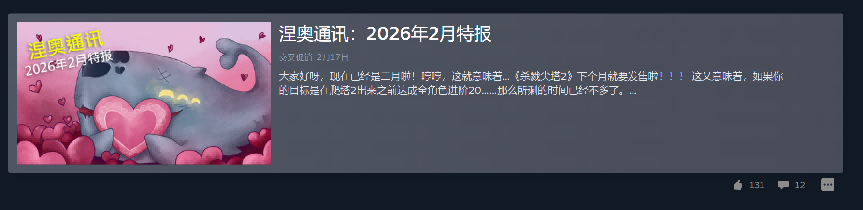
However, compared to the steady and methodical approach of the first generation, the development process for the second generation had a touch more humor.
First, after two years of development, the team decided to stop using the Unity engine. On September 12, 2023, Unity announced that, starting in January 2024, it would charge runtime fees for games that reached specific installation and revenue thresholds. This policy sparked fierce backlash from developers worldwide because it was based on download volume and lacked clear guidelines.Developer Casey stated in a blog post that this was a “stupid move”; as an independent developer, she suddenly felt she was no longer independent at all. The team also indicated that if Unity did not completely rescind the policy, they would switch engines.Faced with a crisis of trust, Unity began revising the policy in late September 2023, significantly raising the fee thresholds and relaxing the restrictions. The company subsequently canceled the plan in 2024, but trust had been completely shattered. In April 2024, the team officially announced that it had completed the full migration from Unity to Godot.
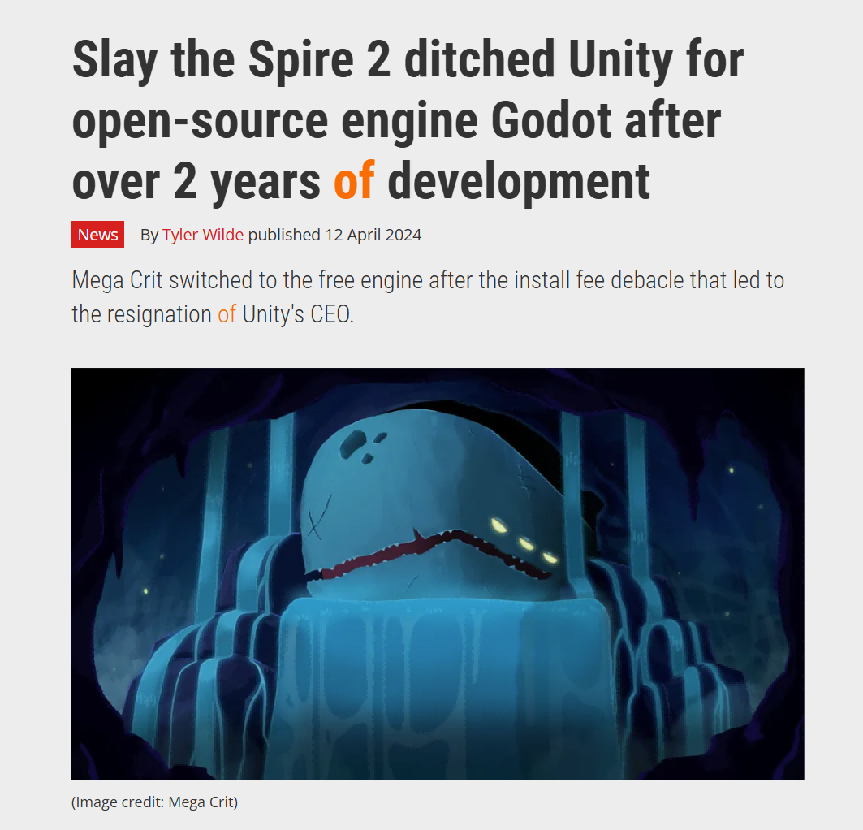
Godot is a completely free and open-source engine whose architecture is naturally suited for creating mods on the Creative Workshop. This is a huge plus for a community-driven game like *Slay the Tower*, and it proves that indie games need the support of equally “independent” engines.
A generation later, the team—which originally consisted of just Anthony and Casey—had expanded to more than 10 people. In an interview with PC Gaming Show, they said that at first, they were working on various small projects and prototypes, and they were having a lot of fun.It was during the COVID-19 pandemic, and both were eager to tackle a project they could truly commit to wholeheartedly. Although *Killing Tower* had already sold over a million copies by then, it was still unclear whether this new project would actually be another *Killing Tower* game.There were several different development directions on the table at the time: one was a completely different project, and the other was a sequel to *Killing Tower*. In the end, they decided by flipping a coin, and *Killing Tower 2* won out, so the team began development (truly a group of people who respect randomness both in and out of the game).
From 2,000 copies sold in its first week to 280,000 online players on its first day—and reaching the top of Steam’s Best-Selling Chart—*Slay the Tower 2* has proven that what truly ensures the longevity of an IP is never luck, but rather the sincerity with which creators engage the player community in collaborative creation, and their own diligent refinement through personally “climbing the tower.”
原创文章,作者:游茶妹儿,禁止转载:https://youxichaguan.com/en/archives/215129