If we were to have today’s mainstream AI analyze the heat map of the global gaming industry, we would find that the AI’s classification of heat values for the global gaming industry generally follows the same pattern:
Red, symbolizing extreme heat, appears in North America, East Asia, and Europe; the “sub-hot” regions, with slightly lower color temperatures, consist of Southeast Asia, the Middle East, Australia, and South America; while vast swaths of Africa and the sparsely populated regions of North Asia remain virtually outside the global gaming landscape.
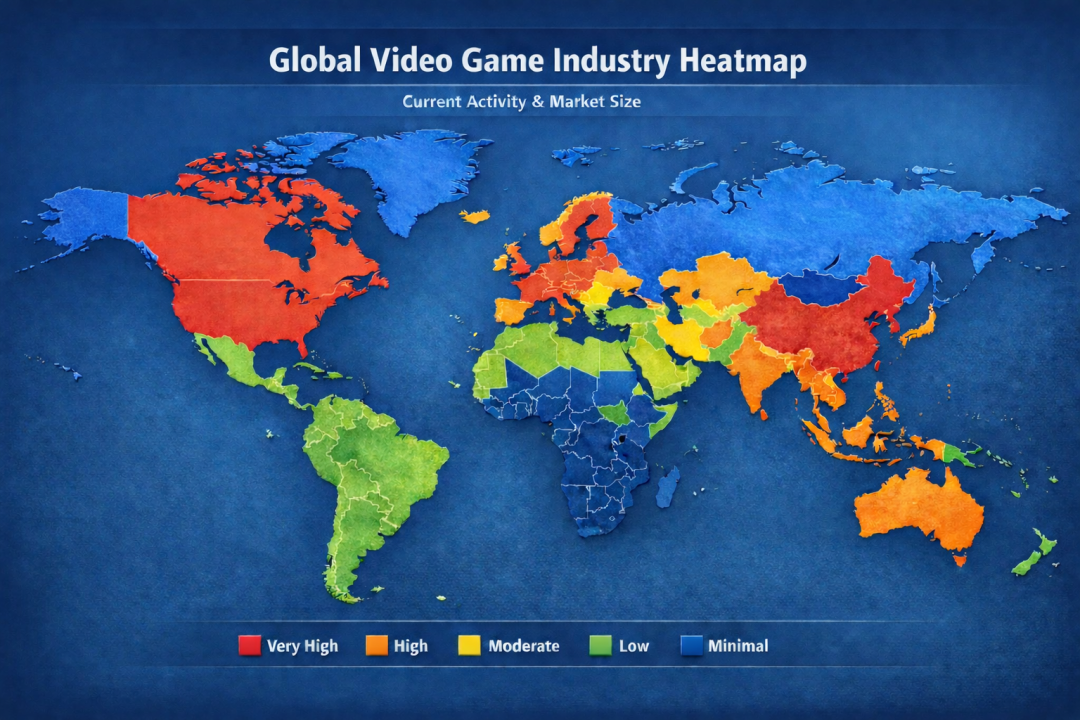
From GPT-image1.5
This should align with both your and my initial impressions; after all, the prosperity of the gaming industry is closely tied to the level of economic development in a given region. With this in mind, when we turn our attention to Europe and use AI to further break down the heat map for this region, we find that one country on the Central European Plain stands out prominently across the entire continent.
That country is Poland.
Poland, though not a traditional hub of technology or economics, is a country roughly the same size as China’s Yunnan Province. Its geographical location has shaped a history marked by war and turmoil, but today, complex geopolitical dynamics have given rise to a Polish gaming scene that shines with intense brilliance.
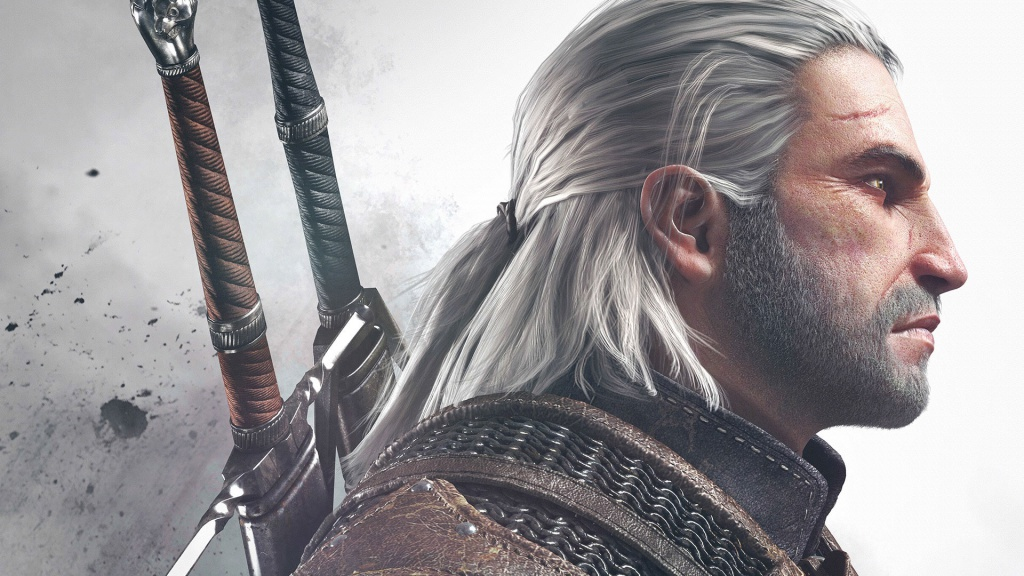
"The Witcher," "Cyberpunk 2077," "This War of Mine," "Frostpunk," "Dying Light," and countless other Polish games—as well as the developers behind them, CDPR, 11bit, and Techland—have long been known to the world.
The Slavic people of this land have captivated gamers around the world with their rich imagination—one tinged with the scent of gunpowder and the chill of ice, yet incredibly resilient.
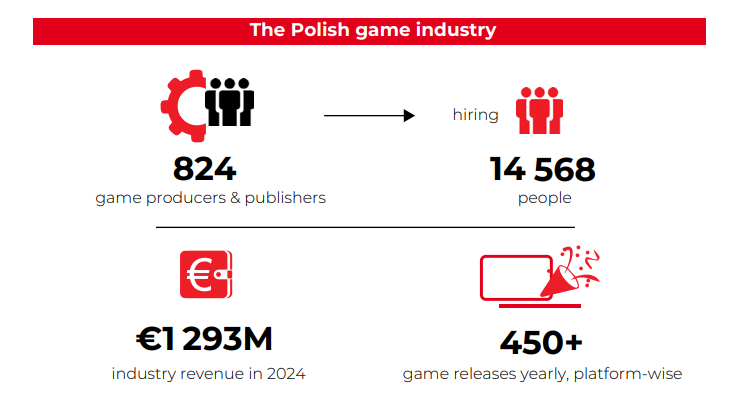
Today, the Polish gaming industry continues to grow,According to the latest “Polish Gaming Industry—2025 Report” released by the Polish Agency for Enterprise Development (PARP), there are currently approximately 824 active game developers and publishers in Poland, with 14,568 people directly employed in the industry. More than 450 games are released annually,and the industry’s total revenue has reached 1.3 billion euros.
As for why the Polish gaming industry has risen to prominence, opinions vary widely: some say it is due to the Polish government’s strong support; others attribute it to the tireless efforts of Polish game developers; still others point to the extremely high proportion of gamers in the Polish population.
There is some merit to each of these explanations; the industry’s rapid development is inevitably the result of the combined influence of multiple factors.
Looking back at the history of the Polish gaming industry, it has gone through every stage—from rampant piracy to the accumulation of outsourcing experience, and finally to gaining mainstream recognition. In a sense, it bears some resemblance to the Chinese gaming industry; however, unlike China’s path to success through the free-to-play (F2P) model, the glory of the Polish gaming industry continues to be built on buy-to-play games.
So, what twists and turns has the rise of the Polish gaming industry gone through?
Institutional economist Douglas North argues that economic growth is inseparable from the institutional environment.
In summary, the rise of Poland’s gaming industry is due, on the one hand, to market integration following its accession to the European Union;on the other hand, it is rooted in its unique informal institutional framework: a garage startup culture that emerged during the era of rampant piracy has forged developers’ extraordinary resilience in the face of challenges—and this resilience is the intrinsic driving force behind their creativity.
01
Behind the Iron Curtain
I often say that gaming is a modern phenomenon with sufficiently blurred class boundaries; anyone can become a gamer if they choose to, and the authentic joy inherent in “true gaming” is powerful enough to transcend the barriers of gender, culture, and perspective. Playing games is a tangible expression of humanity’s innate pursuit of happiness.
The book *The Player* begins by stating: “Play is an autonomous entity. You can reject seriousness, but you cannot reject play.”
This statement is incredibly apt for 20th-century Poland. Just as humanity was shedding the shackles of religion and striding confidently down the broad path of science, so-called scientific rationality did not bring happiness to the Polish people; on the contrary, it plunged Poland into even greater turmoil.
The political turmoil before and after World War I forced nearly 4 million Poles to leave their homeland;The devastating blows of World War II reduced Poland’s cities and industrialization to rubble; and in the postwar period, decades of Soviet-style rule and the isolation brought about by the Cold War kept Poland’s trade and cultural exchanges with the outside world at a level as frigid as Siberia for a long time.
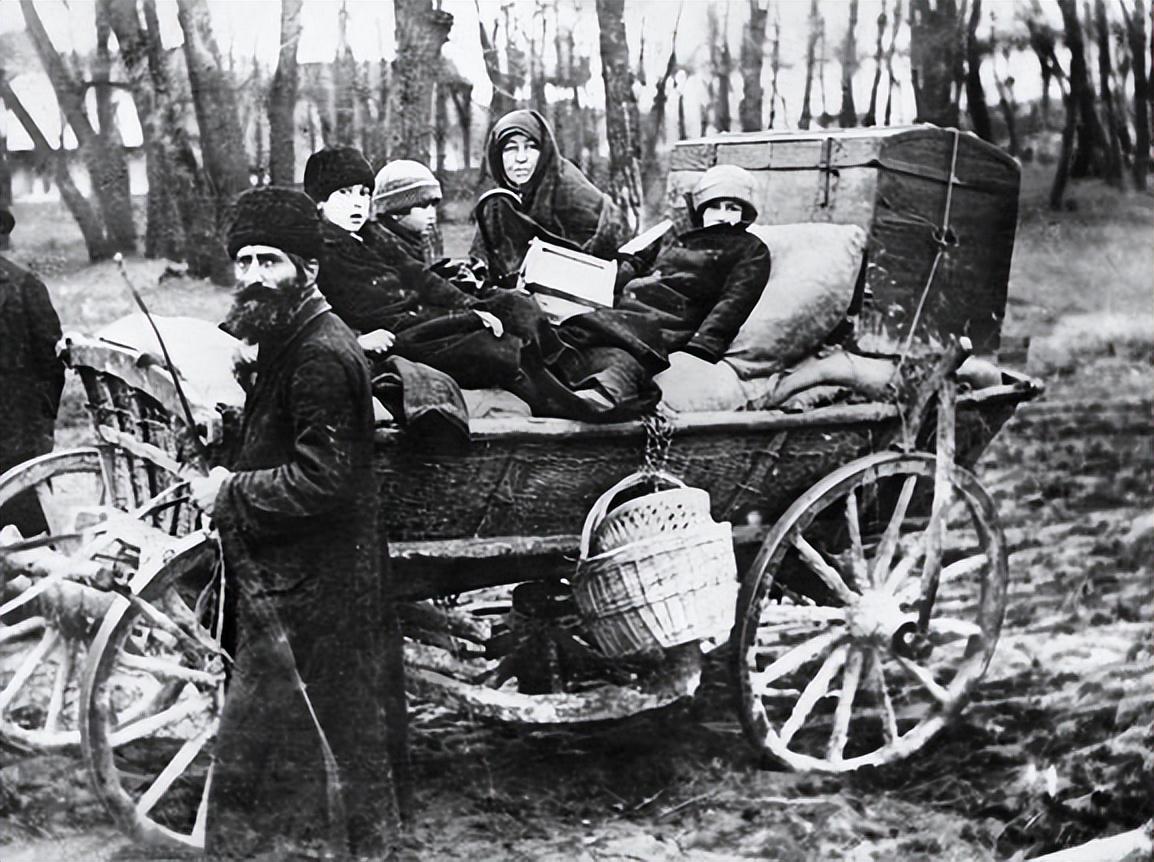
As a source of emotional fulfillment, video games are indeed a luxury for people who feel constrained by real life.
However, just as the Polish people—even while living in an environment where their country was constantly being partitioned and used by other nations as a pawn to counterbalance their enemies—still gave rise to giants such as Chopin,Lem, and produced countless artistic and literary treasures, continually broadening the horizons of Polish culture—so too will the resilient Polish people always find a way to express their spirit.

During World War I, comics became a means for Poles to resist the brutality of the war.
In the 1980s, while children in the United States and Western Europe were already being introduced to Nintendo and Sega and enjoying a new form of entertainment called video games, Poland’s cultural and entertainment scene was virtually nonexistent—let alone video games.Yet it was precisely in this environment that video games—as a fragment of the “Western way of life”—seeped through the Iron Curtain from west of the Berlin Wall and took root amid the white mist of noise in Warsaw.
At that time, some cultural products from the West would find their way sporadically and sparingly behind the Iron Curtain, and video games were naturally among them. Just like gamers anywhere else in the world, young people in Poland quickly became captivated by this unprecedented form of entertainment.To play these games, Polish gamers went so far as to record them from the radio—in addition to purchasing pirated copies.
Timon Smektara, lead game designer for *Dying Light 2*, recalled: ““I remember often skipping class to go to a classmate’s house, where a group of us would gather around the Atari 800XL in complete silence. Anyone who made a sound would be kicked out, because we needed it to be quiet enough to successfully record the game from the radio onto a cassette tape.”
This method of transmitting computer programs via radio waves seems quite incredible by today’s standards, but it did indeed exist historically. Back then, both the media used to store programs and data and the media used for audio storage were magnetic tapes, so it was only natural that the two could be converted into one another.
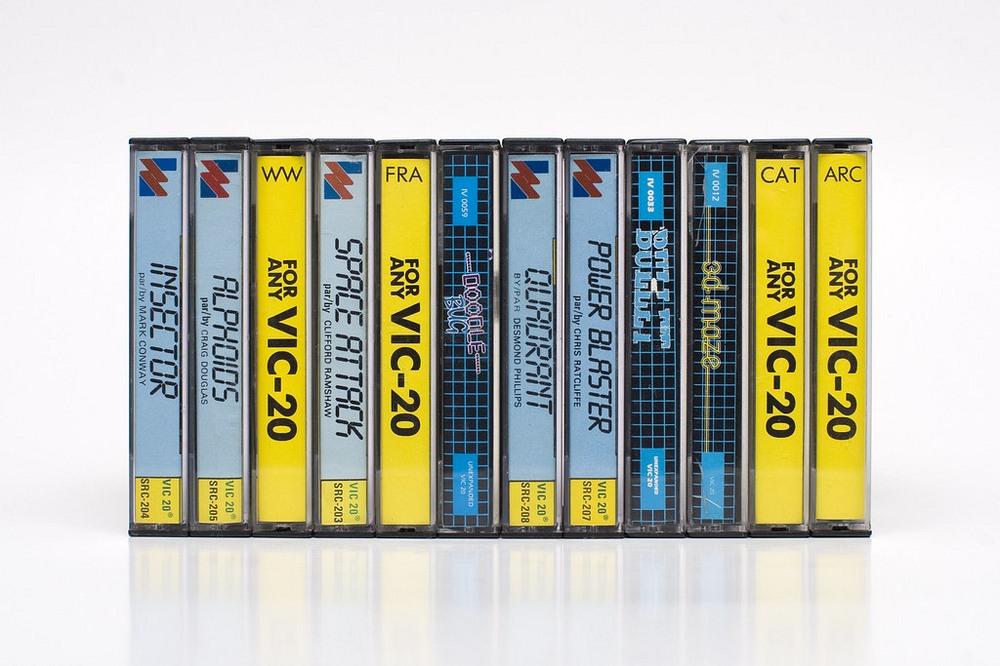
Commodore VIC-20 Game Tapes
In a sense, activities such as smuggling and pirating—which are now considered illegal—constituted the earliest stages of production in Poland’s gaming industry at the time. The political climate naturally placed games outside the bounds of the law, so copying and distribution naturally became a gray market. But since there was both demand and production, the emergence of a market was inevitable.
Smektara recalls, “Back then, there were some so-called ‘markets’ where you could buy hardware and software.”
When you think about it, the Polish gaming industry of the 1980s actually had a certain cyberpunk-style whimsy:In cities like Warsaw or Wrocław, people would gather at certain times in secluded spots filled with hardware of unknown origin and game cassettes that had been recorded from the radio and then duplicated.Though they stood in the cold wind wearing thick, long coats, their faces glowed with enthusiasm as they gathered in small groups of two or three, excitedly discussing or trading.
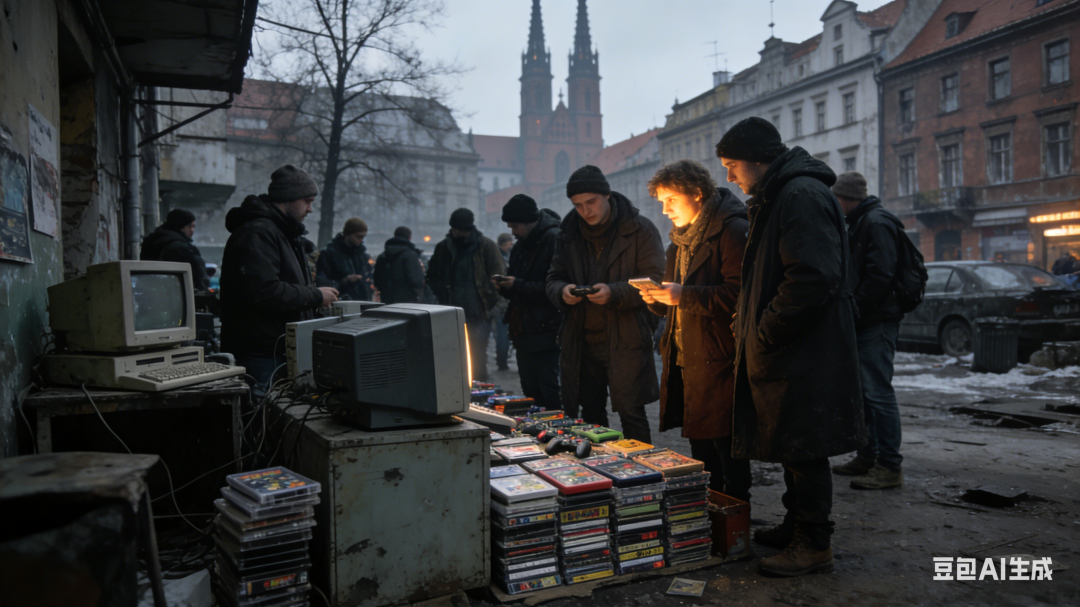
Image source: see watermark
During the Cold War, cultural products such as radio broadcasts and magazines were often viewed in regions controlled by the Warsaw Pact as political tools used by the West to promote “peaceful evolution”; yet it was precisely their existence that planted the seeds of change in Poland.
Marcin Iwiński, co-founder of CDPR, mentioned in the *The Witcher* series documentary that the game truly brought a ray of light beyond the grayness to them—who were still children at the time—behind the Iron Curtain.Like many who later became pillars of the Polish gaming industry, he was one of countless Polish gamers who sat in silence in front of their radios just to record the games and who were eager to hunt for treasures at game markets.
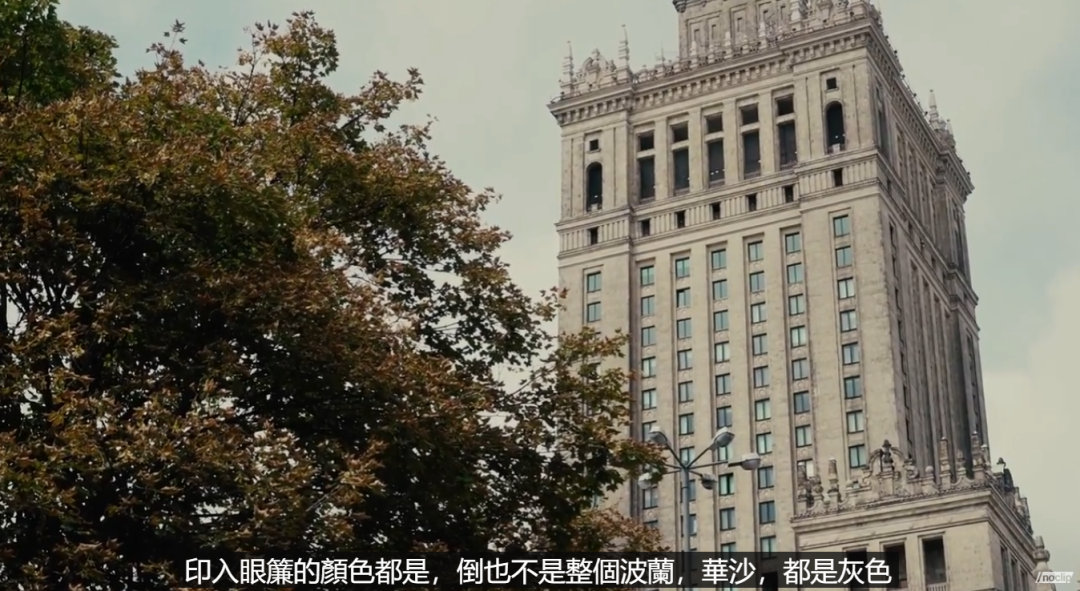
It has been only 35 years since the end of the Cold War; this period of history is by no means distant, so even today, we can still hear firsthand accounts from eyewitnesses like Marcin.
From this perspective, Poland’s gaming industry was indeed born out of piracy, but from a broader perspective, the emergence of this gray market was an unavoidable consequence of the political climate at the time, and it’s difficult to say that it actually caused any harm to the industry.
Moreover, this history of building a business on piracy has undeniably shaped two aspects of the Polish gaming industry:
First, free pirated copies allowed the Polish player base to rapidly accumulate experience with computer games(as PCs are more widely available in Poland than consoles) to rapidly grow. Furthermore, the repeated copying of games and word-of-mouth sharing fostered a dense network for sharing experiences in Poland, which played a crucial role in fostering an atmosphere of mutual support among the first generation of Polish game developers.
Second, the lack of official technical support led to the early maturation of Poland’s technical community. The scarcity of hardware, the lack of tools, and the difficulty in finding resources actually forced a group of teenagers and young adults to acquire development skills through trial and error in programming, cracking, and porting software.
And anyone who plays games is bound to develop a desire to make games.
02
Flowers Bloom Even on Cliffs
Despite modest resources, Poland’s independent game development began very early; as early as 1983, the first locally developed game, *Web Master*, was released.Far from being rudimentary, this game featured well-defined difficulty levels, a soundtrack, and original graphics. Unfortunately, it never made it outside of Poland and was distributed among Polish players solely by enthusiasts via cassette tape.
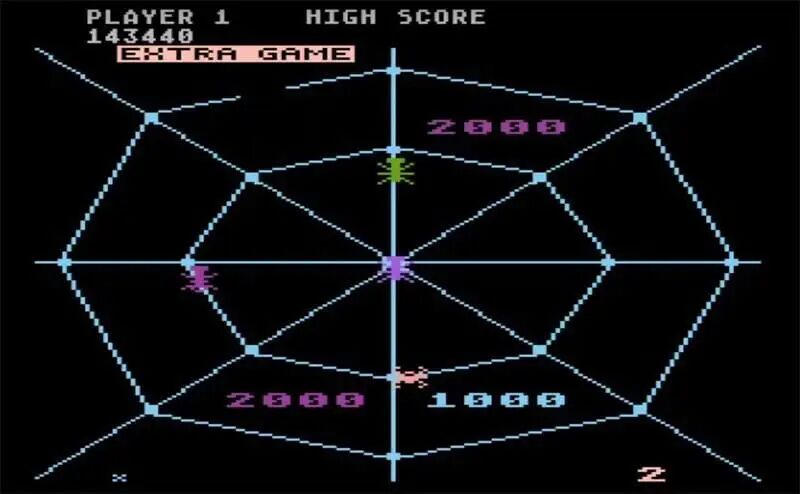
Webmaster
The development process of *Web Master* is a microcosm of Poland’s independent game development during the Cold War era. Developers often wrote code in cramped living quarters and in the brief moments between grueling work shifts, and the games they created were quickly pirated, only to fade into obscurity.
Basically, Polish developers back then weren’t developing games for profit either; more often than not, it was a form of self-fulfillment and recreation, and the recognition from fellow enthusiasts was practically their only reward.
The importance of *Web Master* goes without saying, especially since it was created during the martial law period from 1981 to 1983. This made Polish gamers realize for the first time that even in a place like Poland—which was then a creative wasteland—the Polish people could design and develop their own games.
Following *Web Master*, Poland continued to see the release of video games in various genres, such as the shooter *Magic Keys*. Remarkably, these games all featured distinctive designs—for example, the text adventure *Pandora's Box*,whose art was inspired by Mark Baranetski’s science fiction novel *The Head of Cassandra*.
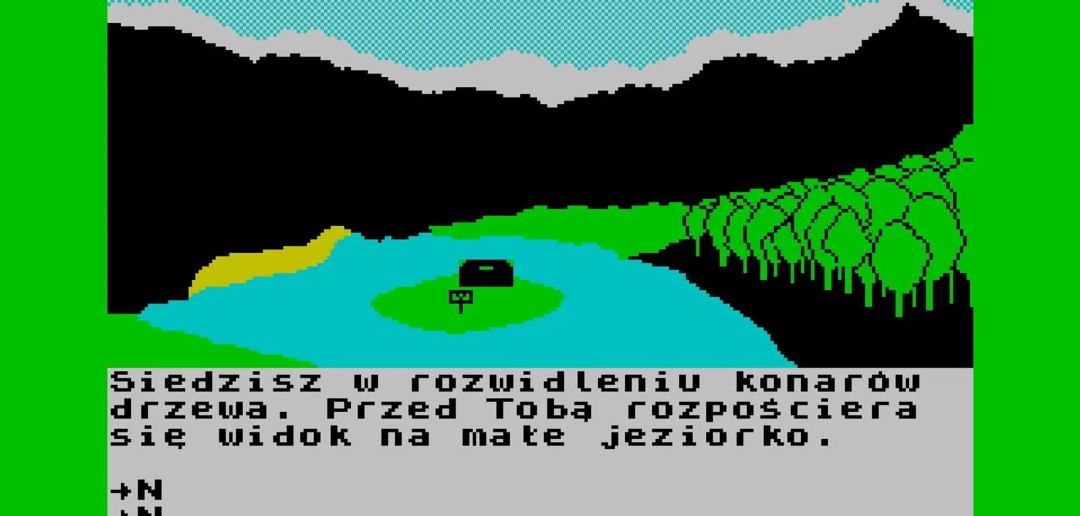
Pandora's Box
In a sense, it also laid the groundwork for the trend in later Polish games of drawing inspiration from literary works.
Coincidentally, Andrzej Sapkowski’s fantasy novel *The Witcher*, which served as the inspiration for CDPR’s *The Witcher* series, was published around the same time as *Pandora’s Box*.
In addition to these small-scale, garage-based creations, there were also exceptional examples of industrial landscapes behind the Iron Curtain.
PZ Karen, founded by Polish-born businessman Julian Wanzel (and reportedly backed by U.S. capital), provided Polish programmers with state-of-the-art equipment—which was rare at the time—and a work environment on par with that of Western Europe.
The company was originally founded to produce versions of games by Strategic Simulation (the developer of *Armored Marshal*) for the Atari and Commodore platforms, which were then sold directly in Western Europe rather than in Poland—in short, it used Poland’s low labor costs for outsourcing.
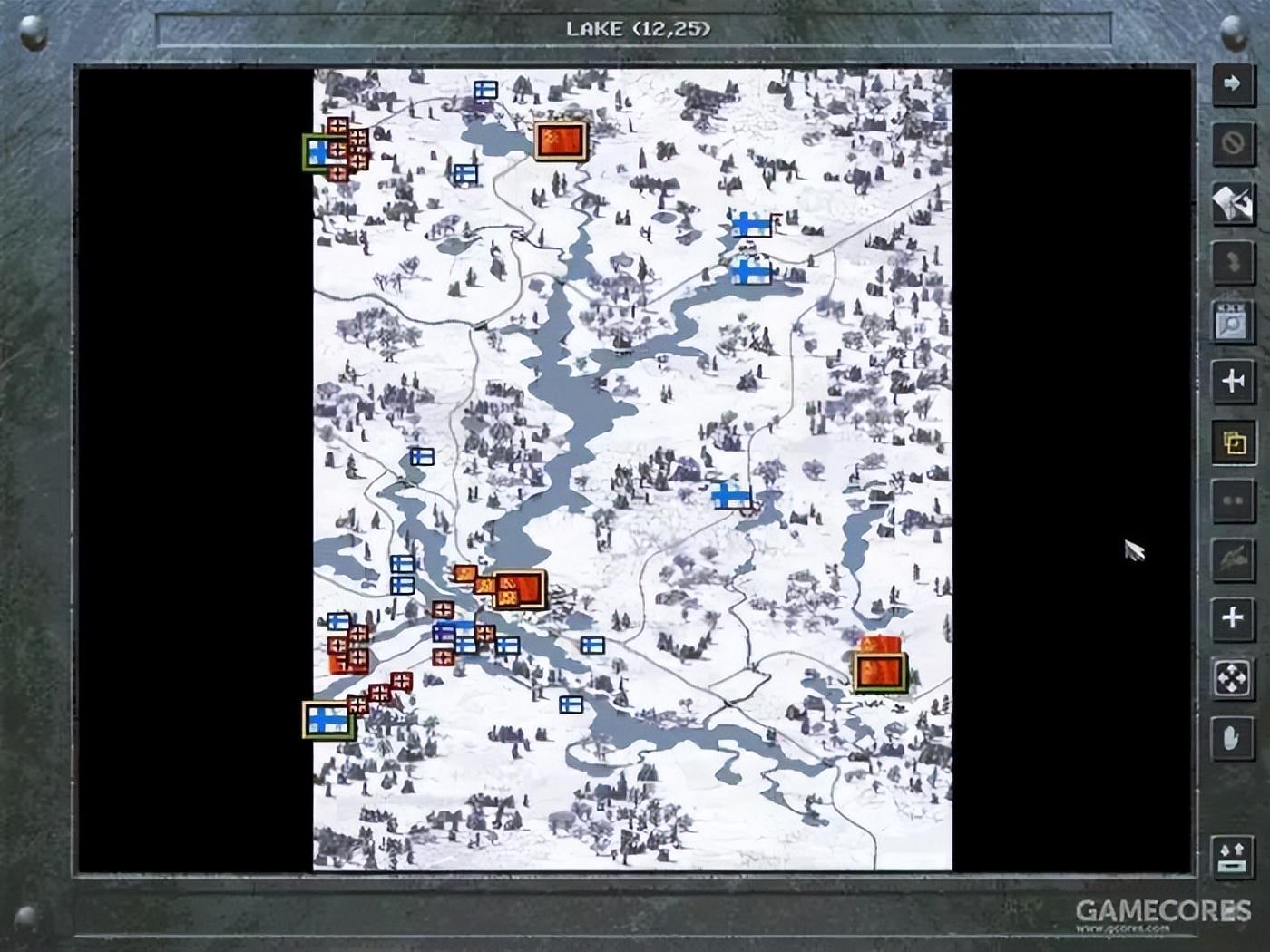
"Armored Marshal 2" Image source: Jike.com
It can be said that PZ Karen—a technology company that, at the time, was one of the very few in Poland to focus primarily on international trade—helped cultivate Poland’s first generation of game developers with an international perspective. Combined with the efforts of numerous independent developers, the Polish gaming industry had built up a substantial talent pool by the 1980s.
The real structural turning point occurred in 1989.
At that time, the 1989 Polish parliamentary elections—considered the starting point of the democratic transition in Eastern Europe—were held,These elections marked Poland’s official entry into the era of the Third Polish Republic. By mid-year, Poland’s economic transition was placed on the agenda, and the following year, in 1990, the Balcerowicz Plan—a program for economic transition—was implemented. From that point on, Poland formally embarked on economic stabilization and market-oriented reforms.
As a result, restrictions on business ownership and the entrepreneurial landscape in Poland were suddenly lifted, unleashing years of pent-up commercial drive and technological enthusiasm, and game development companies such as LK Avalon, Mirage, and ASF began to emerge in Poland.
Interestingly, the technological lag resulting from prolonged isolation has, in the short term, even become a “advantage.” Western developers have long since stopped producing new titles for the outdated hardware still in use in Poland, leaving domestic companies with virtually no direct competitors in the domestic market. As a result, the Polish gaming industry has been sustained by domestic demand, allowing it to accumulate experience and cash flow within a low-end hardware ecosystem.
It was precisely at this time that PZ Karen, who had grown weary of outsourcing work, began experimenting with in-house development. This coincided with the Soviet-developed *Tetris* taking the world by storm. In 1989, PZ Karen expanded the concept of “block stacking” into three-dimensional space and developed *Blockout*.
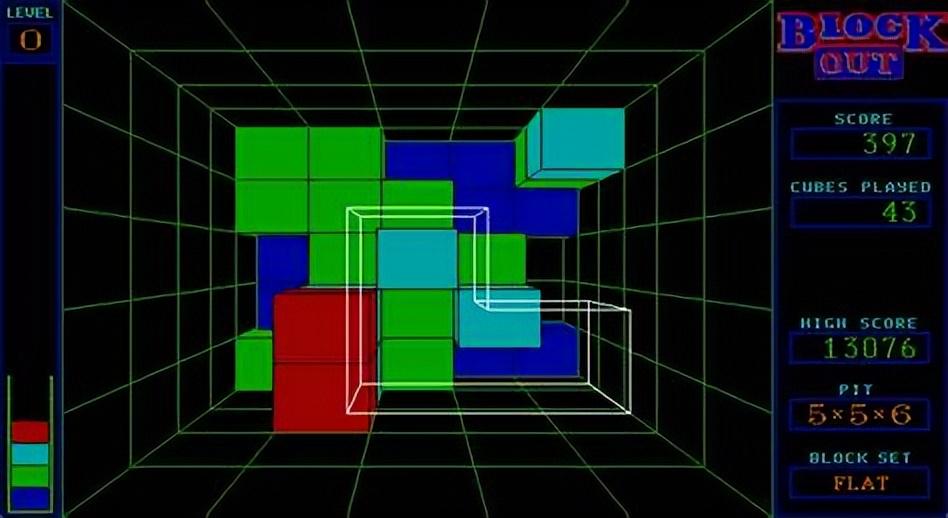
Blockout
"Blockout" holds a status in Polish gaming history comparable to that of "Web Master." Although it, too, was quickly pirated, it was the first Polish game to make its debut on the international market as a "successful product." It was ported to multiple platforms and even served as the basis for arcade games designed by the Japanese developer Technos.
Meanwhile, LK Avalon’s arcade game *Robbo* and ASF’s fantasy game *Swords of Valdgir* have been widely popular in the domestic market, once again demonstrating the strong domestic demand in the Polish gaming market.
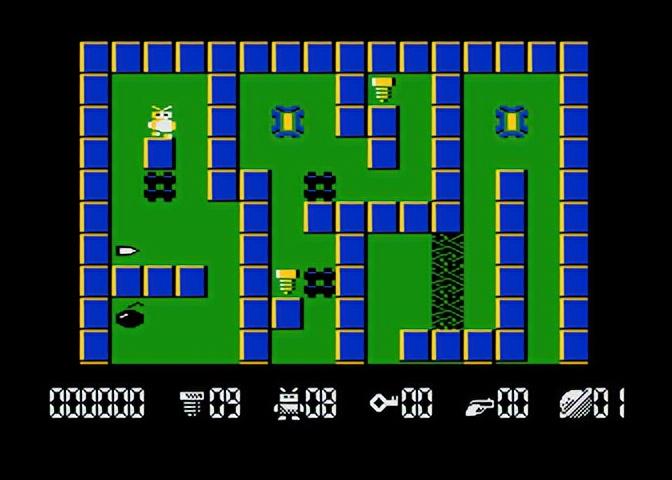
Robot
In 1991, following the collapse of the Soviet Union, the heavy curtain of the Cold War was lifted, and the free flow of advanced hardware and technology into Poland and out into the international market became both a shared aspiration and a shared source of frustration for a generation of Polish game developers.
XLand, founded by Janusz Peltz, co-founder of LK Avalon, quickly entrusted the overseas distribution of *Robbo* and another title, *Electrobody*, to Epic MegaGames. However, while these games caused a sensation in Poland, they struggled to make a name for themselves in the international market due to their excessive homogeneity.Metropolis, another company, has also faced similar challenges on multiple occasions.
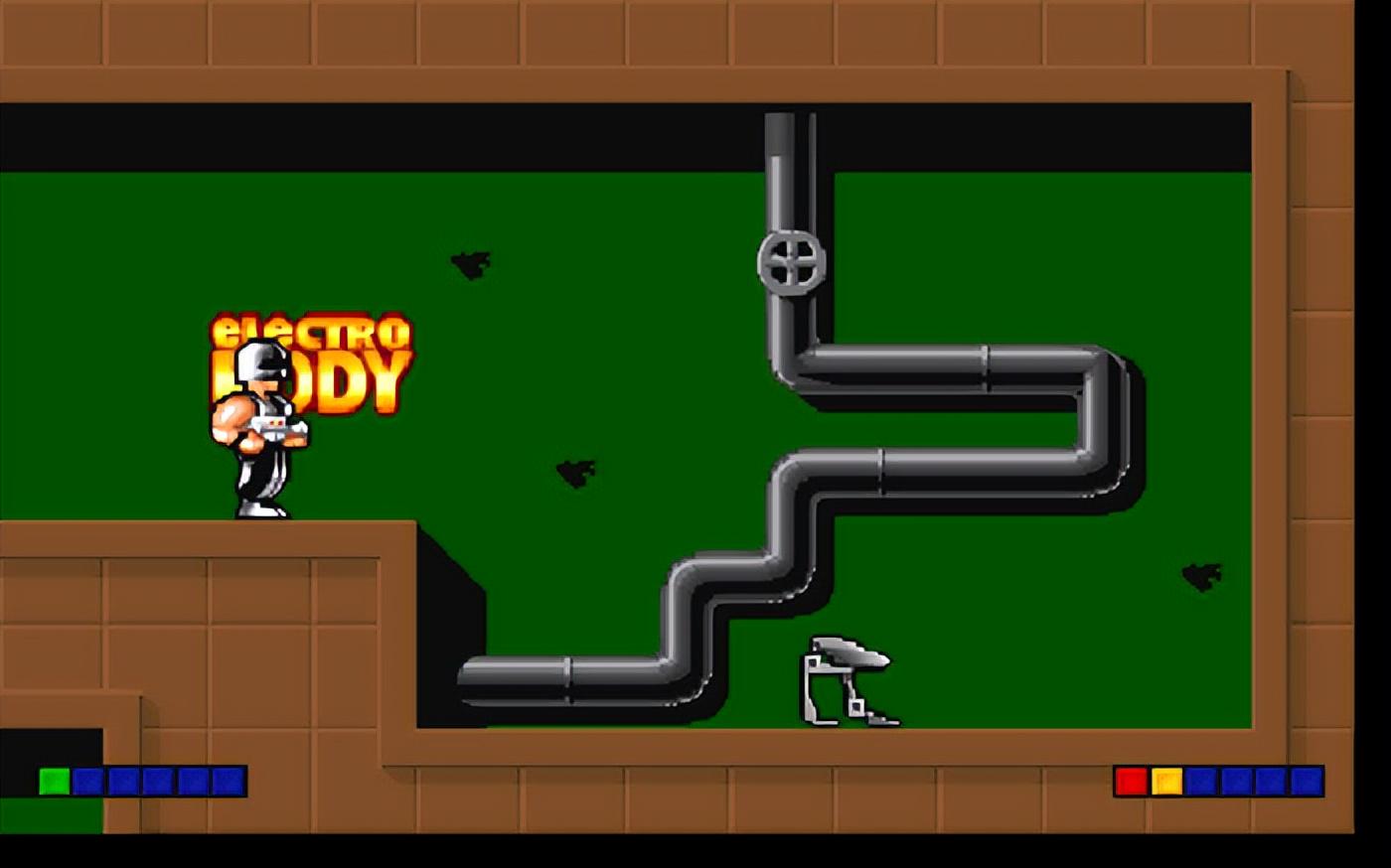
Electrobody
However, these failed attempts to expand overseas were not in vain;they have led Polish companies to systematically recognize that publishing, marketing, genre competition, and distribution channels must all be seamlessly integrated. They have come to understand that a mature industrial chain lies between the domestic market and overseas expansion, and that the previous strategy of simply replicating themes—which worked for Polish players who were like a drought-stricken land finally receiving a downpour—simply does not work in overseas markets.
It was also during this period that Western publishers began to recognize Poland's cost advantage and started outsourcing projects to Polish developers.
In particular, the establishment of a branch office in Poland by the German company TopWare in the late 1990s can be considered a crucial step toward Poland’s successful expansion into international markets. In 2000, *Earth 2150*, released by the Polish branch of TopWare under the leadership of Mirosław Demek, was successfully sold overseas.
Set against the backdrop of a future global war, this real-time strategy game tapped into the two hottest trends of the time: RTS games and the visual spectacle of 3D graphics.
"Earth 2150" was one of the very first fully 3D real-time strategy games and even featured a day-night cycle—nearly three years before "Warcraft III." This marked the first time a Polish game had reached the top tier in a mainstream, popular genre.
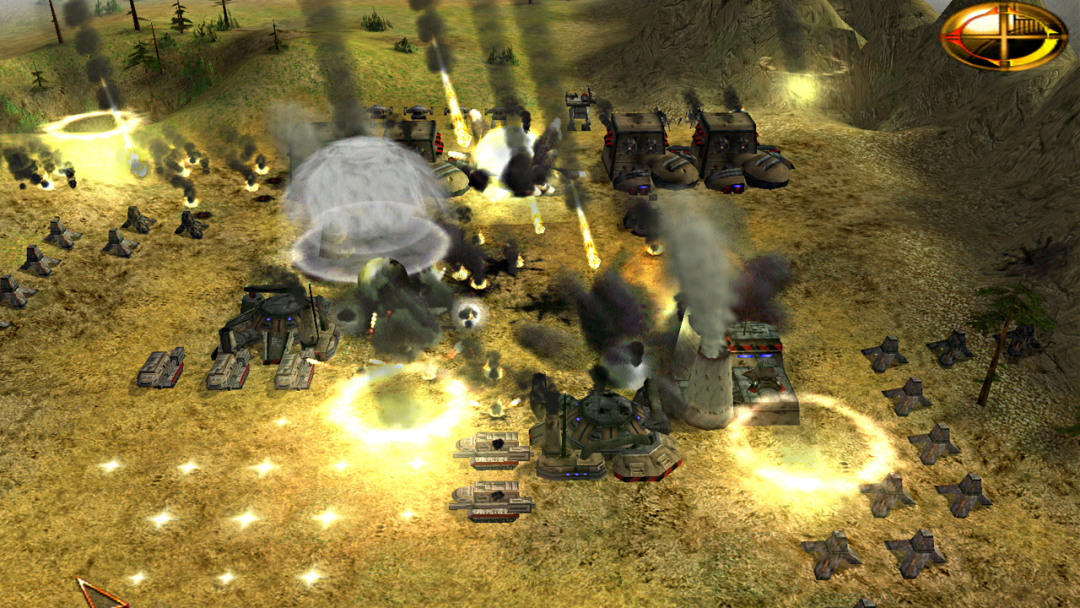
Earth 2150
Once there was a first, there was bound to be a second. In 2002, *Soldat* was launched in Poland and quickly became one of the most popular early online games.
This game was developed by Michał Marcinkowski, who built upon the concept of the Finnish game *Liero* to fully integrate the gameplay of *Worms* into real-time multiplayer battles; moreover, he released it exclusively on online forums,which is hard not to see as a result of the once-insular gaming environment. Ultimately, *Soldat* gained widespread popularity worldwide and can be considered the first success of a Polish game under the new media landscape.
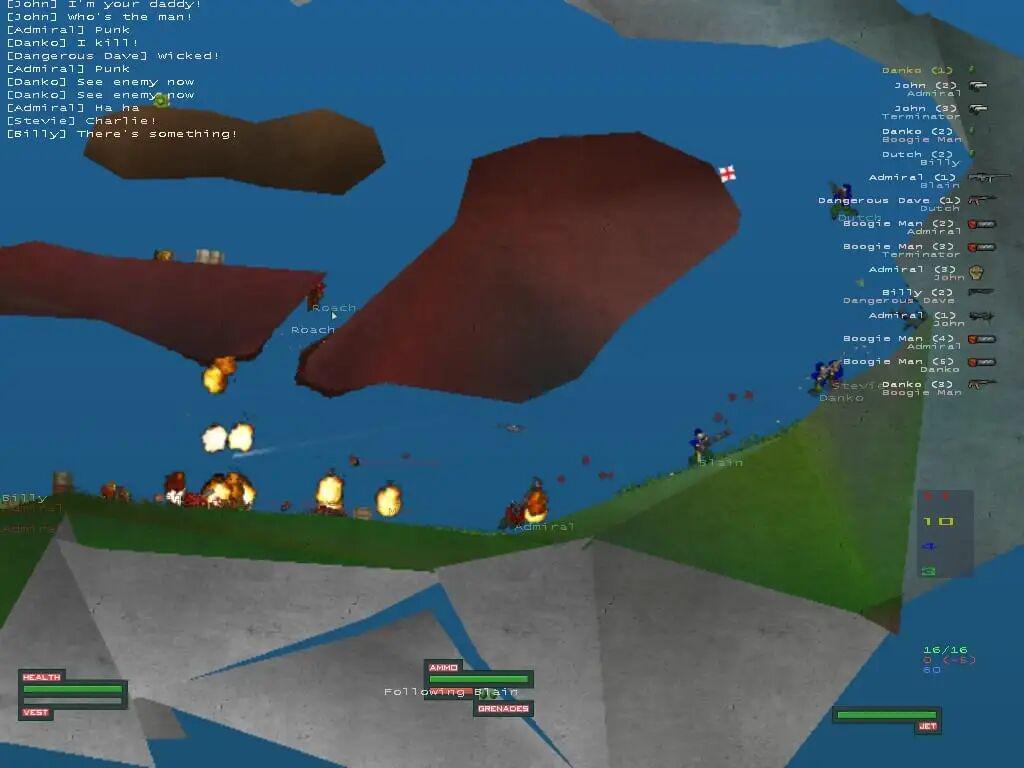
Soldier
Therefore, through these various games, we can see that prior to joining the European Union, the history of the Polish gaming industry exhibited a layered structure: piracy fostered a player base, a challenging environment honed technical skills, the transition of the political system gave rise to new business models, and external collaborations brought valuable experience.
Konrad Tomaszkiewicz, Game Director at CD Projekt RED, later recalled: “Back then, we didn’t have the tools that developers have today, nor did we know where to start. We didn’t know whether something was difficult or impossible—we just had to plunge in and give it a try. I think that’s exactly where the current state of the Polish gaming industry stems from.”
This "garage startup" spirit took root in the pirated software culture of the communist era, was forged during the difficult years of transition, and ultimately became the resilience that Polish game developers draw upon when facing challenges. This resilience has been steadily building strength for Polish developers, biding its time until the day they can unleash their full potential.
And that day came all too soon.
03
The spring breeze blows
On May 1, 2004, Poland officially joined the European Union.
This historic moment not only signifies Poland’s full political and economic integration into the global market, but also opens the door to broader horizons for the Polish gaming industry.
Market integration has led to the free flow of capital, cross-border exchange of talent, and more convenient distribution channels. Polish game developers no longer need to struggle to attract the attention of overseas publishers; the rise of digital sales platforms allows them to reach global players directly.
Furthermore, Poland in the new era continues to maintain relatively lower labor costs.
The exact prices from that time are no longer available, but sources with extensive experience in overseas markets have revealed that even in recent years, the cost per person-month after amortization in Wrocław, Poland—where Techland is based—was less than $2,000. Even CDPR, the leading Polish game developer based in the capital city of Warsaw,the average cost per person-month is only between $6,000 and $7,000—still significantly lower than that of internationally renowned outsourcing firms.
Therefore, looking back from the present, we can conclude that Poland’s low labor costs defined the industry landscape during the first decade of the 21st century. This enabled the Polish gaming industry to secure a steady cash flow supported by a large volume of outsourcing contracts from major Western studios. As a result, Polish developers quickly bridged the technological gap caused by the era, ushering in a golden age for Poland’s independent game development.
In 2004, People Can Fly’s *Painkiller* can be considered an iconic title. At a time when FPS games were constantly adding narrative elements and becoming increasingly complex, this game chose to return to the classics; compared to contemporaries like*Medal of Honor* and *Call of Duty*, it was actually more closely aligned with *DOOM* and *Quake*. As a result, it was enthusiastically embraced by players craving a pure FPS experience as soon as it was released.
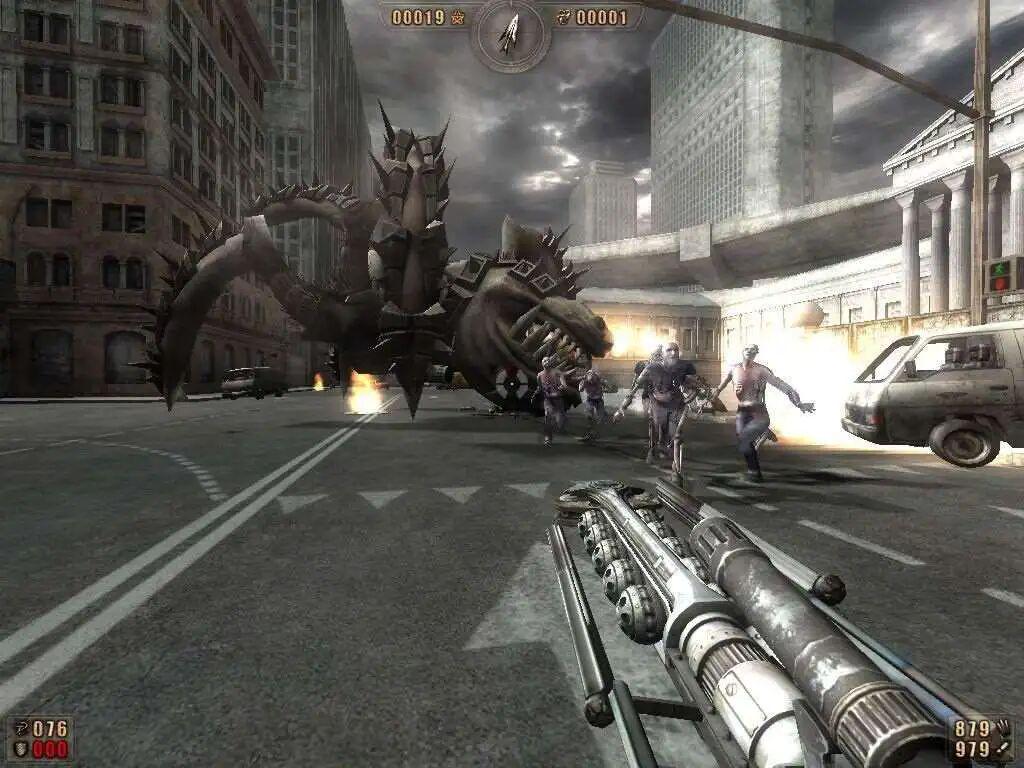
Painkiller
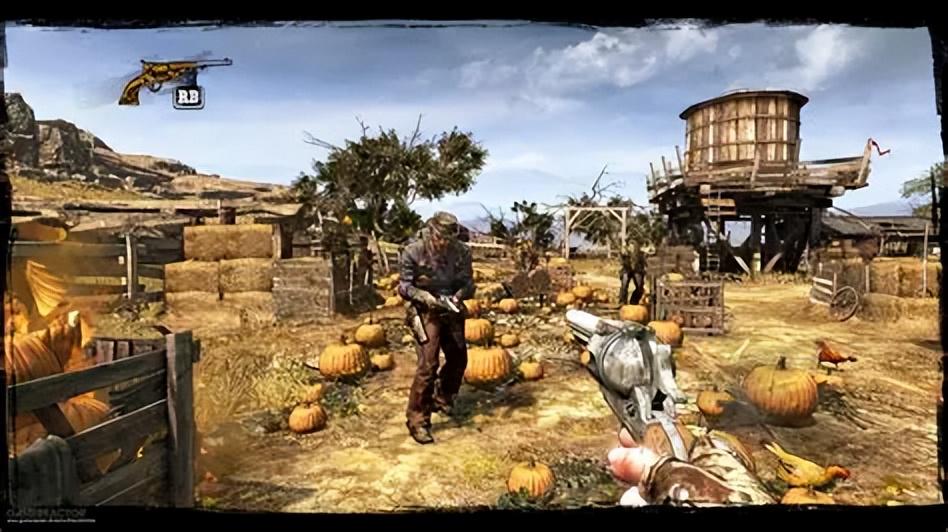
2006 was also a pivotal year for Techland, which, until then, had long lacked a flagship title with global appeal.That year, the release of *Wild West* changed this situation; with virtually no Western-themed competitors on the market at the time, it laid the foundation for the success of Techland’s subsequent titles, *Dead Island* and *Dying Light*.
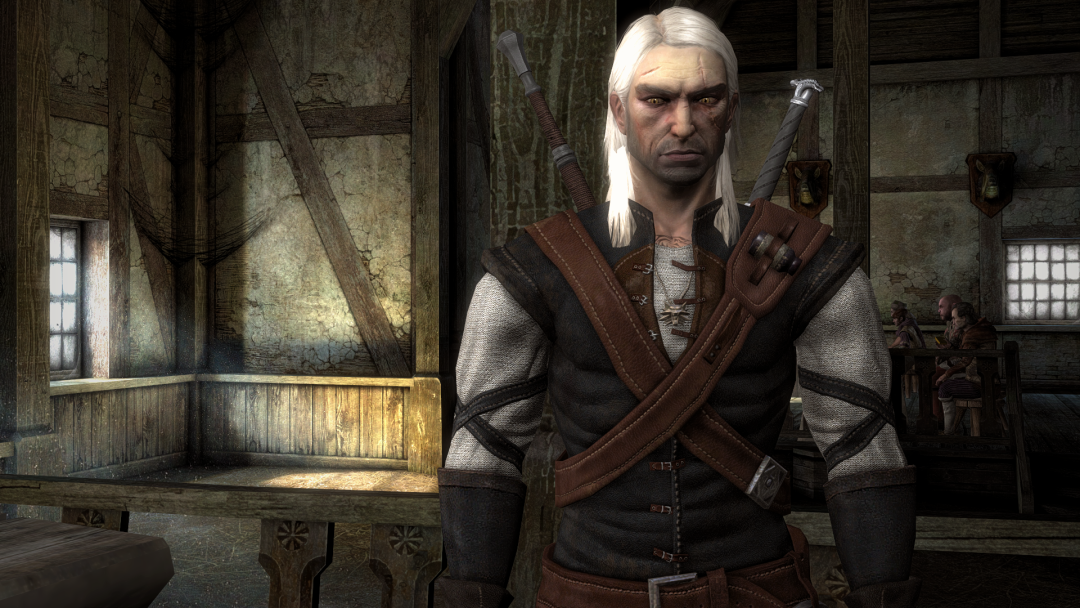
In 2007, CDPR released *The Witcher*, a role-playing game based on the fantasy novels by Polish author Andrzej Sapkowski. The game’s success demonstrated the promise and commercial potential of the Polish video game industry and marked the beginning of a new era.
In 2011, Artifex Mundi—which had broken into the market with titles such as *The Mystery of Time*—would go on to become one of the leading developers of hidden-object games a few years later; *McPixel*, created by Sos Sosowski and filled with anarchic humor, was selected as a "Top Pick" by Steam Greenlight.
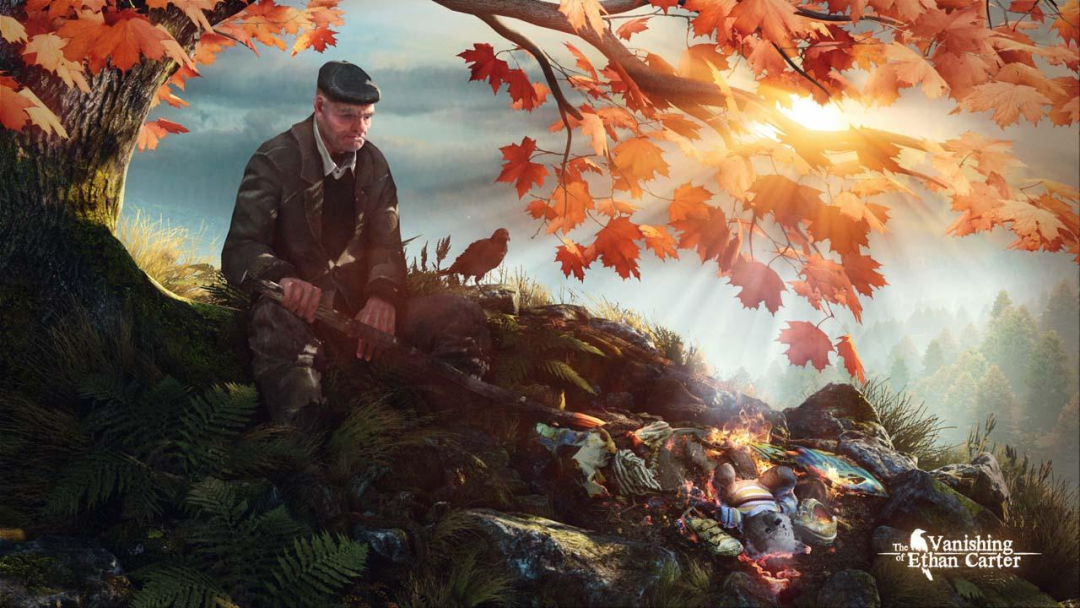
In 2014, The Astronauts and 11 bit Studios released *The Disappearance of Ethan Carter* and *This War of Mine*; the former won the BAFTA Award for Best Game Innovation, while the latter stunned the entire industry with its profound portrayal of people’s plight during wartime.
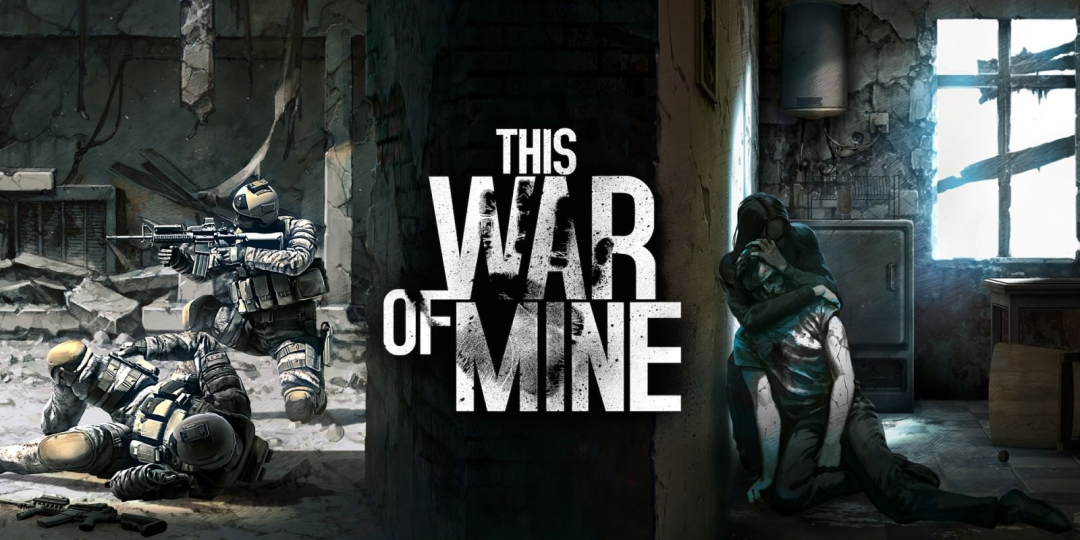
In 2015, *The Witcher 3: Wild Hunt* became one of the best-selling games of the year, winning over 200 awards, including the TGA Game of the Year award…….
Beyond these major titles, Poland’s indie game scene also features a less glamorous but equally important branch: the “low-end games” born out of low-cost tools such as browsers, Flash, and AGS.
A leading figure among them is Mateusz Skutnik, who spent many years between 2005 and 2014 creating indie adventure games using Flash. His works are imbued with a strong Lovecraftian aesthetic, adding a unique touch to the Polish gaming scene.
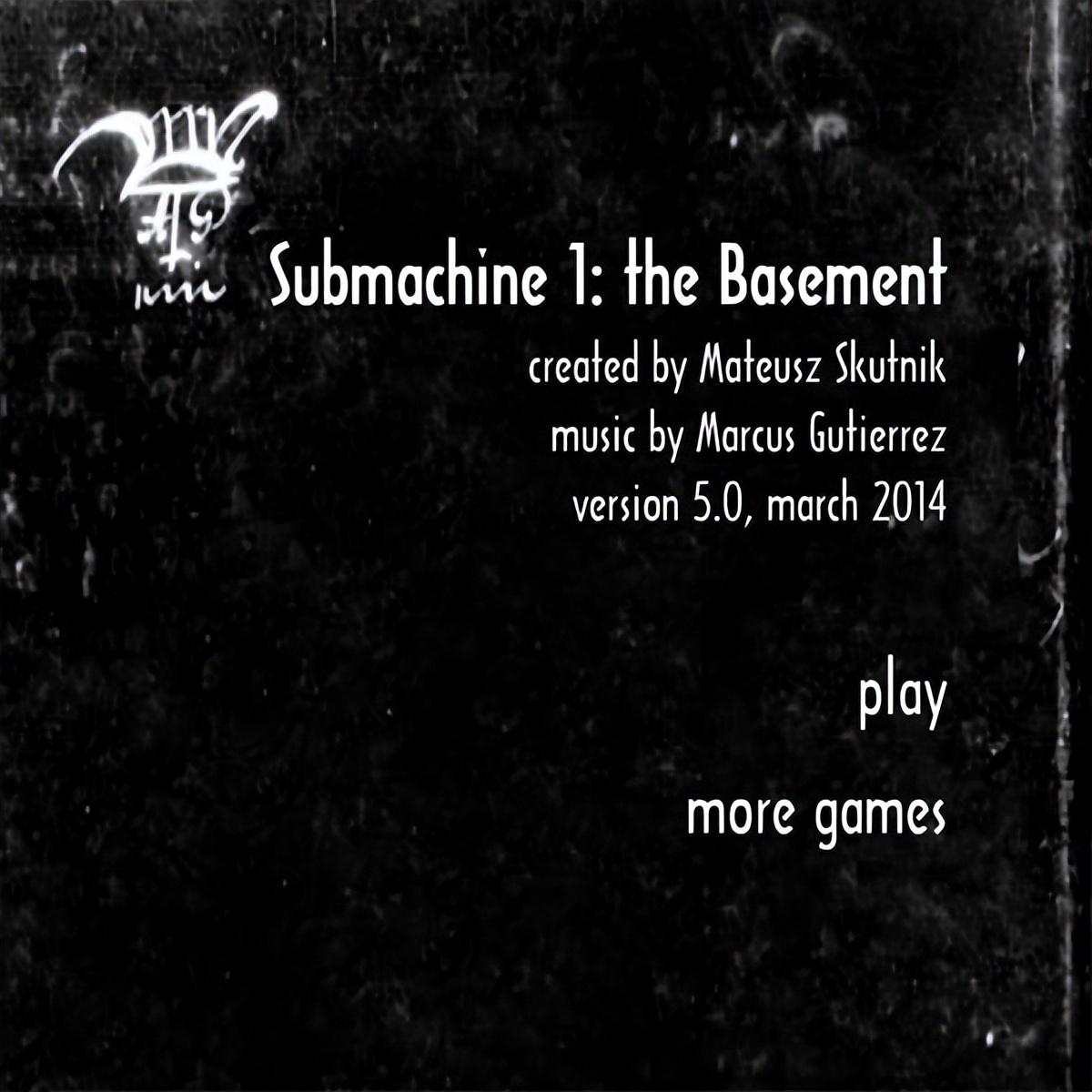
Mateusz Skutnik's work *Submachine*
While these games may not represent the financial highlights of so-called “Polish games”—which are currently the focus of the industry—they have undoubtedly imbued the gritty, heavy-handed aesthetic of Polish games with a more nuanced human touch.
As can be seen, joining the EU acted as a catalyst, leading to explosive growth in Poland’s gaming industry over the course of a decade.
As for why the Polish gaming industry hasn’t followed the same F2P path as China,the answer is quite simple: the Polish gaming industry has not experienced any significant “disruptions.” Building on a foundation laid by piracy and following its accession to the EU in 2004, it seamlessly transitioned to digital distribution platforms such as Steam and GOG, targeting the mature, buy-to-play consumer base in Europe and the United States.
However, the window of opportunity for China’s gaming industry opened slightly later. In early 2000, a ban crushed the hard-won glimmer of hope for the industry; piracy remained rampant, and the traditional buy-to-play model was virtually unprofitable.In this environment, only free-to-play (F2P) games had a chance to survive. Essentially, this was a product of the times: in-game purchases and value-added services cleverly circumvented the challenges posed by weak copyright protection and a lack of hardware R&D, breathing new life into China’s gaming industry.
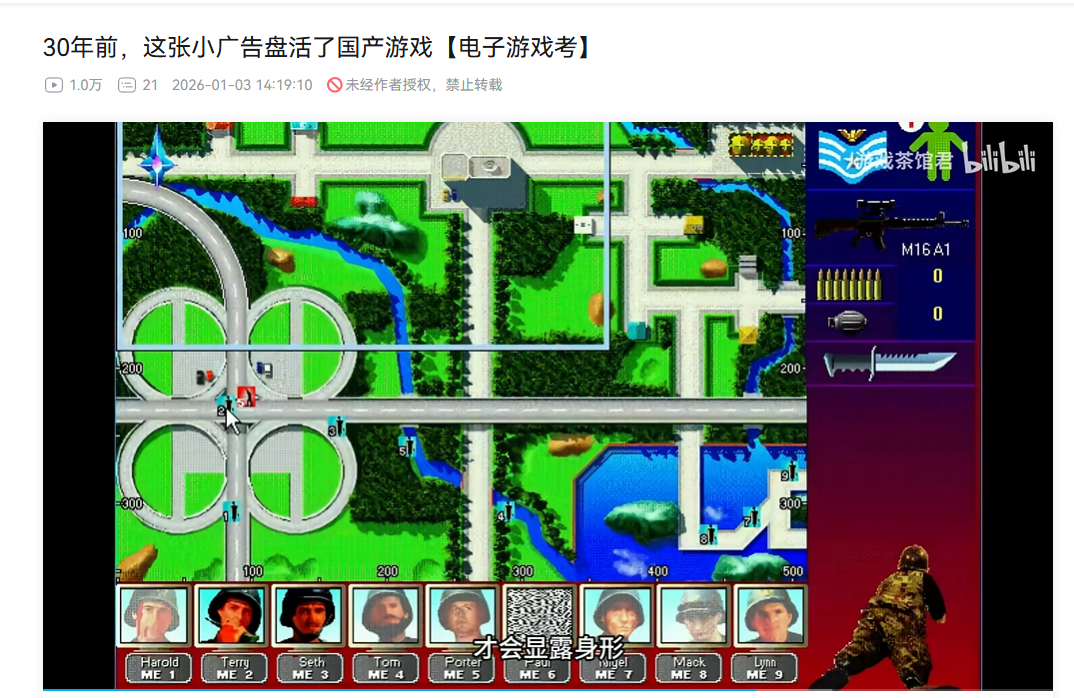
China's First Video Game, "The Eagle Strike Force" (Image source: Bilibili @Game Teahouse)
In short, to many observers, the success of Polish games seems to be a sudden phenomenon in recent years. In reality, however, it is a long process that began in the 1980s, and the rise of the Polish gaming industry is the result of three decades of hard work and relentless effort.
It is worth noting that, following the Cold War, the Polish government played a key role in this process.
Unlike many countries, which have adopted a wait-and-see or even conservative stance toward the gaming industry, Polish authorities recognized the strategic value of this emerging industry early on and introduced a series of supportive policies. In numerous interviews conducted in recent years, we can see just how substantial Poland’s policy support has been.
Stan, a member of the board of directors of the Polish Game Association,Juste, a member of the Polish Game Association’s board of directors, has previously provided a detailed overview of GameINN, an industry initiative launched by Fuero Games in 2013 that has consistently provided comprehensive support to Polish developers. Today, the project is funded by the European Union’s Smart Growth Operational Program (POIR) and co-funded by the Polish National Center for Research and Development (NCBR).
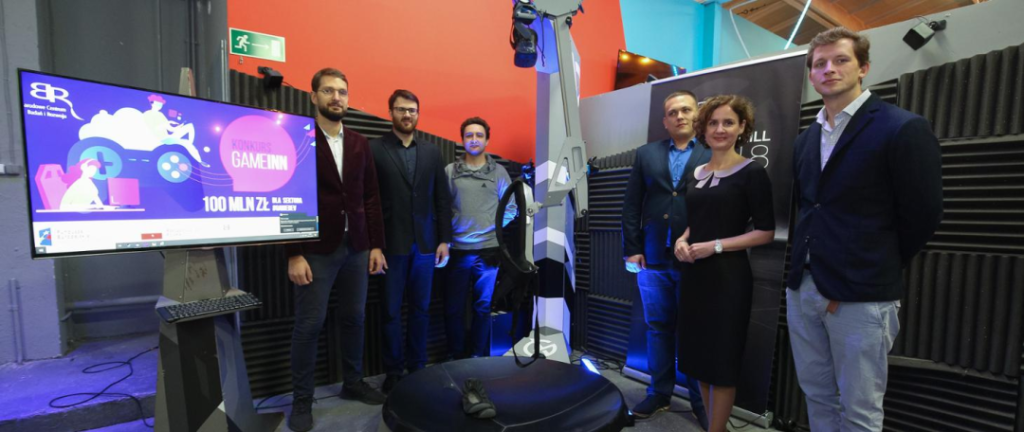
Since its launch, the GameINN program has been a strong source of funding for Polish developers. In 2019, the NCBR allocated 100 million Polish zlotys (nearly 200 million RMB at the exchange rate at the time) specifically to support innovative projects in the field of game development.
According to the project description, the GameINN initiative aims to enhance the competitiveness of Poland’s video game production industry in the global market and support innovative projects by small businesses. It also allows for the implementation of innovative projects in areas beyond game design and development, including artificial intelligence applications, new tools, and interactive mechanisms.
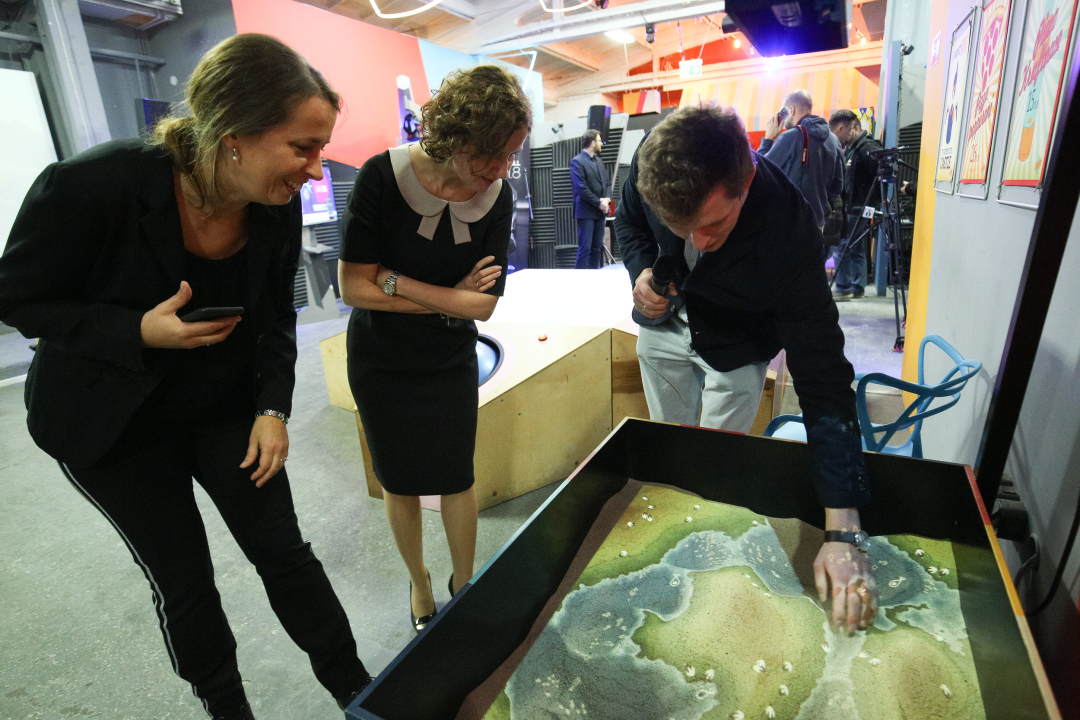
Well-known Polish developers such as CDPR, Techland, and Bloober Team have all benefited from the GameINN program. CDPR, for example, has received multiple grants; for *Cyberpunk 2077* alone, it received a special GameINN grant of 30 million zloty for development.
Another interesting policy is Poland’s “IP BOX”—a tax policy often referred to as the “patent box” in Hong Kong—Under this policy, as long as a company derives revenue from compliant intellectual property (IP) that it has created or improved through research and development activities, that portion of revenue is subject to an extremely low income tax rate.
The standard corporate income tax (CIT) rate in Poland is 19%, while income that qualifies for the IP Box is taxed at a rate of just 5%.

Piotr Grzyński, former Polish Minister of Culture and Deputy Prime Minister, has explicitly stated in the Polish newspaper *Republika* that he hopes young developers will be more bold in incorporating elements of Polish culture, and that the Polish Ministry of Culture will actively promote tax incentives for games that enhance the country’s positive image and spread Polish culture around the world.
In addition to GameINN, the Polish Ministry of Culture also oversees a government program called the Creative Sectors Development Program (Development of Creative Sectors), which allocates millions of zlotys annually to provide small developers with dedicated funding for demo development, while also offering a range of support—including funding and venue space—to developers participating in various domestic and international exhibitions.
For example, if independent game developers in Poland want to participate in Gamescom or the Tokyo Game Show, they can apply for funding on their own, and the Polish Ministry of Culture typically reimburses 50% to 85% of the exhibition costs, including booth fees, travel expenses, and so on.
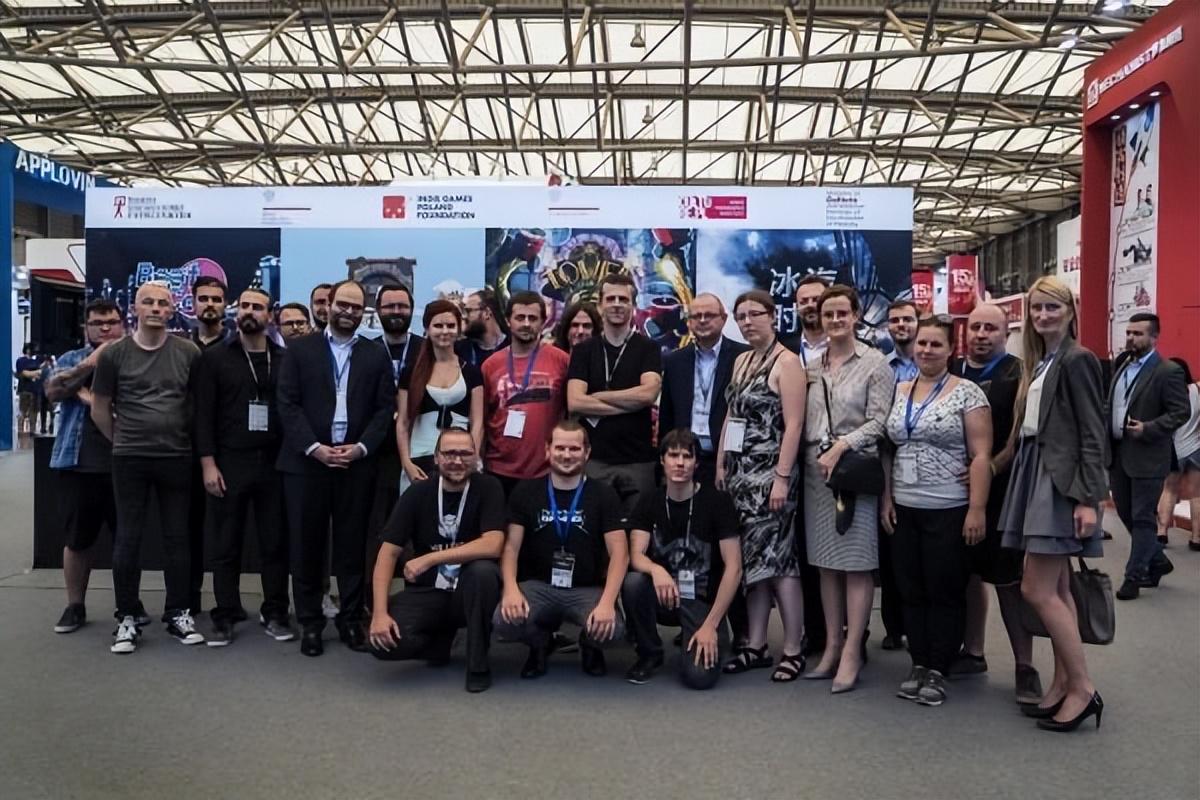
Polish Minister of Science Jarosław Gowin was even more direct in his remarks, stating: “The Polish government will support game developers, who represent the future. We want Poland to modernize, and we want the Polish economy to modernize. Our actions are aimed at promoting stronger economic growth, especially in areas where we have the greatest intellectual and creative potential.”
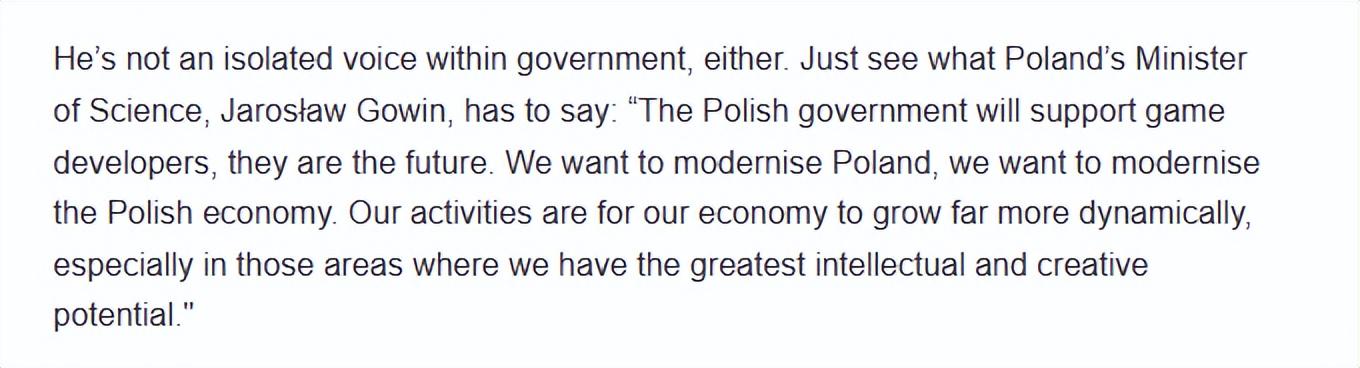
Such explicit support from the highest levels of government is actually quite rare in the global gaming industry.
The Polish Game Association, meanwhile, represents another institutional dimension for professionals in the gaming industry, separate from government policy.Led by developers and endorsed by the Polish Internal Security Agency, the association operates under Poland’s National Strategy for Smart Specialization (KIS) and brings together the country’s largest game companies, such as CDPR, Techland, and CI Games. The association is dedicated to safeguarding the overall interests of the Polish gaming industry.
According to Techland CEO Paul Malcevka, the Polish gaming community is very close-knit, and members often meet and exchange ideas at industry events both in Poland and abroad.
Tomasz Kiewicz, Game Director at CDPR, has also said that the Polish gaming community is like a family—everyone looks out for one another and often provides perspectives that others desperately need. This spirit of cooperation is particularly rare in the highly competitive gaming industry, and it is embodied by the Polish Game Industry Association.
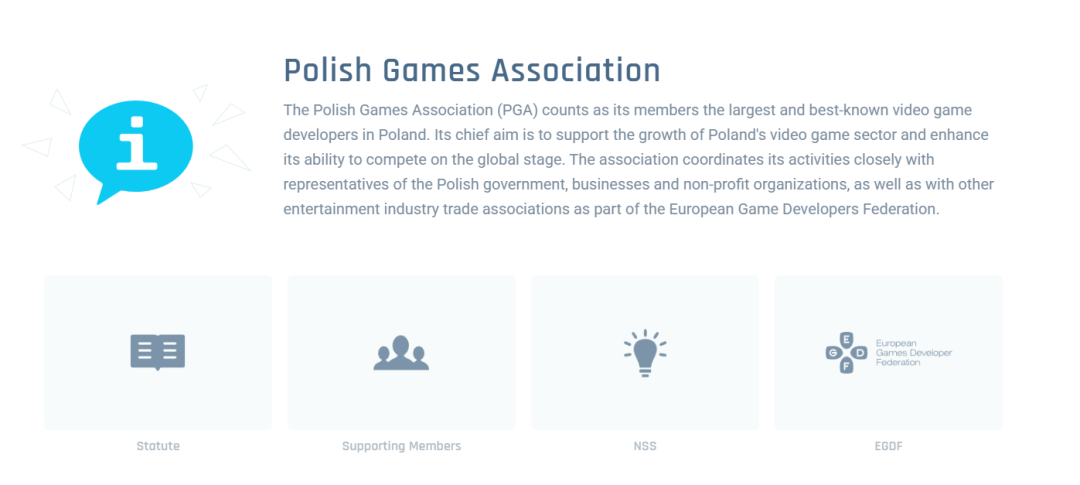
In Poland, there are many in-person events organized by the game industry association. These events allow independent developers new to the field to learn about game engines and genre selection; teams seeking market research can find presentations on specific genres; and developers with questions about laws and regulations can even receive specialized legal support.
Thanks to this comprehensive industry ecosystem, Polish game developers do not have to go it alone. It can be said that the very existence of industry associations is a reflection of the maturity of Poland’s gaming industry.
Marta Cienkowska, the newly appointed Minister of Culture and National Heritage of Poland, also stated in an interview with Chinese media this year that no matter how small the team—even if it consists of just one person—any game with potential will receive support at the government level.
Tomasz Pruski, a senior level designer at CI Games, has analyzed this phenomenon from an institutional perspective, noting that with the rise of digital markets and the availability of many free development tools, many people have become interested in game development and turned it into a career. As a result, the talent pool has grown significantly, and the barrier to entry for newcomers has dropped considerably.
As Marta also mentioned, the Polish government has recently even considered issuing official vocational certificates to independent game developers to formally recognize their experience in game development—even if they are still learning or simply creating games at home. This certification could make it easier for them to find jobs or apply for project funding.
This favorable environment has, to some extent, made Poland an ideal destination for top developers in Eastern Europe to seek employment. Currently, there are approximately 2,000 foreign employees working in Poland, accounting for nearly one-seventh of the country’s total developer workforce.
In my experience, when people have no worries about the future, they generally end up in one of two situations: either they become lazy and complacent, or their motivation and enthusiasm are fully unleashed. Most Polish game developers clearly fall into the latter category.
Toward the end of last year’s Poznań Game Expo, the organizers held a unique “Zero Hour Game Jam,” taking advantage of the “ghost hour”—an artificially created hour resulting from Poland’s official switch to daylight saving time—during which developers competed in a one-hour, theme-free game development challenge aboard a midnight tram.
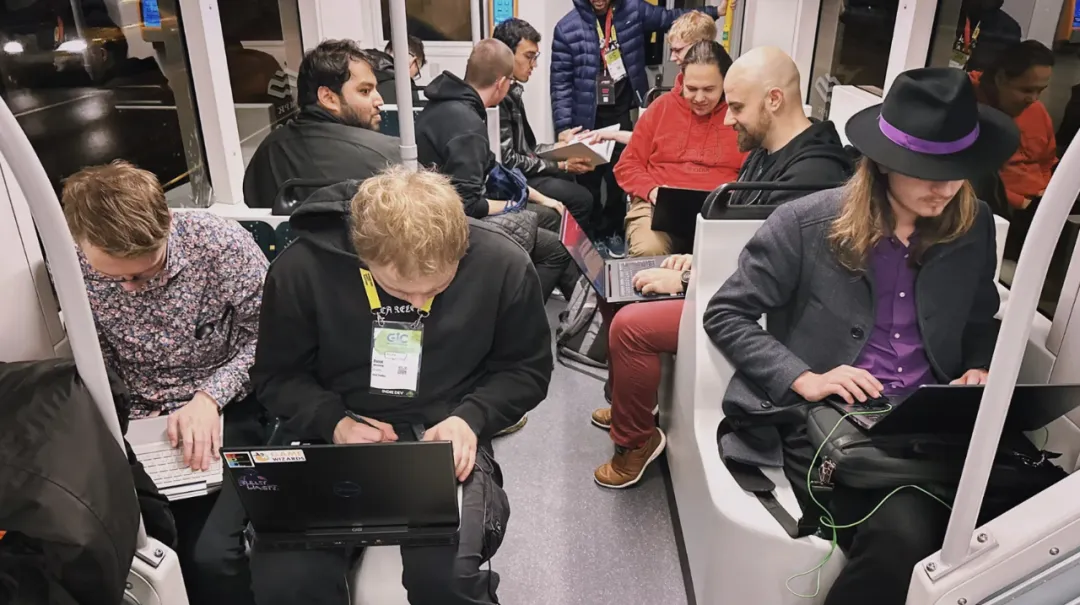
Source: IGN China
This event, which seamlessly blends creativity, technology, and celebration, epitomizes the vibrant energy and positive atmosphere of Poland’s gaming community.
This year, when asked about the experience of Polish games in expanding into international markets, Marta Cienkowska offered a simple yet profound answer: ““We need to invest real money in our young people. Because they truly know what they’re doing—it is precisely they who have brought so many great games to Poland and helped spread Polish culture far and wide. Supporting and investing in young people will enable them to better promote their own culture and cultural background.”
Conclusion
Today, CDPR’s office building stands in a corner of Warsaw, facing a city that still bears the scars of the Cold War and its turbulent past. The various old buildings, still pockmarked by bullet holes, are like the ribs of Warsaw, supporting the city’s ancient frame.Although I have never been there, I have felt the wind of Kelmohan—a wind that perhaps blows through the buildings of Warsaw, gently caressing the city’s scars.
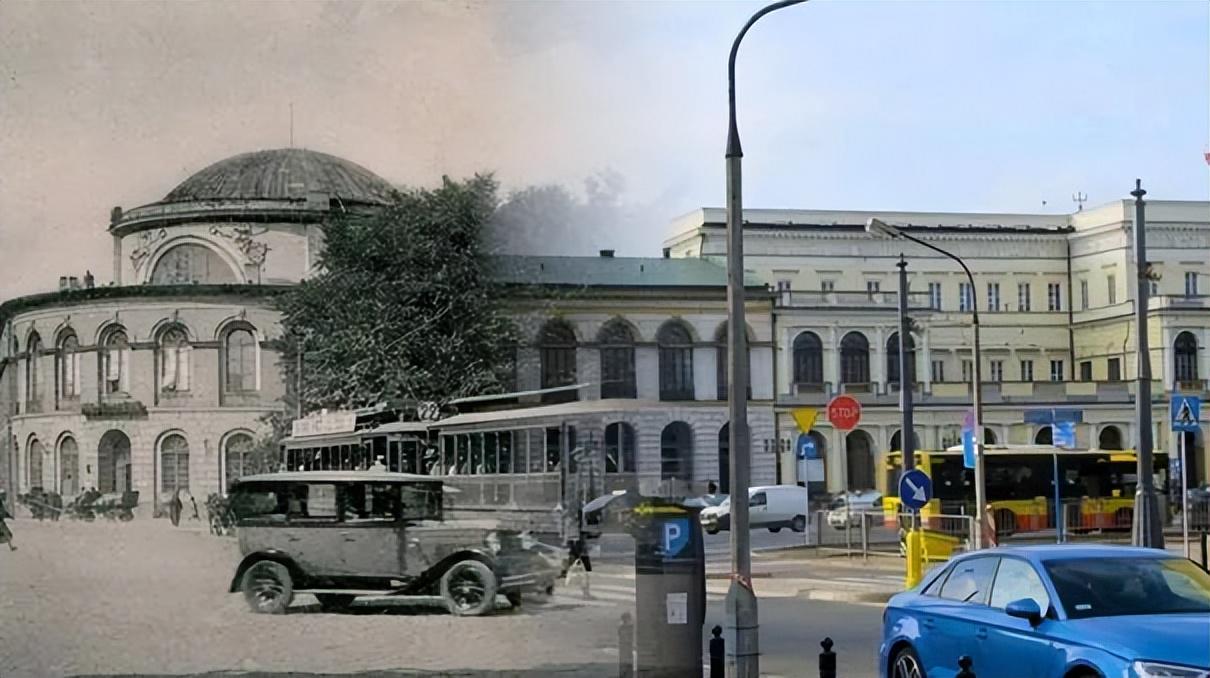
Just across the street, brand-new, pristine modern buildings have long since risen from the ground; they’ve flourished in the spring breeze of a new generation, taking on a life of their own and reshaping Warsaw’s youthful spirit.This urban fabric, where old and new intertwine, embodies the profound legacy that history has bestowed upon Warsaw—and indeed, all of Poland. At the same time, it undoubtedly serves as a metaphor for the era in which Poland’s gaming industry itself coexists with both historical trauma and modern vitality, giving rise to new possibilities from the ruins.The rise of Poland’s gaming industry is, at its core, a story of resilience and collaboration. It illustrates that for the gaming industry to thrive, government foresight and support, internal unity and mutual aid, developers’ passion and tenacity, and positive support from players are all indispensable.
References:
culture.pl (a website that serves as a kaleidoscope of Polish culture) whereispoland.com
KOTAKU From Piracy to Billions — How Poland Became a Video Games Nation -By Dan Murphy on 26 Oct 2018 at 9:33PM
The story of CDPR – patreon.com/noclip
The Game Industry of Poland – Report 2025 by PARP: Feel the Pulse of Poland’s Game Industry—An In-Depth Look at the Poznań Game Expo | IGN China
Exclusive Interview with the Polish Minister of Culture and National Heritage: “Even if there’s only one person, we’ll support them in making games” 17173
Jike.cn, “The First Two Decades of Strategy Simulation Clubs and Strategy Video Games”
原创文章,作者:游茶妹儿,禁止转载:https://youxichaguan.com/en/archives/214173