The Bosphorus Strait divides Istanbul into two halves—one in Europe and one in Asia. As the heart of Turkey, it bridges the Black Sea and the Mediterranean, as well as West Asia and Europe. It is also Europe’s largest metropolis, boasting a history as imperial capital that predates Rome’s, with a heritage spanning nearly 1,700 years; approximately 99.8% of the city’s population is Muslim.

At the same time, it is also Europe’s second-largest gaming hub. With nearly 500 game studios located near the six minarets of the Blue Mosque, Istanbul ranks second only to London.
From *Mount & Blade* to today’s global mobile chart-toppers like *Royal Match*, *Toon Blast*, and *Match Factory!*, Turkish-made games are constantly finding their way onto the mobile screens of hundreds of millions of players worldwide. They allow gamers across the globe to catch a whiff of the sea breeze laced with the scent of spices, giving them a sense of the Middle East that goes beyond the typical image of Turkish ice cream.
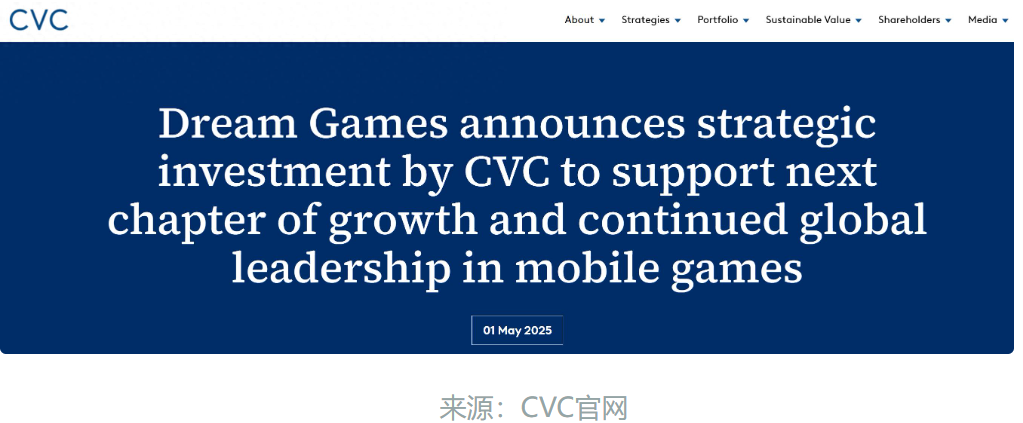
At its peak, seven of the top ten apps on the Apple App Store were games developed in Turkey. This success even gave rise to several Turkish unicorns valued at billions of dollars. For example, in May 2025, the international private equity firm CVC Capital Partners announced an investment in Dream Games, valuing the company at $5 billion—making it one of the largest M&A deals in the European gaming industry that year.
Many people are curious: how can a Turkish game company be worth so much? The answer lies in Dream Games’ flagship title, *Royal Match*, which in July 2023 dethroned *Candy Crush Saga*—the undisputed king of the U.S. casual gaming market for over a decade—and claimed the crown.
Prior to that, Peak Games—also based in Turkey—was acquired by casual gaming giant Zynga for $1.8 billion in 2020, making it the highest-value acquisition in the gaming industry at the time (though this record was later broken by Microsoft’s acquisition of Blizzard).
In fact, a giant like Peak Games can air the same advertisement simultaneously across all channels of Turkish National Television, reaching the entire nation—a feat that rivals the financial clout and influence of Turkey’s own Spring Festival Gala.

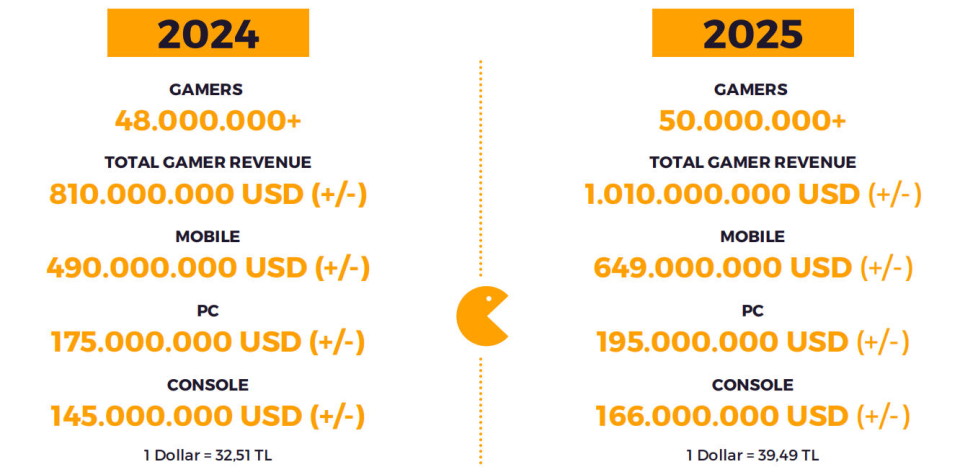
Behind these leading companies, Turkey’s gaming industry is gaining increasing prominence. According to the *2025 Turkey Gaming Market Report*, sponsored by Xsolla, the country’s gaming industry is projected to reach a total market value of $1.01 billion, representing a 24.69%increase from 2024, with the number of active players reaching 50 million—more than half of the total population.
Yet just twenty years ago, Turkey was a barren landscape plagued by piracy. Over the 25-year period from 1980 to 2005, Turkey produced fewer than 25 video games, with total sales in the low four-digit range and the number of industry professionals an order of magnitude lower.
Rising from the depths to become the “Silicon Valley of mobile gaming” in the global gaming market, the explosive growth of Turkey’s gaming industry is inextricably linked to a young man who set out to change the world.

01
Internet Product Manager in the Gaming Industry
In 2001, 22-year-old Sidar Şahin dropped out of the computer engineering program at Çanakkale Onsekiz Mart University. Having devoured countless inspirational stories about Silicon Valley startups, he was determined to build his own company.
However, Turkey’s economy has been mired in a prolonged slump, with both inflation and unemployment on the rise. Capital has shown a strong preference for industries with short development cycles and low risk, whereas the gaming industry—with its long development cycles and uncertain returns—has fared the worst of all. For a long time, Turkey’s domestic original game developers have struggled to survive, relying solely on rudimentary, small-scale workshops.
But they’re all just games—some are born with a silver spoon in their mouths, while others are born in Rome. When people can’t afford expensive games, free, lightweight, and social digital card and board games become the best outlet for their leisure time. Casual games, with their “low barriers to entry and broad appeal,” have taken center stage.
For a long time, Turkish men have been accustomed to gathering in traditional coffeehouses (Kıraathanes) to play backgammon and “Okey,” a Turkish version of mahjong, naturally developing a habit of spending money on casual games. As the internet gradually became widespread in Turkey in the early 2000s, the local internet portal Mynet seized the opportunity to launch a free online board game platform, which proved to be a huge success.Around the same time, in a remote region of eastern Turkey, 28-year-old programming teacher İhsan Karagülle founded Hakkarim.net, offering players a digital version of Okey, which also proved highly successful.
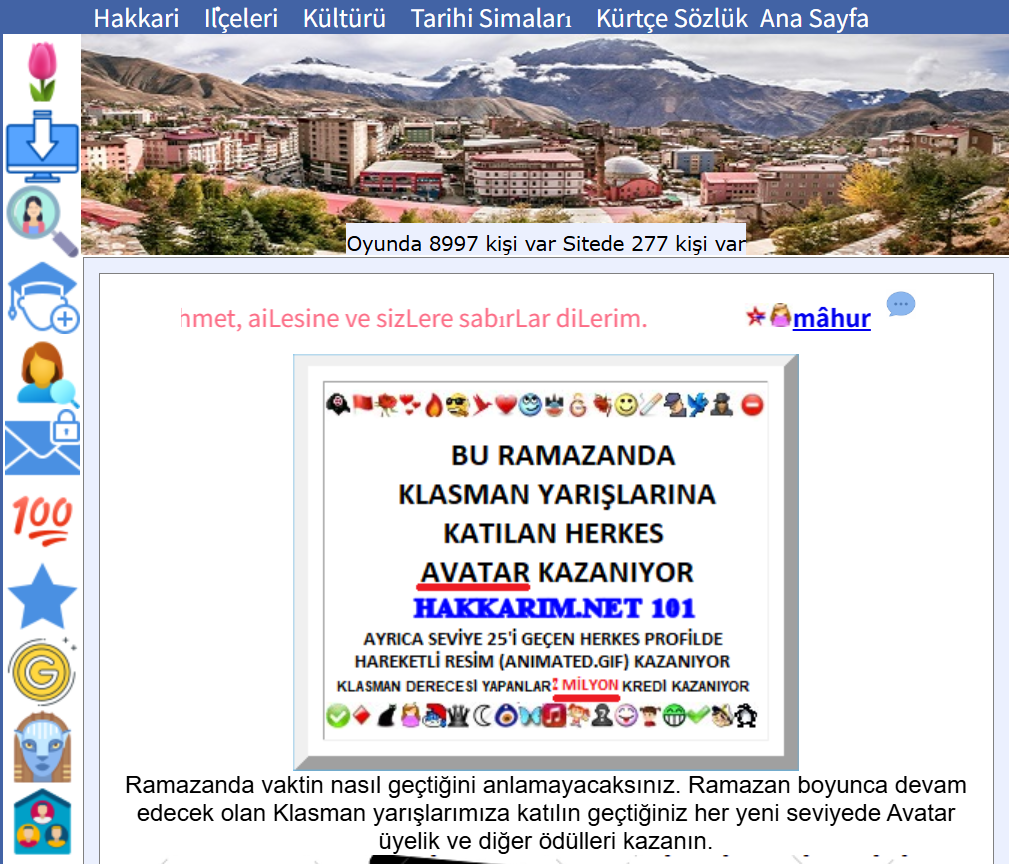

Early ventures like Mynet and Hakkarim.net also inadvertently helped educate Turkish gamers about the market early on—casual games? Sure!
Sidar Şahin, having chosen to start his own business, followed a similar path: he first launched GameGarden, a portal for casual web games. Two years later, he decided to take it a step further and embark on his second venture in a completely new field—he founded Funpac, a mobile game studio.
Back then, smartphones hadn’t yet been invented, and the market was flooded with hundreds of feature phone models, each with a wide variety of screen sizes, operating systems, and keypad layouts. Adapting the code for each individual phone was an extremely tedious and labor-intensive task. But Funpac took it to the extreme: its games were successfully distributed to 30 countries worldwide through more than 50 carriers and portals. In 2005, the company was acquired by Turkey’s largest portal.
As it happens, the name of this website is Mynet, which I mentioned earlier.

(Mynet is actually a comprehensive portal site that offers everything from email and news to sports, astrology, and music and entertainment.)
Unlike most people in the gaming industry, Sidar Şahin subsequently chose a path with almost no connection to the gaming sector—in 2006, he branched out to found the social video-sharing website Izlesene.com, which remains one of Turkey’s most-visited websites to this day.In early 2010, Sidar joined Trendyol, a high-profile fashion e-commerce company, as a co-founder. He thrived in this new role, and within just one year, he helped Trendyol expand from a team of three to 300 employees, with the company’s valuation rapidly reaching $100 million.
Along the way, he also did two other things: first, he joined Mynet, a portal site with which he had a special connection; in Turkey, Mynet’s traffic once ranked among the top three, second only to Google and Facebook.
Second, I took some time off to go to China, where I spent a year studying how to implement in-game purchases.
If one were to label Sidar’s entrepreneurial journey, it would undoubtedly be “extreme pragmatism.”This also sets him apart from the typical image of a game entrepreneur. While Sidar has enjoyed great success on his entrepreneurial journey, Turkish game developers with ambitions in gameplay and aesthetics have faced immense hardship. For example, the lead strategist of *Hançer* had to handle the game’s programming, music, art, and manual writing all by himself, and every team member was even forced to stuff their backpacks with physical copies of the game, going door-to-door like McDonald’s employees to visit potential retail stores.

From gaming to video and then to e-commerce platforms, Sidar’s journey as a serial entrepreneur has not yielded a strong technical background in gaming; instead, it has, as if by fate, equipped him with the skills to manage operations and acquire customers. In Turkey—a market that is far from fertile—Sidar, who has achieved repeated success in internet startups, is closer to a product manager than a game developer.
In November 2010, Sidar Şahin, drawing on his extensive experience in mobile distribution, social virality platforms, and e-commerce data modeling, teamed up with his colleague Buğra Koç, a product manager, to found Peak Games.
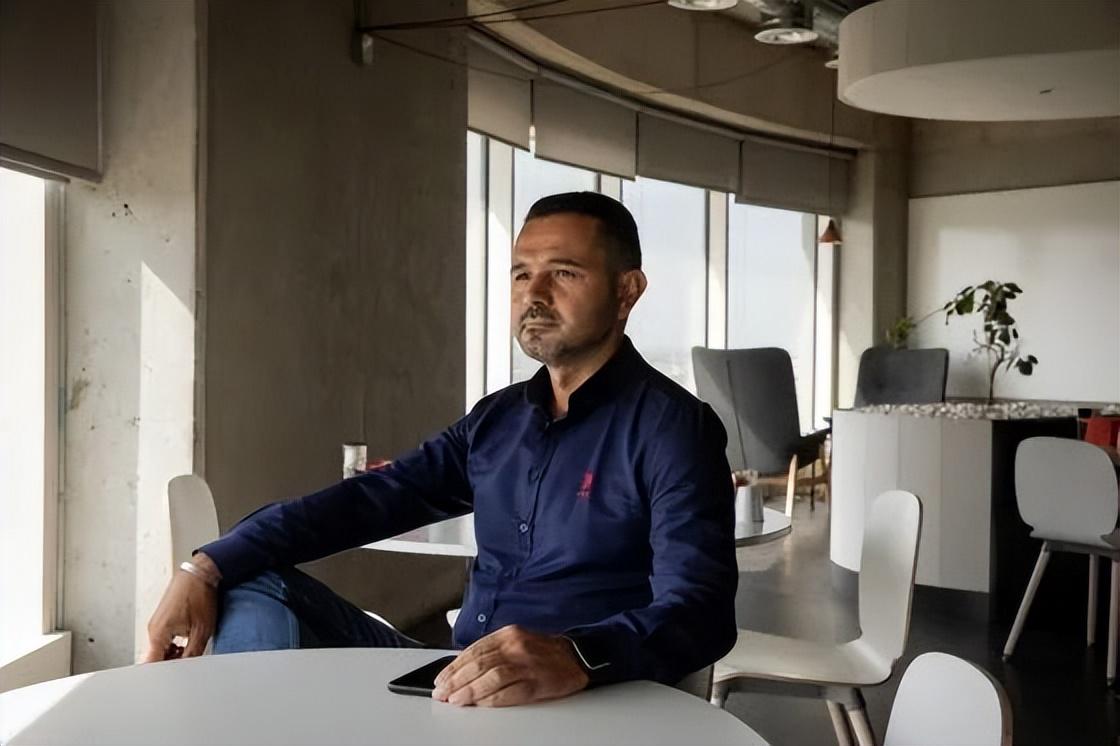
The two decided that the new company would continue to focus primarily on F2P games. Koç said, “We know that F2P mobile games are the future of the entire industry and a new way of socializing. That’s why we’re placing even greater emphasis on this concept.”
Peak Games’ core strategy in its early days was to provide culturally relevant games for emerging markets. At the time, social casual games were primarily built on Facebook, which was rapidly expanding in the Middle East. With this in mind, the company successfully identified a vast player base that had long been overlooked by Western game companies—players in Turkey, the Middle East, and North Africa.
Peak Game, fully aware that the core of its traffic strategy lies in replicating successful products, created a localized version of the hit mobile game *FarmVille* called *Komşu Çiftlik*.
To establish an unshakable social dominance in this emerging market, Peak Games has built an extremely robust competitive barrier: providing professional, round-the-clock (24/7) customer service. Sidar and his team fully understand the fundamental logic of free-to-play games—namely, that the vast majority of players will never spend money. However, Peak’s guiding principle is that even if 99% of users don’t spend a single penny, the company must still guarantee them exceptional platform reliability and service quality.
Incidentally, the developer of *Happy Farm* was Zynga, then the leading casual gaming company, and it was at this very moment that the two companies’ remarkable connection began.
Seizing the momentum, they then launched Okey Plus—a board game with Middle Eastern cultural elements—on social media platforms, rapidly amassing 16 million monthly active users through viral sharing. By 2012, Peak Games had risen to become the third-largest developer on Facebook globally—with EA in fourth place.

This remarkable growth has brought Peak Games to the attention of investors, and the company has raised a total of $30 million from firms such as Earlybird Venture Capital and Hummingbird Ventures.
To today’s gaming industry, Peak Game may seem like just another typical internet success story, but in Turkey, “attracting significant investment through self-reliance” is something of a fairy tale. According to data from Invest in Türkiye, prior to 2010, Turkey’s gaming ecosystem relied primarily on self-reliance, with virtually no support from venture capital firms, angel networks, or institutional investors.
In a way, it was precisely Peak Game’s success that brought the Turkish gaming industry to the international stage and attracted venture capital funding to the domestic gaming sector.
It was during this period that the highly successful management team keenly realized that the traffic boom on Facebook’s web platform had peaked. Consequently, they made a bold and decisive decision: with the mobile internet boom clearly on the horizon, they decided to return to their roots from 2003 and focus on mobile games!
In 2015, Peak launched the hit mobile game *Toy Blast*. This match-three puzzle game entered a market dominated by *Candy Crush Saga*, which at the time featured its iconic “swipe-to-match” mechanic.Peak Games took a different approach, adopting an innovative “Tap & Blast” core mechanic. Peak introduced this innovative “Tap & Blast” system, which placed lower demands on mobile processing power while delivering a more immediate sense of satisfaction.
The development team has devoted all their energy to refining the game’s audiovisual feedback. Every tap that clears a row is accompanied by a subtle, perfectly timed vibration of the screen; every time you clear a level, a cascade of colorful confetti cascades down like a waterfall.
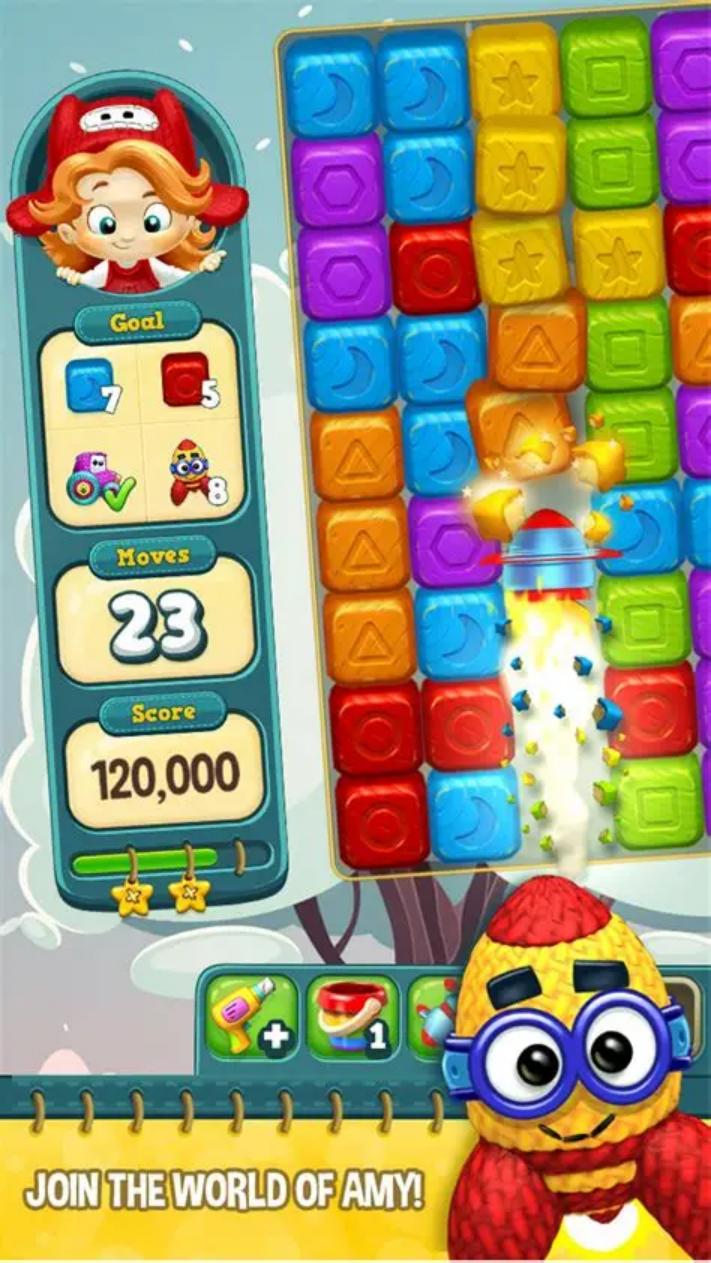
Thanks to its innovative gameplay and strong user base, the game surpassed 200 million downloads over its entire lifecycle. In 2017, Peak launched another hugely successful title, *Toon Blast*.

In 2017, Peak Games—which had already achieved massive success in the mobile gaming market—partnered with Zynga, selling its original and highly profitable mobile card and social gaming business (including Spades Plus, Gin Rummy Plus, and Okey Plus) to the U.S. social gaming giant in a one-time deal worth $100 million.Peak Games poured this massive sum of capital and all of its core resources into the mobile casual puzzle game segment—a market with less room for error but an extremely high revenue ceiling.
With a world-class product in hand, Peak Games’ innate focus on user acquisition began to take center stage. Leveraging a massive budget and automated user acquisition (UA) algorithms, they spent freely on platforms like Facebook and Google, repeatedly propelling their casual games to the top of the U.S. App Store’s top-grossing charts.
In June 2020, as *Toon Blast* and *Toy Blast* achieved dominant positions in Tier 1 markets such as North America and Japan, Peak Games surpassed 12 million daily active users, establishing itself as a force to be reckoned with in the global mobile gaming industry.
It was precisely during this period that Turkish game developers, seeing others strike it rich, began to copy Peak Games’ approach. Take Gram Games, for example: its founder had developed *Sanalika*, an early multiplayer online game that took Turkey by storm in 2001. After the company was established in 2012, Gram adopted an industrialized strategy of rapid trial and error and swift elimination.They successively launched grid-based games with Tetris-like elements, such as *1010!* and *Six!*, before shifting in 2017 to *Merge Dragons!*, a long-term, in-app purchase-based game.
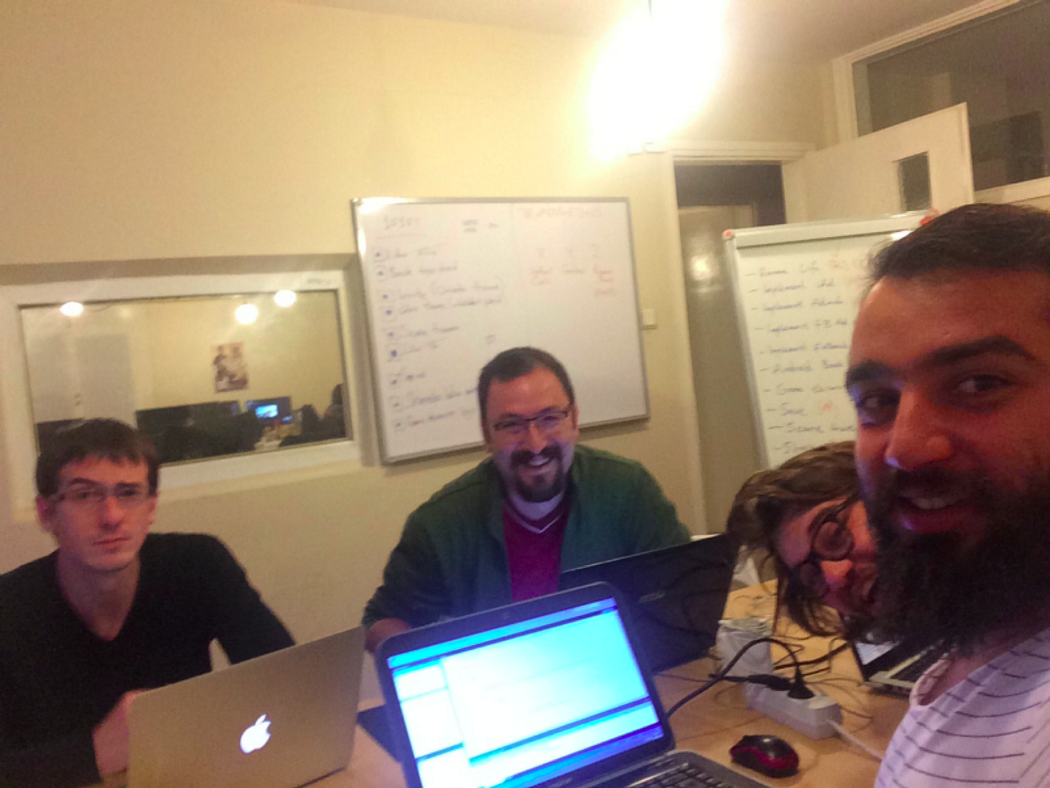
In the hyper-casual gaming category, Turkish teams typically take 10 to 15 days to develop a game. Adopting a strategy of rapid trial and error, they churn out a large volume of games each year in the hope of landing a hit. Locally, it has become the norm for studios to “produce games at a scale far exceeding that of their European counterparts,” and some developers have even faced extreme deadlines requiring them to “create 15 games in a single month.”
Then there’s Rollic, founded in 2018, a studio specializing in hyper-casual games. They’ve adopted a highly forward-thinking and agile approach, establishing a network of hundreds of studios across the country to conduct extensive trial-and-error testing and rapid iteration. Each year, they test a massive number of prototypes, retaining only the ones with the best data performance.
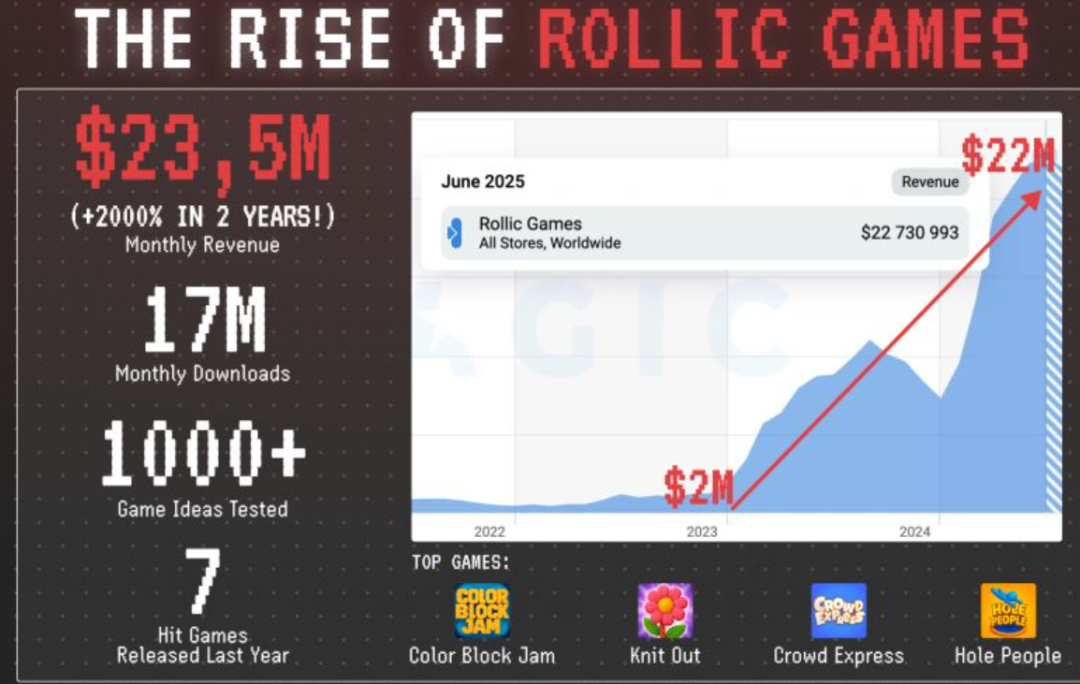
At the same time, the casual game development market has also given rise to the need for user acquisition testing. From the very first day of its launch, a game prototype must withstand the test of user acquisition costs. Every week, each project team must review data, make updates, and optimize the game.
Every company is all about speed: rapid launch, rapid trial and error, and rapid expansion.
"The main reason Turkish companies succeed is that they work harder than anyone else," co-founder Akin Babayigit stated bluntly in an interview. "Even Chinese companies are surprised by how hard Turkish employees work."
Finally, in June 2020, a historic moment is about to unfold.
Zynga, the U.S.-based social gaming company, announced that it has acquired Peak Games in an all-cash deal valued at a staggering $1.8 billion (approximately $900 million in cash plus $900 million in Zynga common stock).
This deal is not only the largest acquisition in Zynga’s history, but it also gave rise to the first “unicorn” company in Turkey’s tech history, while simultaneously setting a new record for acquisitions in the gaming industry.This recent, exceptionally high-value deal not only delivered hundredfold returns to Peak’s early-stage investors (such as Earlybird Venture Capital) but also granted the core team members who had stood by Sidar from the very beginning absolute financial freedom overnight, achieving an incredible generational leap in a society plagued by high inflation.
“Everyone knows Peak Games,” recalls Batuhan Avucan, founder of Mobidictum. “Even taxi drivers know about it. It’s all over the news.”
In addition to acquiring Peak Games, Zynga has also acquired a number of other Turkish game companies, focusing on a "nurturing" strategy. As soon as a mature, innovative gameplay concept emerges from their portfolio, they jump in as quickly as U.S. troops striking oil: In 2018, Zynga acquired Gram Games for $250 million, with hopes that its hit game *Merge Dragons!* would become a "permanent franchise."In 2020, Zynga acquired an 80% stake in hyper-casual developer Rollic for $180 million.
These deals not only marked a first in Turkey’s history of technology, but also quietly had two major impacts on the country’s gaming industry as a whole:
First, in terms of values, game entrepreneurship has become all the rage. In an unstable environment, churning out game concepts at high volume and then selling them to European and American giants has become a natural career path.
Second, within the capital market, these companies that have secured massive investments will, through a series of mergers and acquisitions, give rise to the most prominent players in Turkey’s gaming industry.
02
Turkish Mafia Families
In the history of Silicon Valley’s tech industry, few wealth-creation stories are more legendary than that of the “PayPal Mafia”—the elite group of top-tier talent who cashed out after the company was acquired by eBay and went on to launch Tesla, YouTube, LinkedIn, and Yelp, led by Peter Thiel and Elon Musk, both followers of Ayn Rand.
Twenty years later, in Istanbul, Turkey, an even larger-scale, more vertically integrated mafia-style talent exodus is unfolding once again.
Peak Game's massive success brought three things: ample funding for the internal team, enthusiastic support from external investors, and a proven methodology for casual games.
Driven by a combination of three factors, ambitious former employees of Peak Games have begun leaving the company to start their own businesses. According to the Turkish news outlet TurkiyeToday, 108 former Peak Games employees have founded 82 startups, 37 of which focus on game development; the former Gram Games team has also established 21 startups, 18 of which are focused on games.
It is no exaggeration to say that Peak Games is the "Whampoa Military Academy" of Turkey's gaming industry.
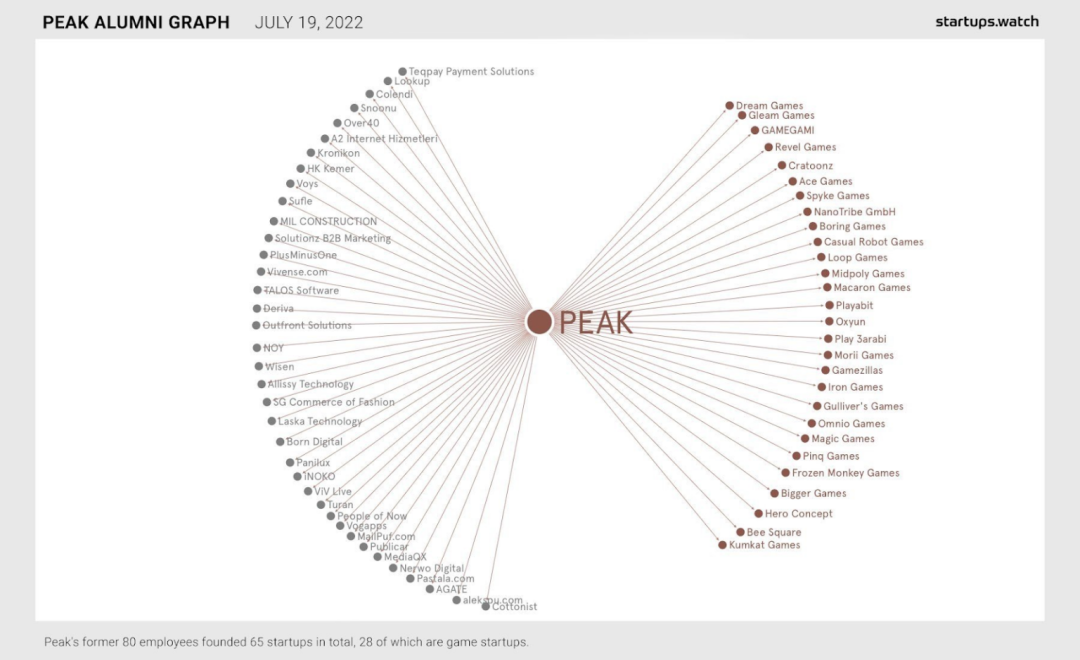
This talent spillover effect has propelled Istanbul to the position of Europe’s second-largest game development hub, surpassing Berlin and making it the continent’s second-largest such hub in terms of the number of studios, second only to London.
As Eitan Reisel, CEO of the venture capital fund VGames, put it: “Peak is like the parent company of Turkey’s gaming industry; it serves as a breeding ground for the industry’s many startups and entrepreneurs.”
Among the many spin-off companies, Dream Games stands out the most. Founded in 2019, Dream Games was led by Soner Aydemir, the former Product Director at Peak Games, who brought along his core R&D team from Peak (including Eren Şengül, Hakan Sağlam, Ikbal Namlı, and Serdar Yılmaz).
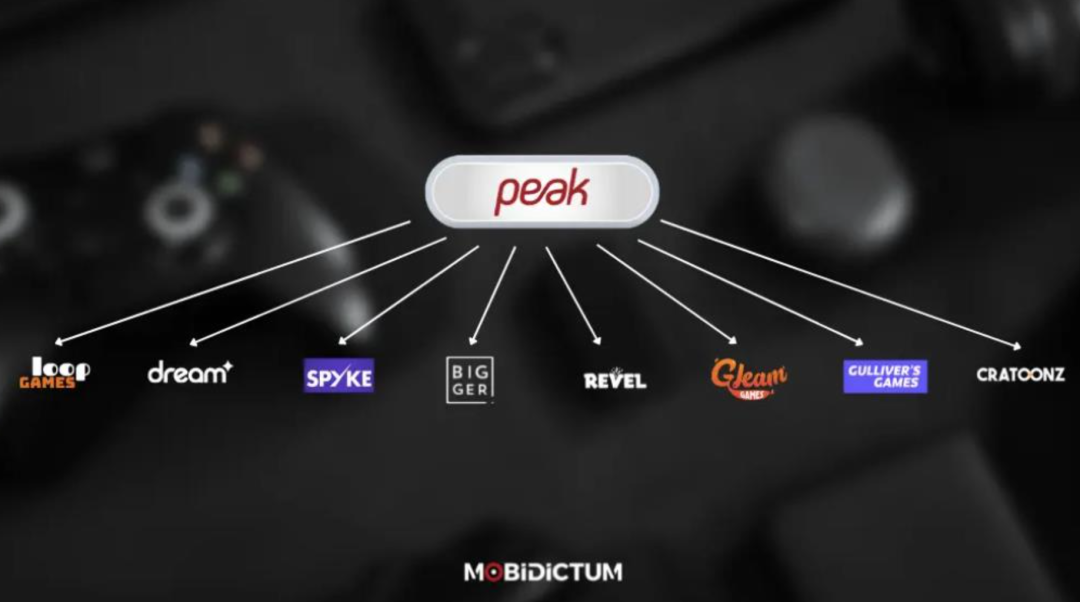
Because the founding team was considered the "all-star lineup" of Turkey's gaming industry, investors placed blind faith in them. Even before releasing a single game, Dream Games easily raised $57.5 million in early-stage funding solely on the strength of the team's reputation.
In addition, they have secured backing from top-tier firms such as Index Ventures, Makers Fund, and Balderton, raising a total of nearly $500 million.
With an abundance of capital, they were bold enough to launch an unprecedented, massive global user acquisition (UA) campaign after the product’s release. With deep pockets and ambitious goals, they set out to create a high-quality casual puzzle game that was “as polished as a Pixar film and capable of evoking an emotional response.”
With an elite team of fewer than 400 people, *Royal Match* sent shockwaves through the global market. It successfully broke *Candy Crush Saga*’s decade-long monopoly on the match-three genre and stormed to the top of the U.S. App Store’s top-grossing chart. The key to this success was their formidable data funnel and user acquisition model.
The fact that Dream Games is willing to invest as much as $150 million in user acquisition across global ad networks within six months clearly demonstrates that the models developed by its in-house actuaries ensure that every dollar spent will be recouped steadily within the target period through targeted high-net-worth players, generating substantial profits.
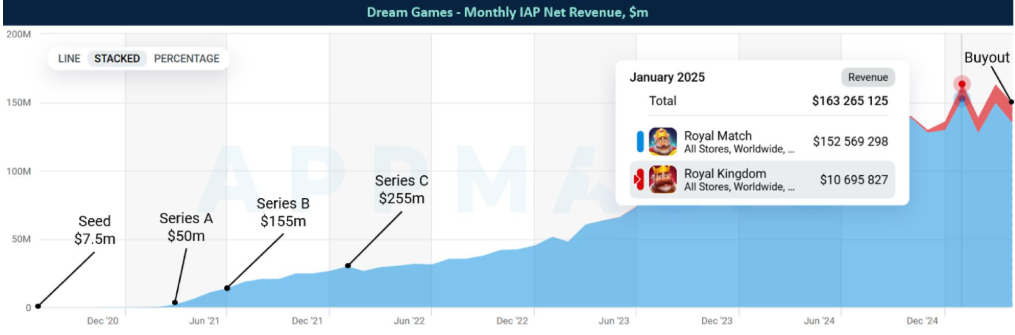
According to data released by Appmagic in October 2025, cumulative player spending on games published by Dream Games has surpassed $7 billion, with *Royal Match* accounting for 95% of that total.Sensor Tower data shows that "Royal Match" generated $1.47 billion in in-app purchase revenue in 2025, accounting for 49% of the total in-app purchase revenue of all publishers in Turkey—a single title accounting for half of the Turkish gaming industry.
In a sense, the success of Dream Games aligns with the vision Sidar Şahin envisioned in 2012. In an interview, he insisted that he wasn’t building a company, but rather a culture capable of changing the world—an ecosystem of talent that could transform Istanbul into the gaming industry’s most unlikely capital.
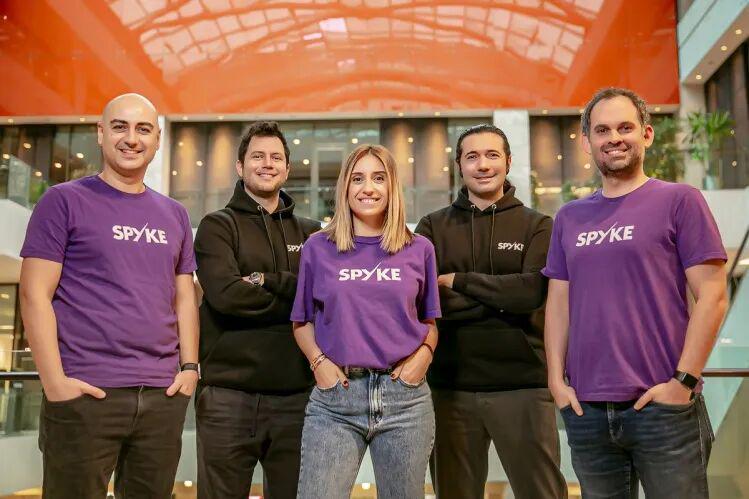
In addition to the colossal Dream Games, other veterans from Peak have also struck out on their own, setting up shop across Istanbul—such as Spyke Games, founded by Rina Onur Şirinoğlu, a former co-founder of Peak Games, and Remi Onur, Peak’s former Chief Data Officer, among others.The same wave of investment fervor has swept over them; even before releasing a single game, they secured a $55 million seed round—breaking the global record for early-stage funding in the gaming industry—bringing their total funding to $60 million.
Then there’s Loop Games, founded by Mert Gür. The company developed the globally popular games *Match 3D* and *Match Tile 3D* using its own funds, then sold these hit titles for a staggering $200 million. It ruthlessly reinvested all the proceeds into new user acquisition and marketing, demonstrating an astonishing ability to grow its capital exponentially.

Meanwhile, TaleMonster—founded by former Peak executives—has charted a unique course, carving out a new niche in the crowded match-three genre. Its game *Match Valley* ingeniously blends match-three mechanics with tower defense and even roguelike elements, and thanks to its exceptionally high player engagement, it has easily secured $7 million in funding.

In addition, Bigger Games—founded in 2019 by Yankı Yağız Akpek and others who previously led the development of *Toy Blast* at Peak—has secured a $6 million seed round and is focusing on match-three games that incorporate home design elements, such as *Mergedom: Home Design*.
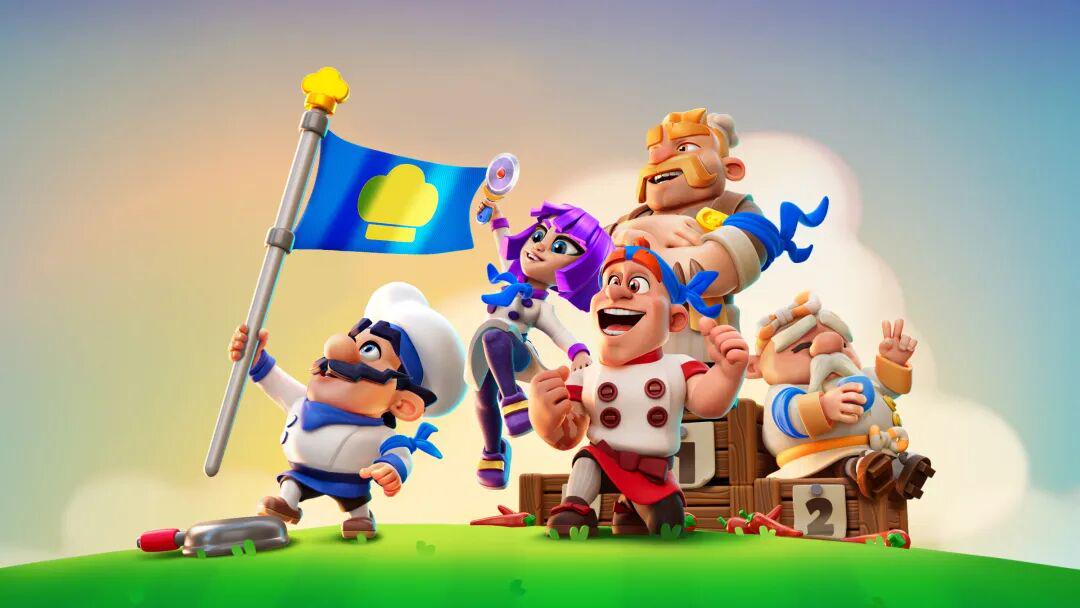
With its uniform "Peak lineage" and highly homogeneous data-driven approach, this network covers virtually every corner of the overseas casual gaming market.
Of course, there are no exceptions to every rule. Amid the swirling myths of mobile gaming get-rich-quick schemes—centered on “merge,” “match-three,” and “hyper-casual” games—Turkey’s gaming ecosystem seems firmly locked into a path of “lightweight monetization.”
However, amid this frenzy where mobile casual games dominate the scene, there remains a lone stalwart committed to the “heavy industry” of gaming. The most famous example is Ankara-based TaleWorlds Entertainment, a studio that has spent more than a decade honing the *Mount & Blade* series, becoming a symbol of Turkey’s capabilities in hardcore game development.
The 2023 hit *Battlebit Remastered*, led by Turkish developers, saw its concurrent player count on Steam peak at over 80,000; *Supermarket Simulator*, created by a four-person team at Ankara-based Nokta Games and incubated by DIGIAGE, had generated over $40 million in cumulative revenue as of April 2025.

These works demonstrate that Turks certainly do not lack the ability to construct grand worldviews and come up with cutting-edge ideas; it is simply that the gravitational pull of capital has drawn their major creative forces elsewhere.
03
A powerful force has stepped in
As noted by prominent investor Akin Babayigit, “The cybersecurity industry is to Israel what the gaming industry is to Turkey.”
In the face of a severe economic crisis, the Turkish government does not view the gaming industry as merely a form of entertainment; it recognizes that gaming is not just entertainment, but also an export industry. It can generate foreign exchange, create jobs, and enhance the country’s reputation. Therefore, the Turkish government supports gaming entrepreneurs just as it supports manufacturers of automobiles or electronics.
First, the government has established state-recognized technology parks (such as ODTÜ Teknokent). Game companies based in these parks enjoy significant tax incentives; not only are profits reinvested in R&D eligible for substantial tax breaks, but in 2024, Tugbek Olek, Chairman of the Game Advisory Board, even announced at the Pocket Gamer Connects conference in San Francisco that some companies could be completely exempt from corporate income tax.Designers and developers at game studios are directly exempt from personal income tax, and capital invested in the gaming industry is completely exempt from capital gains tax.
This level of policy support means that if a company exits at a valuation of $10 million, that substantial sum will remain intact in the hands of the founders and investors, free from any tax burden.
Second, to address the biggest pain points for games expanding overseas—high user acquisition (UA) costs and platform commissions—the Turkish Ministry of Trade has stepped in to cover the costs directly.
The government reimburses game companies for 60% to 70% of their overseas digital advertising and marketing expenses (up to $500,000 per app annually, with a maximum of five apps eligible per year).In addition, the government reimburses 50% of the 30% platform commission charged by the Apple App Store and Google Play. The government also covers 50% of the gross salary for newly hired engineers and reimburses up to 80% of travel expenses for overseas trade shows.
“Suppose you spend $1 million on Facebook ads; the Turkish government can reimburse approximately 50% to 60% of that amount, subject to eligibility and program restrictions,” explained Batuhan Avucan, founder of Mobidictum. Meanwhile, in Finland, new game startups can only receive up to €60,000 in initial funding from the Finnish Business Development Agency.
This policy environment has created a unique financial feedback loop: since game revenue is primarily settled in U.S. dollars, while operating costs are paid in a significantly devalued lira—combined with government cash rebates—Turkish companies are far more resilient to customer acquisition costs than their overseas competitors.According to the Turkish Game Developers Association, approximately 95% of Turkey’s gaming revenue comes from overseas—meaning every dollar of revenue represents a foreign exchange inflow into a country grappling with high inflation and currency depreciation.
This also explains why international venture capital firms and top private equity firms dared to make such reckless, blind investments in Turkey—a country where inflation once soared to over 70% and the lira plummeted.
The lira’s sharp decline has made wages in traditional industries insufficient to make ends meet, prompting major mobile game companies—which earn revenue in dollars but pay salaries in lira—to offer salaries several times higher than those in traditional sectors. As a result, the gaming industry has virtually swept up all the top computer engineers, mathematicians, and physicists from Turkey’s leading universities. This “siphon effect” has caused a massive influx of the brightest minds into the mobile casual gaming sector, which offers the highest return on investment.

As a result, all of Turkey’s leading mobile game studios share one thing in common: they pay little attention to the domestic market, as 95 percent of Turkey’s game revenue comes from overseas.
The business criteria are surprisingly simple: "What kind of game can be sold to the U.S. or Tier 1 (first-tier) countries and generate hard currency?"
Returning to Peak, Idar Şahin—the godfather who built Turkey’s gaming empire as the company rose from humble beginnings to the pinnacle of success—has rarely been seen in public since selling the company to Zynga for a staggering $1.8 billion in 2020.
His social media accounts have also gone quiet, and he is fading from the public eye.
He left Turkey with a massive, ruthless money-making machine, as well as the spark that ignited what came to be known as "Peak Mafia," which continues to dominate the global market for puzzle and casual games.
Today, Turkey’s gaming industry generates over $1 billion in annual revenue, with the overall market projected to reach $3.33 billion by 2025. Spending on mobile games by Turkish consumers increased by 28% in 2024. The country has approximately 50 million gamers, accounting for more than half of the total population.
At the same time, however, according to data from Startups.watch, the number of newly established gaming companies in Turkey has plummeted: from 173 in 2021 and 163 in 2022, it dropped sharply to 59 in 2023, and fell further to just 38 in 2024. Of the 1,055 gaming companies established to date, 211 have already gone out of business.

Every week, new studios are launched in apartment buildings across Istanbul, dreaming of becoming the next Dream Games. Every week, people say their goodbyes in Slack channels and, exhausted, board flights to Berlin or Munich.
In this uneven process of value creation, Turkey’s young engineers—with their unwavering dedication, their youth spent in overdrive, and their unyielding faith in data—have single-handedly built a modern cyber empire worth over $3 billion for themselves and their country from the ruins of the traditional economy.
原创文章,作者:游茶妹儿,禁止转载:https://youxichaguan.com/en/archives/195656