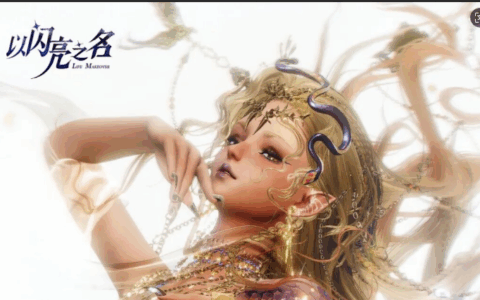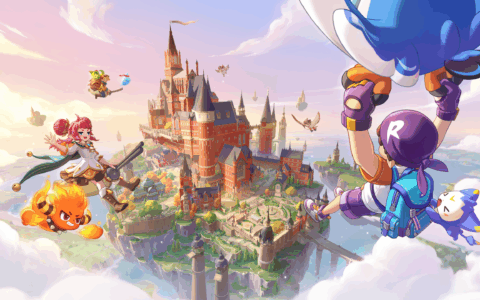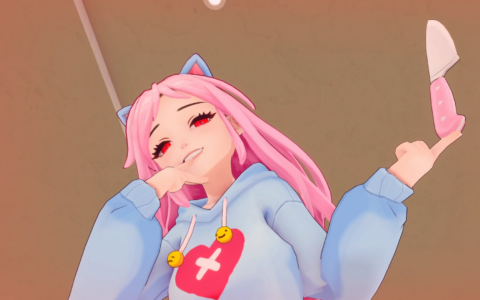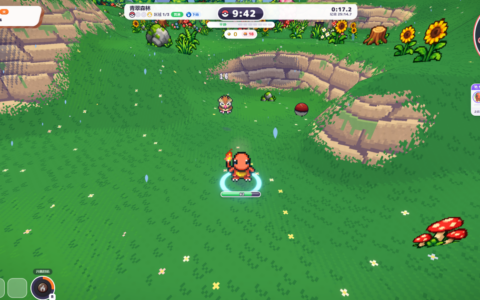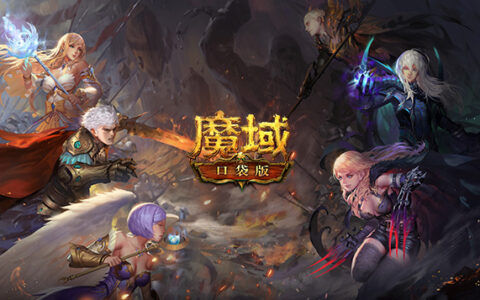
In the early years, Tencent’s in-house development and investment efforts in the anime and manga gaming sector experienced their ups and downs. While the company encountered some setbacks, it also produced several outstanding titles that players still fondly remember today. If we were to summarize these products and examine them from a broader perspective, we would see that this period actually represents Tencent’s “Version 1.0 era”—a time when the company was still in the exploratory phase of its foray into the anime and manga gaming market.
In the past two years, after streamlining its operations and weeding out numerous products and teams, Tencent appears to have settled on a strategy focused on the anime and manga (ACG) sector: it has taken a stake in Kuro; it has gradually acquired Saros Studio, adding two ACG projects—*Destiny Board* and *Return Ring*—to its pipeline;In terms of in-house development, there is *Void Ring*, a collaboration with the VR community, and *Chasing Caledo* by Feichi Hamli; for IP adaptations, there is *Under the Strange* by Magic Cube; and the licensed title *Goddess of Victory: New Hope* has also achieved solid results.
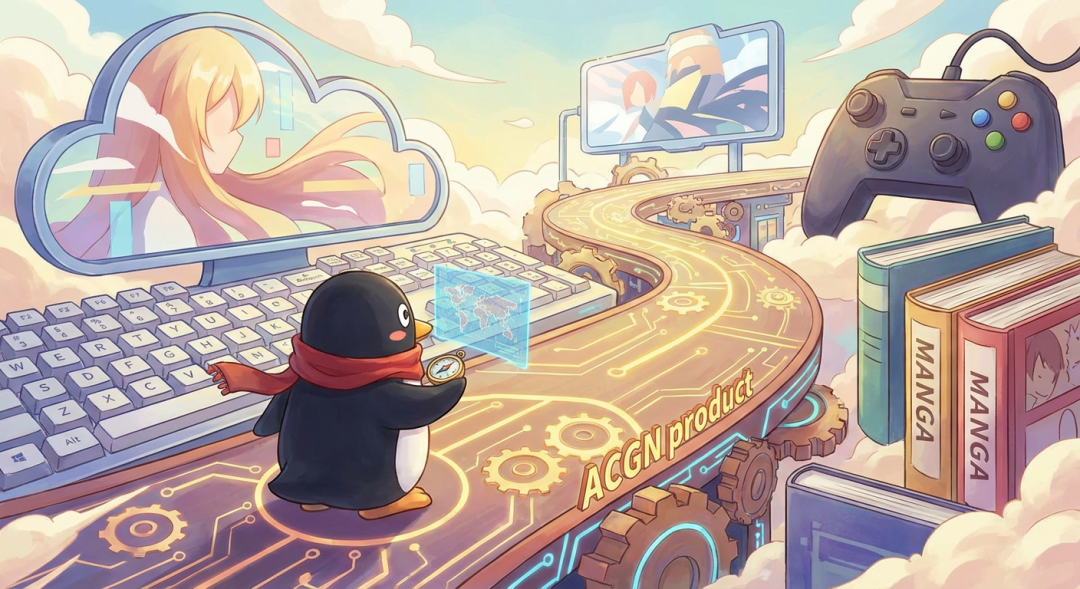
by nanobanana
These various moves collectively outline Tencent’s “2.0” strategy for the anime and manga sector, which no longer focuses on a single direction but instead combines in-house development with licensing to build a product lineup with sufficient depth. Moreover, a notable feature is that Tencent clearly intends to release anime and manga games that are “a little different.”
*Void Ring*, which is closely tied to the VR community, is truly a groundbreaking title; Saros has two products in its portfolio: one focuses on shooting and has the potential for high DAU, while the other attempts to innovate by incorporating CRPG elements; *Under the Strange* transforms the traditional fighting game into a 3D non-scrolling format; and the licensed title *Goddess of Victory: A New Hope* features a unique AFK gameplay mechanic with back-to-the-enemy shooting, combined with art by Kim Hyung-tae.
Each one stands out from existing mobile games on the market in terms of gameplay, art style, and other aspects.
And recently, this strategic plan may be about to take another step forward.
Just yesterday (March 11), the 2D game *Kaeus Dream*, published by Tencent and developed by Smilegate’s SUPER CREATIVE team, officially launched its paid second closed beta.
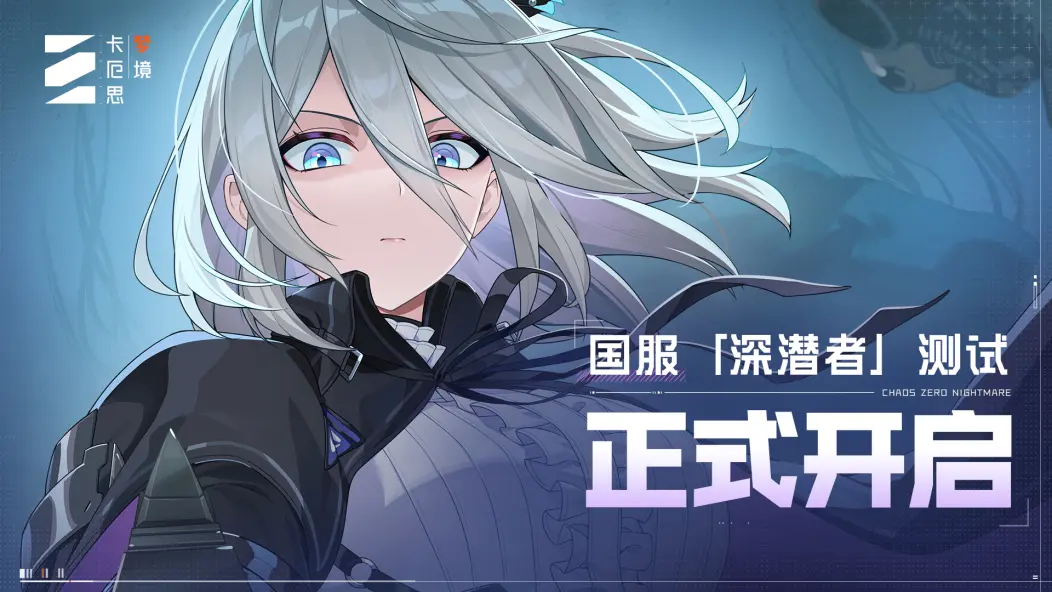
More than five months ago, this product completed its first domestic beta test and had already been in open beta overseas for some time. Although it sparked some controversy among overseas players early on due to certain issues with the user experience, its revenue performance indicates strong popularity on game charts. It generated 40.2 billion KRW (approximately 200 million RMB) in revenue during its first month of release and won Sensor Tower APAC’s “Best Anime-Style Game of 2025” award, further demonstrating its strong market competitiveness.
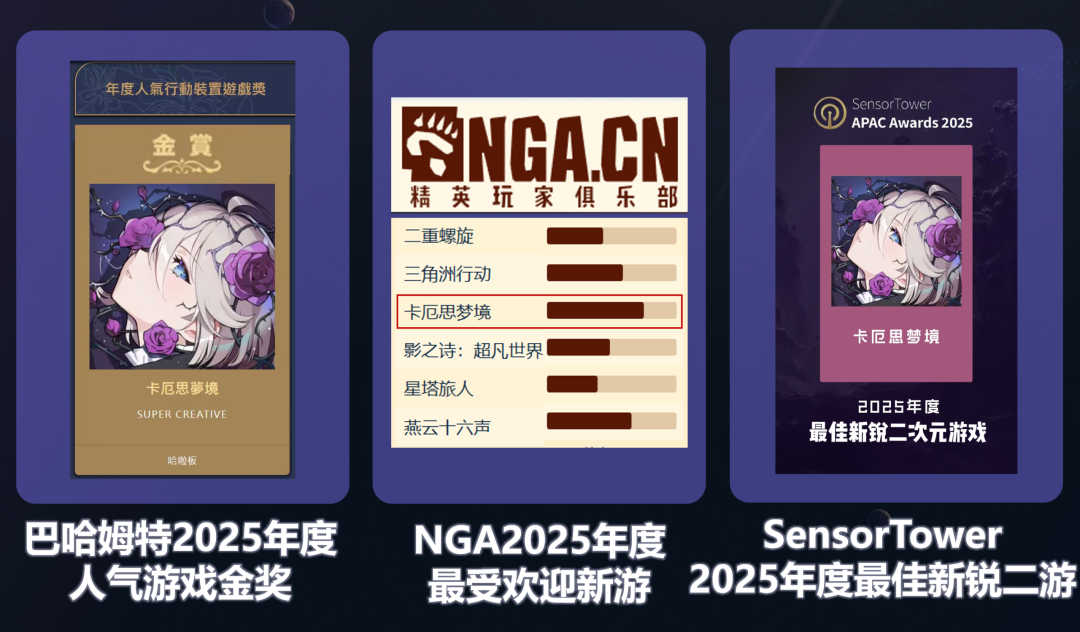
Following a series of optimizations and adjustments after the overseas open beta, the reputation of *Kaeus' Dream* on international servers has gradually improved, and the game has entered a stable operational phase.
However, even though the international version has posted impressive numbers, I’m sure many readers are still wondering: why exactly did Tencent choose *Kaeus’s Dream*? In today’s fiercely competitive domestic anime game market, what does this game have to offer to attract users? Furthermore, what role will it play in Tencent’s “2.0” era of anime gaming?
01
I should point out first that *Kairos Dream* has actually garnered quite a bit of attention in China. Following the launch of its second closed beta, the game quickly topped Bilibili’s new game pre-registration chart and also ranked high on TapTap’s pre-registration list.
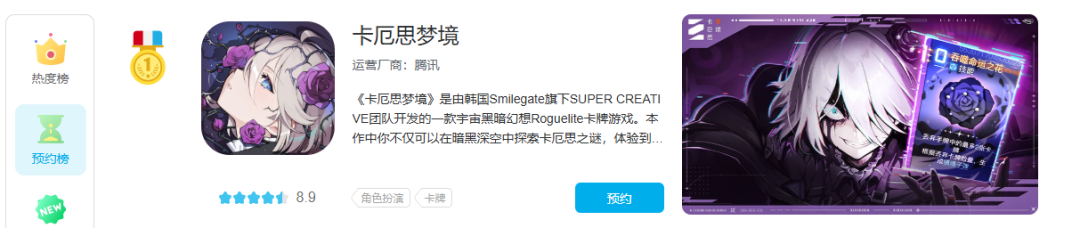
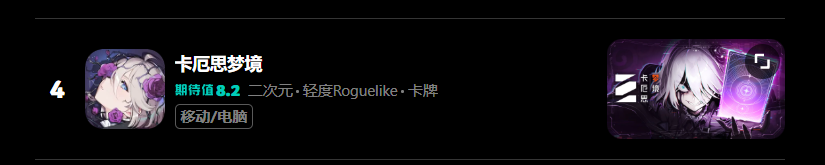
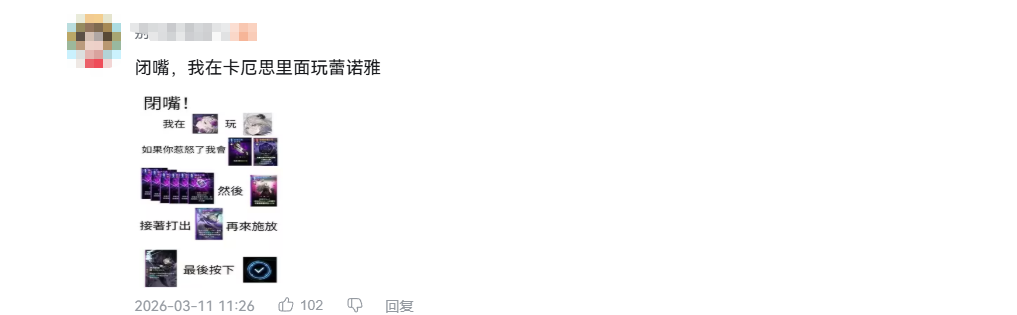
In promotional materials, such as the PV, many players—both new and old—enjoy playing along with the official in-jokes.
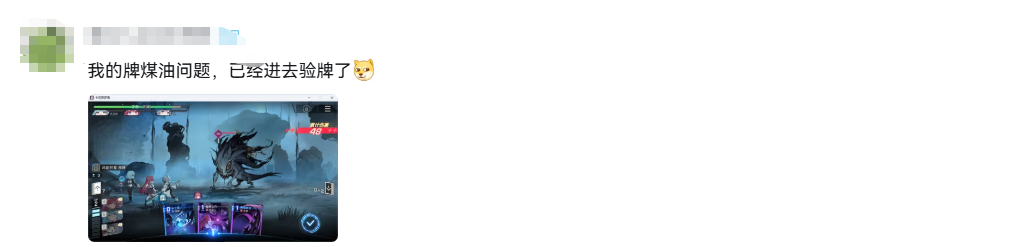
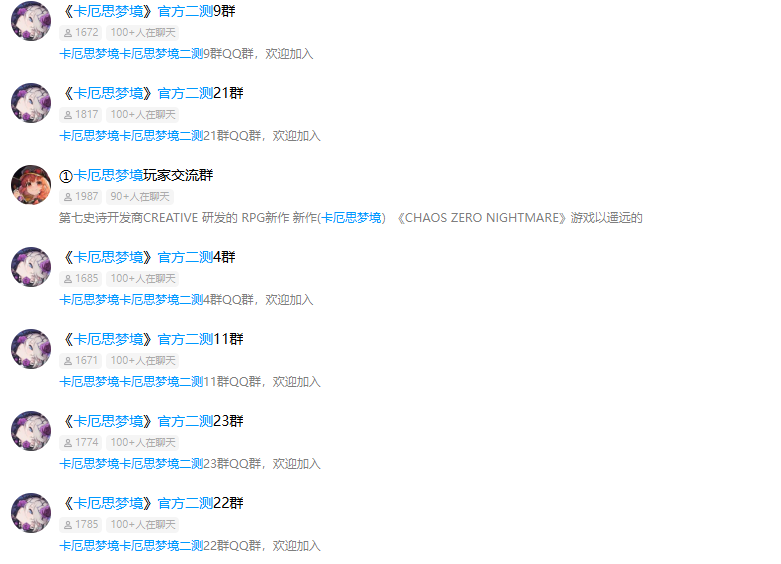
It’s worth noting that for this second beta test, the developers specifically set up QQ groups for players. A quick search reveals that these are mostly groups with over a thousand members; in fact, when I joined, I was already assigned to Group 15. This suggests just how staggering the number of beta invitations must be, and it also highlights the sheer scale of players who applied for this test. The fact that such a massive private user base has formed even before the servers have gone live is truly beyond my expectations.
Based on my initial analysis, *Kaeus' Dream* is certainly not a “typical” visual novel—and in fact, that is exactly the case.
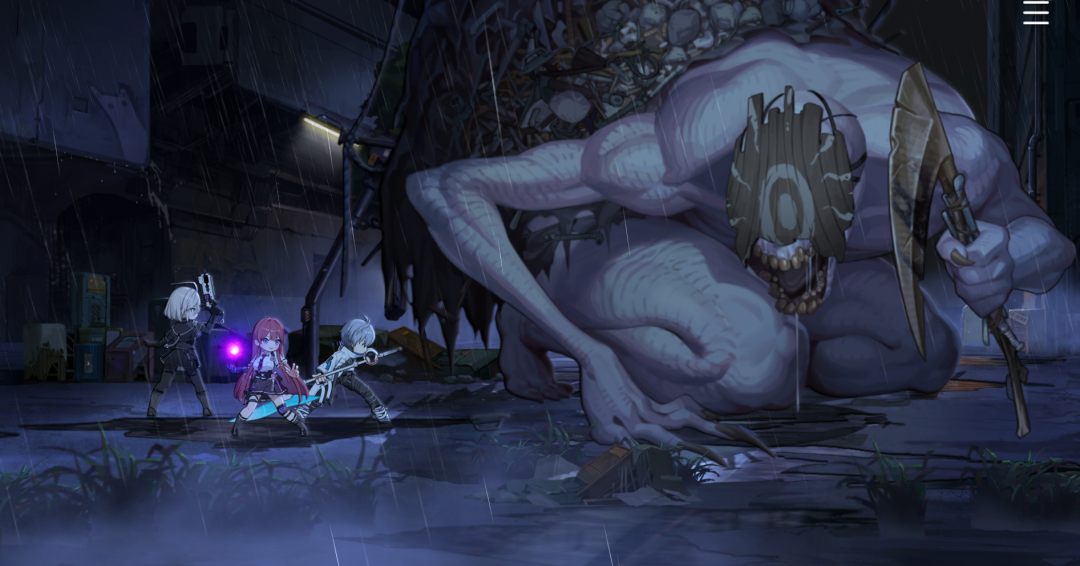
First, at the level of world-building,The world of *Khaos Dream* is built upon a Cthulhu-style apocalyptic narrative framework, incorporating *Matrix*-style mind-diving elements. Although this type of apocalyptic setting has long been a cliché in the anime and manga genre, *Khaos Dream* does not follow the mainstream trend of “lightheartedness in a post-apocalyptic world.” Instead, it leans further toward a dark, Cthulhu-inspired, and somber style.
In this regard, the first aspect that sets *Kaeus's Dream* apart visually is its visual style, which is relatively rare in the domestic market and caters more to an adult audience.
The game features an overall dark, low-saturation art style,with some enemies and environments bearing a distinct H.R. Giger-esque surrealist style. While it doesn’t directly replicate Giger’s biomeccanical aesthetic, *Kairos Dream* weaves Giger-esque visual motifs—such as tentacles, black mist, and elements of body horror—into its visual design, including enemy models and skill effects, giving the game’s monsters and environments a distinct *Necronomicon* vibe.
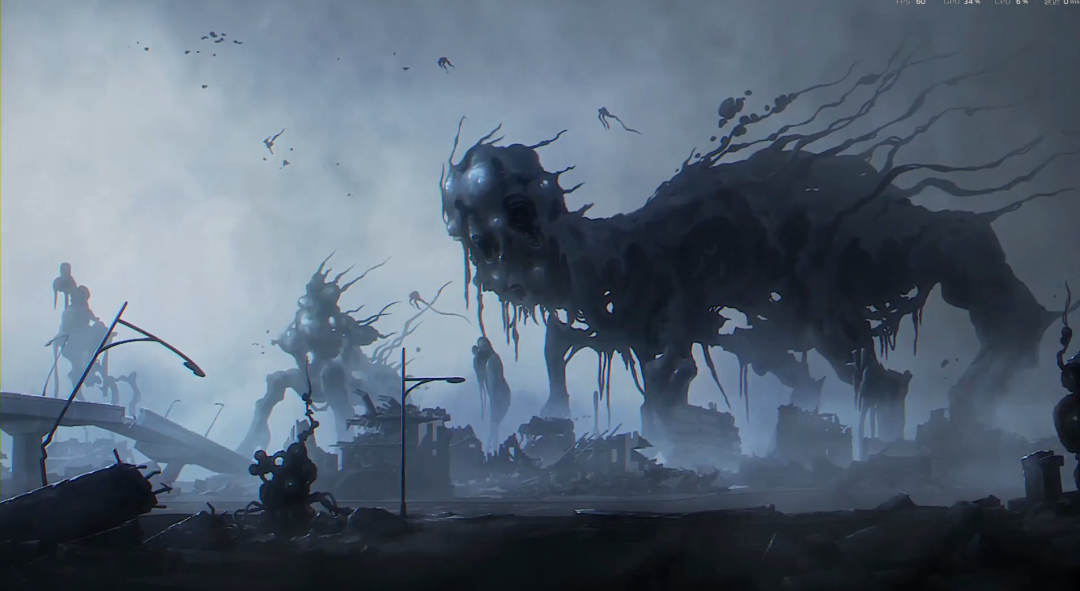
Consequently, the contrast with the bright character art, combined with narrative elements such as the severe injuries sustained by the player’s teammates at the start of the game, gives *Kaeus’s Dream* a sense of tension and an oppressive atmosphere that is relatively rare in indie games.
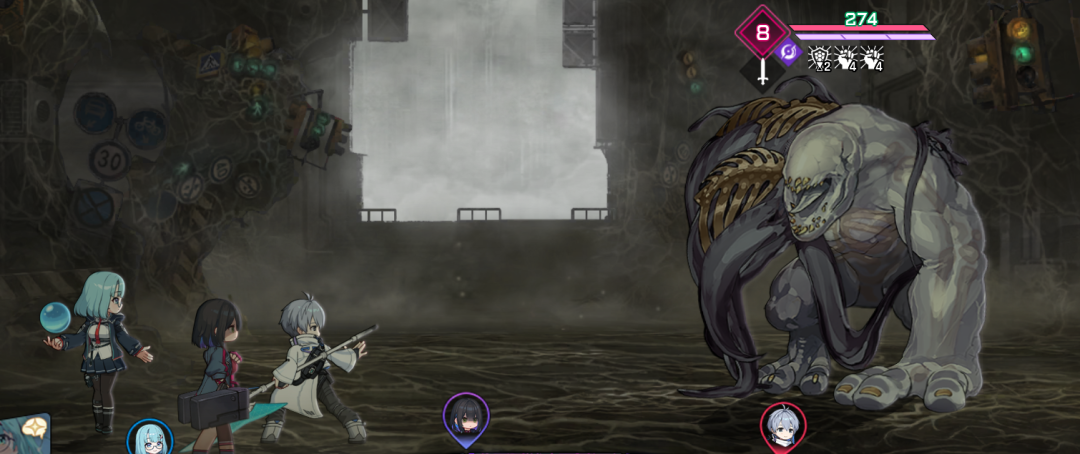
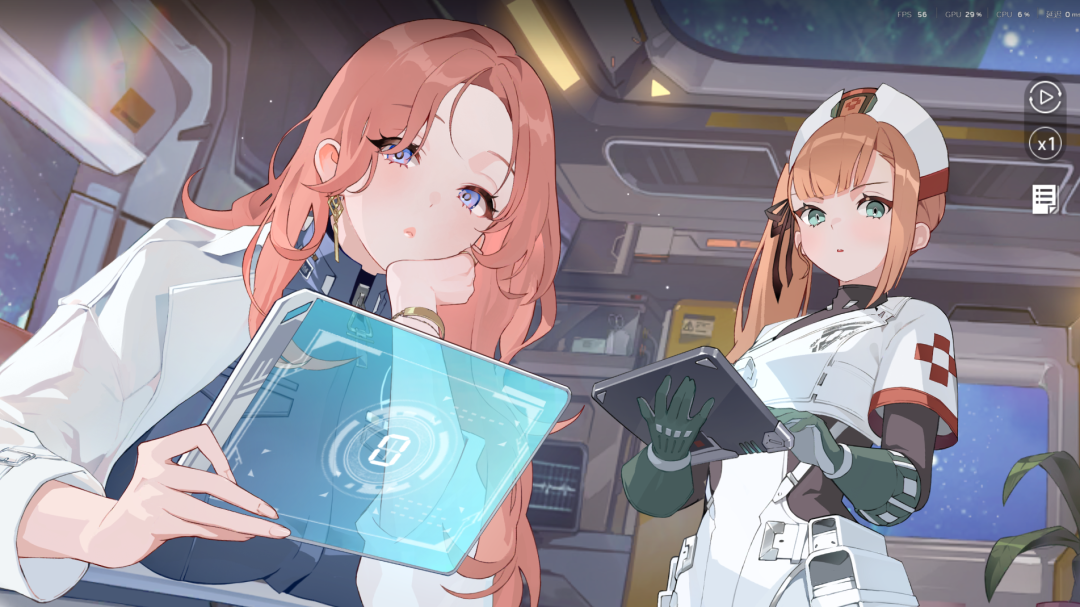
What’s even more ingenious is that *Caos Dream* doesn’t limit its Cthulhu elements to plot text and atmospheric rendering; instead, it systematically integrates them into the combat mechanics—specifically, the game’s most distinctive feature, the “Collapse” system.
This system is similar to the Virtue system in *Darkest Dungeon*, though it is relatively simplified. Stress is directly tied to enemy attacks, and when a character’s stress meter overflows, they suffer penalties such as a reduced maximum health and the inability to move.
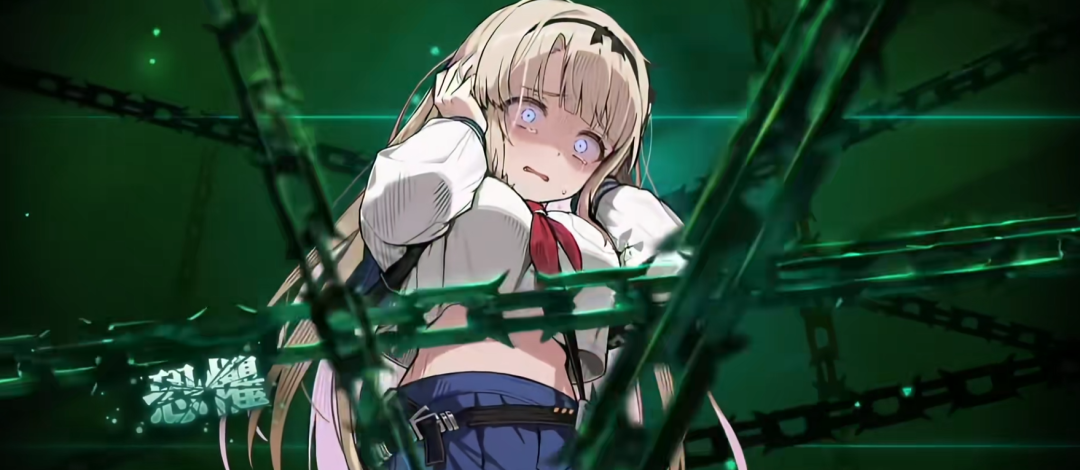
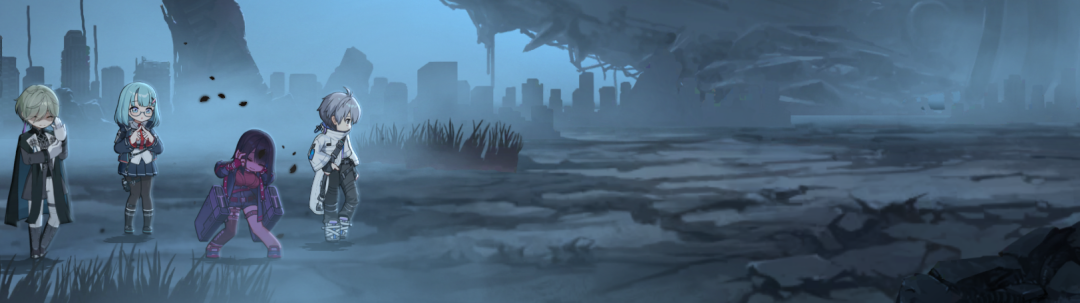
Given its world-building and art design, *Khaos Dream* made it easy for me to draw parallels between its stress system and the tabletop role-playing game *Call of Cthulhu*. The Sanity (SAN) system in *Call of Cthulhu* is consistent with that of *Khaos Dream*: if a character’s SAN drops to zero, they fall into madness and are unable to act normally.
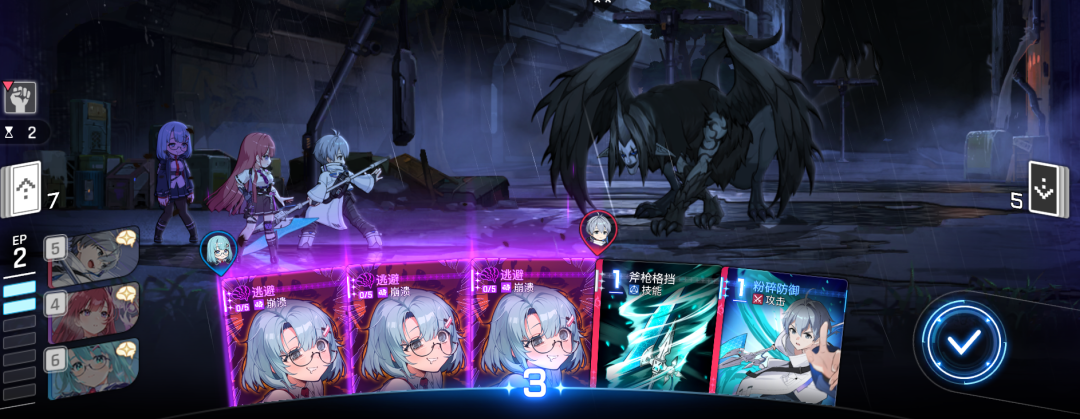
The design of *Kaeus' Dream* is a rare example of a game that seamlessly integrates its world-building with its gameplay systems—a concept that is actually quite uncommon in the market.
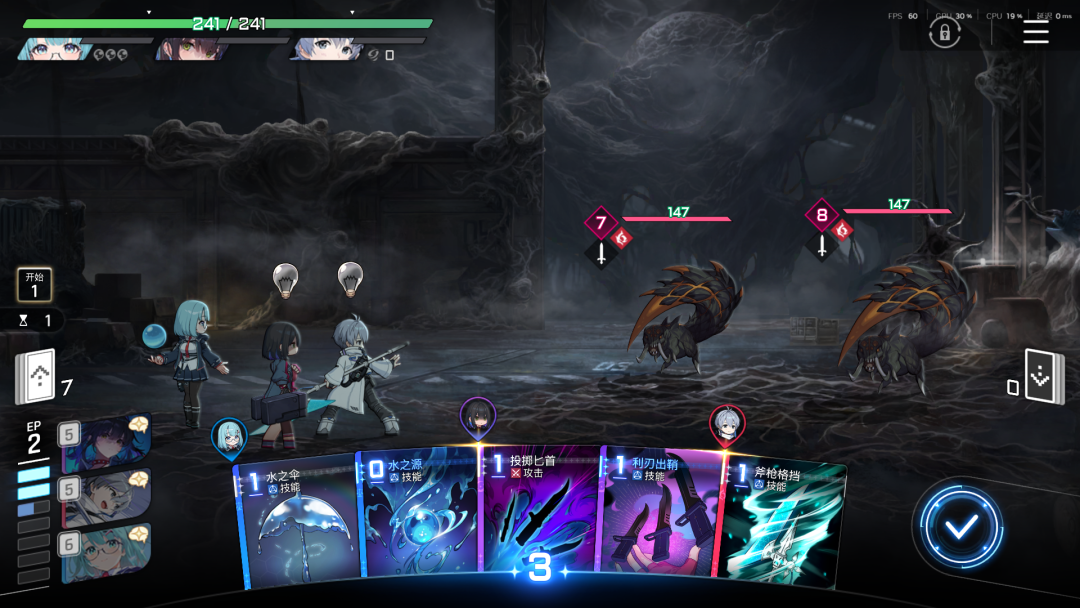
At the core gameplay level, *Kairos Dream* uses a save data mechanism to carry over progression achievements from roguelike runs into other non-roguelike combat content, cleverly integrating roguelike elements with anime character progression.Combined with elements of classic RPGs and branching story paths, *Kairos Dream* emerges as a unique deck-building game that requires players to balance resource management, card-playing timing, and team composition (based on paid anime character purchases) in a cohesive and well-rounded manner.
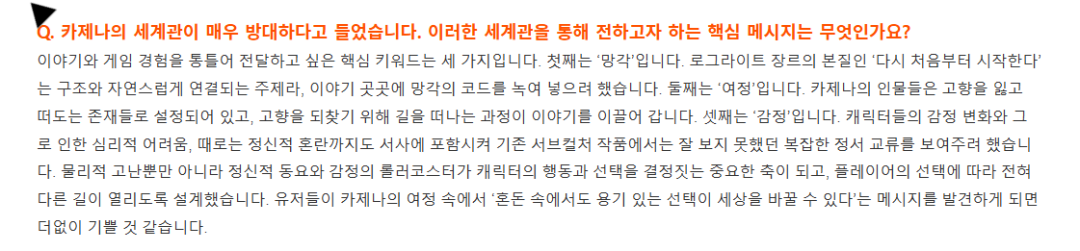
In a previous interview with Smilegate Newsroom, producer Kim Hyung-seok summarized the core message of *Kaeus Dream*’s worldview into three keywords: “Forgetfulness,” “"journey," and "emotion." These correspond to the roguelike "start-over" mechanic, the setting where characters embark on a journey after losing their homeland, and the pursuit of depicting more complex psychological conflicts and emotional struggles—elements rarely seen in previous anime-style works.
These three keywords build upon one another and align precisely with the game’s design intentions across the three dimensions of gameplay, narrative, and character development.
It’s fair to say that *Kaeus Dream* takes a well-thought-out approach to blending with the anime genre.rather than letting the roguelike and character-building systems operate in isolation, it interlocks them in a positive feedback loop. For players who enjoy both the build-and-dive thrill of traditional roguelike card games and the appeal of anime-style character development, *Kairos Dream* has found a solid intersection between these two experiences.
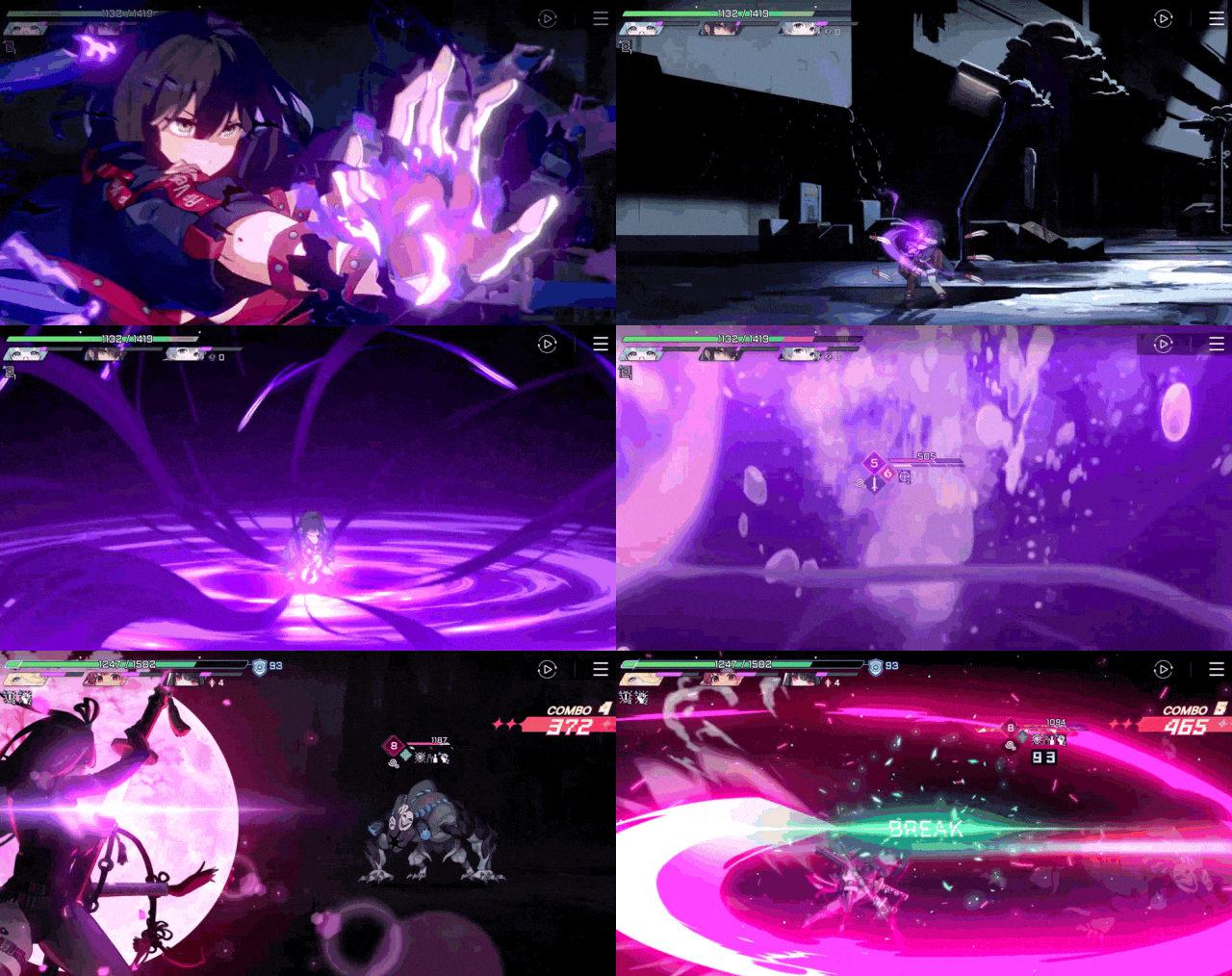
Furthermore, at a time when the mobile gaming industry is shifting entirely toward 3D graphics, *Kaeus Dream*—as a 2D title—still impresses with its attention to detail in areas such as art, animations, and UI. The character skill animations and visual effects are quite good, and the story is frequently punctuated by high-quality cutscenes that enhance the narrative tension. Overall, the game has a distinct feel of an “interactive anime series.”
Overall, *Khaos Dream* has a solid foundation as a product. It strikes a reasonably good balance between roguelike and card game mechanics within the anime genre, while its Cthulhu-inspired dark aesthetic establishes a strong visual identity. The narrative, mechanics, and art all interlock around a single core, and this cohesion forms the bedrock of *Khaos Dream*’s appeal.
02
Now that we’ve discussed the product itself, let’s shift our focus to the market and the industry to speculate on how Tencent positions *Kaeus’s Dream*.
First, there is the issue of competitiveness. Given the current landscape of the domestic mobile game market, *Kaeus Dream*’s competitive edge lies primarily in its differentiation at the genre level.
Card-based RPGs have never had a particularly strong presence in the mobile gaming market. There has been a lack of a sufficiently mature, distinctly "anime-style" product to cater to users who want strategic depth but don’t want to be tied down by time-consuming open-world games. The arrival of *Cardous Dream* essentially fills this niche.
At the same time, the Cthulhu-themed dark fantasy genre remains a relatively untapped market in the mobile gaming industry.apocalyptic, school, and alternate-world settings have been repeatedly explored over the past few years. By combining Cthulhu-style “indescribable horror” with anime-style character design, *Caeth’s Dream* has indeed established a distinct thematic identity—and this distinction goes beyond superficial visual styling. For instance, the presence of the “Breakdown System” demonstrates a consistency between the game’s theme and its gameplay mechanics.
We can therefore say that category differentiation and thematic differentiation form the two fundamental pillars of *Kaeus' Dream*’s competitiveness in the current market.
Returning to the international version, the game’s producer, Kim Hyung-seok, has repeatedly stated during the recent public outcry that he will make concrete adjustments to address the game’s shortcomings and strive to deliver higher-quality content to players. He explicitly stated that he would completely overhaul the content of Chapters 1 through 5 of the main story and address issues with the localization, among other things.
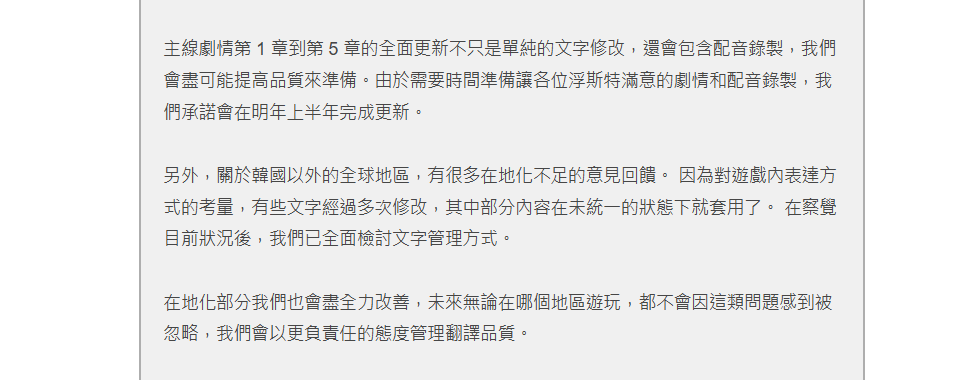
These promises aren’t just empty words. Since its launch, the international version of *Kaeus Dream* has rolled out numerous optimizations. It’s safe to say that players in Japan, South Korea, and other regions around the world have already navigated the pitfalls in the gameplay experience on behalf of players in the Chinese server.
This experience is crucial for predicting the outcome of the Chinese open beta and the subsequent operation of *Karthus's Dream*. Essentially, the game has already undergone a round of stress testing conducted by players worldwide and completed a radical overhaul to address its core issues.
The version released for the second closed beta in the Chinese server has already implemented optimizations previously introduced in the international server, such as the Dark Souls Shop, streamlined daily dungeons (including resource dungeons), and increased stamina consumption. With Tencent’s continued efforts, we believe they will be able to avoid many of the operational issues encountered in the overseas version and launch an open beta version that resolves numerous problems.
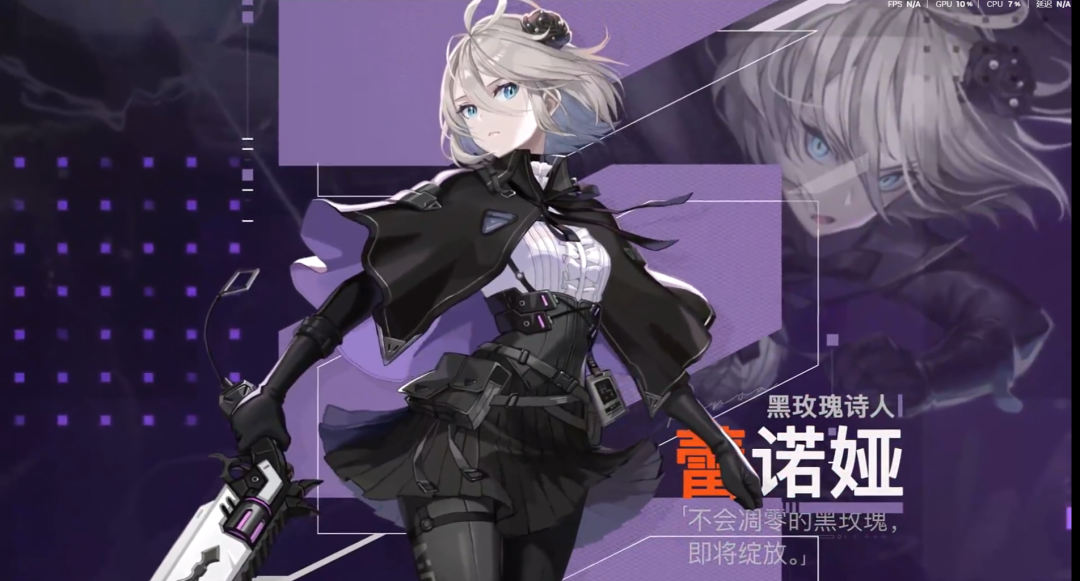
Let’s return to the significance of *Kaeus Dream* for Tencent’s anime and manga product line.
As I briefly outlined at the beginning of this article regarding Tencent’s current presence in the anime and manga sector, we can see that while Tencent has no shortage of flagship titles or products in development, it still lacks mid-tier offerings with manageable scale, distinct category differentiation, and the potential for stable, long-term operation.
"Kaeus Dream" fills this gap, and its core concept is similar to that of "Goddess of Victory: A New Hope." Its purpose is to complete a missing piece in Tencent’s anime-themed game portfolio: a mid-sized anime game capable of meeting the needs of players who enjoy both the domestic anime genre and the roguelike card game genre, while also offering a steady stream of content.
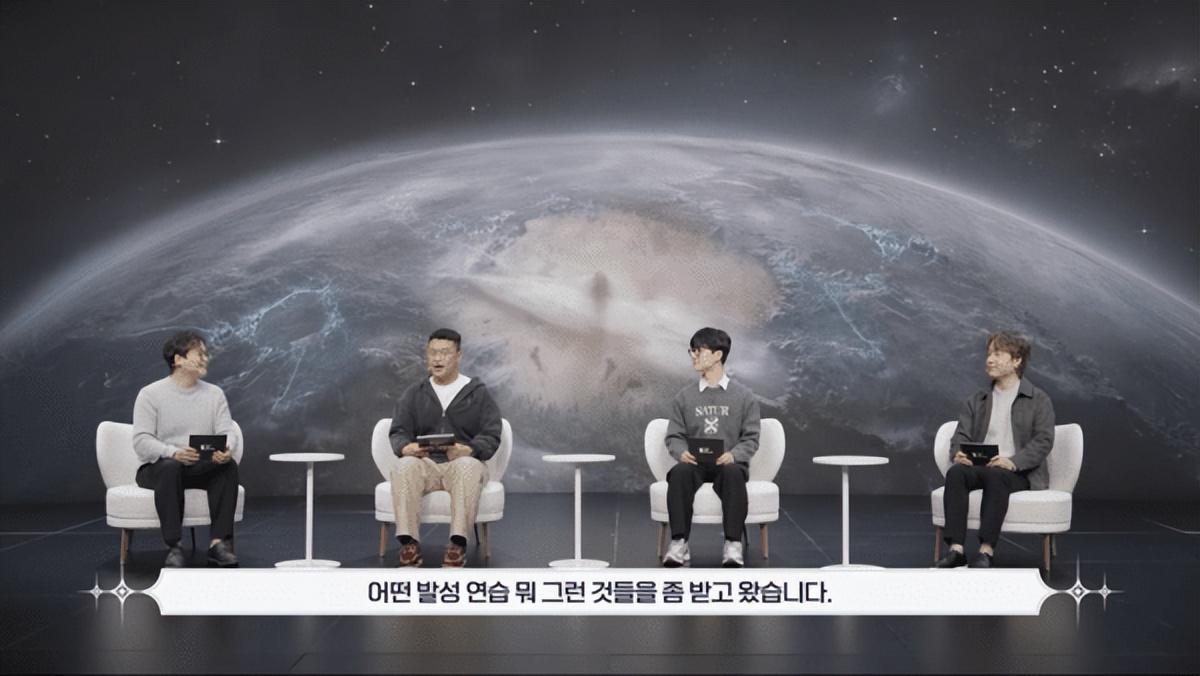
Its confidence in taking on this role stems not only from the quality of the product itself, but also from the development team SUPER CREATIVE’s experience in long-term operations and its commitment to sustainability.Looking at the international server, *Kaeus Dream* confirmed its update strategy for the entire year of 2026 at this year’s preview conference, focusing on enriching gameplay, strengthening seasonal elements, and enhancing content completeness. These plans indicate that SUPER CREATIVE is systematically expanding the game’s long-term potential and gameplay depth—a reassuring sign for the Chinese server in terms of operations.
It is worth noting that *Kaeus Dream* can be described as a product that performs better overseas than domestically. According to data previously released by the South Korean media outlet Skyedaily, in the month following the game’s overseas open beta, the U.S. (25.5%) and Japanese (25%) markets together accounted for nearly half of its revenue, while the South Korean domestic market contributed only 15.1%.
For Tencent, a product that has been proven in global markets inherently carries lower distribution risks. Tencent can turn the "delayed" launch of the Chinese server into a competitive advantage, and the company has already confirmed that it will release exclusive content updates for the Chinese server to stimulate the domestic market.

In other words, the plan is to first validate the product’s potential and commercial ceiling through the overseas version, then achieve further growth through the domestic version. Whether this can be accomplished depends on whether Tencent can quickly catch up with the overseas version in terms of updates and simultaneously advance localized content updates and optimizations.
Conclusion
Having said all this, by looking at *Kaeus Dream*, we can perhaps begin to identify the core of Tencent’s “2.0” strategy for the anime and manga (ACG) sector: in an era where the mobile game market still boasts considerable scale but growth dividends are shrinking—essentially a zero-sum game—Tencent believes that rather than betting solely on in-house development, it is better to build a tiered, differentiated, and complementary product lineup to meet a wider range of user needs.
Strengthening the roster is a pragmatic strategy that aligns with this plan.
Of course, the quality of the selected product is one thing; whether it can actually be implemented is another.
The domestic second-tier game market is currently in the most fiercely competitive phase of a saturated market, with players’ time and spending power being vyed for by an ever-increasing number of titles. Questions remain as to how the open beta for *Kaeus Dream* in China will be optimized, whether Tencent will be able to concentrate its publishing resources at critical junctures, and whether the localized content will truly resonate with domestic players—all of which are variables that the market has yet to answer.
However, in a match where victory requires combining multiple cards with different functions, the value of each card should not be underestimated, and *Karth's Dream* has already demonstrated some of the qualities of a game-changing card.
原创文章,作者:游茶妹儿,禁止转载:https://youxichaguan.com/en/archives/195636