Looking around the world, it would be hard to find another game with a history as tumultuous as *Neopets*.
Domestic gamers may not be very familiar with the name of this game, but you’ll surely recognize it when I put it this way: it was once the “QQ Pet” of a generation of Western gamers. In 1999, the web-based game *Neopets* launched. At its peak, its unique monthly active users (MAU) reached as high as 10 million, with a cumulative user base of over 150 million and website page views exceeding one trillion.
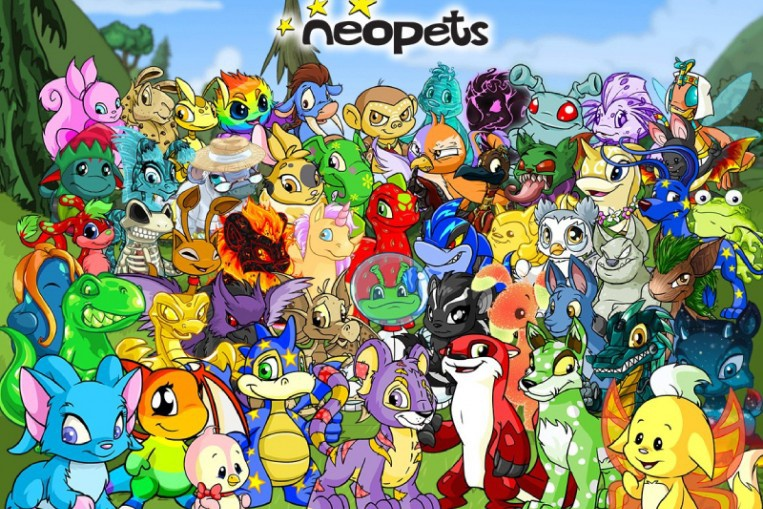
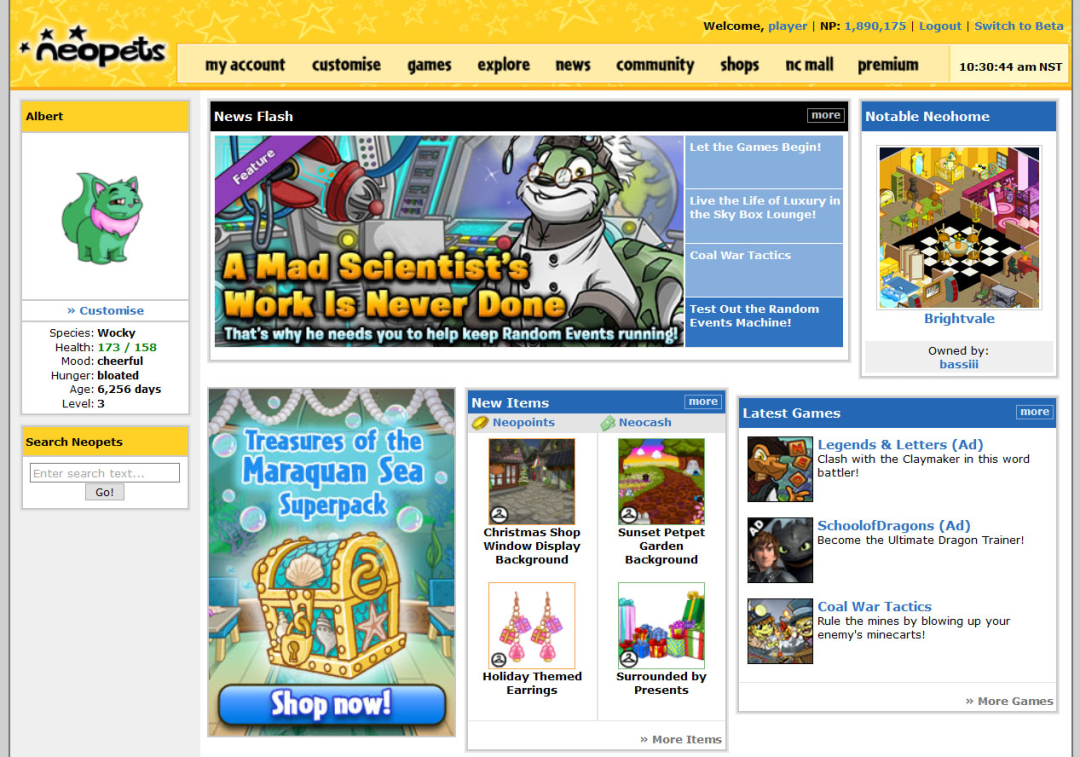
Although it was an old-school browser game, the gameplay model it pioneered—combining pet adoption, a virtual economy, and mini-games—was so ahead of its time that many believed *Neopets* had already perfected the formula for pet-raising, trading, and online social interaction.
But over the next 27 years, the fate of this “pioneer of viral hits” was fraught with misfortune: it changed hands four times through acquisitions, and the website’s operations gradually deteriorated amid repeated sell-offs and ownership changes. By the 2010s, Neopets’ user base began to decline steadily, content updates were put on hold for extended periods, and the technical infrastructure was neglected—at one point, even basic access was nearly impossible to guarantee.By the time the pandemic hit, *Neopets* had lost 99% of its monthly active users and had even faced significant controversy for its involvement in Web3 and NFTs…
Even many overseas players believed that *Neopets* had long since faded into obscurity. It wasn’t until this year’s GDC, when I happened to catch a recent presentation, that I realized its story isn’t over yet.
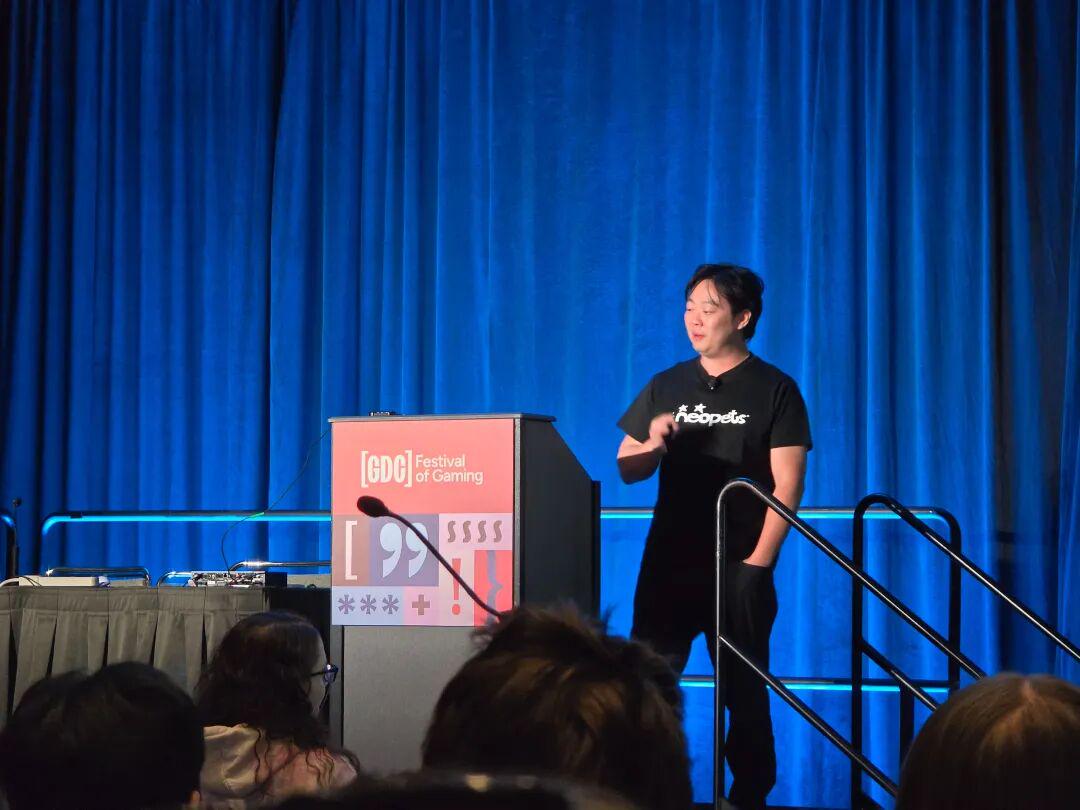
The speaker, Dominic Law, is the current CEO of Neopets. In 2023, this Hong Kong native—then a member of NetDragon’s management team—purchased the IP from the company and established Neopets as an independent entity.
Dominic’s delivery was very compelling. In his speech, he said that back then, he was largely motivated simply by a desire, as a longtime player, to preserve his childhood memories. So after the talk, I arranged a time to chat with Dominic Law online, where he shared his experiences of struggling to keep the business afloat over the years.
Today, they have 400,000 monthly active users—a threefold increase from when they first took over in 2023.Although they are still far from their golden age, over the past three years, the independently operated *Neopets* has had little marketing budget for large-scale expansion. Instead, it has relied on a series of offline events and collaborations to gradually win back its original user base—this isn’t a story of a long hibernation followed by a meteoric rise, but we can still sense a great deal of inspiration and nostalgia in it.
01
Fighting for Survival
Recalling the state of *Neopets* when he first took over, Dominic described it in four words: “a complete disaster.”
Dominic joined NetDragon in 2020 as a member of the management team, primarily responsible for restructuring the company’s overseas operations.He was also one of those veteran players who had been playing *Neopets* since he was 12 years old. When he accidentally discovered that this cherished childhood memory was now under the company’s ownership, he was both overjoyed and felt a “pang of sadness”—at the time, the game’s main storyline had been on hiatus since 2017, its two-decade-old technology stack was neglected, and bugs were popping up all over the website.The IP’s online player count and reputation among the community had both hit an all-time low, as if a childhood friend had fallen headfirst into the dust.
This is largely due to historical baggage. Before Dominic took over, *Neopets* had already changed hands three times: first, the Powells, the founders, sold it to Viacom, the parent company of Nickelodeon, and later it was acquired by the educational gaming group JumpStart. In 2017, NetDragon acquired JumpStart in its entirety, and *Neopets* was transferred along with it.
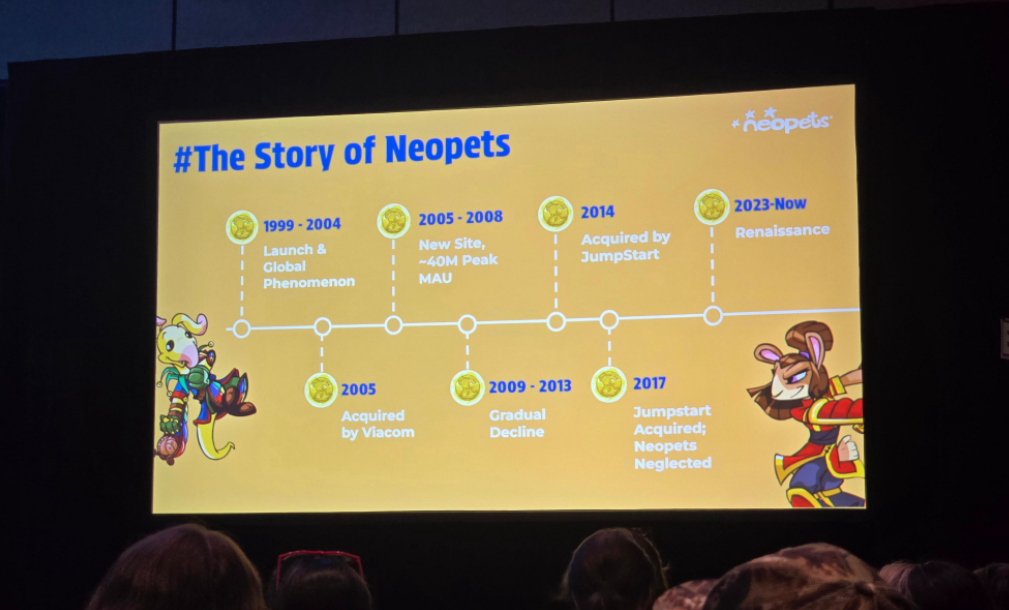
However, NetDragon’s focus at the time was on expanding its education business, and the *Neopets* game IP was effectively pushed into a vacuum of attention within the company. Dominic recalls that there was no one on the management team specifically responsible for the day-to-day operations of the *Neopets* team; although a small number of developers who loved *Neopets* remained, many of them had to juggle development work on other games as well.There was no one taking the lead in setting the product’s strategy, goals, or direction—with the result that when Adobe discontinued Flash in 2021, no one had prepared a technical contingency plan in advance, and 70% of the entire website became inaccessible.
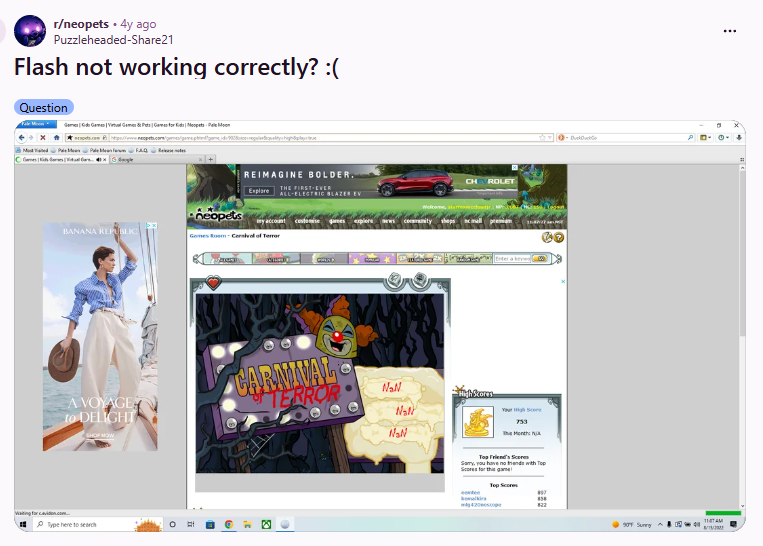
“Is Flash not working?” That was the plea many Neopets players posted on the forums at the time.
For a product whose lifeblood lies in its web content and years of accumulated data, this was undoubtedly a devastating blow. Yet, in Dominic’s view, *Neopets* shouldn’t stop here.
At first, Dominic was simply helping to develop a new business plan for *Neopets* within NetDragon. Later, he gradually came to realize that this could potentially become his own personal venture. So, he initiated a management buyout, negotiated with NetDragon to acquire the IP, established a new company, and took personal charge of the IP’s development with the goal of “revitalizing” it.
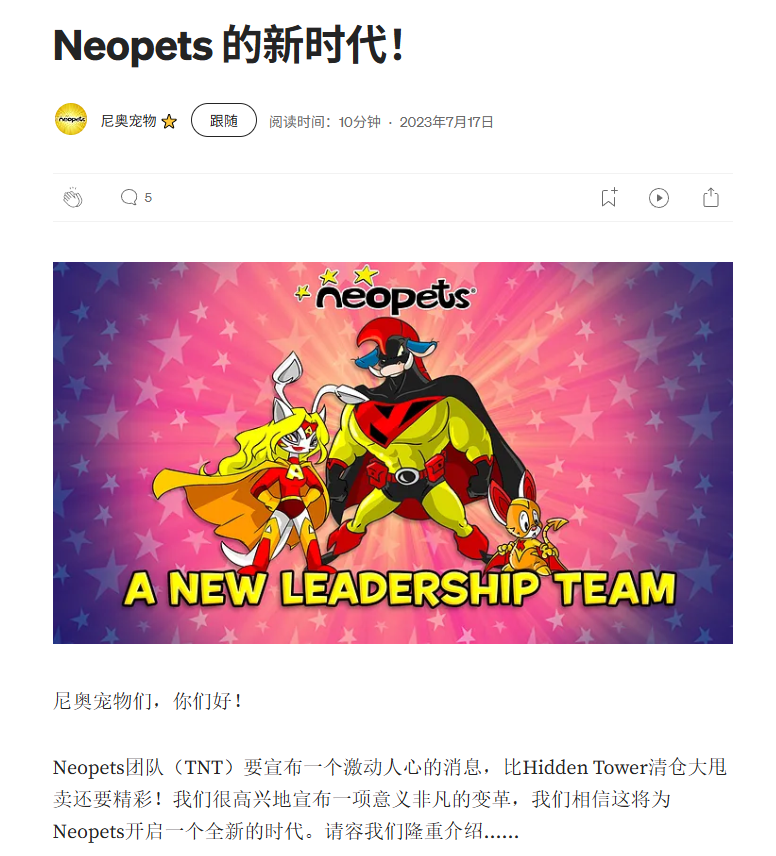
After the IP spin-off, the new Neopets team released an official announcement on social media
Taking this step involves considerable risk. Even in hindsight, the transition from a high-flying executive at a publicly traded company to a struggling entrepreneur taking over a troubled “mess” is fraught with hidden pitfalls.
Dominic joked, “I’ve staked my entire career on Neopets.” But beyond nostalgia, he also had three key business considerations.
First of all, even though the game itself flopped, the brand influence it built up back then still remains.
“Neopets” is somewhat similar to Renren, Happy Farm, and QQ Pets in the Chinese context. It has long since transcended the status of a mere product, becoming an iconic symbol of the early days of the internet in the West. At GDC, Dominic asked the audience, “Who here has played ‘Neopets’?” Hands shot up all over the room, but when he asked, “Who still plays it today?” many of those hands dropped.
Although many people have been away from this IP for too long, at least the emotional foundation of this collective memory remains intact, which will make it relatively easier to manage the IP’s future operations.
Second, even during its lowest point, *Neopets* still had a core group of loyal players with an incredible level of retention. They may have been playing the game for as long as 15 or 20 years. These users form not only the foundation of the IP but also serve as the “core” for expanding its reach in the future.
Third are the favorable conditions and opportunities presented by the broader market environment. In recent years, against the backdrop of increasingly cutthroat competition in the gaming industry, “retro games” have experienced a surge in popularity. Neopets itself focuses on a casual, low-stress pet-care experience and a sense of nostalgia. Although many players are now middle-aged, they can still come to the game to relax and reminisce about their childhood.
Dominic also mentioned that, as an evergreen genre, pet-collecting naturally resonates more deeply with players, with new hit titles emerging every few years—and this is where *Neopets* sees an opportunity within the genre.
With all these factors coming together, Dominic felt confident enough to really move this forward.
02
The Road You Can See, the Potholes You Can’t
After founding the new company, World of Neopia, Inc., Dominic and his colleagues quickly identified three key directions for Neopets’ future: revitalizing the core experience, creating new content, and developing the Neopets IP.
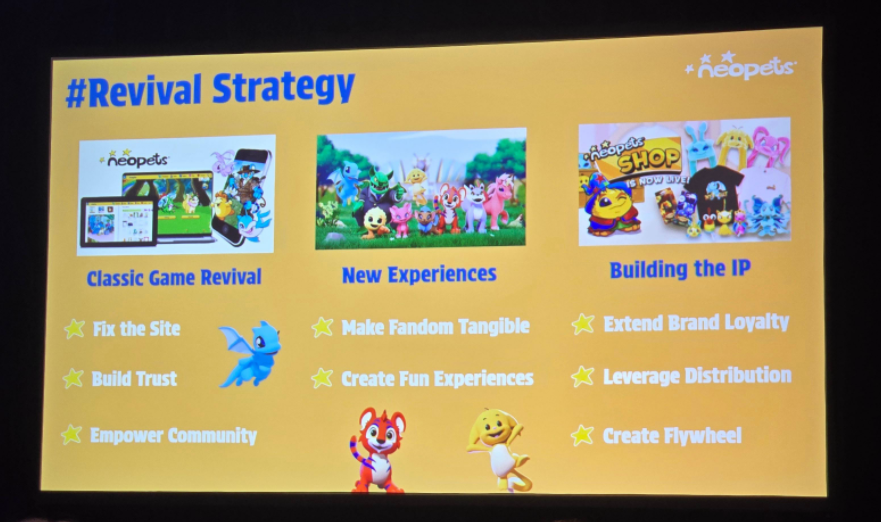
These three areas are not complicated, and there have been no major changes over the past three years. The issues seem straightforward, but when it comes to actually getting started, the challenges are far more complex than one might imagine.
For example, when I asked Dominic why he didn’t run user acquisition campaigns that deliver immediate results, like most products do these days, he bluntly replied, “It doesn’t make financial sense.”
The Neopets product model doesn’t allow for the kind of optimization seen in new mobile apps, where every second of the first five minutes is designed to keep users engaged; nor does it allow for rapid user acquisition to expand the user base before gradually considering the monetization payback period. The core issue boils down to one thing: unlike well-funded large companies, Neopets cannot afford to take on the high risks associated with high investment.
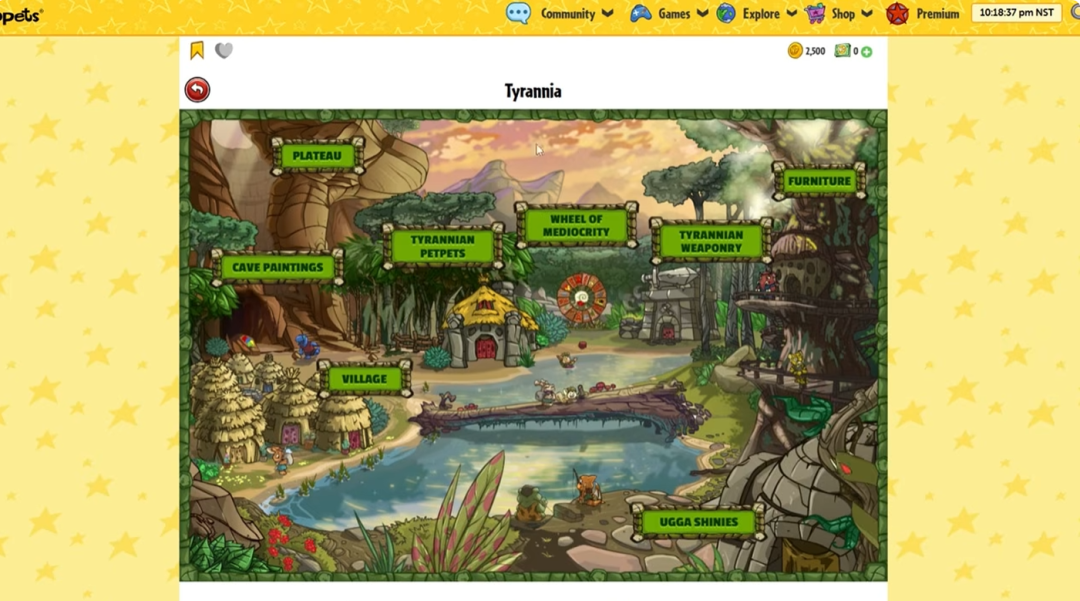
The Neopets interface in 2026
As a result, in practical terms, they can only leverage nostalgia—the one tangible lever at their disposal—as much as possible, proceeding with meticulous care at every step to ensure that every dollar invested yields the greatest possible return. While they have achieved considerable success in this regard, they have also encountered numerous pitfalls, many of which were impossible to foresee in advance.
For example, regarding the core experience of *Resurrection*, their initial plan was to first optimize and fix the browser game’s performance and bugs, and then restart content updates. Starting with the foundation of the entire IP, they aimed to fully restore the core experience first—you might think that, in this day and age, tweaking the code and fixing bugs in a text- and image-based browser game isn’t particularly difficult from a technical standpoint.
Dominic and the development team had originally thought that fixing the bug would be a “low-hanging fruit,” but when they actually got to work, they discovered that the technical debt accumulated over more than two decades of various events and content updates was far more daunting than they had anticipated.
The early code was a mess; some comments said, “Delete after the XX event in 2015,” but no one paid any attention to them. Dominic described a scenario that developers encounter almost every day: when you trace a small bug all the way back, you might end up finding a database that needs to be completely rewritten.
In fact, it wasn’t until a few months ago that they finally managed to migrate all their code to Git. Over the past few years, nearly all of their core development resources had been devoted to fixing user experience issues, and debugging progress had been much slower than expected. Fortunately, recent improvements in large AI models have made these tools much more user-friendly, allowing them to climb the “mountain of code” a little faster.
However, their strategy for releasing new content successfully brought players back. For example, after a seven-year hiatus in the main storyline, they launched a new main storyline titled “The Void Within” in the browser game. According to a development blog post by game producer Deana Galbraith, the release of the new storyline almost immediately “led to a significant increase in DAU and MAU, and many players remained engaged.”
This proves one thing: veteran players aren’t unwilling to return; what they need is a clear enough signal—that the world is still being updated, the team is still looking after it, and there are still people willing to continue telling the stories of the past.
When it comes to acquiring users, since paid user acquisition isn’t a viable option, they’ve chosen to leverage the strength of their IP’s brand recognition by aggressively expanding their licensing business and offline events.
On the one hand, they have launched a variety of IP-themed licensed merchandise, such as plush toys modeled after characters from *Neopets* and *Monopoly* board games; they have also licensed third-party developers to bring *Neopets*-themed games to platforms beyond browser-based games.
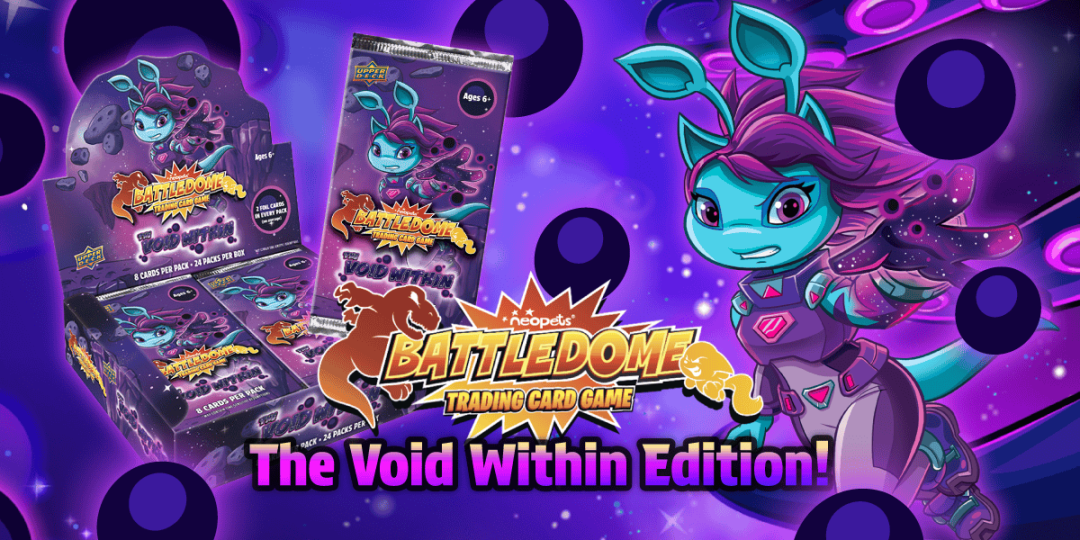
TCG cards released as part of the new Neopets crossover storyline

On the other hand, they have partnered with physical landmarks in Europe and the United States—such as brick-and-mortar tea shops, toy brands, and local museums—to organize in-person events, aiming to rekindle players’ memories within more everyday settings. In 2024, they collaborated with over 30 brands on cross-industry partnerships.
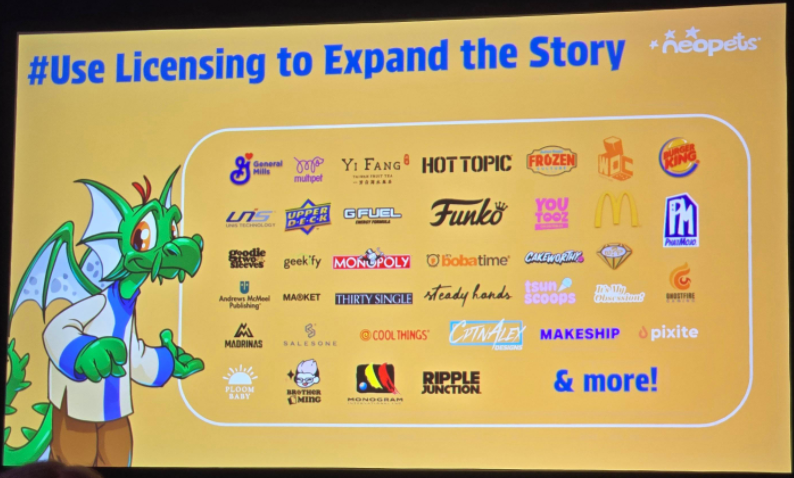
There are many obvious advantages to choosing this approach.
For example, the barrier to entry is lower. They can leverage their IP’s influence to negotiate equal resource exchanges with licensing partners; at the same time, this approach aligns better with the brand’s tone. In public spaces, reminding players in a more relatable, everyday way that “Neopets is still alive” is more effective at rekindling nostalgia among longtime players.
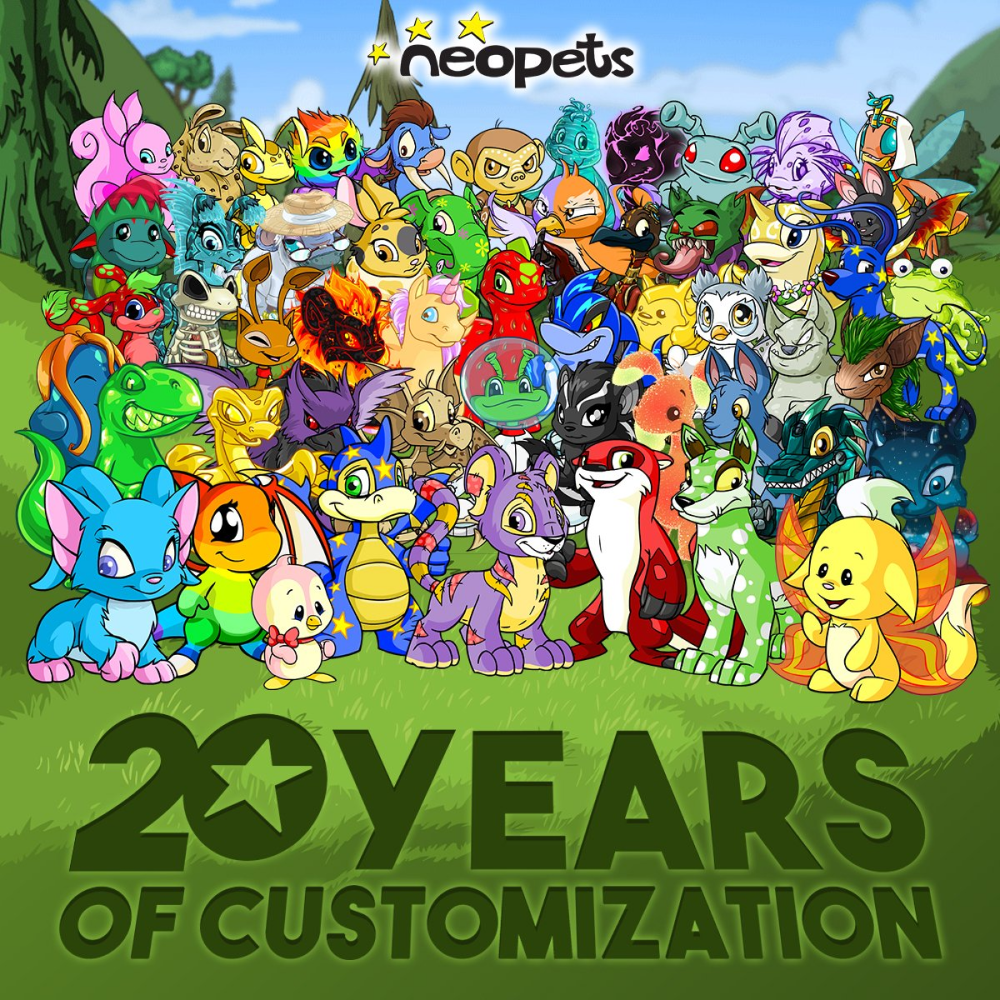
What’s more, with over two decades of history, *Neopets* has built up a rich lore and a cast of well-recognized pet characters—assets that provide a unique advantage when it comes to licensing.
On top of that, *Neopets* already has a highly social community atmosphere, making it a better fit for in-person settings. Dominic told me that many in-person player gatherings are organized by “community ambassadors” they recruit from among the players.
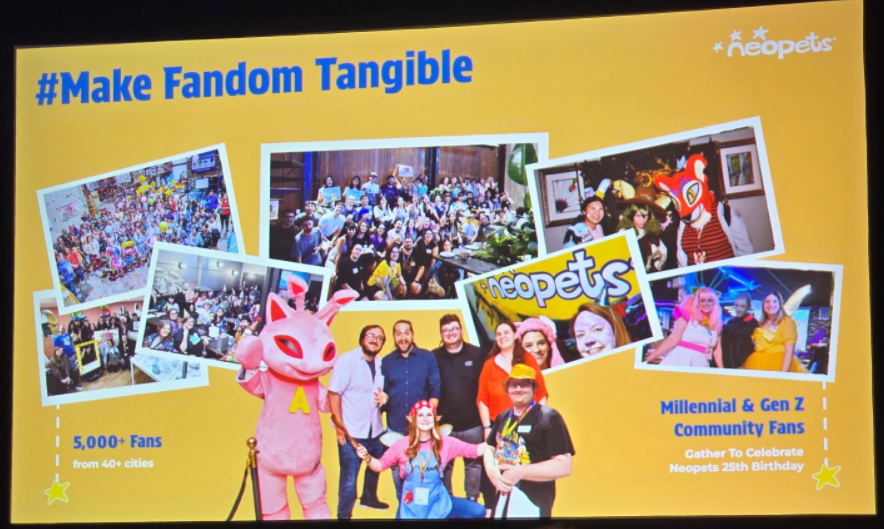
He himself had once witnessed a scene at the San Diego Comic-Con where two players who had known each other online for over a decade met up at the *Neopets* booth and embraced each other warmly upon seeing one another. He found the scene deeply moving.
But in choosing this path, they also ran into quite a few pitfalls. For instance, the team didn’t have much experience with physical goods. Dominic recalls that during the import-export process, one of the middlemen they worked with simply “took the money and ran.” Only after a thorough investigation did they discover that this middleman was actually just a reseller, causing them to lose the payment for the goods.
There were also a few freight forwarders we’d worked with before who went out of business because they couldn’t withstand external market pressures, leaving their investments down the drain. Experiences like these can often only be gained through trial and error.
So, looking back at Neopets’ journey toward revival, they had a clear overarching direction, yet despite a lack of funds, personnel, and technical expertise, they cautiously forged ahead, exploring every possible path.
Fortunately, at least judging by the results, their efforts over the past few years have been heading in the right direction. According to World of Neopia, *Neopets* has now recovered to approximately 400,000 DAU and 1 million MAU, reaching its highest levels in nearly a decade, with all metrics continuing to grow steadily. The revival of this long-standing IP hasn’t been a sudden, dramatic turnaround; rather, it’s been a gradual process, like a gentle spring breeze bringing new life back to the franchise bit by bit.
03
Case Studies of “Revitalization” in the Evergreen Era
A case like *Neopets* is certainly a rather unique exception in today’s gaming industry. It would be difficult to find another product that has survived for more than two decades and managed to enjoy a second wind in exactly the same way.
However, in today’s gaming industry, the importance of long-lasting IPs is increasingly recognized—that much is certain.
During a unique phase in the development of China’s online gaming industry, short-cycle, one-hit-wonder titles dominated the market for a long time. In recent years, however, there has been a growing realization that the high opportunity cost of launching new projects has become increasingly difficult to bear, while long-term titles offer greater revenue stability and provide a more satisfying experience for players who are truly passionate about gaming.
The evolution of *Neopets* demonstrates the long-term value inherent in a strong IP. Even during its most challenging periods, it maintained a remarkably resilient player base; when the game was relaunched, players were eager to return; and when the team organized offline events, many users were happy to transform these childhood memories into real-life social connections.
On overseas forums like Reddit, longtime Neopets players are still active
Dominic told me that, thanks to the user base of over 100 million built up over the years—even though many accounts are now inactive—the activation emails they sent to players’ registered email addresses after all this time still achieved a delivery rate of 20–30%, bringing many players back to the game. This “long-term, steady growth” model may hold even greater value as a reference for China’s current shift toward GaaS.
Dominic also offered some practical advice to game development teams looking to create IP-based products. For example, he emphasized the importance of developing a cohesive brand narrative. When creating licensed IP products, he suggested consciously selecting representative in-game characters and even crafting dramatic conflicts between allies and enemies in the public eye. This approach helps prevent IP products from becoming too homogeneous and creates more memorable elements for the audience.
This includes selecting partners for marketing channels that align more closely with the brand’s narrative. For an enduring IP, collaboration is not merely about “exposure”; it’s about continually defining how the IP should be present in players’ lives.
Of course, *Neopets* isn’t something that can be easily replicated. Its history is too unique, and it holds such a deep place in users’ memories; any attempt to revive it must be built on the emotional capital accumulated over more than two decades. Nevertheless, many of the underlying strategic concepts behind its operations are still worth emulating.
I also spoke with Dominic about the future of *Neopets*: once the “nostalgia” phase is over, what will be the next step for *Neopets*?
Dominic already has some ideas. For example, he wants to create a family-friendly experience that will allow the Neopets brand to be passed down to a new generation of players through family networks. He also hopes that the Neopets IP will gain recognition in markets outside of Europe and the United States, such as mainland China.
Given their current pace, this 27-year-old “living fossil” of the gaming industry may not be able to move forward very quickly, but I still believe it has a long way to go.
原创文章,作者:gallonwang,禁止转载:https://youxichaguan.com/en/archives/196158