I’ve been doing some thinking lately and realized that 2025 really is shaping up to be a slow year for the mobile gaming industry. Not only are there very few new titles set to launch this year, but there’s only one 3D game that can truly be called a major release. Most importantly, 2025 is a year without any blockbuster new releases.
Based on data from the Chinese region’s top-grossing charts, no purely new mobile games made it into the top 30 throughout 2025. Furthermore, many mobile games—including established top-tier titles—began implementing price adjustments, ranging from aggressive to conservative, such as offering limited-time items, eliminating gacha pools, and providing paid gift packs.
So, if I had to sum up 2025 in a single sentence, it would be: “A lack of major new releases to drive growth, coupled with the widespread adoption of discount strategies.” Essentially, there was no growth in the market, and the existing market share was shrinking. Under these circumstances, it was inevitable that overall revenue for second-tier games would decline.
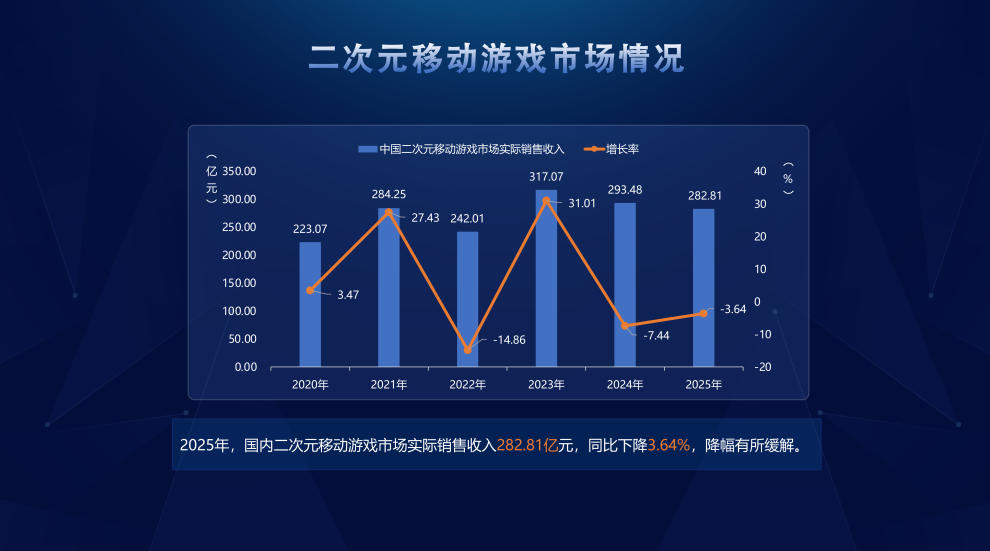

Source: *2025 China Game Industry Report*
If we follow the trend outlined by the Working Committee and take a macro view, we will find that the casual gaming sector has always been heavily reliant on the performance of top-tier products and leading developers. If revenue from the former declines in a given year and the latter fails to release any flagship new titles, the overall performance of the casual gaming sector that year will also be lackluster.
Beyond explanations based on the Matthew Effect and similar concepts, this actually highlights a polarization within the anime-themed gaming industry: since its boom in 2020, the sector has essentially undergone a process of "separation of the wheat from the chaff," with an increasingly clear divide emerging between top-tier and mid-tier titles.
The fact that no new titles broke into the top ranks last year is, to some extent, proof that the barriers to entry and player expectations for mid-tier games are getting higher and higher; scale, quality, and even the reasonableness of monetization are now virtually mandatory requirements for any new mid-tier game entering the market.
It is reasonable to assume that, in the future, high-quality 3D graphics will become standard for top-tier games, and these second-tier titles will evolve into “AAA-level” games that stand apart from smaller-scale titles with purely 2D graphics or inadequate 3D rendering. As for the latter, they will lose their eligibility to compete for top positions.
This year will be the year that confirms this trend. Since the beginning of the year, not only have numerous major 2D mobile games entered or are about to enter the testing phase, but the first major 2D mobile game, Eagle角’s *Arknights: Endland* (hereinafter referred to as *Endland*), also officially launched its open beta today, marking the first wave of a surge in major 2D mobile games.
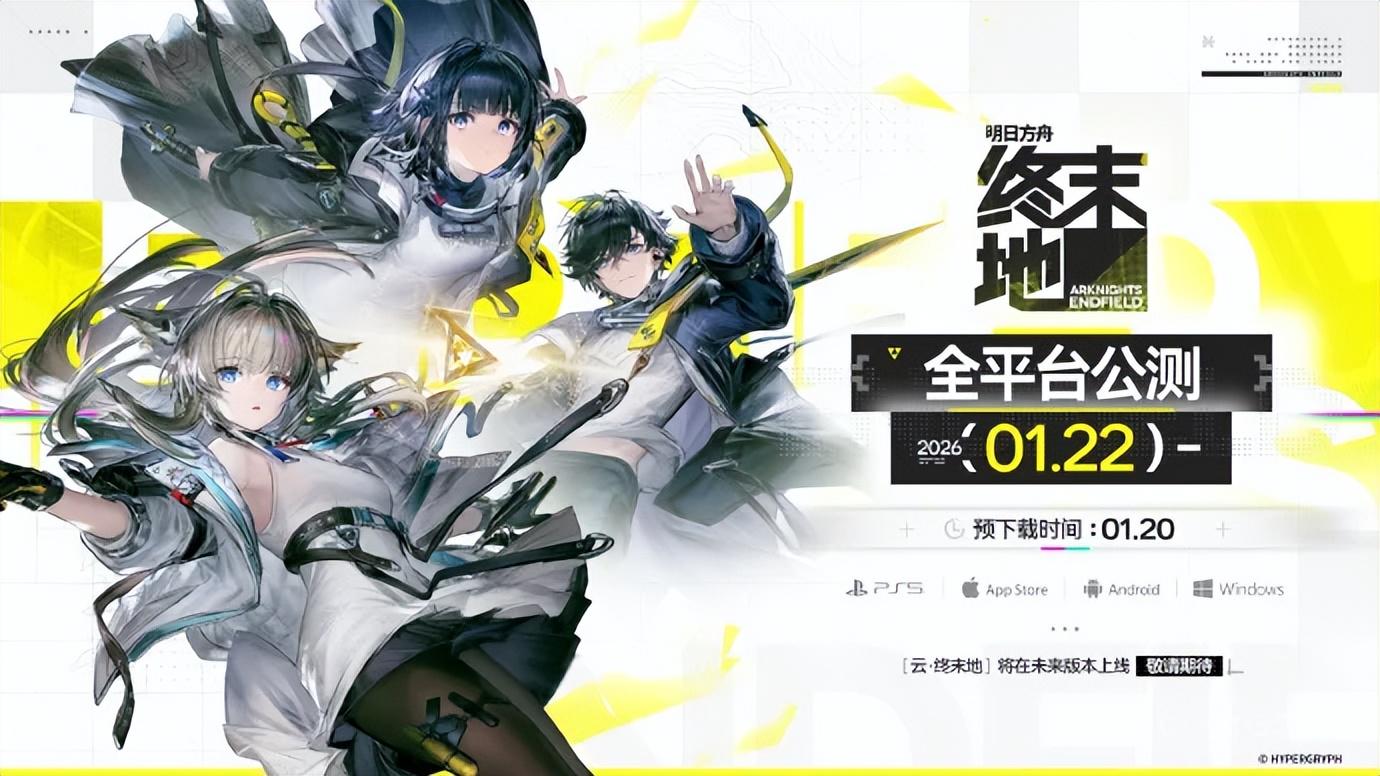
For Yingjiao, "The End" holds significant meaning. Most importantly, its success or failure will determine whether Yingjiao can take its business to the next level. Even though *Arknights* remains a strong title today, keeping pace with the times and establishing a second growth engine are essential for any developer.
As a result, Eagle角 has placed significant emphasis on this open beta. Building on the third closed beta, the open beta not only further optimizes the game’s 3C performance but also smooths out friction in various aspects of the player experience, such as character progression, quest flow, exploration rewards, and gacha mechanics.
After the open beta for *The Endland* launched this morning, the atmosphere in the player community left me almost unable to believe this was a second-tier game community. In my experience, the launch of a second-tier game is almost always met with criticism. However, thanks to its artistic quality and technical prowess—including cross-platform performance—even the most critical forums like Baidu Tieba and NGA have seen numerous posts praising the game’s production quality.

Finally, Eagle Corner’s long-standing efforts have borne fruit today.
If the launch of the open beta marks the first hurdle that *The End* has cleared, then as it ushers in the second half of the next wave of intense competition in the mobile gaming industry, will this flagship title—four years in the making by Eagle角—truly succeed in securing a spot among the top-tier games?
01
A game has to be fun
Before we dive into the analysis, let’s first discuss the current challenges facing the second-tier gaming industry.
For a long time, the driving force behind casual mobile games has been content in a broad sense, and storylines and characters in a narrower sense. While gameplay elements certainly exist, they often don’t hold up to scrutiny. This is why these games typically experience a lull in activity: once the initial content has been exhausted, the vast majority lack a “core gameplay mechanic” capable of sustaining player engagement over time.
Today, this model is becoming increasingly unsustainable. On the one hand, the character designs in the anime and manga subculture have been almost completely exhausted through adaptation and reinterpretation, which is why plagiarism scandals keep erupting within the community; if you look hard enough, you can find similarities between characters across different products.Furthermore, content production in anime-style games is constrained by character monetization, leading to increasingly conservative creative strategies—including narrative approaches. Coupled with the expansion of the user base compared to the early days of anime subculture, this has made it increasingly difficult to please everyone with game storylines.
Big Banana Generation
Behind this phenomenon lies the fact that casual gamers are increasingly seeking a genuine "gaming" experience, while their patience for repetitive content is waning. For this very reason, if casual games hope to break into the top ranks in the future, simply piling on content will clearly not be enough; they must also make their products more engaging and feel more like actual games, rather than merely serving as storage boxes for cyber-themed figurines.
Interestingly enough, there have been mobile games in the past that prioritized gameplay in their development. Among them, *Arknights* by Yingjiao is a game that has continually pushed the boundaries of mobile gameplay and gained market recognition.
Around the time of the third beta test, I analyzed *The Endland*’s console-level specifications, visual quality, and the “strategic depth” of its gameplay in as much detail as possible. To a certain extent, if the game’s visuals are its ticket to competing at the top tier, then the strategic depth of its gameplay and the enhanced playability it offers are *The Endland*’s greatest assets in that competition.
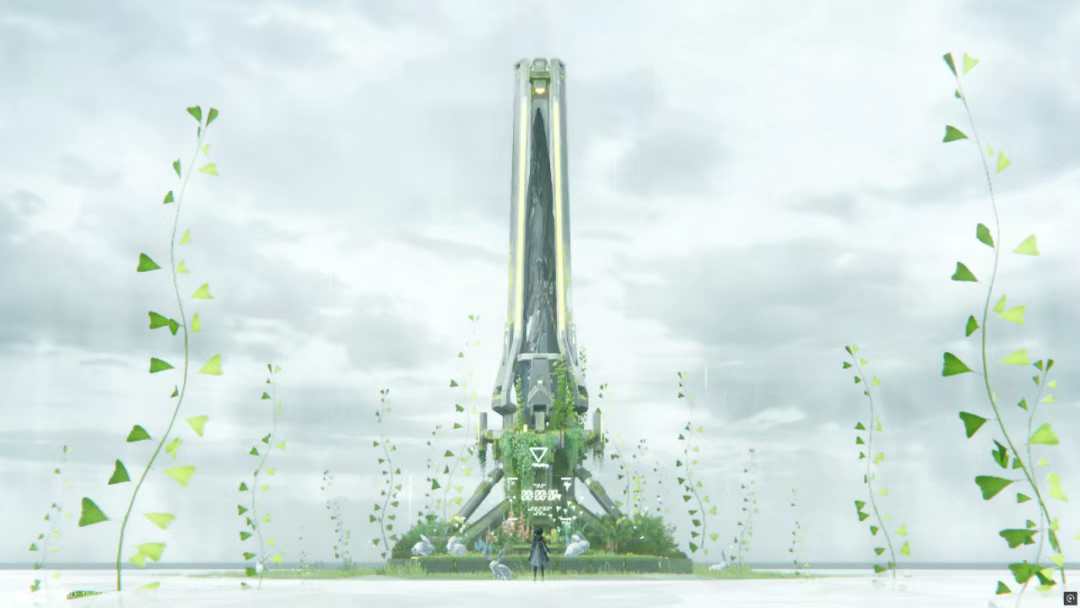
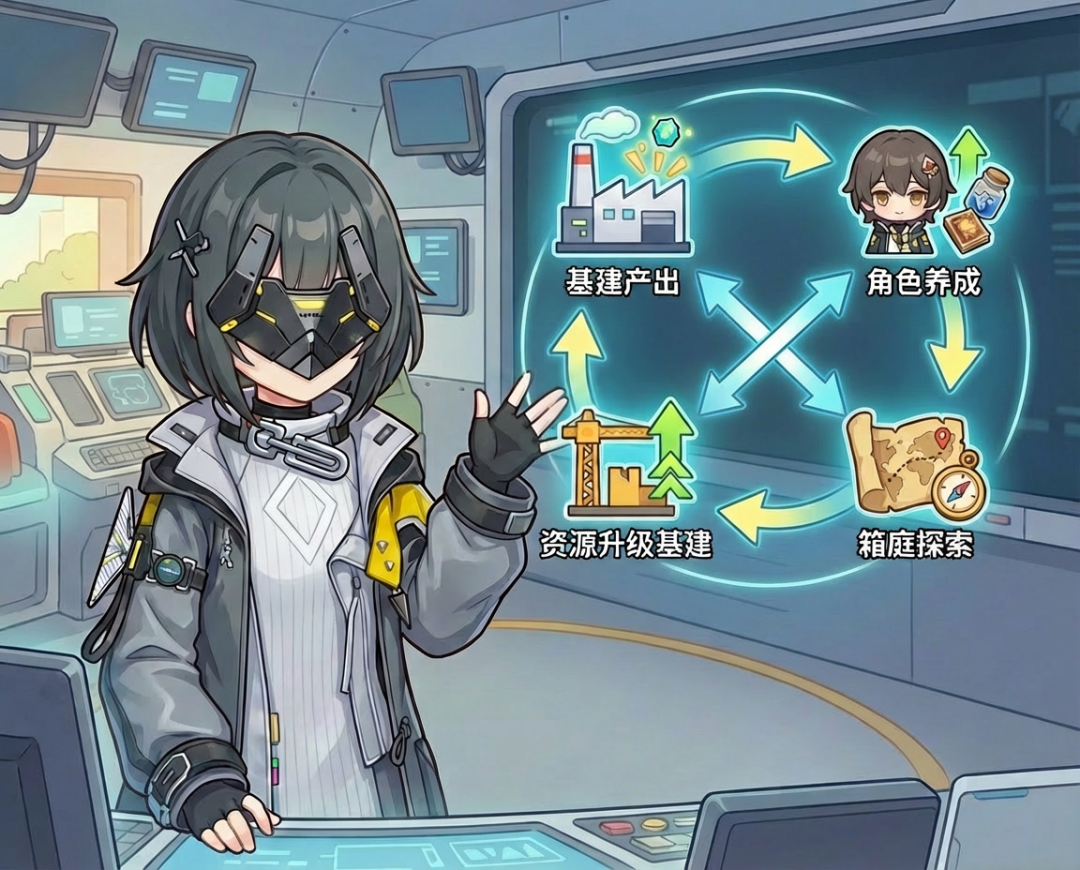
To help readers who didn’t participate in the third beta test or haven’t played the game yet, I’d like to elaborate a bit more on *The Endland*’s gameplay. In short, *The Endland* features a three-pronged gameplay framework centered on “Integrated Industry”—a factory-line-style system—combined with multi-layered sandbox exploration and real-time combat that incorporates “Zhou-style axis-based thinking.”
In Eagle Corner’s design, these three gameplay elements are seamlessly integrated: exploration on Tower Guard II provides narrative depth and resources; base building offers resource management and strategic decision-making; and combat delivers real-time interaction and immersive experiences. At the same time, the three elements complement each other: base building enhances exploration efficiency and supports character progression in combat, while exploration and combat influence players’ decisions regarding the direction of base development.
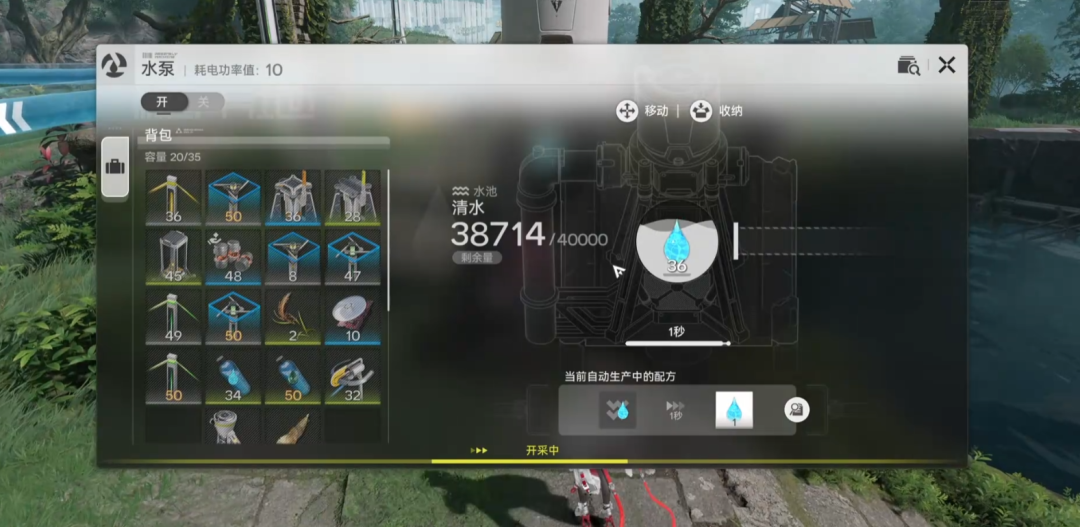
Example 1: In the Wuling region, you can use a water pump to expand your exploration area.
As a result, the End actually forms a tightly integrated gameplay loop of “production → construction → development → exploration → production.”
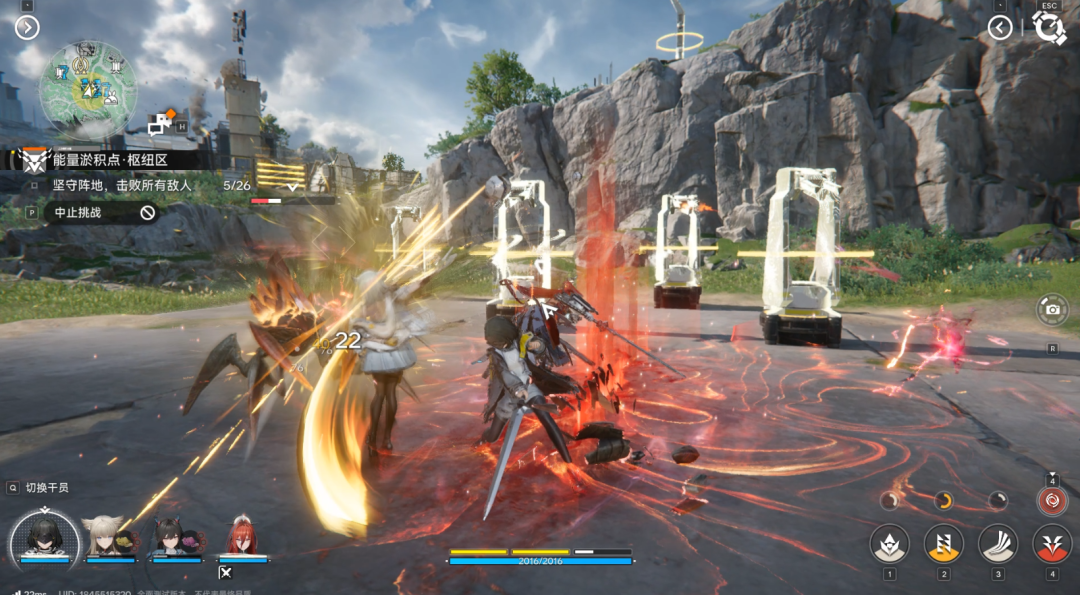
Example 2: Infrastructure turrets can serve as combat support or even be crucial for auto-battling.
These three elements are intricately linked and mutually reinforcing, forming a gameplay-driven, mutually integrated feedback mechanism that is quite rare among large-scale mobile games today.
Big Banana Generation
After the third beta test, I spent some time in the player community and noticed that while many players were sharing tips on things like base building and team composition, a significant number of players who hadn’t participated in the tests were worried about one thing: whether the game would be “too complex.” When I discussed this with some friends in the industry, they also mentioned that *The End* clearly leans toward a hardcore style, which might make it a bit niche.
But in reality, once you get the hang of it, you’ll realize that Yingjiao didn’t design the gameplay loop for The Endlands to be “difficult” or “complex.”
On the contrary, the gameplay framework of *The End* is sufficiently straightforward and offers a considerable degree of freedom, ultimately providing a tiered experience that can be tailored to the player’s preferences and ensuring high replay value.
Take infrastructure, for example: since the game provides detailed tutorials for each machine and has greatly simplified the recipes, players can get the hang of it very quickly. Furthermore, once the tutorials are complete, there are essentially no rigid restrictions on how players lay out power lines, organize production lines, or decide what to produce.
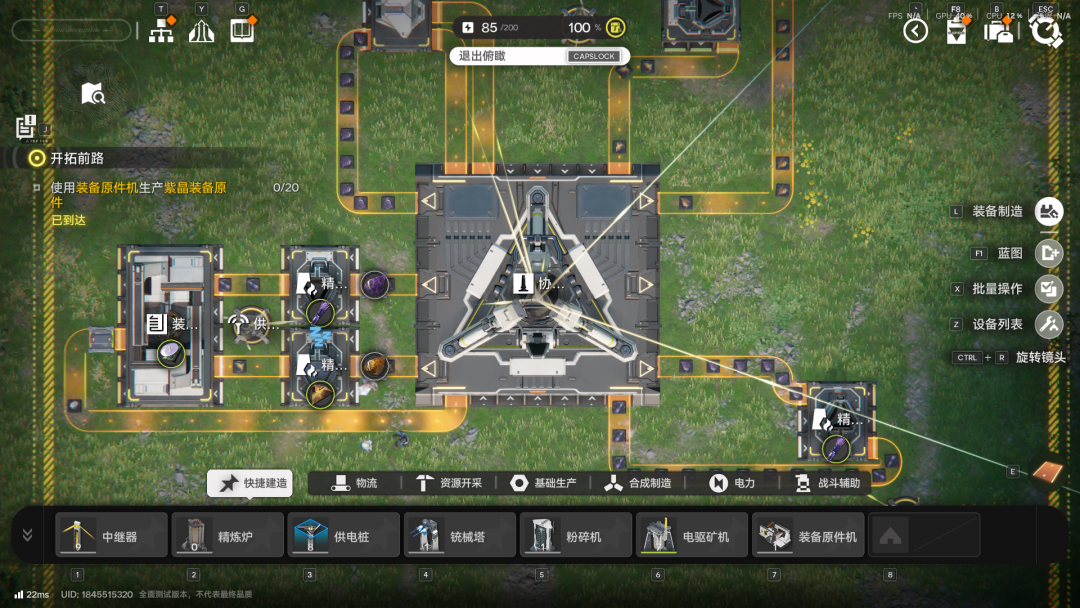
Whether you want to set up a neat and orderly industrial park or a haphazard workshop that just gets the job done, it’s all good. The integrated industrial system doesn’t penalize imperfect player behavior, and with the addition of the blueprint system, any anxiety about the learning curve is virtually eliminated.Crucially, players’ resource acquisition efficiency far exceeds the amount of resources required to build infrastructure and produce goods. This means resource shortages are virtually nonexistent in the End.
Therefore, expanding infrastructure and producing the items players need isn’t as difficult as people might think. Hardcore players can strive for maximum production efficiency and optimal layouts, while casual players can simply follow demand—building whatever is needed—and still progress smoothly through the game while enjoying the sense of accomplishment that comes with building infrastructure.
The potential audience for infrastructure-building games is actually quite large. The key to ensuring that players unfamiliar with this genre can enjoy the game lies in whether enough effort has been put into it, whether the learning curve is reasonable, and whether the onboarding experience is smooth.
Given the current state of the industry, Eagle Corner is actually doing quite well.
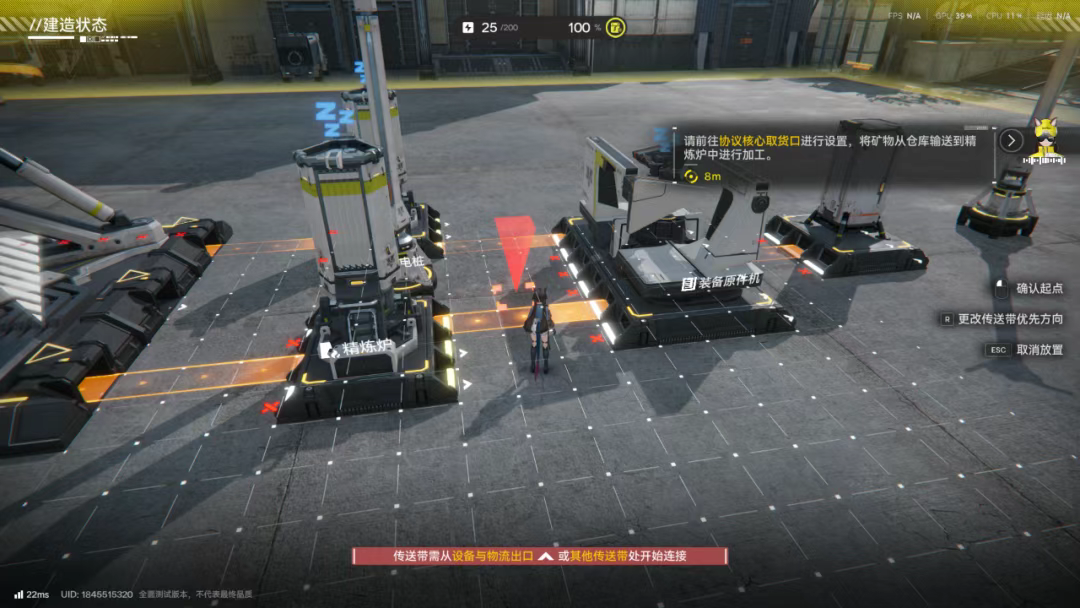
The same goes for the combat system and exploration design.
Although the combat design in The Endlands emphasizes strategy—requiring players to consider not only party composition but also decisions regarding mana allocation, status effects, and skill triggers—action-oriented players will still find it enjoyable thanks to the inclusion of extreme dodge mechanics and skill interrupts.
In terms of exploration, the End offers players a multi-layered yet linear environment.
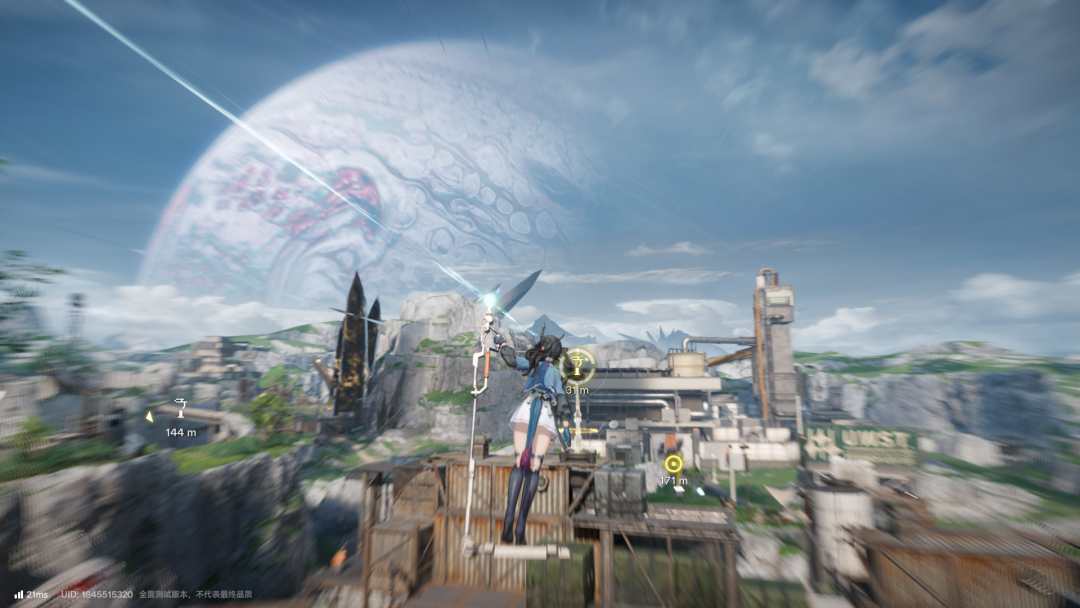
Much of the exploration unfolds as the story progresses. Many exploration elements—such as treasure chests and materials—are placed in high-up locations that require mobility tools like zip lines and springboards to reach, or serve as rewards for players who venture down side paths. Overall, players won’t be short on things to explore in Tower of Guardian II.
The appeal of box-garden levels lies in their carefully designed paths and accompanying puzzle-solving experiences; in a seamless, expansive box-garden like The End, where the excitement is even more intense, the sense of discovery is even more compelling.
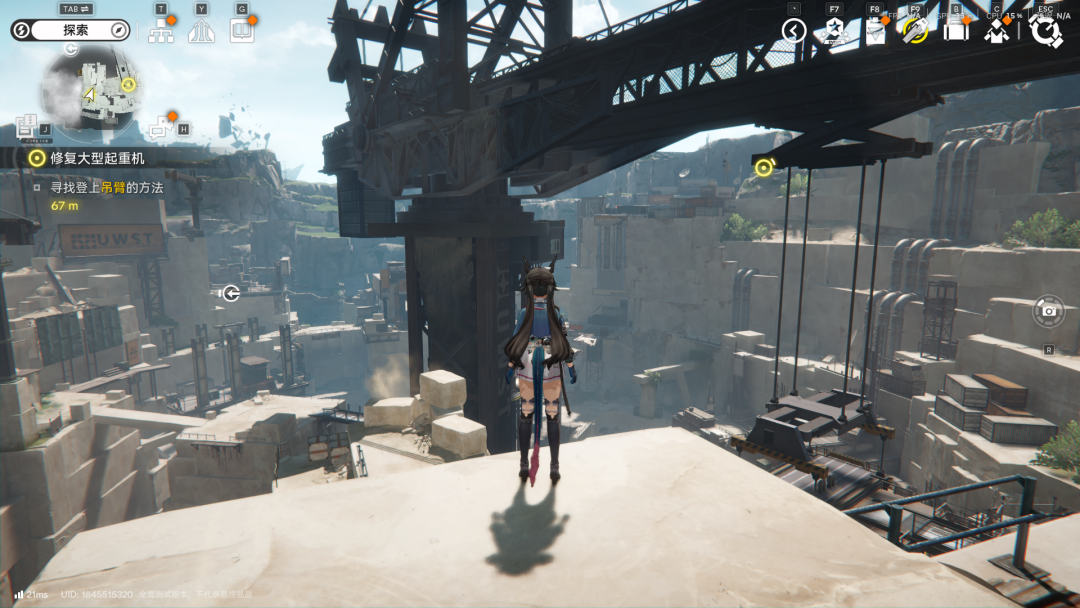
Following today’s open beta, players’ widespread praise for the game’s exploration mechanics—in addition to its optimization and art—is clear proof of this.
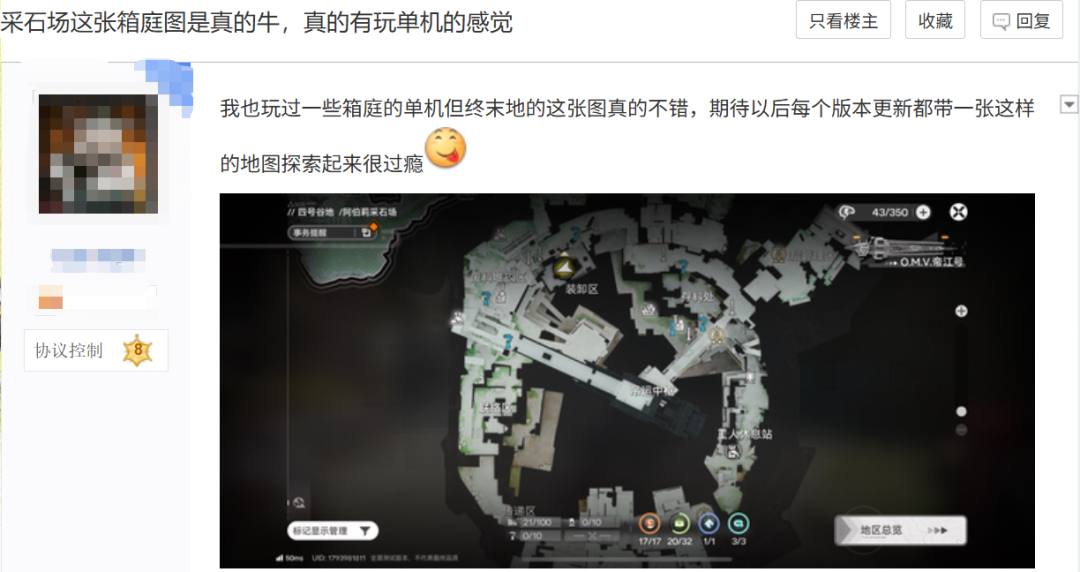
Player feedback on the Quarry map during the third beta test
Ultimately, it comes down to this: the design philosophy behind *The Endlands* isn’t about using complexity to weed out players, but—in keeping with Eagle’s consistent approach—about using the depth of the system to encourage players to think. While the effort you put in is directly proportional to the rewards you receive, *The Endlands* won’t shut you out even if you only participate casually.
Precisely because the Endland offers such a high degree of flexibility in gameplay choices, every player’s experience in Tower Guard II is likely to be distinctly unique.
In a sense, this design—which is accessible for beginners yet offers enough depth for experienced players—is the key to truly bringing hardcore and casual audiences together. Based on my own experience alone, both the strategy-heavy combat system and the immersive open-world exploration have provided me with genuine and pure enjoyment.
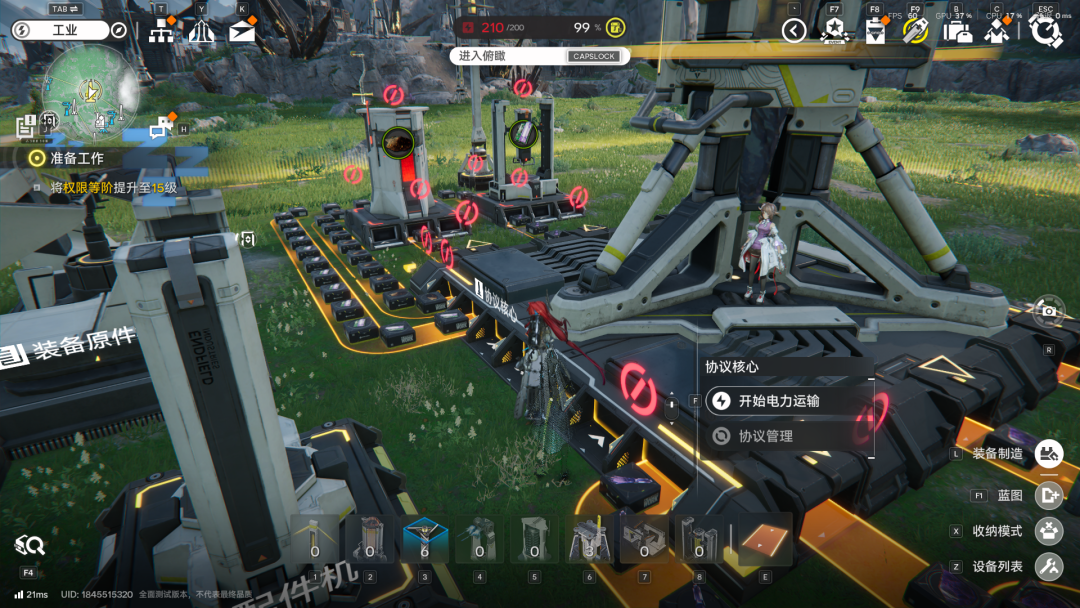
Furthermore, beyond the interplay between gameplay elements, Endland integrates the entire gameplay system with its world-building. The industrial aspect of the game directly aligns with the theme of industrial exploration in Endland, and as players engage in infrastructure building and combat, they simultaneously become part of the narrative.
For example, in the Wuling region, where water is central, the core resource “Xirang” is introduced through the narrative. The necessity of its production is central to the story—it is key to curbing the spread of erosion and pollution—and many related infrastructure projects require hydropower.Consequently, when players select products and plan production lines, they must not only follow the natural progression of the narrative but also consider the distribution and utilization of water resources within the box-garden map. The battles that occur after using Xirang water guns to clean up pollution simultaneously serve to advance the narrative and fill the gaps between infrastructure expansion and exploration routes.
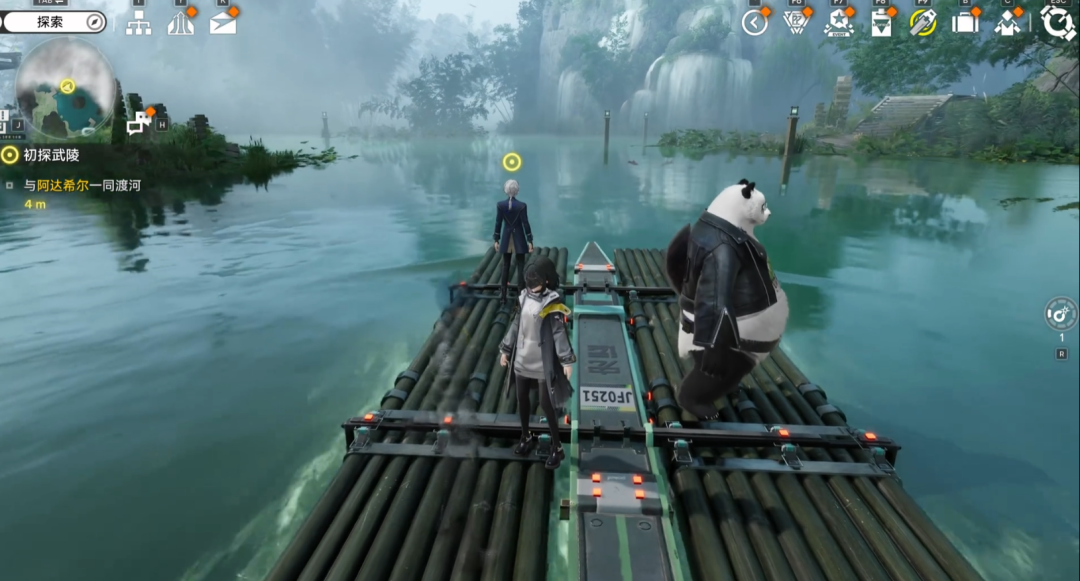
This is what makes *The End* stand out from previous games—beyond its gameplay—and what leads me to believe it truly surpasses them.
Gameplay is essentially the "interaction rules" that game designers create for players, and Yingjiao has seamlessly integrated this framework into the narrative setting, harmonizing gameplay with the game's world.
Yingjiao's products have always placed greater emphasis on atmosphere and tone, highlighting the mutual reinforcement between art, narrative, and gameplay mechanics. This sense of harmony—or, one might say, logical coherence—is currently unmatched in the mobile gaming genre.
Of course, it’s also worth mentioning the cross-platform capabilities I referred to earlier. This is the aspect of *Arknights: Endland* that has exceeded my expectations—and those of many players—the most. The game’s performance on mid-to-low-end PCs and mobile devices truly sets the standard for cross-platform titles in 2026.

That said, is gameplay—or the quality of the product—alone enough to keep *The End* firmly at the top? The answer is clearly more complex than that.
02
IP Portfolio
Looking back, another notable characteristic of top-tier games is that they generally feature game-centric IP ecosystems that branch out into various dimensions. Now that IP-based operations have become standard practice, a strong IP can not only foster user loyalty but also create new growth opportunities, transforming a game from a mere entertainment product into a cultural icon.
And this is something Eagle Corner has clearly done well in the past.
Many people have previously raised a question: given that Yingjiao once had only one flagship title, *Arknights*, how has it managed to maintain its position as one of the top second-tier game developers over the years? The answer is actually quite simple: in addition to the product quality of *Arknights* itself, its development into a full-fledged IP has brought the company not only the game itself, but also massive long-tail effects and a wealth of content.
In the broader entertainment industry, there’s no need for me to elaborate—offline events like “Rhythm Synesthesia” and “Carnival” are too numerous to list.In addition, ACG works derived from the game’s universe—such as comics and anime—have gained significant recognition among the player base, including spin-off comics, the main anime series, and short anime episodes. This content has become crucial for enriching the Arknights IP’s narrative and conveying character arcs; Yingjiao has spent nearly seven years laying the groundwork for this foundation.
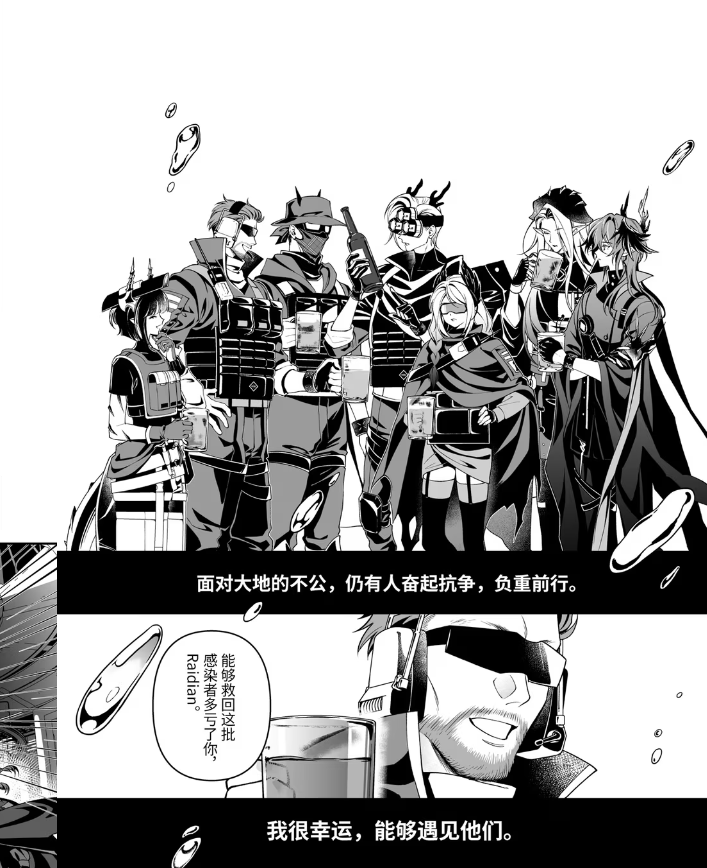
Source: *Arknights: Elite Operatives*
Today, the lessons learned from the past have significantly advanced the starting point for the final phase of IP development.
During the preview livestream, Haimao and the team mentioned that the creation of spin-off content for *The End of the World* is already underway. Projects such as *The Promise*, a prequel to the story of the female protagonist Pelika, and *456: The End of the World*, a crossover manga with *Arknights*’ *123: Rhodes Island*, have already been scheduled.
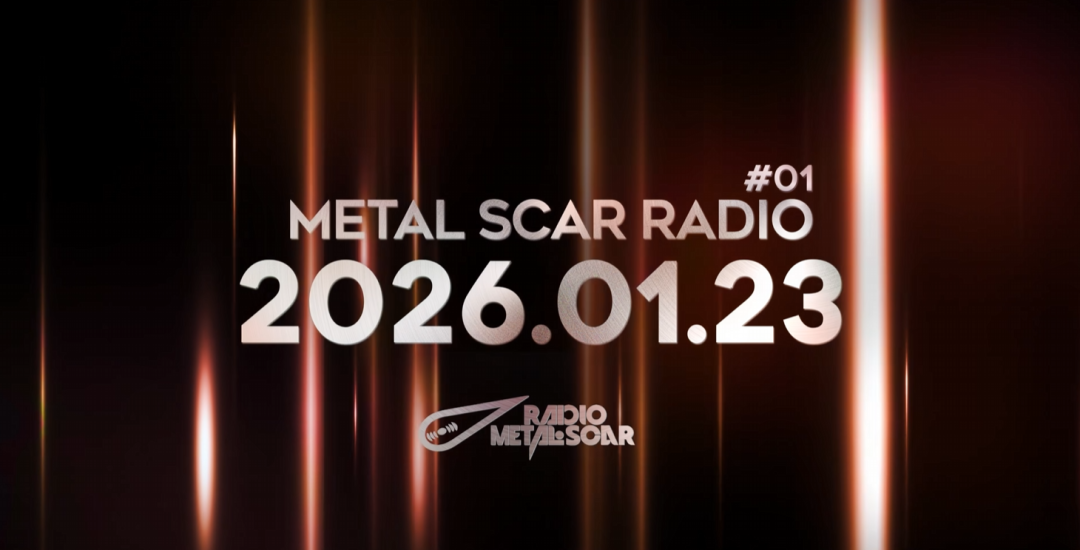
It’s worth noting that Endland also has its own music label, “Iron Scar Radio,” and during the livestream, they played previews of EP tracks for three characters, including Levantine and Yvonne. Given the success of Siren Records and Endland’s 3D capabilities, I suspect Iron Scar Radio will produce a wide variety of music videos in the future.

Moreover, given its “radio station” format, we can certainly envision the possibility of incorporating content such as broadcasts in the future. This means that Iron Scar Radio will not simply be a replica of Siren Records, but will have the opportunity to evolve into a more diverse content platform—one that, while retaining its identity as a music label, explores presentation formats that better align with the world-building of the Endland Industrial frontier.
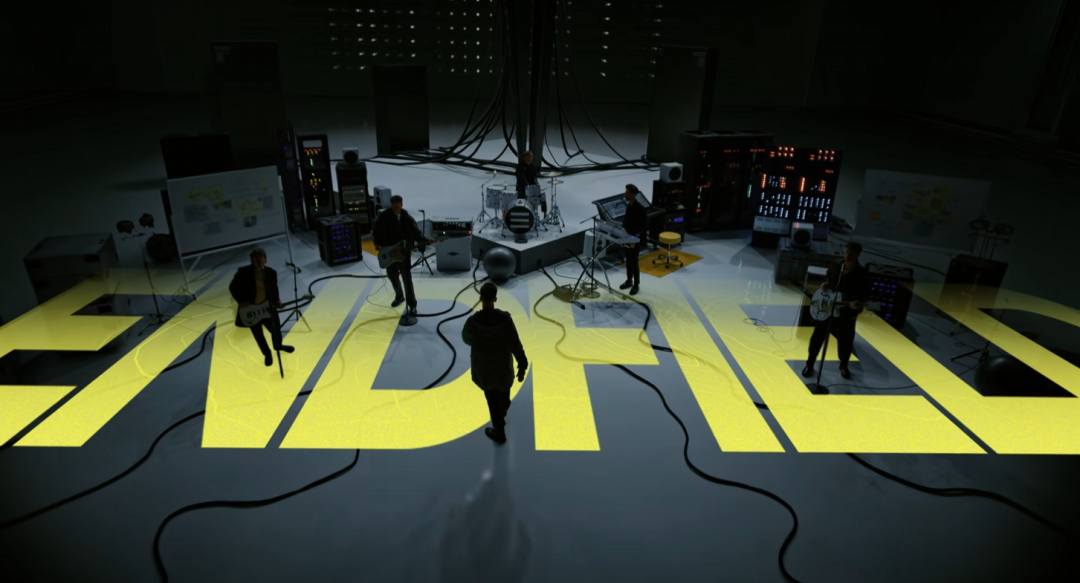
The music for the *Endfield* open beta trailer features a brand-new theme song titled “We Are Empire,” composed by Starset. Additionally, when the game’s release date was announced at the TGA, the track “Give Me Something (For Arknights Endfield),” created by the legendary band “Republic of Era,” was also unveiled. These collaborations with internationally renowned musicians not only ensure high-quality music but also serve as one of the ways Yingjiao reaches a global audience with its content.
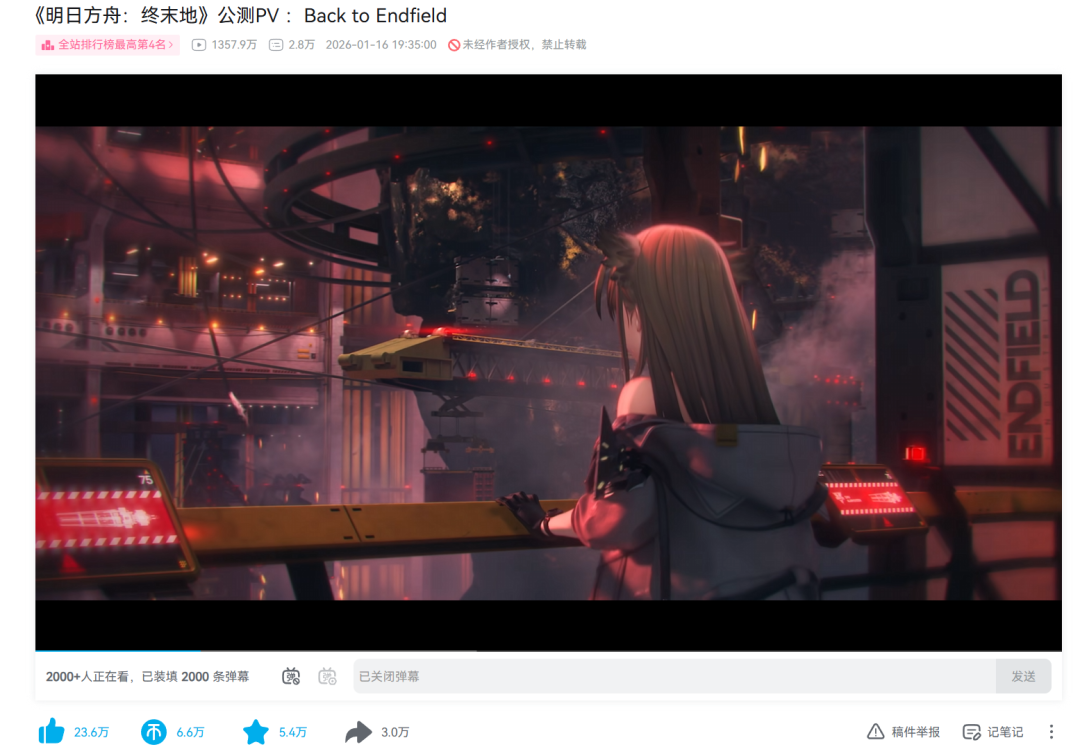
Starset《We Are Empire》
OneRepublic《Give Me Something (For Arknights Endfield)》
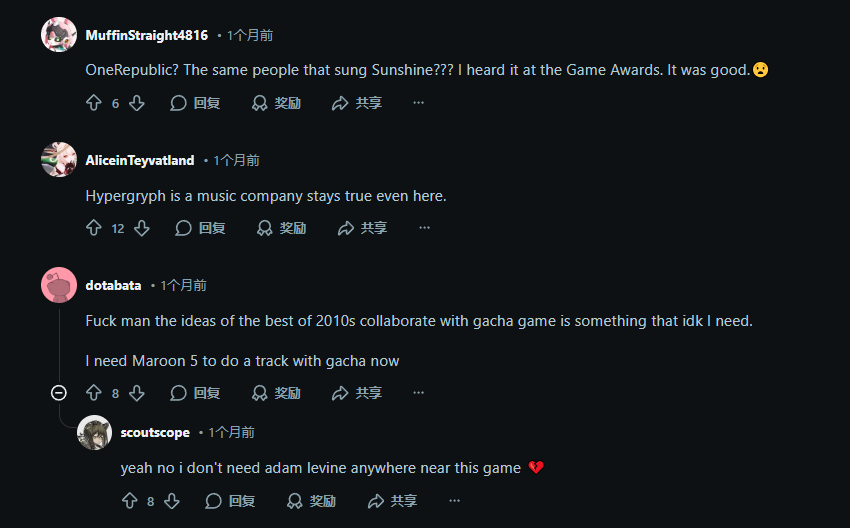
The response overseas has been very positive
In addition, the cross-industry collaboration between *The End of the World* and Shenzhou Media is also worth mentioning. *The End of the World* tells a story of sci-fi exploration and adventure. From a strategic perspective, this partnership with a national aerospace media outlet serves not only as a brand endorsement but also reflects a shared set of values—namely, pioneering, exploration, and the preservation of civilization. These core themes of *The End of the World*’s worldview resonate deeply with the spirit of China’s aerospace program.
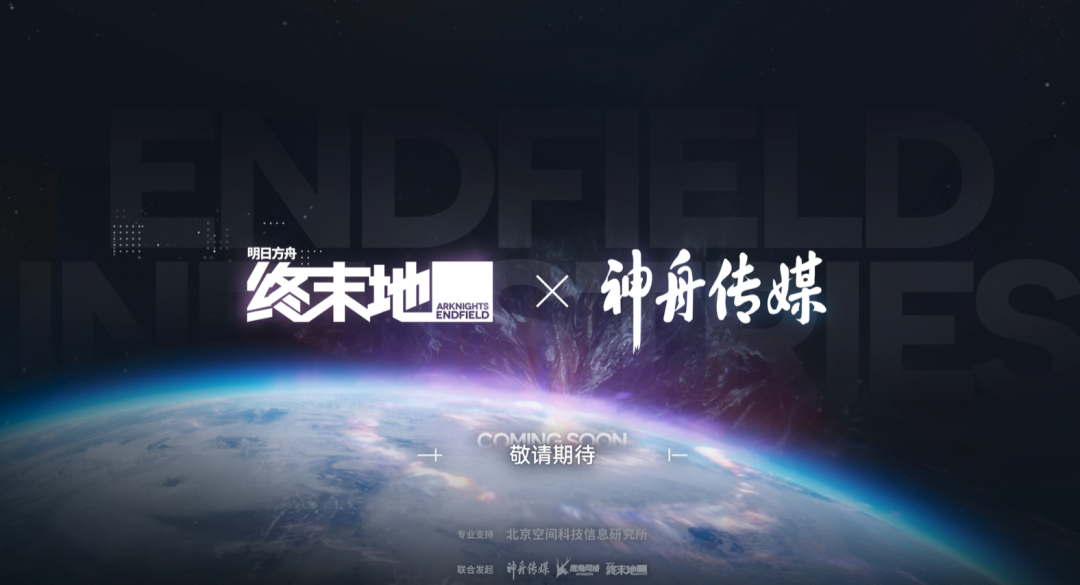
From a broader perspective, Yingjiao is moving beyond the success of *Arknights* to build an IP universe, and the company’s strategic direction is very clear.
In terms of world-building, Eagle角 has deliberately established a significant time span between the two titles to allow each ample room for development. The development team hopes to ensure that both titles within the IP can continue to be developed and expanded with new stories.
As a new player, I didn’t have any trouble understanding the game after diving deep into it. Take the Art of the Source Stone, for example: I understood that in the Endlands, it’s a technology the Administrators use to save the world, ensure their own survival, and expand their territory—so there was no learning curve for me. But for my friend Zhoupi, curiosity about the background—or rather, the related lore—and the connections between settings like the Source Stone became a key factor in sparking his interest in the game.
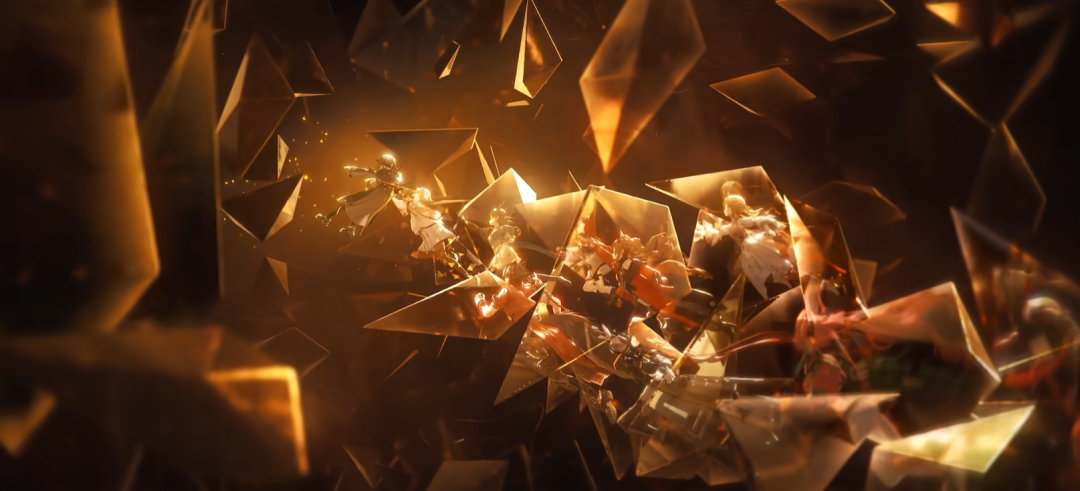
This design approach is incredibly clever; it effectively preserves the content momentum of *Arknights*, allowing veteran players to find emotional satisfaction through Easter eggs and interconnected lore, while also giving *The End* ample room to cultivate its own core user base.
Returning to *The End* itself, the story it tells, the experience it offers, and even its gameplay are completely different from *Arknights*, yet the strategic elements they share further enrich the *Arknights* IP.
Marvel, Star Wars, and the Final Fantasy series have all adopted a similar strategy. While each installment features its own distinct story and characters, they all share the same aesthetic language and core values, allowing them to complement and build upon one another without becoming overly dependent on each other.
The dynamic where IPs remain loosely connected yet each shines on its own is actually a key factor in the success of many long-running series.
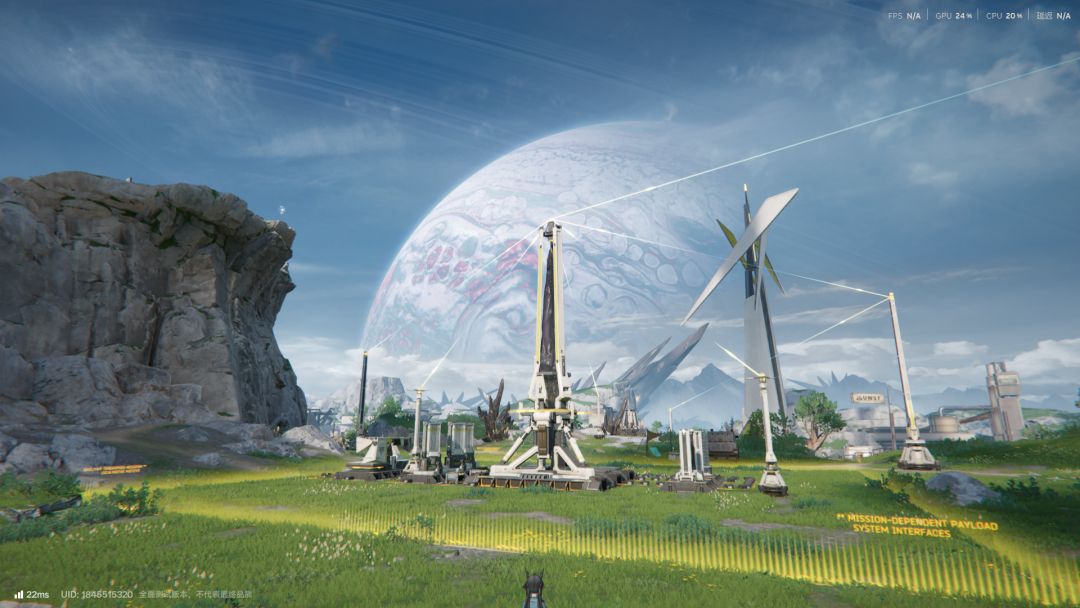
As I mentioned in the previous session, competition in the mobile gaming industry today is no longer limited to the products themselves. Factors such as content depth, IP engagement, ecosystem breadth, and even a company’s strategic positioning—though these may seem “intangible”—are often the key determinants of whether a product can rise to the top.
Conclusion
That said, some might ask: Does that mean we can already label the End as a "head"?
To be honest, no one can give a definitive answer to this question right now.
Looking back from this point in time—January 22, 2026—the open beta of *The End* seems to naturally signal the beginning of a transformation within the industry.
Over the next two to three years, the number of major titles in the anime-style gaming sector will continue to rise. As the first game in this wave to launch its official open beta, *The Endland*’s market performance will largely define the competitive landscape moving forward.
Before the open beta, I was really worried about *The Endland*, because its base-building mechanics—one of the game’s core features—are still considered quite hardcore by today’s mobile gaming standards.
However, judging by the reaction from the player community today, my concerns may have been unfounded—or perhaps my previous belief that casual gamers and deep gameplay are inherently at odds has simply become “outdated.”

First, *The End* has already established a solid foundation. However, maintaining this level of quality and continuing to strike a balance between hardcore gameplay and monetization will remain a challenge that Eagle角 must address.
After all, being a top-tier game isn’t just a fleeting phenomenon; it requires sustained success. Even when *Arknights* first launched, no one could have predicted the success it would achieve today. The perfect alignment of timing, market conditions, and product differentiation—combined with the ability to sustain long-term operations—is essential for any game to become a massive hit.
But one thing I can say for certain is that the criteria for top-tier mobile games have changed. With *The Endland*, Yingjiao will validate its technology, refine its tiered development approach, expand its team, and retrain its global capabilities. In other words, the successful open beta of *The Endland* has allowed Yingjiao to establish a new cycle for product development.
For the industry, Eagle Corner has also used *The Last Land* to provide an answer regarding the future of mobile games: namely, that mobile games can truly become “more like games.”
原创文章,作者:游茶妹儿,禁止转载:https://youxichaguan.com/en/archives/195359