On the evening of January 13, 2026, the Beijing Shougang Park was ablaze with lights. The moment Zhang Jie stepped onto the stage, the live stream chat was flooded with comments like “It brings back memories of my youth”—for the first time in 13 years, he was singing for *Counter-Strike* once again.

Click to enter a description of the image (up to 30 characters)
Behind this spectacular success lies solid market data: on its first day of release, the game topped the iOS Free Chart and ranked fourth on the iOS Top Grossing Chart, with pre-registrations across all platforms exceeding 40 million and its TapTap rating remaining consistently high. *Counter-Strike: Future* has delivered an impressive debut.

But what deserves more attention than the game’s popularity is the choices behind it: betting on PvE at a time when the PvP shooter market is fiercely competitive, and sticking to a “no pay-to-win” policy in an environment where pay-to-win remains the norm. Can these seemingly counter-intuitive decisions pave a viable path for domestic PvE shooters?
01
The Industry Dilemma of PvE Shooters
To understand the choices made in *Counter-Strike: Future*, we must first examine the industry environment it faces.
From a macro perspective, the domestic shooting game market still has considerable room for growth. In 2024, the global shooting game market was valued at approximately $72.68 billion, with the FPS category alone accounting for over $30 billion, making it one of the fastest-growing segments with the highest user retention rates. Ma Xiaoyi, Senior Vice President of Tencent, has pointed out that while shooting games account for about 35% of the global market, they make up only around 20% of the Chinese market—a gap of nearly double.
There is clearly room for growth, but the question is: where exactly is this growth potential?
Over the past few years, the PvP shooter genre has surged in popularity, with battle royale, hero-based shooters, and loot-and-escape games sweeping the market one after another. However, the high-pressure matches resulting from intense competition have left an increasing number of players feeling burned out. With leading titles already dominating each sub-genre, the space for new entrants is becoming increasingly limited.

At the same time, a long-overlooked group has come to the fore: players who are tired of high-stakes competition and just want to team up with friends to take down monsters. Some players joke that they “can’t beat the human players above them or the AI below them”—and it is precisely this demand, overlooked by mainstream PvP shooters, that represents the potential growth opportunity for PvE shooters.
What they want is simple: a well-made PvE shooter that’s both stress-relieving and not too repetitive or boring—something low-pressure and fun to play, where you can just jump in with friends for a couple of rounds and call it a day.
However, while the demand is clear, meeting it remains a challenge. PvE shooters face two major structural challenges.
The first challenge is the tension between content consumption and production capacity. PvE shooters are content-driven products; unlike PvP shooters, which are built around competitive gameplay—where, once the competitive elements are well-designed, subsequent updates focus primarily on maps and skins, placing low demands on production capacity.
But PvE is different. These games rely on constantly updated maps, storylines, and even entirely new gameplay mechanics to keep players from losing interest amid the tedious grind of repeating the same content day after day. However, producing high-quality content is costly and time-consuming, and players consume it much faster than it can be produced.
The second challenge is the conflict between pay-to-win mechanics and word-of-mouth reputation. High production capacity means high costs; while selling in-game advantages can generate quick revenue, it severely damages reputation and long-term retention—once players feel that “they’ll be crushed if they don’t spend money,” the core experience is completely ruined. But if you don’t sell these advantages, how can the business model survive? Although pay-to-win is a short-term fix, very few teams are willing to give up this “shortcut.”
There is room for growth in the PVE shooting genre, but the industry needs products that offer "rich and varied content" and allow players to "have fun and play in creative ways."
It is against this backdrop that *Counter-Strike: Future* has made an unusual choice—using a “seasonal system” to combat content anxiety and rebuilding commercial trust by refusing to sell in-game stats.
02
A Two-Pronged Approach: "Seasonal System" and "No Selling of Game Stats"
The unique appeal of *Counter-Strike: Future* lies not in a single breakthrough, but in a comprehensive approach that encompasses content, gameplay, and monetization.
In the producer’s words: The seasonal system addresses the anxiety of “what to play,” while the decision not to sell in-game stats resolves the concern of “why should we trust you?” Together, these two elements form a complete experience chain that allows players to “play to their heart’s content.”
Regarding the aspect that players care about most—content—the team has already made thorough preparations to address content anxiety. The game will launch directly into the S0 preseason, “Origin of Steel,” and will transition to the S1 “Ghost Blows Out the Light” season 23 days later, fulfilling its promise of “two versions in the first month.”

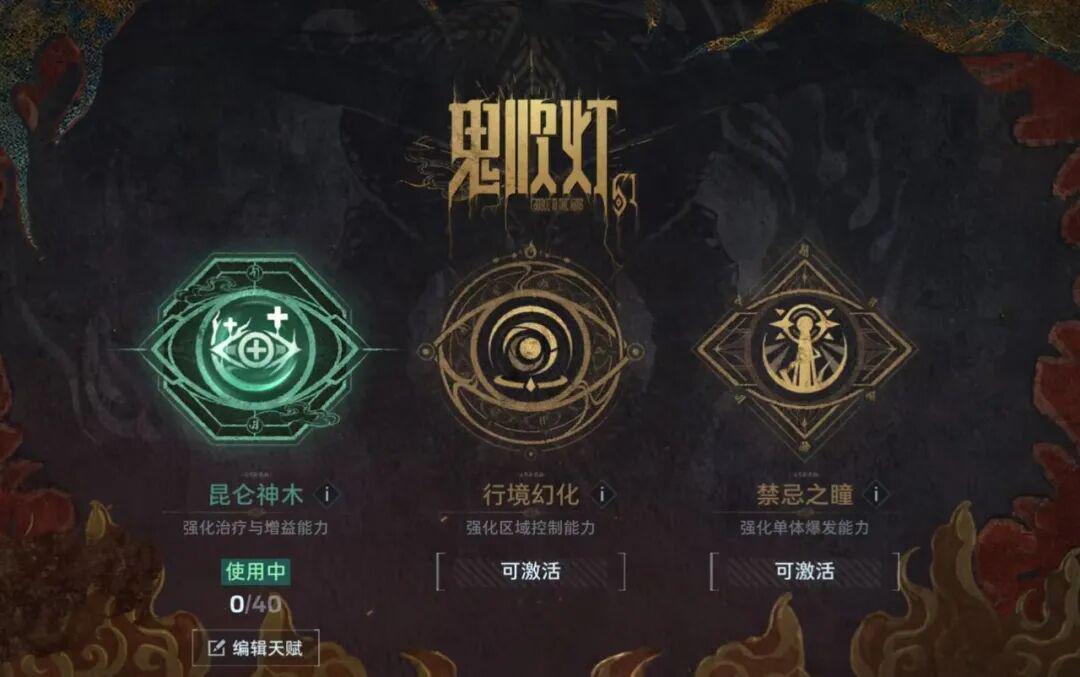
(Season 1 Talents)
As early as in its preseason preview, Linglang Tian Shang unveiled a comprehensive roadmap extending through 2027—this kind of strategic planning, which involves “stockpiling content a year in advance,” is rare among domestic PvE shooters, and it reflects the team’s absolute confidence in its development capabilities.
The value of the seasonal system lies not only in ensuring a steady stream of content, but also in making each season feel completely distinct. From the tomb-raiding adventures of Season 1 to the post-apocalyptic revelry of Season 3 and the space exploration of Season 4, each season features its own unique setting, art style, and gameplay mechanics.
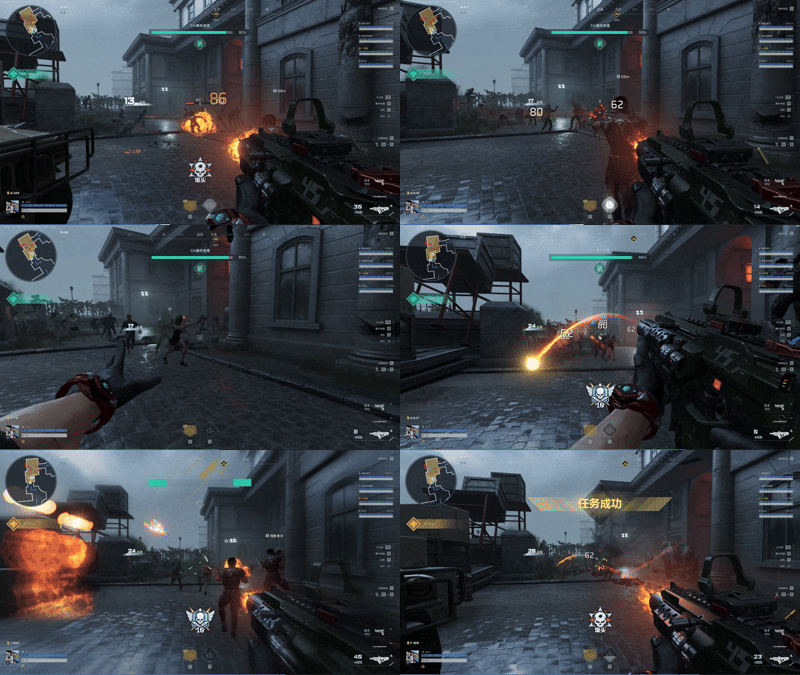
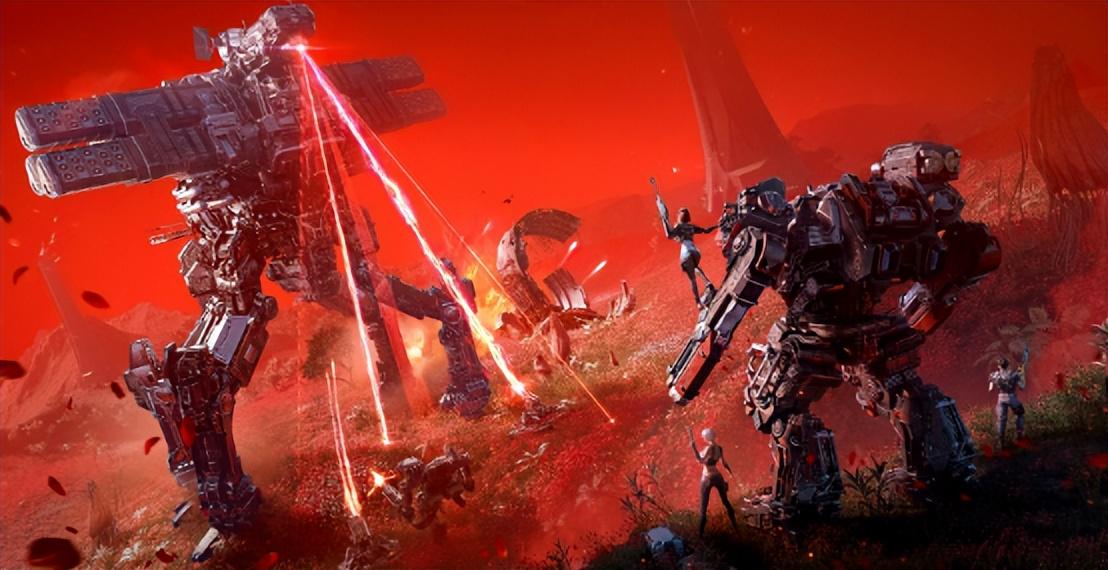
In the Season 0 preseason alone, the game offers a variety of modes for players to choose from, including Hunting Grounds, Tower Defense, Mech Battles, large-scale PvE, PvP, and story dungeons. In the future, even more gameplay modes—such as melee combat, team-based battles, and mutation modes—will be added.
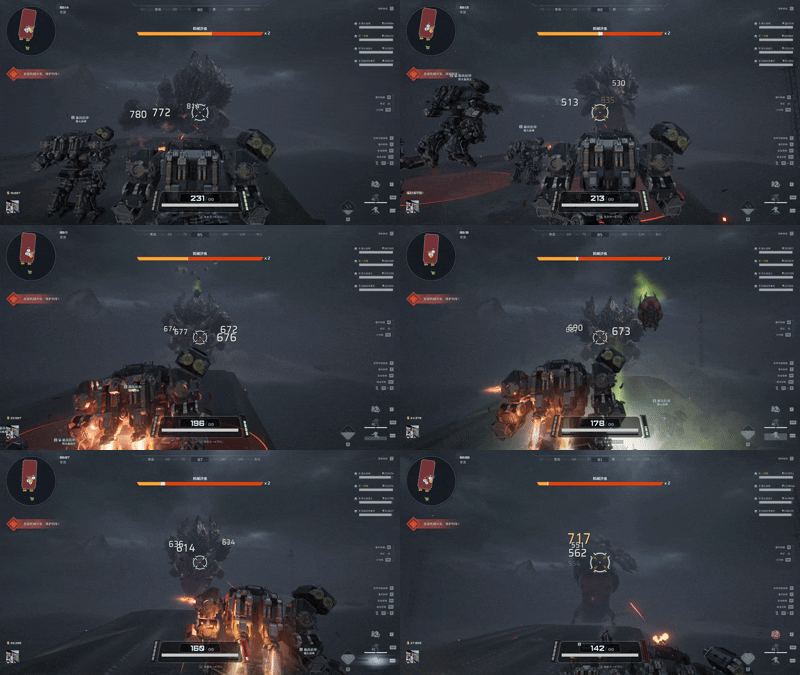
The gameplay is just as diverse. *Counter-Strike: Future* features an interesting seasonal attachment system, with each season offering exclusive attachments. Both primary and secondary weapons come equipped with four different attachment slots. This means that even with the same primary and secondary weapon combination, using different attachments can completely change your combat style. The synergy between talents, weapons, and attachments makes “experimenting with playstyles” a core part of the fun.
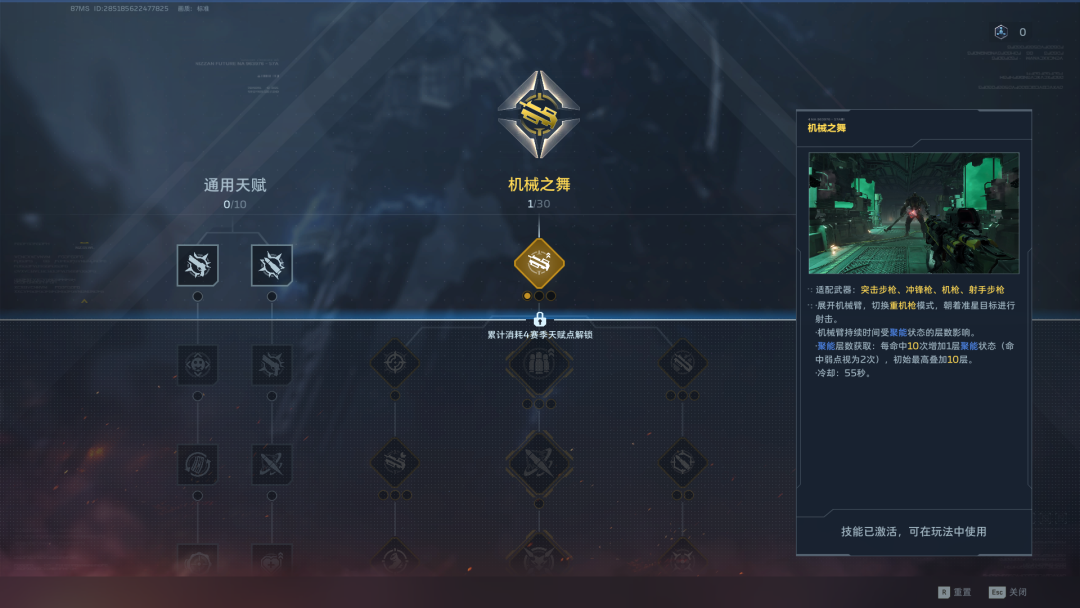
From a long-term operational perspective, the seasonal system also indirectly increases the team’s margin for error when experimenting. If a new feature in a given season doesn’t meet expectations, it can be quickly iterated and improved in the next season. This “agile, incremental” approach is far more manageable than the risks associated with betting everything on a single major update.
If the seasonal system addresses the question of “whether there’s anything to play,” then not selling in-game items is the cornerstone of “player trust” and “long-term playability.”
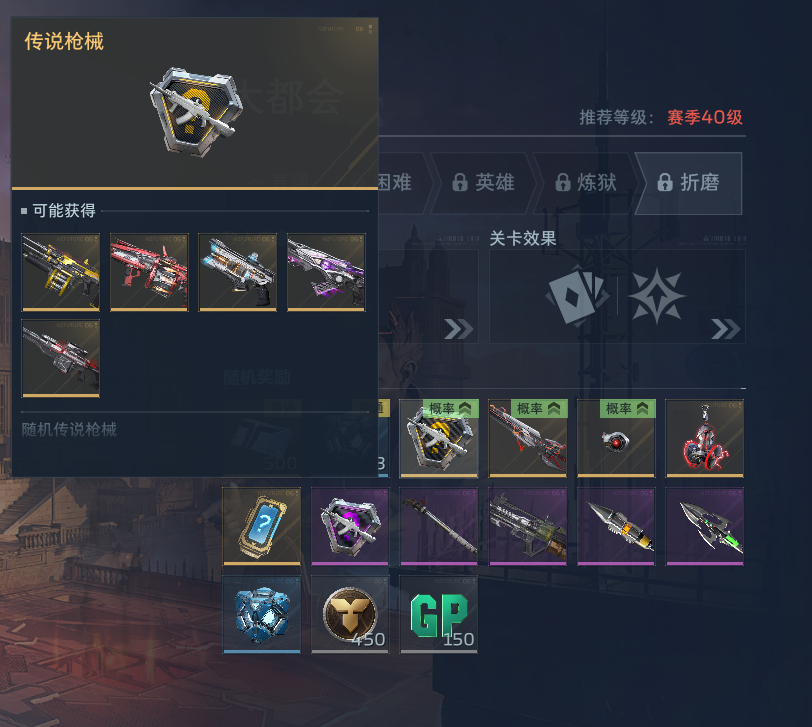
The monetization model for *Counter-Strike: Future* is quite clear: all core weapons and attachments are available for free; skins sold in the in-game store have exactly the same stats as their base versions; and paid content focuses solely on aesthetics and emotional value, without affecting combat balance.
Producer Cha Ge personally tested this during the beta: even while wielding a legendary weapon, he only managed to finish third in a four-player hunt, prompting his teammates to tease him that “a golden gun can’t beat a purple one.” He believes this kind of atmosphere is very healthy—in this game, you get stronger because you’re skilled, not because you’ve spent money.
To further reduce the pressure of character progression, the game has removed the traditional "combat power" display; instead of combat power thresholds, different difficulty levels now only have recommended season levels.
The "seasonal system" and the "no microtransactions" approach do not exist in isolation; rather, they are closely intertwined, forming a complete closed loop.
The seasonal system ensures that character progression doesn’t spiral out of control—periodic resets cap the growth of stats, while the policy of not selling stats ensures fairness during resets. Both elements are essential: without the seasonal system, the pressure of progression would accumulate indefinitely over time; without the policy of not selling stats, every reset would strip players of their paid progress, which is clearly unsustainable.
For players, the approach taken by *Counter-Strike: Future* means true "play-when-you-want" gameplay—veteran players won’t lose their sense of purpose due to having accumulated too much content, while new and returning players won’t have to worry about "falling behind." They can jump back in whenever they feel like it, without fear of being left behind by updates.
03
The Confidence to Make It Happen
No matter how elegant the solution, it still needs the ability to be implemented to back it up. The confidence behind *Counter-Strike: Future* stems from its established IP, R&D capabilities, and long-term vision.
"Counter-Strike: Global Offensive" is one of China's earliest domestically developed first-person shooters and is widely recognized within the industry as "the leading domestic first-person shooter IP." Since its beta testing in 2011, the game has been around for 13 years and has amassed approximately 130 million users. PvE modes such as "Hunting Grounds" and "Tower Defense" cultivated a large base of loyal players during the PC era, and the "Counter-Strike: Global Offensive experience" has long been deeply ingrained in the hearts of gamers.
More importantly, it holds the memories of a generation’s youth—those scenes of huddling in internet cafes playing *Hunting Ground* and laughing together with friends remain unforgettable moments for countless people to this day.
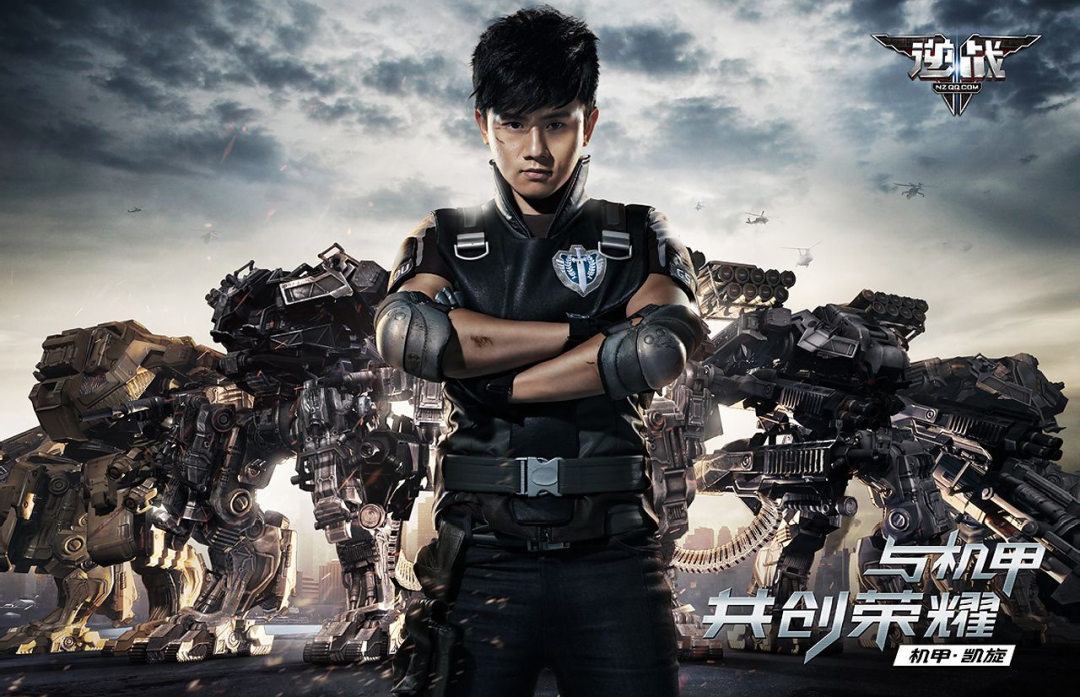
"Counter-Strike: Future" perfectly taps into this emotional need. Zhang Jie returns as the game's spokesperson after a 13-year hiatus, classic maps like "Metropolis" have been remastered, and classic game modes such as "Mecha Combat" are making a comeback.
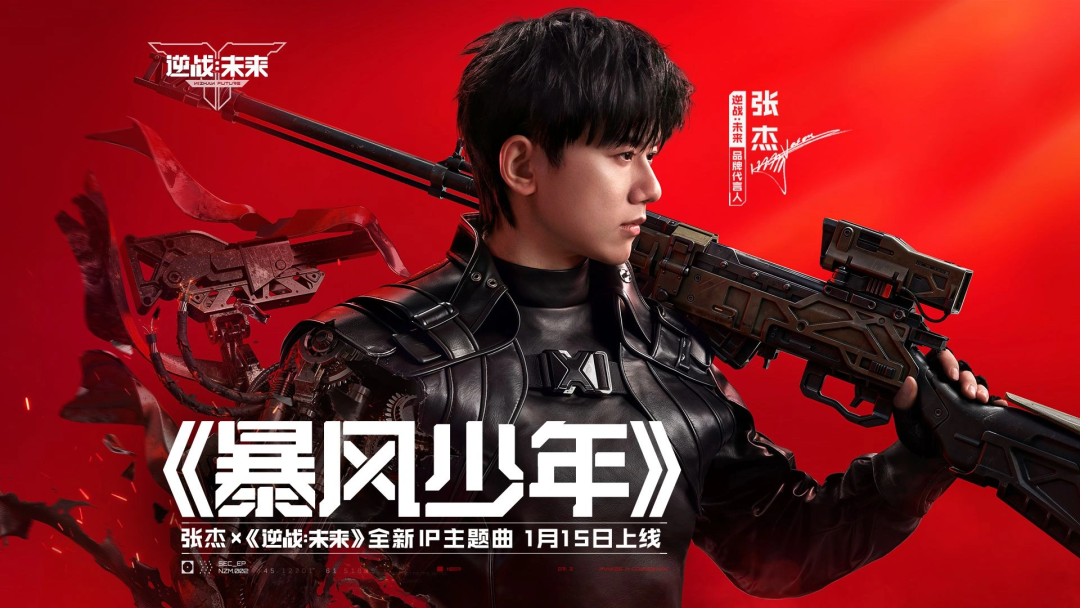
Although it is a revival and a remake, *Counter-Strike: Future* is far more than just a superficial rehash. This isn’t a shortcut or a way to cut corners; it’s a different kind of creative endeavor. Even though the gameplay remains the same, *Counter-Strike: Future* has addressed every technical limitation and design issue from the past, fulfilling many players’ dream of a “more polished” experience. Rather than simply porting the old formula to a new game, it shows respect for the feelings of its longtime players.

The promise made back then has finally been fulfilled—the "Space Battle" mode, which was first announced during the *Counter-Strike* era, will officially launch in Season 4's "Space" season. It’s truly a "once-in-a-lifetime" moment.
Moreover, the team hasn’t stopped at nostalgia. Major collaborations such as *Ghost Blows Out the Light*, *Borderlands*, and *Spirit Cage* are expanding the game’s audience reach, and the partnership with *Borderlands*—one of the world’s top FPS series—in particular demonstrates the game’s international ambitions.
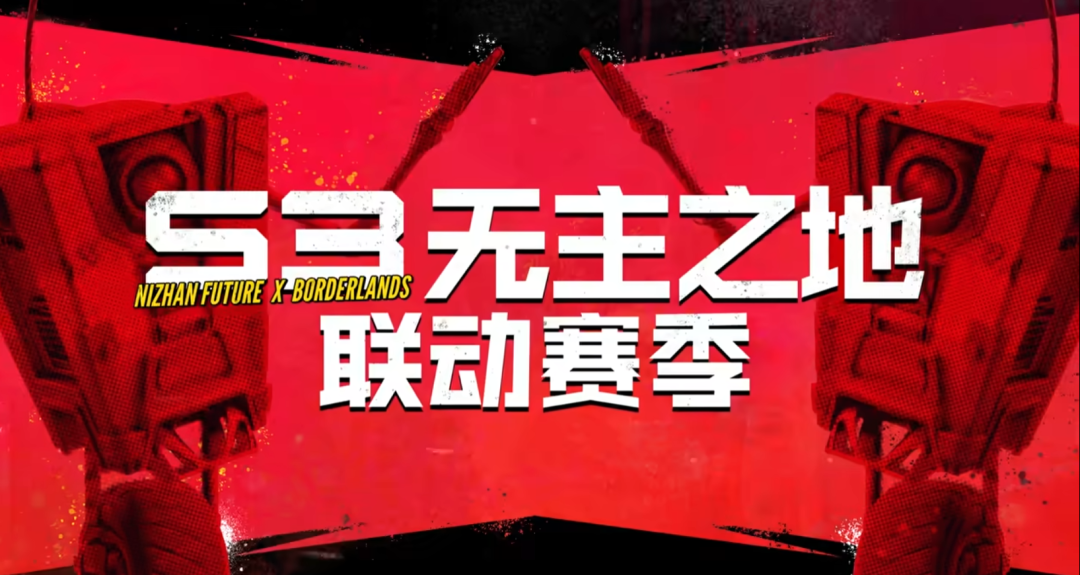
The strategy of “leveraging nostalgia to solidify the core user base while collaborating to attract new users” can breathe new life into established IPs and open up even greater possibilities.
In terms of R&D, Linlang Tian Shang has been deeply involved in the shooter genre for over a decade. From early titles like *Counter-Strike* and *Gun God Chronicles* to the current phenomenon *Operation Delta*, Linlang Tian Shang has been a leading force in the shooter genre for over a decade, and the saying “If it’s made by Linlang, it’s bound to be a masterpiece” has long been a mantra among players.
Plans for *Counter-Strike: Future*, including cross-platform data synchronization between PC and mobile, cross-platform teaming, and graphical upgrades on the PC version, all require solid engineering capabilities. But even more important is the team’s long-term mindset—with content planning extending through 2027 and four seasons already prepared in advance. These are not decisions that can be made with a short-term perspective, nor are they tasks that can be handled with low productivity.
As time has gone on, the market has gradually validated these results. During the testing phase, key metrics met expectations, and the combat loop and monetization model were well-received by players. Community discussions focused on deck-building strategies rather than the pursuit of raw power, demonstrating that the design aimed at balancing the game’s mechanics is working. With pre-registrations surpassing 40 million and the game topping the free charts on its first day, the viability of this differentiated approach has been preliminarily proven.
Conclusion
PvE shooters have long been caught in a dilemma: they often require a level of investment comparable to that of AAA titles—sophisticated level design, a wide variety of enemies, and deep progression systems—yet their content is consumed extremely quickly, leaving players prone to losing interest once they’ve completed the game. Because they are widely regarded as “difficult to develop and hard to monetize,” they have become a “narrow gate” that many developers are hesitant to enter.
However, the market's appetite is real.
Whether it’s the classic *Left 4 Dead* series or the recent hit *Deep Rock Galaxy*, both have proven that players’ enthusiasm for high-quality, highly cooperative, and replayable PvE experiences has never waned—they’ve simply been waiting for a game that can truly capture that passion.
The reason why the domestic PvE shooter market currently lacks a widely recognized flagship title is largely because no mature product has yet managed to strike the perfect balance between the two core challenges: “sustained production of high-quality content” and “a healthy business cycle.” This requires a strong IP foundation, robust technical capabilities, consistent content production capacity, and the operational discipline to be willing to “make money slowly.”
Backed by a well-established IP and team, *Counter-Strike: Future* is attempting to blaze this trail by implementing a "seasonal system" and a "no microtransactions" policy.
Its success or failure will not only determine the fate of a single product, but may also validate a set of reference "methodologies" for the entire industry; as a pioneer, its value in blazing a trail may already surpass that of the product itself.
原创文章,作者:游茶妹儿,禁止转载:https://youxichaguan.com/en/archives/195281