November 2025, Shanghai. At the WePlay Culture Expo, the 17,000-square-meter venue was packed to capacity.
Long lines formed at the *Rusty Lake* booth. This Dutch indie game studio consists of just a handful of people, and producer Robin stood among the crowd, feeling both excited and surprised. He had always known that the game had a large Chinese fanbase, but the enthusiasm of the fans there really drove the point home for him and his team.
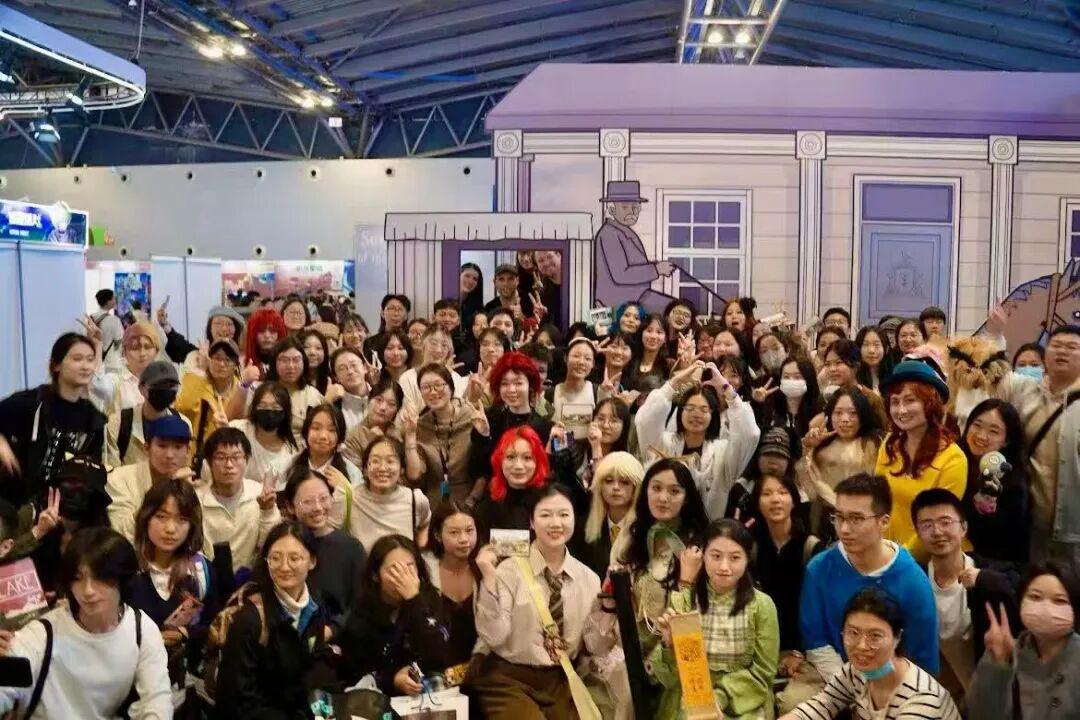
2025 WePlay: The Rusty Lake Booth
During a conversation after the event, Robin and Simon, the organizer, mentioned that Robin had seen a lot of excellent and interesting game content during his trip to WePlay, which significantly changed his perception of Chinese games, developers, and players.
“It took me six years to organize the Rusty Lake team’s trip to WePlay in China and put together the content,” Simon told me the day after WePlay wrapped up.
The last time *Rusty Lake* appeared at WePlay was seven years ago, in 2018. At that time, two or three hundred fans had already gathered around their small table at the indie MEGABOOTH collective booth. Since the *Rusty Lake* team is small and has limited resources for external communications, email responses typically took months—sometimes even years. However, they try to move things forward a little bit every year.
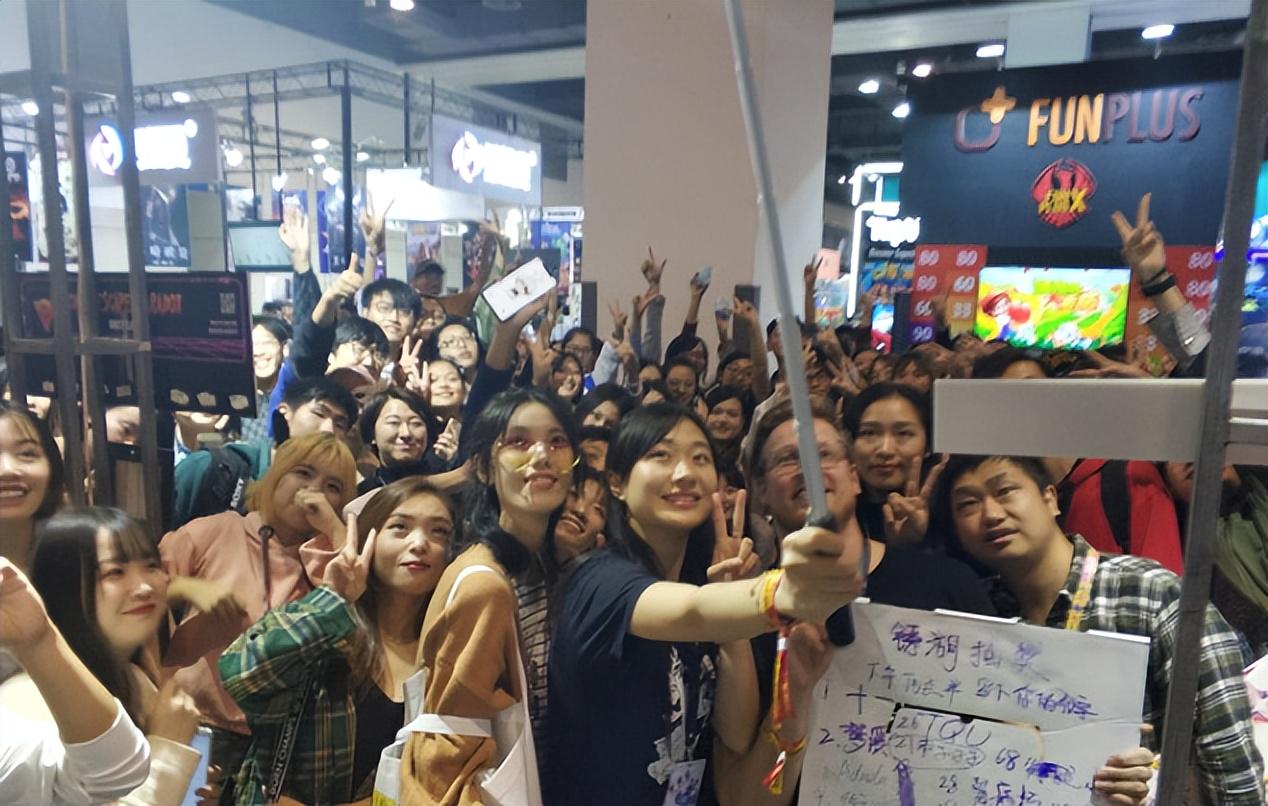
The Rusty Lake team participated in WePlay 2018
It wasn’t until this year—the 10th anniversary of *Rusty Lake*, the growth of the Chinese community, and the team’s attendance at the 2018 event—that the developers gained a basic level of confidence in the event. All the pieces had finally fallen into place.
“It really takes a long time to get something off the ground,” Simon said.
He often wore a hat, the brim pulled down low. When the light was right, you could see the deep dark circles under his eyes. Sleeping an average of four or five hours a day year-round—these were the marks etched into his body.
This marks WePlay’s ninth year and Simon’s eighteenth year in the gaming events industry. From dragging a suitcase full of flyers through the GDC halls all by himself to standing in the center of a 17,000-square-meter exhibition hall, Simon says that only now has he begun to realize his original vision.
But he wasn't sure how much longer he could hold out.
01
Seeing the Future in the Wilderness
The story begins in 2007.
That year, Simon entered the gaming industry, starting out as a member of the organizing team for industry events. He joined very early on, when many businesses were still in their pioneering and growth stages.
Over the years, he handled everything from content planning and sponsorship acquisition to event design, setup, external coordination, management, and execution—and even the more mundane tasks like writing press releases, creating graphics, managing supplies, warehousing, and packing and shipping. These skills later became the foundation that enabled him to single-handedly drive the entire event forward.
In 2008, he began attending the Game Developers Conference (GDC) in the United States. Back then, few people traveled for business, so he handled multiple roles on his own—handling sales, recruiting sponsors, negotiating partnerships, and finding speakers. “Back then, I’d drag a small suitcase filled with flyers and promotional materials all over the venue, talking to almost every company one by one.”
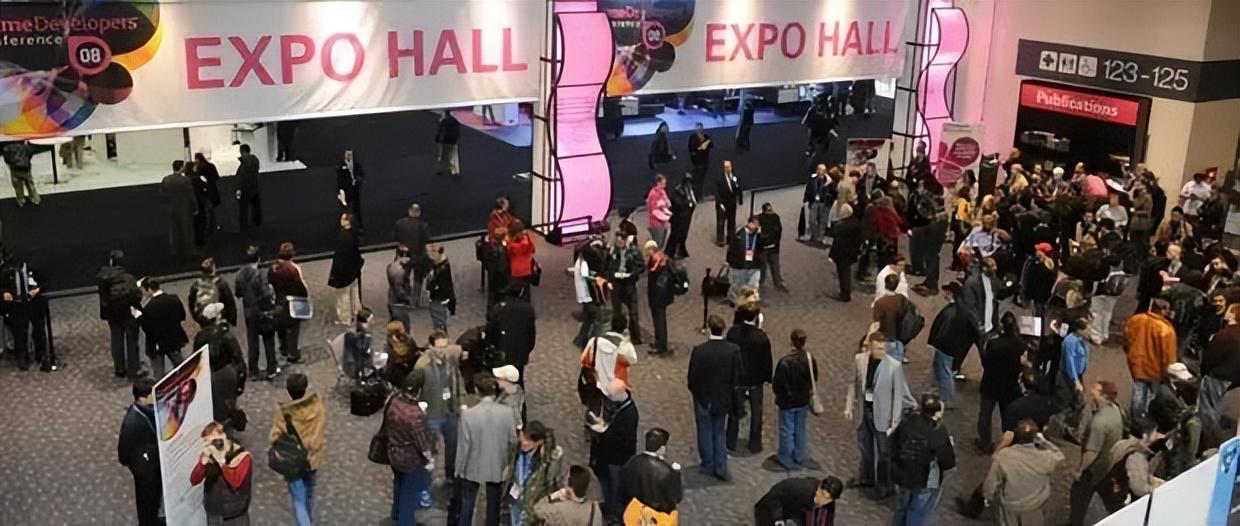
2008GameDevelopersConference
GDC opened his eyes to a whole new world: a diverse array of developers, publishers, and technology providers offered a wealth of insights, the exhibition halls were vast, and the networking was lively. Tickets were expensive—costing several thousand dollars—but everyone was highly willing to pay for professional content and showed strong enthusiasm for participating in and supporting industry networking. He began to develop an understanding of what constitutes a “quality industry event” and a “more mature industry ecosystem,” and he also started to gain a deeper understanding of and engage with the indie game community.
He took it a step further: “Could I share this format and content with more people back home?”
In 2010 and 2011, Simon tried to promote indie gaming events in China and organized forums for indie games and serious games. But those efforts were a dismal failure; no one showed up, and the time just wasn’t right.
During that time, he also participated in GDC China and IGF China (IGF = Indie Game Festival, the world’s largest indie game competition). At the time, the teams participating in IGF China were primarily from overseas. Since the domestic scene had developed relatively late, although there were a few talented developers, the overall focus of the event and the spotlight on stage remained outside of China.
This made him realize that, at that stage, local Chinese developers and content were still struggling to garner sufficient attention, support, and recognition at international events.
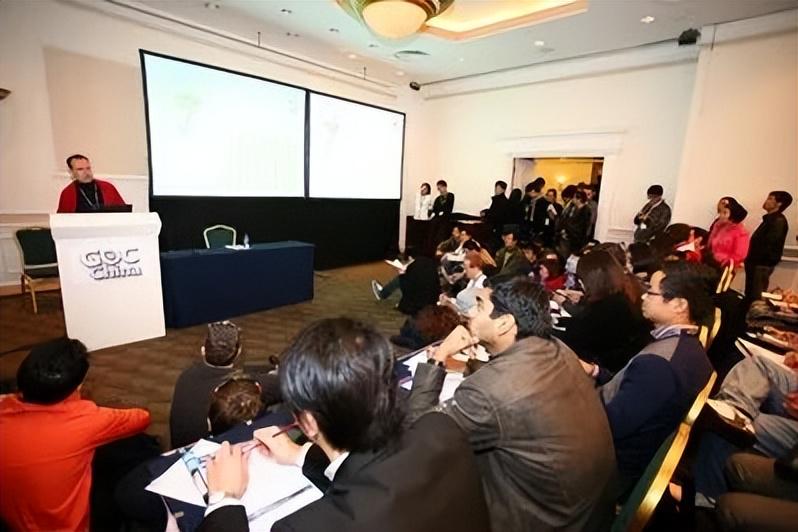
Peter, Producer of "Angry Birds," Delivers a Keynote Speech at GDC China 2010
The turning point came in 2014. That year, the early bubble in China’s mobile gaming industry began to burst. Before that, it was a “distribution-driven” market—distributors and game developers split revenue 90-10, with distributors taking 90% and developers 10%. Whatever the distributors promoted, that’s what users played. The mobile gaming industry was a mixed bag, rife with reskinned games, low-quality titles, and unregulated growth.
By 2014, the situation had changed. Users had become more discerning and began expecting more innovative games, and app stores recognized this trend and started featuring indie games. Back then, if a game was featured by Apple, it could generate hundreds of thousands of downloads in a single day.
Simon remembers it vividly: In the second half of that year, a one-time purchase game called *Dungeon Castle* suddenly appeared on iOS. It was a text-based MUD with very simple graphics, but it received plenty of recommendations from the App Store, and many people around him were playing and discussing it on their own.
He believes the signs are there: people are starting to look for more entertaining and high-quality content, rather than mere reskins focused solely on numerical stats.
In late 2014, Xindong organized a Game Jam in Shanghai—the largest of its kind in the country at the time, attracting over 100 participants from all over the country. Simon attended the event, and for the first time, he realized just how many people were making indie games or interested in them. Yet there was a complete disconnect between them—developers from different regions had no way to connect with one another, and there was very little communication.
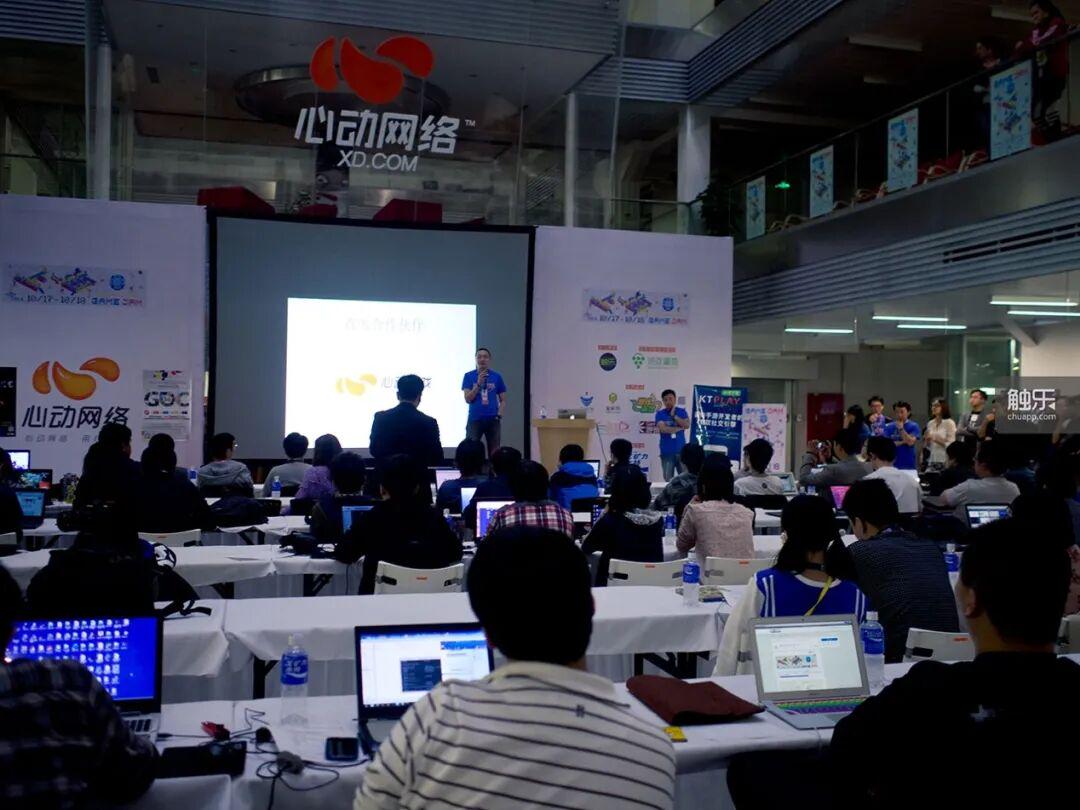
2014 Xindong Network GameJam Event
What’s even more concerning is that other commercial events had already begun using the name “Indie Game Competition,” but they were all just reskinned games. If we don’t do something about it, there’s a real risk that bad money will drive out good.
A thought crossed Simon’s mind: Not all of these developers might make it to the end, but their ideas deserve to be seen so that the industry can recognize their value.
“The future of the industry should be centered on gameplay and content quality, and the concept of indie games and its early adopters have played a valuable pioneering role. Many of the first indie game developers had experience working at foreign game companies in China—such as 2K, EA, and Ubisoft—where they were exposed to advanced game development techniques. Armed with an understanding of the indie game concept, they wanted to create their own projects.”
We need someone to establish a platform where they can gain more visibility, their voices can be heard, and the spark can grow.
02
A One-Man Battle
In 2014, Simon secured the license to host the Global Game Jam in China.
Having started out in event planning, he knows full well that small-scale efforts go unnoticed; to get the industry’s attention, you have to make a splash first.
In January 2015, the first event was held in Beijing, attracting over 150 attendees and exceeding expectations. After the event, he spoke with Yedao Games—an early player in the indie gaming scene—and suggested they continue to build momentum, noting that small-scale events wouldn’t attract the industry’s attention.
At the time, some people were concerned that the preparation period was too short and suggested postponing it until the following year. But Simon insisted on holding it that year; he felt that with the support of the developer community, he could handle most of the details on his own.
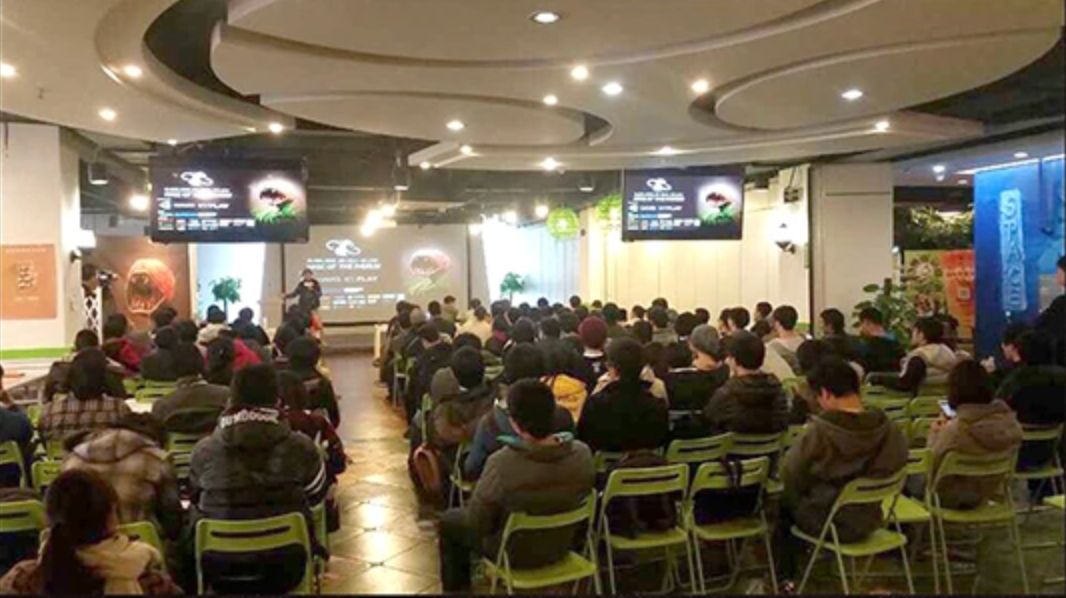
2015 Global Game Jam – Beijing
Over the next three months, he established Game Jam venues in four cities simultaneously, planned all partnership initiatives, and set up the judging and jury system for the indiePlay China Independent Game Competition in just over a month.
In July, the first awards ceremony was held. Due to limited funds, he found a wedding venue at the Shanghai World Expo Park that was about 300 square meters in size.
Apart from a few friends who pitched in, I had to handle most of the work myself: I drew up the setup plans, configured the AV (audio-visual) equipment, and organized the on-site schedule… and I even had to host the event myself. Many of the developers sitting in the audience went on to create outstanding indie games. Some of them even produced titles that would later sell millions of copies on Steam—though at the time, they were just contest demos, and the developers were still students.
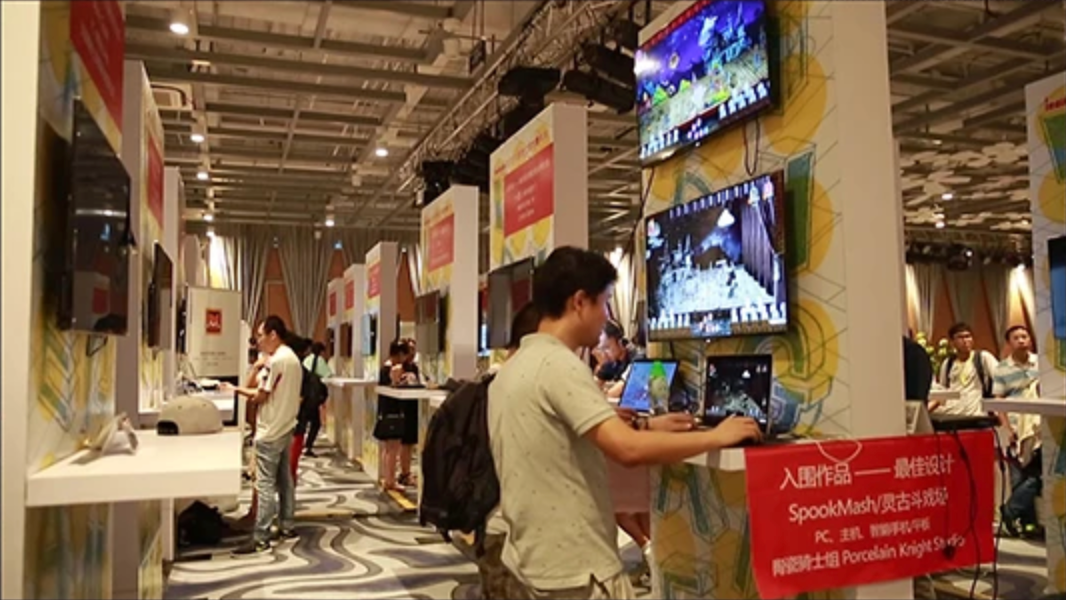
2015 indiePlay Indie Game Festival
That year, Simon also did something out of personal interest. He was a die-hard fan of *Castlevania: Symphony of the Night*, even naming himself after a character from the game. Taking advantage of the opportunity to find guests, he reached out to Koji Igarashi, who had just left Konami, as well as Fumimi Kojima and Michiru Yamane—the trio at the heart of the project.“The circumstances were quite interesting. The three of them hadn’t actually seen each other in Japan for quite some time. Later, when we suggested they get together in Shanghai, they came over.”
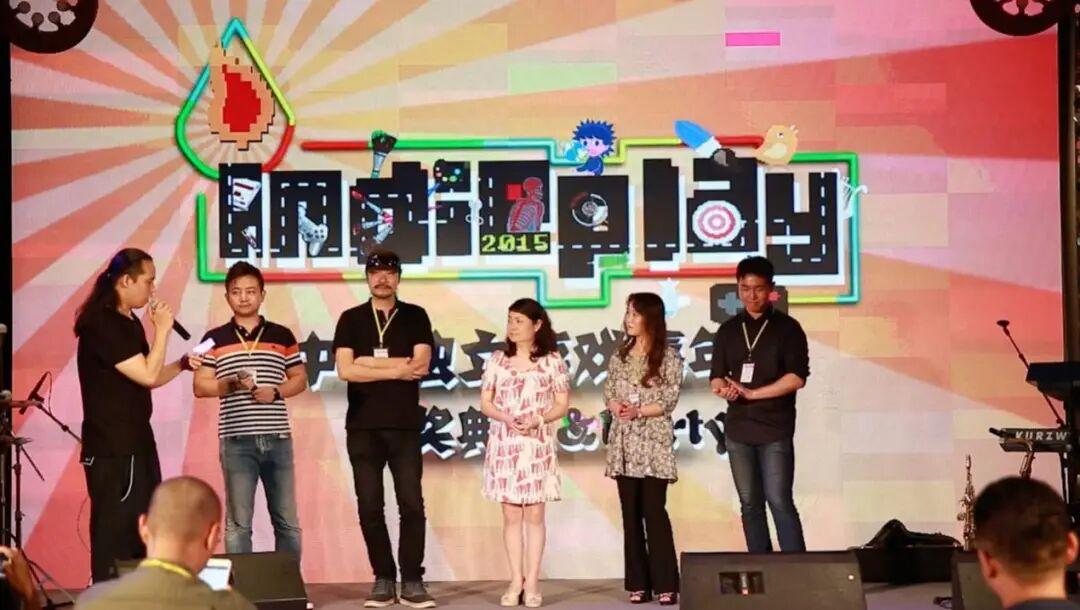
The First indiePlay Awards Ceremony
Why invite these people? On the one hand, during the early stages of the event, we needed influential figures to attract industry attention. On the other hand, Simon hoped to use this opportunity to change overseas developers’ perceptions of Chinese games—these individuals serve as a powerful voice for the industry; by coming here, they could see China’s indie game ecosystem firsthand and share their experiences with others. “Back then, overseas perceptions of the Chinese game industry were still stuck in the era of pirated CDs; talking to them about the Chinese market was, to put it dramatically, like speaking a foreign language.”
From 2015 to 2017, Simon was a slashie. He was still handling various tasks for his overseas friends’ companies, exhibiting at New York Comic Con, organizing esports tournaments in Manila, and promoting gaming industry events around the world. “It was exhausting, but being a slashie during those years was what supported all my income streams. Organizing indie gaming events actually requires you to cover costs out of your own pocket; the sponsorships you secure don’t cover all the expenses.”
These experiences also broadened Simon’s horizons and expanded his network. By 2016, the system had gradually taken shape. That year, Game Jam was held simultaneously in eight cities, and the indiePlay competition received over 200 submissions. CiGA (China Independent Game Alliance) also took further shape that year, with the goal of discovering, connecting, and supporting independent game developers in China.
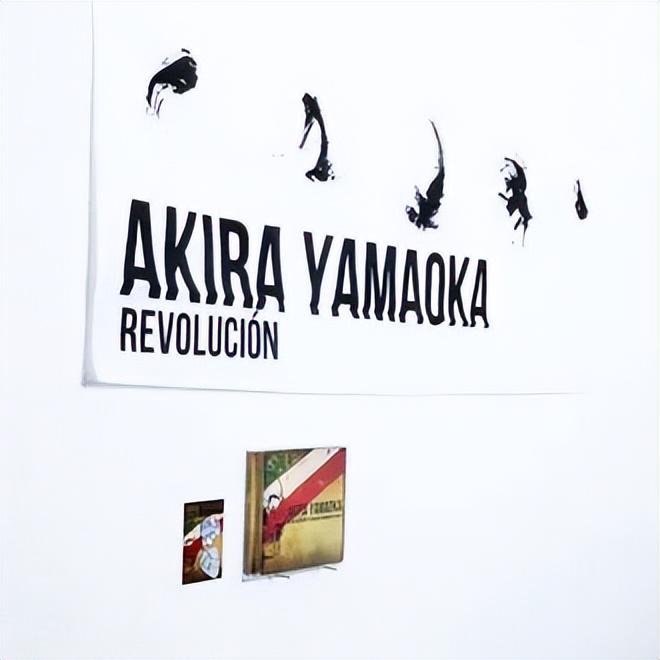
2016 Indie Game Carnival: 3-Piece Set Sold Live by Guest Akira Yamaoka
Toward the end of the year, with the support of his partners, Simon secured some event sponsorships, and that funding made the launch of WePlay in 2017 possible.
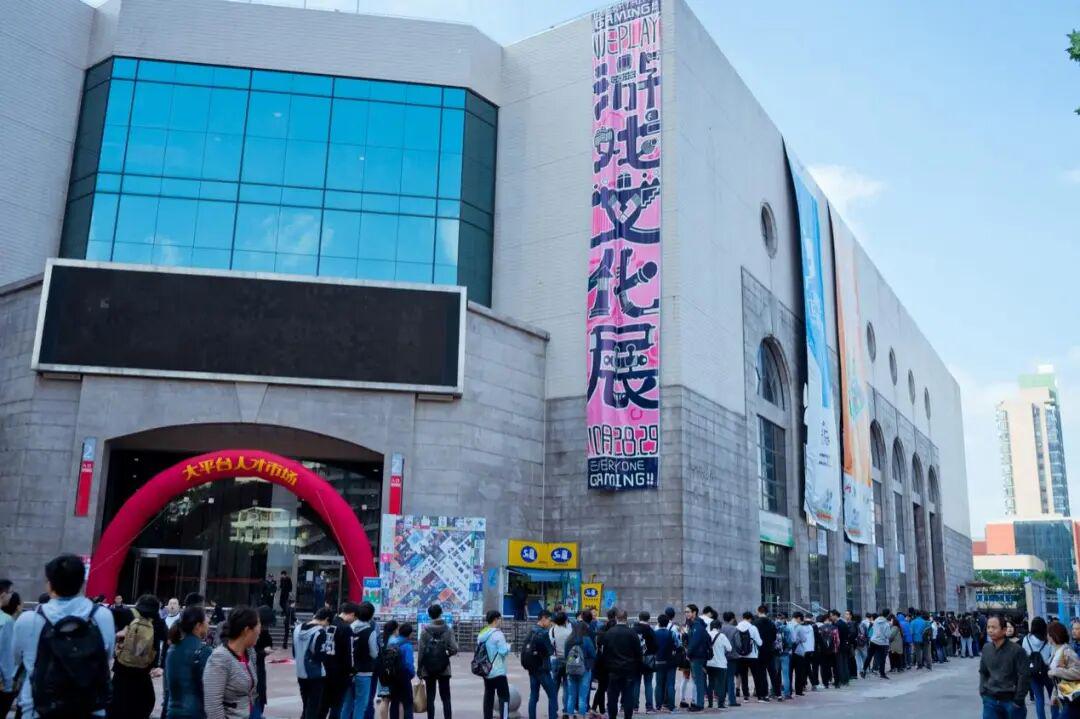
2017 WePlay Gaming Culture Expo
“I just felt I needed to be a little bolder. If we had gone ahead with that trade show in 2017, we would have used up all the funds we’d saved up. Should we do it? I still think we should take that risk.”
Simon’s reasoning behind WePlay is clear: to complete the ecosystem, you need not only a great product but also a strong user base and market. Over the past two years, the developer community has already built up a solid foundation; now, we need to tap into the consumer market.
His point of reference is PAX in the U.S., which focuses primarily on game content releases and new products, and fosters a vibrant atmosphere for indie games and gaming culture. “I think China needs a more authentic gaming expo—one that centers on showcasing and experiencing games, along with elements related to gaming culture. This would better highlight the inherent quality of games and provide a space for more developers, industry professionals, and users to connect.”
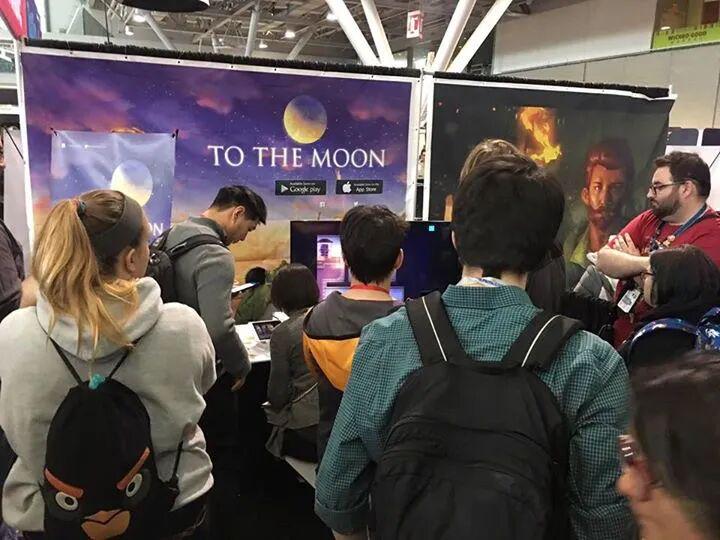
In 2017, with the support of TapTap, CiGA led a delegation of Chinese indie game developers to exhibit at PAX in the United States.
Launching the exhibition meant an exponential increase in workload. For the first event, Fangkuai Games provided crucial support, but due to limitations in manpower and budget, Simon practically single-handedly handled the entire operation—he handled vendor recruitment, setup, and on-site execution, and took care of the overall design, stage logistics, guest invitations, the awards ceremony, and even emceed the event himself. Aside from two or three friends who pitched in at the last minute, he did it all on his own.
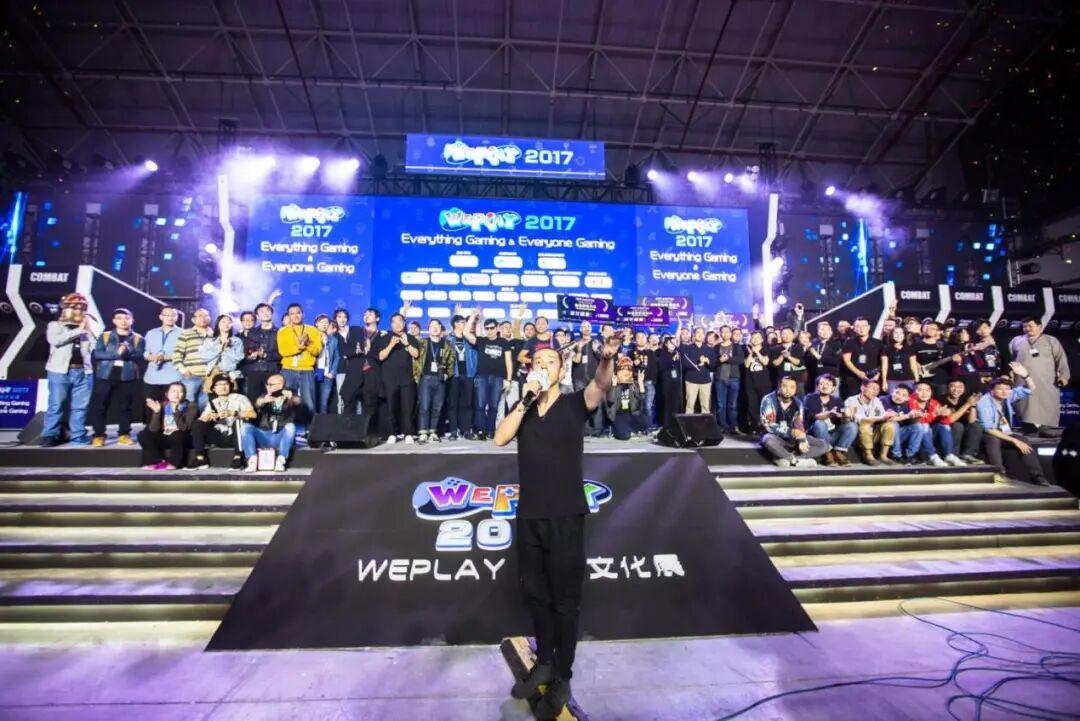
Scene from the 2017 WePlay Culture Expo indieplay Awards Ceremony
The biggest challenge lies in breaking new ground. Simon has to talk to a lot of people about something they’ve never seen before, explaining what the event is and why they should come.
But Simon still managed to put together a lot of great content. The first edition saw high international participation, with guests including Taro Yokoo, producer of the "NieR" series; Peter, producer of New Zealand's "Mini Metro"; representatives from indie MEGABOOTH, a prominent North American indie game event brand; key members and content from Japan's Bit Summit; and Polish developers who brought games like "Ruiner," which have gained some recognition in the industry…
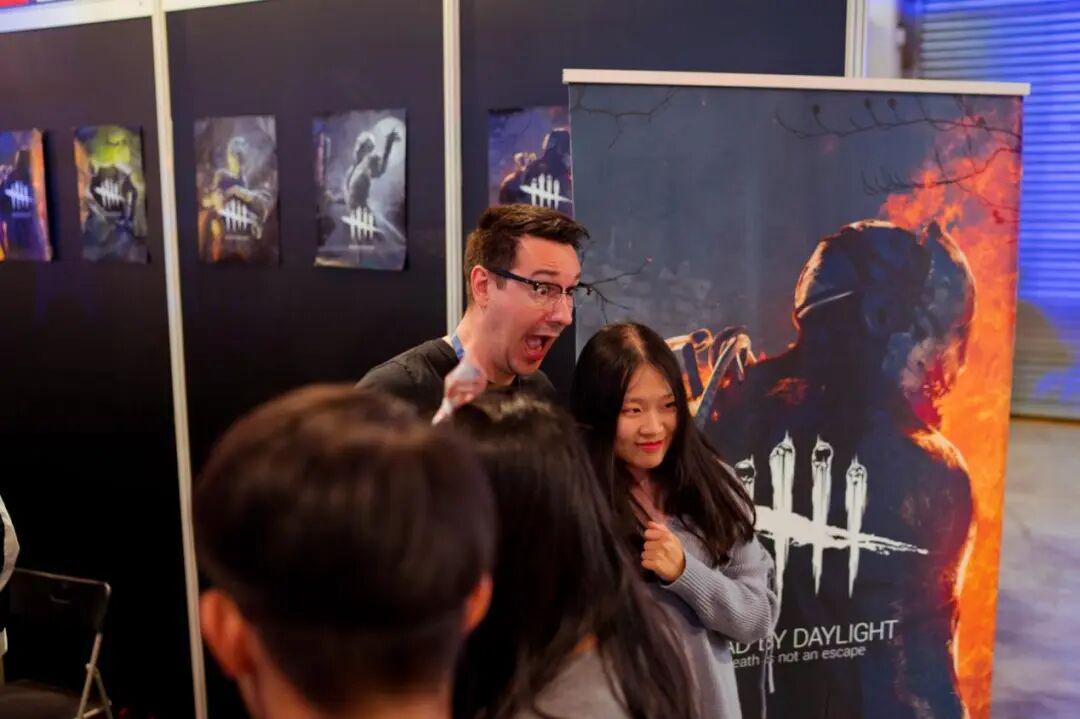
Scene from the 2017 WePlay Cultural Exhibition
Later, someone came across photos from the first year and saw Taro Yokoo standing there. They remarked, “This exhibition is so impressive—they even managed to bring Taro Yokoo here—but it seems not many people in the industry knew about it.”
03
If we can't guarantee the quality, we'd rather not do it.
Simon doesn't like repetition; even though resources are limited, he wants WePlay to come up with fresh, eye-catching content every year.
In 2018, WePlay moved to the International Procurement Center in Putuo. That year saw a major event: the Chinese premiere of *Sekiro: Shadows Die Twice* took place at WePlay, drawing a massive crowd that packed the venue so tightly that not a single person could squeeze past the stage. The marketing director who took the stage that day, Taida Kitano, later became the producer of *Elden Ring*.
The list from that year was a long one: the actor who played Connor in *Detroit: Become Human*, the studio behind *Rusty Lake*, the developer of *Dead Cells*, the producer of *Florence*, the publisher of *Shovel Knight*… PC Gamer’s editors spent two full days on-site checking out Chinese indie games.
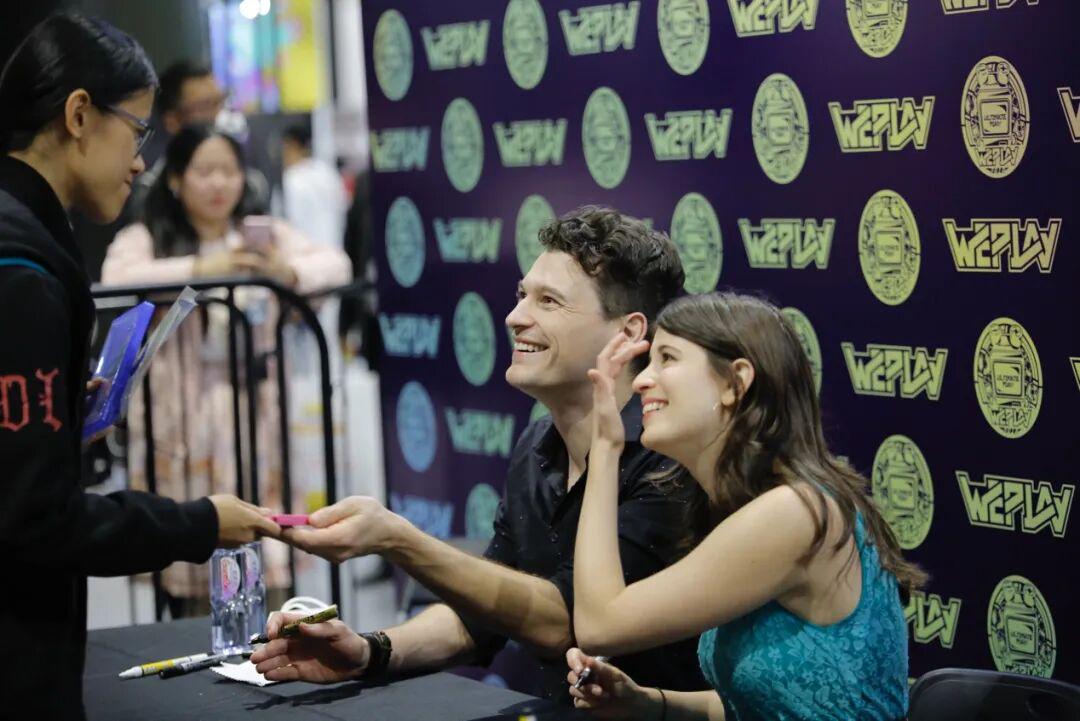
Bryan Dechart, the actor who played Connor in the 2018 WePlay adaptation of *Detroit: Become Human*, and his girlfriend
Representatives from Nintendo of Japan’s indie game division have also visited. They are a classic example of this—Simon had been trying to invite them since 2016, and they finally came in 2018. At first, they came to assess the local developer ecosystem and content, and later began visiting every year. This is typical of how Japanese companies operate—they take their time to warm up to things.
In 2019, Simon led a group of independent game developers from China to exhibit at the Bit Summit in Kyoto; the exhibition and networking opportunities proved to be very meaningful. Early the following year, Nintendo opened direct applications for Switch development kits in mainland China.
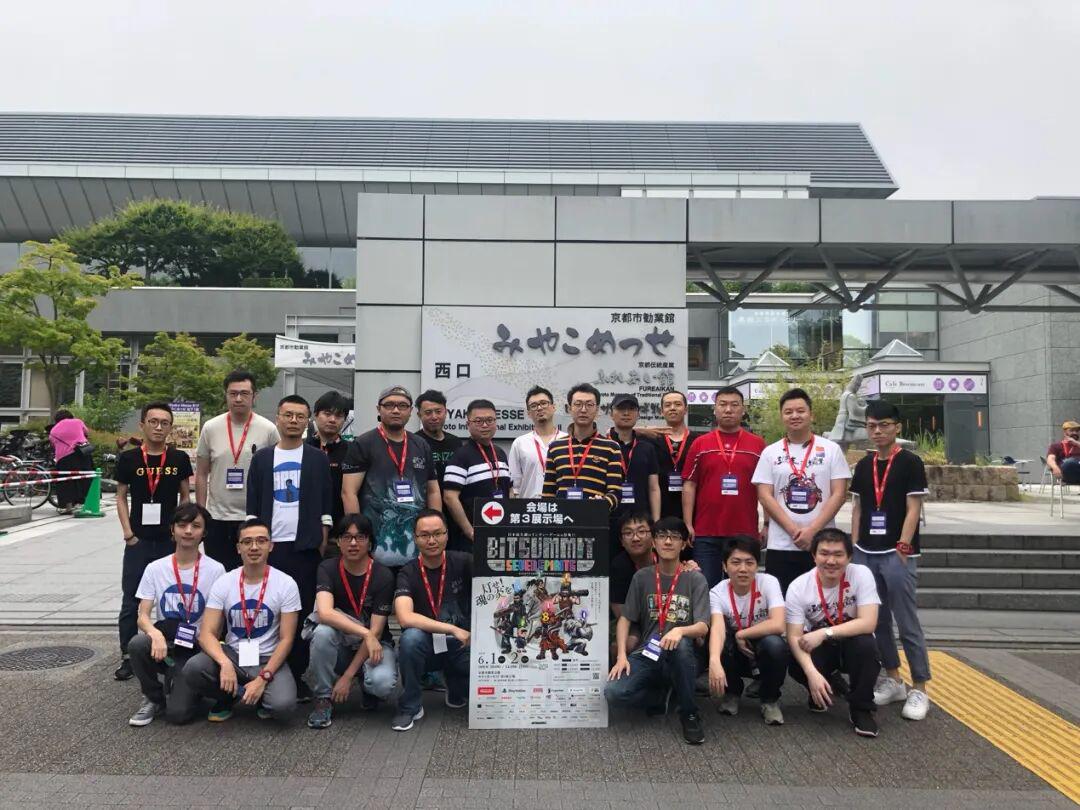
2019 bitsummit
In 2019, Simon did something truly bold—he organized a large-scale symphony concert. The idea came from the Polish Embassy; that year marked the 60th anniversary of the establishment of diplomatic relations between China and Poland, and the Polish Ministry of Culture wanted to host a major event. Since video games are a hallmark of Polish culture, they decided to put on a symphony concert.
Someone from the embassy asked Simon if he was interested. He had never organized a symphony concert before, but he agreed without hesitation. “Music is a vital part of gaming culture, and there are far too few events like this in China. No matter what, we have to make this happen.”
In terms of the tracklist, about half of the music comes from *The Witcher 3*, with the rest from games by 11 bit Studios and Techland. But Simon felt something was missing—given the establishment of diplomatic relations between China and Poland and the event being held in Shanghai, it didn’t seem right to have no Chinese games at all.After much deliberation, he decided that the music from *The Legend of Sword and Fairy* was the best fit. He approached Softstar to discuss licensing rights, enlisted a friend to help arrange a symphonic version, and specially produced a video to accompany the performance, which was presented as a final surprise during the live event.
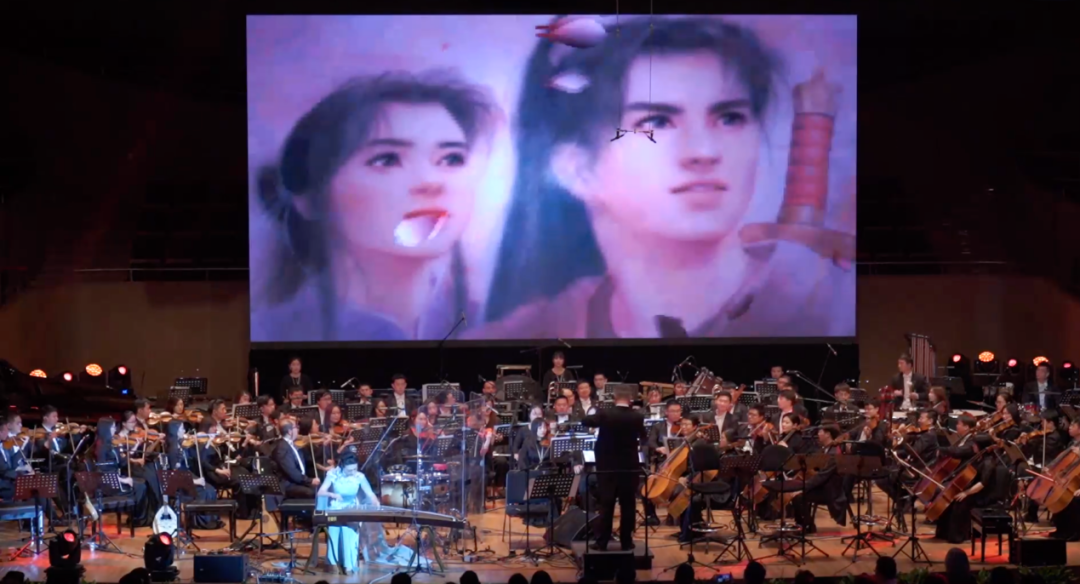
2019 Innovation Poland: Endless Fun Concert
It’s actually very difficult for a single concert featuring a hundred-piece orchestra to break even, but Simon still gave it his all: “My philosophy is that if I’m going to do something, I have to ensure it’s high quality; if I can’t guarantee that, I won’t do it.”
The tight schedule was also a physical challenge for Simon. The concert was scheduled for the day after WePlay ended, and Simon pulled two all-nighters in a row: first, he stayed up until midnight dismantling the exhibition, then rushed to the concert venue to set up, tune instruments, sync the metronome, welcome the band, rehearse, and edit videos… After the performance, he needed to present flowers to the artists, but there weren’t enough people, so Simon rushed backstage himself. It was exhausting. But he found all of this exhilarating.
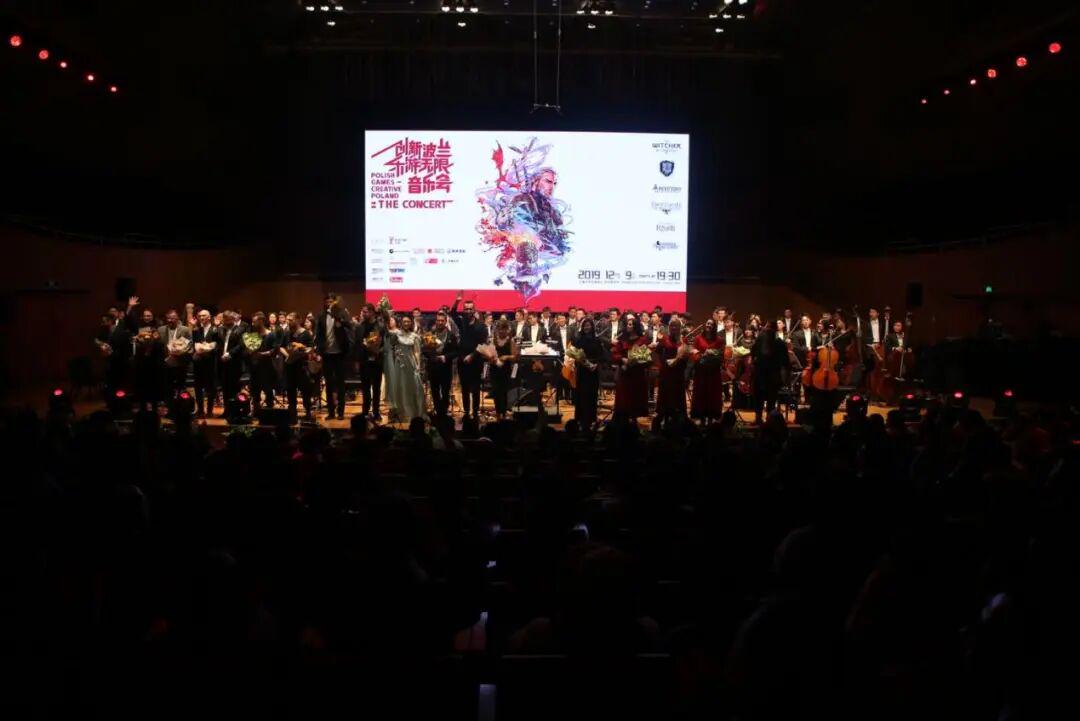
2019 Innovation Poland: Endless Fun Concert
2020 was a unique year. WePlay managed to pull off the event, but guests from overseas were unable to attend in person and had to join via video link. That year, Simon spoke via video link with Atsushi Inaba of PlatinumGames and Yoshitaka Murayama, the producer of *Fantasy Water Margin*, who has since passed away.
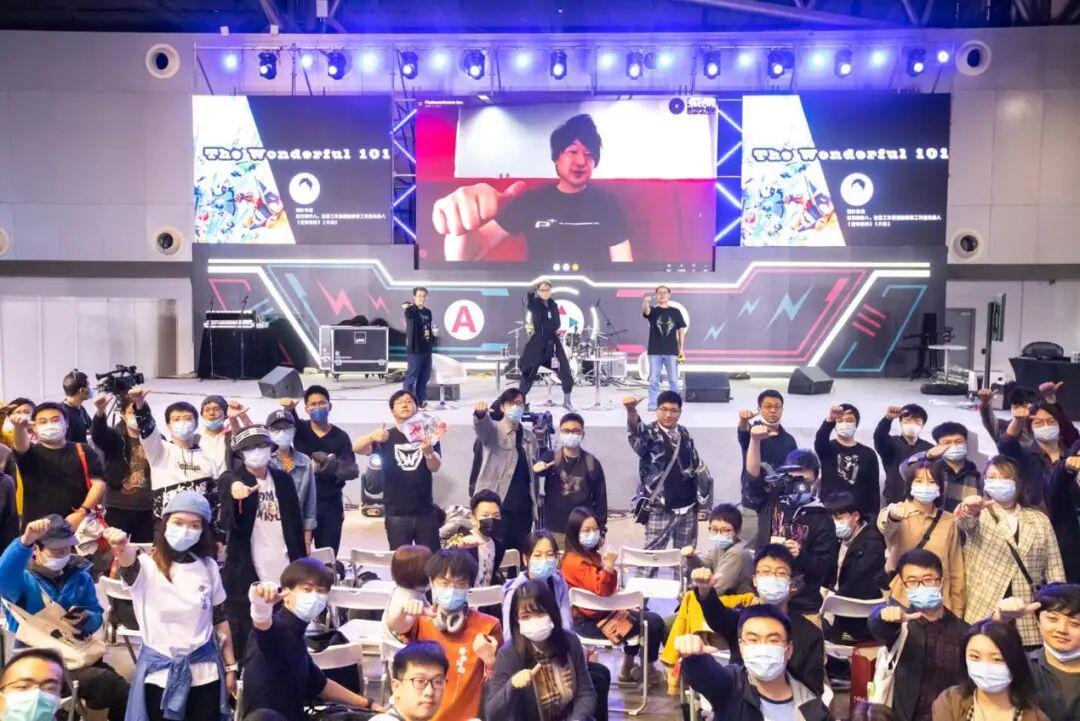
Live Interview with Atsushi Inaba of PlatinumGames at the 2020 WePlay Culture Expo
By 2021, in-person large-scale events had come to a standstill. Simon had already secured a venue for WePlay and finalized the list of exhibitors, but was later forced to cancel everything. In the end, the event was held online for just two days.
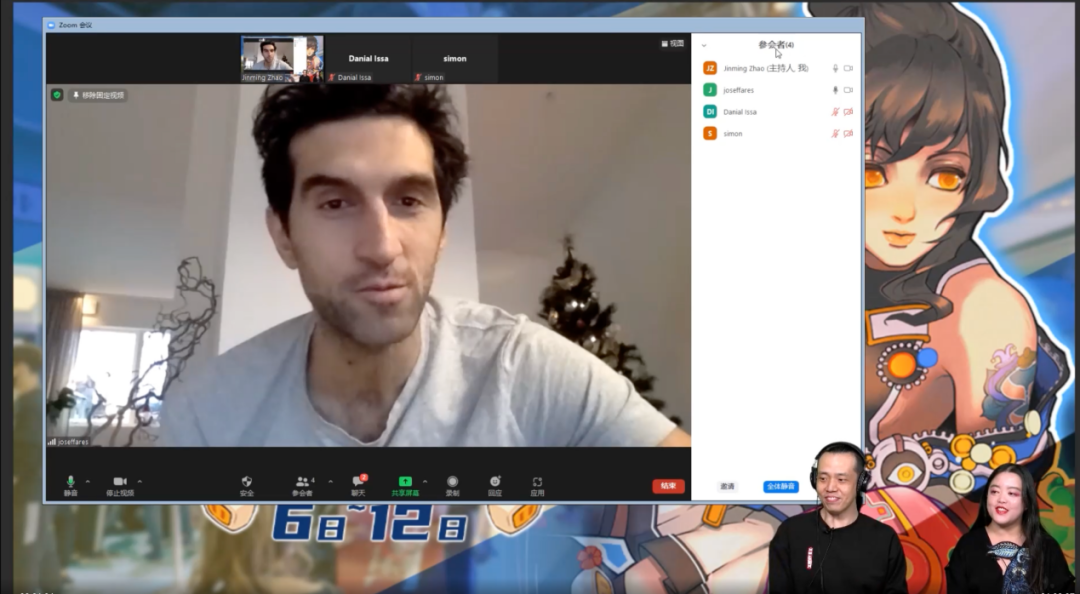
2021 WePlay Culture Expo: A Conversation with *It Takes Two* Producer Josef Fares
That year actually featured the most high-profile guests: Hironobu Sakaguchi, the creator of Final Fantasy; Josef Fares, the producer of It Takes Two; Hideki Kamiya; Kazutaka Kodaka; and others. The schedule had been fully planned out, but since they couldn’t attend in person, we had to switch to an online format.
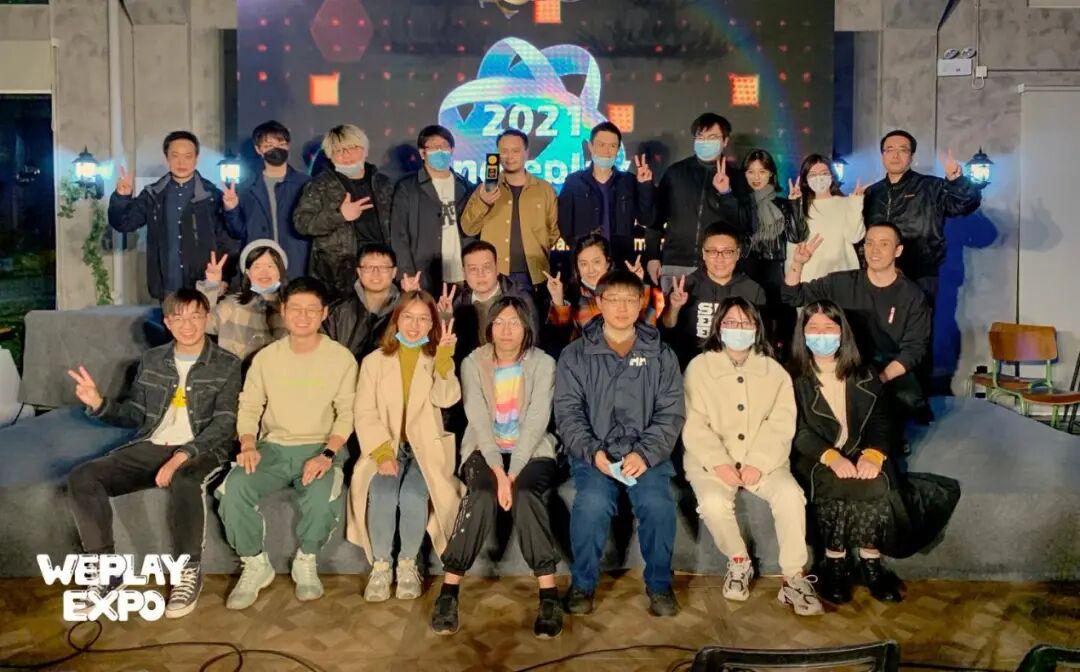
Scenes from the 2021 WePlay Cultural Exhibition
But Simon insisted on holding a small indiePlay awards ceremony in the lobby downstairs. “I wanted to keep at least a small part of it going. There’s still a tiny spark. I’m not dead yet—at least I still have this.”
Despite such a difficult year, Simon launched a new business venture—he teamed up with partners to establish UGDAP, the University Game Developers Alliance.
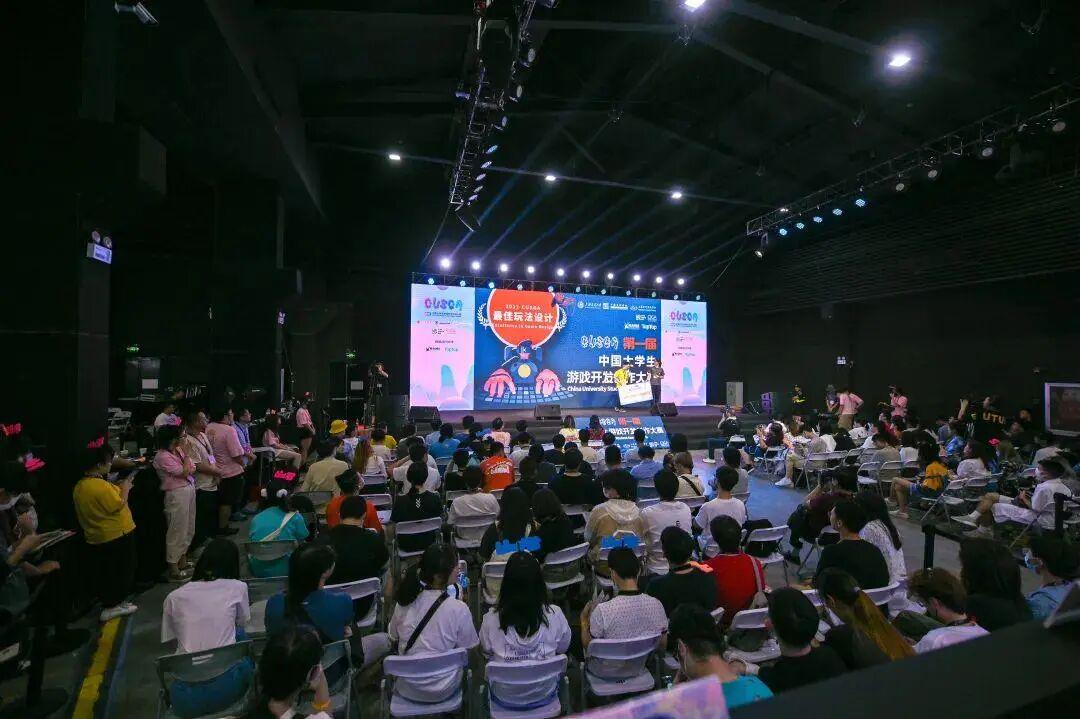
“I felt the time was right to focus more on college students.” His observation was that game development education in Chinese universities is still in its infancy; while it covers some theoretical concepts, it lacks practical guidance on how to develop a game from scratch. Moreover, there is a severe lack of foundational education and awareness across the entire game industry. “How can people interested in game development break into the industry? How can they build their skills and grow? There’s a gap in this process. I felt I could fill that gap, so I decided to take on this challenge.”
Today, UGDAP has begun to bear fruit; its associated event, CUSGA (College Student Game Development Competition), has expanded to over 430 universities and receives more than 500 entries each year.
In 2023, in-person events resumed. By 2024, the WePlay exhibition had expanded to 11,000 square meters, and by 2025, it had grown even further to 17,000 square meters—completely sold out and with a density beyond imagination. In terms of content volume, it likely equaled the capacity of three or four halls at other exhibitions.
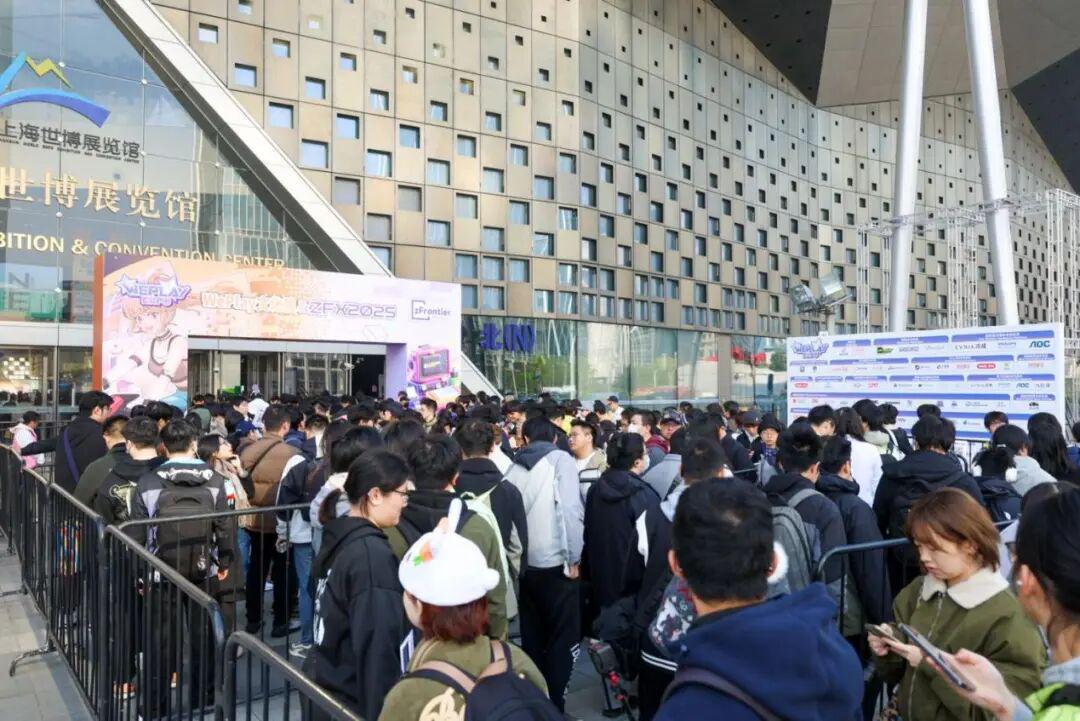
2025 WePlay Cultural Exhibition
It is only now that Simon feels WePlay has “begun to realize the vision we had from the very first edition.”
04
Rolling forward like a ball of yarn
Simon is what most people would call a workaholic; he consistently gets very little sleep, averaging only four or five hours a day.
His body has developed a certain rhythm. If he needs to get up early—for example, at 6:30 a.m. during a trade show—he’ll wake up at 5:30 a.m. without needing an alarm. Sometimes, if he realizes he hasn’t prepared for something, he’ll even wake up suddenly in the middle of the night and get up immediately to jot it down.
Over the years, very few team members have been dedicated exclusively to event planning, with fewer than five full-time staff members. Yet the workload these individuals handle each year is simply overwhelming.
Simon used a ball of yarn as an analogy—it’s like countless strands of thread intertwined; it’s hard to untangle, so you can only keep rolling it forward, and the more you roll, the bigger it gets, and the more things pile up.
Once WePlay wraps up each year, the work doesn’t stop. First, we need to compile the data: How did the previous year’s event go? What issues arose? Once we have the data, we need to produce an event report and prepare marketing materials and event overviews for the following year.
At the same time, we need to start thinking about next year’s schedule. When should we set the dates? Venues need to be booked a year in advance; if we wait too long, they’ll be gone. We also need to keep an eye on industry trends over the next year and consider the general direction we want to take, as well as what unique initiatives we can pursue.
It could be said that the wrap-up of WePlay is, in itself, the starting point for the next edition. As one exhibition comes to a close, the next one is already on its way.
And WePlay isn't the only one.
Once the November WePlay event wraps up, we’ll immediately turn our attention to the January Global Game Jam and start planning the national events.Registration for the college student competition opens in February and March. Registration for the indiePlay competition opens in April and May. At the same time, we need to start preparing for the management of the mid-year Game Jam sites; there’s also the organization and registration for overseas group exhibitions, as well as the implementation of the mid-year college student game development competition. Meanwhile, information about WePlay must be disseminated, and planning and coordination for much of that year’s WePlay content must be carried out, with sponsor recruitment proceeding in parallel… A massive amount of tasks is beginning to overlap.
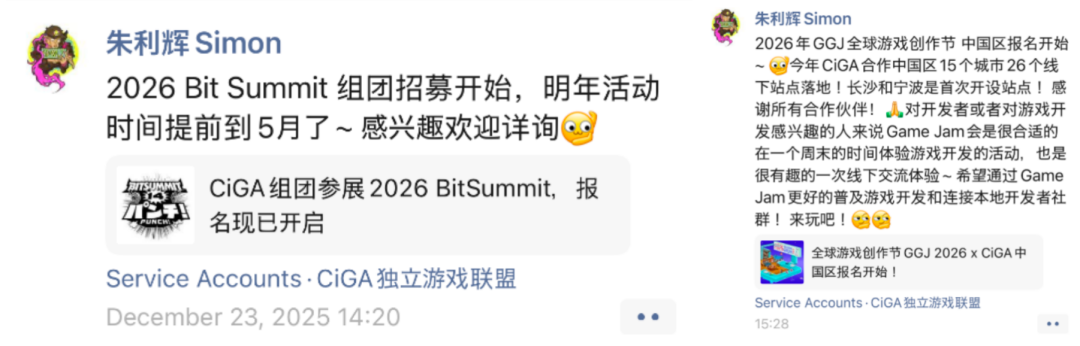
Simon's Moments
By June and July, Simon will be organizing some industry events—in-person gatherings and developer meetups. He’ll also be leading delegations to various exhibitions: Should we go to BitSummit in Japan? What about BIC in South Korea? If we do go, that means coordinating logistics, preparing materials, and finalizing itineraries. By this point, WePlay will have already received a significant number of registrations, so we’ll need to start thinking about: Who should we invite as speakers? How should we design the stage program? What topics should be covered at this year’s developer conference?Who should speak? What topics should the domestic developer community be familiar with right now? How can this year’s online portion of WePlay deliver even more value?
As part of a small team, he has to handle all the small but necessary tasks related to HR, finance, administration, and other areas on his own.
These matters are all tangled up like a ball of yarn and need to be addressed simultaneously.
It wasn’t until September or October that we finally entered the period dedicated solely to WePlay. With the exhibitor list mostly finalized, we threw ourselves into preparing everything for the event. Then came the setup and takedown in November, followed immediately by the next round of the Global Game Jam in January.
“One thing after another,” Simon said. “When I stop to think about it, it feels like the year has flown by.”
With so many tasks to juggle at once, Simon has to keep a dozen or so threads running simultaneously on a daily basis, and during peak times, that number can exceed thirty. He usually has dozens of windows open on his computer—each one representing a different task—and he dares not close any of them for fear of forgetting something. Whenever he sees a window, it reminds him: “Oh, I need to take care of this.”
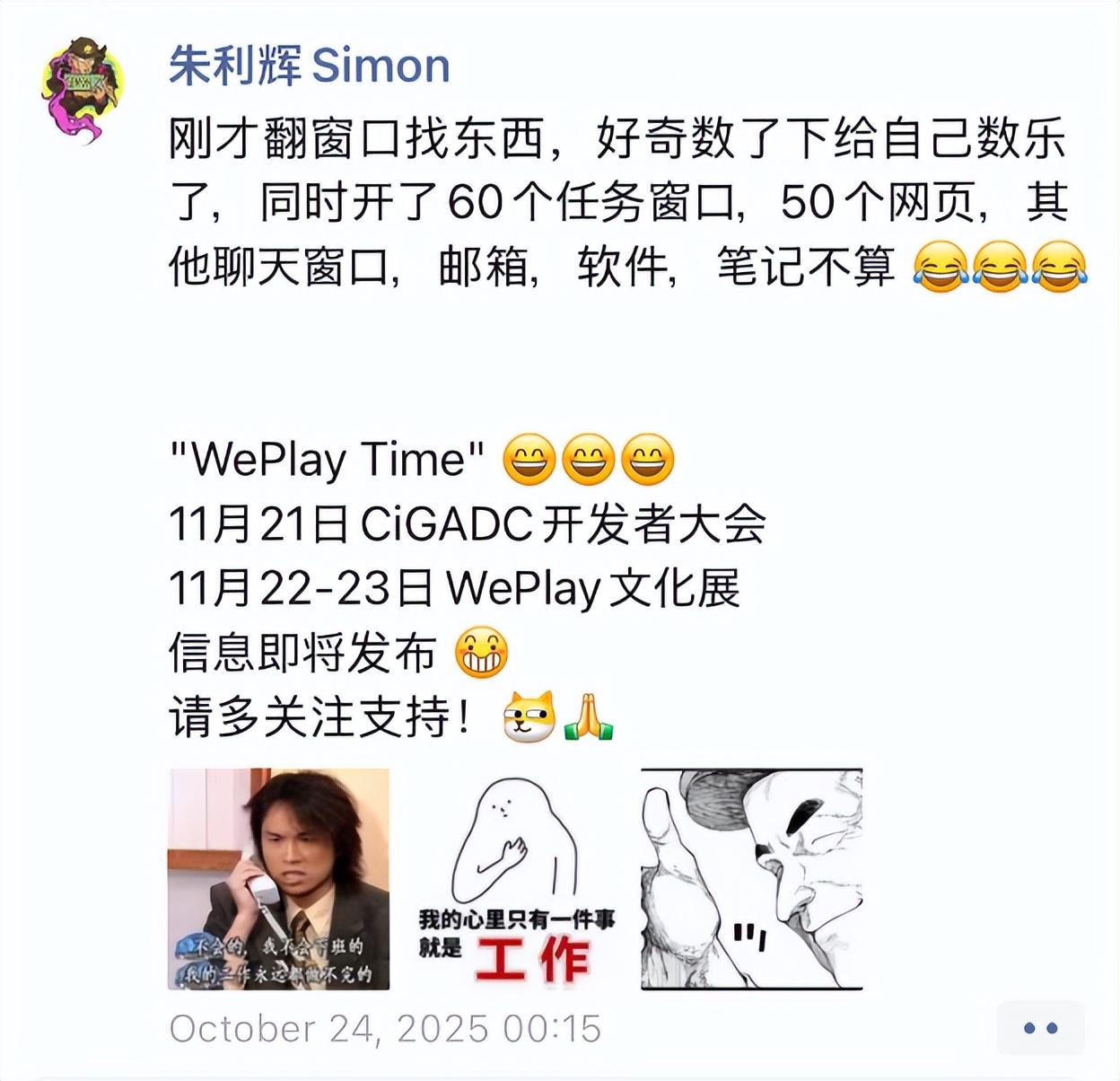
Simon's Moments
Notes on commonly used tools can provide some insight into the state of work during the year. This year, my to-do list is 20% to 30% longer than in previous years; starting three months before the trade show, I’ve had over 120 items on my list every month.
He handles many things himself: “Since there’s little time for trial and error, I have to find the most effective solution as quickly as possible and resolve the issue right away so I can move on to the next one. Otherwise, things just pile up. So I often do it myself because it’s the fastest way. Besides, if I’m not leading from the front, how can I expect the team to follow suit?”
05
Will you be doing this again next year?
The real toll isn’t physical; it’s mostly mental stress. Every year, Simon goes through moments that feel like “trials”—times when the mental pressure is so intense that his body reacts with chest tightness, heart discomfort, headaches, and sometimes a sense of disorientation.
In the two years leading up to WePlay, Simon has recorded a video of himself having a conversation with himself. Last year’s video included a quick-fire Q&A segment.
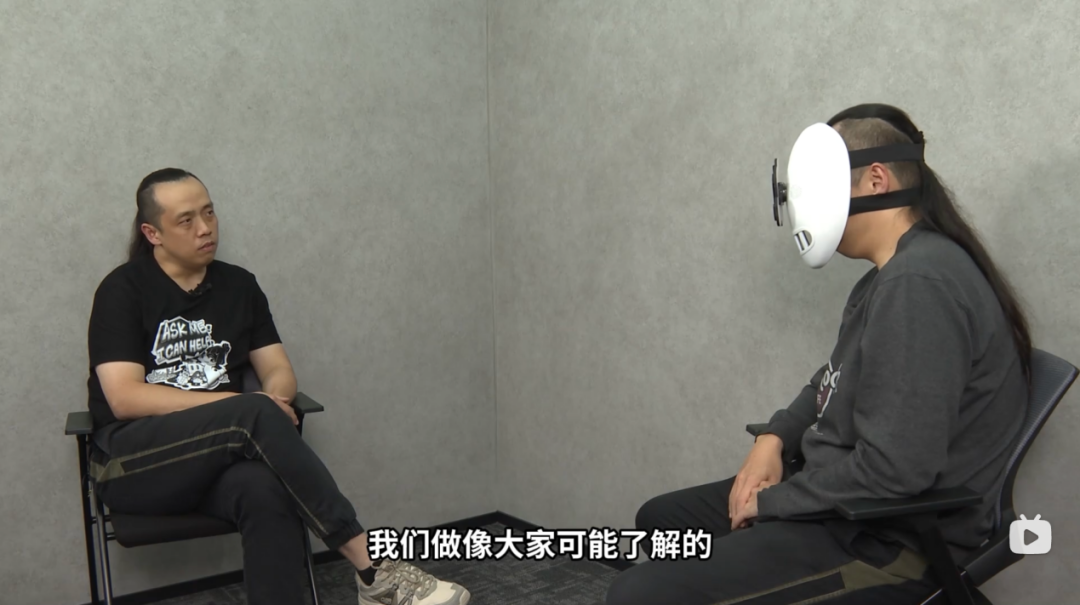
Are you tired? “Yes, I’m really tired every day.”
Is it tough? “To say it isn’t would be impossible. After all these years, I’ve had plenty of hardships to complain about. Of course it’s tough—in many ways.”
Does it hurt? “It hurts quite often. Whether it’s people or situations, life has taught me a lot of lessons. It hurts very often, and it hurts deeply.”
Is it profitable? “Events need to generate some profit to keep the team running. But from a business perspective, they don’t make much money. Events involve fixed costs, and when the content is too substantial and we go all out, the overall costs end up being quite high.”
Are you happy? “To be honest, I’m unhappy most of the time; the happy moments are few and far between. Once I get down to work, it’s nothing but worries and stress. When I get some positive feedback, that’s a small moment of joy—it gives my exhausted body a little boost of energy to keep me going.”
"Will I still be doing this next year? That's a question I ask myself every year. To be honest, I go through an internal struggle every year—sometimes it's just too hard, and no one understands. Plus, there are some really painful aspects of the market, so I really do find myself thinking, 'Maybe this will be my last year. I won't do this next year.'"
Organizing an event involves countless uncertainties. Every year, as soon as the event kicks off, they assume deep down that something strange might happen—just like Murphy’s Law: it would be a surprise if nothing went wrong.
Simon is someone who habitually manages his expectations; every year, he sets a worst-case scenario: what’s the absolute worst that could happen? For example, the event suddenly being canceled the day before it’s set to begin. When it comes to planning for the future, he usually doesn’t think too far ahead: “Simply put, it’s about making it to next year.”
This is no exaggeration; since trade shows involve nothing but fixed costs, they have to take on collaborative projects on the side just to break even. But these profits barely cover the team’s operating expenses, so they’d rather handle more work themselves than hire additional staff.
“Organizing all this is really exhausting. Especially in the month or two leading up to the exhibition, everyone is working at full throttle. To outsiders, it looks like things are in full swing. That’s true—it is in full swing—but you have to remember that we’re the individual pieces of firewood inside. Without the firewood, how could the fire burn so brightly?”
When Simon started organizing indie game events in 2015, more than 90% of the people around him looked at him with puzzlement: “What are you doing? Why are you doing this? Does it make money? What’s the point?”
Sometimes he feels confused: “Why am I the one doing this? I’m not powerful; I’m poor and have limited resources. Why am I the one taking on this project that’s so important for the environment and ecology?”
There is a massive amount of capital flowing through the entire industry every day. If even a small portion of that could be better invested in the ecosystem, wouldn’t the environment improve?
Eventually, Simon stopped expecting much. He told himself that even if he were the only one left on this path, he would keep going until he could go no further. “Doing what you can for the things you love—that’s basically what it comes down to.”
06
Little Moments and Testimonies
Although he approaches each year as if it were his last, there are little things that keep Simon going just a little longer.
Over the years, he has received messages of gratitude from individual developers: some decided to pursue a career in game development after attending CiGA events; others brought their parents to the venue and, after seeing the event firsthand, gained their family’s approval and support for their career choice… He has also observed players at the exhibition who exhibit signs of autism or emotional instability becoming more cheerful and confident because of their love for the games.
In 2024, he recorded a video expressing his exhaustion. That year, at the expo, a gamer approached him in person to encourage him, hoping he would keep WePlay going, and they even made a promise. “My eyes welled up at that moment, but I couldn’t let anyone see.”
“Actually, when it comes to the work we do—whether it’s CiGA or the College Student Game Development Alliance—my motivation comes from these small things, these little moments. Some developers have told me that they feel this community gives them the energy they need to keep doing what they love.”
Over the years, he has seen so many people and teams, and witnessed the ups and downs of so many industries and circles. Some started making games back in their student days and went on to become renowned producers and lead teams; some grew from a team of two to over a hundred people; some left the industry and stopped making games altogether; some went their separate ways after their games became successful; there were industry hustlers and scammers; and there were those who turned to the dark side…
The advantage of building a platform and ecosystem is that you gain access to a wealth of insights and information. In the early stages, there’s bound to be some uncertainty and internal friction, but eventually, you come to terms with yourself and are able to observe and navigate these experiences with greater objectivity—all of which are simply part of the industry’s evolution and the way the world works.
Over the past decade, the industry has undergone significant changes. The Steam Marketplace has become a relatively mainstream and well-known PC gaming platform, with a substantial increase in domestic users and major companies entering the market. Users have begun to develop a willingness to pay, and society’s perception of gaming is also evolving.
Simon has clearly noticed that the new generation of developers is getting better and better. Their college competitions often invite well-known producers to serve as judges, and recently, some of these producers have occasionally remarked in amazement, “They all call us ‘teacher’ here, but everyone’s work is incredibly impressive.”
Simon has mixed feelings. He is optimistic about others in the industry who are truly getting things done. But when it comes to himself, he tends to lower his expectations and remain objective.
“You’re asking how big this exhibition will be next year? I never make predictions like that. All I can say is: I hope to be around next year. If we’re able to hold it, we’ll do our best to make the content great—so that, at the very least, everyone who attends feels the experience and content were worthwhile and that they got something out of it.”
“Next year will mark the tenth anniversary. You ask me what I’m thinking? First and foremost, I just want to stay alive—I need to make it through to next year. Then I’ll get this whole thing back on track.”
07
Paranoia and Conviction
Simon said he’s not a fan of empty slogans. Do as much as you can, but make sure you give it your all every single second—don’t hold anything back. If you do, you’ll end up with regrets later in life.
When he first went to the U.S. to attend GDC, it felt like a pilgrimage. Even back then, he was wondering, “Where exactly is our own work that can compete on the global stage?”
More than a decade has passed. From dragging a suitcase to GDC on his own, to the 17,000-square-meter WePlay venue; from just over 100 entries to more than 600 for indiePlay; and from Game Jams in four cities to over a dozen—though it’s been exhausting and tough, he calls it his adventure with video games.
“Even if I’m the only one on the road, I’ll keep going, just like this, until I can’t walk anymore.”
It was Monday when we finished talking—the day after WePlay wrapped up.
We organized a team dinner that evening, and after it ended, Simon went back to the office to work late, staying busy until nearly midnight. He also arranged for a colleague to go to the hotel early the next morning to see off the Rusty Lake team, as they had an early flight to catch.
Just before 1 a.m., Simon suddenly sent a message to his colleague: "Oh no, I forgot to bring that deer-head mask."
The deer-head mask is an iconic prop from the game *Rusty Lake*, and it was specially crafted for this event to coincide with *Rusty Lake*’s appearance. He wants to have the game’s lead creator, Robin, sign it so he can hang it in the office.
My coworker said, "Why don't you just send it to me via Flash Delivery?"
He said, "Never mind, it wasn't meant to be. We'll talk about it another time." The mask is at the office, which is quite a distance from the guest hotel.
At 7:30 the next morning, my colleague arrived at the hotel and turned around to find Simon standing behind her—he had gone to the office early that morning to pick up a mask and had arrived even before she did.

A deer-head mask signed by the *Rusty Lake* team
A colleague later told me, “He just has that kind of determination and conviction.”
原创文章,作者:游茶妹儿,禁止转载:https://youxichaguan.com/en/archives/195244