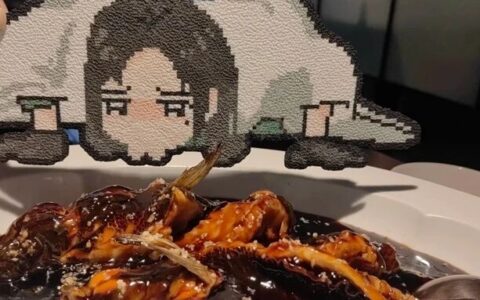
During the Starry Wonderland theme season in September 2020, *Brawl Stars* introduced a new hero named Colette.According to the lore, she is an avid fan of many Brawlers, loves everything about Star City, and dreams of one day becoming just like the people she admires. After her release, however, the topic players discussed most wasn’t her power level, but her entrance line: “Brawl Stars Forever!”
Compared to grandiose rhetoric about soaring through the skies, down-to-earth, heartfelt expression is often the best way to convey one’s emotions.
On October 17–18, 2026, the Last Chance Qualifier (LCQ) for the 2026 Brawl Stars World Championship was held at the South China Agricultural University Gymnasium in Guangzhou.NAVI from EMEA swept Team Heretics 3-0 to claim the LCQ championship and the first ticket to the Tokyo Finals; Team Heretics, having fallen into the losers’ bracket, subsequently defeated KDS 3-0 to secure the second ticket to the world stage.Both teams will carry the hopes of their respective regions and fans as they head to Tokyo in November.
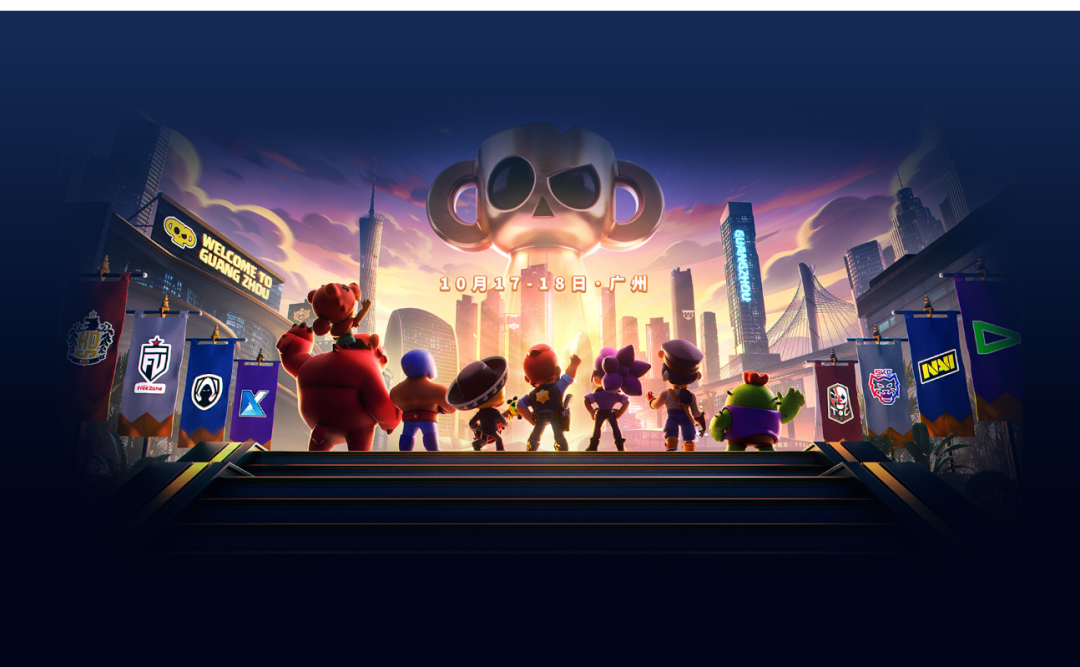
Teahouse Jun believes that no matter the outcome of the match, the moment they step out of the venue, Colette’s lines will echo in every player’s mind once again.
For the first time, it has truly landed in China
Over the past seven years, the *Brawl Stars* World Finals have traveled to Busan, Bucharest, Paris, Jönköping, Helsinki, and Stockholm, spanning all major regions.In a previous media interview, Kim Jensen, Head of Esports at Supercell, described the Guangzhou leg as “this year’s LCQ will make history by becoming China’s first true international *Brawl Stars* esports tournament.”
But an international tournament isn’t held in a particular city for no reason. In the more than six years since the Chinese server launched, Supercell has actually been accelerating its efforts to integrate its ecosystem in China.
The Chinese version of *Brawl Stars* launched in June 2020. That same year, the Chinese team NOVA made its debut at the World Finals;At the 2021 Bucharest Finals, three major Chinese teams—NOVA, Trick of China, and TIG Origin—competed side by side. In the years since, although the Chinese region has undergone adjustments to its qualifying slots, it has never been absent from the international stage. Among them, Trick of China is TOC, one of the two Chinese main teams competing in this year’s LCQ.
By 2026, the Chinese region had secured a permanent spot in the world championship.As early as this year’s Brawl Cup in Berlin, the teams Ace Xero and Toxic Lotus represented China in competition. Now that the LCQ has come to Guangzhou, TOC and Ace Xero are once again competing on home turf. Having its own independent qualifier region has made CNBS a full-fledged part of the global *Brawl Stars* esports ecosystem (BSC).
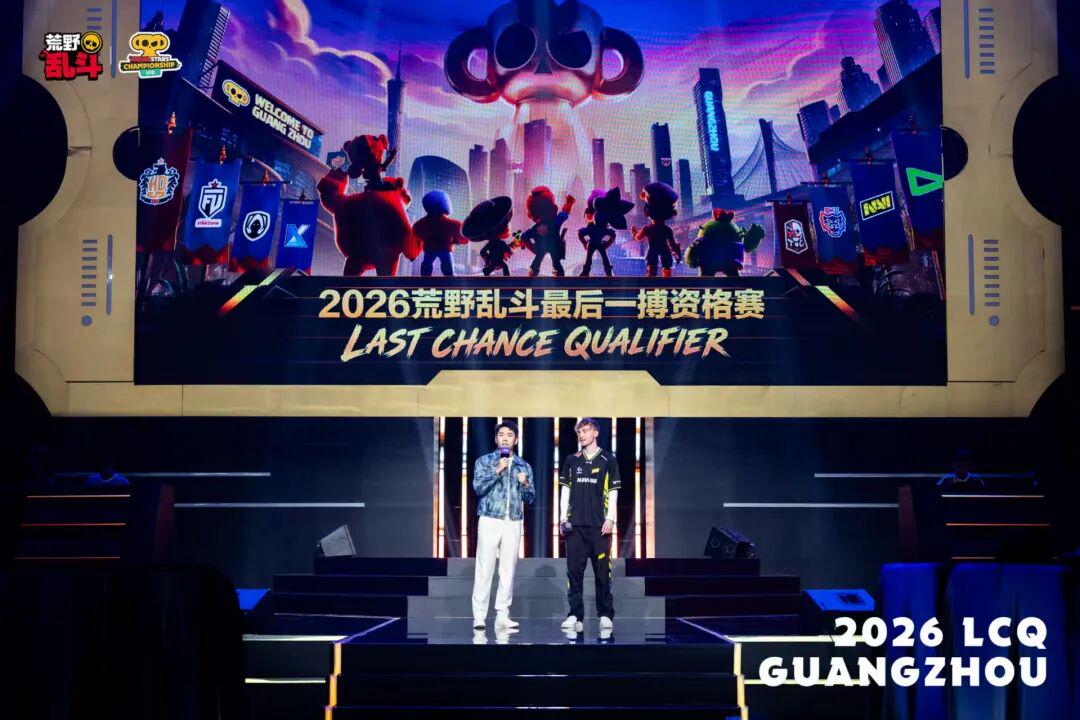
Late last year, Supercell announced that the 2026 BSC would visit three brand-new countries: Berlin in May, Guangzhou in October, and Tokyo in November. The first two stops have already taken place as promised, and Guangzhou was the first Chinese city included in this announcement.
Long before the event took place, preparations at the ecosystem level had already begun. On November 8, 2025, at the Supercell Super Play Night—also held in Guangzhou—Tamara, Head of Business Development and Partnerships, announced that the China Creator Program would undergo a comprehensive upgrade in January 2026, expanding to cover all of the company’s games. Concurrently, a content creation support initiative would be launched, including the establishment of a Creator Academy, the provision of a more comprehensive toolkit, and the creation of a creator community.
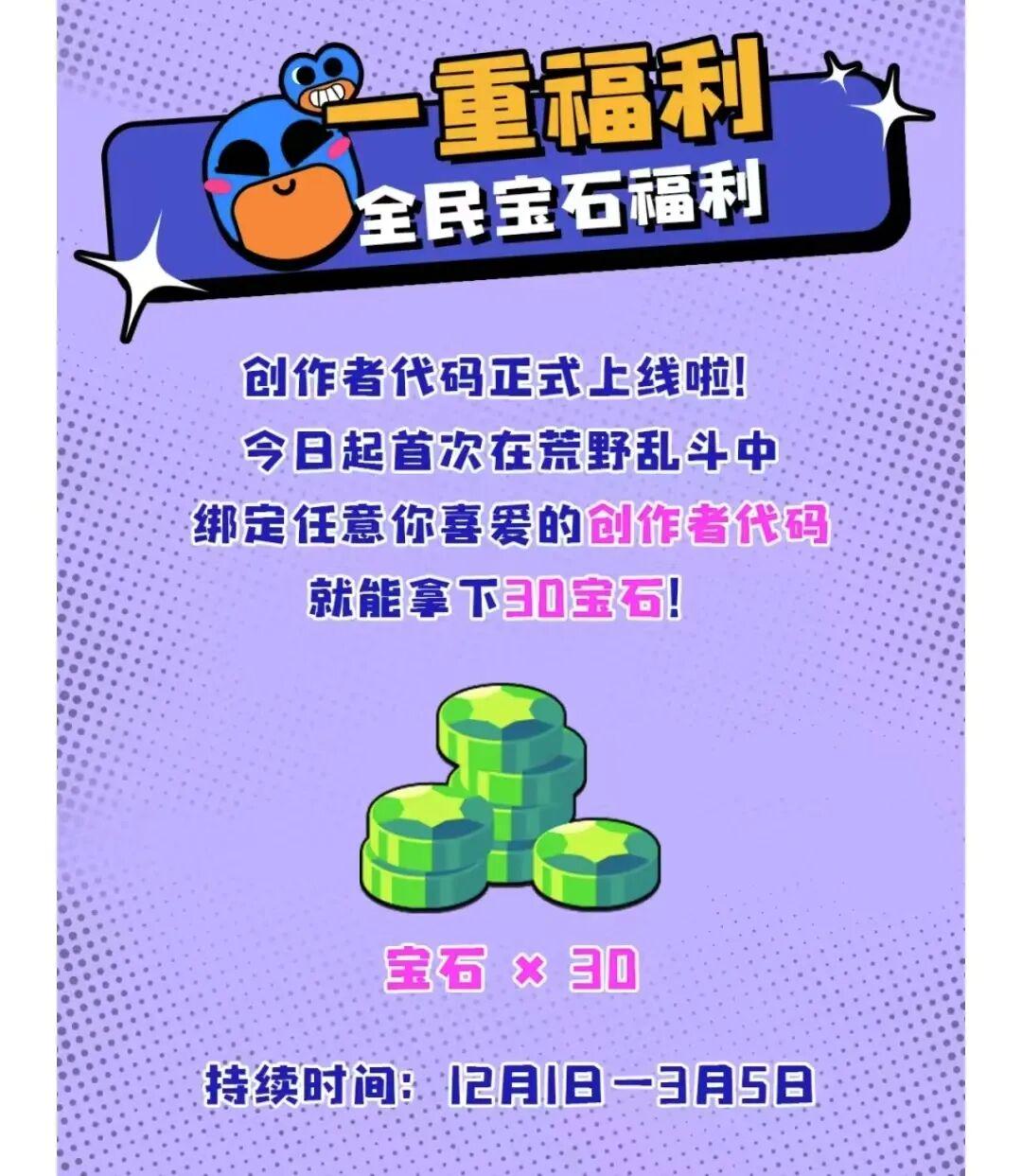
Soon, on December 1, 2025, *Brawl Stars* officially launched its Creator Program, allowing players to enter supported creator codes in the game, while creators could earn a share of the revenue from in-game purchases.
These seemingly small gestures are gradually building out the *Brawl Stars* ecosystem in China, ensuring that Chinese players are recognized and integrated into the global network of content creation and esports.And when these long-term efforts combined with the cheers of the live audience, the LCQ Guangzhou event became a testament to a mutual connection, with the players’ unstinting love for the game holding everything together.
The passion in the arena—concrete and real
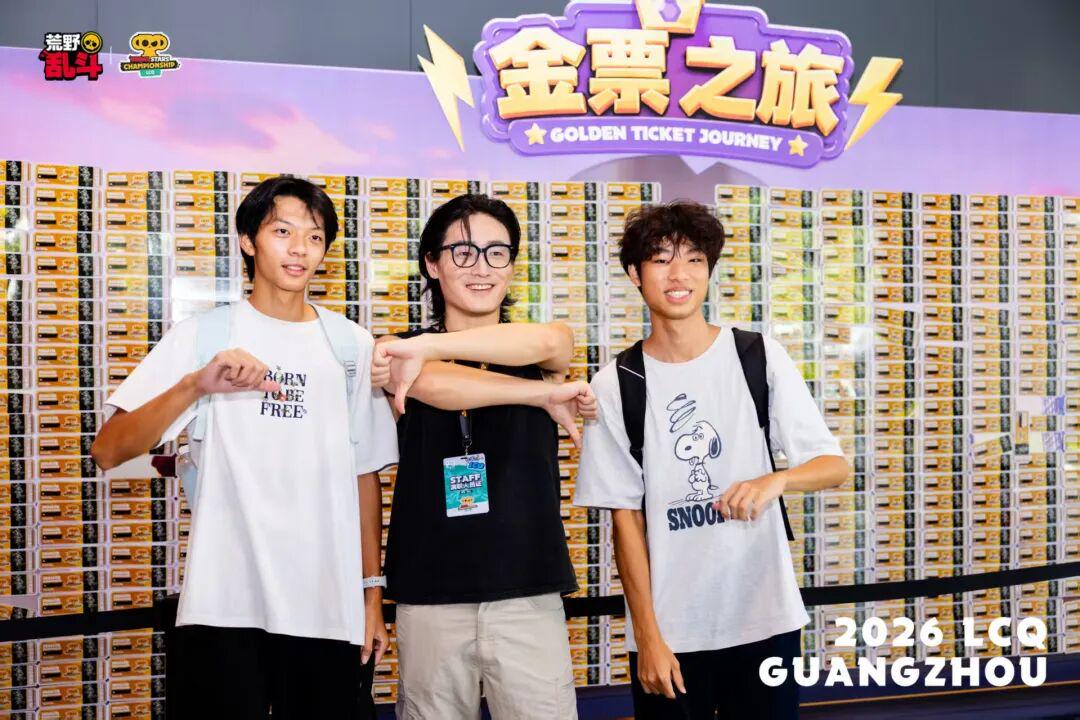
The competition venue has undergone a complete transformation, turning it into a meticulously designed game world. A giant, silent Spike spreads his arms to welcome every player, while the Brawl Gold Voucher Wall is already decorated and waiting to be torn open to reveal surprises.while areas like “Gem Battle” and “Brawl Basketball” bring classic in-game gameplay to life offline, transforming them into photo spots that offer the most immersive and authentic experience—just as if you’ve truly stepped into Star Wonderland.
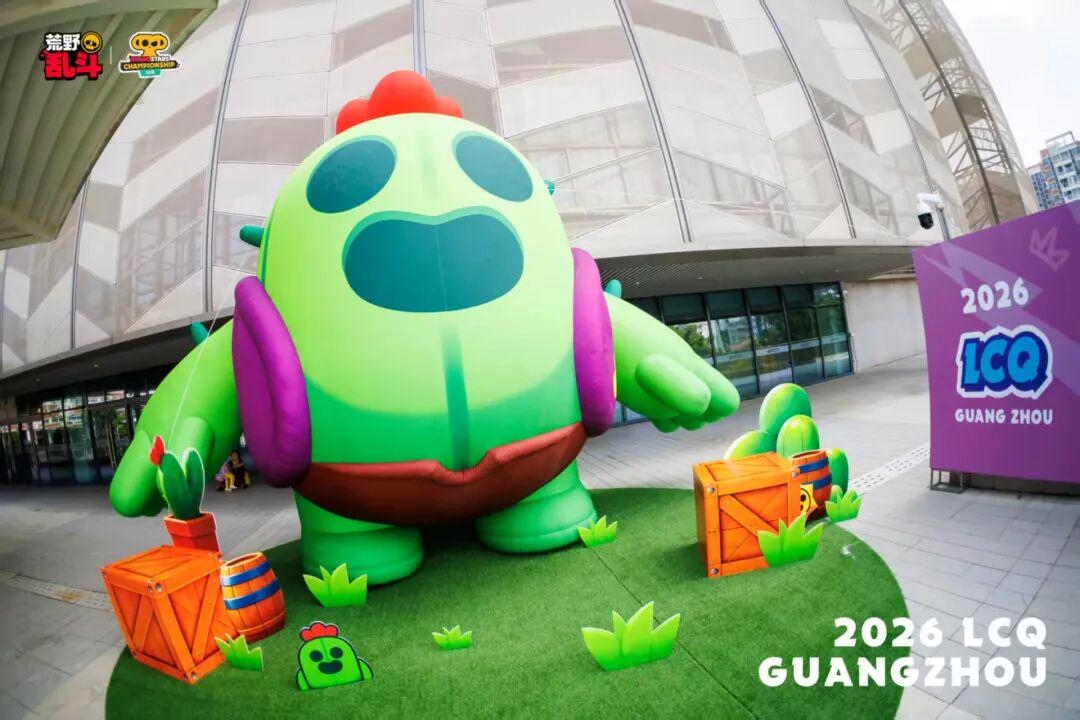
The excitement inside the venue doesn’t stop there. After six years of operation in China, *Brawl Stars* has fostered a self-sustaining and highly mature fan-created content ecosystem among its player base.
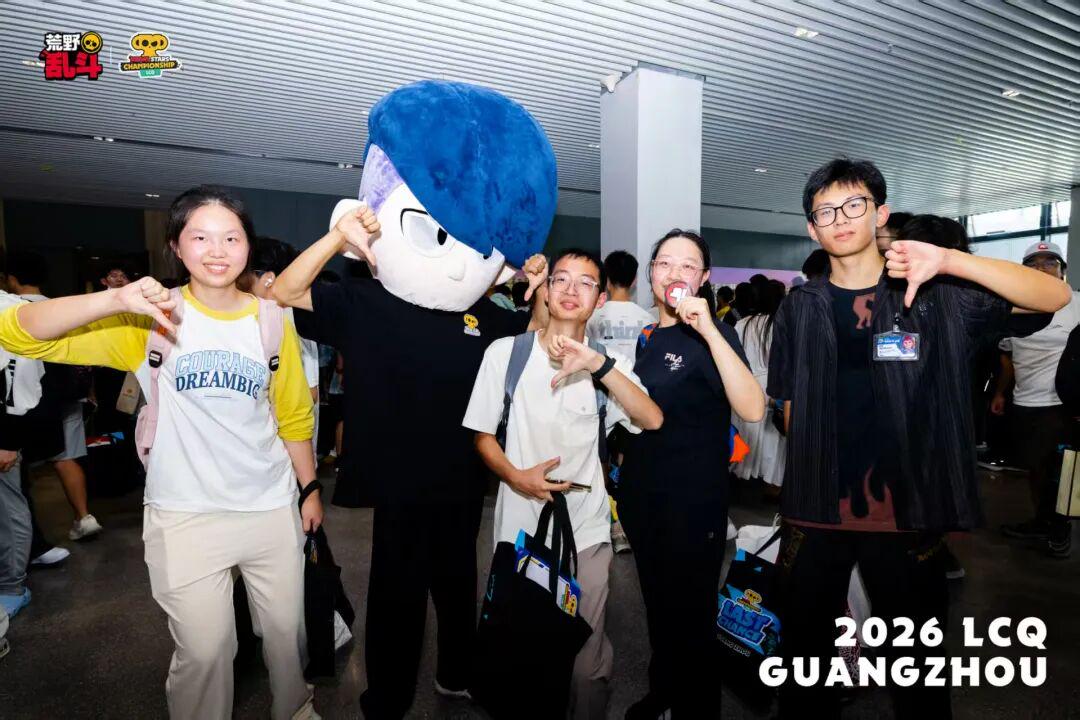
During a match, players can send emojis, and the red thumbs-down is the most popular among players because it’s so mocking.but if you ever let your guard down and disable it, a Bull teammate who charges into the fray with ten gems and a cooldown timer will instantly turn you into a fan of the red thumb.The players who carry this emoji and love to send it while playing brainless heroes to wipe out the enemy team are none other than the “most popular” Raider Trio among the player base: Mortis, Alf, and Edgar.
Among them, Edgar earned the nickname “506” because, during his reckless youth, he once declared—to a young student who admired him—“I, Edgar 506, am the invincible Tyrannosaurus Rex god.”So not only do players in the arena give Edgar the thumbs-down when they see him and take photos with him, but when a competitor picks him during a match, it sparks applause and jeers from the crowd during the ban/pick phase. Win or lose, the moment Edgar takes the stage, there’s only one thought in everyone’s mind: “Boring~.”
“Magic is powerful, Hammer Guy is a lucky charm,” “Who does the best Pepe cosplay in *Brawl Stars*?” If you’re a veteran player from the game’s early days, these inside jokes will instantly transport you back to when you first got hooked. This tournament features top *Brawl Stars* content creators like Wanderer and Weichard.From the very beginning of the game’s launch, they dedicated themselves to content creation and community building out of pure passion. With their entertaining personalities and high-quality videos, they provided a space for early players to connect. These creators—who have been deeply committed to the game for years, are full of inside jokes, and foster a sense of belonging among players—are a testament to the maturity of the Chinese region’s ecosystem.
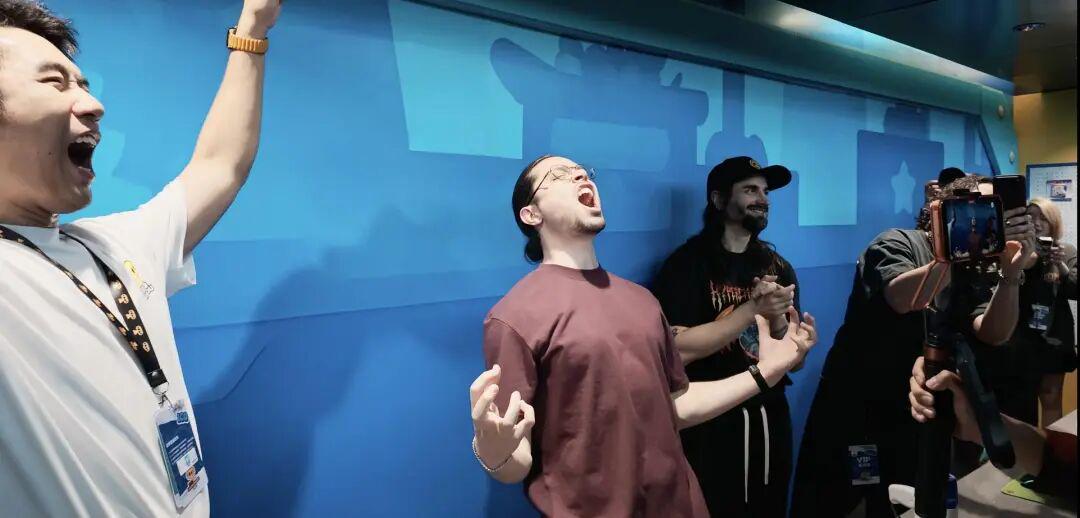
Community managers Marzio and Dani had already visited China to interact with players at last year’s Super Play Night, so naturally they weren’t going to miss such an important tournament. For two days in a row, they were at the venue interacting with players, without putting on any airs as official representatives.
“Brawl Stars” has a regular update show called “Brawl Preview.” Ever since “Hyper Charge” was introduced, whenever a new hero is announced to receive Hyper Charge, Marzio always roars out “Hyper Charge!” with his signature growl.” Because of the sheer volume and exaggerated emotion, it’s incredibly catchy and addictive—so much so that players have even created compilations to enjoy over and over again. At this live event, fans in the audience cheered him on, urging him to roar it one more time. Marzio didn’t hesitate to oblige, and the moment he let out that roar, the crowd erupted in laughter and cheers.
When players dare to cheer and heckle during a match, and the manager happily plays along—this lighthearted, two-way interaction is what best captures the warmth of the *Brawl Stars* community. No matter how big the international tournament may be, it simply brings these shared inside jokes and memories to a brighter stage.
At the entrance to the venue, some fans spontaneously set up cardboard boxes filled with TOC merchandise and thoughtfully placed markers next to them.The cardboard boxes were neatly stacked with hand-drawn cheering signs and glow sticks; passing spectators could grab one and use a marker to write whatever message they wanted. Some wrote “Victory at Home,” while others wrote “Go TOC!”—it was immediately clear how much the local fans cared about their home team.
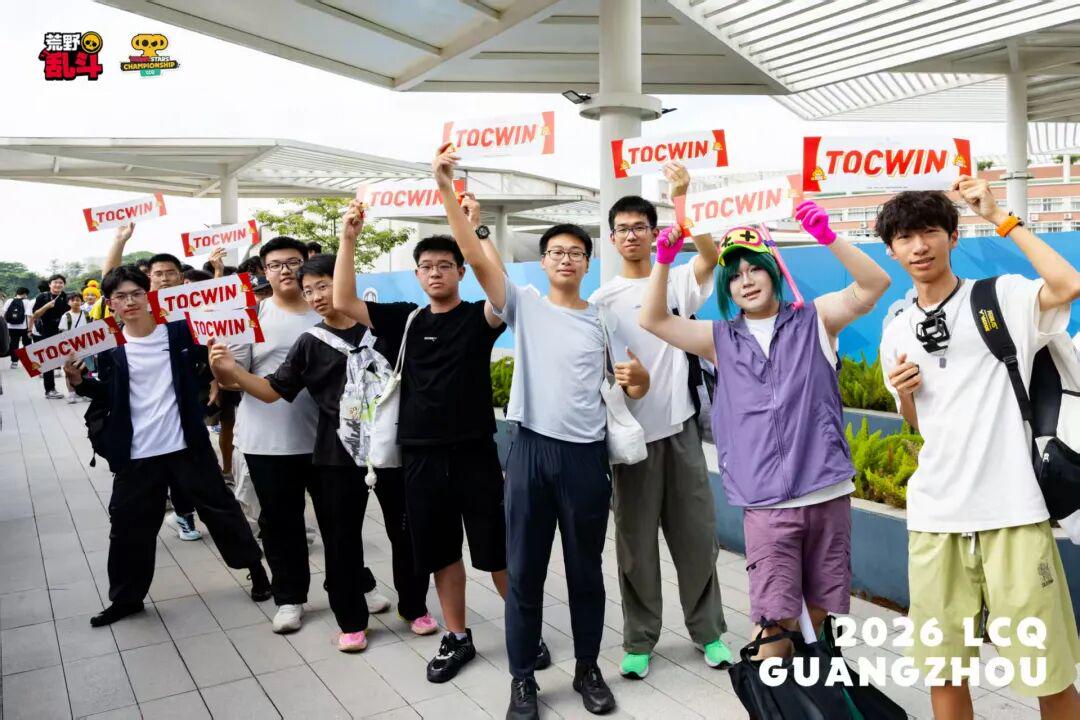
On the afternoon of the first day, the match between TOC and SKCalalas brought this support to a fever pitch. After a rough start, TOC lost the first two games, falling behind 0–2 and facing their first match point.The crowd fell silent for a moment, but there were no boos or impatient shouts. When TOC fought back to tie the match at 2–2, the entire arena erupted in wild cheers.Cheer signs in the stands were raised in unison; some stood up to applaud, others shouted out players’ IDs to cheer them on, but most simply stared intently at the big screen, afraid to miss a single move.
Although TOC ultimately suffered a narrow defeat in the decisive game, ending this back-and-forth battle with a 2-3 loss, the moment the final score was set, the arena erupted in a wave of unending applause.This was not merely a gesture of respect for SKC as the victor; more than anything, the fans recognized that, compared to the well-established club systems in other regions, Chinese players are willing to train day and night to compete for their country—a commitment that goes far beyond simply playing for the love of the game. CNBS is fortunate to have you.I, too, can only express my heartfelt admiration—a thousand words cannot convey my gratitude to the active players.
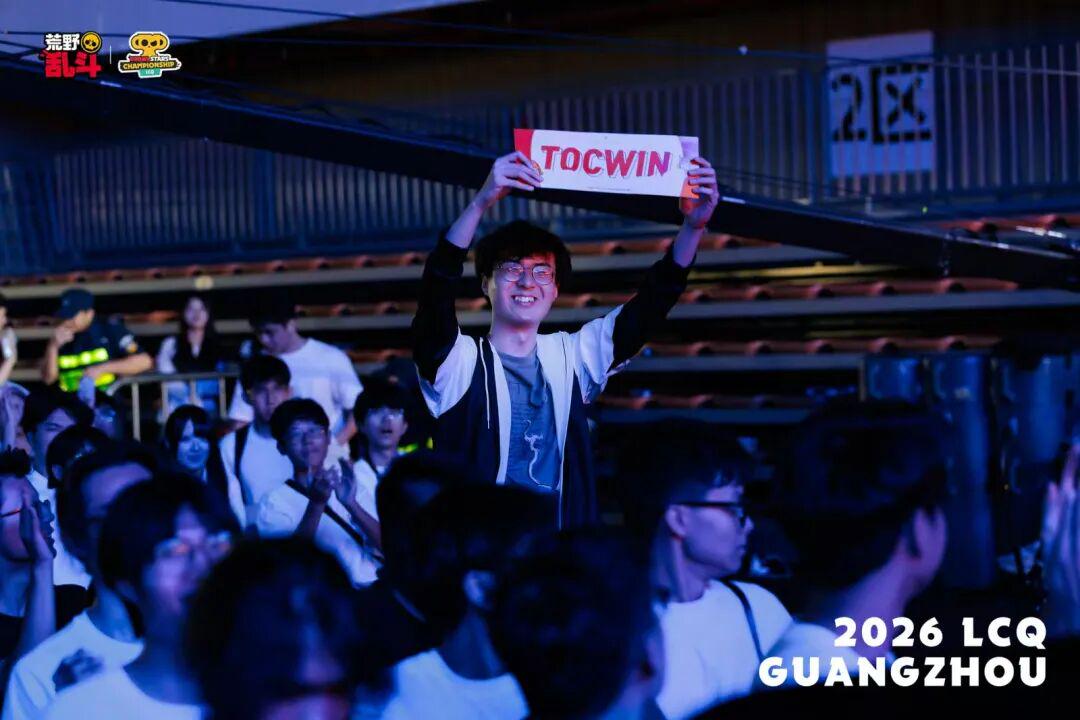
Another highlight of the event was the countless moments that only true gamers could appreciate.
Whenever Sejuani is picked during the draft phase, the audience around me instinctively shouts, “Midsummer!”; and when a player pulls out El Primo, even the commentators naturally pick up on the joke and call him “Rubber Man.”If a team is facing a match point and on the brink of defeat, yet picks a champion that isn’t strong in the current meta but is their signature pick, all that awaits them is thunderous applause and the respect earned from fans who’ve followed them all these years.
These moments need no explanation. Those who understand will smile knowingly, while those who don’t will still feel the excitement. It is precisely these shared moments—where no words are needed—that turn the word “passion” into something concrete and real. They also made me realize that the people sitting beside me weren’t just spectators; they were a group of people who had grown up alongside the game.
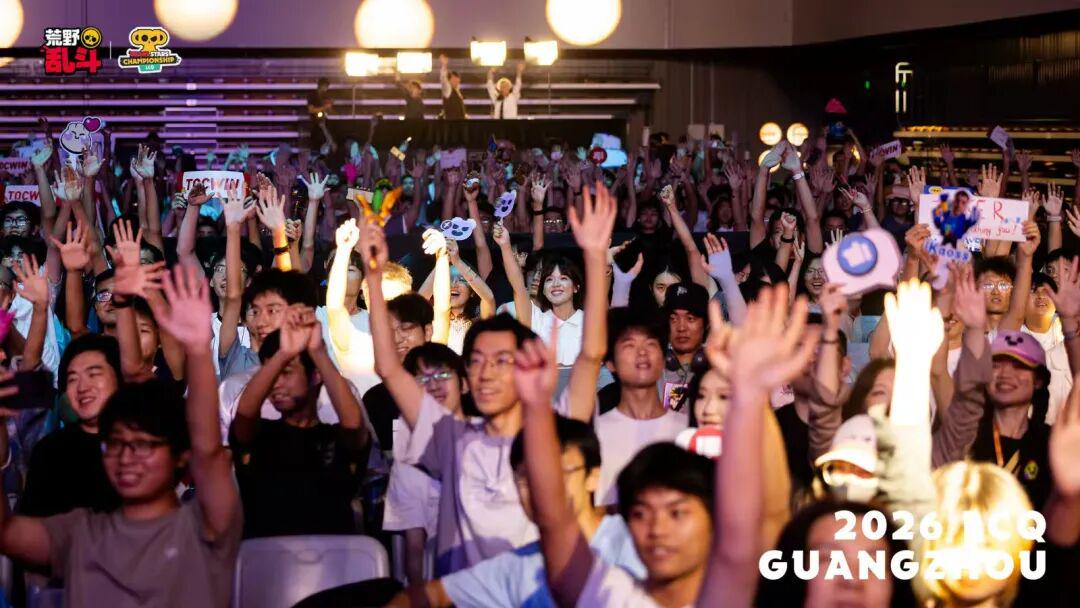
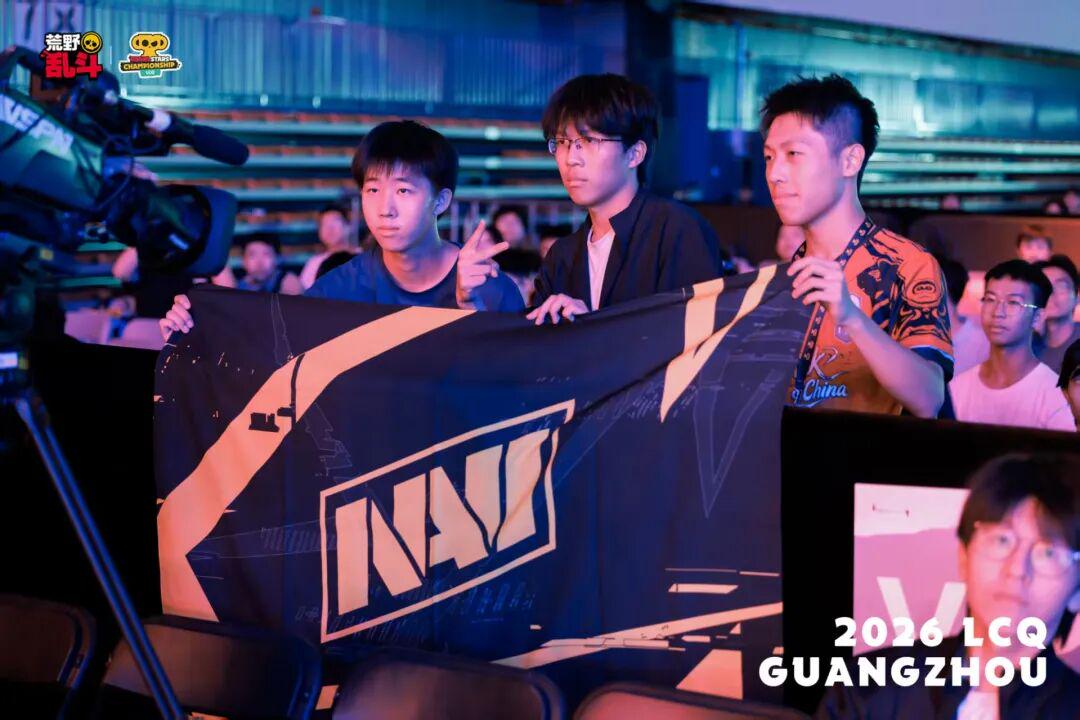
And here, passion knows no borders—not even between teams.Applause is never reserved solely for the home team. When a top international team like NAVI pulls off a spectacular play, the crowd erupts instantly; yet when their opponents stage a dramatic comeback and force a tie, the applause is just as generous.In the stands, some hold up TOC cheering signs, while others cheer wildly for game-winning plays by LOUD, SKCalalas, or Team Heretics.No one holds back their cheers just because the opponent is a foreign team, nor does anyone ignore a spectacular play simply because their favorite team is trailing. As long as the play is beautiful and the determination is strong, it will earn the most sincere recognition from spectators around the world.
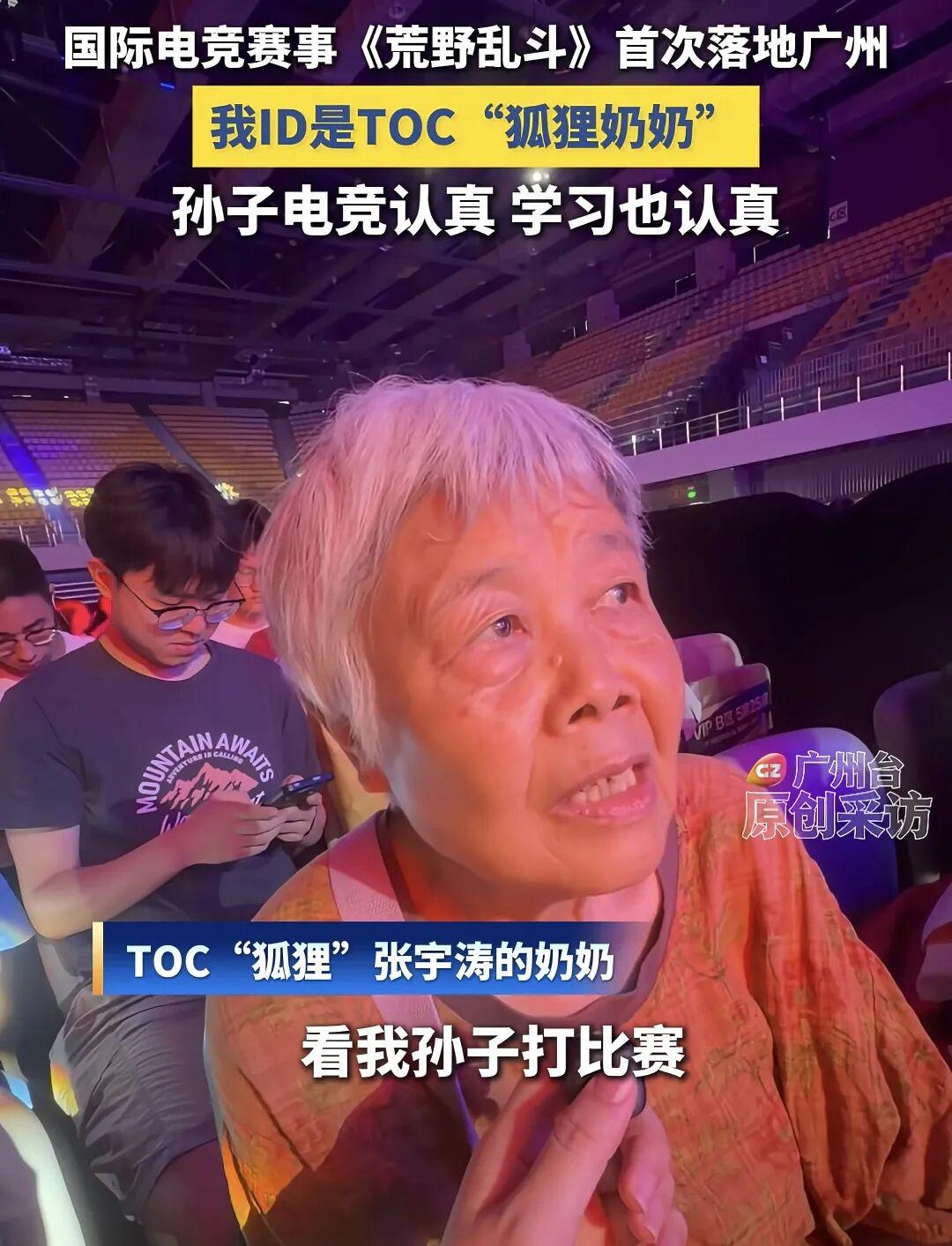
What was even more touching was that one competitor’s grandmother made a special trip to the venue to cheer on her grandson. She might not have fully understood the rules of the game or the topics the audience was discussing, but she knew her grandson was taking this very seriously and working hard—and the weight of that simple, heartfelt support was certainly no less than that of any cheering sign.Coincidentally, with the Asian Games just having concluded, esports is gaining visibility among a broader audience, and that passion is being passed down across generations. If this were a tokusatsu series, I think the power of this bond would already be unbeatable.
Failure Is Not the End
Although TOC and AXR, as the host teams, ultimately failed to advance—which was a disappointment—the significance of playing on home turf goes far beyond the score on the board.It allowed the players to feel the audience’s enthusiasm firsthand and gave the entire region a clear picture of the true gap between them and the world’s top teams. For China’s still-developing *Brawl Stars* esports ecosystem, this experience itself is the most valuable asset. True maturity comes from gradual progress through repeated home games and ongoing dialogue with the world.
For *Brawl Stars* players, the significance of this tournament extends far beyond the scoreboard. For many years, Chinese players have watched overseas tournaments through a screen, enduring the time difference across the Atlantic while silently cheering on their favorite teams as they competed abroad. Despite the game’s significant global influence, Chinese players have long lacked a live event that truly belongs to them.With this home-turf event, everyone can finally gather in person to express their purest love for the game face-to-face through cheers, support, and genuine enthusiasm. It is this immersive joy and sense of belonging that ensures, the moment the post-tournament withdrawal sets in, the only words echoing in their hearts will be: “Brawl Stars Forever!”
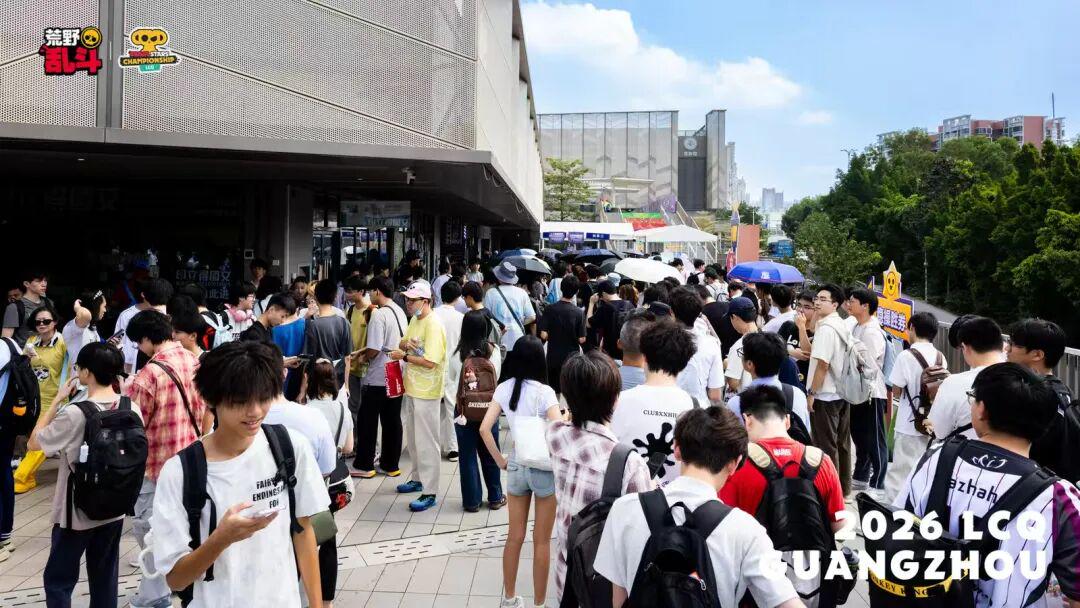
These past two days have also fully demonstrated that China’s *Brawl Stars* community has the qualities of a mature host. The venue was transformed into an immersive “Star Wonderland,” bringing the classic gameplay to life in its purest form. The audience remained quiet and refrained from booing even when the home team was trailing, and after a narrow defeat, they still applauded the spectacular plays of the strong international teams.Fan-created memes circulated naturally throughout the event, with creators interacting with the organizers throughout. Thanks to six years of ecosystem development and a deep bond with players, the Chinese community has now filled the final piece of the esports puzzle with an approach that is open, professional, and full of warmth.
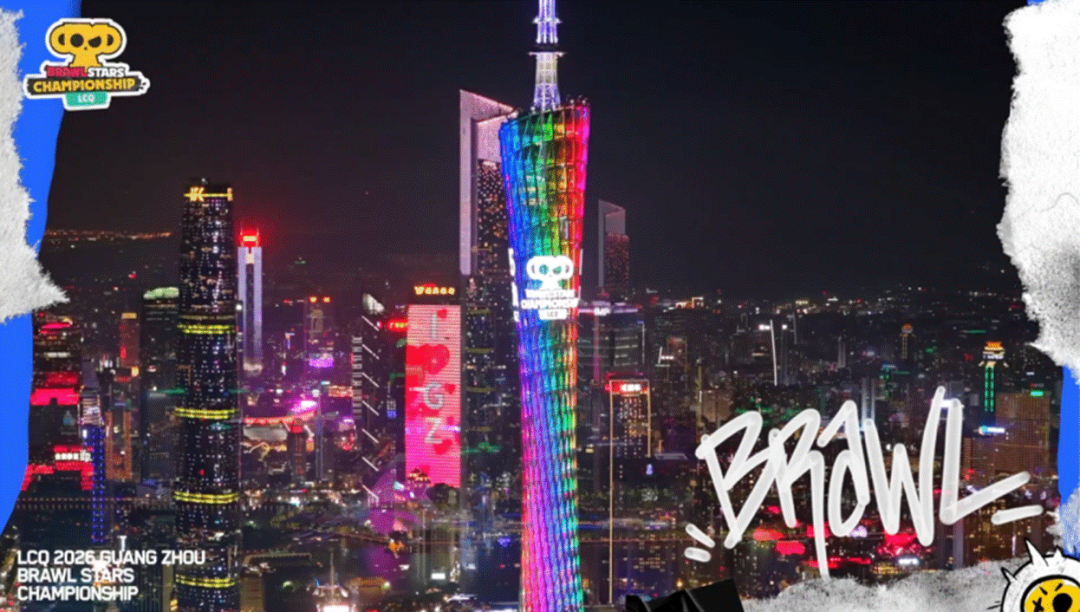
Taking a broader view, the past six-plus years of *Brawl Stars* have provided a prime example of how an international product can succeed in China. The game launched in China in June 2020 and made its debut on the world stage that same year; since then, the Chinese region has gradually established its own qualification system.The official efforts to nurture the ecosystem have also been visibly intensive—from the formal launch of the China Creator Program last August to the global tournament schedule bringing the LCQ to this newly matured market. The Guangzhou leg demonstrated that when the ecosystem is sufficiently mature, the market is not merely a destination for distribution but can also serve as the host of the stage.
Conclusion
Many years from now, the details of this year’s LCQ may long be forgotten, but Guangzhou’s significance as the first stop in China for *Brawl Stars* esports tournaments will surely endure.This passion and vibrant ecosystem, witnessed by the entire world, have given the future development of Chinese esports a tangible sense of confidence, and the Chinese region will continue to welcome the world with even greater maturity.
原创文章,作者:游茶妹儿,禁止转载:https://youxichaguan.com/en/archives/215942