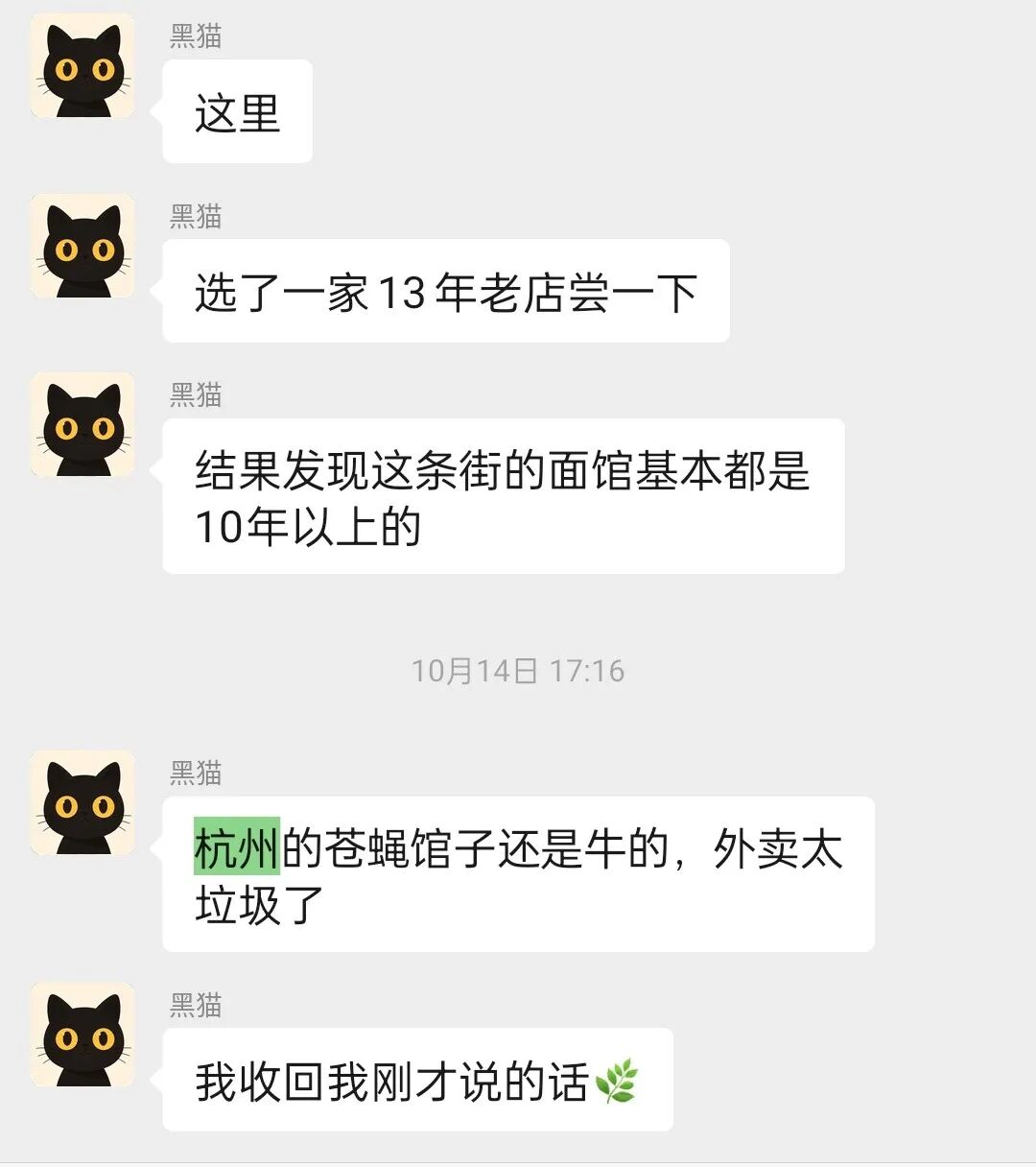
Our editor, Teacher Black Cat, went on a business trip to Hangzhou last week. Recalling all the painful experiences she’d had with takeout orders in the past, Teacher Black Cat decided to go out to eat and set the record straight about Hangzhou’s cuisine.
He opened Dianping and carefully read through the insightful reviews posted by food connoisseurs. He noticed a long-standing restaurant within a kilometer that had been in business for 13 years; its signature dish—a bowl of Sichuan-style mixed noodles priced at 48 yuan—had received countless rave reviews. “If it’s been around that long, it must have something special,” thought Teacher Black Cat, and he headed to the restaurant.
Arrive at the restaurant, scan the QR code, and place an order. Teacher Heimao didn’t forget to take a photo and send it to the editorial group first, excitedly remarking that he must have found a true local delicacy in Hangzhou.
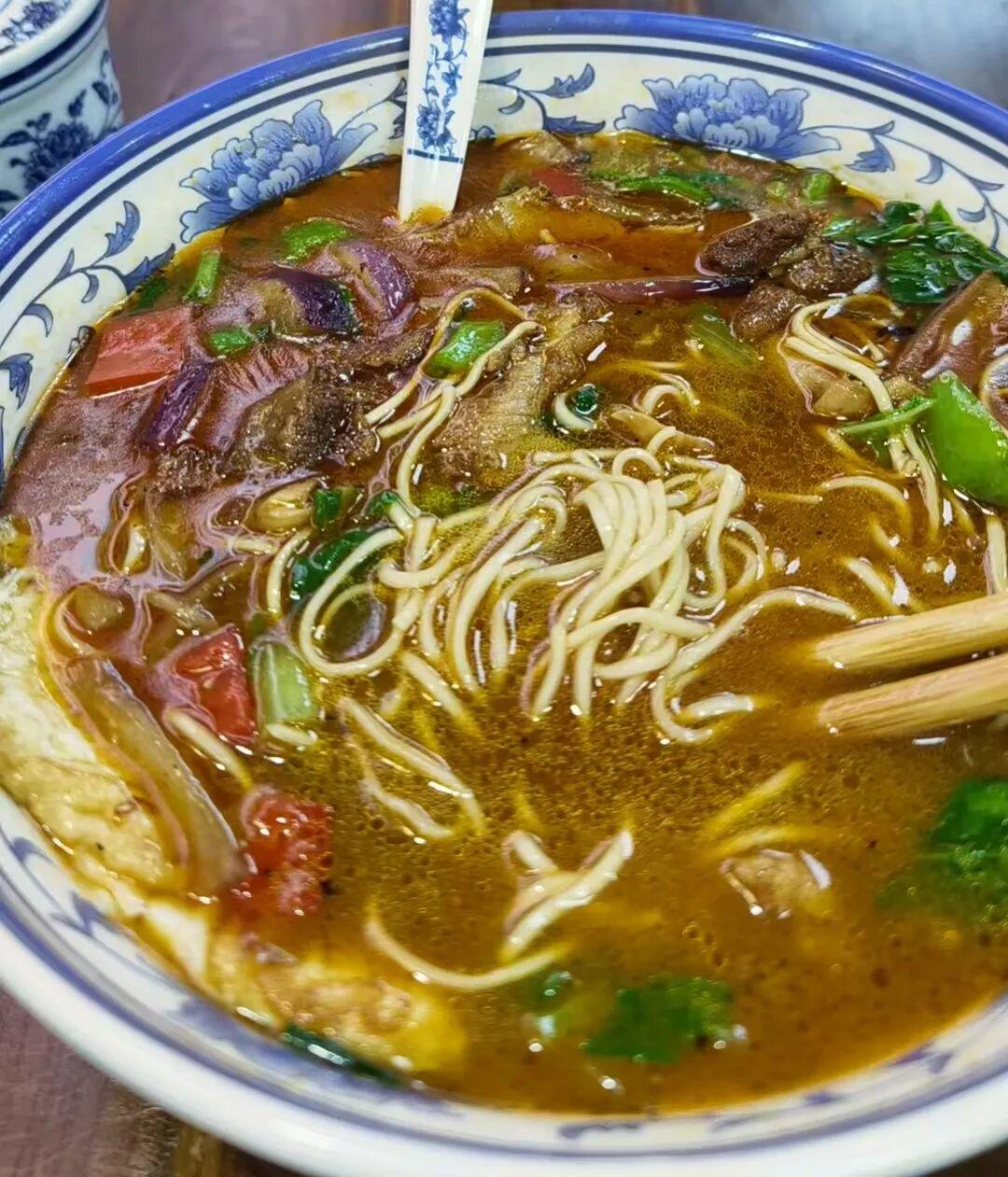
But as soon as he took a bite, the overwhelmingly salty broth immediately made Teacher Black Cat frown, and he promptly “announced” in the group chat that he was retracting his earlier praise for the old street-side shop in Hangzhou. After forcing himself to finish the meal, Teacher Black Cat was deeply disappointed and bluntly stated that “McMen’s is still the best”……
It didn’t take long for me to eat my words.
Online, Hangzhou’s reputation as a “culinary wasteland” is now common knowledge. For out-of-towners dining in Hangzhou, there’s little reward for choosing the right restaurant, but the consequences of choosing the wrong one can be quite severe. For example, Binjiang District and Xiaoshan District—both hubs for migrant workers—have been labeled by Zhihu as “one worse than the other when it comes to food.”
I can’t help but wonder: there’s also a large community of video game industry professionals living in the Binjiang and West Lake areas. What do they usually eat? What are their impressions of Hangzhou’s food culture? Are there any native Hangzhou residents who’d like to step forward and refute the claim that Hangzhou is a “culinary wasteland”?
I reached out to a few people in the gaming industry in Hangzhou and chatted with them about their dining experiences.
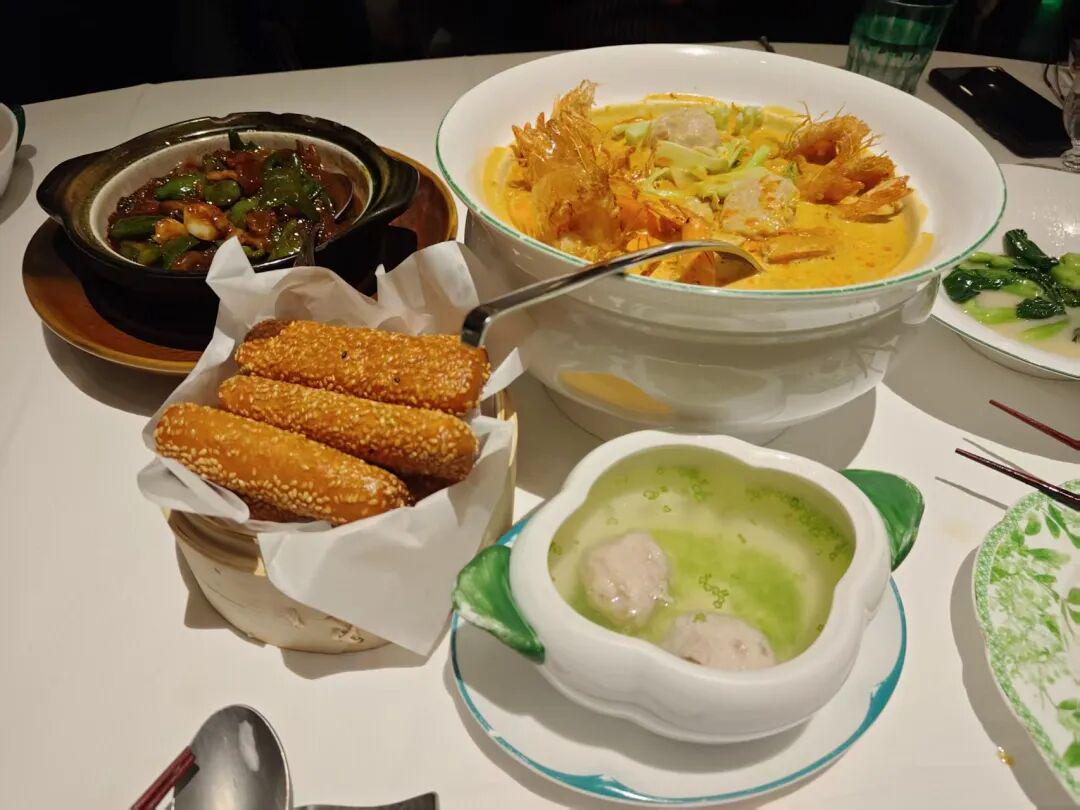
Hangzhou Fusion Cuisine
01
Even though I’m in Hangzhou for work, does that mean I have to settle for mediocre meals?
Sprite, who has lived in Hangzhou for five years but hasn’t dared to try West Lake Vinegar Fish
To be honest, as a foodie who’s worked in Hangzhou for five years, I think there are actually quite a few great restaurants here. But the delicious food you find in Hangzhou can also be found in other cities.
The way I understand it, a “culinary wasteland” refers to a lack of local specialty dishes. For example, when people mention Nanjing, everyone thinks of salted duck. But when they mention Hangzhou, what comes to mind is West Lake Vinegar Fish—a dish that’s on the blacklist.
Yeah, I’m a little embarrassed to admit it, but even after living in Hangzhou for five years, I’ve never actually dared to try West Lake Vinegar Fish.
My former company was located in Dream Town in Yuhang. It’s a bit out of the way, but on the other hand, the prices there are very reasonable. Hangzhou Normal University is right next to Dream Town. As everyone knows, the food near a university is always great.
There’s a Sichuan-style pickle restaurant in the town, and every time a former colleague leaves the company, we all get together there one last time. I also highly recommend trying “Xiaoniujia Village” for their yellow beef hot pot on Cangqian Street and “Insomnia Hangzhou” for their barbecue—I go there with my coworkers a few times every month.
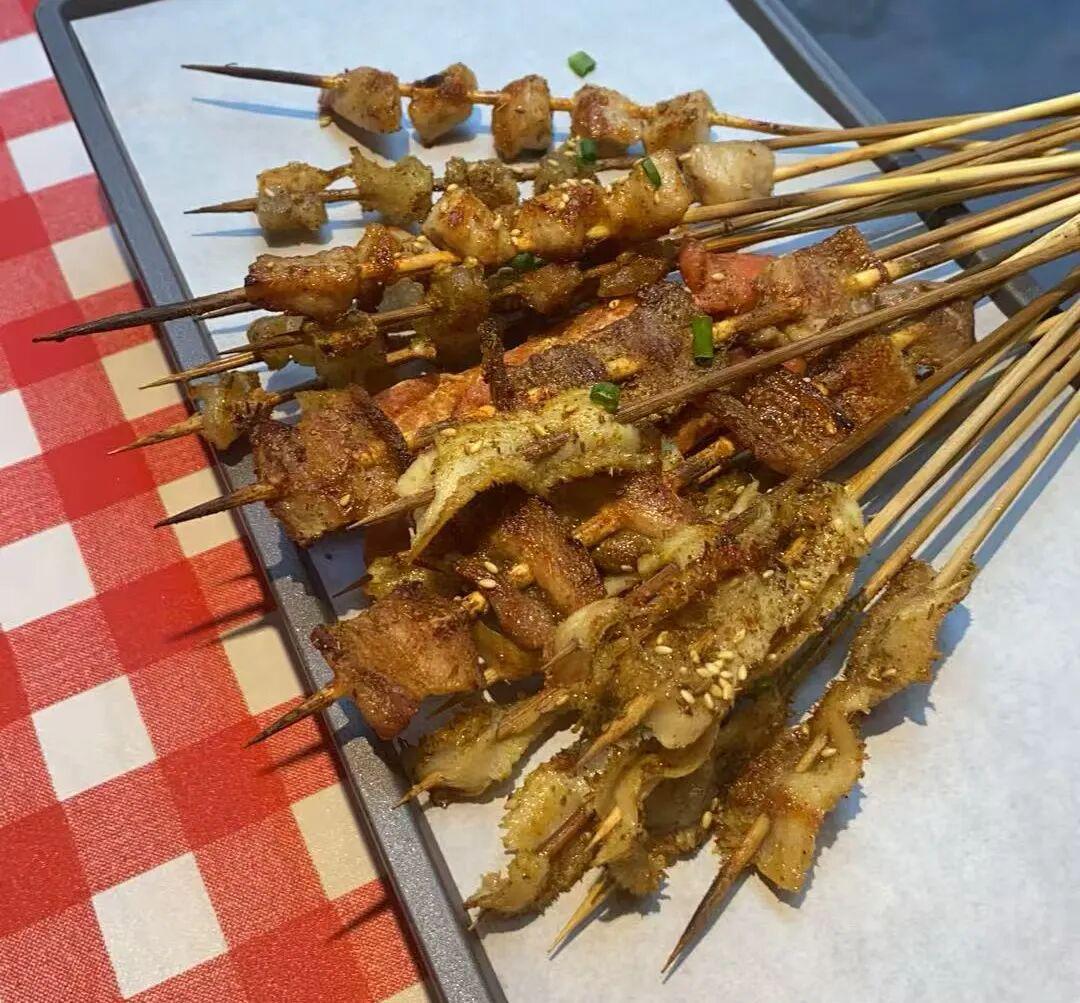
One of my most memorable experiences was when a coworker took me to eat in the Xiasha University Town area—the prices were great, the food was delicious, and the portions were huge. You can’t go wrong when you eat with college students.
I hardly ever cook for myself. I only have a few hours of free time left after work each day, and cooking and cleaning up take up a third of that time. So during my five years living in Hangzhou, I’ve basically survived on takeout.
Now that I’ve left Hangzhou to work in Shanghai, the rent has definitely gone up—it’s nearly doubled—but food costs haven’t changed much; they’re about the same as in Hangzhou.
If I had to say, in Shanghai, whatever you want to eat, you can get it through food delivery. I personally like buffets, and my experience with them in Shanghai has been really good. Just in terms of culinary satisfaction, I’d give Shanghai a 7 out of 10.
Iris: If You Don’t Order Takeout, You Won’t Run Into Any Problems
I agree with the saying that Hangzhou is a culinary wasteland. That said, the local home-style dishes in Xiaoshan are actually pretty good—they taste great. However, some local restaurants in Xiaoshan may look run-down, but if you go in and order some river fish to try, the prices suddenly become quite steep.
People always say that Hangzhou-style cuisine is terrible, but in my experience, it’s actually quite good when you eat it at upscale restaurants. Take places like Ziwei Hall and Jinsha Hall, for example—I’ve been there once and ordered the cheapest dishes, and the bill for two of us came to a little over 600.
As for food options, the campus cafeteria is actually quite good—there’s plenty of variety, and the menu changes frequently. What I’m most satisfied with is the cafeteria’s breakfast. There are several breakfast stalls alone,if you’re in the mood for flatbreads, there’s Jinyun-style flatbread; if you prefer rice, there’s rice noodles served both raw and cooked, rice rolls, and lean pork congee; there are also Jiangnan-style snacks like small wontons, as well as Shaxian-style snacks like scallion oil noodles with a fried egg. In the main dining hall, you’ll find plain congee, soy milk, a multigrain buffet, and more—the selection is incredibly rich.
I haven’t really experienced how terrible food delivery in Binjiang is, because I don’t order takeout very often—I mostly eat at restaurants. On weekends, I just cook for myself. If you don’t order, you won’t run into any bad experiences.
If you’re looking for recommendations in Binjiang, I think “Xiaobenji,” “Meihao Xiaoguan,” “Yewei,” and “Yuelai Yueshun” are all pretty good options.
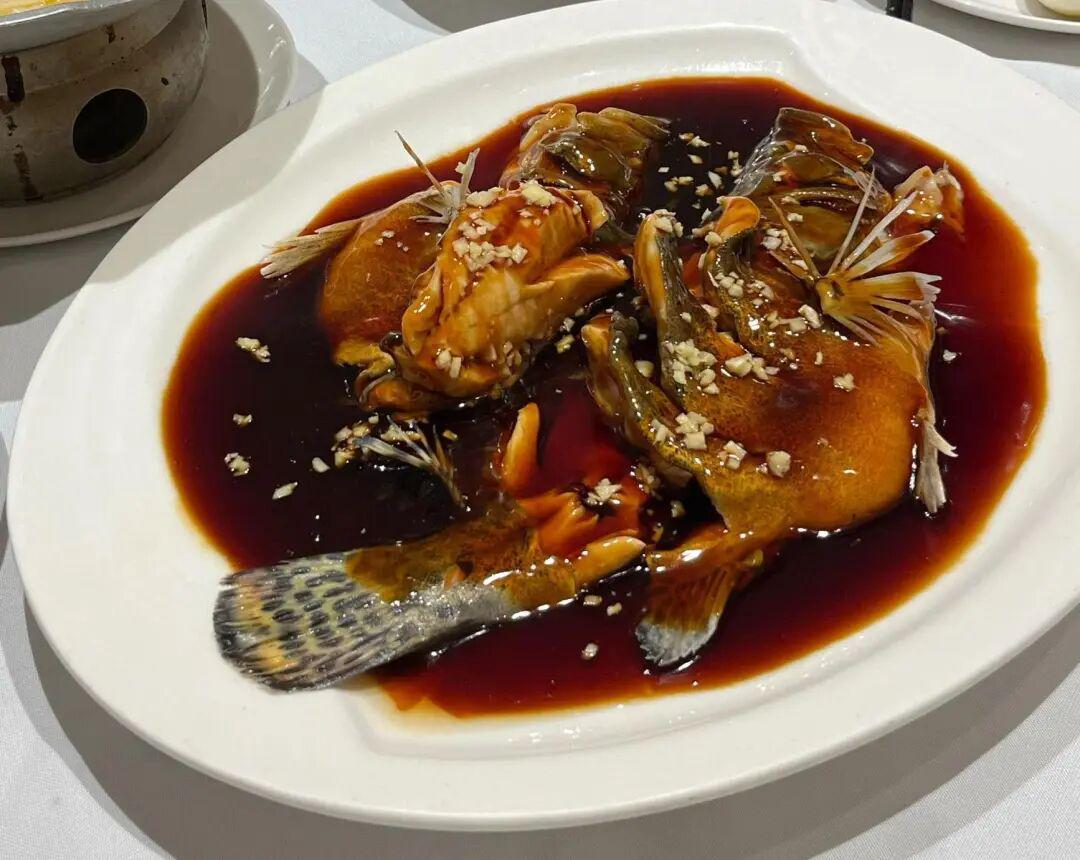
They say that once a fish is turned into West Lake Vinegar Fish, it’s a waste of a good fish.
“Do It Yourself: A Taro Experience”
When talking about Hangzhou, the conversation inevitably turns to food. To be honest, I think people tend to stereotype Hangzhou cuisine. It’s true that there are one or two dishes in traditional Hangzhou cuisine that aren’t very tasty, which has led to a lot of negative perceptions, but there’s actually quite a wide variety of options overall.
However, the food in Hangzhou isn’t really a problem for me, since I can cook for myself. On weekdays, I’m not really keen on ordering takeout or eating out—I don’t want to eat pre-packaged meals, so I usually bring my own lunch.
If you’re just going out to a restaurant with friends for a simple meal, it’s not really a big deal.
Hangzhou doesn’t have the pressures of a first-tier city, and the pace of life is relatively relaxed, which suits me just fine.
02
Facing the “Desert Theory,” Should Hangzhou Natives Speak Up in Their Defense?
Duke, a native of Hangzhou who believes that “the more authentic it is, the less tasty it is”
I’ve always thought the term “culinary wasteland” serves as a sort of certification of a city’s status. Most cities aren’t even worthy of that label, lol. Just look at the previous two “culinary wastelands”—Beijing and Shanghai—what level were they at? Now it’s Hangzhou’s turn, and in a way, this actually serves as proof of Hangzhou’s nationwide influence.
Besides, Hangzhou-style and Shanghai-style cuisine are very similar in flavor—if everyone’s going to eat well, then everyone will eat well. As for big cities, it’s still the same old story: as long as you have the budget, you’re sure to find great food.
Take “West Lake Vinegar Fish”—the dish that gets the most criticism—as an example. I think the more authentic it is, the less tasty it is.
The authentic recipe calls for grass carp raised in West Lake, but its earthy taste is too strong—even the sweet-and-sour sauce can’t mask it. But if you substitute a mandarin fish or sea bass, how bad could the sweet-and-sour flavor possibly be?
I believe the “culinary wasteland” theory is essentially a way of venting frustration about the work environment in Hangzhou. Whether it’s trendy e-commerce or the gaming and internet industries, these are all fields with extremely high turnover rates and intense exploitation. People’s dissatisfaction with their lives has spread and spilled over into their eating habits.
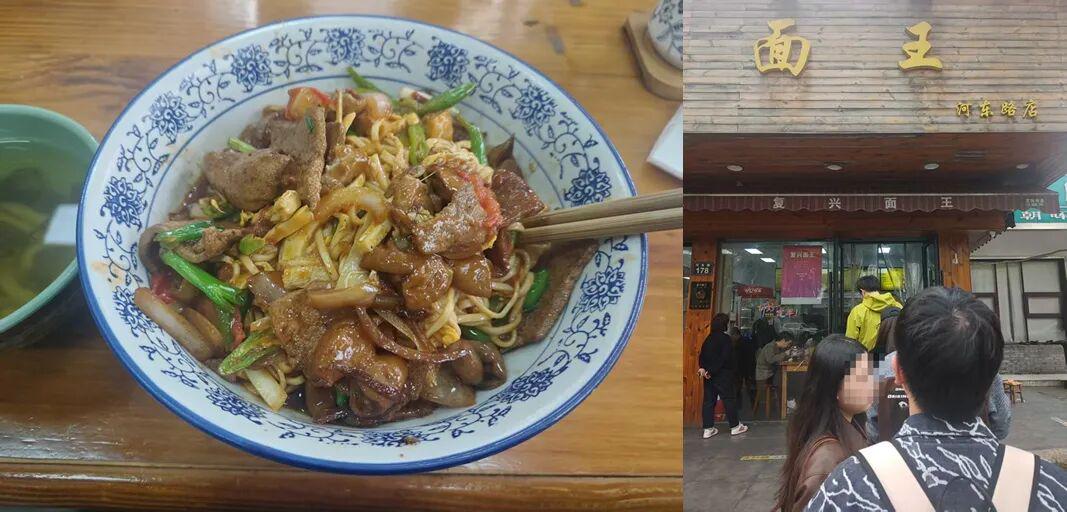
If I were to put together a dining guide for visitors to Hangzhou, I’d recommend some practical options. For affordable solo dining, my top pick is “Eggplant-Flavored Sichuan Salad”—it’s a hit with people of all ages.Among affordable chain restaurants, “Grandma’s Home,” “White Deer,” and “Green Tea” offer reliable quality at reasonable prices and excellent value—all of which have expanded into markets outside the province. As for some of the long-established restaurants, I’d actually advise against them; after all, even when their food is subpar, they’re never short of customers.
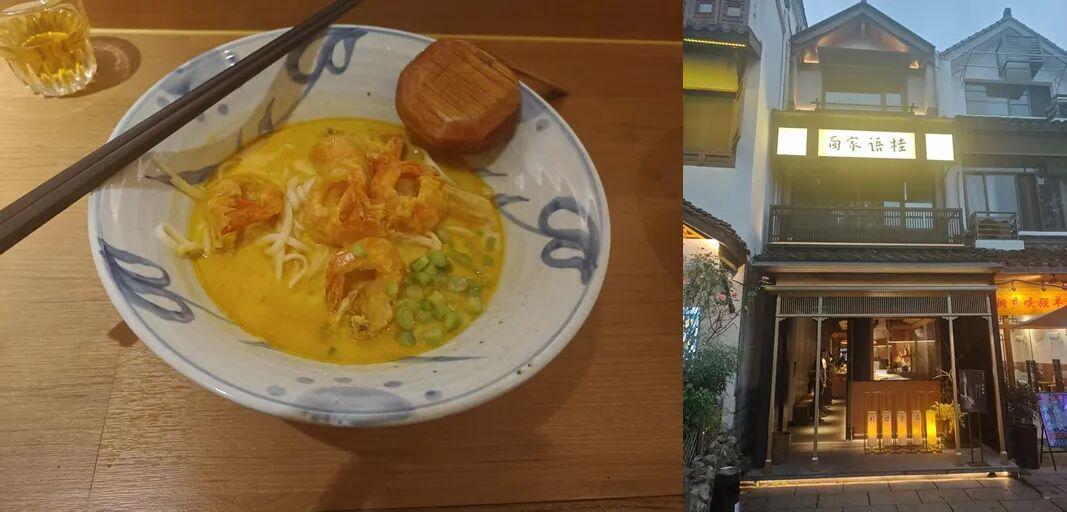
I’d also like to recommend two noodle shops located near the “Ten Scenes of West Lake” scenic area: one is Guiyu Jia Noodles, near “Manlong Guiyu,” and the other is Zhizhu, right next to Lingyin Temple. Both have great settings and atmospheres, and—at least in my opinion—the food is delicious.
fufu, surrounded by “Guochao” takeout in Binjiang District
As someone who’s practically a local, I really can’t argue with the claim that Hangzhou is a culinary wasteland.
If you’re a real foodie with the ability to seek things out on your own, you’ll always be able to find great places to eat in this city. However, when it comes to the delicious food you can discover in Hangzhou, local Hangzhou cuisine makes up only a small portion—most of it comes from other regions.
After some persistent searching by my colleagues, they discovered a great restaurant in Binjiang District that serves authentic Shanghai cuisine: the Qunle Restaurant, which has been around for 40 years. Other restaurants worth recommending, such as Xianyuzi and Crispy-Skinned Chicken Hot Pot, are all run by Cantonese owners.
Binjiang District is mainly a place to work; the shopping centers there are just average, and it doesn’t have much of a lively, residential feel. In the residential communities near the industrial park, there aren’t many amenities nearby, yet housing prices still run as high as 40,000 to 50,000 per square meter.
Hangzhou has seen a large influx of people from outside the area in recent years, and since many of them aren’t locals, the local cuisine doesn’t suit their tastes. As for the businesses offering pre-packaged takeout, the quality is generally mediocre—it’s hard to find options that are both reliable and delicious.
Especially when it comes to food delivery in Binjiang District, a significant proportion of orders fall under the “Chinese-style trend” category. Sometimes, you can tell right away that the ingredients aren’t fresh, or that the food is clearly pre-made. The few orders worth placing are just barely edible.
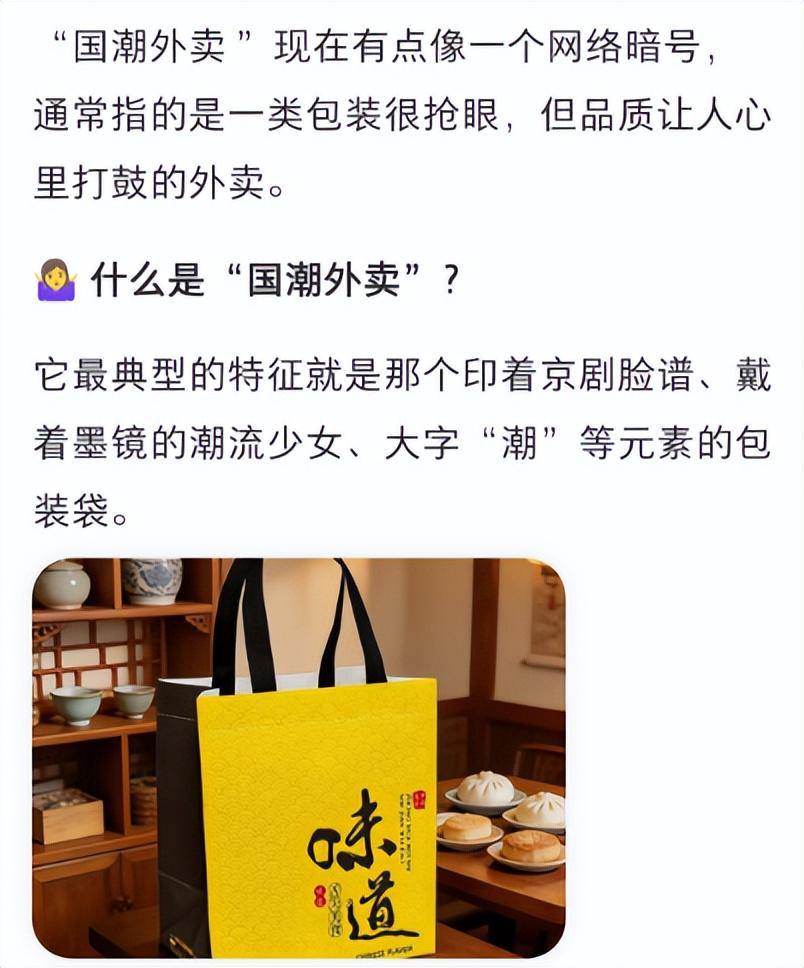
So when my coworkers order takeout, they usually choose restaurants located in the mall—meals there cost around 40 to 50 per person and are pretty tasty. Now, on weekdays, everyone eats at the campus cafeteria, where the food is on the lighter side but still tastes pretty good.
On weekends, I either cook for myself or go over to my in-laws’ place for a meal. They serve home-style dishes from Jiangsu and Zhejiang—as long as the ingredients are fresh, everything tastes great.
Anyway, I think Hangzhou is more of a place where people come to work, not to enjoy good food, so it can’t be compared to food capitals like Guangzhou, Chengdu, and Chongqing.
03
So, what should we eat today?
By the end of the conversation, Duke, a local, felt that the “desert theory” was a badge of urban status; Fufu, who considered herself “half a local,” said that true foodies would find it just average; Sprite, who had been living in Hangzhou for five years, believed that local cuisine lacked distinctiveness; and Iris shared a similar view.
Before I knew it, I’d put together a list of places to eat: Qunle Restaurant, Yellow Beef Hot Pot, Insomnia Hangzhou BBQ, Nanfeng Restaurant… The next time I’m in Hangzhou on a business trip, I probably won’t have to go back to Mai Men anymore.
So, for those of you in the gaming industry in Hangzhou, what do you usually eat on weekdays and weekends? Is it always takeout, the campus cafeteria, or have you found a spot you’d go to every week? Share your hidden gems and places to avoid in the comments.
原创文章,作者:游茶妹儿,禁止转载:https://youxichaguan.com/en/archives/215944