“High-resolution scanned assets of historic architecture used in top-tier AAA titles will be partially replaced by AI in the foreseeable future.” “Following the release of the new model, our subscription user base and ARR growth rates quadrupled month-over-month.” “Our largest gaming company client currently pays us one million dollars annually.”
A few days ago, Tea House was invited to visit Yingmou Technology’s office in Shanghai to watch a demonstration of their latest AI 3D model, Rodin Gen-2.5, which was released recently. We also had an in-depth conversation with the company’s two founders—CEO Wu Di and CTO Zhang Qixuan—which led to the dialogue presented above.
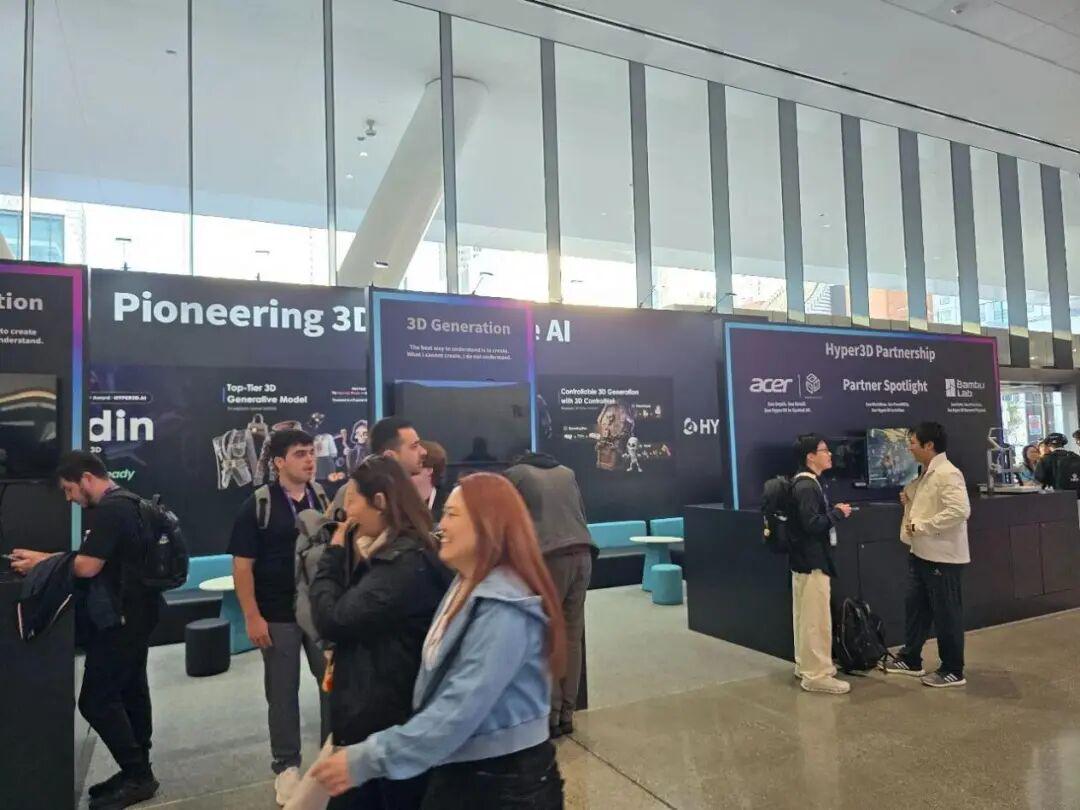
During this year's GDC, the Yingmou Technology booth
Since the beginning of the year, Tea House has been closely following developments in AI for 3D game generation. The reason may sound a bit strange: it’s because the technology has been evolving a bit “too slowly.”
Just look at how tools like Claude Code, Codex, Seedance, and Suno have matured one after another—AI has essentially transformed the way daily work is done across every role in the gaming industry. From 2D artists and copywriters to programmers—and even user acquisition—every role is undergoing a transformation to varying degrees.
3D art, however, has long been a gap in the steady advance of AI.Until a few months ago, when I discussed this field with friends in the art industry, most of the cutting-edge AI tools were still largely in a “preview-only, not production-ready” state—either placing AI-generated models into level white models to see how they looked, or using them as rough references when converting 2D concepts into 3D models.At that time, AI-generated models hadn’t yet crossed the threshold of usability; the real “grunt work”—such as topology, UV unwrapping, and weighting—still required artists to do it all by hand.
This is also what makes AI 3D the most perplexing aspect for the industry: it seems so close to being used in games, but once it actually enters the pipeline, it always falls a few steps short.
Now, a group of people is attempting to bridge this gap. As one of China’s leading companies deeply rooted in the AI 3D field, Yingmou Technology has just secured a new round of financing worth hundreds of millions of RMB. This round was led by Cathay Capital and Shanghai SDIC Pioneer, with existing shareholders continuing to participate.Rather than focusing on grand narratives about world models or embodied intelligence, they have concentrated on building a set of highly practical tools: creating a complete, closed-loop workflow for AI-powered 3D creation and systematically addressing real production needs in vertical markets layer by layer. Through this approach, they have achieved an ARR of tens of millions of U.S. dollars.
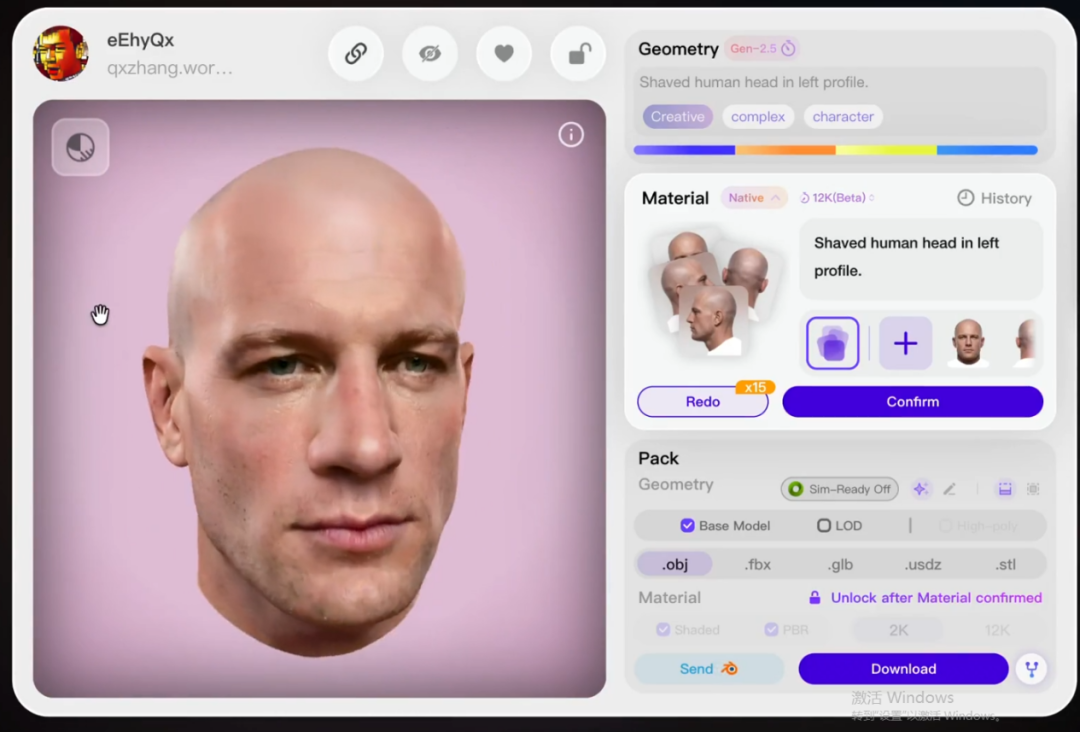
Especially after seeing the actual results of Rodin Gen-2.5, I believe its key features—including the world’s first ultra-high-precision generation of 10 million polygons, 12K high-definition materials, and native 3D textures—are already capable of playing a significant role in game 3D modeling workflows.
In fact, might it really only take one or two more key iterations before the game’s 3D pipeline is systematically transformed by AI, just as it has been in other fields?
01
Has the first step toward 3D gaming finally been firmly established?
Prior to this, “tech-driven” was the impression the outside world had of Yingmou Technology—a startup incubated in a laboratory at ShanghaiTech University that has won or been nominated for Best Paper awards at SIGGRAPH, the top international graphics conference, for several consecutive years, with one out of every two members of its algorithm team having received or been nominated for a Best Paper award.In fact, CLAY—the native 3D generation framework now widely adopted across the AI 3D industry—was first proposed by Yingmou in 2024; they were the architects of this pivotal turning point in the industry’s development.
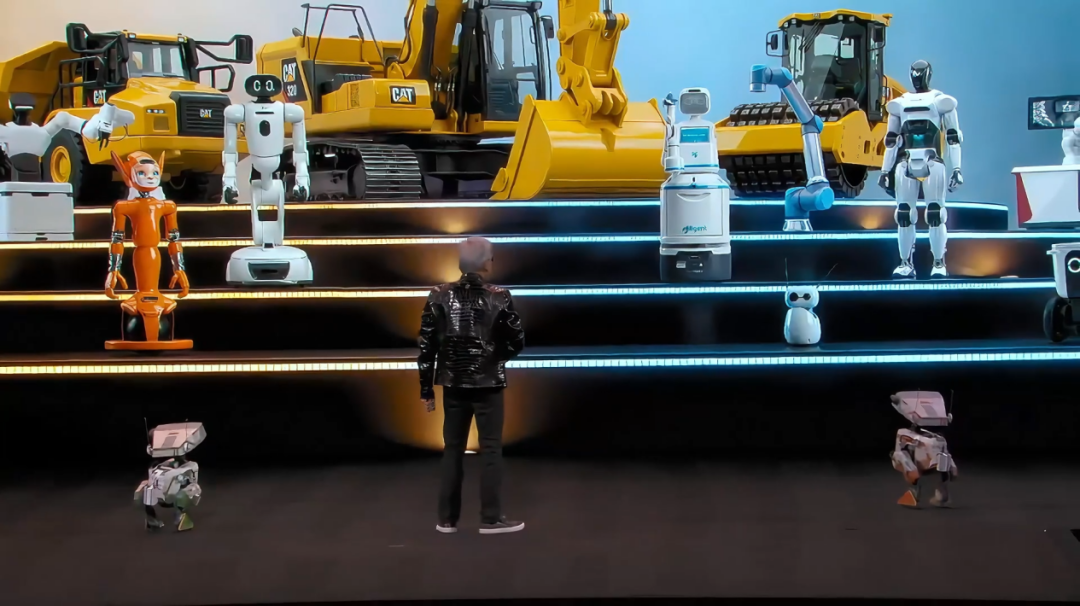
Since founding their company, they have been making the transition from academia to the industry.This year, Unity demonstrated the Unity AI Beta at GDC; NetEase utilized real-time asset generation for UGC in *Egg Party* and *Sixteen Sounds of Yan Yun*; and even NVIDIA founder Jensen Huang used Yingmou’s Hyper3D Rodin models in his robotics keynote at CES.Wu Di revealed that currently, of Yingmou’s tens of millions of dollars in annual ARR, approximately half comes from large B2B clients, with a renewal rate approaching 100 percent.
So what are the highlights of Rodin Gen-2.5, the latest achievement from this team? Let’s take a look at its performance.
Upload a reference image, and a model will be generated within a controllable timeframe ranging from a few seconds to several tens of seconds.The overall proportions are stable and consistent, making it difficult for the models to look distorted, and the system handles various styles—such as cartoon, fantasy, and realistic—with great proficiency. The biggest difference from the AI 3D models we’ve seen in the past is that even when zoomed in to the maximum and examined closely, it’s not easy to spot any flaws.


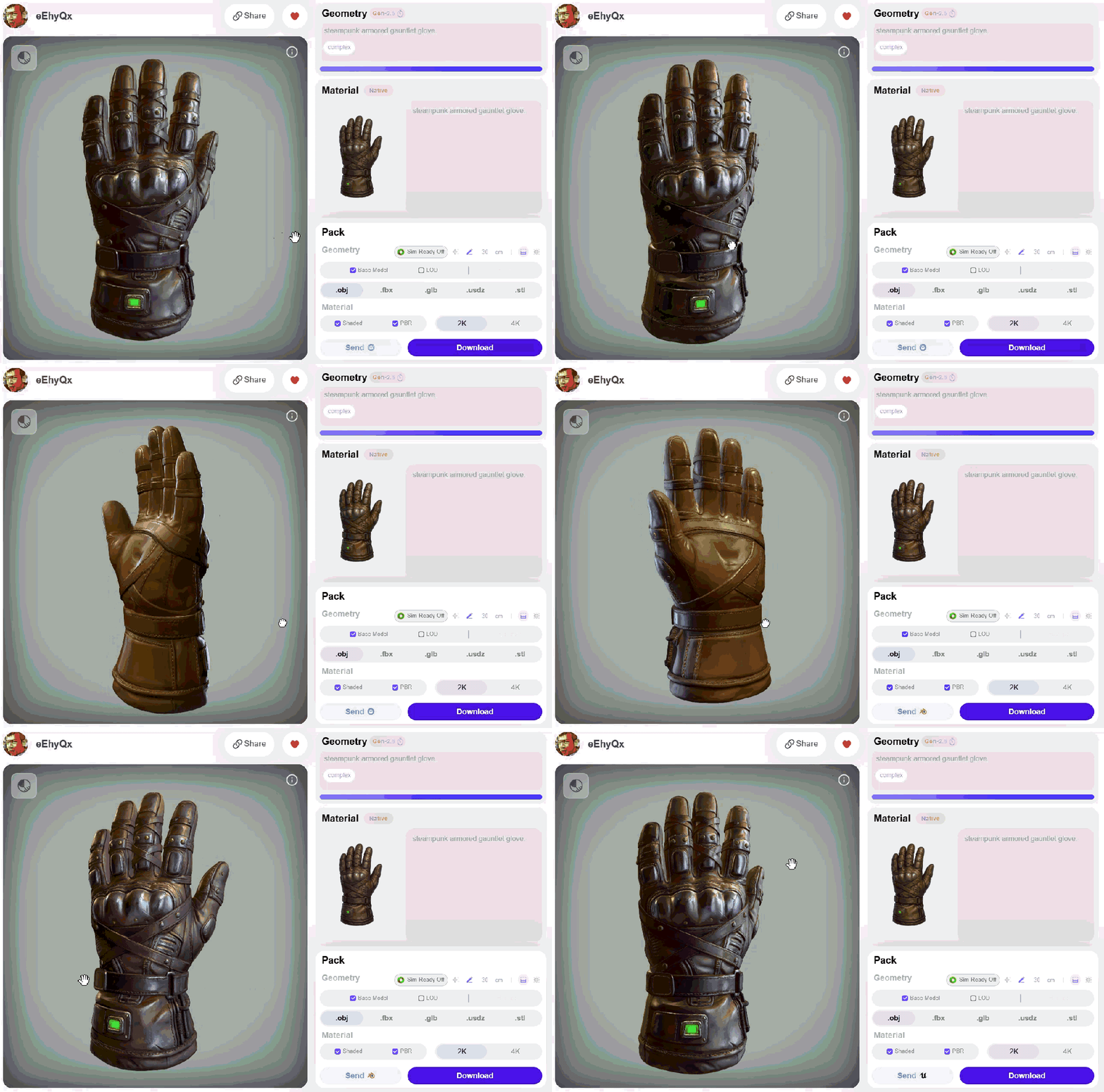
The grain of the cowhide on a handbag, the fine hairs and wrinkles on a human face, and even microstructures like the iris are all clearly visible.Hard surfaces are sufficiently rigid, with virtually no soft edges or blurred lines—this level of precision, approaching that of meticulous hand-carving, is directly reflected at the model level. At the very least, visually, it is already markedly different from those AI 3D models of the past that “looked okay from a distance but fell apart up close.”
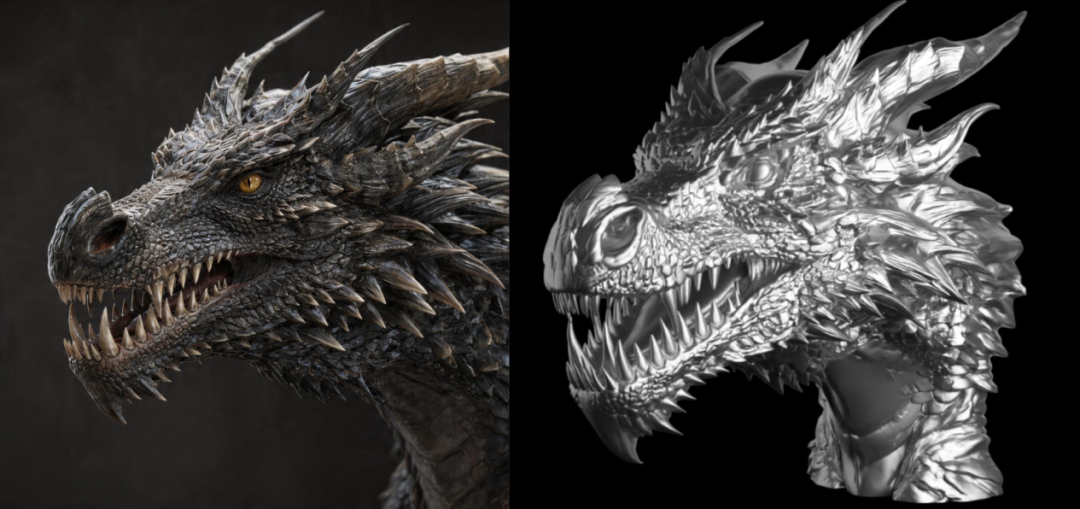
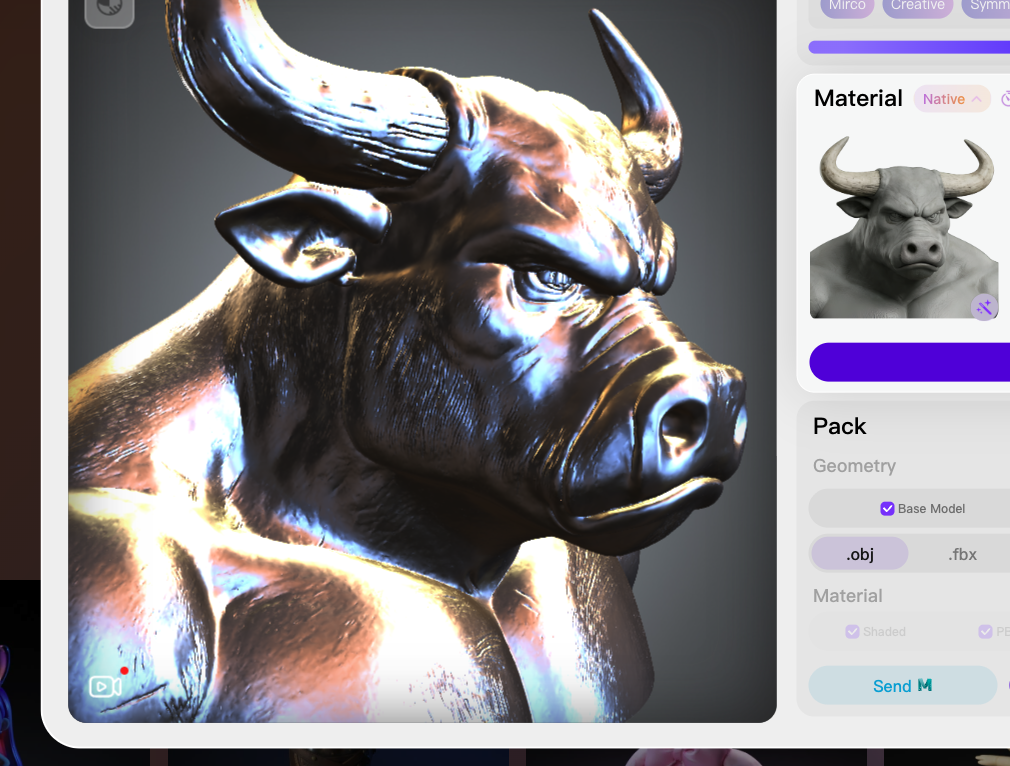
Zhang Qixuan explained that this is the result generated by Rodin Gen-2.5 using the highest setting, “Extreme-High,” in combination with the “Micro” mode. The entire model took approximately 80 seconds to generate and features a resolution of 10 million faces, placing it among the world’s top tier at present.At the same time, they also offer five levels of precision for model generation. Much like the varying levels of depth in language models, these options use variable token counts and different generation times to produce models with varying levels of precision and polygon counts. The lowest-precision setting can quickly generate a model with one million polygons in just 4 seconds.
"Extreme-High" is designed for highly realistic scenes, while the other settings cater to a wider range of needs—such as stylized cartoon models, small objects, and UGC previews—allowing users to choose the option that best suits their specific production needs.This actually marks a significant shift in the evolution of AI 3D toward becoming a professional tool: models no longer pursue “greater clarity” in just a single dimension, but instead begin to put the power of choice back in the hands of creators.
Another new feature of Gen-2.5—one that specifically addresses a gap in 3D model generation capabilities—is that it is the first to incorporate a native 3D appearance generation model.
In the past, when AI models were used for material generation, the standard approach was the projection method—that is, synthesizing material maps from photos taken at multiple angles. The drawbacks of this method are obvious: color discontinuities, inaccurate PBR materials, areas in recesses that are not illuminated, and color bleeding between different materials.For example, hair color bleeding onto the skin or metallic textures being misidentified as ordinary diffuse reflections can prevent the model from being used directly in post-production.
Yingmou, on the other hand, trained a new appearance model on its own. According to Zhang Qixuan, the difficulty of this task is nearly on par with training an image-generation model from scratch, but the result is a better alignment between textures and models, as well as more consistent material quality: the different sheens of metal, wood, and leather—and even logos and text on the materials—can all be generated with relative accuracy.
The combination of ultra-high precision and native texturing sends a powerful message: AI models like Hyper3D Rodin have now crossed the threshold of generative quality, moving beyond the stage of merely “looking realistic” to producing deliverable assets in specific contexts.
The 3D pipeline for games often begins with high-poly models—models with millions or even tens of millions of polygons—which must undergo a series of processes, including retopology, UV unwrapping, polygon reduction, component separation, and texture baking, before they can be rendered in-game.Zhang Qixuan noted that among Yingmou’s clients, some small and medium-sized companies are already using low-poly models directly in their final game products, while a growing number of game studios both domestically and internationally are utilizing Rodin Gen-2.5 during the high-poly stage.
Large models that used to require sculptors to spend days or even weeks meticulously carving can now be iterated through several versions in just a few minutes, after which the best result is selected and sent for further processing.

Of course, “reducing costs and improving efficiency” is already a well-worn topic in the AI field. In comparison, I believe Rodin Gen-2.5’s greater significance lies in the fact that it has enabled AI 3D models to make the leap from “unusable” to “partially usable” within the game pipeline.
For example, as mentioned at the beginning of this article, Zhang Qixuan believes that some of the scanned assets used in *Black Myth: Wukong* could be efficiently generated using AI in the future and, to a certain extent, replaced.With models like Rodin Gen-2.5, access to high-precision assets may expand from a very small fraction of the industry to a wider range of small and medium-sized teams and ordinary developers.
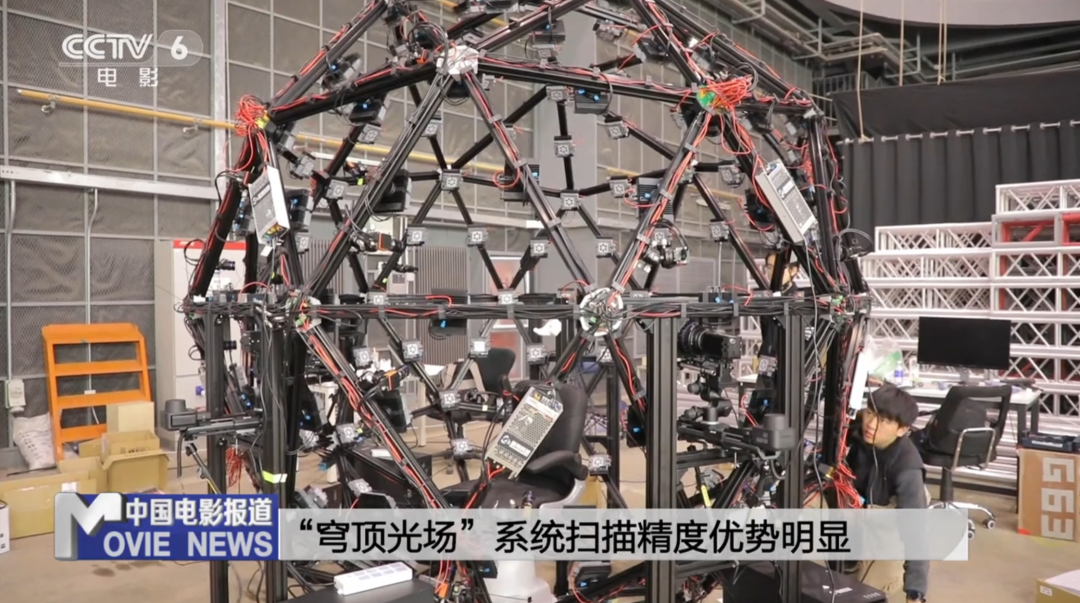
Moreover, Yingmou is already an expert in the field of 3D scanning—its first technological achievement, the “Dome Light Field,” has now become a mature, commercialized 3D capture solution in the global film, television, and gaming industries.An upcoming, highly anticipated Chinese-developed AAA title is using a complete set of character facial models captured using the Dome Light Field technology. As a result, they have a clear understanding of the industry’s capabilities.
On the other hand, while high-poly models with tens of millions of polygons cannot be directly incorporated into the game, raising the quality of generation at the high-poly stage to a sufficiently high level actually opens up new opportunities for the subsequent stages of the entire pipeline.
For example, during the high-poly phase, the number of polygons must reach tens of millions to ensure that complex elements—such as hair, layered fabrics, and architectural carvings—can be clearly rendered in the AI model, thereby enabling the AI to truly generate AAA-level, highly detailed, photorealistic assets.As Wu Di explained, users can use Rodin Gen-2.5 to bake the high-resolution materials on the high-poly surface into normal maps after converting them to low-poly models, thereby achieving superior visual quality at a lower performance cost.Once the model’s capabilities reach a higher level, even if it isn’t used to directly generate the final asset, it can still reduce the time required for subsequent low-poly production and detail refinement. High-poly generation isn’t the end goal; rather, it’s the first stepping stone for AI 3D to enter the game industry workflow.
This also explains why ensuring the model’s geometry is correct and raising the texture quality to native 3D levels during the high-poly stage actually addresses a long-standing pain point with AI-generated 3D models—if the initial generation quality is subpar, it triggers a series of subsequent manual modification processes.If the colors, shadows, highlights, blemishes, and material details of a texture are all smudged together in a single image, it’s difficult for texture artists to make precise adjustments; if the model’s poly mesh is too messy, it might actually be better to recreate it by hand from scratch.
And this actually raises the industry’s most pressing question: When will AI 3D modeling truly become production-ready?
02
Crossing the River of “Production”
And that is, in fact, what concerns Ying Mou the most.
Wu Di recounted an experience: Back when Yingmou was developing its first-generation dome light field, the team was quite confident in its lighting results. However, the data formats used in the lab were incompatible with industry standards, so no company was willing to buy the product.Wu Di said this painful lesson led them to incorporate “Production-Ready” into the company’s philosophy—research and industry are like two banks of a river; the process of crossing may involve falling into the water or taking a mouthful of it, so one must approach it with reverence. When it came to developing Hyper3D Rodin, they consistently gathered real-world feedback directly from customers and iterated the product based on that feedback.
They summarized the needs of their game development clients: “As models become more high-poly, surfaces need to generate more accurate and useful details;as we move toward the final game development phase, we need good topology, edge placement that aligns precisely with corners, high UV unwrap efficiency, layered PBR materials, and well-organized component separation—these are the concepts our clients in the gaming industry have conveyed to us.”
However, Hyper3D doesn’t just serve the gaming industry. 3D printing focuses on the watertightness of models, industrial design focuses on formats, dimensions, and standards, while film and television visual effects have a separate set of requirements regarding materials, precision, and pipeline compatibility. Taken together, this presents a challenge that is very difficult to address comprehensively.
The core concept behind Hyper3D is to approach professional 3D production from the perspective of “controllability,” allowing professional users to decide for themselves what “production-ready” means to them and to reflect those requirements in the various presets within the Rodin model generation interface.
While consumer-grade AI products aim to generate images with a single click, the most important aspect of professional-grade AI 3D products is actually giving users plenty of opportunities to “get involved.”
The “3D Editor” feature launched by Hyper3D this year is a clear example of how they ensure controllability—after a model is generated, if a user is dissatisfied with only a specific area, they can simply select that area and regenerate it locally, avoiding the need to repeatedly start over from scratch due to a minor flaw.
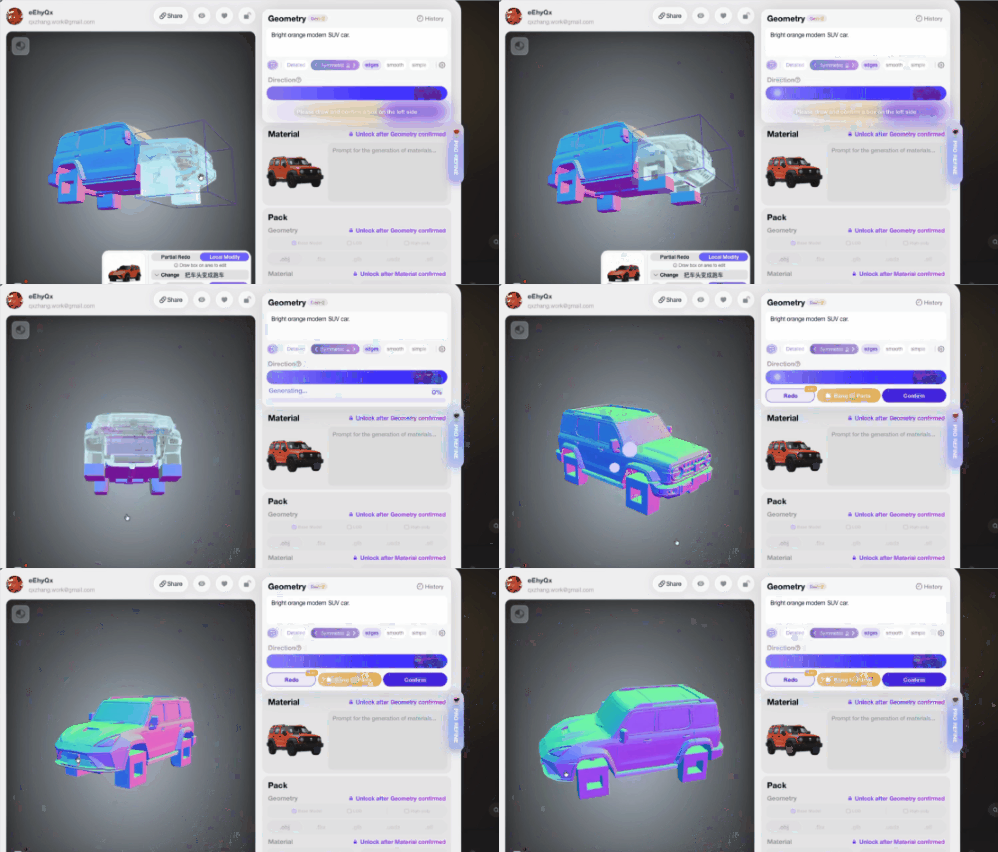
Provide the following local editing instruction: “Turn the front of the car into a sports car.”
Zhang Qixuan and Wu Di are quite proud: no other product in the industry has yet caught up with this technology. The Hyper3D team was able to overcome this challenge because they were the first among 3D AI large-model companies to propose the 3D ControlNet controllable generation architecture—and remain one of the few teams that currently master it.Essentially, this capability addresses the issue of generation consistency—ensuring that other parts remain unchanged while making local modifications.
At the same time, this requires that 3D models themselves be accepted as input, just like images and text.The 3D understanding capabilities required to achieve this stem from the expertise they accumulated during their earlier development of the BANG part-generation feature. Furthermore, Hyper3D’s ability to deliver leading-edge appearance models for the Rodin Gen-2.5 is closely tied to Dome Light Field’s long-standing expertise in material scanning.
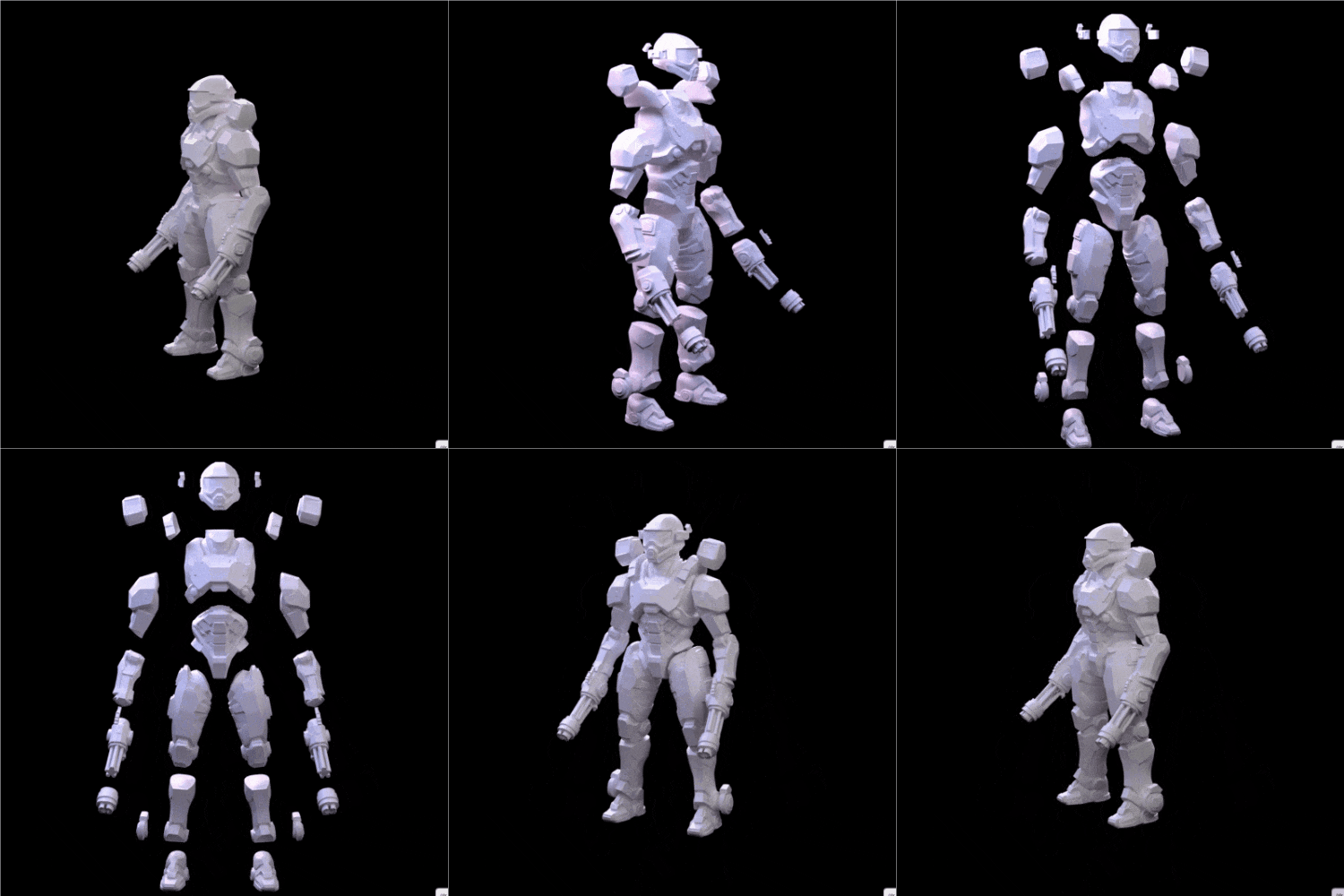
BANG File Splitting
It is clear that Yingmu excels at leveraging its core strengths—delving into scientific research and pushing the boundaries of cutting-edge studies—to produce original technological achievements, which are then applied to address the fundamental challenges of 3D model production. These technologies have accumulated gradually, like a snowball, creating long-term leverage that generates higher returns when applied to real-world production.
Zhang Qixuan noted that they are likely one of the few teams currently capable of offering 3D large-model products that provide control throughout the entire process—from pre-generation, through generation, to post-generation. It is precisely for this reason that professional paying users are willing to delve deeper into this model and find the settings that best suit their needs.
From an outsider’s perspective, it’s clear that starting with overcoming challenges in material quality and precision—and following the release of Rodin Gen-2—Yingmou Technology has gradually explored features such as “Smart Lowpoly.” Clearly, the company hopes that future models in the Hyper3D Rodin series will continue to serve developers of real-time 3D environments, such as games.
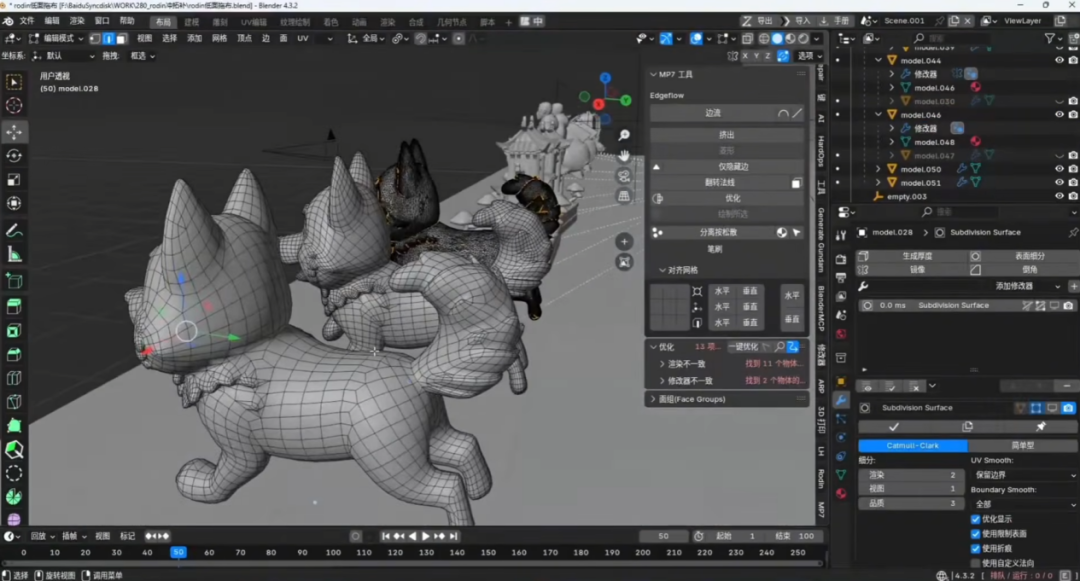
Comparison of the Same Model After Intelligent Low-Poly Polygon Reduction
Based on user feedback from forums such as Reddit, the low-poly models currently generated by these features are already of quite usable quality. Even Hyper3D Rodin has adopted a “pay-per-delivery” approach, allowing models to be regenerated and edited in specific areas for free until the user is satisfied.


They have also integrated the Hyper3D Rodin plugin into most mainstream 3D software, including Blender, Unreal, Unity, and Godot, allowing creators to access assets with a single click within professional software and even use Hyper3D Rodin to edit models generated by other AI platforms.All these efforts share a single goal: to integrate Hyper3D Rodin more deeply into real-world production workflows.
Of course, Wu Di and Zhang Qixuan do not shy away from discussing some of the challenges they currently face. For example, Rodin has not yet fully mastered aspects such as UV mapping, and the topological wiring of models is still not refined enough for high-quality, content-rich games.There are many reasons behind this, ranging from a lack of high-quality data in actual game projects to the fact that 3D models are inherently far more complex than images or text.
However, both agreed that common requirements—such as object subdivision, materials, topology, and UV mapping—which every game company mentions, will inevitably be among the top R&D priorities.
While these capabilities may seem like the “last mile” in the model’s journey from high-poly to the final product, they are in fact closely tied to whether AI 3D can integrate seamlessly into the entire game development process—and this is the development in this field that deserves the most attention over the next year or two.
03
Toward the Future
At the end of the interview, we also spoke with the two founders about the current state of development in the 3D generation field as a whole.
My impression is that the entire field of AI 3D generation is somewhat like a time capsule; it constantly reminds me of the period around 2024 when large language models (LLMs) were developing at breakneck speed—when people were passionately discussing the scaling law and the number of pre-training parameters, the foundational models themselves hadn’t yet hit a bottleneck, and improvements in model capabilities could still directly enhance the user experience.Competition in the next phase of productization hasn’t fully begun yet, but the advancements in Rodin Gen-2.5’s generative capabilities are already significantly helping AI 3D penetrate deeper into the production pipeline.
Wu Di has his own take on this. Now that it has secured new funding, Yingmou has gained fresh momentum and can devote itself to more intensive research and development. According to Wu Di’s projections, Hyper3D will most likely still be focused on professional applications three years from now.Over the next year or two, they will focus on two main tasks: first, continuing to refine the generation quality of the underlying models; and second, expanding capabilities such as editing and agent-based functionality in the future Hyper3D Rodin, making the models increasingly useful in professional fields while enabling Rodin to integrate with strategic model facilities for production and manufacturing.
However, this was also an unexpectedly down-to-earth answer. After all, globally, many teams working on AI 3D are gravitating toward buzzwords that are more likely to attract investors: world models, next-generation UGC interactive ecosystem foundations, 3D content platforms…But Zhang Qixuan is quite candid: while they are certainly interested in world models, the entire team has a technical background and approaches this concept with a greater sense of awe.
In the second half of the year, Yingmou will release a scene-level generative model. However, at this stage, it does not yet meet Wu Di’s rigorous definition of a world model—one that can be manipulated, serve embodied intelligence, and truly understand the entire world. Nevertheless, they believe that this type of technology will serve as a crucial foundation for future advancements toward world models and embodied intelligence.

So, for the foreseeable future, Yingmou’s vision remains clear: to be the go-to tool for professional 3D artists. Their goal is to make the tools in modelers’ hands even sharper.
This may also be the most realistic—and most promising—path for AI 3D in the gaming industry.
It doesn’t have to revolutionize the entire 3D pipeline right from the start, nor will it immediately replace all the work done by experienced modelers. More importantly, it is starting with the earliest, most repetitive, and most time-consuming stages of the process, gradually freeing people from tedious, labor-intensive tasks so that creators can redirect their energy back toward aesthetics, judgment, and expression itself.
For the gaming industry, 3D production has long been a deep and narrow river. In the past, only a handful of companies with sufficient funding, teams, and experience could consistently reach the other side—where higher quality awaits. And perhaps the most promising aspect of AI 3D is that it is quietly widening the bridge across this river.
As more small and medium-sized teams, independent developers, and even ordinary creators gain access to high-quality 3D assets at a lower cost, the imagination within the gaming world will have more opportunities to become a reality.
原创文章,作者:游茶妹儿,禁止转载:https://youxichaguan.com/en/archives/208051