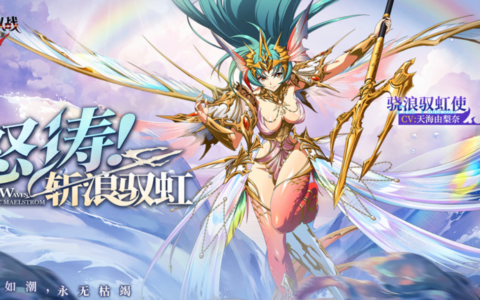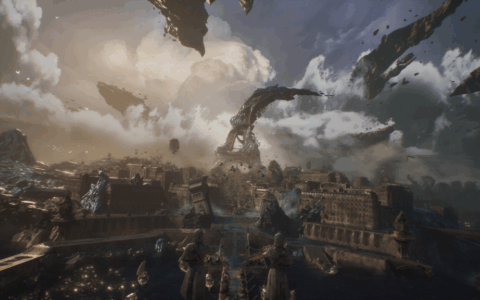
Lem once wrote a story called *Return from the Stars*, in which an astronaut named Bregg returns to Earth after a 10-year interstellar journey, only to discover that 127 years have passed on Earth and everything has changed; his hometown has become a world that seems familiar yet feels utterly foreign to him.
I imagine that if you asked a player from the open beta days of *Mingchao* to launch the current 3.3 version, they might feel just as dazed as Breg, as if they’d witnessed a world transformed beyond recognition.
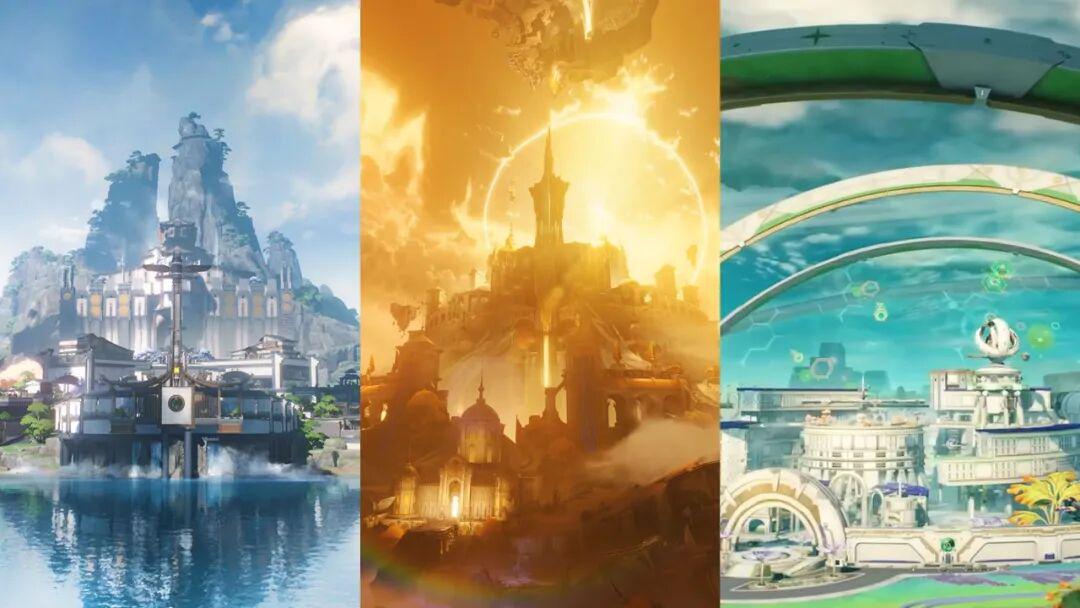
On May 23, *Mingchao* marked its second anniversary since the start of open beta.
Two years is actually a somewhat nuanced milestone for a product. It doesn’t carry the same sense of joy as the first anniversary, which signifies that the product has “gained a foothold,” nor does it carry the same weight as the upcoming third anniversary, which symbolizes “enduring success.” Yet the second year remains “the most critical year.”
After all, at this stage of development, not only has public perception of the product largely stabilized, but internally, the development team has likely also arrived at a fairly clear answer to the question of “what exactly is the game we’re making?”
Two years is a milestone that marks a turning point, both internally and externally.
For *Naruto: Storm*, this confirmation was particularly hard-won. While it hasn’t been as long as 127 years, the changes *Naruto: Storm* has undergone over the past two years are close to being described as “like night and day.”
I wonder how many people still remember that back in May two years ago, Li Songlun, the producer of *Mingchao*, said something along the lines of, “Just staying alive is *Mingchao*’s long-term goal.”This shows that back then, including Li Songlun himself, few people could have imagined that *Mingchao* would take the stage at the TGA, host offline festivals, break into the VTuber scene, and attract countless players from around the world.

I cried. How about you?
Back in Version 1.2, I said that *Mingchao* had lived up to its promise of long-term operation. At the time, many people criticized me, asking, “It’s only been two updates—how can you call that long-term?”However, many others recognized that *Mingchao*’s optimization efforts, content production capacity, and operational philosophy at that time had already begun to show signs of the “endless progress” that Li Songlun had promised.

Over the past two years, *Mingchao* has turned every promise made to its players into concrete steps along its journey, which is why it has now reached a more confident and self-assured position.
The light boat has sailed past countless mountains.
On this memorable day, May 23, Kuro held birthday parties in both Shanghai and Guangzhou, inviting players to attend the in-person celebrations free of charge.At Kuro’s invitation, I traveled to Guangzhou to take part in this “Tale of Two Cities.” At the event, the players’ heartfelt cheers not only allowed me to experience the unique joy of this anniversary but also gave me the opportunity to “rediscover” *Mingchao* all over again.
01
Where the heart leads
For Fufu, 722 days is the length of time she has spent with *Mingchao*.
When she showed me the Ku District data at her birthday party in Guangzhou, I have to admit I was genuinely surprised. The figure of 722 days was almost exactly the same as the 730 days since the open beta began—a perfect attendance record.
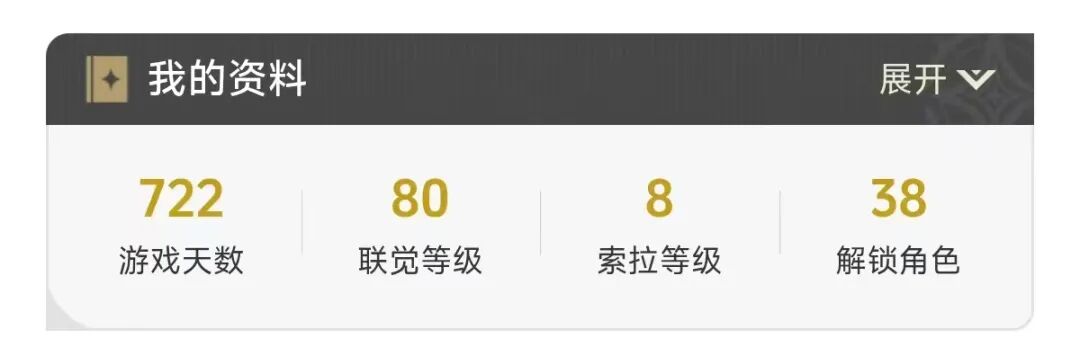
Screenshot of Fufu’s Ku District
Keep in mind that, as an editor, playing games is simply part of the job—and yet, even so, I’ve only been on the job at *Mingchao* for a little over 690 days.
“I’ve been playing since version 1.0. At first, I was just messing around with it, but before I knew it, here I am today.” As she said this, it sounded as if she were describing something that had happened quite naturally.
The “effortless” vibe Fufu was talking about is exactly how the whole birthday party made me feel.
From the moment the doors opened, the crowd at the Guangzhou stop of the *Mingchao* birthday event was already quite dense. Watching the players lining up to enter, it felt just like a group of old friends gathering for a private get-together.
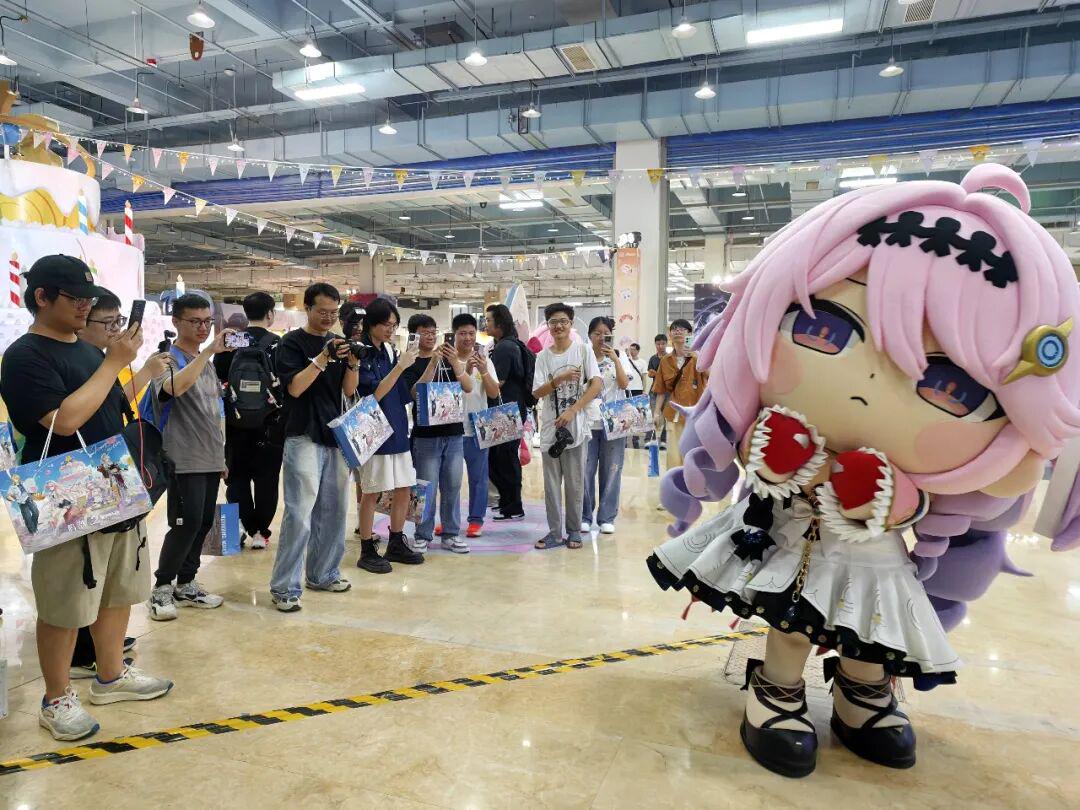
As soon as you walk in, you can tell that Kuro’s concept for this birthday party continues the theme of bringing the game into the real world.
The interactive areas within the venue recreate the game scenes from the current version, such as “Star Bullet Adventure” and “Little Squad Dash,” allowing players to participate hands-on and enjoy an interactive experience similar to that of the game.
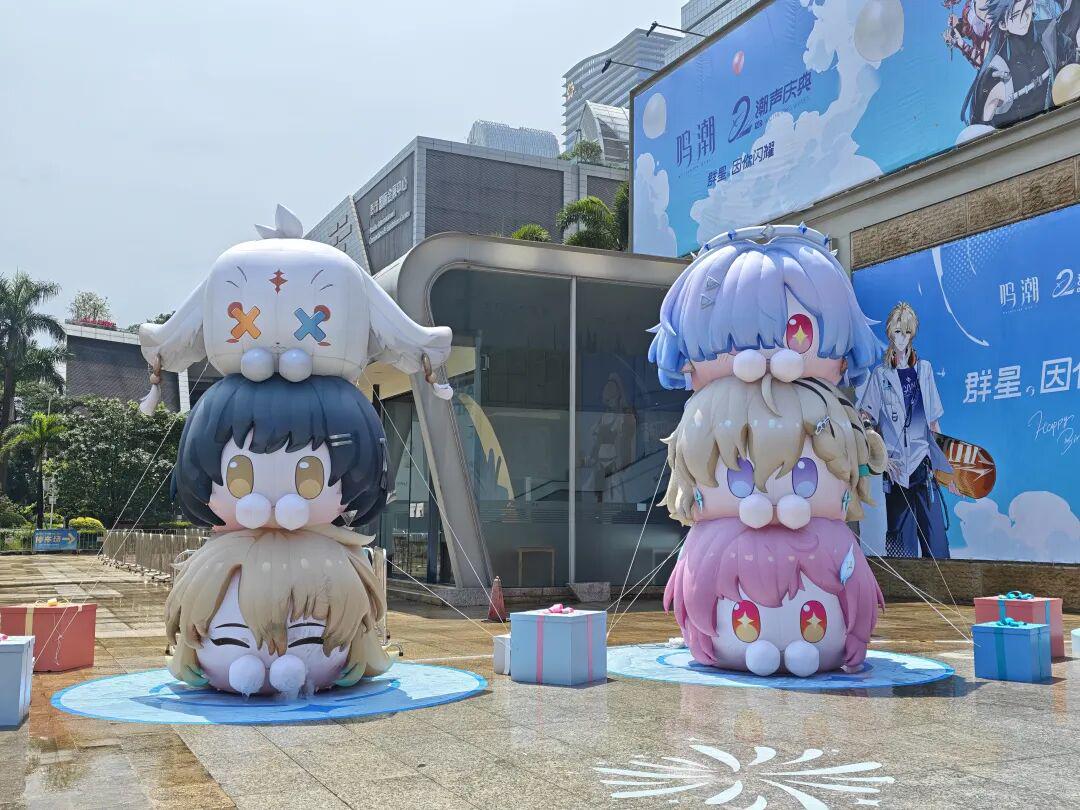
Kuro’s approach is actually quite interesting; by bringing the current version’s content into the real world, it means that every player in attendance can establish a direct connection with the virtual content they experience within a physical space.
Essentially, this birthday party is a real-life extension of the Wave Festival currently taking place in the game.
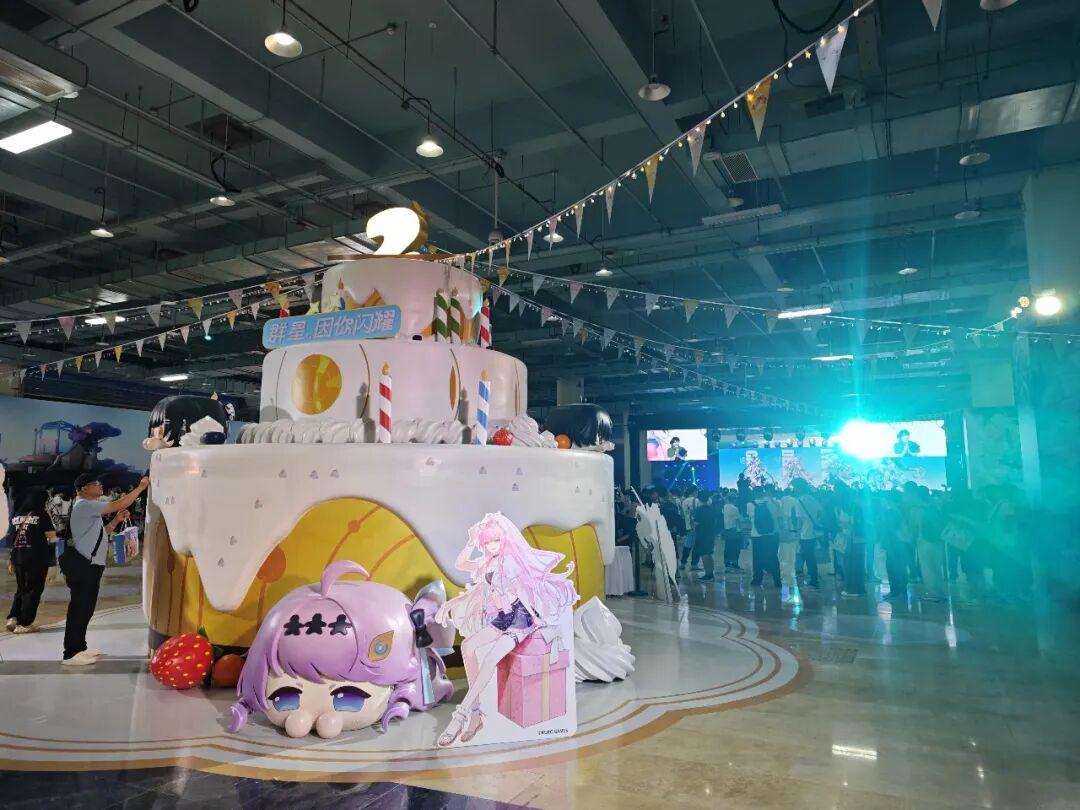
But what really brought the atmosphere in the venue to a fever pitch was the voice actor Q&A session.
At the Guangzhou event, the voice actors for Chun, Yuno, Dania, and Linna were on hand to interact with players face-to-face, chatting with the Wanderers about their characters and sharing behind-the-scenes stories from the recording sessions.

This segment isn’t exactly new, but the chemistry between the *Mingchao* players and voice actors is really interesting—you can tell that both sides are on the same page when it comes to understanding the characters.
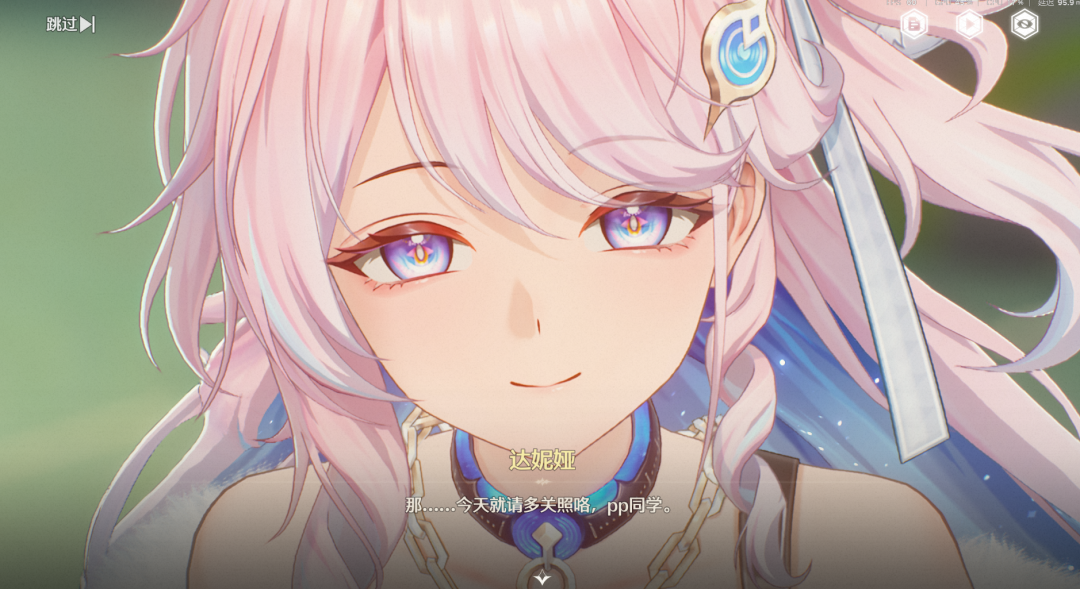
One of the most memorable moments came from Dania’s voice actress.In one line, she accidentally said “I truly like you” instead of “I’ll be true to you.” While this slip-up would have been just a minor mistake requiring correction in other contexts or for other characters, it was absolutely perfect for Dania’s character.
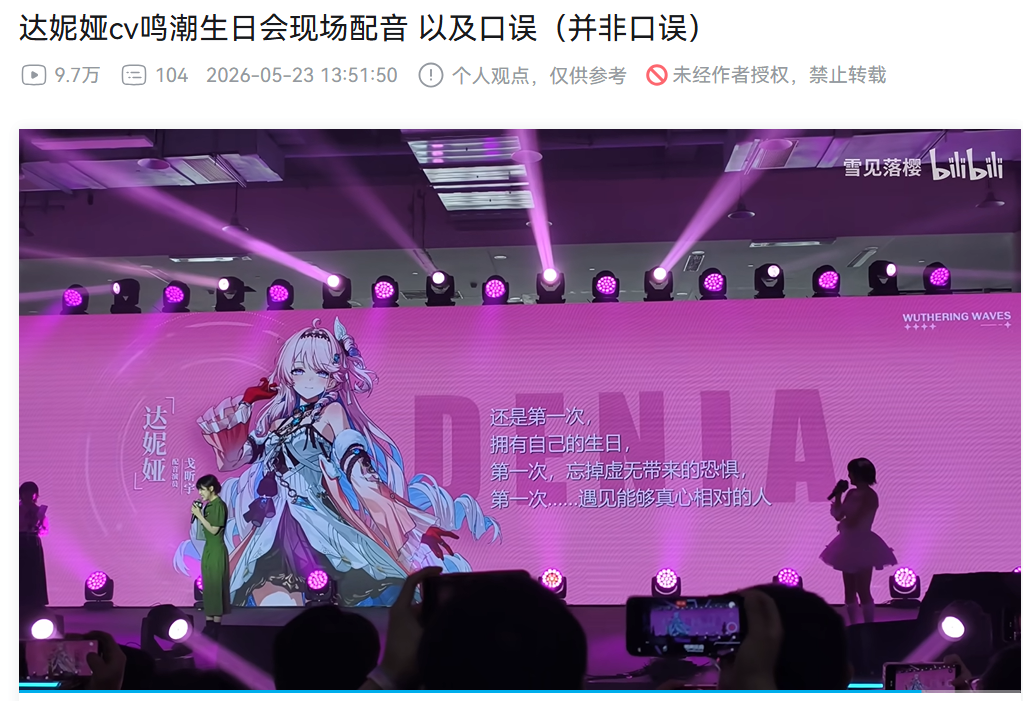
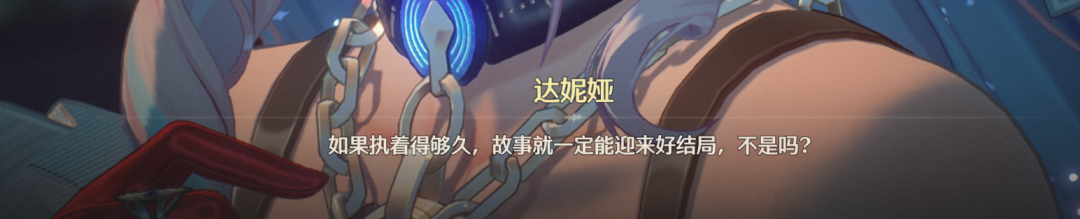
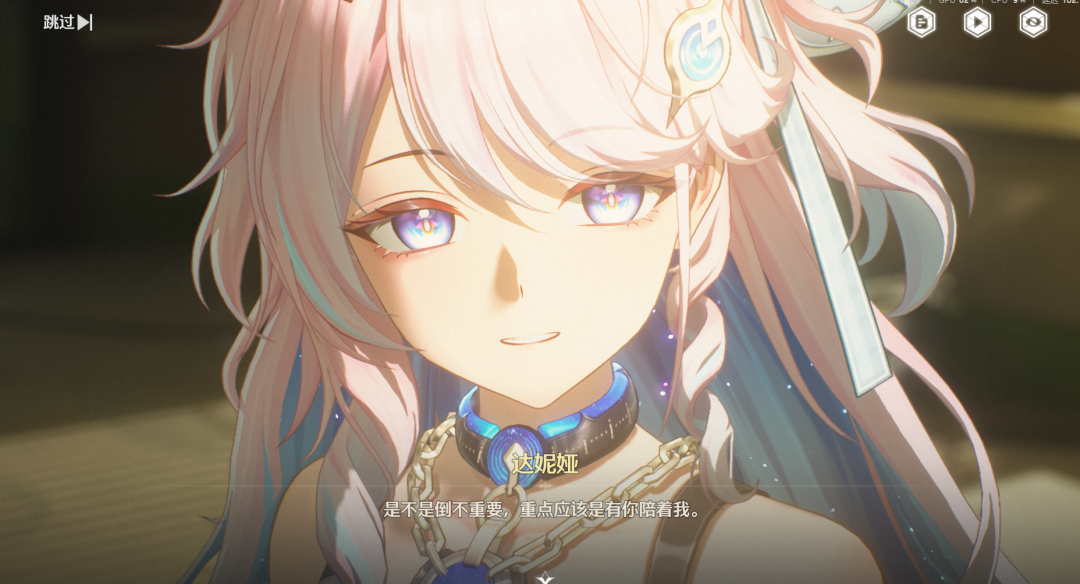
Because that’s just the kind of girl Dania is—her “dislikes” are always a cover for her “likes.” Dania’s outward facade stems from her fear of hurting others,and beneath her aloofness lies nothing but a burning sense of cherishment. The voice actress’s unintentional slip of the tongue actually perfectly captured Dania’s character.
So, the cheers from the audience were the loudest I’ve ever heard in person—even louder than when the *Mingchao* content creator “Xi Xi Doesn’t Want to Sleep on the Street” completely crushed the holographic version of “Liu.”
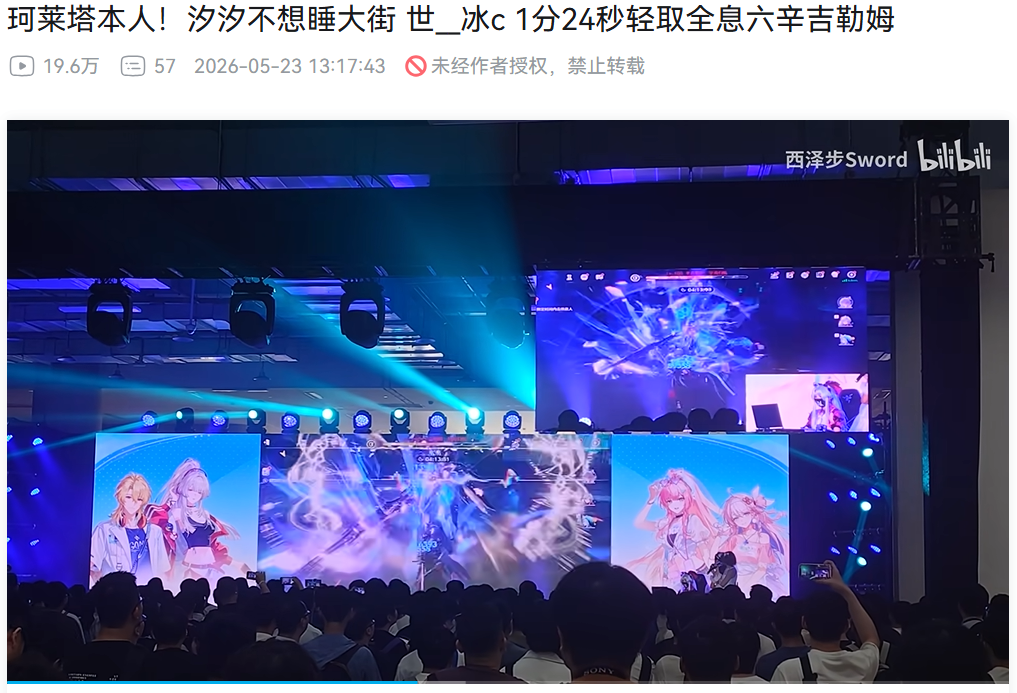
Image credit: @Ayumi Nishizawa sword
In those few seconds, I could clearly sense that the character of Dania had been successfully developed in Version 3.3, as players had come to understand her so well that they could smile knowingly at a single slip of the tongue.

This sense of connection can only come from players who have truly played through that storyline, were moved by it, and still remember it vividly.
I’d like to call this burst of shared awareness the “moment of resonance”—a phenomenon unique to *Mingchao*’s in-person events.
That day, there were many more moments like that; another one that left a deep impression on me was when the entire audience sang “The Torch Will Never Be Extinguished” together.
The moment the singing began, the people around me—who had been looking down at their phones or chatting with friends—looked up almost reflexively. No one organized it, and no one started it; the singing surged in from all directions, uneven yet strangely harmonious. Some sang with all their might, while others simply hummed along,some held up their phones to record, while others simply stood quietly in place, murmuring softly along with the melody—yet they, too, formed an important part of the song’s lower register.
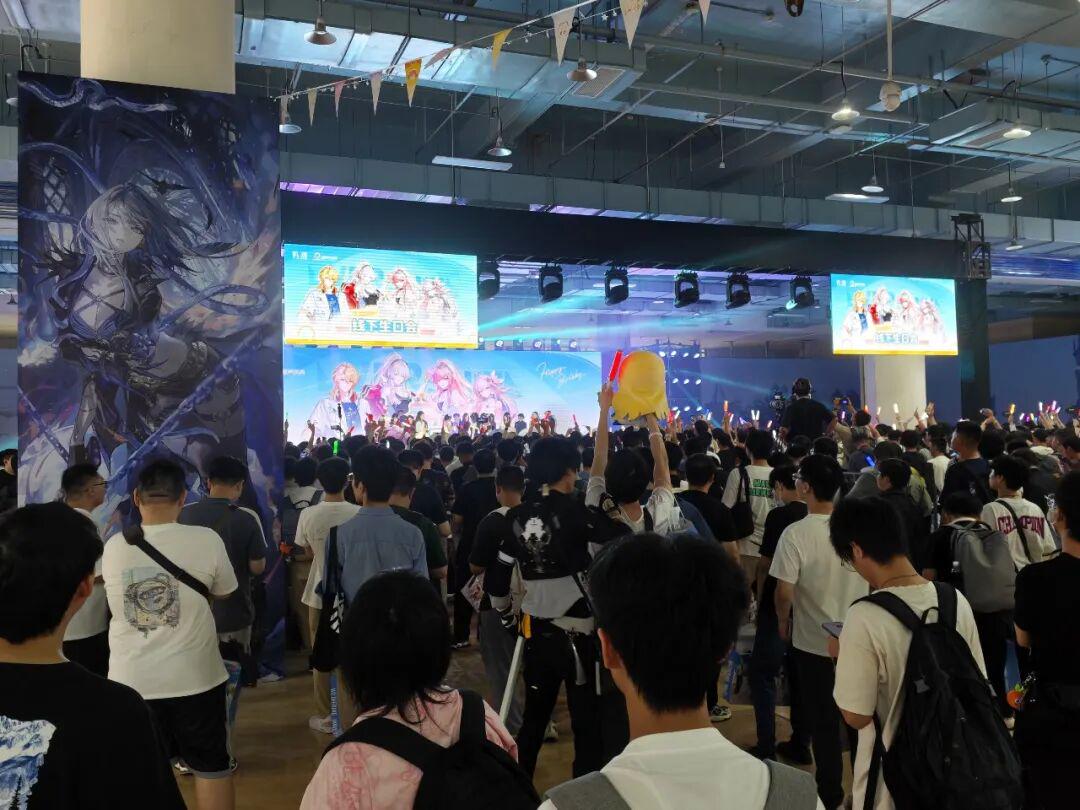
It’s hard for me to put my finger on exactly why that scene moved me so deeply. Perhaps it was because I could feel the most genuine emotions flowing between the people gathered there—many of whom didn’t know each other and had no connection in real life. Yet in that moment, thanks to *Mingchao* and the stories and emotional memories embedded in that song, their voices came together as one.
When I wrote about Kuro FEST last year, I made an observation: the social aspect of mobile games is secondary; the emotional connections players build through successive updates ultimately require an offline setting to facilitate communication and shared experiences with others.
At the birthday party today, I became even more convinced of this.

The resonance was like a tidal wave, with waves crashing against one another in an endless echo; the entire venue erupted once more, leaving the stage for the new PV released at the end of the event.
The PV recounts all the trials and tribulations the Wanderers have endured. After a series of flashbacks to the adventures they once shared with countless others, the scene shifts to a setting entirely different from that of Hualong, Linaxi Tower, and Lahaelo:A cluster of buildings with an Eastern aesthetic stood side by side, while in the distance, majestic mountains soared into the clouds. That was a corner of the future.
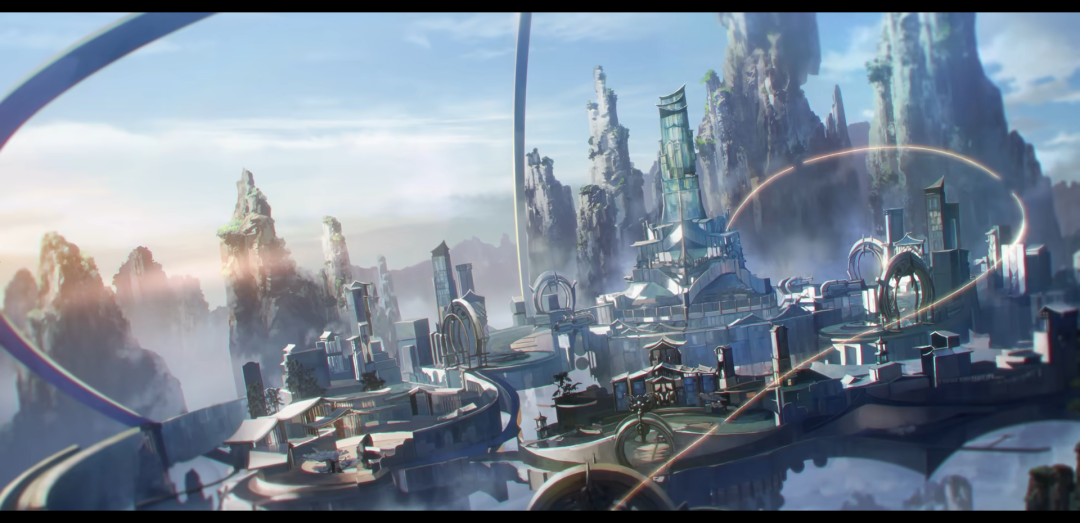
After the trailer was released, the community quickly launched into a frenzy of frame-by-frame analysis, but at the event itself, the players’ immediate reaction was simply uncontrollable cheering and whistling.
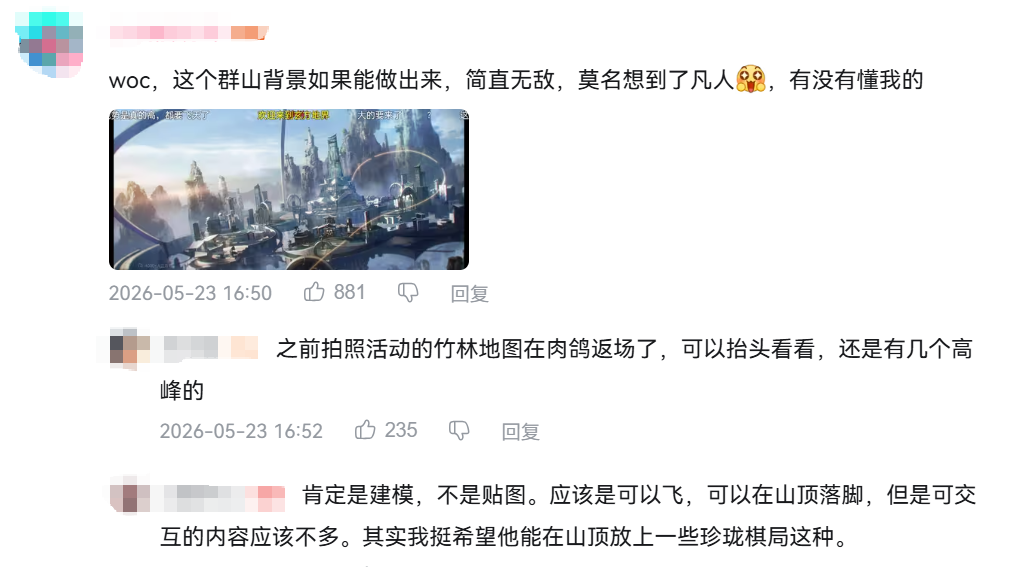
I can understand their excitement. For players who have been with *Tidehunter* for the past two years, the unveiling of a new map always sparks enthusiasm, because the Wanderers know it means new stories, new characters, and new adventures.
The reason this anticipation for the future feels so genuine is that, over the past two years, every update *Mingchao* has released has built up enough trust that players are confident the next update won’t let them down.
So, the excitement at in-person events never comes out of nowhere. I saw it all with my own eyes: the packed exhibition halls at last year’s FEST, the venue drowned in cheers during the live performances, and that fan who held up their phone the entire show just so a friend who couldn’t attend due to health reasons could listen along.
At this year’s birthday party, everything I saw and heard reinforced the same point: the only reason players are willing to travel long distances and spend time coming together is that the game itself offers content worth the effort.
And as it happens, on this two-year anniversary, Version 3.3 serves, in a sense, as an answer to the question of “why these people have gathered here.”
02
Echo
I say this because, as an editor who has followed *Tide of Echoes* since its open beta, my initial impressions of the game have been repeatedly overturned and rebuilt.
During the open beta, I used to think, “This is a standard anime-style game whose main strength lies in combat”; but after the 1.1 update, the rapid release of “Dragon, Phoenix, Butterfly, and Flower” made me start to reevaluate Cardcaptor Sakura’s narrative and character development capabilities;With the arrival of the Linaxi Tower in Version 2.0, *Mingchao* not only revolutionized the traditional method of traversing the open world through flight mechanics but also established a specialized focus on “cinematic storytelling.” By Version 3.0, features like motorcycles and the weather system further demonstrated the game’s new ambitions in open-world design.
In other words, with every update, *Mingchao* delivers tangible improvements to players, giving them every reason to believe that the best version of *Mingchao* is always the next one.
Version 3.3 demonstrates that, after two years of iteration, *Mingchao* has entered a mature phase characterized by “performance-driven storytelling that shapes characters, combined with technology that enhances the player experience.”
Let’s start with the narrative.
In terms of the storyline, the 3.3 main quest concludes the entire Lahiro chapter.I’m sure I don’t need to rehash the highlights—whether it’s the resolution of the unresolved issues from the 3.1 Amis storyline or the personal arc where Feixue overcomes her confusion to face Yulu and sever ties with the past, all the scattered plot threads laid out since 3.0 have been woven into a cohesive narrative in this update.
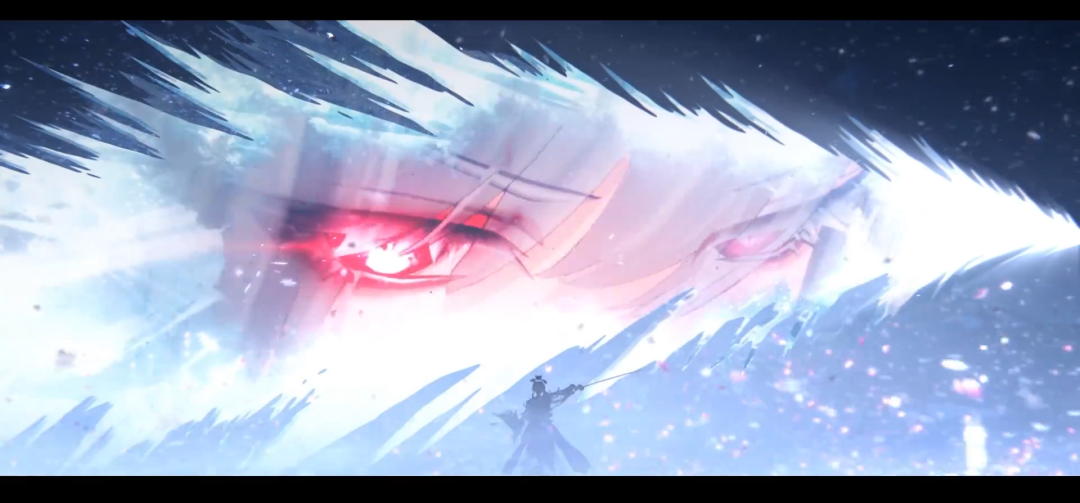
The final showdown between the Drifter and Aleph-1’s mech was a masterful callback that served as the climactic release of the emotional arc that had been building over the past six months. On NGA, there’s a thread where players have rated the storyline themselves,with the first half of version 3.3 currently ranking just behind the legendary 3.1 version, scoring 9.810. Some players even noted that the past 10 versions have received almost universally positive reviews.
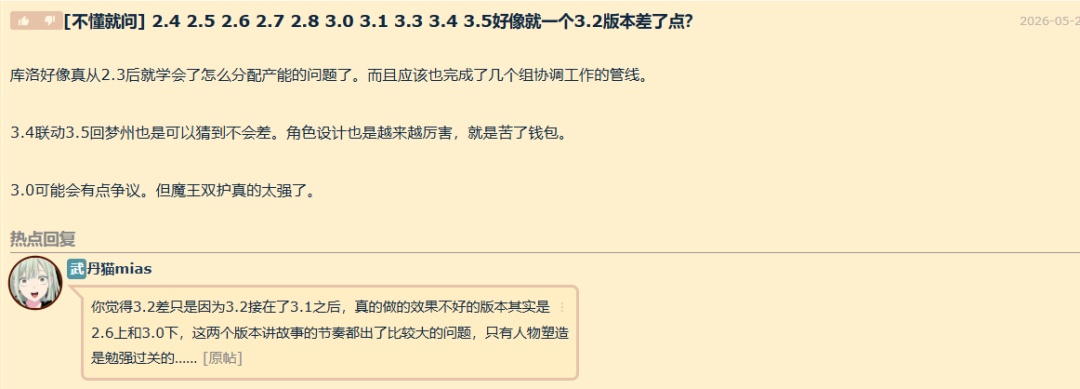
Judging solely by the completeness of the storyline, the first half of Chapter 3.3 was already sufficient to serve as a fitting conclusion. However, the second half—Dania’s story—further demonstrated Kuro’s ability to stir players’ emotions, leaving a profound emotional resonance at the end of the entire Rahiro arc.Moreover, compared to the sudden, noble sacrifice of Emis in 3.1—a loss that caught players off guard—Dania’s story carries a more subtle, heart-wrenching sorrow, as if peeling back the layers of an onion.
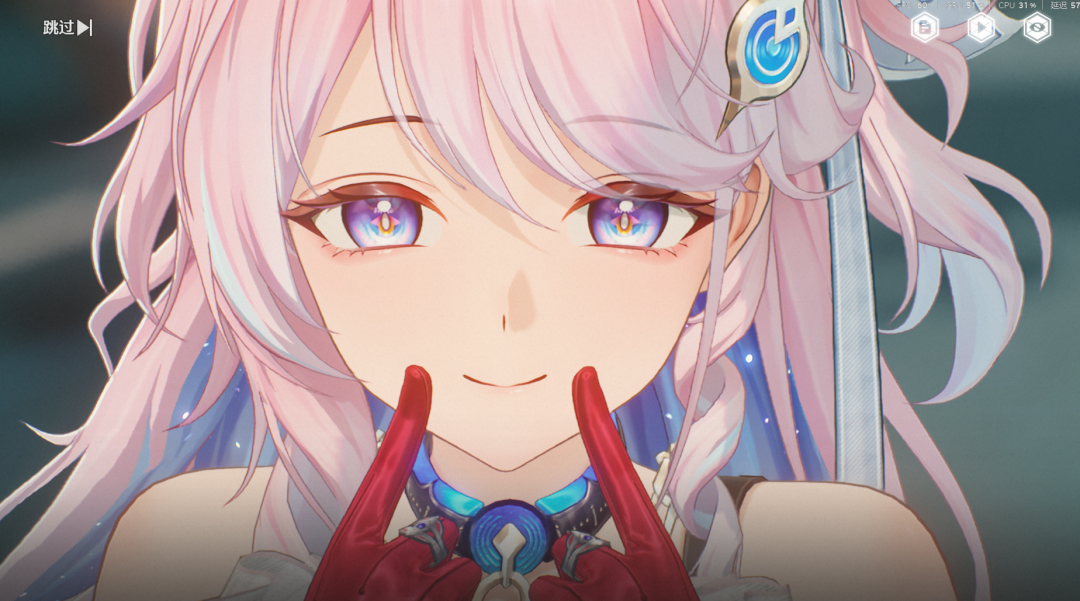
She really is a good girl.
Dania’s story began in the aftermath of the Battle of 3.3. Taken in by Star Torch Academy, Dania used a lie about her birthday to convince the Drifter to accompany her on a journey to confront her destiny.Throughout this journey, the Drifter witnessed the painful inner turmoil that had long plagued this girl—another victim of the Broken Star Society.
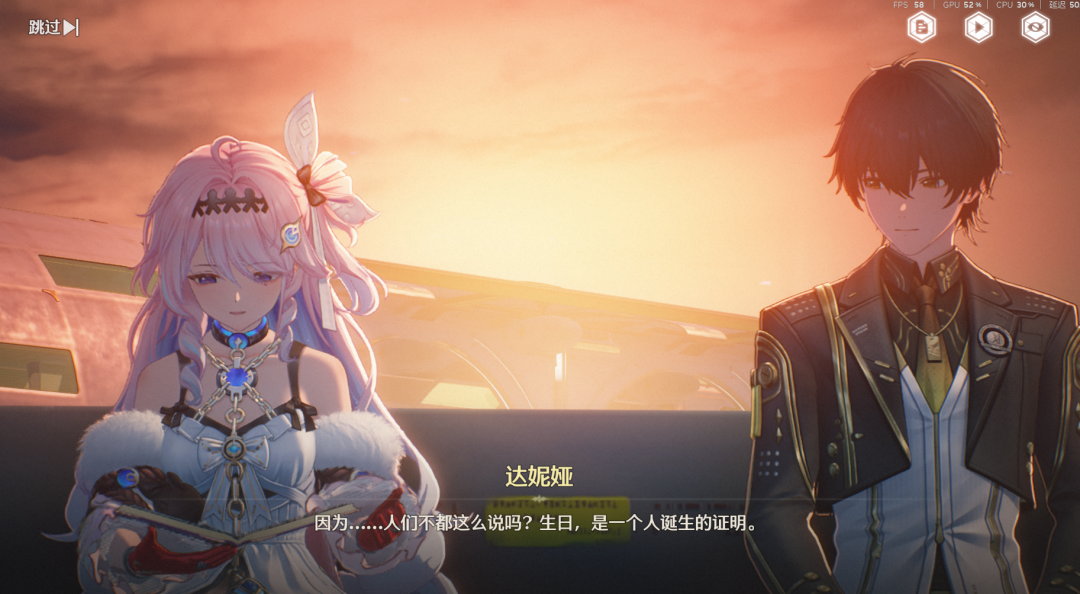
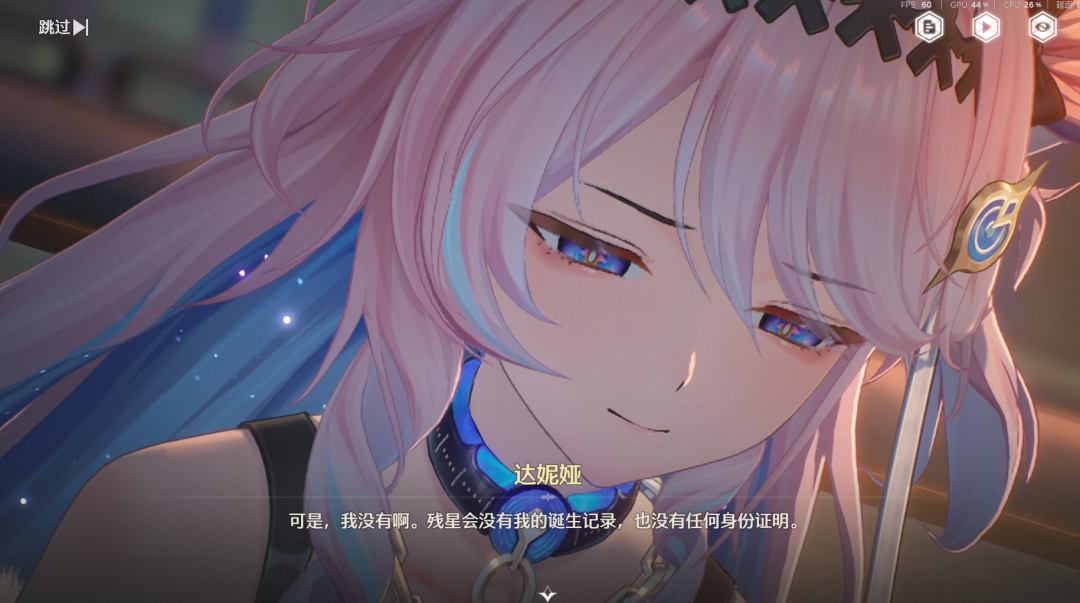
The “Birthday Roam” segment portrays the friendship between the “kind-hearted Sigrika” and the “wicked Dania” in a truly touching way.Though they clearly care for one another, their mutual reservations prevent them from fully opening up to each other. This bittersweet friendship, unique to young girls in their early teens, deeply reflects Dania’s inner kindness; beneath her “hypocrisy” lies a “fear” that she might hurt others.

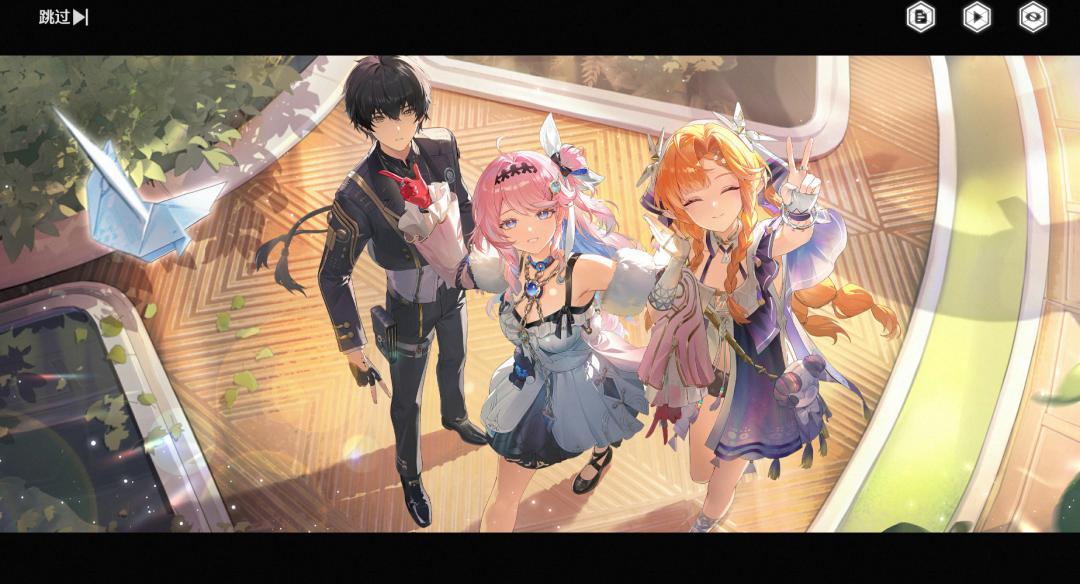
Throughout the second half of the story, it appears that the player (the Wanderer) is accompanying Dania, but in reality, it is Dania herself who, standing at a crossroads of fate, embarks on a journey of self-discovery and soul-searching—a process that ultimately leads her to sacrifice herself for others in a natural and inevitable way.
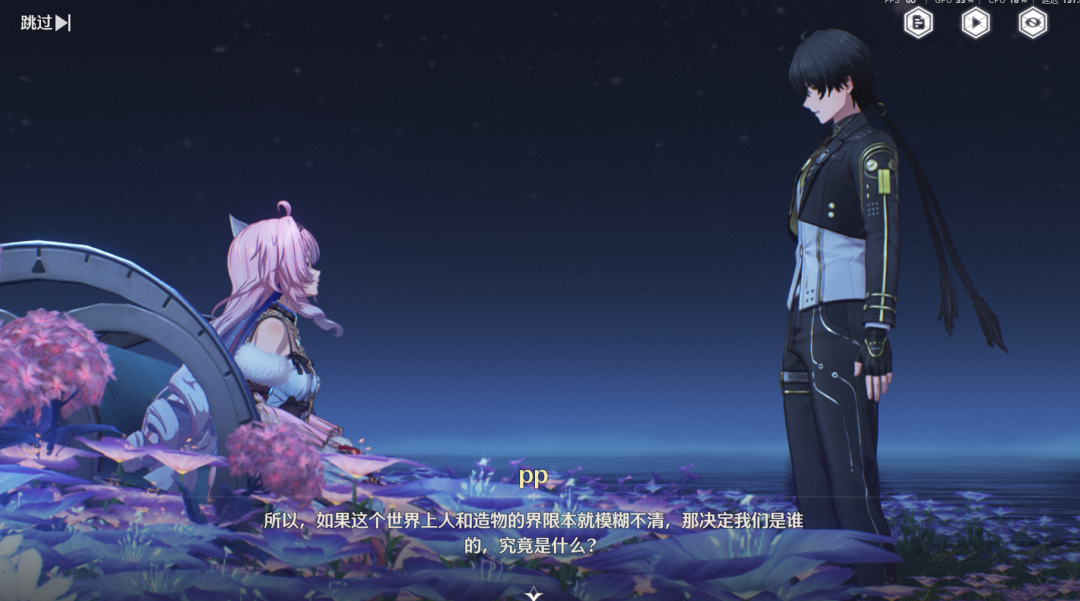
Although she made up a birthday, this day might very well be her real one. Once, she was nothing more than a puppet of the Remnant Star Society, but now she has finally become her own person. The past was like the agony of a caterpillar dissolving into flesh before its metamorphosis, while her “death” today is the emergence of a butterfly breaking free from its cocoon.
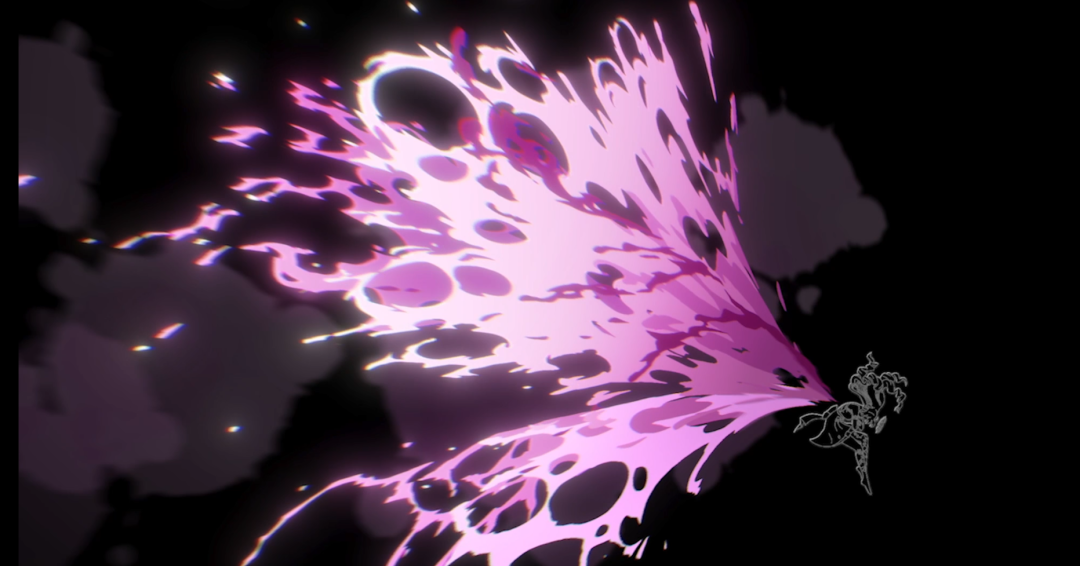
The crux of this narrative lies in the words you (the Wanderer) spoke: “It is not one’s name or origins that define who one is, but one’s own heart.” In the end, Dania chose to return to the laboratory, absorb the fragments of the Ring, and confront the ultimate consequence of her exile—a sacrifice made in the name of protection. She finally achieved self-completion.
Once again, *Mingchao* leaves players with a sense of anticipation for a future reunion.
It can be said that narrative delivery has consistently been *Tidehunter*’s most prominent strength. However, this strength is underpinned by the game’s long-term accumulation of experience. If we step back from the plot and view Version 3.3 as a whole, *Tidehunter*’s current state becomes much more multifaceted:While consistently delivering high-quality storytelling, *Naruto: Storm* also continues to fine-tune the player experience through technical refinements.
The optimization section in every update is actually a tradition that has carried over from *Mingchao*’s 1.0 era. Back then, I mentioned how intensely Kuro worked on optimizations—releasing over twenty hotfixes a week—and since then, the optimization announcements in every update have been as long as the Yan Kingdom map itself. Kuro’s commitment to “delivering a great user experience” is crystal clear.
This remains the case in Version 3.3. The memory issues that have long plagued players have been resolved. The Android app package has been further compressed, and enhancements to the categorized download and resource cleanup features allow players to free up as much storage space as possible based on their progress.
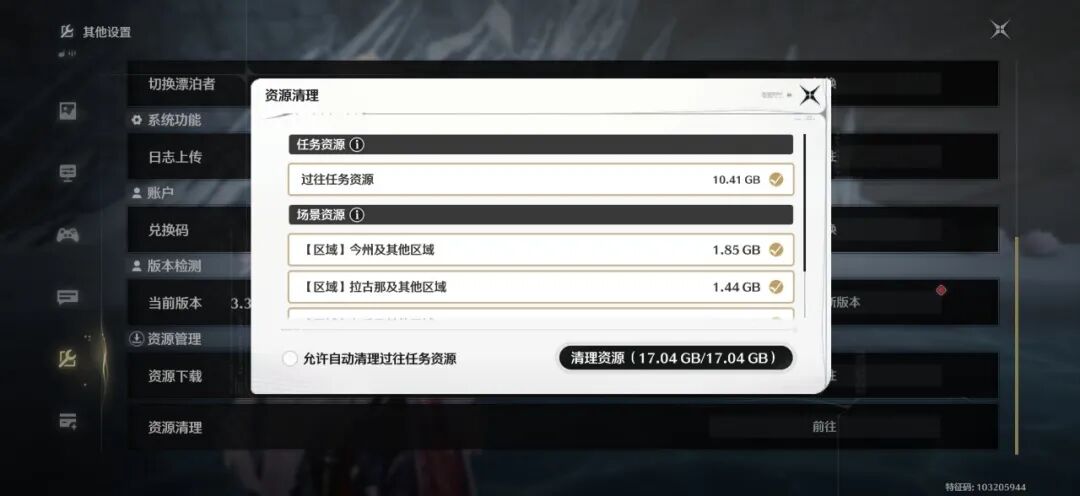
In-game optimizations include, but are not limited to, the motorcycle’s gliding feature and a comprehensive UI overhaul.
Since version 3.0, Kuro has been continuously refining the motorcycle mechanics. When 3.0 first launched, the focus was on fine-tuning the handling; later, with the addition of the “Walking on Water” module in the Icelands, and then the “Gliding” module in the Darklands, the motorcycle system has undergone a series of evolutions, continually raising the bar for the mobility of this core means of transportation in La Hai Luo.
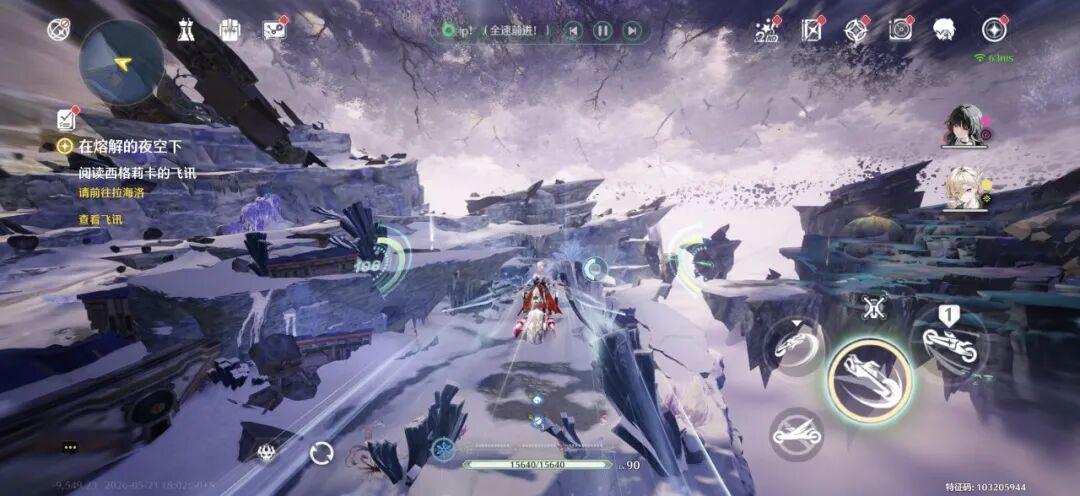
The UI overhaul—which spans all modules, including the shop, inventory, main interface controls, and even the loading progress bar—combined with visual upgrades to the Lahaelo landscape, the satisfying “mowing” experience of attacking plants, and the snow falling from bushes when struck, all point toward a single goal: to make the entire gaming experience more refined and immersive.
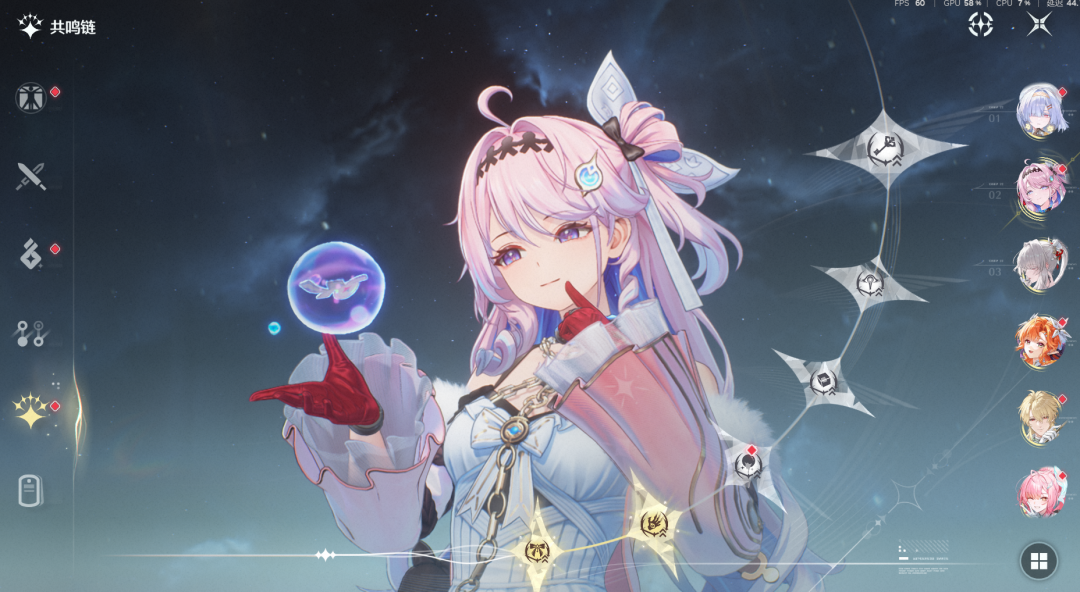
Taken individually, these optimizations may not seem earth-shattering, but when viewed over a two-year timeline, you’ll see that the optimizations in *Tidehunter* are by no means merely reactive “fixes”; rather, they follow a clear, purposeful path of iteration:From the foundational fixes of 1.0, to the system refinements of 1.x, the leap in visual fidelity of 2.x, and the comprehensive advancements of 3.x—each phase has a clear focus.
This capacity for systematic iteration is, in fact, the most critical underlying principle for putting the concept of “long-term operations” into practice.
Furthermore, *Tidehunter* continues to expand its gameplay dimensions, from the mech battles in the first half and the earlier first-person gameplay featuring Big Sister to today’s horror-themed “Statue” mode from Dania’s perspective,These AAA-caliber level designs prove that Kuro has not abandoned its exploration of gameplay just because it’s labeled as “performance-focused.”
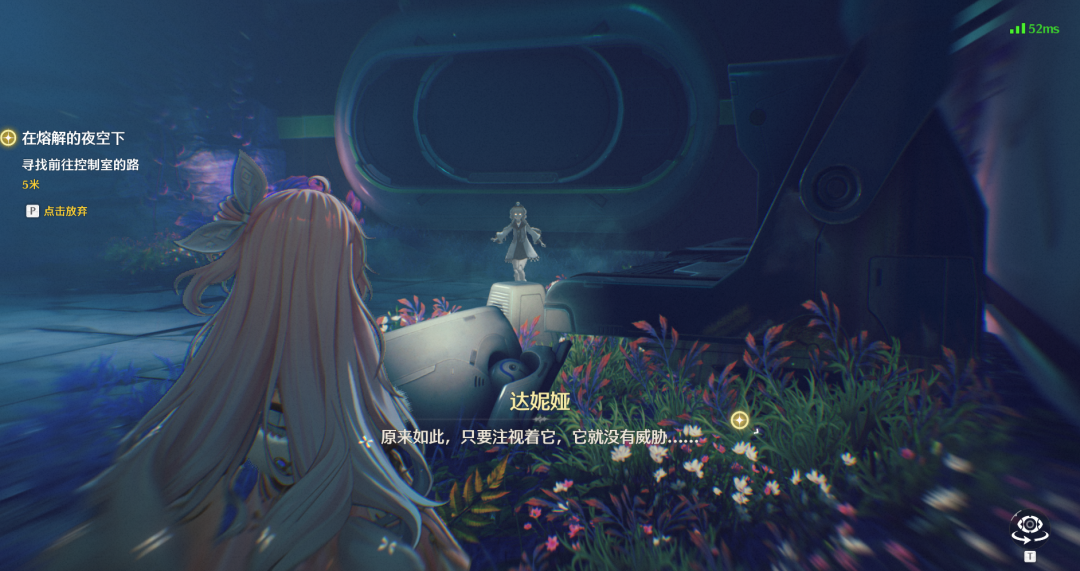
SCP-173, right?
When I wrote about version 3.0, I noted that what makes *Mingchao* particularly valuable is its approach to product design: while constantly refining the “visual” experience, it still maintains a commitment to “play”—or, more specifically, to interactivity. Version 3.3 continues to validate this assessment.
In a market where mobile games are becoming increasingly homogeneous, Kuro’s commitment to interactivity is easily overshadowed by the dazzling spectacle of top-tier productions; yet it is precisely this commitment that allows *Mingchao* to maintain a distinct identity in the competitive landscape.
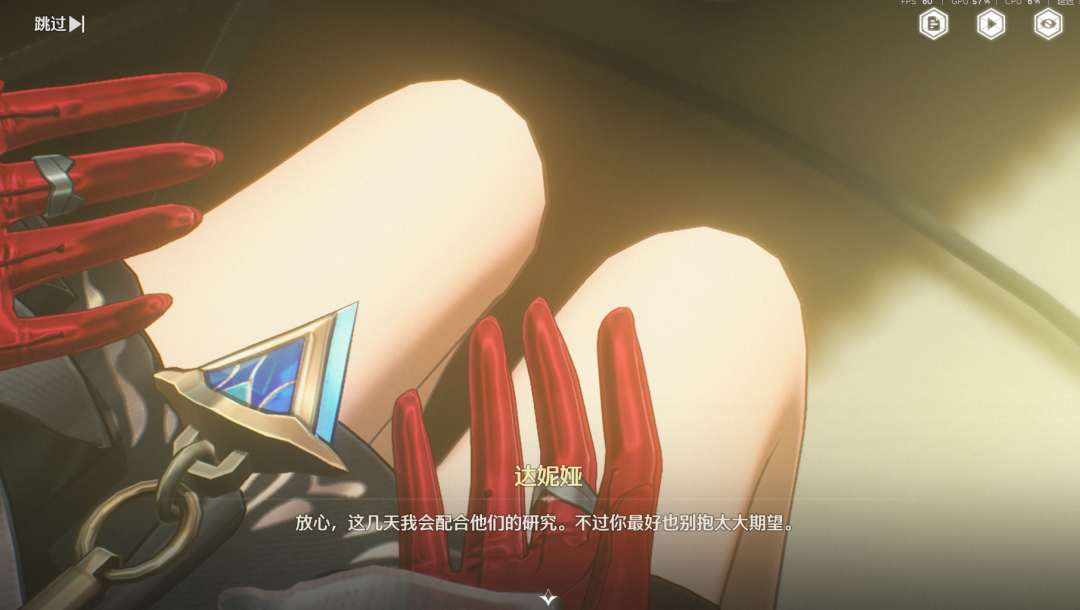
Actually, there are many more details we could discuss, such as the use of color in character design. If you look closely, you’ll notice that *Tide of the Roar* follows a specific logic when it comes to the colors used in character appearances. For example, “scarlet” is exclusive to characters associated with the Remnant Star Society, and the deeper a character’s connection to the Remnant Star Society,the greater the proportion of crimson in their appearance. (Excluding the President’s avatar.)
The only part of our Dania that is bright red is her gloves; on the one hand, this serves as a symbolic hint that she is connected to the Remnant Star Society, while the restrained use of color visually suggests that she is, in fact, a good girl.
Due to space constraints, I won’t go into further detail about the refinement of *Mingchao*. With that said, let’s return to the original question: two years later, what has *Mingchao* become?
My assessment is that it has evolved from a “promising but flawed new product” into a mature product that continues to improve, strives for innovation, and remains committed to meeting players’ needs.
Its core competitiveness is built on the “integrity of the character experience”; storytelling, acting, combat design, and visual presentation all ultimately serve the same purpose: to bring characters to life and allow players to form genuine emotional connections with them.
3.3 Characters like Dania and Feixue—and before them, Sigrika, Amis, Lu Hesi, and others—have won the hearts of players not only because of the strength of the script itself, but also through the synergy of multiple elements, including audiovisual presentation, interactive design, and color symbolism.All these systems work together to deliver a seamless, immersive experience.
Looking at *Mingchao*, we might conclude that a product’s long-term value is by no means a one-time gamble on a single explosive milestone, but rather is rooted in the clearly perceptible progression from one version to the next. Only when every update makes players feel that the game has “improved just a little more”will trust naturally accumulate. Once this trust is established, the product possesses the fundamental prerequisite for long-term success: “word of mouth.”
This is why the current version of *Mingchao* gives off a sense of confidence; it no longer needs to prove itself through any single version, because the recognition and anticipation it has garnered from players over the past two years are proof enough.
Conclusion
Finally, let’s return to the story we began with. In Lem’s novel, when Bregg returns to Earth, he faces a new world into which he cannot fit; his dazed state is tinged with profound loss. But the players of *Tidehunter* are different from Bregg—they haven’t missed these “127 years,”They know exactly when every change began, and they understand that these changes happened because of them.
That is precisely why players’ appreciation for *Mingchao* today goes beyond mere satisfaction with the current version’s quality; it also encompasses the deep sense of connection that comes from having witnessed and accompanied the game’s journey. Their words and enthusiasm at the birthday event are a testament to that appreciation.

As for the line I wrote in the introduction—“Perhaps there will never be another Mingchao”—I wasn’t actually trying to praise it.
I truly believe that for a product to undergo such intense growing pains during the early stages of open beta and yet achieve such a dramatic transformation within two years, a multitude of conditions must align simultaneously: for instance, a team willing to expose its shortcomings in the spotlight and sincerely address them;a group of players willing to wait and see; and, finally, a market window that happens to allow for this kind of slow-burn growth.
Without any one of these three elements, the story of *The Roaring Tide* would not be what it is today.
Today, the mobile game market is becoming increasingly competitive, and the market itself is growing more impatient. In the future, it will likely be difficult for any product to have the same amount of time and room to start from scratch again.
Two years ago, at the end of my article on the open beta of *Mingchao*, I quoted Wen Tianxiang’s *Letter to Hong Duanming Yunyan*, stating that *Mingchao* would have its own “bright future ahead.”These four words still hold true today, though their meaning has changed. Back then, “the future is long” was a hope tinged with a touch of trepidation; today, it is simply a statement of fact.
From Jinzhou to Linaxita, and from Linaxita to Lahaile—through these three journeys, the story of the Wanderer and *The Roaring Tide* continues, and the end of the journey remains far off.
原创文章,作者:gallonwang,禁止转载:https://youxichaguan.com/en/archives/197761