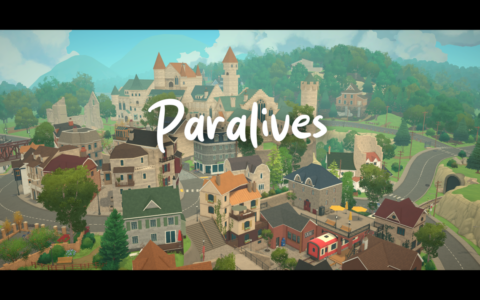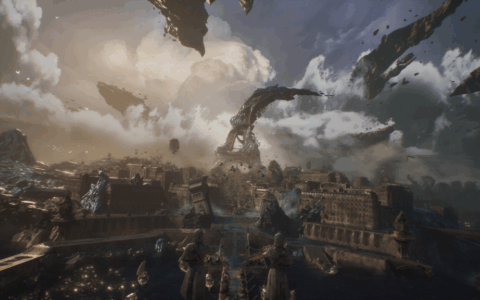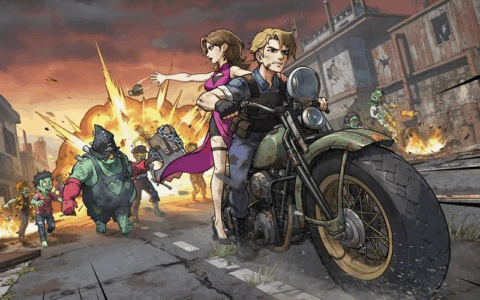
Today, every leading game developer has established a strong presence in the turn-based strategy genre.
After years of consolidation and market consolidation, virtually every major publisher now has at least one turn-based strategy game in its portfolio (for the purposes of this article, “turn-based strategy games” include SRPGs, certain SLGs, and certain auto-battler games, due to historical factors related to translation and community discussions) as part of its asset base.
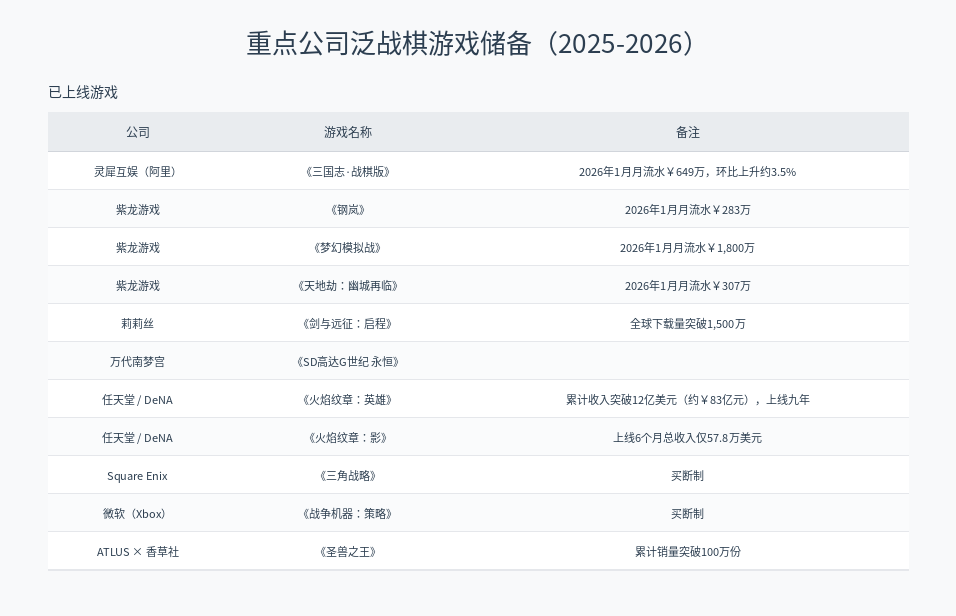
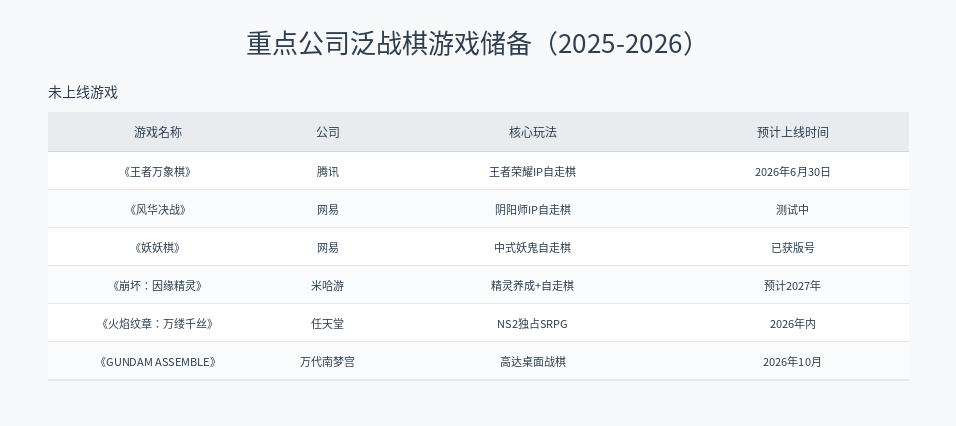
These products share a common set of characteristics: they are hardcore, niche, and have a high barrier to entry; they feature astonishingly long play sessions and steep learning curves; and they run counter to the industry’s dominant narrative over the past three years—which has centered on high DAU, vast open worlds, and industrial-scale content bombardment.
So why are developers collectively shifting their focus to a genre that appears to have a limited user base and a relatively slow pace per match?
In his book *Marketing Management*, Philip Kotler made an observation that applies to today’s gaming industry: the essence of a growth market is capturing attention, while the essence of a mature market is the economics of retention.
The Chinese mobile gaming market has reached its growth ceiling, and users acquired at high costs often churn within three days. Therefore, rather than competing for casual players, game developers would be better off targeting high-value users who are willing to pay for the thrill of decision-making and who, once retained, are unlikely to leave.
The turn-based strategy and strategy game genres, however, offer a deep, immersive experience and complex decision-making, providing users with long-term value. As such, they are likely among the genres with the strongest ability to retain users in an era of saturated markets.
Here’s the question: Tactical board games have a very high barrier to entry, and there’s a natural divide between hardcore and casual players. How can developers retain players in this mid-to-hardcore strategy genre?
01
Tencent: A Strategic Matrix Centered on IP
Backed by unrivaled traffic advantages and access to capital, Tencent’s strategy is certainly not to focus narrowly on a single vertical, but rather to build a comprehensive portfolio of strategy games in a multi-dimensional, step-by-step approach.
The goal is to achieve comprehensive coverage of all types of strategic users through penetration across multiple product lines and categories.
In other words, it’s saying to all potential and current turn-based strategy game players, “I want it all.”
Although it may seem logical, Tencent’s strategy to date has been built on the painful lessons learned from past failures.The anime-style turn-based strategy game *White Night Aurora*, once the subject of high expectations, garnered attention upon launch thanks to its exceptionally high-quality art. However, constrained by its lack of long-term gameplay depth and the extreme competition within the anime genre, it ultimately shut down on January 24, 2025.simultaneously, *Ring of War*, a tactical strategy blockbuster heavily funded by Tencent with a valuation that once reached 2.1 billion yuan, ultimately faced a cash flow crisis and entered bankruptcy liquidation due to the mismatch between its exorbitant R&D costs and the limited market size for hardcore tactical strategy games.
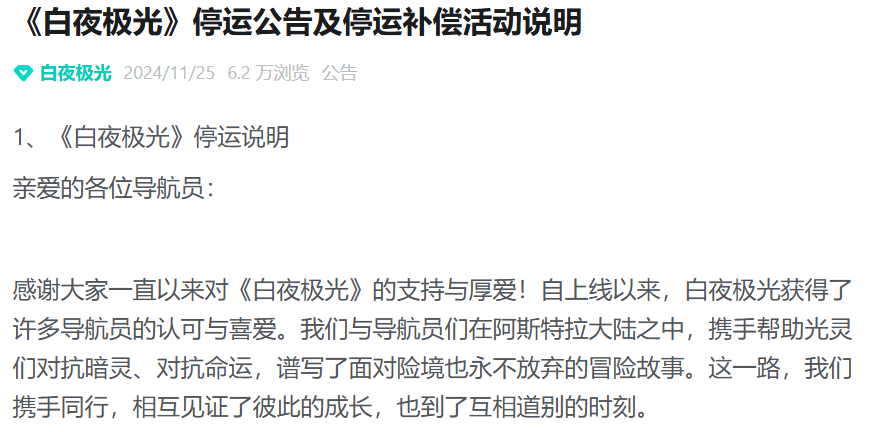
The failure of these two core product lines prompted Tencent to adjust its approach to the tactical and strategy game genres.
Tencent’s current portfolio features a clear and practical tiered structure.
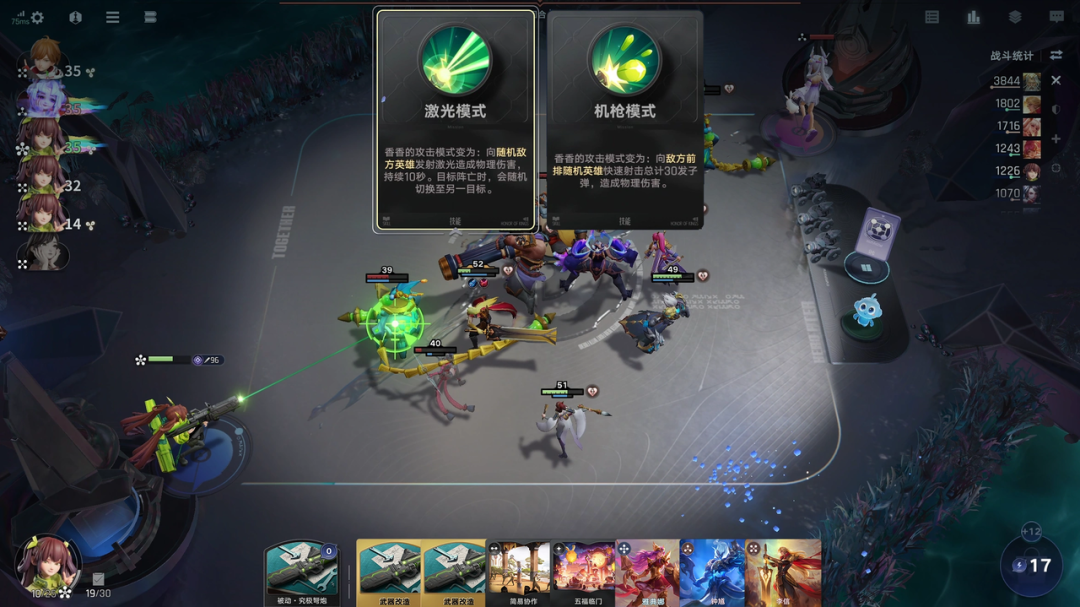
First is the IP-driven strategy education tier. This tier is best exemplified by *Honor of Kings: Auto Chess*, whose core objective is to leverage the massive user base of the national-level IP *Honor of Kings* to introduce strategy to the mass market through the auto-battler genre.The game eschews complex grid-based micro-management in favor of dragging pet pieces—a move by Tencent to build a massive user base that has already been preliminarily “educated” for future hardcore strategy titles.
Next is a two-pronged approach combining heavy-duty and lightweight strategies.In this regard, Tencent is leveraging authentic, large-scale sandbox titles such as *New Three Kingdoms: Glory Reborn* to secure a dominant position in the historical simulation SLG genre, competing against NetEase’s *Rateshu Zhibin* and Lingxi Interactive’s *Romance of the Three Kingdoms: Tactics Edition*.(It is worth noting that *Romance of the Three Kingdoms: Tactics* incorporates both the grid-based movement of tactical board games and the core mechanics of a large-scale map offense-defense system).
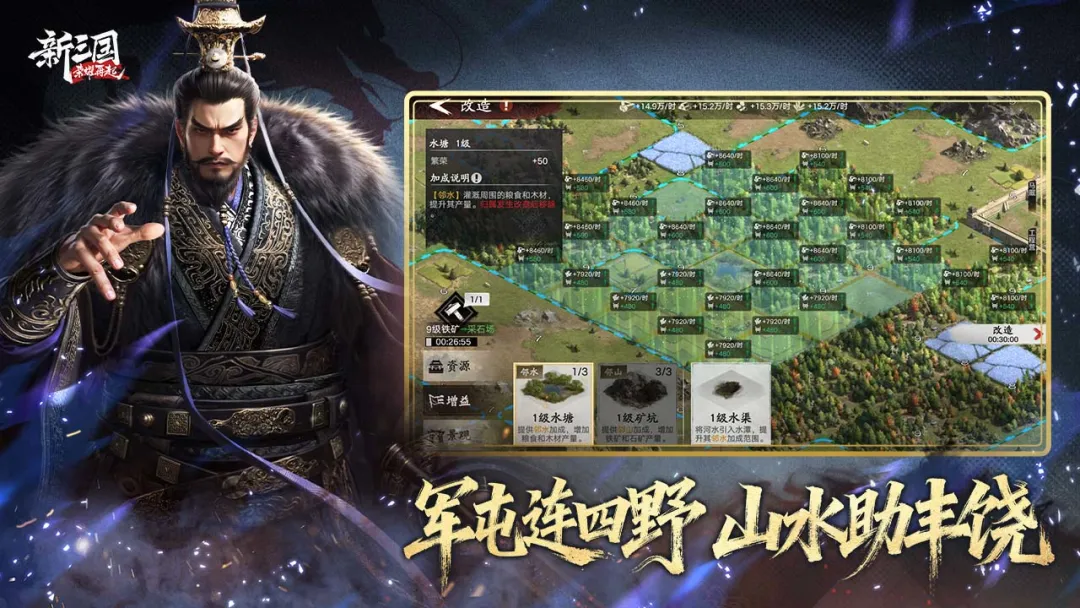
This approach—which emphasizes broad reach rather than deep vertical specialization—aligns with Tencent’s long-standing strategy of horizontal expansion. It avoids the drawbacks of traditional SRPGs, which often take a long time to gain traction, while also effectively boosting the long-term retention rates of Tencent’s games.
Tencent’s competitive advantage lies in its unparalleled ability to replicate social network distribution and its resilience in the face of market competition. When the auto-battler trend took off, Tencent was able to quickly mobilize resources and simultaneously launch products like Chess Rush and Teamfight Tactics to reshape the market.
Therefore, the strategic value of turn-based strategy games to Tencent essentially lies in their role as an ecosystem safeguard—Tencent does not need to become the most hardcore developer of turn-based strategy games, but it will not allow any blockbuster titles in the strategy genre to slip away from its social network.
02
NetEase: Internalizing IPs, Parasitic Gameplay
From NetEase’s perspective, the resurgence of the tactical RPG genre has not reignited its passion for developing major in-house titles, but rather has allowed it to rediscover a defensive strategy to protect its other flagship games from vulnerability.
This means that NetEase will not independently develop traditional SRPGs costing hundreds of millions of dollars to go head-to-head with other developers. Instead, it has chosen a two-pronged approach: the cross-genre fusion of CCG and tactical RPGs, and the integration of gameplay features within super apps. Both strategies share the same logic—maximizing the reuse of traffic value at the lowest possible marginal cost.
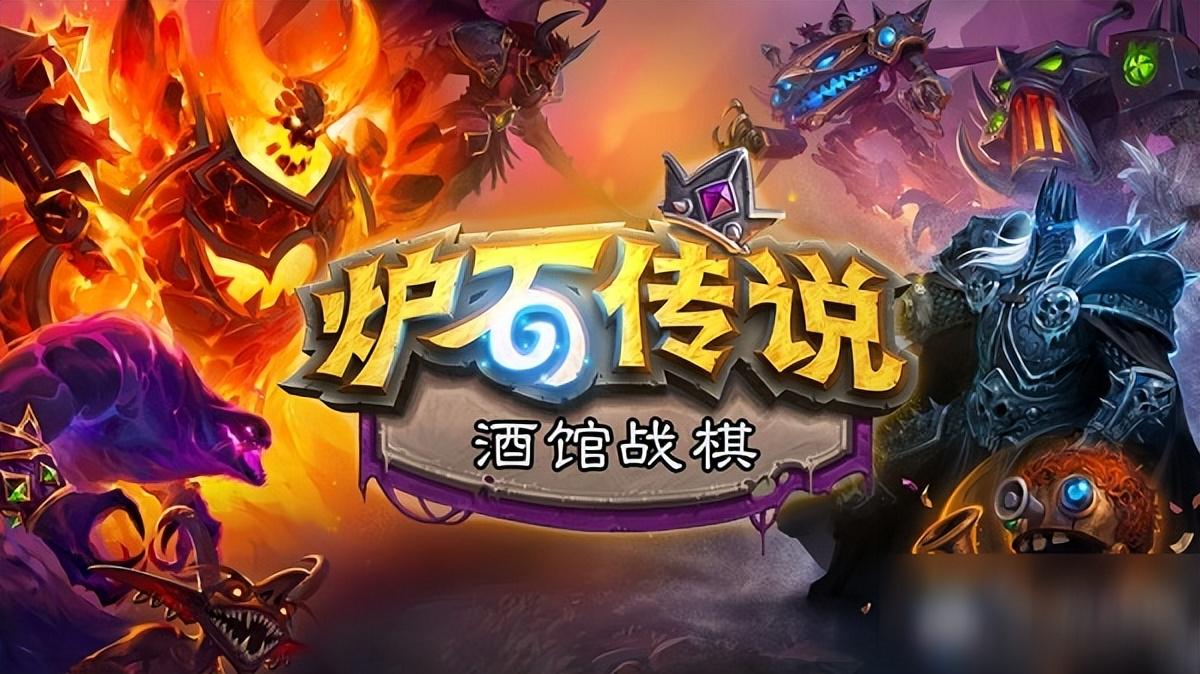
The first approach is the cross-genre fusion of CCG and tactical board games, with *Hearthstone: Tavern Brawl* as the flagship title. By combining deck-building with tactical positioning, it delivers a level of replayability far surpassing that of pure tactical board games.The game itself integrates resource management, star-upgrading mechanics, and combat testing. While the strategic depth of tactical board games is preserved, the addition of random elements and deck-building ensures that every match offers a unique experience. This fusion has significantly expanded the audience for tactical board games, becoming a core pillar of NetEase’s active user base across both PC and mobile platforms.
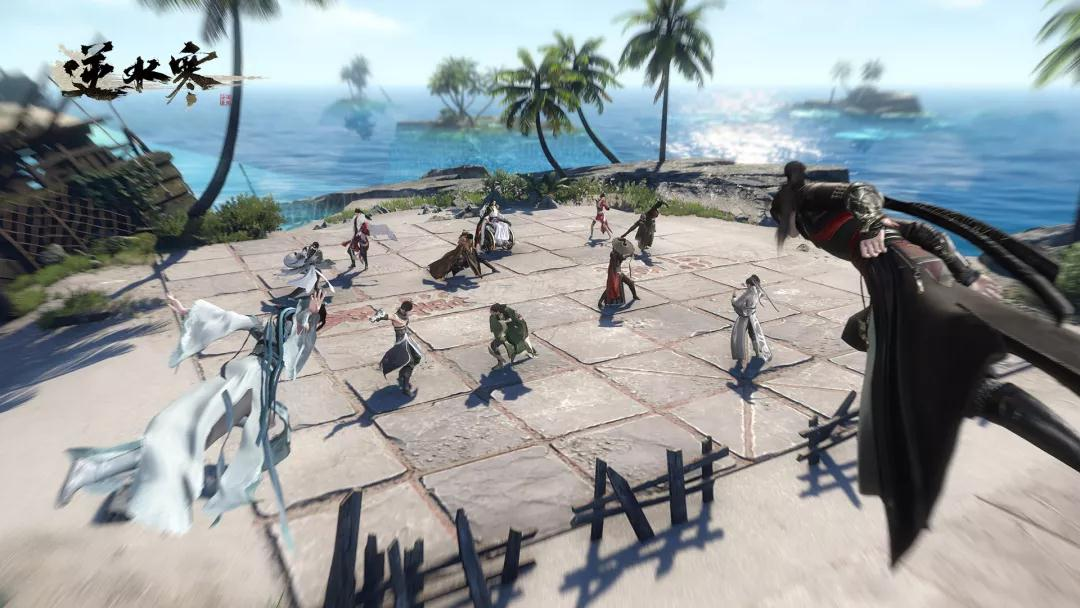
The second approach involves leveraging the ecosystem of games with high DAU. NetEase has embedded tactical board game mini-modules into its existing blockbuster titles. The PC version of *Jade Dynasty* features the “Heroic Tactics” board game, while *Onmyoji: Battle of Peace* has introduced a mahjong-style board game.There’s no need to redevelop expensive 3D art assets or build a new game world from scratch; simply overlaying the underlying numerical logic is enough to provide high-quality, long-lasting microtransaction content for MMO or MOBA players. The investment is so small as to be almost negligible, but once players click in, it translates into tangible online playtime.
In addition, NetEase is focusing its efforts in the auto-battler genre on two products. The first is *Fenghua Jue Zhan*, based on the *Onmyoji* IP and developed by the Baiyi Studio under the Dream Division. It combines auto-battler gameplay with competitive strategy and character synergy development. The second is *Code Name: Yao gui*, developed by the Leihuo Studio,which received its publishing license in January 2026 and was renamed *Yao Yao Qi*. The game adopts a Chinese-style supernatural folklore theme, with core mechanics centered on a “boundless board” and “infinite units.” It breaks free from the grid limitations of traditional auto-battlers, enabling a snowballing increase in unit numbers through keyword synergies.
NetEase’s strategy is designed to be highly resilient. If the built-in turn-based strategy mode becomes a hit, the resulting buzz can directly boost the original game, effectively extending its retention period and monetization opportunities—which is crucial for NetEase, a company lacking its own traffic platform;If the performance is lackluster, leaving it untouched is unlikely to cause significant damage, as the R&D and operational costs can be spread out indefinitely across the already mature core game.
At the same time, through high-frequency social virality within the NetEase Masters community—such as invite-to-draw events and team-based missions—NetEase has successfully engaged this group of strategy gamers in a deep and meaningful way, effectively retaining them within its own ecosystem.
Overall, NetEase views the strategic value of the broader tactical board game genre as a low-cost, high-return tool for extending user retention time—a safeguard against player churn.The company does not expect the strategy game genre itself to generate massive revenue, but it is very concerned with whether strategy gameplay can keep *Jade Dynasty* players engaged for an extra half-hour, and whether it can provide *Fantasy Westward Journey* players with a place to go during periods of inactivity.
Under this logic, as long as players remain within NetEase’s ecosystem—whether they’re playing MMOs, card games, or turn-based strategy games—it makes no difference to NetEase.
03
Zilong Games: The Highest Barriers to Industrialization
Zilong Games and its subsidiary, BlackJack Studio, are currently the most professional players in China’s tactical board game sector and a model of deep vertical specialization.
In plain English, that means going all out on the tactical strategy.
From the breadth of its product pipeline and the maturity of its underlying technical framework to the completeness of its industrialization pipeline, no other vendor currently matches Zilong’s scale in the turn-based strategy genre.
Zilong’s expertise in turn-based strategy games has been built through an immense investment of time and human resources. Over the course of eight years and four product generations, the company has accumulated a wealth of technology—including a low-level level editor, complex AI pathfinding algorithms, and a cross-version balance framework—which together form Zilong’s true competitive advantage.
When it comes to products, Zilong is also one of the few vendors with the ability to specialize deeply in specific verticals and iterate on its offerings.
The original game, *Phantasy War*, laid the foundation for the *Purple Dragon* strategy series.
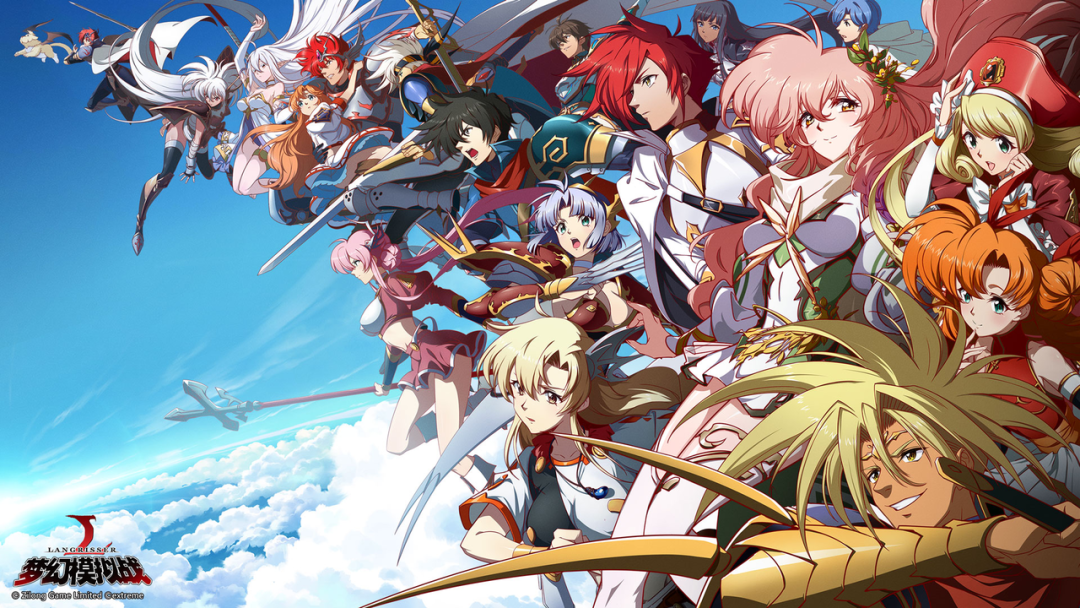
Launched in 2018 and in operation for over seven years, the game remained the undisputed leader in the domestic tactical mobile game category as of May 2026, with monthly revenue of nearly 15 million yuan.
Beyond its longevity and ability to generate revenue, the most significant aspect of this product is that it established a complete, self-sustaining monetization model in the Chinese mobile gaming market: a classic IP combined with authentic Japanese-style SRPG grid-based movement, unit counters, class progression trees, and hero gacha mechanics—a framework that later became the core template for all of Zhilong’s subsequent products.
In addition, *Fantasy Simulation War* has established a PVE numerical simulation model for Zilong’s other titles that has been proven effective over the long term in the market.
Balancing a turn-based strategy game is far more complex than balancing a card game or an ARPG. Unit counters on the grid, terrain modifiers, and turn order weighting—with each additional variable, the workload for balance testing increases exponentially.
Thanks to the data and experience accumulated over seven years of operating *Fantasy Simulation War*, Zilong doesn’t have to start from scratch with its subsequent products.
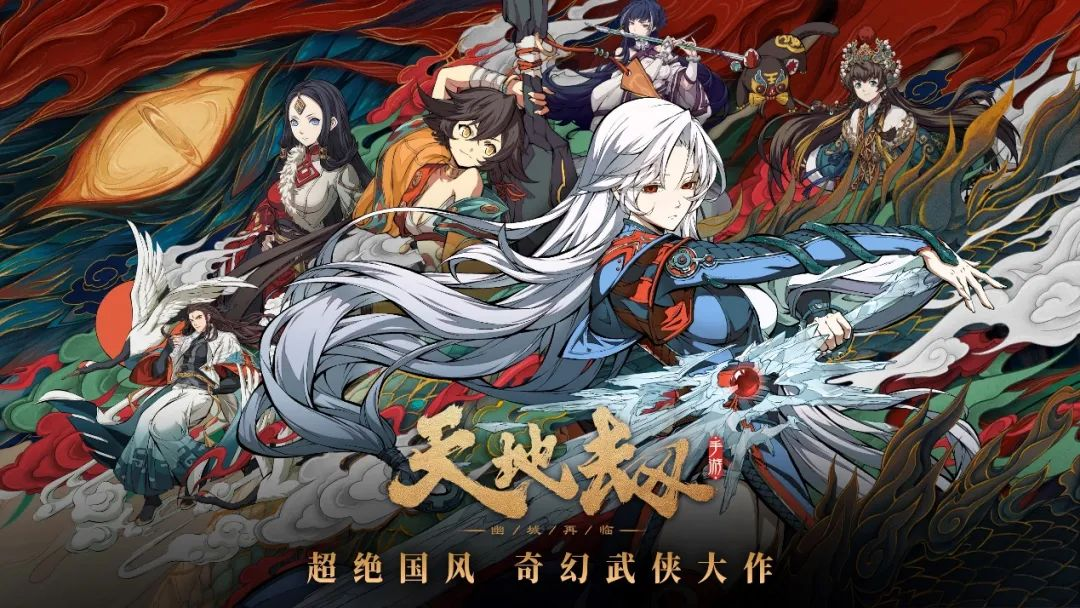
Once the groundwork was laid, Zilong took its first step into the next dimension with *Heaven and Earth: The Return of the Dark City*.
Launched in 2021, the game generated 135 million yuan in revenue on iOS in its first month in the Chinese market.”Heaven and Earth” represents a comprehensive upgrade in Zilong’s production capabilities. 2D character art was replaced with high-quality 3D animations, environmental gameplay elements were further enhanced, and the production cost benchmark for tactical board game mobile titles was raised by an order of magnitude.This title proved to the industry that tactical RPGs are not merely low-budget niche games—they can achieve audiovisual standards on par with major genres while retaining their core hardcore grid-based strategy mechanics.
Building on the foundation laid by *Fantasy SimulWar* and the innovative approach of *Heaven and Earth*, Zilong’s third-generation title, *Steel Storm*, has chosen a more radical path.
In terms of theme, the game has completely abandoned the familiar fantasy framework of the first two installments, venturing into the niche but highly dedicated realm of hardcore mecha science fiction. In terms of gameplay, it introduces Purple Dragon’s most radical design to date—the limb destruction mechanic. In traditional turn-based strategy games, a unit’s health is a single, unified pool.In *Steel Storm*, mechs are meticulously divided into four independent durability modules: torso, left arm, right arm, and legs. Destroying an enemy’s arm directly disarms the specific weapon mounted on it, while destroying the legs severely limits mobility and prevents evasion rolls.and only by completely destroying the torso can a unit be rendered inoperable.
Combined with realistic ballistics calculations and a cover system, this mechanic requires players to make precise tactical decisions within a limited number of action points; in terms of strategic depth, this is undoubtedly Purple Dragon’s masterpiece.
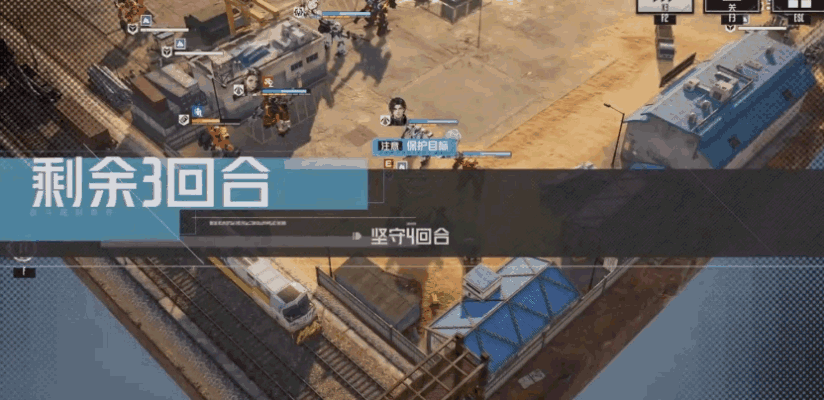
However, the commercial results told a different story. The game generated 32 million yuan in revenue during its first month on iOS, but revenue then declined rapidly, and it remained in the top five of the best-seller charts for only about two weeks. By January 2026, monthly revenue had fallen to 2.83 million yuan, roughly one-sixth of that of *Phantasy War*.
The problem lies on two levels. First is the game’s ability to break out of its niche. *Steel Storm* has gone all-in on hardcore elements in its theme, art style, and gameplay. Mecha is a niche genre to begin with, and the addition of limb destruction further raises the learning curve; the realistic 3D style also shows no consideration for lowering the barrier to entry.With these three layers of hardcore elements stacked on top of each other, the target user base has been narrowed down to an extremely small niche. Second is the pressure to monetize. *Steel Storm* employs a dual-track monetization model featuring both mech and pilot gacha systems, significantly increasing the financial burden on players.
Hardcore gameplay, high costs, and a long, circuitous feedback loop have sparked sharply divided opinions within the player community.
This also epitomizes the strategic dilemma facing Zilong: “hardcore” gameplay is the company’s greatest moat, but the deeper this moat is dug, the narrower the user funnel inevitably becomes. “Hardcore gameplay is both its strength and its downfall.””To cater to core veteran players, strategy games must continually deepen their strategic complexity and layer on more numerical dimensions. At the same time, however, the barrier to entry for newcomers is irreversibly raised.”
One example is *Archeland*. Zilong attempted to expand into overseas markets with an original IP; this turn-based tactical SRPG briefly topped the iOS sales charts in South Korea after its launch there, but failed to replicate that success outside the country.*2089: Frontier*, a spin-off of the *Front Mission* IP developed in collaboration with Square Enix, has also found itself in a situation with an uncertain future. Neither of these two attempts to expand the company’s reach has become a new foothold.
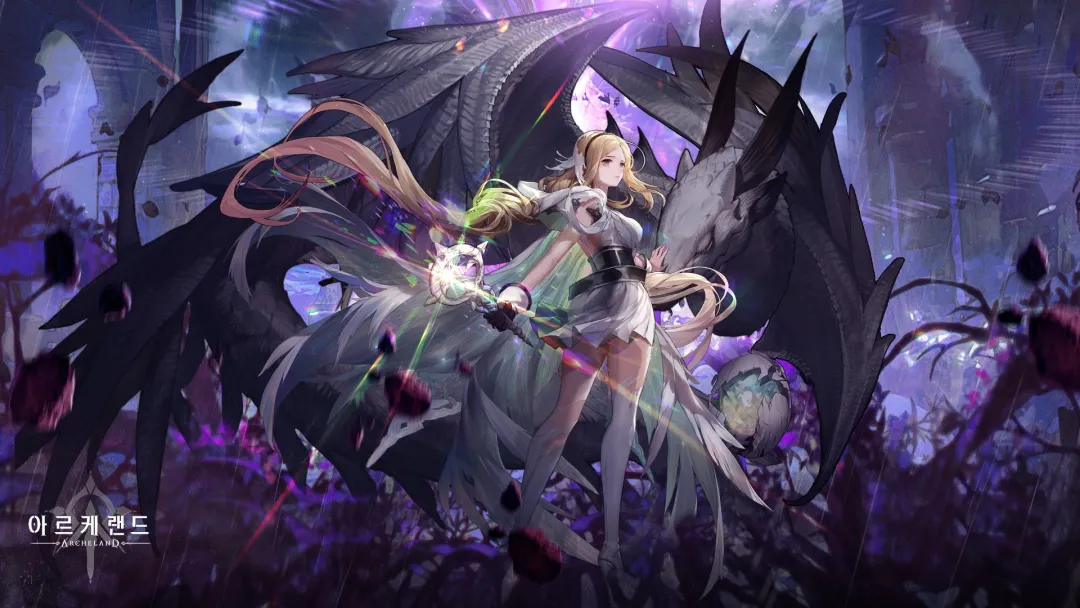
However, this does not mean that Zilong will abandon the tactical RPG genre. In the first month of 2026, the combined monthly revenue from its four tactical RPG titles still exceeded 26 million yuan. These core users, who generate high ARPU, form Zilong’s core user base and provide the confidence for the company to expand into any new categories.
At the same time, however, Zilong serves as a cautionary tale for new entrants to the industry: no matter how strong a company’s industrial capabilities may be, if it continues to narrow its target audience, the marginal returns will keep diminishing.In the deep well of tactical strategy games, Zilong has dug deep enough. Its subsequent strategic pivot—the launch of *Dragon Soul Traveler*—demonstrates that it has begun to carve out new paths alongside this deep well.
04
Heartflutter: The Struggles of an Idealist
If Tencent’s strategy is a massive flood of traffic, then Xindong’s approach is rooted in idealism.
As the centerpiece of the company’s tactical strategy lineup, *Sword of Lily: For a World of Peace* is permeated with this commitment to idealism, while also bearing witness to the struggles that idealism entails.
The development cycle spanned over four years, with the budget increasing from an initial few tens of millions of yuan, and the production team comprised a group of individuals who had personally contributed to classic titles during the twilight of Japan’s golden age of gaming.The core of the team comes from the former Shanghai Dongxing, having worked on *Final Fantasy Tactics* for the GBA and the *Super Robot Wars* series, and having previously collaborated with Takanobu Terada.
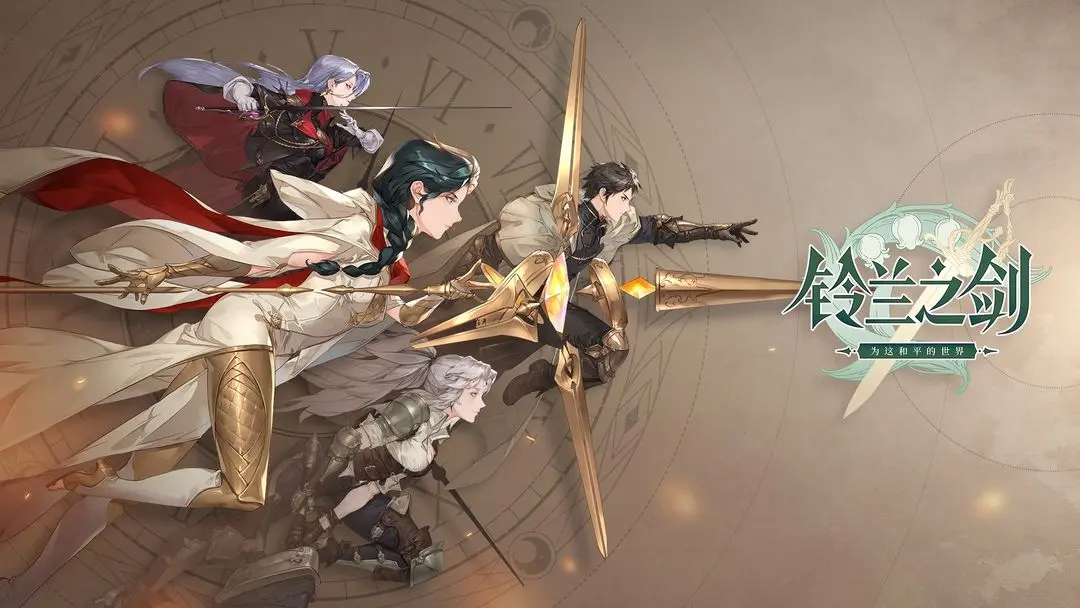
It’s clear just how high the expectations and investment behind *The Sword of Lily of the Valley* are, and thanks to Xindong’s unique taste, the game itself delivers an exceptionally hardcore experience.
In the game, this translates to an enormous amount of initial content and a nearly perfect recreation of classic Japanese turn-based strategy games.
In a conversation with Tactics RPG legend Yasumi Matsuno (producer of *Final Fantasy Tactics* and *Knights of the Round*), producer Guo Lei stated that, out of a love for and as a tribute to classic tactical JRPGs,the team has created over 300 maps, 1,000 stages, and multiple branching endings unlocked by player decisions, with a content volume that fully meets the standards of a buy-to-play AAA tactical RPG.

In terms of level design, the game places a strong emphasis on deep environmental interaction—such as using terrain to push enemies off cliffs, setting platforms on fire to create distractions, and altering movement mechanics on frozen water surfaces. These designs maximize the tactical depth of each segment, bringing the fun back to strategic positioning and luring enemies into traps.
This idealism is also evident on a commercial level: *Sword of Lily* has managed to cram a complete, multi-playthrough single-player game module into a service-based MMORPG.”Intertwined Worlds” handles gacha mechanics and long-term character progression, while the single-player module “Spiral of Fate” offers a pure narrative experience free from gacha mechanics and stat-based progression loops.
The core strategy involves attracting users through “high-quality single-player content upfront” and boosting the monetization efficiency of traditional turn-based strategy games by implementing “service-based gacha monetization later on.“
Traditional turn-based strategy gamers have high standards when it comes to level design and tactical positioning.Xindong Games has invested significant sunk costs (even taking risks that exceeded the budget) to build a vast library of single-player content that is strictly free-to-play, featuring hardcore mechanics and a storyline steeped in the classic Japanese style of the 1990s. This has successfully attracted those core hardcore players who are alarmed by the trend toward fast-food-style, purely thrill-driven tactical games.
The flaws of idealism can be fatal; the business model of gacha-based character progression,is severely limited by the size of the user base itself. Meanwhile, *Lily of the Valley Sword*’s hardcore art style and SRPG gameplay mean that the small number of niche players are unlikely to be motivated to spend heavily, and this group clearly has little overlap with the audience for gacha games (which are driven by a combination of fetishes and character power).
This severe imbalance has resulted in “Sword of Lily of the Valley” hovering around the mid-tier for three years, with no signs of improvement in sight. At the same time, the game’s combat mechanics—which lock players into a single class—create a rigid system (similar to a simple weapon-based rock-paper-scissors dynamic) that makes it extremely difficult to adjust deck-building strategies in the late game.
However, on the other hand, *The Sword of Lily of the Valley* has maintained its update schedule; not only did it successfully wrap up the main storyline at the end of last year, but it also featured a surprise crossover with *The Witcher 3*.
This means that, even after two years of operation, *Sword of Lily of the Valley* remains capable of sustaining the massive and complex narrative demands of a single-player, networked storyline. In a way, this actually highlights the strengths of the tactical RPG genre: a significant long-tail effect, as well as user retention built on solid game balance, nostalgia, and genuine care.
05
Lilith: A Global Strategy Game
Lilith isn’t obsessed with hardcore gameplay mechanics, nor does it carry the heavy narrative baggage typical of single-player games.
Its core methodology involves incorporating “the spatial strategy elements of wargames” as a means to enhance the game’s depth, skillfully integrating them into the game mechanics and the global card distribution system.
“Sword and Conquest: Departure” is Lilith’s flagship title and embodies the company’s entire vision for reimagining the tactical board game genre.
In terms of local combat, this game does away with the tedious, turn-based movement typical of traditional tactical RPGs, shifting the core focus to pre-battle grid-based formation setup. Players adjust their positions before the battle begins, leveraging walls, obstacles, explosive barrels, buff zones, and character ranges to build a tactical advantage.Once combat begins, the AI handles all automatic firefights. The logic behind this design is clear: it preserves the spatial strategy and terrain interaction of tactical games while eliminating the burden of in-game micro-management, compressing the decision-making process into the few dozen seconds before the battle begins.
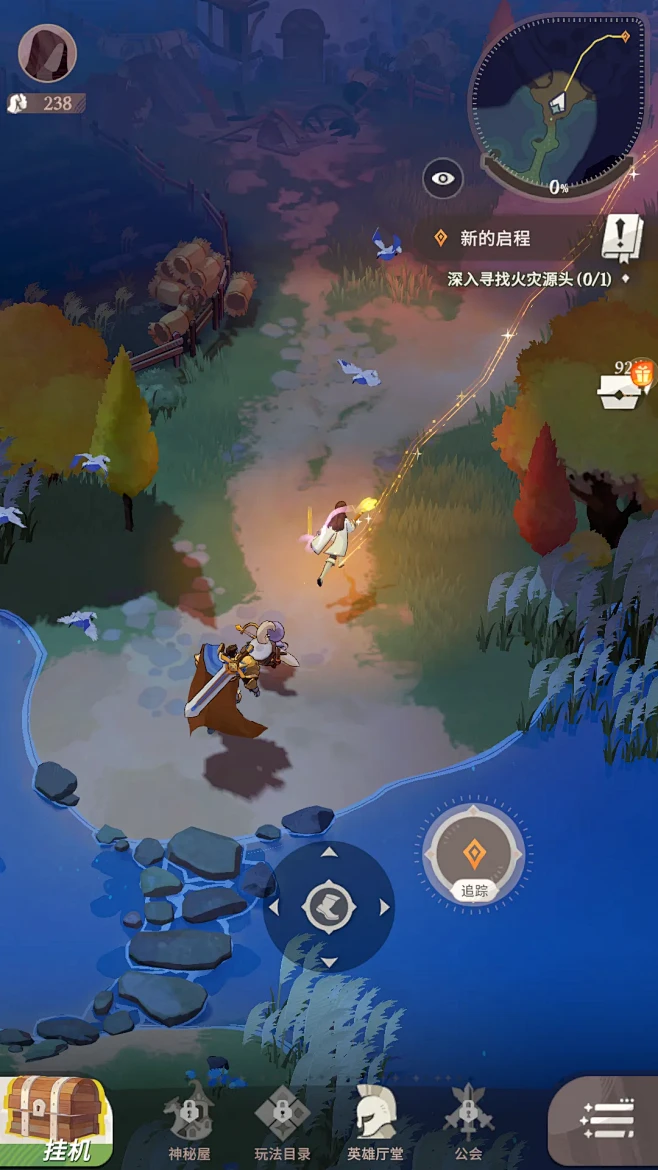
In terms of the progression system, *Journey* takes a more extreme approach to streamlining the gameplay. All characters share the same level, and equipment is shared across characters of the same class. Equipment stats are fixed with no random modifiers, so players only need to focus on developing five core heroes.
The game’s design eliminates the frustration often associated with traditional turn-based strategy games, where a single misstep with a character can lead to total defeat.Since its launch, the game has been downloaded over 12 million times, with in-app purchase (IAP) revenue reaching $128 million—more than 20% higher than its predecessor during the same period. Amid extremely fierce market competition, this achievement validates the commercial viability of Lilith’s reimagined gameplay framework.
Lilith did not view the success of *Departure* as a triumph for the turn-based strategy genre, but rather as a strategic upgrade to the idle card-based framework.This implies that the next iteration will likely not delve deeper into tactical board game mechanics, but rather continue to layer strategic variables onto the card-placement framework—more diverse positioning logic, more complex environmental interactions, and richer pre-battle decision-making dimensions. Tactical elements are the means; card placement is the end.
Lilith’s strength in the tactical RPG genre is matched by its capabilities in global distribution and cross-category marketing targeting mass-market audiences.Lilith does not play the “hardcore” card. In its marketing and promotion, it has signed mainstream celebrities like Liu Qian and incorporated mini-games such as match-three and puzzle games into its user acquisition materials, enabling it to penetrate the global casual strategy game user base at extremely low cost.
Looking at Lilith’s overall strategy for 2026, the positioning of tactical board games has become much clearer.For Lilith, tactical board games are essentially a glamorous facade designed to raise the ceiling for card-based strategy games; they are a tool for harvesting massive global DAU, rather than the company’s core foundation. By segmenting and consolidating these games, Lilith has achieved lower investment costs, a broader audience, and faster commercial validation.
06
Felt our way across the river by following international manufacturers
The major players are aggressively expanding into the turn-based strategy game genre, driven not only by their respective strategic objectives but also by a fundamental, overarching need.
In other words, since the gaming industry entered the era of market saturation, this approach has been one of the few ways to identify reliable opportunities.
For example, Vanillaware’s *King of Beasts*, published by Atlus and Sega, launched in early 2024. At launch, it faced competition from AAA blockbusters on the scale of *Final Fantasy VII Rebirth*. Yet despite this intense competition, it surpassed 1 million copies sold worldwide within six months, becoming the fastest-selling title in Vanillaware’s history.
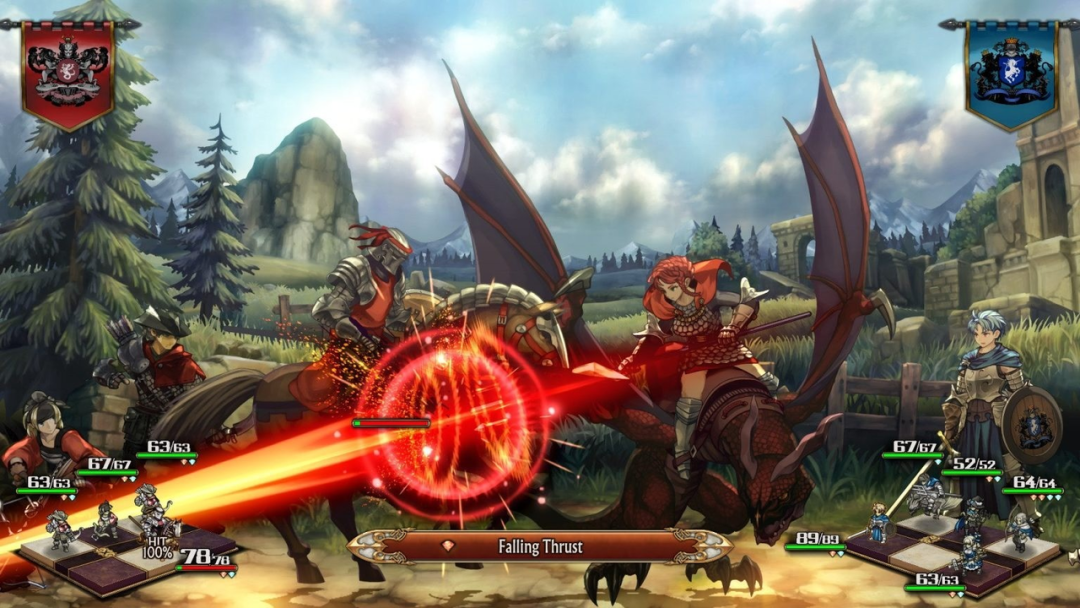
More importantly, it’s the game’s long-tail performance. Sega’s financial report for the quarter ending March 2026 showed net sales of 487.5 billion yen and operating profit of 47.1 billion yen for the quarter.During the earnings call, Sega executives explicitly stated that repeat sales of *Metroidvania*, *King of Beasts*, and *Persona 5 Royal* were the core drivers supporting the entire digital entertainment segment.
*King of Beasts* demonstrates a core attribute of the tactical board game genre: the commercial value of a high-quality tactical board game lies in its ability to generate revenue consistently over the next five or even ten years.
Its revenue stability across economic cycles makes it the company’s most essential stabilizing asset.
Another example is Nintendo’s *Fire Emblem: Heroes*, which launched in February 2017. By 2026, it will have celebrated its ninth anniversary, with cumulative global player spending exceeding $1.2 billion. Revenue in its first year was approximately $265 million, and monthly revenue in its ninth year remains around $3 million to $4 million.
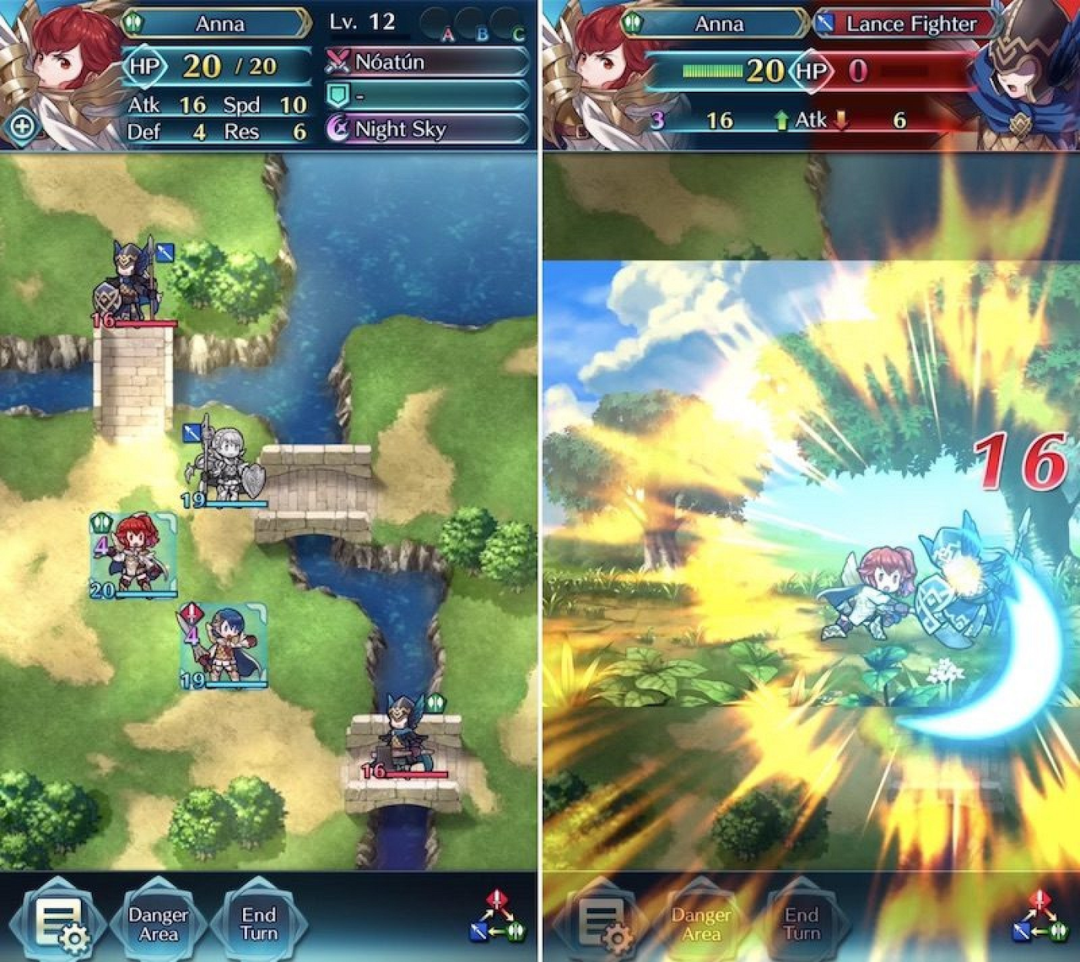
At its core, the tactical RPG player base consists of a group that has been naturally filtered by the genre: they are primarily between the ages of 25 and 45, have stable incomes and ample disposable income, are open to in-app purchases, and face extremely high switching costs.
Furthermore, the strategy genre, of which turn-based strategy games are a part, represents the most reliable pathway for Chinese games to expand into overseas markets.Among the top 100 Chinese self-developed mobile games by overseas revenue, strategy games account for 49.96% of total revenue, ranking first for five consecutive years. Since strategy games are rule-driven rather than culture-driven—involving resource allocation, territorial expansion, and diplomatic maneuvering——concepts that are universally applicable worldwide and do not require overcoming cultural barriers—they can seamlessly integrate with the methodological expertise Chinese developers have accumulated over more than a decade in three core areas: numerical design, social systems, and long-term operations. As a result, the strategy genre constitutes the most solid foundation for global expansion.
However, ideals are always alluring—and hard to realize.
The underlying physics of tactical turn-based games is a multidimensional numerical game played out within a grid-based space—introduce elevation differences, and blind spots on the Z-axis appear;introduce hit surfaces, and backstabs, critical hits, and flanking cover fire emerge; introduce dynamic environmental interactions, and the workload for underlying AI pathfinding trees and numerical balance testing explodes exponentially.
As a result, striking a balance between innovation and maintaining the status quo is exceptionally difficult for new games.
If you focus too much on breaking new ground and innovating, you’ll end up losing sight of what makes strategy games so enjoyable.
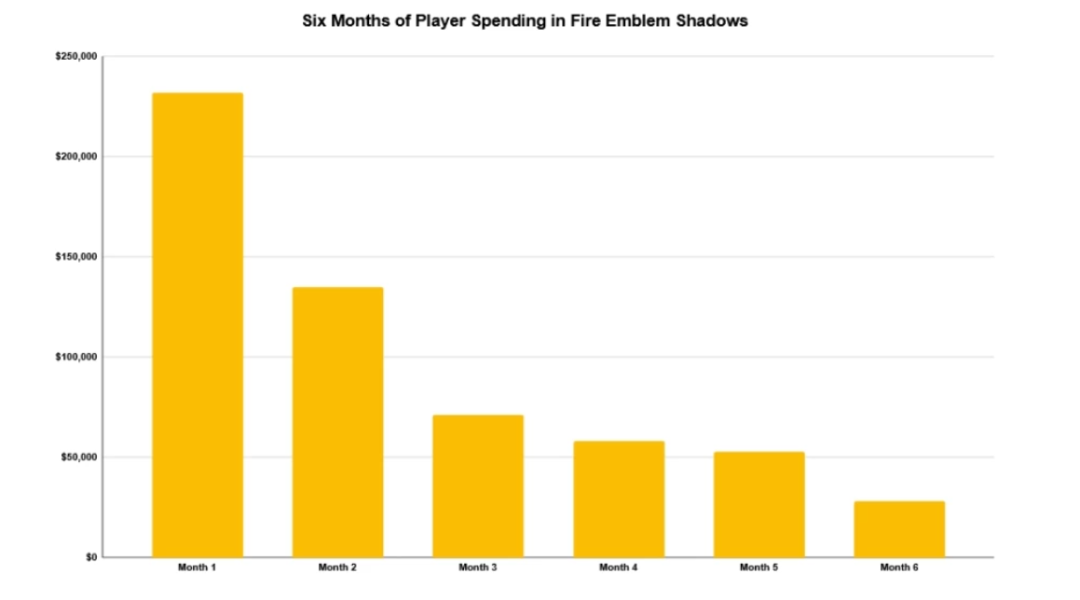
Nintendo, too, took a major hit with its spin-off title *Fire Emblem: Shadows*, launched in September 2025 in collaboration with DeNA.According to tracking data from AppMagic and Sensor Tower, the game generated just $578,000 in revenue over its first six months—less than one percent of *Fire Emblem Heroes*’ earnings. Revenue saw only a slight spike when new characters were released, before quickly plummeting back to rock bottom.
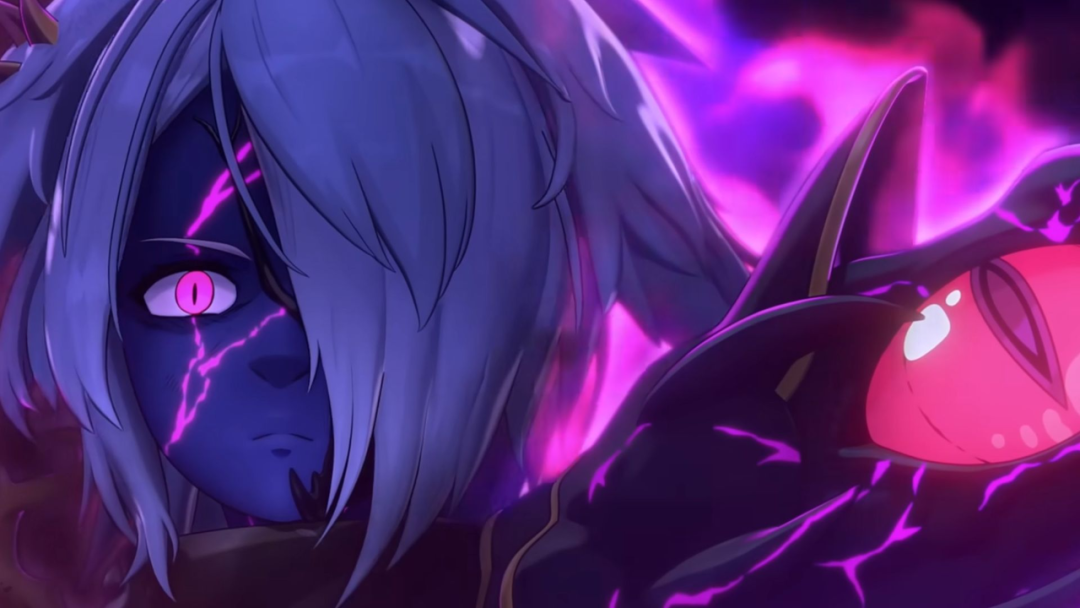
In terms of gameplay, *Shadow* has completely abandoned the grid-based turn-based system in favor of real-time combat combined with social deduction, severing the neural pathways that allow strategy game players to receive positive feedback through tactical planning;In terms of monetization, it has abandoned gacha mechanics in favor of a season pass system combined with microtransactions. The season pass caps the spending ceiling for high-spending players, while microtransaction gear creates a power gap in PvP environments, completely undermining fairness.
Two products, both based on top-tier IPs, yet with vastly different fates—this reveals that the risks inherent in the turn-based strategy genre do not vary based on the size of the IP.
And continuing down a path that has already proven successful isn’t necessarily safer; with such a niche tactical gameplay style, there will inevitably come a day when you hit a dead end.
The previously mentioned *Steel Storm* is a prime example of this. Nippon Ichi is another company that’s been making a lot of noise despite its dire straits. According to its financial report for the fiscal year ending March 2026, due to extremely sluggish sales of new titles and DLC, revenue in Nippon Ichi’s entertainment division plummeted by 33% to 3.485 billion yen,with operating profit plummeting by 81.6%.
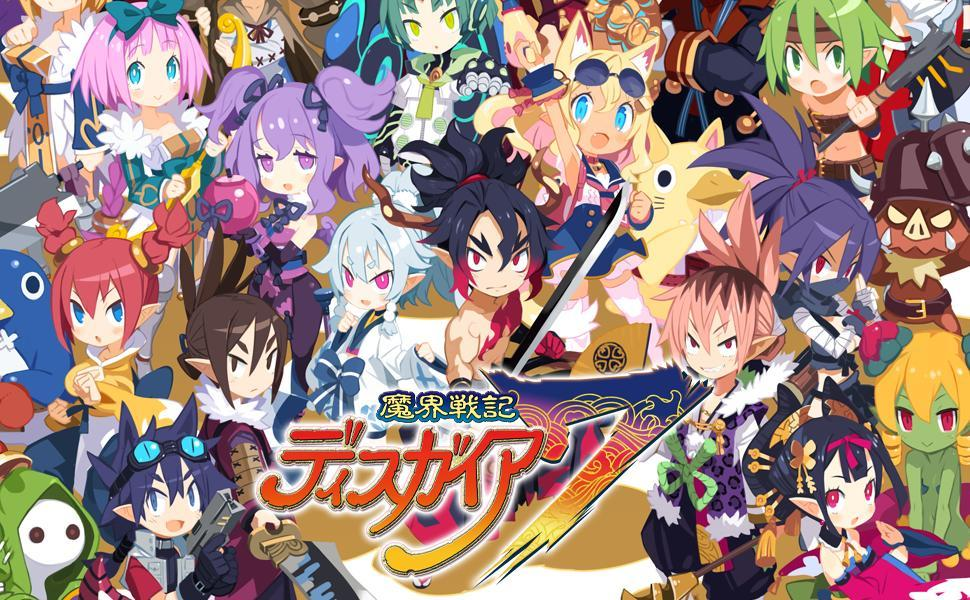
The problem is structural; it has long relied too heavily on the fixed framework of the *Disgaea* series—endless grinding, reincarnation, and astronomical damage numbers.
Thus, we see another path to failure for turn-based strategy games: when veteran players grow weary of the game due to the increasingly fast pace of life, and the company is constrained by its own technical limitations and unable to make qualitative improvements to both the art and gameplay, user churn becomes inevitable.
This is the inescapable fate of all long-term strategy games. Layers upon layers of updates eventually create a formidable cognitive barrier. New players are shut out, veteran players naturally drift away, and with insufficient new growth to compensate, the advantage at the top of the pyramid instantly turns into fragility at its base.
The reason the turn-based strategy genre is worth investing in is that, once established, it can provide long-term revenue and user loyalty that other genres struggle to replicate.However, the genre is challenging to develop because establishing a foothold requires making the right decisions across a series of critical choices—mechanic trade-offs, resource allocation, and technical iterations—and the window for each decision is extremely short, while the cost of correction is extremely high.
It’s not the category with the highest barriers to entry, nor is it the one with the quickest returns, but it is certainly the category with the strictest rules.
Epilogue
Take a step back and look beyond the specific grids and unit types.
Ultimately, tactical games are more than just a genre.
In an era of stagnant growth, all developers are vying for players’ long-term engagement value. After all, in this increasingly fragmented and pervasive environment, users’ desire for order, certainty, a sense of control, and depth is actually being strongly stimulated.
Tactical board games, as a genre of strategy games, offer precisely this kind of space—on a hexagonal grid, the sense of powerlessness in the real world is dissolved, replaced by pure causality: every strategic decision yields clear feedback, every resource management effort has a defined limit to its accumulation, and the entire virtual world operates strictly according to complex yet fair and predictable rules.
While the turn-based strategy genre bears a heavy burden, in 2026 it is destined to continue holding its ground as the most robust and lucrative segment of the global interactive entertainment industry, even amid growing pains and evolution.
原创文章,作者:gallonwang,禁止转载:https://youxichaguan.com/en/archives/197797