“In the vast distances beyond, countless people are connected to me.”
The opening line above is taken from Lu Xun’s “This, Too, Is Life.”
When Lu Xun wrote these words, he was in the final days of his life. His once-faithful companion—the body that had sustained his tireless writing—was now ravaged by illness, nearly bringing his life to ruin.
This is the saddest aspect of human existence: no matter how great or wise a soul may be, it is inevitably constrained by its fragile, mortal body.
At the same time, however, this is precisely what makes human thought so valuable; it is precisely because life is finite that the greatness of the human spirit is all the more evident.
Even on his deathbed, Lu Xun remained concerned for people far away, for he understood better than anyone that a person’s suffering is never his own alone; the fate of the individual is, in essence, intertwined with that of millions of people he has never met. Each of us is, in fact, woven into the vast web of our times; the suffering of others is, in a sense, a reflection and a preview of our own fate.
Words, art, and all forms of media are tools for bringing this connection to light from the silence.
Games, of course.
Nearly a century after the publication of *This, Too, Is Life*, an Iraqi man who grew up amid gunfire and power outages set out to use video games to present to the world a voice from the Arab world—one that stands in stark contrast to the modern perception of the region, which is almost exclusively defined by labels such as war, ruins, and terrorism.
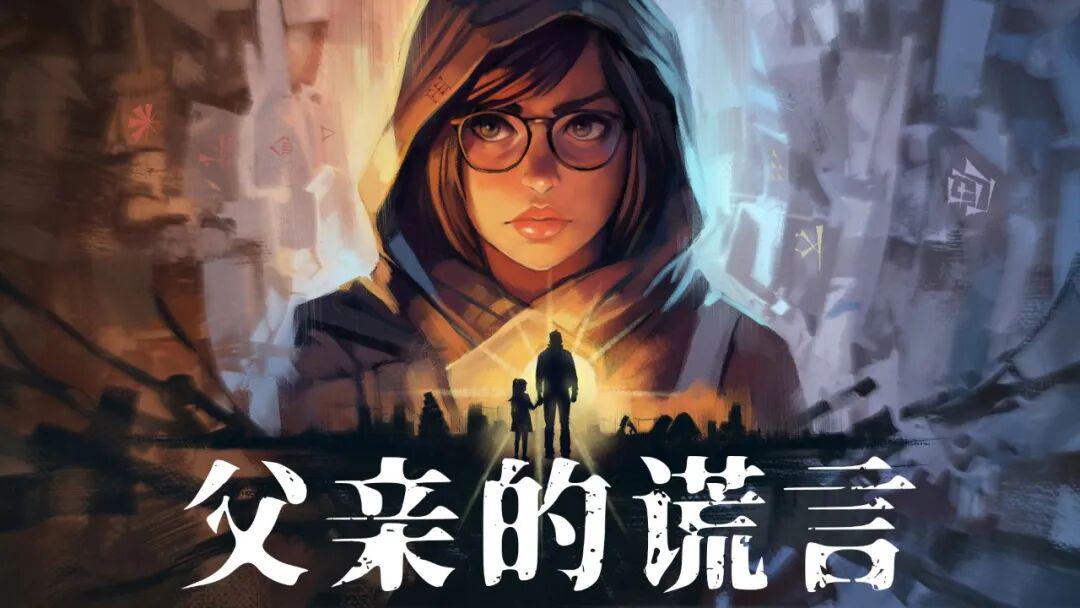
His name is Ahmed; his Chinese name is Su Jinchen. After spending time in Iraq and Kuwait, he has now settled in Chengdu. He created an indie game called *My Father Lied*, which draws inspiration from ancient and modern Iraqi history to tell an anti-war story.
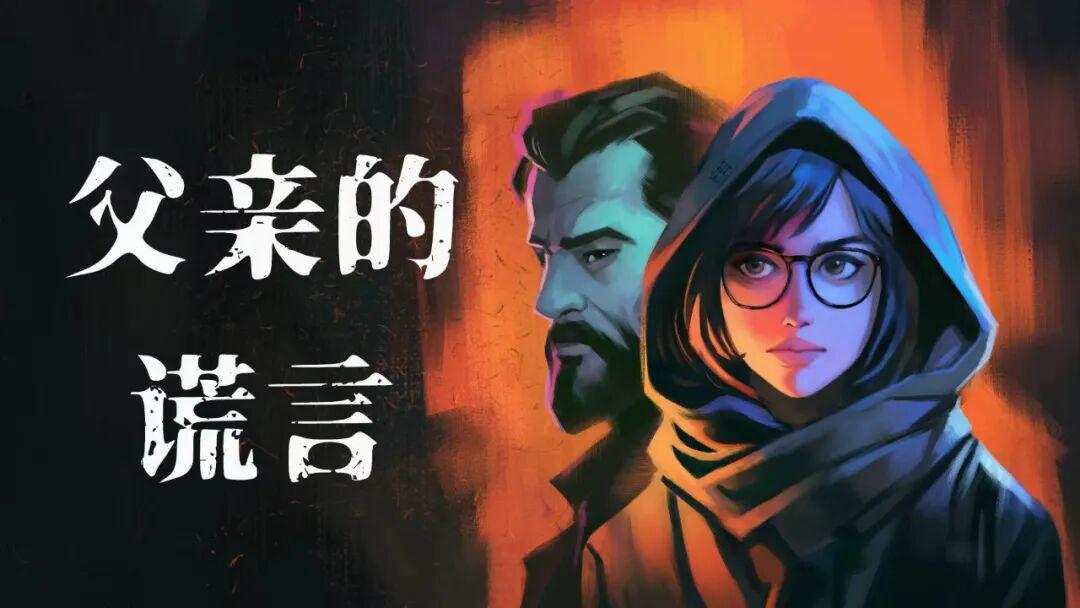
I met Ahmed in Chengdu. From him, I learned about the real-life struggles of game developers in a country under sanctions and blockades, and I truly came to understand that “making games in a war zone” is far from romantic. It’s like the saying, “Artists are destined for hardship”—words that only bystanders can utter.
01
Sakhr, Chaos, and "Bruce Lee"
Ahmed was born in the mid-1980s in Nasiriyah, Dhi Qar Province, in southern Iraq. Five thousand years ago, on these plains irrigated by the Euphrates River, the Sumerians inscribed the *Epic of Gilgamesh*—the oldest known narrative literature in human history—using cuneiform script. The civilization that emerged here is both profound and magnificent.
But his earliest memories of his hometown are almost entirely blank.
Before he could even remember, Ahmed’s family left Iraq and moved to neighboring Kuwait.
He only learned the reason for their departure from his parents after he grew up: beginning in 1963, the Ba'athist regime in Iraq had outlawed communism, and by the 1980s, the authorities had begun conducting large-scale roundups of anyone suspected of having ties to communism.
Ahmed's family was caught up in the political turmoil, and fleeing became their only option.
He summed up this period of involuntary wandering to me this way: “It wasn’t until I grew up that I truly understood the reasons behind our migration. As a child, at an age when I couldn’t yet grasp the meaning of the word ‘exile,’ I had already become an exile.”
But it was in Kuwait that Ahmed encountered the device that would later change the course of his life: Sakhr.
Sakhr, which means "rock" in Arabic, was a personal computer produced by the Kuwaiti technology company Al Alamiah in the 1980s and 1990s. It was the world’s first hardware platform to successfully integrate Arabic into its operating system, and in the Gulf region at that time, it served as the sole gateway to digital media for countless Arabs.

Sakhr AX-990
Ahmed played the first video game of his life right there in Sakhr: the 1985 Konami fighting game *Yie Ar Kung Fu*.
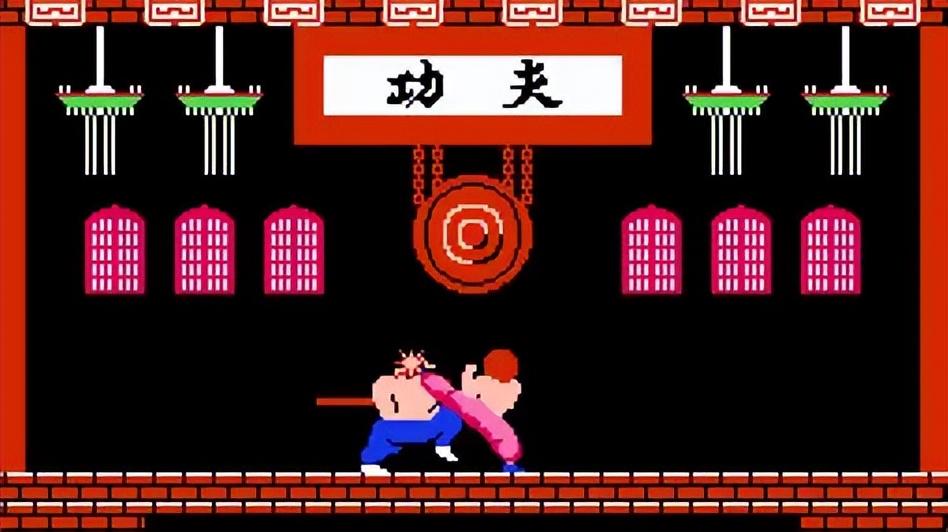
Go to Kung Fu
“We called it the ‘Bruce Lee Game,’” Ahmed recalls with a smile.
Ahmed told me that, growing up, he was the only one among his friends who played *Myst*, a classic puzzle game developed by Cyan Worlds in the 1990s, which remains the foundation of his creative style to this day.
“I truly believe that the fact that I’ve become a hard-working person who’s always trying to solve problems is directly related to the games I played as a child. The games you play shape the person you become.”
It’s important to note that in the 1990s, the UN’s comprehensive sanctions in Iraq blocked the flow of most goods, including video games, with only a small number making their way into the country through smuggling. In neighboring Kuwait, however, the consumer environment was relatively more relaxed, and video games had even gradually become a part of everyday entertainment.
I can’t quite imagine what life was like for him and his family after they fled their homeland, but Ahmed was undoubtedly relatively fortunate. He spent his childhood and teenage years in a country with decent infrastructure, and even amid all the upheaval, he was exposed to video games at a young age—an experience that brought him comfort through countless days and nights.
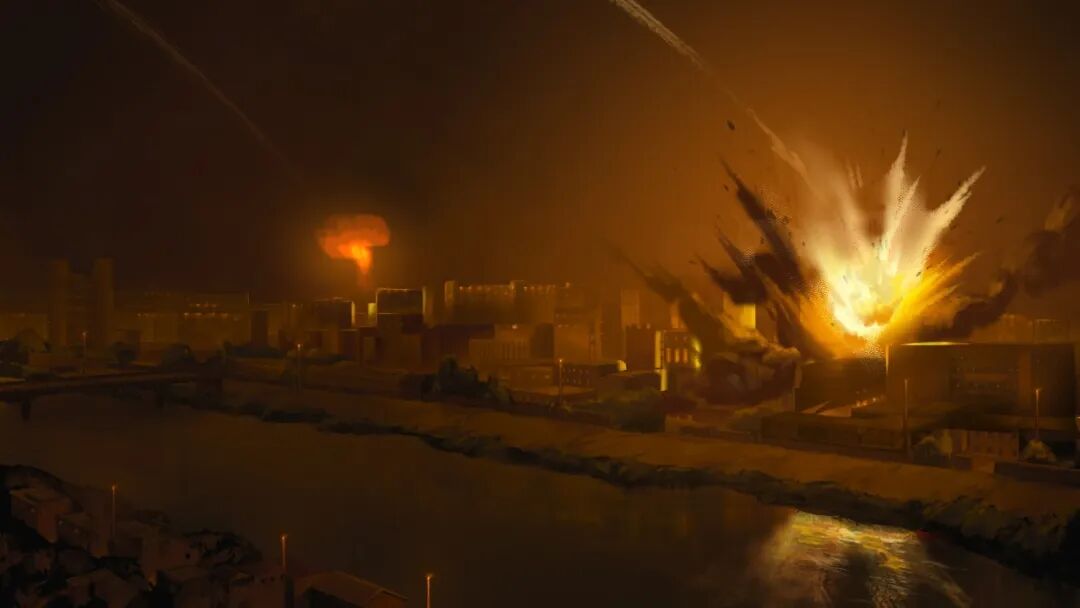
But war had never truly been far from Ahmed; rather, it had accompanied him as he grew up, constantly changing its dates and code names, like a shadow that never left his side.
In 1990, the Gulf War broke out. Ahmed was five years old at the time.
He recalled, “We could hear gunfire outside from inside our home, and the adults told us to stay indoors and keep up our normal routine. One time, I was so bored that I snuck outside to play when no one was looking. My mom caught me… You can probably imagine her reaction.”

In 2003, when the Second Gulf War broke out, Ahmed was seventeen and attending high school in Kuwait. He still remembers the air raid sirens that suddenly went off in his classroom and the tension that hung over the entire campus.
Two wars abroad prevented him and his family from returning to Iraq between 1990 and 2004.
It wasn’t until 2004 that Ahmed, now approaching adulthood, returned to his homeland. For the first time, he looked at the country of his birth—the land that had nurtured his parents’ generation—through the eyes of a young man. Ahmed said that what he saw filled him with sadness: years of sanctions, war, and civil strife had devastated the lives of most people, and in his hometown of Nasiriyah, far too many had fallen below the poverty line.

Nasiriyah Today
Ahmed was deeply moved by this trip home; he remembers hearing an explosion the day after he arrived.
“What saddened me most wasn’t the explosion itself,” he said. “It was the reaction of everyone around me. They kept walking, kept talking, kept doing whatever they were doing, as if nothing had happened. They’ve come to accept it all. And I stood there with just one thought in my mind: this shouldn’t be our everyday life.”
Consequently, Ahmed included a flashback scene in *My Father’s Lies*: during the war, the family sits together, discussing everything happening outside the window—with artillery fire raging outside, yet their conversation continues as usual.
What he wanted to portray was the suffocating numbness that settles over ordinary people in the midst of war.

I suspect that Ahmed, too, may have been unwittingly consumed by this numbness. When recalling the Iran-Israel War of June 2025, he seemed remarkably calm, brushing it off with the remark, “I was in Kuwait at the time, developing my game, working while watching rockets fly past my window.”
There was not a ripple to be seen; it was as still as a well, just as one might describe falling leaves.
02
The Invisible Wall
Before becoming a game developer, Ahmed was a storyteller.
His creative career began as a screenwriter, and he has won several minor international screenwriting awards. Around the same time, he successfully raised funds for a comic book project on the international crowdfunding platform Indiegogo.
These two events combined caught the attention of an old college friend. He was putting together a small team to develop an indie game and was in urgent need of someone who could write the story.
Ahmed joined the team. As part of the five-person team, he is responsible for crafting the game’s core narrative.
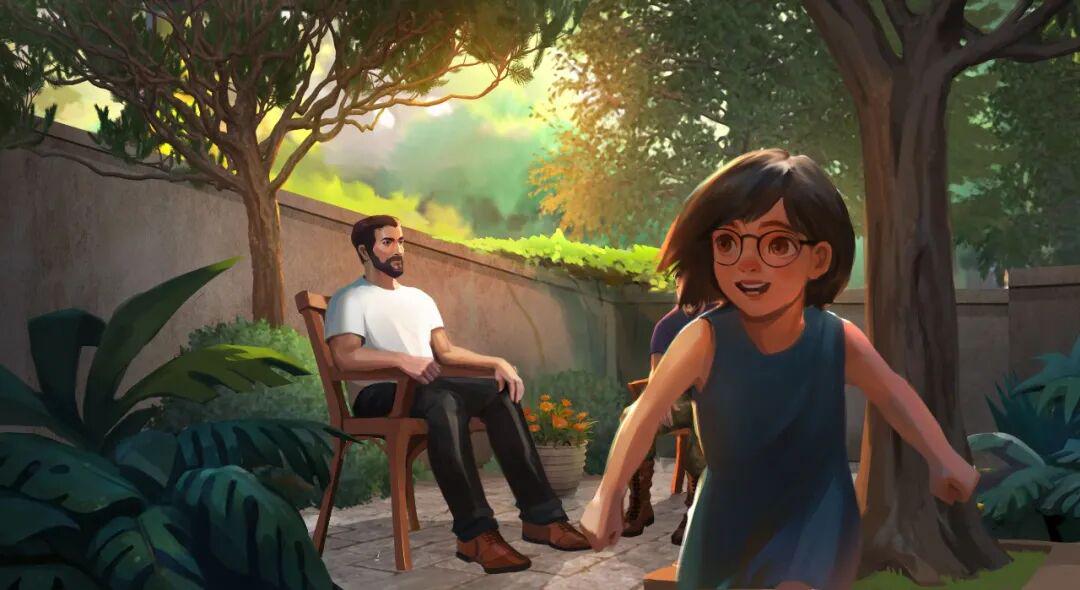
However, a few months later, the remaining four members dropped out one by one due to the pressures of their respective jobs and personal lives. The project stalled, and the team disbanded. By conventional logic, this is where the story should have ended.
But Ahmed found he couldn't let go of that story.
The narrative world he built with his own hands, along with the characters and plotlines he crafted, felt like a thorn lodged in a corner of my mind; the more I tried to pull it out, the clearer it became.
He said, “That story has stayed with me; I can’t pretend it doesn’t exist.”
So he made a decision that seemed almost reckless to others: since no one was going to help him make the game, he would learn to do it himself.
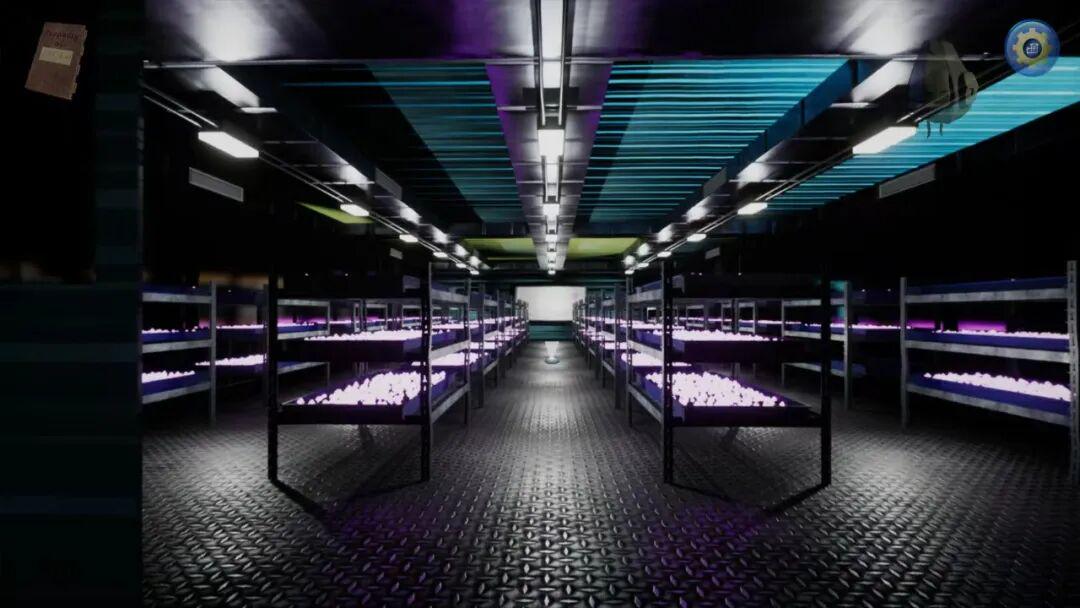
He taught himself Blender and Unreal Engine from scratch on Udemy and YouTube, building on his previous work experience with Photoshop, After Effects, and Premiere. He repeatedly refined and reshaped the game’s genre and scope until it was scaled down to a size that one person could complete independently.
“The original concept included more cutscenes, environments, and characters, but I had to make adjustments based on my schedule and budget. However, the core message the game aims to convey remains the same,” he said.
When it comes to game development, Ahmed says with a touch of humor, “Sometimes we’d like to work overtime, but we just can’t.”
This is because the power supply is limited.
Ahmed said that even today, the national power grid in major cities such as Baghdad, the capital of Iraq, provides electricity for only about six hours a day on average. The situation in the Kurdistan Region in the north used to be somewhat better, but in recent years, due to the spillover effects of surrounding conflicts, the power supply there has also become increasingly unstable.

Baghdad
As a result, developers in Iraq have no choice but to rely on diesel generators or community-shared subscription-based generators to keep working. With monthly fees for the latter reaching as high as $220, plus the cost of UPS batteries (about $60) and internet service, an independent game developer in Iraq spends approximately $250 per month on electricity and internet alone.
The figure of $250 may be even more striking when viewed in the context of Iraq’s economic reality. According to publicly available data, the monthly income of many ordinary Iraqi households ranges from $500 to $1,000.Based on this range, $250 accounts for roughly 25% to 50% of a household’s monthly income—a very high proportion. By international standards, the threshold for energy poverty is set at energy expenditures exceeding 10% of household income.
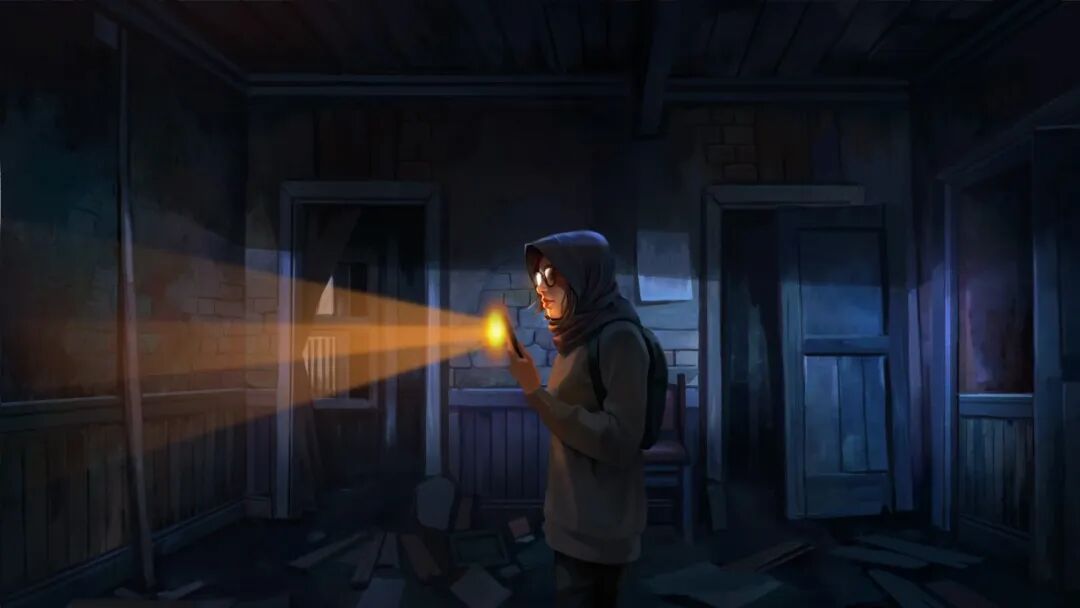
These necessary expenses mean that many developers are forced to take on part-time jobs just to make ends meet. Ahmed admits that every Iraqi game developer he knows, without exception, holds down another job while working on games; this additional workload, combined with power outages, severely slows down the development process.
Among Ahmed’s colleagues in Iraq, some rely on UPS systems to keep their development work moving forward despite daily power outages lasting six hours. To ensure data security, they store data on external SSDs for local backups, use Mega or PCloud for cloud storage, and host their code on GitLab.
When I asked them what kept them going, “We’re used to it now; making games is our way of escaping our struggles,” Ahmed said.

However, for developers in Iraq, sanctions are an even heavier burden than power shortages.
In the 1990s, the United States spearheaded the establishment of an international sanctions regime against Iraq, including export controls and financial sanctions, which remain in effect to this day, casting an invisible net over the daily work of Iraqi developers.
The impact it has had is far more intricate and concrete than the outside world imagines.
For example, developers in Iraq cannot legally purchase commercial licenses for Unreal Engine or Unity, cannot buy assets directly from official asset stores, and cannot publish games on Steam or Epic and collect sales revenue normally.
At the same time, Iraq’s banking system is cut off from PayPal and international credit card payment networks, making it nearly impossible to conduct routine cross-border business transactions.
This means that Iraqi games simply cannot make it outside of Iraq.
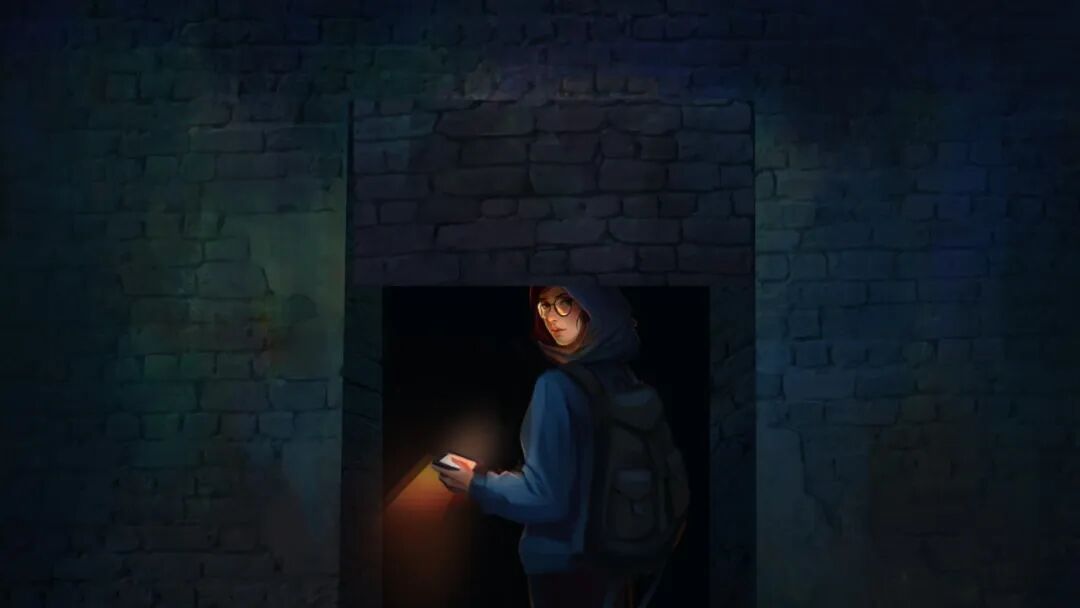
However, Ahmed said, “Where there’s a will, there’s a way.”
As a result, the free and open-source Godot and GameMaker became the most popular engine choices among Iraqi developers, with some studios even developing their own game engines. Sony, no longer viewed as a “villain,” launched a support program called MENA Heroes for the Middle East and North Africa region, providing PlayStation 5 development kits to selected participants.
However, Sony included a significant disclaimer in the agreement, stating that it could not guarantee the development kits would not be seized by Iraqi customs upon arrival.

Sony's MENA Heroes Program, equivalent to "Sony China Stars"
Ahmed explained to me that this is because the highly bureaucratic administrative systems in the Arab region view anything “out of the ordinary” with suspicion, so customs clearance is slow, and there’s a chance the items might never reach the developers at all.
Furthermore, to maintain basic development and business operations, Iraqi game developers have devised a resourceful workaround system. They are adept at using VPNs to access global platforms, conducting transactions through intermediary banks in third countries, and asking friends or partners in other countries to purchase software on their behalf and receive payments.
Some studios register companies in Turkey, the United Arab Emirates, or Jordan to legally distribute their games, or use cryptocurrency and informal remittance channels to receive payments.
Ahmed himself had to use a foreign bank account to withdraw funds from the Kickstarter crowdfunding platform.
Every workaround represents a detour, forcing developers to invest extra time, money, and risk into the development process. While these factors rarely appear in industry reports, I believe they form the most authentic backdrop to the daily lives of Iraqi game developers.
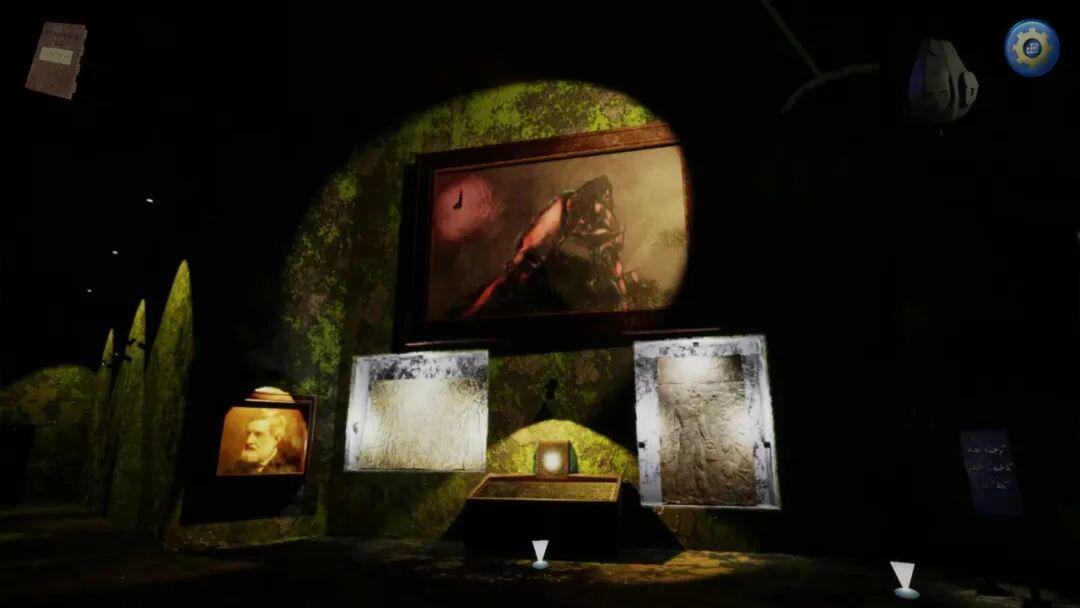
It may be hard to imagine that, in such an environment, a thriving developer community has actually managed to emerge.
Baghdad is now home to a developer organization called the "Baghdad Game Lab," which launched Iraq's first-ever Game Jam and has turned it into an annual tradition, while continuing to share the development knowledge and experience they have accumulated with the community.
Ahmed and his colleagues even enrolled in an online course offered by DigiPen, a renowned U.S. game development school. Over the past two years, Iraq has also hosted its first-ever game expo, the Iraq Game Expo, where Ahmed had the chance to play a first-person shooter (FPS) game currently in development by another Iraqi studio. The game is based on the real-life experiences of the Iraqi military in their fight against ISIS.
“It’s very well done,” Ahmed said. “It shows everything our heroes went through to defend the country.”
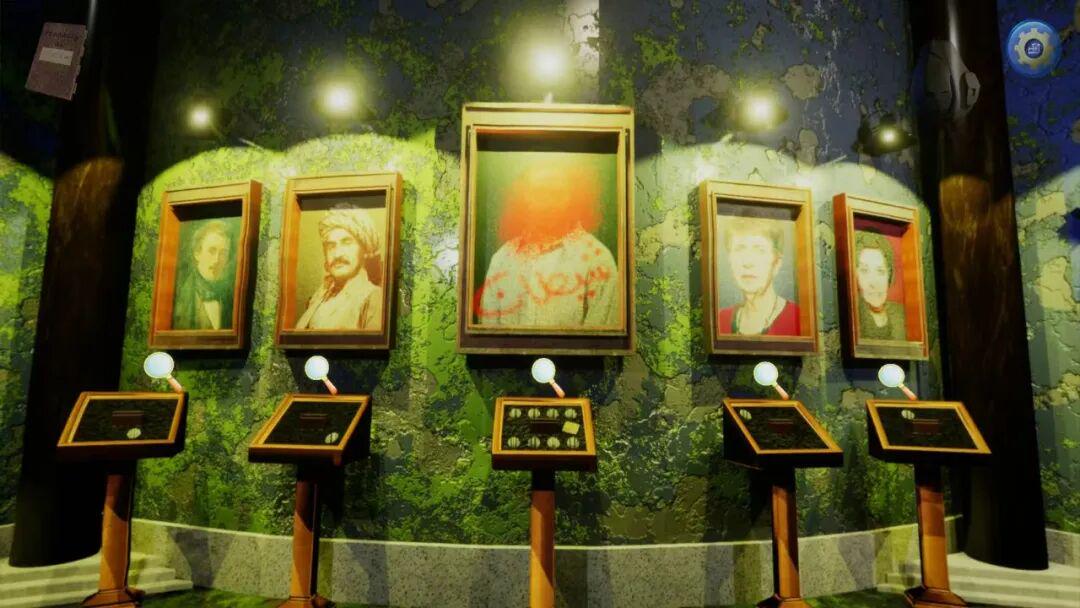
Despite the challenging environment, Iraqi developers have supported one another, forming a small but close-knit community. Most remain in Iraq; some have registered companies abroad but continue to develop games domestically, while others have moved to Europe or the United States and established their own studios there. Even those who have left return regularly to participate in regional events and collaborative projects.
Ahmed revealed that they have been in ongoing dialogue with the Iraqi government and are participating in a committee reviewing regulations related to the gaming industry, in an effort to promote the normalization of the industry at the institutional level.
However, this is bound to be a long road. Without smooth payment channels, a mature investment and financing system, or incubators or government support programs specifically tailored to the gaming and technology sectors, the gaming development industry in Iraq has yet to establish a sustainable ecosystem.
This lack of an industry ecosystem has also had a direct impact on public perception; for example, many families do not view game development as a legitimate career path.
“I’m very lucky,” Ahmed said. “My family has given me their full support. Sometimes they don’t fully understand what I’m doing, but they know that the gaming industry is a mature industry worldwide, so they support me. My friends do too.”
However, at present, there is a set of figures that may offer a glimmer of hope amid these challenges: according to Statista data, revenue in Iraq’s gaming market surpassed $400 million in 2024 and is projected to continue growing.
Although a vast chasm lies between robust consumer demand and the myriad challenges on the supply side, people like Ahmed have already begun to bridge that gap.
03
Who Will Capture Our Faces?
After discussing the industry and talking about himself, I asked Ahmed what kind of reaction he gets when an Iraqi game developer appears in the international gaming community.
“To be honest, everyone is really welcoming—just like you guys,” Ahmed said. “I feel like the gaming community is inclusive; people enjoy meeting others from different countries. When they find out I’m from Iraq, they become curious and friendly. That’s exactly why I love the gaming community, and it encourages me to keep going down this path.”
However, this is probably one of the few instances where the world has shown a favorable attitude toward the Iraqi people.
As creatures driven by meaning, humans have their own motives for everything they do.
Ahmed too.
He began his creative career with the goal of changing the way the world views Iraq, the Arab world, and people from the Middle East.
Jack Shaheen, an Arab-American scholar, once conducted a systematic analysis of 1,000 films featuring Arab characters, and the results were far from encouraging.
Sahin found that out of 1,000 films, only 12 portrayed Arabs in a positive light, while 936 depicted them negatively and 52 presented a neutral image. These films span the period from 1896 to 2000, indicating that this systematic distortion of Arab imagery had persisted for nearly a century even before the September 11 attacks and the Iraq War.
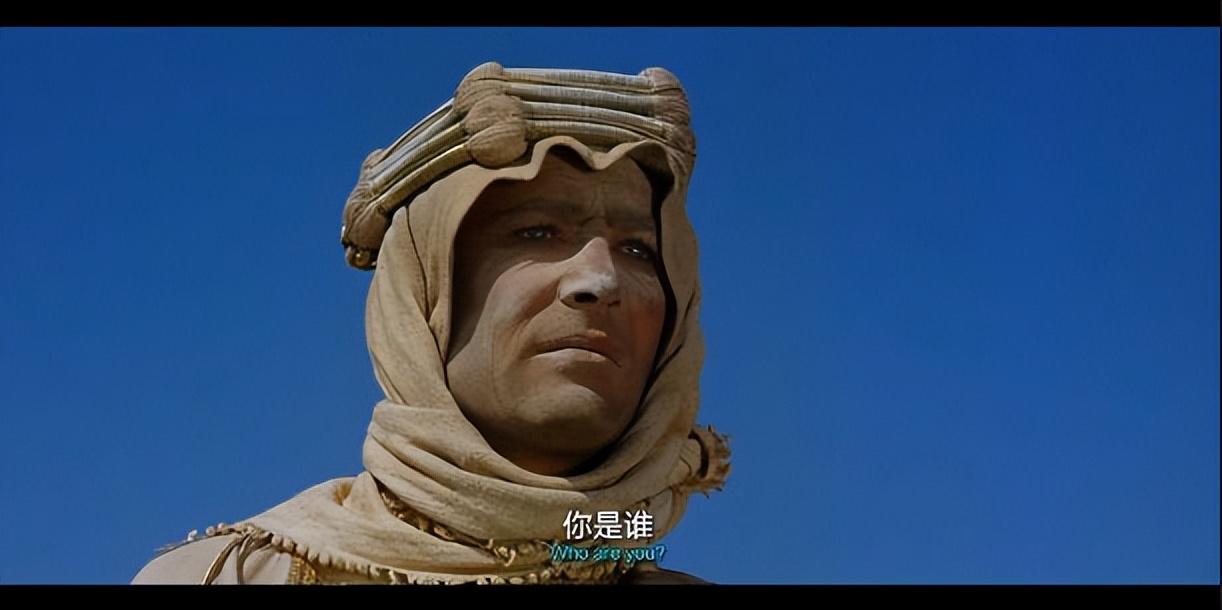
*Lawrence of Arabia*
In the gaming industry, this model has become even more entrenched.
In video games, Middle Easterners are often reduced to a few one-dimensional stereotypes: some are enemy NPCs devoid of personality, motivation, or dialogue, serving merely as silhouettes for players to aim at and shoot, as in *Call of Duty: Modern Warfare*;others are helpless civilians unable to save themselves and in need of external rescue, as seen in *Battlefield 3*; and still others are a monolithic “villain faction” that lumps together diverse cultures, ethnic groups, and faiths, as seen in *Counter-Strike*.
Even the Arab world is portrayed as a place that is beautiful yet backward, exuding an exotic culture yet fraught with danger. Many games, viewed through a Western lens, recreate magnificent palaces and desert wonders, yet forever freeze the people, events, and objects within them in a pre-modern tableau—as if this land had never undergone modernization, much like amber frozen in time.

"Prince of Persia: The Sands of Time"
CNN even went so far as to label the shooting game *Six Days in Fallujah*, set in the Iraqi city of Fallujah, as the “Arab Shooting Simulator.”
“I started creating art precisely because of the way the media portrays us Middle Easterners.”
“The reason some people are able to do those things to our country is that, in their eyes, we aren’t treated as human beings,” Ahmed said. “That is the fundamental driving force behind my work. I want people to see that we are just like you—we’re just a different color.”
For those who have never experienced war firsthand, “war zone” is an abstract label; there is a vast gap in understanding between the Iraq Ahmed describes and these labels.
“Iraq isn’t as dangerous as it used to be. Daily life is actually quite vibrant; many entertainment venues have reopened, and people are enjoying both modern and historical aspects of life,” he said. “It’s just that there are occasional power outages, and unpleasant incidents happen every now and then.”
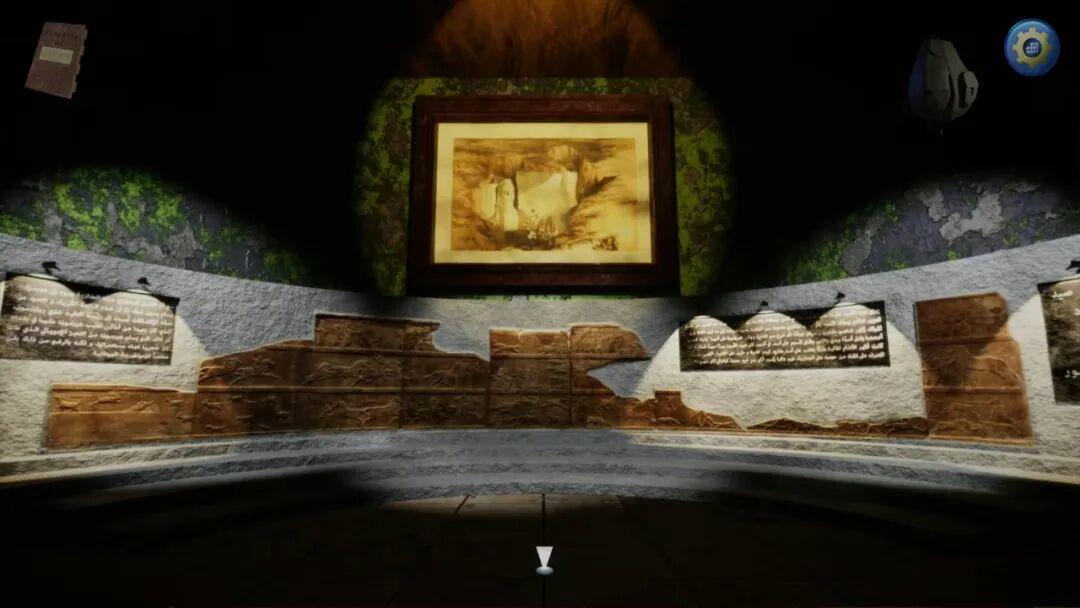
Ahmed views games as the most powerful narrative medium of the 21st century.
“When you play a game, you’re not just an observer. You become the protagonist yourself. You see the world through their eyes, follow in their footsteps, and feel their struggles and victories, their joys and sorrows.” He believes that games possess a power to preserve and transmit the cultural memory of conflict-ridden regions that rivals that of literature: “Because when you read, you’re also directing every scene in your mind and experiencing everything the characters go through. But games give you an extra layer of visual immersion.”
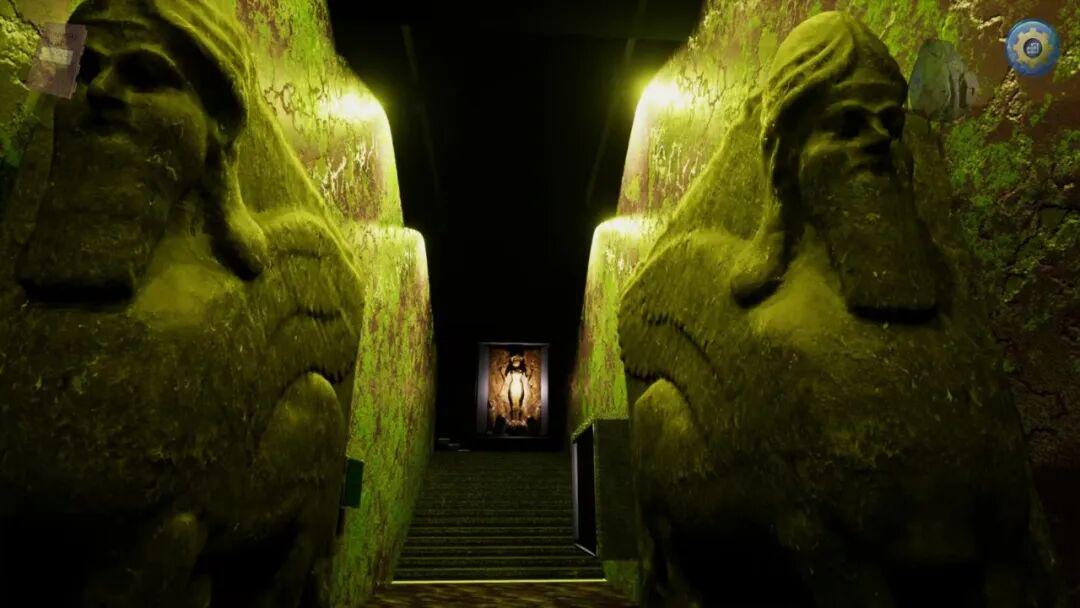
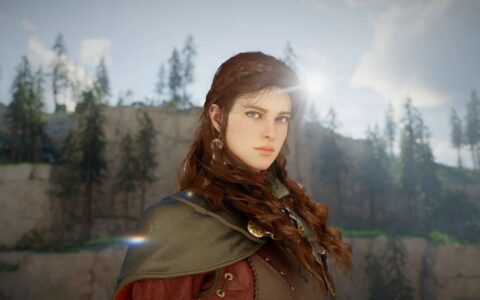
So in his game *My Father’s Lies*, he created a flesh-and-blood protagonist: a female archaeologist. She finds herself in a difficult situation, but she overcomes it through her own intelligence and determination. She is not a helpless, faceless figure; she has her own voice and a clear sense of purpose.
This impulse to “write one’s own story” is not uncommon among game developers in war-torn regions.
The same is true for Rasheed Abueideh, a Palestinian software engineer from Nablus in the West Bank. In 2014, following a large-scale military operation by the Israeli army in the Gaza Strip, he was deeply moved by a photograph of a father holding his daughter’s body. Fearing that one day he too might be powerless to protect his family in the midst of conflict, he created a game called *Lila: The Shadow of War*.
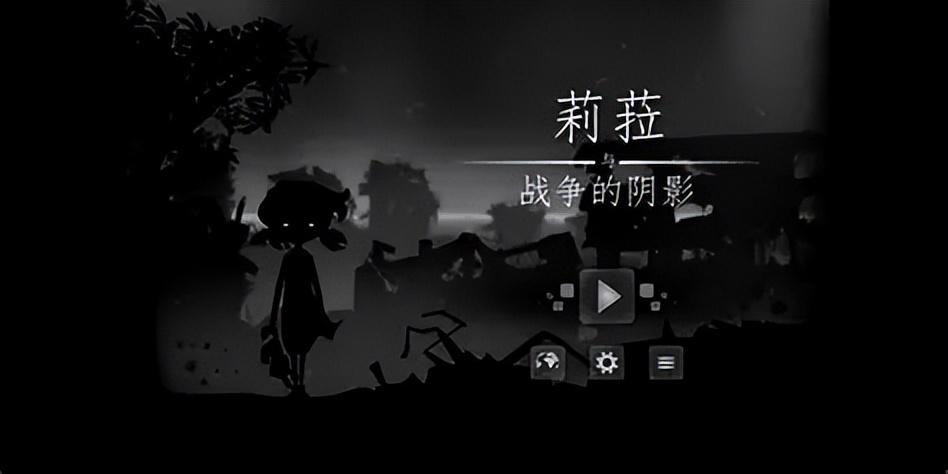
"Lila: Shadows of War"
Out of concern for his personal safety, Abueideh initially worked in secret and refrained from sharing any updates on the project’s progress on social media. He later assembled a small team of three people spread across different countries, each of whom contributed their time voluntarily alongside their regular jobs.
After the game was completed, it faced an unexpected obstacle. Apple initially refused to list *Lila* on the App Store, citing “political content,” and demanded that it be placed in a different category. This decision sparked widespread controversy, with numerous developers and players rallying in support of Abueideh; Apple ultimately withdrew its categorization requirement a week later. *Lila* has since been downloaded millions of times and won the Best Narrative award for the Middle East and North Africa region at the IMGA.
When discussing how the game portrays the trauma of war, Ahmed added, “I don’t want to just throw suffering in the players’ faces and have them look away. I want to depict war in a more poetic and minimalist way, so that players can understand how it has affected our people.”
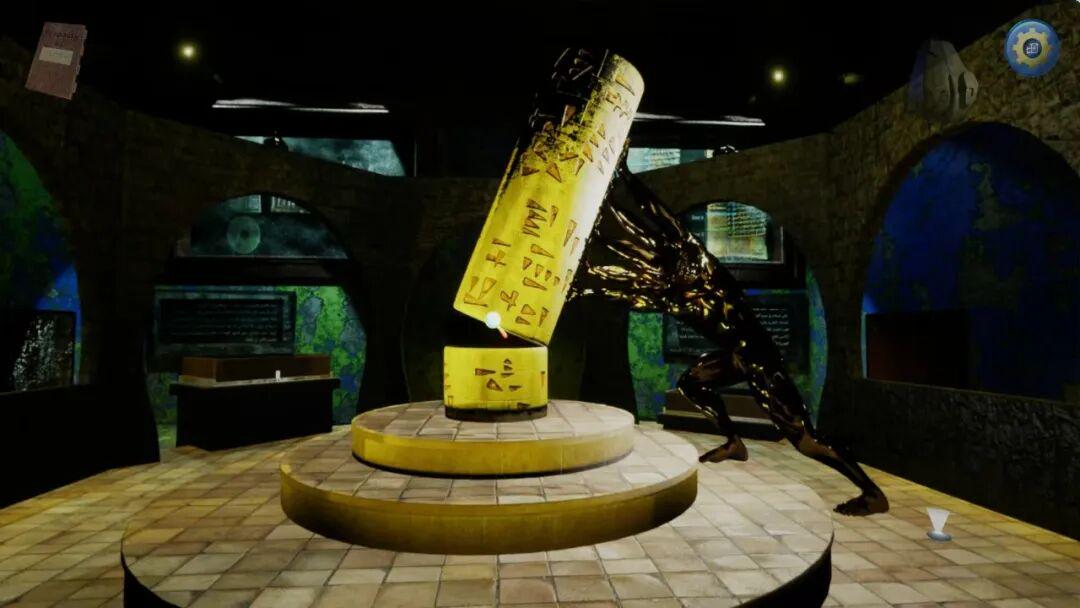
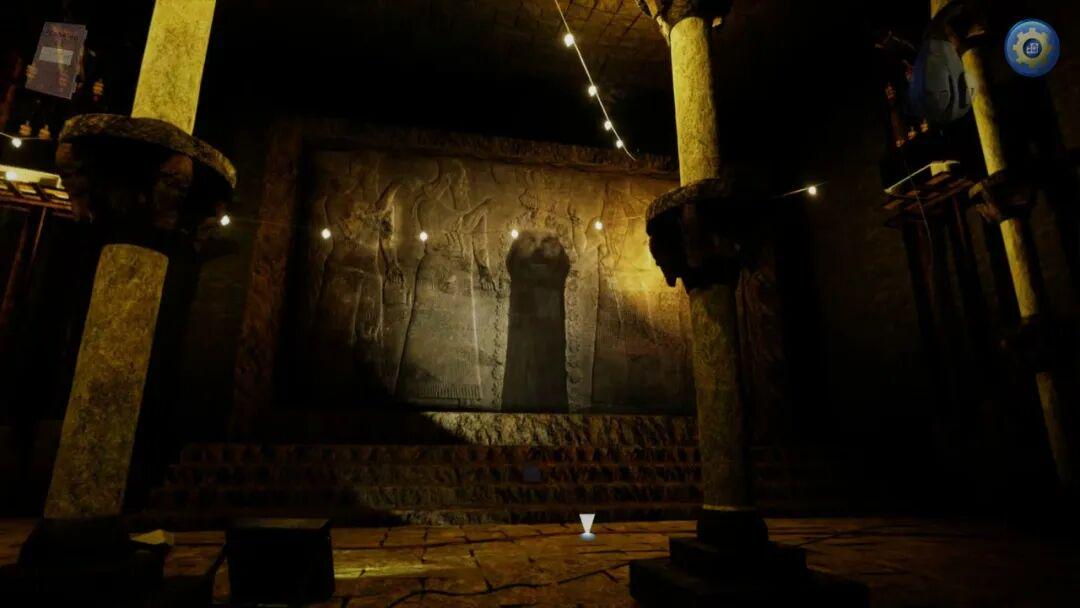
“As for the temples of Sumerian civilization in the game, I included them because I wanted to remind my fellow countrymen of where we come from, who we are, and why we are here. Just as the Chinese people are always searching for their roots, I believe this can bring hope and help people believe that we will continue to exist and work even harder for the future.”
Conclusion: In the East
Viewed over a broader time frame, Ahmed’s life trajectory is a constantly shifting zigzag. His move from Iraq to Kuwait was involuntary; the more than ten years of isolation between Kuwait and Iraq were involuntary; and his back-and-forth travel between Kuwait and Iraq was also involuntary.
Only this latest move—from the Middle East to Chengdu—was his own choice.
As for why he came to Chengdu—and to China—Ahmed has his own thoughts on the matter.
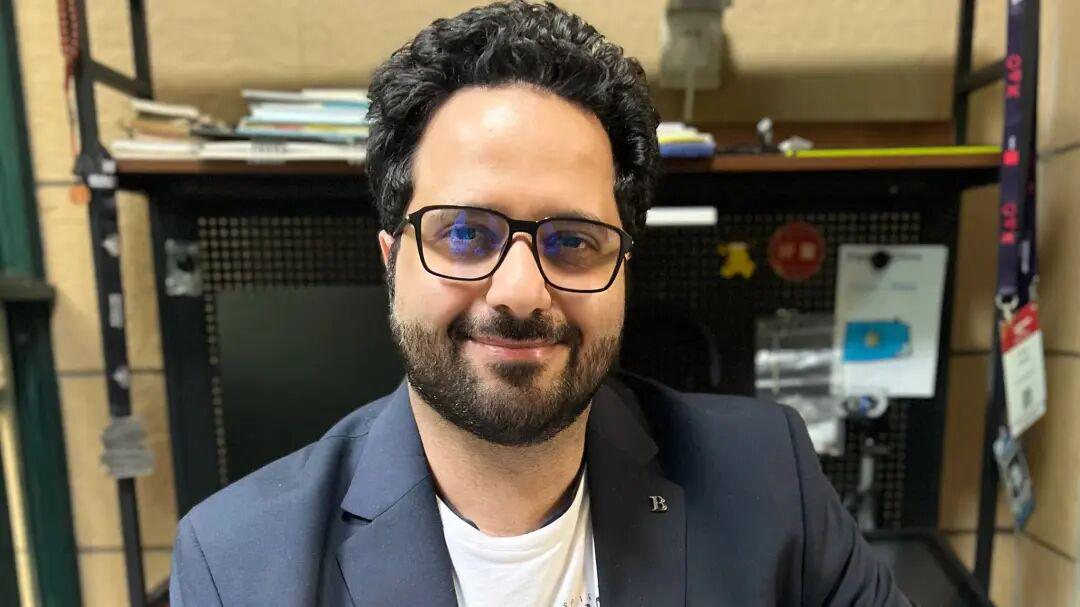
Ahmed
“I’ve been keeping an eye on games that have already been released and projects currently in development, and I realized this is where I belong,” he said. “I want to be where innovation is happening and the industry is on the rise, not where everything is already set in stone.”
He said that the whole world now knows just how rapidly China’s gaming industry is rising, whether in the AAA sector or on mobile platforms—take *Black Myth: Wukong*, for example. Furthermore, Chinese gamers are far more receptive and open to indie games than those in his own region.
Ahmed’s wife is Chinese. She has accompanied him on trips to many cities in Iraq, where they visited the ruins of Babylon and Sumer and strolled through the modern streets of Baghdad and Basra. China, therefore, is an even more fitting choice.
Ahmed feels a deep connection to China, and he is particularly impressed by the fact that most Chinese museums are free to the public.
Speaking of future development plans, he said he already has a "dream project" in mind, and has even come up with a title for it: *The Final Voyage*. It will be a historical fantasy RPG set against the dual backdrops of China’s Tang Dynasty and Iraq’s Abbasid Caliphate.
Ahmed’s experience has also made him keenly aware that the reason many developers with similar backgrounds have not received the opportunities they deserve is not because the gaming industry is unwelcoming, but because restrictive policies and economic conditions in their regions have fundamentally limited their ability to compete on a global stage.
After the interview, Ahmed made me realize that while the global gaming industry generates hundreds of billions of dollars in revenue each year, the vast majority of stories within this vast landscape are still written by voices from just a few developed regions. Globalization and diverse narratives—these terms are not spoken by the very people they are meant to represent. The real them are caught in the midst of power outages, sanctions, and war, unable to even afford a ticket to GDC.
Finally, I asked Ahmed if the process of incorporating real-life trauma into the game was painful in itself.
He said the only thing that troubled him was, “Will this bring about change?”
Then he thought for a moment and immediately said, “But I’d rather do something small than do nothing at all.”
Five thousand years ago, an anonymous Sumerian scribe recorded the fate of the heroic King Gilgamesh at the end of a clay tablet. Having searched the entire world, the king ultimately failed to discover the secret of eternal life. He returned to the city of Uruk, gazed upon the walls he had built, and finally realized that it is not the flesh that is truly immortal, but the things created by human hands.
And in Iraq, those who persist in turning on their computers despite the difficult conditions may well have come to understand the same truth long ago.
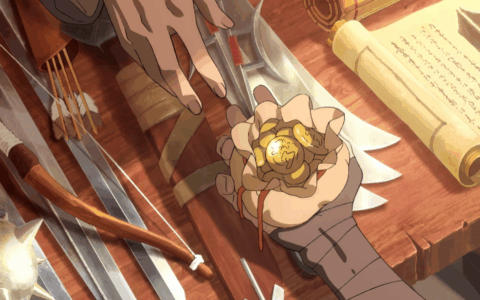
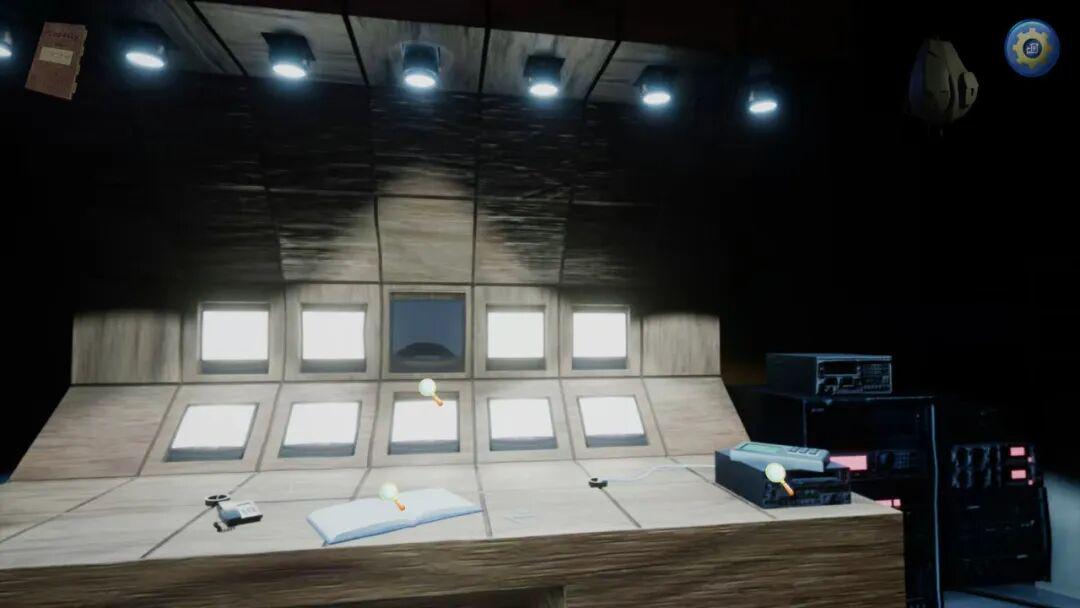
Note: All images in this article without captions are screenshots from *My Father’s Lies*. Stay tuned for our upcoming in-depth review and exclusive interview.
原创文章,作者:游茶妹儿,禁止转载:https://youxichaguan.com/en/archives/195668