There are few games that make me question the meaning of life, but the recently released *Red Desert* definitely makes the list. Actually, to be more precise, it’s definitely “at the top of the list.”
It might be hard to believe, but just a few hours ago I was so frustrated by the game’s almost obsessive “alignment granularity” (object locking) that I couldn’t pick up items on the ground—I was so angry I almost threw my controller. Yet a few hours later, after climbing to the summit of a mountain and gazing out at the endless, breathtaking scenery in the distance, I found myself marveling at how this game had fulfilled every expectation I’d ever had for an open-world game.
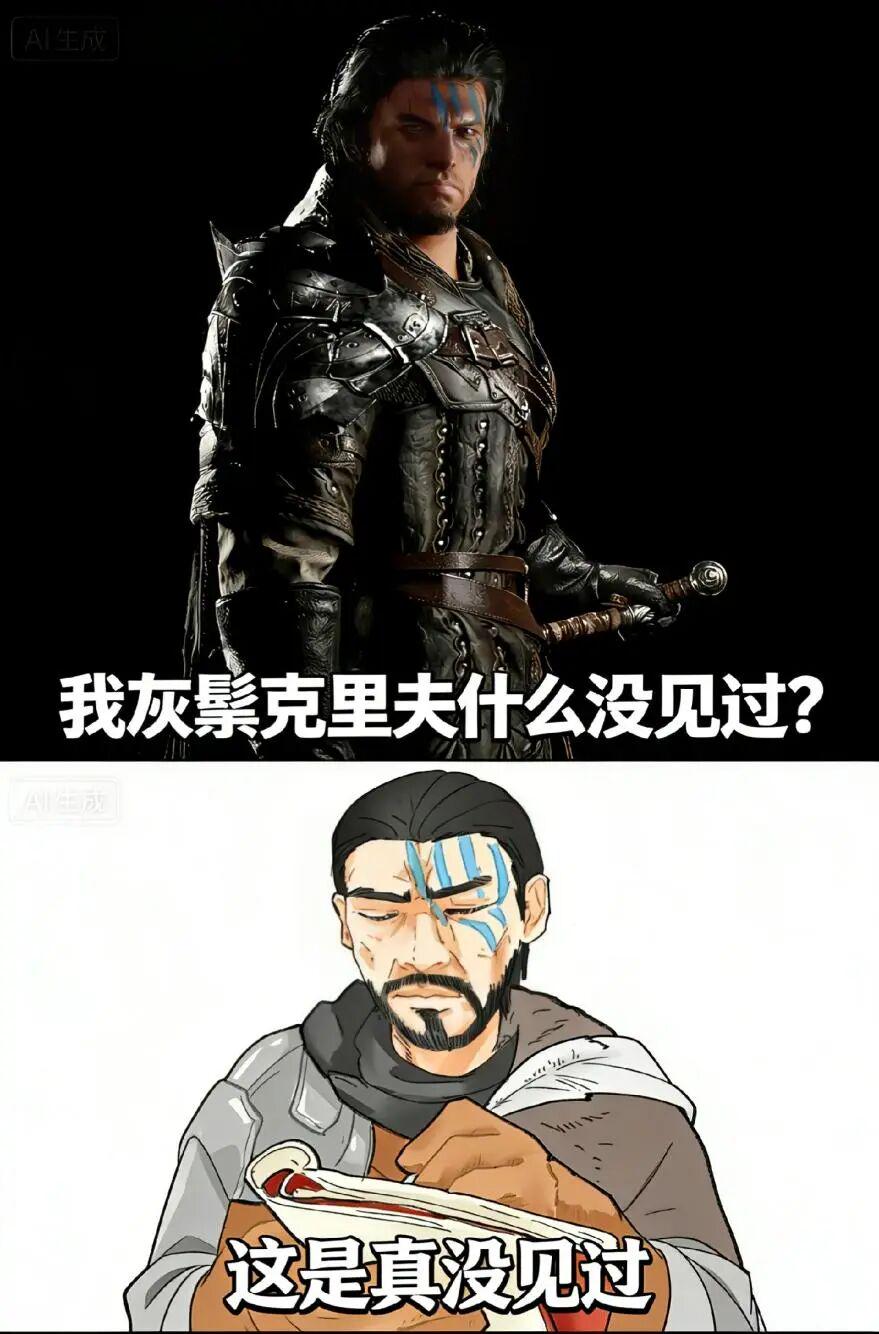
*Red Desert* is a game brimming with a "divine-demonic duality." Just when you’re about to let loose with a string of expletives over some unexpected glitch, there’s always a sudden stroke of brilliance that makes you wonder, "Maybe I was being a bit too harsh."

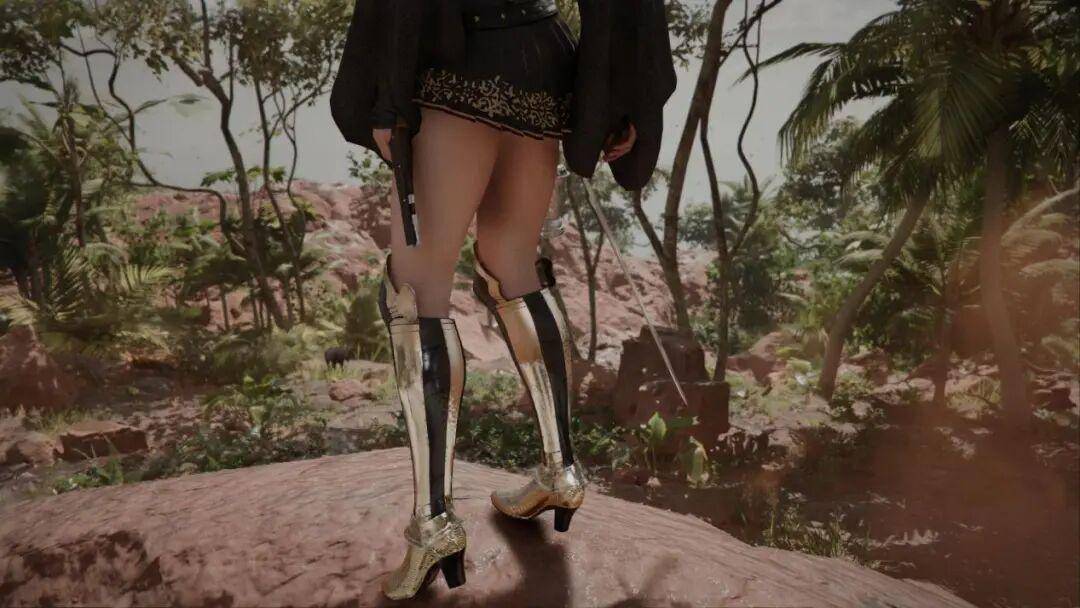
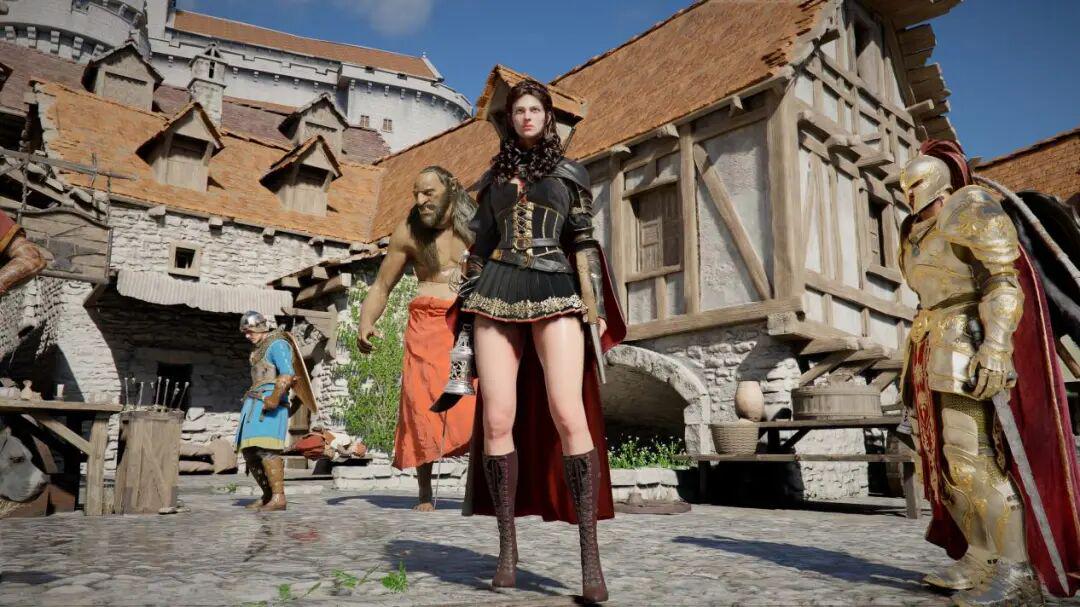
Some players have launched a massive campaign just for the female characters' short skirts.
The sheer number of mind-blowing design details, the unimaginable level of interactivity with the world, and the massive scale that’s almost enough to make you sick—all of this proves that this is definitely not some half-baked, skin-swap trash game. In fact, the first thing I do every morning when I wake up is log onto Xiaohuihe to check out the latest discoveries and study them frame by frame.
But the problem lies in the near-total lack of guidance, the complex controls reminiscent of an action game, and the "blind box"-style mission design—all of which serve as a harsh, constant reminder that "this is not a good game."To use a somewhat inappropriate analogy, it feels like a “jerk” who has cheated on you time and again—one day you suddenly realize he’s actually a quiet, decent guy who genuinely cares for you. But can the painful memories of being treated like trash just be wiped away so easily?
“If this is tolerable, Uncle can’t stand it; if Uncle can stand it, Auntie certainly can’t either.”
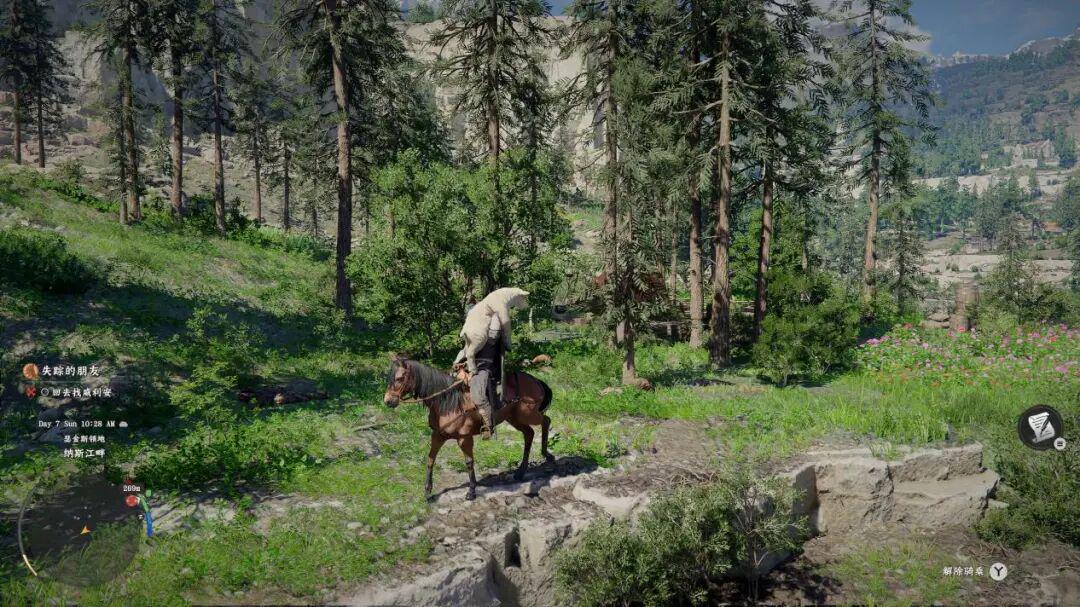
Strange moving movements
Of course, compared to my somewhat “vague” description above, my experience with *Red Desert* this week was nothing short of magical.
On its first day of release, the game sold over 2 million copies. Based on the $70 price tag for the standard edition, first-day revenue reached nearly $140 million (approximately 966 million RMB). Taking into account the lower price in the Chinese market and sales of the Deluxe Edition, total revenue is estimated to be close to 1 billion RMB.
If this had happened to any other developer, it wouldn’t have been out of place to pop a bottle of champagne to celebrate such a dream start. But unexpectedly, what followed was a flood of negative reviews from players, and the game’s overall rating on Steam instantly plummeted to mostly negative.Not only did players in the Chinese region display a triple whammy of poor behavior, but even Korean players went straight for “base raiding.” The severity of the situation was, if anything, even worse. This led to a nearly 30% plunge in the stock price of developer Pearl Abyss, effectively confirming that *Red Desert*’s failure is now a foregone conclusion.
Yet reality is often just that surreal.
After the third day, reviews for *Red Desert* took a sharp turn for the better, and its peak concurrent players also rose accordingly, marking a rebound.As of now, the game’s overall rating on Steam has risen from mostly negative to mostly positive (77% positive), and even the typically discerning Chinese players have provided plenty of positive feedback, with the positive rating climbing from 34% to 60%. Currently, peak concurrent players remain around 200,000, and the game has consistently held a spot in the top two on the best-sellers chart.

Okay, okay, okay—you’re all all talk and no action. “I won’t recommend it if you buy it, but if I buy it, I’ll actually play it,” is that right?
Getting back to the point, if you asked me right now how I’d rate *Red Desert*, I’d probably say, “It might not be a good game, but it’s definitely a fun one.”As a buy-to-play single-player game, the game’s “foundation” is indeed quite shoddy (though on the bright side, the development team is continuously optimizing it)—it feels like the work of a temporary worker thrown together with no experience. However, when it comes to open-world interaction and content volume, thanks to the experience gained from *Black Desert*, this strength is surprisingly robust; it has truly become exactly what *Black Desert* players hoped for.
01
To be honest, when I first started playing *Red Desert*, I was actually looking at it through a biased lens.
Of course, it’s not because Red Sand failed to carry on Black Sand’s “tradition”—replacing all those curvaceous, alluring women with stern, unsmiling middle-aged men (though, as an aside, if they’d actually swapped the protagonist for Black Sand’s “revealing 3D model,” I think the game’s reputation would have been even better)—but because the game’s first offline beta test truly “blew my mind.”
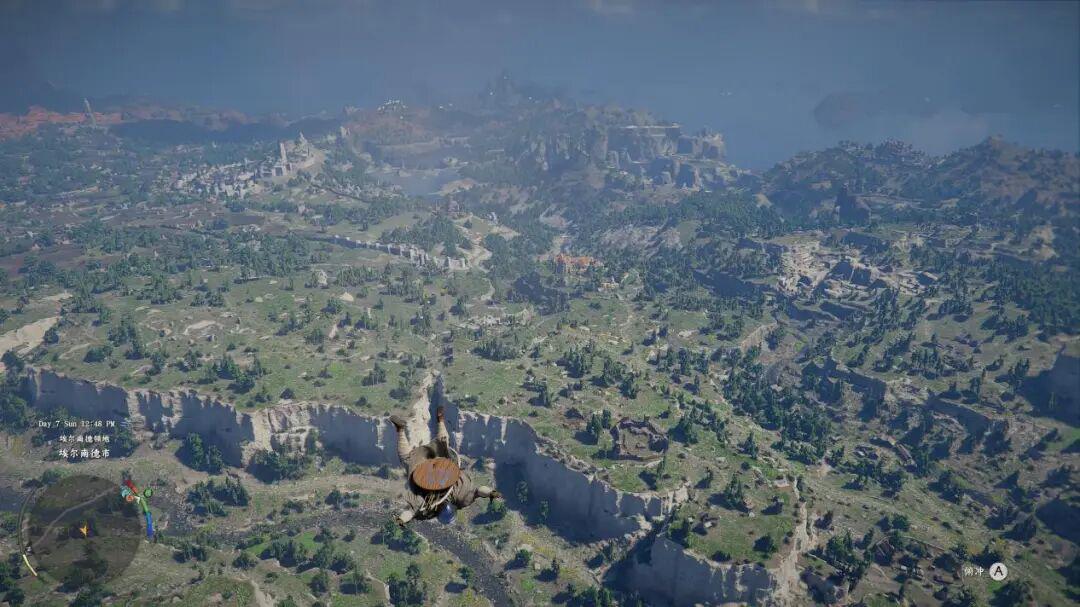
A seamless transition from the sky to the ground—highly recommended
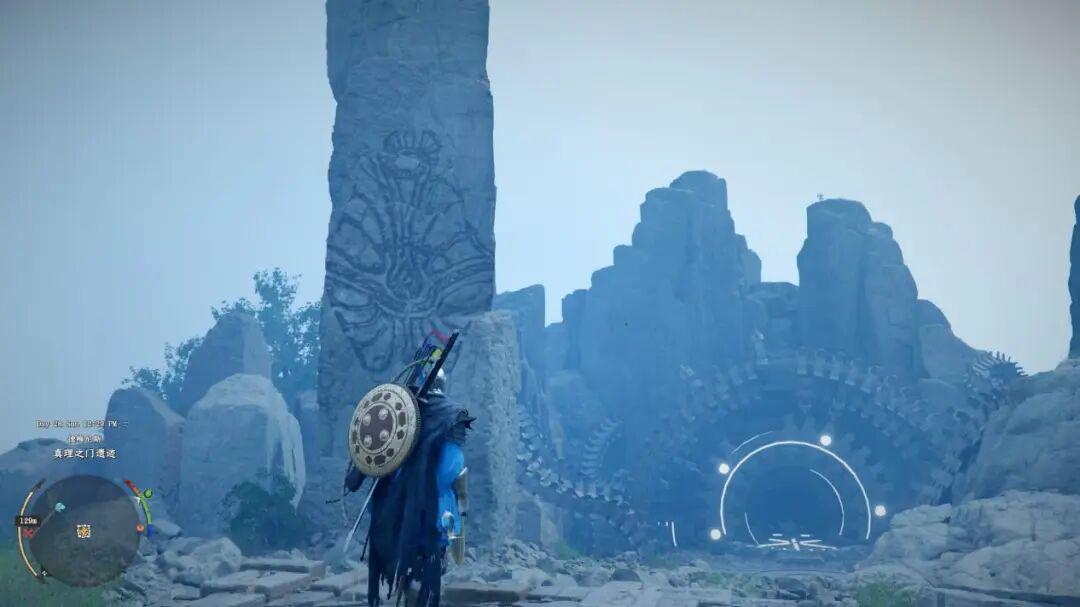
At what other open-world game’s demo would they throw four bosses at you to warm up with—each one a “heavyweight” on par with the Souls series—to the point where I’m starting to wonder if *Red Desert* is actually a Souls-like game? That’s right, one of them is the Reed Demon before it was nerfed. I’ll just say this: those in the know, know.
Keep in mind that the gear stats available back then were pretty average, and we didn’t have today’s “potion stacking” tactics or all the various ways to skip classes. I saw almost every media representative there scratching their heads in frustration, shaking their heads repeatedly, and some even went so far as to ask the organizers directly, “Is this level of difficulty really okay?”
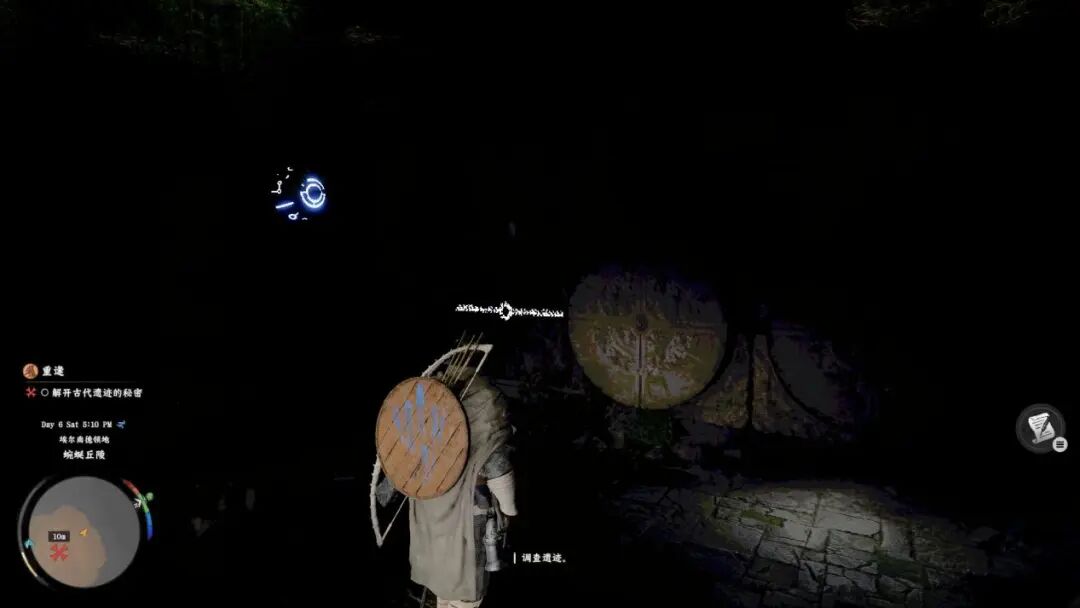
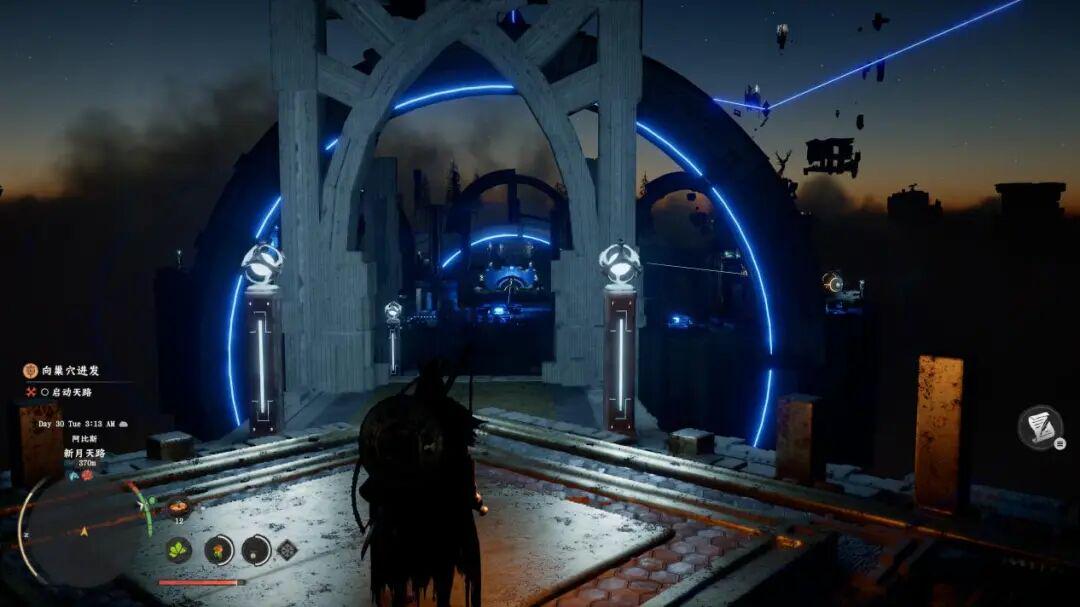
The very first decryption made me start doubting myself
It’s no exaggeration to say that even back then, I had already assumed this was just another bandwagon title masquerading as a *Souls* clone, and the barrage of negative reviews after its release only reinforced my suspicion.
I’m ashamed to admit it, but I bought this game with a touch of schadenfreude, thinking to myself, “Just how bad can it be? I have to try it for myself.” Surely it couldn’t be any harder to stomach than *Shadow* next door. But after playing for three hours, all I can say is, “I’m sorry, *Shadow*—I forgive you.”
I’m sure you’ve all seen countless scathing reviews and rants about *Red Desert*, but I still want to say this: the game encourages negative reviews—the controls are complicated, and the story and quest design are absolute garbage.I still can’t wrap my head around why they’d bind item pickup to jumping—the targeting accuracy is absolutely appalling, forcing me to jump around like a madman every time I try to pick something up. Nor do I understand why the main quests are structured like a “blind box” lottery. How on earth did someone’s twisted logic string together a series of tasks—finding people, arm-wrestling, giving alms to an old man, and helping a kid find his cat—into a coherent main storyline?
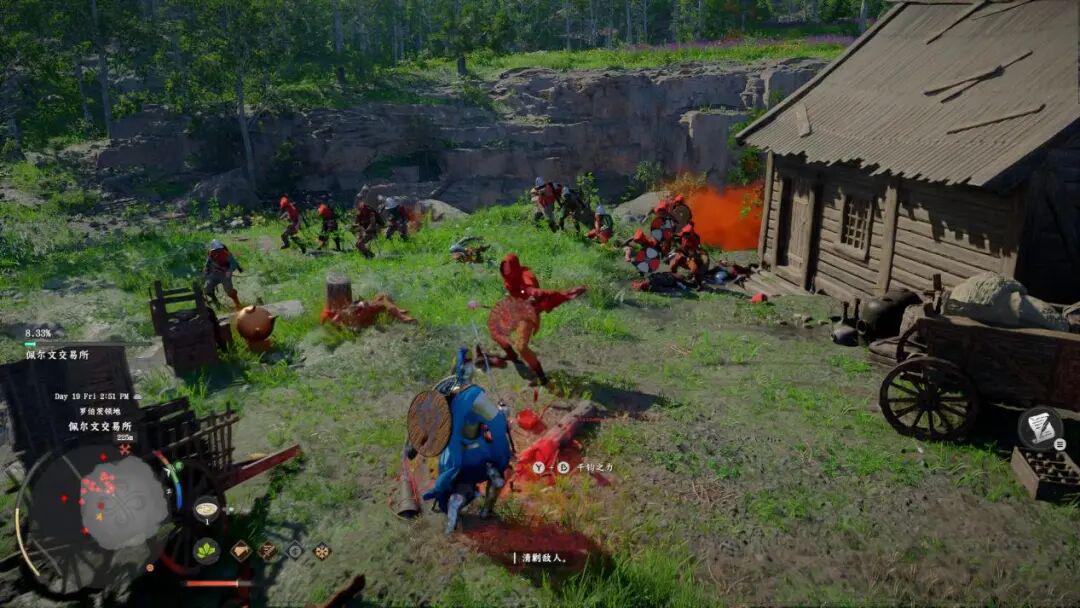
A "Justified" Beating
Not to mention the lackluster guidance, which means I have to strain to remember what I’ve learned every time I want to do something, and the bosses that are as frenzied as mad dogs—all of which often bring back some of the bad memories from my Souls-like adventures.
The early stages of *Red Desert* pretty much hit every single pitfall you’d expect from an open-world game. Even though I’m the kind of player who’s gone in and out of *The Witcher 3* and *Red Dead Redemption 2* three times each—giving up three times only to come back three times before finally beating them—I couldn’t help but want a refund. But as soon as I submitted the request, I realized it had already been over two hours. Man, they were just waiting for me, weren’t they?
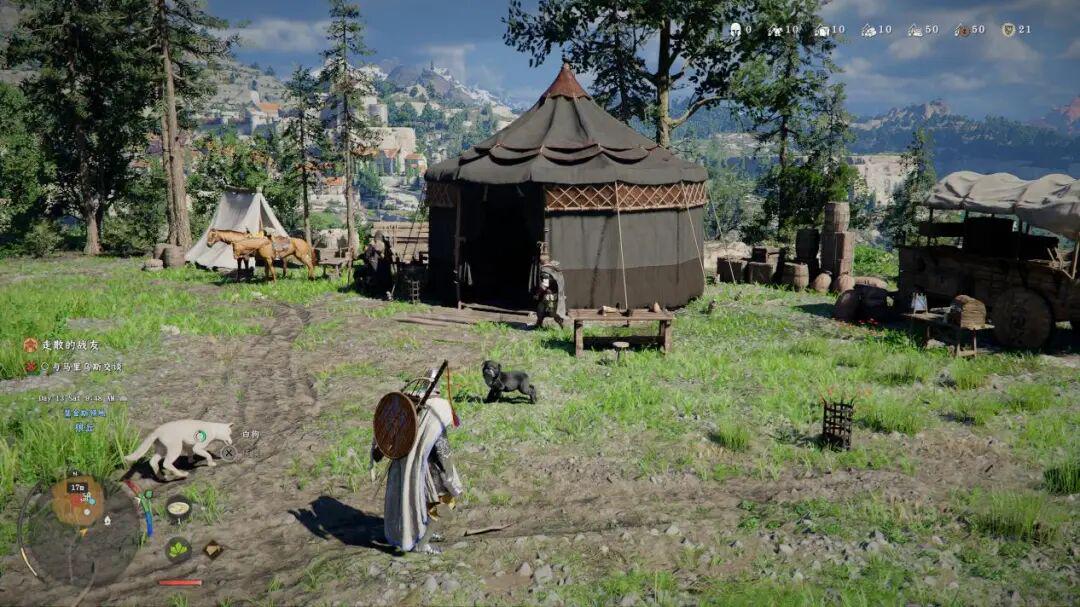
A "clumsy homage" to *The Big Brother 2*
Reading this, you’re probably thinking, “Are you trying to stir up trouble? Is this a smear piece?” But let me be clear: everything I’ve written above comes from my own personal experience and is absolutely genuine—no embellishments. It is precisely the contrast between the hardships I described and the indescribable experiences that followed that leads me to believe *Red Desert* is too complex a film to be dismissed with a simple “fail” in just a few words.
The turning point came down to a rather random detail. I was looking for someone in the main city when a passerby suddenly pickpocketed me. When I caught him, I was surprised to discover that he was actually the wanted criminal I’d been searching for.
After that, I began to take a fresh look at this game world.
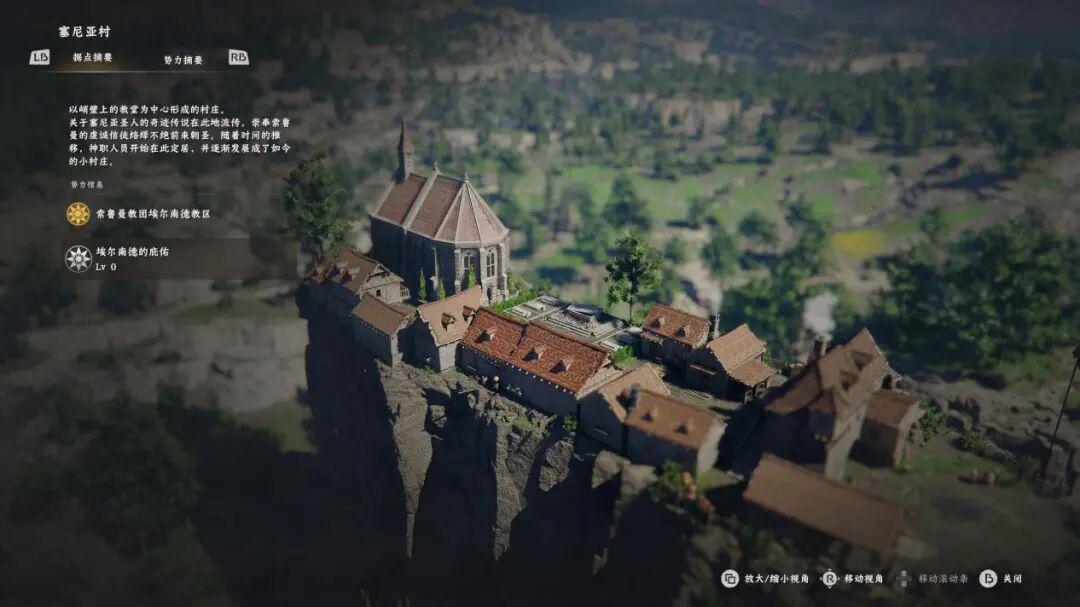
Tilt-shift lenses for key areas
I discovered that the reflection off weapons can start a fire and cook meat; if you wear metal armor during a thunderstorm, you’ll get struck by lightning; when it’s snowing, birds flying overhead will freeze and fall to the ground; if you discard unwanted items, nearby passersby will come and pick them up; and when you feed a puppy, other puppies in the area will come over to fight over the food.

Of course, it’s not just dogs
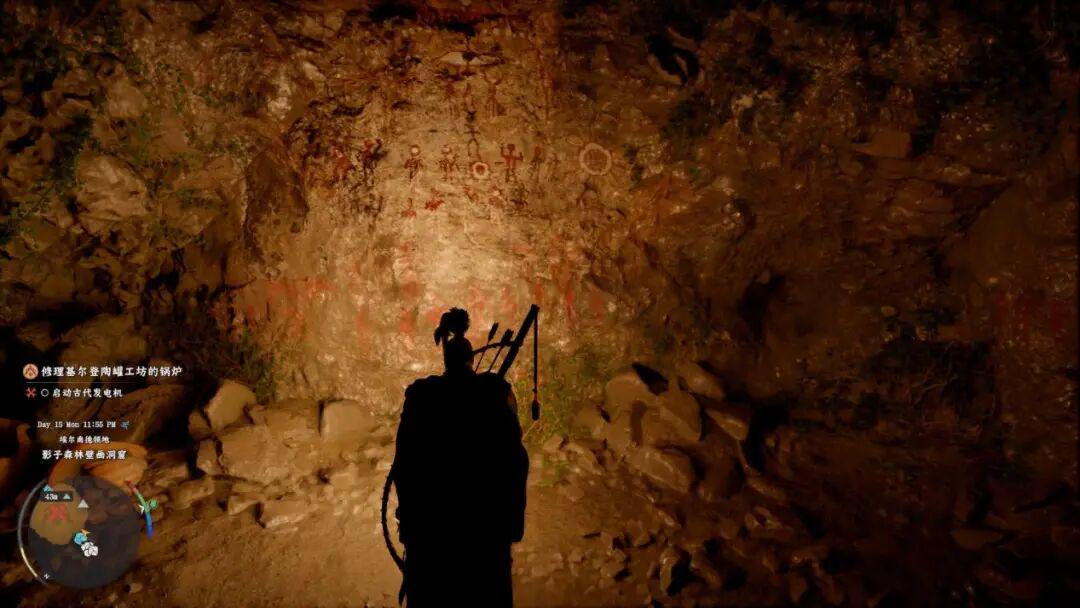
Carrying a lantern lets you see the locations of nearby teleportation points and skill points; a puzzle that requires filling a pond is automatically solved by a sudden downpour; using the grappling hook to pull branches tight can launch the protagonist like a human cannonball. There are real apples on the apple trees, and real bees in the beehives. In addition to the game’s built-in mini-games, you can also go shellfishing, ride bears, make investments, pet cats, and more.

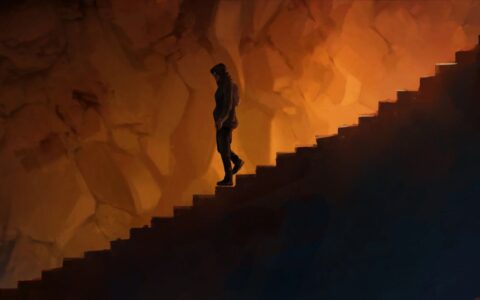
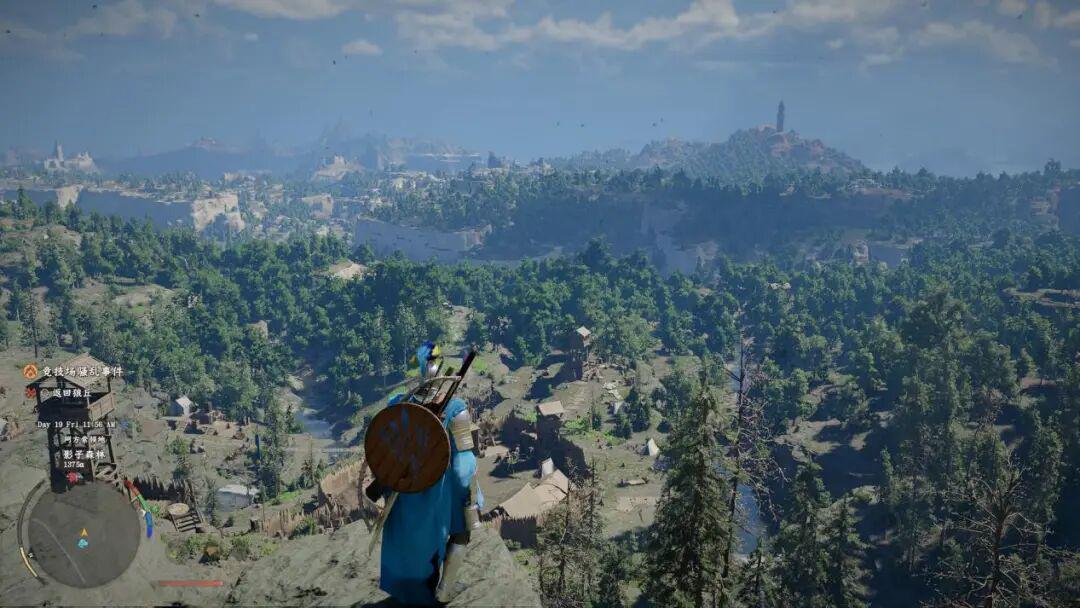
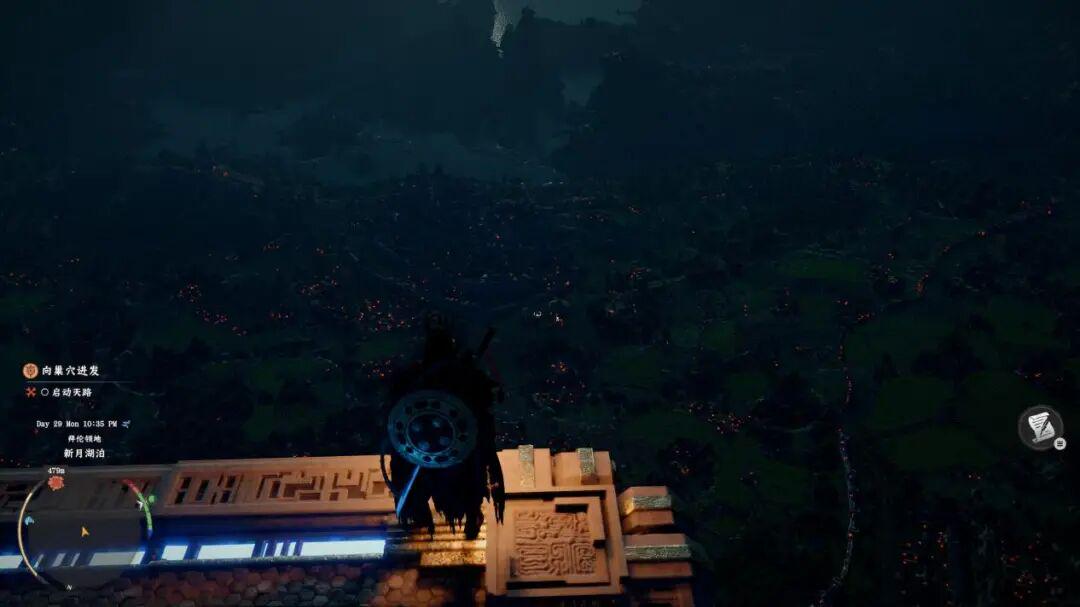
When I climbed a distant mountain peak and saw the vast, endless range of snow-capped peaks stretching out before me; when I climbed a tall tower and looked down at the twinkling lights of countless homes below, I felt for the first time in a game just how small humanity is.
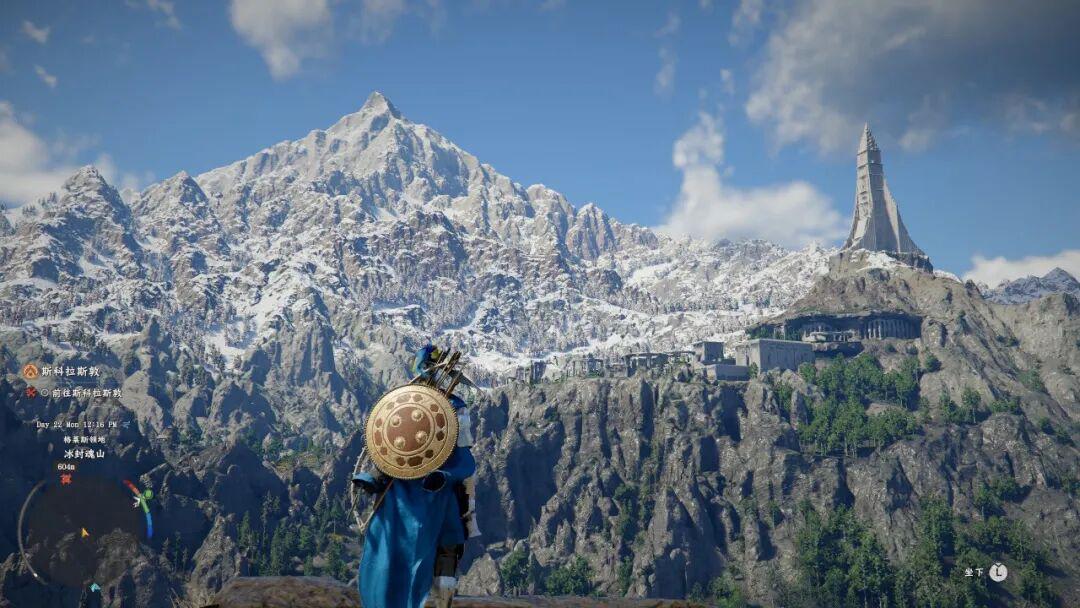
Not to mention the combat system, which has been criticized by many players but actually hides quite a few “tricks up its sleeve.” In addition to the system’s innate skills, almost all weapons can be equipped with additional skill gears—especially those used by bosses, which are designed to be incredibly flashy.And while the move list may seem as rigid as a fighting game’s, it only scratches the surface—a constant stream of衍生 skills emerges, yet they’re never explicitly mentioned. Moves like the Scissor Kick, Izanagi Drop, Gale Kick, and Iron Mountain Slam all rely on “leaving it to chance” when inputting combos.

At first, I was curious why the development team dared to compare the combat in *Red Desert* to *Devil May Cry*, but now it all makes sense. No way, man—you like to keep things under wraps, don’t you?
Even though I’ve played for 40 hours now, I’ve explored less than a third of the entire world. Looking back on my experiences so far, I can’t help but ask myself, “What is the true essence of an open-world game?”
I just want to say four words: "Live in the moment."
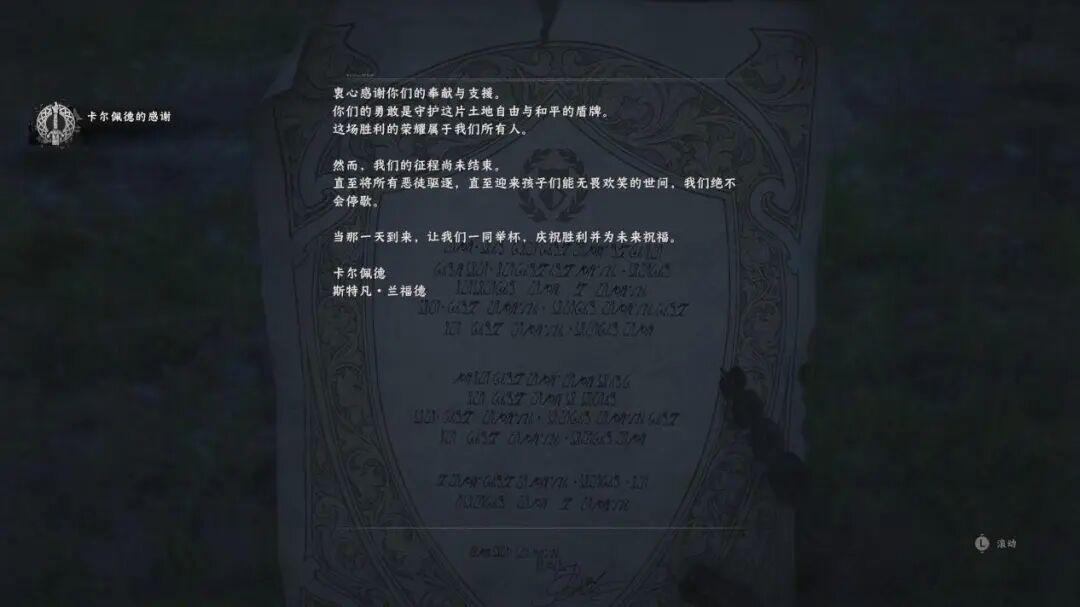
No matter how well the game is made, if there comes a moment when players can truly lose themselves in the world, I think that’s what makes for a good open-world game.
I’ll say it again: *Red Desert* may not be a great game, but for me, it really delivered.
02
At this point, this article should have ended, and I could have happily shut down my computer and gone home. But since *Red Desert* has had me pondering the meaning of life these past few days, I’d like to add a few more thoughts at the end.
In fact, judging by the experiences surrounding *Red Desert* over the past few days and the fluctuating public reception, it’s clear that the consumer market has already shifted.
In the past, the conventional wisdom was that a game receiving overwhelmingly negative reviews on its first day virtually sealed its fate. However, not only *Red Desert* but also earlier titles like *Late Ming* have, without exception, gone through a rollercoaster of initially negative reviews followed by a subsequent recovery in ratings, ultimately receiving a fairly positive market response.
That’s why I feel the single-player game market is getting better and better.
First, to put it objectively, the current user base for single-player games has reached an unimaginable scale. Taking Steam as an example, its peak concurrent users recently surpassed 42 million, with Simplified Chinese users accounting for over 50% of that total—an astonishing 54.6%.Judging by the high proportion of paying players in the Chinese region for recent titles like *Mew Mew’s Union* and *Red Desert*, the Chinese gaming market has reached a high level of maturity in terms of both player base and monetization.
While the domestic market was still in the early stages of users getting used to paying for legitimate software a few years ago, recent years have seen a massive surge in the number of paying users.
Second, having a large user base isn’t particularly useful—just look at free-to-play games, which still attract freeloaders. But with buy-to-play games, the logic is “buy first, try later,” so it’s clear that these players are exceptionally active when it comes to spending. If you dig a little deeper, you’ll find that established IPs aren’t as appealing as they used to be, while original IPs that emphasize innovation are actually more in demand.
In my view, this is actually somewhat counterintuitive. From my personal perspective, aside from a few top-tier IPs (such as Resident Evil and Assassin’s Creed) where player nostalgia is strong enough to drive early sales, most IPs have fallen into a market-driven vicious cycle. Today, the flood of remakes and formulaic sequels has sapped much of the players’ enthusiasm, leading to greater interest in original IPs that are bold and daring.Whether driven by a desire to try something new or simply following the trend, this attention ultimately translates into sales. This is the primary reason why new IPs like *Late Ming* and *Red Desert*—despite lacking the backing of successful predecessors—have still managed to surpass one million in sales early on.
By contrast, you can also see that many “blockbuster IP titles” released during the same period flopped at the box office and ended in dismal failure. Risk is a shackle imposed by investment, but it also presents a unique opportunity to break through.
Ultimately, players’ aesthetic sensibilities and tastes have truly matured.It cannot be denied that there are still quite a few players who act on impulse or “let their emotions get the better of them” (as evidenced by the many posts on Xiaohui Box where users “repent” for having given negative reviews early on), but I believe that more players have developed the ability to think independently. They can evaluate a game’s merits based on their own experiences and ultimately provide the most objective assessment—which is also the most important reason why many games see their ratings improve over time.
Whether positive or negative, reviews are essentially an emotional outlet for players; there is no right or wrong. Just like the "jerk" mentioned earlier, feedback about whether he treats you badly or well is simply based on individual perceptions. However, being able to offer an objective assessment based on the overall experience of a game—ensuring that good games aren’t truly overlooked—is, in my view, a rare opportunity for mutual growth.For both the market and developers, this serves as an intangible encouragement, driving the creation of more high-quality games.
Conclusion
Of course, I’ve rambled on quite a bit—these are just my own humble opinions and thoughts.
I can’t guarantee it’s 100% accurate, but I promise to stay true to the original.
But in the end, I’d still like to say: please be a little more patient with these new IPs and games, and give them a few more chances. You wouldn’t want to end up surrounded by nothing but remakes, reboots, HD editions, Ultimate Editions, Ultimate Enhanced Editions… and so on, would you? (just kidding).
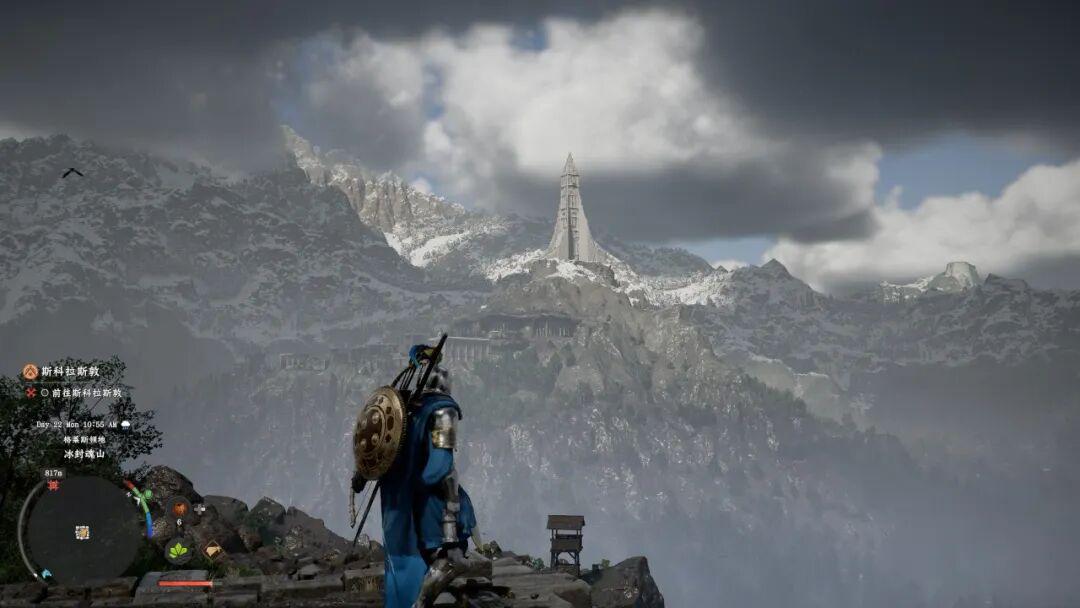
Just like Todd’s classic line from the *The Elder Scrolls V* press conference: “See that mountain? You can climb it.”
I want to climb more mountains, and I want to see more of the world.
原创文章,作者:游茶妹儿,禁止转载:https://youxichaguan.com/en/archives/195666