Does graphics card configuration determine equipment stats? Do you have to follow the developer's instructions to get the best gear?
Three years ago, an indie game called *Strange RPG* sold 100,000 copies within two months of its release and achieved a 92% positive rating on Steam, becoming the most unexpected hit among Chinese indie games that year.

At the time, Teahouse conducted an exclusive interview with the developer, Yu Zhen, who said he had originally intended to create a hardcore boss-battle game in the vein of *Sekiro* or *Dark Souls*, but due to personal time and resource constraints, he ended up making a dungeon ARPG filled with internet memes. To his own surprise, what players loved most wasn’t the combat, but the absurd items—such as “GPU determines gear stats” and “singing helmets that require the producer to sing live.”
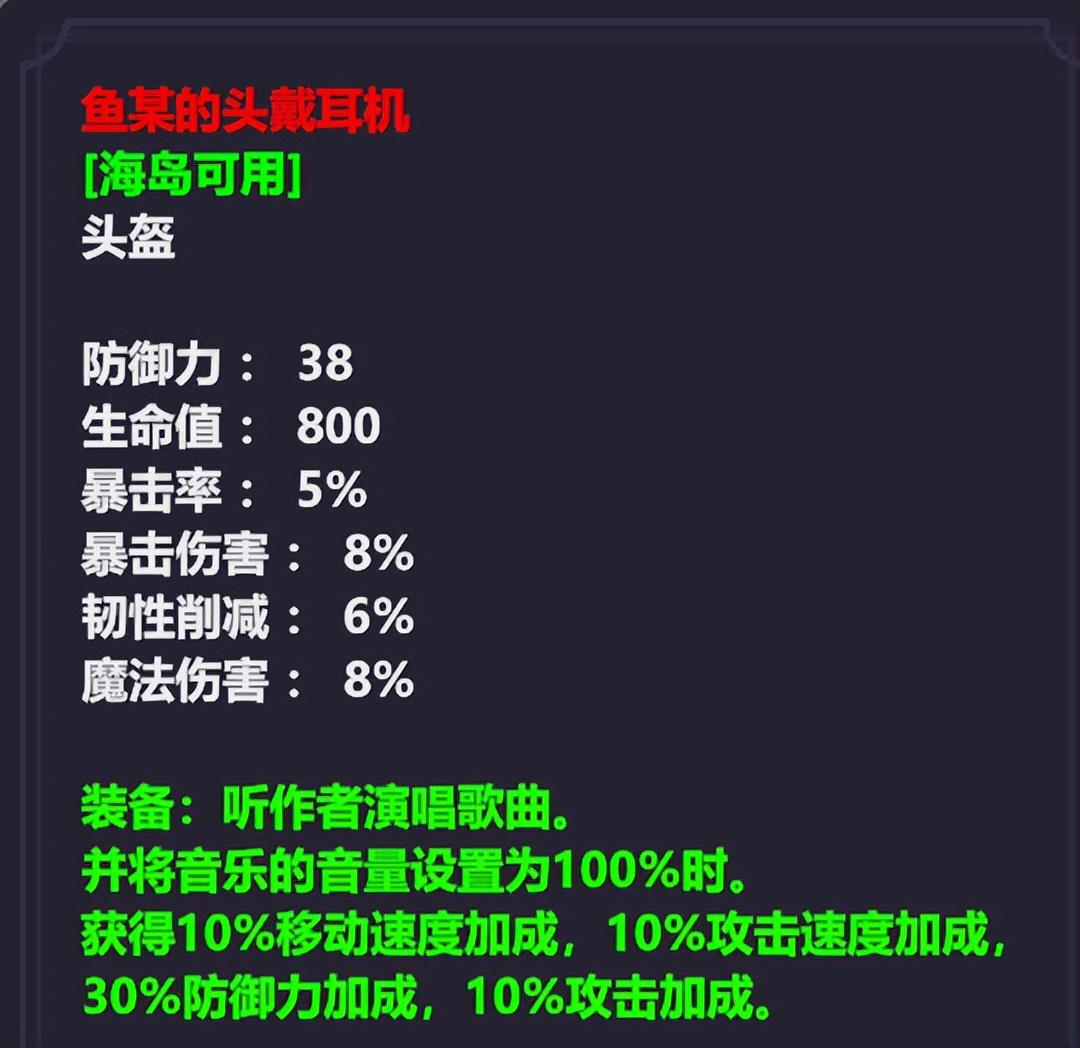
Faced with a viral sensation that had completely strayed from his original intentions, Yu Zhen’s attitude at the time was simple: “As long as the players like it, I’ll keep going.”
Three years later, *The Weird RPG 2* was released on January 23, 2026. This time, the developer retained all the playful elements that players loved in the first game, while also making changes based on player feedback: switching to a third-person perspective, revamping the core combat system to include parrying, and significantly improving the difficulty curve, death penalties, and model detail. Additionally, the developer incorporated many of the players’ requests directly into the game.
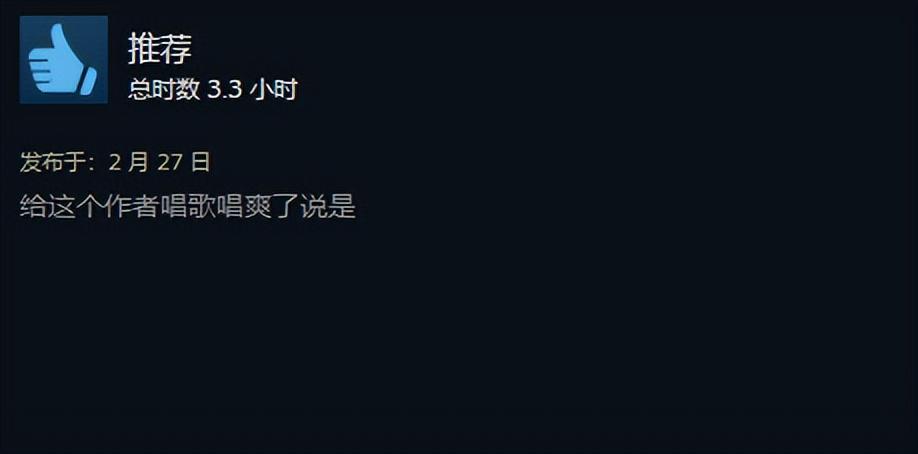
Recently, Teahouse caught up with Yu Zhen once again. This developer, driven purely by passion, spends nearly all his free time immersed in coding. His sequel—still a one-man project—proves once more that small and medium-sized teams don’t need to follow mainstream trends; as long as they genuinely translate player feedback and personal interests into unique product features, they can continue to attract their own core player base. As he puts it himself: “I make games first and foremost because I find them fun; having players enjoy them is just a bonus.”
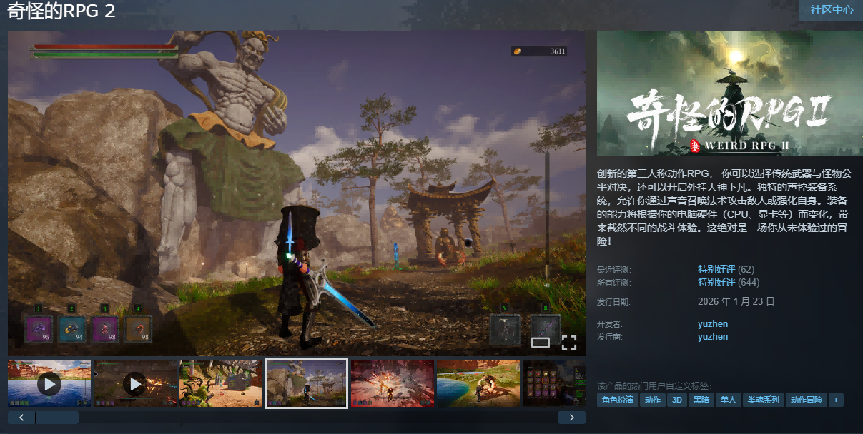
The following is an edited transcript of the interview:
01
Going it alone: I’ll deal with all the pitfalls first
Teahouse: What was the main reason you chose to develop and publish the game on your own, rather than assembling a team or forming a close partnership with a publisher earlier on? Do you have any plans to expand in the future?
Yu Zhen: My plan is to develop a few games on my own first, hit most of the pitfalls, and resolve the majority of unknown issues before considering expanding the team. This approach minimizes risk and prevents major problems caused by an unstable foundation. It also allows me to immediately implement any ideas I have, which is more efficient. Of course, forming a team would be better—even adding just one artist could improve the game development process—but for now, I still want to test out a few more projects on my own.
Teahouse: Could you tell us why you decided to switch careers and start making indie games?
Yuzhen: I used to work at a game company, but many of my own ideas simply couldn’t be realized in the company’s projects, so I started developing my own games in my spare time. Once I felt the project had reached a viable stage, I decided to go completely independent.
Teahouse: Why did you choose such a strange, niche theme for the first installment of *The Strange RPG*? Were you worried back then that no one would buy it, or that you wouldn’t be able to make a living after finishing it?
Yu Zhen: Back then, I was purely driven by my passion and didn’t think much about the market. Of course, I had my concerns, but I managed to keep costs under control—mostly just buying sound effects and art assets, so the overall expenses weren’t too high. Just as the second game didn’t sell as well as the first, I could still move on to the next one without facing too much financial pressure.
Teahouse: You worked on the game from the first generation to the second. What was the most challenging part of the development process? What was the biggest sacrifice you had to make in your personal life while developing this game?
Yuzhen: I worry about whether players will actually like the game content. Especially when developing a game for a long time, I start to lose sight of what makes it fun. The main sacrifice in my personal life is time—I spend most of my evenings and weekends working on the game, so my social life and downtime have been severely cut back.
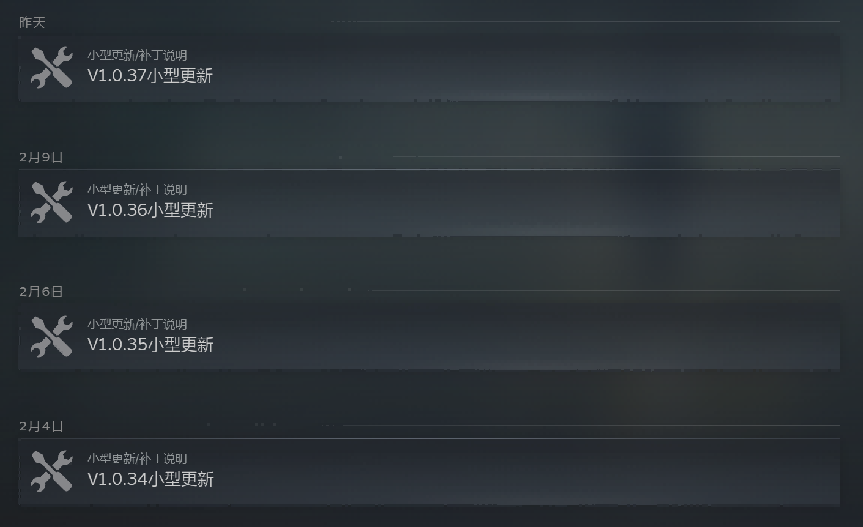
(We're still working hard even after the game launched)
Teahouse: After the first installment was released, its sales and critical reception exceeded expectations. Did that play a decisive role in your decision to greenlight the sequel?
Yu Zhen: The success of the first game was a huge boost; it directly accelerated the development of the second one. If the first game hadn’t sold well, I might have faced pressure from my family and those around me, and I would have had to go back to my day job and put the second game on hold for the time being.
Teahouse: When the second installment was greenlit, did you consider switching to a more mainstream and safer theme to reduce the risk?
Yu Zhen: I never thought about it that way. Mainstream themes tend to attract competition from large teams, but keeping a game unique—even if it means a smaller audience—means there are fewer alternatives, making it easier to attract a specific player base. Besides, when making games, you’re definitely more motivated if you start by making what you want to make.
02
Where Do Outrageous Designs Come From: When an Idea Strikes, Just Do It
Teahouse: The most viral part of the series has definitely been those outrageous weapons and props. Can you tell us how you came up with those wild ideas?
Yuzhen: My inspiration mostly comes from things I’m interested in and have a real understanding of. Then I think about how to incorporate them into the game. Take the “Lu Xian’s Smile” item, for example—I didn’t include it with any malicious intent to criticize him. I used to enjoy watching his streams myself, and I just thought it would be fun. The same goes for items like s1mple’s bulletproof vest and “Zuguoren’s” laser eyes.
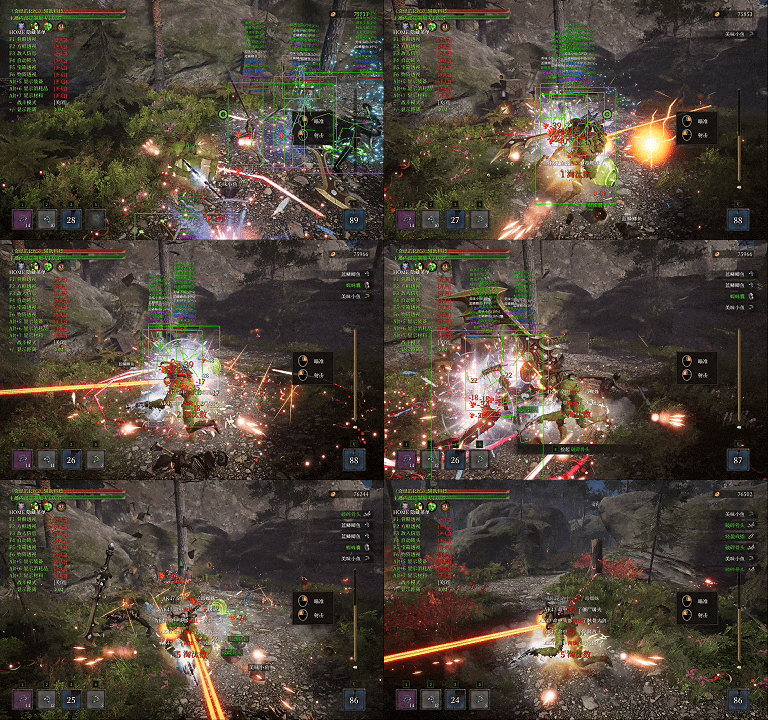
(Lu Xian's Smile + the combo from the Motherland's Laser Eyes)
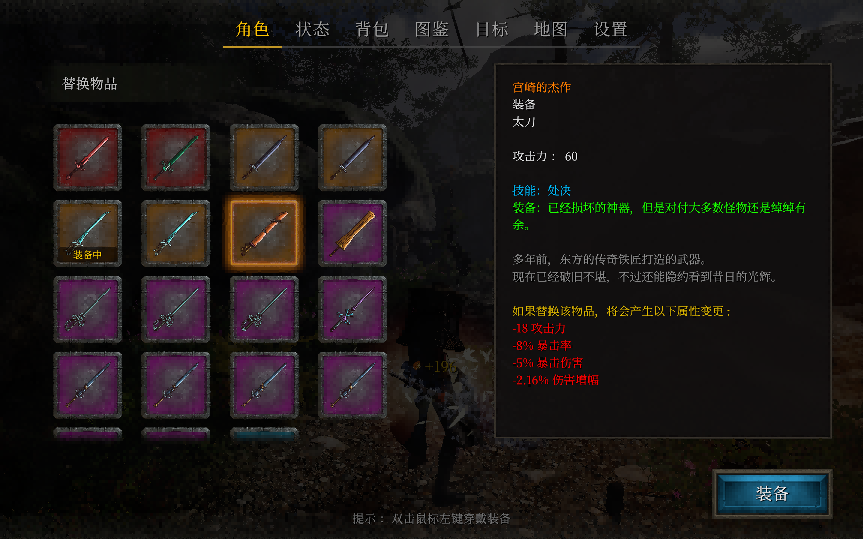
Teahouse: Why is the weapon "Miyazaki's Masterpiece" broken?
Aftermath: This was intentionally designed to look broken, mainly to prevent players who missed it from falling too far behind in terms of weapon stats. Players familiar with the *Dark Souls* series will get a chuckle out of it, and the execution animation is also a nod to that series.
Teahouse: When you finished the first game, you mentioned that you actually wanted to create a game with boss battles that offered the kind of hardcore challenge found in *Dark Souls* or *Sekiro*. Do you feel you achieved that vision in the sequel? What other games served as major sources of inspiration during development?
Yuzhen: Thanks to the parry mechanic, the second game pretty much captures the hardcore boss battle vibe I was going for, but the overall difficulty was actually lowered to make it more accessible to a wider audience.The biggest inspirations for the first game were *Hades* and *Sekiro: Shadows Die Twice*, while the level and UI design for the second game drew more heavily from the RPG maps in *World of Warcraft* and *Warcraft III*. The level design also follows the fast-paced, short-and-sweet style of *Warcraft III* player-created maps.
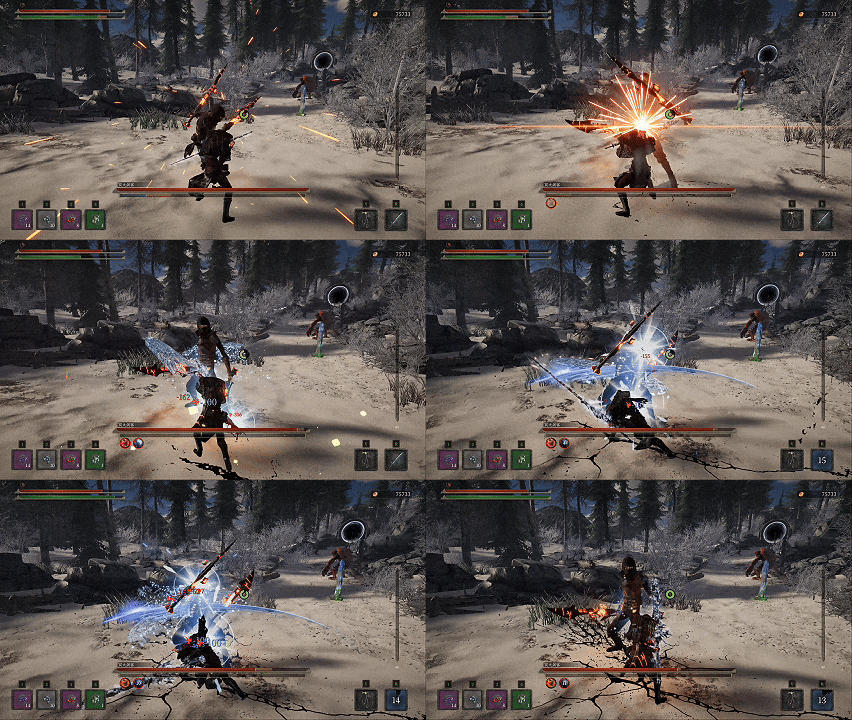
(A completely different counterattack in the second generation)
Teahouse: Aside from the weapons, the game is full of internet memes and dark humor. How did you strike the right balance to ensure they didn’t overshadow the main story?
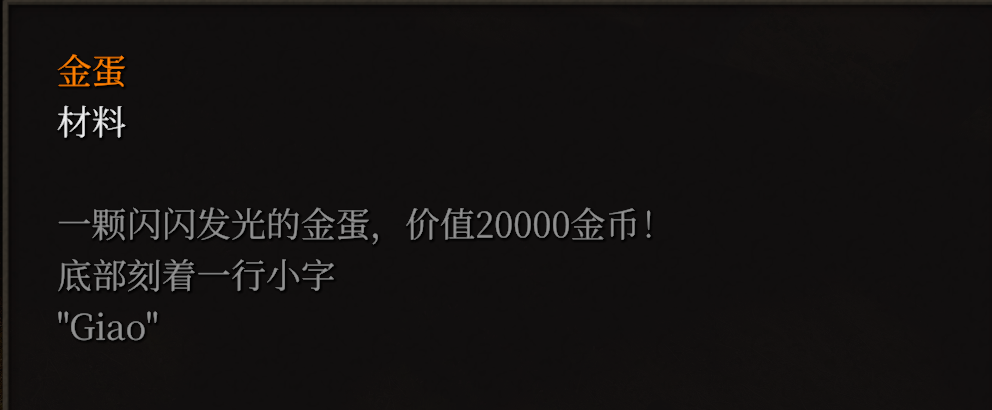
Easter Eggs: These are mostly included in equipment descriptions and presented in a subtle way—those in the know will get a chuckle, while those who don’t won’t be hindered from enjoying the game. Take the giant egg in the desert at the start of the game, for example: initially, players who participated in the beta reported that there weren’t enough coins, so I thought, “Here, have an egg,” and added it to the game right away.
Teahouse: You’ve made up the eggs for everyone, right?
Aftershock: Yes (lol).
Teahouse: The first game featured a fragmented, diary-style narrative and a relatively well-defined world setting, while the second game downplayed the story in favor of gameplay. Was this shift a deliberate choice?
Yuzhen: Yeah, I don’t really care much about the story when I play games myself. With the second installment, I focused all my energy on the gameplay. In future games, the story might be even more casual and outlandish—whatever’s fun goes.
Teahouse: From a top-down perspective to third-person, and from a dungeon-crawling ARPG to more linear parry-based combat—what new challenges have these changes in perspective and gameplay systems presented to the development team?
Aftermath: Map creation efficiency dropped significantly; working on the camera system and animations took an exceptionally long time; bugs skyrocketed; and performance wasn’t as stable as in the first game. Although the game itself is short, the development process took far longer than we ever imagined, and even after release, we were busy every day collecting feedback and making constant adjustments.

03
A Sequel Shaped by Player Feedback: I’ve Taken Everything You’ve Said to Heart
Teahouse: Player feedback on the first installment was generally positive, but there were also some negative comments. How do you respond to these mixed reviews regarding the game’s short playtime and high level of repetition in the later stages?
Yu Zhen: Of course, I’m happy when my creative ideas are praised, but I also take complaints very seriously. The short campaign and the need to grind repeatedly in the late game were originally designed to fit a fast-paced, quick-play style, but many players want more content—I’ve taken note of that.Some players also mentioned that the difficulty spikes too quickly once you enter the zombie world. The significant gap in boss stats later on is indeed my fault. In the sequel, I’ve focused on optimizing the difficulty curve, and I’ve also worked to strike a balance regarding the game’s length. There was also feedback on the first game that every level followed the same gameplay formula, which got tedious by the end. Extending the game further might have actually diminished the experience, so I’ve tried to find a balance between compressing content and enhancing the overall experience.
Teahouse: Are the biggest changes in the sequel primarily based on feedback from players of the first game? Could you tell us about the thinking behind these adjustments?
Aftermath: Almost all of this came from player feedback. Many players complained that the difficulty was too high in the latter stages of the first game, so after the beta release of the second game, I focused more on listening to everyone’s concerns. The initial parry mechanics were stricter and the overall difficulty was higher, so I gradually increased the parry window from 0.2 seconds to 0.32 seconds. I also added fruits with various attributes and gear tailored to different playstyles, allowing players to customize their strategies based on their preferences—which indirectly lowered the difficulty.
Also, in the first game, I noticed from the backend data that the gap in equipment levels among players became too wide later on, so in the second game, we simply simplified the requirements for obtaining good gear and marked the hidden entrances directly on the map. Currently, the difficulty of the hidden levels in the official version has also been significantly reduced compared to the beta.Initially, we planned to make the "Gate of Choice" questions math problems—ones that even Lu Xian couldn’t cheat on. But later, we decided we just wanted everyone to have more fun, so we changed them to questions about game mechanics. If you play for a while, you’re sure to pick the right answer.
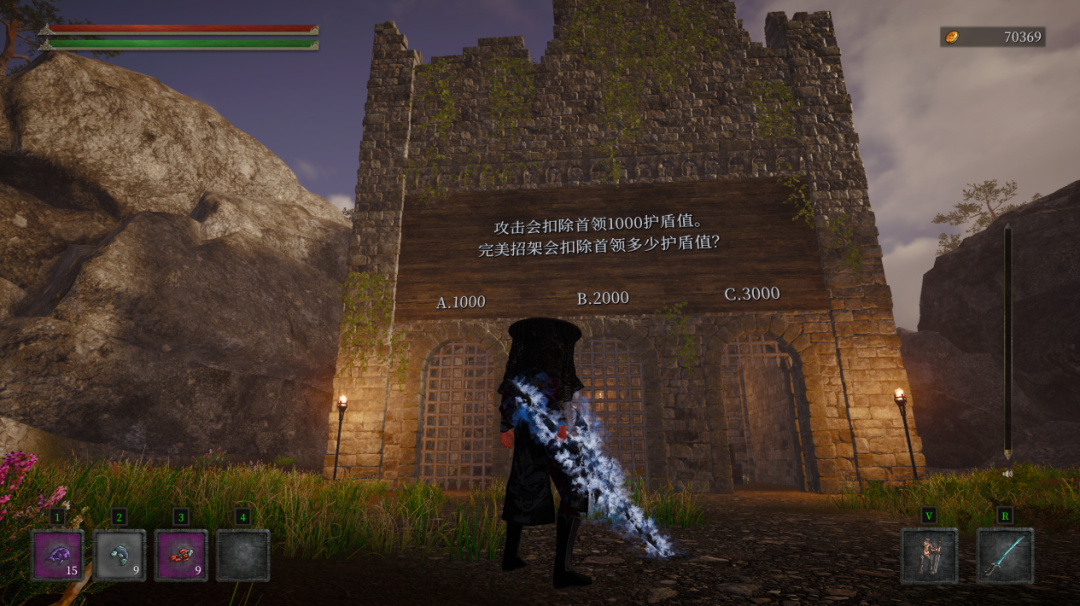
(The Gateway to Powerful Items)
Teahouse: Many players have praised the sequel for being more accessible and offering even more playful content, while still retaining the series’ signature sense of humor. How did you strike a balance between lowering the barrier to entry and preserving the series’ essence?
Yuzhen: The key is to maintain a high frequency of positive feedback. In the early to mid-game stages, we need to ensure new content appears every 5 to 10 minutes to keep players engaged. The difficulty level shouldn’t remain consistently high; it needs to be accessible to the majority of players. When designing the game’s difficulty, I personally test it repeatedly. First, I make sure I can complete the game myself, but after fighting a boss too many times, my own gameplay experience isn’t a reliable benchmark. I primarily rely on feedback from test players to make adjustments.
Teahouse: What was the original concept behind the design of the Singing Helmet? It’s now available in the mid-game—was this change made because of the strong player feedback regarding this item in the previous game? What are your thoughts on the feedback?
Yu Zhen: After finishing the game’s basic content, I was in such a great mood that I just wanted to keep adding things to it. Plus, whenever I had an idea, I’d implement it in the game almost immediately—I’d just sing and record it on the spot and add it right in.The singing helmet from the first game was a huge hit on Bilibili; many players discovered the game after watching videos of it. However, that item wasn’t unlocked until the very end of the game. In the sequel, I moved it up to the mid-game to ensure players wouldn’t miss it again, and I also wanted to provide a high-powered item. Plus, some test players told me they really wanted that helmet, so seeing that people liked it, I decided to include it.
Some people find it awkward, some think it’s funny, and others actually give it a bad review because of it—but I think it’s all good. After all, different players have different expectations and levels of acceptance when it comes to game content. At the very least, it’s made an impression on people.
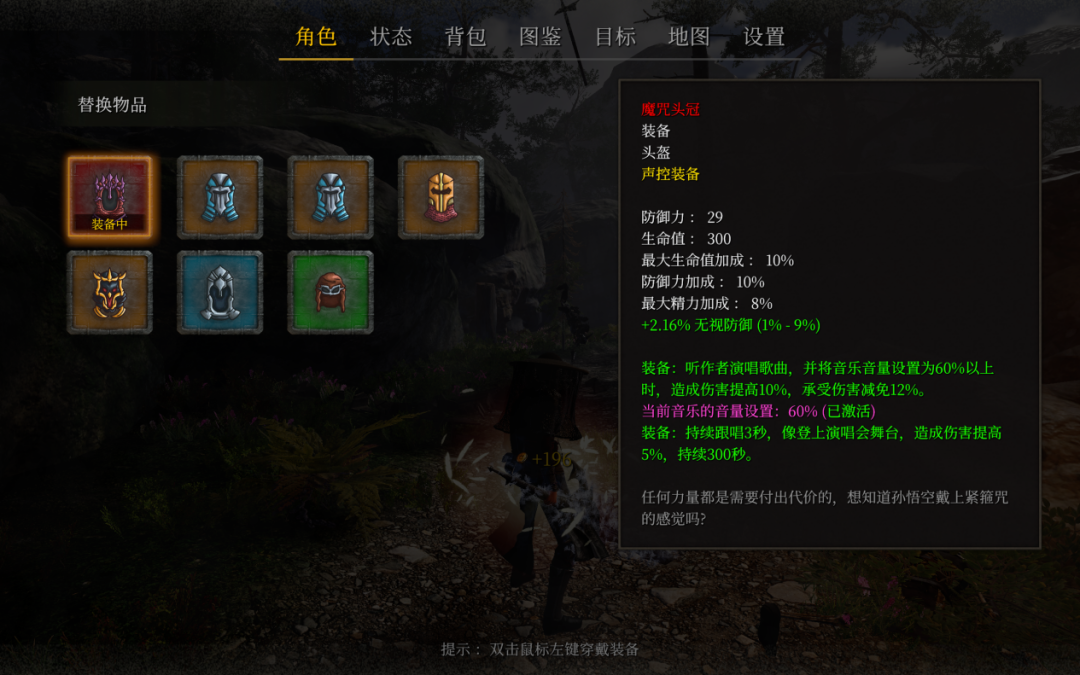
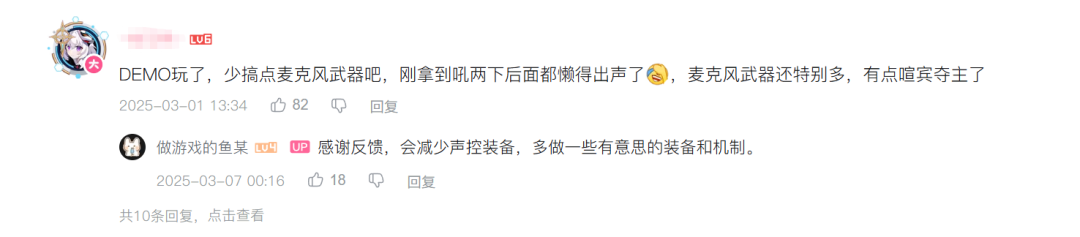
Teahouse: Voice commands and the hardware gear are features that many players both love and hate—and they’re also the game’s most distinctive selling point. In the comments section for the demo of the second installment, I saw some players mention that there were too many of these weapons. How did you balance humor and playability moving forward?
Yu Zhen: After taking your feedback into account, we’ve significantly reduced the number of voice-activated weapons. Originally, they were meant to be obtained more frequently in the early game, but now we’ve spread them out throughout the entire game. We’ve also adjusted how the voice-activated effects for some weapons are triggered—some require you to transform to activate the voice function, while others simply require you to speak for a few seconds to gain a buff. Since every player’s gaming environment is different,I want to accommodate as many players as possible and ensure that the game doesn’t become more difficult simply because a specific weapon’s voice-activated ability is missing.
The new game coming after this one will feature more precise voice-command mechanics as a core gameplay element, and we’ll also include auto-trigger or alternative options for players without microphones. However, we still hope players will try out this feature for themselves. The new game will make voice commands more meaningful, rather than just a gimmick.
04
Still strange, still loved
Teahouse: What are your thoughts on the domestic indie gaming scene? Is there anything you’d like to say to developers?
Yuzhen: I’ve gradually come to agree with the view that the gaming industry is a service industry. After all, the ultimate goal of developing a game is to make it fun enough that players will want to play and buy it. My advice to developers is to start by making games that you’re interested in and enjoy playing yourselves, then adjust them based on player feedback—don’t set out with the sole aim of catering to the market. When *Vampire Survivors* became a huge hit, some people urged me to make more survival-style games. But I knew I wasn’t interested in that genre, and forcing myself to do it would only result in a subpar product.
Teahouse: Would it be appropriate to call you a developer driven by passion?
Yuzhen: That’s spot on. When I make games, my first priority is that I find them fun myself; having players enjoy them is just a bonus.

Teahouse: It’s been almost a month since the second installment was released, and sales and reviews seem to be going well. Are there any plans for a sequel?
Yu Zhen: We’ll definitely be making a new game. It might not be called “Part 3,” but we’ll definitely carry over the same tone as the first two games.Currently, we’re leaning toward expanding the game’s scope to ensure core players have more content to enjoy. This decision is based on our analysis of how long different players spend with the game. Both previous titles took about five hours to complete, and most players actually stopped playing around the midpoint. Core players, however, continue after beating the game to unlock all achievements—and it was they who pointed out that the campaign was too short. Moving forward, we’ll better meet the needs of this group by adding more content.
Teahouse: The first generation gained popularity through singing helmet videos on Bilibili, but the second generation’s marketing campaign felt underprepared—many players didn’t even know it had launched. How would you sum up this marketing campaign?
Aftermath: The marketing and promotion for the second installment definitely fell short. I was stretched too thin working on my own and wasn’t prepared enough; I ended up spending all my time fixing bugs. The first game happened to coincide with the National Day holiday season, and some content creators made videos featuring creative content that went viral, but the second installment wasn’t so lucky. In the future, I’ll plan ahead and learn how to do it better.
Teahouse: Finally, is there anything you’d like to say to players who are currently playing or planning to play *The Strange RPG 2*?
Yuzhen: Thank you all so much. It’s the players who have given me the opportunity to keep making games. Whether you’re playing, purchasing, or discussing the game, I’m truly grateful. I hope you all enjoy playing it. If you have any feedback, please feel free to share it—I’ll read every comment. I’ll do my best to create even better games in the future to show my appreciation.
原创文章,作者:游茶妹儿,禁止转载:https://youxichaguan.com/en/archives/195662