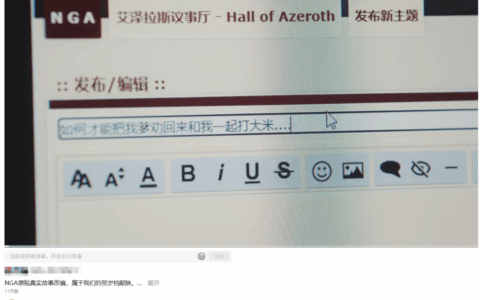
“I’d really love to make a game like this myself, set in a specific region of China.”
When Bobo wrote those words in the comments section of *Stardew Valley* back in 2017, she never imagined they would become a prophecy for her own life.In early 2025, when the demo for *The Diary of Peach Blossom Village*, which she had developed, launched on Steam, a friend dug up a screenshot of that long-forgotten comment and sent it to her. Eight years seemed to be folded into that single image; those once-vague dreams of game development had finally, through the polishing of time, grown into a complete work.
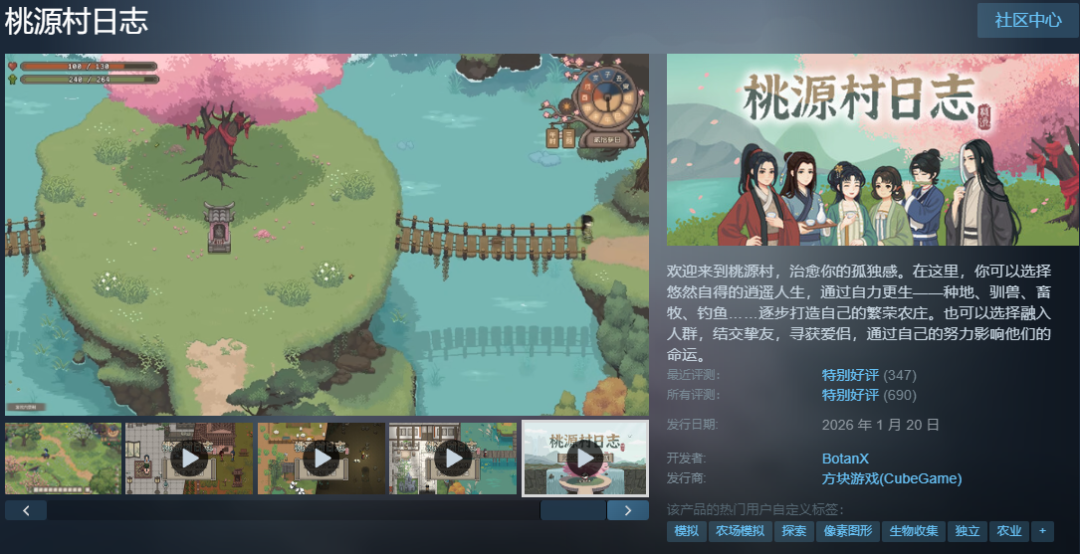
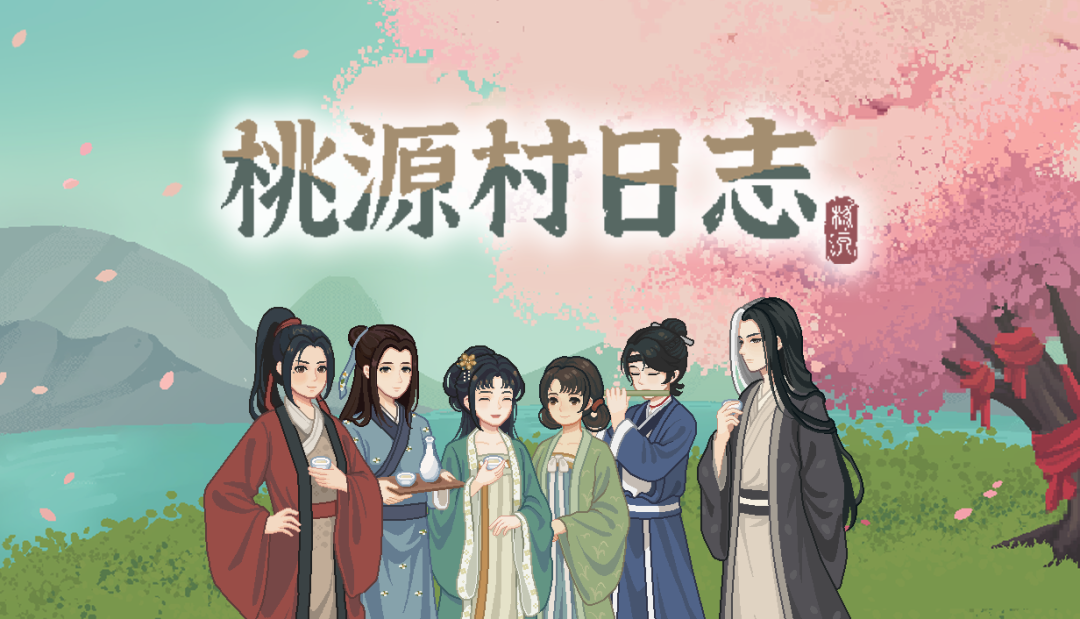
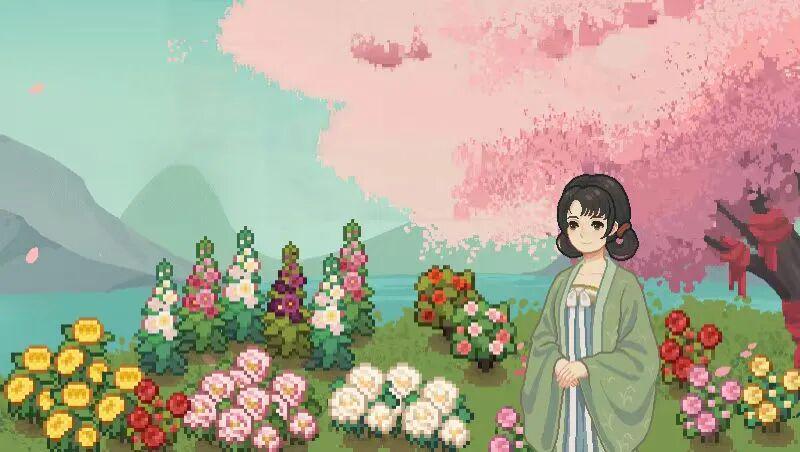
"The Peach Blossom Village Diary" tells the story of an ordinary modern person who accidentally stumbles upon a hidden paradise. In this village brimming with traditional Chinese charm, players can grow seasonal local crops, experience simple bartering, and unlock fun activities like catching and taming pets, all while savoring the beauty of rural life amidst the mountains and rivers.
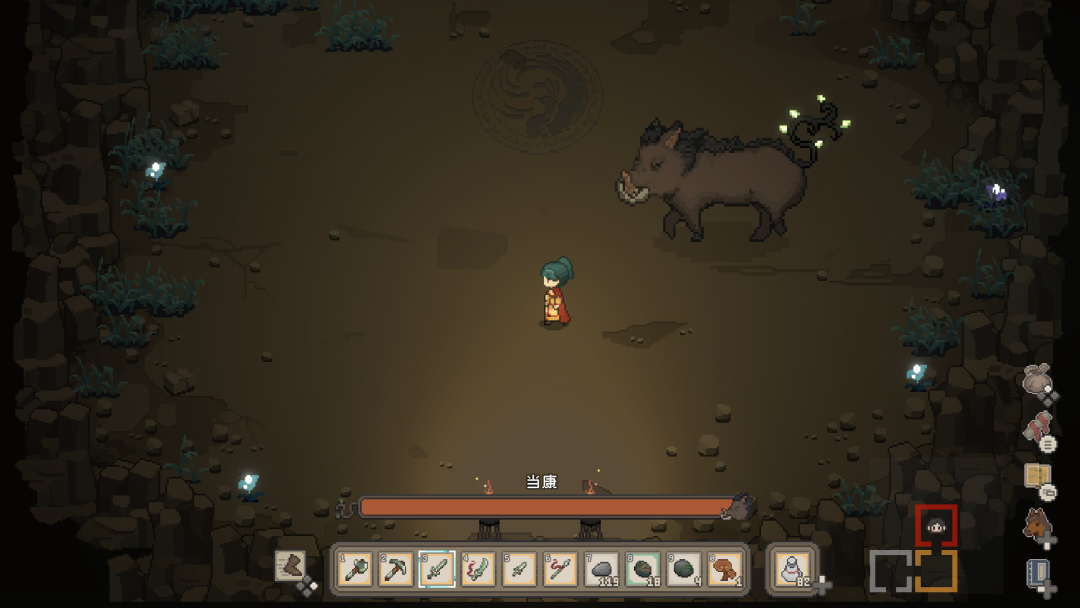
Since its announcement in 2023, this niche Chinese-style farming sim has attracted the attention of farming game enthusiasts. In 2024, it raised 130,000 yuan on the Modian crowdfunding platform, and after its official launch on Steam in January 2025, it quickly climbed into the platform’s Top 10 bestsellers, with cumulative sales exceeding 40,000 copies.
Behind the numbers lies the all-or-nothing gamble of a 36-year-old serial entrepreneur who mortgaged her home in Hangzhou and put her life savings on the line, all to create a game she truly loves.
01
A Startup Born from a Shared Love of Gaming
The creation of *The Diary of Taoyuan Village* stemmed from Bobo’s “emotional crisis.”
A couple of years after graduation, she started an e-commerce business thanks to her keen business sense. She quickly earned what she considered to be enough money, left the workforce early, and entered a state of early retirement. As a hardcore fan of single-player games, she used to play late into the night after work, and since retiring, she has devoted her entire day to gaming.
But this pure joy didn’t last long; day after day, these pastimes gradually grew tedious, and life suddenly seemed to have lost its purpose.
The idea of creating her own game quietly took root during one of those moments of emptiness. But with no experience in programming or game design, she didn’t know where to start—until she met Takumi, a student who was still interning at the time, at a chance gathering.
Despite their significant age difference, the two unexpectedly became close while playing *Human: Fall Flat* online. After learning about Bobo’s dream of becoming a game developer, Zhutan—who had a foundation in Unity and knew how to code—took the initiative to recommend online courses to her, becoming her first mentor on her journey into game development.For the next six months, Bobo devoted herself entirely to self-study, gradually mastering basic programming from scratch. During this period of self-learning, the general framework and core concepts of *The Chronicles of Taoyuan Village* also began to take shape.
At the time, Zhuchan had just graduated and had been working at an internet company for two or three months. He couldn’t seem to adjust to the stifling atmosphere there and didn’t want to be tied down by cumbersome procedures. BoBo seized the opportunity to suggest, “Why don’t we start our own studio and make indie games on our own?”
The two hit it off immediately. In 2022, Bo Bo withdrew all his savings, mortgaged his home in Hangzhou, and established a company, launching the *Taoyuan Village Diary* project.
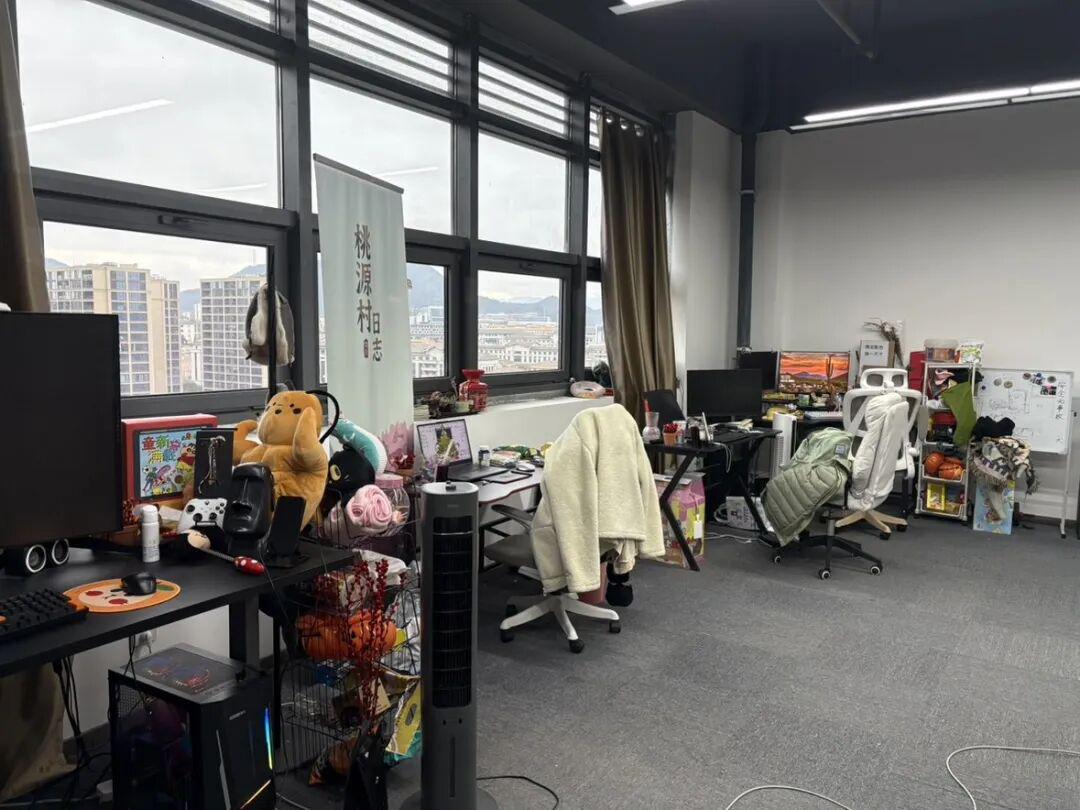
The "Peach Blossom Village Diary" development team's office in Hangzhou
The addition of Zhutan not only addressed the team’s technical shortcomings but also introduced standardized work practices to Bobo, who lacked experience in the internet industry. From cross-departmental collaboration to requirements documentation, Zhutan provided hands-on guidance, helping her establish the workflows typical of an internet company.
The most challenging issue during development was the high turnover among the art team. With limited resources at a small company, artists would come and go, and when there was no one to take over, Bobo had to step in and create assets himself to fill the gap. This is why the game still features a variety of art styles today.
But there was also a heartwarming moment: an artist who had won numerous art awards came across *The Peach Blossom Village Diary* online while studying abroad and voluntarily joined the team as an intern.
The team currently consists of just four people: Bobo serves as lead designer, Zhuchan handles programming, along with an artist who has been with the team for over a year and a design assistant who has just been promoted to a full-time position. Though small, each member is a jack-of-all-trades. Bobo is self-taught in both programming and art, so his design requirements are never vague; the artist and programmer also proactively offer suggestions on feature design. This seamless collaboration, where everyone fills in for one another, has allowed *The Peach Blossom Village Diary* to move forward steadily despite personnel changes.
02
Creating a Real and Inclusive World
"The Diary of Taoyuan Village" is not only Bobo's vision of an ideal life, but also her experiment in observing human nature and personal growth.
To BoBo, *The Diary of Taoyuan Village* has never been just a farming game; it is a spiritual utopia she has built based on the real world, with every detail reflecting her observations and reflections on life.
In the game, trees can only be planted in the forest, and different areas have different soil types; when displaying and admiring valuable calligraphy and paintings, players must wear gloves. Players frequently complain that “fish aren’t worth much,” but this is actually a deliberate design choice by Bobo: Taoyuan Village is rich in resources, and since everyone has everything they need, things that grow naturally aren’t considered valuable.
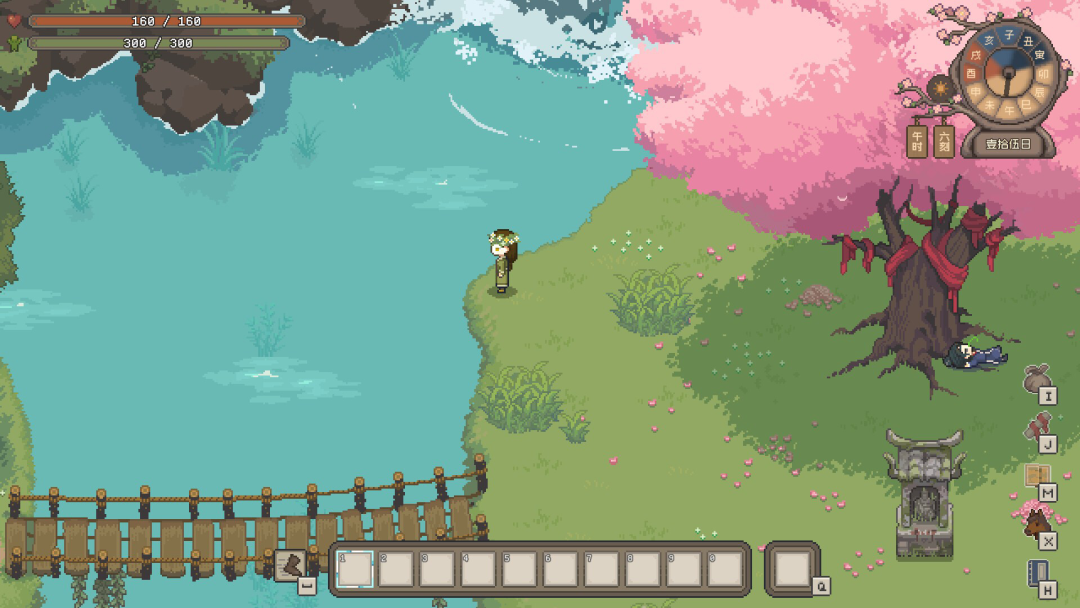
This relentless pursuit of realism also led to the team’s most significant disagreement regarding character development since the project’s inception. Bobo has always maintained that NPCs in the game should not be perfect, but rather flawed and capable of growth, arguing that “the ability to admit and correct one’s mistakes is a rare quality in the real world.”
The game features a character of an alcoholic husband, who is based on one of BoBo’s real-life friends. This friend enjoyed great success in his youth, but after a sudden turn of events, his fortunes took a nosedive. In the game, the alcoholic husband squanders his family’s fortune on his ailing mother; unable to cope with the drastic change in his circumstances, he turns to alcohol as an escape.
Bobo used to not understand his friend’s timidity, but after experiencing the setbacks of starting a business and the ups and downs of human relationships himself, he gradually came to understand that sense of despair and helplessness. “Getting back on your feet after suffering a major setback in life is truly no easy feat.”
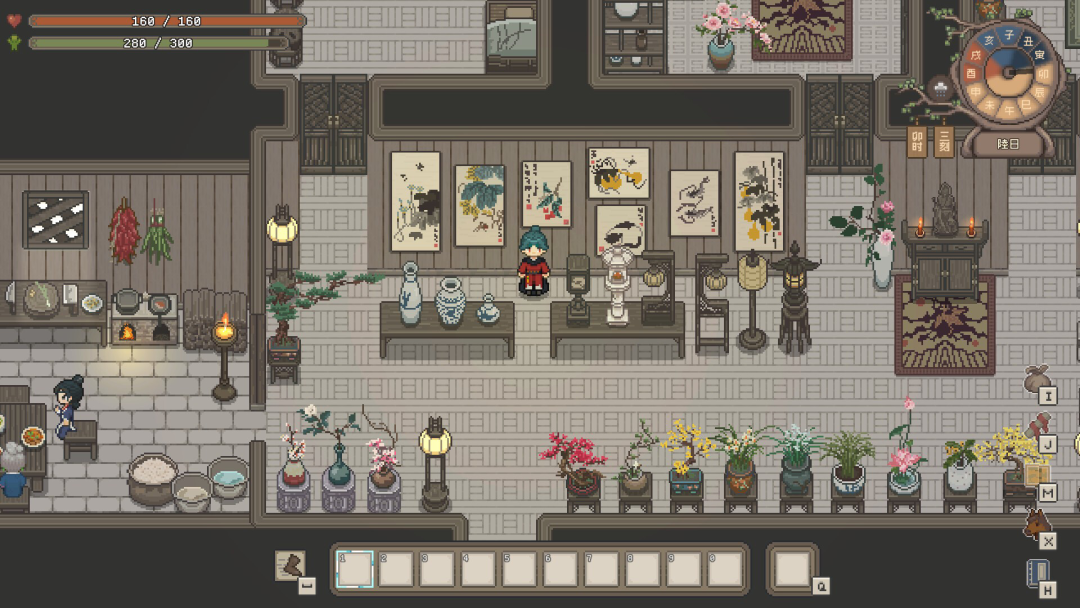
She hoped that, within the game, this character—who was going through a rough patch—would rediscover the meaning of life with the players’ support. However, other team members were concerned that the character’s flaws were too stark and her negative emotions too intense, which might make players feel uncomfortable. After numerous discussions, they finally reached a consensus: to retain the character’s inner conflict and potential for growth while toning down the more jarring aspects.
The portrayal of the Chu couple also took an unexpected turn. The production team originally intended to portray them as strict, traditional Chinese parents, but as the story unfolded, they ended up becoming the most loving couple in the game.
This deep affection stems from a mutual journey of healing: the mother of the Chu family never felt accepted by her own family growing up, and it was her husband’s tenderness and understanding that healed her emotional wounds. Yet even so, she never learned to treat her own children with kindness; whenever she tried to offer words of care, they came out as harsh reproaches—a stark illustration of how the influence of one’s family of origin is passed down from generation to generation.
“A lot of the plot wasn’t something I planned; it just emerged on its own as I was writing,” said Bo Bo. She believes that “once a game world is created, it no longer belongs to the creator—or to anyone, for that matter. If you treat a game as private property and force too much of your personal will onto it, it might end up going off track.”
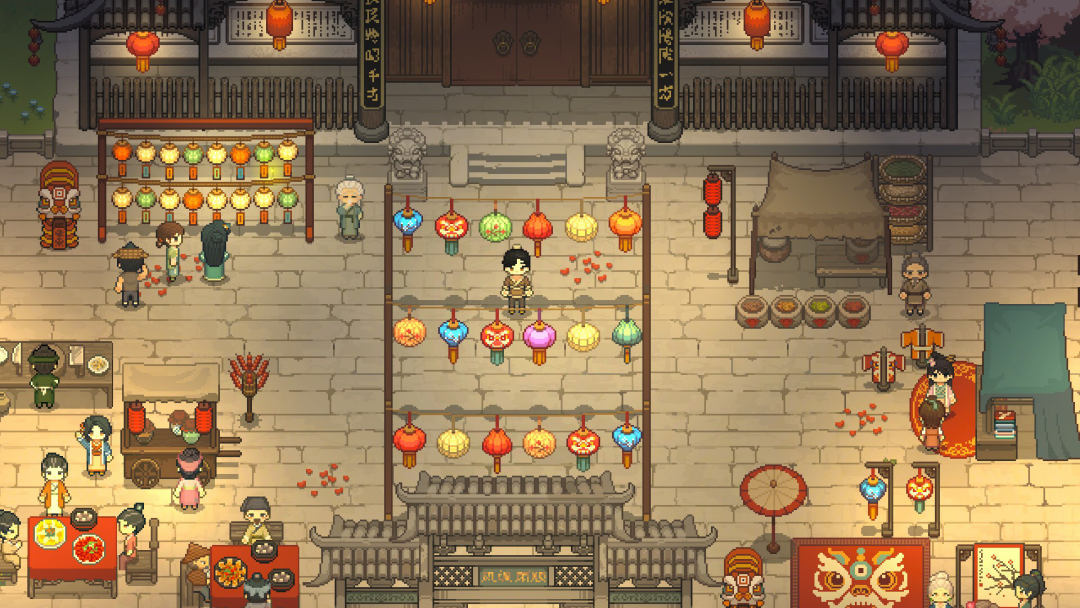
And the process of creating this gentle world has been quietly changing her as well. When she first shared the game on social media and encountered criticism, she couldn’t help but argue back; but now, she is able to calmly understand where the other person is coming from.
03
“Stardew Valley: Chinese Style” and the Controversy It Has Sparked
From a player of one game to the creator of another, Bobo has had a connection with *Stardew Valley* that spans eight years.
In 2016, *Stardew Valley*, developed single-handedly over four years by independent developer ConcernedApe, was officially released.This pixel-art farming simulation game quickly took the world by storm with its intricate gameplay design and heartwarming emotional core, selling over 30 million copies. It has consistently ranked at the top of Steam’s “Most Popular” list and sparked a farming game craze in China. It proved one thing to all indie developers: even a single person can create a game that changes the industry.
It was amid this wave of enthusiasm that Bobo wrote the comment that would later prove prophetic. *Stardew Valley* gave her confidence and planted a seed in her mind: Could there one day be a farming game rooted in Chinese culture? One that would allow us to showcase our local crops and cultural traditions to the world.
In the face of outside skepticism, BoBo doesn’t shy away from acknowledging the influence of *Stardew Valley*, but she knows that *The Diary of Peach Blossom Village* has its own path to follow. *The Diary of Peach Blossom Village* has added numerous mini-games for crafting furniture and gathering herbs, while also introducing gameplay elements for catching and raising pets.
*Stardew Valley* centers on a Western-style farm to construct a critique and reflection on modernity; *The Diary of a Peach Blossom Village*, on the other hand, is rooted in Chinese culture and celebrates the beauty of everyday life.
In the bountiful village of Taoyuan, where money holds no sway, people practice a barter system, and life is filled with the warmth and joy of human connection. BoBo says, “We hope to use the game to convey the small moments of warmth in life to every player, so that they, too, can open their hearts and freely share their kindness.”
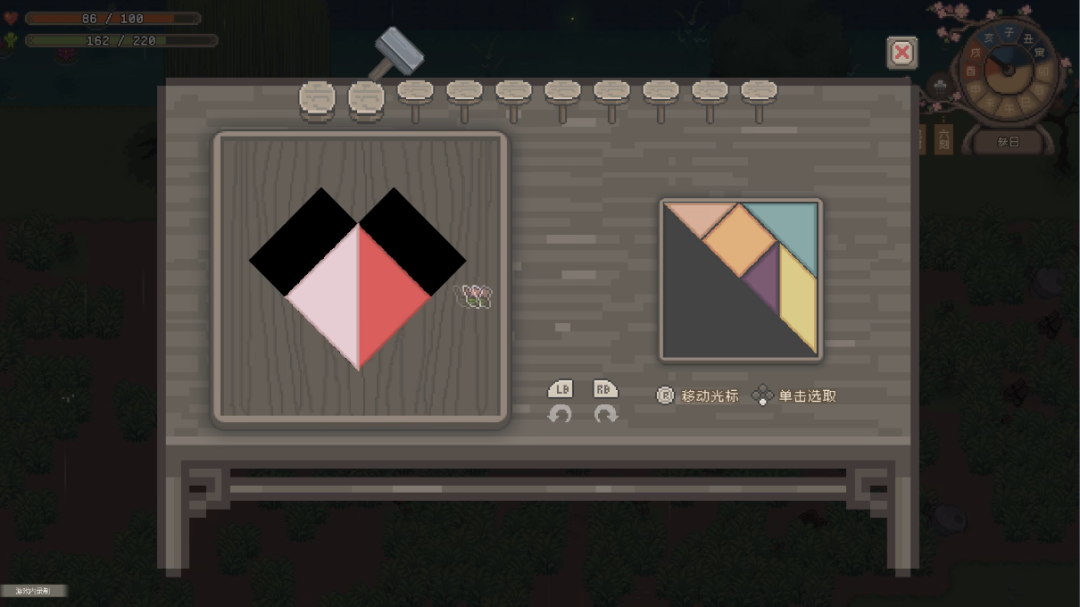
The mini-games in *The Peach Blossom Village Diary*
“Stardew Valley is one of my all-time favorite games. We’ve been developing this for three years, and we’ve always gone out of our way to avoid riding on its coattails,” said Bobo.
However, due to a mistake made during the initial launch, *The Chronicles of Taoyuan Village* was inadvertently labeled as a “Chinese-style Stardew Valley” right from the start, which led to negative reviews. Some players criticized the game for being a carbon copy of *Stardew Valley* with no innovation, while others questioned whether it could match the quality of *Stardew Valley*.
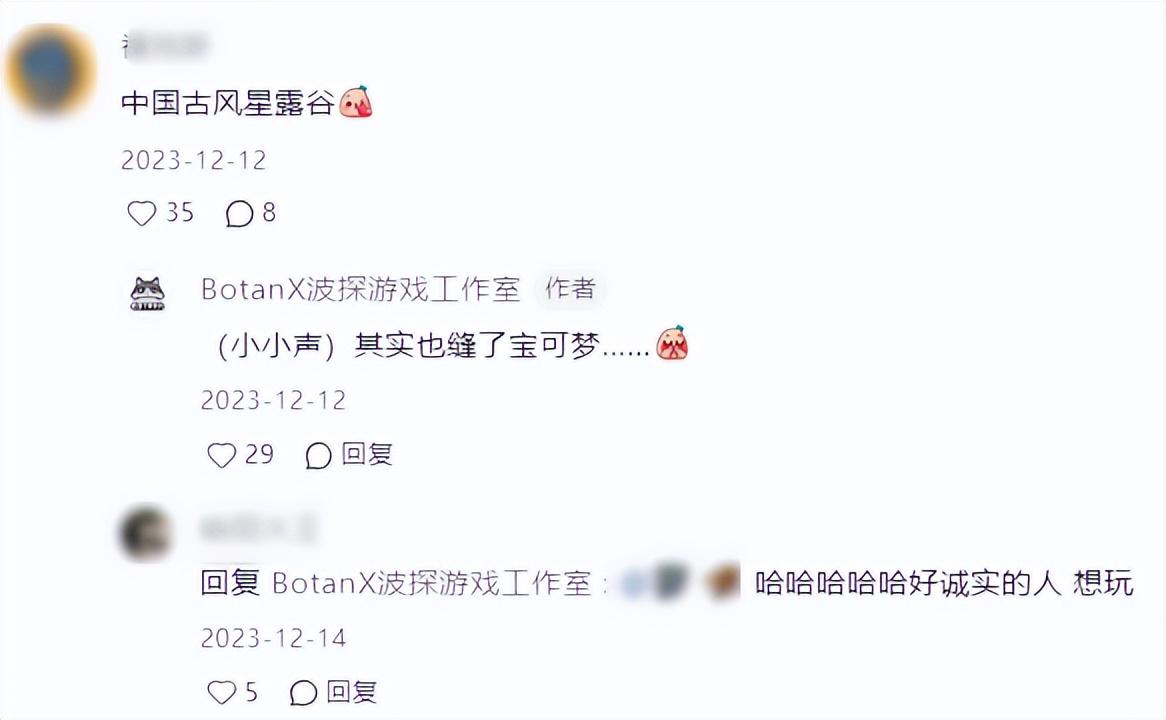
The development team's early response to "Chinese-style Stardew Valley"
But having played single-player games since the days of *The Legend of Sword and Fairy* and weathered so many ups and downs, she ultimately chose to accept these voices with equanimity. Every game, upon its release, inevitably faces controversy; what matters is that she knows exactly what she’s doing, and she knows what players who truly step into Taoyuan Village will find there.
In late 2025, *The Chronicles of Taoyuan Village* signed up for Steam’s “Historical Games Festival.” That same day, Cube reached out to them; the next day, they paid them a visit; and within two weeks, the two parties had finalized their contract.
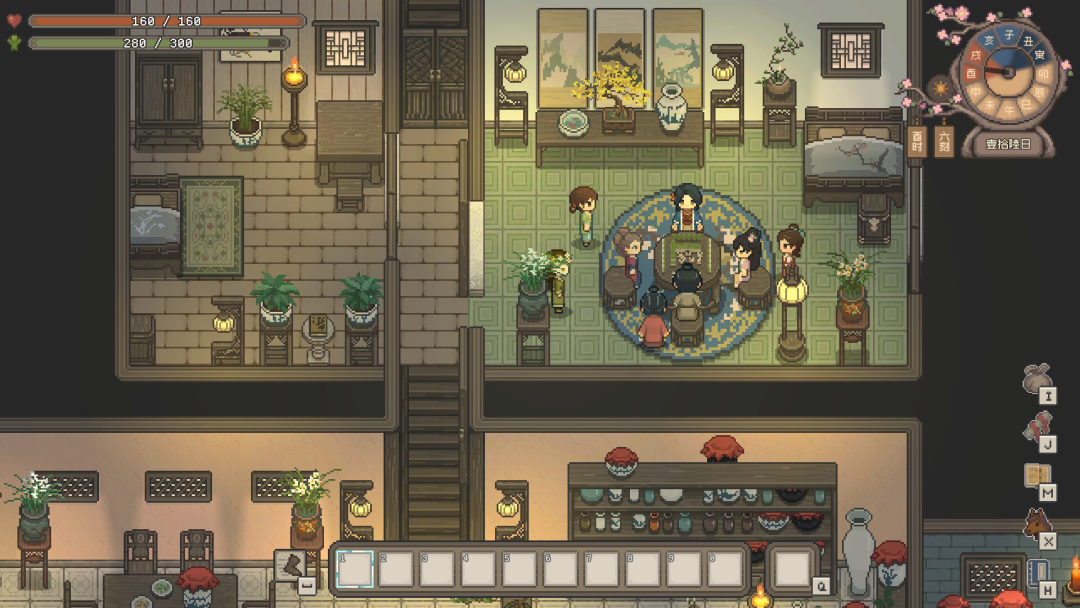
While BoBo appreciates Block's efficiency, she values their shared vision even more. Block has published several of her favorite domestic indie games, which makes her feel that they recognize her team's philosophy of taking things at a leisurely pace.
In terms of marketing and promotion, Fangkuai helped them avoid many common pitfalls for newcomers: they steered clear of Steam’s major sales events and chose to release the game during the Spring Festival season, ensuring it reached the right players at the right time.
04
A startup venture not driven by the need to survive
Bobo spent all her savings on *The Peach Blossom Village Diary*.
The game, which was originally expected to take one or two years to complete, ended up taking three years. Since it was our first time making a game, our lack of experience was the main reason for the repeated delays.
In the first year, they hired an artist with a background in traditional Chinese painting to create assets in that style. The visuals were stunning, but once they were integrated into the game, they realized the depth was lacking, so they scrapped the project and started over. During the closed beta, players reported that the early tutorial missions were too long and tedious, so they completely overhauled the main storyline and rebuilt it from scratch. Every time they had to start over, it resulted in a double drain on both time and money.
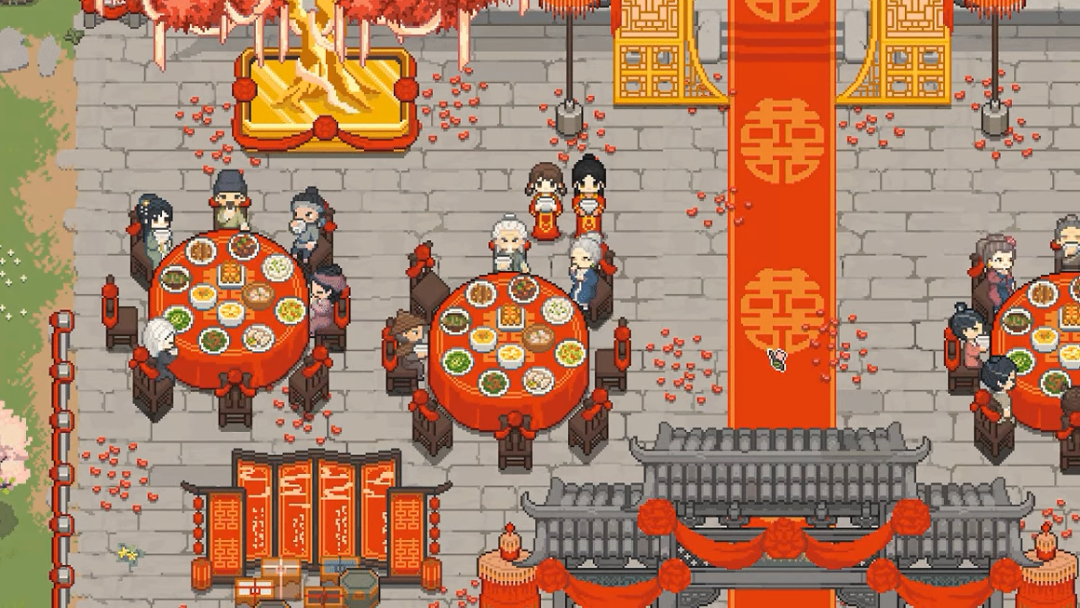
Throughout the three-year R&D process, funding issues remained a constant threat hanging over her head. Even so, Bo Bo refused to seek outside investment or accept advance payments for future releases, as she firmly believed that “accepting money from others creates a debt of gratitude and compromises creative freedom.”
At their most desperate moment, the team moved from Bobo’s home to a makeshift office on the outskirts of Hangzhou. Fortunately, none of the four had any material desires, so they moved without a moment’s hesitation and without a single complaint. Later, with the support of government policies, Zhuchan secured a 500,000 yuan loan under the category of “college student entrepreneurship,” which allowed the company to stay afloat.
Before starting *The Peach Blossom Village Diary*, Bobo had already experienced the bitter taste of failure: his franchised bubble tea shop failed to take off, his investment projects showed no signs of progress, and a private equity fund he had invested in collapsed, causing him to lose over a million yuan in cash flow in a single blow.
But this time is different. “In the past, I started a business to make a living; this time, it’s for personal fulfillment,” she said.
She never had high expectations for the market from the start; she just wanted to find something that made her happy. She thought, “Even if I fail, I’ll just treat it as another financial setback—it’s no big deal.”
This sense of detachment is also evident in the decisions they made after the game’s launch. Although the game has been released, they did not immediately begin developing a new title; instead, they plan to continue updating the existing content.
There are still many things Bobo hasn’t had time to incorporate into the game—traditional Chinese medicine, silkworm farming, traditional crafts… She wants to add them to Taoyuan Village bit by bit, making this world feel more vibrant and complete.
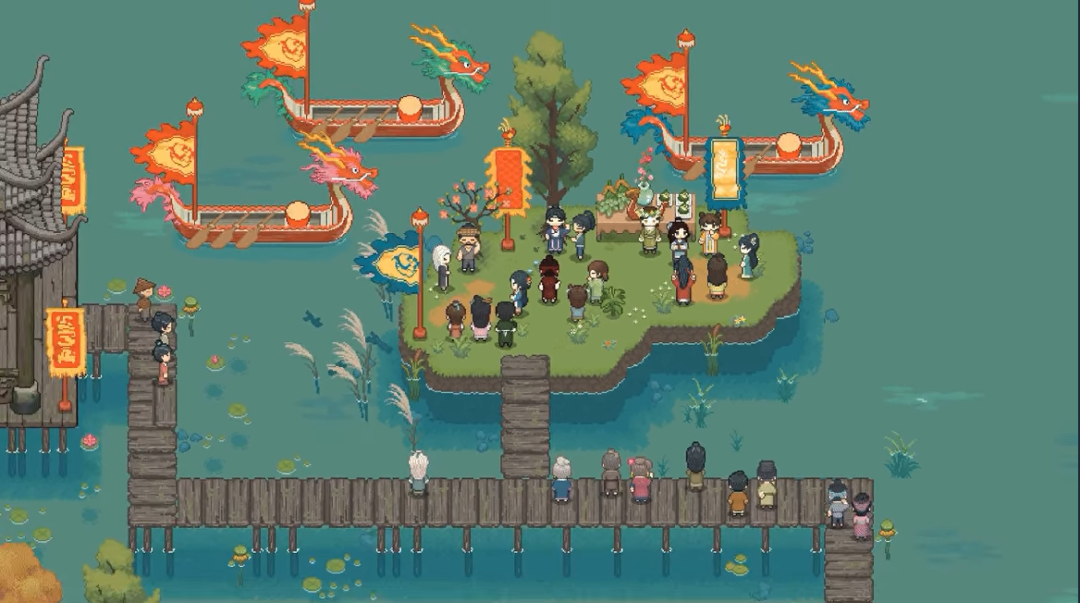
So far, the revenue from *The Peach Blossom Village Diary* has barely been enough to pay off the 500,000 yuan loan and has not yet covered all costs. The publisher says that as long as the project survives, breaking even in the future won’t be a problem.
Bobo, however, took it in stride: “My family isn’t well-off, so I started from scratch to begin with. If it comes to it, I’ll just go back to square one—it’s no big deal.”
This sense of composure may also stem from the confidence her family has given her. She told her parents early on that if she still couldn’t get the game off the ground, she might have to mortgage the family home back in her hometown. Her parents didn’t object; they simply offered their silent support. Her father, who had just retired last year, even quietly transferred half of his pension to her to help cover her daily expenses. She had never mentioned her financial struggles, yet her father simply sent the money over without saying a word.
Programmer Bamboo Charcoal is one of those people. A graduate of Zhejiang University, he had better options but chose this job that barely pays the bills—simply to avoid being tied down and to have real control over the game’s development direction most of the time.
What truly saddened BoBo was never the failures in the conventional sense, but rather the disappointment in people that came with the setbacks of entrepreneurship. Partners who had once been inseparable eventually parted ways on bad terms. Being naturally emotional, she was often hurt by these emotional rifts.
But over the three years she spent creating *The Peach Blossom Village Diary*, she also found a sense of reconciliation. In the game, she crafted a world filled with kindness, tolerance, and mutual understanding among its people; and, without her even realizing it, that world gradually changed her as well.
She said, “I am shaping this gentle world, and this world, in turn, is gently shaping me.” This may be the greatest reward she has gained from creating *The Diary of Peach Blossom Village*.
原创文章,作者:游茶妹儿,禁止转载:https://youxichaguan.com/en/archives/195597