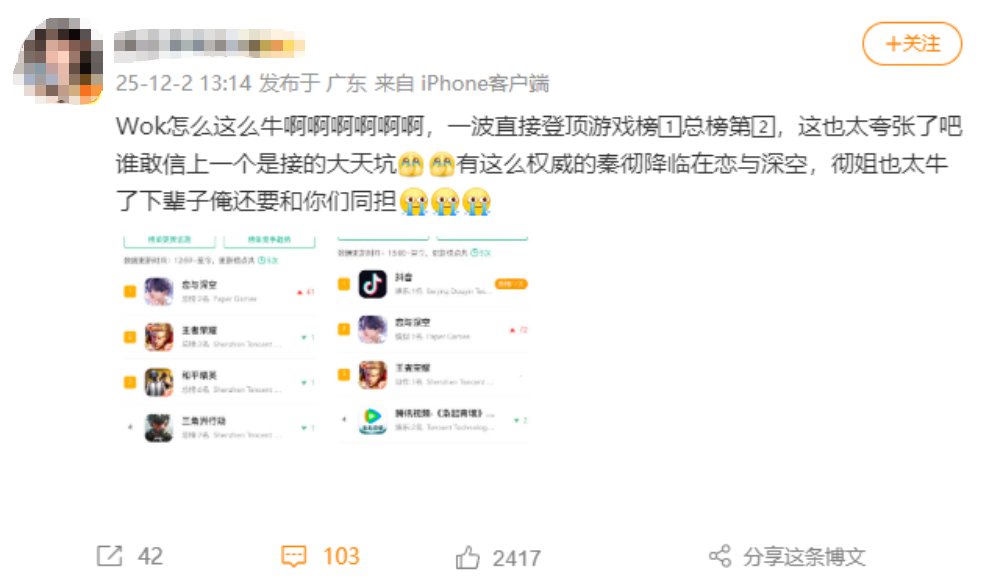
At the end of the year, *Love and Deep Space* topped the trending list for three consecutive days and even briefly outperformed *Honor of Kings* on the iOS top-grossing chart, setting a new record by reaching the top spot just six hours after the new version launched, making it the center of attention in the entire gaming industry.
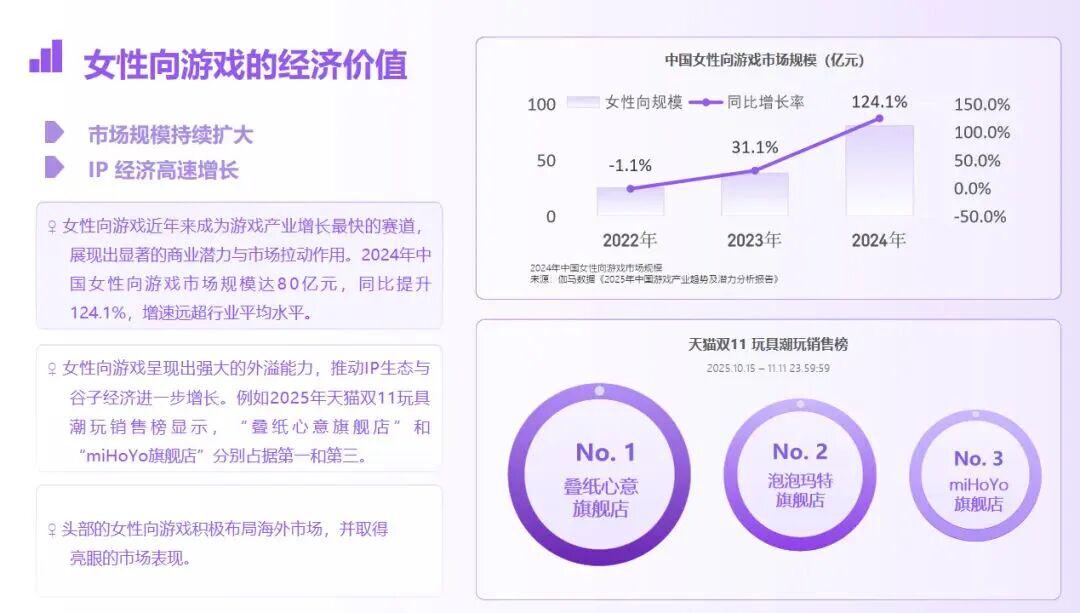
This surge is no accident; rather, it represents the concentrated release on social media of the momentum that has been building up over time within the otome game ecosystem. Behind this phenomenon lies a rapidly emerging market for games targeting female audiences. A report released at the 2025 China Game Industry Annual Conference revealed that last year, the market size for female-oriented games in China exceeded 8 billion yuan, marking a year-over-year growth of 124.1% and establishing it as one of the fastest-growing segments in the gaming industry.
From the character birthdays in *Love in Light and Night* trending on social media, to *The Case Files* dominating the trending charts with its collaboration with Chabaodao, to the sustained popularity of otome titles like *Love and Producer*, *Beyond the World*, and *The Painter in Time* on social platforms… Otome games are leveraging their significant social momentum to build a player ecosystem characterized by high engagement, high revenue, and intense emotional connection.
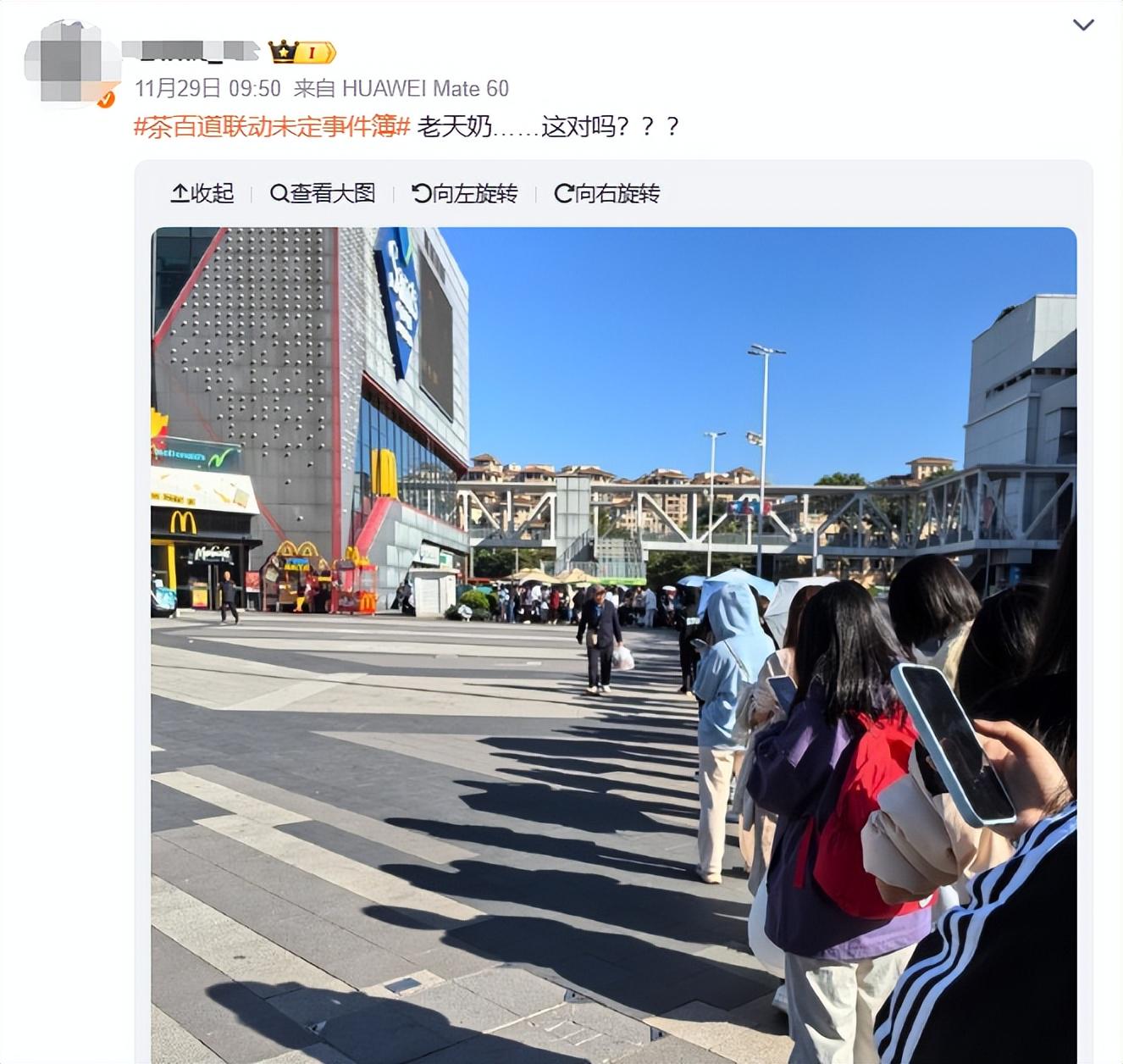
As social interaction becomes an integral part of the gaming experience, this "social-as-gameplay" ecosystem is quietly reshaping the operational logic of otome games and even redefining a game’s lifecycle.
01
Why is the social ecosystem of otome games so vibrant?
The core appeal of otome games often lies in emotional projection, narrative resonance, and the companionship of characters; their users place far greater emphasis on real-time interaction, collective resonance, and a sense of ritual than users of other genres.Consequently, social platforms capable of facilitating emotional discussions, content preservation, and community interaction often serve as key vantage points for observing the ecosystem of otome game communities. Such platforms are highly adept at transforming in-game trends into public discourse: a plot controversy, a card update, or a single line of dialogue can be swiftly picked up, amplified, and fermented, evolving into “public events” that draw collective player participation.

For example, in June 2022, *Love Between Light and Night* sparked player dissatisfaction during its anniversary event due to speculation that the female lead was based on a real-life person. The related hashtag #LoveBetweenLightAndNight_BrownCloud quickly shot into the top ten trending topics, with views surpassing 200 million in a short period. Players engaged in extensive discussions under the hashtag, articulating their demands and building significant public momentum, which ultimately prompted the developers to make adjustments and offer compensation.
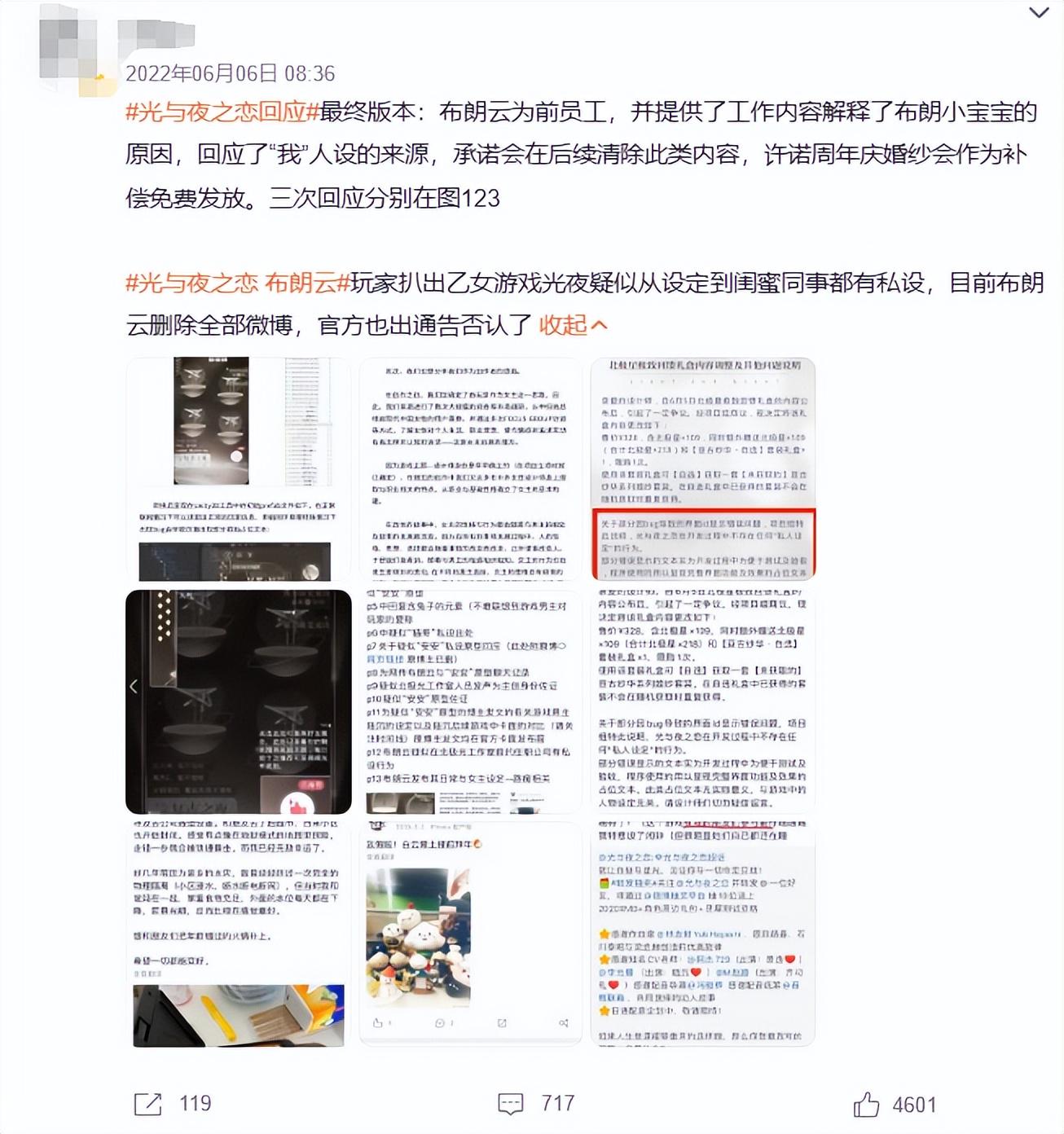
This comprehensive process of “discussion—fermentation—driving change” perfectly aligns with otome game players’ need for emotional connection and engagement with topics, thereby providing game operators with a public feedback space that is visible, interactive, and manageable.
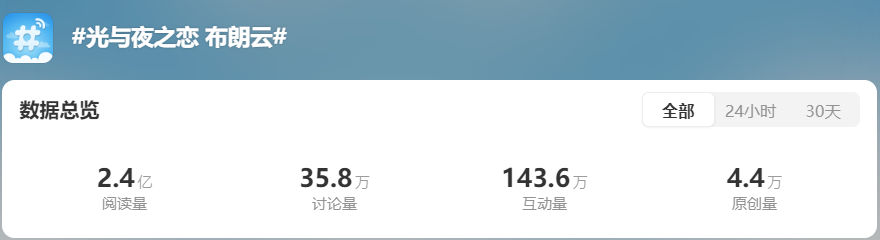
At the same time, otome games also require dedicated communities where players can delve deeper into their passions and express their emotions. Platforms like Weibo and Xiaohongshu have long been home to a wealth of in-depth content, such as plot analyses, fan art, hand-drawn animation videos, 4K-restored screenshots, and even scholarly essays on historical accuracy… This user-generated content continues to enrich the emotional depth and cultural richness of these games.
Some fan artists, affectionately known by players as "Divine Ladies," consistently delight their fellow fans with high-quality creations characterized by exquisite art styles and nuanced emotional depth. Their work has even gained popularity beyond the gaming community, continuously infusing the game ecosystem with vitality and appeal.
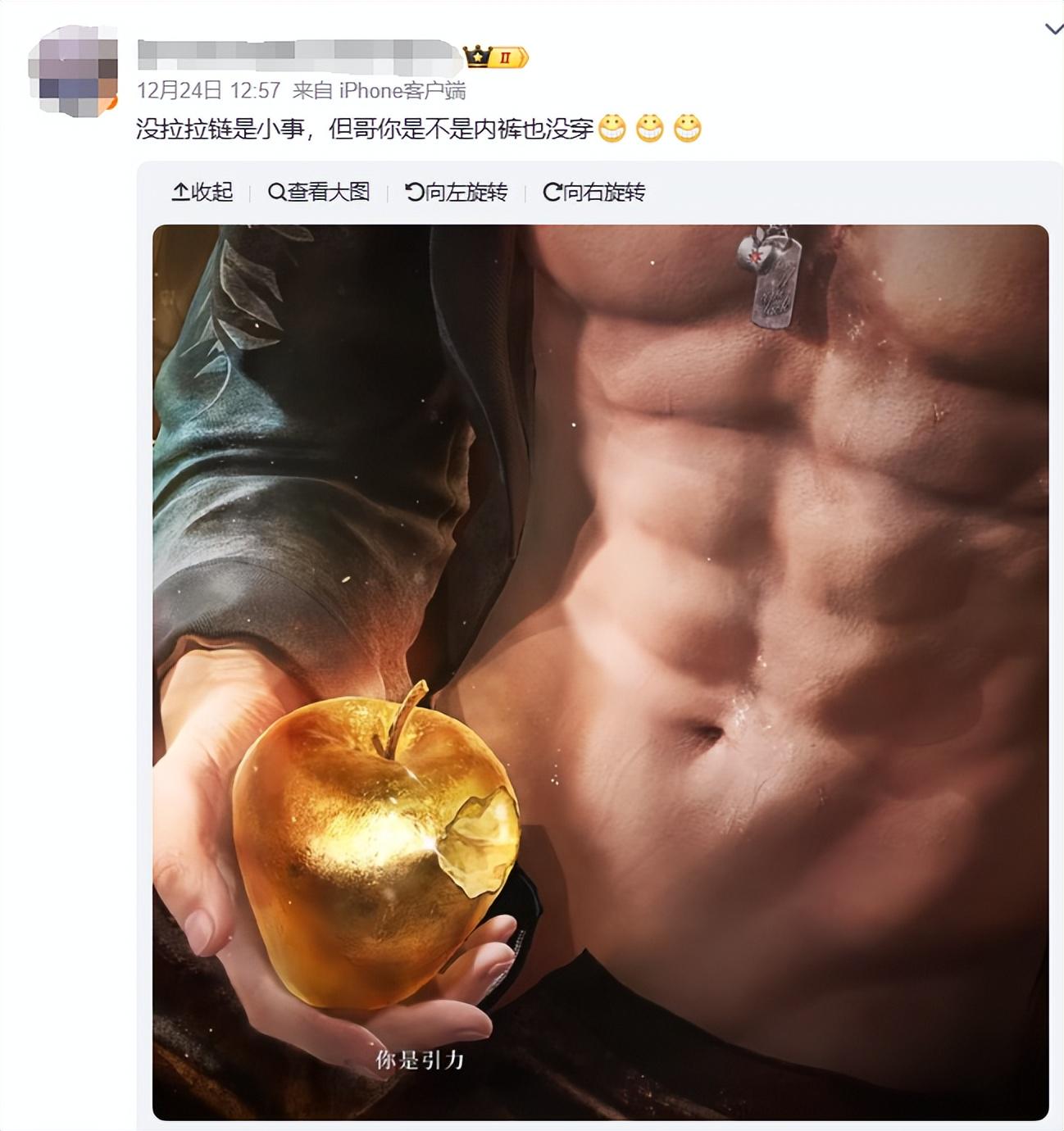
This mechanism of “publicly expressing private emotions” is crucial to the otome game ecosystem. It not only preserves a space for individuals to immerse themselves in romantic fantasies but also fosters a sense of collective belonging through interactions such as liking, commenting, and sharing emotional resonance.
“There’s a certain kind of affection and empathy for a character that only fellow fans—players who love the same character—can understand,” said a veteran otome game player. “When I post something in the community forum, someone responds right away. That moment when you realize, ‘Oh, you feel the same way,’ is something the game itself can’t provide.”
The culture of expression among otome game players is quite distinctive. If you look at discussions related to otome games, you’ll notice that players are fond of conveying their feelings by copying long passages of dialogue, flooding the screen with formatted confessions, and posting neatly organized confessions in the comments section.
While this may appear to be repetitive, it is in fact a collective ritual designed to strengthen group identity. This aligns perfectly with the tendency of otome game players to express their emotions through text. The game’s text-heavy content has found a form of dissemination within the Super Topic community that is both repeatable and resonates deeply with players.
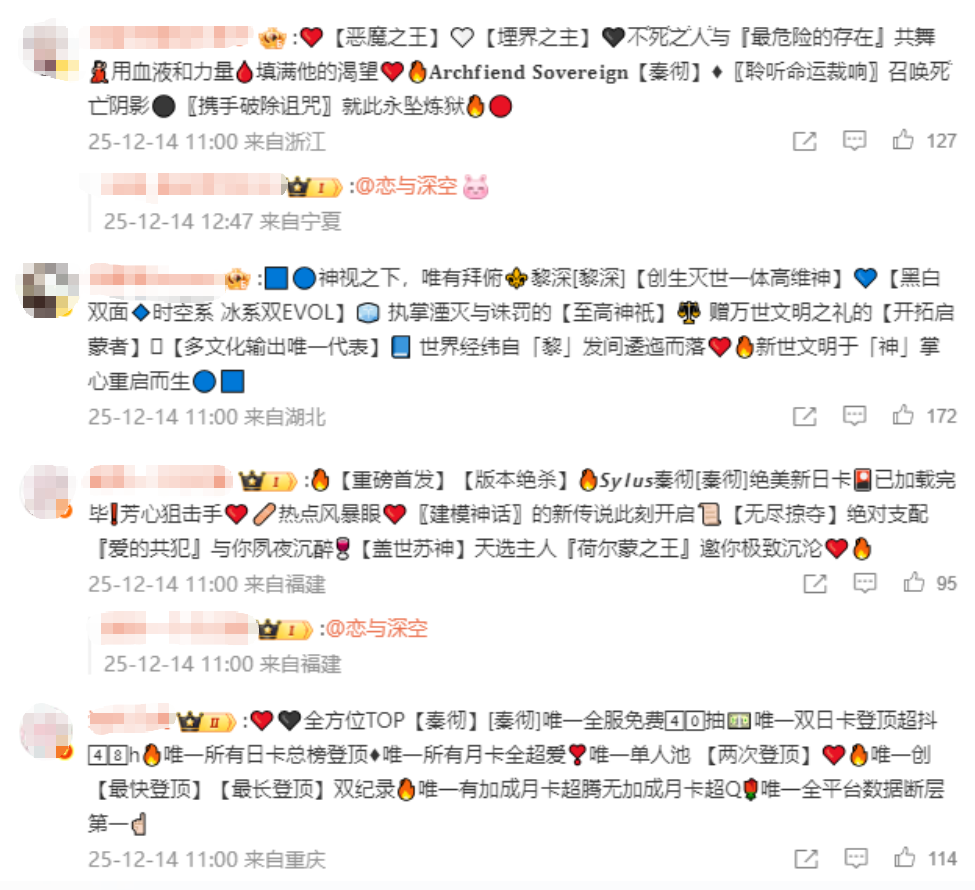
Under a popular otome post, thousands of replies often appear—all following the same format yet filled with genuine emotion. This collective behavior in itself serves as powerful proof of emotional presence.
As a result, for otome games, social media platforms are no longer merely distribution channels; they have evolved into an indispensable extension of the game’s emotional experience. This emotional experience transcends the limitations of the client application, continuing to develop and gain value within social spaces, thereby establishing a solid emotional bond and community foundation for the game’s long-term operation.
02
From Purchasing Power to Empathy: The Dual Unleashing of "Her" Power
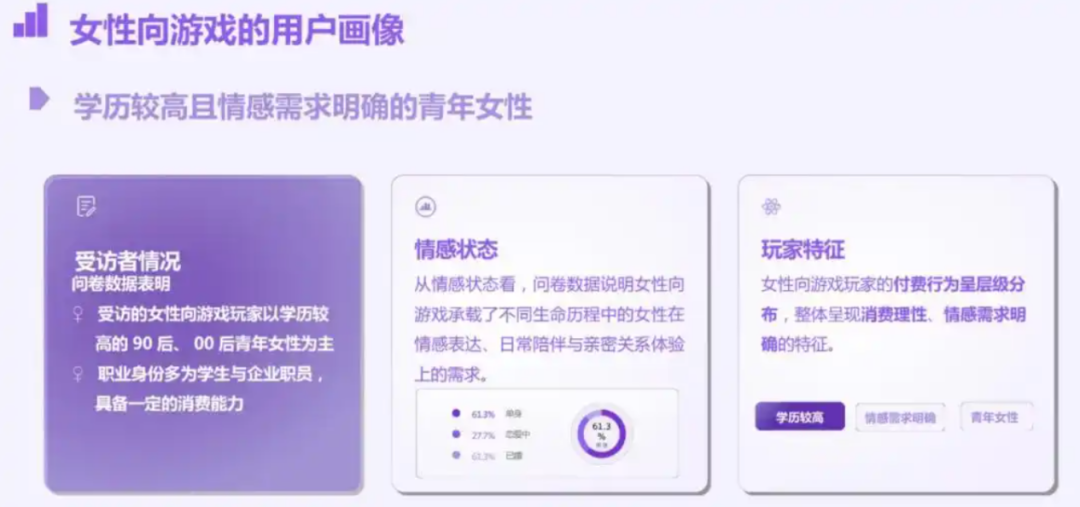
The social ecosystem surrounding otome games is booming, and the "power of women" among players is exploding in multiple dimensions—manifesting not only in strong spending power but also in emotional mobilization, shared values, and organized community action.
Here, consumer behavior is imbued with an emotional significance that goes beyond mere transactions.
Whenever a character’s birthday arrives or a limited-time gacha pool goes live, related topics frequently trend on social media, driving a significant short-term surge in revenue. Through collective spending, players express their support for characters, storylines, and even the development team. Amplified by social media, this practice of “voting with their wallets” has become a public and visible form of dialogue.
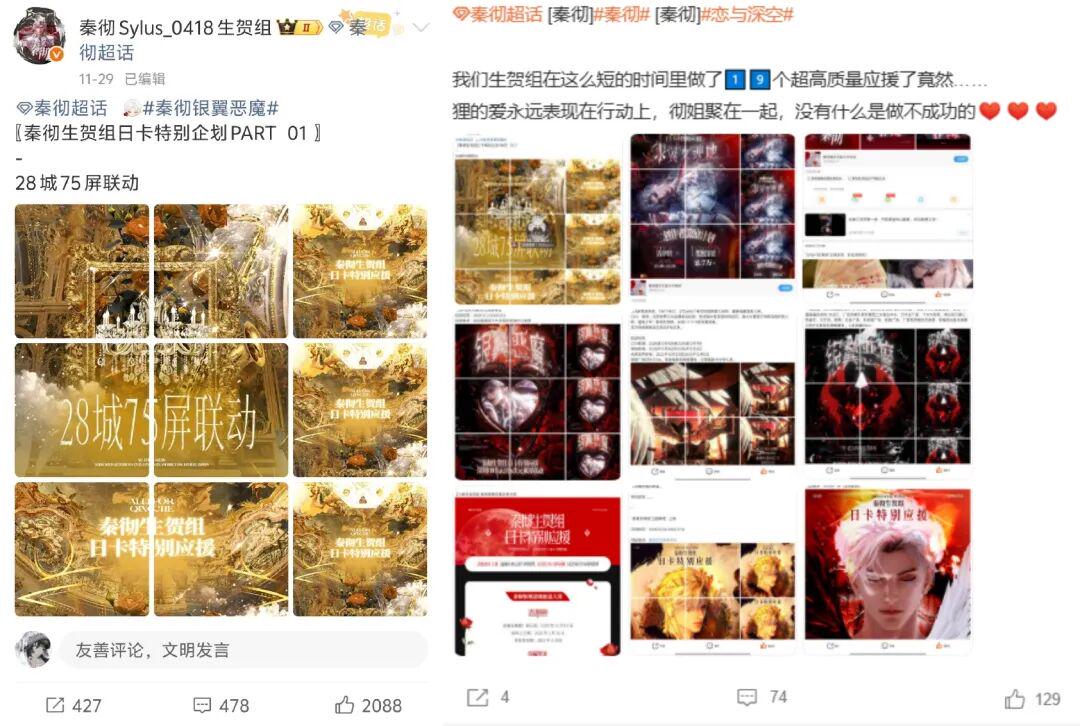
For example, the birthday event for "Qin Che," one of the main characters in *Love and Deep Space*, frequently trended on social media, and revenue from its limited-time gacha pool repeatedly hit new highs, making it a prime example of a "phenomenal birthday economy."
What is even more noteworthy is that this powerful sense of unity is being channeled into positive social change through collaborative charitable initiatives. Otome games are particularly adept at channeling players’ affection for virtual characters into meaningful collective action. When games organize charitable activities based on their character settings, social media platforms become the key hub where emotions are transformed into action.

For example, *Love of Light and Night* launched a charity campaign called “Walk Together” through platforms such as its official Weibo account. By donating their daily step counts, players could unlock information about apple cultivation and contribute to rural development through charitable donations. The campaign cleverly integrated with the game’s in-game incentive system, making charitable participation a trendy and meaningful activity within the player community.

The charity campaign for *Love and Producer* also vividly illustrates the full journey from online engagement to offline action. During this year’s Qixi Festival, the game partnered with Tmall to launch a charity livestream titled “Love for Agriculture, Revitalizing Rural Areas.” Five popular characters took on the role of “agricultural product ambassadors” to showcase local specialties from across the country in the livestream.
This special livestream was like a massive online group photo session, drawing a large crowd of players who gathered to watch and place orders in support. Their support for the characters directly translated into sales that benefited local farmers, greatly strengthening the community’s sense of collective pride.
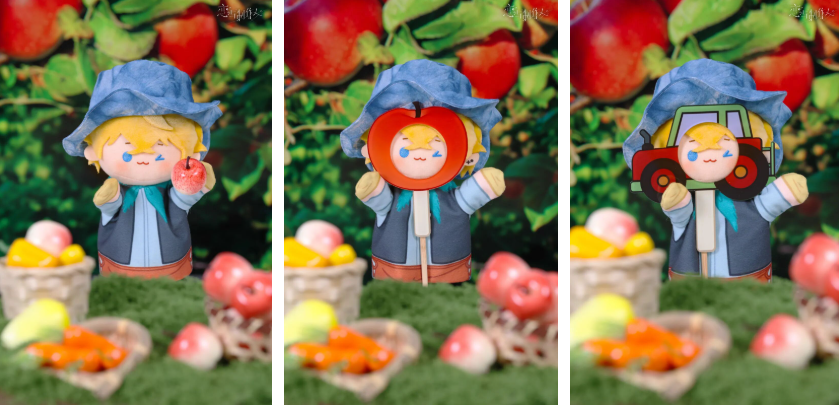
Throughout the launch and implementation of these charitable initiatives, discussions on gaming-related philanthropy have drawn significant participation from players. They share screenshots of their participation and create fan-generated content, transforming their support for virtual characters into tangible contributions to charitable causes. Such content often goes viral beyond the gaming community, helping game brands build substantial positive social value.
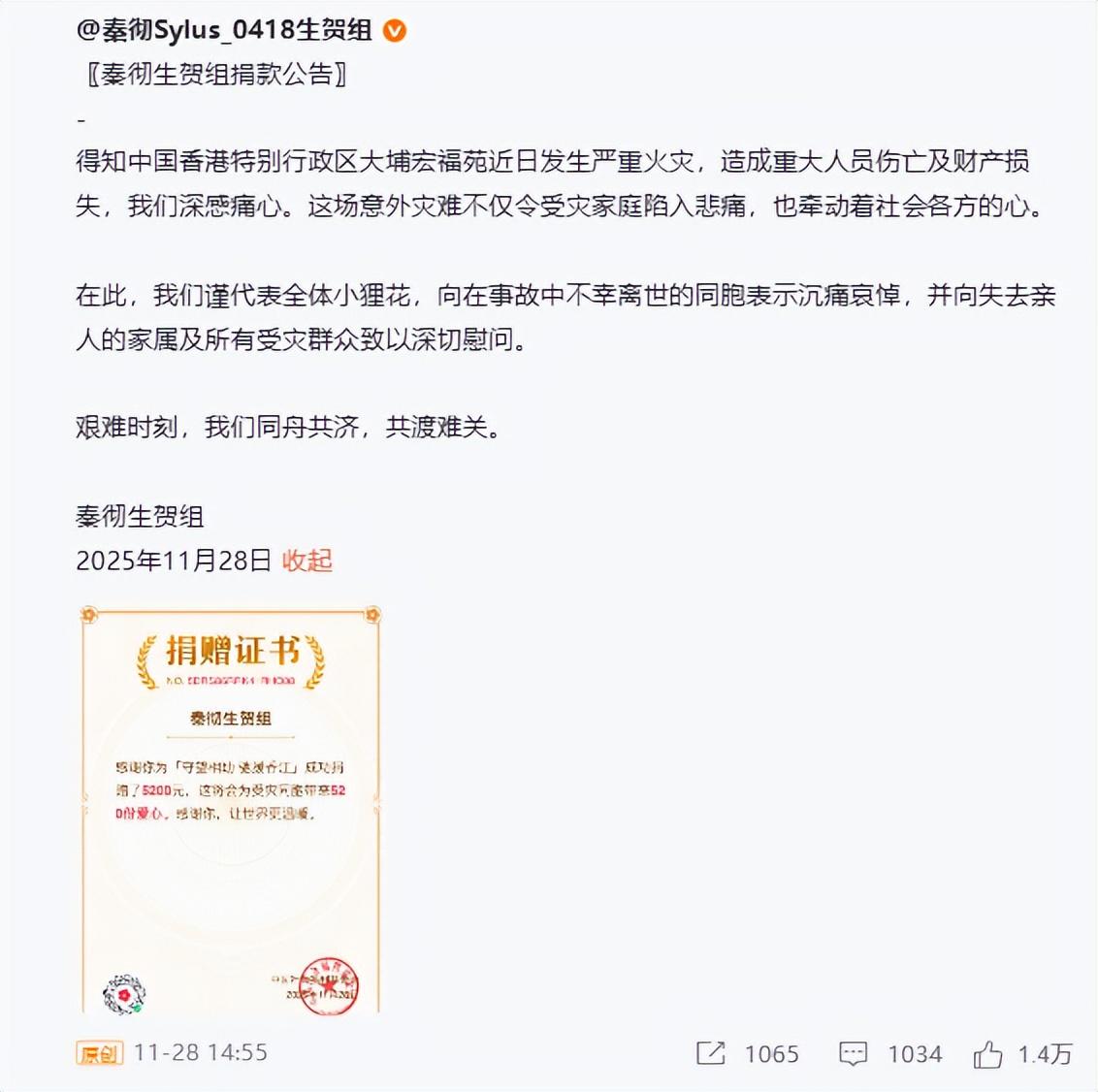
When "generating power for love" evolves into "taking action for love," what otome game players seek may no longer be merely romantic fantasies, but rather a deeper sense of fulfillment—one that comes from being seen and respected, and even from influencing the game’s direction and conveying positive values through collective action.
This shift from emotional consumption to emotional co-creation has significantly strengthened the sense of community and belonging among players, while also endowing the game with social significance that transcends mere entertainment. As a result, it sustains brand vitality and user loyalty over the long term.
03
Social Media Marketing: A Key Factor in Expanding the Audience for Otome Games
For developers, traditional marketing focuses on content distribution and traffic conversion, whereas for otome games, the key lies in building emotional anticipation, fostering a shared sense of community, and creating a sense of ritual. The social media ecosystem has become a crucial platform for generating emotional resonance, energizing communities, and achieving cross-demographic reach.
In its early days, *Beyond the World* did not launch a large-scale paid advertising campaign. Instead, it leveraged novel concepts such as the “infinite loop” and “reincarnation” to spark a massive wave of fan-created content among players. Players spontaneously created a vast amount of images, text, jokes, and videos on social media, collectively enriching the game’s world-building and emotional narrative. This generated a powerful organic word-of-mouth effect, successfully attracting the attention of a large number of non-traditional otome game users and leading to rapid growth in its initial user base.
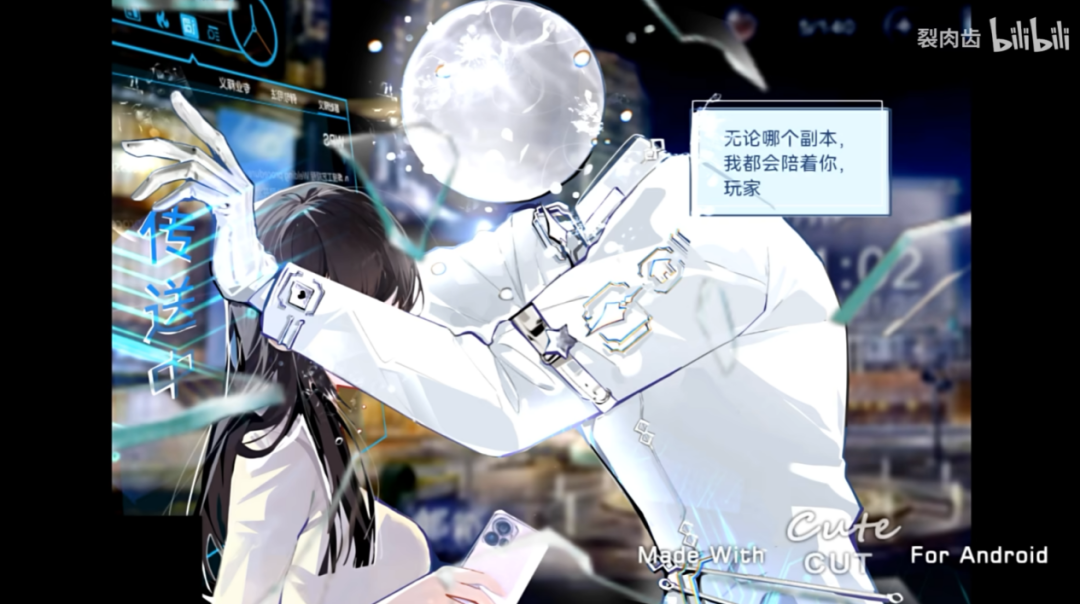
(even with "System")
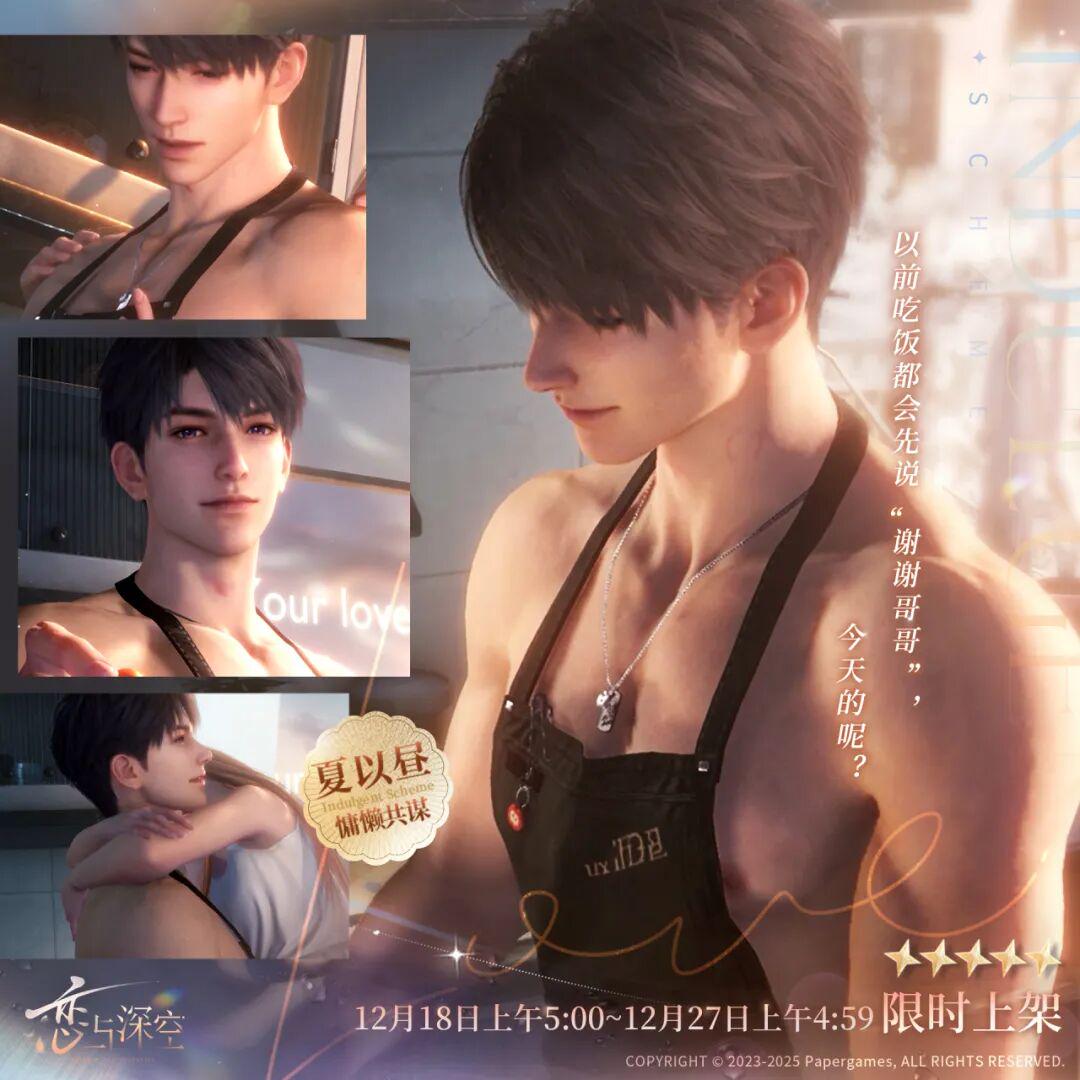
Although many games also encourage fan-created content on platforms like Bilibili and Lofter, Weibo’s public feed nature often allows topics to quickly gain traction and become trending, enabling them to reach a much wider audience beyond the game’s core fanbase. For example, just one day after the release of the new “Lazy Conspiracy” card art for the character Xia Yizhou in *Love and Deep Space*, the related Weibo Smart Search Index surpassed 100 million.
From an operational perspective, the high level of engagement and strong loyalty among players in the Super Topic community directly contribute to user retention and extend the product’s lifecycle. Here, players follow the latest story updates, look forward to events, and celebrate every major in-game holiday; the game has become deeply embedded in their daily social and emotional lives.
The otome game ecosystem on social media has long transcended that of ordinary discussion forums, evolving into a complete emotional cycle: the games provide content and emotional touchpoints, while players express themselves, create content, and find resonance based on the game’s narrative. This collective engagement fuels the game’s popularity, and the emotional fulfillment further deepens players’ sense of belonging.
This system continuously evolves and strengthens, propelling the game from a "product" to a "phenomenon."
When emotions become the most valuable asset in gaming, social platforms serve as the indispensable foundation for nurturing that asset. The deep symbiosis between otome games and social platforms not only demonstrates the immense potential of emotion-driven social ecosystems to empower niche markets but also reveals a replicable marketing model: in the female-oriented gaming sector, the key to success has shifted from merely providing content to systematically managing players’ emotional cycles and collective expression scenarios.
In the future, user engagement and marketing innovation in otome games may evolve along a path characterized by “emotional infrastructure—consensus incubation—ecological co-creation.” Developers will need to plan the emotional pacing on social platforms with greater precision, transforming milestones such as game updates, character birthdays, and plot highlights into participatory, shareable collective rituals. At the same time, they should proactively foster a virtuous cycle of creation and feedback, ensuring that players’ fan-created content and discussions are truly integrated into the game’s long-term narrative.
This requires operators not only to understand the product, but also to grasp how emotions flow within social spaces, how consensus is forged through interaction, and to translate this understanding into sustainable community strategies.
These vibrant communities of otome game players provide an ideal setting for observing and putting this process into practice. Those who can understand and effectively leverage the emotional dynamics of this social ecosystem will be able to build a more solid foundation for the game’s long-term success in the “female-oriented gaming arena.”
原创文章,作者:游茶妹儿,禁止转载:https://youxichaguan.com/en/archives/195238