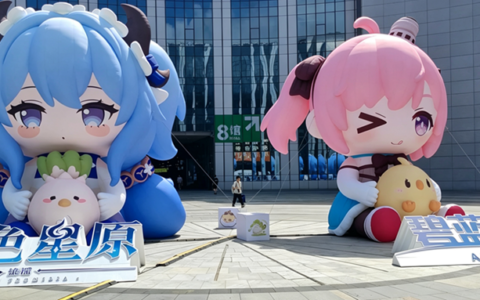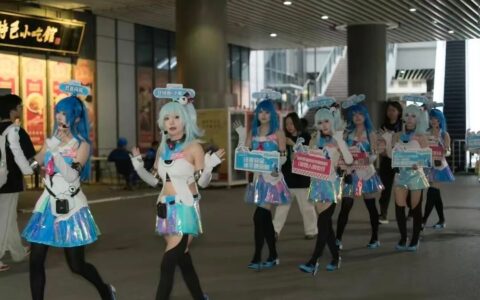
As I walked into the “Kaerus Dream” exhibit in Hall 5, it struck me for the first time that our ancestors were far too conservative when they coined the phrase “packed to the brim.”
As the crowd inched forward, I could even hear a guy next to me sigh and say to his friend, “Man, I’ve been waiting in line for forty minutes, but it feels like we haven’t moved an inch.”
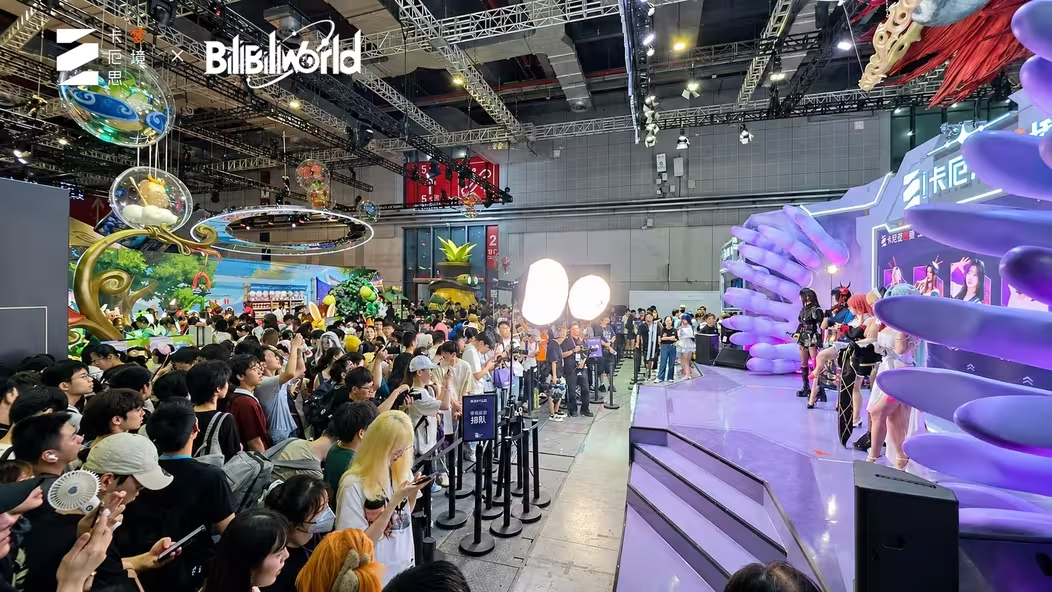
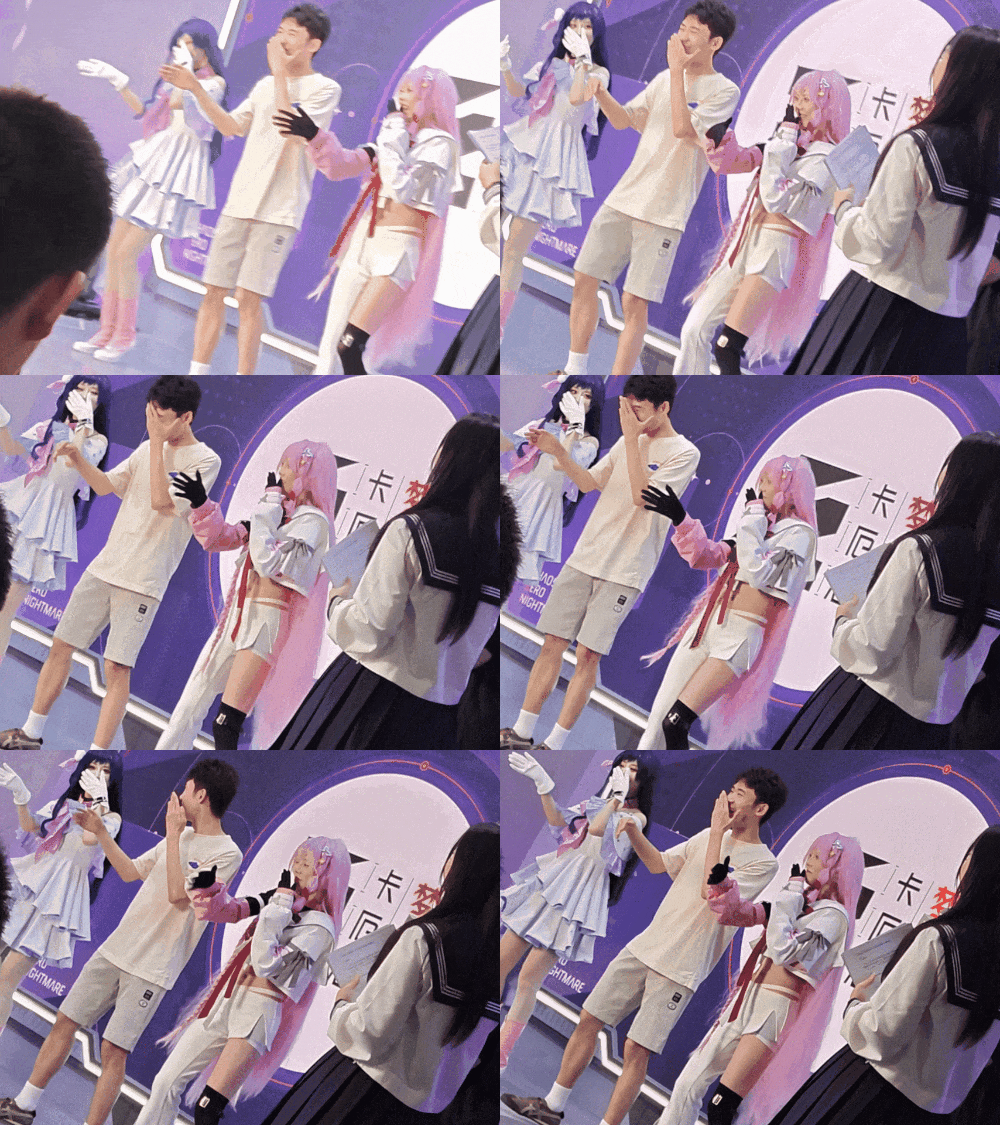
There can be many reasons for the crowd, such as the rescue device being demonstrated on stage. During the on-site card-drawing segment, *Kaeth’s Dream* offers a truly engaging interactive experience: the Navigators who take the stage not only get to check their skin tone in front of the crowd but also have the chance to shoot some abstract short videos with the stunning cosplayers:
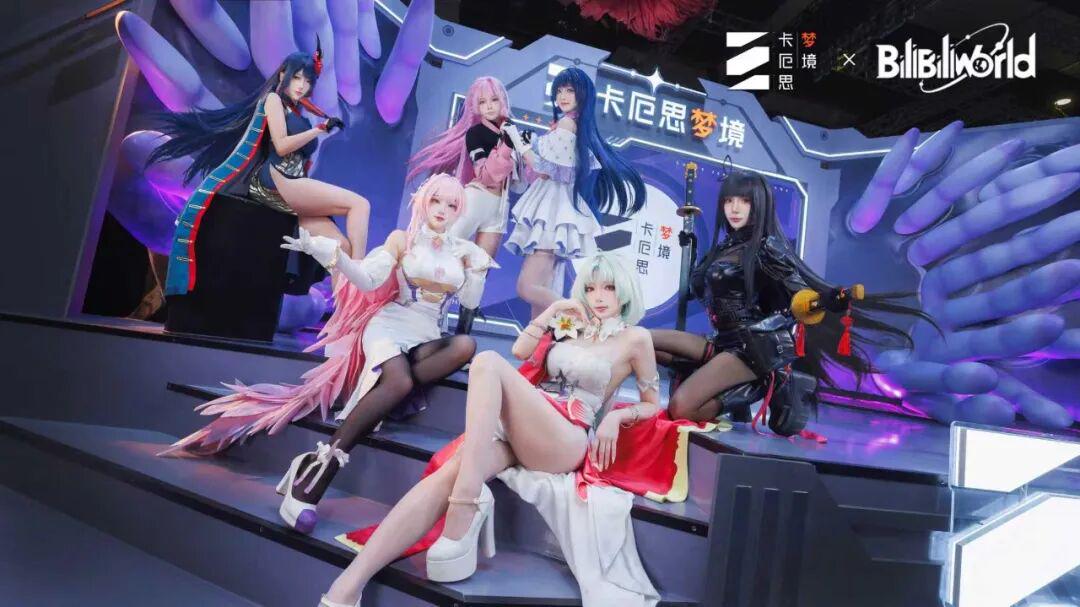
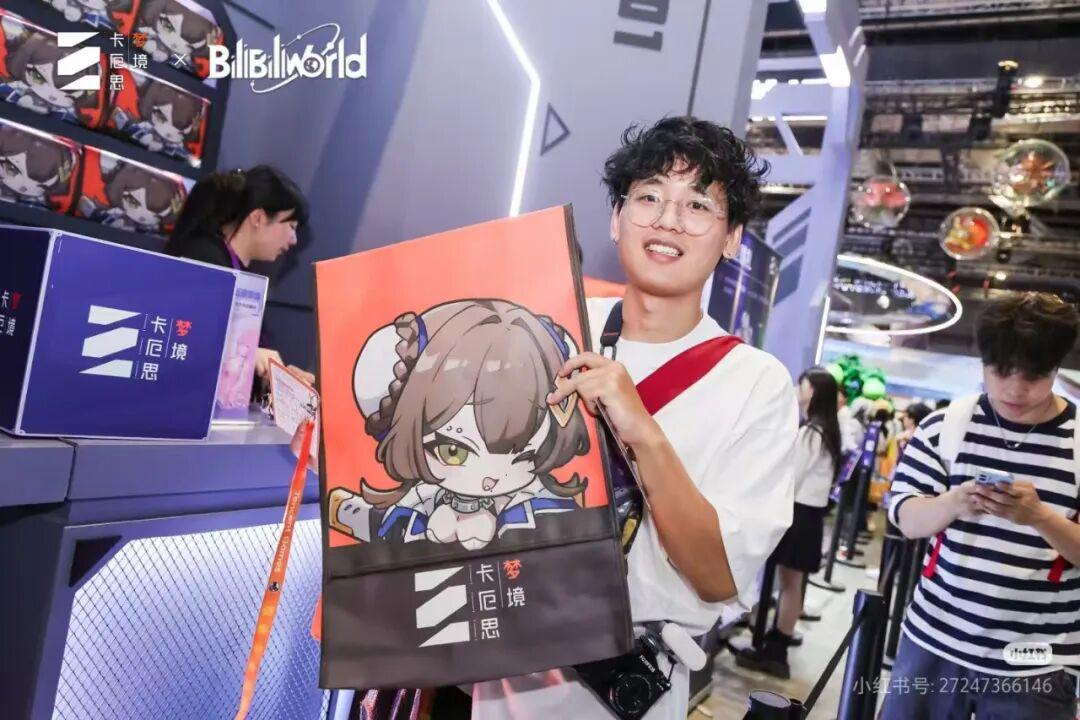
In addition to pulling cards, you can also get unique standee figures, pins, and backpacks—I’m asking you, are you unlucky or lucky? What do you mean when you say you came out ahead?
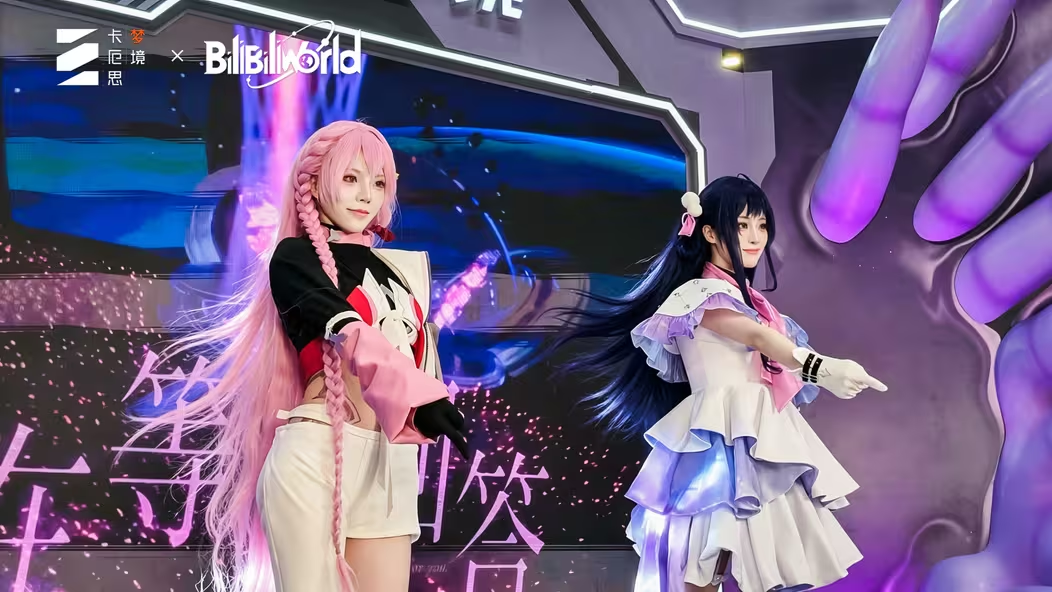
The crowd of players may also have come for the interactive stage.After all, *Kaeus Dream* was one of the few booths at the game expo to feature both professional cosplayers and professional dancers: the new character Tani Bria—a pink-haired, female-centric character—and her devoted admirer, Alia, joined hands to dance to the classic tracks from the story, “Light-Year Echo” and “Override”:
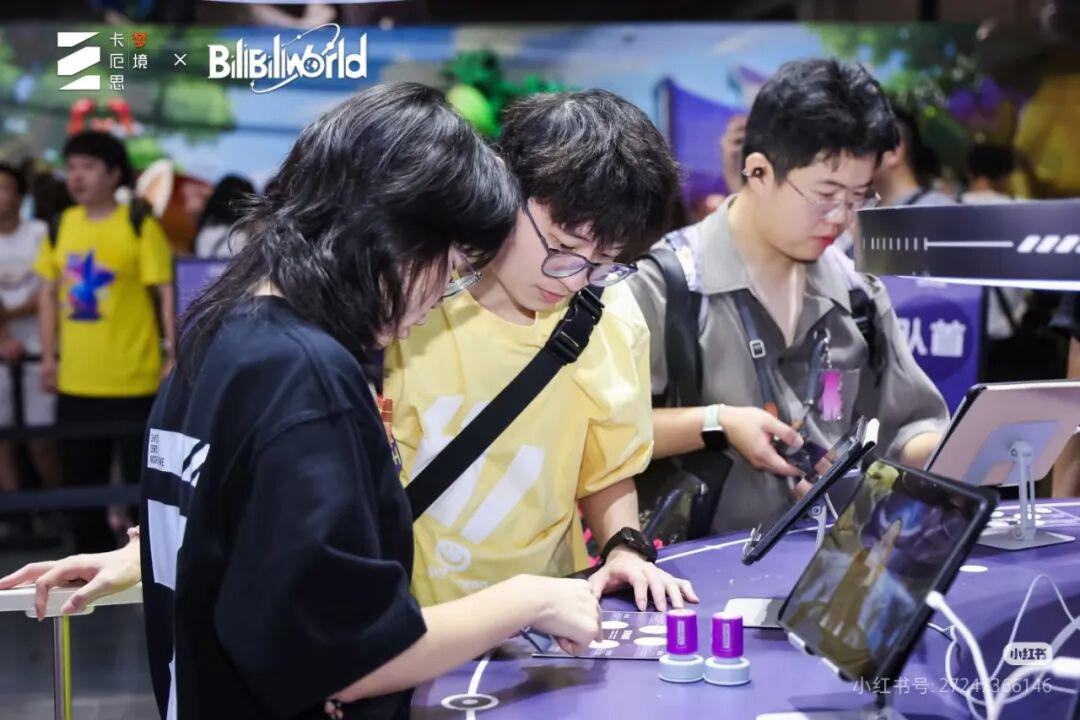
Of course, they might not be your typical casual gamers. In the middle of the group, there’s a bunch of hardcore card players itching to get started, ready for action at a moment’s notice. They have no interest in romance or butterflies in the stomach—only a burning desire to get a game going right away. Gathered in a circle, they usually leave the camera and other players with nothing but their backs.
You can’t just blame the card players for being unresponsive,after all, at the expo, *Kaeth’s Dream* set up a dedicated in-person card-playing area, giving players the chance to exchange deck-building ideas face-to-face. There were also special guest streamers on-site issuing team invites, leading everyone into battle—bro, I can finally check your DPS in person:
Outside the packed exhibition booths, the event drawing players together to pull off some stunts is the second stage of the “Songs Echoing Through the Galaxy” season for *Kaeth’s Dream*, which was updated on July 8: “Melodies from on High.”
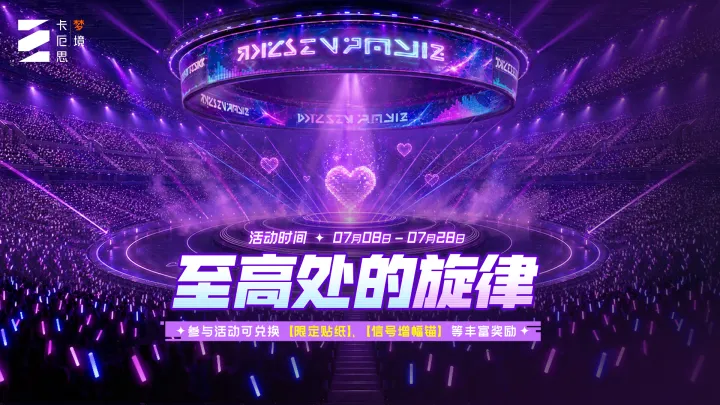
In fact, just by looking at the crowd at the booth, it’s clear just how much of a buzz the new version’s launch has generated among players.In fact, whether it’s character enthusiasts repeatedly reading and discussing the storyline and characters, players experimenting with new gameplay mechanics, or hardcore fans constantly sharing strategies on team compositions, character playstyles, and high-difficulty levels, all of these activities confirm the positive buzz surrounding this update.
This is no easy feat. In today’s anime-style gaming market, developers inevitably face a lack of fresh content between major updates, and the loss of popularity during long periods of inactivity is almost an insurmountable problem.
This raises a question: Given that *Kaeus’s Dream* just underwent a major update not long ago, how can it maintain player engagement during this transition period, keep things lively and entertaining, and prevent the game’s popularity from dropping off?
The answer may lie in what this game has consistently upheld: a "gameplay-first" philosophy as its foundation, blending the core mechanics of deck-building games (DBG) and strategy board games, complemented by precise management strategies and a multi-dimensional community configuration system.
Thanks to this methodology, *Kaeus Dream* has demonstrated the potential for long-term success and has thus become a key asset in Tencent’s strategy for its second-tier games.
01
The most elaborate anime-style card game in BW
In reviews of the “Kaeus Dream” at the BW booth, the most common comment is undoubtedly “It’s fun.”
Whether it’s the majority of people crammed on the periphery watching the performances, the “social terrorists” stepping onto the exhibition booths to interact, or the card players in the inner circle analyzing their hands, everyone can find their own fun—and you’ll hardly ever experience the assembly-line-style convention experience of “waiting in line for freebies and taking photos with cosplayers.”
The reason the game is so entertaining for players is that the developers have accurately identified and showcased its most essential highlights.
For example, only players of *Kaeus's Dream* know that the charm of song and dance isn't limited to the stage—it's deeply rooted in the game itself.
The game’s seasonal theme, “A Song Echoing Through the Galaxy,” is not merely a simple story about idol worship, but rather the journey of Tani Bria—the “Number One Idol of the Galaxy”—toward self-discovery, redemption, and spiritual growth.
She has a dark past; she was once used as a tool by the Kaeth Order to carry out their plans. As an idol, she also harbors dark thoughts deep within her heart—she doubts her true worth, resents her carefree juniors, and puts immense pressure on herself amid her fans’ expectations and love.
Toward the end of the story, players will witness Tane Bria rediscovering a new meaning in her idolhood and, through this, coming to terms with herself. As a result, the singing and dancing on stage are not just a simple way to have fun, but embody the value of the character’s self-realization.
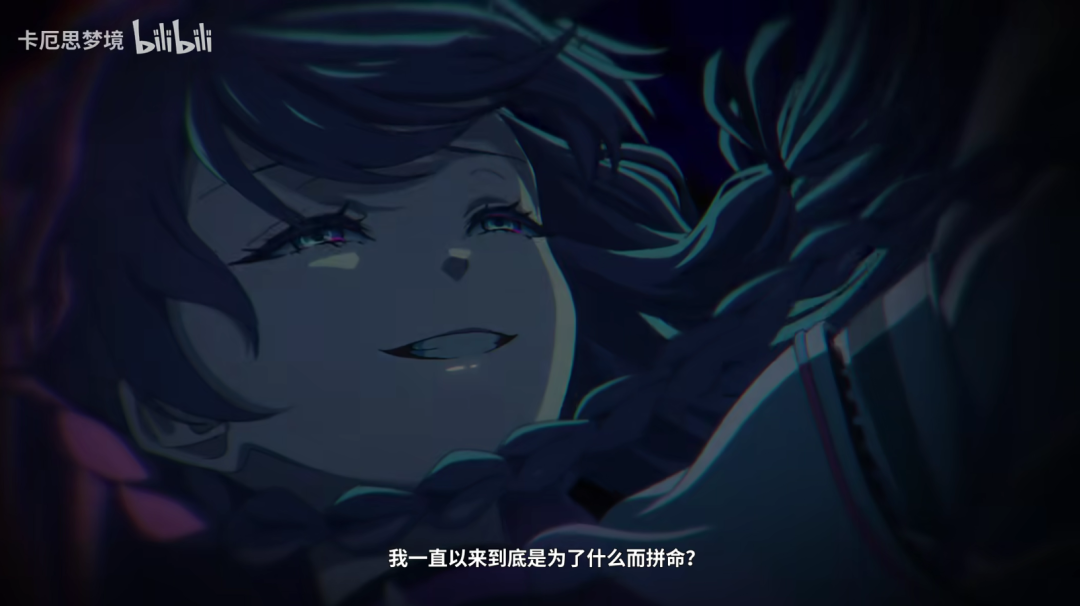
Live card-playing matches are a staple of offline events in the DBG genre.
As everyone knows, playing cards to card players is like mahjong to people from Sichuan. And playing cards in person is by no means as simple as just moving the entertainment offline or organizing a game for players to pass the time.
For card players, playing cards in person is a profound social experience and ritual,The players at the table invest their mental energy and time together, discussing strategies and proceeding cautiously step by step. Once a round ends, they gather again—either slapping their thighs in excitement or reviewing the game to savor the afterglow of that endorphin rush. It’s almost like the bond between Boya and Ziqi.
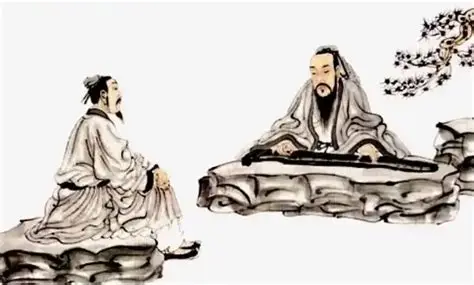
(This is what it looks like when players at an in-person card game are at their least in sync :)
Classic card games—whether it’s *Hearthstone*, *Evil Dead: The Card Game*, or *Slay the Spire*—always set up play areas at gaming conventions, generating a steady stream of in-person card-player jokes.
This is also why "Kairos Dreams" has established in-person card-playing spaces—because they know full well that face-to-face gameplay has always been the most authentic form of social interaction in this genre.
With this series of moves in BW, *Kaeus Dream* actually caters to the diverse preferences of its audience: casual anime and manga fans find emotional resonance and nostalgic memories in the recreated songs and dances, while hardcore strategy gamers discover the joy of offline gameplay.
More importantly, this design demonstrates the developers’ willingness to observe and embrace players’ emotional experiences within the game—translating the emotional value from the online world to the offline world and helping players fulfill their dreams.
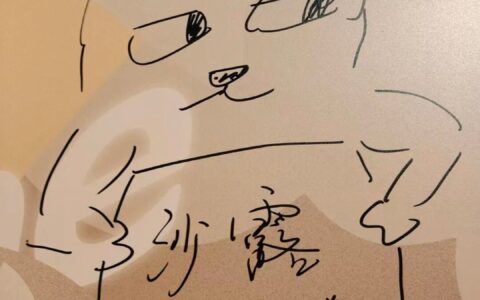
In addition to these interactive elements, the organizers didn’t hold back when it came to playing off memes. Next to the booth, they turned community memes circulating among players—such as “Yuki Is Not a District” and “Serious Suppression Preparations Underway”—into physical interactive zones, allowing attendees to vote and rank them. The walls were covered with players’ meme images and fan-created artwork.
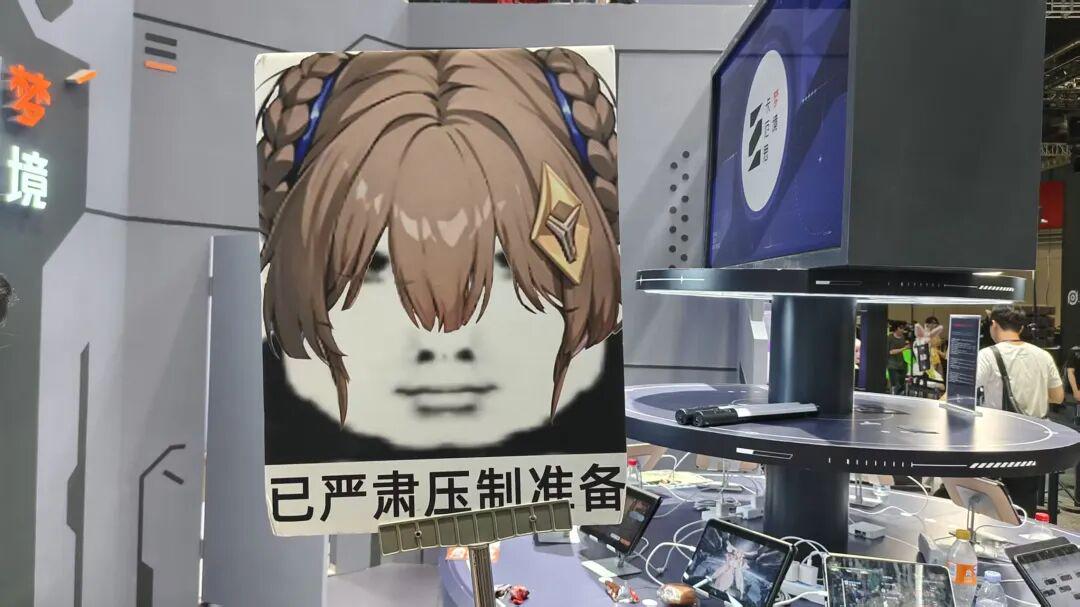
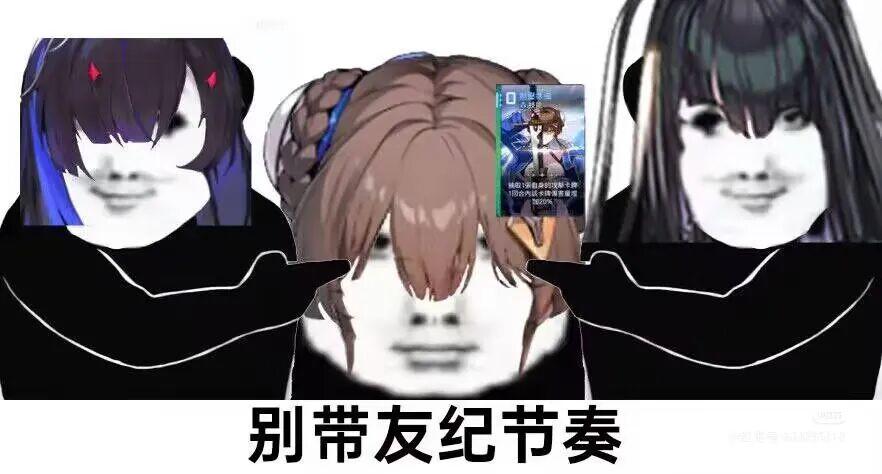
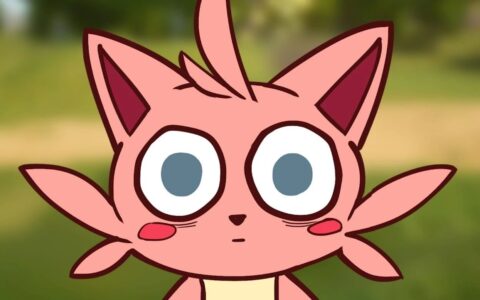
(Yuki really isn't a zone—she's our T1 group damage dealer!)
The platform proactively collected content from the community and then returned it to the community.
The fact that *Kaerus Dream* has managed to organize such a fun offline gathering speaks volumes about the strong loyalty of its player community. After all, only those who genuinely love the game are willing to wait in line—and that’s not something that can be artificially created through user acquisition.
Players are willing to invest time in this game, create memes, and produce fan content—provided they recognize the game’s fundamental strengths in terms of operations and gameplay. These fundamental strengths were once again validated and demonstrated in the transitional update released on July 8.
02
If you don’t face trials during the transition period, what gives you the right?
There is a common pattern in the current mobile game market: major updates generate a surge in popularity through new characters and storylines, after which the game enters a phase of content consumption, with both player engagement and public interest declining simultaneously. Developers typically rely on inflating the stats of new characters to artificially boost revenue, at the cost of accelerating the game’s decline.
In response to this market environment, *Kaeus Dream* has adopted a differentiated approach: rather than focusing on inflating stats, the game devotes its core efforts to developing deep gameplay mechanics. Each new character, through synergistic effects within the lineup, opens up a variety of strategic possibilities, thereby encouraging players to make a long-term and deep commitment to the game.
This strategy was, at one point, validated by its market performance. Shortly after its launch in China, the game topped the iOS Free Chart, and after the first season began, it jumped to No. 8 on the Top Grossing Chart.

Meanwhile, the popular character from this era—Heidemarie, the protagonist of "Paradise"—gained immense popularity thanks to her outstanding card art, her contrasting character design, and her incredibly powerful burst damage mechanic once activated, inspiring countless excellent fan creations.
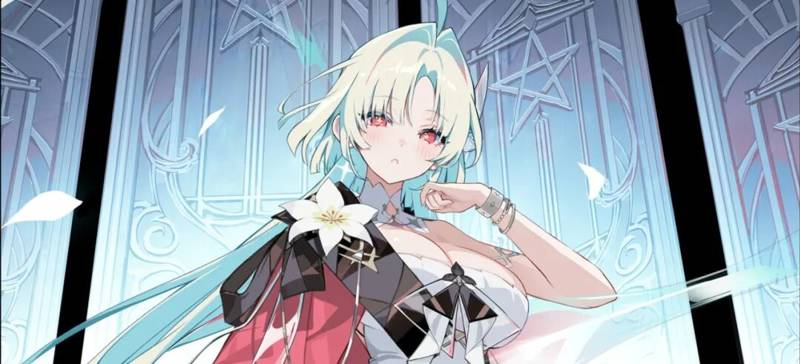
After July 8, the newly released 5-star combatant Tani Bria successfully carried on Hedemarie’s momentum in the community—all while refusing to compromise on her stats.
It’s worth noting that this character is a cross-over character appearing in both *Kaerus Dream* and *The Seventh Epic*. Both games were developed by the SUPER CREATIVE team, so it’s as if the development team brought one of their older characters into their new titles.
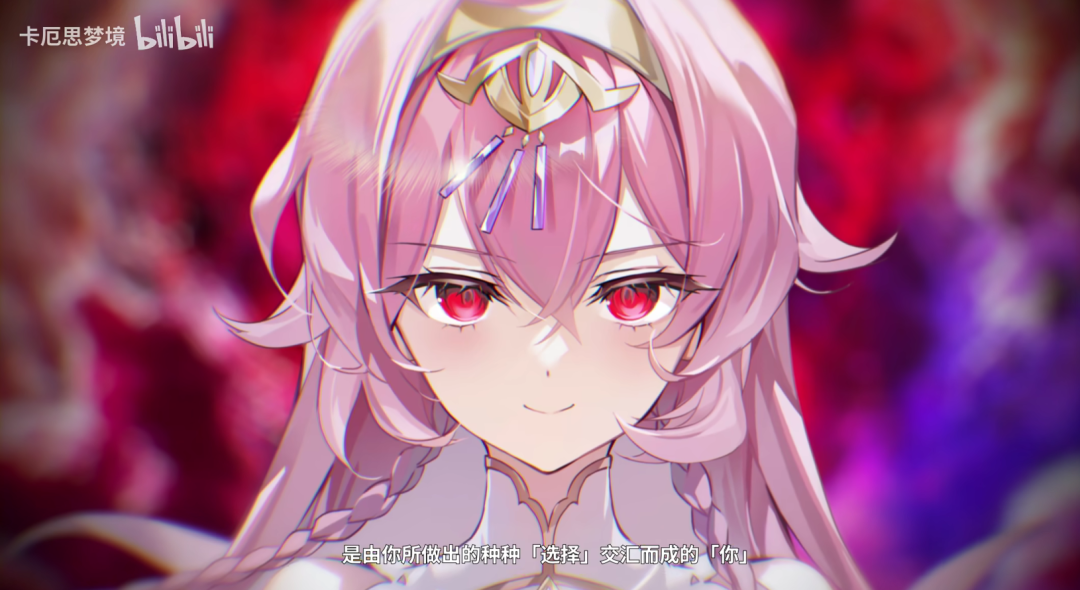
In *The Seventh Epic*, Tainibriya is the “King of Illusions,” an apostle who freely manipulates illusions. Cruel yet mischievous, she is a villainous woman in the community who is both loved and hated.But in *Kaeth's Dream*, she becomes the galaxy’s most dazzling idol—cheerful, radiant, and utterly endearing.
Thanks to the buzz generated by the IP’s popularity and the character’s unexpected transformation, the character has been the subject of constant discussion even before her official debut. The premise of her evolving from a demon into the best girl in the entire galaxy offers a fresh take on a character familiar to longtime fans, preserving the IP’s nostalgic appeal while also providing the new work with its own distinct narrative space.

Aside from character designs, players are constantly discussing character strength, deck-building, and team-composition strategies—further demonstrating that characters with deep gameplay mechanics naturally generate plenty of discussion and have strong appeal.
Yes, much of the buzz surrounding Tani Bria stems from her unique mechanics: thanks to these mechanics, she can be paired with card-drawing characters and, centered around the card “Encore,” adopt a “Arpeggio” playstyle that relies on drawing cards to generate frequent damage;alternatively, she can build an extremely powerful deck around “Spotlight,” combining it with characters that utilize discard mechanics.
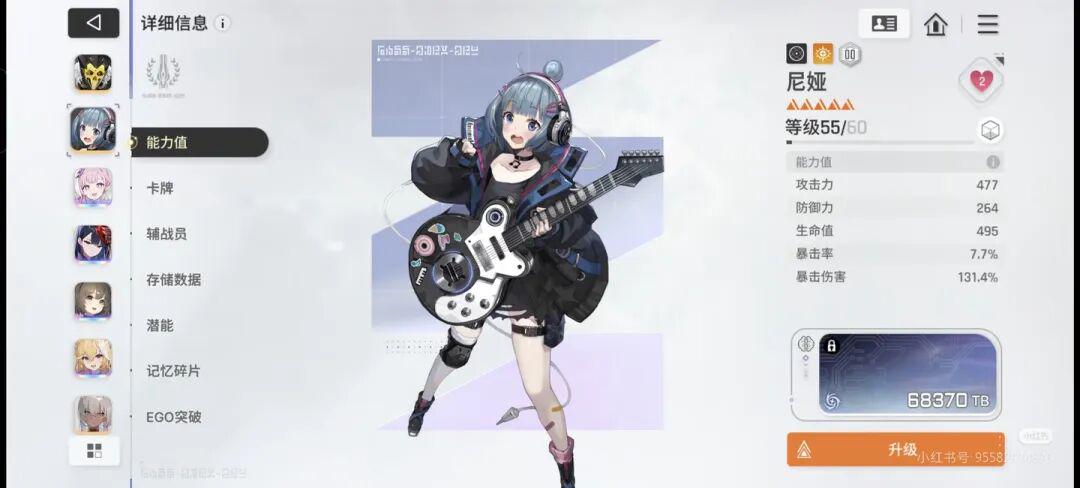
(Nia, with her discard-based abilities at the core)
There is no set way to play this character; choosing a playstyle depends both on the resources gathered during the match and on the team composition. Furthermore, if characters with other cross-over mechanics are released in the future, they could add additional play options for Tani Bria.
This also means that a character’s value to players is based on strategic playability rather than numerical stats, thereby avoiding the risk of the character being rotated out of the meta following late-game stat inflation—a move that could ultimately erode players’ emotional attachment and diminish their sense of investment.
It can be said that, thanks to the deck mechanics offering high replayability, the collaboration with the popular “Seventh Epic” IP, and the cohesiveness of the character designs, world-building, and the accompanying rhythm game mechanics, Tani Bria’s success in terms of popularity was an inevitable outcome of these combined efforts.
In addition, the coordination of event resources has also created a closed-loop system. By completing events, accumulating daily check-ins, and fulfilling daily quests, players can consistently earn Crystals, Cores, and growth currency, allowing them to shift their focus from “how much to spend to get a pull” to “how to build their deck after getting a pull.”
On the content side, the game operates on a seasonal basis. Each season introduces new story chapters, combatants, combat terms, and card mechanics centered around the theme of “Galactic Catastrophe.” Once a season ends, the related gameplay features are incorporated into the permanent system. This design maintains a sense of freshness while preventing content from being consumed all at once.
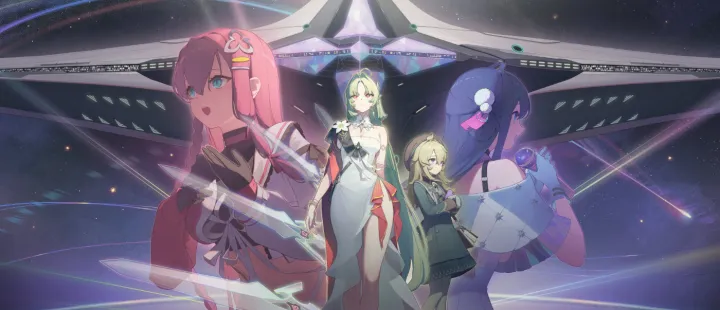
From topping the free app charts upon launch, to breaking into the top ten on the best-seller charts in its first season—where “Heidemarie” sustained steady market interest—and then to “Tani Briya” taking up the baton during the July transition period—this timeline proves one thing:The team clearly understands what anime-themed game players want and knows how to respond through long-term operations. More importantly, they are using a proven, self-sustaining system to effectively serve both hardcore strategy gamers and casual anime fans alike.
03
What Does "The Most Fun Second-Round Game" Actually Mean?
In an interview, Defu, the producer of the Chinese version of *Kaeus Dream*, shared the following observation: “In the past, with traditional 2D games, developers tended to focus more on character development, world-building, and character design, while gameplay was seen more as a bonus or a supporting element.But as 2D games have evolved to where they are today, developers are placing increasing emphasis on gameplay as well.”
Hardcore gameplay is the foundational concept that *Caeth's Dream* aims to embody, and it is what sets it apart from other 2D games on the market: Many titles on the market focus primarily on characters and art, using gameplay to complement and tie everything together, treating gameplay as a consumable add-on to the characters.
However, *Kaeus's Dream* firmly believes that gameplay is, and always will be, the core of a game's appeal.
To this end, they combined the frameworks of two game genres: at the core lies the essence of DBG, where players enjoy the thrill of strategy through frequent card cycling, calculation, management, and deck optimization; while the character-specific progression system from the second genre provides the commercial framework for long-term operations.
It’s not that there’s no conflict between the two—hardcore gamers want fair, deep, and complex strategic gameplay, while casual gamers want long-term progression and rewards.
The solution for *Kaeth’s Dream* lies in introducing a sufficiently deep card pool system. Currently, the cards available for deck-building include character base cards, ability cards, flash cards, collapse cards, as well as universal neutral cards, monster cards, and more—over a hundred cards that provide ample strategic depth.The synergy between character traits and the vast card pool offers ample room for players to explore different playstyles in depth, while also providing strong emotional incentives for players who enjoy character development.
For hardcore gamers, the game focuses on strategic depth.
Heidemarie, mentioned earlier, is a classic example—once her specific playstyle is established, players can deal burst damage amounting to, theoretically, hundreds or even thousands of times their base damage in a single turn, slicing the boss into minuscule pieces and reaping the satisfying rewards of well-calculated deck-building.
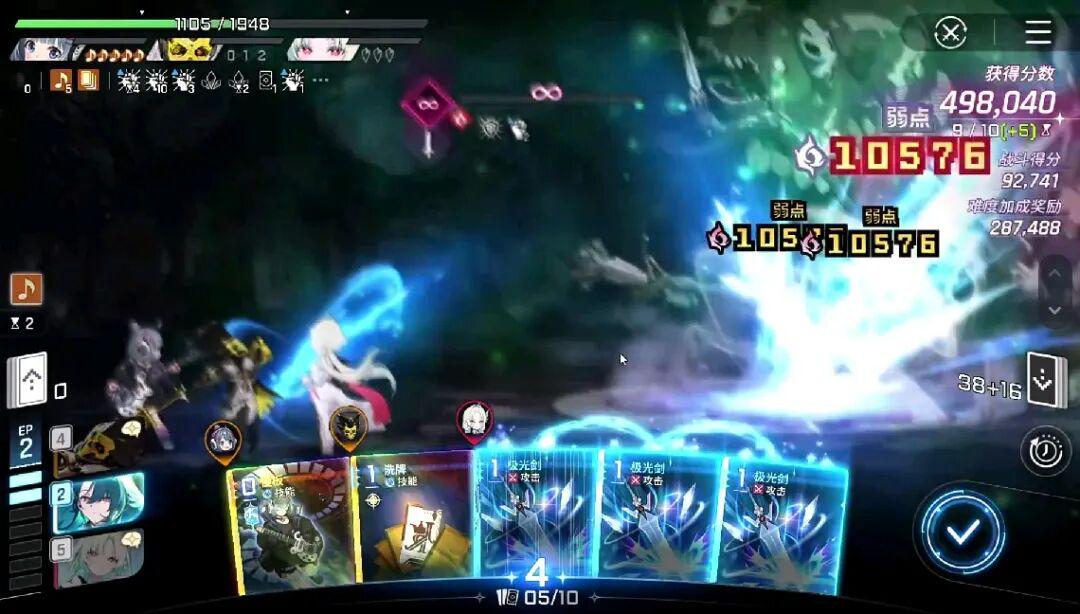
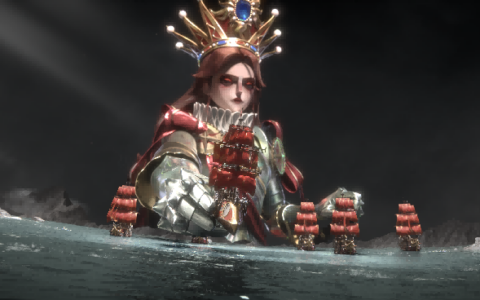
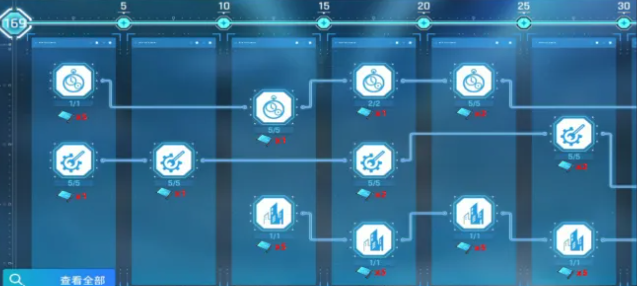
In addition, the game features a deeply roguelike “Assault” mode that allows players to bring only a single character, recruiting and building their team randomly during the match, offering a pure, single-match strategic experience;Meanwhile, the boss “Woman in the Mist,” located in the latter half of the high-difficulty “Great Rift” level—which went live during this event—offers hardcore players an endgame challenge where they can put their damage output to the test.
For fans of the broader anime and manga culture, the game focuses on emotional connection. For example, the game’s unique “Breakdown” mechanic extends beyond character design and storytelling; it permeates the gameplay itself, becoming the game’s most distinctive feature:During a match, characters may enter a state of breakdown due to mental stress. However, if players successfully play a “Breakdown” card to redeem the character and bring them back to their senses, they can then unleash a powerful EGO skill at minimal cost—thus unifying game mechanics with emotional storytelling.
In addition, the game features a wealth of low-pressure daily content: Ark City offers a multi-dimensional daily progression system. Players can trigger memory flashbacks and engage in daily conversations throughout the city to flesh out their characters’ backstories. They can choose different skill-point allocation paths to indirectly enhance their characters or restore their stats, deepening the emotional connection between players and their characters through an immersive experience.
Another example is the recently launched rhythm-based music event, which—in addition to the main story battles—offers extra gameplay features such as a performance stage, rhythm challenges, and achievement rewards. The entire experience revolves around the “idol” theme, transforming the seasonal content into a playable rhythm game that prioritizes fun over cost.
After bringing these two types of players together, the game has also put a lot of effort into long-term retention. To address the pain points of roguelike gameplay—namely, “resetting progress after each run” and “a lack of long-term progression feedback”—*Kaeus’s Dream* has introduced a “save data” feature.
This system is a 2D card-based loot-and-escape game with a capacity limit:Players enter the dungeon to loot cards, and upon withdrawal, the loot is divided: equipment and core cards constitute the guaranteed rewards; equipment and unique cards for the player’s own characters are classified as “Vivid Memories,” which are not subject to capacity limits and serve as the guaranteed rewards for each exploration run; meanwhile, neutral cards, monster cards,Shining Cards, as well as any temporary duplication or removal operations performed along the way, are classified as “Faint Memories.” These collectively consume a capacity bar called “PT.” If the total PT value of Faint Memories exceeds the current save file limit upon withdrawal, duplicated cards will be lost, deleted base cards will be restored, and Shining Cards resulting from removal operations will be lost as well.
At the heart of the entire experience, the game retains the essence of the "search, attack, and retreat" gameplay—a delicate balance of trade-offs—while extending the strategic depth beyond individual battles, thereby avoiding mechanical repetition.The guaranteed minimum returns ensure a safety net, aligning with players’ desire for stable, long-term progression, and these resources can further enhance players’ strength beyond the roguelike gameplay itself.
Capacity management also shifts the strategic focus toward resource trade-offs, encouraging players to actively consider the future uses of different cards; as new cards are released, older dungeons continue to stay fresh and exciting.
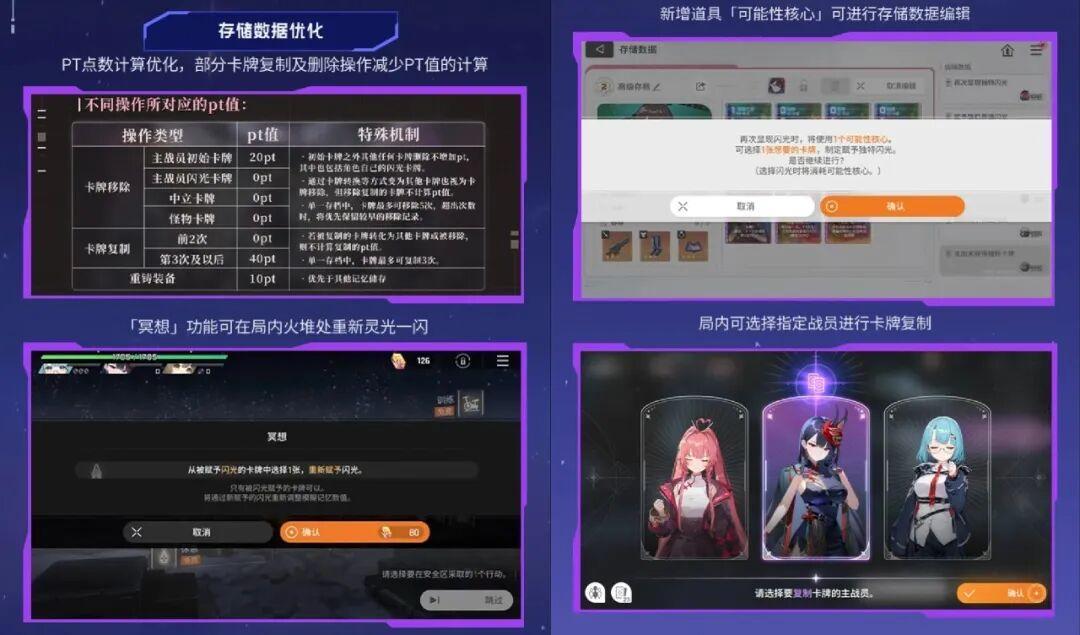
In fact, as early as its open beta launch, *Kaeus Dream* had already been hailed as “the most fun indie game,” but the value of “fun” lies not in proving its hardcore credentials, but in its potential to serve as a strategic asset for a long-lasting game—one that can stand on its own. After all, art and story elements are always consumed faster than they can be produced, but gameplay mechanics are not.
Epilogue
The online event on July 8 and the BW booth from July 10 to 12 represented two manifestations of the same underlying logic. The online event demonstrated the community’s enthusiasm driven by the game’s playability, while the offline event built upon the trust the community had developed through in-person interactions. These two efforts worked in tandem, complementing one another.
In the near future, the game will also introduce an online multiplayer mode to test whether this structure can further extend the product’s lifecycle once the strategic gameplay of single-player card games is expanded to include a social dimension.As the mobile gaming market enters a phase of competition for existing users, the game provides Tencent with a long-term operational model for the strategy card game genre and offers a key insight:Returning to the core gameplay strategy—and finding a third pillar beyond art and storyline—is a viable path for a product to transcend its typical lifecycle. With its balanced focus on both form and substance, *Kaerus Dream* is emerging as a strong, long-term asset in Tencent’s mobile game portfolio.
原创文章,作者:游茶妹儿,禁止转载:https://youxichaguan.com/en/archives/208169