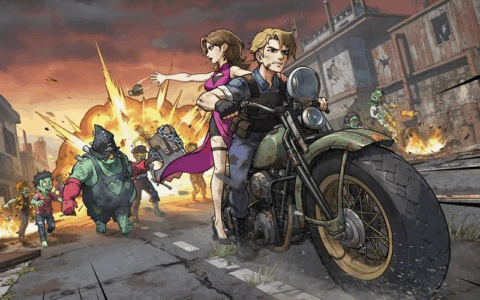
Tencent has actually always devoted considerable resources and attention to the anime and manga sector.
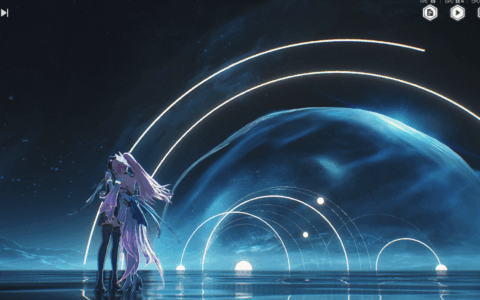
In the early years, Tencent attempted to break into the market through in-house development, as seen with titles like *White Night Aurora*. After several years of exploration and adjustments, Tencent’s strategy for the anime and manga sector has now evolved into a clearer dual-track approach of “in-house development and publishing.”
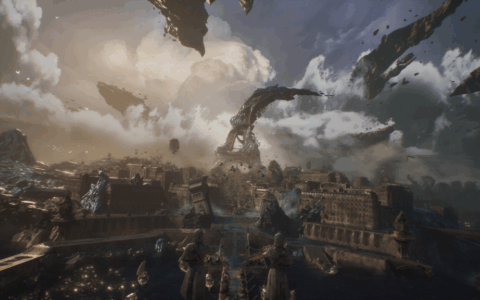
Teams such as Saros (Fate Reaper, Return to the Loop) and Flying Clam (Chasing Caledo), along with their products, form the in-house development segment of Tencent’s anime and manga content production structure. At the same time, activities on the publishing side are also accelerating significantly.Tencent is leveraging its platform capabilities in distribution channels, marketing and promotion, community operations, and monetization to capture and amplify the value of high-quality external products. *Goddess of Victory: A New Hope*, which has now entered a stable operational phase, serves as a prime example of this successful publishing strategy.
This dual-pronged strategy not only allows Tencent to maintain control over the direction of its in-house content development but also broadens its anime and manga product portfolio through publishing partnerships, thereby helping to diversify risk.
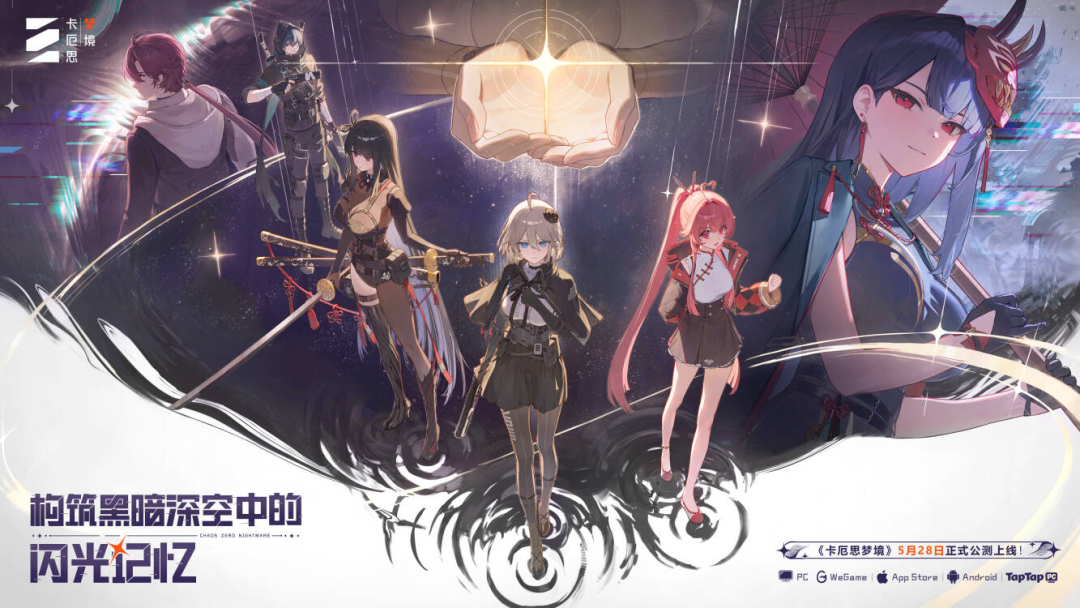
Today, Tencent has played another card in the publishing arena: *Kaeus Dream*, developed by the *Seventh Epoch* team at Smilegate and published and operated by Tencent, has officially launched its open beta in China.
01
Previously, *Khaos Dream* underwent two rounds of testing in China. During the testing period, Teahouse provided a detailed breakdown of the game’s roguelike card-based gameplay framework and its unique dark sci-fi art style. It can be said that, in terms of the game’s underlying design logic,*Khaos Dream* is essentially a 2D anime-style *Slay the Spire* with a non-traditional anime aesthetic.
Based on Tea House’s observations of the relevant communities, this game—which focuses on gameplay and continues to compete in the 2D art space—has indeed garnered significant attention from domestic players thanks to its unique features.

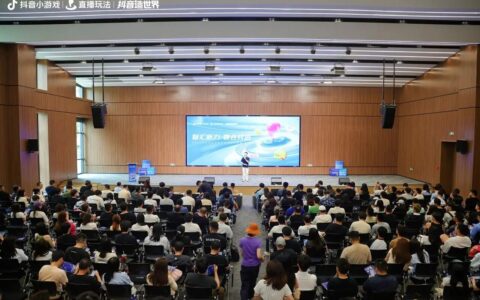
Last night, *Kaeus Dream* made an appearance at the 2026 Tencent Games Conference as part of Tencent’s lineup of new titles. The producer in charge of the game’s Chinese launch took the stage to introduce key features of the open beta version, covering topics such as early access content, optimizations, and launch bonuses.
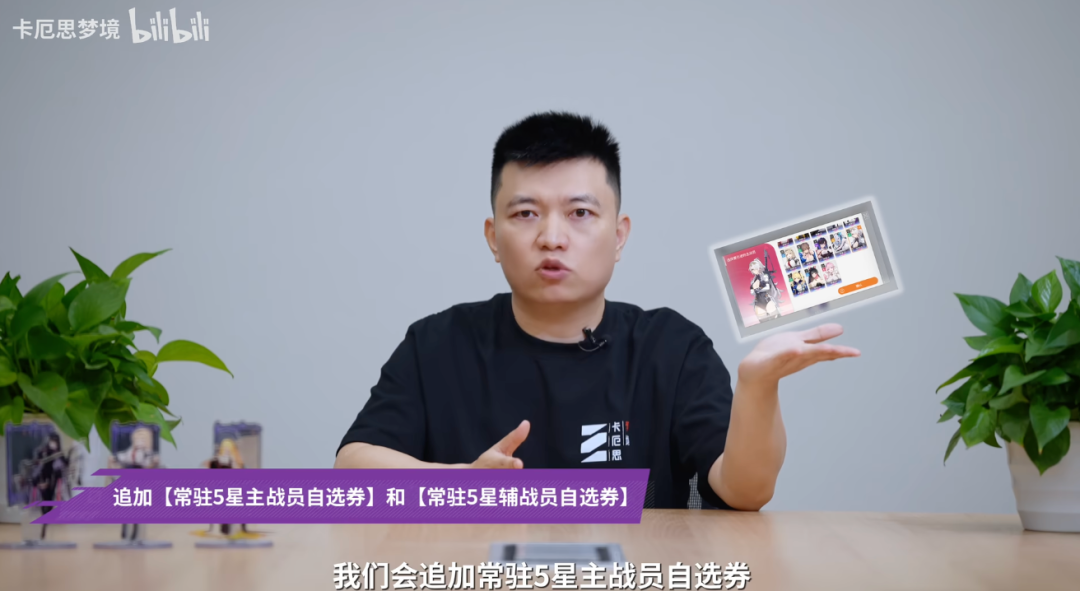
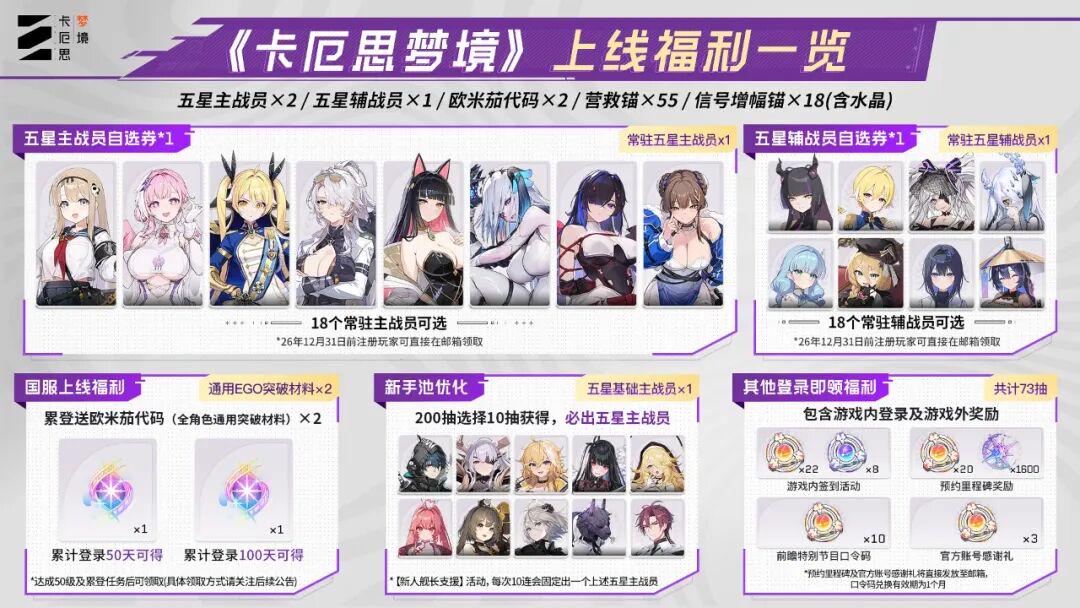
In terms of the scale of the in-game rewards alone, this aligns with the project’s earlier signals that it aims to quickly catch up with the progress of overseas servers. Deploying such a substantial amount of resources right at launch indicates, to a certain extent, that both the development team and Tencent have full confidence in the product’s retention capabilities and long-term operational potential.
In terms of optimization, Tencent’s publishing team has made targeted adjustments to the gameplay experience—while preserving the original features of *Kaeus’s Dream*—by taking into account the playing habits of players in the Chinese server. Today’s official launch of the open beta version for the Chinese server proves that these optimizations are not just empty promises.
For example, the PT calculation logic in *Kaeus’ Dream* has been adjusted, and certain card duplication and removal actions no longer have a negative impact on the PT value.
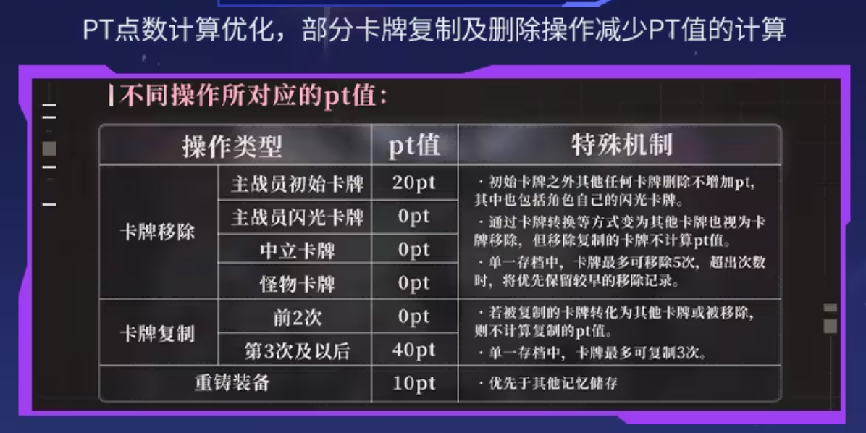
This change may seem minor, but it actually has a direct impact on the mental effort players expend when making deck-building decisions in a Roguelike session.
Here, it might be helpful to explain to new players why PT values are so important, since this mechanic is closely tied to the “data storage” of builds you can carry over to the next game. If the PT of certain cards is too high in a single playthrough of Dark Souls, you won’t be able to carry them over, which will lower your Build Score.
My personal experience with the Teahouse is that, on the international servers, players would constantly waver between “decks they wanted to try out” and “decks they didn’t want to lose points on.” After the adjustments to the Chinese servers, this concern was significantly alleviated, allowing the deck-building phase to return to a more pure focus on strategy.
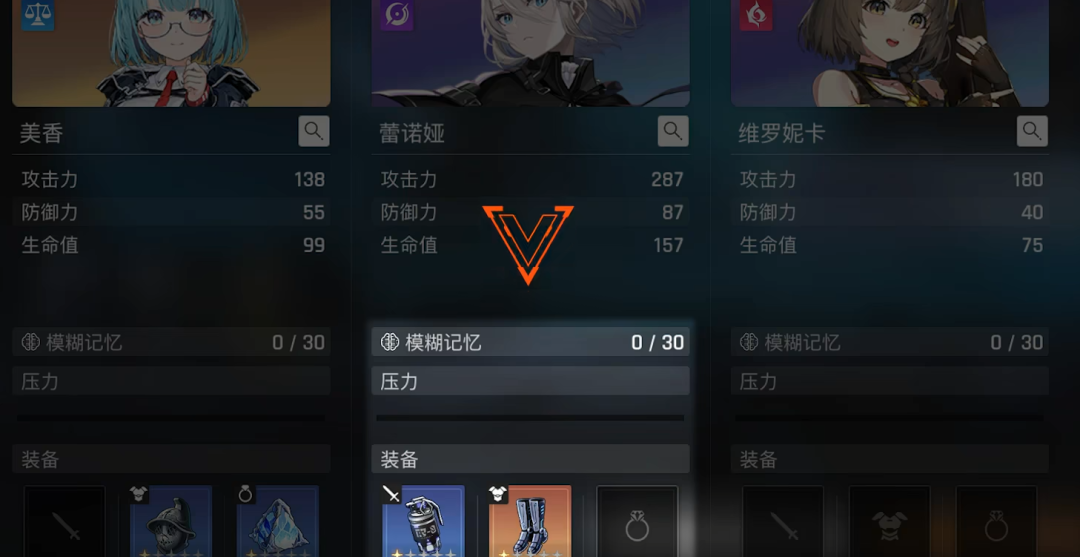
The newly added “Meditation” feature has also significantly enhanced the gameplay experience. In the Chinese server of *Khaos Dream*, players can now re-trigger “Flash of Insight” at campfires during a match, effectively providing an opportunity to adjust their strategy or make a second choice.
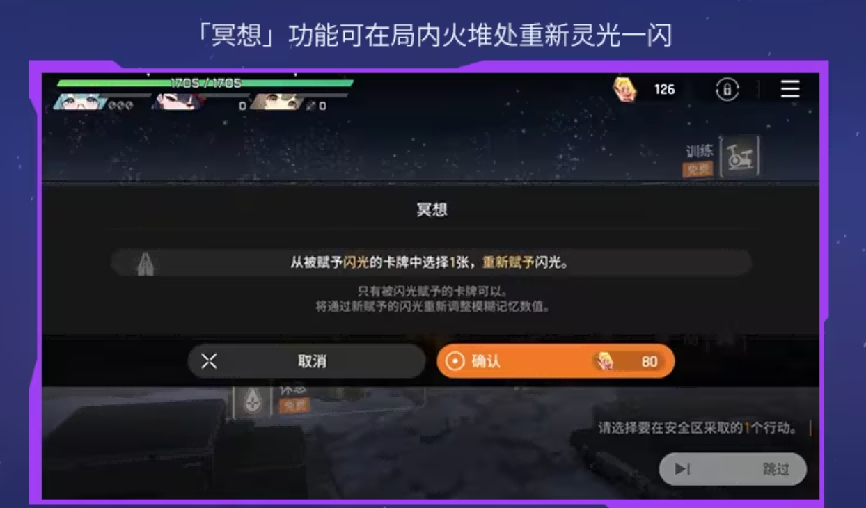
The core appeal of “Meat Dove” lies in the adaptability that comes from randomness, but excessive unpredictability can easily wear down the experience. The addition of “Meditation” acts as a buffer between randomness and control, giving players more agency over the direction of their in-game deckbuilding.
In terms of character development outside the game, the new “Possibility Core” item has introduced the ability to edit saved data.Previously, once saved data was finalized, it was difficult to adjust. For players seeking to fine-tune their builds later on, data saved early on could become a hidden burden. The addition of editing functionality significantly increases the flexibility of the progression chain and reduces the sunk costs that new players face early on due to information asymmetry.
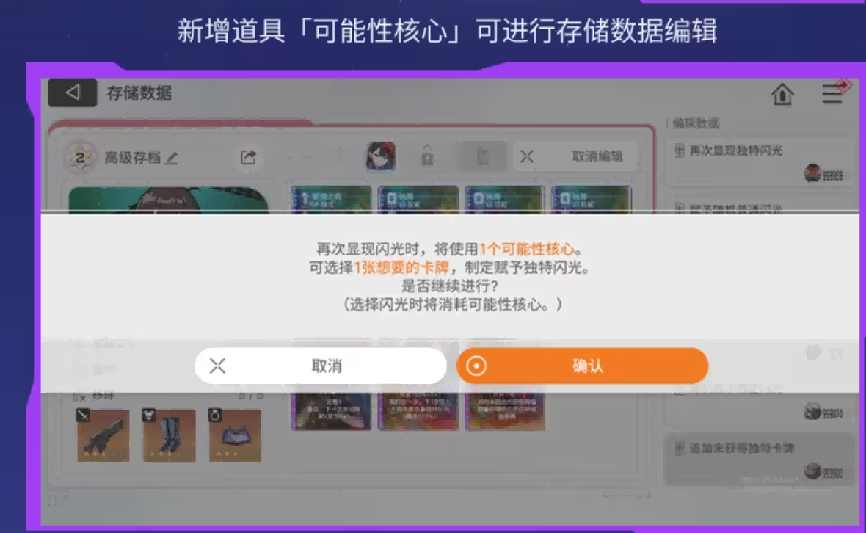
In addition, there are several adjustments designed to lighten the daily workload, such as the option to select specific characters for card duplication within the game, the ability to use items to skip auto-battle in already-cleared stages, and the option to sync progress at specific stages with a single click based on your current level.
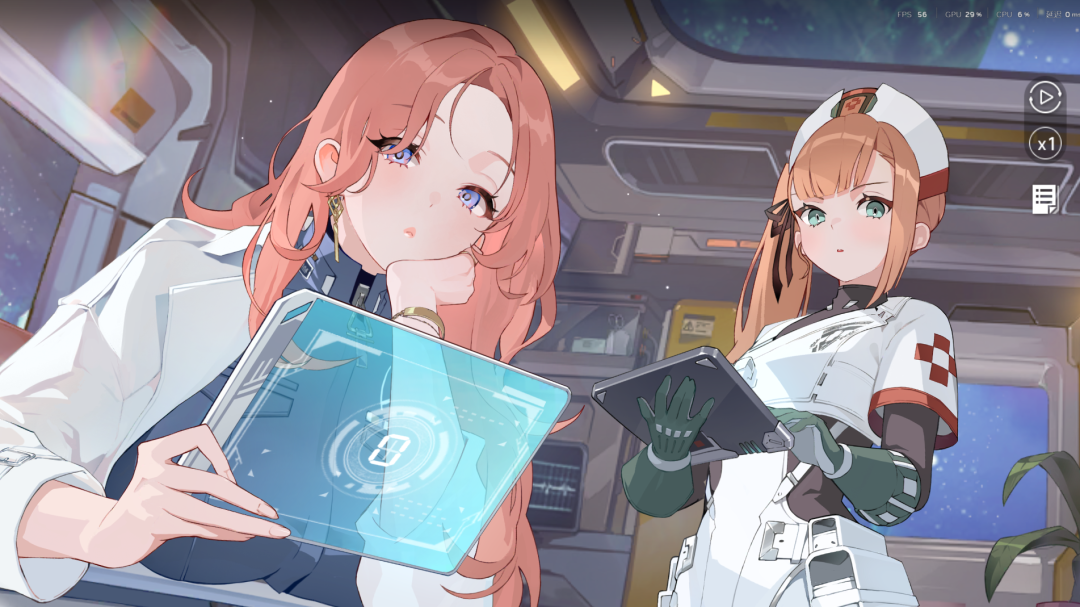
These adjustments all point in the same direction: Tencent’s Chinese publishing team aims to systematically lower the barriers to entry in non-core aspects of the game without compromising the inherent roguelike strategic depth of *Khaos Dream*.After all, for a roguelike card game that requires repeated challenges and deck-building, these streamlining measures can tangibly improve the quality of gameplay in the mid-to-late game, allowing players to focus more on “strategy.”
02
In addition to system-level optimizations, significant adjustments have also been made to the content. The main story available in the Chinese server’s open beta consists of 3 acts and 11 chapters, with the first 5 chapters featuring a remastered version that completely reworks the narrative pacing of the early stages of the overseas version to address its shortcomings.
However, what deserves more attention in the open beta version than content adjustments is the depth of Tencent’s investment in localization.
The character “Fei,” who makes her debut in the Chinese server, features a design that incorporates elements of ancient Chinese Nuo culture.with skill animations showcasing a distinctively Eastern aesthetic. Furthermore, during the open beta preview program on May 16, *Kaeus Dream* also announced a cross-industry collaboration between “Fei” and the intangible cultural heritage of Nuo culture.
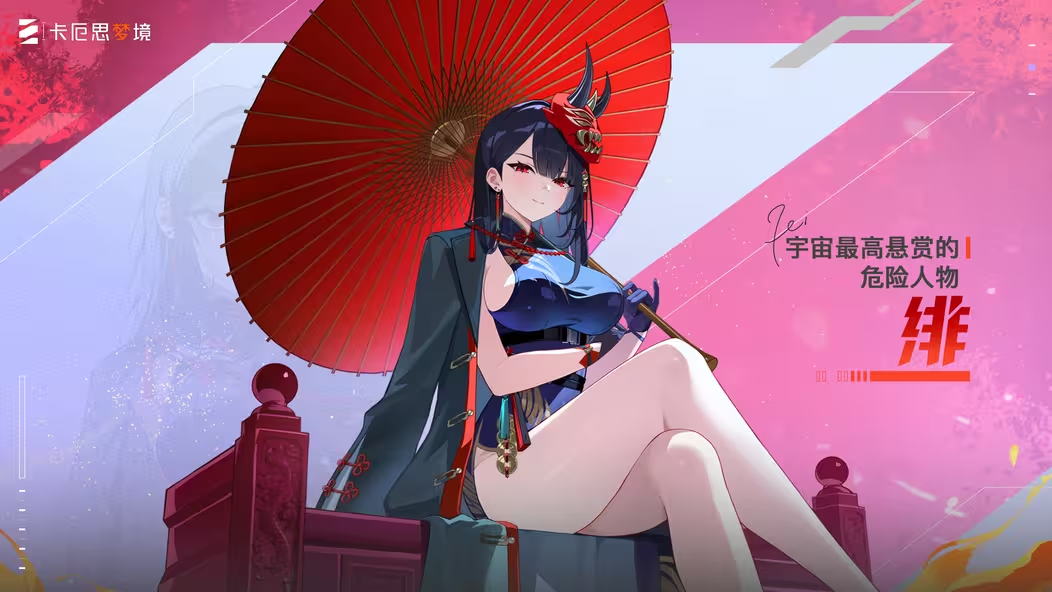
With the launch of offline business development partnerships—including collaborations with the Shanghai Public Transport Card, Nabodi, and iKF headphones—the localization efforts for *Kaeus Dream* have gained significant depth, ranging from custom character designs to cross-industry outreach.
This approach sends a clear signal: Tencent does not view the Chinese server of *Kaeus Dream* as a simple “port of the overseas version”; rather, it is an independent entity with exclusive content design and operational strategies that span both online and offline platforms.
For example, *The Dream of Kaeth* incorporates the ritualistic elements of “exorcising evil spirits and warding off epidemics” found in Nuo culture, creating a thematic resonance between local culture and the game’s narrative—in which characters battle the “Kaeth” disaster—The cultural resonance demonstrated by this localized approach—achieving the same end through different means—is crucial for a foreign product taking its first steps into the local market.
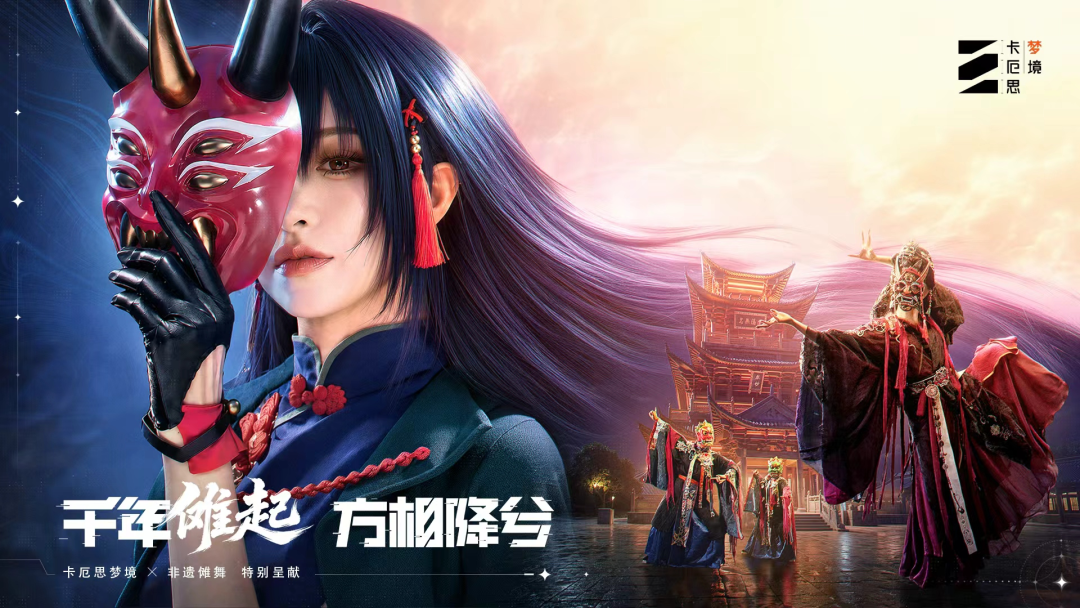
Judging by the thoroughness of its preparation, the Chinese open beta for *Kaeus Dream* was not rushed to market; it launched with a revamped main storyline, targeted system optimizations, localized characters, cultural collaborations, and ample marketing resources.
The next question is: where exactly does this card fit into Tencent’s overall anime and manga ecosystem?
If we take a closer look at Tencent’s current lineup of anime- and manga-themed products, we’ll find that while the company has a substantial pipeline of projects in development, the number of products that have actually entered the operational phase and are capable of consistent, stable output remains limited for now.
In other words, while the product lineup has no shortage of potential flagship models, it still needs products that are manageable in scale, differentiated by category, and capable of sustaining long-term operations to fill out the overall product portfolio.
“Kaeus’ Dream” corresponds exactly to this location.
In terms of differentiation, *Khaos Dream* stands out as a uniquely distinctive roguelike card game. Within this genre, the domestic mobile gaming market has long lacked a sufficiently mature flagship title. The game caters to mobile gamers who seek strategic depth but do not want to be tied down by time-consuming open-world games, as well as dedicated DBG players.
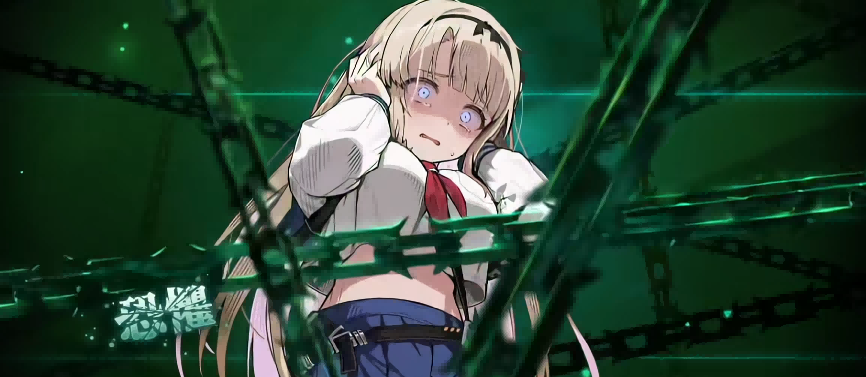
At the same time, *Khaos Dream* stands out thanks to its Cthulhu-inspired dark theme; its unique genre and artistic style clearly set it apart from other anime-style products currently on the market.
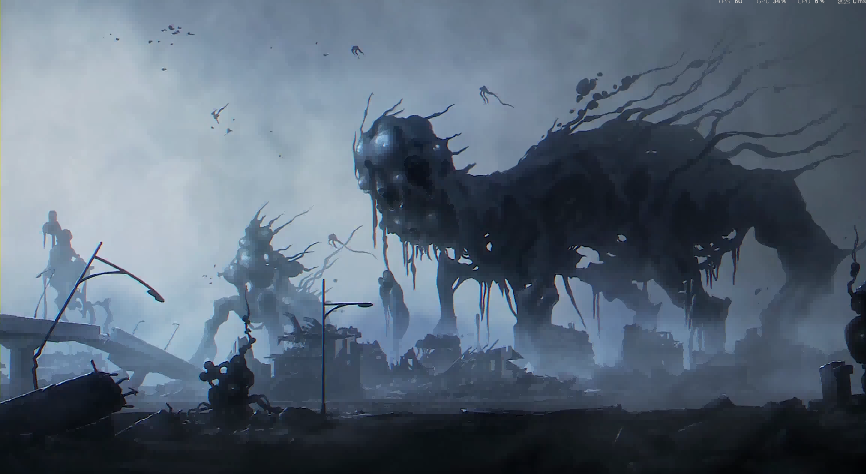
In terms of scale, stability, or the certainty of securing distribution partners, the product risks associated with *Kaeus Dream* are also manageable.
After all, *Kaeus Dream* is not a brand-new product that needs to prove itself in the market; following its overseas open beta launch last October, it topped the free app charts in the U.S., Japan, South Korea, and other regions. In its first month, it surpassed 3.5 million cumulative global downloads, reached 1.11 million daily active users (DAU), and generated approximately 200 million RMB in total global revenue.
The overall revenue structure is characterized by a “strong external, weak internal” pattern, with the U.S. and Japanese markets together contributing nearly half of total revenue, while the domestic South Korean market accounts for only about 15%. The Chinese market, which officially launched today as a core region, remains an untapped area with significant growth potential.
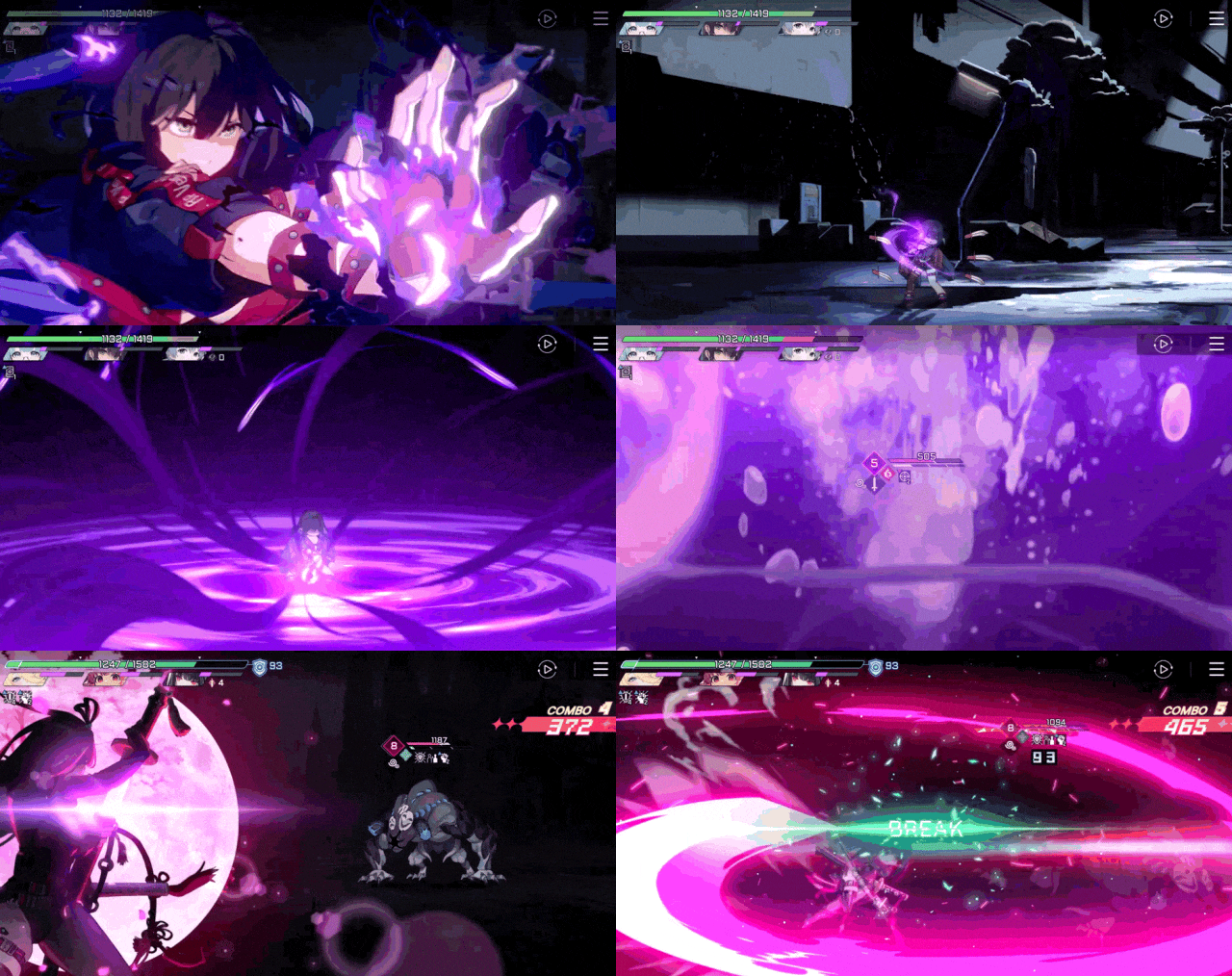
The product’s proven track record in global markets, combined with the untapped domestic user base, likely forms the core of Tencent’s strategy as the distributor.
Previously, the development team SUPER CREATIVE also announced the full-year content plan for the international servers in 2026, focusing on expanding gameplay options, enhancing seasonal content, and improving overall polish.This methodical, roadmap-driven approach to content development ensures that the Chinese server will keep pace with the international version without any gaps in updates. For Tencent, the development team’s commitment to long-term investment is itself a guarantee of operational stability.
Conclusion
From this perspective, the significance of *Kaeus Dream* to Tencent’s anime and manga product lineup follows the same strategic logic as *Goddess of Victory: A New Hope*: by publishing a mid-sized title that has been proven in global markets, the company aims to fill a gap in the category and expand its user base.
As I mentioned earlier, in this phase of a zero-sum game where the mobile game market still boasts considerable scale but growth opportunities are beginning to shrink,Tencent’s strategy—which organically combines in-house development and publishing to build a tiered, differentiated, and complementary product lineup—may be a pragmatic and steady approach for a major player like Tencent to participate in the anime and manga market competition.
原创文章,作者:gallonwang,禁止转载:https://youxichaguan.com/en/archives/197854