Every year, the gaming industry has a few key events that mark the busiest times for media outlets like Teahouse—the end of the year brings award ceremonies like the TGA,August and September during the summer season are when industry trade shows like Gamescom and ChinaJoy take place, and right now is the time for the annual press conferences of leading domestic companies like Tencent and NetEase.
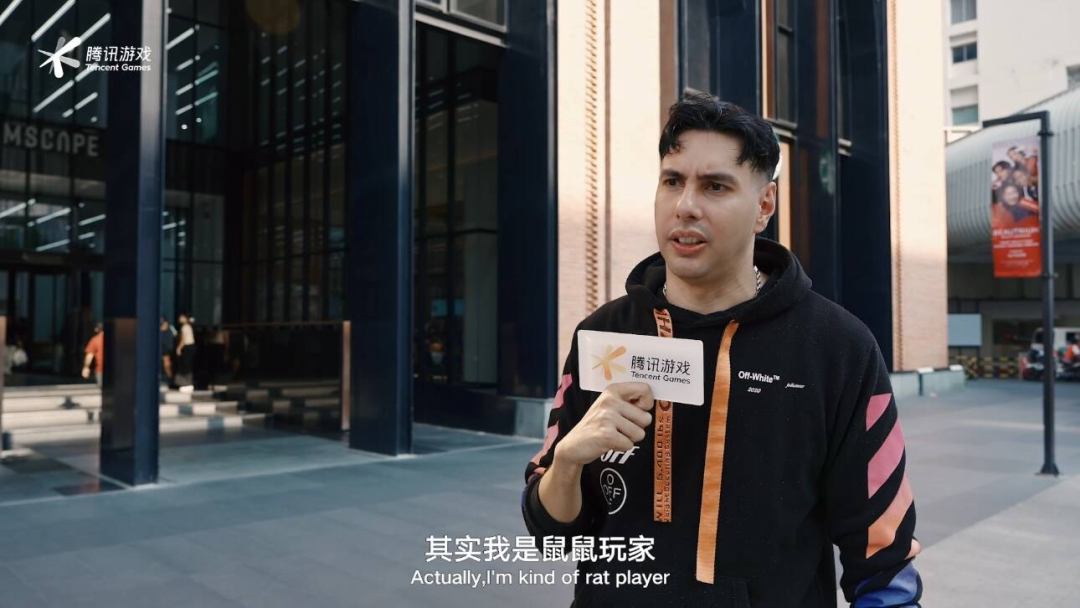
Having followed this event year after year, I’ve noticed that the value of industry insights from this April-May timeframe has been steadily increasing. For example, after watching the SPARK 2026 Tencent Games Conference as soon as it aired yesterday, I felt that both the format and the quality of the content had improved significantly compared to last year.The opening segment featured street interviews with not only Chinese gamers but also over 30 international fans from countries including the U.S., Canada, Thailand, and Brazil. As fans of Tencent Games, they even offered feedback to the Chinese developers. It was clear that the entire event had become more “international.”
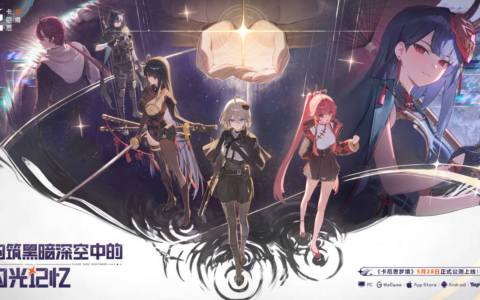
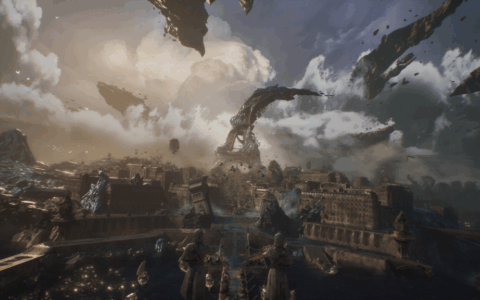
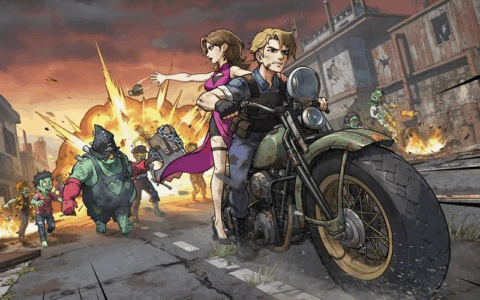
When it comes to specific game content, Tencent unveiled a total of 42 titles, including 15 new releases. Overall, the company maintained the same three-pronged approach as last year—”development, publishing, and investment”—but with a fresh twist: you’ll notice that Tencent’s in-house lineup is now featuringtitles like *Void Ring* and *Grain’s Lilliput*, which are bolder in both theme and creativity. They are also investing in domestic single-player projects like *Tide of Oblivion* to explore Western-style narrative storytelling. In the AI sector—a key focus for Tencent in recent years—many of the games featured in the main presentation showcased new AI applications.In addition, during the closing “One More Thing” segment, Tencent unveiled two game AI technology products—MagicDawn and “Project Craft”—as well as cross-industry exploration projects like *Digital Jingdezhen: Little Craftsmen of the Porcelain Capital*, which combines gaming and AI.

“Digital Jingdezhen: Little Craftsman of the Porcelain Capital,” a porcelain industry simulation game jointly developed by Tencent Games and Jingdezhen
Especially in the shooter genre—which I follow most closely—Tencent continues to demonstrate its well-known strength in this category this year. From *CrossFire* and *Peacekeeper Elite* to *Dark Zone Breakthrough* and *Operation Delta*, these titles trace the evolution of Tencent’s shooter portfolio over the years;Meanwhile, new titles like *Out of Control Evolution* point toward emerging genre directions such as SOC survival shooters and GaaS.
Scrolling further down, you’ll also find titles like *Arknights*, *Rainbow Six: Offensive*,*Tactical Squad: Dawn Assault*, *Control: Resonance*, and a whole host of other international titles—and it wasn’t just the games making an appearance. Facepunch CEO Alistair Gordon, Remedy Entertainment CEO Jean-Charles Gaudechon, and the series producers and creative directors behind Bohemia’s*DayZ* and *Arma Reforger*, made their collective appearance at this press conference. A dozen or so foreign developers spoke at length about their affection for and commitment to Chinese players, with some even directly promising deeper localization efforts—such as full Chinese voiceovers—in their future titles.
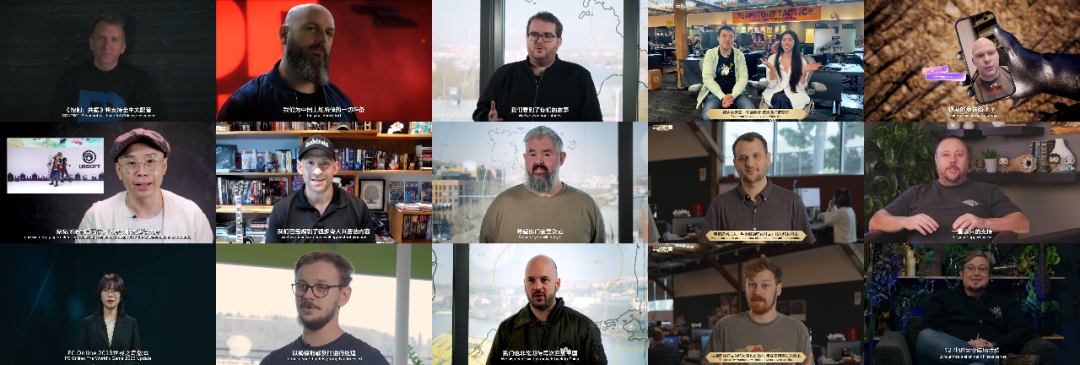
At past domestic game launch events, we’ve rarely seen such a gathering of players and developers from around the world. It even prompted me to reflect on the situation—we’ve always said that the shooting game genre is dominated by overseas developers, but when we take a step back and compare them objectively, the gap between Chinese developers and their international counterparts is actually much smaller than we’ve long believed.
In fact, we can go a step further and conclude that, amid the genre’s evolution in recent years, Chinese products may have taken the lead and begun setting the trends in the shooting game genre.
01
Is China’s top shooter developer still underrated?
This statement may sound a bit counterintuitive, but if you trace the main timeline of shooting products throughout history, it actually leads to a logical conclusion.
Let’s break it down: If we use the “global sensation” model to define eras, the competition in the shooting game genre can generally be simplified into these three phases:
First came the rise of competitive gaming after the turn of the millennium. Valve’s *Counter-Strike* introduced players worldwide to the thrill of multiplayer bomb-defusal gameplay for the first time.At that time, Chinese developers generally lacked the capability to develop games in-house, but they carved out a path by relying on the licensing and distribution model. South Korea’s Smilegate’s *CrossFire* became the “shooting dream of 300 million mouse clicks,” thanks in no small part to Tencent’s in-depth localization and operation.
By the second round of “Battle Royale,” things got even more interesting. You’ll find that investment and joint development models have gradually taken root, and Chinese developers have begun to make their mark in the world of first-person shooter game development.
South Korea’s Krafton drew inspiration from titles such as *DayZ* and *H1Z1* to create a new global paradigm for the battle royale genre with *PlayerUnknown’s Battlegrounds* (PUBG). As the PC version surged in popularity, Chinese developers quickly entered the market with mobile versions.Tencent’s Lightspeed & Quantum Studios collaborated with Krafton to develop the mobile version, *Peacekeeper Elite*, and the international version, *PUBG: Mobile*. Today, the Chinese server alone has reached a peak DAU of over 90 million, demonstrating overwhelmingly sustained popularity.
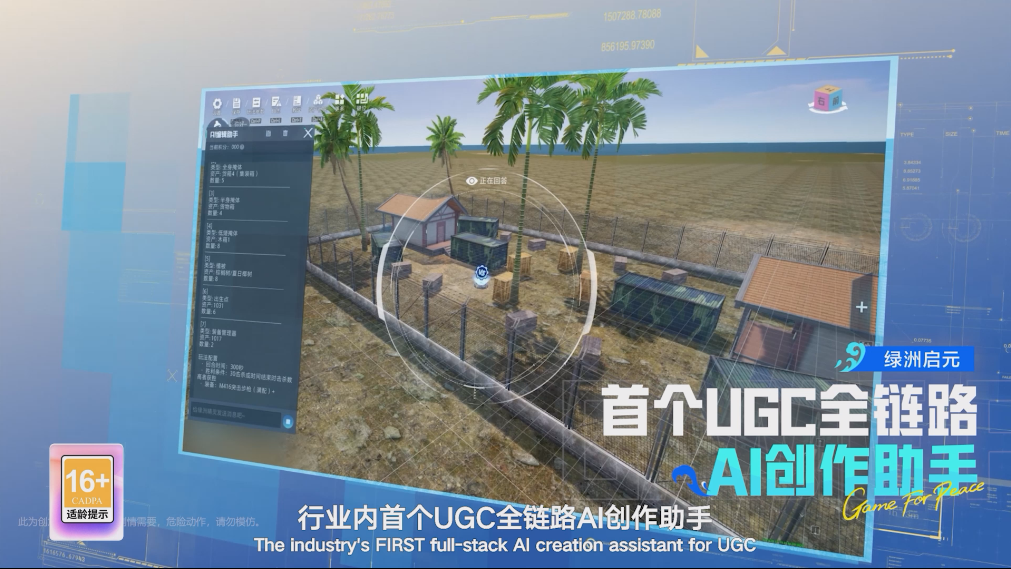
The latest AI application technology achievements unveiled by “Peace Elite” just yesterday
In addition, one of the few major winners in the battle royale genre is Epic Games’ *Fortnite*—which is also a Tencent-backed title.
In the third round—”Search, Strike, Withdraw”—Chinese manufacturers established a clear lead in this round of competition.
“Escape from Tarkov” and “Hunt: Showdown” opened a window of opportunity for the “search, fight, and retreat” genre, and Tencent’s Magic Cube team keenly sensed the potential for this niche category to break into the mainstream. Consequently, they entered the fray with their in-house title “Dark Zone Breakthrough,” successfully paving the way for the mass-market GaaS adaptation of this gameplay style for the first time.Subsequently, *Peacekeeper Elite* also entered the search-and-escape genre with its subway escape mode, achieving 37 million daily active users for a single mode. Later, *Operation Delta* became a phenomenon-level hit that captivated the masses.Each of these three in-house titles emphasizes distinct gameplay features, collectively redefining the entire “search, fight, and retreat” genre from multiple angles.
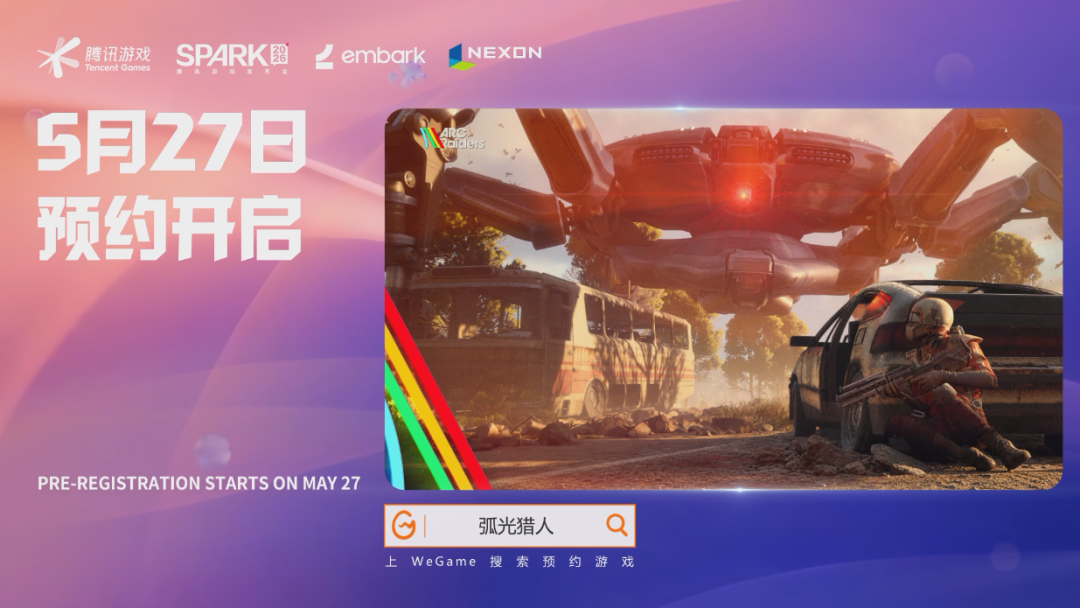
On the other side of the Pacific, *ARC Raiders*—one of the few top-tier overseas action-adventure games—had already established a publishing partnership with Tencent. At this press conference, they announced that pre-registration for the Chinese version, *Arc Raiders*, would officially open that day, and they also showcased new content coming to the Chinese server.
Aside from that, things have been bleak for overseas developers: Bungie, which Sony acquired at great cost, saw its new game *Lost Star Ship: Marathon* perform increasingly poorly, while its flagship title *Destiny 2* has ceased long-term updates, resulting in a $700 million loss for Sony;”Starfield,” created by “the father of Blizzard” Mike Morhaime, now has Steam concurrent players in the double digits… It seems overseas developers are no longer enjoying the glory they had in the previous two rounds.
When you look at it this way, the overall trend becomes quite clear. In the shooting game industry over the past few years, Chinese products have acted more like a well-trained army, competing against overseas teams that operate independently.
Over the past two decades, Chinese teams have been evolving—from relatively low-threshold agency distribution to investment, and now to developing and publishing high-quality games in-house. Their path of evolution is clear, as they move step by step toward the heart of the industry.
As for the overseas teams, while there are quite a few hit products overall, success tends to hinge more on sporadic surges in popularity across different countries and companies.
A small number of overseas companies can create long-lasting, blockbuster IPs like *Counter-Strike*, but it’s difficult for them to capitalize on every opportunity that arises in each cycle.Even for major studios like Sony, while they’ve found a breakthrough with service-based games like *Helldivers*, the leap from a “product” to a “market segment” remains an insurmountable hurdle.Not to mention, the shadow of billion-dollar flops like *Redfall* and *Starbound* still looms over major Western studios to this day.
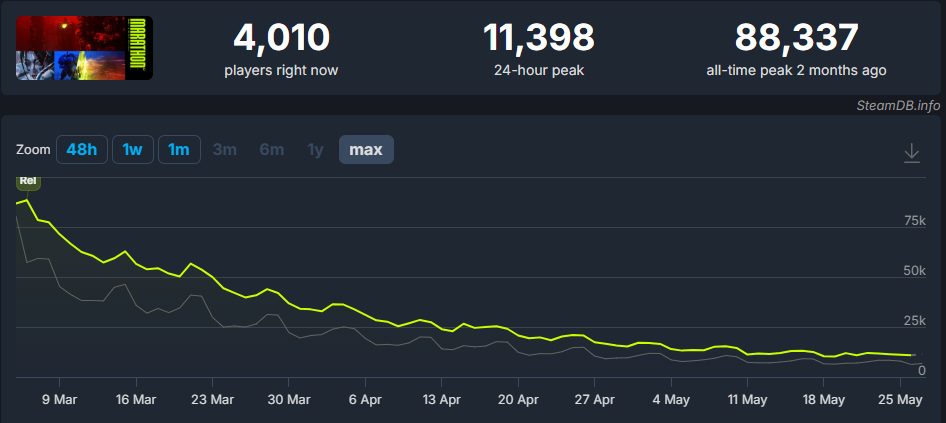
Trends in Concurrent Users for *Lost Star Ship: Marathon* Following Its Launch
With this in mind, let’s revisit the notion that “the FPS market is a foreign stronghold”—a view that was indeed valid for a long time. The industry-standard quality set by leading titles such as *Call of Duty*, *Battlefield*, *Gears of War*, and *Halo* remains virtually unmatched to this day.
However, the strength of Chinese teams, led by Tencent, lies in the fact that they have truly distilled the process of “building a category” into a set of principles,meticulously planning across multiple fronts—including in-house development, publishing, and investment—to distill solid experience and establish efficient development pipelines. This is driven by creativity, rather than relying purely on luck or the “right time, place, and circumstances.”
This journey has been like a snowball rolling downhill, gradually addressing the shortcomings in China’s game industry and establishing a unique competitive edge in areas such as long-term GaaS operations. At the same time, through investment and publishing, the industry has continuously expanded its global influence.
As a result of years of groundwork, well-known international IPs like *Rainbow Six* and *Rust*, along with their producers and CEOs, have taken the stage at Tencent Games’ press conference. Meanwhile, a new generation of titles such as *Out of Control Evolution* and *Dune: Awakening* are ready to kick off the “fourth round” in the SOC segment of the shooter genre.
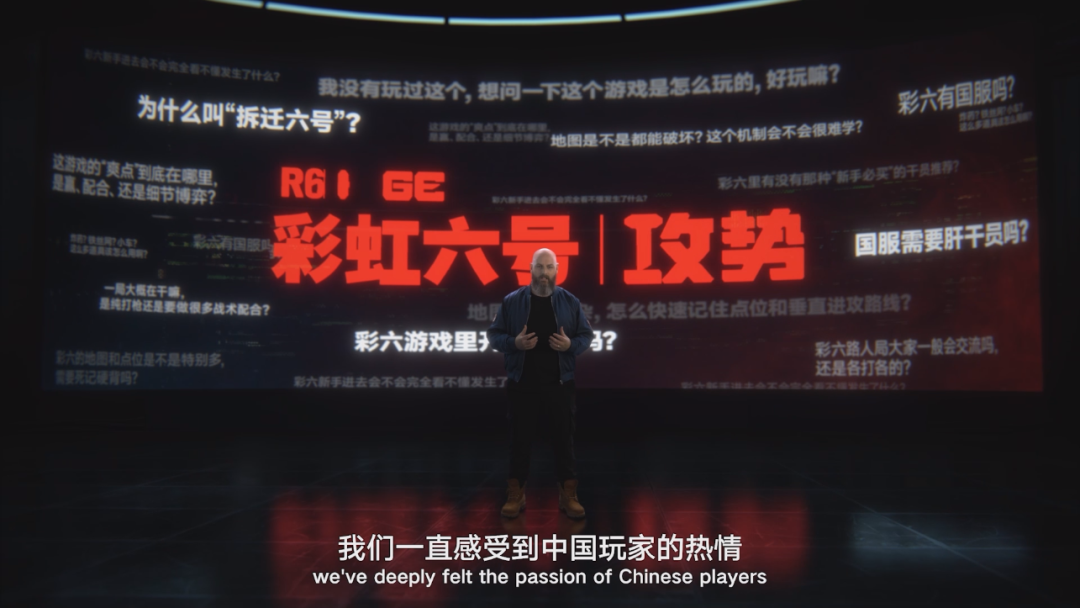
Joshua Mills, Global Creative Director of *Rainbow Six: Siege*
With such strong momentum, I’m confident that whatever challenges lie ahead, we’ll overcome them one by one.
02
Gamers from around the world are coming to China in search of the “perfect version”
The reason I’m making such a big deal out of discussing first-person shooters isn’t simply to talk about the games themselves. What makes this genre unique is that it actually serves as a clear barometer of the entire gaming industry’s development.If you look closely, you’ll see not only how Chinese shooter games managed to “overtake the competition” during the “Search, Attack, and Retreat” era, but also the story of how the entire Chinese gaming industry has gradually found its stride in recent years.
You may not realize just how impressive the Chinese gaming industry has been in recent years—in fact, on a global scale, we’ve become a rare bright spot.
Gaining insight through data. According to the *China Game Industry Report for Q1 2026*, the Chinese game market generated actual sales revenue of 97.172 billion yuan in the first quarter of 2026, representing a remarkable year-over-year increase of 13.38%.Meanwhile, the “2026 State of the Gaming Industry Report” released earlier this year by the international gaming consulting firm Epyllion indicates that the global gaming industry grew by only 5% last year. While the Chinese market significantly outperformed the global average, it accounted for as much as 38% of that growth.
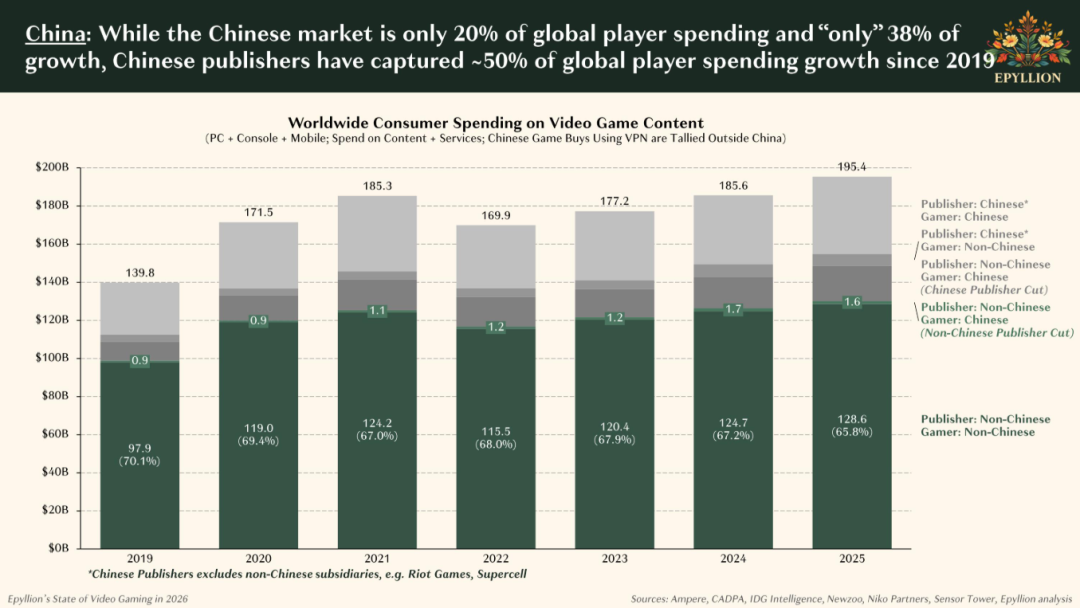
Epyllion estimates that Chinese game publishers have accounted for more than half of the global gaming industry’s growth since 2019.
Matthew Ball, the head of Epyllion’s report, put it more bluntly: “Chinese games are devouring the global gaming industry.” Ball, who has just joined Microsoft Xbox as Chief Strategy Officer, expresses a view that reflects the current consensus among many Western gaming industry executives.
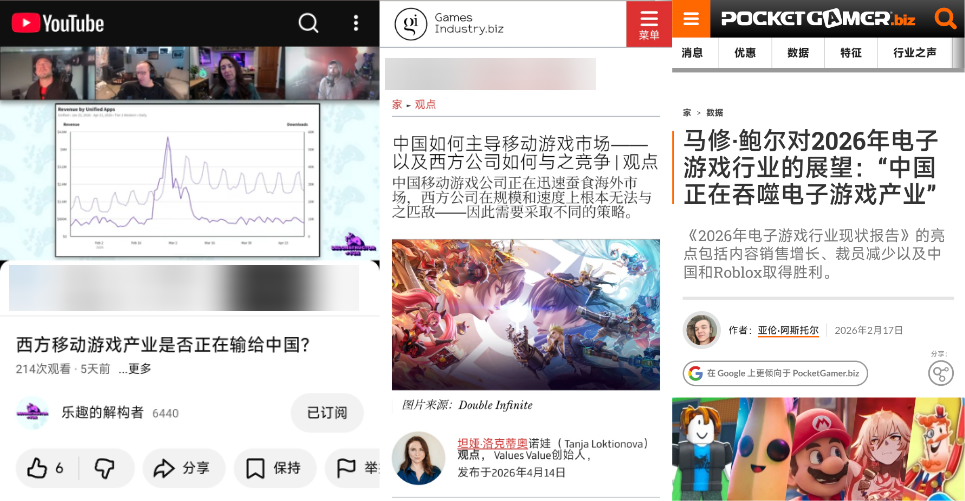
Actually, since the first half of this year, Tea House has noticed a trend: corporate executives and analysts have been publishing articles and hosting podcasts on overseas gaming industry media outlets such as Gamesindustry.biz and Deconstructor of Fun, all with a single focus: to explore exactly how Chinese developers create games.
In the years since the pandemic, these Western executives have been battered by the harsh realities of the market, losing much of their confidence—they’ve been wielding the axe to cut costs and boost efficiency while simultaneously overhauling corporate strategies. They’ve tried every trick in the book, but still can’t deliver growth.Four years ago, Sony announced a “shift toward service-based gaming,” but the results remain limited to this day; Xbox’s console market share has been steadily eroded, leading to a near-total overhaul of its management team;Sega, a major console manufacturer, poured $800 million into acquiring Rovio, the developer of “Angry Birds,” in an attempt to boost its mobile gaming business. Yet, to their surprise, Rovio’s revenue has plummeted for four consecutive years, nearly halving, and management is now rife with discontent.
In light of this comparison, Chinese games have become the “model child.”
Thus, the dynamics of the game have shifted. In the past, Chinese industry professionals would spend hours on GDC channels devouring unedited footage and studying presentations by overseas executives to stay abreast of cutting-edge developments in Europe and the United States. Now, the industry’s cutting edge has shifted eastward, and it is the turn of Western decision-makers to study the strategies of Chinese companies.
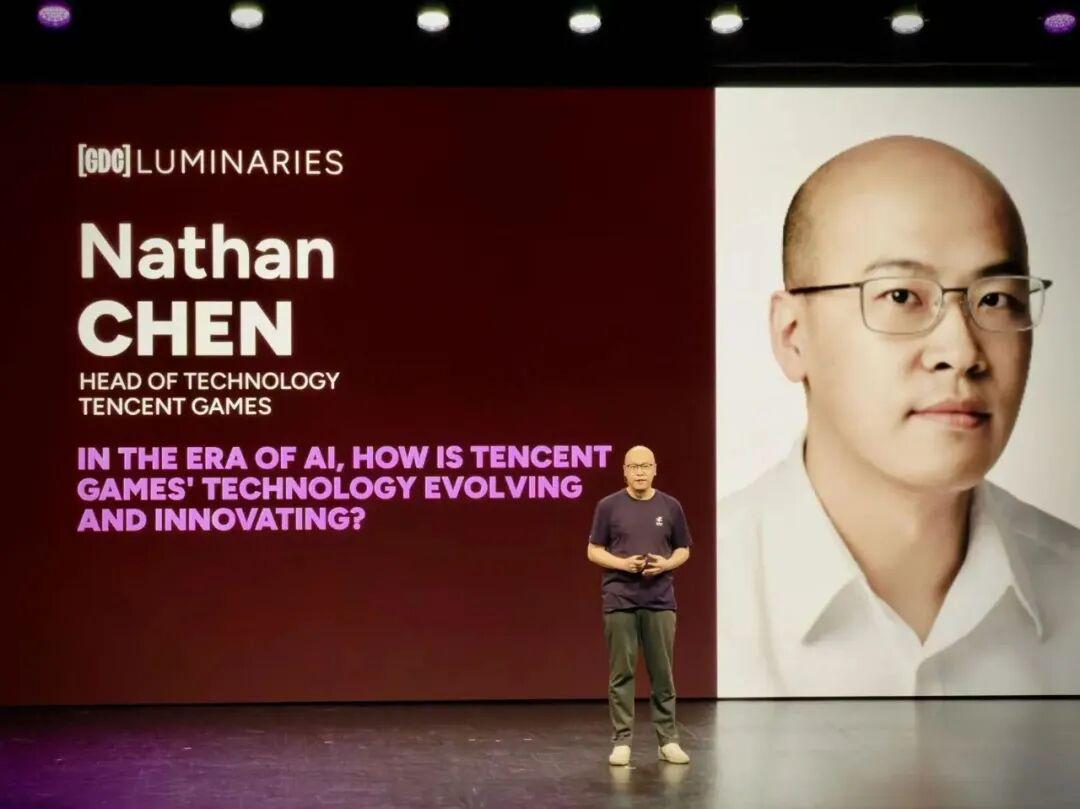
Chen Dong, Head of Technology at Tencent Games, will take the stage at the GDC 2026 “Summit” this year
But in reality, from the perspective of industry professionals in China, Tea House believes that Chinese manufacturers have actually been “playing with their cards on the table” all these years. Our strategic planning is no secret; rather, we have consistently been open and transparent with the entire industry, encouraging more manufacturers to join us in shaping the future of this sector.
Let’s take Tencent as another example—over the past few years, Ma Xiaoyi, Senior Vice President of Tencent Group, has given interviews to numerous media outlets every year, laying out Tencent Games’ strategy in detail.
In summary, their approach boils down to three key points: First, they invest in the top-tier teams in various niche markets; second, leveraging Tencent Games’ resources, they build a support system to help teams scale from 0 to 1, from 1 to 10, and from 10 to 100; and third, the “evergreen game” strategy, which everyone is now familiar with.These three straightforward principles actually pinpoint the fundamental laws of the gaming industry with remarkable precision.
The first two points are fundamental principles of game development—many high-potential opportunities lie within niche gameplay mechanics, and turning those mechanics into a viable market segment requires a top-tier team and, on average, more than a decade of dedicated effort.Just as Larian Studios had been deeply immersed in the CRPG genre for nearly two decades before winning the TGA Award for *Baldur’s Gate 3*, the breakthrough achieved by *Ragnarok Online: World* in solving the open-world puzzle was underpinned by over a decade of updates to the *Ragnarok Online* browser game, as well as experience gained from developing multiple high-quality in-house projects.
The term “evergreen” refers to the consumption patterns of game products; a game’s lifecycle isn’t limited to the moment it launches, but rather spans years—what might be called “permanence.” While many argue that the industry’s healthy development depends on a “long-term perspective,” only Tencent’s strategy has clearly articulated what that long-term perspective actually means for the gaming industry.
Moreover, you’ll find that Chinese games currently achieving global success actually share many commonalities with this model.For example, miHoYo’s “major update every 42 days” has stabilized players’ expectations for long-term content updates. As for Paper Games, it is a prime example of a company that has become “one of the top players in its niche”—evolving from 2D to 3D, pushing the boundaries of quality, and carving out a niche in the female-oriented market overseas.
Among the few companies—including overseas firms like Krafton, Scopely, and Take-Two—that have bucked the trend during this industry downturn, a look at their product portfolios reveals that they, too, rely primarily on long-standing “flagship” titles and a strong focus on player service. In this regard, they share more similarities with Tencent than differences.
Perhaps it is a coincidence, but more likely it is due to their pragmatism and clear thinking; the strategies employed by Chinese companies like Tencent are, in fact, the “ideal solution” best suited to the current market environment.
In recent years, I’ve often heard people talk about the “rise of the East and the decline of the West,” and in the gaming industry, both past data and future performance paint a vivid picture of this trend.
03
The Next Barometer of the Global Gaming Industry
Having said that, this isn’t about pitting domestic games against overseas ones to determine which is superior. In my view, the true significance of this article lies in preserving a record so that, years from now, we can look back and see how the Chinese gaming industry achieved rapid growth amid a global downturn.
After all, for those in this industry, the original intention behind bringing together people who share a passion for games and harbor dreams is not to engage in cutthroat competition, but to create the great games they’ve always envisioned and to collectively expand the influence of Chinese games.
Looking back, it was probably around 2022 when voices began to emerge within the industry discussing the significance of Chinese games in the global gaming ecosystem, and many people gradually stopped looking up to overseas games with such awe.
At that time, Chinese games were gaining increasing visibility at events such as Gamescom, GDC, and the Tokyo Game Show, with long lines forming at their booths;Tencent-affiliated in-house and invested titles accounted for half of the winners at the TGA, and trailers for domestic titles like *Black Myth: Wukong* and *Blade & Soul* began to spark intense discussion among overseas gamers.
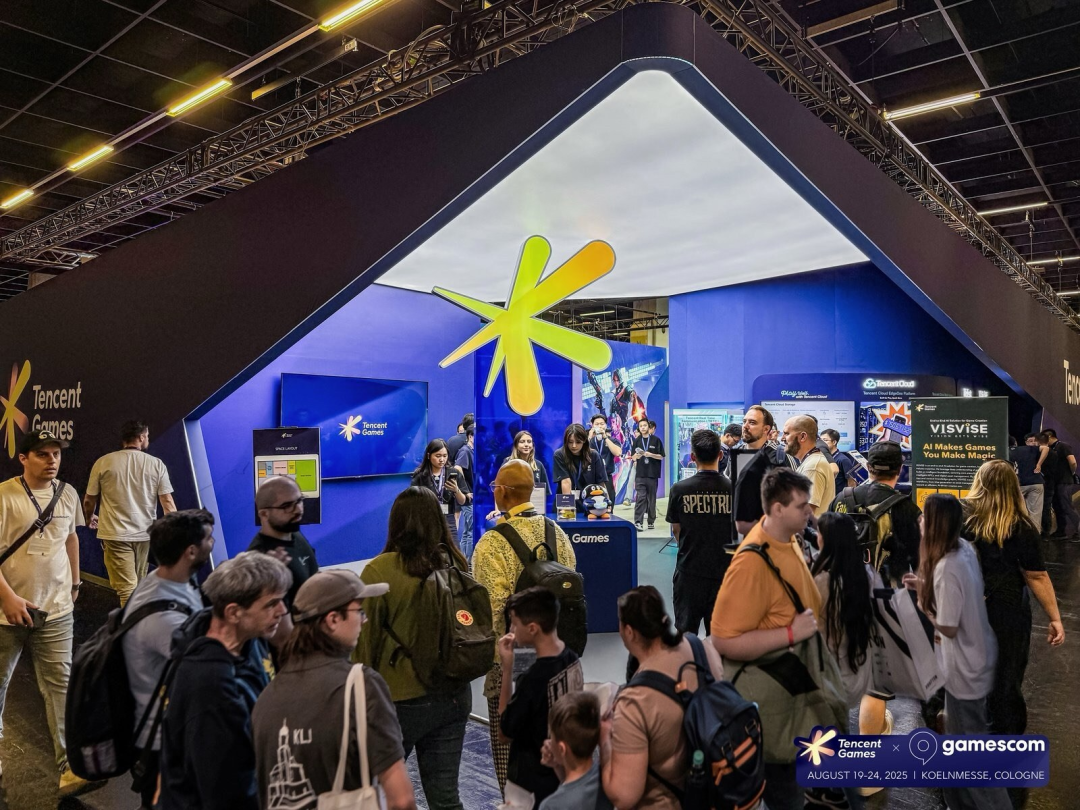
Tencent Games at Gamescom 2025
Four or five years have flown by, and it’s heartening to see that the positive signs we saw back then weren’t just a fleeting spark. Almost everyone would agree that this is far from the end of the story; the future of the Chinese gaming industry remains bright.
For example, can our game products take another step forward in global expansion, build greater influence in overseas markets, and shape—or even define—the social and cultural landscape of a new generation of international players? Or might more overseas developers come to China to learn the ropes—in fact, developers like Klei (the studio behind *Don’t Starve*),Digital Extremes, the developer of *Warframe*, recognized early on the generational advantages inherent in the “evergreen” model championed by Chinese games. Consequently, they proactively pursued deeper operational and co-development partnerships with Tencent, thereby unlocking new growth opportunities in areas such as mobile gaming. This model still has significant room for evolution overseas.
In fact, could events like Tencent Games’ press conference one day become China’s version of “State of Play,” or even evolve into an industry bellwether that captures global attention—much like the Summer Game Festival or the TGA—drawing media, gamers, and industry professionals from around the world to actively follow and participate every May?
Building such a future requires the collective efforts of more industry players. As we have seen, Tencent recently signed strategic business cooperation agreements with the Korea Game Culture Foundation, the Korea Creative Content Agency, and relevant government organizations in India to collaborate on cultivating a new generation of gaming talent in those regions—initiatives like these that forge such connections need to become more common within the industry.
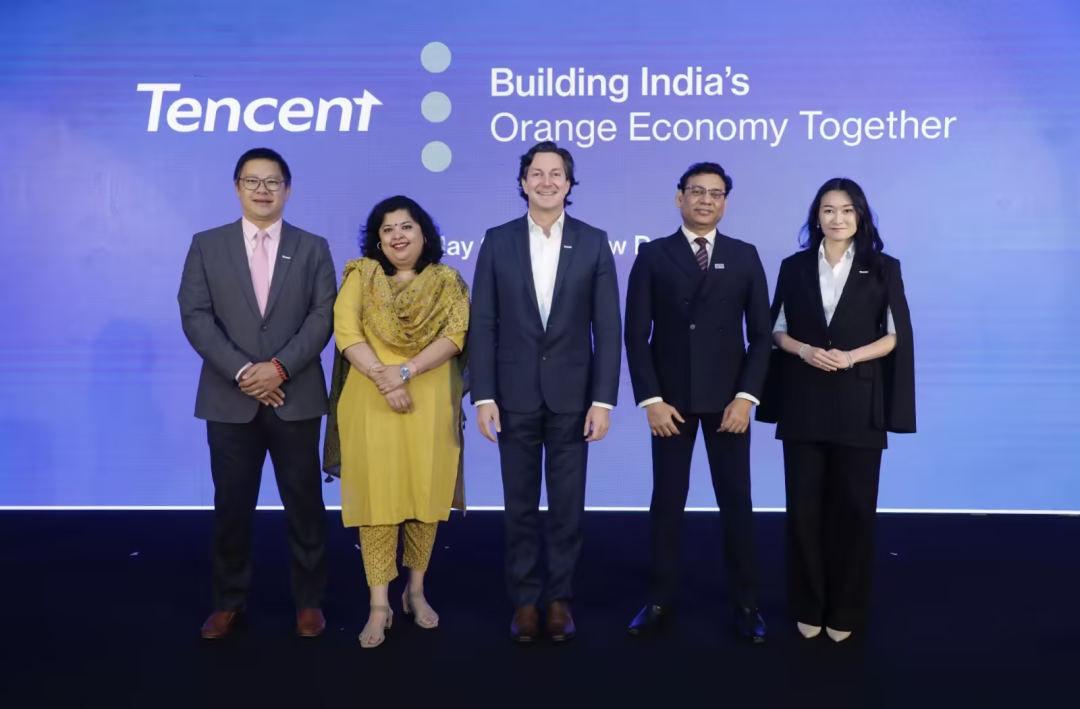
Tencent has signed a memorandum of understanding with the Service Export Promotion Council (SEPC) and the Game Developers Association of India (GDAI) to jointly promote the development of talent in the fields of gaming and animation special effects.
But when it comes down to it, there’s really only one thing that matters: keep doing the right thing, and then wait for good results to naturally follow.
As Ma Xiaoyi said in an interview last year, these past few years have been like playing a fighting game with a very long delay.To the outside world, Tencent Games appears to be setting new financial records one after another, but the buttons were actually pressed years ago—creating evergreen games, developing GaaS, and betting on niche markets. These concepts have been taking shape subtly for years. The real test lies in whether they can maintain the strategic resolve required for a long-term approach.
And this path, forged by countless Chinese game developers, is far from reaching its full potential. This leads us to believe that if we continue down this path, the arrival of an era where Chinese games dominate the global stage may be only a matter of time.
原创文章,作者:gallonwang,禁止转载:https://youxichaguan.com/en/archives/197839