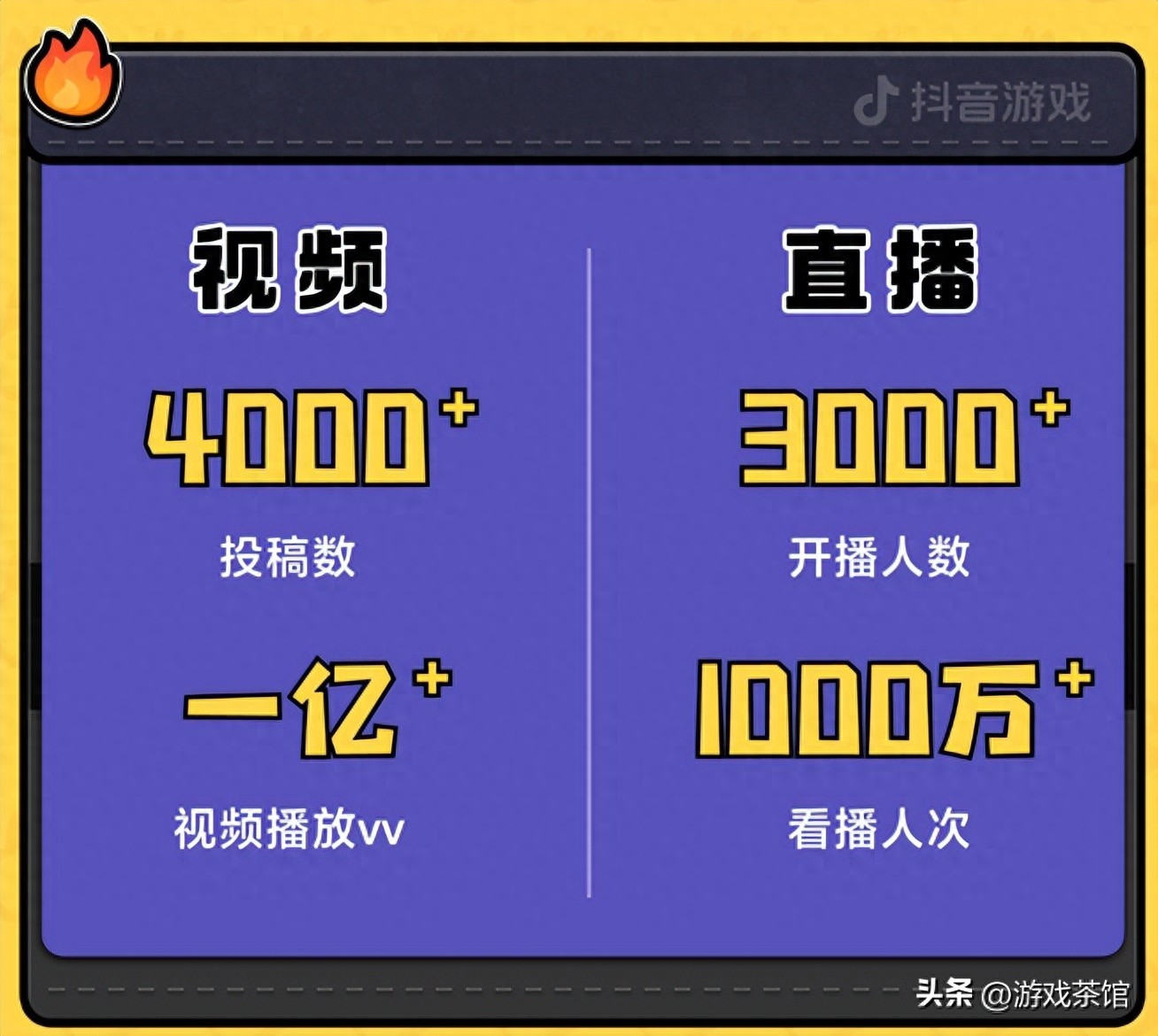
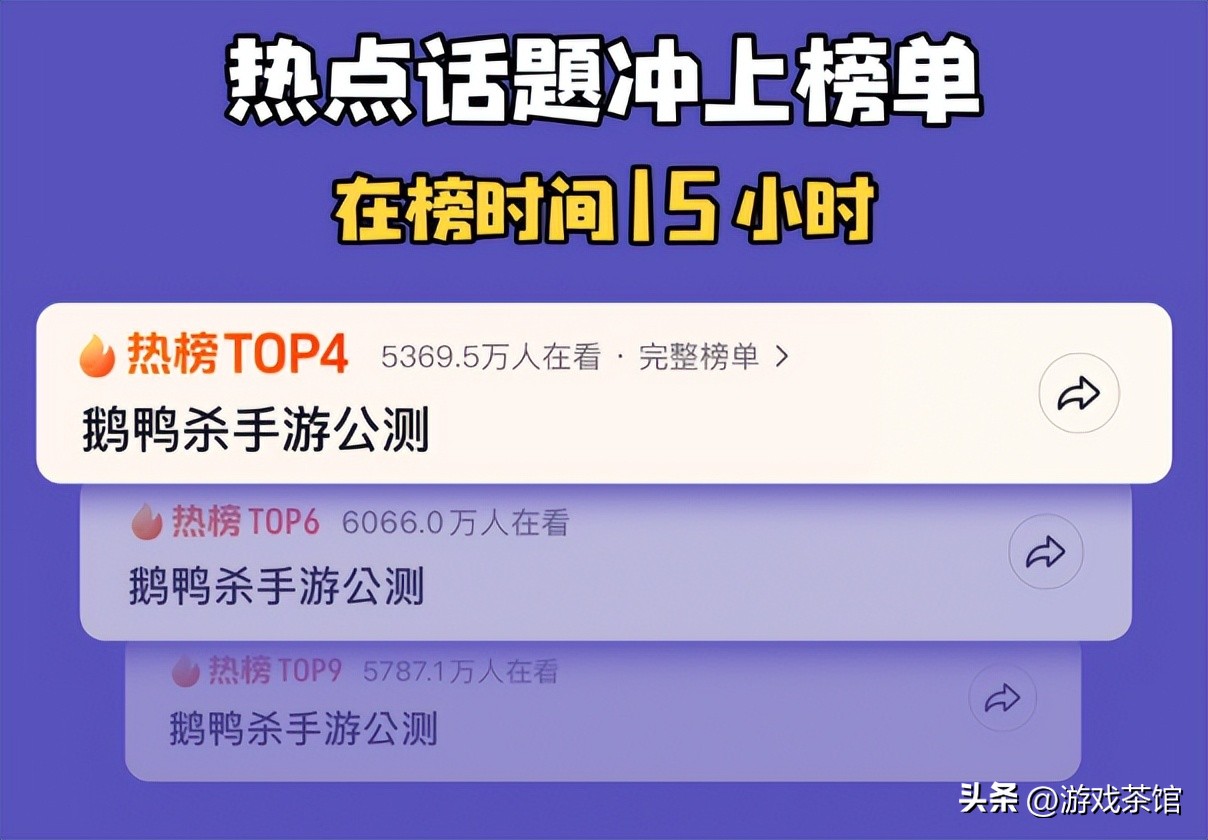
For a long time, the “formula for a hit game launch” in the gaming industry seemed set in stone: a solid product, a hefty user acquisition budget, and top-tier promotional placements were enough to generate an impressive DAU curve during the initial launch period.However, in light of the recent phenomenal success of the Chinese version of "Goose Duck Kill"—which gained 10 million new users in just six days and generated over 100 million views of related content on Douyin within 24 hours—this traditional publishing logic is now being fundamentally challenged.
In the gaming industry, “content is king” has become a widely accepted maxim. Players now judge games not merely on whether they are “playable,” but on whether they are “visually appealing and fun to play.” Game genres and mechanics are no longer the primary barriers preventing players from actively trying new titles. Teahouse has also observed that in product marketing and promotion—particularly on platforms like short-video apps—a new model centered on “content-driven distribution” has demonstrated unprecedented momentum and has emerged as a new trend.
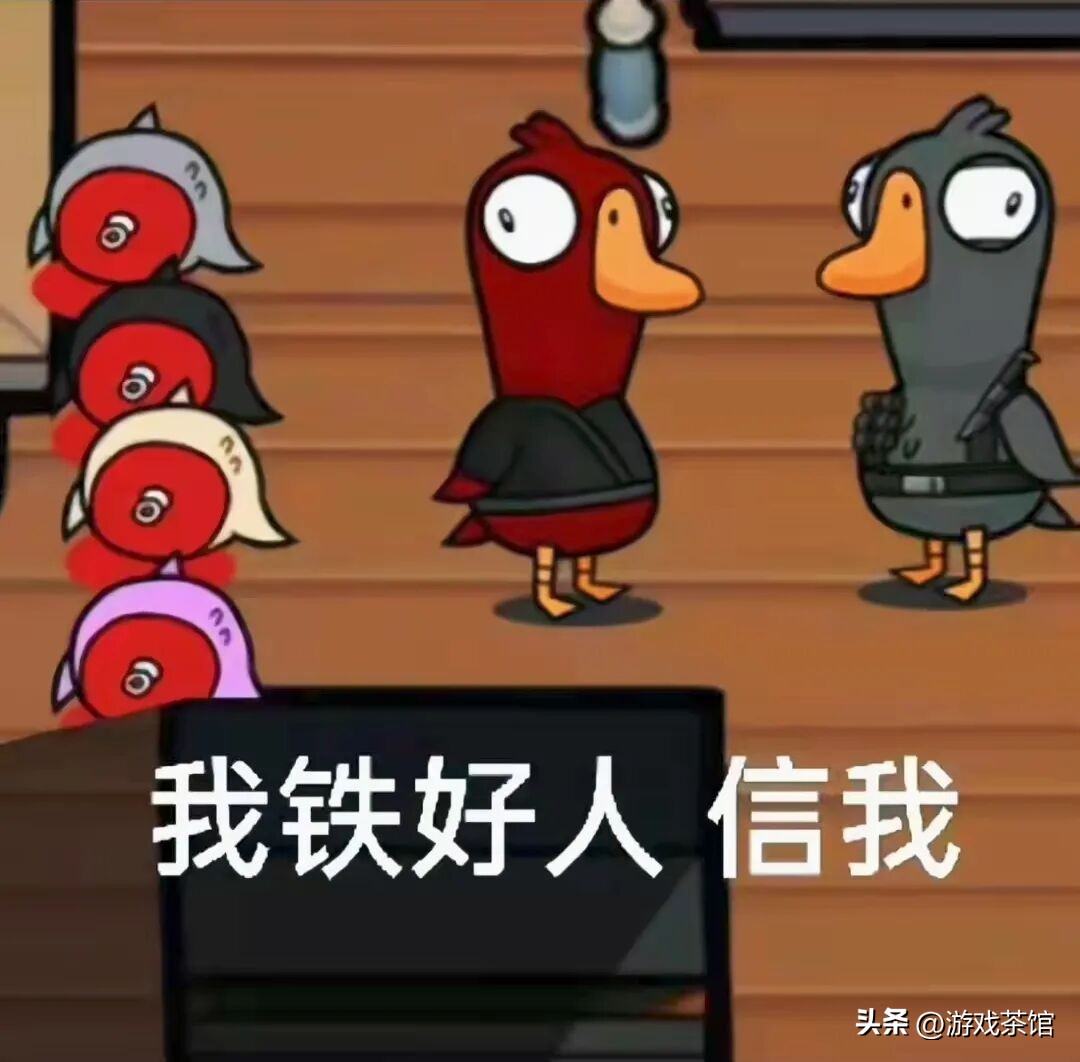
Traditionally, games such as *Goose Duck Kill* and *Supernatural Task Force* have been regarded as “gameplay-focused” titles where the core experience revolves around a single match.However, in today’s gaming market, thanks to user-generated content (UGC), derivative works, fan creations, and content created by key opinion leaders (KOLs), a wealth of content beyond the core gameplay has been unearthed and is thriving on short-video platforms like Douyin. Consequently, these gameplay-focused games are gradually evolving into “new-style” content-driven games, thereby forming a content ecosystem that reaches a broader audience of potential players.
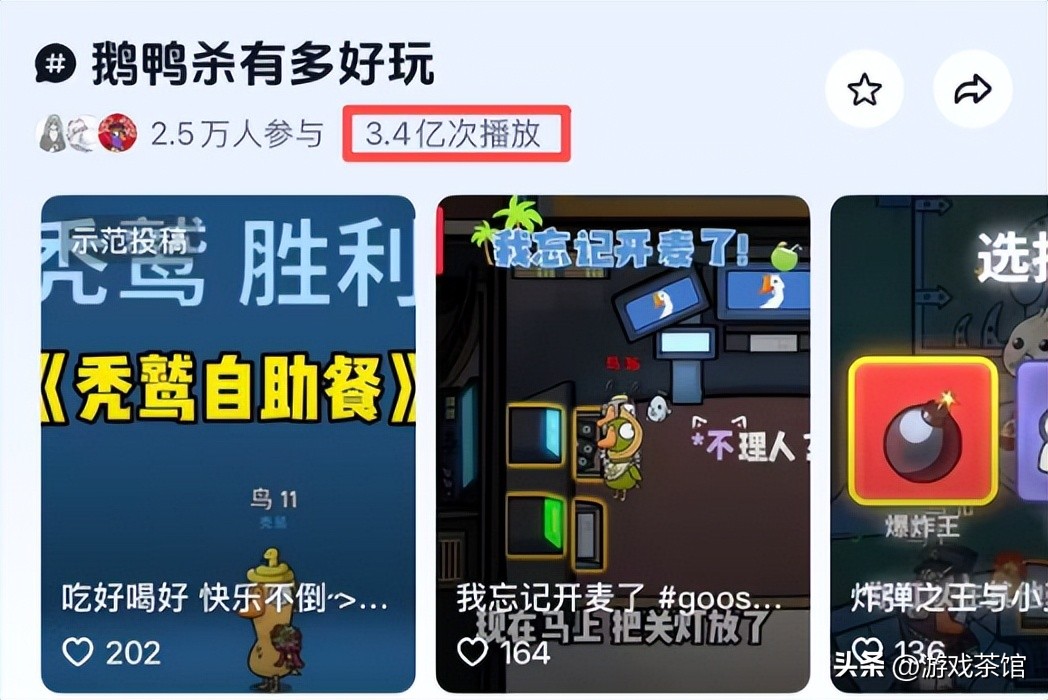
Playing games and watching gameplay are no longer separate activities; this creates a virtuous cycle where playing a game makes you want to watch related content, and watching that content makes you want to play the game even more.
Behind this, a content-driven distribution model has emerged as the core strategy. Compared to traditional gaming websites and platforms, short-video platforms boast a much larger user base, and their audiences are more accustomed to seeing products promoted through engaging content. From this perspective, the collaboration between the Chinese version of *Kill Duck* and Douyin confirms a clear trend in marketing and promotion: in an era of saturated markets, whoever controls the content ecosystem holds the upper hand.
01
Traffic value is no longer the only factor; content may become the core asset
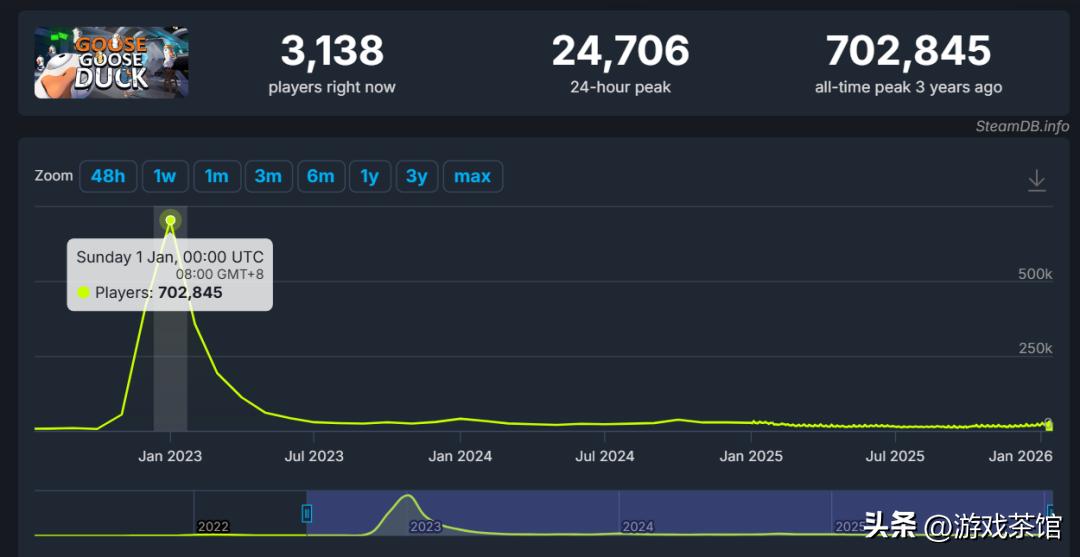
In fact, many people may not have noticed that when *Goose and Duck* first launched in 2021, its peak concurrent player count was only around 1,000. It wasn’t until late 2022—thanks to the boom in live streaming, promotions by influencers, and various viral clips—that the game saw a massive surge in traffic, causing its player base to skyrocket.In 2023, *Goose and Duck Kill* finally had its moment in the spotlight in overseas markets, reaching a peak concurrent player count of over 700,000 on Steam alone. This propelled the once-obscure multiplayer party game to the height of its popularity.
It is clear that a content-driven distribution model was already beginning to take shape at that time. However, within just six months, the peak number of concurrent users had dropped to around 20,000. As a result, many industry insiders believe that such products generally face a severe “hype paradox”: while they experience explosive growth in daily active users (DAU) in the short term, they lack a sustainable content ecosystem to maintain that momentum, leading to a typically short lifecycle.
The reason for this is that, in the early stages of a product, the overall gameplay framework tends to be relatively rigid, and content delivery is fairly limited, typically confined to new characters, classes, and maps. Outside the game, related content usually comes from organic word-of-mouth—which is uncontrollable and lacks “deliberate, sustained output.” Faced with the three major challenges of continuously acquiring new users, maintaining retention, and sustaining hype, the product’s novelty gradually fades, and its popularity naturally declines.
With this in mind, when you look at the new "content-driven distribution" promotional model adopted by the Chinese version of *Goose Duck Kill*, it’s clear that they came prepared. The core logic behind this in-depth content management model is that, while ensuring the game’s mechanics are solid, they aim to feed back into the game by building a rich content ecosystem on short-video platforms.
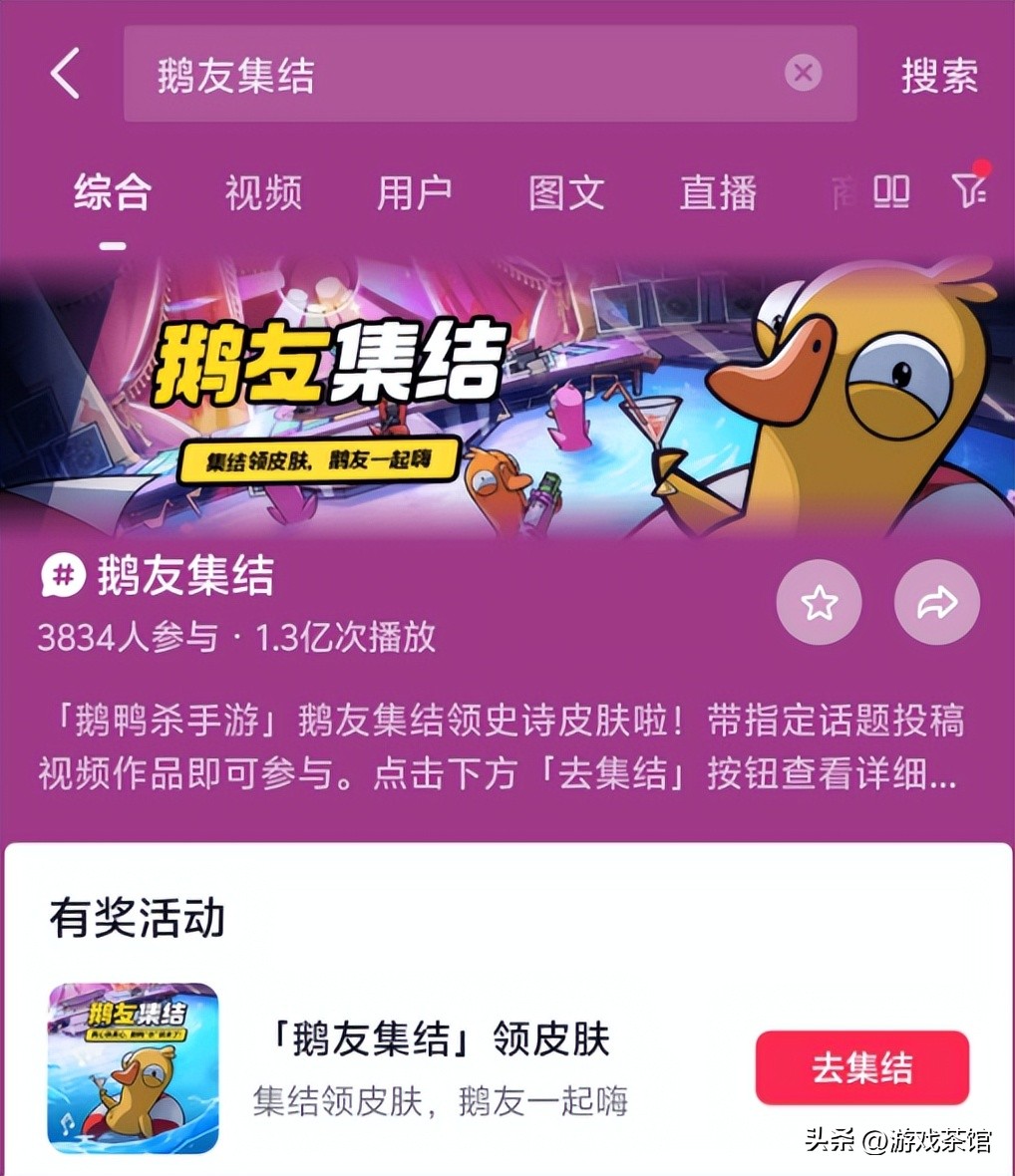
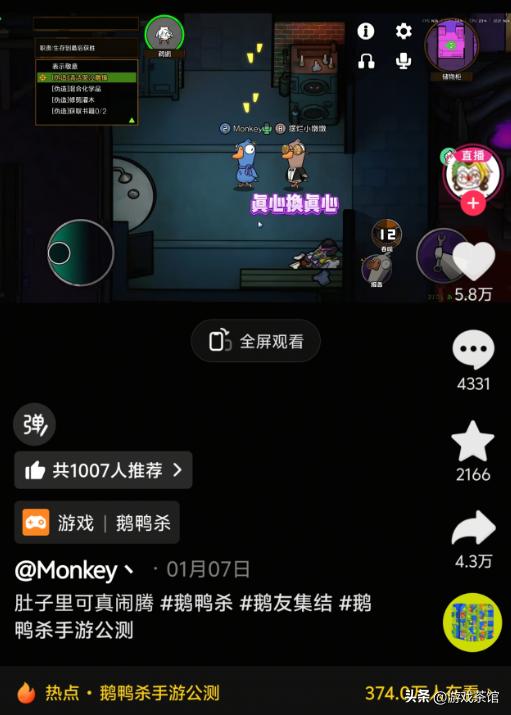
Particularly on Douyin, which served as the main platform, the campaign—centered around the “Gamer Friends Unite” theme—leveraged the social fun of teaming up with friends to play games. This approach generated over 130 million views for related content and attracted more than 10 million live-stream viewers. This clearly demonstrates that this was not a traditional promotional campaign, but rather a well-organized and carefully planned “content war.”
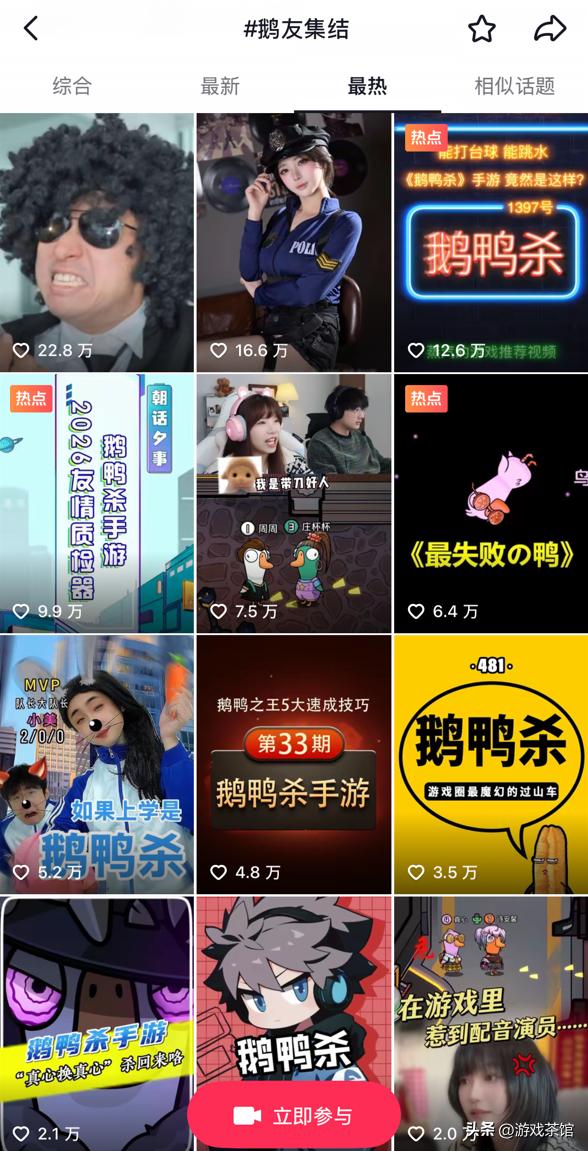
First, by leveraging KOLs’ content to break through niche boundaries and continuously attract new users, the game secures a first-mover advantage in capturing initial traffic. On one hand, Douyin has brought together numerous top influencers from various verticals and gaming communities, who reinterpret *Goose Duck Kill* through gameplay mechanics or the fun of teaming up, presenting it in diverse formats.For example, the video titled “If School Were Duck Hunt” links the game’s mission mechanics to a school-wide cleanup, vividly showcasing the core gameplay through the backstabbing and scheming among classmates.

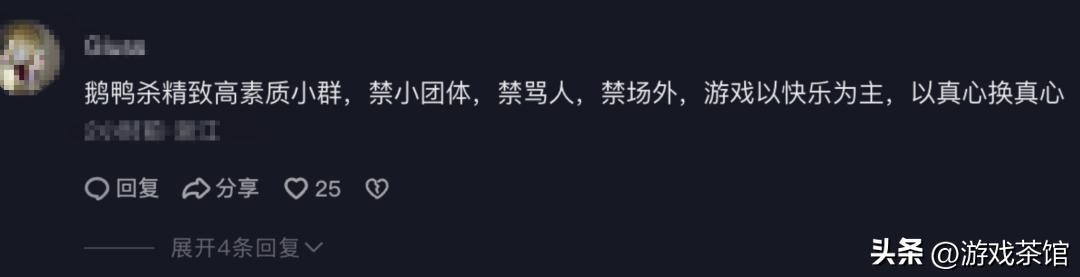
The genius of this approach lies in the fact that it doesn’t assume all users are gamers. Instead, it introduces the product in a format that users can easily understand and enjoy, naturally sparking their interest. You’ll notice that the comments sections under these videos are mostly filled with veteran players spontaneously organizing groups to play with friends, or newbies looking for teammates to join in on the fun. By centering on social connections between acquaintances and friends, this strategy effectively amplifies the product’s social appeal, thereby enabling sustained, low-cost user acquisition.
On the other hand, the live-streaming performances and various pranks by KOLs have also been key to *Goose Duck Kill*’s success in reaching a broader audience.The “Top Creators Acting Competition” event brought together a large number of mid-to-top-tier creators to submit videos centered on themes like “personal acting skills” and “my dramatic Goose friends.” These submissions included everything from dramatic moments where “decade-long friends” betrayed each other after swearing loyalty, to prank videos featuring players using the Pelican character to eat their way through the entire game. By showcasing the joy of playing together, the event attracted both new and existing players to join in.
Second, the vast amount of video content created by content creators effectively helps retain users. As a strategy-based game, *Goose Duck Kill* often presents a learning curve for new players; therefore, the guides created by platform creators effectively address the challenge of player attrition.
On Douyin, a series of step-by-step tutorials—covering everything from skill descriptions and map guides to dialogue logic and character mastery—have been launched to meet the needs of players at different skill levels, significantly lowering the barrier to entry.
Finally, a host of related activities further fueled the game’s popularity. For example, the “Find Goose Friends on Douyin” campaign, which targeted a broad audience of players, utilized a custom “Find Goose Friends” text template to spark a nationwide “Goose Friends Rally.” This approach—gradually expanding the game’s social reach from existing social networks to interactions with strangers—significantly boosted player engagement.Additionally, challenges such as the "Duck or Goose" concert, "Train Ride," and "Heart-to-Heart" lip-sync challenges quickly highlighted the game’s unique features, allowing users to immediately experience the fun and join in the collective celebration.
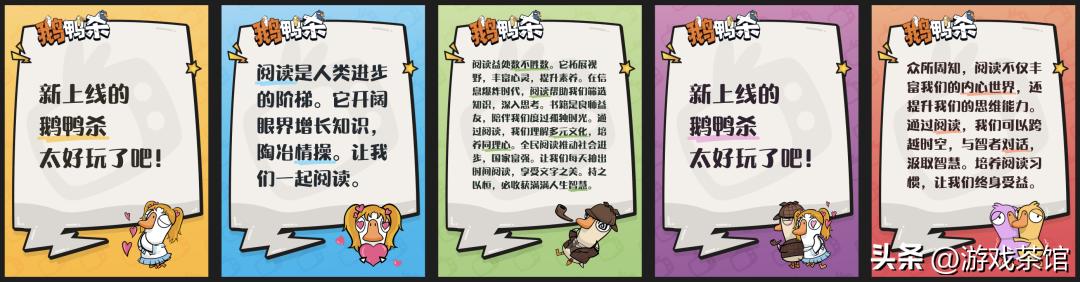
From this perspective, the series of targeted operational strategies outlined above—which focus on creators as well as both new and existing players—strongly underscore a core principle: in today’s competitive market, where growth is driven by existing user bases, the value of content has surpassed that of mere traffic and has become a product’s core asset. Shifting from the traditional approach of simply purchasing user traffic to a model that combines content with advertising—thereby establishing an alternative promotional channel and content distribution platform—may well become the lifeblood of a product’s long-term success.
02
Integrating R&D and Operations: A Value Measurement System Aimed at Efficient Conversion
If high-quality content is the “ammunition,” then the platform ecosystem is the “launch pad” that determines its accuracy and range. In today’s era of saturated competition, where even the finest products struggle to gain visibility, relying solely on organic word-of-mouth to promote game content is fraught with uncertainty.Teahouse has observed that through a series of refined platform-side initiatives, Douyin has built a controllable value measurement system. By using platform data and feedback to drive R&D strategies, it has truly achieved “integrated R&D and operations,” transforming the random nature of viral hits into replicable success.
For example, whether it’s building anticipation before the release of *Goose Duck Kill* or maintaining long-term engagement after launch, the platform uses targeted incentive programs to guide creators in producing content in specific areas.
To give a simple example, TikTok creators who post two relevant videos per week can participate in a low-threshold reward program with a total prize pool of 50,000 yuan, thereby incentivizing a large number of creators to produce content each week. TikTok has even created specialized training materials, such as guides on live-streaming and short skits, offering constructive advice on game-like mechanics and creative approaches to help creators improve their overall content creation skills.
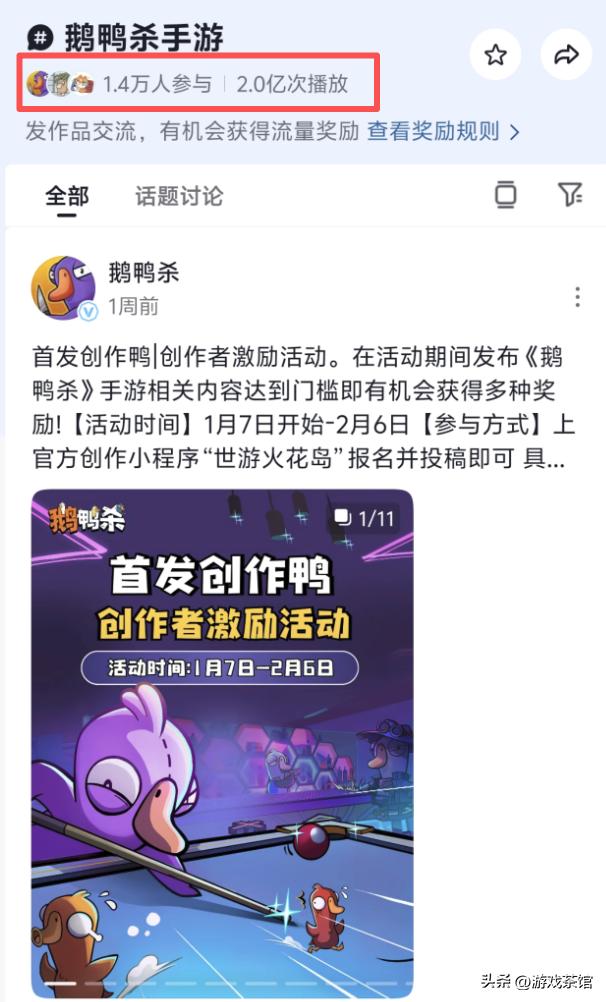
From Teahouse’s perspective, this strategy not only ensures the richness and niche focus of the content pool, but also generates buzz before the product launches and sustains it afterward, while enabling faster and more precise outreach to potential users.
When it comes to game publishing, most companies emphasize an "integrated development and operations" approach, aiming to establish a management model that fosters deep collaboration between game development and operations teams to systematically enhance product competitiveness. In reality, however, on most marketing and distribution platforms, a "scattergun" advertising approach remains the norm, and development and publishing continue to operate as two largely separate and independent entities.
However, the new operational model of *Goose and Duck Kill* mentioned above appears to offer the industry a fresh perspective: using platform content as a medium to bridge the information gap between traditional publishing and development, and leveraging content to drive product development in reverse may become the mainstream approach in the future.
For example, the highly anticipated beginner tutorial was included in the Chinese server’s open beta of *Goose Duck Kill* in the single-player map exploration mode. This stress-free, AI-guided tutorial quickly helps players familiarize themselves with the map and objectives, and has been widely praised by players.
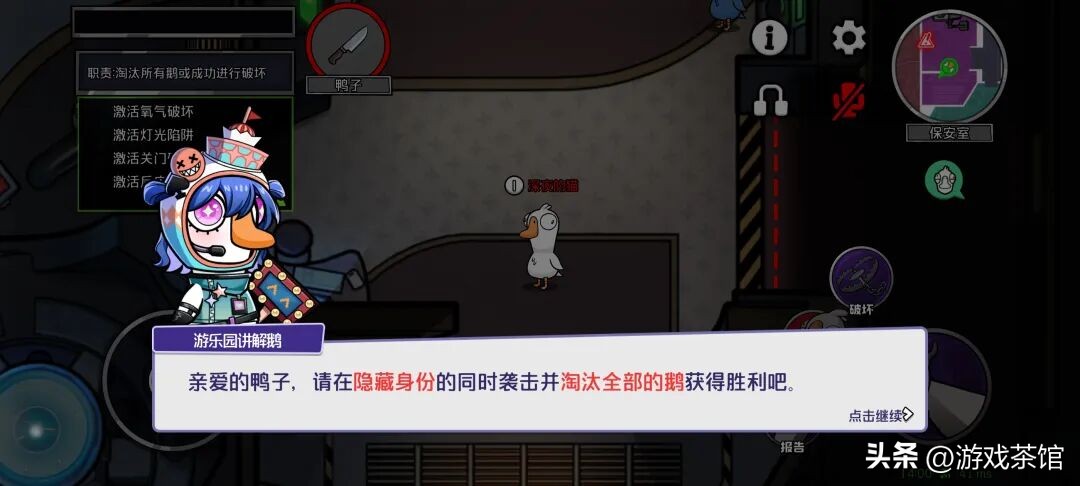
For example, the demand from many players for more casual social features has been met with the introduction of the all-new “Amusement Park Lobby.” Between matches, players can swing on swings, play pool, sing songs, or go for a swim. Meanwhile, the new Island Home allows players to visit friends and easily organize matches, offering more interactive settings that further enhance the social experience.
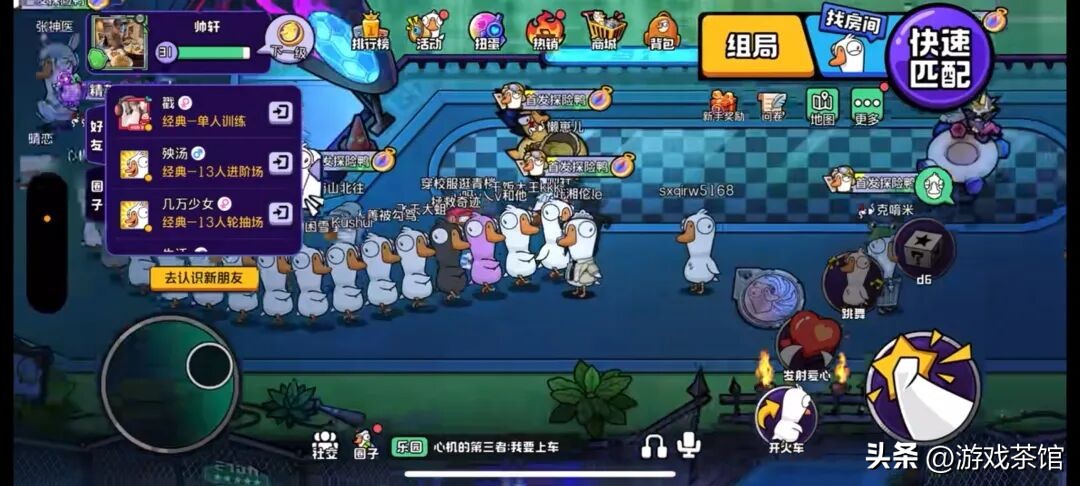
Instead of developing games in isolation, developers now use platform content to quickly identify these needs and trends, and incorporate them efficiently into subsequent game updates. This content-driven development approach ensures that every update precisely meets player expectations, marking a shift from a "we decide what to make, and you play it" model to a "you tell us what you want, and we make it" C2B model.
In addition to the two factors mentioned above, Douyin’s own platform ecosystem and feature development also offer additional advantages. Initiatives such as live streamers organizing their own tournaments and top KOLs trying out new games serve not only as showcases for the products but have also become a “source of derivative content” for gaming.
While seemingly minor infrastructure improvements—such as in-stream chat features, game-specific trending topics, and the integration of character IP accounts—actually keep users’ attention firmly within the product ecosystem. This significantly shortens the decision-making process for users, moving them from “casual viewing” to “downloading the game,” thereby achieving efficient conversion of traffic.
Consequently, by leveraging data to bridge the information gap between publishing and R&D within traditional systems, an objective and impartial value measurement system can effectively identify a game’s key selling points, establish efficient promotional strategies, and, by prioritizing content-driven approaches, better align with player preferences to maximize publishing results.
Conclusion
Looking back at the massive success of *Goose and Duck Kill* in the Chinese market, it’s clear that “content-driven distribution” is not merely an innovation in promotional strategies, but can also be viewed as a “revolution” in how commercial value is measured.Under a model of in-depth content management, Douyin has established a transparent and comprehensive value measurement system that holistically integrates and presents the value of organic, managed, and advertising traffic, thereby breaking free from the “black box” state of traditional marketing and promotion—where metrics were opaque and difficult to quantify.
This model effectively addresses the "short-term" and "linear" limitations commonly found in traditional channels. It shifts the focus of product promotion and distribution away from immediate conversions based on clicks and downloads, toward measuring the deep-seated impact and sustained penetration of content on user groups over the long term. Through data sharing between the platform and developers, this long-term content influence is transformed into quantifiable data assets, providing developers with clear and predictable product growth strategies.
The advantages of traditional distribution models are fading, while new content-driven marketing and distribution models are becoming the new battleground in the gaming industry.
原创文章,作者:游茶妹儿,禁止转载:https://youxichaguan.com/en/archives/195308