Two recent developments in the FPS scene have prompted me to rethink my approach to high-DAU products.
First, Tea House took part in the first beta test of the new game based on the PUBG IP. The quality of this new title did not disappoint, and it already shows the potential to become the next big hit. However, perhaps due to insufficient anti-cheat measures in the early stages, the test period saw the emergence of outrageous cheats—such as “scavenging across the entire map” and “flying and teleporting to instantly kill opponents”—which sparked significant controversy among players.
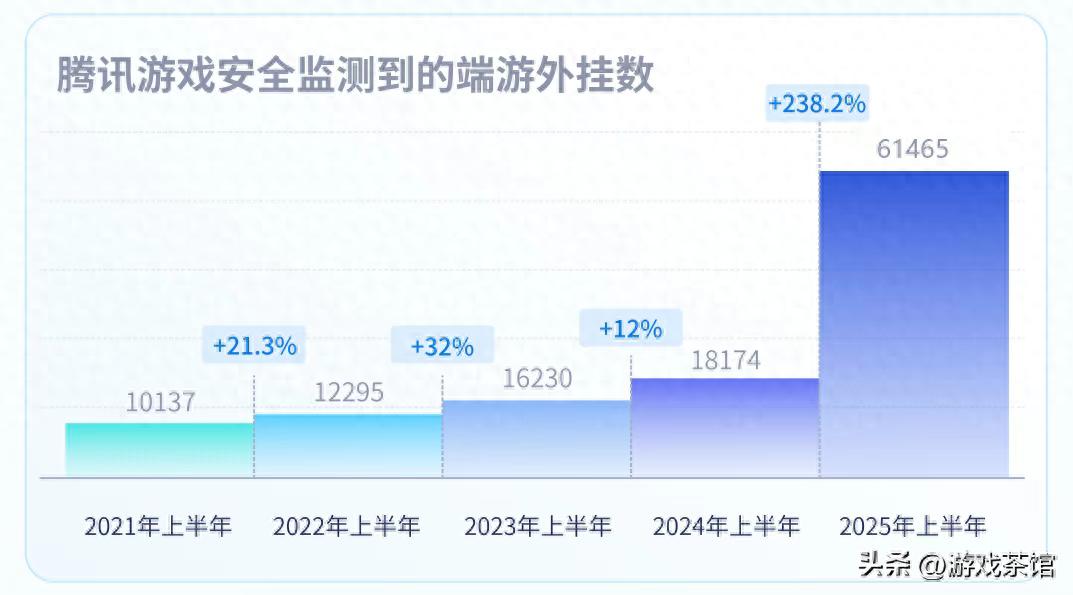
One can sense the developers’ frustration—the prevalence of cheating players today is on a whole new level. According to data from the *2025 First-Half Game Security Insights Report*, the number of PC game cheats detected by Tencent Game Security in the first half of the year surged by 238.2% year-over-year, with over 80% of these cheats targeting the shooter genre. It’s safe to say that the difficulty of combating cheating in high-DAU FPS titles has been increasing dramatically year by year.
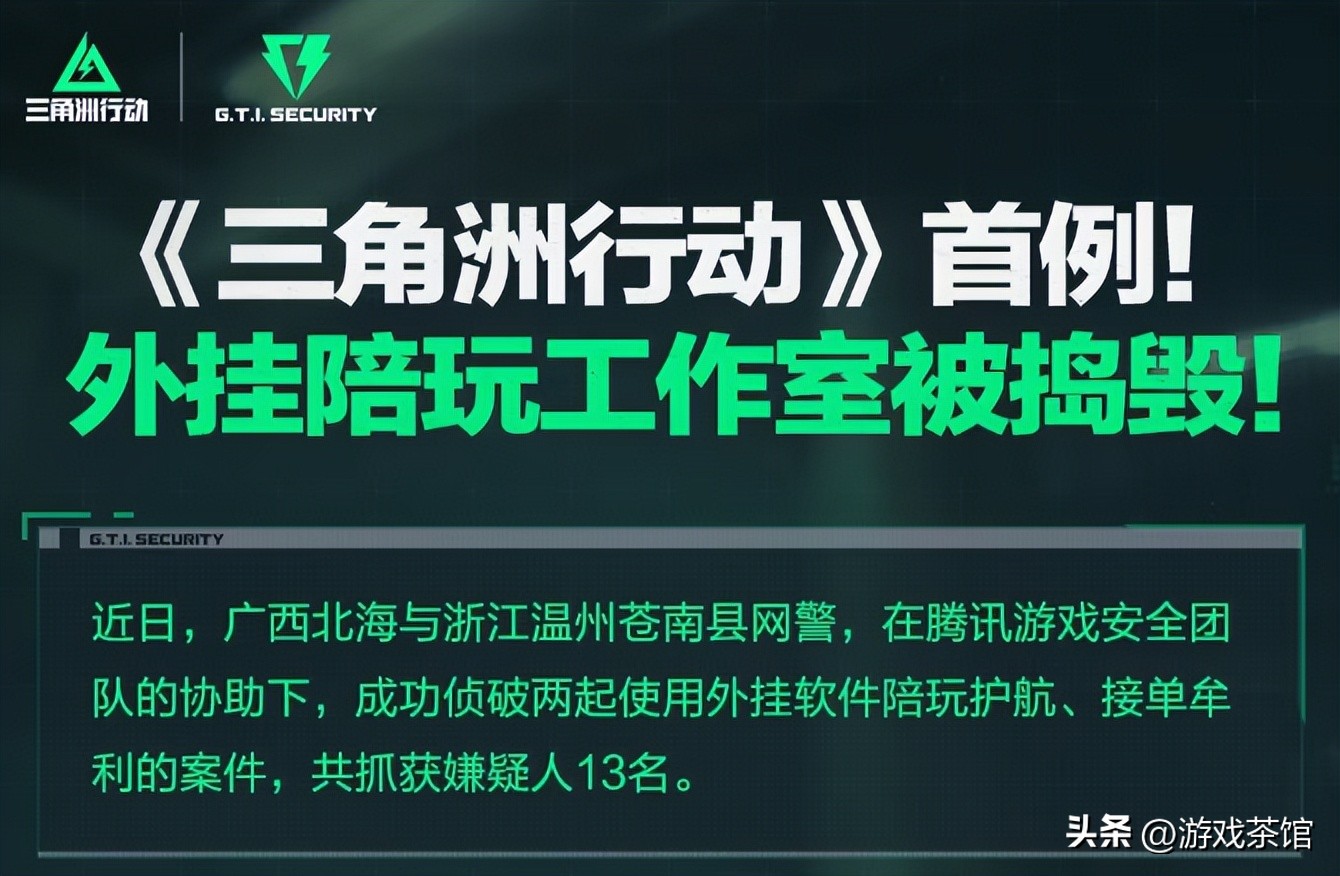
In another development, on December 12, *Operation Delta* teamed up with cyber police units in Wenzhou, Zhejiang, and Beihai, Guangxi, to dismantle two cheat-support studios and apprehend 13 suspects. This move not only earned praise from players but also reportedly caused several other cheat studios to go into hiding.All of this has made us keenly aware that “the higher you climb, the colder it gets”—for a product to realize its full potential and achieve results similar to those of *Operation Delta*, it must overcome numerous challenges beyond mere product quality.
In the past, Tea House has sought advice from the lead developers of many top-tier products on what makes a hit. However, the industry often focuses on how these top products go on the offensive—iterating on quality, gaining insights into player needs, and increasing production capacity—while overlooking how they defend themselves. As user numbers grow and the gaming environment becomes increasingly complex, the question remains: how can they effectively ensure a smooth gaming experience for players?
Looking back over the past year or so, “Operation Delta” has been like the “hero” in an RPG game—sword in one hand and shield in the other—excelling in both offense and defense as it does everything in its power to defeat the forces of evil.
01
Annual Anti-Cheating Review:
In the long-term battle against cheats, how can Delta gain the upper hand?
This is no exaggeration. To the outside world, *Operation Delta* appears to be constantly evolving with new maps and gameplay features introduced through seasonal updates, and it continues to rack up impressive results on the sales charts and in daily active user numbers. However, as players who have spent several seasons in the game, we have a much clearer understanding of how *Operation Delta* maintains its position.
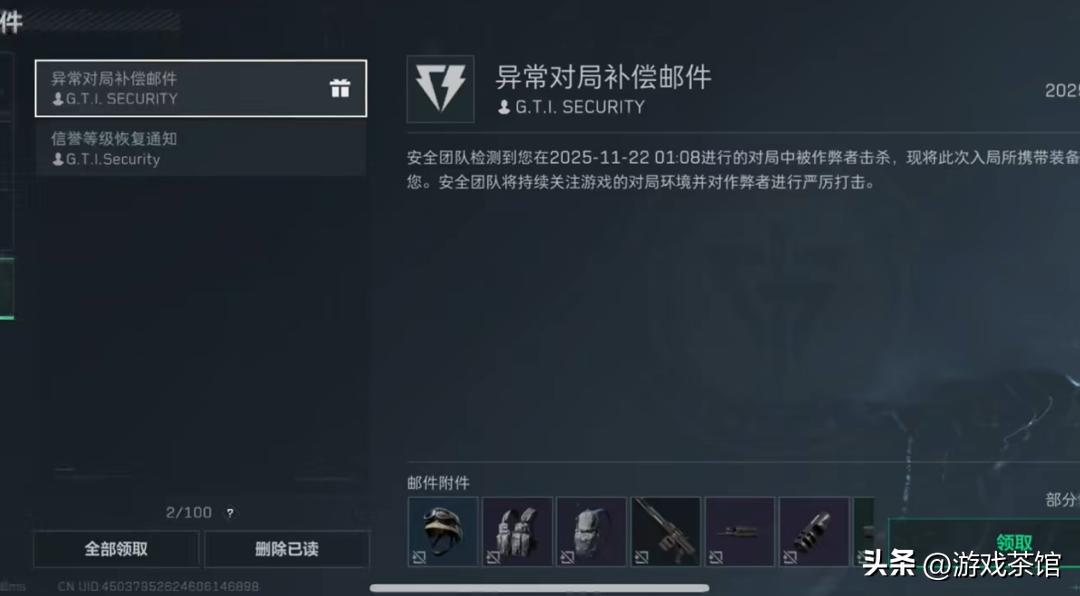
For example, if you spot a player who appears to be using cheats during a death replay, simply click “Report,” and you’ll receive a response shortly—”action is guaranteed.” And if you do encounter a cheater, your in-game gear from that match will be returned to your mailbox. The outcomes of these cases are always published on time in the weekly penalty bulletin. The sense of security these players feel during their daily gameplay is the result of Delta’s ongoing efforts to combat cheating.
Furthermore, as the user base continues to grow, we can see that for PUBG Mobile, the past year has not only been a time of gradual expansion with new maps and gameplay features, but also a period of steadily strengthening and upgrading its anti-cheat measures.
To summarize, long before *Operation Delta* launched, the security team was already in place and had made a “zero-tolerance for cheats” commitment to players through developer diaries.Leveraging the ACE anti-cheat system, the *Delta Action* team identifies and combats cheats through in-game behavior analysis, dedicated player reporting channels, and a cheat database. They also employ technical measures at both the client and server levels to provide continuous encryption and countermeasures. Additionally, they have launched a dedicated security website offering features such as security announcements, reporting status tracking, and reputation score checks. This has laid the foundation for a long-term anti-cheat strategy.
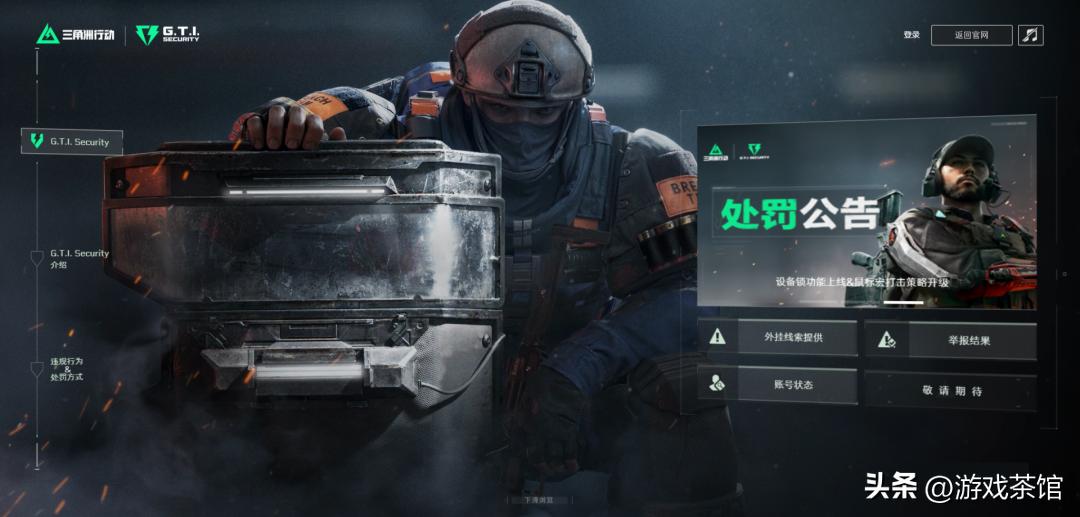
“Operation Delta” Safety Station
Once the game officially launched, the Delta team stepped up its efforts to combat cheats, pursuing a dual-pronged approach both online and offline.
For example, in the offline world, *Operation Delta* and the Tencent team collaborate with law enforcement through “police-enterprise partnerships” to take direct action. In September of this year, for instance, the *Operation Delta* team worked with police to apprehend a first-tier distributor of *Operation Delta* cheats;Meanwhile, in June of this year, the Cyber Security Division of the Xinmi Municipal Public Security Bureau, with technical support from Tencent’s game security team, successfully cracked a case involving the entire “development-sales-update” chain of *Operation Delta* cheats, and three suspects were placed under criminal detention in accordance with the law. Through these measures, the authorities have dealt a severe blow to the audacity of cheat developers and sellers.
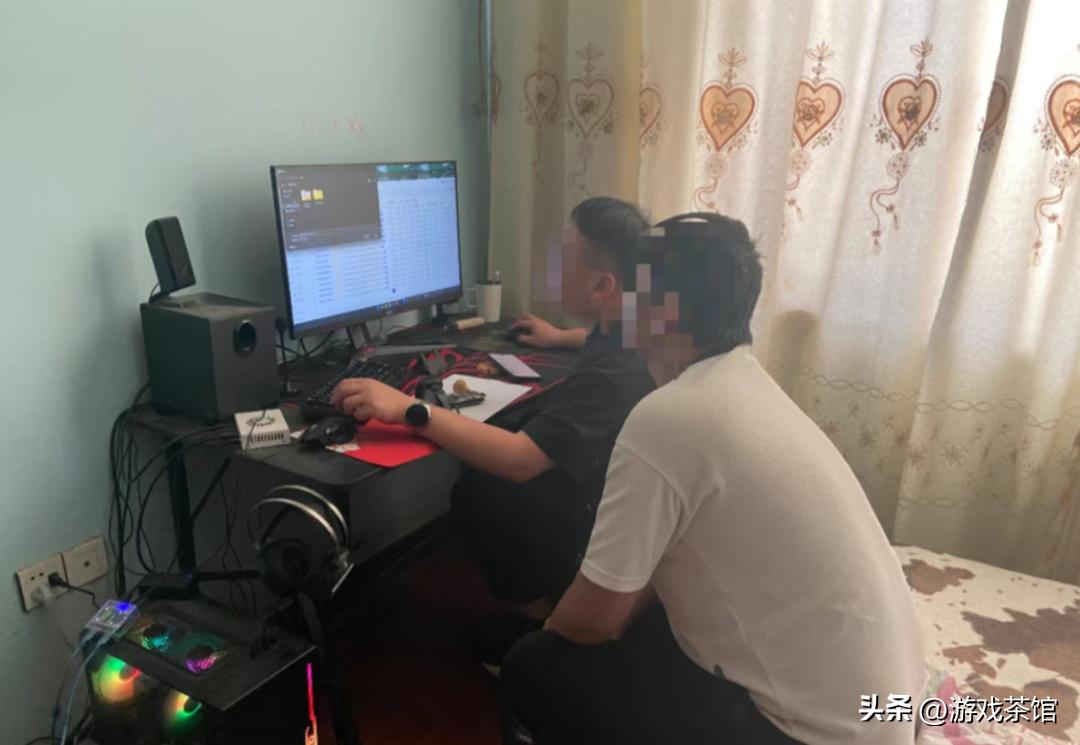
Image source: Xinmi Municipal Public Security Bureau
Online, however, it’s a thrilling battle of wits between the technical team and cheat developers—a constant game of cat and mouse. Despite strict security measures, cheat developers are always trying to find new vulnerabilities to exploit, while Delta continuously builds impenetrable defenses and responds with technical countermeasures the moment new types of cheats emerge.
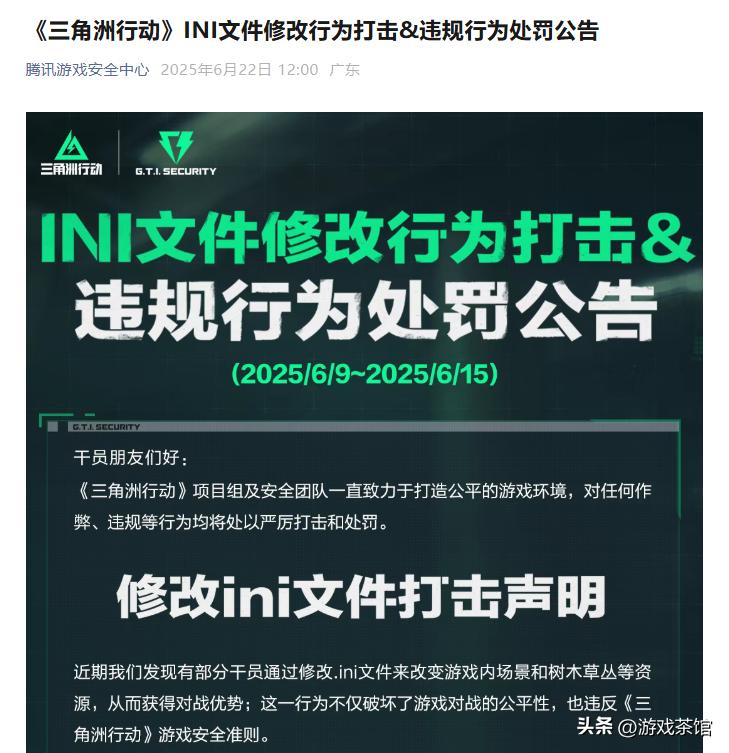
One striking example occurred toward the end of Season 4, when numerous cheaters emerged within the player community who modified the game’s INI files to gain an unfair visual advantage by disabling certain graphics settings. Delta immediately launched a “special crackdown on INI file modifications” in response.Some time later, Tea House observed player feedback indicating that Delta had implemented AES-256 encryption for its INI files, effectively cutting off the ability to cheat by modifying graphics settings at the source.

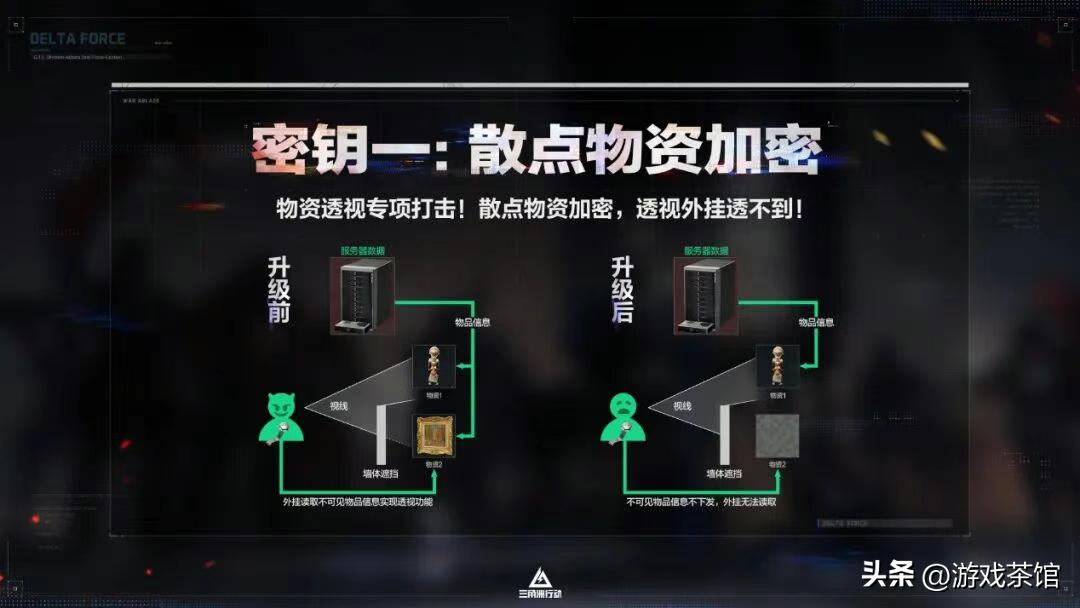
Similarly, in response to the sudden surge of “loot-scanning bots” (loot-spotting tools) during Season 6, Delta introduced the “Data Key” system directly in Season 7. This system encrypts key information such as the spawn data for outdoor loot and character location coordinates, effectively cutting off the root cause and curbing a wide range of cheats.
In addition, there has been significant and ongoing investment in technology. For example, *Operation Delta* partnered with Microsoft to pioneer CPU virtualization anti-cheat technology in the industry, a technique that has since been adopted and emulated by anti-cheat systems in other games.Similarly, to address the risk of account bans being passed on through “account sharing,” Delta has intensified efforts to recover in-game items, thereby eliminating the benefits gained from exploiting loopholes. In response to automated “knife-running” scripts appearing in matches, Delta has implemented facial recognition security verification… Through such persistent efforts to identify and address vulnerabilities, the technical barriers against cheating are being gradually raised.
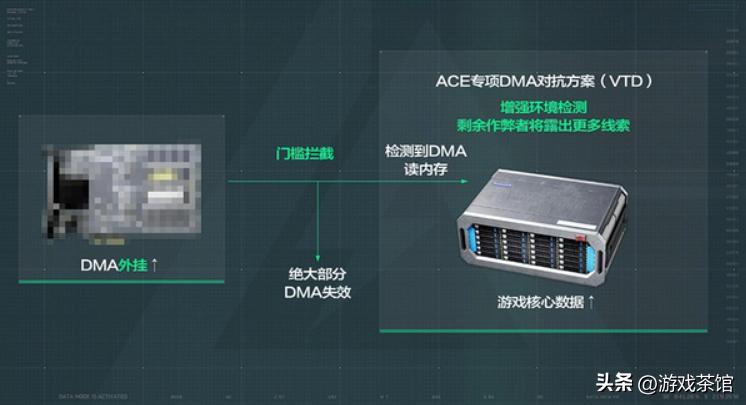
This highlights several key features of Delta’s anti-cheat efforts. First is “high investment”: leveraging Tencent Games Security’s deep technical expertise, a dedicated security team implements comprehensive countermeasures. Second is “rapid response”: keeping pace with—or even staying ahead of—advances in cheat technology to minimize the harm caused by cheats.Finally, there is a focus on “addressing the root cause.” Rather than merely treating symptoms as they arise, the approach targets the underlying technical vulnerabilities and even the real-world conditions that enable cheaters to operate, effectively eliminating the entire chain of the problem at its source.
It can be said that by combining various active and passive protective measures, Delta has truly achieved the principle of “a single blow repels a hundred more” when it comes to dealing with third-party plugins.
02
Banning a million cheaters in a single season, building a comprehensive “anti-cheat network”
It is precisely this “strict vigilance” that has enabled Operation Delta to achieve such outstanding results in anti-cheating efforts.
When it comes to the effectiveness of anti-cheating efforts, the Season 4 preview livestream for *Operation Delta* held in early April serves as a key indicator. During the stream, *Operation Delta* publicly revealed for the first time that it had 12 million daily active users. The game also announced that Tencent’s game security team, in collaboration with the Kaifeng Public Security Bureau, had cracked the game’s first DMA cheat case, with the amount involved reaching 4 million yuan.
It was precisely with the start of Season 4 that Delta began another phase of rapid expansion. As the user base reached new heights, the anti-cheat system faced a major new challenge. Starting with the next Season 5 preview livestream, Delta has introduced a new form of security disclosure—revealing details of the previous season’s disciplinary actions during the preview livestream.
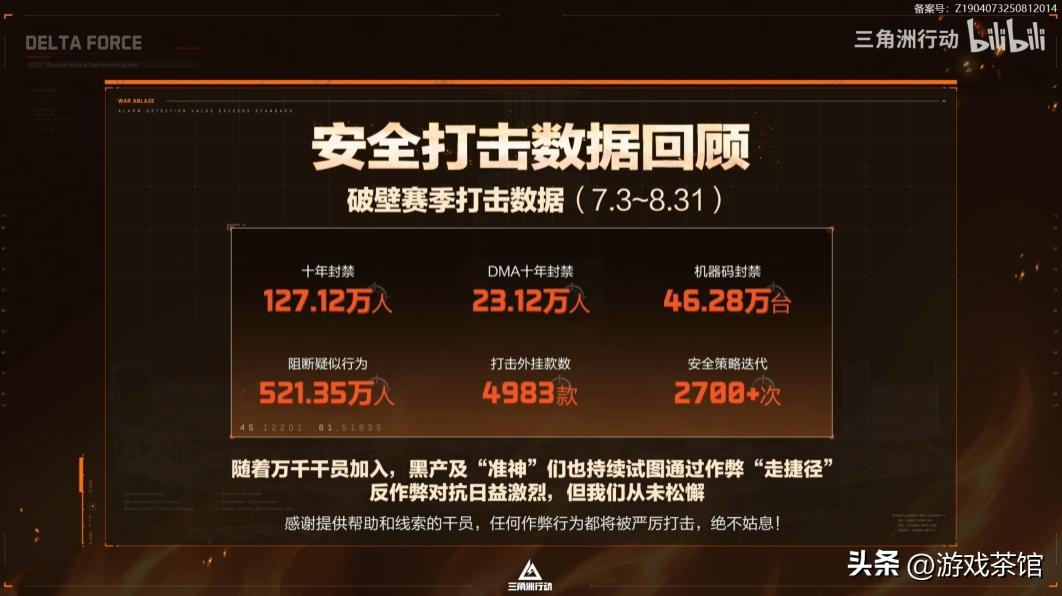
During Season 5, Delta banned a total of 1.27 million players for ten years.
As we can see, during Seasons 4, 5, and 6, the number of accounts banned by Delta for ten years reached the massive scale of millions.
I’m sure many of you remember that during the Season 6 preview livestream, Delta took advantage of its anniversary celebration to officially announce that its daily active users had surpassed 30 million.A simple calculation reveals that while Delta achieved a staggering 18 million increase in daily active users over two seasons—or five months—the company also imposed ten-year bans on over 2 million accounts for violations. This translates to an average of more than 10,000 banned accounts per day. These figures vividly illustrate the sheer scale of the cheating problem and underscore the Delta team’s unwavering commitment to combating cheating.
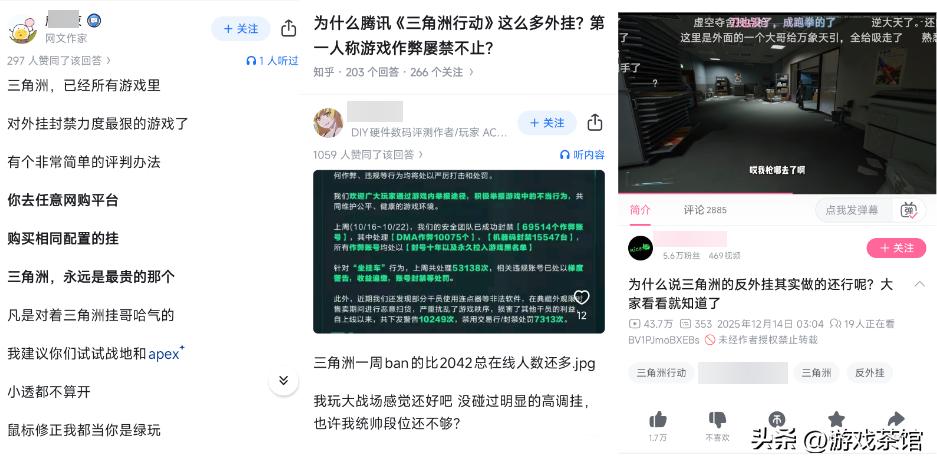
It is worth noting that the large number of banned accounts does not indicate that the game’s anti-cheating measures are ineffective—resulting in a “vicious cycle” where more accounts are banned—but rather is an inevitable consequence of the game’s expanding reach and growing player base. In fact, there are many signs that, under the developers’ strict crackdown, the barriers and costs players face if they attempt to cheat are constantly rising.
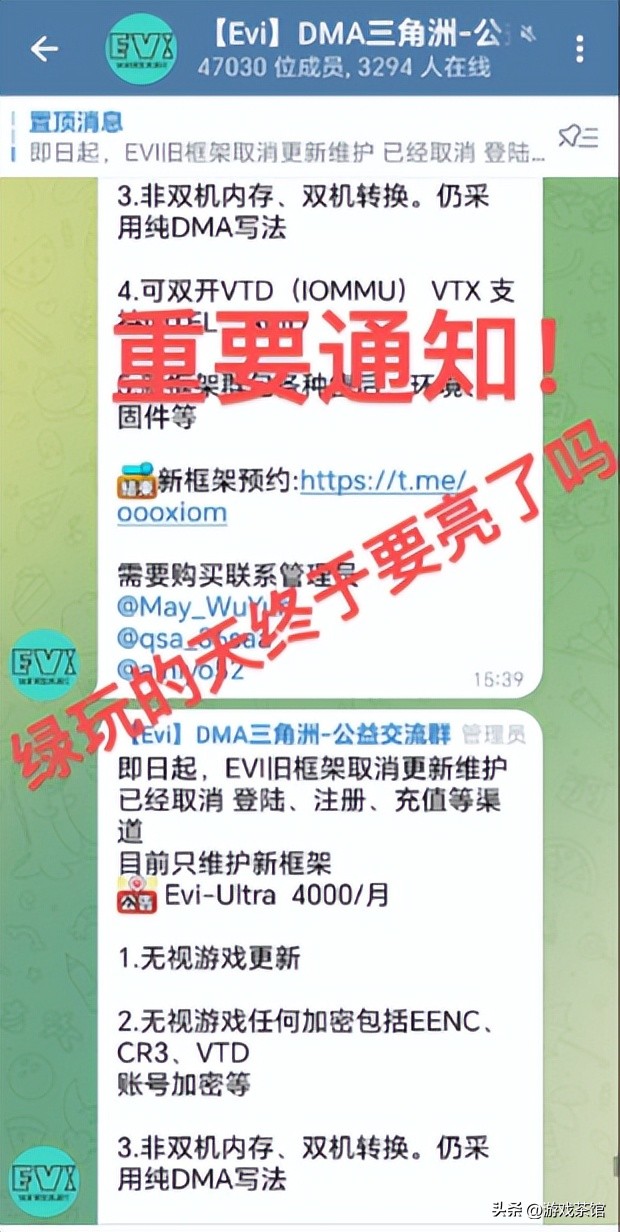
For example, screenshots from chat groups associated with the black market for game cheats on the open internet show that basic “memory hacks”—which were once rampant in the gaming community—are now guaranteed to get accounts banned within 24 hours in Delta.The cost of using the few remaining complex cheats has skyrocketed to several thousand yuan per month. Yet even these so-called “high-end custom” cheats invariably reveal traces of cheating when subjected to detection by technologies such as CPU virtualization and pre-boot security services, ultimately leading to account bans.
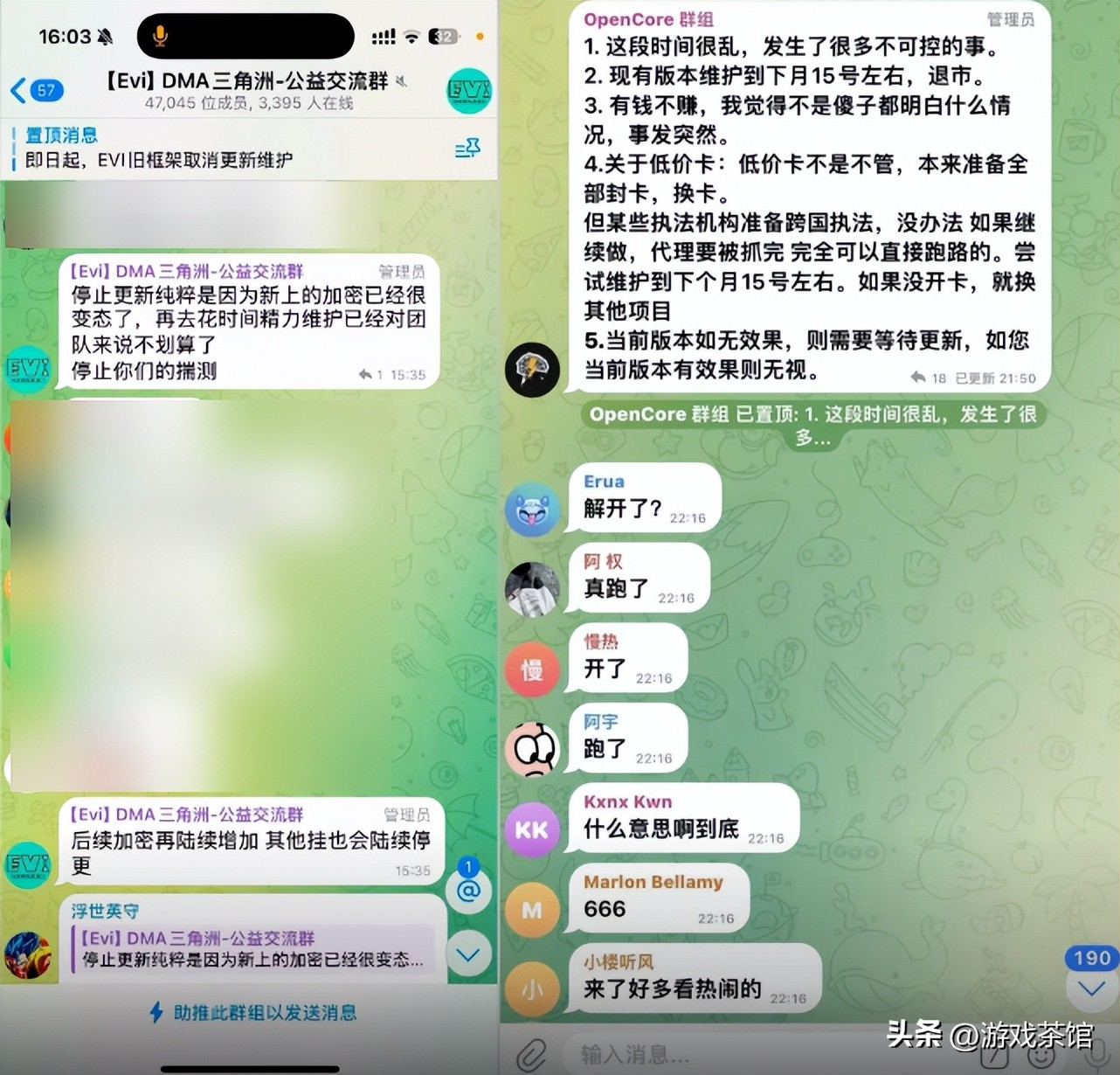
As Teahouse Jun has observed, a significant number of low-priced computer hardware items have recently appeared on the second-hand market. This is due to Delta’s enhanced anti-cheat measures, which impose “hardware-level bans” on the device IDs of cheating players—bans that cannot be circumvented. As a result, a large number of cheaters have been forced to sell their equipment at a loss, facing financial penalties. According to data disclosed during official livestreams, Delta bans hundreds of thousands of device IDs every season.

It’s fair to say that, compared to the early days of the game’s launch, the Delta team has significantly increased the cost of cheating by a factor of tens through continuous technological updates. This has not only drastically reduced the size of the potential cheating player base, but has also led to instances—both in October of this year and more recently—where cheat studios, realizing they could no longer keep up with updates, abandoned chat groups with tens of thousands of members and simply “disappeared.”In this ongoing battle against cheats, the Delta security team has consistently maintained the upper hand.
These measures have woven a tight, impenetrable net and erected a shield as solid as a rock. This is why, while many popular new FPS games have seen their reputations and player bases collapse due to ineffective anti-cheat measures, *Operation Delta* has managed to maintain a relatively good reputation among players and continue to steadily expand its user base.
Let’s return to the “sword and shield” metaphor mentioned at the beginning of this article. It has been observed that many classic protagonists in games and anime are depicted holding a shield in one hand and a sword in the other. Examples include the protagonist of *Dragon Quest*, Link from *The Legend of Zelda*, and even Arthur from *Honor of Kings*. As the central figures of their respective stories, this dual mastery of offense and defense symbolizes a righteous character with “no weaknesses.”
In a sense, Delta has been handed exactly this kind of “lead role.” Over the past year or so, the continuous release of new maps and gameplay features has been just one aspect of Delta’s operational evolution; it is only by combining these with robust anti-cheat measures that the team has successfully safeguarded an outstanding overall gaming experience for players, ultimately driving the game’s performance to new heights step by step.
Conclusion
Looking back at the original intent behind this article, why did Tea House Jun decide to produce an “Anti-Cheat Year-End Review” for Delta? This is not only to highlight Delta’s achievements in anti-cheat efforts, but also to provide an in-depth analysis of the overall accomplishments of a representative new game with a rapidly growing daily active user base over the past year, with the aim of identifying the methodologies that can be distilled from it: only by eliminating every blind spot in the user experience can excellence be achieved.
This retrospective clearly demonstrates Delta’s determination to surpass itself and continue evolving, which makes us even more excited about the game’s future performance. As previously announced by the developers, the S8 New Year Season—set to begin in just over a month—will introduce major updates such as Space Station 2.0 and the “Rebirth of Sayed” mode.We are confident that as Delta enters 2026, it will undoubtedly continue to embrace all players—both within and outside the game—with even more outstanding content and a cleaner gaming environment.
原创文章,作者:gallonwang,禁止转载:https://youxichaguan.com/en/archives/195211