In 2026, the auto-battler genre will remain one of the most fiercely competitive arenas for mobile game developers.
Among the many games on the market, *Teamfight Tactics* has consistently maintained its unique vitality. From the "Dawn of Heroes" season to the upcoming "Astral" season, the game has been around for nearly five years, proving that in this intensely competitive market, only continuous innovation can help it hold its ground.
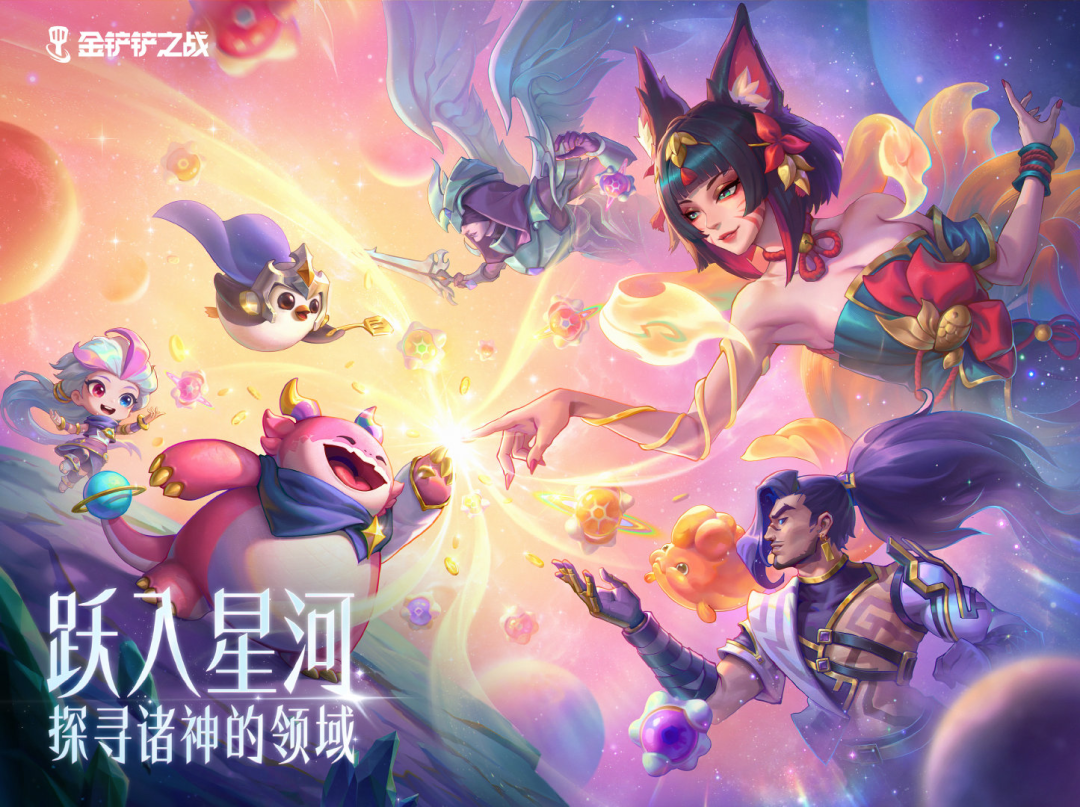
As a longtime League of Legends player and traditionalist, the current "League of Legends Legends" season is one of the few in my opinion that can rival the "Battle of the Two Cities" theme. With its vast pool of unlockable champions and clean, visually appealing skin art styles—not only does the roster offer a diverse array of options, but the entertainment-focused synergies, such as the thrilling "Eos Tower" that surpasses even "Heart of Steel"—it once made me feel that the game’s design had reached its pinnacle.However, the fact that the developers announced it would become a permanent “Classic Season” before the current one had even ended seems to have deepened a concern I’ve had for some time: given the fast-paced schedule of three seasons a year, will they concentrate resources on launching more compelling seasons like “League of Legends Legends,” thereby making other seasons seem relatively lackluster?
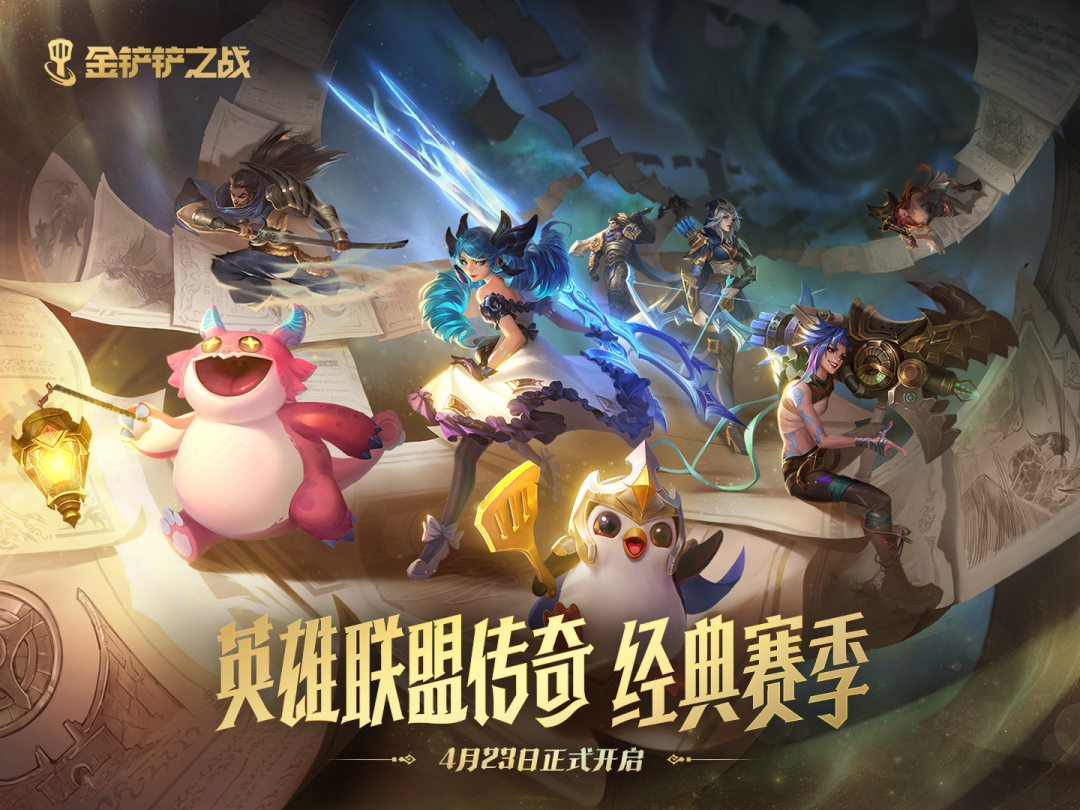
Last week, I had the privilege of attending the media preview event for the new season of "Star Gods." After getting an early hands-on look at the new season’s content and speaking with Ye Jing, Executive Producer of Tencent Games’ "Golden Shovel Battle," and Kate Han, Senior Director of Game Product Management at Riot Games, about game design and future developments, I feel that the game’s future is just like the theme of the new season—"A New Dawn in the Star Realm."
01
I pray to the gods
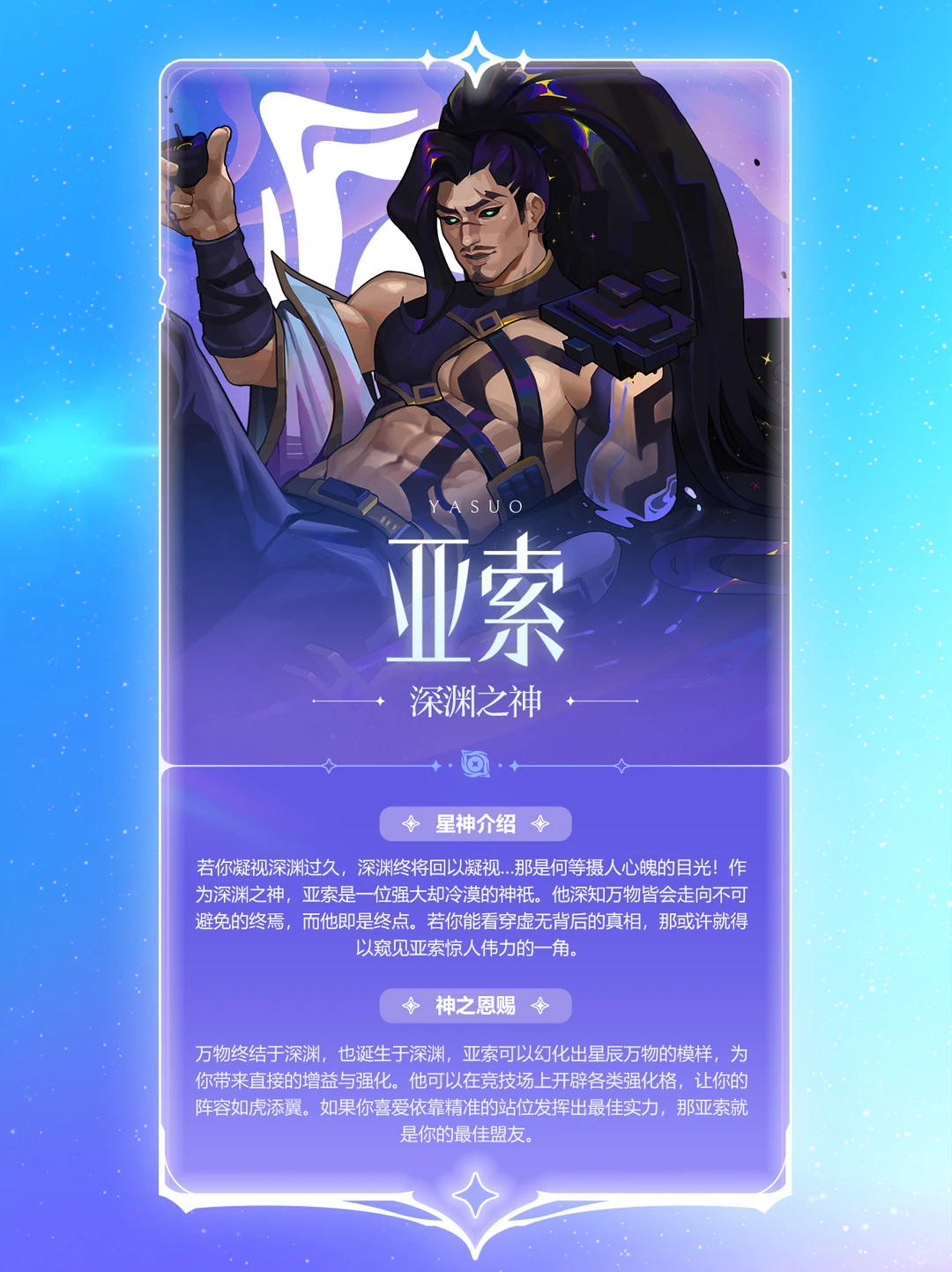
The theme of the "Star Gods" season naturally centers on "star gods and the universe." What left the strongest impression on me was the dreamlike and grand scale of the overall visual and artistic style.The nine deities are brought to life in the game with the bold, distinctive brushstrokes characteristic of American comics, creating a powerful visual impact upon first encounter. Additionally, the piece color schemes and synergy designs are centered around astrological divination, lending the entire season a strong sense of immersion and thematic cohesion.
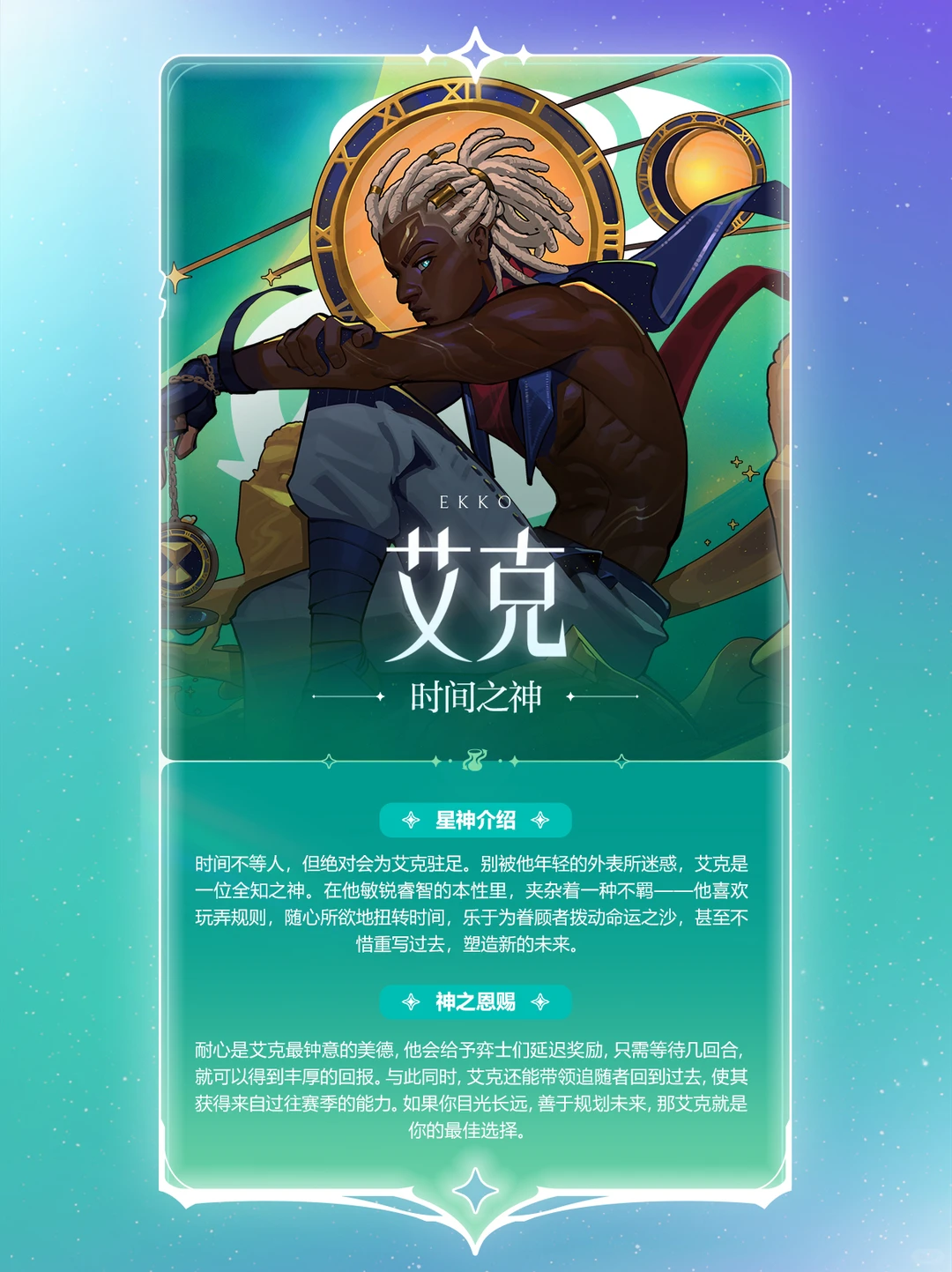
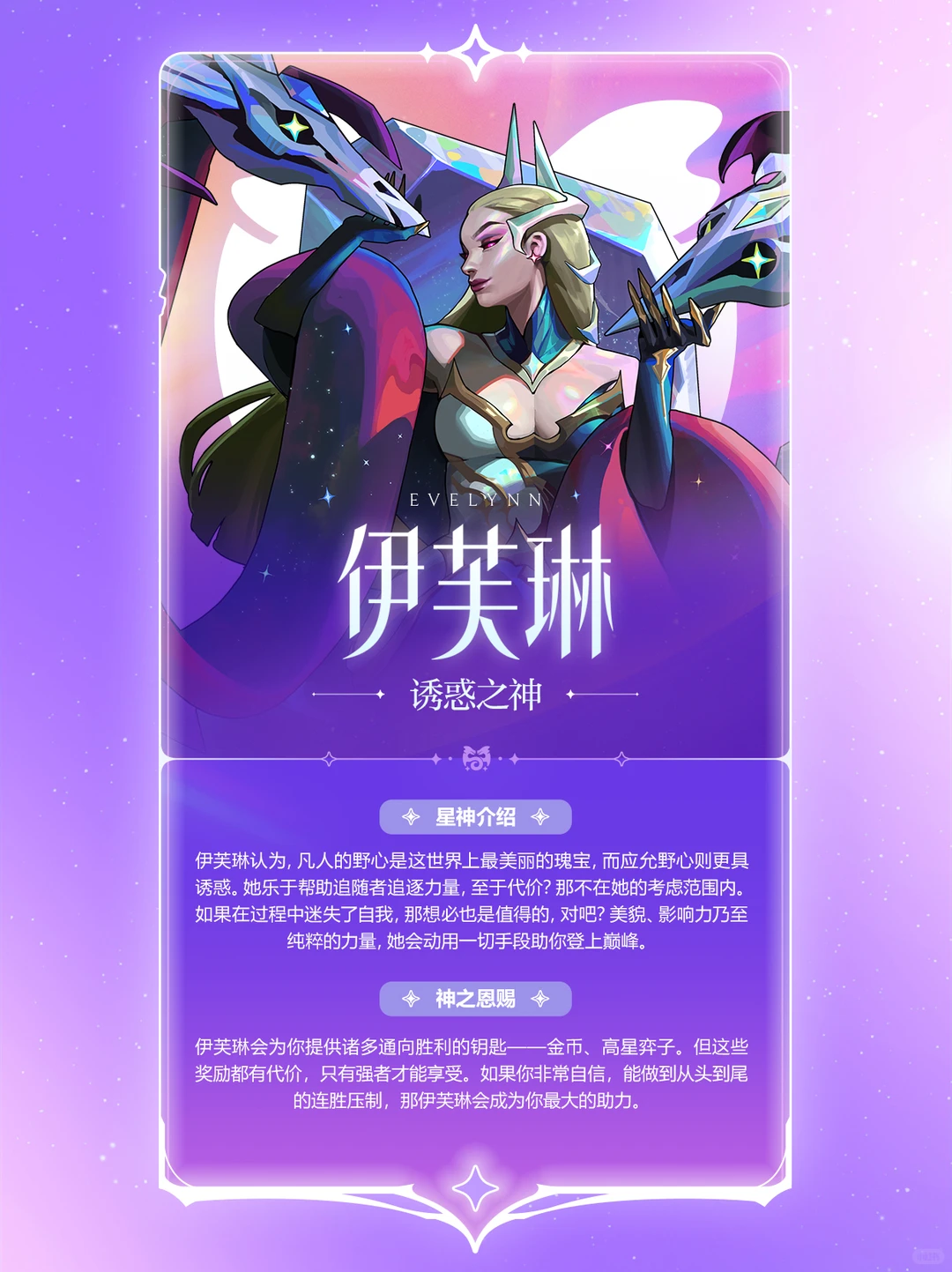
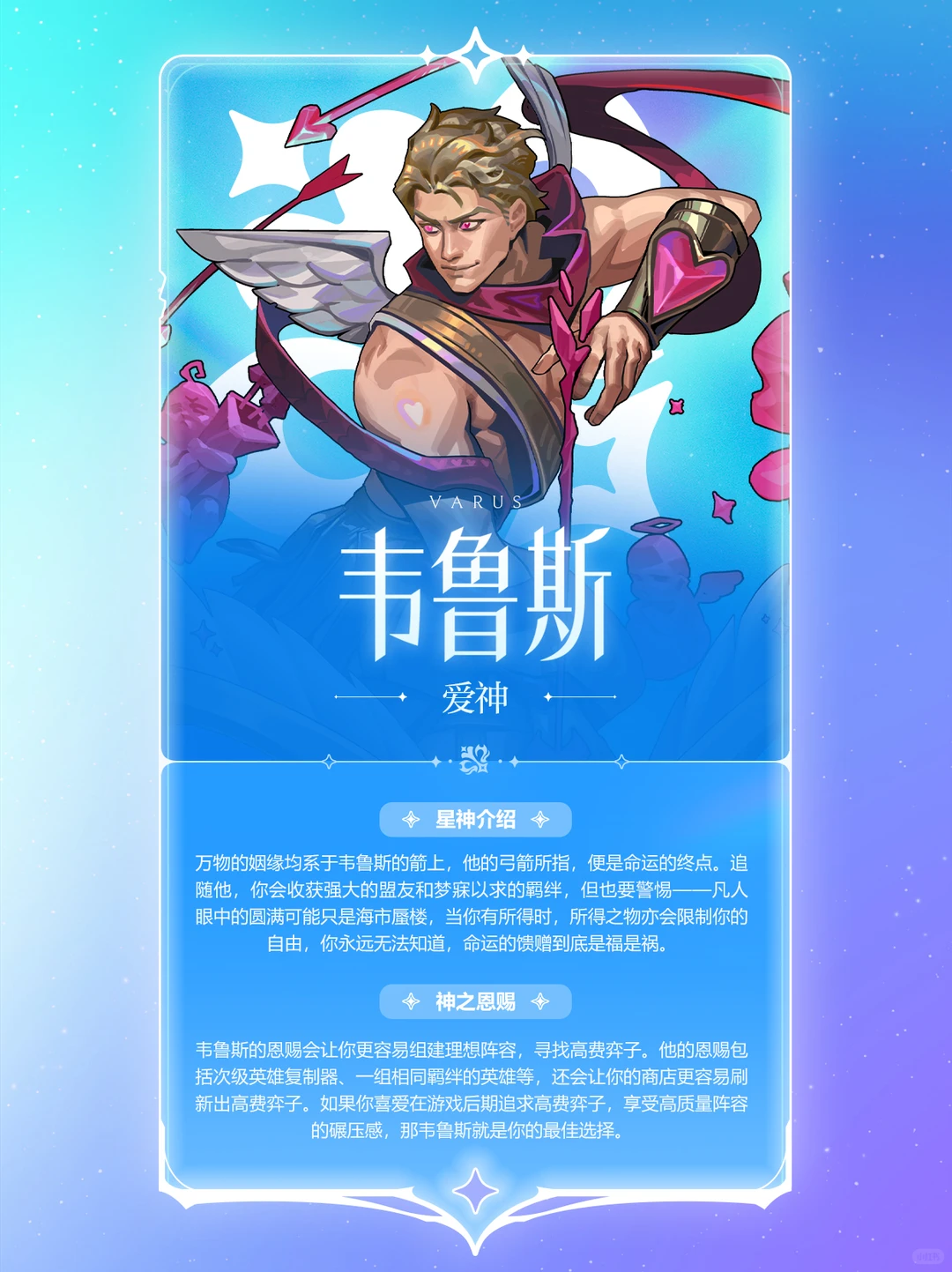
After a brief trial run, I could clearly sense the significant changes made to the overall simplicity of the "Star Gods" season. With the number of heroes drastically reduced compared to last season, this season is much easier to pick up and play.The newly added "Divine Realm" mechanic is equally straightforward and easy to grasp. Through the selection of deities and unique blessings, it not only offers more controllable strategic choices during matches but also significantly lowers the barrier to entry for newcomers. Players with some experience can quickly familiarize themselves with all the units; the rest is simply a matter of understanding the key synergies and the logic behind new deck-building strategies.
The biggest changes and highlights of the season are undoubtedly the removal of the city-state selection at the start of the game, and the replacement of the original shared draft rounds in rounds 2-4, 3-4, and 4-4 with the "Divine Realm" mechanic.
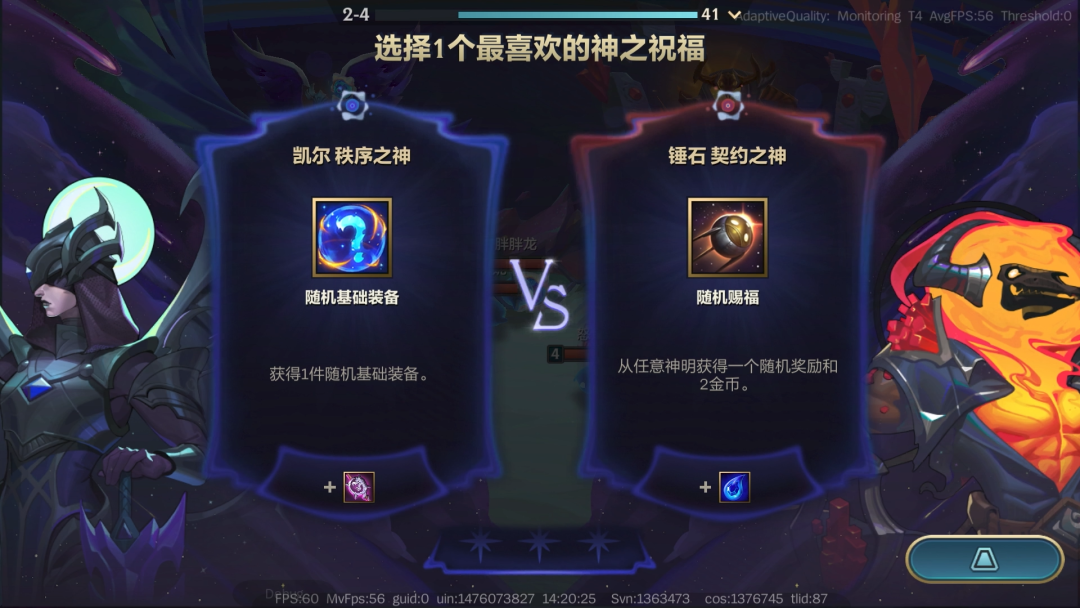
Different deities grant their own unique buffs
(Content sourced from the test server; please refer to the official release for final details.)
At the start of each game, the two deities set to appear in that round will be revealed. During the shared draft phase, players must choose one of the two deities to receive their blessing. In addition, players may select one additional blessing from the Feathered Knights.After three rounds of blessing selections, your primary deity is determined based on your preferences (choosing the same deity at least twice out of three attempts). Meanwhile, the original rounds 4–7, which featured neutral monsters, will now offer Divine Treasures, containing additional rewards from your primary deity and loose gold coins. You can also spend one coin to refresh these treasures repeatedly. Starting from the fifth stage, draft rounds will switch to allowing you to choose between equipment and gold coins.
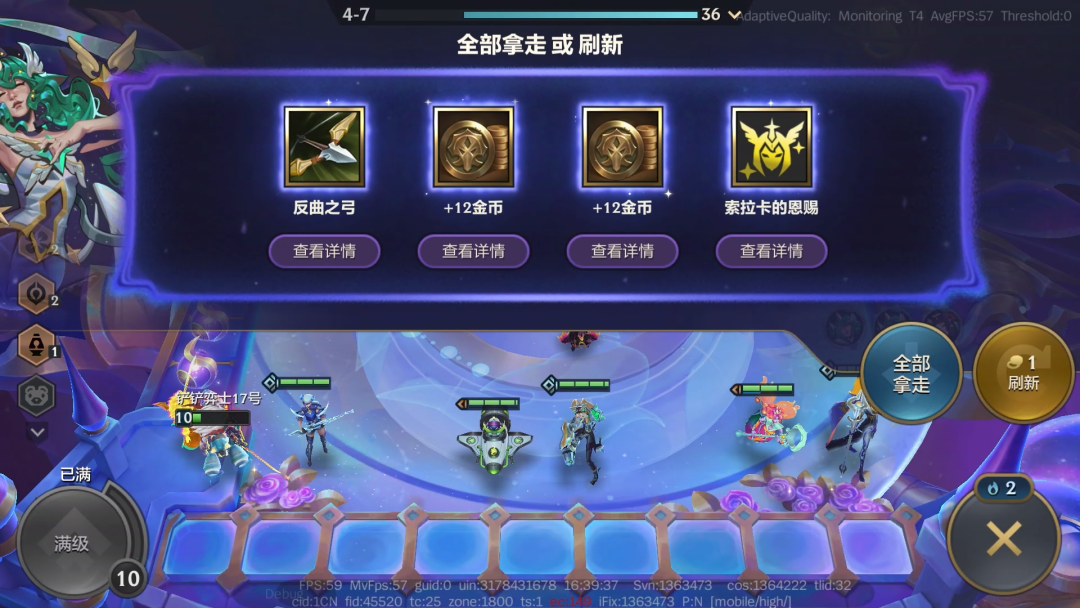
Star God Blessings awarded by different Star Gods in Stages 4–7
(Content sourced from the test server; please refer to the official release for final details.)
02
The Proper Way to Make a Wish to the Gods
At first glance, removing the draft phase does seem to go against the "time-honored tradition," as players on losing streaks appear to have lost the advantage they used to gain by sacrificing health to gamble on shovels or snatch up gear. However, after actually playing the game, I quickly found it difficult to form a simple judgment about this change.
There are a total of nine deities in the game, and the rewards offered by their blessings cover various aspects such as economy, equipment, progression quests, shop quality, and real-time combat power, catering to virtually every player’s playstyle. In at least 80% of matches, you won’t encounter a situation where neither of the two deities suits your team composition.
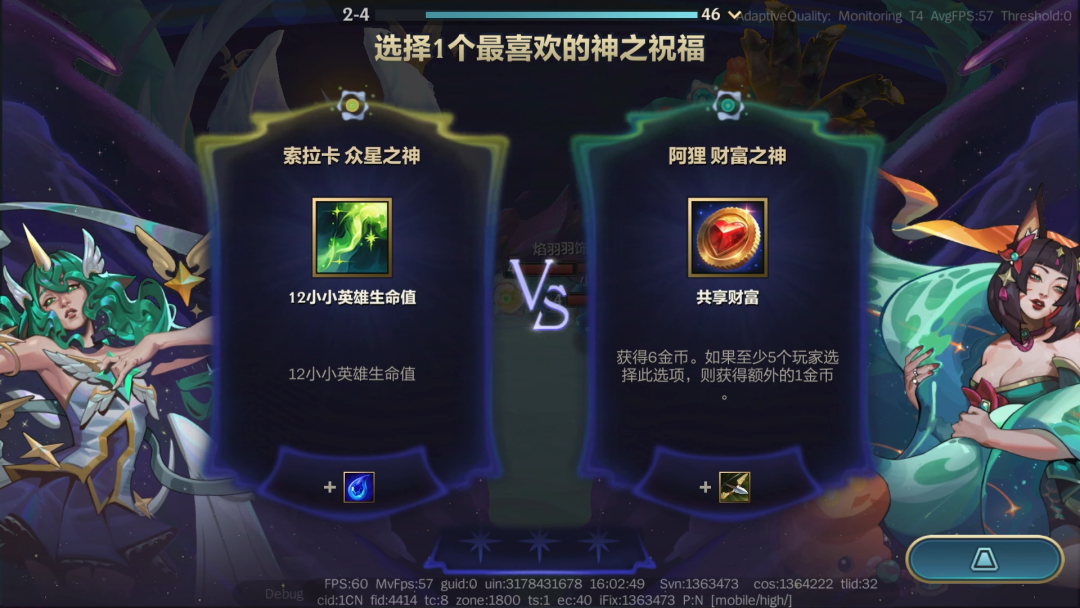
For example, Soraka grants the Little Hero health, while Ahri provides an economic bonus.
(Content sourced from the test server; please refer to the official release for final details.)
For new players, the character art is stunning and the text descriptions of the blessings are clear; simply choosing based on personal preference allows them to quickly get the hang of the game while enjoying a fair amount of freedom;For competitive players, however, the blessings present a greater challenge. Similar to the "Spirit of the Painting" season’s encounter effects, players must first familiarize themselves with the optimal team compositions for various special mechanics outside of matches in order to find the best solution more quickly in rapidly changing situations.
In my personal experience, the biggest surprise came during a game where Ekko’s Divine Blessing appeared; its effect was to grant a Gold Shovel after a few turns. Everyone playing with me let out a collective gasp of amazement, and we immediately selected this champion, embarking on our own “Great Inventor” journeys.This design allows players to clearly define their strategy right from the start—with Ahri, you can go for a fast-eight economy build; with Yasuo, you can focus on pure combat power; and with Thor, you can build around major synergies. This significantly reduces the confusion that comes from not knowing how to play.
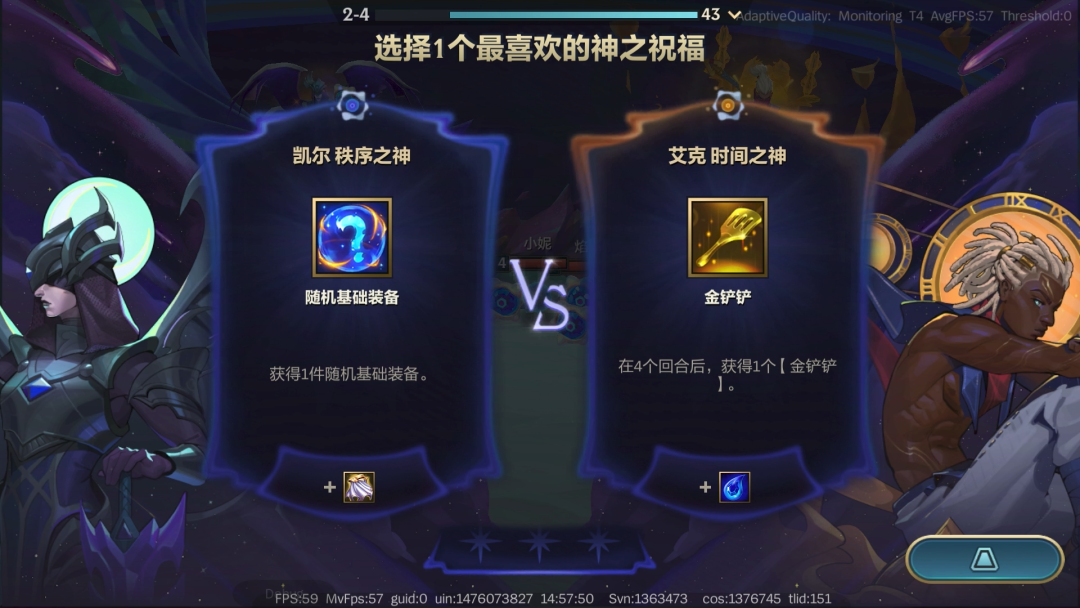
2-4 Divine Blessings Display
(Content sourced from the test server; please refer to the official release for final details.)
Players on losing streaks actually still have some guaranteed rewards. Although they can no longer precisely select the specific units and individual items they want as before, the loot obtained from the Feathered Knight during the Blessing round is of higher value, so the overall rewards remain roughly on par with before.By reducing the randomness of gear acquisition—which previously relied purely on luck—the game’s controllability has significantly improved. Combined with the introduction of Blessings, this places greater demands on health and resource management. Overall, the changes are designed to encourage players to take proactive action rather than simply relying on losing streaks.
The removal of the draft system has also made it more difficult to build up early-game transition gear. Players who don’t get lucky with loot drops during the initial jungle rounds are already at a disadvantage, and if the Blessing rewards consist of useless items, the gear progression in the early and mid-game becomes quite challenging. We hope that future updates will introduce more ways to obtain item forges to further improve the early-game experience.
Based on my experience from previous seasons, I actually have some concerns about the “Realm of the Gods” mechanic. During the “Legends of Runeterra” season, the “Hero’s Legend Power” was the holy grail for many Chess players. When I first started playing the “Realm of the Gods” season, I was thrilled—the number of possible team compositions for each god seemed endless, and this mechanic was sure to be a hit during the early stages of the season.However, as the player community began to interact, it inevitably led to situations where, if a particular god appeared at the start of a match, five or six players would all rush to build the same dominant team composition. Fortunately, with a total of nine gods appearing randomly in-game—unlike the "Heroic Legend Power" mechanic, which could be pre-set before the match—the learning curve required to master a strong team composition for each god can no longer be simply described as formulaic; it truly demands personal effort and dedication.
03
It's a great foundation, but there's room for improvement.
In the "League of Legends Legends" season, to balance the advantage that the champion unlock mechanism provides to players using 4-cost champions, the drop rate for 3-cost champions at Level 7 was increased to 43%, but this adjustment has not been reversed this season. As a result, lineups centered around 2- and 3-cost champions are bound to dominate early in the season, so players can start actively rolling for champions starting at Level 7.
With the removal of the Assassin synergy, team composition has essentially been a "Plants vs. Zombies" setup for quite some time—with the front line absorbing damage and the back line dealing it.However, this season has seen a nerf to tanky items, and with a limited number of units that truly possess tankiness, in many cases both teams’ front lines are quickly wiped out in a short period of time, leaving the back lines to fight for survival. This shift in the balance of power between the front and back lines may also bring more new strategies and tactical possibilities to matches, especially when combined with Yasuo’s Divine Blessing, which often yields unexpected results.
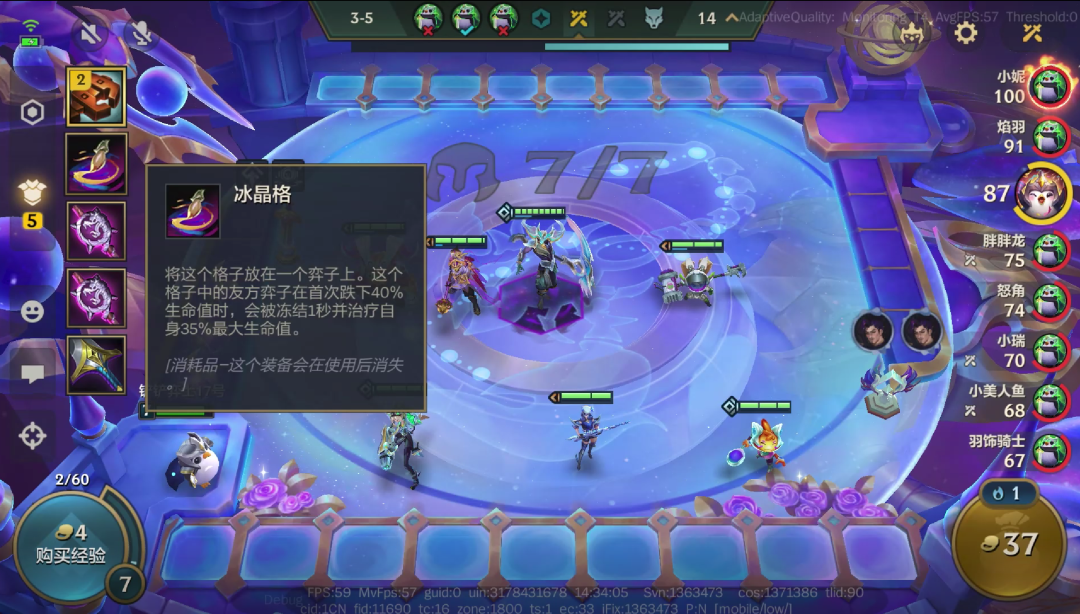
The buff granted by Yasuo, the Star God
(Content sourced from the test server; please refer to the official release for final details.)
While playing, I tried out the "Wood Spirit" synergy, a 10-tier synergy. Upon reaching 7-tier, a clone slot appears in the bench, functioning similarly to the "Spirit of the Painting" season's "Comet" ability, allowing you to duplicate units.In the early transition phase of another match, I used a "Future Warrior" unit. Its synergy effect grants a free reset upon defeat at level 2 and grants experience upon victory—similar to Bard from the "League of Legends Legends" season. The fact that these designs can be carried over demonstrates that they are excellent and deserve recognition.
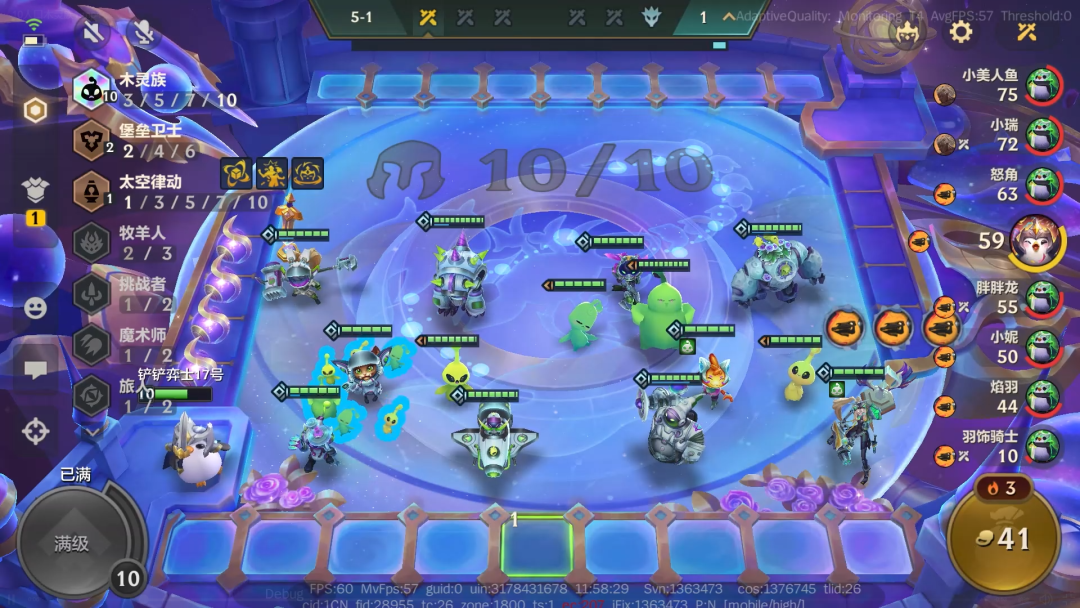
Wood Spirit Clan Bond Effects Showcase
(Content sourced from the test server; please refer to the official release for final details.)
As for the rest of the season, I can already give it a solid review, but when it comes to the “Phantom Squad” entertainment synergy, based solely on my own experience so far, I’m a bit disappointed.After experiencing meticulously designed "harvest" synergies like Heart of Steel and Eustar, seeing a synergy like this—where failing to trigger it in the 2-1 round essentially means you’re out of the running, yet triggering it guarantees a steady stream of points—simply won’t satisfy casual players. I hope this can be improved in future updates; after all, Heart of Steel only truly became legendary after a major rework.
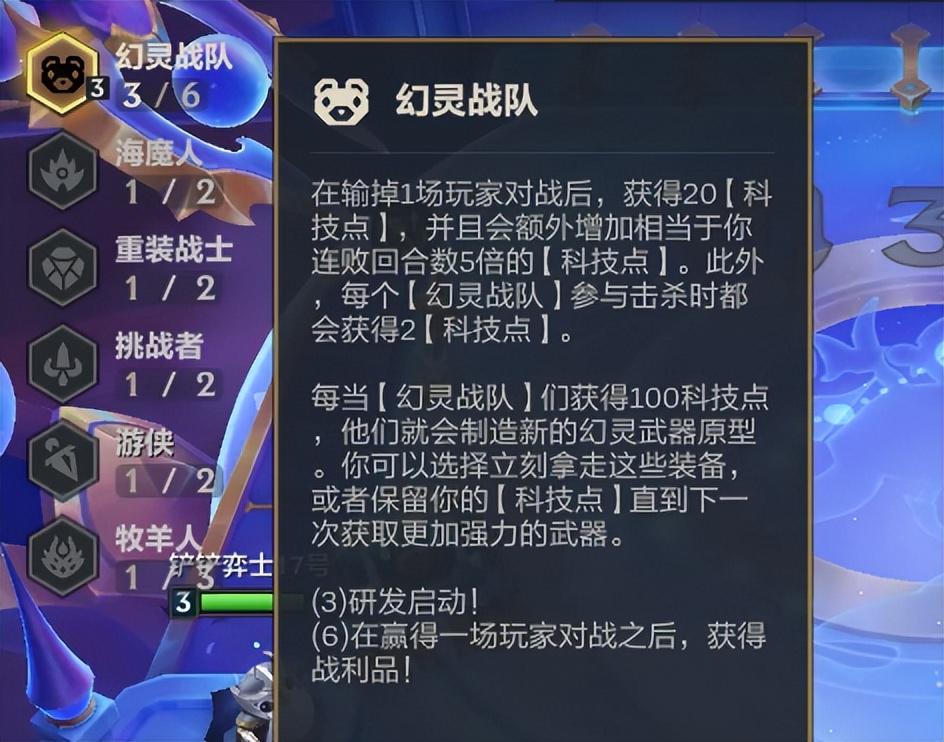
Phantom Squad Synergy Effects
(Content sourced from the test server; please refer to the official release for final details.)
I breathed a sigh of relief when the testing was over. I really love this game, and I was worried that the new season might fall short of expectations given how great the previous one was, but in the end, it delivered a performance that put my mind at ease.
04
A New Dawn in the Star Realm
Finally, I had the opportunity to chat with Kate Han, Senior Director of Product Management at Riot Games (pictured below left), and Ye Jing, Executive Producer of *Teamfight Tactics* at Tencent Games (pictured below right), alongside fellow media representatives.During the conversation, I finally brought up a question I’d seen discussed many times in the community forums and had been pondering myself: Given the fast-paced schedule of three seasons a year, does the team ever scale back certain seasons to save time and resources, thereby focusing on launching more compelling “major seasons” like “League of Legends Legends”?
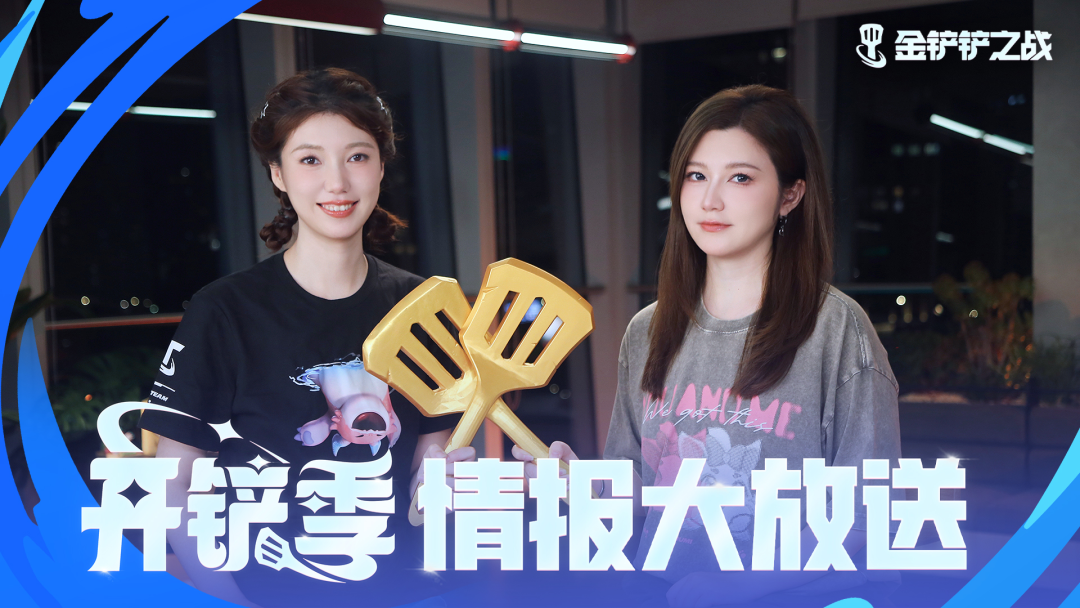
Kate Han’s response also gave me a clearer understanding of the game team’s development philosophy. She made it clear that the team does not distinguish between “major seasons” and “minor seasons”; the three new seasons released each year, as well as the innovative direction for each season, must be deeply integrated with the League of Legends IP itself. During the initial planning phase, the team also anticipates which seasons will have a greater impact or are better suited for release at specific times.
For example, since the TFT Global Open takes place every year at the end of the year, we devote more time and greater attention to planning the season that hosts this event, as it carries significantly more weight. As for resource allocation, during music-themed seasons, we need to communicate extensively with the music team to coordinate the sound effects for multiple synergy stacks—which requires a substantial amount of preparation—while non-music seasons do not require such communication or preparation with the music team;The Twin Cities season, on the other hand, requires close collaboration with the Twin Cities team to ensure that the season’s content aligns closely with the League of Legends IP’s lore. Therefore, it’s difficult to say which season receives more resources, as each season involves different technical challenges and different stakeholders. It is precisely this theme-driven development rhythm that ensures each season ultimately delivers a well-thought-out, comprehensive plan, rather than sacrificing depth to meet deadlines.
This long-term approach—driven by innovation, built on a collaborative ecosystem, and focused on deepening the IP—is precisely what lies at the heart of *Teamfight Tactics*’s longevity and influence.It also reinforces my belief that this season’s “Realm of the Stars” is a continuation of the team’s innovative spirit—the same spirit that brought us mechanics like “Hextech” and “Mutations”—and that the team’s decision to make “League of Legends Legends” a permanent classic season will not rest on its current laurels, but will instead lead us all toward an even vaster cosmos.
Conclusion
In the mobile gaming industry—where titles are phased out faster than trends in the fashion world—there are very few games that have managed to survive for five years while daring to “rebuild” themselves with every update. In a sense, the seasonal updates for *Golden Shovel* are no longer a race against competitors, but a battle against every one of its own past standout seasons.Behind this courage lies the team’s clear-eyed understanding of the game’s vitality: to survive, one must not fear the pain. As for the outcome, it remains to be seen whether we, the Chess Masters, are willing to take another gamble on its future.
原创文章,作者:游茶妹儿,禁止转载:https://youxichaguan.com/en/archives/194350