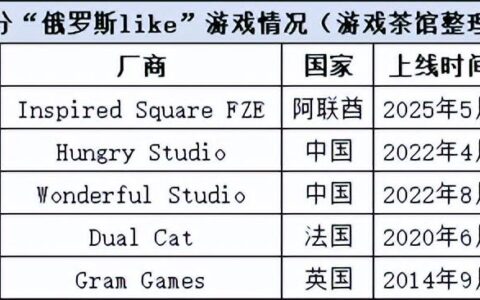
I actually strongly advise against developers entering the open-world market right now—especially the anime-style open-world segment.
Setting aside the numerous cautionary tales of projects that collapsed midway due to massive R&D investments and unpredictable post-launch performance, the current landscape suggests that, for at least the next three years, the anime-style open-world genre will remain a fiercely competitive arena marked by endless internal competition.
And there's also this reason↑
And today, even though the landscape remains the same—the open-world anime community—a newcomer from the city has arrived: *The Ring of the Strange* from Suzhou Fantasia Studio has officially launched its open beta.
As a major open-world RPG set in an urban setting, *The Loop* has garnered significant attention since its announcement, as evidenced by the 35 million pre-registrations on its official website.
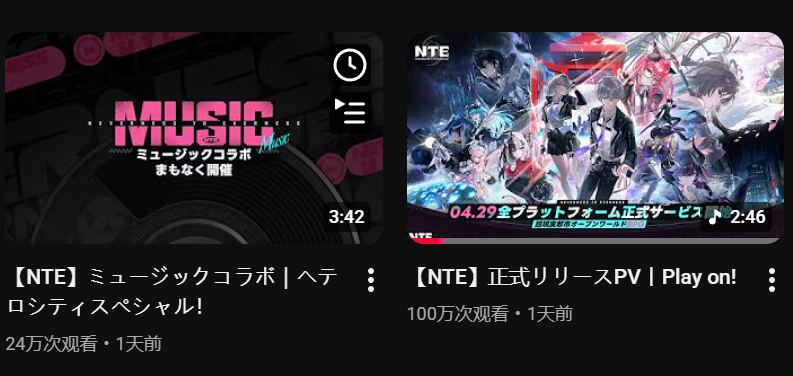
Furthermore, on April 18, the preview open beta for *Loop* attracted over two million concurrent viewers,Crucially, the reaction to this preview livestream on YouTube was equally enthusiastic, with the Japanese region leading the way. When scenes like "Hunter Iron Knight" (a *Eternal Ring*-style Kamen Rider) and Hayao Miyazaki’s *The Sea Train* appeared, the volume of comments was off the charts. Unsurprisingly, the official open beta PV released later quickly racked up over 1 million views on YouTube in the Japanese region.
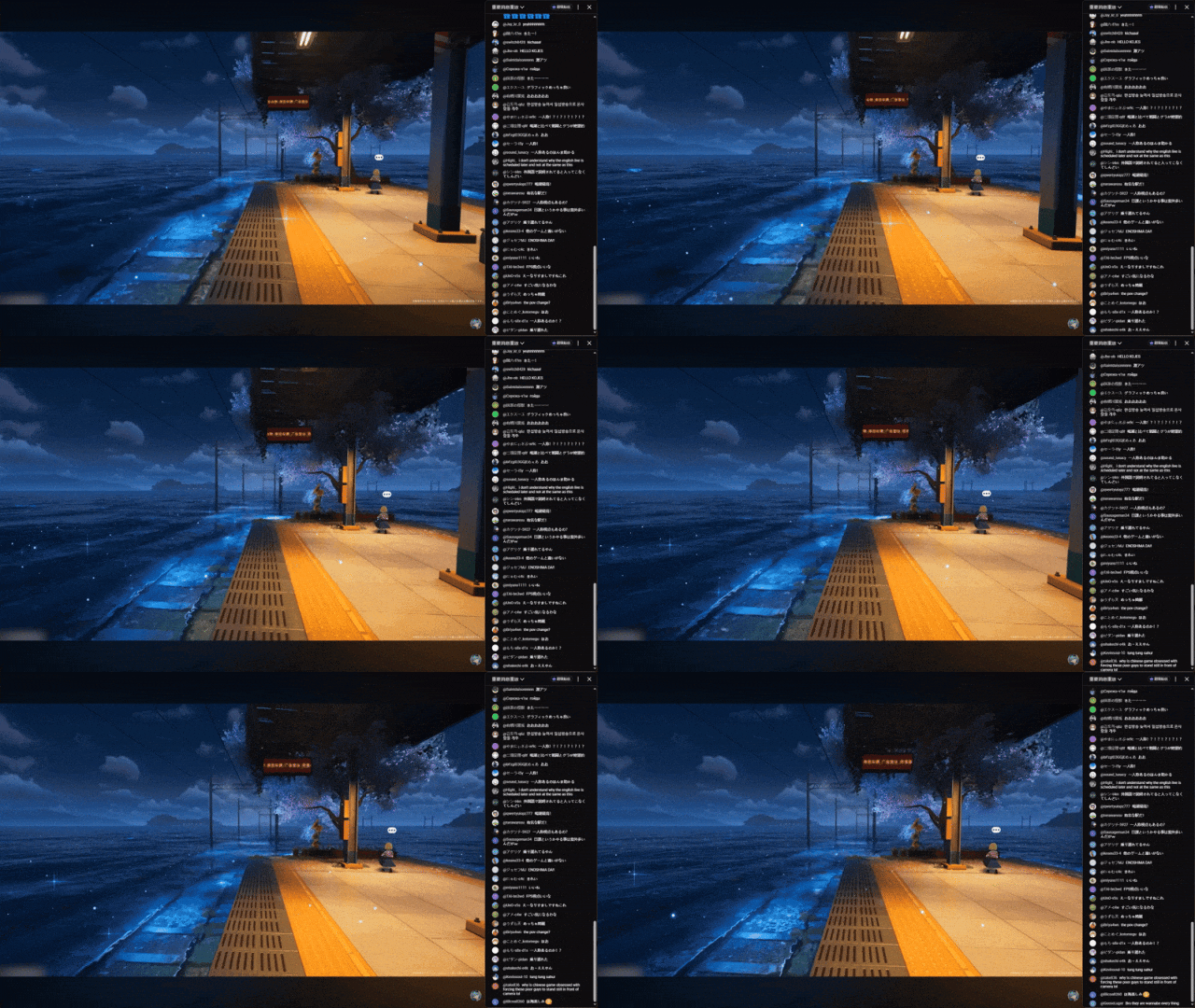
In such an environment, the fact that it has still managed to attract so many players is due not only to *Loop*’s solid quality and the commercial adjustments made—such as avoiding gacha mechanics and moving away from cosmetic microtransactions—but also, crucially, to the urban setting itself and SuHuan Studio’s ability to bring the concept to life.
It’s important to note that while the urban fantasy concept isn’t unique to *The Ring of the Strange*, it was the first title to successfully bring this vision to life. From its initial reveal in July 2024 through three rounds of testing to its open beta launch, the entire process took less than two years. It’s clear that the experience gained from *Arknights* has provided this project with robust project management capabilities.
Bolstered by its strengths at the team and pipeline levels, *Ether Ring* uses an urban setting to infuse the traditional anime-style open world with more interactive elements. Its uniqueness lies precisely in this aspect; to a certain extent, *Ether Ring*’s “urban open world” represents a new form of the anime-style open world—one I’d like to call “Open World 2.0” (limited to the anime genre).
The product strength embodied by this 2.0 version is likely to be the game-changer that propels *The Strange Ring* to success, and may even bring about new developments in the category.
01
Why 2.0? A Different Perspective
Before I begin, some readers will undoubtedly question my “2.0” assessment, pointing to existing AAA titles—such as *Marvel’s Spider-Man* and *GTA*, which are masterpieces of the urban genre—and arguing that *Loop*’s design bears a strong resemblance to them.
Yes, that’s correct, but please note the qualifier in parentheses in my previous statement—“limited to the anime/manga genre.” Within this genre, *The Strange Ring* draws on the design concepts of existing, high-quality urban fantasy titles, making it a product that stands apart from previous anime/manga universes.
Why emphasize "within the genre"? If you take a closer look, you’ll notice that all the "second-tier open-world" games currently on the market are set in fictional, fantasy-themed worlds. I usually refer to them as "fantasy open worlds," while Zhang Yu, the head of Fantasia Studio, calls them "wild open worlds." To maintain consistency, I will use the term "wild open worlds" throughout the rest of this article.
These types of open-world games generally follow a similar logic: a fictional setting combined with hub-based exploration. Within the world, the role of filling in and connecting the gaps between locations—or even giving the world itself a sense of meaning—is fulfilled by “scenery.”
To put it simply, within the "Open World" paradigm, the game world essentially serves as a space for arranging content; content density is defined by the natural landscape, and visual appeal is shaped by "spectacular" elements. As I mentioned in my analysis of *Paloo: The Phantom Beast*, this design approach is commonly referred to as "gravity-based design," which involves using visual cues to constantly present players with short-term objectives, thereby naturally linking their exploration activities together.
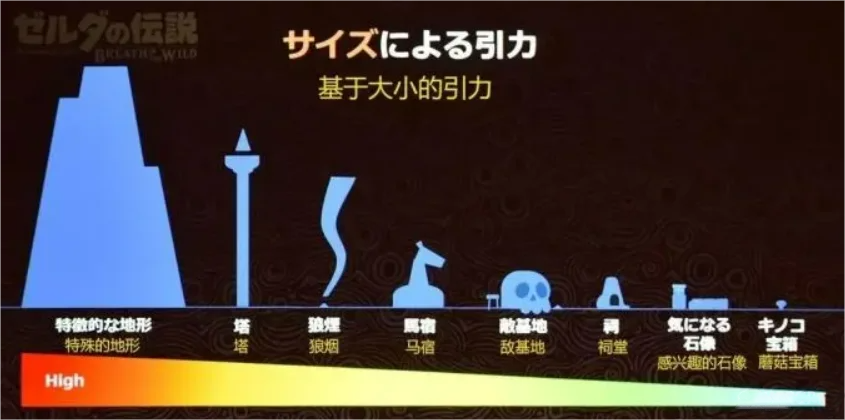
From the GDC technical presentation on *The Legend of Zelda: Breath of the Wild*
Is this game any good? Of course it is. However, in this mode, players’ exploration follows a visually driven, linear loop. More importantly, aside from the content points meticulously choreographed by the designers, there’s basically nothing to do in the gaps between them; the world itself lacks an internal logic that operates independently of the content placement.
Furthermore, exploration in the vast 2D wilderness must be described with the term “reward-driven”—or, in other words, “looting treasure chests.” Players traverse and scour the map in pursuit of gacha resources; once those resources have been exhausted, their motivation to explore fades.
The approach in *The Strange Ring* is different.
Zhang Yu has his own definition of *The Loop*. He says, “We define the urban experience as a ‘human-centered open world,’ while wilderness-themed games are ‘nature-centered open worlds.’ The focus of nature-centered open worlds lies in interacting with natural elements and solving puzzles, whereas the human-centered approach is entirely different—it emphasizes interacting with characters in the city. I can talk to taxi drivers, rush to a hospital to handle an incident, enter a school, or play the role of a police officer. These are all experiences that wilderness-themed games simply cannot offer.”“
He added, “The ceiling for humanities-themed works is quite high, so there will be plenty of opportunities in the future.”
The crux of this passage lies in the term “humanities”; in other words, in *The Strange Ring*, the focus of the world shifts from “natural landscapes” to “people and cities.”
Specifically, this is most evident in the city itself.
As modern cities have evolved, they have naturally developed functional spatial structures: commercial districts, residential areas, hospitals, schools, police stations, and entertainment venues. These areas are connected by functional relationships rooted in the logic of urban operations, rather than simply being “plots with different architectural styles.”
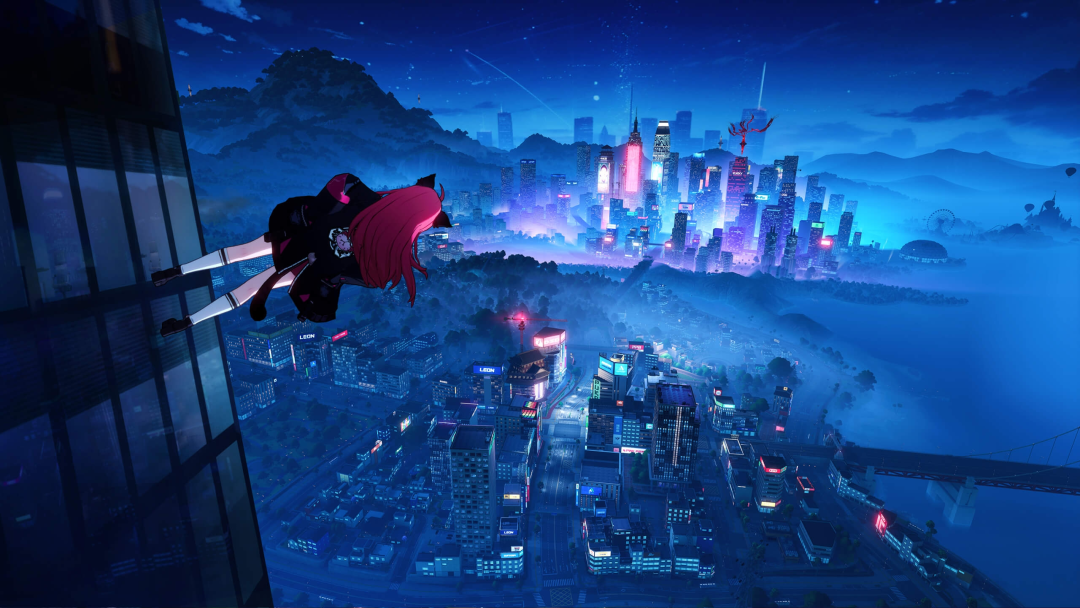
This means that the city of Helot has a certain intuitive logic to it. For example, when you walk past a bank, you instinctively wonder, “Oh, can I deposit money here?”; when you see a car dealership, you think, “Can I buy a car here?”; and when you see a video game store, you think, “Can I go in and play a game?”; and when a tram or bus pulls into a station and stops at the platform, you basically know you can hop on for a ride.
These insights do not rely on in-game instruction at all, because players make judgments based on common sense; what Yihuan needs to do is make those judgments “feasible.”
This sense of accessibility directly influences what drives players to explore, but Zhang Yu also pointed out a potential pitfall in urban design: “Gravity-based design in open-world games relies on players being drawn toward distant objects, since there aren’t many obstructions in the wilderness and the view extends far into the distance. This doesn’t work in urban settings, where the view is blocked by buildings, so this design approach is inherently less effective.”
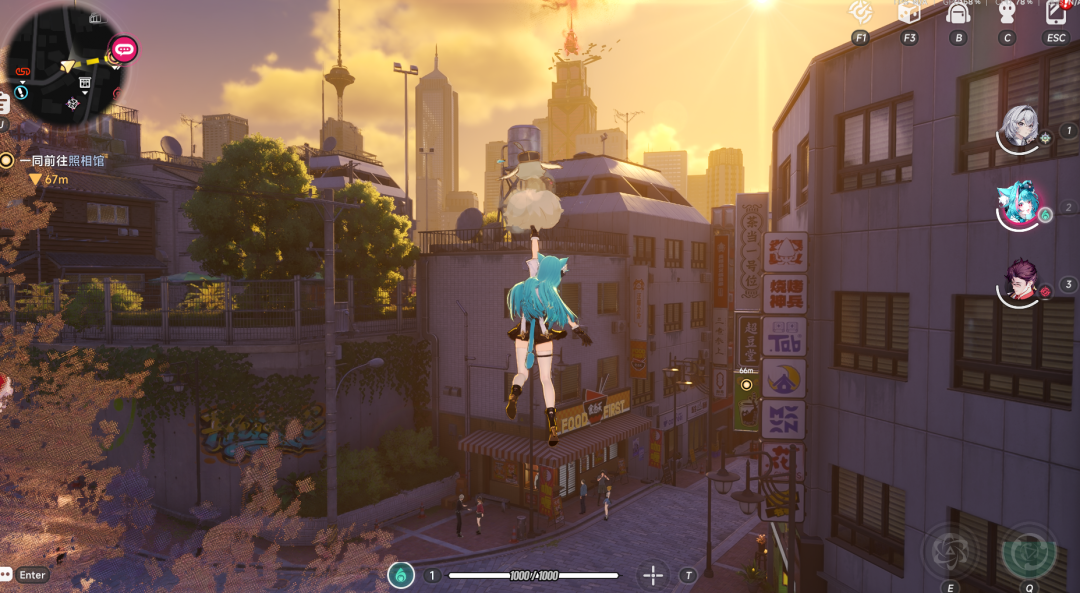
*The Ring* addresses this issue through its city-building mechanics, which were integrated into the “City Tycoon” system during the third beta test. On this screen, even if players don’t have a clear visual goal, they can still see the various objectives in the city—such as buying cars and purchasing real estate—listed in the gameplay menu (providing motivation to earn Fangs).
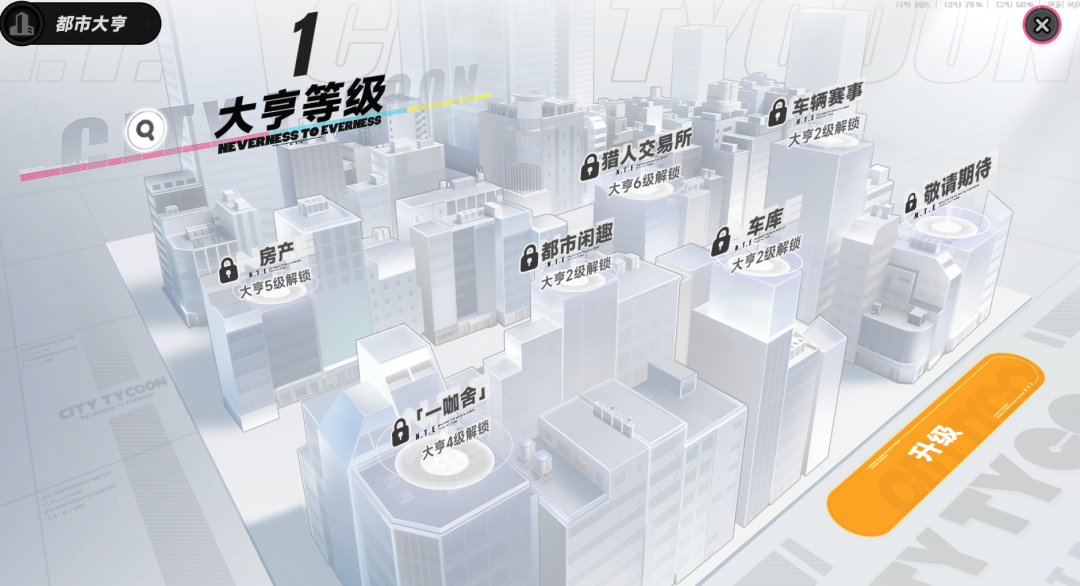
In addition, the urban spaces of Heitelo are still filled with traditional open-world content, such as standard checkpoints like challenge levels. They also incorporate a wealth of encounters and random events unique to urban settings—such as street brawls and sudden conflicts that require players to intervene immediately—as well as anomaly-clearing missions unique to the *Loop* universe. As a result, players rarely experience that empty, aimless feeling typically associated with traversing vast open worlds.
This is also the guiding principle behind the content development for *Loop of Strangeness*, which Zhang Yu summed up in a single sentence: “The logic behind all our content is that players don’t have to do it, but it has to be there.”
He gave an analogy: “It’s like the real world. If there’s a bar in town, would you go? Maybe not, but if you ever feel like having a drink, it’s right there. There’s an arcade—you might never go there, but if you’re bored and want to play a game, it’s there too. A truly great city must offer a vast array of options; you can do whatever you want, but nothing is mandatory.”
Of course, the production costs behind this "real-world-like" design are astronomical.
Zhang Yu himself admits that developing an open-world urban game is many times more challenging than developing a wilderness-themed one. Even the smallest details—such as what time streetlights turn on, when billboards start flashing, whether NPCs open umbrellas in the rain and close them when entering buildings, and the logic behind traffic lights and the traffic system—each represent a massive amount of work when broken down into individual components.
“The problem with common sense is that if you don’t handle it just right, players’ perception of the city becomes distorted,” said Zhang Yu.
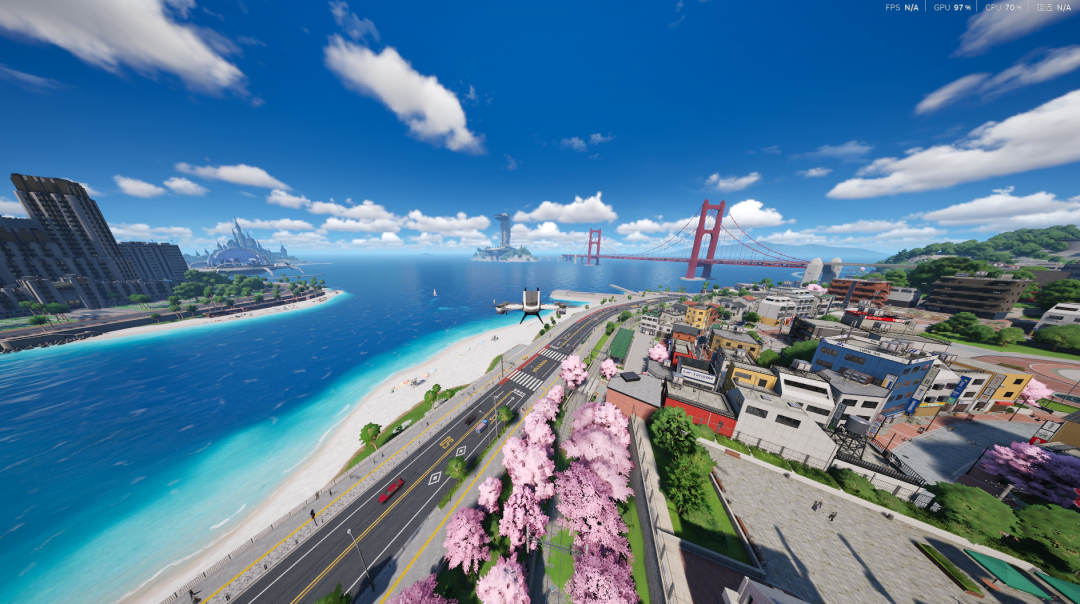
Getting back to the game itself, as you can see, *Ring of the Exiles* actually reimagines the traditional open-world loop found in previous games.
To put it simply, the core loop in the "Wild World" paradigm is essentially a one-way chain of exploration → combat → character development → gacha. In contrast, *The Ring* is more like a web: its anthology-style main storyline, set against a backdrop of ghost stories, offers a content consumption rhythm reminiscent of binge-watching a TV series. Each chapter focuses on a specific commission, advancing the main plot while maintaining the independence of each episode;The city-based gameplay, meanwhile, forms multiple parallel paths independent of combat: driving for ride-hailing services, delivering goods, racing, fishing, modifying vehicles, renovating houses…
These storylines run parallel to one another and intersect; players receive positive feedback on any given storyline, and can switch between them seamlessly without any rigid prerequisites that hinder progress. In the open beta version, Su Huan has also brought forward the launch of "City Tycoon"; now, once the prologue is complete, players can dive straight into "City Exploration" (who needs to be an appraiser? I’m really not familiar with that).
It’s fair to say that the urban environment in *Loop* offers virtually all the functions of a real city, yet none of the gameplay elements force players into anything. You can choose to ignore street thugs, and deliveries aren’t due today—there are no “corners that must be cleared” in the city, and the choice of how to play remains entirely in the player’s hands.
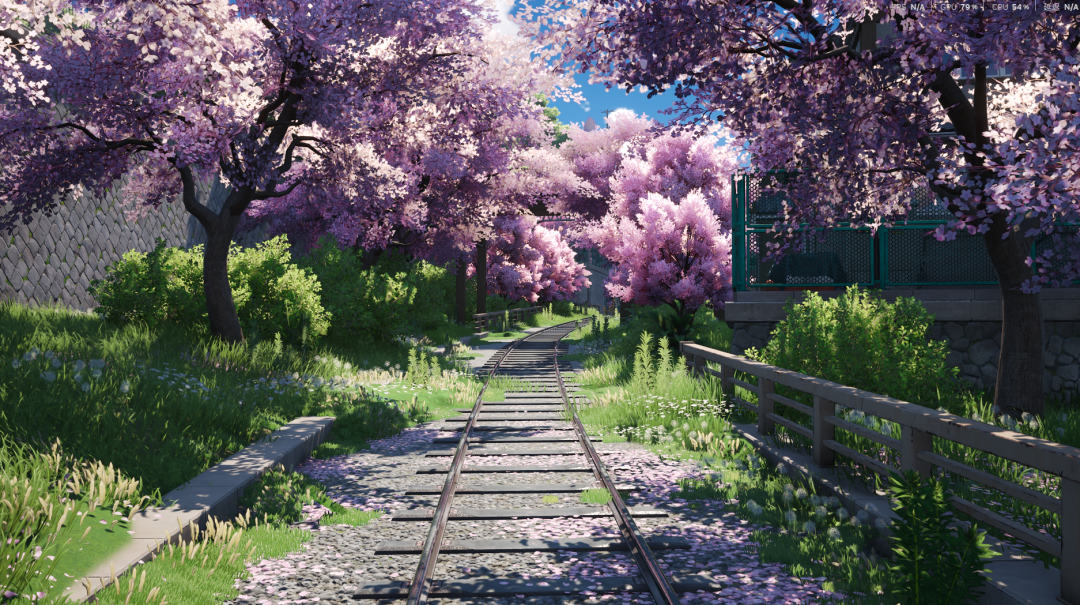
What’s more, in designing the urban framework for *The Strange Ring*, the developers didn’t stop at the surface level; they also sought to offer a wide range of gameplay options.
For example, *Anomalous Ring* uses its “Anomaly Commission” system to transform the city’s environments into gameplay experiences. Take the hospital exploration side quest, for instance: it’s a fully-fledged *Escape*-style dungeon. Once inside, players must repair power sources and search for clues in the dark, and when encountering pursuers with instant-death mechanics, they must hide in lockers.
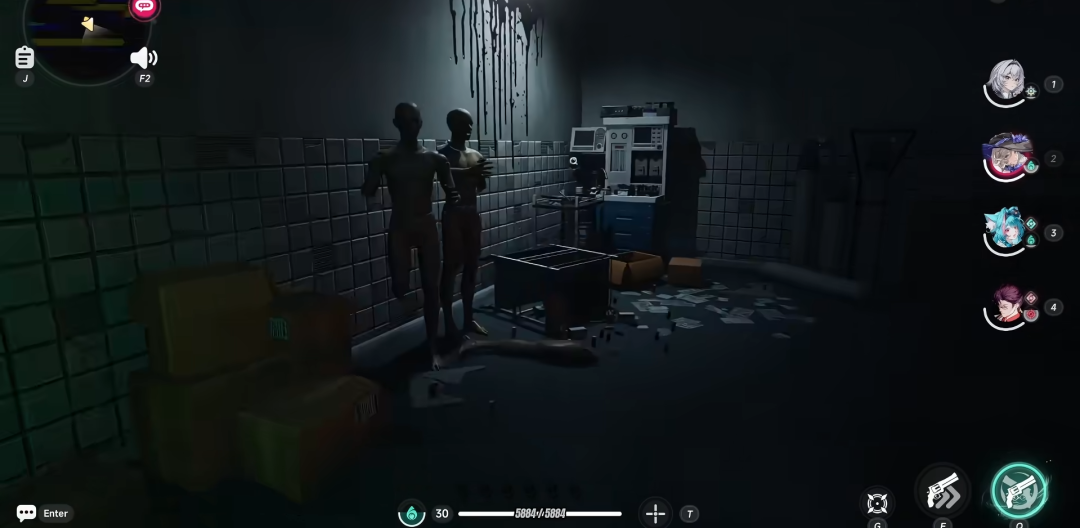
The school serves as a massive campus ghost story puzzle dungeon, centered around the puppet apparition known as the "Lonely Player" and incorporating classic Japanese supernatural elements such as the "Ten Great Mysteries of the Campus": a piano that plays by itself in an empty classroom, and a labyrinthine corridor where no matter which way you turn, you always end up back where you started—all of which imbue the nighttime campus with an eerie, ghost story-like atmosphere.
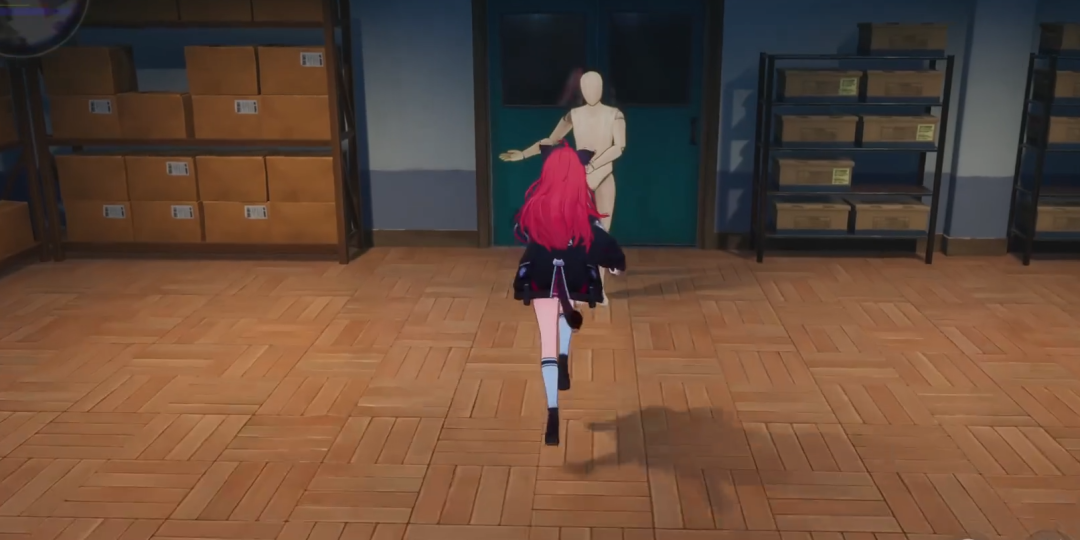
These quests generally take more than two hours to complete. Unlike turn-based combat and city life, they follow a whole new set of gameplay mechanics.
When discussing the focus of long-term operations following the open beta, Zhang Yu stated clearly: “Storylines and combat are standard features in mobile games—everyone has them. We aim to reach the highest standards in these areas. However, where we’ve actually invested the bulk of our resources is in urban gameplay and city life—these are unique to *Loop*.”“From the second to the third closed beta, we’ve added prisons and hospitals, expanded the school setting, and introduced museums, banks, and other urban life content—all with the goal of deepening the urban lifestyle and gameplay experience.”
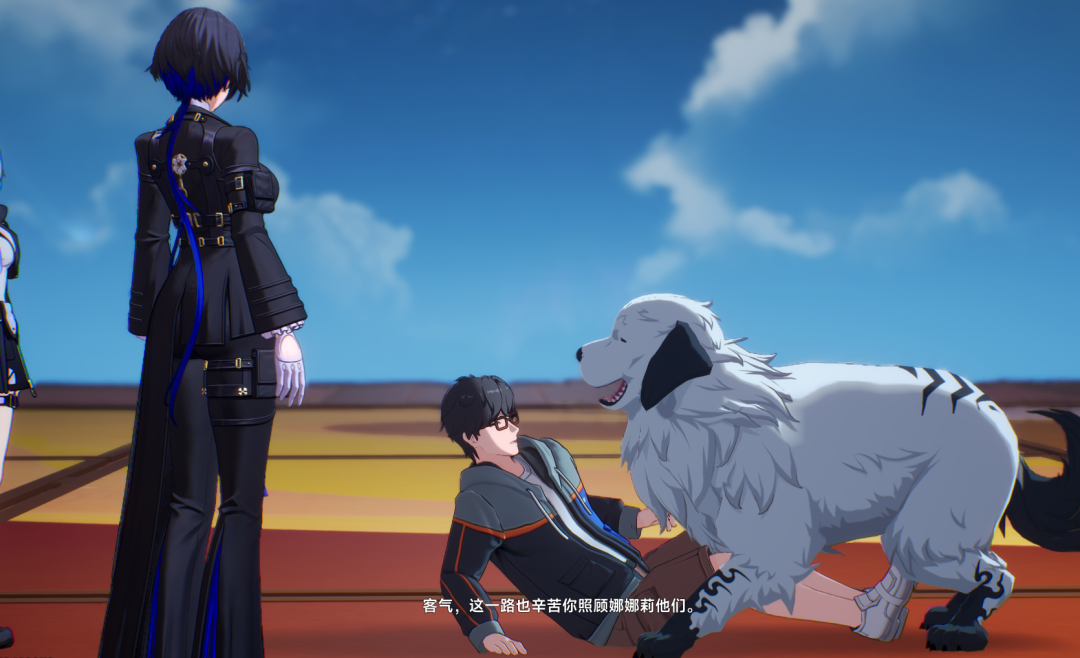
Overall, the structure of *Eccentric Ring* addresses a long-standing issue in the indie game genre: Is the open world of an indie game merely a container for content, or is it a vehicle for gameplay?
Wild World clearly leans toward the former; the world exists solely to host the content of each update, and once the update is over and the resources have been exhausted, the world falls silent. The Loop, on the other hand, clearly aims to have it both ways.
In other words, in terms of content, the narrative tension derived from the characters and ghost story themes ensures that each version remains engaging; in terms of gameplay, the urban life simulation allows the world itself to offer playability and the value of repeated exploration without relying entirely on version updates.

When discussing the inherent "downtime" issue in MMORPGs, Zhang Yu admitted frankly that he doesn’t believe the current version of *The Ring of Strangers* can solve this problem either. However, he added, “At the very least, it gives players more reasons to stick around and do something during the gap between updates than *Wild World* did.”

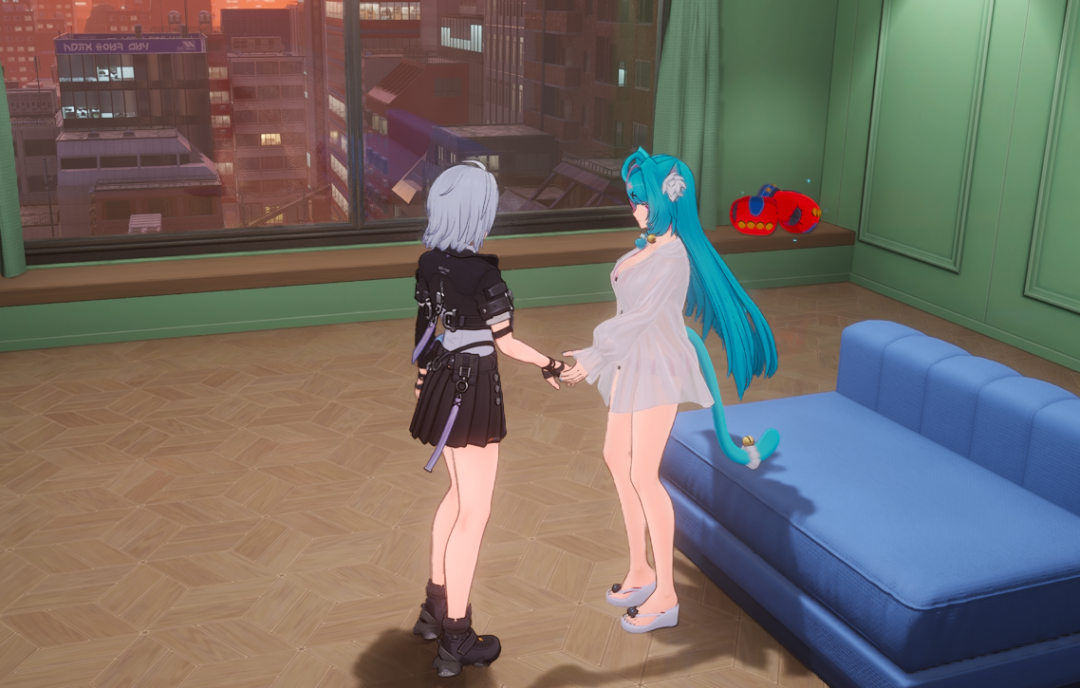
Additionally, as I mentioned in my commentary on the third beta test, following the deep integration of the companionship system, the positioning of *The Ring*’s characters within the overall character monetization system has shifted. In other words, beyond “stats” and “character design,” a third dimension has been added: companionship value.
As I mentioned back then, the deep integration of the affinity system with the housing and vehicle systems gives characters a sense of ongoing presence in daily life beyond combat and storylines. After all, you can invite characters to move into your apartment as roommates, have them ride shotgun as you explore the city, and as your affinity with them grows, unlock intimate interactions like hugs and ear-cleaning—making them constant companions in your urban daily life.
So, with that in mind, let’s summarize the reasons why *The Ring* deserves to be called 2.0.
The underlying logic of the 2D wilderness universe is "spectacle-driven, content-driven"; the world relies on scenery to create visual appeal, gameplay relies on linear loops to consume content updates, and character value is concentrated in both numerical stats and narrative.
In contrast, the 2.0 approach embodied by *The Ring* is centered on “spatial interaction and experience-driven design.” The world fosters comprehensibility and a desire for active exploration through functional urban structures, featuring gameplay that unfolds across multiple parallel threads and forms a network of interconnected loops. Character value has expanded from the two-dimensional plane of combat and narrative into a three-dimensional space that includes daily companionship.
Isn't the logic completely different?
However, I should emphasize that there is no question of one approach being superior to the other; it is more accurate to view them as different paths chosen by the genre at different stages of its development. *Wild World* has been thoroughly proven to be effective, while *The Strange Ring*, representing the urban direction, simply offers another possibility that “might prove equally effective.”
At this point, *The Ring* actually faces another challenge: beyond the concept of Version 2.0, can it truly deliver in terms of quality? After all, while the mobile game genre is no shortage of excellent ideas, many developers lack the technical polish needed to bring them to life, resulting in half-baked products that are “good in concept but clunky in execution.”
So, now that we’ve broken down the design logic, I think it’s worth taking a closer look at the actual level of completion in the open beta version of *The Ring*.
02
Even manual labor should be done well
In fact, although not much time has passed between the first closed beta and the open beta, the evolution of *Loop* has been quite evident. During the first closed beta, the characters were a major weak point, with the community once describing the game as a “chaotic brawl.” For the second closed beta, Su Huan Tui comprehensively upgraded the character models and the quality of the story sequences;During the second beta, while the driving mechanics received some tuning, they were still slightly lacking, and the combat mechanics felt somewhat unpolished. By the third beta, SuHuan had addressed these issues one by one, making significant adjustments to both the driving and combat interactions.
In fact, at that time, *The Loop* had already reached a high level of polish, and in today’s open beta version, the game has undergone further refinements in several key areas of the gameplay experience.
The driving experience was previously the aspect that drew the most criticism, so it naturally became the primary focus of refinement during the open beta. By the third beta test, the development team had virtually rebuilt the entire vehicle handling system from the ground up. The open beta version builds on this foundation with further enhancements; the customization options for vehicle modifications have been significantly expanded, down to the choice of tire types—for example, different tire types such as snow tires and rain tires will each affect the actual driving feel.
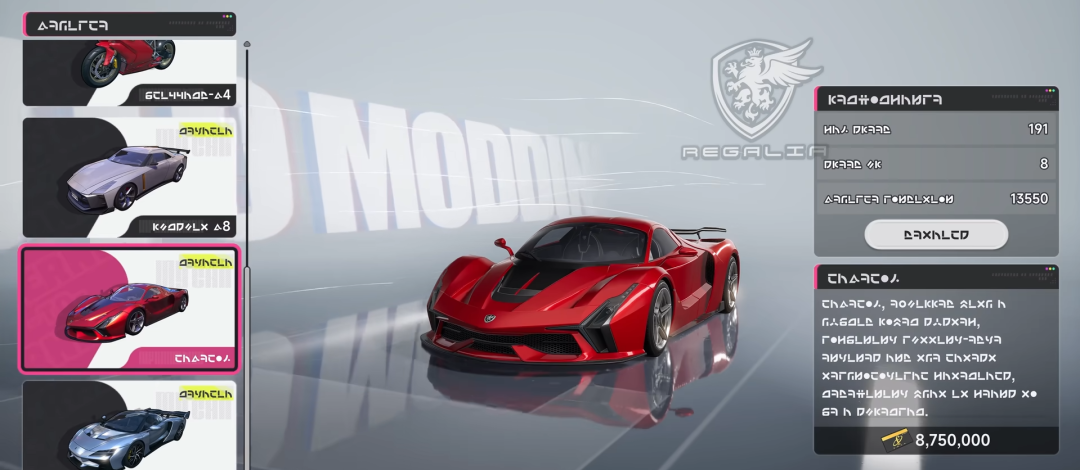
Furthermore, the refinement of the vehicle system goes beyond just the feel of the controls; it also involves the simulation logic of the entire transportation system. Zhang Yu specifically mentioned that vehicles in Helot City actually follow the city’s road network—they don’t just spawn out of thin air in front of players and then vanish. NPC vehicles can be collided with and destroyed, and their behavior mirrors that of the player’s own vehicle.
In terms of combat, the updates have focused more on refining the gameplay experience. By the third beta test, *The Ring* had already adjusted the interruption logic for combat actions, granting evasion and skills higher priority. Players can now instantly cancel the recovery animation of normal attacks by evading, resulting in smoother combo transitions. Mechanics such as triggering counterattacks through extreme evasion, multi-character coordinated combo moves, and parry-based counterattacks have also begun to give the combat the rhythm expected of an action game.
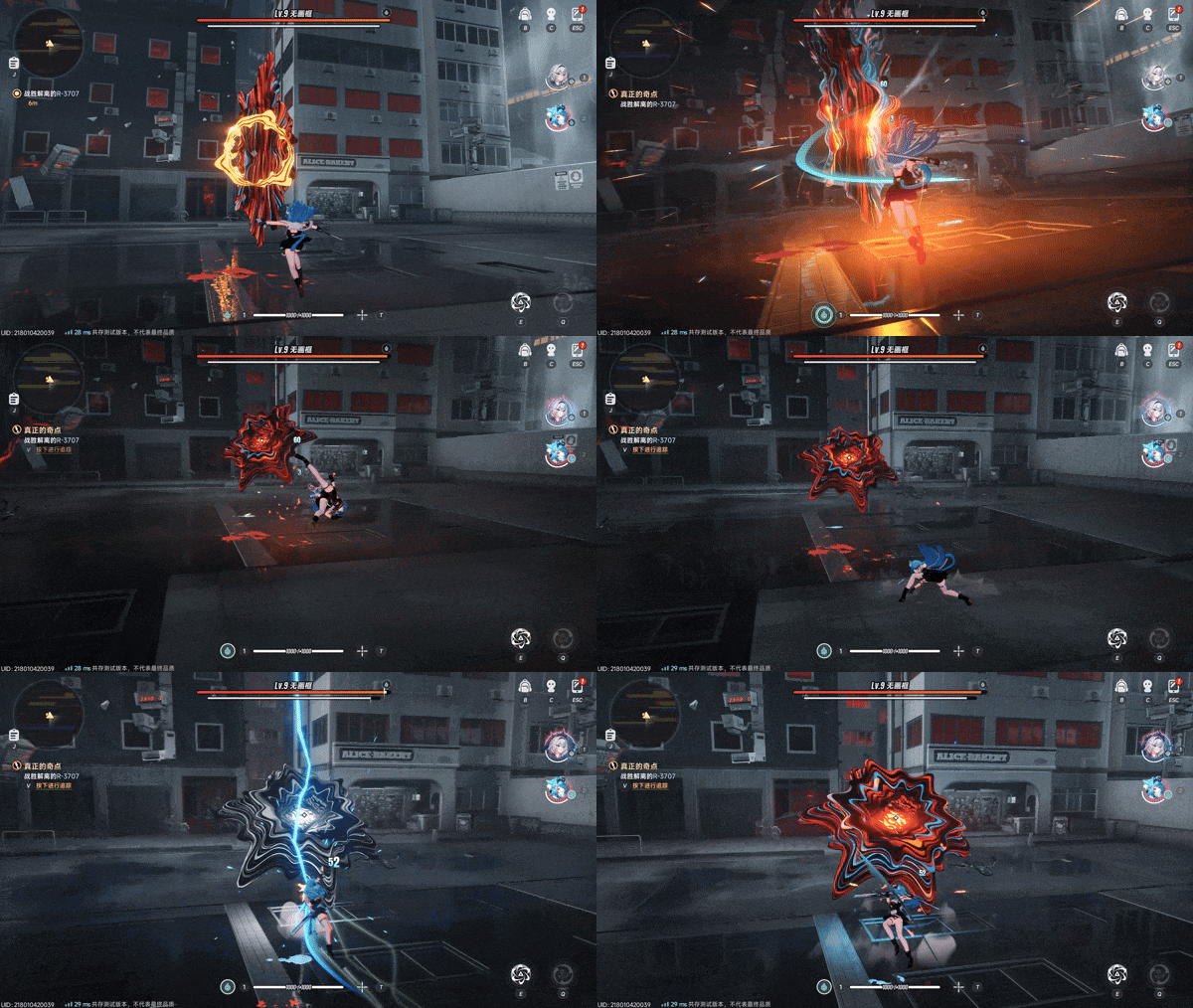
The core optimizations in the open beta version focus on camera work and visual feedback. Take the character Hassol as an example: when her takedown move is triggered, the camera now quickly cuts from the standard perspective to a low-angle shot, then transitions to a high-angle view along the motion path, accompanied throughout by camera shake and motion blur. Similar camera techniques have been extensively incorporated into the open beta version, adding a sense of “cinematic flair” to combat scenes that felt somewhat lacking in previous versions.
Additionally, the open beta version has undergone further fine-tuning in the frame rate ratio between hit stun and attack recovery, resulting in smoother combo transitions,and provides a more forgiving window for execution. Personally, while *Loop* still falls short of the standards of top-tier action games, for a mobile game whose core selling point is the urban lifestyle experience, its combat mechanics are already solid enough to earn the praise of “not holding the game back”—especially since it’s still undergoing continuous updates.
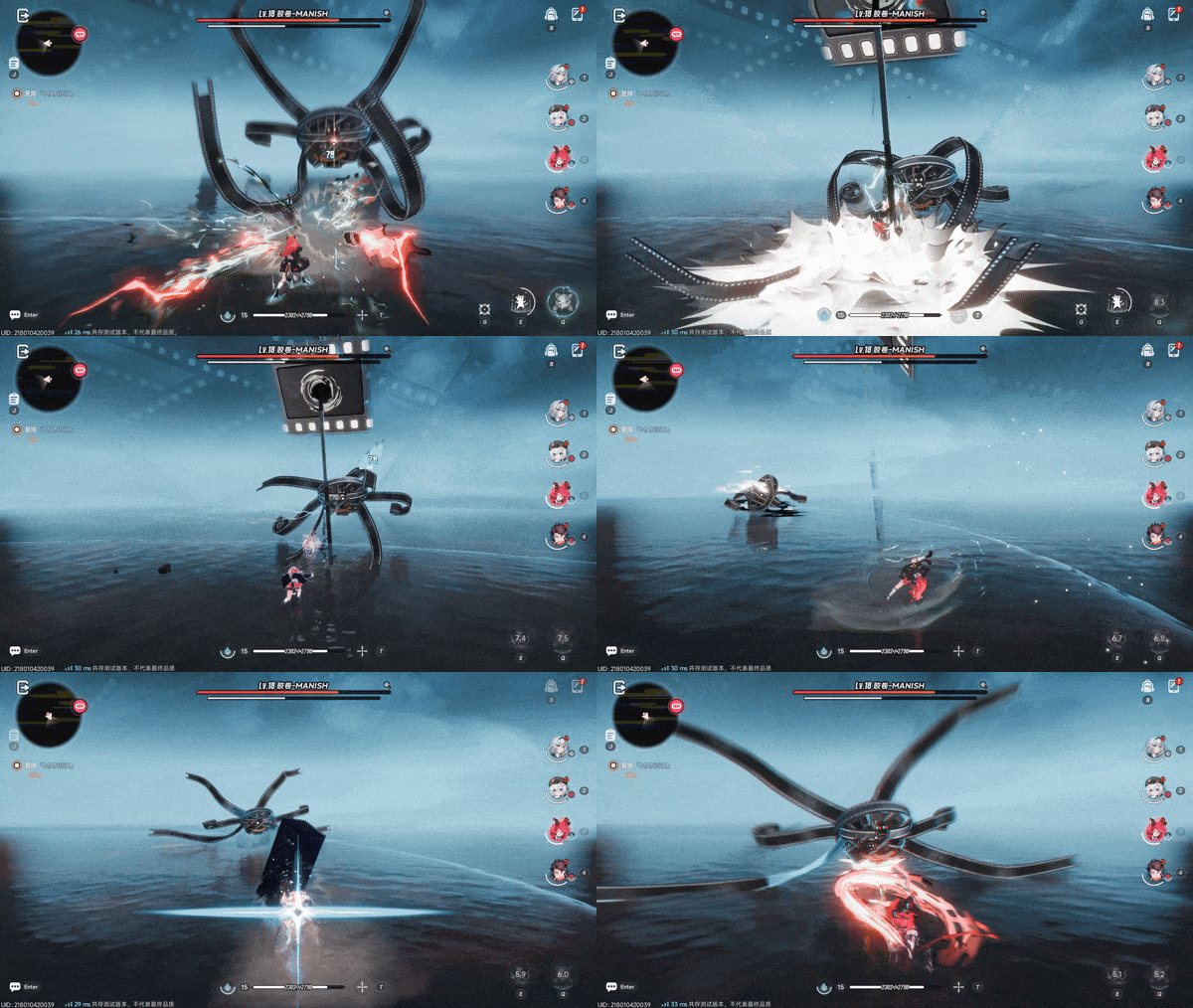
Of course, the character rendering pipeline is also undergoing continuous upgrades. By the time of the third closed beta, *The Strange Ring* had already undertaken extensive custom development at the character modeling shader level. Building on this foundation, the open beta version not only features a refreshed visual design but also introduces additional glowing components. These elements are particularly effective at enhancing the visual appeal and distinctiveness of characters in dark scenes or nighttime urban environments, and they align perfectly with the dark settings frequently featured in *The Strange Ring*’s ghost story theme.

Character modeling is the core asset of anime-style products; the quality of the characters essentially determines the overall quality of the product. Despite its focus on refining gameplay and expanding the game world, *The Ring* has not neglected its ongoing investment in the character rendering pipeline.
The reason behind this is easy to understand: no matter how much things change, the story and characters remain the foundation of a mobile game, and character models must still stand up to scrutiny within the narrative context.
In terms of narrative content, the open beta version also features some impressive examples.
What moved me the most in my personal experience was a segment of the "Heart Hunter Knights" storyline in the Golden Apple Museum side quest. The protagonist of this side quest is a scruffy middle-aged man named "Glory" whom you might bump into in the park. He doesn't stand out at first glance, but once the quest is triggered, a series of flashbacks unfolds, revealing that he once posed as a hero and even allied himself with villains, using the hero's name to swindle people.
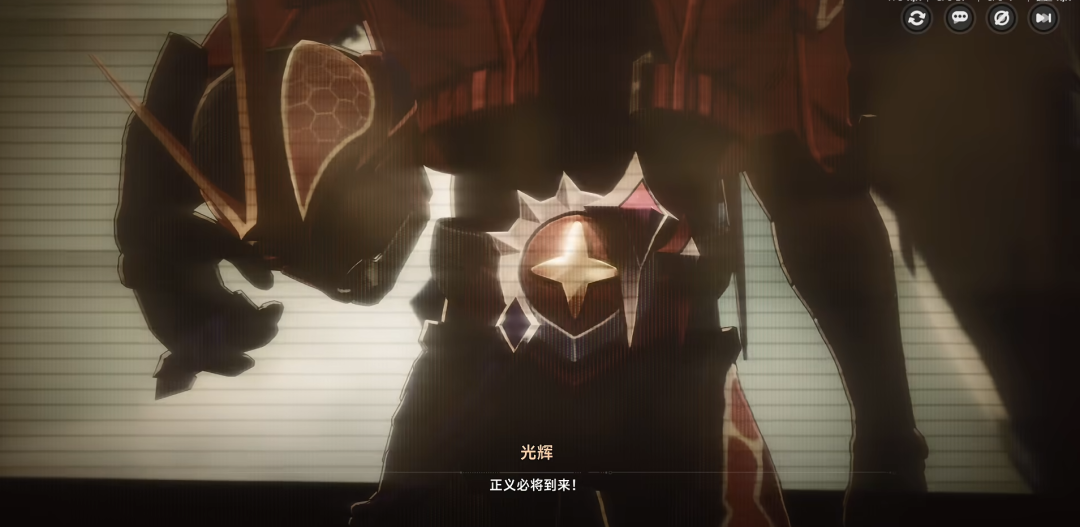
Fame and fortune fueled his insatiable greed. To maintain the public’s attention and ensure he could continue to amass wealth and bask in adulation under the guise of a hero, he needed a constant stream of “incidents” to sustain his persona. When the buzz began to fade, he took desperate risks, dragging an innocent child who genuinely looked up to him into danger, ultimately leading to irreversible consequences.
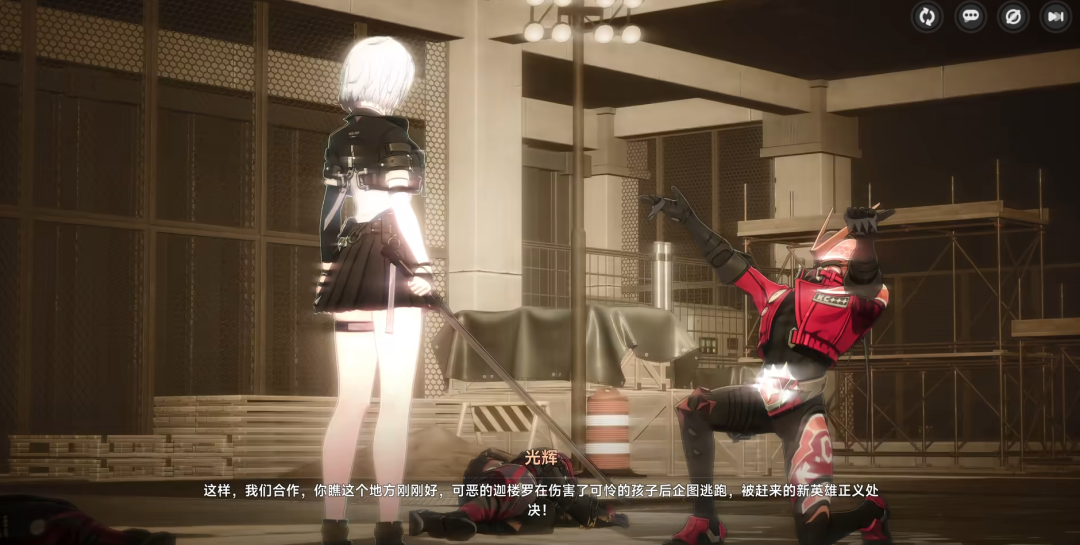
Set in the urban world of *The Strange Ring*, where supernatural events occur frequently and heroes truly exist, Guanghui’s story reveals the dark side of the Haitelo universe: heroic narratives can be exploited and turned into a means of pursuing personal gain. That is why, after witnessing this past, the protagonist tells Tungsten, “That really is a terrible story.”
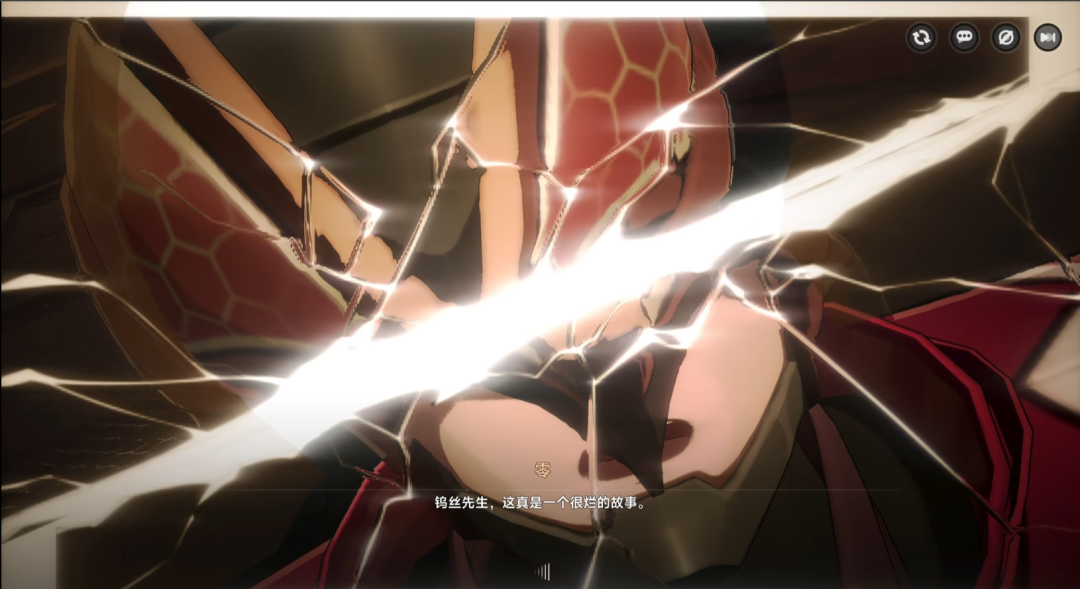
I believe the strength of the *Iring* storyline lies in its deep exploration of the "pseudo-hero." If you're familiar with tokusatsu culture, you might recognize the name *Kamen Raiden*. Not only is this series itself a knockoff of the *Kamen Rider* franchise,but the protagonist also presents himself as a “hero of justice,” claiming to be a warrior transformed by an evil organization. In reality, this so-called evil organization is entirely a figment of his imagination; he is nothing more than an antisocial individual who uses his “hero” identity as a cloak for his violent acts.

Both stories illustrate how, when someone claims the mantle of a hero yet completely shirks the responsibilities and sacrifices that come with it, that identity can turn against them and consume others; as a result, players who have experienced the game have engaged in extensive discussions on this topic.


It’s worth noting that narrative content of this caliber isn’t limited to the main story chapters; it’s merely a subplot set in an urban setting. This alone speaks to the depth of *The Strange Ring*’s commitment to its content.
One more point worth mentioning is that *Loop* is a cross-platform title. All the refinements mentioned above—the vehicle physics simulation, the camera work during combat, the level of detail in the character rendering pipeline, and the lavish production values of the narrative sequences—are certainly welcome additions on PC, where modern hardware can handle the strain.
The question is, where's the phone?
"The Ring" is built using Unreal Engine 5.6. As anyone familiar with game development knows, even Epic hasn't fully figured out this version of the engine yet, let alone optimized it for mobile devices.
Zhang Yu revealed that during the development of *The Loop*, the team submitted a large number of mobile-related bugs and technical issues to Epic. In other words, *The Loop* served, to some extent, as a “pioneering product” for UE5 on mobile; many optimization solutions were developed in collaboration with the engine team without any precedents to reference.
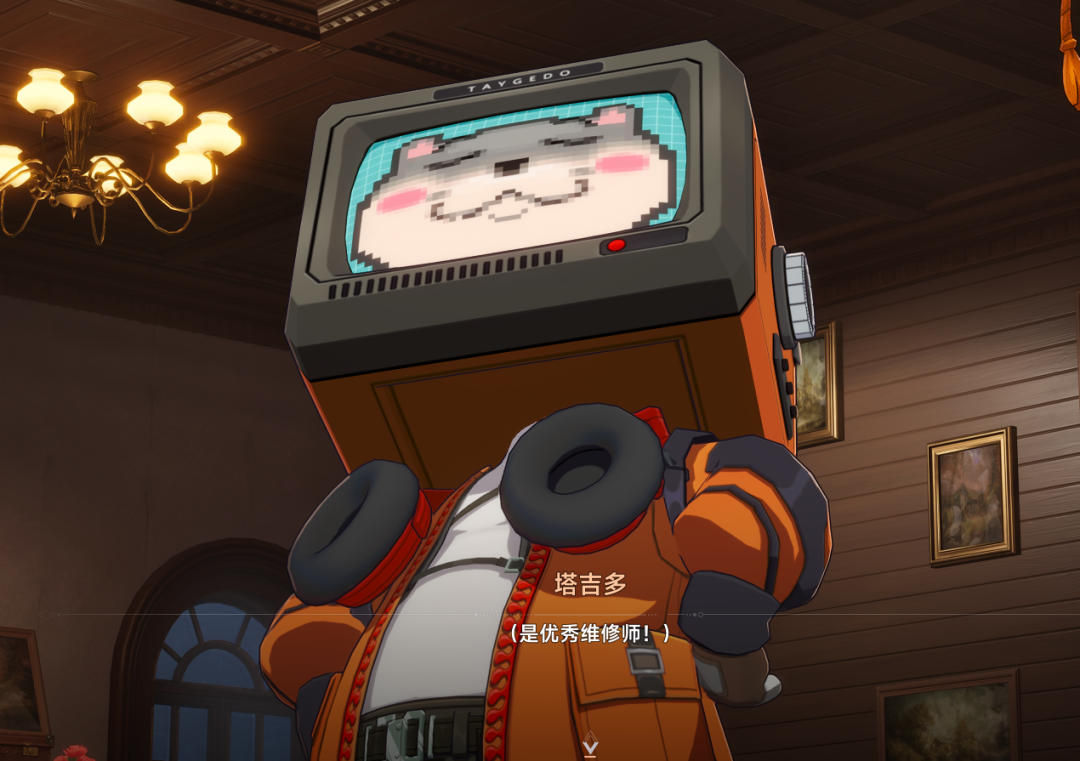
Therefore, while the path to mobile for *The Ring of Eternity* is more challenging than for other cross-platform products, Zhang Yu and his team believe that “difficult” does not mean “impossible.” He said, “We’ve worked on the mobile adaptation of *Arknights*, so we have experience in this area and know how to establish technical standards and optimize for mobile.”
Based on the actual performance of the open beta version, the mobile version of *The Loop* has seen an overall frame rate increase of about 10 frames per second compared to the third closed beta. Devices equipped with the Snapdragon 8 Gen 3 now run the game very smoothly, with virtually no noticeable frame drops, while the iPhone 17 Pro Max even supports a high frame rate mode that can reach 90 frames per second.
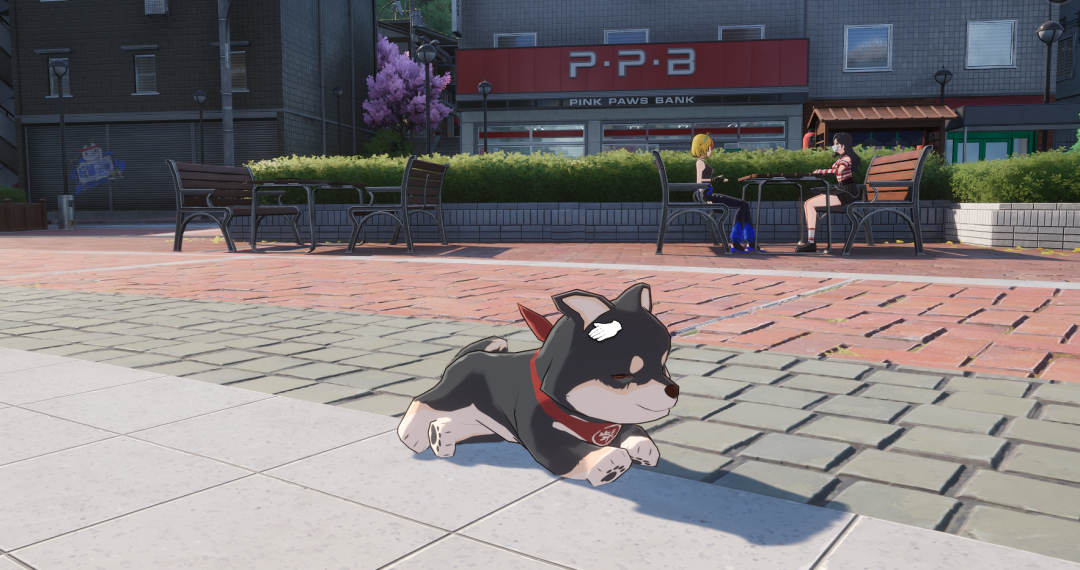
What really impressed me was how well the visual effects were preserved on mobile. During the third beta test, I had a moment that truly surprised me: in a rainy scene, the reflections of neon lights on the wet pavement, the splashes of water as pedestrians ran by, and the trails of raindrops slowly sliding down the characters’ clothes and car windows—all these details were actually preserved to varying degrees on mobile.
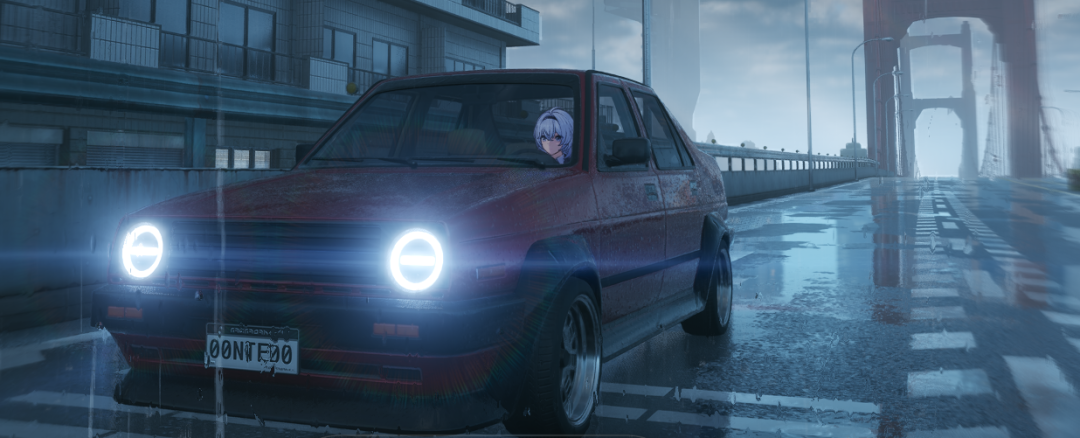
Screenshots from the third round of mobile testing (device: Xiaomi 15)
The open beta version further refines the balance between "visual appeal" and "resource efficiency." As Zhang Yu put it, "We have customized versions of virtually all art assets for mobile devices."
The commercial significance of this investment cannot be overlooked either. Zhang Yu is well aware that a large number of players access the game on mobile devices, and if optimization in this area is not handled properly, “the impact on the product would be devastating.”
This is indeed the case. While it is now a major trend for PC clients to carry more weight, mobile platforms still host a massive user base. If an open-world urban MMORPG does not run smoothly on mobile devices or suffers from significantly degraded graphics, then all the elements discussed earlier—such as urban immersion, realistic traffic systems, and dense environmental interactions—will become experiences exclusive to PC players, and the product’s market potential will be significantly limited.
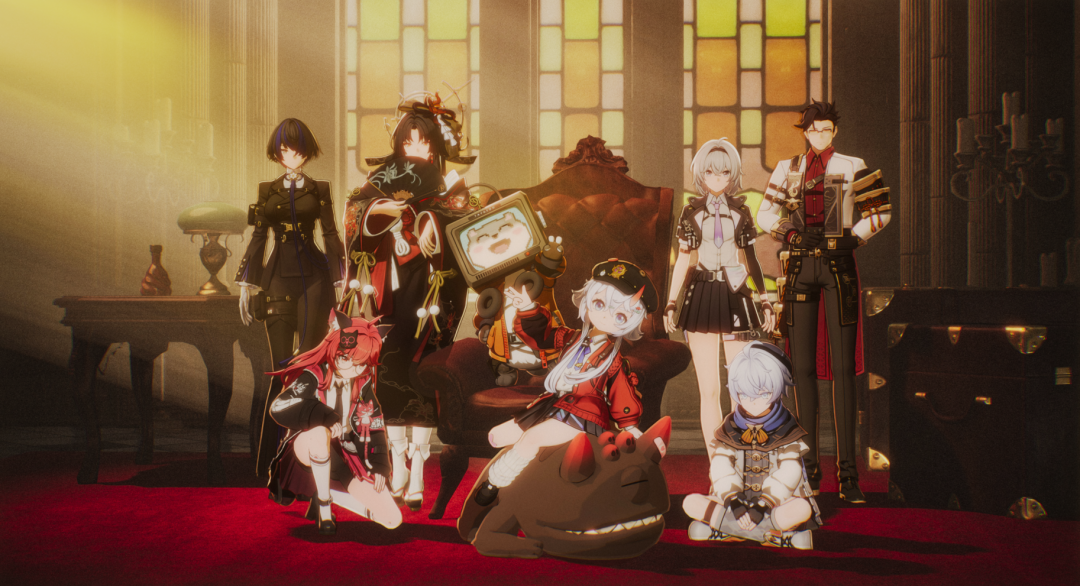
Taken together, it seems that SuHuan’s approach to refining the open beta version of *Ether Ring* goes beyond simply adding more content and improving quality in the conventional sense; rather, their efforts appear to be focused on ensuring that every core system truly fulfills its intended role within the overall gaming experience.
For example, refining the feel of vehicles is intended to make driving a habit-forming daily activity, rather than merely a means of getting from point A to point B; fine-tuning combat camera work and frame rates ensures that the action experience meets a certain standard of quality amidst the laid-back atmosphere of urban life; the continuous iteration of the character rendering pipeline maintains the quality baseline of the game’s core assets; and the investment in storytelling demonstrates that the ghost story genre has the capacity to consistently produce high-quality, distinctive content….
In-depth optimization for mobile devices ensures that the gaming experience resulting from all these efforts truly reaches every player.
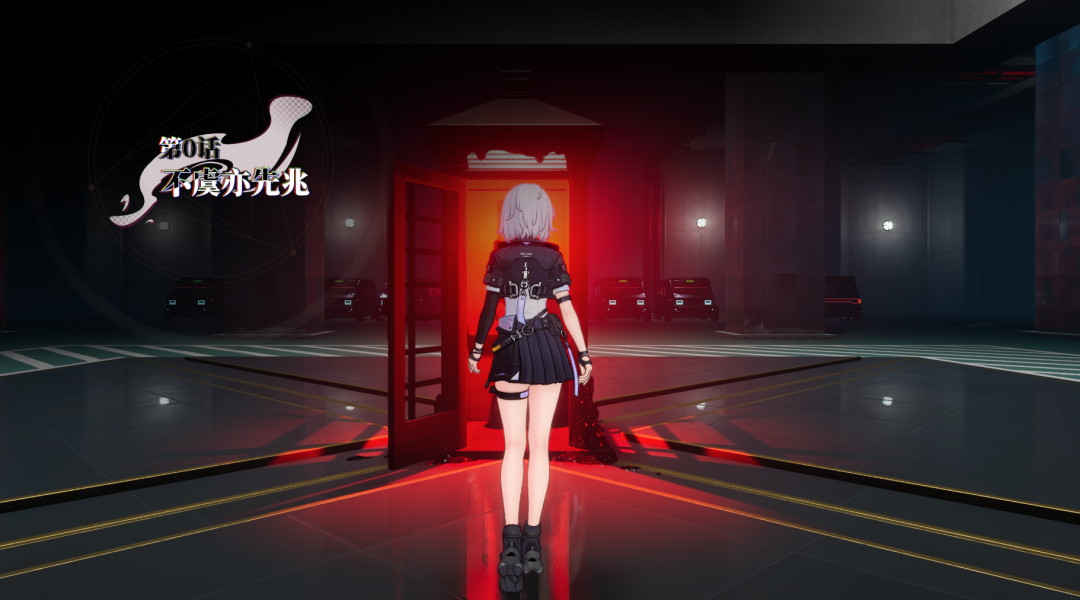
As I mentioned at the beginning of this article, *Eternal Ring* has demonstrated a remarkable ability to iterate quickly. Zhang Yu attributes *Su Huan*’s ability to maintain this fast, real-time iteration pace to several factors. He believes that one key factor is the pipeline capabilities accumulated from *Arknights*; as a result, *Eternal Ring* was able to rapidly establish its scene production pipeline and gameplay module development processes across several dimensions.
Second, this depends on the team’s decision-making efficiency. Zhang Yu said, “After each round of testing, we quickly analyze the results and calculate costs. Once we’ve identified the right direction, we move forward immediately; we rarely waver for long.”
I believe this is largely due to Su Huan’s willingness to bring in young talent. Zhang Yu mentioned that the *Yihuan* project has a very high proportion of staff born in the late 1990s and even the 2000s, and the organizational structure is relatively flat, allowing issues identified on the front lines to be quickly relayed to the decision-makers. Moreover, this group consists entirely of die-hard anime and manga fans, so in some respects, they have a better grasp of the product’s tone than some of the more seasoned employees.
I have said on more than one occasion that *The Ring*’s ability to vividly recreate and shape the world of anime and manga culture is its unique and unmatched strength.
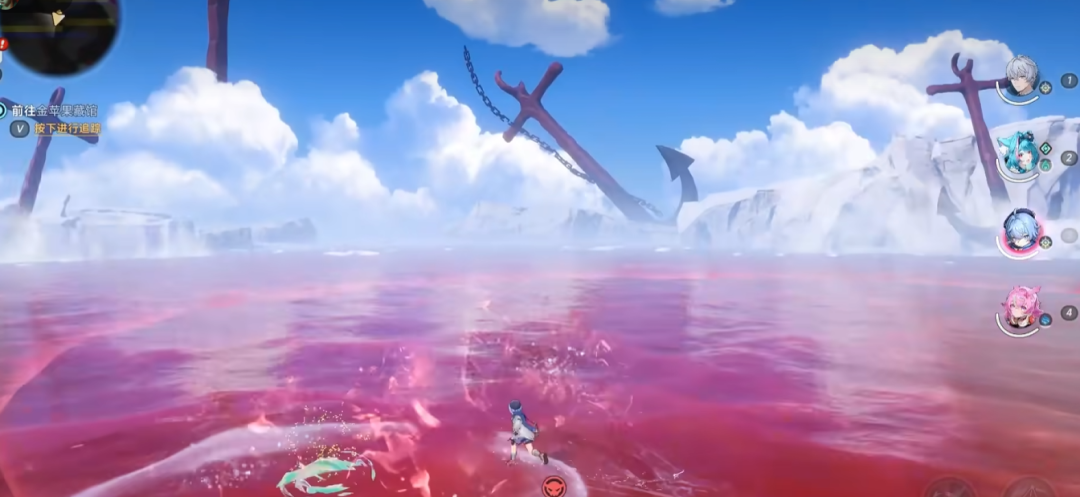
These two factors have enabled *The Loop* to maintain a clear vision of its design direction. In particular, they have allowed the team to identify which player feedback is valuable and have equipped them with the capacity to implement sound judgments and reasonable suggestions, transforming them into concrete improvements.
In today’s market, where mobile games are flooding the market and players are becoming increasingly discerning, this synergy of “clear direction and effective execution” is, in itself, a rare competitive advantage.
Conclusion
Having said all that, I’m sure I don’t need to explain why I call *The Loop* “Anime Open World 2.0.”
While the open beta is a crucial milestone in a product’s lifecycle, it is merely the starting point of long-term operations. Whether *The Ring*’s current framework can ultimately stand the test of time depends on whether future updates can consistently deliver high-quality content that aligns with its design philosophy.
It remains to be seen whether the game’s mechanics can sustain a sufficiently long operational cycle. The potential risks facing *Loop* include production capacity failing to keep pace with creativity or a depletion of gameplay ideas—neither of which is easy to resolve.
"We'll cross that bridge when we come to it," Zhang Yu added, noting that their pipeline of upcoming releases is quite substantial, with character development already "well into several versions." Perhaps, for now, we don't need to worry about these issues.
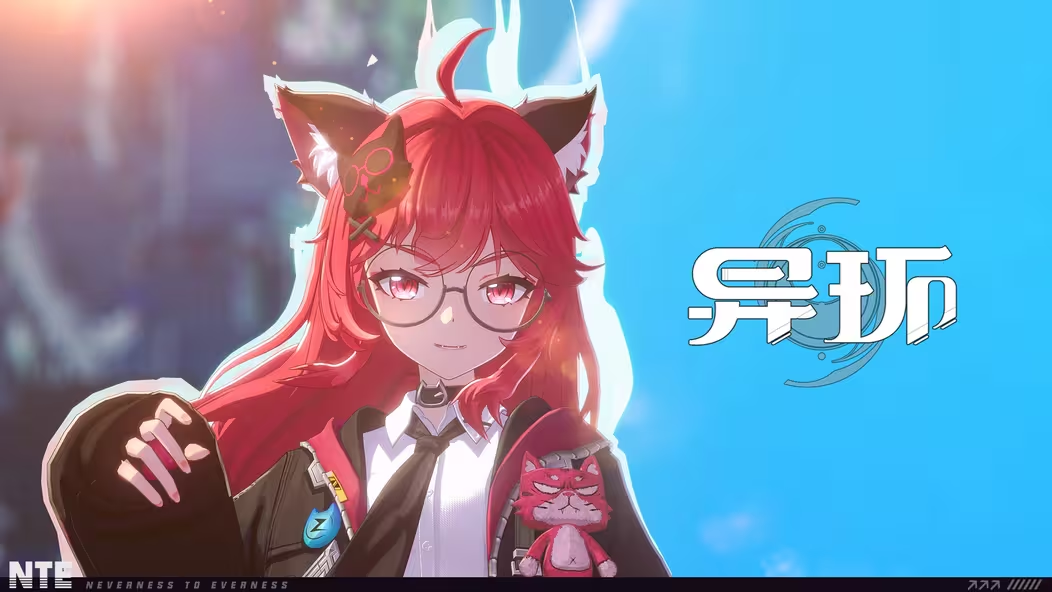
At this point, the most important thing is that *The Loop* has truly shown me another viable direction for anime-style open-world games beyond the vast wilderness.
I think a quote from Zhang Yu is particularly apt here: “In my view, the products that truly succeed in this industry and break through to a wider audience are almost always the first of their kind.”
Indeed, history has shown that in the evolution of product categories, the first product to clearly articulate and successfully implement a new approach often has the opportunity to set the standard for those that follow.
Only time will tell whether *The Strange Ring* can become this coordinate system.
原创文章,作者:游茶妹儿,禁止转载:https://youxichaguan.com/en/archives/194348