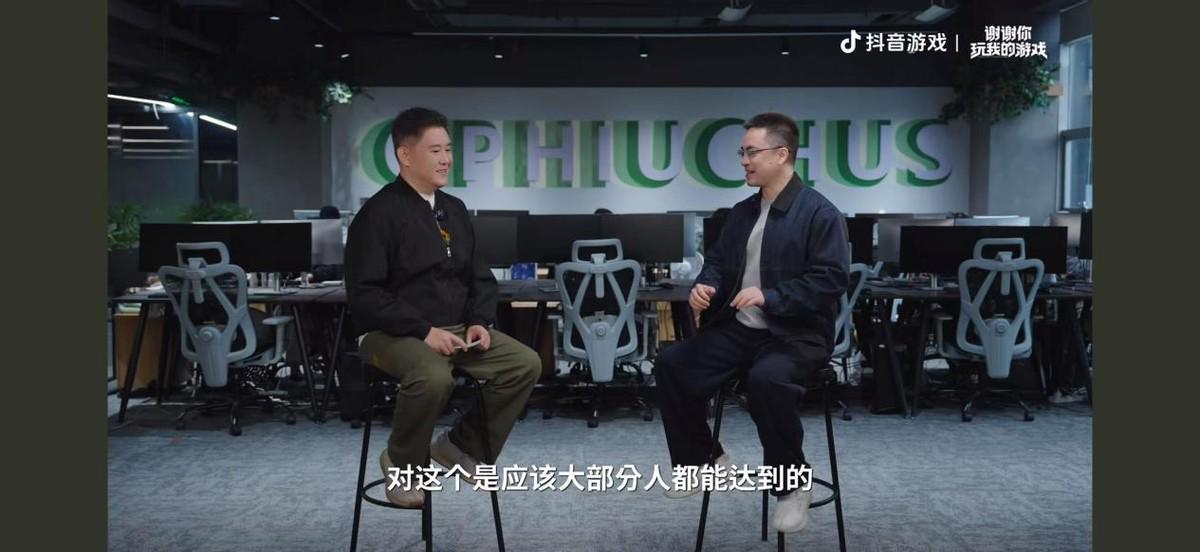
Recently, *Tide of Oblivion*, a highly anticipated Chinese buy-to-play action-adventure game, released a major update: Fu Kun, co-founder of Serpentarius-Eclipse Edge Studio and producer of *Tide of Oblivion*, appeared on the Douyin game producer interview series *Thank You for Playing My Game*. This marks his first official public sharing of the game’s development behind the scenes, during which he directly addressed players’ core concerns.This interview not only revealed details about the game—which sparked widespread discussion with just two gameplay trailers—but also showcased the creative philosophy of this Chengdu-based studio: "crafting games out of passion."
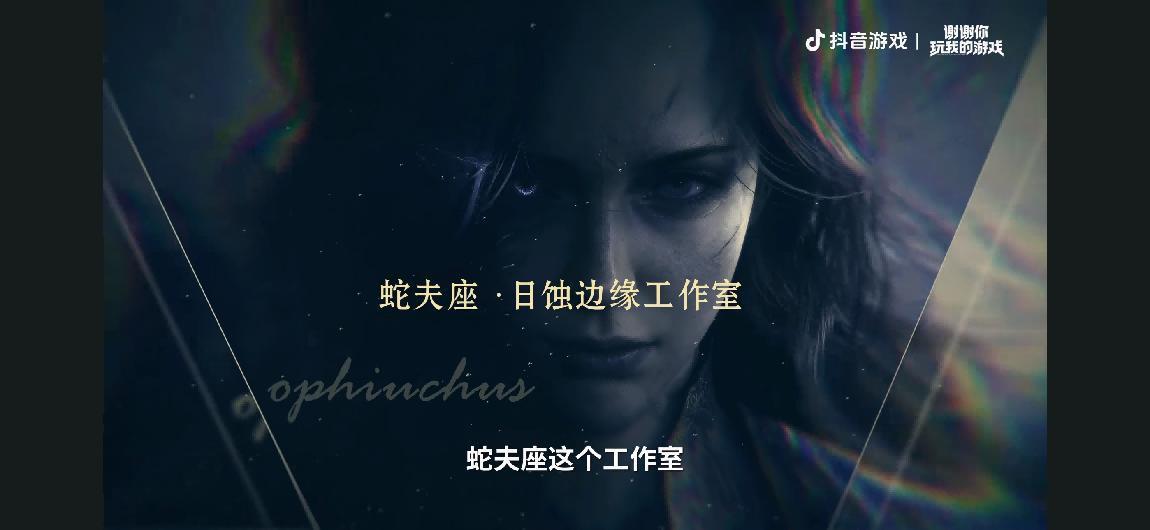
Original interview video: https://www.douyin.com/user/MS4wLjABAAAAJSqaKVZoB_HeyzPFCsLxKCVRwOMgMW6w3DRAYXi1sQZmWN11PO0N1pEpBiurbqUh?from_tab_name=main&modal_id=7575604237845941510
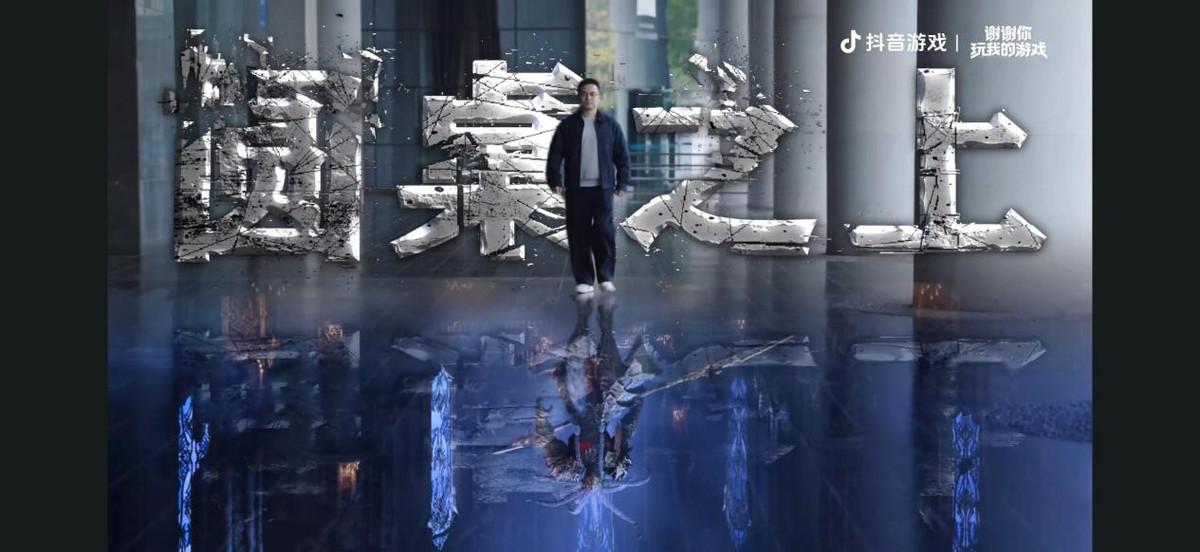
“Our original intention in founding Ophiuchus was very simple: we just wanted to make the action-adventure game we truly wanted to create,” Fu Kun said candidly in response to a question from host Lei Shen. As a group of creators in their “prime,” the team’s greatest aspiration is “to do something worthwhile within a limited timeframe.”This “light on baggage, heavy on creation” approach is reflected in Fu Kun’s description of the team’s culture: “We take the Knights of the Round Table as our spiritual core; within the team, everyone is treated equally and fairly. Externally, whether with players or partners, we insist on honest communication—presenting things exactly as they are.” It is precisely this purity that allowed *Tide of Oblivion* to maintain its creative focus even during the most challenging phase of development.
Game Reveal: London's Dual Worlds + Knight Command System—Strategic Action Breaks the Mold of Homogenization
Addressing the game content that players are most interested in, Fu Kun has clarified the core setting for the first time:Set against the backdrop of “modern London under attack by a fantasy world,” *Tide of Oblivion* constructs a dual worldview where “the ruins of reality intertwine with the lingering shadows of the Middle Ages.” Players will control the survivor Gwendolyn as she explores a fantasy realm steeped in Arthurian mythology, searching for fragments of the Holy Grail to uncover the secrets behind the invasion and save the world.
This concept was born out of the team’s relentless pursuit of perfection in the combat system.“We didn’t want to create a traditional single-player action game or an online co-op experience; instead, we explored the possibility of ‘the protagonist leading controllable companions into battle.’ This sense of command reminded us of King Arthur, the King of Knights, which is how we settled on a British cultural theme,” Fu Kun revealed. The game features an innovative “Knight Combat System,” allowing players to recruit more than ten knights, each with a unique role, and summon them to attack, defend, or unleash combos based on tactical needs.
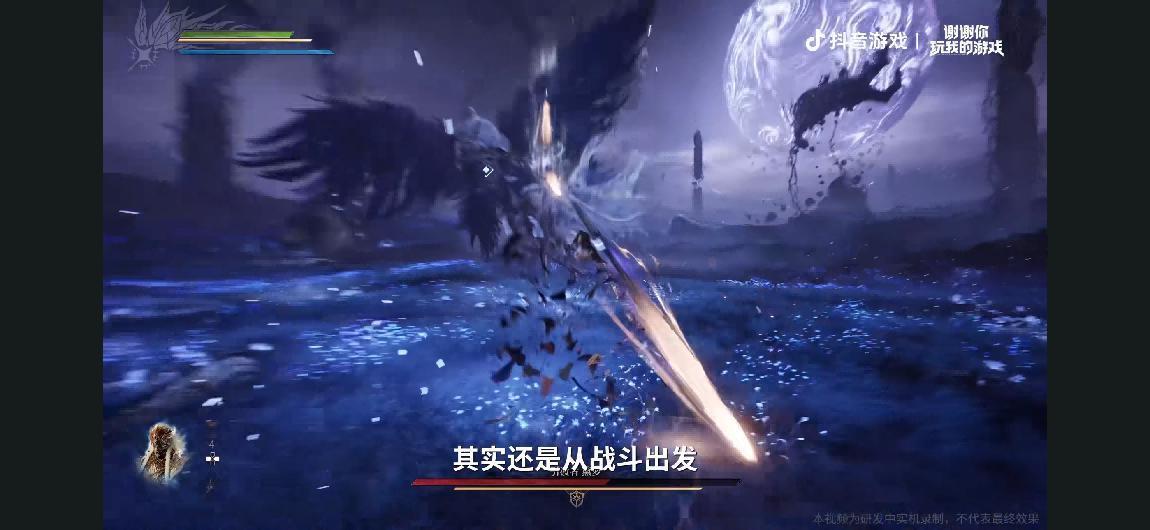
Addressing the controversy over keyboard-and-mouse versus controller compatibility, Fu Kun made a clear commitment: “The game focuses on strategy rather than the difficulty of controls. We are currently conducting extensive keyboard-and-mouse optimization and multiple rounds of testing to ensure that players using different controllers all enjoy an equally smooth gaming experience.”
Cultural Expression: Chinese People Tell Global Stories, Stay True to Their Original Aspirations, and Embrace the Essence of Struggle
“Why don’t domestic games tell Chinese stories?” This was the question most frequently discussed by players after the trailer was released. Fu Kun shared the team’s creative philosophy: “Mr. Feng Ji’s words were very inspiring—as long as it’s told by Chinese people, it’s a Chinese story.“We’re interpreting the apocalyptic crisis through a Chinese lens, which is in itself a form of cultural expression.” Citing Disney’s adaptation of Mulan as an example, he highlighted the differences in how creators from various regions interpret cultural themes: “The world is vast, and we want to explore more corners of storytelling from the perspective of Chinese narrators.”
The underlying reason for choosing a medieval setting lies in our commitment to the essence of gaming: “Our core framework is rooted in *Dungeons & Dragons*, and we want to stay true to the original vision of ‘humans versus monsters and challenging battles.’ Medieval knightly culture aligns perfectly with this fundamental concept of combat.This approach of “focusing on the core while expanding its expression” also gives *Tide of Oblivion* unique exploratory significance in the context of Chinese games going global and cultural outreach.
Quality Control: Enhanced by music composed by Bo Caisheng, with voice acting updates addressing player feedback
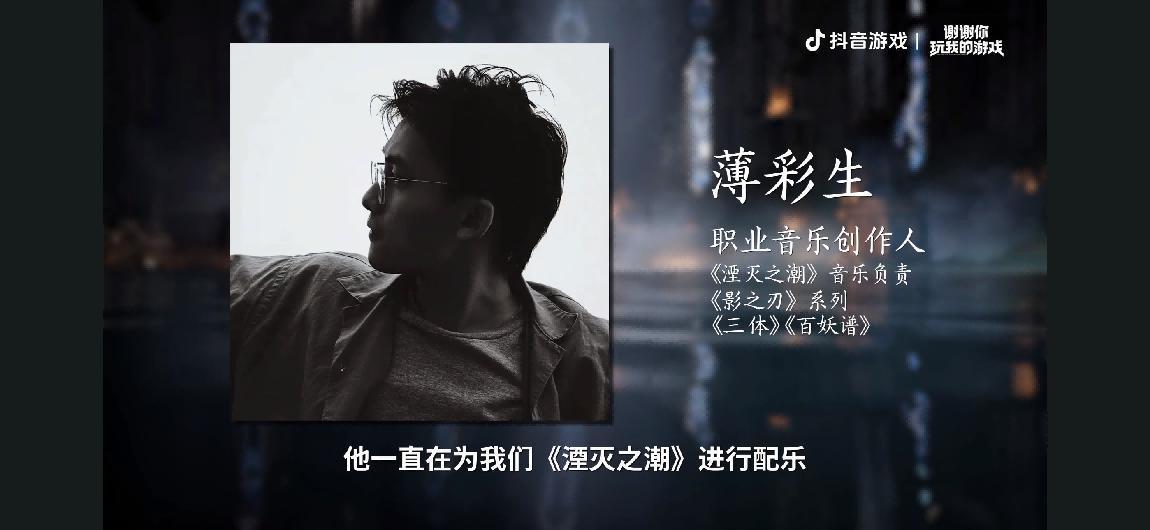
When it comes to audio quality—a core aspect of the gaming experience—the studio has demonstrated a professional-level commitment. Fu Kun revealed that from the very start of the project, they partnered with veteran composer Bo Caisheng, who has been involved in the creative process throughout. “Mr. Bo has a profound understanding of game music; he sets extremely high standards for everything from the design of combat loop melodies to the musical texture of narrative sequences,” he said, adding that this collaboration will create an immersive auditory experience for players that perfectly aligns with the “Broken Europe” setting.
Regarding the voice acting issues raised by players in the previous PV, Fu Kun responded with humility: “The players are absolutely right; the quality of the early voice acting did not meet expectations.”He explained that voice acting is typically a large-scale adaptation process carried out toward the end of game development, requiring a deep understanding of the characters to complete ensemble casting and assembly. While the team is still in a period of adjustment, “the voice acting in every new PV will be an improvement over the previous one—this is our clear response to player feedback.”
原创文章,作者:游茶妹儿,禁止转载:https://youxichaguan.com/en/archives/194665