
Generally speaking, when ads are added to a paid game, players’ first reaction might be, “A bad review might actually do me some good.” But if a paid game is turned into a “super-long commercial,” players’ reaction might be a bit unexpected: “Shut up and take my money.”
The recently released *LEGO Batman: The Dark Knight’s Legacy* is just such an “oddity.” While it is certainly a game, from a business perspective, it feels more like an extended promotional video produced jointly by LEGO and DC.This game—or rather, the entire LEGO game series—is essentially “paid advertising” created with the sole purpose of selling LEGO bricks.
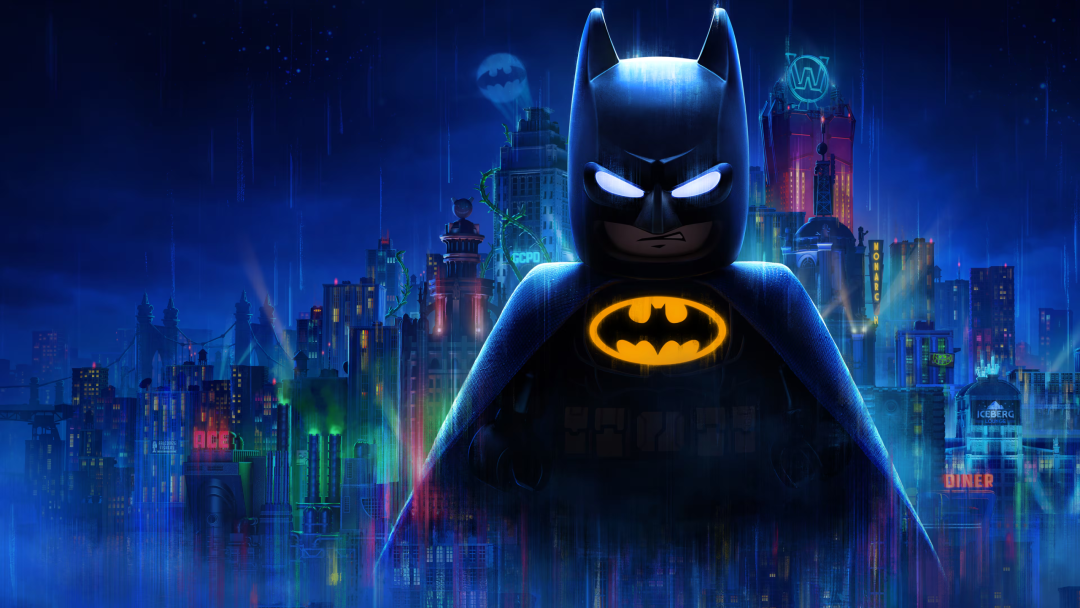
Interestingly, players seem to be quite receptive to it. A game that constantly showcases LEGO brick building, physical character sets, and related IP merchandise has surged to the No. 4 spot on Steam’s Best Sellers chart, with a peak of over 33,000 concurrent players.Even though the Deluxe Edition is priced as high as 398 yuan, you can still see a massive influx of players during the three-day early access period, resulting in an exceptionally high 97% “Very Positive” rating.
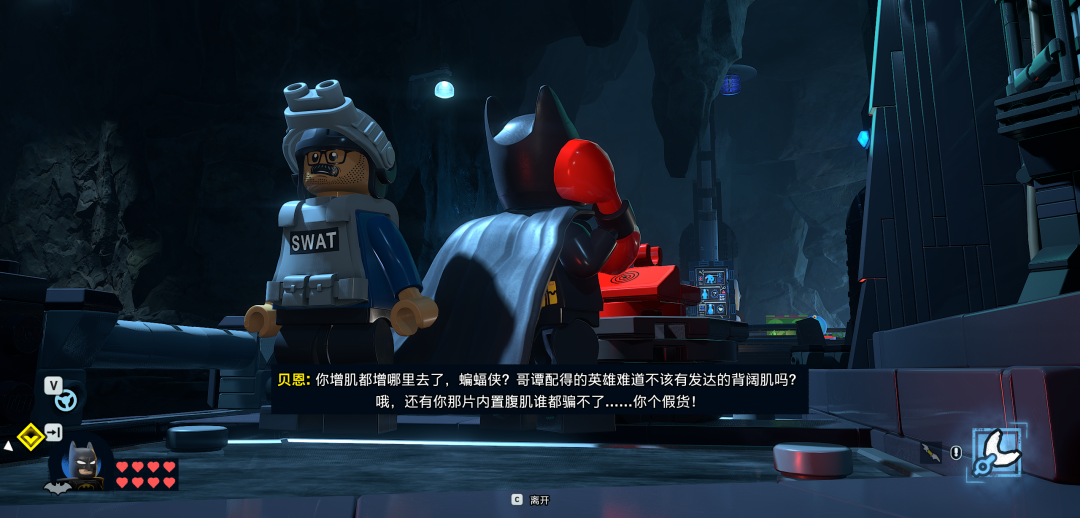
*The LEGO Batman: The Dark Knight’s Legacy*, developed by TT Games and published by Warner Games,with DC and LEGO collaborating on the project, is officially defined as an open-world action-adventure game. It focuses on Batman’s story from his origins to his legendary status, blending and reimagining classic moments spanning 86 years of history from movies, TV shows, comics, and games.Producer Jonathan Smith describes it as a celebration of all things Batman, while comic book artist Jim Lee emphasizes that the game will attempt to incorporate nearly every significant aspect of Batman into a single title.
01
The Dark Knight Turns into a Teenage Rebellious Kid
Throughout the DC Universe, Batman stands as the most iconic and recognizable character, and his IP has long been a coveted prize that major studios vie for.Looking at titles like *Batman: Arkham Knight* or *Gotham Knights*, the core narrative of this star IP is often filled with deep psychological trauma, the dark and oppressive streets of Gotham City, brutal violent crime, and complex detective work.This somber, serious tone seems to have inevitably confined its core audience to teenagers and adults.Although Adam West portrayed a comedic version of Batman in the 1960s, in the minds of the mainstream public, Batman remains the Dark Knight lurking in the shadows of Gotham.
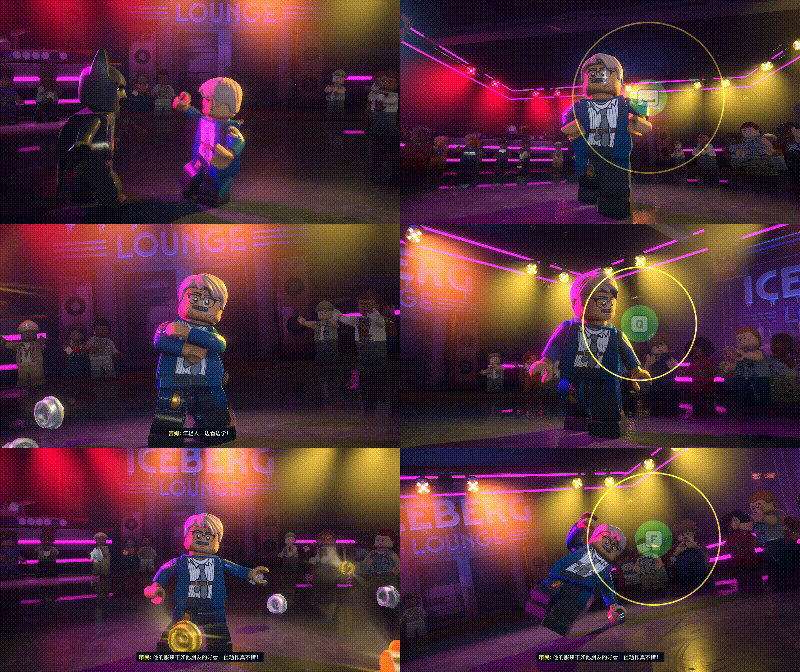
However, starting with the first *LEGO Batman* game, LEGO shattered this preconceived notion. By transforming the characters into plastic minifigures and reworking the dialogue and character expressions, they completely turned the originally dark and brooding atmosphere into something comical and lighthearted.In the source material, Bruce Wayne’s paranoia and reclusiveness—stemming from childhood trauma—are cleverly transformed in the LEGO universe into a charmingly incongruous personality marked by narcissism, a touch of tsundere, and a hint of teenage angst.In the film, he still insists on working alone in the dark, yet throws childish tantrums when he can’t get his hands on the lobster that Alfred has heated up for him. Far from diminishing the character’s appeal, this self-deprecating humor actually defuses the character’s inherent darkness through constant playful references.

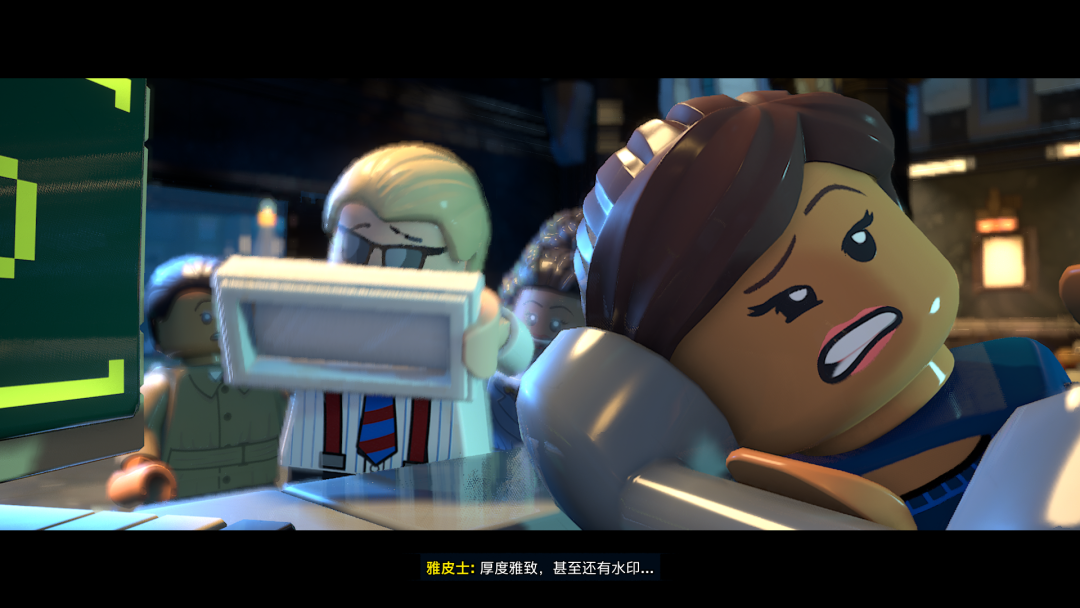
In this installment, the game once again uses humor to lighten the original story’s heavy tone; this signature LEGO humor permeates the entire gameplay experience.Whether through parodies of the original film’s plot, recreated scenes, or references to the actors, players familiar with the IP will find surprises at every turn. As a result, The LEGO Batman has become a series suitable for all ages.

This time, TT Games has created a Gotham City that players can freely explore, along with a customizable Batcave that expands as the game progresses. In the original *LEGO Batman* series, players could only explore and solve puzzles within specific story-driven levels as the plot unfolded.In this game, however, players are free from such restrictions. Instead, they can glide between skyscrapers, traverse the city with a grappling hook, speed through the streets in various versions of the Batmobile, and engage in stealth, case investigations, and close-quarters combat.In terms of the overall storyline, players begin by following the young Bruce Wayne as he trains with the League of Shadows, and throughout the adventure, he teams up with Gordon, Robin, Nightwing,Batgirl, Catwoman, Talia, and others to take on classic villains such as the Joker, the Penguin, Mr. Freeze, Poison Ivy, Two-Face, and Bane.
Within a few hours of starting the game, it becomes clear that the storyline draws heavily from Nolan’s *The Dark Knight* trilogy, the 2022 film *The Batman*, and other Batman works from different eras.Right from the opening, the game pays homage to *The Dark Knight* by reworking Bruce’s iconic line from the film—“Why do we fall? So we can rise again”—into “Don’t mess with that deep well.”
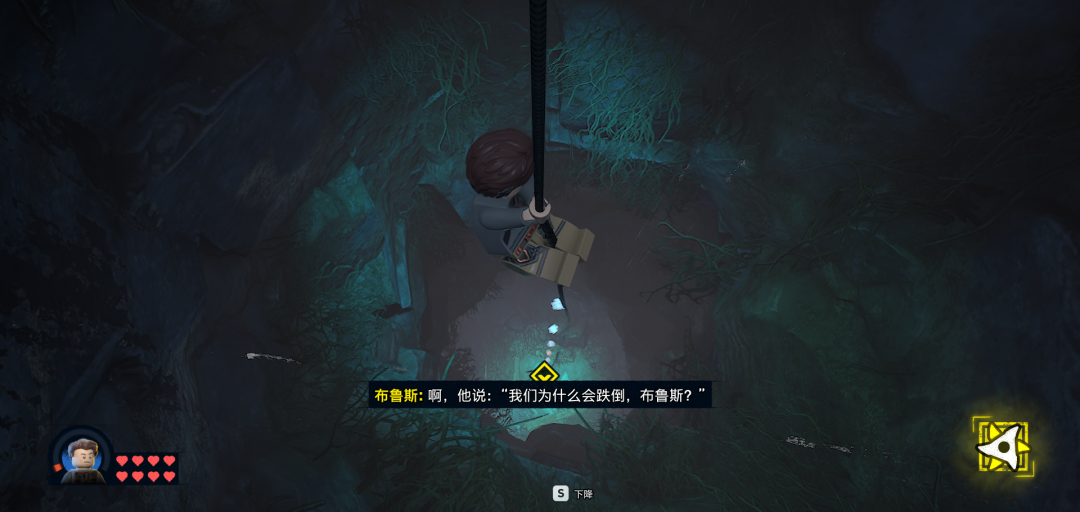
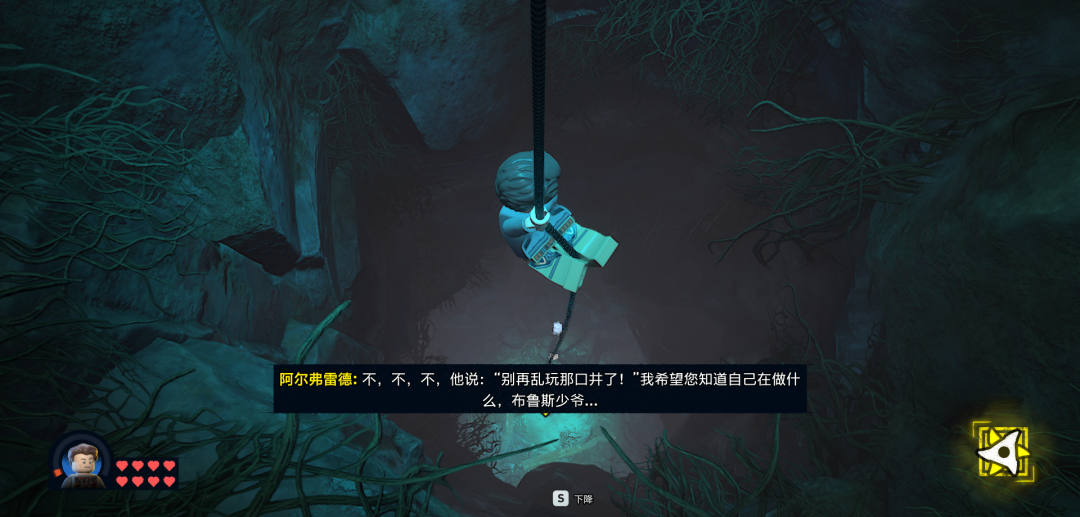
As the story progresses and you continue playing, the UI and interface have become much more readable and prominent compared to the previous game.Environmental objects assembled from different building blocks now feature crisper sound effects when destroyed. This is especially true when assembling specific props—the series of “clicks” combined with the blocks snapping perfectly into place creates a seamless, satisfying experience that’s sure to please those with a penchant for precision.
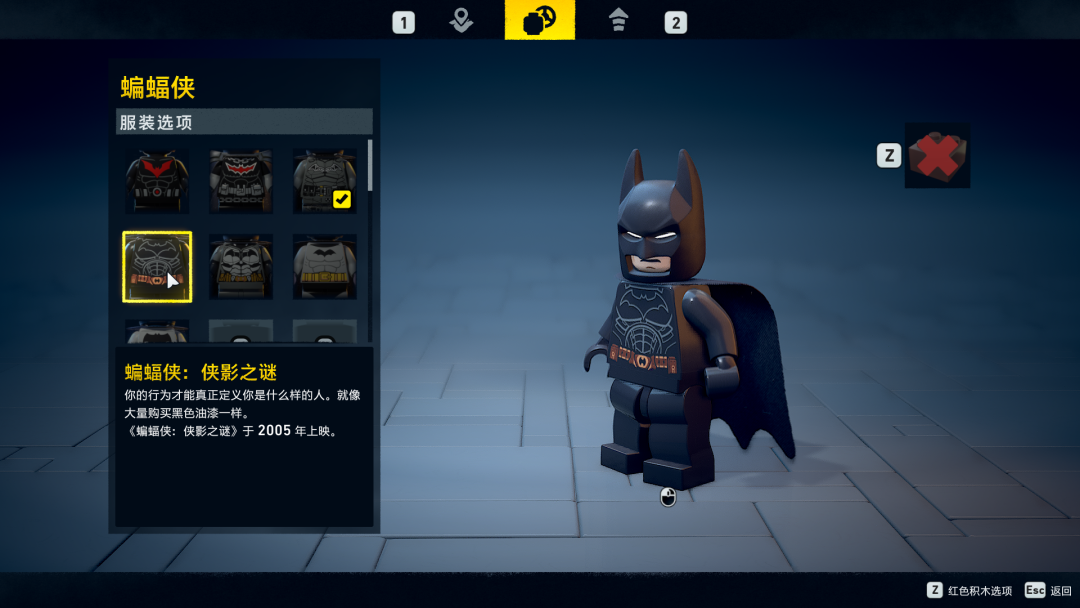
In this game, players can change each character’s appearance and color scheme at any time. The selection ranges from comic book to film and TV adaptations to video game series, offering LEGO versions of nearly every Batman design that has ever appeared. The available color schemes further open up a whole new world of possibilities for these characters.Every playable character possesses two or more abilities, and some characters also have special passive skills. By collecting “Wayne Chips,” players can upgrade their special skills at the workbench, and there are synergies between the skills of different characters.Catwoman’s braids can not only solve puzzles but also be spun like a top to strike enemies or break bricks.

It’s worth noting that thanks to the Unreal Engine 5, this LEGO world has a much more polished look compared to previous games in the series. The 2008 title *LEGO Batman* lacked any specific model details—the characters were simply blocks of color with some sense of volume.Now, however, the scenery in the game isn’t abstract; it looks more like it’s been built piece by piece from actual LEGO bricks. Moreover, when these LEGO bricks are placed alongside non-LEGO elements, they don’t look out of place at all—everything fits together seamlessly.While playing, you can clearly see the placement of each brick and how every prop in the scene is fully constructed by adjusting the camera angle. The bricks in the game also feature the same numbering and details as their real-world counterparts.
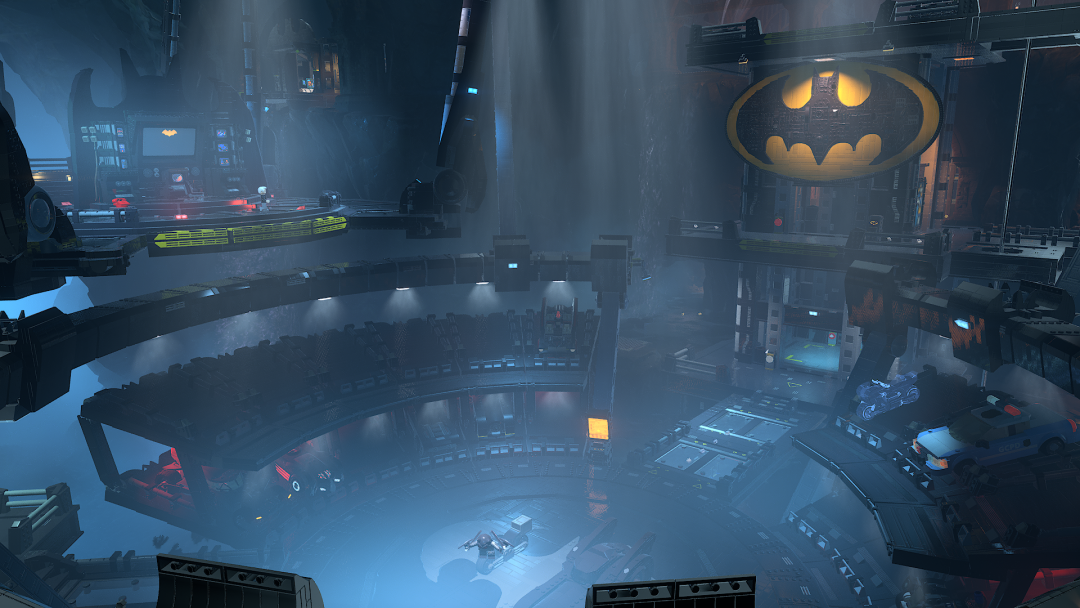
For fans of physical LEGO sets, this game is like a catalog of new LEGO products.The all-new Batcave features many customizable areas where players can freely arrange various cosmetic items they encounter or collect during gameplay. For example, one of the Batcave’s expansion areas is a large display zone showcasing LEGO figures of different characters from the Batman series.Undoubtedly, the design of this Batcave constantly captures the attention of LEGO fans and sparks their desire to collect. With the game’s realistic depiction of the physical bricks, the “what you see is what you get” experience is even more pronounced.
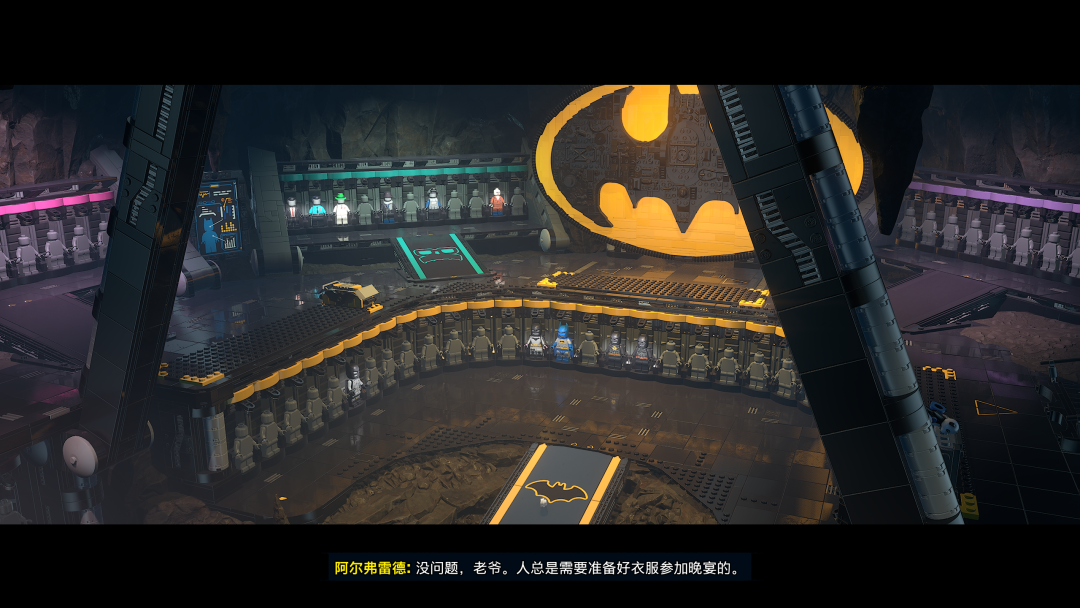
In terms of gameplay, the combat and stealth mechanics can be seen as a reimagining of Warner Bros.’ own *Arkham Knight* series. That exhilarating combat experience—switching seamlessly between different enemies—has now been adapted into a LEGO version, yet it retains the same real-time strategy and satisfying sense of impact.The entire open-world Gotham City, with its layout and design, is largely based on the LEGO version created in *Arkham Knight*.From the city’s random missions to its overall layout and structure—including the exploration mechanics—the game remains largely similar. However, this also means players are still being hunted by the Riddler, though thankfully, his puzzles aren’t as mind-bending as they were in the previous installment.
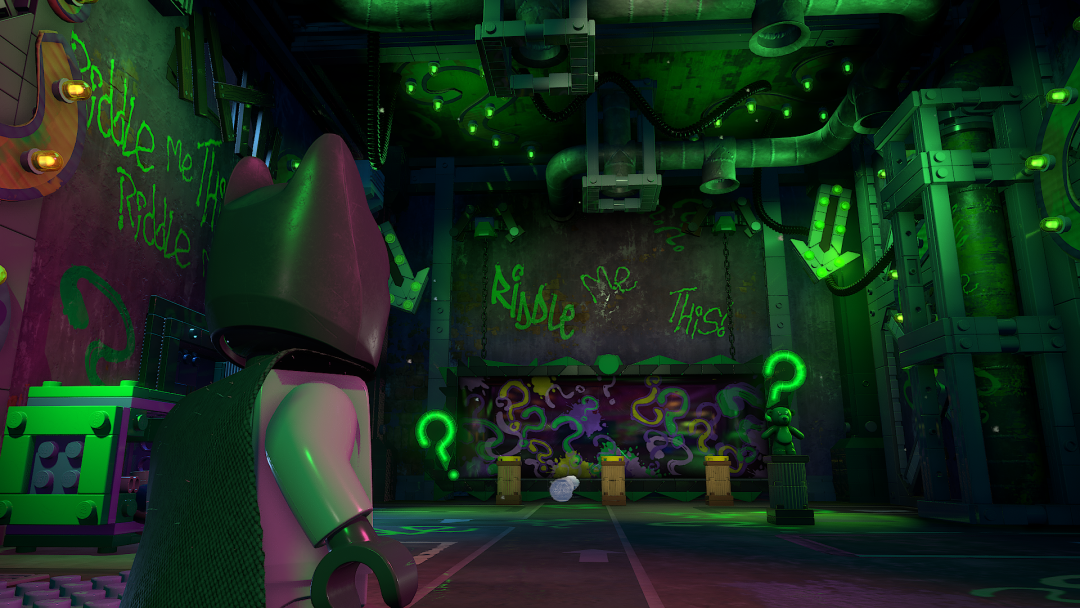
In their reviews of this game, most players have highlighted its humorous take on the original IP, as well as the seamless integration of LEGO’s unique style with the game’s world. However, there are also many players who are dissatisfied; these negative reviews primarily focus on skin unlocking, optimization, and the limitations of the co-op mode.Some special rare in-game skins require players to physically purchase specific LEGO building block toys and use the redemption codes found inside the packaging to unlock them. Other skins require players to link their accounts to third-party streaming platforms, such as HBO Max, in order to obtain specific gold-colored skins.Some players believe that, as a buy-to-play game for which they have already paid hundreds of dollars, these exquisite skins should all be unlockable through in-game gameplay and achievements alone.
On the other hand, although the game offers the traditional LEGO co-op mode and Steam Remote Play, for some reason, both players must use controllers simultaneously to activate co-op mode, and it does not support a mix of keyboard and controller inputs, which has caused significant inconvenience for many players.Teahouse Jun also encountered this issue while playing with a friend; if both players wanted to play together, they had no choice but to use controllers to successfully play in co-op mode.

It has been a full 12 years since the release of the previous title, *The LEGO Batman*, and even *The LEGO Super Villains*—which shares the same universe but features villains as the protagonists—came out 8 years ago.Counting from the first standalone *LEGO Batman* game developed by Traveller’s Tales in 2008 up to today’s latest installment, *The Dark Knight’s Legacy*, the series has quietly built up a history spanning 18 years.

02
After playing the LEGO game, I still have to buy LEGO bricks
From today’s perspective, it’s clear that LEGO Games has become highly proficient in collaborating with IPs, thanks to its years of experience.Since the LEGO Group began collaborating with major developers in 1997, they have released more than 50 video games over the past two decades. More than half of these titles are based on licensed themes from well-known IPs.
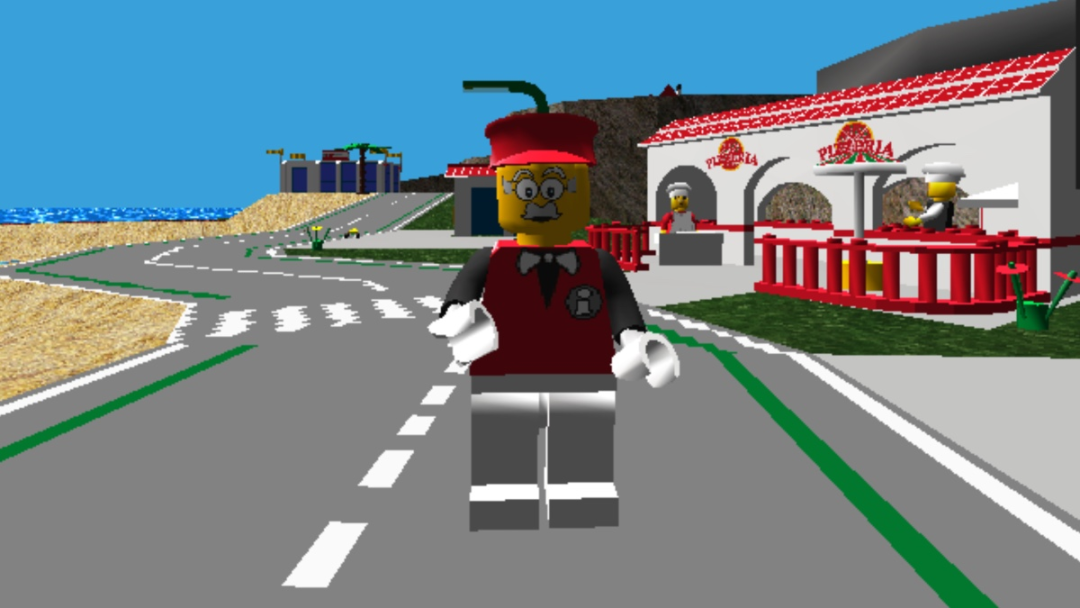
As far back as their earliest title, *Lego Island*, the series has featured the creative building experience of Lego bricks as a core element. Through years of technological advancements, this brick-building gameplay has remained at the heart of the Lego series.
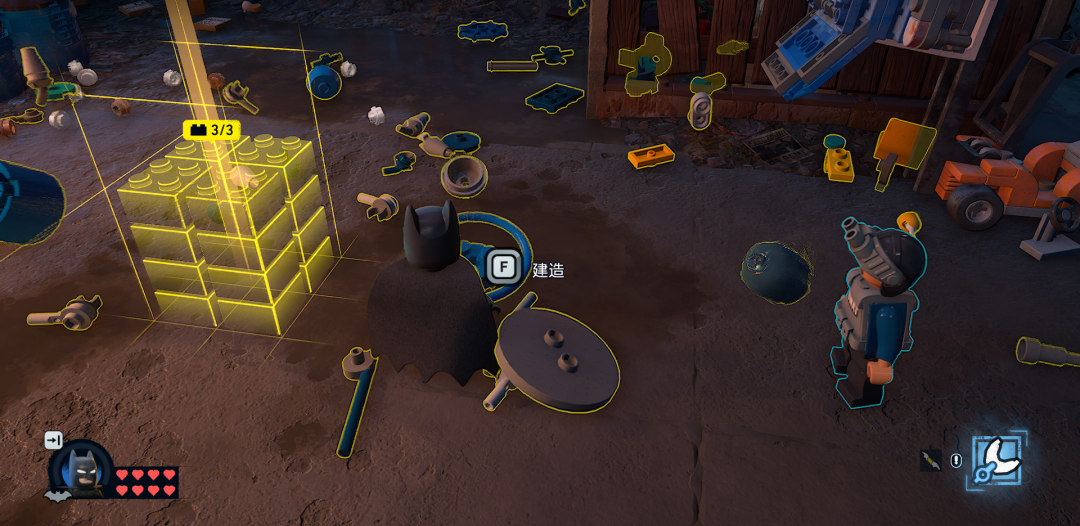
For example, when a player is blocked by a gate in some corner of Gotham City, they can smash a nearby LEGO cannon or obstacle. Accompanied by crisp sound effects, the colorful building blocks tremble on the ground after being destroyed.Then, by holding down a button, players can watch as these bricks snap back together and stack up, seamlessly assembling into a brand-new mechanical contraption within seconds. The game world is filled with these LEGO-style materials and interactive objects, constantly bringing players’ actions back to the brand’s core of creative building.More importantly, the game is designed to naturally connect the virtual experience with real-world products.
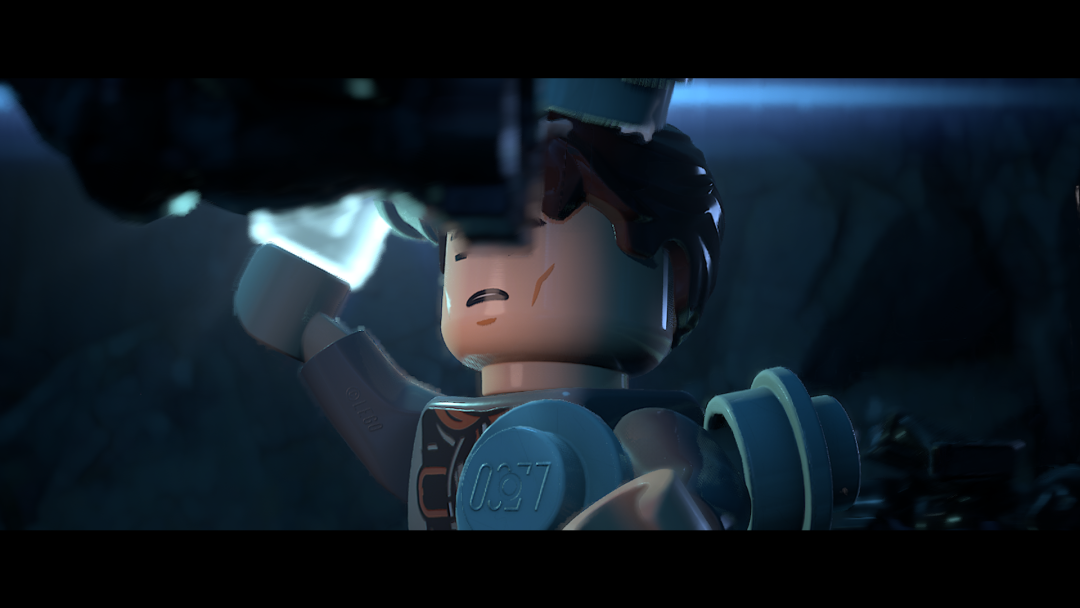

In terms of texture rendering in *The LEGO Batman: The Dark Knight’s Legacy*, the development team intentionally used high-precision rendering to capture the physical details characteristic of actual plastic toys, such as flash, tiny scratches, and mold imperfections.Batman’s cape is dusted with grime, and in some scenes, the corresponding part numbers of the LEGO bricks are clearly visible, along with the physical details of the various building blocks.While other games strive for realistic textures to create a more immersive experience, LEGO games embrace the imperfections of plastic products to make virtual objects resemble the actual LEGO sets players can buy on store shelves.
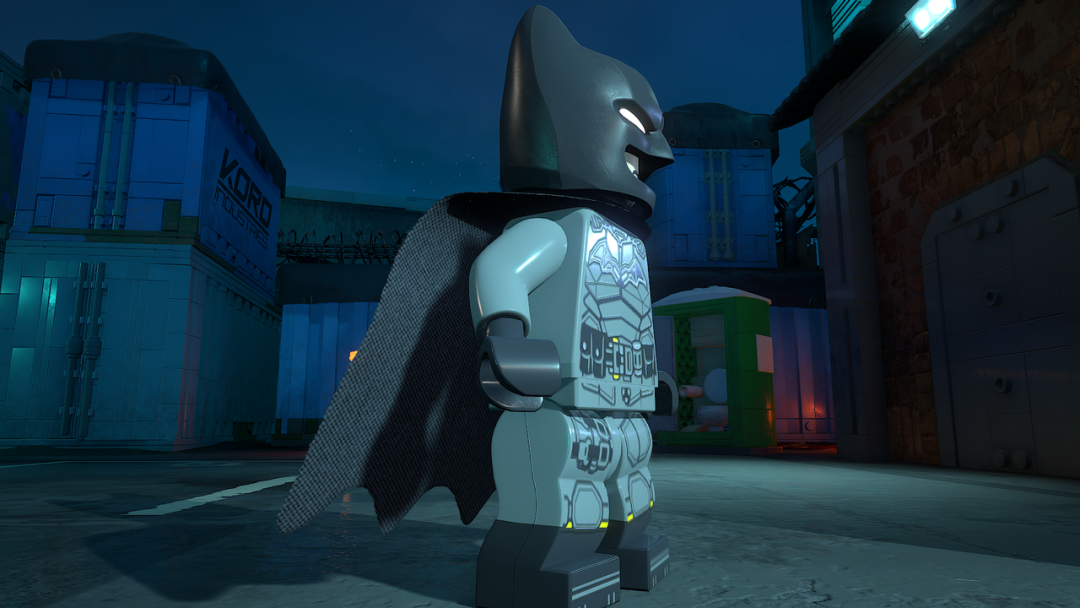
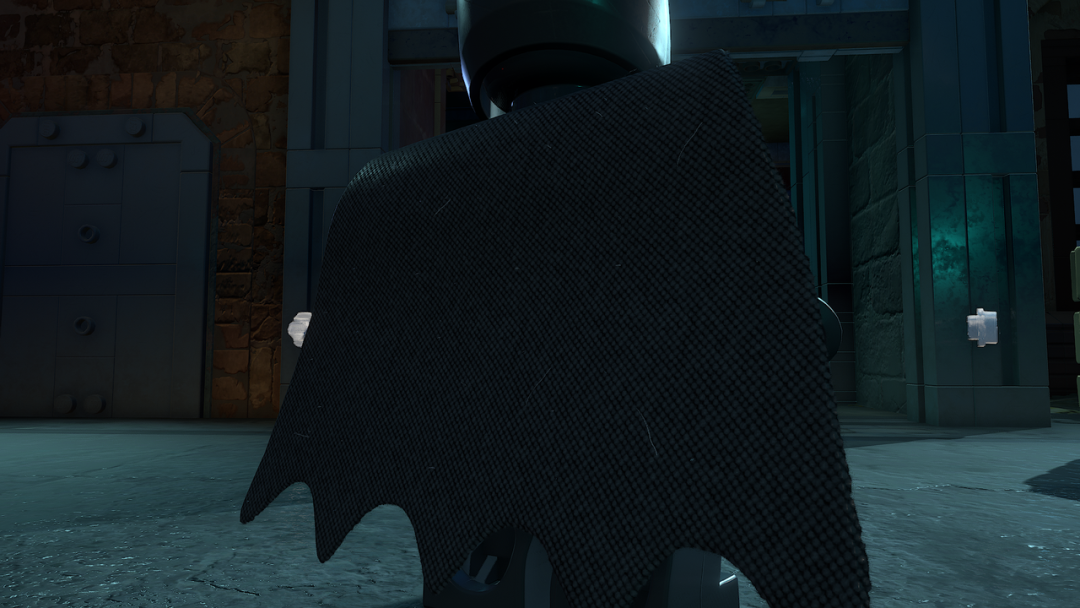
When building LEGO structures in the game, the “click” sound made when assembling individual pieces, combined with the distinct sound effects of different materials when disassembling them, further enhances the therapeutic sensation of building and taking things apart.This deliberate focus on the tactile quality of physical LEGO toys creates a fascinating illusion for players as they stare at the screen—it feels as though they are using virtual hands to assemble each in-game prop. At the same time, it bridges the disconnect players might feel when transitioning from the online to the offline world, making it easier for them to connect emotionally with the physical LEGO bricks in real life.
Of course, LEGO video games aren’t exactly the same as physical bricks. Building with physical bricks requires manual labor, whereas building in video games usually just involves pressing a button—the experience isn’t the same;Physical bricks are closer to free play, where players can invent stories as they please, but video games introduce levels, objectives, cutscenes, and pre-set storylines, shifting LEGO from a free-form toy toward a game with clear objectives.

For adults, physical LEGO sets are often one-time purchases. After spending several hundred or even over a thousand yuan on a set, most adults will enthusiastically build it just once, after which it becomes a static collectible gathering dust on a bookshelf.Take large sets like the Titanic, which contain over 9,000 pieces, as an example. Simply assembling them is a physically demanding task in itself. For modern adults with extremely fast-paced lives, the time and energy required to take the set apart and build it a second time are simply too high.
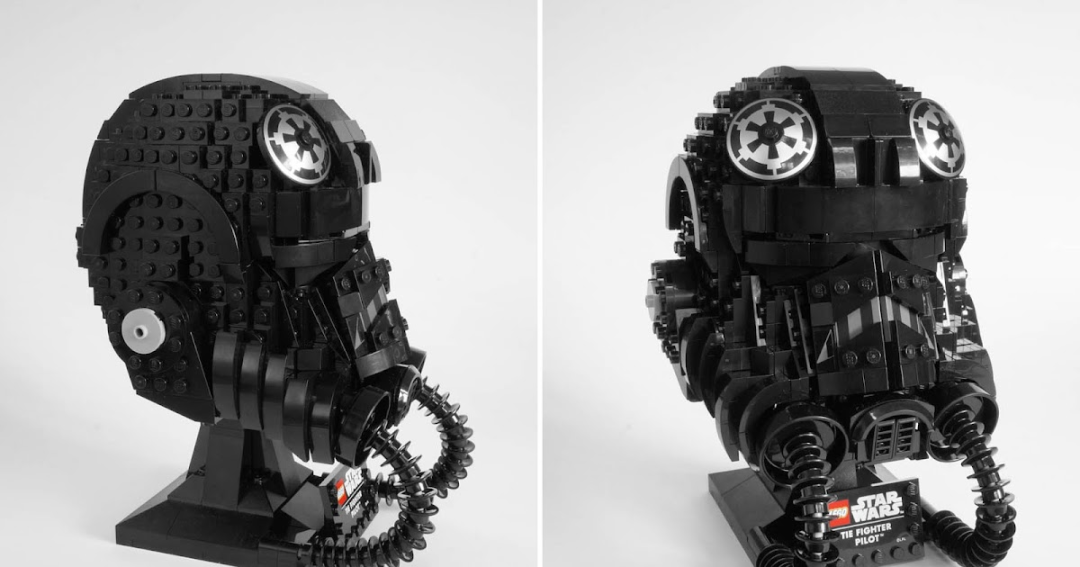
According to reports on LEGO product collecting, between 1987 and 2015, the prices of discontinued LEGO sets on the secondary market rose by an average of 11% annually, demonstrating greater appreciation potential than many traditional assets.For example, the 75274 Pilot’s Helmet, originally priced at $60, rose to $350 in just a year and a half. Due to these unique financial and collectible attributes, Gen Z has become the primary investor group in LEGO collections. This has led to physical LEGO toys, to some extent, becoming commodities that rely primarily on appreciation through collecting and the provision of one-time emotional value.
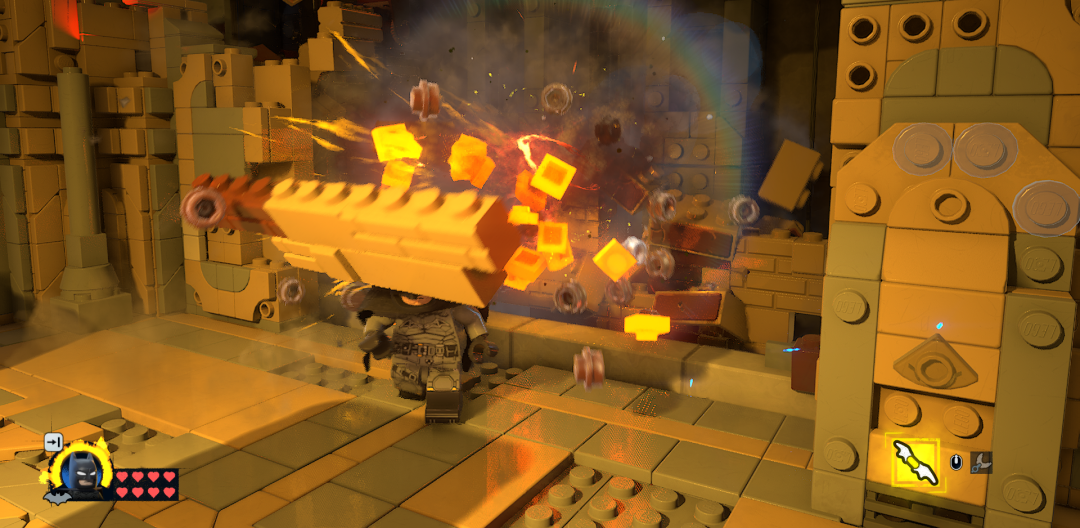
In the game, players can freely dismantle fully assembled objects and quickly build something new—without having to clean up a messy desk, worry about losing pieces, or spend hours poring over instruction manuals.It transforms the most satisfying aspect of physical LEGO—the journey from parts to finished product, and then from that product to the realization of an imagined function—into an interactive, “what you see is what you get” experience. In other words, from another perspective, the game’s core gameplay involves presenting players with a pile of parts and allowing them to assemble them into something meaningful through their own creativity.
In real life, players might buy a box of building blocks, but in the game, they get to experience the narrative value and imaginative scenarios associated with that product.

The “what you see is what you get” nature of the fun and gameplay in online video games makes it easier to spark a desire to buy among potential brick-and-mortar consumers.When “Lego Star Wars: The Skywalker Saga” was released, the game not only sold over 5 million copies within four months, but the Lego Group also simultaneously launched several physical Star Wars-themed brick sets.These physical toys came with redemption codes printed on their packaging; players could only unlock corresponding spaceships and limited-edition characters in the online game by purchasing the physical sets. As a result, not only did the game become a massive hit, but it also contributed to a 12% increase in LEGO’s global retail sales, amounting to approximately $2 billion.With the simultaneous release of physical toys for *LEGO Batman*—which also include codes redeemable for in-game skins—we can certainly look forward to seeing if this collaboration will drive even greater growth.
03
From the Brink of Bankruptcy to Where We Are Today
In recent years, Lego has established a significant presence in the global toy market, performing particularly well compared to other companies in the industry. However, in the early years of the century, Lego also faced significant challenges.They have undertaken numerous initiatives in the fields of film, video games, and Legoland, with some projects yielding positive results while others still require refinement.
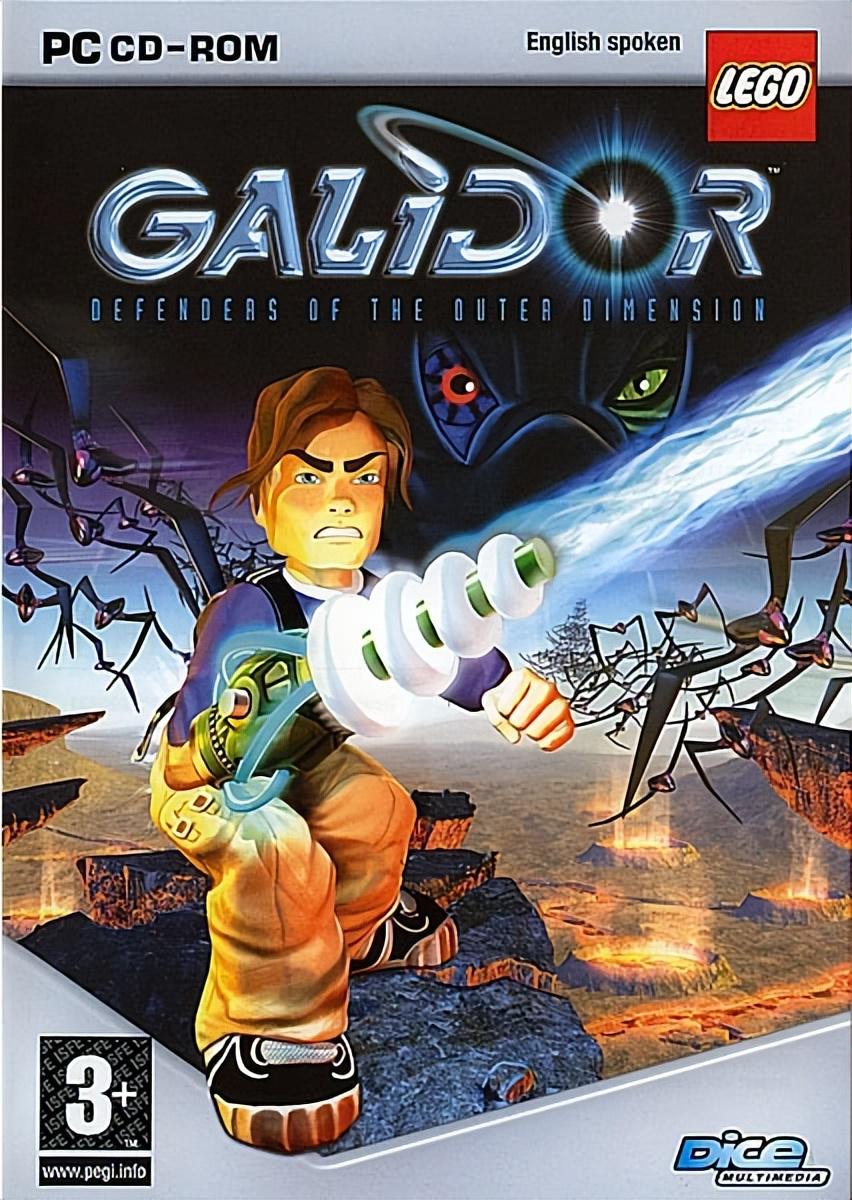
Between 1994 and 1998, LEGO’s top executives at the time were gripped by anxiety as they faced the rapidly evolving waves of the internet and video games. They feared that children of the future would no longer enjoy playing with bricks, but would instead spend their days playing video games.Driven by this panic, LEGO began blindly following trends and expanding in all directions. They frantically expanded their product lines, recklessly launching various diversification projects that had nothing to do with building blocks (such as Galidor and Jack Stone, with their bizarrely designed action figures), resulting in a massive surge in new product releases.As a result, having abandoned the core feature of “modular assembly” that defined LEGO bricks, sales not only failed to grow but actually led to the company’s first major loss in its decades-long history in 1998.
By 2003, LEGO was facing the most severe financial crisis in its history, with a significant negative cash flow and debts amounting to hundreds of millions of dollars.In the words of Jørgen Vig Knudstorp, the new CEO who was brought in to save the company at the time, LEGO was then sitting on a “burning platform,” on the verge of collapse and potential sale.
Just when the situation had become a matter of life and death, a lifeline appeared—namely, LEGO’s “brand alliance strategy” and a landmark title that truly set the tone for modern LEGO video games.
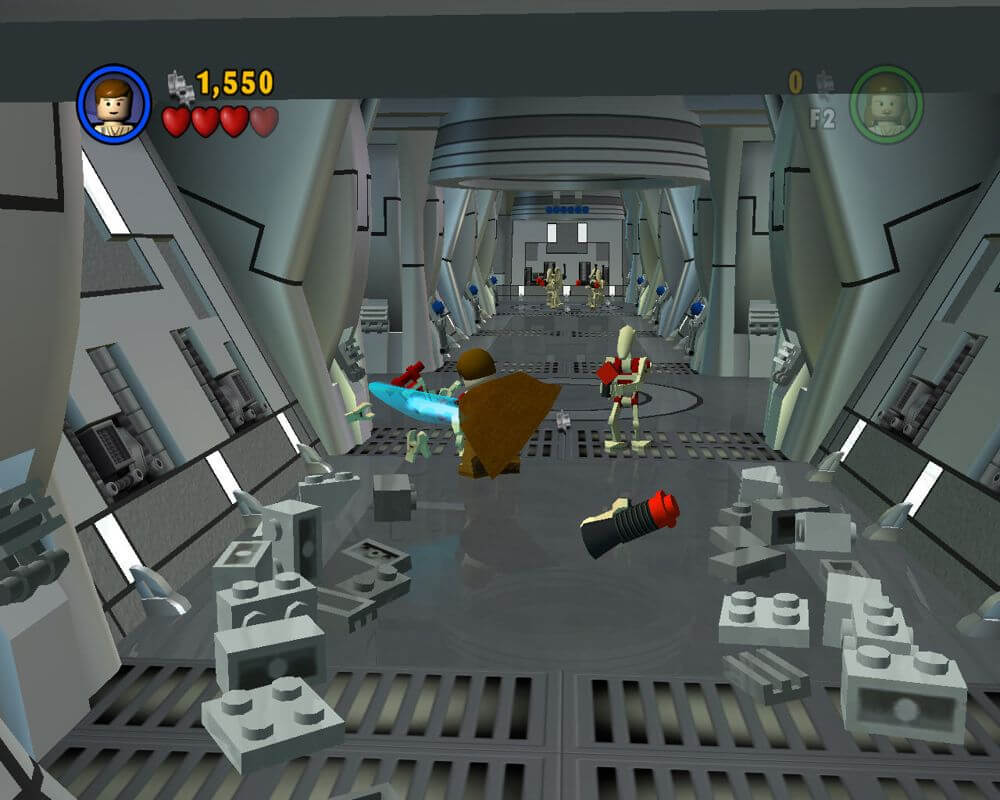
That same year, the LEGO Group underwent a major round of layoffs. A group of key employees left the company that had laid them off and went on to establish their own studio, which would later become TT Games.Leveraging their deep understanding of building blocks and a keen sense of the gaming market, they secured an official license from LEGO and, in 2005, released *LEGO Star Wars*, a game adapted from the classic LEGO Star Wars series that stunned the industry.
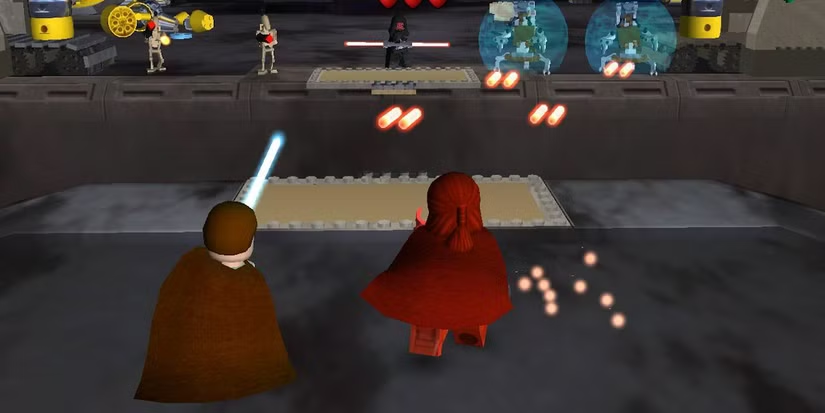
Although initially marketed as a children’s game, the *LEGO Star Wars* video game series still achieved outstanding results on the sales charts in many regions at the time. As of 2018, *LEGO Star Wars* had sold over 6.1 million copies.The success of Star Wars not only pulled LEGO back from the brink of bankruptcy but, more importantly, helped the company identify a consistently successful business model: leveraging established, story-driven premium IPs to drive sales of both toys and video games.Thus, after their initial trial-and-error phase, they established a game development formula tailored to LEGO: pairing film and TV IPs with LEGO-style building block environments, interspersed with lighthearted, humorous parodies, and topped off with low-threshold collection and puzzle-solving mechanics.
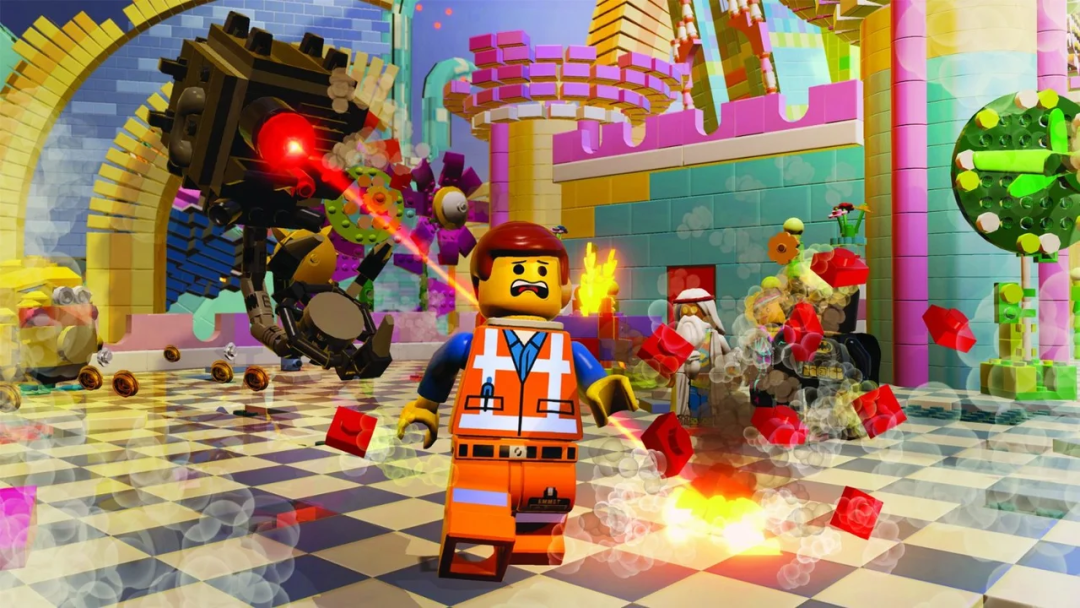
For example, the spin-off game for *The LEGO Movie*, which the LEGO Group previously released in tandem with the film, was based entirely on the movie’s plot and combined action-game mechanics with collectible and puzzle-solving elements.Ultimately, the release of this video game not only helped the film achieve a global box office haul of $469 million but also contributed to an increase in LEGO toy sales.
This formula proved a huge success in the gaming market, and over the next two decades, this tried-and-true formula was repeatedly replicated in franchises such as *Indiana Jones*,Harry Potter, Marvel Superheroes, and The Lord of the Rings, each time reaping massive profits.

The subsequent *LEGO Batman* series,”Lego Marvel Super Heroes,” and now the latest “Lego Batman: The Dark Knight’s Legacy,” TT Games has taken its development in the single-player, full-price game sector from those early rough pixel blocks to today’s vast, brick-built Gotham City scenes, reaching a level of industrial mastery.According to The Guardian, total sales of the LEGO game series they have created have exceeded 200 million copies.The character designs, humorous storylines, and brick-based puzzle-solving in the levels have been continuously refined. This steady development of standalone games has enabled LEGO to steadily convert these players into potential high-spending consumers of its physical products.
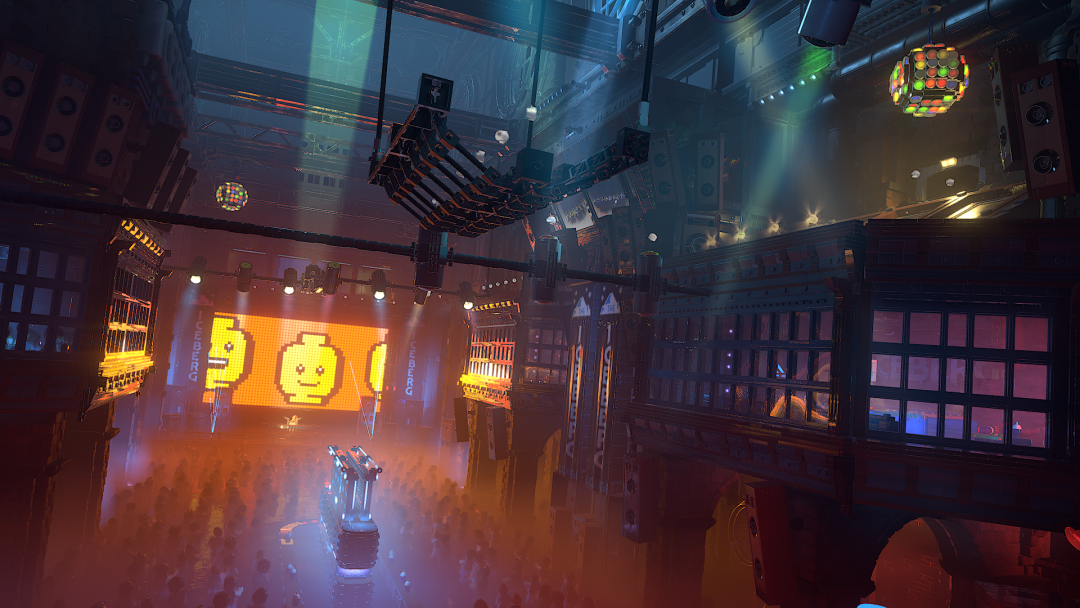
The 2022 LEGO financial report noted that its LEGO-themed games have enhanced the online shopping experience for consumers and expanded the product building experience.According to the 2025 annual financial report recently released by the LEGO Group in March 2026, 2025 marks the 30th anniversary of LEGO video games—a significant milestone.Niels B. Christiansen, CEO of the LEGO Group, stated that LEGO bricks will remain at the core of the company’s future development, with the company continuing to develop games while launching related physical sets based on game IPs. He explained that the development of games is driven by the fact that more children are now playing online, and he believes the brand needs to provide a positive, safe, and fun LEGO experience in that space as well.
Over the past year, Lego has achieved annual revenue of 83.5 billion Danish kroner (equivalent to approximately $10 billion) thanks to strong brand loyalty and a constant stream of innovative digital experiences, while its operating profit surged 18% to 22 billion Danish kroner.While the global traditional toy industry as a whole has been struggling and longtime rivals such as Hasbro and Mattel have been struggling to stay afloat, LEGO has maintained its position as the king of the toy industry thanks to its robust digital strategy.
Conclusion
It’s hardly surprising that companies like LEGO rely on cross-media strategies to drive their business. Looking at the current global entertainment ecosystem, virtually all cross-media storytelling systems involve bundled sales of toy merchandise, offline board games and card games, and physical models. Everyone wants to grow their online audience and then monetize it offline.
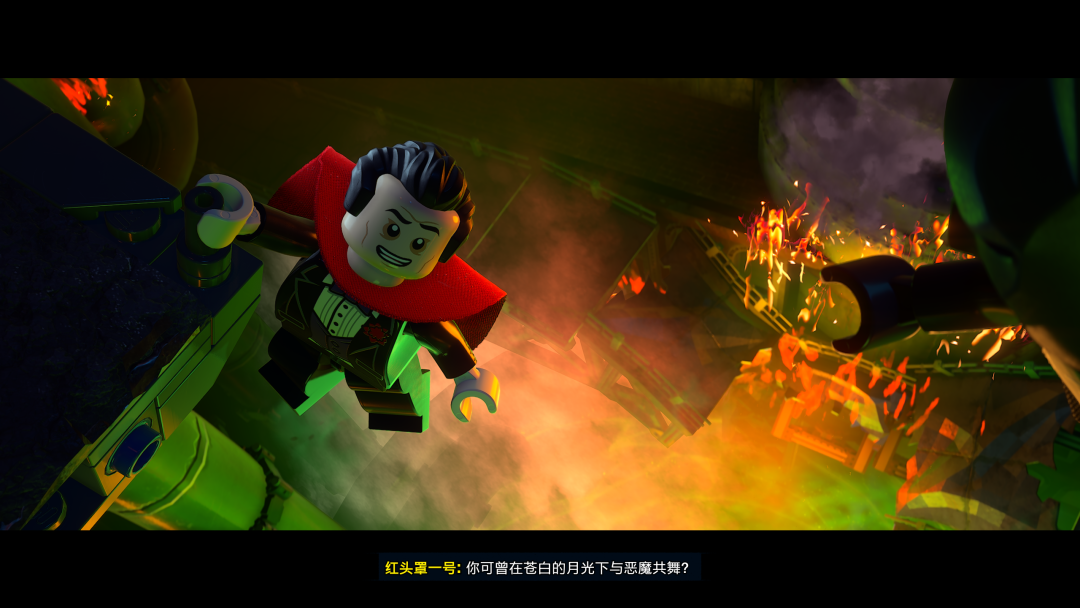
What amazes us most about *The LEGO Batman:The Dark Knight’s Legacy” is most impressive today because, in this current climate where everyone is being incredibly picky and cost-conscious about buying single-player games, it not only has the power to make tens of thousands of players happily shell out 298 or even 398 yuan to actively purchase an “ad-supported game”; what’s even more impressive is that after players finish the game on their screens, they might be inspired to head to a physical LEGO store to purchase related Batman LEGO merchandise.
But for all of this to work, the game itself must offer an experience that is both engaging and fully realized; otherwise, players will quickly realize they’ve walked into nothing more than a beautifully packaged display case. If it comes to that, even the most clever design choices could end up backfiring.
原创文章,作者:gallonwang,禁止转载:https://youxichaguan.com/en/archives/198102