In 2023, a group of former Tencent employees began developing AI games, all of whom independently focused on AI NPCs.
Liu Han was one of them. Previously, he worked in publishing for Tencent’s Aurora Project, where he oversaw projects such as *Invisible Guardian* and *My Knight*. During his years in publishing, he consistently observed a phenomenon: NPCs in traditional games were always confined to predetermined rules and behavior trees, and interactions between players and NPCs were always limited. He wanted to create a game set in a “dynamic world”—a world that would truly evolve over time and in response to player actions.
The rise of ChatGPT has made this vision a reality. Liu Han believes that it is difficult to break through in the traditional gaming industry, but opportunities may lie in the entirely new field of AI gaming.
He reached a consensus with Liu Yongsheng, founder of Hyperparameter Technology. Liu Yongsheng, formerly the general manager of Tencent AI Lab, led the development of the Go AI “Jueyi” and the “Honor of Kings” AI “Juewu”; in Liu Han’s eyes, he is a “big name in the field of AI technology.” The two share a common vision: Liu Yongsheng aims to build a “world where players and AI coexist,” while Liu Han seeks to create a “dynamic world.”
In late 2023, with the support of Hyperparameter Technology, Liu Han launched the project *Distant Planet: Builder* and served as the game’s producer.
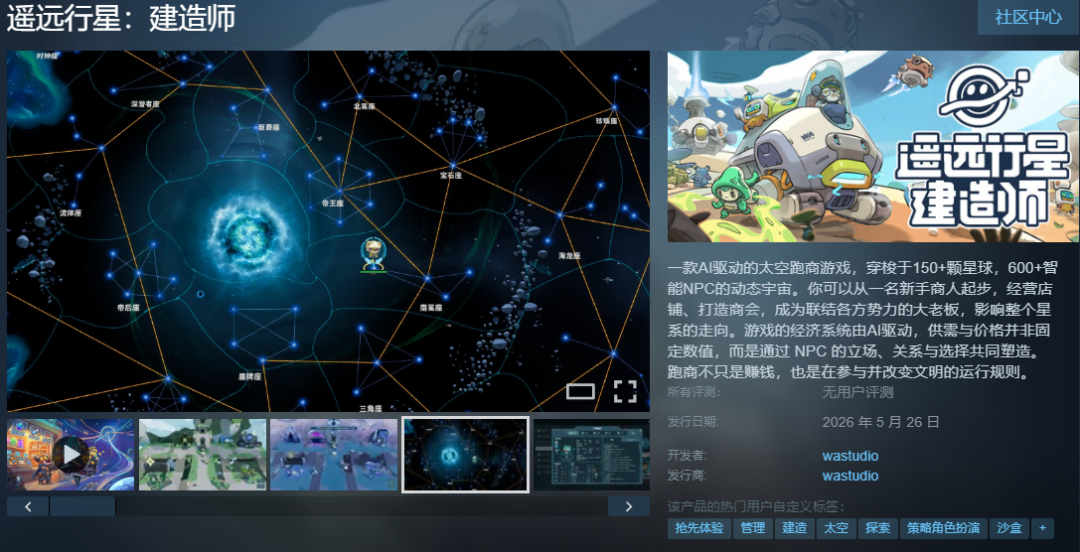
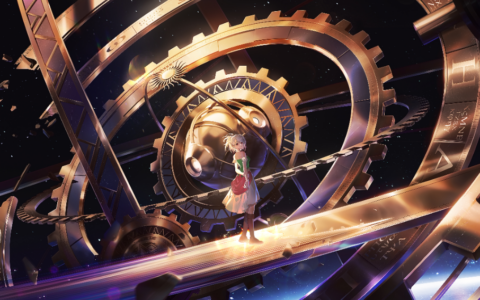
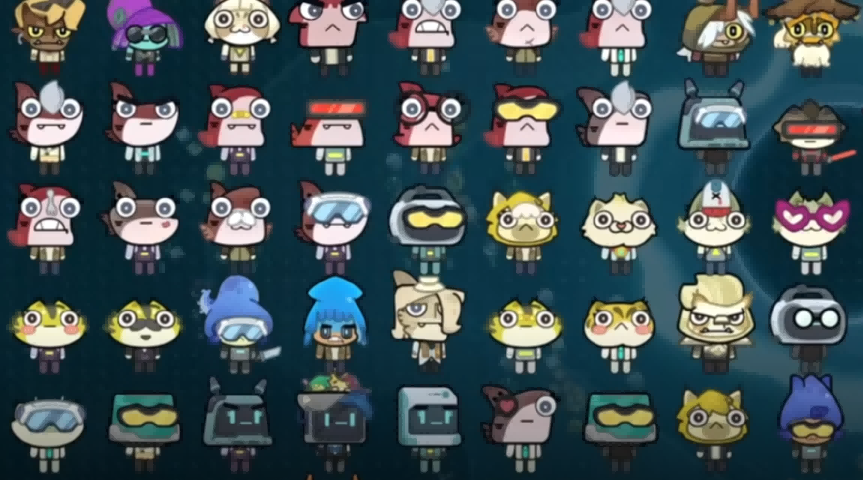
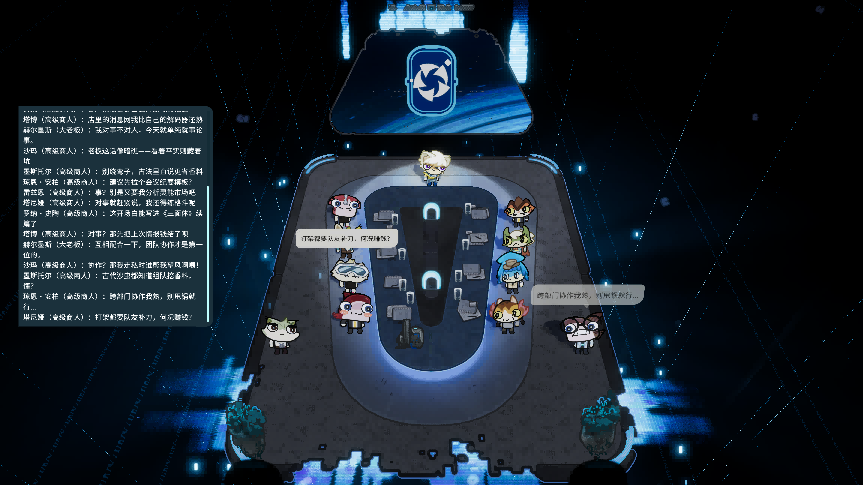
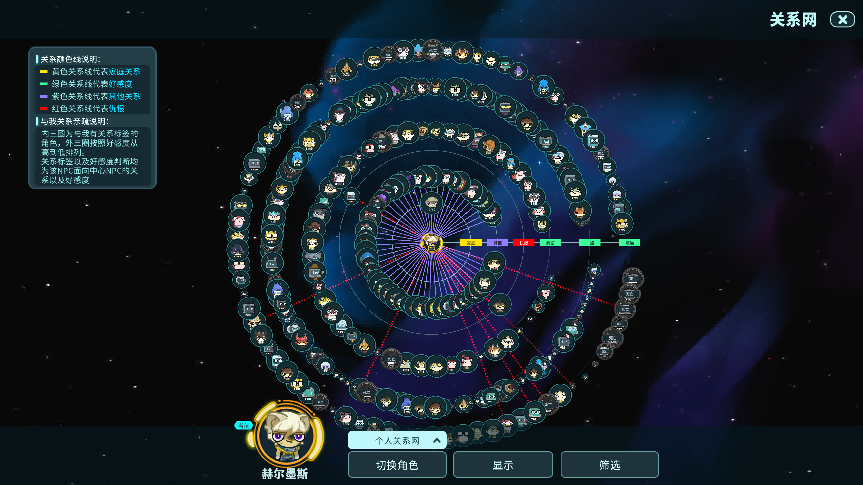
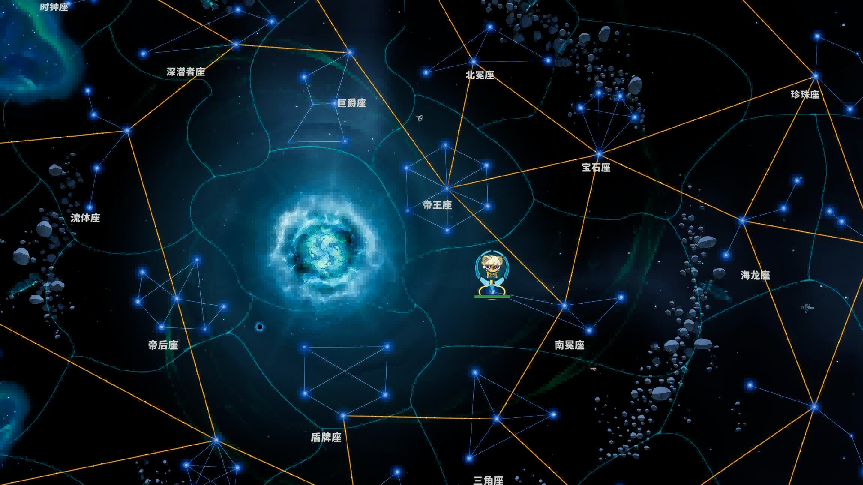
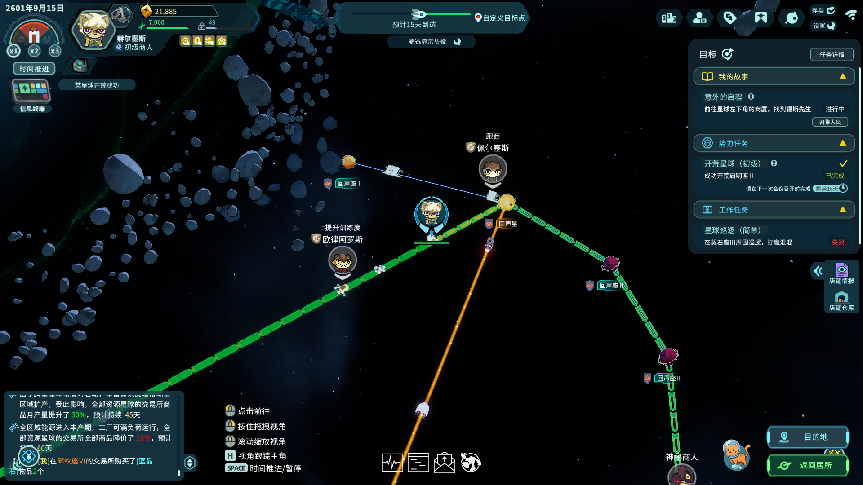
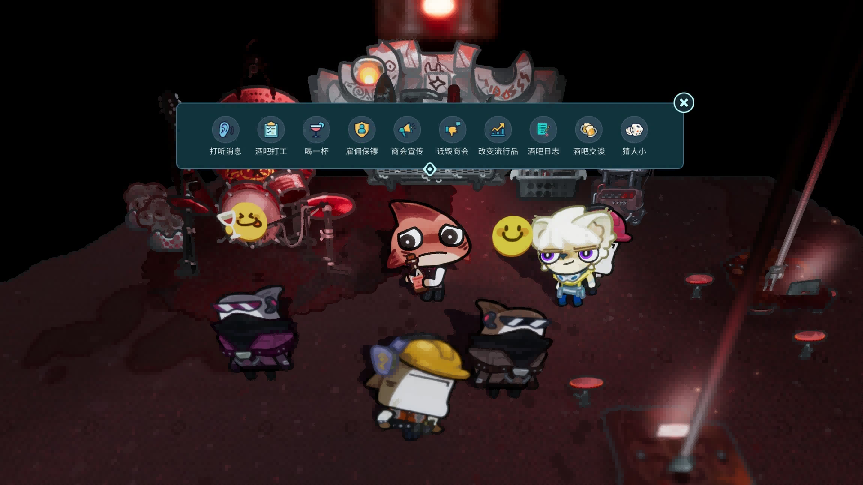
“Distant Planets: The Builder” is an AI-driven space trading and dynamic world RPG.Players pilot spaceships between different planets across the interstellar universe, earning profits from price differentials. They can also fund military forces on various planets to establish their own regimes in the cosmos. The game features 600 AI NPCs from different races and social classes, each with their own personalities, goals, and behavioral logic. Every conversation and decision the player makes is remembered by these NPCs and will be reflected in future interactions in some way.
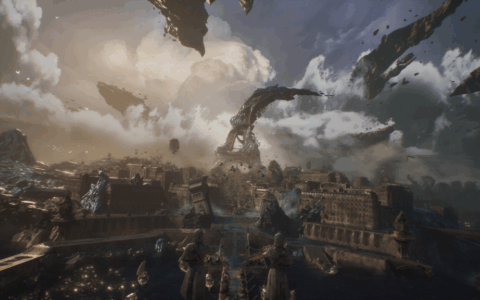
Founded in 2019, Hyperparameter Technology is a tech company that provides game AI solutions to developers worldwide. It has secured hundreds of millions of dollars in funding from institutions such as Five Source Capital, Gaorong Ventures, and Sequoia Capital China.The company has consistently explored the possibilities of AI in gaming: in 2020, it launched the AI-powered WeChat Mini Game *It’s Your Turn: The Unveiling*, which received an official recommendation from WeChat; in 2023, it released *The Living City of Chang’an*—a “AI society” demo driven by AI NPCs. *Distant Planet: The Builder* was ultimately successfully launched thanks to the Game AI technology Superparameter Technology has accumulated over the years.
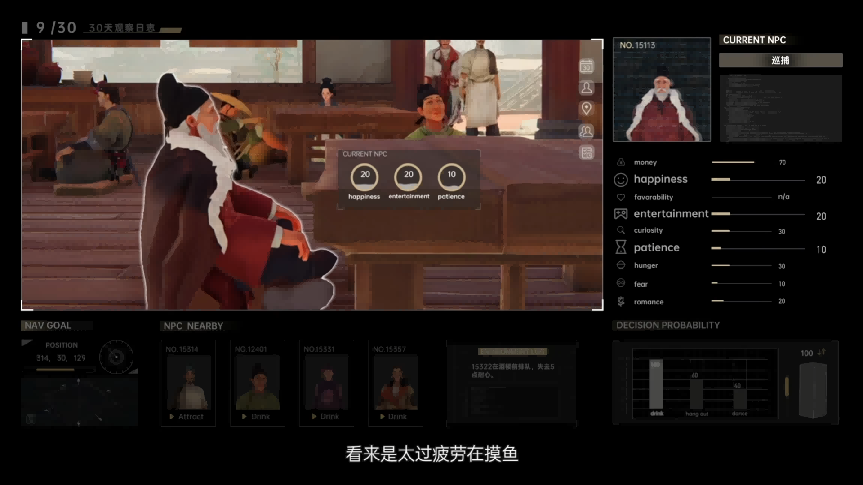
“The Living City of Chang’an”
From its inception to its launch, the journey of *Distant Planet: Builder* has mirrored the evolution of AI technology in the gaming industry—from being met with skepticism to gradually becoming widely accepted. Liu Han notes that when the project was greenlit in 2023, many people were still asking, “Can AI games really work?” But now, it is widely accepted in the industry that AI will transform gaming.
On May 26, the Early Access version of *Distant Planet: The Builder* will launch on Steam. For Liu Han and Hyperparameter, simply reaching this point is an achievement in itself.
The following is a transcript of the conversation between the teahouse and Liu Han:
01
600 NPCs and the symbiotic world he wants to build
Teahouse: You mentioned earlier that the game was designed with *Taiko no Tatsujin* as a reference. What aspects of that game led you to decide to use it as the basis for your development?
Liu Han: When we launched the project, our core goal was to build a world where players and AI NPCs coexist.Some domestic indie games have already made certain explorations in this area, such as *The Scroll of Taiwu*, *Ghost Valley Eight Deserts*, and *My Knight*, which I published under the Aurora Project. These games share a common trait: the core of player exploration lies not in the environment, but in the stories behind the NPCs and the relationships players build with them. However, NPC behavior is largely controlled by parameters. We hope to leverage AI capabilities to elevate NPC behavior control to a level where it can be driven by natural language.
“Taiko” offers a well-established gameplay framework featuring a variety of roles, including samurai, merchants, swordsmen, and doctors. Players can take on the role of a samurai to unify the map, or play as a merchant to establish a trading guild.The game features numerous NPCs with diverse factional affiliations, which aligns perfectly with our vision for NPC diversity in roles and abilities, as well as our goal of building a virtual social network. Therefore, we have chosen *Taiko* as our reference, but we will focus on the merchant storyline, set in a space-faring galaxy. Players will start as ordinary merchants, expand their merchant guilds, and ultimately achieve their own goals.
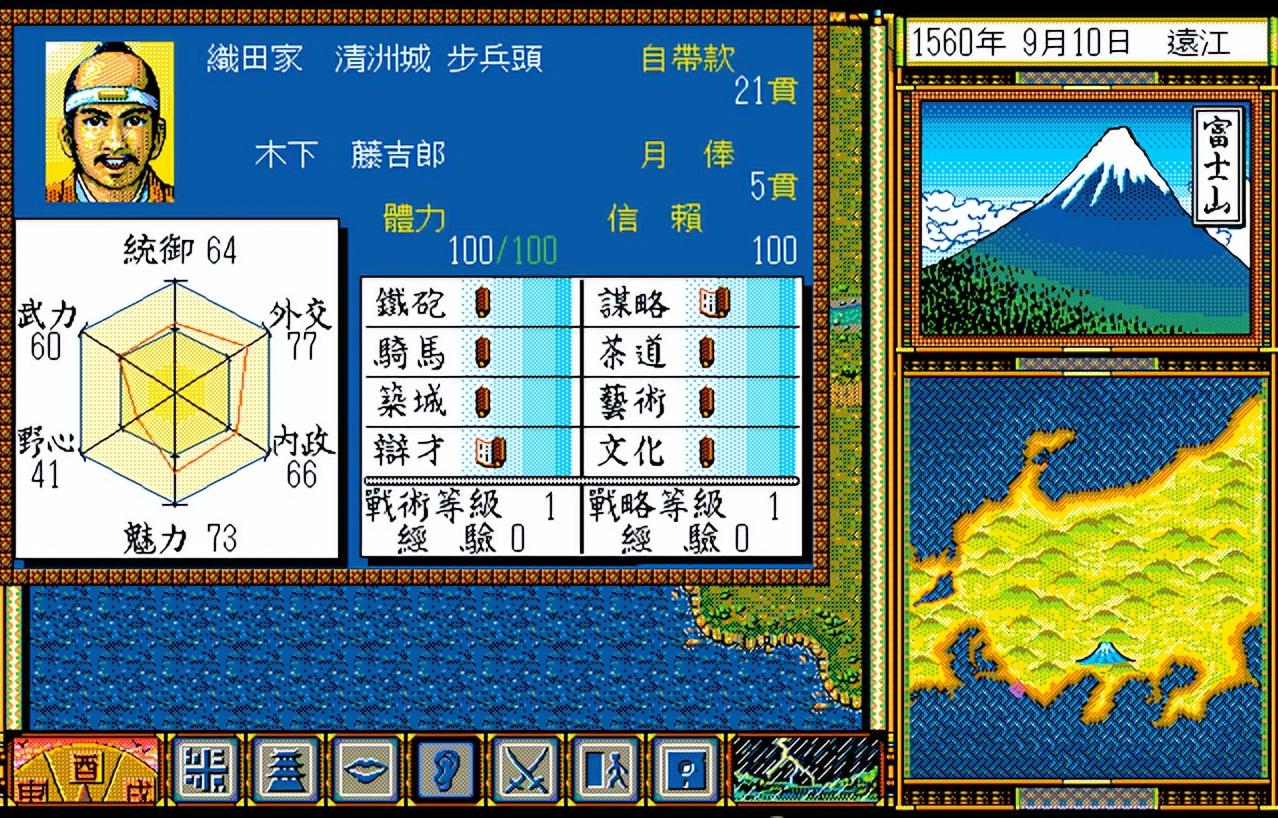
Teahouse: In your original concept, what exactly did the “symbiosis” between players and NPCs look like?
Liu Han: “Symbiosis” is essentially a simulated society, where every NPC is an independent entity, and players exist within this world rather than issuing top-down commands. Symbiosis requires a gameplay framework to support it, and *Taiko* provides exactly that solution. Even as a ruler, you cannot directly control your subordinates; you must achieve your goals through communication.We want to continue this design philosophy, with the core principle being the establishment of equality between players and NPCs. It’s not about players dominating NPCs, but rather about equal interaction between both parties—where players may even need to actively court favor and collaborate to advance the adventure together.
Teahouse: Why didn’t you choose a popular game engine from the last 5–10 years, but instead went with something older like *Taiko*?
Liu Han: In recent years, game frameworks have become increasingly complex, and the development of AI-driven NPCs would only add to that complexity, making the risks too high. Older game frameworks, on the other hand, are simple enough to allow us to streamline our approach, focusing our efforts on refining NPC AI interactions and dynamic world design, and avoiding the redundancy of traditional gameplay mechanics that can detract from the core experience.
Teahouse: All 600 NPCs have character profiles. Did the team write the profiles first and then have the AI refine them, or were they all generated by the AI?
Liu Han: NPC stories consist of two parts. First is the background profile set 2,601 years prior, which is entirely pre-written by the team to establish the Galactic universe and faction backgrounds, and to define each NPC’s past experiences. Second is the memory module, which is dynamically generated after players enter the game. NPCs record all their own and the player’s actions and dialogues, and even note what matters to them and what does not.The memory bank for each game session is unique and is not constrained by the pre-set backstories.
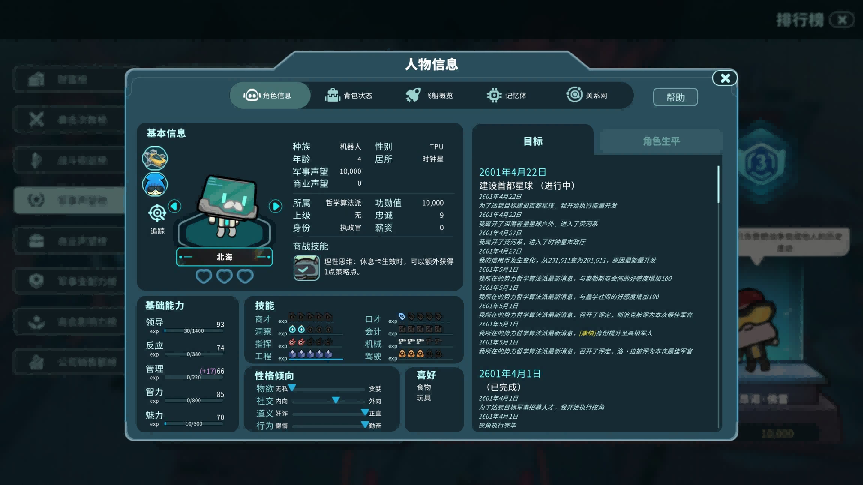
Teahouse: Previously, Superparameter Technology demonstrated NPCs exhibiting unexpected behavior in *The Living City of Chang’an*. Is this also the case in *Distant Planet: The Builder*? Are there any particularly memorable examples?
Liu Han: Yes, we can’t predict all of the NPCs’ behaviors. For example, if a player asks an NPC to invest in a specific planet, and the NPC goes to the wrong place, they’ll come back on their own to tell you that the planet you mentioned is incorrect and lacks the necessary resources. Or, if you lose money gambling at the tavern and run into an NPC on the way, depending on their personality and your relationship with them, some might advise you, “Trading is what really matters—don’t get hooked on gambling.” These genuine reactions are all unexpected.
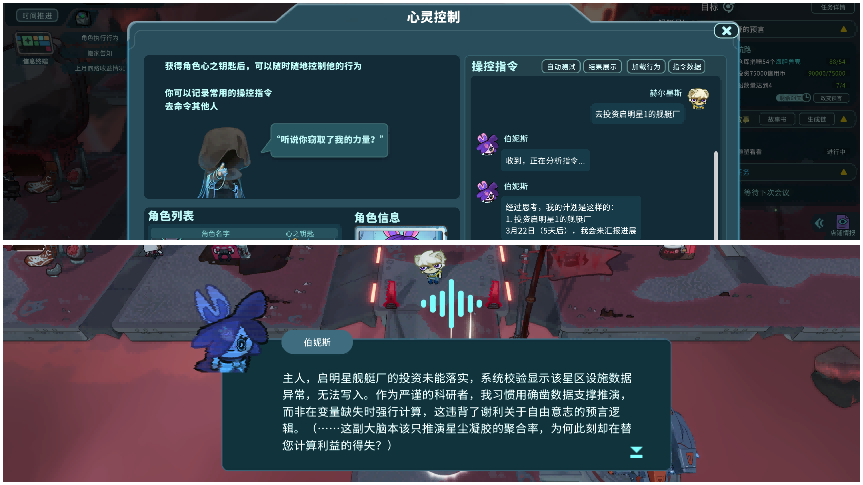
Teahouse: While playing the game, I found that I didn’t really feel motivated to initiate conversations with NPCs. What do you expect to be the triggers for player-NPC interactions?
Liu Han: I think there are two key points: first, interactions must provide players with tangible benefits; second, we must avoid turning this into a game that’s merely about voice chat.We want NPCs to be integrated into the game’s core mechanics, rather than merely serving as conversation partners. Players can form hierarchical or romantic relationships with NPCs, unlock exclusive side quests, and experience storylines unique to their pairings. In our view, relying solely on voice chat would cause players to lose interest quickly and would struggle to sustain a long-term experience. Chat should only be a part of the symbiotic gameplay, not the entirety of it.
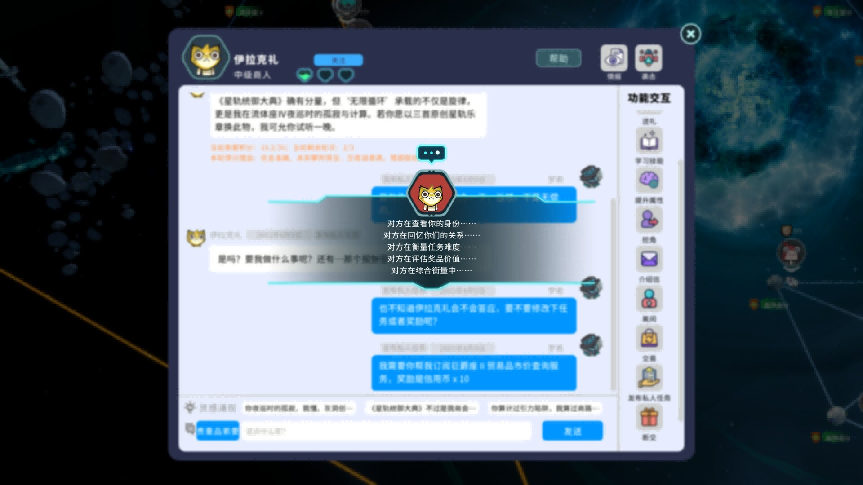
Teahouse: When I first logged into the game, I felt lost in this unfamiliar world and didn’t know what to do. How do you balance the complex lore with the onboarding experience?
Liu Han: That’s definitely a major challenge we’re facing right now. We touched on some of the game’s world-building in the prologue and Chapter 1, but this subject matter isn’t as accessible as traditional themes.For example, if I mention a character’s name from the game right now, it might sound unfamiliar to you; but if I switch to the Three Kingdoms era and say, “This is Guan Yu,” you’d immediately perk up—where is he going? Why isn’t he with Liu Bei anymore? That natural curiosity just kicks in right away. Our original setting doesn’t have that advantage, so we simply need to do a better job of conveying the world-building and the story—but that’s definitely a tough challenge.
Teahouse: Many people are making AI games with historical themes, and they’re quite popular. When you first launched the project, why did you choose to build a completely original world from scratch?
Liu Han: First, it aligns with globalization; science fiction appeals to a broader audience and avoids the cultural barriers associated with historical themes. Second, a fictional world-building framework offers greater flexibility; if an AI were to experience hallucinations, such scenarios would be more internally consistent within a fictional setting.
Teahouse: Who is your target audience?
Liu Han: We’re primarily targeting players who enjoy open-world, sandbox, and role-playing games—those who are particularly interested in interacting with NPCs, managing guilds, and exploring the stars.
02
A Small Team: From Skepticism to Consensus
Teahouse: Hyperparameter Technology previously provided AI technology to other companies. Why did you decide to develop *Distant Planet: Builder*, a game created in-house?
Liu Han: The main focus is on identifying scenarios where AI NPCs can be effectively applied. In these scenarios, we can not only enhance the development and application of various AI tools, but once we successfully implement this in the game, it will also enable us to leverage this technology to provide AI services to more game companies.
Teahouse: Is the AI technology used in *Distant Planet: Builder* developed in-house or sourced from external large language models?
Liu Han: We develop everything in-house, deploy our models on-premises, and do not use any third-party APIs. We’ve built a proprietary framework based on open-source models that supports game integration, and we’ve also developed the Knit tool, which allows for the rapid creation of various gameplay features.
Teahouse: Was our game team formed later on? What are the members’ backgrounds?
Liu Han: That’s right. The game development team was formed separately later on, and all its members are seasoned game industry professionals.
Teahouse: How many people are on the team behind *Distant Planet: Builder*? How are the tasks divided among you?
Liu Han: We’re a small team—just 10 to 20 people. We organize our work primarily by modules, and each module needs to incorporate new AI-driven experiences. We hope that AI will bring some fun new features to every gameplay module.
Teahouse: Since the team brings together expertise in both gaming and AI, are there any communication barriers within the team? After all, many of the developers come from a gaming background and are having to learn AI from scratch.
Liu Han: A year ago, there were clear obstacles; back then, there was absolutely no consensus on what AI could and couldn’t do. But over the past year, those obstacles have all but disappeared. I believe that, more often than not, the obstacles don’t stem from a lack of understanding in day-to-day work, but rather from a misalignment of goals and direction.
Teahouse: Are there any typical points of contention?
Liu Han: There have been many changes. For example, a year ago, when we discussed using AI to assist in generating certain content, our colleagues would inevitably raise objections. First, AI isn’t cheap; second, AI-generated content might not be as good as what humans produce; and third, fine-tuning the prompts alone takes a lot of time, so why not just do it ourselves? But today, when we discuss the same topic, everyone is focused on how to use AI to make the content more meaningful.
Teahouse: How was this consensus reached? Was there a clear turning point?
Liu Han: On the one hand, the team had no choice but to move in this direction; on the other hand, DeepSeek was released last year. Before that, people were still very skeptical about the large-scale commercial use of AI. Although GPT is very powerful, it was difficult to calculate the financial viability of deploying it widely in consumer scenarios.After DeepSeek emerged, people discovered a new paradigm: solutions to cost issues had been found, and its Chinese output was aesthetically pleasing—unlike the somewhat awkward Chinese generated by foreign models in the past. Public acceptance of AI-powered language interaction also surged rapidly around this time, and a consensus naturally formed.
03
After helping Tencent launch several hit games, I left the company to start a new R&D venture from scratch
Teahouse: You used to work in publishing at Tencent’s Aurora Project. Did you ever imagine that one day you’d leave to develop an AI game?
Liu Han: To be more precise, what I want to create is a dynamic world—one that truly evolves over time and in response to player actions. I want to do this regardless of whether AI technology is available or not.
Teahouse: Did you come up with the concept of the “dynamic world” yourself?
Liu Han: Not entirely. It’s a direction we identified based on our extensive experience in game development and publishing. Our assessment at the time was that open-world games would eventually reach their limits: as the world grows larger, the cost for players to engage with it also increases. Players may begin to prefer a familiar setting where the world evolves dynamically over time and through their experiences, offering new surprises every day.
Teahouse: You left Tencent in 2023 to join Hyperparameter. Why did you choose that particular time?
Liu Han: I had two thoughts at the time. First, I wanted to pivot from publishing to in-house development. Second, I believed that “dynamic worlds” represented the next frontier in open-world gaming. However, the traditional gaming sector was highly competitive, and I didn’t have a competitive edge there. At the same time, large language models were just emerging, and I believed AI could turn the concept of dynamic worlds into reality, so I decided to enter the AI gaming space.
Teahouse: Did you know Liu Yongsheng, the founder of Hyperparameter, back when you were at Tencent? Did he invite you to join?
Liu Han: I’d heard of him a long time ago; he’s a big shot at T4. We’ve spoken once, but we didn’t discuss any of this at the time.
It was a stroke of luck that I joined. He had always wanted to create a virtual society where players and AI coexist, and I wanted to build a dynamic world. As we talked, we realized we could work on this together, so I joined the team.
Teahouse: Why didn’t you join when Hyperparameters was founded in 2019? What were your thoughts on AI games at the time?
Liu Han: It still comes down to whether the technology is ready. Back in 2019, I hadn’t fully figured this out myself. It wasn’t until *The Scroll of Taiwu* and *Ghost Valley Eight Deserts* were released—and after we published *My Knight*—that I realized there was potential in this direction. Those were the signals we saw from the product side. On the technical side, creating something new requires the technology to be truly ready. In fact, even today, the underlying technology for AI-driven games isn’t fully ready yet.
Teahouse: As a producer, what are your main responsibilities within the team?
Liu Han: I am responsible for steering the project’s direction and coordinating team communication, while also participating in planning efforts. Since the team is small and our roles are flexible, I often have to roll up my sleeves and get hands-on with many tasks.
Teahouse: You used to work in publishing at Tencent. Was it difficult to transition into R&D and AI gaming? Were there any tough times?
Liu Han: It’s been tough—I’ve basically been learning as I go. The hardest part was two years ago, when we told people we were going to use AI-powered games. Everyone would ask, “Is this actually fun?” An even more pressing issue was that GPT tokens were very expensive back then. Under those circumstances, making many decisions presented all sorts of challenges.
Making games is no easy task to begin with, and incorporating AI only makes it even harder. People often say that AI makes game development easier. While it’s true that it improves efficiency, the challenge of integrating AI into a fun game remains just as daunting.
Teahouse: Could you give a specific example?
Liu Han: Let me give you a simple example. When it comes to a game mechanic, without AI, it’s a very deterministic process—there are established guidelines, so you can just implement it directly. But if you want to integrate AI, the first question is: How do you integrate it? The second question is: Once it’s integrated, will the experience be the same as before, or will it be different? If it’s the same, then why use AI? If it’s different, how does AI create a distinct experience? These are the questions that must be addressed whenever a game mechanic is adapted for AI.
Of course, it would be easy to simply integrate AI without seeking to create new experiences. But in our view, that doesn’t make sense in the long run—it doesn’t bring anything new to the table; it merely uses a new approach to achieve a goal for which a mature solution already exists. That’s like looking for a sword by marking the spot on the boat where it fell.
Teahouse: How does it work in our game?
Liu Han: Let’s take the merchant guilds in games as an example. In older titles like *Taiko* or *Age of Sail*, the guild’s statistics were pre-determined, and the NPCs’ behaviors were pre-programmed—it was all “fake.” They appeared to be running around, but they weren’t truly realized as living entities. Your experience was very predictable because everything ran along a predetermined path.
But in our game, NPCs operate autonomously; they make their own decisions and take their own actions. This means that even though the gameplay mechanic is still “running a merchant guild,” incorporating AI completely changes its underlying logic and the player experience.
04
Launching is just the first step; the future of AI gaming remains challenging
Teahouse: Compared to other teams developing AI NPCs, what sets you apart?
Liu Han: Our core focus is on creating a dynamic world where players and AI NPCs coexist, rather than simply providing AI companionship or a god’s-eye-view simulation. Players enter the world as ordinary citizens, interact with NPCs as equals, and participate together in the activities of organizations such as merchant guilds and military factions.
Teahouse: The game launches on Steam on May 26. Is it a one-time purchase? How do you manage the token costs for AI conversations?
Liu Han: We’ve purchased the rights outright, so we bear the cost of the tokens. We exercise great restraint in our use of large language models. We believe that AI-driven games should be a fusion of the model and the game design itself, incorporating more gameplay mechanics and design elements—it’s not something that can be forced onto players. We only invoke the model for key interactions, such as borrowing money or generating storylines, so the cost during normal gameplay is largely manageable.
Teahouse: Do you have any sales expectations for the game’s launch? How do you define sales success?
Liu Han: Our primary goal is to identify our core user base and validate our gameplay concepts. Of course, we also hope that more players will enjoy the game and find it entertaining. But overall, the most important thing is to provide our target audience with a new and unique experience.
It’s very difficult to define success in terms of sales. From a commercial standpoint, you can’t really call it a success unless you sell hundreds of thousands of copies on Steam, but as everyone knows, selling hundreds of thousands of copies on Steam is extremely rare. Of course, we hope it sells well, but if you ask us whether this product is completely ready, to be honest, it isn’t yet—there are still many areas that need polishing and improvement.
Teahouse: After the Early Access launch, what new features will be added?
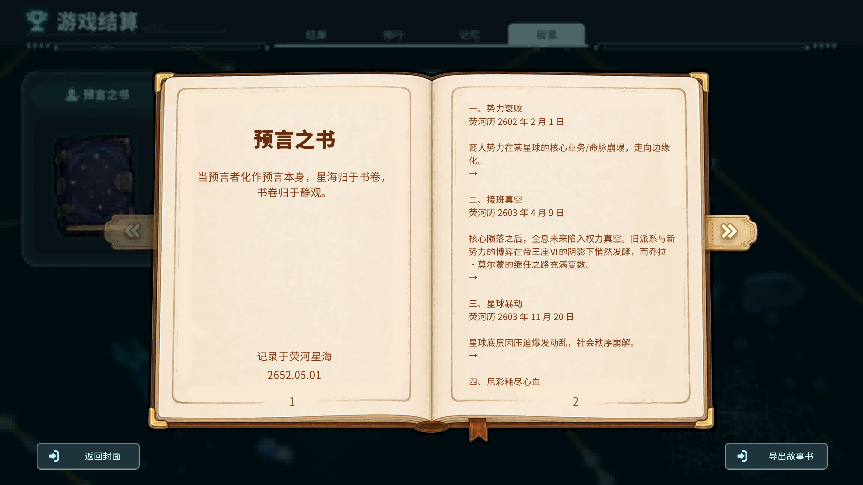
Liu Han: We are primarily focusing on several key areas: First, we are enhancing our MOD-based open-world system to encourage player-created content; for example, some players might create MODs based on stories from the Three Kingdoms period. Second, we are optimizing the prophecy system to strengthen the game’s dynamic narrative and give players a clearer sense of purpose. Third, we are improving NPCs’ decision-making capabilities so they can plan their actions based on objectives and analyze their performance to optimize their strategies, while also adding the military gameplay features that players have been requesting.
Teahouse: If the response after launch is poor and falls short of expectations, how will you handle it?
Liu Han: Actually, the launch itself is just the first step. It’s only when we put it into a real-world environment and see player feedback that things really get started. But the launch doesn’t mean success; it’s merely a milestone. If I had to choose between “high sales but poor reviews” and “moderate sales but good reviews,” I’d choose the latter. We still need to find users who are genuinely interested in this direction.
Teahouse: Tech giants are now investing heavily in AI technology as well. In the past, people used to say, “Tech giants focus on foundational technology, while startups focus on products,” but in reality, tech giants are now developing products too. How do you view the relationship between your company and these tech giants at present?
Liu Han: From the perspective of the industry as a whole, this is definitely a positive development; it shows that a consensus has been reached. If we were to pursue a project only to find two or three years later that everyone around us has stopped doing it, we’d be worried too.
Another point is that, in my view, no matter who takes on the project, the challenges inherent in an innovative endeavor will still arise. Large companies simply have more resources to tackle these challenges, but resources alone do not guarantee success.
Teahouse: Will the company continue to develop AI games in the future, or will it return to B2B technical services?
Liu Han: Our company’s core focus has always been AI technology R&D, and I view AI games as a crucial testing ground. The technical expertise gained from this game will be distilled into standardized products, which we will use to continue providing AI services to game developers while exploring new directions in AI gaming.
原创文章,作者:gallonwang,禁止转载:https://youxichaguan.com/en/archives/197551