Generally speaking, the development cycle for a commercial game takes at least two to three years. For larger projects, a development period of five years or more is not uncommon. Even today, with modern production tools such as AI gradually being integrated into the development process, while some smaller-scale games can indeed be completed within a year, for most commercial projects, the longer the development time, the greater the financial pressure—and the higher the expectations of both players and investors regarding the quality of the final product.If the game receives “poor reviews” or even a “flood of negative reviews” immediately after release, it is difficult for all parties to accept. This usually means that the time, effort, and—more importantly—the funds invested have gone down the drain, leaving everyone concerned about the costs involved.
However, in the gaming industry, Supermassive Games is a rather unique entity (hereinafter referred to as SG).
The early-access title *Until Dawn* became an instant hit upon release and has sold 4 million copies to date, while 2022’s *Quarry* went on to sell 5 million copies. The success of these two titles represents the most notable achievements of Supermassive Games; however, *The Black Collection*, another series considered a flagship for SG, has fallen short of expectations in terms of both critical reception and sales.
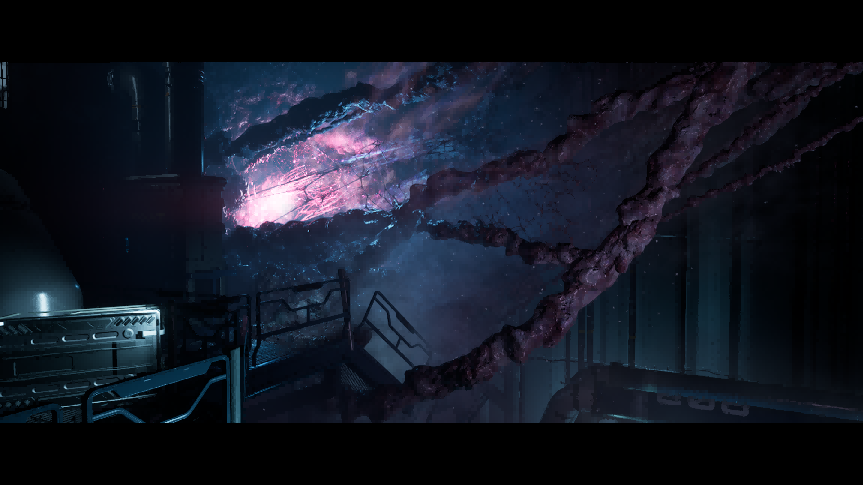
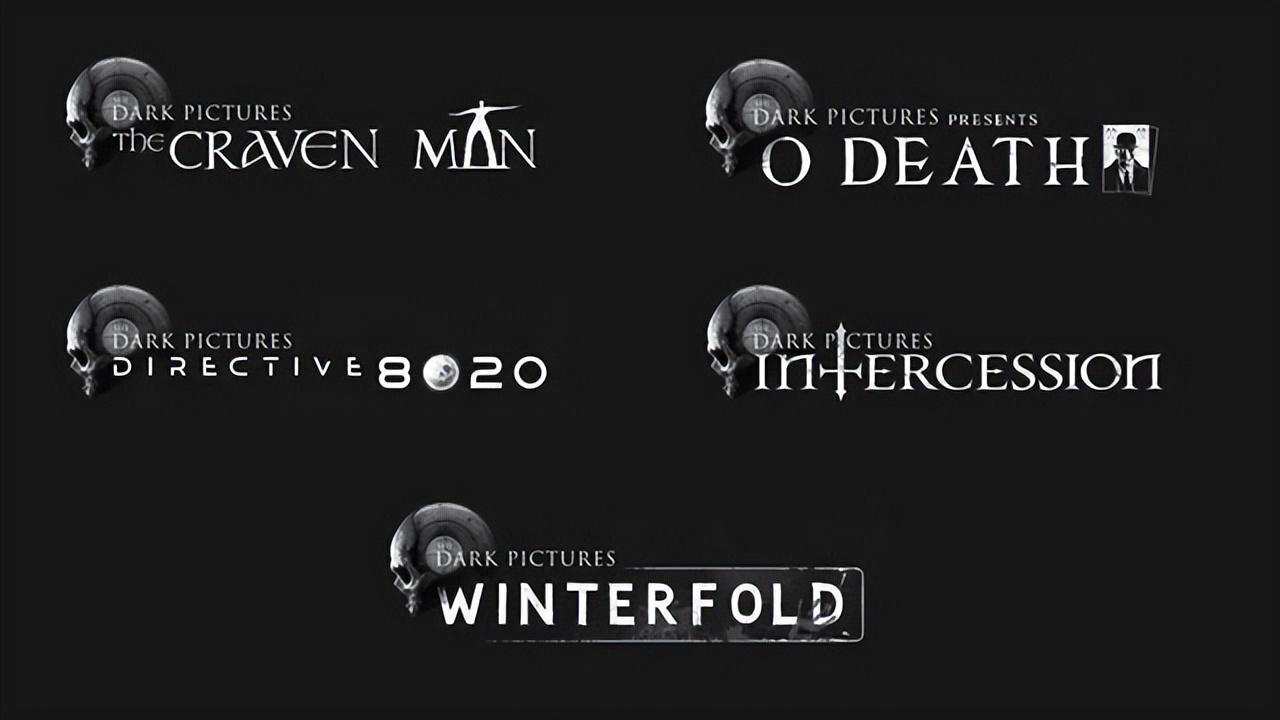
The first installment of *The Dark Pictures: The Mayan Curse* was released in 2018, followed by three more titles over the next few years. After a three-year hiatus, the latest entry in the *The Dark Pictures* series, *Order 8020*, was released last week, with a story that takes place beyond Earth in outer space.
It is worth noting that, compared to its previous works, *Command 8020* does not represent a major leap in innovation, making only minor adjustments to the existing interactive narrative framework. For example, the progression through key plot points is clearer and more controllable, and the multiplayer mode no longer requires a friend pass.Narratively, it continues to draw from a mix of genre films, with clear influences from *Alien*, *Solaris*, and *The Hitchhiker’s Guide to the Galaxy*. It is precisely this apparent lack of care for their own product that has left most players unimpressed. Just one week after launch, the game’s overall rating plummeted to a 67% “Mixed” score, and sales remained dismal.
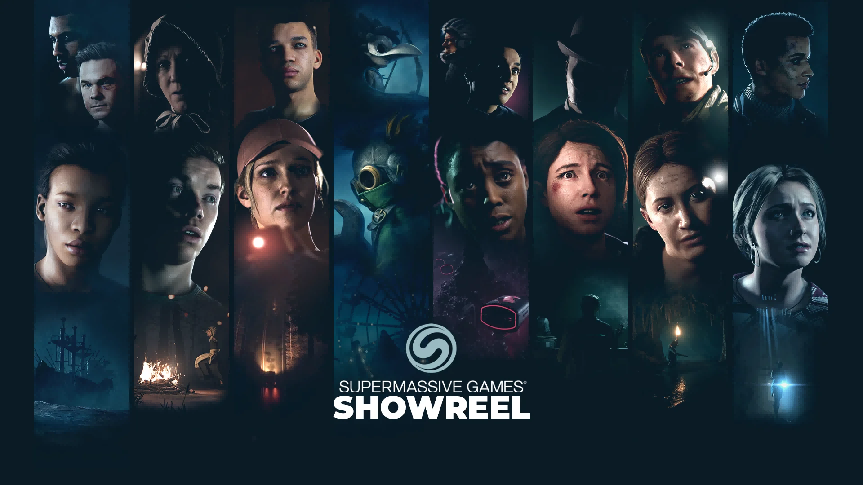
With one product after another flopping at launch, any other company would likely be teetering on the brink of bankruptcy by now. Interestingly, however, for SG, this has become the “new normal.” Through the rigorous trials of the past, SG has developed a unique “survival strategy” that is difficult to replicate.
It is precisely thanks to this model that SG has been able to consistently release mid-to-large-scale interactive narrative games, even managing to release one title per year. While these titles generally receive reviews that hover around the passing mark, they often enjoy steady sales and feature performances by Hollywood and Emmy Award-winning actors. The company has also forged successful partnerships with publishers such as 2K, Bandai Namco, and Sony, and in 2022, it was acquired in its entirety by the Danish film giant Nordisk.
It took SG less than a decade to go from a hit developer with 4 million units sold to a “fly-by-night operation” with a dismal reputation. Yet the story of its rise and fall may be even more “bizarre” than the games it produced.
01
I ended up setting up an assembly line by accident
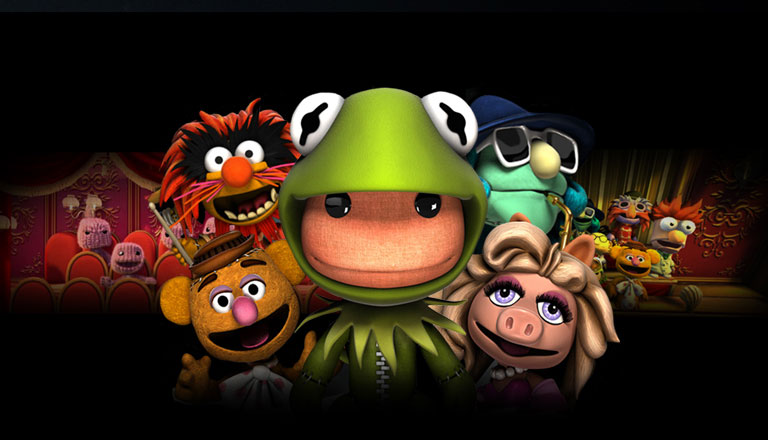
SG was founded in 2008. In its early years, the studio primarily worked on smaller projects for Sony centered around the PlayStation Move controller, such as *Start the Party!*. It also contributed to the development of DLC content for *LittleBigPlanet* and worked on licensed titles like *Doctor Who: The Eternal Clock*.
At that time, SG hadn’t yet earned a reputation as a horror game studio. Rather than for its creative style, the industry recognized it more for the technical capabilities of its outsourcing and collaborative teams.
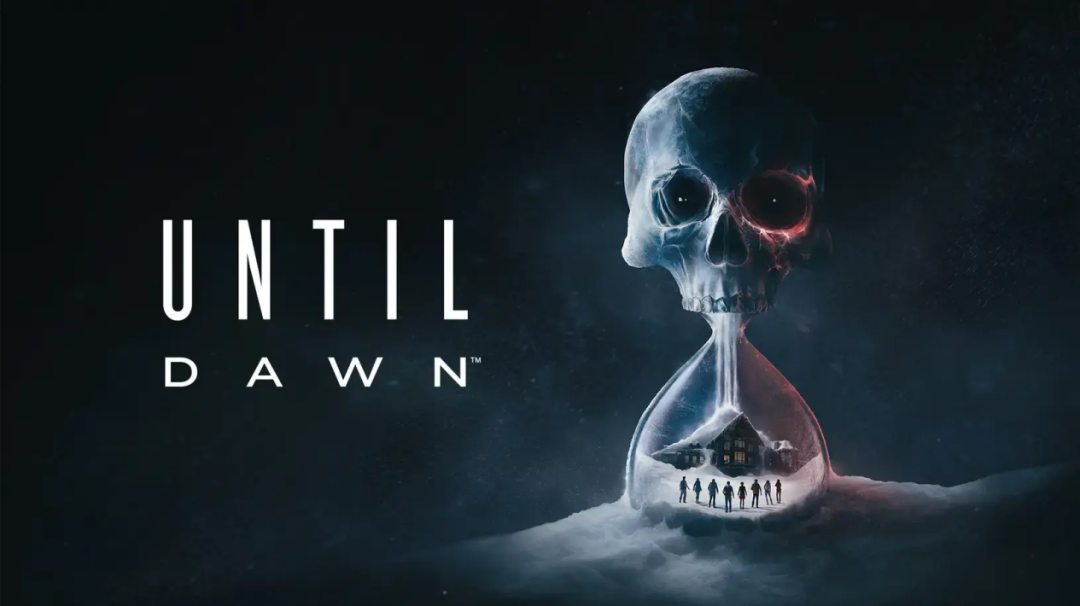
In 2015, they cobbled together *Until Dawn* using discarded components from a Sony project, following their own vision. This title, originally created merely to fill the roster for motion controllers, suddenly became a massive hit.*Until Dawn* not only achieved solid commercial success but also helped SG garner more industry attention. It later even received recognition from the British Academy of Film and Television Arts (BAFTA) and other organizations, transforming SG from a British studio primarily known for contract work into one of the most prominent names in the interactive horror narrative genre.
This unexpected success officially launched SG’s subsequent product line, which was highly controversial but commercially very lucrative.
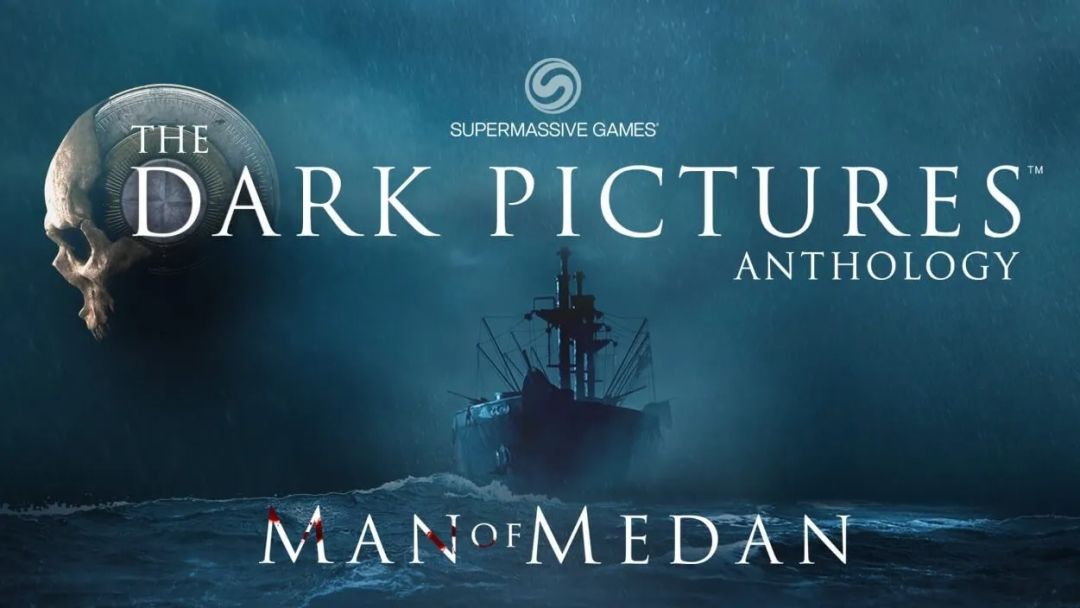
In 2018, Bandai Namco and SG announced *The Dark Pictures: It Fates*, followed a year later by *The Dark Pictures: The Cotton Club*.In an interview, developer Tom Heaton mentioned that *The Dark Pictures* was developed as a follow-up to *Until Dawn*. The first game focused on short horror stories, multiplayer modes, and the variety created by different choices. When this installment was first released, it sold well and received positive feedback from players. At the time, the concept of a game where you could watch horror movies online with friends—complete with real-time choices that influenced the plot and the characters’ fates—felt quite novel.
So, SG picked up the pace. The following year, the second installment in the series, *Town of No Hope*, was released. SG aimed to structure the series like an anthology, with each entry featuring a distinct setting and storyline, while maintaining an annual release schedule. By this point, SG was striding confidently toward its clear vision. It was no longer just a studio taking on projects for others, nor merely the developer of *Until Dawn*; it was evolving into a team dedicated to creating interactive horror games.Professional cinematography, actor performances, the QTE system, and fatal endings—these recurring elements gradually became SG’s hallmark throughout this process.
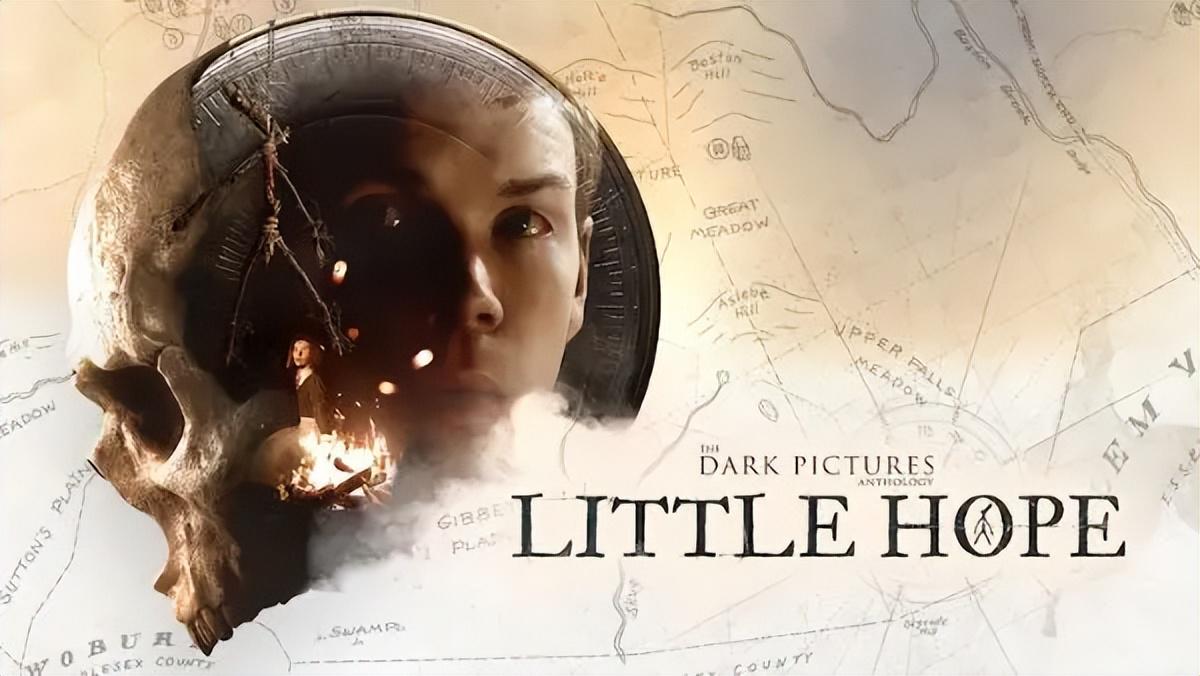
However, the good times didn’t last long. As the series was rushed out at a breakneck pace of one game per year, its reputation began to decline. While the premise was solid, the horror atmosphere was well-crafted, and the acting was passable—with some familiar faces even making appearances—the same issues kept cropping up. Some players complained that the pacing was too slow, while others felt that certain characters were merely plot devices.The characters aren’t particularly likable, the impact of player choices feels limited, and the scare tactics grow repetitive. Even with some decent plot twists, players’ patience wears thin quickly. For example, in the user reviews for *Rare Hope Town*, many players point out issues with plot holes, pacing, and character development.
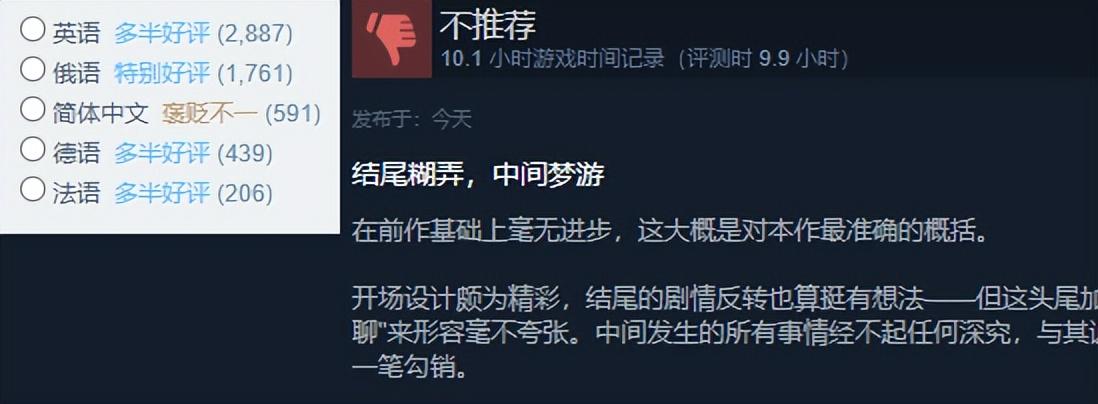
After that, due to its assembly-line feel, *The Black Collection* became SG’s most reviled and “notorious” product line.
The rapid decline in the game’s reputation and sales soon triggered a chain reaction. In 2024, the studio’s founders, the Samuels brothers, announced their departure and completely withdrew from the gaming industry. Shortly thereafter, the company carried out a major round of layoffs, cutting approximately 90 employees, followed by another 36 layoffs in 2025. At the same time, they delayed *Command 8020*, the “second installment of *The Black Collection*,” to 2026.For a mid-sized studio with fewer than 300 employees, this was effectively the beginning of the company’s collapse. The company associated with their breakthrough title *Until Dawn* had even gone out of business, which is why the rights to the remake were sold to a new owner.
Looking back at SG’s entire development history, it’s clear that during the early *Until Dawn* era, they used a high-budget engine funded specifically by Sony, pursuing blockbuster-level polish and custom motion capture. But by the time of *The Black Collection*, their technology had shifted entirely to the Unreal Engine, and they had embraced a fully modular approach.
It could be said that SG carved out its own path in the industry with *Until Dawn* and established a stable development model with *The Black Collection*. But this path is a double-edged sword. While it has earned SG the trust of publishers, project resources, and a steady stream of revenue, it has also made it increasingly difficult to shake off labels such as “mediocre” and “assembly-line production.”
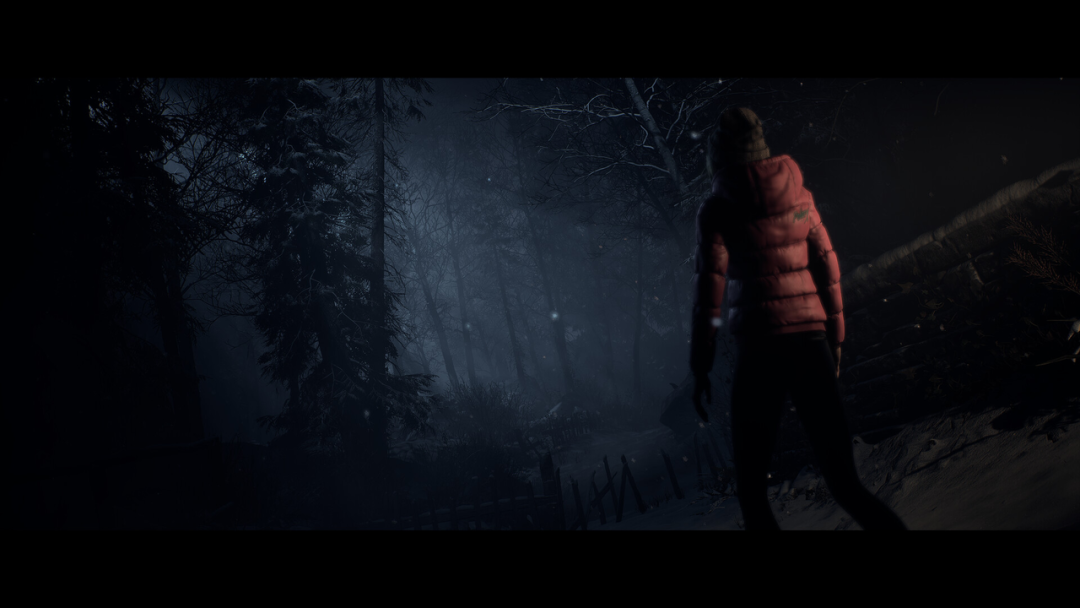
Even so, SG’s fate did not end in a hasty bankruptcy and dissolution, as most people had imagined. Backed by funding from Nordisk and with several surefire projects in its portfolio—such as *Until Dawn*, which has sold nearly 4 million copies across the PS4 platform—the company managed to stay afloat.*The Bat* surpassed 1 million copies sold within a year of its release, and while the subsequent sequels received mixed reviews, each one consistently sold between several hundred thousand and over a million copies across all platforms.In 2022, their collaboration with 2K, *Quarry*, sold approximately 5 million copies worldwide. To this day, SG continues to maintain its rhythm of developing, releasing, facing criticism, and developing again, achieving a delicate balance that feels like an endless cycle.
02
Building with blocks
When we look at the critical reception of all the games SG has released, it’s clear that their titles generally hover around the passing mark. Although SG has rarely produced a game that has garnered truly universal acclaim since *Until Dawn*, it’s worth noting that, given their release schedule of nearly one game per year, the fact that SG can maintain this level of critical reception is a feat that few of their peers can match.
When a game studio releases a new title every year, the first thing that comes to mind might be that the team is very large, that they work long hours, or that they’re highly skilled at using AI. In reality, SG simply uses a “building-block” approach to game development—a method that’s somewhat reminiscent of the rudimentary techniques used by beginners in game development.
For them, this is one of the simplest ways to cut costs: making flexible use of their existing resources. They treat the components they’ve already spent time developing as modules, then continuously reuse those resources when developing new games later on to save time and money.

Take the *The Black Collection* series, for example: each installment seems to tell a different story. *The Cotton Lan* takes place on a ghost ship; *The Town of Rare Hope* features a witch trial; *The Gray Underworld* is an exploration of underground ruins; *The Demon Within* is set in a serial killer’s hotel; and the newly released *Order 8020* takes us out into outer space.While the game traverses a variety of distinct settings, veteran players will recognize familiar elements—from the characters’ walking animations and the way they open doors or grab flashlights, right down to the camera shake when encountering monsters. This is because these elements have essentially been carried over from previous installments and reused after minor tweaks.

Camera work, branching systems, QTEs, exploration mechanics, co-op play, and Movie Night mode can all be carried over. SG has mentioned that they’ve developed a set of tools tailored to *The Black Collection* using the Unreal Engine, and since the team is already very familiar with this workflow, production efficiency will be higher.
So they don’t have to rewrite code or design animations from scratch every time; they just tweak the script a bit, and NPCs that appeared in previous games can simply wear a hat and return in the next installment—and just like that, a new game is put together. This extremely high rate of asset reuse is precisely why their development costs are so low. While other studios might need to spend thousands or even tens of thousands of dollars, SG can often complete a project with just a small budget.

How much does it cost to feature celebrity actors in the game? Shawn Ashmore, Will Poulter, Ashley Tisdale, Jessie Buckley, and Tony Pankhurst, who appears in every single one. In reality, SG only purchased their facial likenesses, thereby saving on motion capture costs, which are typically billed by the hour or day.The game’s complex physical movements—such as running, dodging, and falling—are all handled by inexpensive stunt doubles or pre-existing motion capture footage.
Aside from the traffic generated by celebrity endorsements, another reason SG’s games are guaranteed to sell well is that they have no competition in the market.
This stems from the fact that each installment in the *The Black Collection* series explores a different horror theme; in an interview, the developers mentioned that they are simply a group of horror movie enthusiasts. Furthermore, there are very few developers creating interactive games based on horror films, and competitors like Quantic Dream typically take years to release a new title.But players who love horror and enjoy playing with friends are eagerly awaiting new releases every year. SG’s games cost only half as much as traditional blockbusters; for the price of two movie tickets, players can experience an online haunted house with familiar faces over the weekend. This value for money naturally ensures that their core sales remain rock-solid.
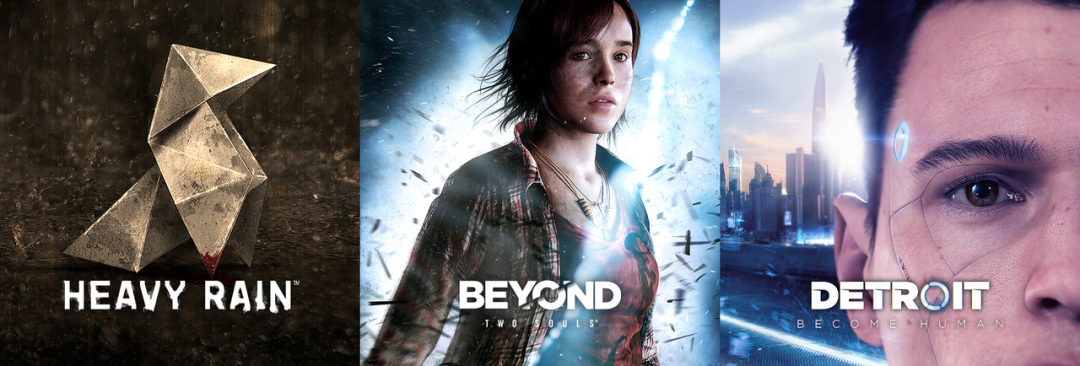
Not to mention the potential impact of horror games: the combination of narrative choices and horror elements can be quite effective, whether players are gathering in private or streaming their gameplay. It’s similar to how some horror movies don’t get great reviews, but audiences still go to see them because they’re looking for atmosphere, thrills, and something to talk about afterward.
With the support of major studios and publishers, SG has secured relatively ample funding and the freedom to experiment. While not every title in the *The Black Collection* series has been a success, the studio has been able to continuously explore new themes, refine its systems, and test players’ reactions to different horror genres.In addition to the annual *The Black Collection* releases, SG also produced a variety of other titles—some as contract work and others as lead developers—including *Quarry* for 2K, *The Casting of Frank Stone* (a spin-off set in the *Dead by Daylight* universe), and *Little Nightmares II* and *Little Nightmares III* for Bandai Namco.It is the combination of these various factors that ultimately prevented SG from following the path of bankruptcy and collapse—a “point of no return”—that many other game developers have faced due to the catastrophic failure of certain products.
03
Investors’ Favorite “Contractor Studios”
In fact, ever since SG was founded by Pete Samuels in 2008, it has embraced a very pragmatic philosophy. Their early experience in contract manufacturing taught them the hard lessons of survival. Rather than embarking on a journey fraught with unknown obstacles in search of some idealized “Sword in the Stone,” they chose to pursue a sustainable path where results are tangible and predictable.

In 2021, Nordisk—Denmark’s oldest and most established film company (whose parent company is the Nordic giant Egmont)—acquired a 30.7% stake in SG; in 2022, it completed a full acquisition of the company. This acquisition ensures that the studio can continue to freely explore its creative vision within the *Black Mirror* series and provides the necessary backing to continue producing high-profile projects in the future.
For Nordisk, the comprehensive film-to-game cross-platform technology that SG possesses is exactly what they need to expand their market. Whether it’s cinematic storytelling, casting, professional film industry techniques, or their familiarity with camera work, these are indeed SG’s strengths.In a 2021 interview, Mikkel Weider, General Manager of Nordisk Games, stated: “What impressed us most about the Supermassive team—aside from their obvious talent and creativity—was their open attitude toward collaboration and their vision for creating narrative-driven games. In our view, few studios are as skilled as they are at creating rich, story-driven games centered around unique stories and IPs.”
For Nordisk, a film studio with over a century of experience, this presents an opportunity to bring to life the countless script ideas and set designs it has accumulated over the years. SG can quickly transform these into in-game visuals and conduct market testing. Conversely, the high-resolution character models created for the game can be directly repurposed for film special effects. This ability to save costs on both ends aligns perfectly with SG’s philosophy.
This is precisely why Bandai Namco and 2K need SG.
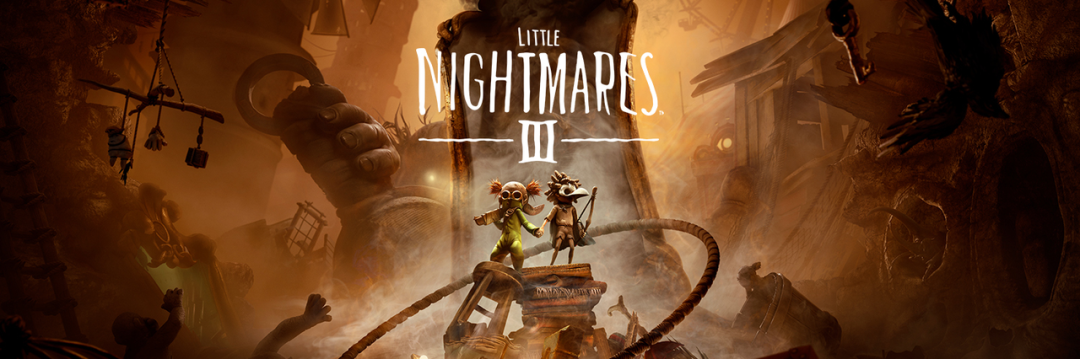
For Bandai, SG can help them fill gaps in their product lineup. Bandai already has Japanese IPs, anime adaptations, fighting games, action games, and RPGs, as well as an artistic game series like *Little Nightmares*.However, cinematic interactive horror games are not their forte. They recognized that SG’s *The Black Collection*—a series of games blending elements from horror films of the same genre—could help them fill this gap. Bandai Namco’s official statement at the time of *The Black Collection*’s announcement was that the partnership aimed to elevate horror games to “a new cinematic level.”
By partnering with SG, Bandai doesn’t have to build a team from scratch or spend money on a long-term project with uncertain outcomes. Bandai simply needs to provide publishing, distribution channels, and marketing. Setting aside the game’s ultimate reception, this is a mutually beneficial partnership for both parties.
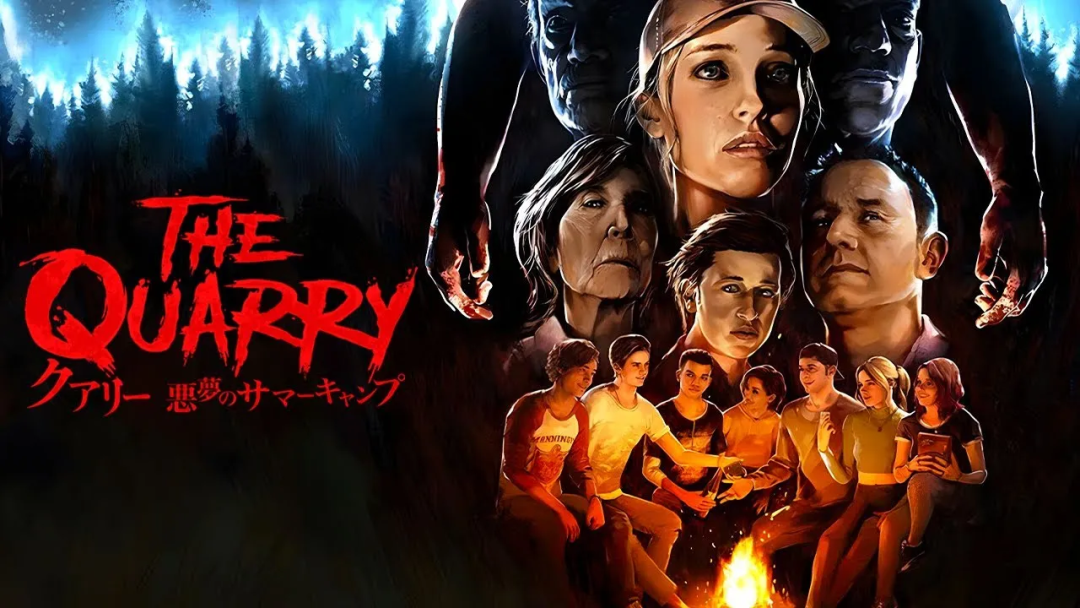
Similarly, 2K had similar considerations. With its portfolio of sports, open-world, shooter, and major IP titles, 2K faces long development cycles and high costs. What SG can do is fill the gaps between the development cycles of these major titles by providing projects that generate buzz, have manageable costs, and short production cycles—and, if all goes well, generate revenue to subsidize the main projects.2K President David Ismailer also praised SG in an interview following the release of *Quarry*, stating that it raised the bar for interactive narrative games. As it turned out, *Quarry* lived up to expectations, earning critical acclaim and achieving a series of milestones.
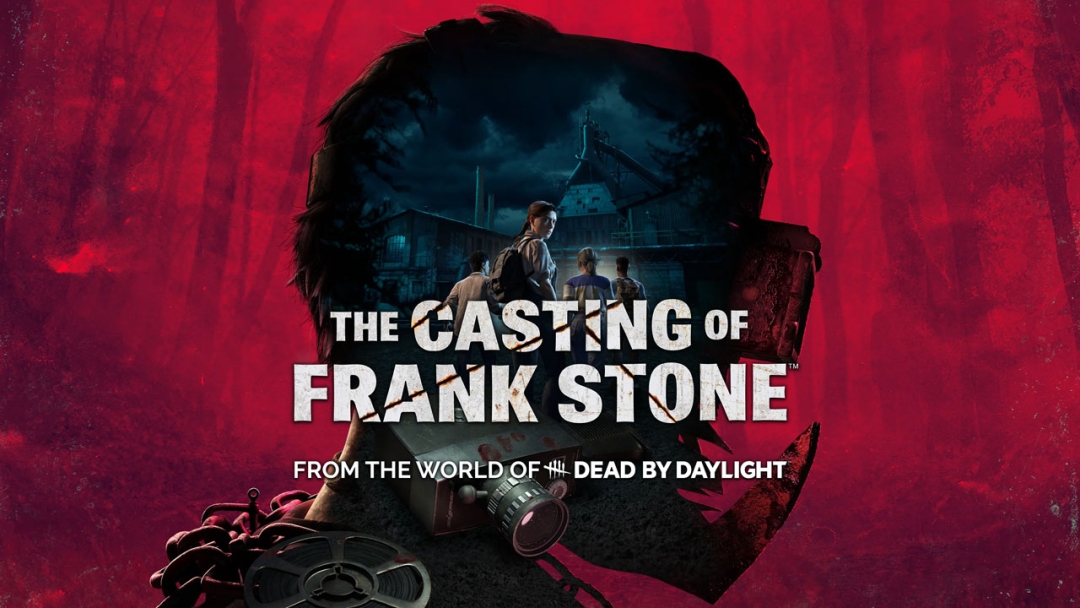
When Behaviour Interactive, the developer of *Dead by Daylight*, collaborated with SG to create *The Casting of Frank Stone*—a title set in its universe—they praised SG’s narrative strengths, even stating that certain cinematic experiences could only be achieved by SG.
Setting aside the question of whether the statements made in all of the above interviews were intended to promote the game, the answer we can draw is that SG is viewed by all parties as having very distinct characteristics: a horror game, an ensemble cast, branching gameplay, a cinematic narrative pace, and manageable production costs.
In a gaming industry rife with delayed releases, budget overruns, and producers running wild, the image of a reliable “contractor” really stands out—and sometimes they can even help with outsourcing. How great is that?
Given the outside world’s teasing and the enthusiasm of various publishers, what does SG think of all this? In exclusive interviews with numerous industry media outlets over the years, they have consistently expressed that their self-image has always been clear: they do not see themselves as creators aiming to revolutionize the gaming industry. In their eyes, their games are simply entertaining popcorn movies.
In an interview during the promotional period, founder Pete Samuels stated bluntly that SG’s core objective is to preserve what fans love most—the atmosphere of horror and the thrill of making choices. Whether the gameplay is too simple or the systems lack innovation doesn’t matter. Their success lies in consistently providing players with a way to scream with friends every weekend—that moment when something jumps out at you is what counts.
Conclusion
It’s true that making games requires artists capable of changing the world, but it also requires businesspeople like SG who can ensure the team gets paid and investors make a steady profit. They don’t blindly try to please every player; instead, they focus on serving their own niche and mastering it thoroughly. They don’t rely on grand narratives or pursue exceptionally stunning visuals; as long as they can achieve the atmosphere they want and add a touch of seemingly profound text to top it off, that’s enough.
Perhaps this “unassuming” approach isn’t everyone’s ideal gaming journey, but in the face of major studios closing down and wave after wave of layoffs, remaining steadfast is a tremendous achievement in itself.
Or perhaps they’ll never win a Game of the Year award, and players’ complaints will continue to accompany the release of every new title. But one thing is certain: when many of the star studios that are currently idolized disappear one day due to financial collapse, SG will likely still be churning out their next game on schedule and to specification, continuing to rake in the cash amid the screams and the smell of popcorn.
原创文章,作者:gallonwang,禁止转载:https://youxichaguan.com/en/archives/196618