In 2018, He Xianglu (Xiao Niu Nai), a student in the Department of Information and Communication at Jing Yi University in Taiwan, presented a game titled *Yan Ji* at the FANGSHI Awards.
Unlike the VR games that were popular at the time, He Xianglu created this action game using the Unity 3D engine. Although this student project showed some technical and development rough edges, it won the Gold Award in the PC Game Creation category and received special awards from four companies, making it one of the standout titles of the year.
This success was not merely an award; it was a significant external endorsement that cast a pivotal pebble into the course of his life, sending ripples of possibility into the future. Perhaps driven by the passion and drive of youth, He Xianglu—despite some hesitation—declined the offers from major companies and decided to continue refining this work.
Since they are all recent graduates, financial constraints have become their biggest challenge at the moment. They chose to apply to Dream Market, an accelerator jointly funded by six leading Taiwanese companies spanning the gaming, finance, and retail sectors. They successfully became alumni of the seventh cohort of the accelerator, secured investment from Dream Market, and were also selected as a co-investment project by the Executive Yuan’s Startup Angel Program.
For a startup team, this injection of capital was a godsend, and Crimson Dusk—a team of just four people—was officially established. As He Xianglu put it, “If we hadn’t received that funding at the time, *Flame Princess* would never have made it to the app stores.”
After six years of patient refinement by Ximu Studio, this project—which began as a student project—has matured into a polished yet entertaining game. It has ultimately evolved into a fast-paced action game with a Japanese anime aesthetic. In terms of gameplay, it features not only parrying and combo attacks but also incorporates 3D bullet hell mechanics to enhance its replayability.
On March 4, 2026, *Homura Hime* officially launched on PC (Steam). As of today (April 1), the game has sold over 30,000 copies on Steam and has received “Overwhelmingly Positive” reviews.
In this article, we’ll follow the perspective of He Xianglu, the creator of *Yanji*, as we explore the journey of a game developer in Taiwan.
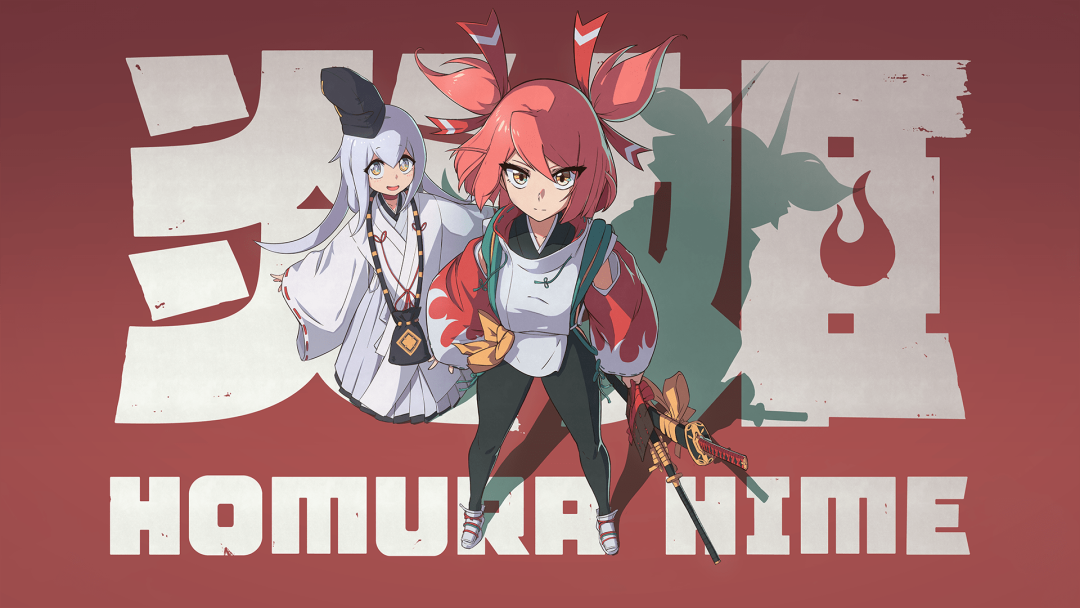
At the very beginning of the story, He Xianglu actually had no intention of making an action game like *Yanji*.
Amid the VR craze at the time, his initial graduation project was a VR game. But as a console and PC gamer, he had always harbored a deep-seated desire to “create a single-player action game.” This desire was sparked by the profound impact he felt while playing *NieR: Automata*. That impact became the seed from which *Flame Princess* was born.
To carry on this deep sense of inspiration, He Xianglu chose to become an independent producer and start his own team. In addition to himself—who serves as lead programmer and producer—the team includes a senior classmate handling administrative duties, as well as two talented artists he “recruited” at the Fangshi Awards.
Although the team had a clear division of labor, the conditions were extremely harsh.
The challenges they faced went far beyond coding and art. From the moment they founded the company, they even had to figure out the operational processes on their own to cut costs. After securing investment, they were immediately faced with immense pressure regarding funding and deadlines. For a group of recent graduates, these business management aspects were entirely new—yet they had to learn them quickly.Along the way, relying on luck and the help of industry veterans, they managed to stumble their way to the threshold of commercial development.
Midway through development, Twilight Studio discovered a critical issue: since their initial vision for *Flame Princess* was heavily influenced by the *NieR* series, they had inadvertently ended up creating a “low-budget version” of *NieR: Automata*—and a game like that would lack soul. This realization led to the postponement of their 2023 release plan and a complete overhaul of the gameplay.
For Ximu Studio, this will be a massive change, requiring them to start almost everything from scratch. However, He Xianglu does not view the detour as a waste of time or resources; he sincerely believes, “Since a game that isn’t fun is a fatal flaw, our team made this major decision even though it meant a delay.” This decision has also shifted the team’s focus from “simply recreating” to “establishing its own unique identity,” resulting in a more polished final product.
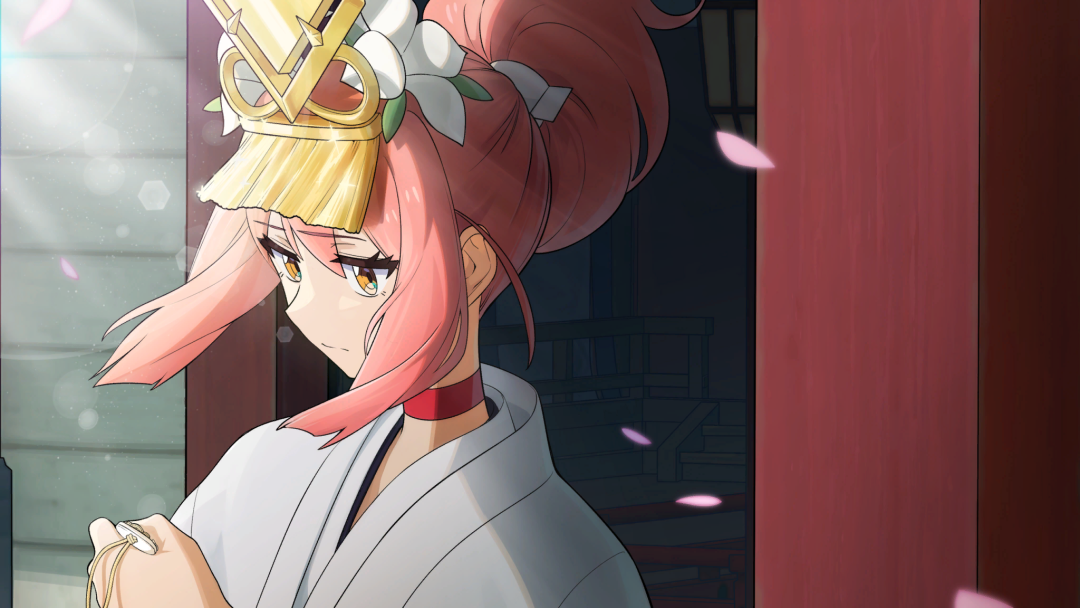
When it comes to the art style, the anime aesthetic reflects He Xianglu’s personal taste, while the core of the combat system stems from his experience playing classic action games like *Devil May Cry*, *Ninja Gaiden*, and *Sekiro: Shadows Die Twice* since childhood. This fusion of a “classical” core with an “anime” exterior has, paradoxically, sparked new creativity by bringing together two already widely recognized genres, resulting in a thought-provoking blend.
The character designs also create a sense of contrast for players. When designing the characters, the team chose to emphasize the “fusion of traditional attire and modern tailoring,” such as incorporating details from hunting robes and shrine maiden outfits into modern, sportswear-inspired designs. Although the vast majority of the game’s setting is drawn from ancient Japan, the integration of modern clothing gives the overall visual style a more youthful feel. This attention to detail is key to establishing a unique visual language.
Following the visual overhaul, the audio experience has also been optimized. Thanks to the support of publisher PLAYISM, Twilight Studio was able to secure top voice actors such as Akari Nanaki and Takehito Koyasu to voice the game’s protagonists, significantly enhancing the overall quality of *Flame Princess*.
After six years of quiet dedication, He Xianglu still candidly points out that the salaries and working conditions of Taiwanese game developers truly rely on “passion” to sustain them.
He explained that this doesn’t mean you can’t make a living from game development, but rather that “while salaries aren’t particularly high compared to other industries,” the difficulties and challenges faced during development are immense, and only a select few are able to seize the opportunity. Therefore, “you need a deep passion for development to overcome these various hurdles.”
At the same time, the brain drain of many talented individuals to mainland China and other places is a real and widespread phenomenon. In particular, there is a severe shortage of multidisciplinary professionals, such as technical artists (TA), in Taiwan.
For Taiwanese developers, the limited size of the local market leads to a shortage of talent, which is why Taiwanese indie games must boldly target the global market. While this means competing with developers from around the world, it also forces Taiwanese teams to blaze their own trail in terms of creativity and niche selection. The decision to choose PLAYISM as a publisher was based on the perfect match between its style and *Flame Princess*, as well as its ability to reach global markets.
He Xianglu is cautiously optimistic about the future of Taiwan’s indie game industry. He believes that “at present, small teams are springing up like mushrooms after rain.” As for whether a mature ecosystem for mid-sized (AA-tier) game development can take shape, it may take some time to see; the key lies in everyone successfully surviving.
The success of *Flame Princess* has inspired many young people in Taiwan to pursue careers in independent game development. However, Ho Hsiang-lu remains very humble; he believes that the game’s success was a “particularly lucky exception” and does not recommend that other teams try to replicate it directly. Nevertheless, he offers practical advice to young people with dreams: recognize whether you truly love it, assess your abilities, and plan a feasible path forward.Don’t try to reach the top in one leap; start by creating a playable demo. Use it to validate your ideas, engage with others, and serve as a stepping stone to secure investment or grants. A business plan alone won’t cut it.
In closing, Ximu Studio would like to say: “We want to create more interesting things—that has always been our original intention. This flame will never be extinguished, and we will do our best to keep it burning.” This is not only a summary of our eight-year journey, but also a source of encouragement for all indie game developers who continue to persevere.
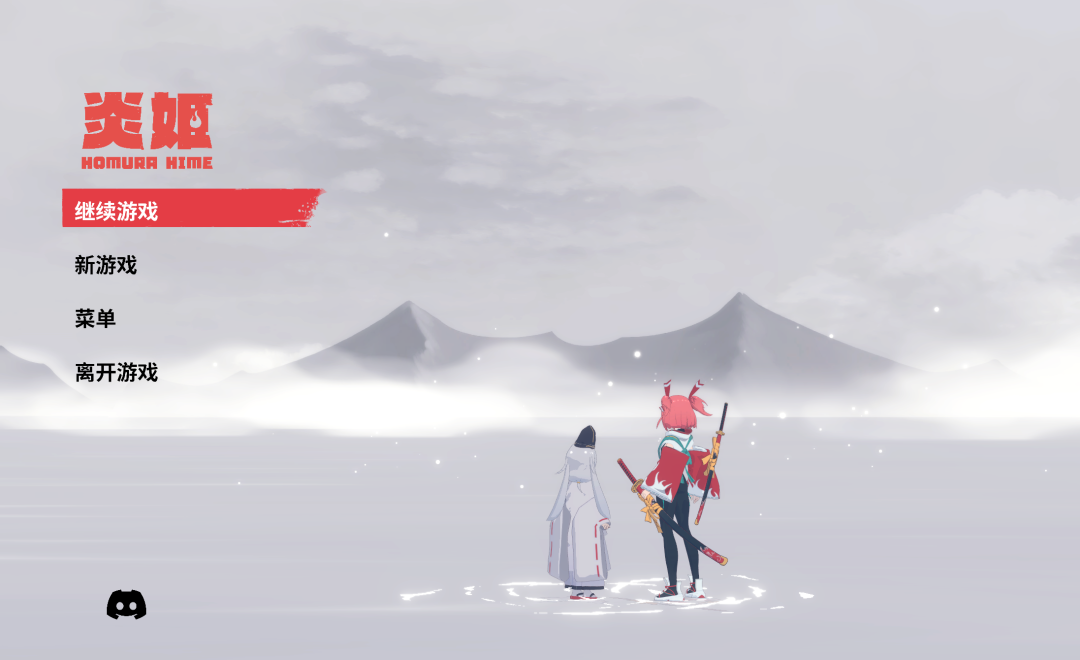
Below is the edited transcript of the conversation between Game Teahouse and He Xianglu, founder of Ximu Studio:
Game Teahouse: When you were first pursuing your master’s degree in the Department of Information and Communication at Jingyi University, how did you come up with the idea to develop *Yanji* on your own?
He Xianglu: Back when I was in college, VR was all the rage, so my professors in the department wanted me to create a VR game for my graduation project. Although the final product wasn’t bad, I was primarily a PC and console gamer, so I really wanted to try my hand at making a single-player action game. Around that time, I played *NieR: Automata* on the PlayStation and was blown away by it, so I was eager to create a similar action game.
Game Teahouse: You won both the Gold Award and four Special Publisher Awards at the 2018 Fosun Awards. How did you feel at the time? After winning, several companies reached out to recruit you. What made you decide to continue down the path of independent development rather than join a large company?
He Xianglu: Looking back now, I suppose I was just a recent graduate at the time, full of passion and dreams about independent development, so I decided to strike out on my own and give it a try. But I did wonder if I should have joined a large company first to gain some experience before branching out on my own. I hesitated over that, but I figured that since I had the chance to pursue independent development right then, I might as well give it a shot. After all, I was still young at the time and didn’t have too many other things to worry about.
Game Tea House: As you transitioned from student to entrepreneur, could you share your most profound insights? Was there a gap between your ideals and reality? What challenges did you face in terms of fundraising and team management?
He Xianglu: The biggest challenge we faced at the very beginning was that our team of four didn’t have much money. So we agreed that everyone would work remotely at first, and we’d spend six months creating a new demo. If we could secure our first round of funding with that demo, we’d officially move forward.
Game Teahouse: What Does Funding from “Dream Market” Mean for Startup Teams?
He Xianglu: This was our first round of funding. For us at the time, it was this funding that allowed the company to be officially established and paved the way for everything that followed—continuing development, recruiting talent, applying for grants, and seeking partnerships with publishers. Without that initial injection of capital, *Yanji* would never have made it to the market today.
Game Teahouse: What was the biggest barrier to entry during your transition from a student team to a full-fledged commercial company?
He Xianglu: We had no experience in business operations because we were just a group of college graduates entering the workforce. At the time, we were busy for quite a while just getting the company set up. Since we had to save money—we initially couldn’t afford to hire an accounting firm to help with the incorporation—we had to figure out the application process and procedures on our own.Later on, the company had to navigate securing investments and grants, as well as managing business dealings with publishers—all sorts of tasks beyond game development. And because securing investments comes with various deadlines and financial pressures, I think these were all challenges our student team had never faced before. We were very fortunate throughout the process to have industry veterans willing to help us along the way, and we found an excellent publisher, which is why we’ve been able to succeed and get to where we are today.
Game Teahouse: The game was originally scheduled for release in 2023 but was ultimately delayed until March 2026. How was this decision to delay made? What aspects did you focus on refining during the delay?
He Xianglu: As I mentioned earlier, I initially drew inspiration from *NieR: Automata*. But halfway through development, we realized something: no matter what we did, we were just creating a stripped-down version of *NieR: Automata*. A game like that would never be fun, and no player would enjoy it.So we decided to overhaul the game’s core mechanics and added a parry system. This change meant we had to scrap and rebuild virtually everything we’d already completed. But since a game that isn’t fun is a fatal flaw, our team made this major decision even though it meant delaying the release.
Game Teahouse: The game’s combat system combines various mechanics, including 3D bullet patterns, bullet deflection, and combos. How did you come up with this unique “action + bullet hell” combination? What inspired the design of the 3D bullet patterns?
He Xianglu: Our earliest version featured a 3D bullet hell mechanic combined with precise dodging, but I couldn’t achieve the level of detail seen in *NieR: Automata*. So I went back to the drawing board, realizing I needed to find a new core gameplay mechanic. I had to rethink how to strike a balance between bullet hell and action while still creating a unique system. Around that time, thanks to *Sekiro*, more and more games with blocking mechanics started appearing.I felt that in terms of controls, it introduced a major shift in player habits. It added a constant blocking element to the traditional alternation of attacks and dodges, and it constantly presents players with challenges to determine whether to block or jump. This intense combat, where players must constantly input commands to find solutions to various attacks, creates a strong sense of confrontation.So I tried to incorporate a similar approach into Enki, and the result is the Enki you see today.
Game Teahouse: The art style of *Flame Princess* features thick outlines and an exaggerated, anime-inspired aesthetic, with monster designs that blend the grotesque with the cute. What inspired this visual style? What does the art team prioritize most when designing characters?
He Xianglu: From the very beginning, we’ve adopted a Japanese anime style for our character and monster designs, hoping to make them as appealing as possible to everyone.The key focus of our character design is to blend traditional attire with modern cuts to create a cohesive style. For example, some details on Enki’s outfit—such as the neckline, which is inspired by the hunting robes of samurai families, and the ties on her body, reminiscent of how shrine maidens used to tie their robes while working—are incorporated, but the overall look is styled like modern athletic wear.
Game Teahouse: The game features the voice acting talents of 15 renowned Japanese voice actors, including Nanaki Akari, Ishimi Manaka, and Takehito Koyasu. How did the team bring this international collaboration to fruition? What was it like working with the Japanese voice actors?
He Xianglu: Both sides agree that “Yanji” is a game that lends itself well to voice acting. To further enhance the game’s quality, the publisher helped facilitate this collaboration, and we are truly grateful for their support.
When it comes to collaboration, I could really sense the professionalism of the entire Japanese voice acting industry. Within just a few hours, they continuously refined their performance by delving into the character’s current state of mind and making adjustments. Once they understood the role and got into the flow, everything went very smoothly.
Since *Yanji* features a vast amount of voice acting throughout the game, the process requires a significant investment of time and focus. Fortunately, our lead producer and sound director were fully capable of managing this collaboration; it is thanks to them that the voice recording for *Yanji* was completed successfully.
Game Teahouse: The camera angle transitions (from third-person to top-down and side-scrolling) have been hailed as a “successful experiment.” What were the considerations behind this camera work design?
He Xianglu: The technique of changing camera angles during bullet hell sequences was already attempted in *NieR: Automata*, so we aren’t the first game to do this. We simply built on the experience of our predecessors and tested a few different approaches. For example, there are bullet hell sequences in the standard combat view, as well as those with a higher angle looking straight on,and even fully top-down bullet hell sequences reminiscent of traditional 2D games. Essentially, we designed these to ensure specific combat segments showcase the bullet hell action effectively. However, this requires the camera to be in the optimal position for bullet hell gameplay, so these camera angles are customized. Our goal is to maintain a sense of freshness throughout the gameplay experience through these varied approaches.
Game Teahouse: *Flame Princess* first made a splash when it debuted as a student project. In your opinion, what role have Taiwan’s education system, campus competitions, and early developer communities played in fostering indie game teams?
He Xianglu: Actually, I’m a bit of an outsider. I wasn’t really the type to socialize much before. Before I created the earliest exhibition version of *Yanji* for my graduation project, I had never discussed game development with anyone online or on social media, nor did I know any fellow enthusiasts. It wasn’t until after the exhibition and competition that people got to know me, and I felt like I was finally being welcomed into the gaming community.Of course, over the past few years, indie games in Taiwan have become increasingly well-known. Now, new teams have more opportunities to showcase their work and better access to guidance and support. I think it’s great that there are so many people in the industry who want to improve together, work hard together, and help teams just getting started.
Game Teahouse: What do you think of the entrepreneurial environment for indie game developers in Taiwan? As far as I know, most of Taiwan’s capital is concentrated in sectors like hardware and foreign exchange trading. What are the salary levels like in the gaming industry? Is making indie games in Taiwan really just a labor of love?
He Xianglu: This is a very practical issue. I believe that in Taiwan, passion is essential for game development. It’s not that you can’t make a living from it and have to rely on passion alone to keep going, but rather that while salaries aren’t particularly high compared to other industries, the difficulties and challenges you face in the current environment are immense. Only a select few get the opportunity, and you need a deep passion for development to overcome all these hurdles.
Game Teahouse: Developing a high-quality 3D single-player action game often requires a long development cycle and significant costs. Given Taiwan’s current investment climate, how difficult do you think it is for independent single-player game teams to secure funding—whether through publishers, investors, or crowdfunding? What advice would you give to other teams in Taiwan looking to develop medium-to-large-scale single-player games regarding fundraising?
He Xianglu: In Taiwan, the indie game scene is currently dominated by student startups. Of course, there are also a small number of highly experienced developers. However, given that the industry hasn’t yet built up a strong technical foundation, I believe it’s better to start with small teams to create engaging game prototypes, test the market, and then decide whether to scale up. The small-team model carries lower risk, makes it easier to secure funding, and offers access to various grants.
Game Teahouse: In terms of distribution, why did you choose the Japanese publisher PLAYISM? Do you think that adopting a Japanese-style packaging approach similar to that of *Flame Princess* is a viable strategy for Taiwanese indie games to break into the international market?
He Xianglu: I think the reason Yanji chose PLAYISM is that, aside from the enthusiasm they showed from the start, our Japanese-style art and game genre—based on PLAYISM’s past experience—make them the perfect fit to help us with marketing and promotion.
I think any genre or style works, but when choosing a publisher, it’s more important to consider whether that publisher is a good fit for your game. You might want to look at what other games the publisher has released in the past, what marketing strategies they use, and who their target audience is. For Taiwanese indie games looking to break into the international market through a publisher, these factors are quite important.
Game Teahouse: What are your thoughts on Taiwanese games “going global”? Do you believe that going global is an inevitable path for Taiwanese indie games? What do you think are the biggest competitive advantages and disadvantages for Taiwanese game developers when entering the global market?
Ho Hsiang-lu: I believe it is essential for Taiwanese indie games to reach a global audience, because developers in Taiwan all face the same challenge: the local gaming market is simply not large enough.so you need to release your games across various platforms and compete with developers worldwide. Of course, given that the indie game scene is more established in other countries, the pressure on these new Taiwanese teams to compete right from the start is immense. But it is precisely in this environment that those who manage to stand out in Taiwan are truly exceptional individuals. We know our technical foundation isn’t yet sufficient, but we still have to compete. So, finding the right niche and focusing on creativity are the only paths forward—and that’s how we’ve become experts in those areas.
Game Teahouse: Now that *Flame Princess* has been a success as your debut title, what is the team’s next goal? Have you already started brainstorming a new project? Will the new game follow the style of *Flame Princess*, or will you try a completely new direction?
He Xianglu: I’ve been thinking about it. Now that the game has been released, I finally have time to think about other things, but I’d also like to take a little break for now. I’ll give some more thought to what kind of game I’ll make next.
Game Teahouse: For young people who share your dreams and want to pursue a career in indie game development—especially young creators in Taiwan—what advice or insights can you share?
He Xianglu:I think the key is to truly recognize whether you really want to do this, assess your own capabilities, and plan a realistic path forward. You don’t have to get everything right the first time—you can start by creating a prototype or demo to test the viability of your idea. It’s also helpful to talk to others. While there are many ways to secure investment in Taiwan today, the bottom line is that you need to have a product or prototype first. If you only submit a business plan without any demo, I think that approach will be a bit challenging.
Game Teahouse: Finally, please summarize the core philosophy of Crimson Dusk (Ximu Studio) in one sentence, and share a message for the players who have supported *Flame Princess*.
He Xianglu: We want to create more interesting things—that’s our original intention. This passion won’t fade, and we’ll do our best to keep it alive.
Thank you to all our players for your support. We know we still have room to improve, but we’ll keep working hard and hope to have the opportunity to create even better games in the future.
原创文章,作者:gallonwang,禁止转载:https://youxichaguan.com/en/archives/196514