On the top floor of an office building next to the southern section of Tianfu Avenue, a space of just a few dozen square meters, filled with a few sets of desks and chairs arranged in a compact layout, serves as the office of Lixiang Technology.
Lixiang Technology is a low-key, independent game development team. Although the team consists of only seven members, its core members are seasoned veterans with over a decade of industry experience. Their expertise spans all platforms—including PC, browser, mobile, and casual games—and covers a wide range of genres, such as SLG, RPG, sports, mid-core tower defense, simulation, and hyper-casual games.
When I first visited the teahouse, the team was hard at work putting the finishing touches on the game, and the atmosphere was electric.
A private office tucked away in a corner features floor-to-ceiling windows offering sweeping views of the street below. Team founder Zhao Xuan pointed out the neighborhood outside the window to the reporter, noting that his home is nearby—less than a five-minute walk from the office—and that most of the team’s other members also live in the surrounding area.
Zhao Xuan, 43, is very satisfied with his current life and work situation.
Every morning, he first drops off his third-grade daughter at school. After returning home to wash up and have breakfast, he walks to work, arriving just in time for his 10:00 a.m. shift. He leaves work promptly at 7:00 p.m., and after dinner, he has plenty of time to help his daughter with her homework.
Looking back now, it seems like a lifetime ago when, on the third day of the Lunar New Year many years ago, the boss flew into a rage in the group chat because no one had shown up for work.
Escaping the anxiety of working for someone else and taking the time to focus on making the games he loves was precisely what drove him to start his own business.
01
19 Years of Ups and Downs in the Industry
Since entering the industry in 2007, Zhao Xuan has spent 19 years in the gaming market.
His career over the past decade or so has been nothing short of impressive: he’s developed hit SLG games that generated over 100 million yuan in annual revenue, created some of the world’s top money-making mobile games, and worked on cutting-edge metaverse products… Yet when he looks back on his achievements, he simply attributes them to good fortune.
2007 was a year of explosive growth for domestic PC games.That year, Chengdu Jintian Technology—the developer behind the hit PC game *Fengyun Online*—was acquired in full by Shanda for a rumored price exceeding 100 million yuan. However, a group of core R&D personnel, including Jia Tao and Huang Yifan, did not remain at Shanda. Instead, they joined the Giant Chengdu R&D Center (which later evolved into “Giant Network Chengdu Branch”) and began working on a project to recreate the *Fengyun* series.
Just two years after graduating, Zhao Xuan joined the company as a game designer, officially entering the gaming industry he had long aspired to join.
Soon after, the domestic browser game market exploded, and Zhao Xuan happened to catch the wave, joining Ubisoft’s Chengdu studio. At the time, Ubisoft had an SLG browser game based on the “Heroes of Might and Magic” IP called *Heroes of Might and Magic Kingdoms*, which had performed well in the French market following its launch there.The company planned to bring the game to China, so Ubisoft Chengdu Studio took the lead in developing the localized version, *Heroes of Might and Magic: Kingdoms*.
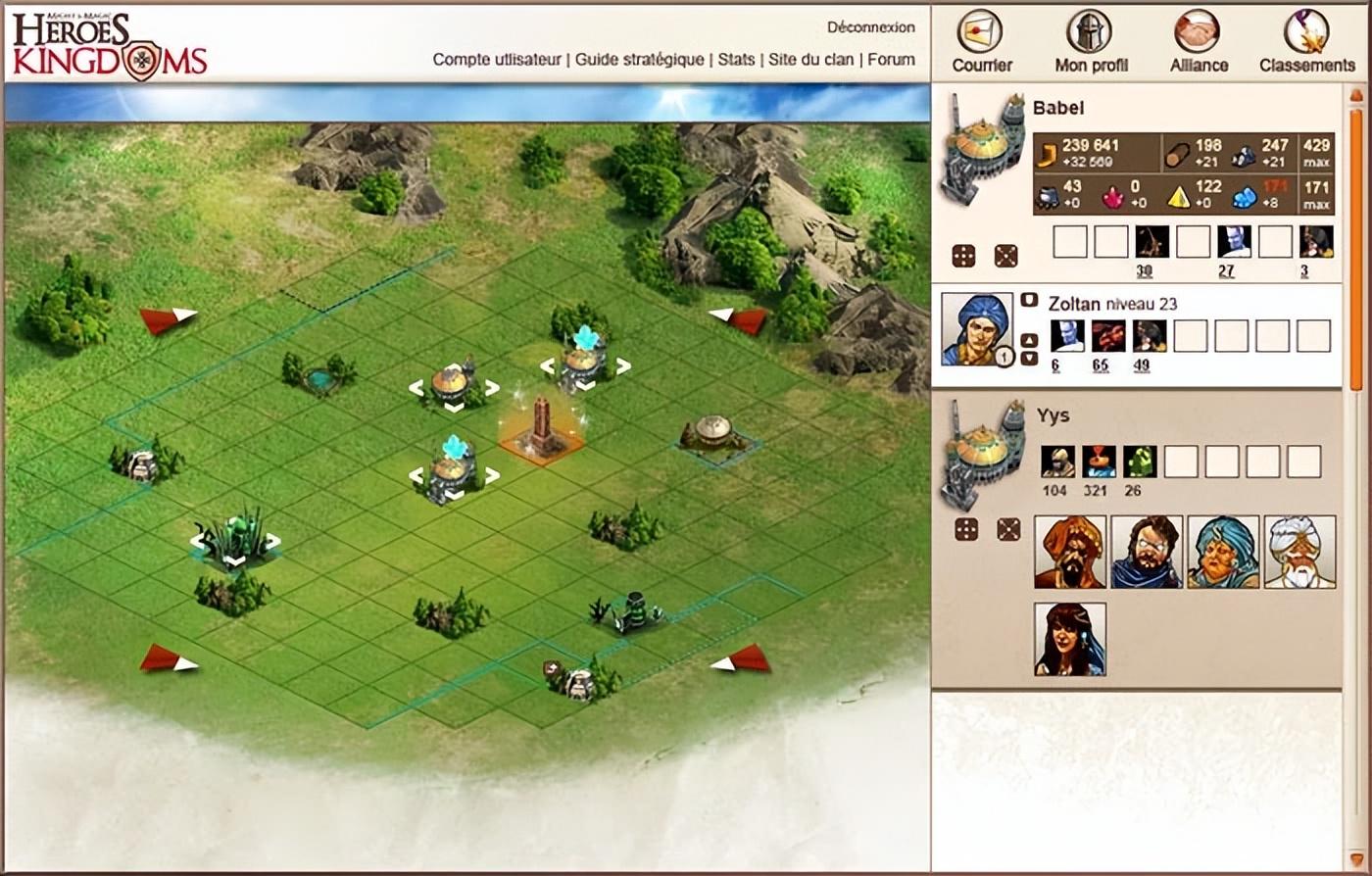
《Heroes of Might and Magic Kingdoms》
The original version of the game had a very slow pace; core activities such as city building, recruiting troops, and combat often took eight hours or more to complete. To accommodate the gaming habits of Chinese players, the game’s pace had to be comprehensively adjusted. After joining the project, Zhao Xuan took charge of this aspect and participated in the entire optimization process as a game balance specialist, laying the groundwork for his future success in the SLG genre.
Shortly thereafter, tap4fun, a long-established SLG developer based in Chengdu, extended an offer to him. At that time, tap4fun had already made a name for itself in the global SLG market with its “Empire Trilogy”—*Island Empire*, *Galaxy Empire*, and *Kingdom Empire*.
After joining tap4fun, Zhao Xuan immediately became involved in the development of the company’s fourth major title, *Spartan War*. He originally served as the lead designer on the project, but after the production team left to start their own business, he took full responsibility for the project’s development and operations.
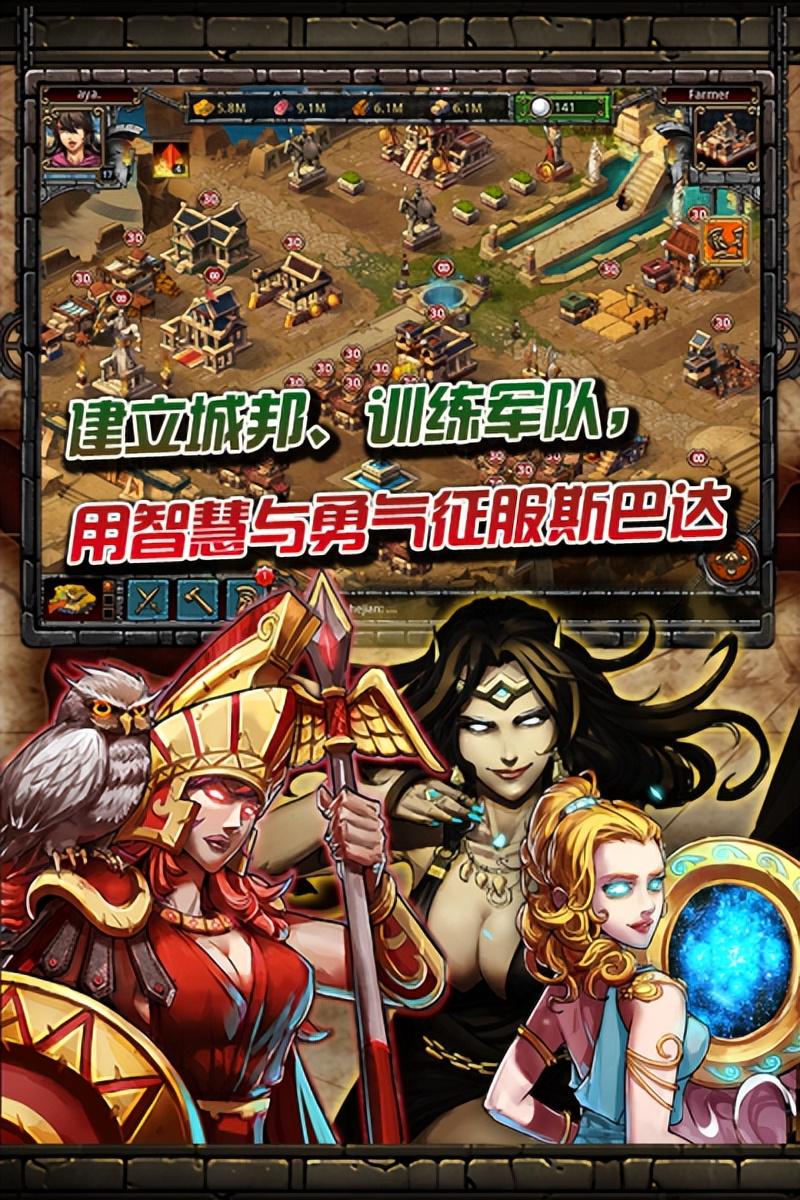
“The Spartan Wars”
During this time, Zhao Xuan’s responsibilities were quite diverse. Not only did he work as a game customer service representative for a period, liaising with key clients from across the country and resolving various issues such as resource disputes and conflicts among players, but he also gained firsthand insight into the genuine needs of players and the diverse dynamics of the gaming community.
Starting with the most basic game tracking, he learned data analysis, analyzed player behavior data, tracked key operational metrics such as new user acquisition and retention on a daily basis, and handled various unexpected issues that arose online. Through this rich industry experience, he has developed a comprehensive understanding of the industry and practical skills.
Following its launch, *Spartan Wars* topped the sales charts in more than 30 countries and regions, and in 2014, its annual revenue surpassed the 100 million yuan mark, making it tap4fun’s fourth “cash cow” following the “Empire Trilogy.”
Zhao Xuan jokingly referred to this as his finest hour in the SLG genre, yet it also marked the beginning of his burnout. The lengthy SLG development process had taken a heavy toll on him, and his past successful projects had given him a sense of confidence. So, encouraged by friends, Zhao Xuan ultimately decided to leave tap4fun in 2014 and embark on his first entrepreneurial venture.
In their first startup venture, the team successfully secured investment from Longyuan Network. They decided to enter the market by focusing on the SLG genre—their area of expertise—and launched a project to create a game similar to *Ratu*. To lower the learning curve for players and broaden their audience, the team significantly streamlined the game’s content; unfortunately, the project ultimately failed to achieve the desired results.
Looking back, Zhao Xuan believes they may have chosen the wrong market segment from the start. He had originally been convinced that a game would gain player acceptance solely because it was fun enough on its own, but products in the “Rate Tu” genre do not entirely follow this rule. These games have a high learning curve and face challenges in gaining initial traction; in the early stages, significant resources must be invested in building guilds and providing player support to stimulate community engagement.
Many teams failed to recognize this and simply followed the trend by copying the gameplay mechanics. As a result, a large number of “Ratu-like” games that flooded the market at the time met with failure, and Zhao Xuan’s team’s project was no exception, ultimately ending in disappointment.
In 2016, after his first startup failed and he had grown physically and mentally exhausted from developing SLG games, Zhao Xuan joined a long-established game development studio in Chengdu, where he was among the first to join their foray into the casual gaming market.
Here, as a producer, Zhao Xuan led his team in keeping pace with market trends and experimenting with a variety of new approaches. They developed tycoon-style games and idle games, and were even ahead of the curve in creating “Random Dice”-style titles. They even dabbled in Roblox development, but ultimately, the game they brought to fruition was a casual money-making game.
Zhao Xuan recalls that this IAA-based mobile game, which took only two weeks to develop, quickly surpassed $100,000 in daily revenue after its global launch, with its money-making pace rivaling that of *Spartan Wars* in its heyday. The game’s explosive success, combined with the success of several other products released around the same time, propelled the developer directly into the top tier of the global mobile gaming market.
However, the user acquisition and revenue models of online money-making games placed a heavy psychological burden on Zhao Xuan.He told Teahouse that he still vividly remembers a letter sent to them by an overseas player. In the letter, she wrote that she was a single mother raising two children on her own, and that this game had become almost her only hope in life. Although he had no way of verifying the authenticity of the letter’s contents, Zhao Xuan was still deeply tormented by it. It was precisely this emotional impact that led him to resolve never to venture into the online money-making market again.
Just as the metaverse concept was taking the world by storm, Zhao Xuan joined a metaverse company to work on world-building within an NFT community. Later, when the “metaverse” bubble burst, the project fizzled out.
After working in the gaming industry for over a decade, Zhao Xuan, having accumulated extensive experience and some capital, began to seriously consider alternatives to working a regular job.
02
Make the games you love
“Working for someone else always comes to an end,” Zhao Xuan said frankly. Whether from a practical financial standpoint or in terms of his personal aspirations, starting his own business was his only option at the time.
So in 2023, with the support of his family, Zhao Xuan raised several million yuan and assembled a team of fewer than ten people—Lixiang Technology—and resolutely embarked on his second entrepreneurial venture. This time, he was even more determined to create the kind of games he truly loved.
Gaming was a daily part of Zhao Xuan’s life, especially before he turned 35, when he would spend two or three hours playing almost every day, accumulating a wealth of game concepts in his mind. But when it came to deciding on a project direction, he quickly settled on Nintendo’s console game *Panel de Pon* (Chinese title: *Flower Fairy Blocks*).This classic title, which he had played in his youth, remained unforgettable to him years later simply because it was so much fun.
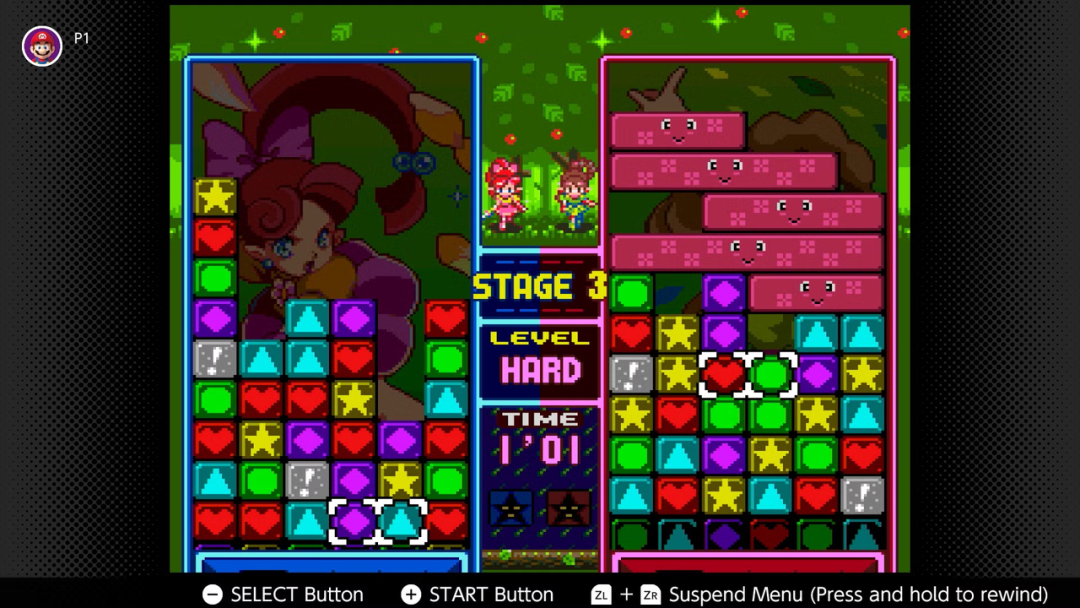
“Panel Discussion”
This classic game follows the “match-three” genre, but its mechanics differ slightly from those of today’s typical match-three games. It offers more flexible movement options and doesn’t require players to clear all tiles with every move, allowing them to plan their strategies over the long term to achieve larger-scale chain reactions with more satisfying results.
Zhao Xuan believes that this elimination-style gameplay offers tremendous strategic depth and room for expansion. When combined with PvP modes, it creates an incredibly engaging competitive experience. Furthermore, its gameplay mechanics are well-suited to the control schemes of modern mobile games, and since the game isn’t overly large in scope, it’s the best choice for him to use as a stepping stone into entrepreneurship.
After selecting a prototype, they completed the basic gameplay framework in just six months. However, to deliver a better gaming experience, they underwent four major overhauls over the next two years.
Zhao Xuan believes that the key to attracting and retaining players lies in achieving a balance where the game is “easy to learn but hard to master.” Gameplay design must align with players’ existing expectations and lower the barrier to entry in order to attract a broader user base; however, it must not be too simplistic, as this would allow players to master the game too quickly and lose interest in long-term play.
As a result, they quickly settled on the game’s positioning: a competitive PVP puzzle game that’s easy to pick up in 10 seconds, with matches lasting 3 minutes, featuring skill-based gameplay, strategy, tactical depth, and long-term progression.Based on this positioning, the team at Lixiang Technology chose to use the widely recognized match-3 gameplay as an entry point to lower the cognitive barrier for users regarding the game’s core mechanics. At the same time, they meticulously refined the level progression and gameplay content, continuously adding layers of strategic depth to retain core players and extend the product’s long-term lifecycle.
At the same time, they also put a great deal of effort into optimizing the game’s “interactivity.”
The core appeal of PVP lies in real-time competition and dynamic interaction between players. Originally, as a console game, *Flower Fairy Blocks* presented matches using a split-screen layout, allowing players to clearly see their opponents’ gameplay patterns and the state of the board throughout the match. However, upon transitioning to mobile platforms, the original interface structure became unsuitable due to changes in screen aspect ratios and control schemes, forcing the developers to redesign the match window.
At this point, Zhao Xuan showed the teahouse the “Pressure Mode” version of their original design. The battle interface is laid out as a head-to-head match. Once the game begins, both players take turns simultaneously; each time a match is made, the opponent’s pressure meter increases. The first player whose pressure meter fills up loses the round.
The original “Stress Mode”
While the logic behind this gameplay system is sound, Zhao Xuan believes that it still leaves users with insufficient room for interaction. Under this model, the scope of the opponent’s board is significantly restricted, causing each player to focus solely on their own moves without time to observe their opponent’s actions or respond in real time. This results in a lack of the competitive spirit and strategic fun that PVP games should offer.
To that end, he led his team in a radical overhaul of the game’s core mechanics, which ultimately gave rise to the current version of *Little Helper x Mischief-Maker*.
The game has been converted to a “score-based mode,” where players earn points every time they complete a match. The player with the higher score at the end of the match wins. The game interface retains the split-screen layout, but the battle mode has been adjusted to a turn-based system. During their turn, players can use the “Helper” item to clear more blocks and earn more points; during their opponent’s turn, they can use the “Mischief-Maker” item to disrupt and hinder their opponent’s actions.
This design not only enhances two-way interaction and strategic gameplay, but the inclusion of various in-game items can also serve as a key revenue stream.
“Little Helper x Mischief-Maker”
While Lixiang Technology has been dedicated to refining its game content over the past few years, the market as a whole has been quietly evolving. The mini-game sector has rapidly emerged, with an increasing number of long-term titles achieving stable operations in this space; at the same time, new distribution models such as content-driven marketing and live-streamed e-commerce have surged in popularity, propelling a wave of low-budget, high-quality games to success.
This also opened up new possibilities for Zhao Xuan: they could launch a mini-game platform while leveraging live streaming to generate buzz for the games, thereby building an initial user base and driving continued growth at a lower cost. With this strategy in mind, they focused on enhancing the entertainment value and appeal of the games from a live-streaming perspective.
At the same time, the team is actively reaching out to various publishers. Zhao Xuan stated that they hope to collaborate directly with publishers that have access to traffic and live-streaming ecosystem resources, as this would allow them to move forward with their product launch plans more smoothly.
To date, the game’s overall development is 90% complete. It is clear that the team has mapped out a clear and feasible implementation plan in terms of player experience, user acquisition, and monetization; as a result, Zhao Xuan is highly confident in this project.
However, after three years of R&D, the initial funding raised earlier is nearly exhausted. Zhao Xuan told Teahouse that the team is currently actively seeking angel round funding to secure additional capital for the product’s upcoming launch and operations.
As for the team’s future plans, Zhao Xuan also has some unique ideas.
Rather than limiting his team to a specific niche, he prefers to create more original, entertaining games that meet market demand. Whether it’s casual games, mobile games, or PC games, as long as the concept is sufficiently innovative and has market potential, he’s willing to experiment and explore.
He sets no limits for himself and refuses to label his team; instead, he stays true to his passion and moves forward with unwavering determination. Amid the industry’s ups and downs, Zhao Xuan remains steadfast in his commitment to the purest ideals of game development, advancing step by step with steadfast resolve.
原创文章,作者:gallonwang,禁止转载:https://youxichaguan.com/en/archives/196521