On May 16, outside Beijing’s Wukesong Arena, a massive bust of Weilong stood silently in the square, gazing intently at the Fenghuo Trophy in his hands. Behind him, clouds hung low in the sky, and the overwhelming sense of pressure added an air of natural authority to Weilong’s presence.
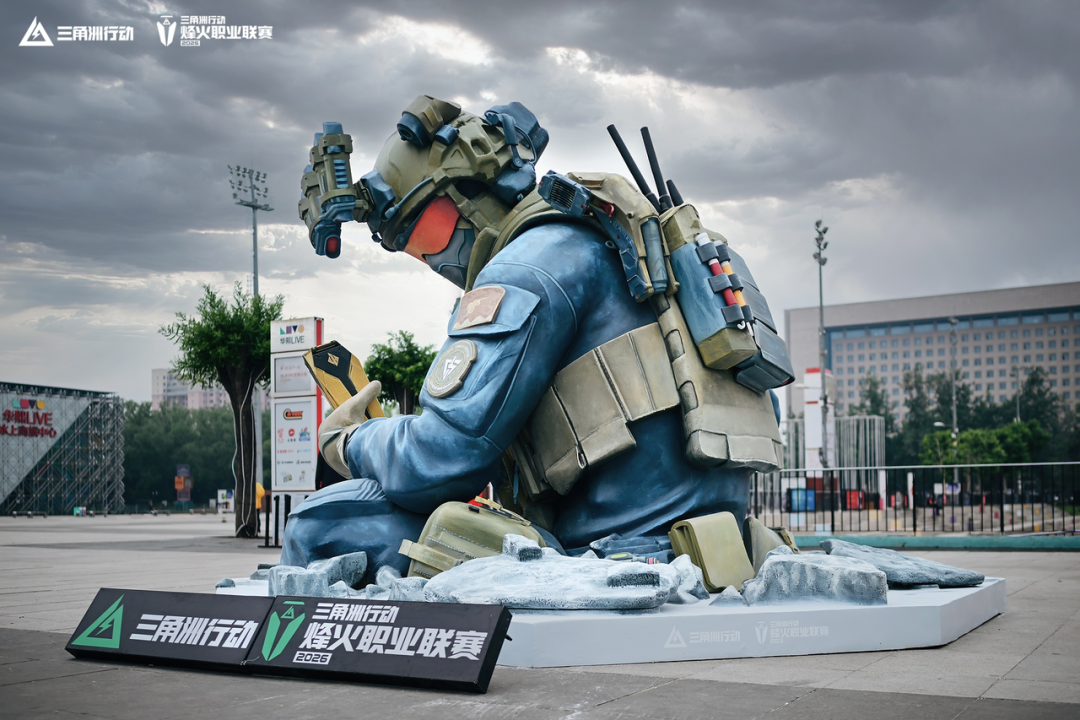
The spring breeze was slightly chilly. Outside the arena, Weilong stood calm and composed; even through his tactical helmet, one could almost feel the intensity of his gaze fixed on the Fenghuo Trophy. Inside the arena, however, the crowd was bustling, with cheers and gasps of amazement rising in waves.Six teams—TEC, TES, NOVA, JDG, JAG, and Hangzhou LGD—were all launching their final assaults on the Fenghuo Trophy.
As the countdown echoed throughout the arena, TES cracked their second Mandel Brick. After a grueling seven-game series lasting nearly four hours, the team—which had fought its way up from a wildcard spot—lifted their first “Operation Delta” Fenghuo Pro League Spring Season championship trophy.
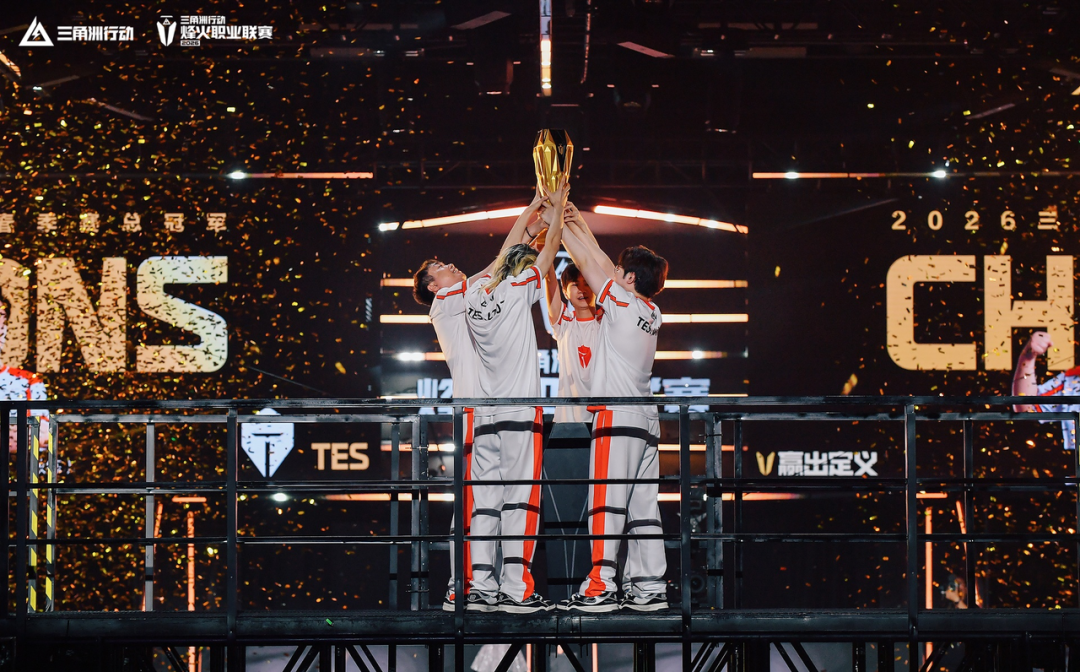
It was a rather dramatic conclusion. But for industry observers, what’s more noteworthy than the identity of the champion is the entire tournament system behind this final: Kicking off on March 25 in Beijing’s Yizhuang district, the Spring Season of the Fenghuo Professional League—which spanned 79 days and featured 24 clubs—marked the first time the “Search, Attack, Retreat” genre has been implemented globally in the form of a full-fledged professional league.
It seeks to answer a fundamental question: Can this game mode—once considered “unstandardizable”—truly support a sustainable professional esports scene?
01
How Can “Search, Attack, and Retreat” Find Its Own Solution in Esports?
Every professional league faces the same core challenge when it is first established: how to transform the unique features of a game into a format that is entertaining, competitive, and suitable for commentary? For the “search-and-strike” genre, this is an especially difficult question to answer.
Unlike the inherent rhythmic tension of CS2’s round-based bomb defusal mode, the core loop of “Search, Fight, Retreat” is search—confrontation—withdrawal, resulting in significant periods of “non-firefight time” during matches. Without specific adjustments to the format, matches can easily devolve into a stalemate where teams avoid conflict and focus solely on looting. In fact, early Fenghuo Cup tournaments featured standoffs where teams faced off without anyone firing the first shot.Debates within the community about whether “Search, Fight, Retreat” esports is entertaining have persisted since the genre’s inception. Supporters appreciate its rich strategic depth, while critics complain that there is too much “dead time.”
The solution proposed by *Operation Delta* is called the “Brick-Capture Scoring System.”The core mechanic of this 7-game series (18 minutes per game) is “deciding the winner by decoding bricks”: the first team to decode the first Mandel Brick triggers match point, and the first to decode the second ends the match immediately. If no team has decoded both bricks after seven games, rankings are determined by the number of decoded bricks and team points, with team points calculated based on the number of Operatives defeated and the value of looted supplies.
In this Spring Split, the “airdrop rounds” have been fixed for the first and third games of the BO7 series, which clearly reflects a more in-depth consideration of the match’s pacing.
Mandel Bricks do not spawn in “Airdrop Matches.” Victory is determined by successfully evacuating the map, with the focus on character development and economic accumulation rather than capturing the brick.Only airdrop crates will spawn the top-tier sniper rifle, the AWM; if successfully carried out, it can be used in subsequent matches, along with other high-value supplies. The introduction of “Airdrop Matches” clearly requires teams to give more consideration to equipment planning and resource allocation, preventing the tournament from devolving into indiscriminate “gunfights” and instead placing greater emphasis on a team’s tactical planning and on-the-spot reactions.
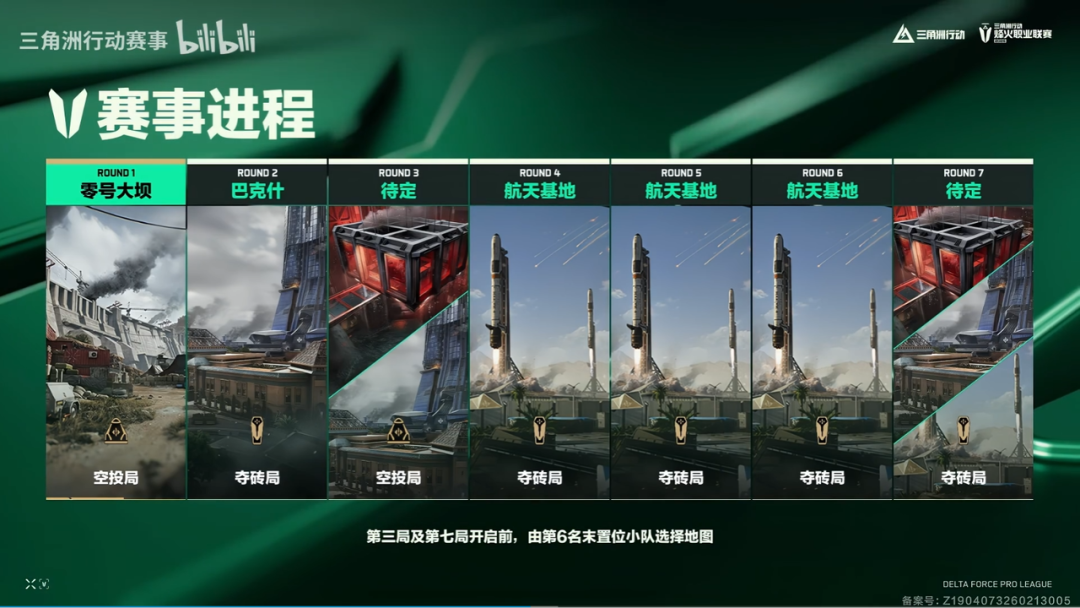
This design addresses a long-standing issue in FPS esports: matches that are too short, which result in low audience engagement and a lack of suspense. When a team risks being eliminated outright due to a failed strategy on a given day, viewers’ focus shifts from the score to the on-field performance, making every moment of every round feel urgent.
The decisive BO7 in the Grand Final is the best example. At the time, JDG was attempting to break through, TEC had been wiped out, and JAG had only two players left. TES immediately recognized the opportunity that had presented itself, decisively seized Mandel’s Brick, and ultimately secured the victory.Under the “brick-capture scoring system,” teams must possess extensive practical experience and battlefield awareness to make team decisions within mere seconds—decisions that go beyond simply securing kills. This is precisely the core selling point that sets “search-fight-retreat” esports apart from traditional FPS games.
TES’s own path to qualification also underscores the effectiveness of the tournament format from another perspective. The team was not one of the league’s 18 permanent clubs but secured a temporary spot through a seat transfer. During the regular season, they had to compete against powerhouse teams like Chengdu AG, JDG, and NOVA, facing the pressure of daily elimination for the bottom-ranked team.To have fought their way from a temporary spot into the top six and ultimately to the championship demonstrates, at the very least, that the format did not entirely “shelter” the better-resourced permanent clubs in its inaugural season—an underdog run was indeed possible.
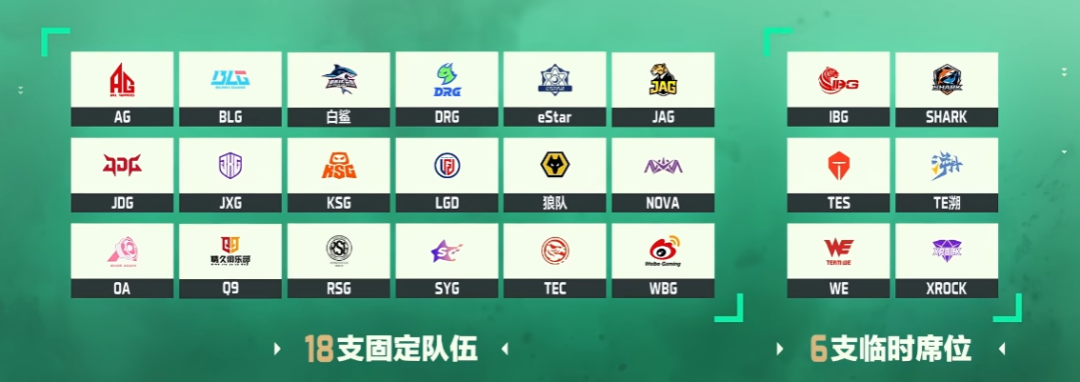
(This season’s regular-season roster (18+6, 24 teams total), while TES initially held only a provisional spot)
Of course, it is still too early to conclude whether the “Brick-Capture Point System” will become the standard format for *Operation Delta* tournaments or be adopted by similar games.The sample size from the first season is limited, and the stability of the format across larger-scale events and multiple seasons remains to be seen. However, the successful conclusion of the Spring Season demonstrates that “search, engage, and withdraw” is no longer a vague, non-standardized gameplay style; *Operation Delta* has actively pioneered a set of competitive rules that are both scalable and replicable.
02
The Tightrope of Event Operations
Looking beyond the league itself, let’s explore a topic that’s central to event management: How long does it take from the game’s launch to the start of the league?
The answer for *Operation Delta* is: 18 months.
*Operation Delta* officially launched in September 2024, and a professional league was launched just 18 months after the game’s release—a relatively rapid pace for the FPS genre.For *CS:GO*, it took approximately two to three years after its 2012 launch for the third-party tournament ecosystem to mature; *VALORANT*, which launched globally in June 2020, did not officially launch its Chinese league until 2025 (due to external factors such as licensing approvals, resulting in a gap of nearly five years).
The “Fenghuo World Cup,” held as a pilot event at the Hangzhou Esports Center in September 2025, attracted 12 teams from eight major regions to compete. With a total viewing time exceeding 88 million hours and a peak concurrent viewership of 4.2 million, the event demonstrated its global potential. At the same time, the organizers explored a variety of competition formats across major platforms, including streamer tournaments, college tournaments, and international competitions.By March 2026, when the first professional league officially launched, *Operation Delta* had completed the entire process—from game launch to the establishment of a professional league—in just 18 months.
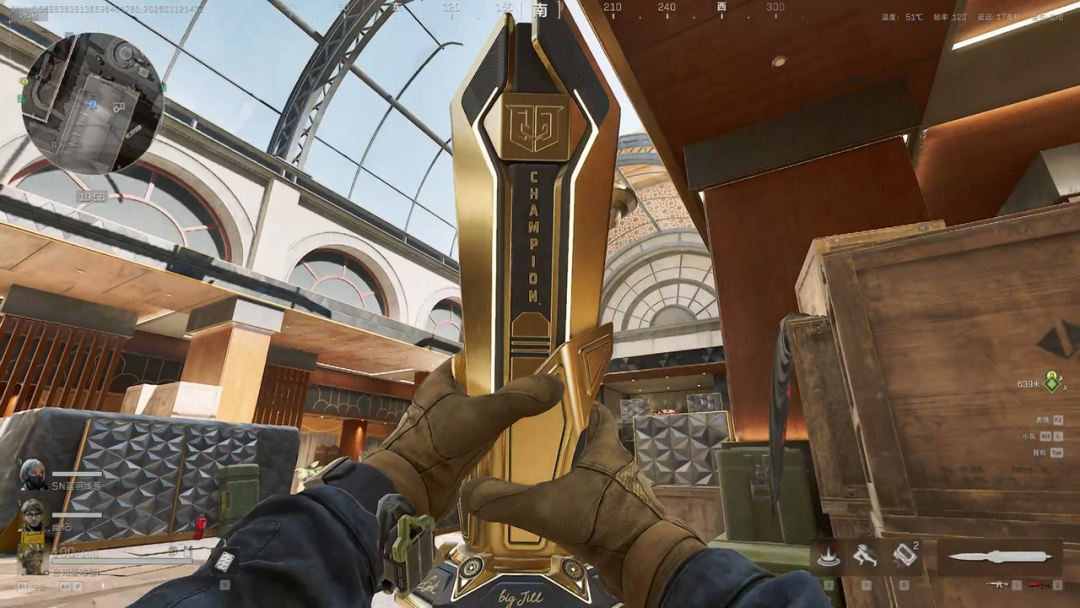
(After the conclusion of the World Cup, the trophy will be added to the game as a red-quality item.)
It is worth noting that this appears to be an “unconventional” sequence: the World Cup is being launched before the professional league. In the traditional esports tournament system, the professional league typically forms the base of the pyramid, while the World Cup sits at its apex.”Operation Delta” has chosen to build in reverse order: first using high-profile, high-exposure international tournaments to test the genre’s global potential and spectator appeal, and then returning to establish the league infrastructure. This approach is a bold experiment, but whether it will result in a “top-heavy” tournament system and whether it can serve as a model for the esports adaptation of other game genres remains to be seen.
The decision to hold the Spring Season Finals at Beijing’s Wukesong Arena was made following a thorough evaluation. For the inaugural professional league, Wukesong itself serves as a “calling card”; having hosted countless major sporting and entertainment events, its prestige will help the tournament quickly establish a reputation for professionalism and credibility.
In addition to the impressive speed at which tournaments were launched, *Operation Delta* also implemented a high-frequency “weekly tournament” format, hosting over 100 events throughout the year. This pushed tournament operations to their limits, repeatedly unlocking the players’ potential, and kept the “Search, Engage, Withdraw” gameplay style constantly in the spotlight for viewers.This three-tiered tournament system—comprising “weekly, seasonal, and World Cup” events—ensures that *Operation Delta* esports content runs throughout the year, with the Spring Season serving merely as one component of the annual tournament landscape.
For viewers, a high-frequency schedule means a constant stream of tournament-related topics and consistent viewing habits; for sponsors, a calendar featuring over 100 events throughout the year translates to long-term and predictable brand exposure opportunities. However, there are two sides to every coin: while a high-frequency schedule brings increased exposure, it also carries the risks of player burnout and content homogenization.How to maintain the density of the schedule while ensuring that the quality of each match does not decline is an unavoidable long-term challenge for event operations.
In addition to the main tournament, “content-driven” initiatives are another key focus of the event’s operations and a crucial element in ensuring that “Operation Delta” strikes a balance between quality and quantity; the goal is to build out the event’s depth.
Before the finals kicked off, 18 star players—including Chengdu AG.emopig, Q9.Mo, and SYG.Chengcheng Dawang—took the stage. They were mixed into six fun-filled teams to showcase exhibition matches such as “Dragon Universe” and “”Masters of Melee”—with a strong emphasis on entertainment. Laughter from the live audience and team voice chats echoed throughout the venue. The event organizers, known for their quick thinking, kept the energy high with constant surprises, ensuring both the hardcore competitiveness of the tournament and plenty of viral content—perfectly aligning with the logic of content dissemination favored by the short-video era and young audiences.
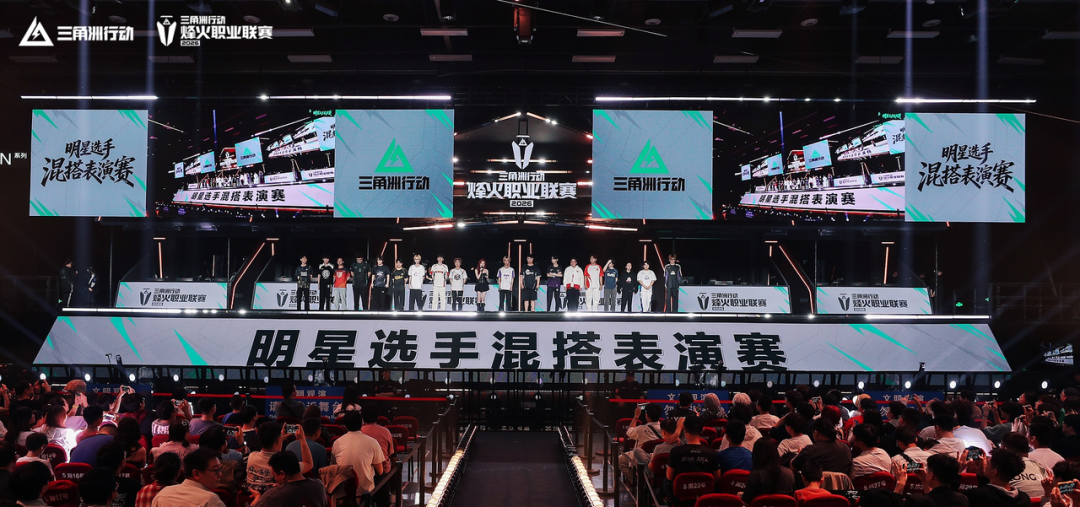
The final match itself was full of dramatic tension.TES got off to a flying start. Right at the beginning of the BO1 match, they found a room key worth around 4 million on Sayed, instantly drawing gasps from the crowd. Securing such high-value loot right from the start clearly widened the points gap between them and the other teams. Just like the surprise of their journey from a wildcard spot all the way to the championship, this unpredictability has injected more confidence and possibilities into the league’s ecosystem.
At the same time, this narrative of an “underdog team’s comeback” is, in itself, the most shareable content asset, and it echoes a foreshadowing embedded in the tournament format from the very beginning—*Operation Delta* aims to create a unique and thrilling hook that sets it apart from traditional FPS tournament formats.For sponsors and IP licensors, a tournament filled with uncertainty and the potential for dark horses to emerge at any moment offers far greater storytelling potential and marketing value than one where the strong remain dominant and the outcome is predetermined.
03
The boundaries of FPS esports are expanding
In traditional FPS esports, the core competitive edge of tournaments is often heavily focused on marksmanship. The player with the best aim and the fastest reflexes is more likely to win.
Over the past few years, the focus of China’s FPS esports scene has primarily been on the *Counter-Strike* series. Today, however, *Valorant* has entered the fray with its character-based abilities and round-based bomb defusal mode, expanding the possibilities of gameplay; *CS:2* continues the classic round-based competition, boasting a rich competitive heritage, with its spectator appeal rooted in the intense tension of pure gunplay.”Search, Fight, and Evacuate” in *Operation Delta* introduces new dimensions of resource gathering and high-stakes evacuation, further expanding the spectator experience. Viewers can now witness not only intense firefights but also resource-based strategies reminiscent of business warfare.
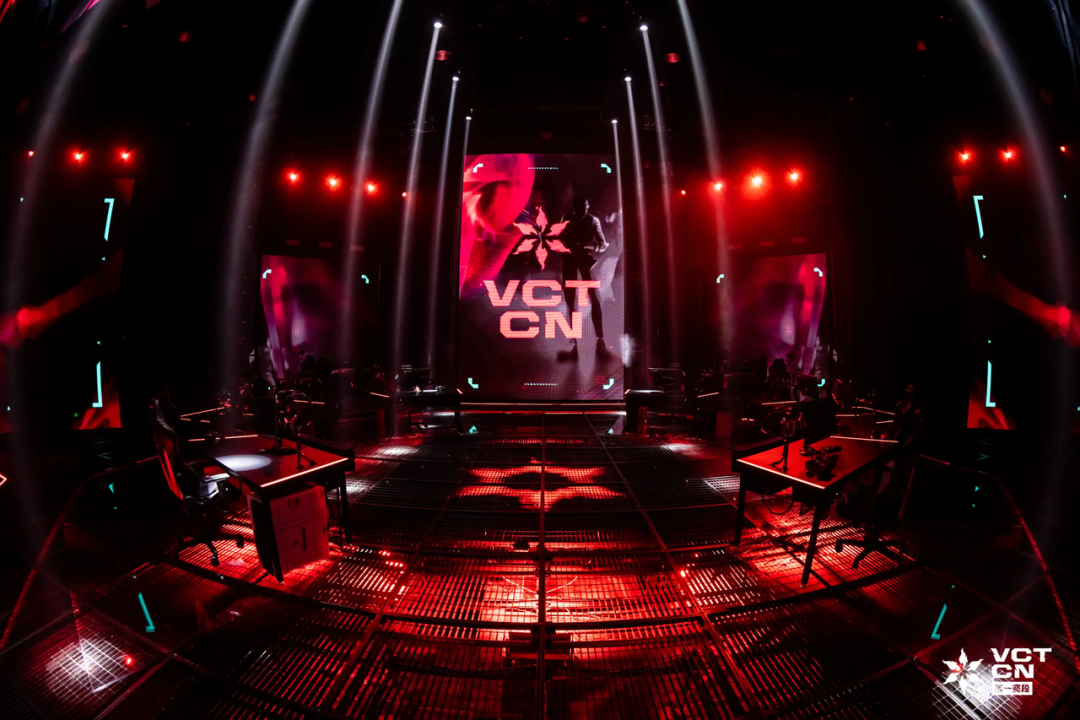
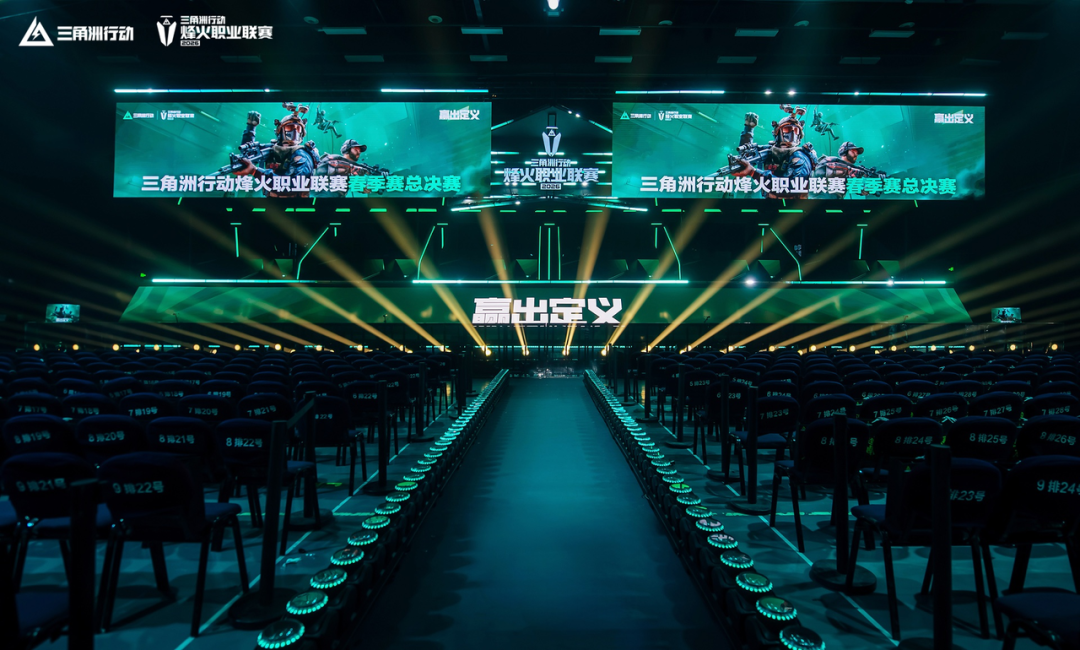
(Valorant China League and Operation Delta Fiery Cup Pro League)
From an industry-wide perspective, the rise of “Search, Strike, and Retreat” esports has coincided with a favorable window of opportunity. According to the *2025 China Esports Industry Report* released by the Esports Working Committee of the China Audio-Video and Digital Publishing Association, China’s esports user base is projected to exceed 495 million by 2025, with industry revenue reaching 29.331 billion yuan—a year-over-year increase of 6.40%, far outpacing the 1.06% growth rate of the user base.This indicates that China’s esports industry is at a critical juncture in its transition from being “user-scale driven” to “user-value driven”: the commercial value of individual users is now being deeply tapped.
Against this backdrop, *Operation Delta* achieved rapid growth thanks to its differentiated positioning centered on “search, strike, and withdraw.”According to Tencent’s financial reports and official data, the game’s DAU in China rose from 12 million in April 2025 to 30 million by its first-anniversary celebration in September of the same year, surpassing 41 million in January 2026, and exceeding 50 million by March 2026, as confirmed in Tencent’s 2025 annual financial report.Such growth is quite rare in the FPS genre. The launch of the “Fenghuo” Professional League is a crucial step in transforming this user base advantage into value for the esports ecosystem.
In addition to the competitive events in the “Battle Zone,” *Operation Delta* is simultaneously rolling out a new tournament system. The 2026 All-Out Battlefield International Invitational will be held in Wuhan, with registration for the Chinese server qualifiers opening on April 27. From June 17 to 21, teams from eight global regions will gather in Wuhan for in-person competition. But *Operation Delta* isn’t stopping there—the game is now breaking into the esports scene with its “Grand Battlefield” mode.
Starting with the Spring Split, a year-round esports tournament matrix spanning both domestic and global markets has been established. However, it must be acknowledged that there are no successful global precedents for the professionalization of the “search-and-destroy” genre, meaning *Operation Delta* has no existing model to follow. Questions regarding the long-term stability of the tournament format, the ability to retain audiences over time, and the commercial sustainability of the club ecosystem will require further validation across multiple seasons before definitive answers can be provided.
原创文章,作者:gallonwang,禁止转载:https://youxichaguan.com/en/archives/196608