From the public beta to today, ‘Tomorrow’s Ark: The End’ (hereinafter referred to as the end) has also been launched for nearly 3 months. During this period, I believe that many people have the same feeling as me, that is:
This game is really not like a second tour.
Some people may say here, Mr. Teahouse, you have to start talking about the end-of-one single-player talk again!
No, to be honest, I have never felt that there are many stand-alone players at the end, because its business model is still based on roles. Similarly, The camp logic does not jump out of the underlying code of the second-tour category, that is, use the card pool rotation to stimulate players to pay, and use this rhythm to deliver content.
But so far, I think the end of the game is really different from the past. It is bound to the infrastructure gameplay. Many times, I have finished the main line in a hurry, and I will find out which branch line is not done in the road, and sometimes I will find that it is used as equipment. The production line has to be re-adjusted. In addition, futures must be bought, the substrate must be brushed, and the mines should be opened.
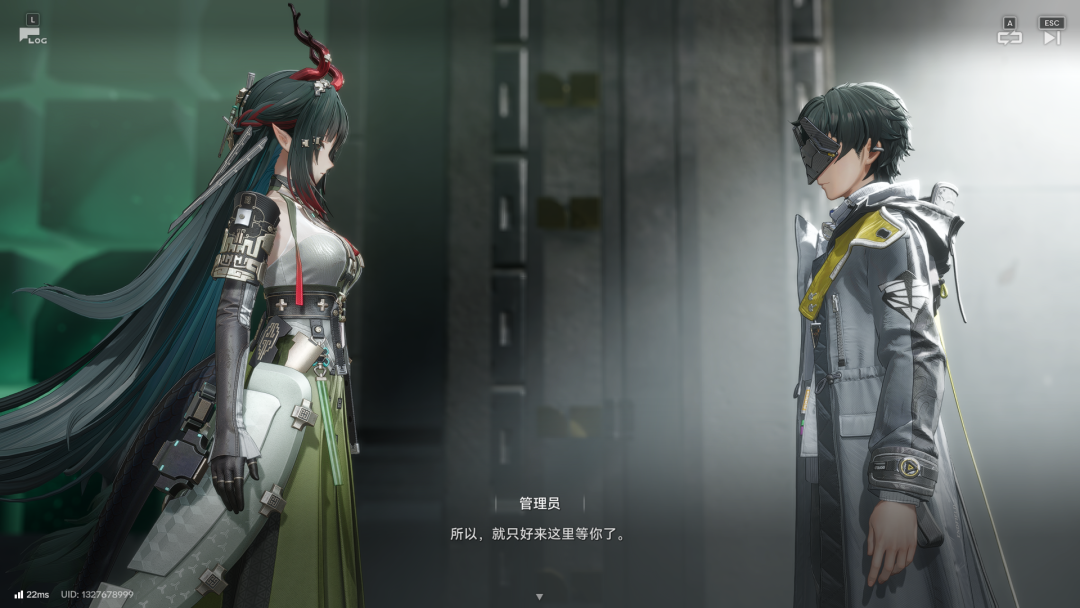
Many of my friends in the industry also said: ‘When the end is suitable, sit in front of the computer and spend the afternoon to play.’
Although the skeleton of the end is the second tour, it is obvious that in the design idea, it is indeed constantly breaking free from some paradigms in the past. Naturally, sometimes it will bring some players a feeling of ‘acclimatization’, but at the same time, this inner tension constitutes an interesting quality at the product level.
What I have to say is that the framework of the development of 3D two tours itself is not right or wrong. It is the result of market choices, and it is also continuing to create commercial value for this category, but it has indeed drawn a less laborious ‘comfort zone’ for the second tour category.
And the feeling that the last place gives me is that it continues to deviate from the boundary of the so-called ‘comfort zone’, in a sense,The end is trying to answer the question ‘How much is the depth of expression and gameplay?’
Its performance can also prove to some extent whether this ‘out of bounds’ can be accepted by the market.
Today, the level of market acceptance is clear. The day before yesterday (17th), the new version of the final land ‘Spring at dawn’ was launched. Even with the popularity of Tencent’s big DAU products such as ‘Operation Delta’, the game still boarded the sea. The front row (China TOP5, Japan TOP2), the domestic and foreign iOS best-selling list, and the best-selling domestic Android application treasure, and at the same time have topped the national server and Japanese server PS game list. The market achievements of ‘Tomorrow’s Ark: The End’ are especially high in the date node of this ‘fairy fight’.




If I said that my perception of the so-called ‘deviation from the second tour’ was still relatively vague, and I stayed more in an intuition and felt that it was playing ‘it feels different’, then the arrival of the ‘Chunxiao’ version has turned this intuition into the so-called ‘judgment’.
01
A premeditated ‘out of bounds’
To talk about the ‘Chun Xiao Shi’ version, then the first thing that cannot be avoided is naturally the role of Zhuang Fangyi.
If it is not for product analysis, then I really want to retend the story of how the eagle horn and the administrator ‘the encounter and acquaintance of the scientific research personnel’ while singing ‘Pear Blossom Fragrance’, but Zhuang Fangyi In addition to the value of narrative and character design, this role is also a typical representative of the ‘slow writing’ or ‘cross-version shaping’ logic in the arrangement of the final character content for the end of the role.
Let’s go back to the timeline first.
When he first entered Wuling, Zhuang Fangyi had already appeared as a key character. The Tianwei on the entrance square came to the world, and the meticulousness after the actual meeting. ‘Zhuang Fangyi, who has two impressions, and then walks through Wuling, revealing the past and the administrator, and adding a softness like the water of Wuling to Zhuang Fangyi’s strength, tenacity, and Wuling’s reliance.

The shaping of this part has been successful enough, and Yingjiao has put Zhuang Fangyi on the sense of ‘only ministers’ in ancient China entrusted to the mission; The gentleness and flexibility of the form;
But from a product point of view,Zhuang Fangyi does not have any commercial functions in the opening version.
Because at that time, players could not draw her, and there was no payment path in the game.
She first met Zhuang Fangyi and completed the establishment of the first impression. She was still in the incubation period of the narrative last version, and now she has officially entered the card pool.
Put it in the industry’s usual practice for comparison, and you will find that the arrangement of the character shaping is very reversed. Eagle Corner has used a span of more than a large version to pave the way for a role. In the second-tourism category that pursues a rapidly closed-loop transformation within the version, it is actually a rather extravagant time investment.
After years of polishing, the online logic of the characters in the second tour has formed a very compact standard process. A character from the debut to the card pool is usually compressed within a version cycle to complete. (Of course, many of the products with surplus production capacity nowadays have begun to make their characters appear earlier, but most of them are fragmented, and the content of this kind of content like Zhuang Fangyi is not common.)

If you refer to the experience of the past two tours, it can also be said that it is a certain industry path dependence. In the early stage, PV, vertical painting, and social media materials are used for preheating. Transformation, this three-stage style of play has been very industrialized, and the design of each ring directly serves the final payment conversion node. The reason why it is widely used in the industry is because it has been fully positively verified in retention and flow data.
But there is still a price on the other side of efficiency. Under this paradigm, the narrative value and commercial value of the characters are highly bound in the character UP version cycle, and the time left for real precipitation is actually very limited.
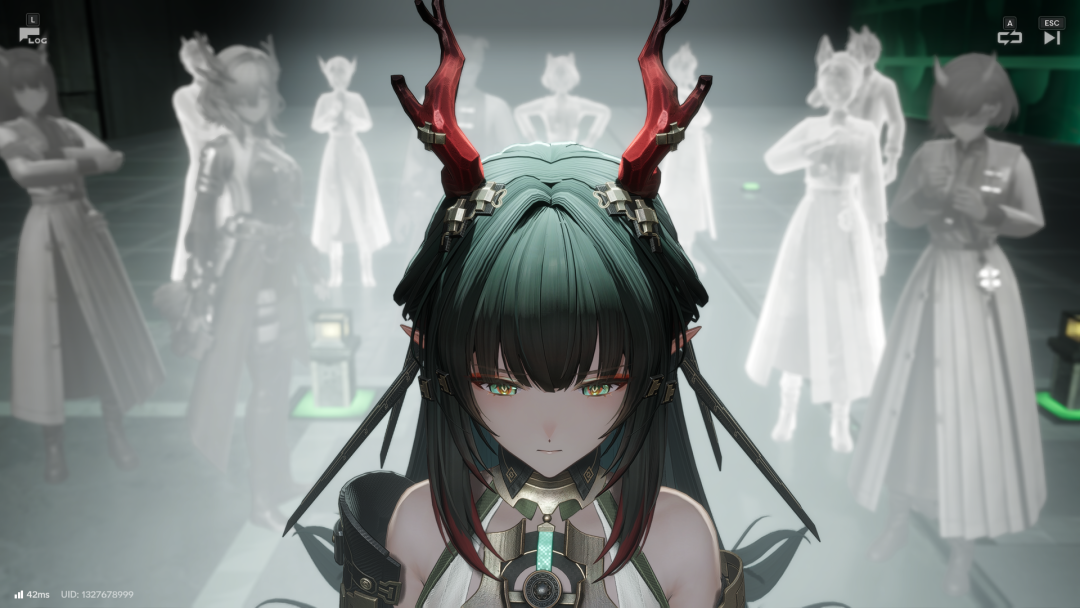
The objective fact is that in such a short time span, the relationship between characters and players is more like a consumption decision, which is why many second-hand players will quickly dilute the memory of the characters in the previous issue after the change of the version.
Therefore, a player knows a character and likes a character, and at the same time pays for the character in this version, and then replaces it in the next version, which is more in line with the current operation status of the second tour.
But, is that all right?
I have always felt that the anxiety and difficulties of the second tour are often too efficient. Originally, this category is the type that players pay for love with a high proportion (love value is also love). The requirements of the production capacity are extremely high, and the R&D people need to work hard to ensure that they can attract the attention of players, much like a marathon who vomits blood.
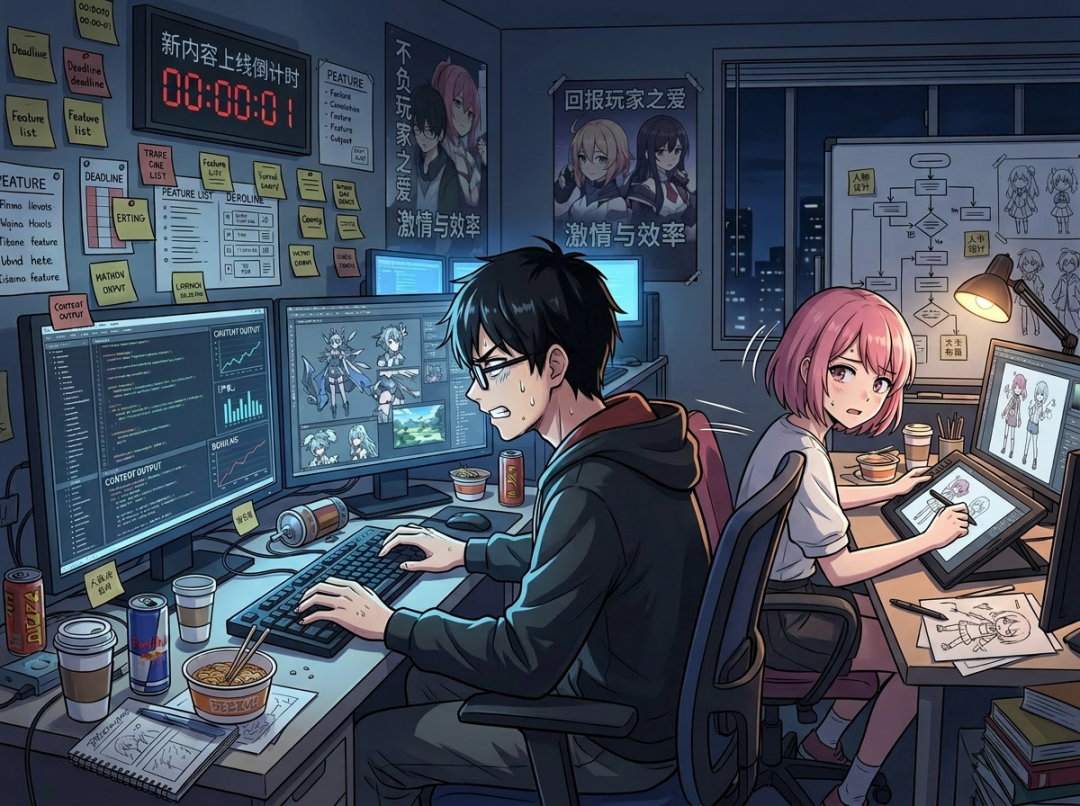
by nano banana
At the end, I made a different choice. Analyze Zhuang Fangyi’s role in shaping, you will find that Hawk Kok not only pulls the emotional return of long-term narrative to a very high position, but also in the version, the emotional link is more important. The first scene is still in the back: the administrator entered Zhuang Fangyi’s real ‘home court’ after solving the crisis in the Shoudun area and dealing with Adahill and Nephis, that is, the chapter that closed the underground super domain cracks.

The new character Li Zhiyan has a distinctive personality and has a highlight moment (and has not been a pool!)
Due to the length of the space, and I don’t want to spoil too much here, the shaping of the villain can be elaborated later,What I mainly want to talk about is the handling of the content of key characters in Hawk Kok,There are several layers worth noting.
Taking Zhuang Fangyi as an example, the first move of Eagle Corner is delayed satisfaction. In the previous version of ‘Spring at dawn’, Eagle Corner Embedding created an intentional incomplete understanding, and players vaguely perceived that this character was very important. , There are untold stories on the body, but the game deliberately holds the rhythm of revealing. This cognitive gap continues to ferment in the advancement of the version, and with the blessing of the charm of the characters, it has been transformed into an unresolved expectation.
Until this version, with the ability of the giant beast agent, Zhuang Fangyi’s past, her obsession, her guilt, the source of that almost stubborn sense of responsibility It can be presented, when these backlogged information is finally released, the satisfaction of the player is no longer just a real-time evaluation of ‘this plot is well written’.
The stages of first acquaintance, curiosity, understanding, empathy, and understanding of characters have been scattered in different version cycles. In essence, what the finale brings to players is the previous experience of ‘the accumulation of emotions is finally realized by understanding’.

This is different from the practice of most second tours to complete emotional mobilization within a single version, which is different from the user psychological mechanism.
In addition, this set of emotional agility is also based on excellent narrative design. In Zhuang Fangyi’s story presentation, Eagle Horn uses some doubles. The narrative structure of the perspective – after Zhuang Fangyi and the administrator adjusted the pivot and split action, the narrative was dismantled into two perspectives to perform.

The administrator will first arrive at the Sword Selection Bureau, and after dealing with the problem of the cooperation project with Wuling in the end, then go to the agreed location to meet with Zhuang Fangyi. This is a complete process.
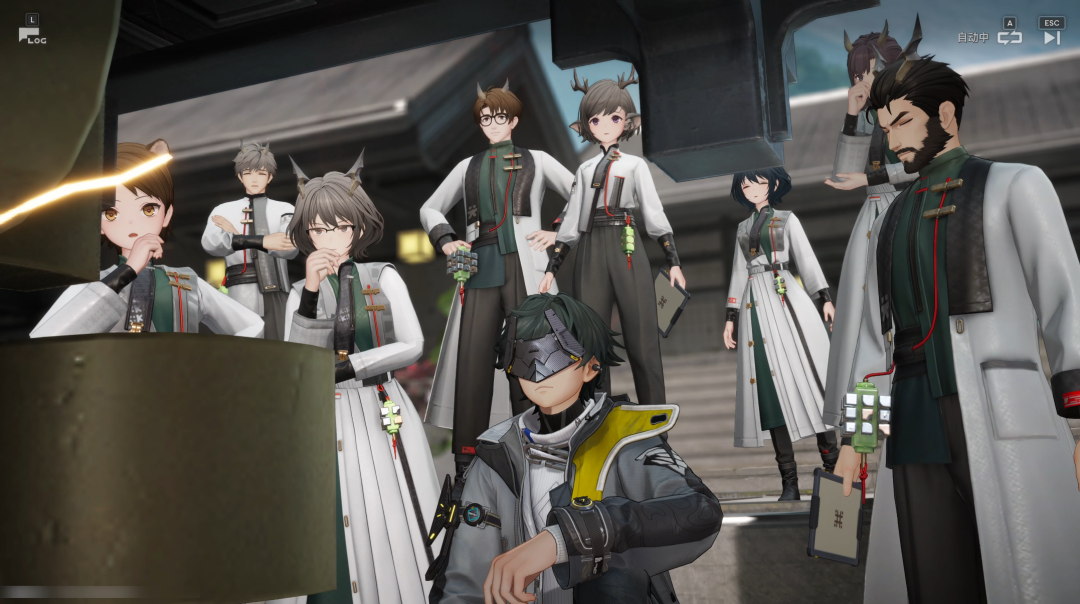
Then she cut to Zhuang Fangyi’s side, and after visiting the wounded, she came to the sword selection bureau. She realizes that the administrator not only belongs to herself and Wuling, but also has more people and more things need the administrator, which is why she decided to go to the rift alone.

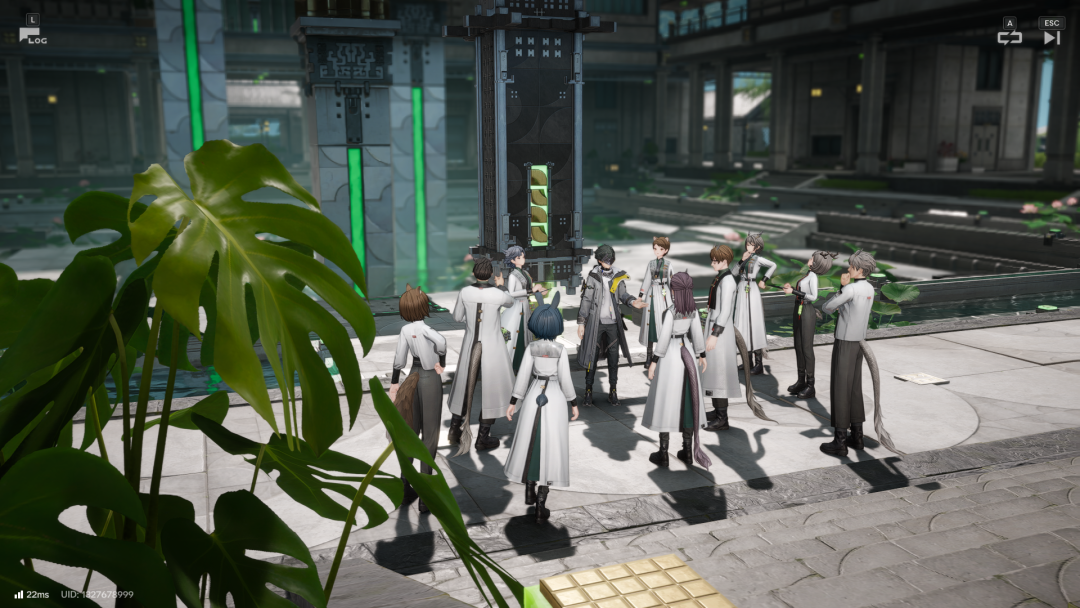

Then, the last place used a set of pictures to complete the expression: Zhuang Fangyi explained the follow-up arrangements in an orderly manner, and signed the case at the desk. Finally, he wrote a letter to the administrator in his own hand.
This series of movements and content accurately conveys the core background of Zhuang Fangyi’s body. She is a person who is used to putting all emotions in action, not speaking out.

Then a plot flashback method was used at the end. When the administrator reads the letter, Zhuang Fangyi’s picture is also carried out simultaneously.
In this way, the player will pour out all the emotions of the player based on the emotional cognition that the player has slowly accumulated based on the past version, the understanding of Zhuang Fangyi, the logical grasp of her choice of this choice, and the worry born from it.

Immediately afterwards, the administrator ran to Zhuang Fangyi’s ‘Japanese drama run’, and the two met in front of the gate of the rift, and when they met, it was Zhuang’s first perspective. This high point design is actually not very delicate, but because it is fully prepared to brew,So the effect is very good, at least for me.
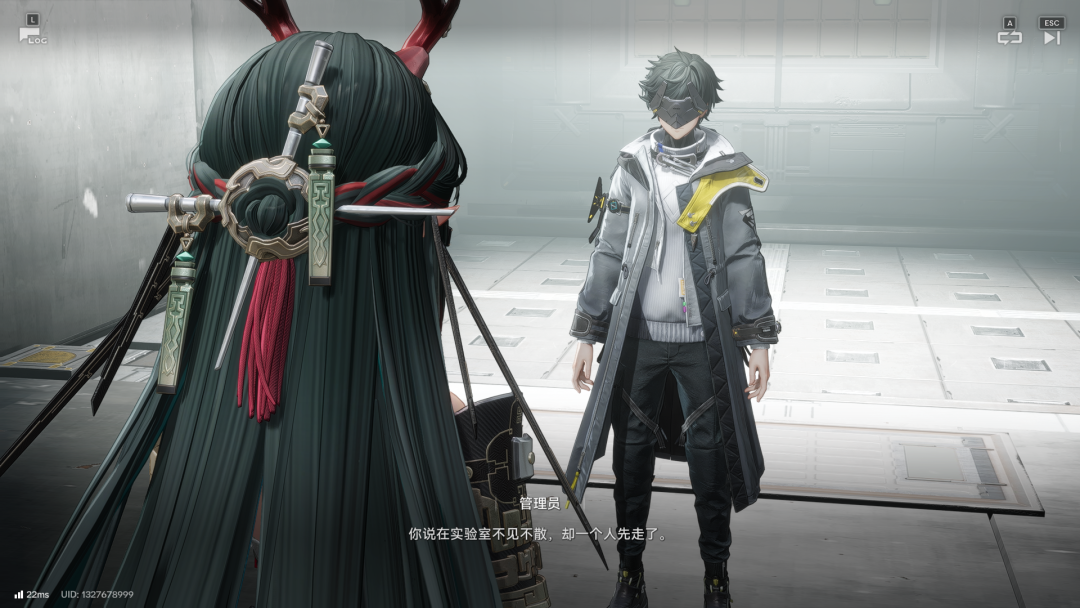
Zhuang Fangyi’s perspective allows players to understand her choice logic as an omniscient, and the administrator’s perspective makes players feel the anxiety of ‘one step late’.
The two sets of emotions meet at the nodes of the meeting, and the character arc is closed in this intersection. This bridge, the emotional tension of the final narrative is close to the level of traditional narrative works rather than the second tour.
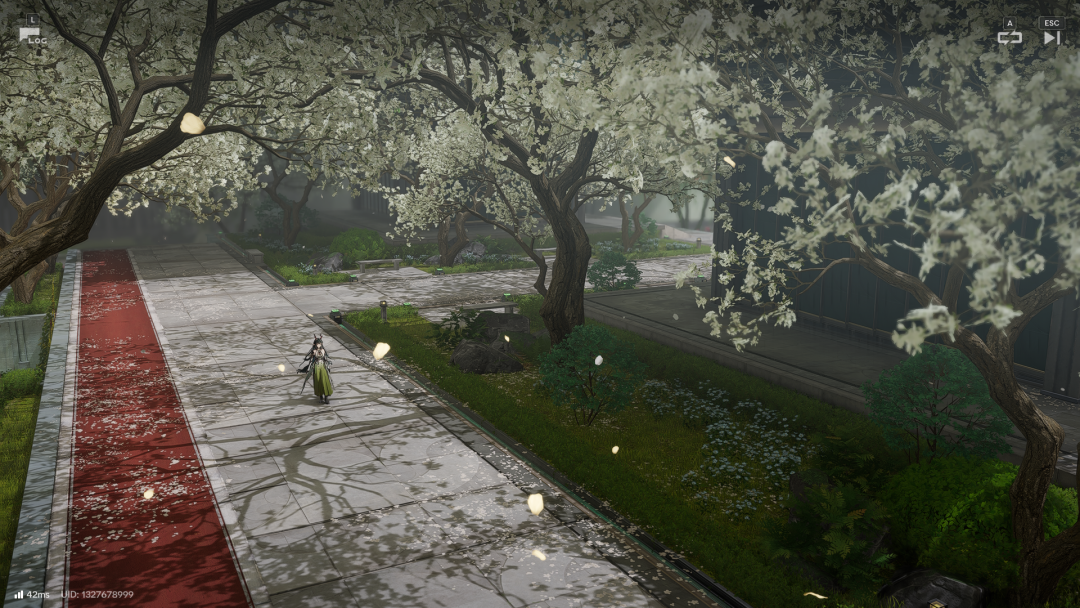
More importantly, the narrative and commercial rhythm I described earlier are actively decoupled, and the closed loop is also completed here.
It can be seen from Zhuang Fangyi’s long-term shaping that Eagle Horn did not choose the most ‘efficient’ monetization conversion path.Instead, the narrative value and commercial value of the character are split into different version cycles and released, which is a rare trade-off in the product logic of the second tour.From the results, both the narrative effect and the market feedback, the performance is quite good.
In my opinion, the practice of ‘delivering stories first, and then delivering characters’ in the end, if you use other categories as a reference, is actually closer to JRPG’s presentation of core roles. For example, the reason why the classic characters in the ‘Final Fantasy’ series can keep in the player’s memory for decades is largely because the game gives enough narrative space to allow players and characters to ‘experience’ some things.

Players are willing to pay for Zhuang Fangyi, of course, it is related to the quality of art and numerical intensity, but the deeper driving force is the feelings of players for Zhuang Fangyi after being soaked in multiple versions of the narrative.
The handling of the character shaping of the end is indeed a sample worth scrutinizing for the second tour category.
02
self-contained
In addition to the narrative, at the system level, the end also shows a clear and self-consistent cross-border.
The first is the map design. I mentioned it before. The Hako Ting map design in the end is actually very charming. Eagle Corner has carefully designed the guiding route to control the rhythm of exploration. In the former example, the Abery quarry, the power switch, elevator and tower crane are used in series, so that the running map can carry three lines at the same time, map collection and transportation network repair.
In the last version of Qingbo Village, the connection device was replaced with waterwheel and other water-driven equipment. Although the flavors are different, it is indeed lacking a little ingenuity.
Of course, what I’m talking about is the scene of the first pier. There is no need to say much about the aesthetic literacy of the Eagle Horn. When I first walked into this area, the rice paper such as a waterfall and ink flying flowers was a final-style national style spectacle built by the Wuling design language.
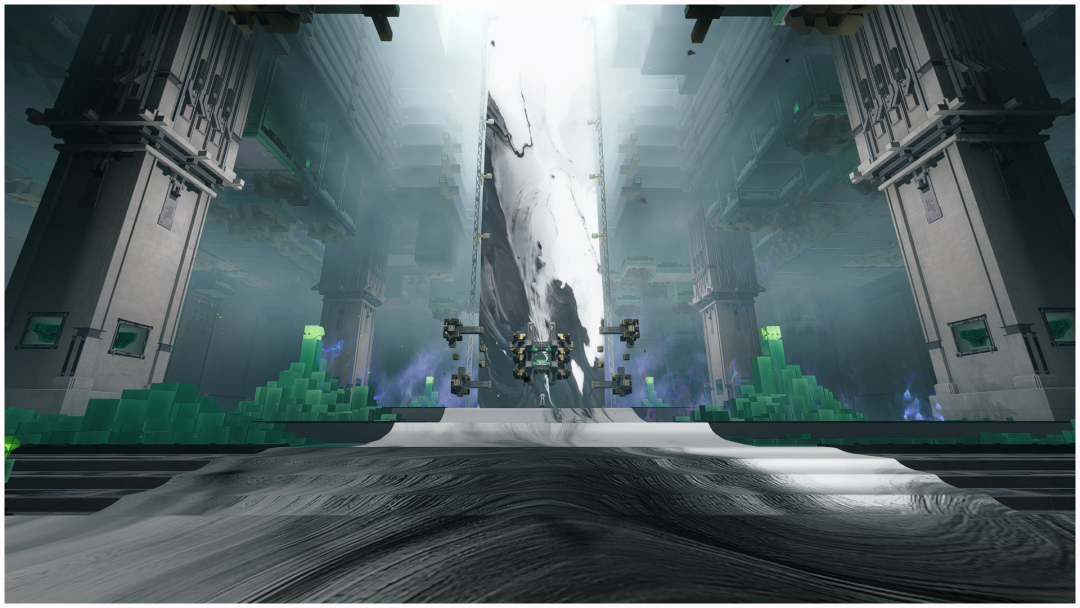
The main thing is that, with the progress of the plot, I found that the production team of the final place is doing something beyond the design of the conventional second-hand scenario. The ability of ‘drawing scrolls’ to manage people has become the core means of players to walk through the first pier, and this ability brings not only landscape changes, but also space nesting.
How to understand it? Simply put, the scene structure of the first pier is not only in the vertical direction, but is accompanied by the passage of the entrance and exit and the activation of the mechanism, and the reorganization of the physical upper path, the height difference, and the passable area is generated. In this way, the last place is stacked several layers in the same space in this way, like a three-dimensional maze.
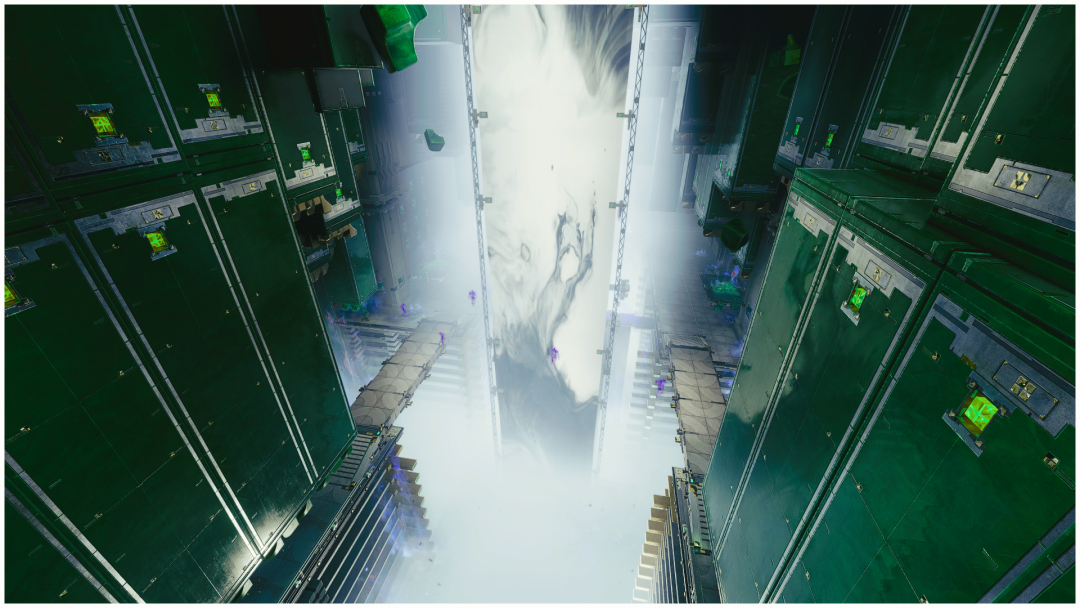
Moreover, the setting of ‘painting scroll’ is closely related to the narrative passage of the character Adahill. The deformation of the space itself is a part of the narrative. There is no ‘painting scroll’ ability involving the setting of consciousness, and the dialogue between the administrator and Adahier across the space cannot be carried out.
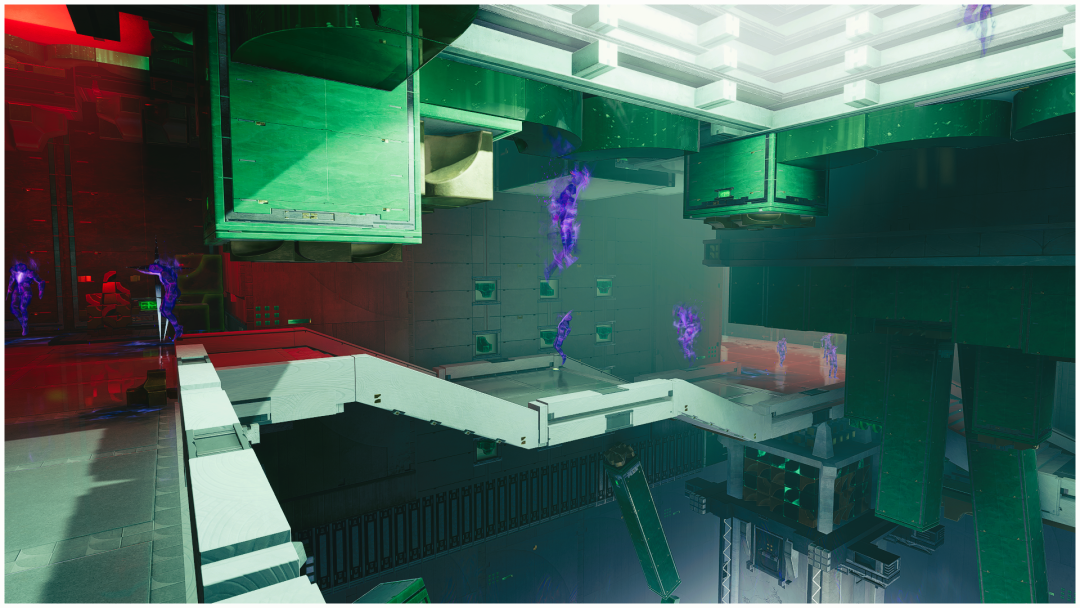
It can be said that the process of ‘passing’ the space of the player in the physical sense, and at the same time, is also a process of constantly moving forward in the sense of narrative. , let the adversary between the administrator and Adahill hold the establishment, and the dialogue and even the game between the two relies on the dislocation sense of ‘being in the same space but seeing different worlds’ in the scene setting.
To be honest, I have hardly seen such a practice in the second tour. Most of the scene design of the second tour, no matter how delicate it is, is essentially the logic of ‘stage’, which is dead, but the first pier, the entire scene itself is a part of the narrative machine.
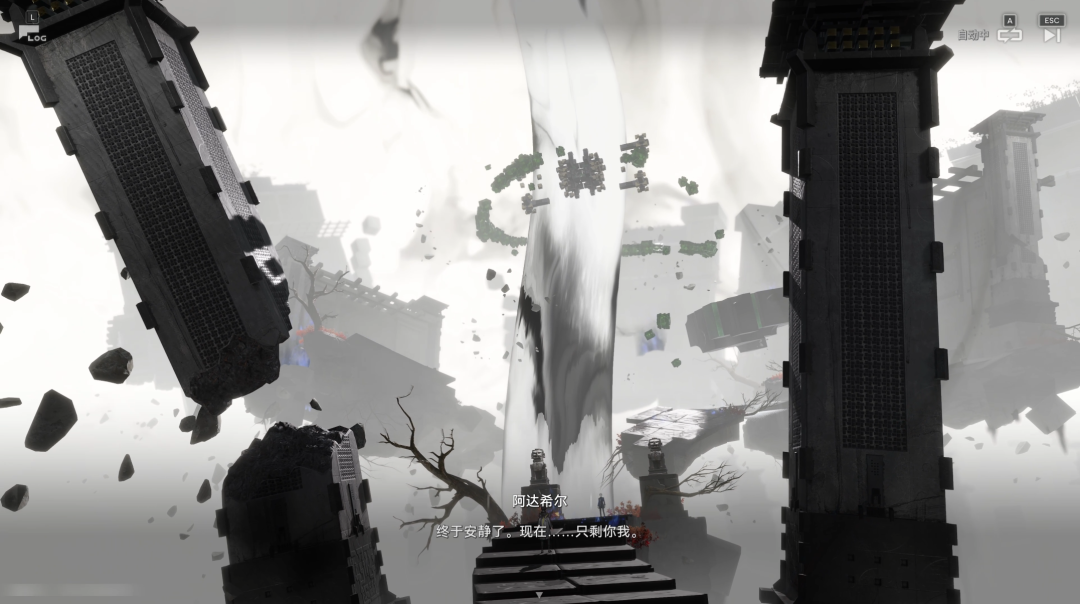
Behind this, it actually points to a deeper product idea, that is, what else can we do besides ‘making the game look good’? Eagle Corner may be thinking, can Eryou’s visual language do more things in addition to the aesthetic function? Can it be a narrative device, can it form a part of the gameplay, and can it create an experience level that cannot be touched by the character’s vertical painting and scene rendering alone?
The answer to these thinking is the scene of the first pier. The first pier proves that the scene of the second tour can become an active narrative language, not only carries the content, but it is the content itself.
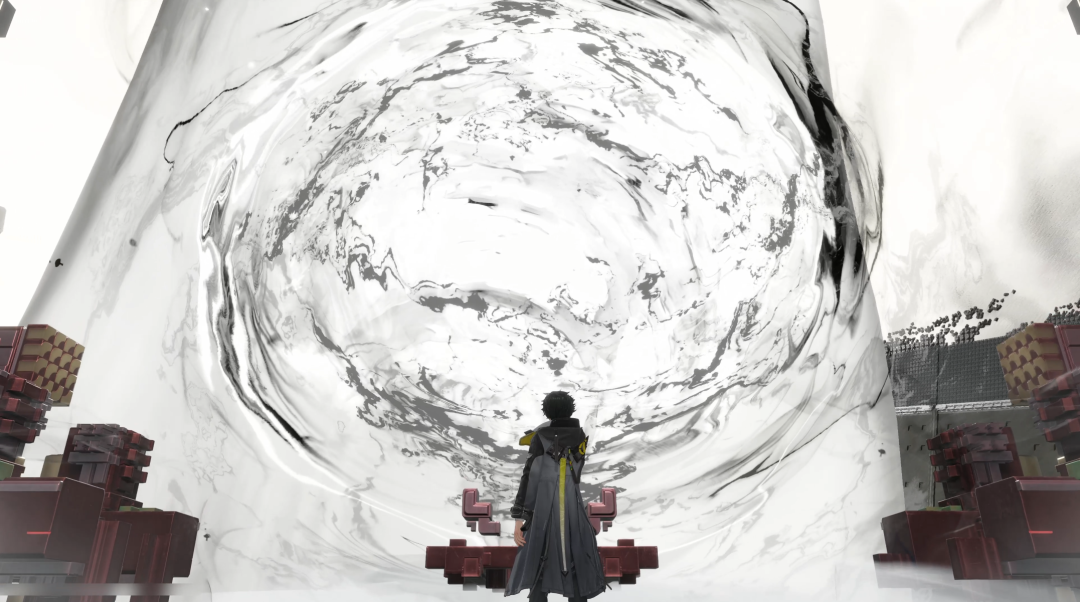
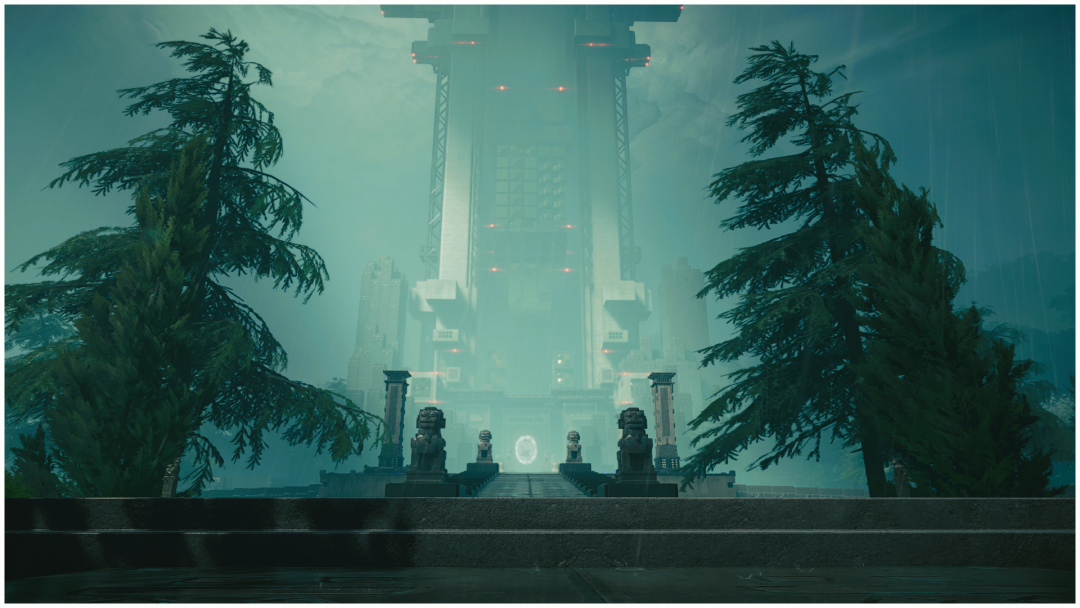
In the current art arms race of the second tour, most products pursue a higher degree of sophistication within the existing framework, and make a fuss about materials and light and shadow. It is small, and finally chooses to superimpose the experimental intention of expressive nature on the basis of exquisiteness, and pinch the art, map structure and narrative arrangement into the same thing. This is a different place.
If the narrative and scene reflect the orientation of the end in the content dimension, then perhaps the ‘Spring at dawn’ version’s outlook for a series of actions and gameplay at the system level more directly shows what the end wants to be, and what it doesn’t want to be.
One of the most worth mentioning is the subtraction made by it in daily experience.
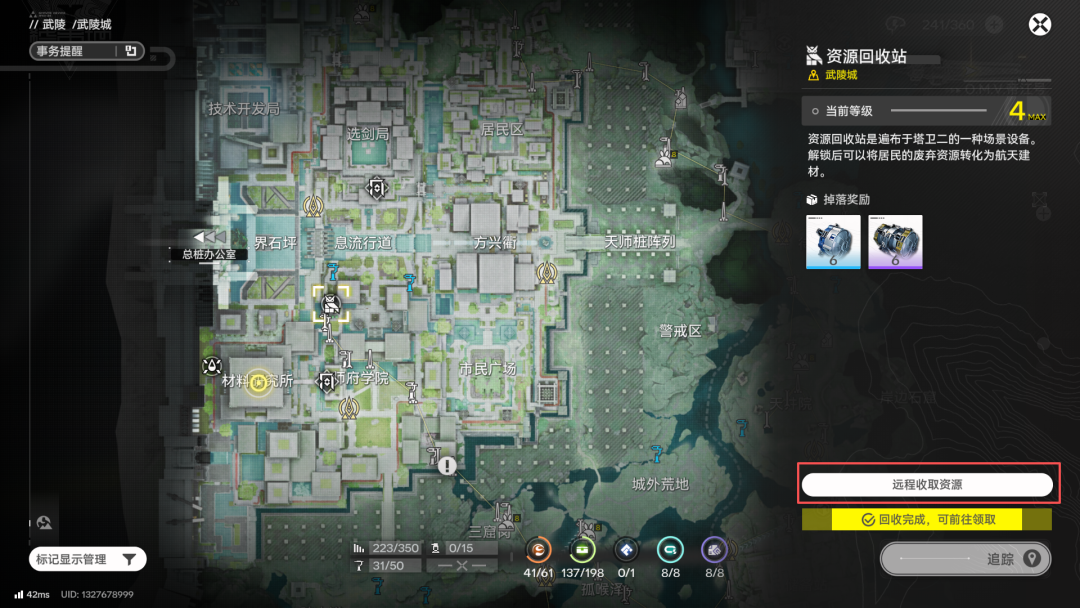
This version has launched a lot of daily burden reduction content, such as the newly added ‘General Control Matters’ function of Dijiang, and now the daily product collection, production arrangement and clue filling are all integrated , it can be operated with one key; another example is the problem of the resource recycle bin that was often mentioned by players before and the problem of broken legs.
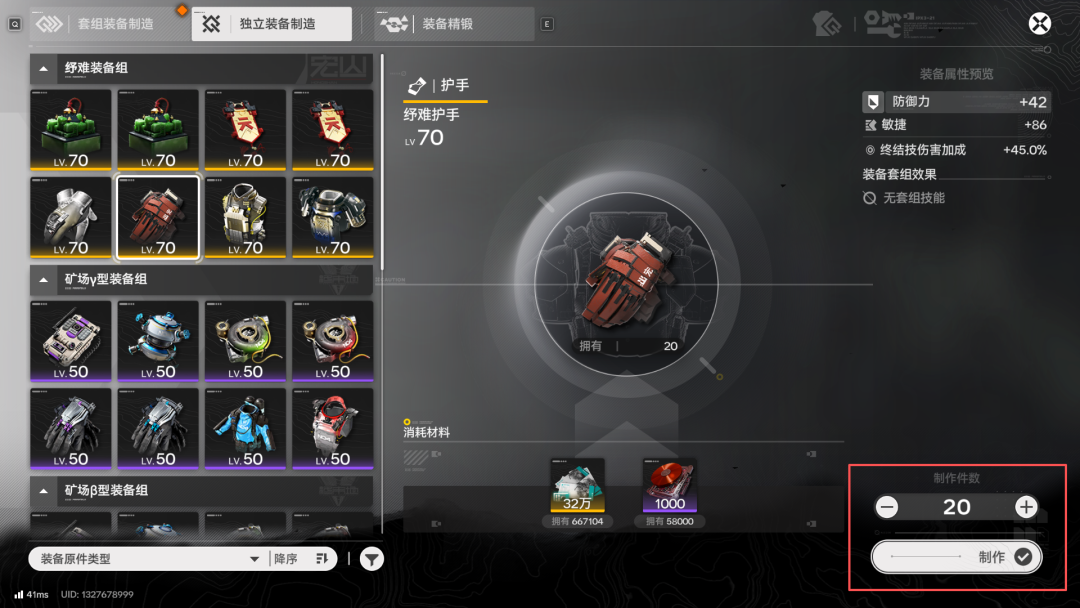
Another example is the function of the warehousing node to add the function of screening and entrustment by region, the equipment manufacturing support to directly jump from the operator interface and make batch production, the high-level training optional box can jump to supplement with one click when the material is insufficient, and so on.
Looking at it in isolation, daily burden reduction is nothing new in the second-tour industry in recent years. Simplified physical strength, task compression, and Zhou often replace daily life, and more and more products have different degrees of attempts.
But the subtraction of the end is not a general ‘reduce a little bit of what players have to do every day’, but is to do the reconstruction of the daily process.
That is, to compress all the operation links that ‘players know what to do, but still need to spend time’,It is not the content that is optimized for the reduction, but the friction between the content and the gameplay.
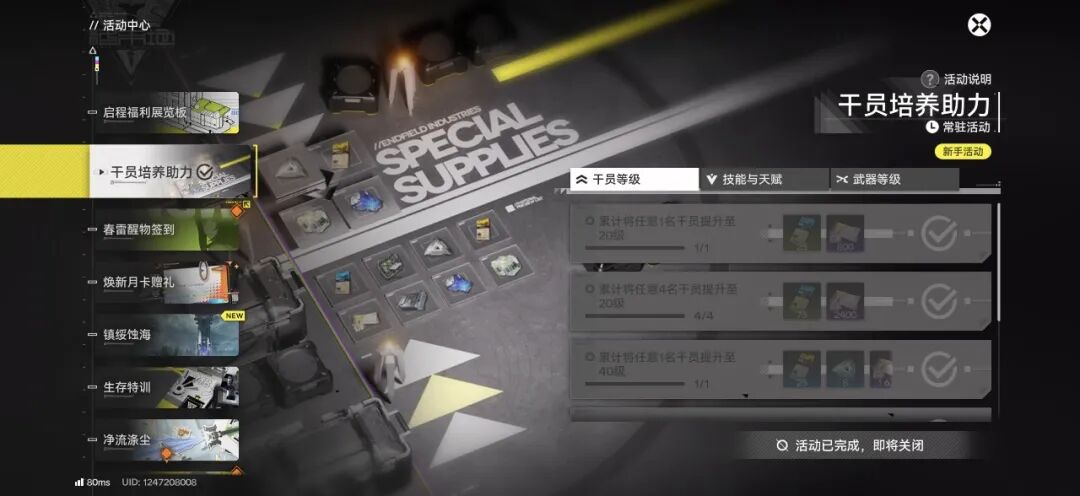
On the other side of daily burden reduction, the terminal has also greatly increased the acquisition channel of rational consumption license. Additional licenses, additional monthly rewards for monthly cards, and even a new ‘Sensible Supply’ activity and ‘Crossing and Helping’ activities to return a lot of development materials.
To understand the combined relationship of these two sets of actions, we need to look at them together. While reducing the time cost of daily operations, the end of the end is to relax the acquisition of resource development resources. The essence of the two is the time required to calibrate the long-term play.
Previously, the point that made people feel tired in the end, material collection is an absolute key. A lot of energy to run the map, and the speed of physical consumption is like a snail crawling after the double coupon is used up.
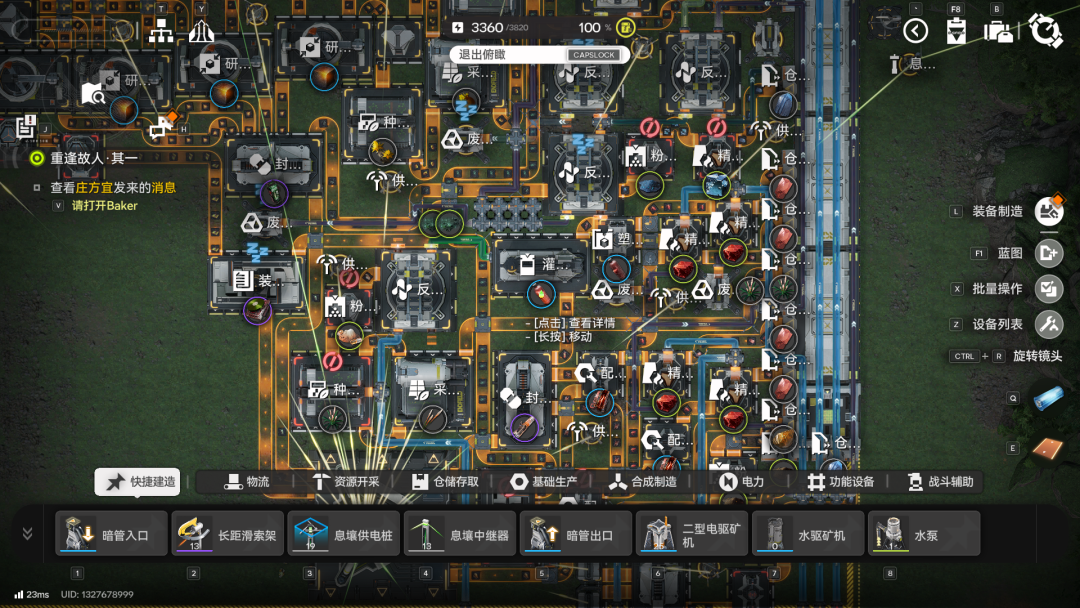
The core judgment of Eagle Horn must be the most subtractive subtraction in these daily dimensions:Let players withdraw from the cumbersome punch card, leaving more energy to the gameplay and content, and the premise of this type of burden reduction is that there are enough content to accept the released attention, and the final place with a solid foundation of gameplay is obviously able to bear it.
It is better to say that letting players pull out from the inertia of punching cards, and the reason for going online will be more based on the attraction of the content itself, which is the direction of continuous investment in the end.
And this kind of investment is foreseeable. In addition to the things I mentioned above about narrative and scenes, the evidence cannot be bypassed.
Players who are familiar with ‘Tomorrow’s Ark’ must not be unfamiliar to this name. The gameplay of crisis contract is not only in the ecology of tomorrow’s Ark gameplay There is a sound, this is the case in the entire history of the second tour. To sum up, it is to conclude with some players, it has completely decoupled the final gameplay and business model of the second tour.

That is to say, the crisis contract is one of the final gameplay, and the detection is not the player’s payment depth, but the game understanding.
The strategy of community ecology and strategy discussion that has grown around the crisis contract together constitute the most cohesive part of the ark gameplay culture.

If Eagle Horn can use this logic to the end, I think it is not as simple as a tribute to the home or the filling activity, from the product intention, the end-of-life version of the danger The machine contract may be more like a stage that can completely drain the final combat system outside the ‘Monument of Shadow Troupe’ (the water temperature is really not enough to see at this point).
In the industry background, it is also worth saying a few more words.
In fact, the second tour category has always been in a state of ambiguous positioning in the design of high-difficulty content in the past few years. The reason is not difficult to understand. The dilemma: upwards, to meet the needs of hardcore players for the depth of challenge and strategic space; downward, it is not possible to make leisure users who account for a larger proportion feel rejected or have an anxiety.
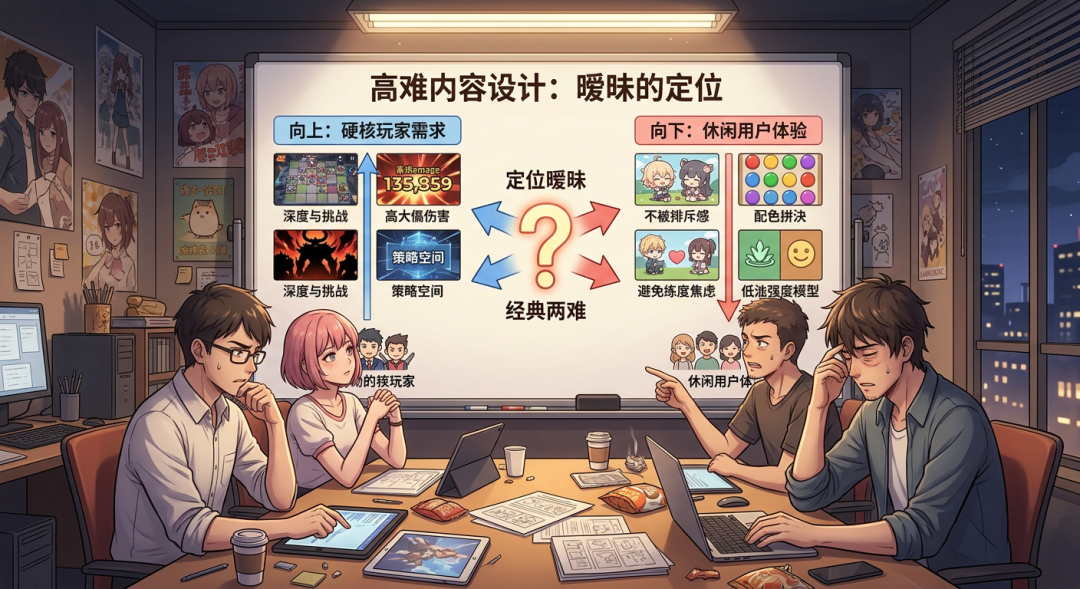
by nano banana
Most of the two tours solve this problem, and finally slide to two unsatisfactory end points. Gold depth, the strategic dimension is compressed in front of the numerical value; the other is that it is difficult to be turned into a daily maintenance method by tools, and the difficulty threshold is stuck in an uncomfortable but not too difficult range, and the fun of the battle itself has become a secondary matter.
The commonality of the two trends is that the difficulties deviate from the original purpose of the design level of ‘making the battle interesting’.
The reason why Ark’s crisis contract is special in the category is precisely because it provides a solution to jump out of this dilemma, and the design of its optional difficulty level is matched with the design of the entries. The setting of the difficulty curve is handed over to the players. For boat friends, the masters who pursue the limit can stack the entries to challenge the ceiling.
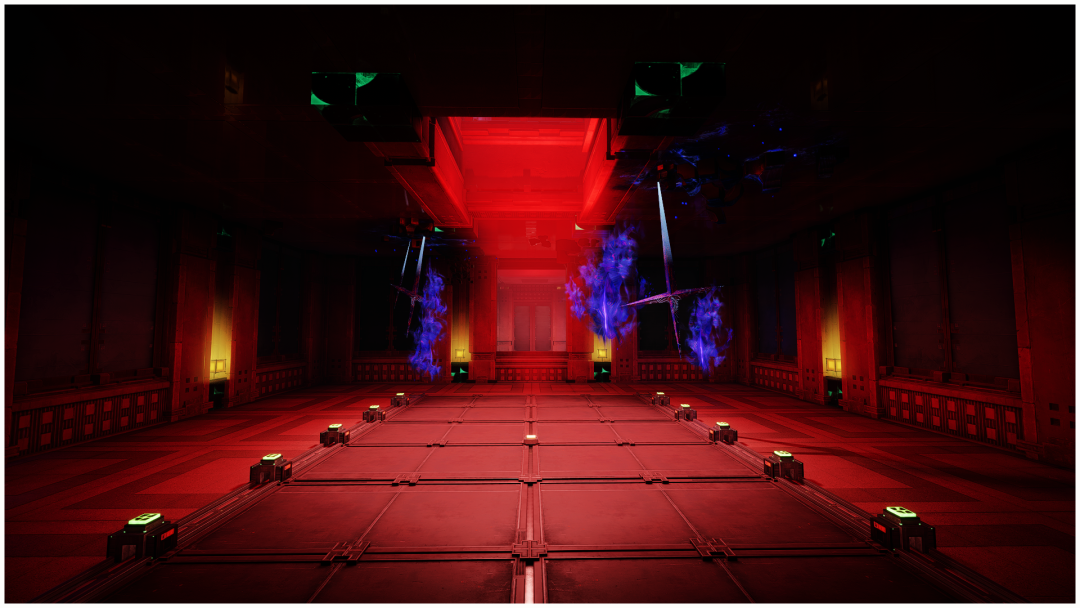
In this way, the challenge threshold has become flexible, and at the same time, the upper limit of the depth of the strategy is retained in a very high position, and the difficulty is in danger. The design of the machine contract returns to the most essential meaning, that is, a spontaneous and exploratory behavior driven by curiosity and desire to win.
It is actually very smooth to introduce this logic in the end. I have also dismantled the design of the final battle before, and it contains, such as the abnormal attachment and chain triggering of the effect system, and the team configuration decision and skill brought by the linking technology. The time and judgment required by the mechanism of power resource management that runs through the axis thinking and interruption mechanism requirements, and so on, the density of the strategy formed by the interweaving of these elements is high enough.
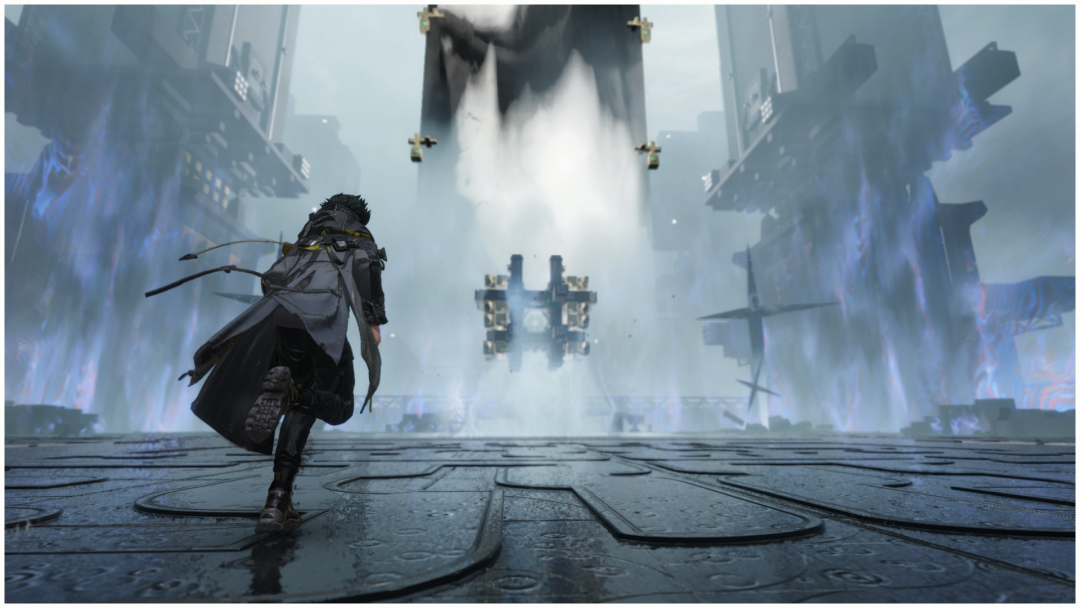
Of course, it remains to be revealed how it will eventually be presented to us in the context of the final real-time strategy battle.
But only judging from the perspective of Eagle Horn’s choice, the statement is already clear enough, and they hope that the gameplay will become the driver of the player and the focus of the game. On this basis, we will put together the observations of the three dimensions of narrative, scene and system together, and you will find that the product logic displayed in the new version of the end has an inherent self-consistency.
Slow writing roles is to make a long-term line in the narrative dimension, and the scene represented by the first pier is to pursue the expression density of ‘scene is content’ in the visual dimension. Reducing the burden of reducing the burden is to release the player’s time from the friction consumption in the system dimension, and pave the way for the subsequent gameplay reserve and content improvement.
Although the three dimensions seem to operate independently, they complement each other.
In essence, it is still trying to bridge the ‘two legs’ that experience friction and realize content and gameplay.
Epilogue
At this point, you may be able to agree with my words. No matter how you look at this game, it is not like the current second tour.
At the same time, as I said that the time is to calibrate the player at the end, it is also calibrating its position. In the past three months, it has also encountered some controversy.
As for how far this road can go eventually, it is not yet known where the boundaries of the second-tour categories he is looking for is.
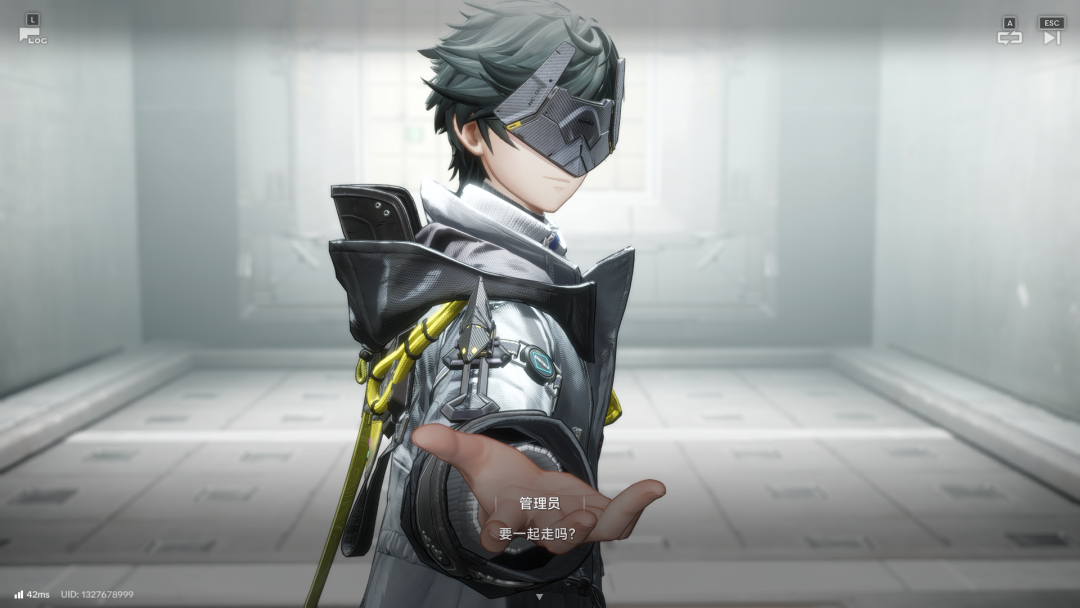
The evolution of categories has never been a matter of one or two versions of a certain game that can be concluded. It requires a longer time span, the content verification of different versions of more products, and the feedback and judgment of the market.
However, at least at the moment, the less common product ambitions and the realistic possibility of such aspirations being recognized by players are enough.
原创文章,作者:gallonwang,禁止转载:https://youxichaguan.com/en/archives/193714