
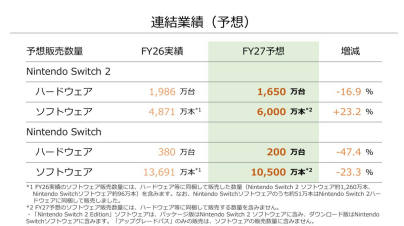
On November 5, Nintendo released its financial results for the first half of the fiscal year ending March 2027 (April–September 2026). The report revealed a striking contrast: while revenue fell 12.1% year-over-year, operating profit rose 49.1%;Switch 2 hardware sales fell 37.4% year-over-year, while software sales rose 18.8%.
In the first half of the year, Nintendo reported revenue of 966 billion yen, operating income of 216.5 billion yen, and net income attributable to shareholders of the parent company of 220.9 billion yen. During the same period, Switch 2 hardware sales totaled 6.49 million units, and software sell-in sales totaled 24.49 million units.”Sell-in” refers to sales by the Nintendo Group to parties outside the Group; software sales figures also include digital downloads.
With hardware sales declining, why are profits actually rising?
Financial reports show that the increased share of software sales and digital business provided operational support for profit growth; approximately $300 million in U.S. tariff refunds and fluctuations in the yen exchange rate also contributed to the results. At the same time, rising prices for components such as memory chips have become a cost pressure that Nintendo must address in the second half of the year.
Hardware sales have declined, but software sales have increased.
Switch 2 hardware sales fell 37.4% year-over-year, but this decline should not be interpreted simply as a sudden weakening of demand. The same period last year was the first fiscal half-year following the console’s launch, which included concentrated shipments during the initial launch phase, resulting in sales of 10.36 million units—a high comparison base.
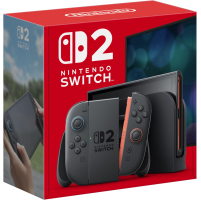
The price adjustments also affected the sales momentum in the first half of this year. In May 2026, Nintendo raised the suggested retail price of the Japanese-language version of the Switch 2 console in the Japanese market from 49,980 yen to 59,980 yen;Prices in the U.S. and European markets were adjusted effective September 1, with the U.S. version rising from $449.99 to $499.99.
At the earnings briefing on November 6, President Shuntaro Furukawa stated that the Japanese market saw a surge in device purchases prior to the price adjustment, and sales have slowed somewhat since the adjustment took effect. The company believes that, taking into account the earlier surge in purchases, the current sales pace is generally in line with expectations.
Furukawa also revealed that global cumulative sales of the Switch 2 have exceeded 25 million units.
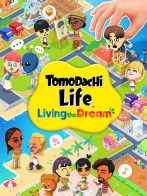
In the first half of the year, Switch 2 software sales reached 24.49 million units, an increase of 18.8% year-over-year; sales of the original Switch software totaled 65.73 million units, up 6.8% year-over-year.Among the best-selling titles disclosed by Nintendo, *Tomodachi Life: Living the Dream* sold 8.81 million copies, *Rhythm Heaven Groove* sold 2.89 million copies, and *Splatoon Raiders* sold 2.42 million copies;*Mario Kart World*, released in the previous fiscal year, also sold 1.78 million copies during this period.
Software sales grew on both platforms, and Switch 2 software sales did not decline in tandem with the drop in hardware shipments. However, these figures are based on Nintendo’s “sell-in” metrics, which reflect the number of units the company sold to external parties; they do not equate to the number of games actually purchased or played by users, and therefore cannot be used to estimate individual users’ game-purchasing frequency.
Operating profit rose 49 percent—how much of that was contributed by the software business?
This shift is already reflected in the revenue composition of Nintendo’s dedicated gaming platform business.
In the first half of the year, the share of hardware revenue in the dedicated gaming platform business fell from 73.2% in the same period last year to 54.5%; the share of first-party software in total software sales rose from 67.2% to 76.6%.Digital sales reached 249.6 billion yen, a year-over-year increase of 60.5%, and their share of total software sales rose from 54.5% to 60.7%.
The increase in the share of first-party software indicates that Nintendo’s own games are contributing even more to the platform’s software revenue. Series such as *Mario*, *The Legend of Zelda*, and *Pokémon* not only attract players to purchase consoles but also continue to generate software revenue after the consoles are sold.

The methodology for calculating digital sales figures also needs to be clarified.
Nintendo’s digital sales figures include not only standalone digital games but also downloadable content, Nintendo Switch Online, and digital sales revenue generated by games that are also available in physical formats.
Therefore, the figure of 60.7% reflects the proportion of digital sales within total software sales and should not be interpreted to mean that 60 percent of gamers have switched to purchasing exclusively digital products.
In addition, revenue from Nintendo IP-related businesses reached 62.7 billion yen, an increase of 87.9 percent year-over-year. The company stated that the growth was primarily driven by increased revenue from video content related to *The Super Mario Galaxy Movie* and other IP businesses.
In the first half of the year, Nintendo’s gross profit reached 486.4 billion yen, a 22.1 percent increase year-over-year; its gross margin rose from 36.2 percent to 50.4 percent. The increase in the proportion of software sales was a key factor in the rise in gross margin, and tariff refunds under the U.S. IEEPA also contributed to the increase.
Nintendo disclosed in its financial results presentation materials that the company received approximately $300 million in IEEPA tariff refunds in the first quarter and offset this amount against cost of sales. Changes in the yen exchange rate had a positive impact of approximately 22.2 billion yen on operating profit.
Based on a rough conversion using the average U.S. dollar exchange rate for the current period, $300 million is equivalent to approximately 47.8 billion yen; when combined with the positive impact of 22.2 billion yen resulting from exchange rate fluctuations, the two items total approximately 70 billion yen, which is close to the year-over-year increase in operating profit of approximately 71.3 billion yen.
This is not the profit growth breakdown released by Nintendo, so the two factors cannot be directly equated with the increase in profit; however, it clearly shows that refunds and exchange rates contributed significantly to this period’s results.
Therefore, the 49.1% increase in operating profit is based on improvements in the software business but also includes temporary factors; it should not be directly regarded as the normal rate of growth going forward.
Nintendo is also taking a relatively cautious approach to its full-year outlook.
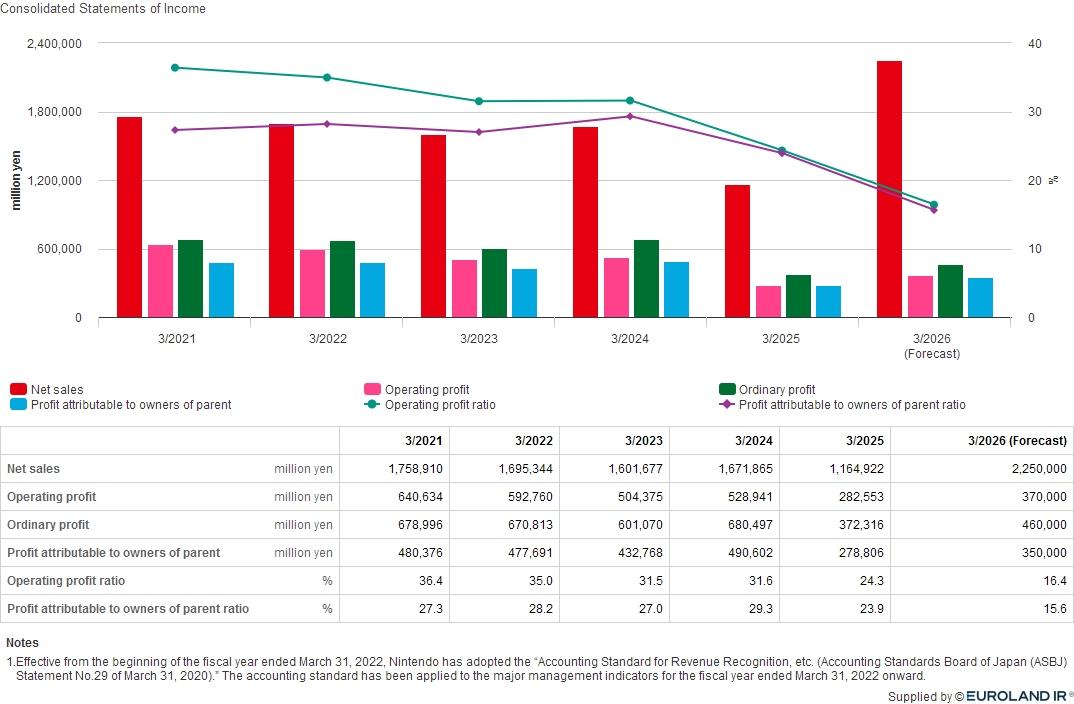
The company is maintaining its previous full-year earnings guidance for the fiscal year ending March 2027: revenue is expected to be 2.05 trillion yen, down 11.4% year-over-year; operating profit is expected to be 370 billion yen, up 2.7% year-over-year; and net income is expected to be 310 billion yen, down 26.9% year-over-year.
Based on the full-year operating profit forecast, after deducting the 216.5 billion yen already achieved in the first half of the year, the company still needs to generate approximately 153.5 billion yen in operating profit in the second half.
This means that profit performance in the second half of the year will still depend on whether software sales can continue to grow and whether the company can control component costs. The temporary impact of tariff refunds is unlikely to be repeated.
Rising Memory Prices: New Cost Pressures
Software sales and the digital business improved profit performance in the first half of the year, but rising component prices are putting pressure on Nintendo’s future operations.
In May 2026, Nintendo announced a price increase for the Switch 2 in several regions. Shuntaro Furukawa stated that this adjustment took into account a variety of factors, including the prices of components such as memory, exchange rates, and oil prices.
Nintendo estimates that rising prices for components such as memory and tariff measures will result in a cost impact of approximately 100 billion yen for the current fiscal year. This figure represents the combined effect of both factors and does not refer solely to the costs resulting from rising memory prices.
At the earnings briefing on November 6, Furukawa stated that Nintendo hopes to absorb rising costs through measures such as improving production efficiency and maintain current prices as much as possible. However, if component prices remain high for an extended period and internal cost-cutting measures prove insufficient to maintain reasonable profits, the company does not rule out the possibility of adjusting prices again.
As of the end of September 2026, Nintendo’s inventory carried a book value of 814.5 billion yen, an increase of approximately 50.9% from the 539.8 billion yen recorded at the end of March 2026.
Shuntaro Furukawa explained that the increase in inventory is partly due to stockpiling of hardware, software, and accessories ahead of the year-end holiday sales season, and partly due to rising raw material prices and planned procurement. Since the Switch 2 has a higher unit value than previous console models, this will also drive up total inventory levels.
He also noted that some of the raw materials used in the first half of the year were still procured at the previous prices. As materials purchased at higher prices are gradually incorporated into production, the cost pressure resulting from rising component prices is expected to become more pronounced starting in the third quarter.
On October 27, Taiwanese memory chip manufacturer Macronix held an investor conference. Company Chairman Wu Min-qiu stated that future capacity expansions will focus more on NAND and eMMC products; the company will no longer expand its NOR Flash capacity and will gradually phase out its ROM business.
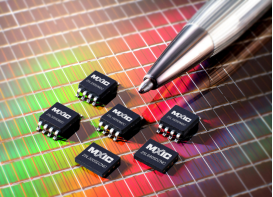
Macronix stated that demand for high-capacity NOR products in data centers is increasing, and customers are seeking greater supply. Due to production capacity constraints, the company needs to reallocate resources among different products and application markets.
Macronix has previously been involved in supplying ROM chips for video game cartridges, so its business restructuring may affect the video game media supply chain.
However, Macronix has not announced a specific date for the complete cessation of ROM production, and it is still shipping related products. Based solely on this business adjustment, it cannot be concluded that Switch 2 cartridges will soon be discontinued; currently available public information is insufficient to confirm the specific impact of this adjustment on the supply of Switch 2 cartridges.
On a broader scale, the growing demand for memory from the data center and AI industries may prompt chip manufacturers to reassess their production capacity allocations for various products. For video game consoles and physical game cartridges, both supply stability and procurement costs warrant continued monitoring.
Physical games haven’t disappeared yet, but the way they’re distributed is changing.
According to Circana data, as of August 2026, Nintendo platforms accounted for approximately 63% of sales of new physical games released in the United States that year, while PlayStation accounted for approximately 32% and Xbox slightly more than 4%.
This set of data reflects the sales distribution of newly released physical video games across different platforms in the United States; the 60.7% figure in Nintendo’s financial report, however, represents the proportion of digital sales within its own software revenue. Since the scope of the statistics and the denominators differ, the two figures cannot be directly compared.
In July 2026, Sony announced that, starting in January 2028, it would stop producing physical discs for newly released games on the PlayStation platform.
Bill van Zyll, Nintendo’s Vice President and General Manager for Latin America, said in an interview with Brazilian media in October that the company currently has no plans to abandon physical media.He noted that Latin American gamers still prefer boxed games because physical copies are easier to collect, lend to friends, or resell. It is important to note that this statement was made by a regional executive regarding the local market and does not constitute a long-term strategic commitment from Nintendo for the global market.
Physical games still face pressure from production costs.
In March 2026, Nintendo announced that, starting in May, it would set different suggested retail prices for the digital and physical versions of new Switch 2 exclusive titles published by Nintendo. The company stated that the price difference reflects the varying production and distribution costs associated with the two versions.
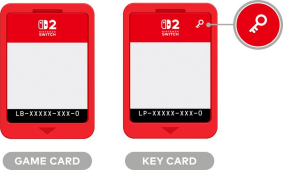
The Switch 2 Game-Key Card comes in the form of a physical card, but the card itself does not contain the full game data. You must connect to the internet to download the game the first time you use it, and you still need to insert the card to launch the game afterward. Compared to traditional full-featured game cartridges, it differs significantly in terms of collectability, offline play, and game saves.
“R-Type Dimensions III,” published by ININ, provides a concrete example. The game was originally planned for release via Game-Key Card, but the publisher later announced that the Switch 2 versions for Europe and the U.S. would be released as full cartridges, with the game data written directly to the cartridge. Consequently, the prices for both the standard retail edition and the special edition were increased by 10 euros.
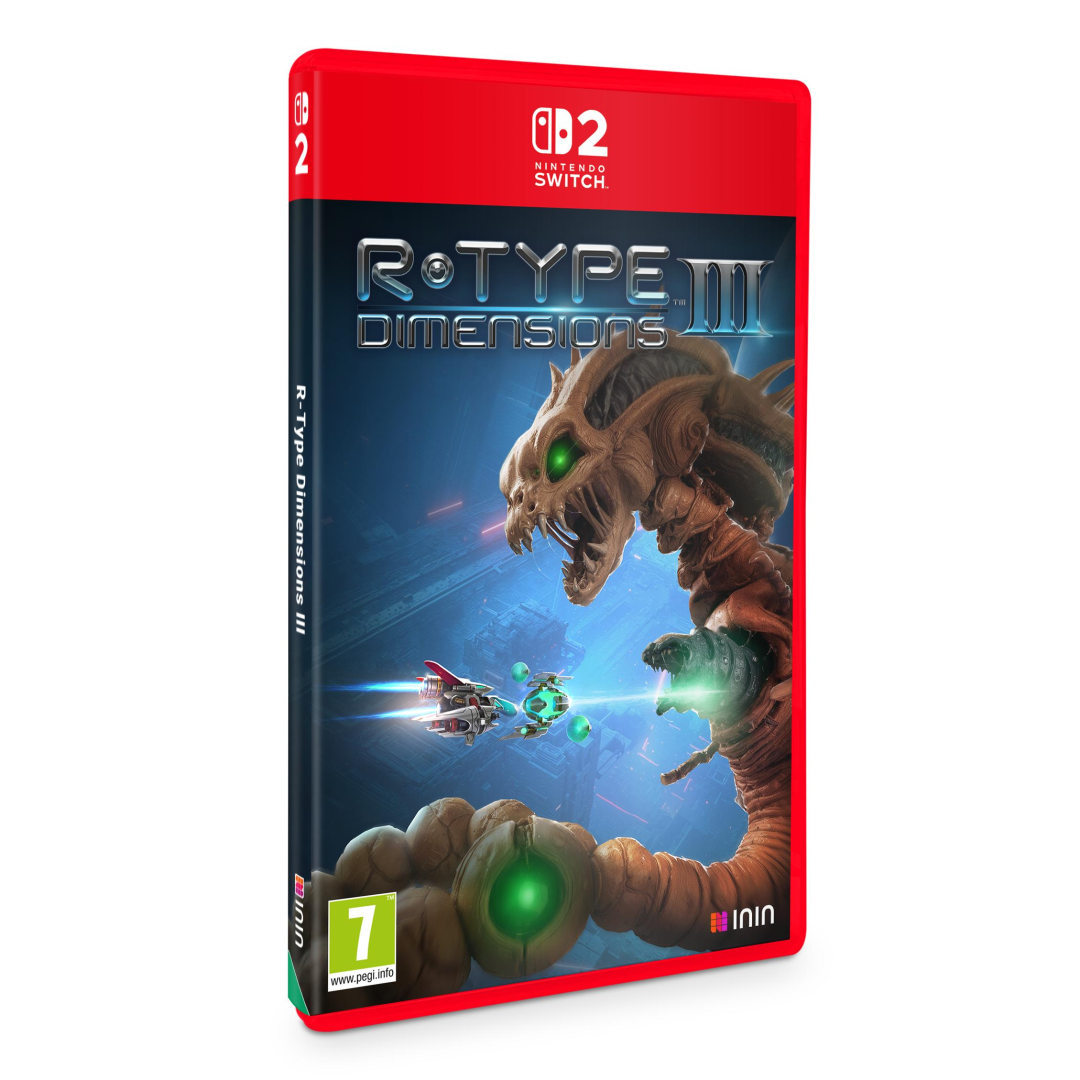
This case illustrates that publishers still need to strike a balance between the production costs of complete cartridges and players’ demand for physical cartridges.
Nintendo has begun differentiating the suggested retail prices for digital and physical editions, and third-party publishers are also adjusting their strategies between full cartridges and Game-Key Cards. As game sizes and production costs vary, physical releases may become further segmented, and full cartridges may not necessarily be the default choice for all titles.
Conclusion: What Nintendo Wants to Protect Is More Than Just Console Sales
This semi-annual report shows that Nintendo’s software sales and digital business are providing greater support for its platform operations, but profit growth in the first half of the year was also driven by tariff refunds and exchange rate fluctuations. The 49.1% increase in operating profit should not be simply viewed as the new normal for the future.
In the second half of the year, Nintendo will need to address cost pressures resulting from rising prices of components such as memory; in the physical game market, the cost and pricing disparities between full-price cartridges, Game-Key Cards, and digital-only releases will continue to widen.
Hardware remains the gateway to expanding the user base, while game content is key to generating ongoing revenue after the console is sold. Whether the Switch 2 can maintain its appeal in the long run depends not only on how many units of the new console are sold, but also on whether Nintendo can continue to release games worth buying and strike a reasonable balance between cost and user experience across different distribution channels.
原创文章,作者:游茶妹儿,禁止转载:https://youxichaguan.com/en/archives/224314