P.S.: Spoiler alert!
Ever since it entered open beta earlier this year, I’ve felt that *Arknights: The End of the World* (hereinafter referred to as *The End of the World*) has always been just a step short of perfection.
This has nothing to do with the game’s quality. Rather, after several updates that have improved the content—such as cinematic sequences and multi-layered storytelling—and optimized the experience—such as reducing the burden of base-building—it’s become very difficult to find any flaws in terms of quality.
By “falling just short,” I mean that *The End* has consistently lacked a breakthrough moment that would allow it to truly shine and demonstrate commercial success commensurate with its quality.
The reasons behind this are relatively complex. On the market front, the decline in the overall anime and manga market and the saturation of the anime and manga gaming player base, combined with product-related factors—such as an initial focus on infrastructure and a brand-new numerical validation model—have all prevented *The End* from fully unleashing its potential.
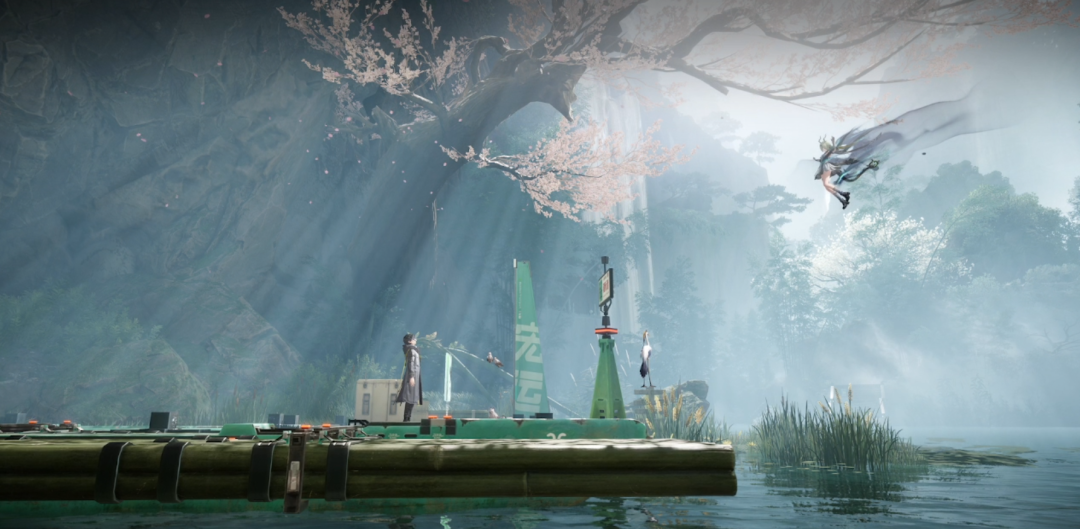
Just yesterday, the “Danqing Du” update for *The End* was released, and that very night, it shot straight into the Top 3 on the iOS Top Grossing Games chart, setting a new all-time high.
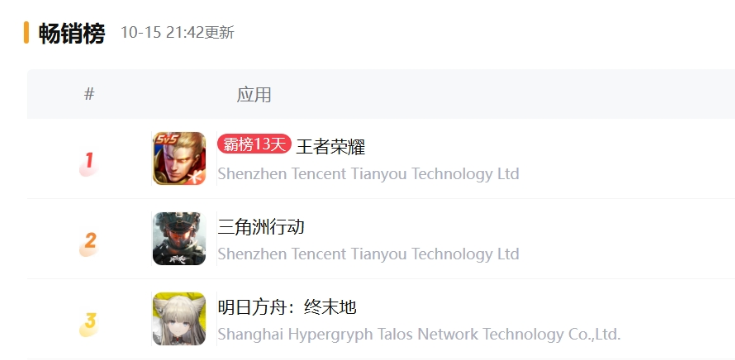
The reason this version was able to set a new record for the Endlands update is primarily because, as the core chapter concluding the Wuling arc, “Danqing Ferry” not only expanded the game’s world-building but also facilitated the in-depth development of the player character, the “Administrator.”
More importantly, this version can be described as the culmination of the integrated experience that Eagle Corner has built in *The Endlands* by combining game mechanics, cultural essence, and the game’s world-building concepts—as I’ve mentioned before.
01
Entering the Painting, Realizing the Mind
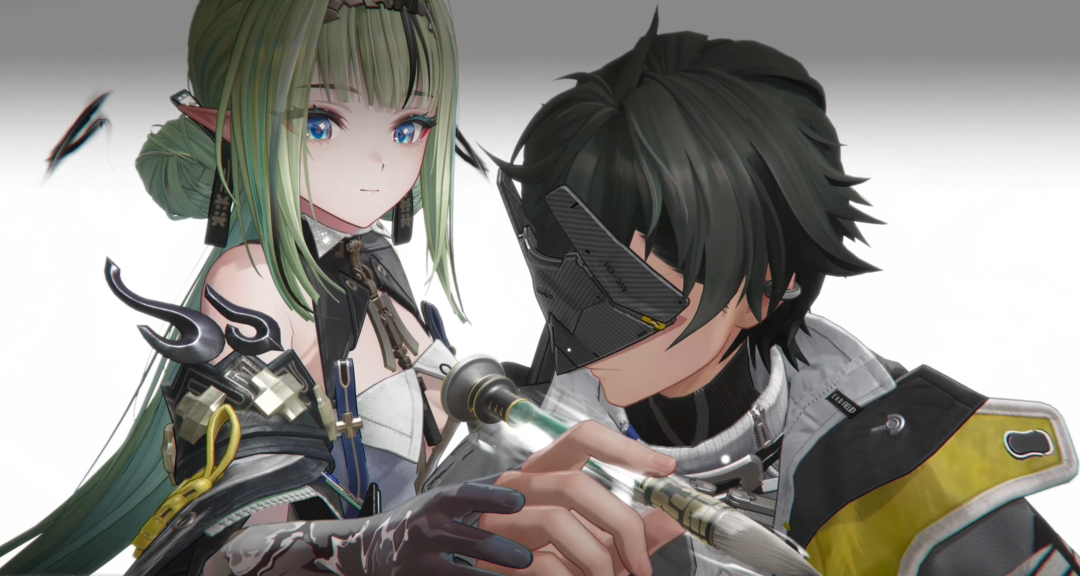
Broadly speaking, the narrative of this version revolves around an administrator who, in order to heal the trans-dimensional damage left behind by past battles, is led by Si into a world within a painting—a world constructed using Si’s own powers—where the administrator undergoes trials that blur the lines between reality and illusion.
In fact, in the tradition of Chinese landscape painting, there is a specific term for stepping into a painting to experience and appreciate it: “wo you.”
Zong Bing, a painter of the Southern Dynasties, described this experience in his “Preface to Landscape Painting”: Unable to travel in person during his later years, he painted the landscapes he had once visited on the wall, lay facing the wall, and used the paintings as a substitute for travel, allowing his spirit to wander through them.Most importantly, Zong Bing also introduced one of the key aesthetic concepts in Chinese painting theory: “chàng shén” (liberating the spirit). Put simply, this means that viewing a painting can soothe the mind and liberate the spirit.
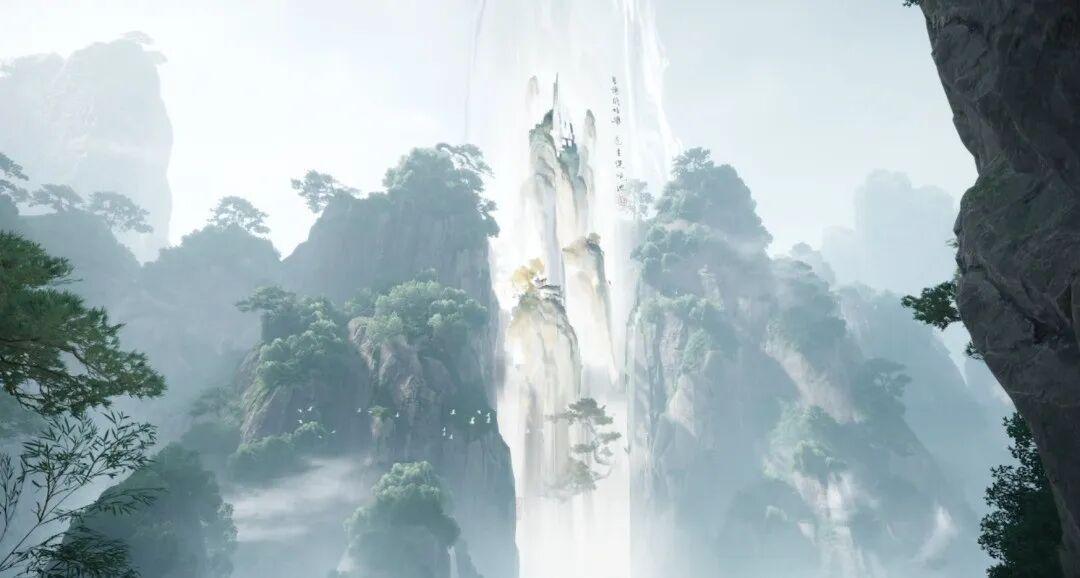
However, while Zong Bing’s “Lying-Down Travel” involved traveling through paintings, the ultimate goal is to allow the administrator—that is, the player—to step directly into the painting and explore it from within.
In fact, whether one is viewing a painting or becoming part of it, the core aesthetic philosophy of Chinese landscape painting—which emphasizes negative space and free-spirited expression—is fundamentally about creating space for the “mind.” As the saying goes, “Draw inspiration from nature externally, and find the source within the mind.”
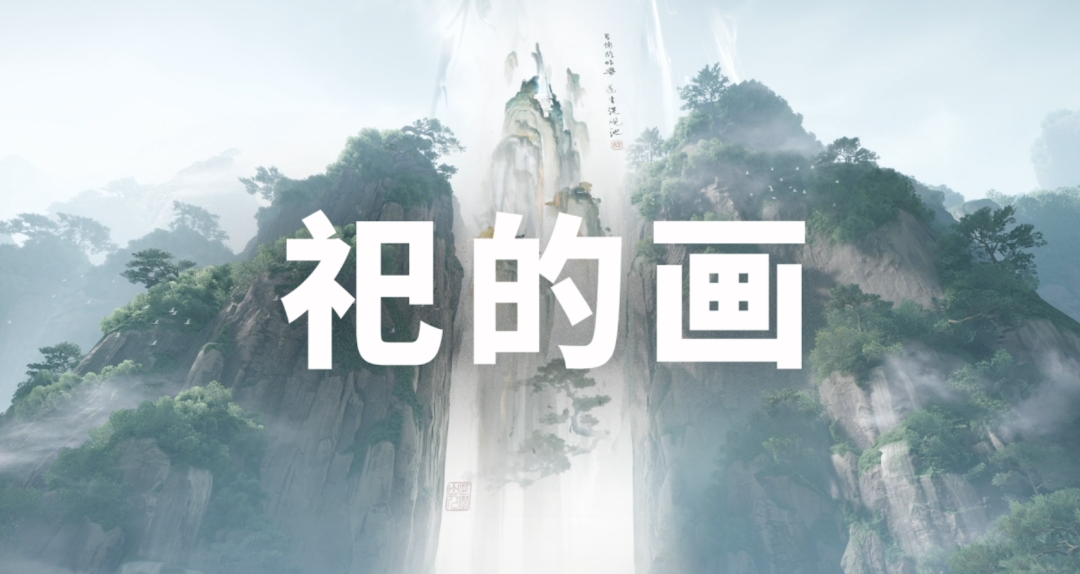
Chinese landscape painters often draw inspiration from nature and look inward to gain spiritual insight; the landscapes in their paintings are both artistic representations of real terrain and projections of the artists’ inner worlds.
I’m not sure if this is a metaphor intended by the production team, but when combined with the plotline involving the Administrator’s healing, using a landscape painting as the story’s setting is indeed very fitting conceptually. This is because, once you’ve played through the story, you’ll realize that this healing process is less about repairing the Administrator’s physical injuries and more like a journey of spiritual healing.
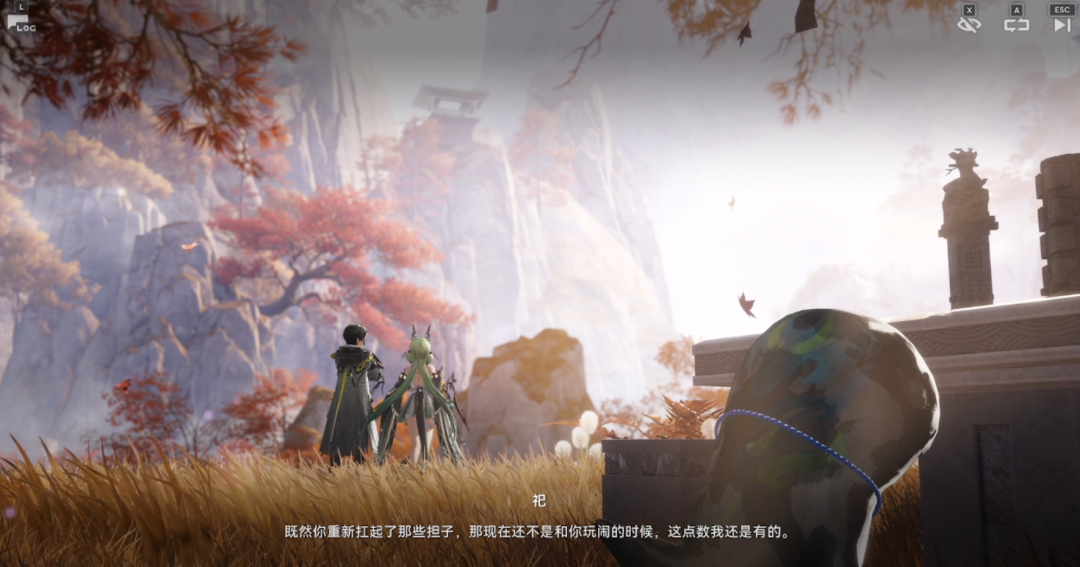
But back to the main point: the realm the Administrator has entered was created through the power of ritual and the will left behind by past Administrators; here, traces of memories from the outside world blend with the emotional landscapes deep within the heart.
As he entered the painting, the story Si told resembled *The Record of the Peach Blossom Spring*—and, as it happens,this classical Chinese text is all too familiar to players who have completed nine years of compulsory education. Not only does it echo the sense of a hidden realm in Si’s painted world, but it also introduces the central theme of the interplay between reality and imagination: what the administrator sees and hears within the painting is both real and a product of the mind.
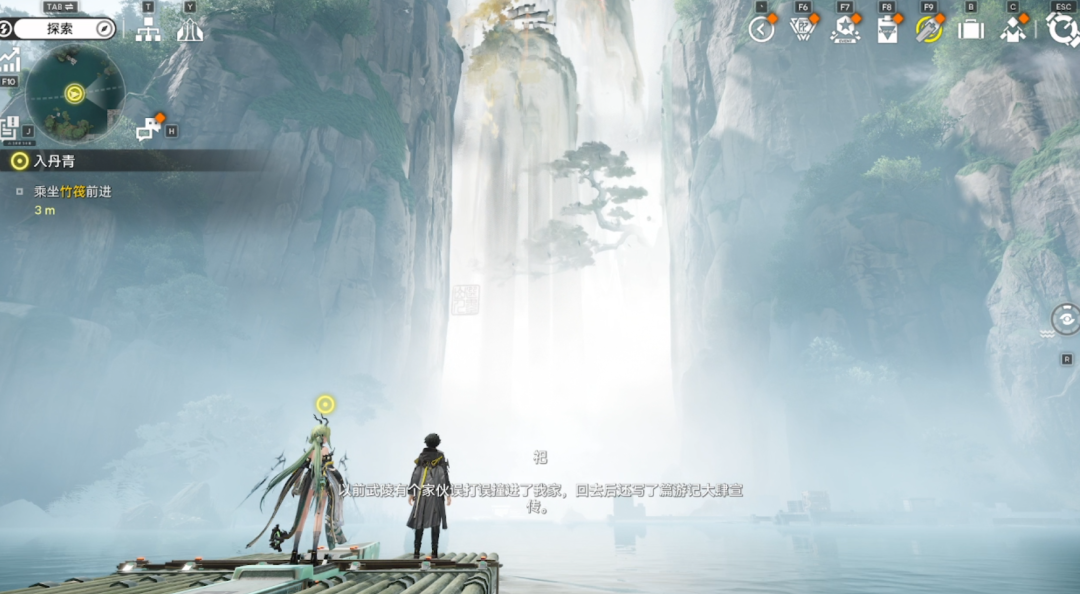
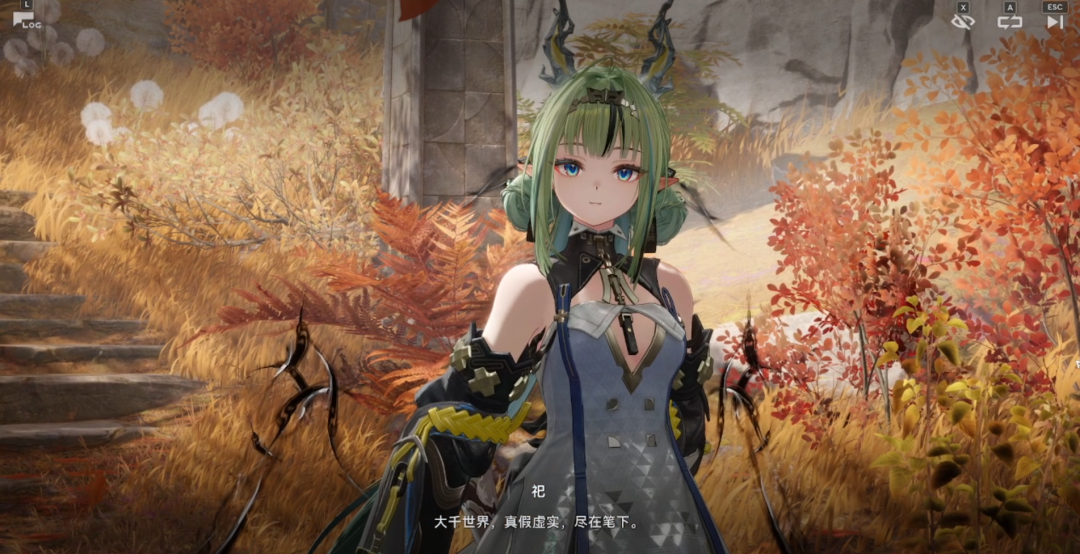
Setting aside the gravity field that Xiao Cong created inside the inn,
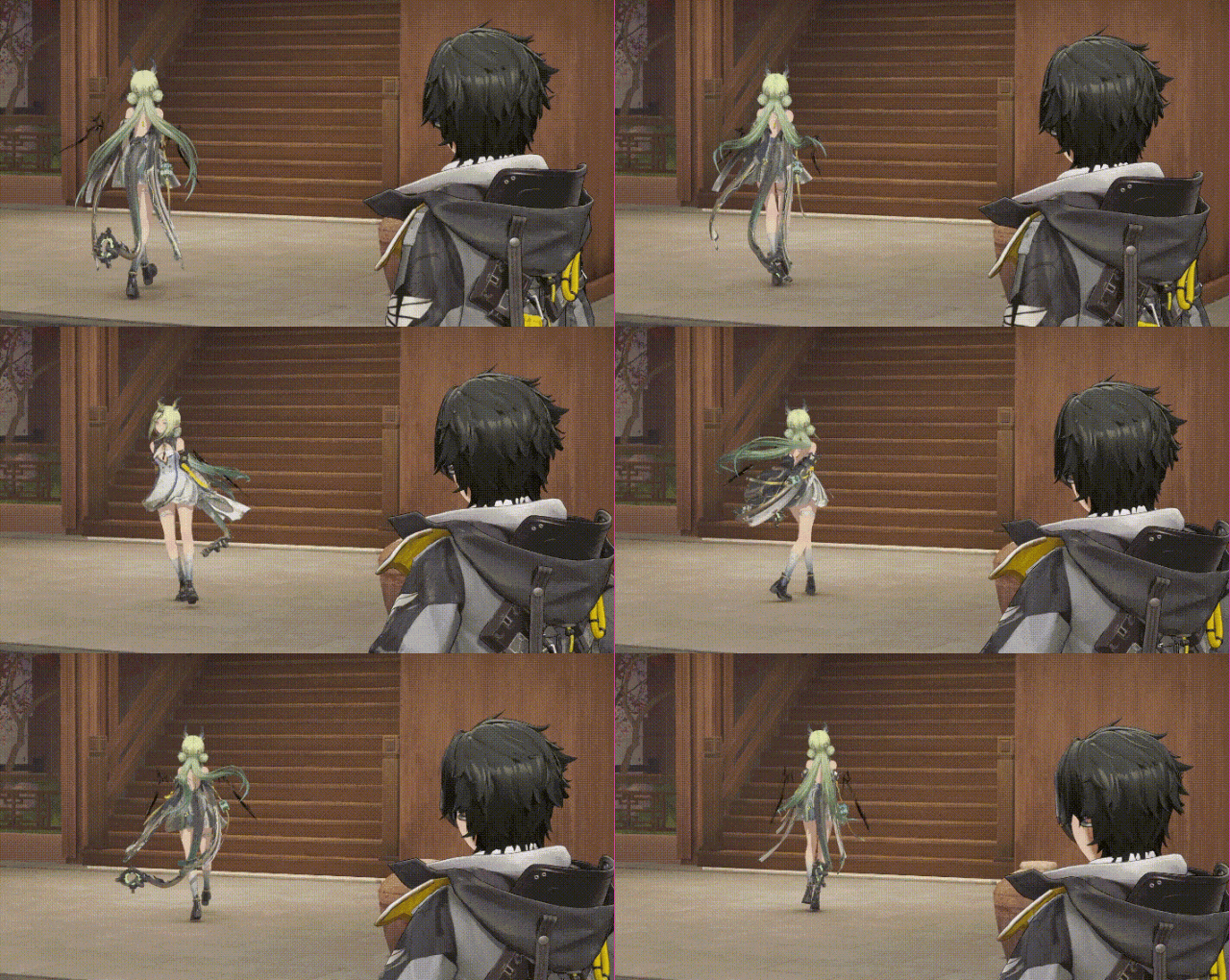
Slow down a bit, girls
There is also some debate about the form that the administrator’s treatment process ultimately took—namely, mountain climbing.
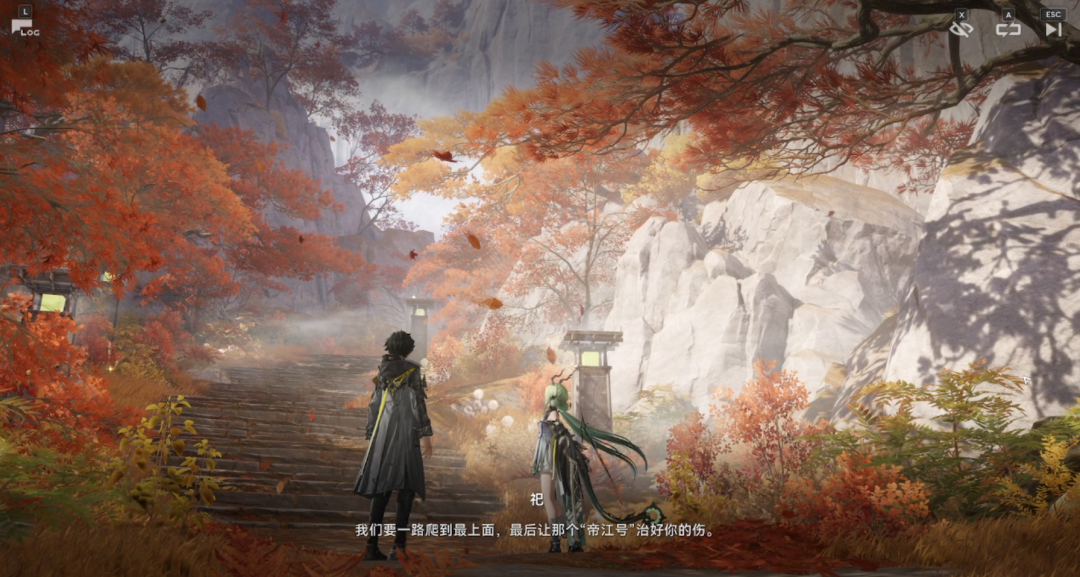
Mountain climbing—or, more broadly, ascending to heights—has a clear spiritual significance in the Chinese literary tradition. As the lines go, “To see a thousand li into the distance, I must climb one more story,” and “I shall ascend to the very summit, where all other mountains seem small.” The ascent in elevation always corresponds to the broadening of one’s perspective and the expansion of one’s spiritual horizons.
Let’s take a look at what the prison warden encountered while climbing the mountain. First up is the “Ma Liang and the Magic Brush” incident in Xiaohe Village—I call this the “painting correction.”
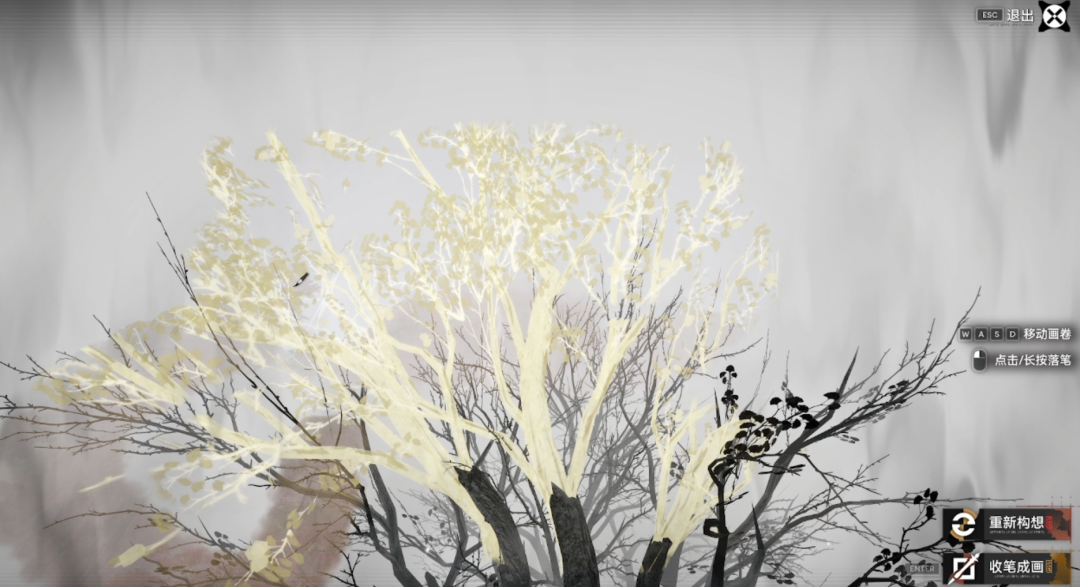
When the Administrator and Si arrived, Xiaohe Village was in decline; with the exception of Village Chief Li, all the villagers were planning to move away. The Administrator used his paintbrush to depict a bountiful harvest, repaired the waterwheel, and breathed new life into the ginkgo tree, which the villagers regarded as a spiritual totem.
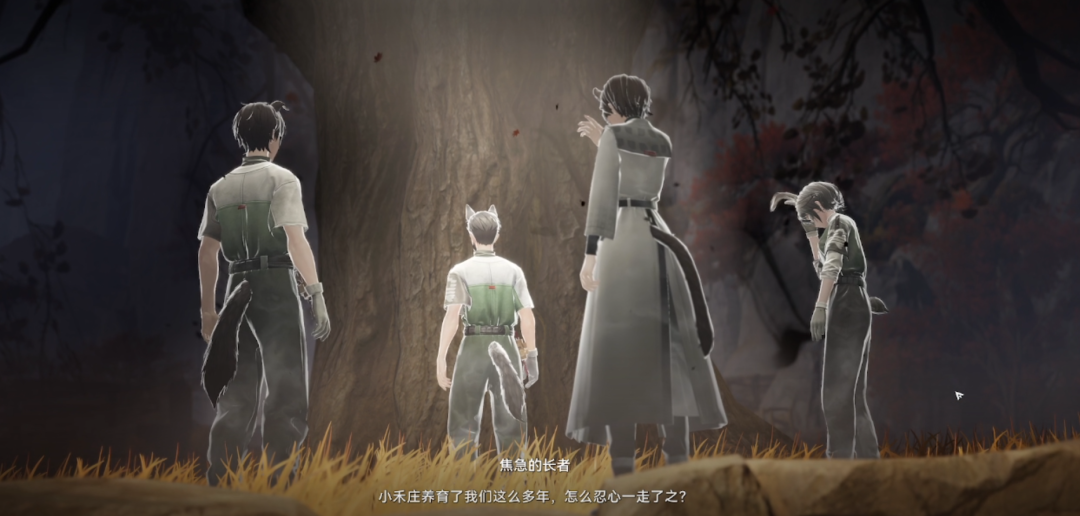
The ink-wash paintings inspired by the power of ritual here serve a narrative function: as the brushstrokes fall, withered objects come back to life, and restoration becomes creation.
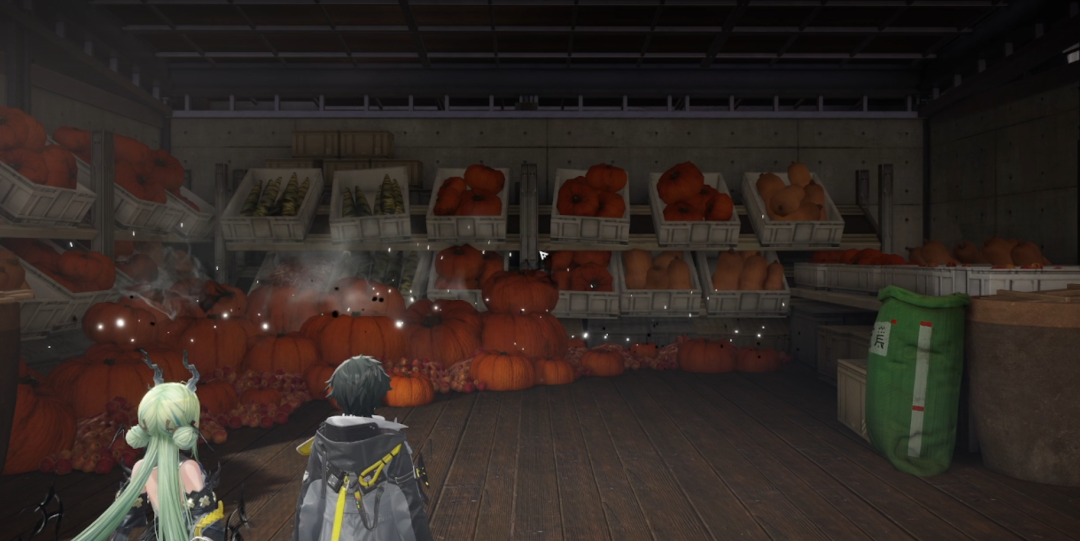
Throughout this process, although the villagers could not see the two village administrators, they came to realize once again that it was they themselves who had first cleared this land and built their homes; that the ginkgo tree was merely a tree, and that the true force sustaining the village to this day comes from the people themselves.
Here, the administrator gained a correction to his first-level understanding: the ginkgo tree essentially serves as a metaphor for the core protocol of integrated industry. However, technological tools are, after all, merely means to an end; it is the spirit of exploration and the will to forge ahead that form the foundation for the continuation of civilization.
It is worth noting Eagle Corner’s reinterpretation of the Peach Blossom Spring motif.In my view, Xiahe Village is a parody of the Peach Blossom Spring described by Tao Yuanming; the latter is a static utopia, cut off from the outside world and self-contained, whereas Xiahe Village is in a state of decline and requires an “outsider” to revitalize it.
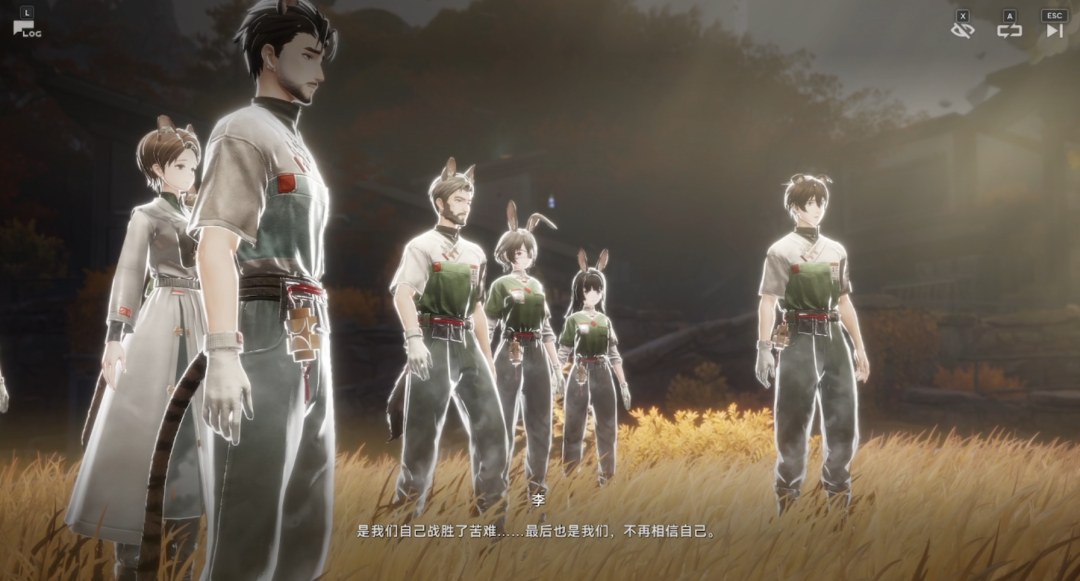
This actually implies a shift in the narrative’s central theme—from withdrawal from the world to engagement with it—inherent to the “Endland” narrative itself, allowing the classical imagery of the Peach Blossom Spring to resonate with the theme of exploration consistently emphasized in “Endland,” as well as with the administrator’s own circumstances.
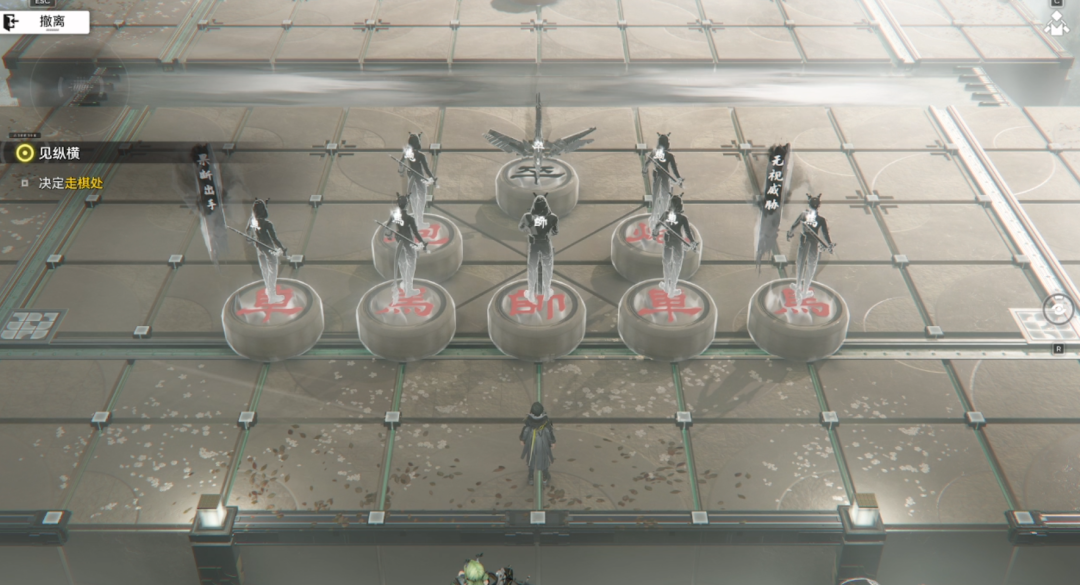
The second level—a Chinese chess endgame—offers an even clearer hint about one’s own situation.
Upon leaving Xiaohe Village, the administrator had to deal with three chess games he had left unfinished in the past.
There’s not much to say about the process of breaking the deadlock, but on a narrative level, these three games served to solidify the administrator’s sense of identity.
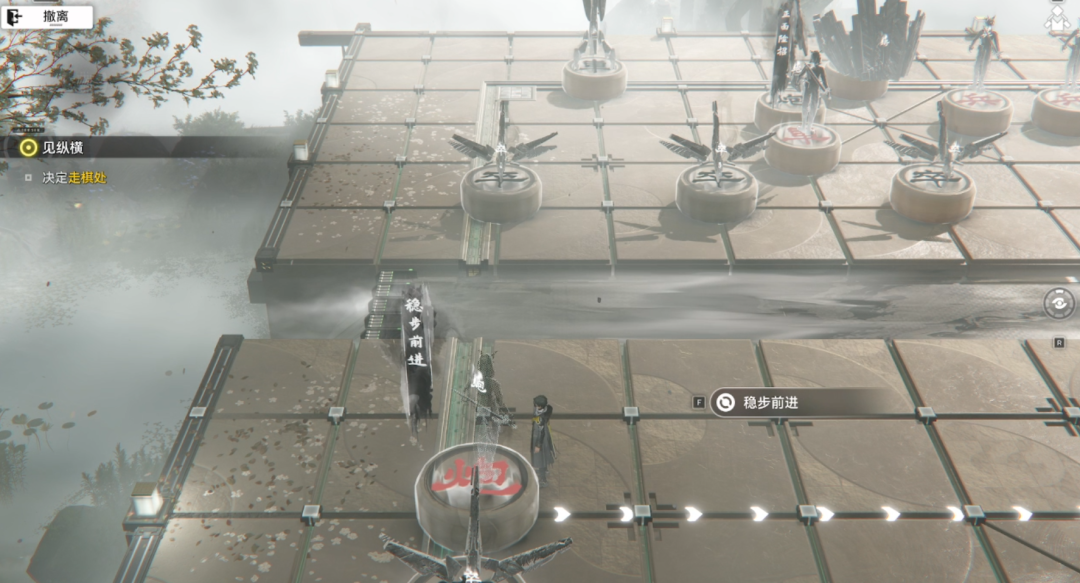
If we were to say that administrators in the past were like chess players—who held the full picture and controlled the game—then administrators who have lost most of their memories after waking up have gone from being players to pawns, trapped within the game with a limited field of vision.
However, the deadlock in the third game made the administrator realize that the position of the pieces also holds unique value. It is precisely because he was in the midst of the game that he could perceive the local realities beyond the players’ reach, inject new variables into the stalemate through his own actions, and—by becoming a piece himself—turn a dead end into a living one and turn defeat into victory.
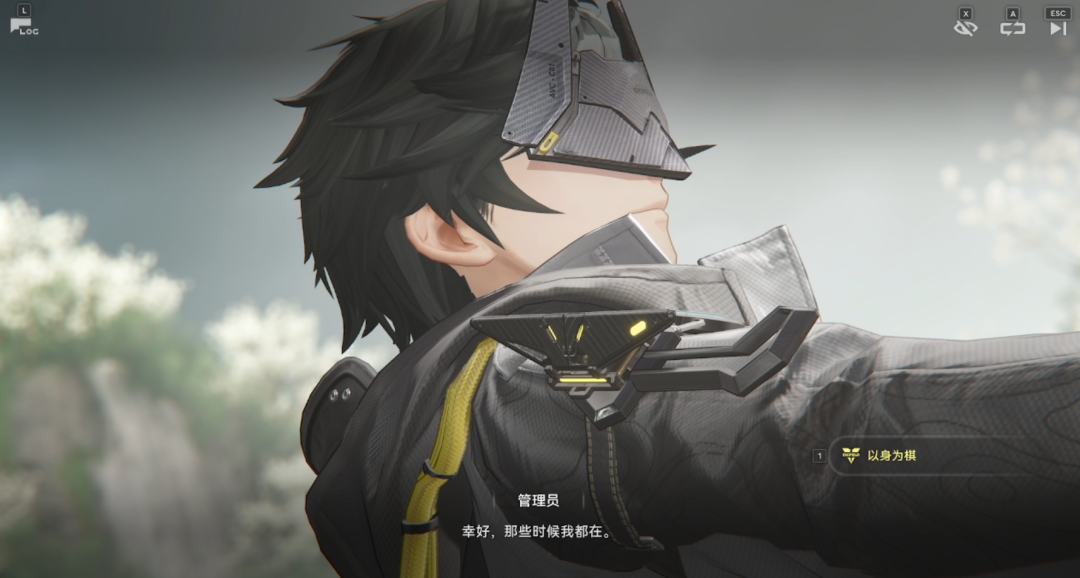
The interactive design, in which players control the administrator as they step onto the game board, also echoes this meaning; the shift in perspective—from observing the game to becoming part of it—is in itself a key part of the experience.
In other words, from the chess player to the chess piece, the Administrator has here confirmed and accepted his current situation—and perhaps indirectly addressed another mystery on the narrative level, such as the reason the Administrator chose to restart the system ten years ago.
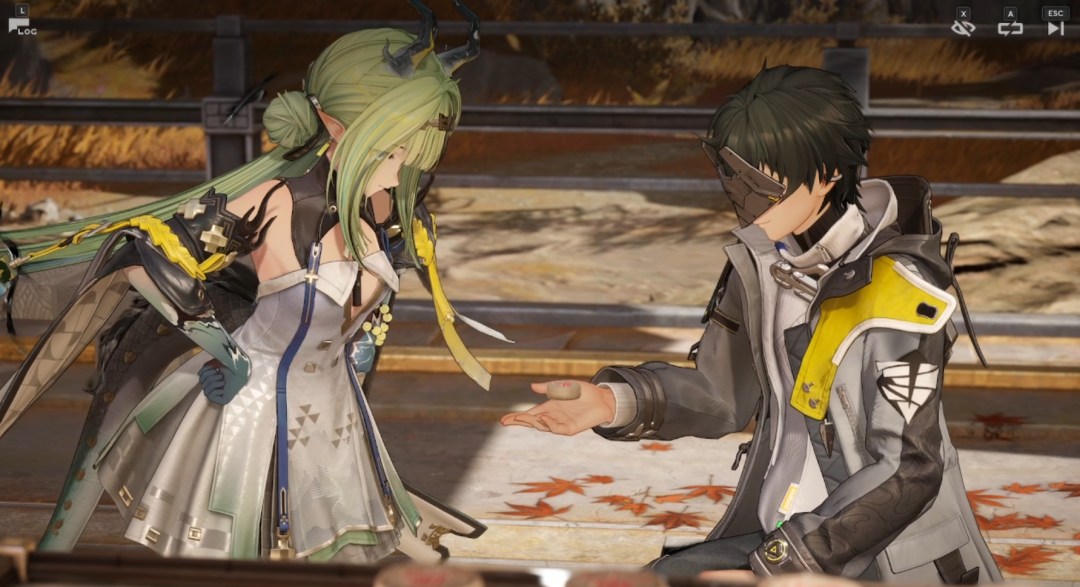
So, when I read the section on Chinese chess, it pretty much clicked for me: the ultimate victory must be the administrator’s final act of clearing away confusion and facing their inner self head-on.
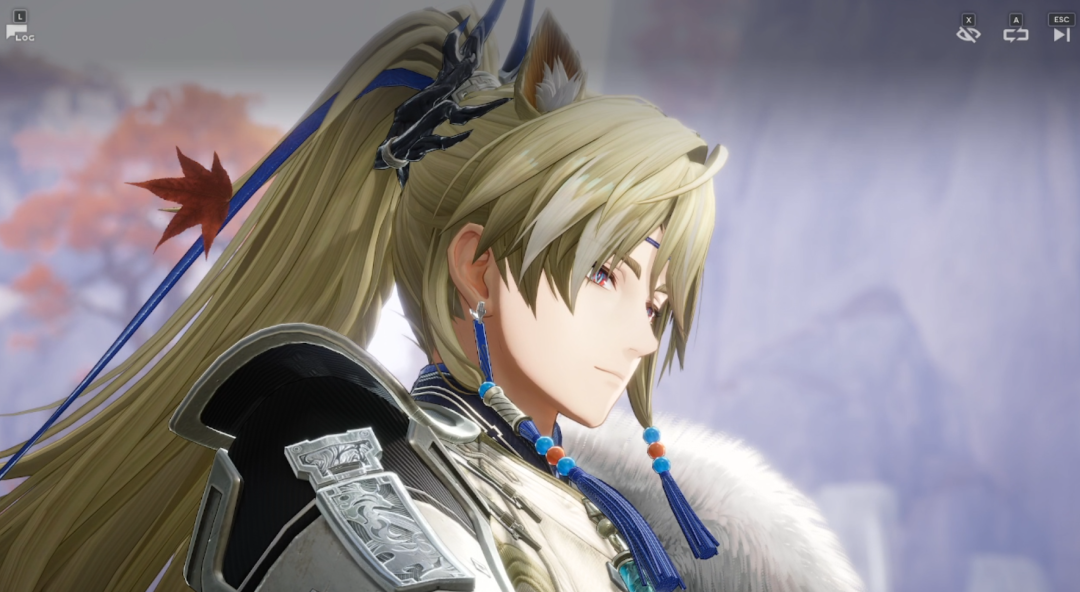
Sure enough, beneath the Di Jiang at the mountaintop, when Night River opened the final gap in the painting for the administrator, the administrator was confronted with the true nature of trans-domain damage: it was more like a wedge driven deep into the mind—a persistent form of mental interference.
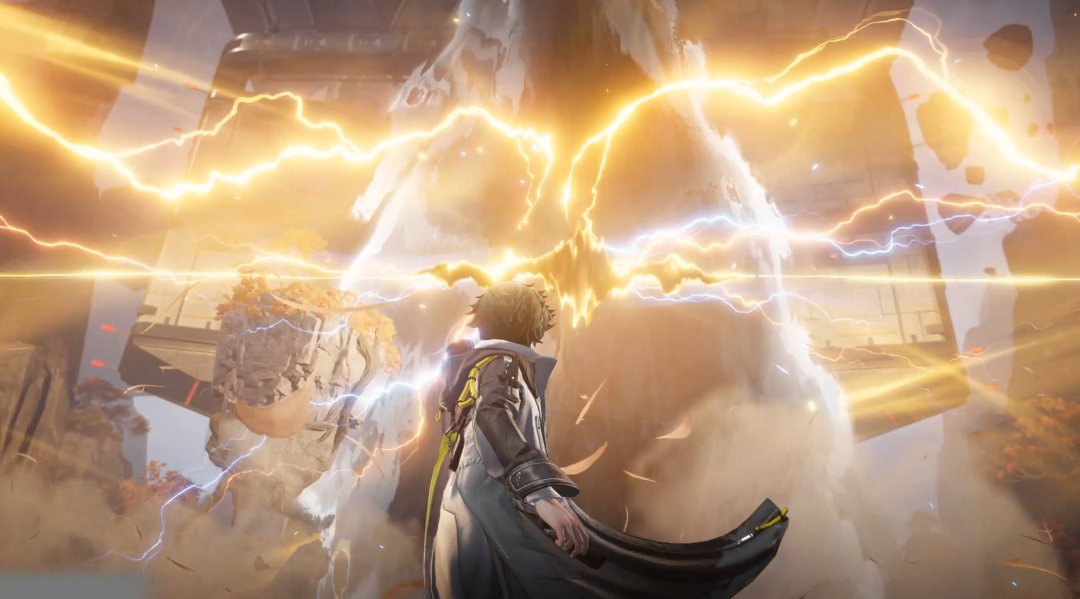
Phantoms of Nefis, Adashir, and even the Administrator himself appeared one after another, launching round after round of questioning—questions directed at the Administrator himself regarding “what he is.”
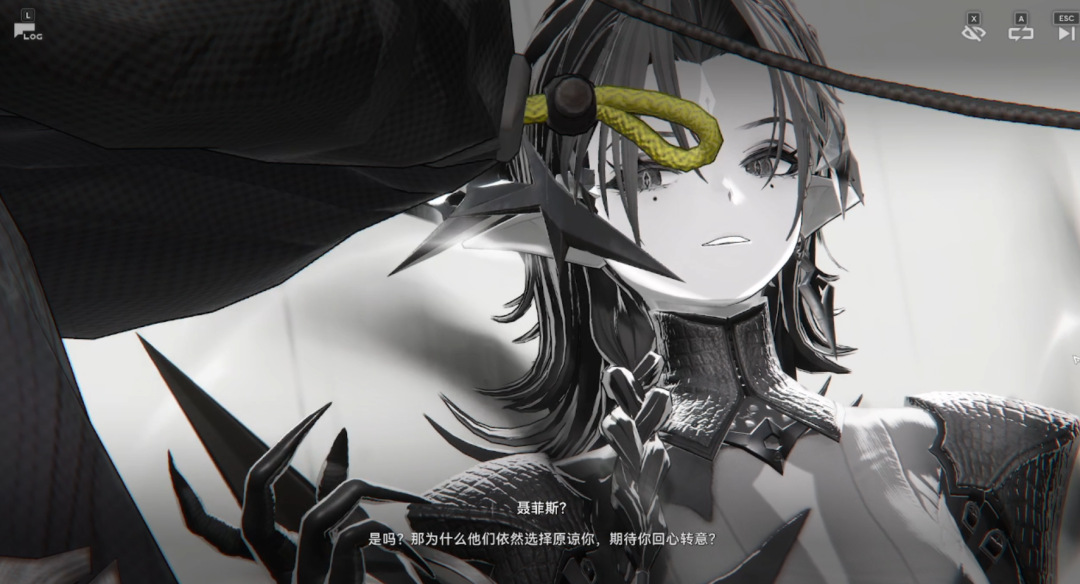
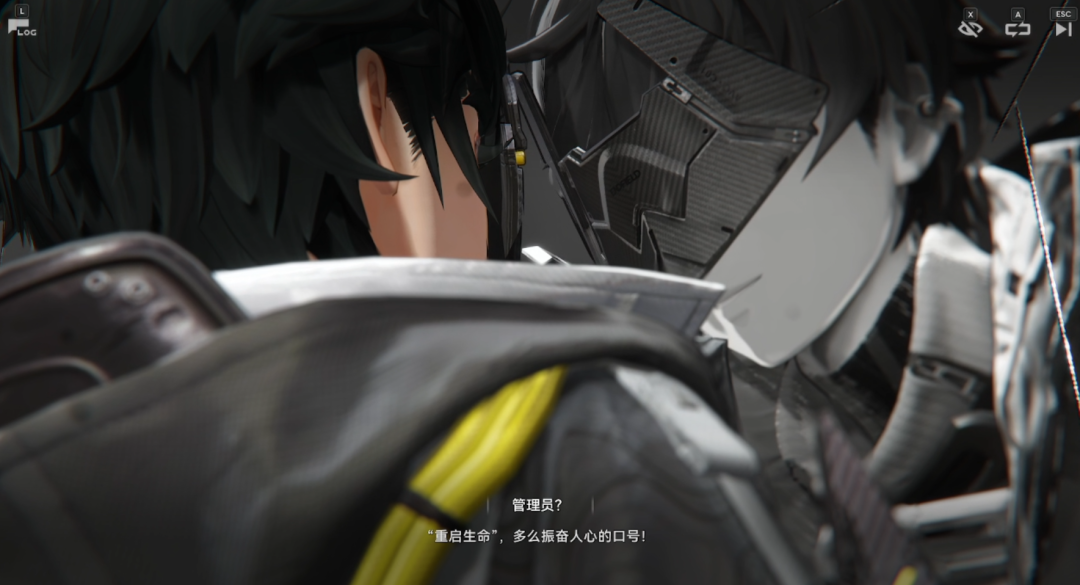
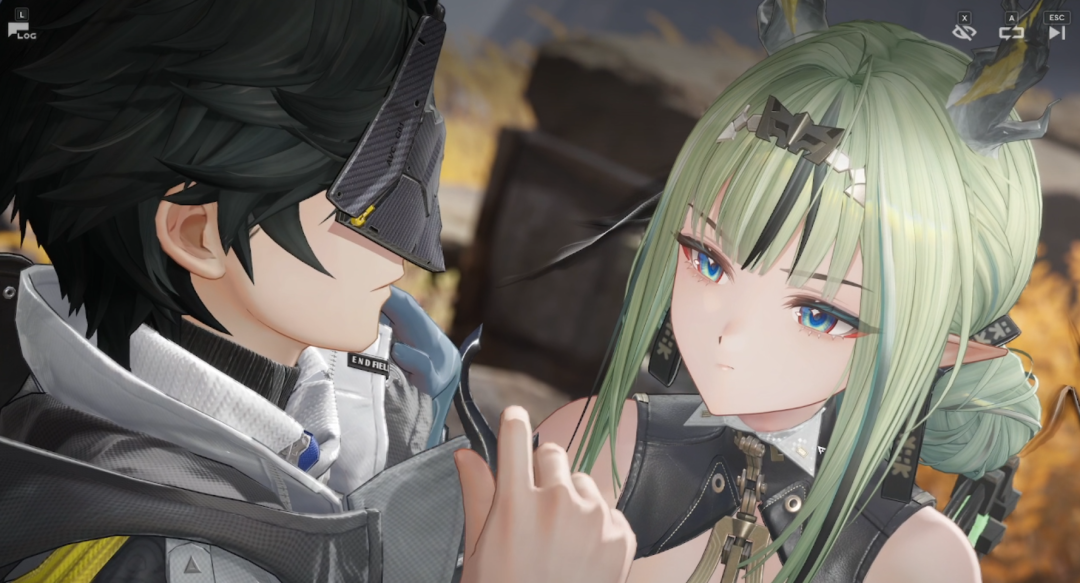
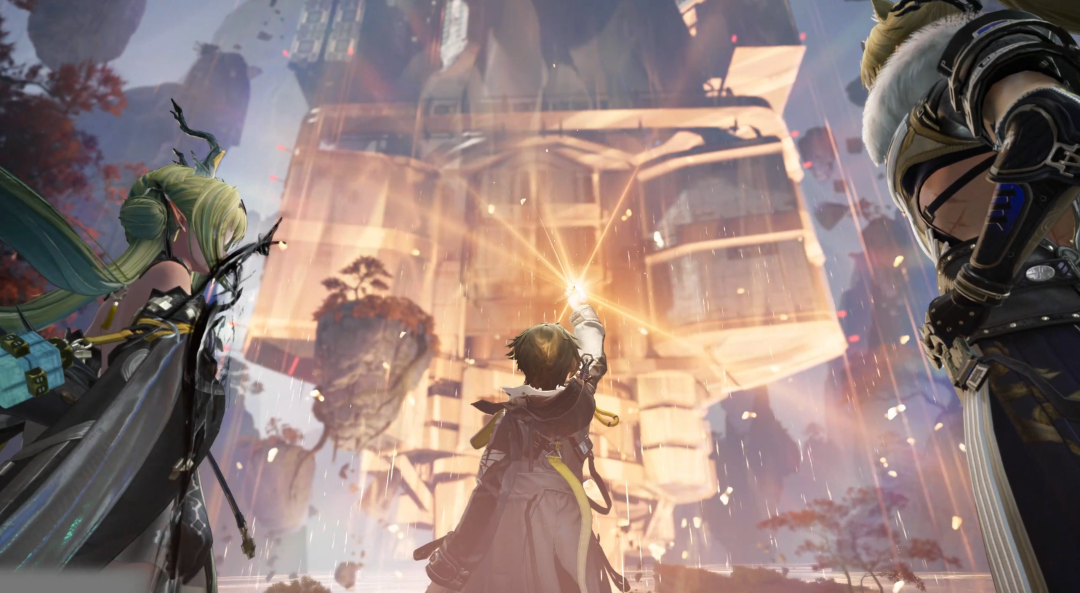
The power that ultimately broke through the barrier came from the companions in Valley No. 4 and Wuling. Their figures appeared at the moment when the Administrator was most wavering, serving as an anchor that dispelled the fog.
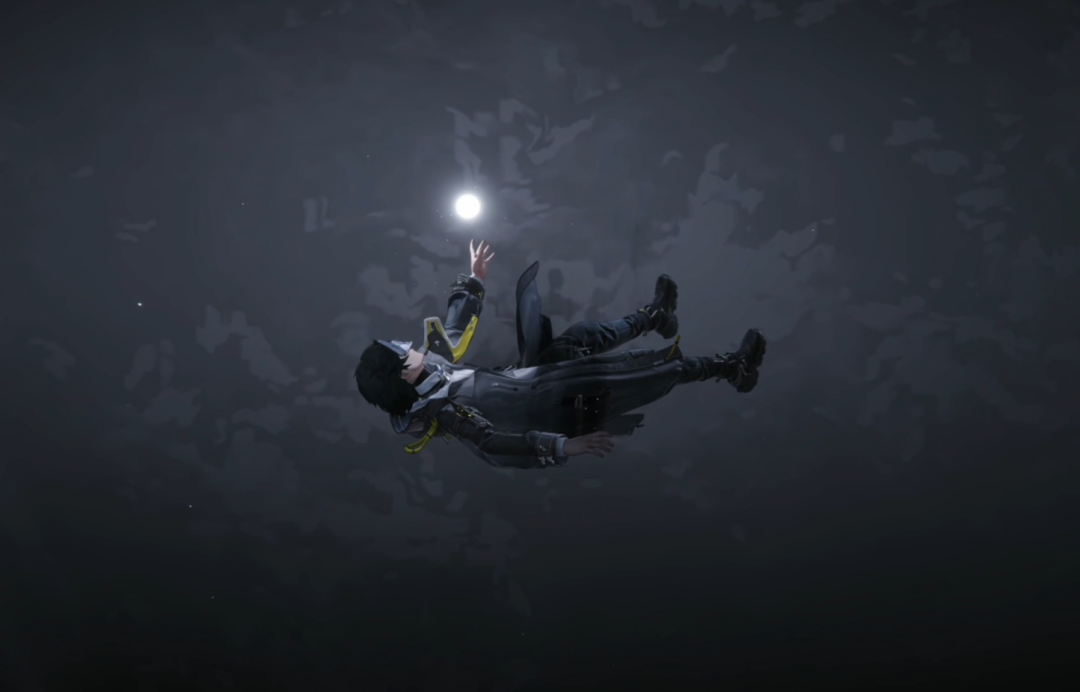

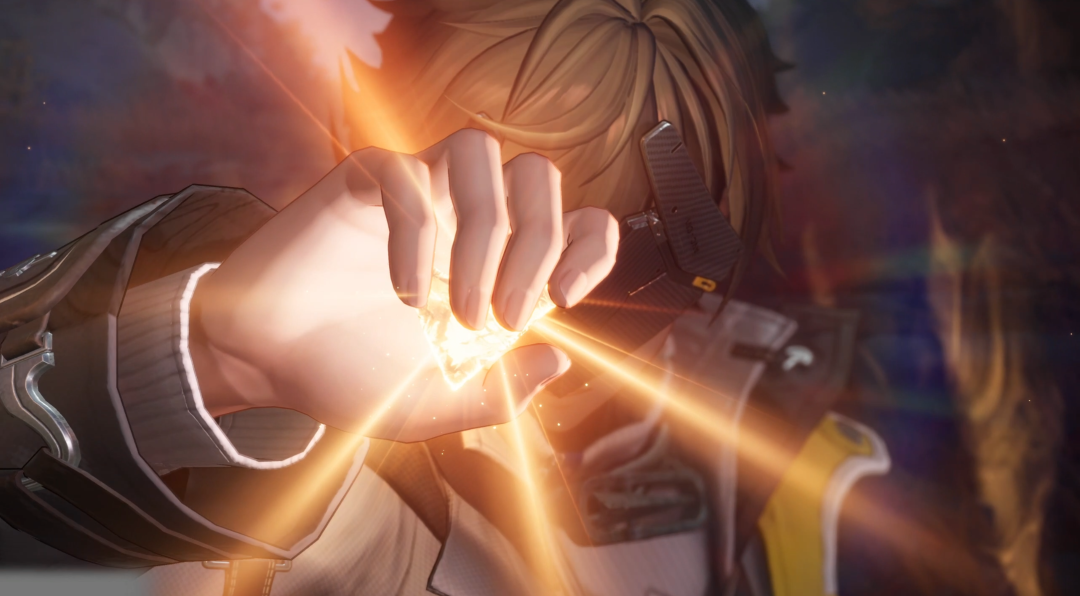
Later on, the administrator encountered his own past will, which had been preserved through the power of sacrifice.
The two versions of himself from different timelines came face to face, and the administrator from the past listened to the entire story of what had happened since he woke up. Together, they arrived at a simple conclusion: his original intention was not merely to save the world, but rather to love—and to “be with everyone.”
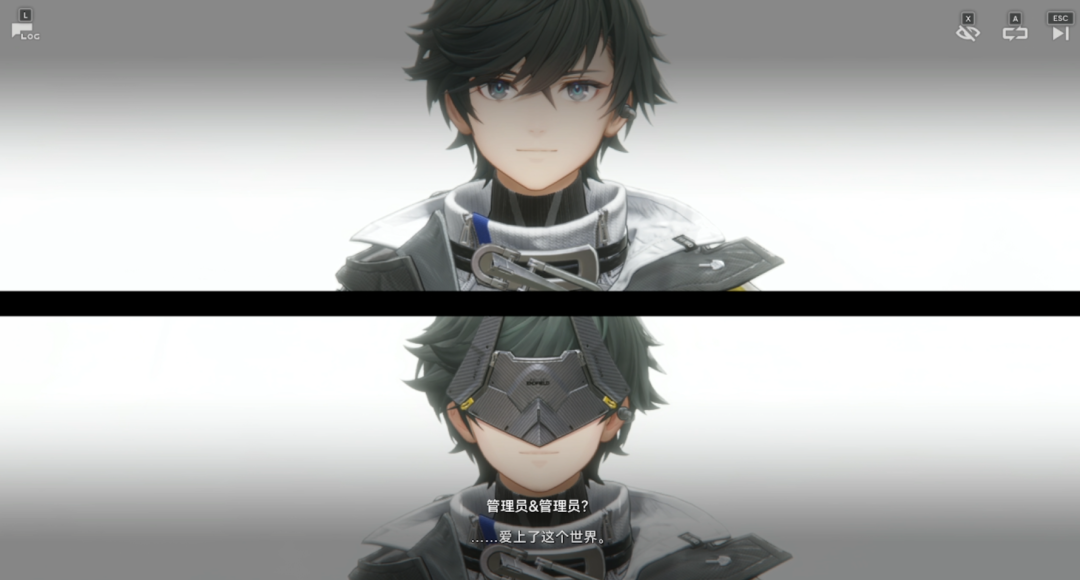
As for the question of identity—“Who am I?”—that has always troubled me, an administrator can be an administrator, or anyone else; it is always one’s actions and choices that define who one is.
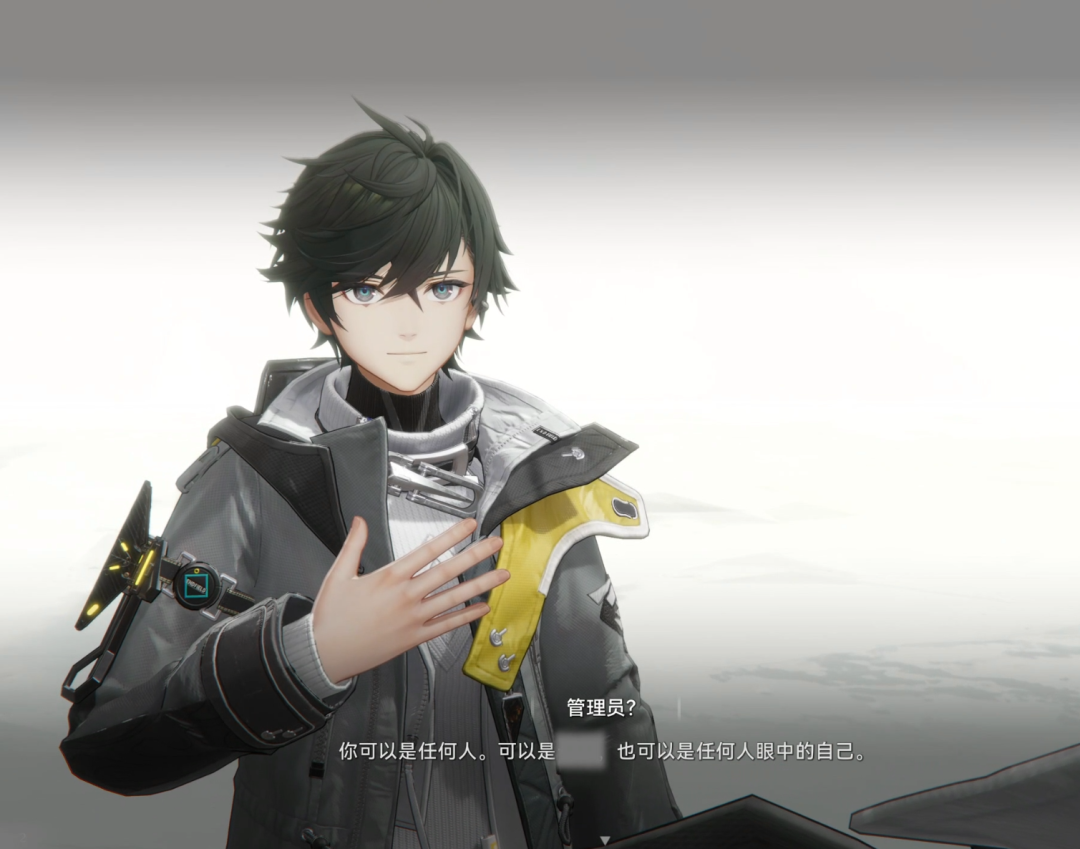
Looking back at the beginning of the story, after the administrator woke up, his memory had been wiped clean; his past identity, past relationships, and past decisions were all unreliable.
Eastern traditions approach the question of “Who am I?” in a way that differs fundamentally from the Western approach. Western philosophy tends to seek a fixed, definable “self” as the cornerstone of all cognition.
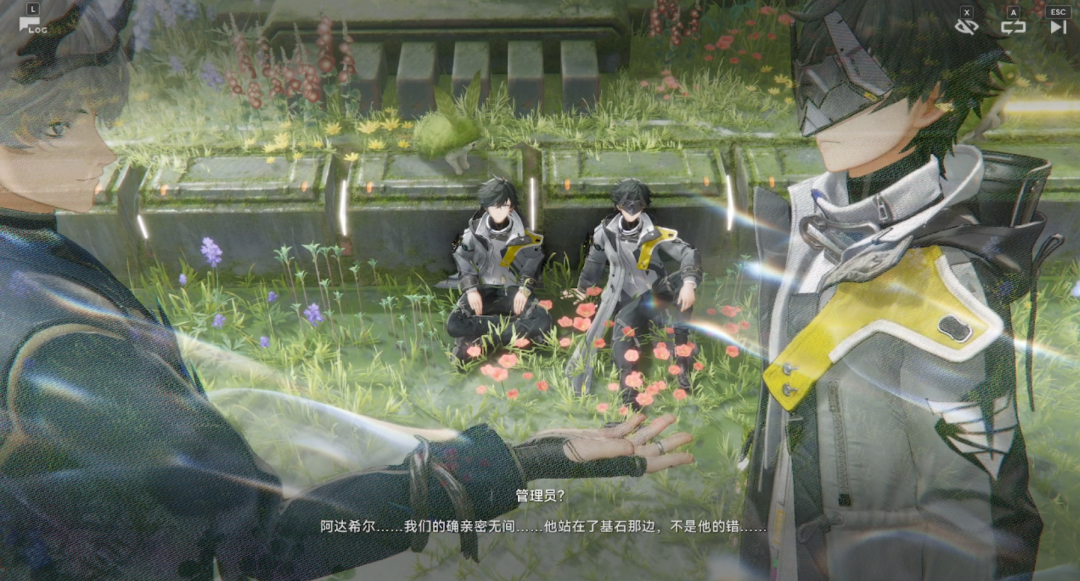
Dude… Dude…
In Chinese philosophy, the self is never an isolated entity; Chinese philosophy holds that clinging to a fixed and unchanging “self” is, in itself, the root of suffering.
The answer that the administrator ultimately confirmed points to relationships and actions: who I am depends on whose side I choose to stand on and on what I do. Identity is defined by behavior, and the self is revealed through connection.
This was an epiphany at Longchang, reflecting one answer to the philosophical question of “Who am I?” posed on Tower Guard II through the perspective of the Endland administrator.
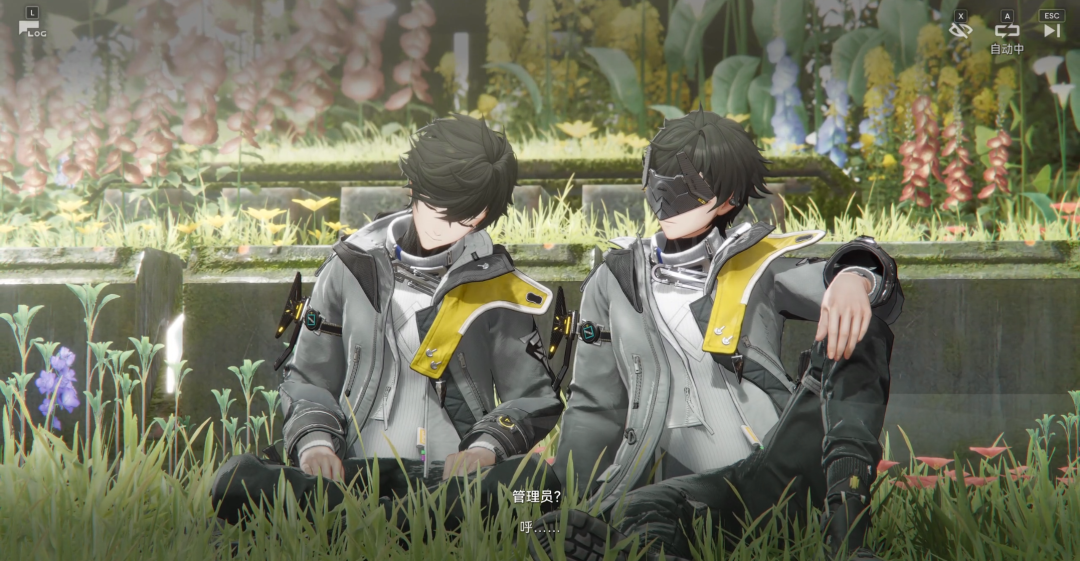
At the same time, it features a narrative centered on the “protagonist’s growth”—a theme I haven’t seen in anime and manga in a long time. Especially now that amnesia plots are all the rage and protagonist characterization has become one-dimensional and formulaic, this represents a rare and clearly defined character arc.
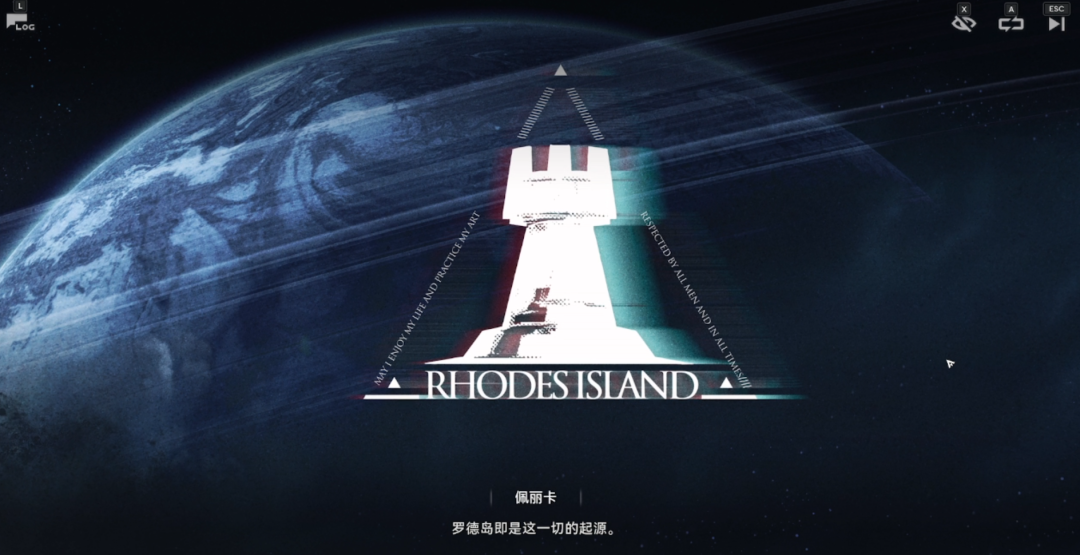
The narrative in the “Danqing Du” version made me realize that perhaps my recent travels through Valley 4 and Wuling were merely the prologue to the story of the Endlands—just the tip of the iceberg of what’s to come. In the future, we’ll see even more factions make their debut, such as Rhodes Island and Keystone…It is only now that the “cold start” of the Endlands has officially been completed.
In other words, Yingjiao’s 3D title *Arknights: The End of the World* has only just begun its journey.
02
The Beginning of the Endlands
From a product perspective, the significance of a single version must be understood within a broader context.
Since its launch, *End of the World* has faced a central challenge: how to translate Eagle角’s accumulated narrative expertise into a cohesive experience within a 3D game.
In other words, it’s about creating a sense of “realism.” Eagle Corner has a unique ability to make players believe that behind the UI and HUD lies another “present moment” that is unfolding.
Arknights’ storytelling primarily relies on a rich imaginative world crafted through a combination of extensive text, music, and level design. The narrative offers diverse perspectives and ample scope, allowing for the use of tens of thousands of characters to build the cultural fabric of a region or world.
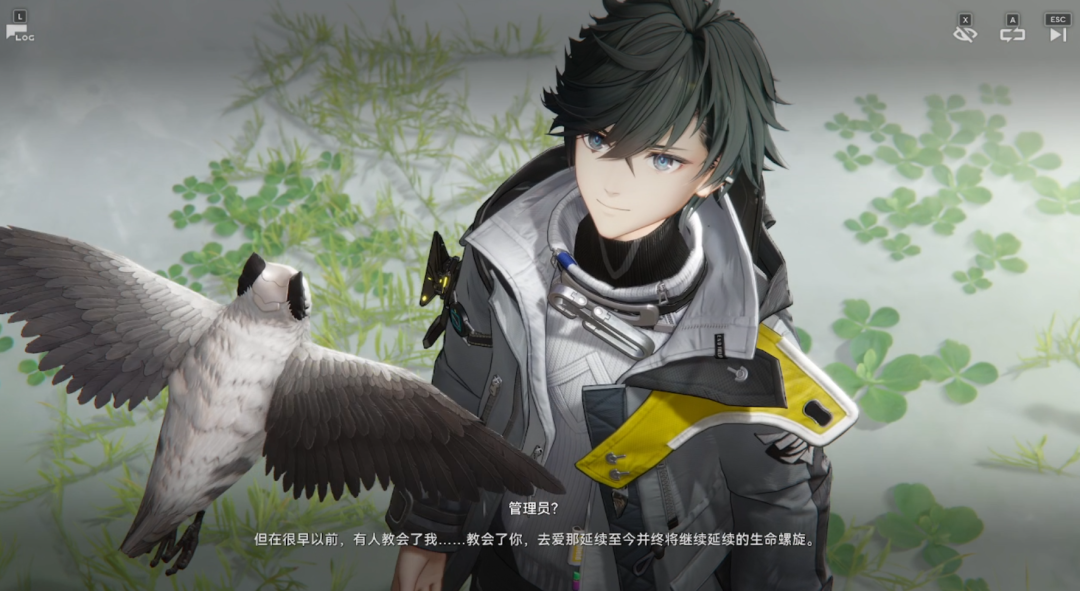
The medium for 3D products is entirely different; cultural information must be embedded throughout the entire production chain—including scenes, interactions, animations, lighting, and audio—which actually limits the duration of a single narrative.
In an interview at this year’s Gamescom, Wei@W, Art Director of *Arknights: The End of the World*, also mentioned that during the project’s development, they realized that the narrative scope of cinematic storytelling in AAA games is far narrower than that of 2D “electronic novel”-style games, and that current production capacity for scenes and characters is insufficient to support the kind of world-building seen in *Arknights*.
To be frank, this isn’t just a challenge facing Eagle角; it’s a dilemma shared by the entire indie gaming industry amid the shift toward 3D. For games that prioritize concepts and storytelling, 2D text and character art are naturally well-suited for conveying large amounts of information, but the cultural expression in 3D games cannot simply replicate the logic of 2D.
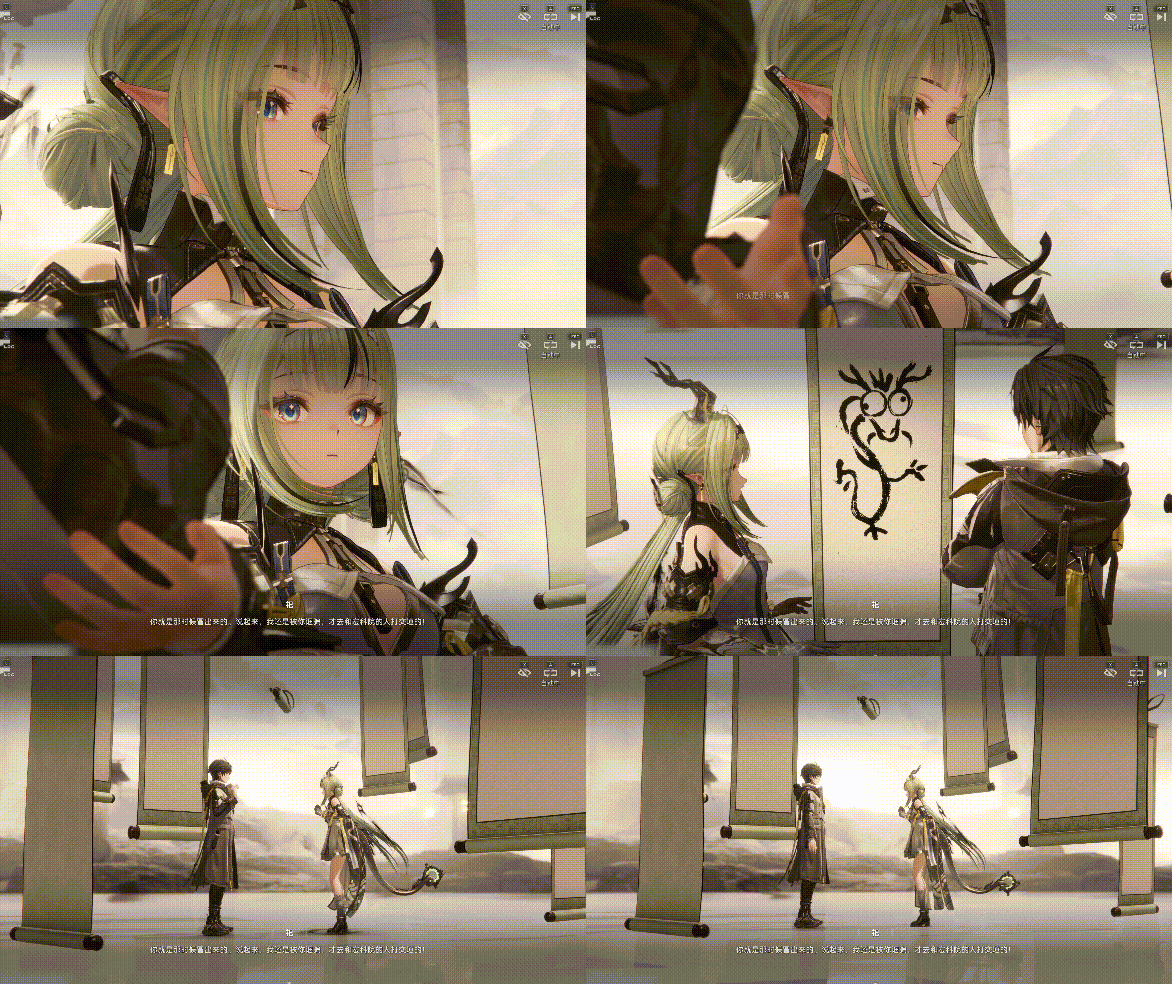
Because 3D products are, by their very nature, a medium driven by real-time interaction, players’ attention is divided among countless touchpoints—such as exploring the environment, combat maneuvers, and system interactions—and lengthy text in this context is not only ineffective but can even be counterproductive to immersion.
As a result, two approaches have emerged within the industry: one involves condensing the narrative into fragmented environmental storytelling, hiding text, letters, and voice logs within the game world, and using exploration to drive information discovery; the other involves increasing investment in production, using high-quality CG and cutscenes to amplify key narrative moments and ensure that emotional peaks are effectively conveyed.
Both approaches have their merits, but each also has its limitations. The former tends to make narrative an optional element, with the intensity of cultural expression diluted by the frequency of exploration; the latter, on the other hand, tends to turn the game into a cinematic experience, making it difficult to integrate interaction and narrative, with a lack of cohesion between the two.
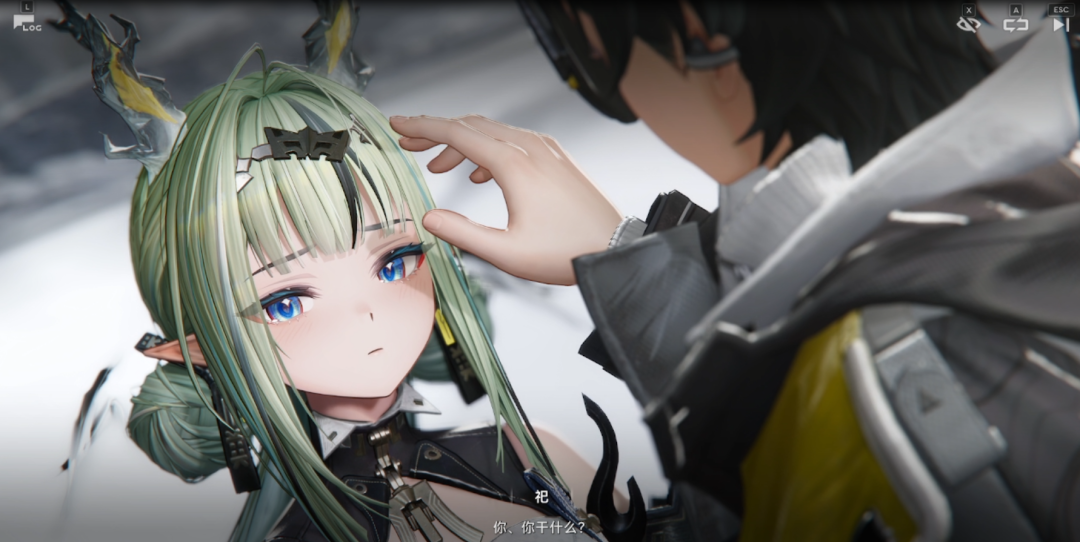
Based on the overall performance of this version of *The Endlands*, I believe Eagle角 has found a strategy for balancing interaction and storytelling in its 3D games.
In this ink-wash painting game, the interactive elements correspond to narrative actions of restoration and creation. Players use their brushes to revive ginkgo trees and set waterwheels in motion again; these interactions drive the narrative forward while conveying the theme that “people can rebuild the world through their own will.”
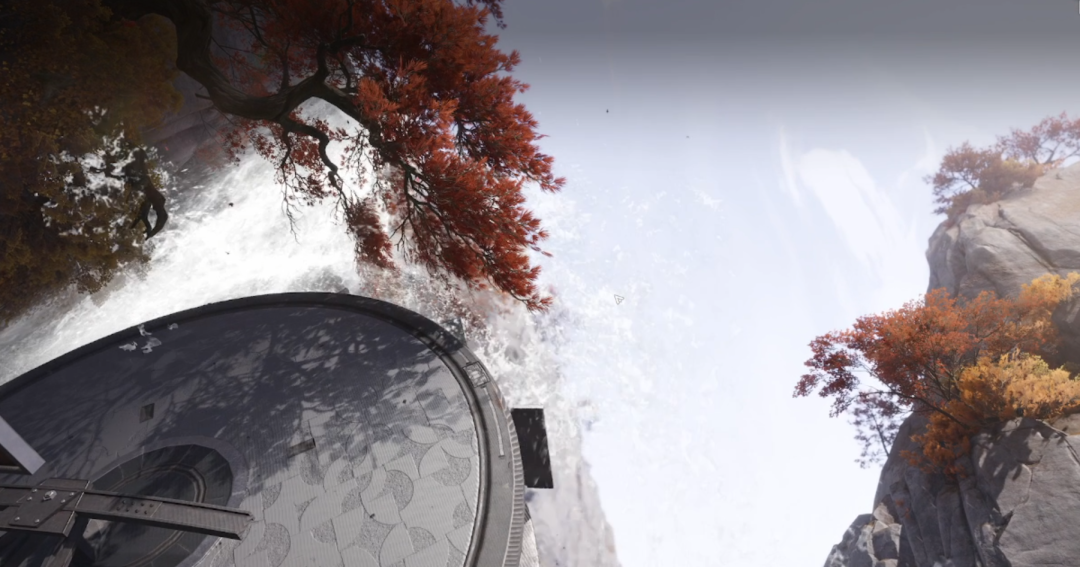
The interactive experience of stepping into the game board transforms the abstract concept of “joining the game” into a spatial experience. In each level, what the player does mirrors what the administrator is experiencing, blending gameplay mechanics with the narrative.
Furthermore, during the ascent—the process of paving the way with a paintbrush—the various interactions, from technical implementation to artistic presentation, were by no means effortless. Their purpose was to ensure that this narrative, in which the administrator heals their inner world and strengthens their resolve, achieved a depth of experience that only the medium of gaming can provide.
Whether climbing mountains, painting, or playing chess, as players engage in these interactions, they are also personally experiencing the administrator’s philosophical journey. Every action players take within the painted world serves not only as gameplay but also as a means of advancing the narrative and as a cultural experience; gameplay, story, and culture are fully integrated into a single form of expression.
From this perspective, the “Danqing Du” version represents a key milestone in Yingjiao’s transition to 3D. When game mechanics themselves become a vehicle for cultural expression, the expressive power of the 3D medium is fully unleashed—delivering an extraordinary sense of cultural immersion and narrative engagement to players.
This is the unique, three-in-one fusion of interaction, narrative, and culture that defines *The Endland*—and it is likely the distinctive approach that Eagle角 has developed for itself in the realm of 3D gaming.
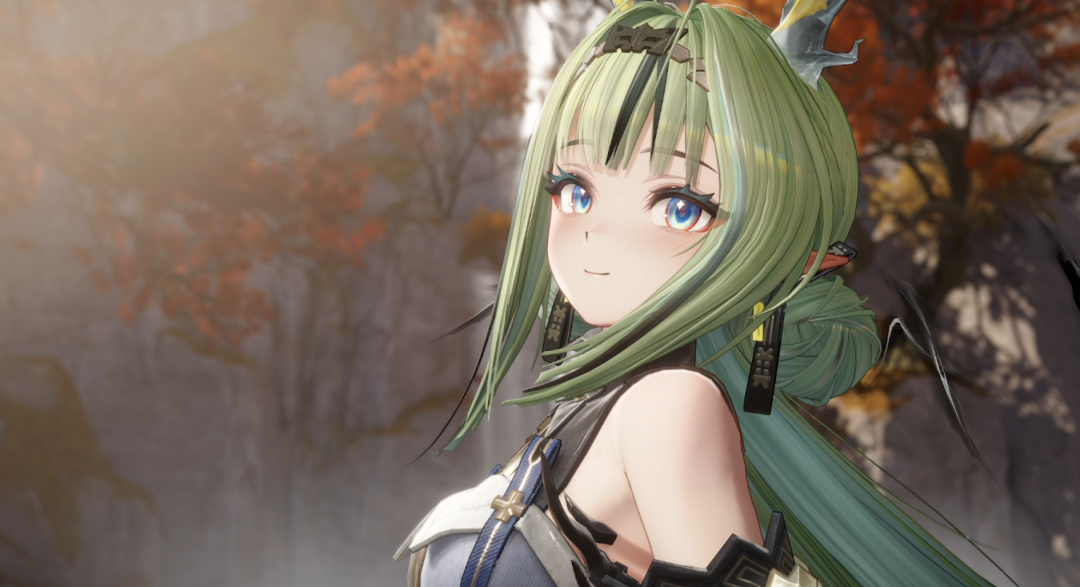
Furthermore, the production scheduling in this version has also been taken to the next level.

In the “Climax: See Me” sequence, the pacing of the storyboard—where the administrator converses with his past self—the visual treatment when his companions appear, and the shifts in light and shadow within the depicted world at the narrative climax all combine to create the most emotionally intense cutscene in *The End* to date.

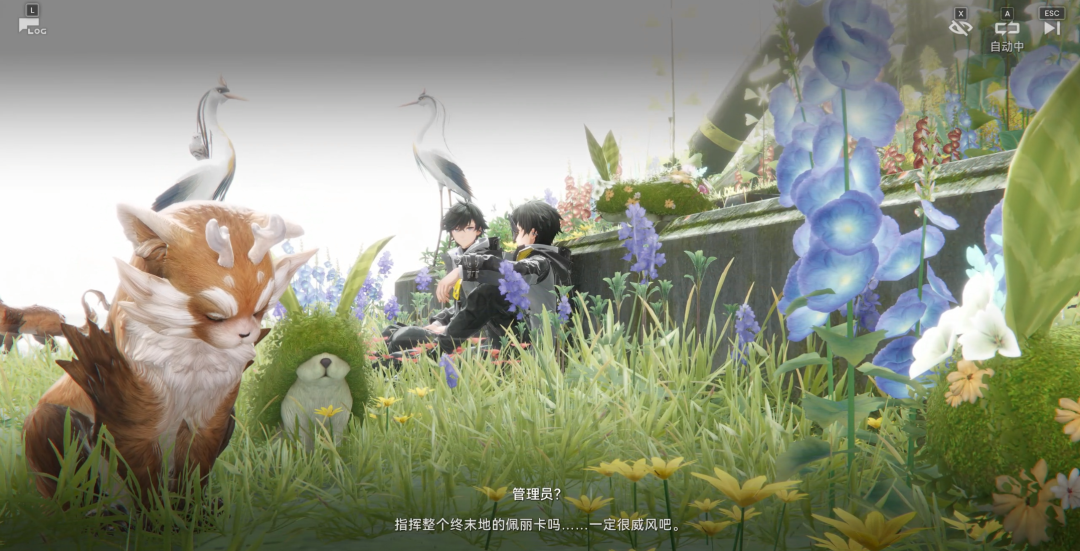
From its early days, when performances primarily served to convey information, the project has evolved through iterations to the point where it can now create emotions and shape cultural atmospheres on this scale. The team’s collaborative growth in storyboarding, animation, and audio coordination is also clearly evident.
So, at this point, you might understand why I say the “Danqing Du” version has the potential to be a major hit in the Endlands.
Because it accomplishes three things at once.
First, it achieves a complete integration of gameplay, culture, and world-building within a single version, providing a preliminary answer to the question of what the End should ultimately look like—namely, creating a cohesive experience.
Second, it brings to a close the first complete character arc for the Administrator since his awakening.The Administrator’s quest to discover his true identity and his resulting confusion have been laid out since the very first version and have remained unresolved until now. Now, the Administrator has reaffirmed his original purpose, accepted the fluidity of his identity, and reconciled with his past self. On a narrative level, the protagonist has gained a stable foothold, and the challenges he faces moving forward will shift from confusion to confronting difficult choices head-on.
While completing the character development for this version, the game also strengthened the protagonist’s characterization. This achievement clearly goes beyond the conventional strategy for anime-style products, which typically focuses on developing core commercial characters as the main content of each version.
Third, it marks the official completion of the “cold start” for the Endlands.Following the conclusion of the Wuling arc, a deeper worldview is emerging. The introduction of factions such as Rhodes Island in subsequent updates, further revelations about the Cornerstone’s truth, and increased intersections between the Endlands and the Ark’s original lore all signal that the Endlands are about to enter a phase with greater narrative depth and a broader expansion of its world-building.
From proof of concept to pipeline refinement and content iteration, Zhongmudi spent more than half a year making a significant leap forward. I believe the “Danqingdu” version marks the turning point where Zhongmudi moved from its initial phase into its growth phase.
Conclusion
Of course, you might ask, “Is the End now completely problem-free?”
Maybe it’s not that bad—for example, there’s still no way to craft skill materials (grrr).

However, what you can clearly sense is that the progress—or rather, the changes—from one version to the next have been very noticeable. The issues that plagued the game when it first launched have now been reduced to less than one-tenth of what they were, and the game now runs so smoothly that it’s practically a completely different game.

Ultimately, for any product with a long-term vision, the most crucial factor will always be whether players are willing to believe that the future will be better.
The journey that begins after the starting point is what’s truly exciting.

原创文章,作者:游茶妹儿,禁止转载:https://youxichaguan.com/en/archives/212530