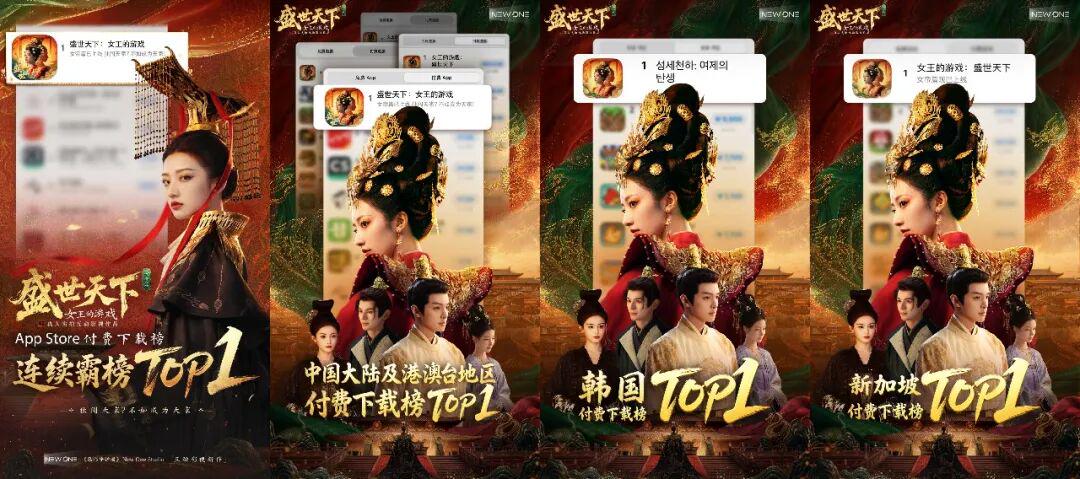
The “Empress” chapter of *Prosperous World*, which has finally been released, topped the paid charts on the App Store in multiple countries on the very first day of its launch.
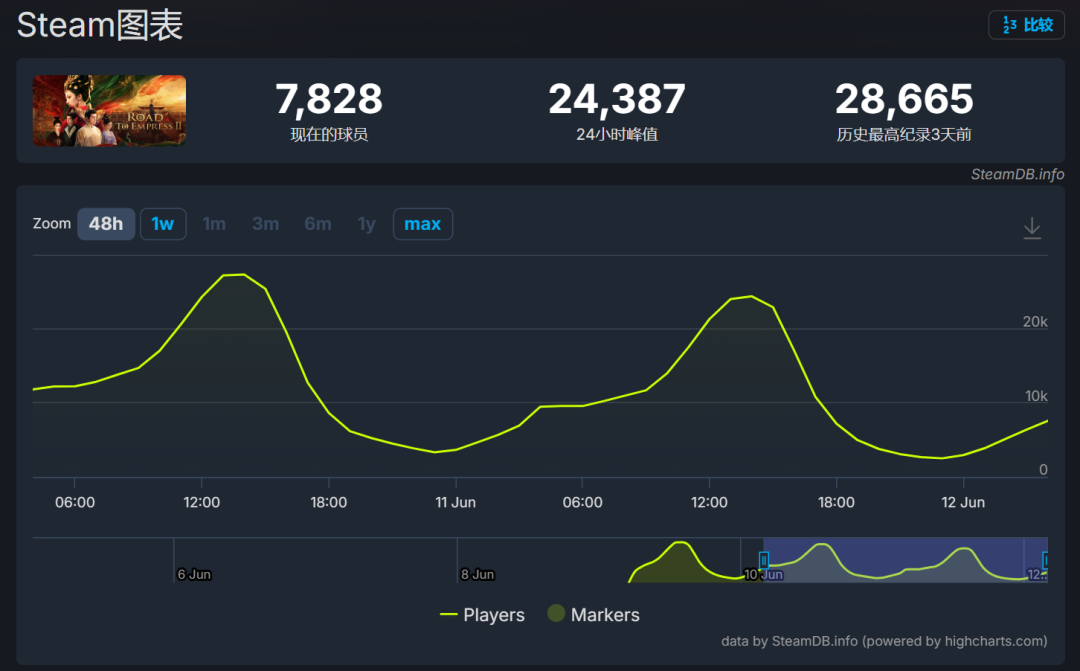
The game has also achieved remarkable success on PC. According to Steam data, within 24 hours of its launch, the peak number of concurrent players reached 28,000, and the game topped the sales charts in the Chinese region and ranked among the top three best-sellers globally.
This work was created by New One Studio. This team is no stranger to the industry; their previous work, *The Invisible Guardian*, pioneered the interactive film and television genre in China.
On September 9 of last year, they released the “Meiniang” chapter of *Prosperous Realm*. Within 12 days of its launch, sales across all platforms exceeded one million, sparking a wave of online discussion. Popular memes such as “It’s truly like opening a longan” and “An endless supply of osmanthus pudding” went viral on social media.
This anticipation carried over to the “Empress” chapter of *A Golden Age*. On May 22, as soon as the release date for the “Empress” chapter of *A Golden Age* was announced, some people could no longer focus on work—their minds were completely consumed by the thought of the June 9 coronation.

On June 9, following the release of the “Empress” chapter of *A Prosperous World*, the viral memes kept coming.In the ever-dangerous court life, where survival is a constant struggle, on one side is the ever-menacing Osmanthus Pudding, and on the other is the Empress’s poisoned incense burner. A coworker, while playing the game, joked to me that just talking to the Empress could kill you a hundred times—“The well is full of my corpses.”



Last year, when the “Meiniang” chapter of *The Golden Age* was released, Teahouse noted that it marked a new beginning for interactive film and television productions. Now, what new developments will the “Empress” chapter of *The Golden Age* bring? Over the past year, interactive film and television productions have seen a wider variety of themes, more complex gameplay mechanics, and even the impact of AI technology.
01
What Moved Me About *A Golden Age*
To this day, I still can’t forget the deep emotion that *A Golden Age* first stirred in me.
I first played *Shengshi Tianxia* last summer. At the New One Studio office, I got an early look at the “Meiniang” chapter, which hadn’t been released yet at the time. It wasn’t the final version—the story would often get stuck due to unfixed bugs—but that didn’t stop me from being moved by it.
What moved me the most was the plotline involving the “overthrow of the Crown Prince.” The Crown Prince’s younger brothers used Chengxin to bring him down.
In this cold and ruthless power struggle for the throne, the Crown Prince is one of the few who still harbors genuine emotions. He cherishes the bond between brothers; though he is fully aware of his younger brother’s treachery, he still chooses emotion over power.
As for Chengxin, though he appeared to be nothing more than a pawn, deep down he harbored the old bitterness of having lost his family and the obsession with revenge. The moment he avenged his great wrong, he felt both triumph and despair; in the end, clutching the strings of the zither they had shared, he played his final melody and died by the lakeside, surrounded by weeping willows.
The most moving aspect of *The Golden Age* is its ensemble cast. Every character caught in the vortex of power has their own complexities and vulnerabilities. This portrayal continues from the Mei Niang arc into the Empress arc.During our struggle with Liu Xi, if we chose to disguise ourselves as ghosts to scare her, she would strike the moment we drew near, saying, “I live neither as a human nor as a ghost—half human, half ghost—and I’ve never feared ghosts.” This woman, who had opposed us at every turn since entering the palace, also carried her own share of heartache.

At the end of the “Meiniang” arc, I couldn’t understand Princess Gao Yang’s hatred—almost every subplot in the story that attempted to explain it fell flat. She knew full well how powerless we were, so why did she harbor such hatred toward us? In the “Empress” arc, I found the answer: that hatred was her reason for living.She would humiliate us in public, yet lend a helping hand in times of crisis. Love and hate are equally complex.
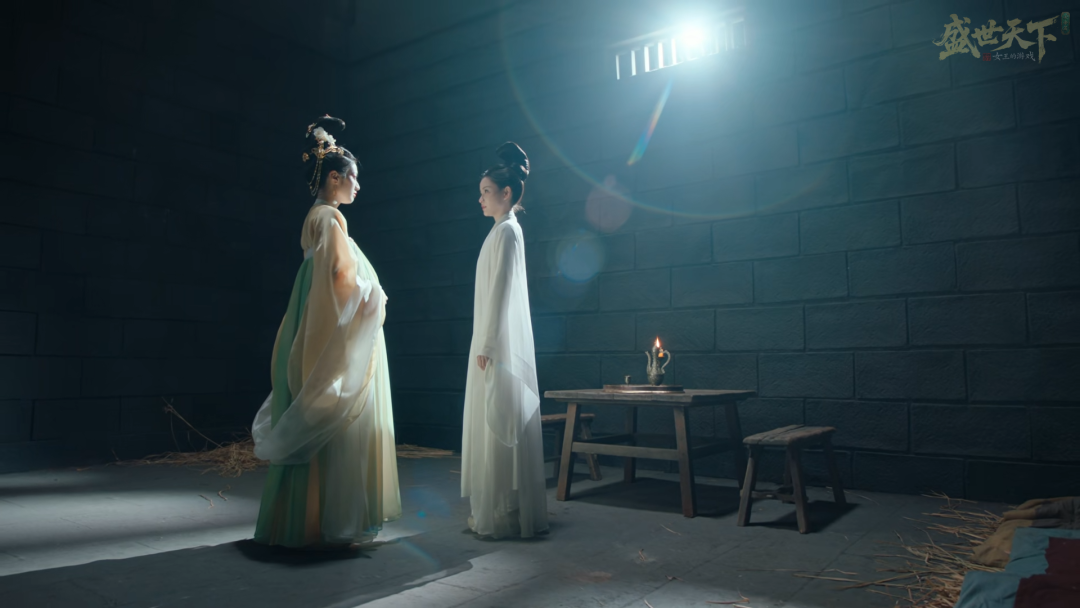
As Gao Yang’s story came to a close, this relationship—a tangled web of love and hate—touched the hearts of countless players. A post on Xiaohongshu discussing the plot received over 5,000 likes, and one user summed up her feelings in a single sentence: “I just hate you—it doesn’t mean I don’t love you.” Those six words encapsulated her entire life.

At that point in time—last September—this also became the reason for the success of *Shengshi Tianxia*: it managed to differentiate itself in two distinct areas simultaneously.
On one hand, there were period dramas. For viewers who loved period dramas, it had become very difficult by then to find a single production worth watching. On the TV and film production line, actors from a handful of hit shows were churning out one story after another in identical settings and with similar plotlines—stories that followed nothing but the hit formula, yet lacked any emotional depth.
On the other hand, there were interactive films and TV shows. At that time, live-action interactive productions were primarily dating simulation games; they featured little in the way of story or emotional depth, and some even bordered on being merely suggestive.
Caught between these two extremes, *The Golden Age* stands out as a rare exception. It took more than two years from the project’s official launch to the release of the Mei Niang arc. Filmed in 4K, featuring meticulously researched costumes, makeup, and set design, and based on a script spanning hundreds of thousands of characters—all of this is practically counter to market trends in an industry that prioritizes “low-cost, quick returns.”
02
A year later, the market had changed, and *Shengshi Tianxia* had changed as well.
The “Empress” arc of *The Golden Age* achieved similar success, but the reason wasn’t just the portrayal of its ensemble cast.
It’s worth noting those Steam figures. The “Empress” chapter reached a peak of 28,000 concurrent players within the first 24 hours of its release, while the “Meiniang” chapter held the peak record for a full nine months at 17,000. The new chapter, released a year later, immediately raised the “Meiniang” chapter’s historical record by a significant margin.
Behind this lies a logic that’s easy to overlook: the “Meiniang” arc’s 84.8% approval rating and sustained long-tail online presence essentially built up a user base for the “Empress” arc in advance.New players feel confident purchasing the game because word-of-mouth serves as a seal of approval; veteran players are willing to return—they don’t need to be convinced from scratch, just a gentle “reminder.” While many hit games rely on advertising, a significant portion of the “Empress Arc’s” 28,000 concurrent users were retained specifically for it by the “Meiniang Arc.”
The “Empress” storyline offers a more exhilarating experience. Even though the path to becoming empress is fraught with danger at every turn, and even though it’s filled with choices that test humanity and emotions, the very outcome of becoming empress is enough to ignite anticipation in many players from the very beginning—just as they were counting down the days on their fingers even before the game launched.
For most of the “Empress” arc, our battlefield shifts from the imperial harem to the imperial court, where the struggles become even more gripping. Through the character choices, the plot repeatedly emphasizes the same point: the emperor’s favor is never a guarantee of instant success. To ascend to that position, one must survive in the harem and build a power base within both the imperial court and the harem.
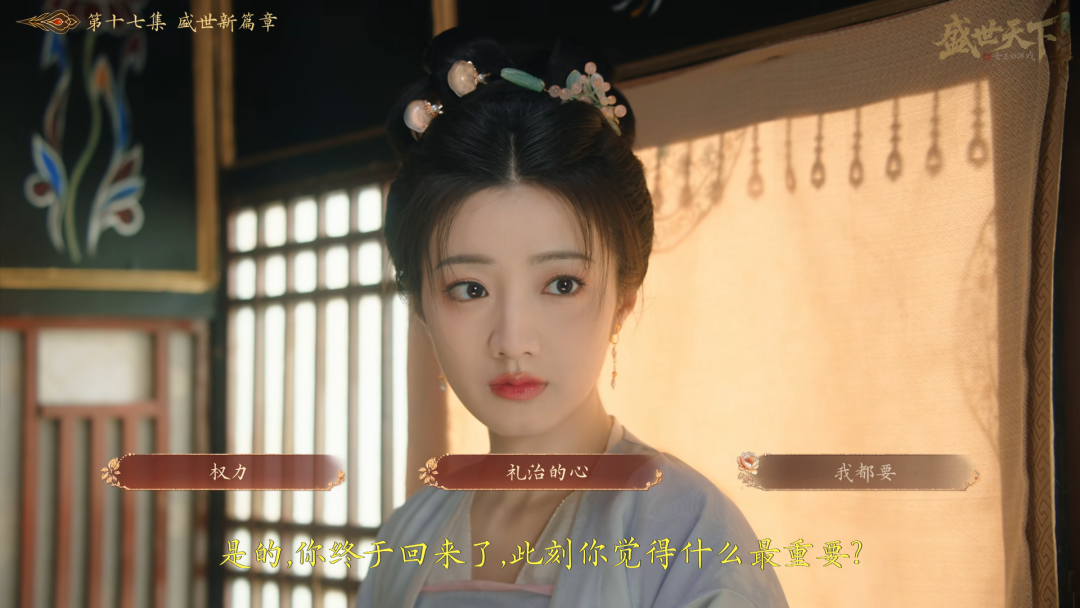
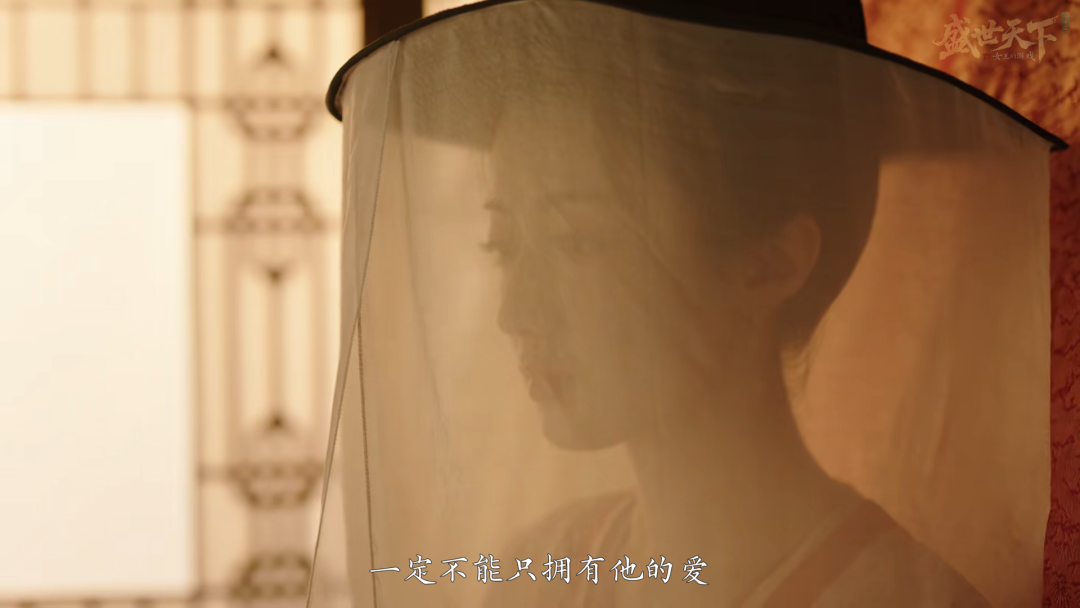
This design offers more than just enhanced content—it elevates the entire experience. Whether weighing pros and cons, reviewing memorials, or choosing a faction to align with, I always find myself pausing and agonizing over each choice. Even when I know a certain option might lead to a bad ending, I still struggle to make the right decision.
Beyond the compelling ensemble narrative, the “Empress” arc reads more like a story of female self-discovery—filled with warmth, betrayal, and rivalry, it is a far more brutal struggle. This struggle sometimes comes from external sources, but more often stems from within.
After Li Zhi’s death, as we governed the realm as Empress Dowager, we faced not only resistance both within and outside the imperial court, but also a long period of inner turmoil, repeatedly asking ourselves, “As women, why must we be confined behind a beaded curtain?”
This period of self-reflection also became a key plot point that moved players later on. The process of repeatedly questioning herself allowed players to feel a stronger sense of immersion. The Empress’s path—one that defies societal norms—and the constant tug-of-war between her emotions and her interests seemed to leap off the screen and unfold right before the players’ eyes.
“If the world tries to stop me by enforcing the rules of right and wrong, I’ll simply make the one choice my heart truly desires,” the script reads. They remarked with emotion, “The Empress couldn’t hold her position without that kind of resilience.”
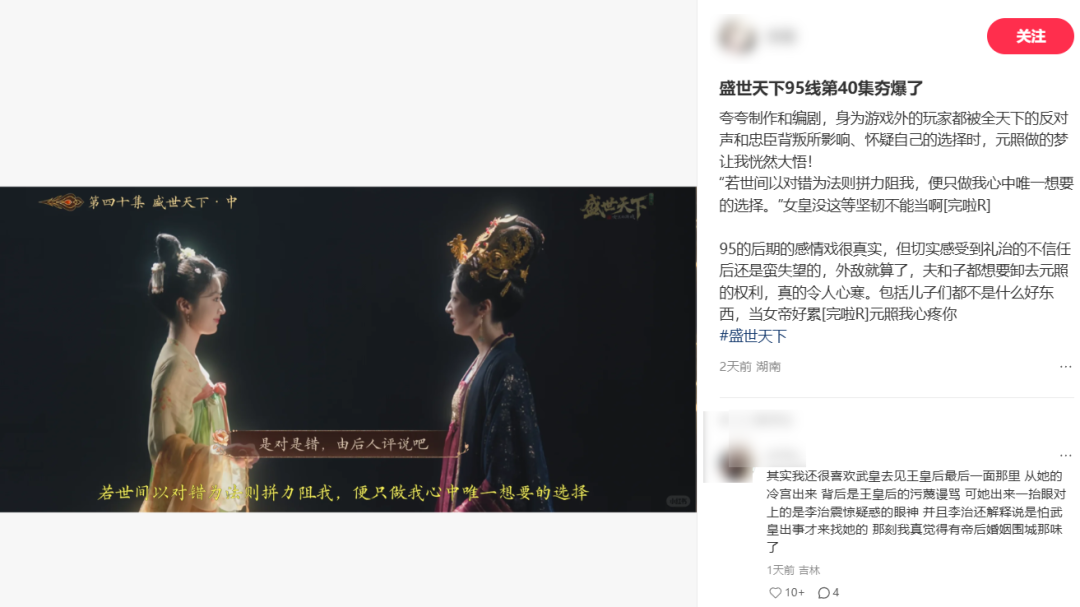
Off-screen, this entanglement of emotions and interests happens to strike a chord with many players today.In an era where “inability to love” is a frequent topic of discussion, complex, authentic, and moving emotions are highly valued; yet, the highly compressed pace of modern life also leaves people craving a sense of utter catharsis—reason and emotion create a fascinating resonance here. The “Empress Arc” of *Prosperous Realm* delivers both.
The ability to precisely tap into human nature and consistently move audiences is why *The Golden Age* became a smash hit starting with the “Meiniang” arc.The “Meiniang” arc reached 1 million copies sold across all platforms in just 12 days, with an 84.8% approval rating; the “Empress” arc’s continuation of this exploration of human nature is what has sparked such extensive discussion.
Another equally important reason is that it didn’t stand still, but instead made genuine improvements based on market feedback.
Following the “Meiniang” arc of *The Golden Age*, the interactive film and television market has accelerated its evolution.Themes have become more diverse, production quality has improved, and AI technology has begun to make its way into this genre. At the same time, leading film and television companies have entered the market with major IPs and more substantial budgets, and interactive film and television productions are now being discussed within the broader framework of IP development, talent management, and film and television project planning.
The “Empress” chapter of *Prosperous World* also represents this direction of evolution. Compared to the “Meiniang” chapter, the “Empress” chapter introduces more gameplay features: player objectives, factional alignments, and mini-games following the player’s ascension to the throne—including issuing imperial edicts and resolving disputes among ministers—allowing players to experience the daily life of an emperor more authentically.This exploration of gameplay depth beyond the traditional narrative framework signals *Prosperous Realm*’s proactive move into the emerging market of interactive film and television productions.
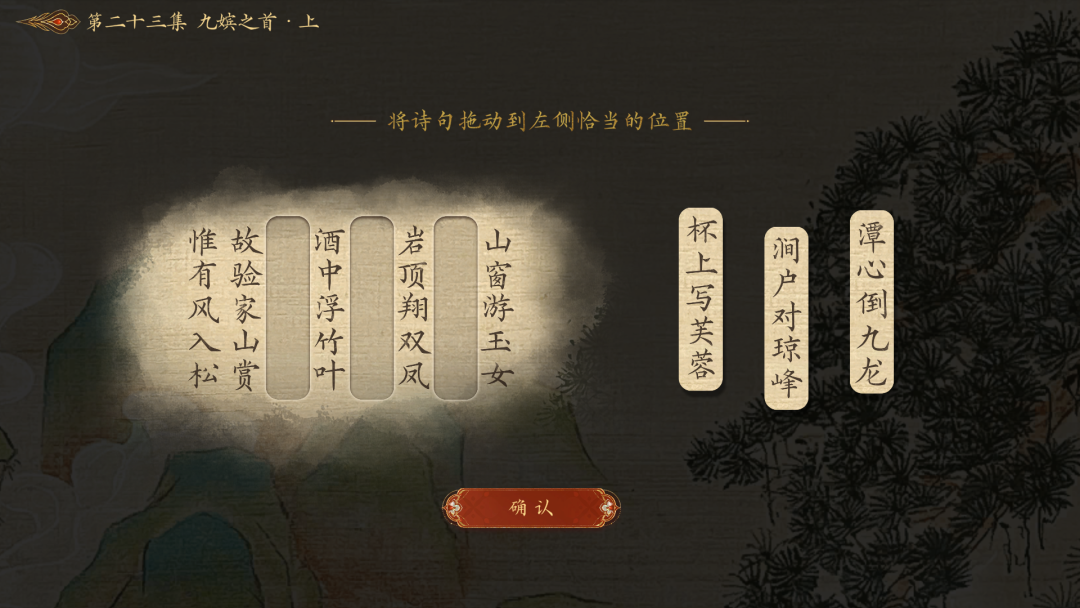
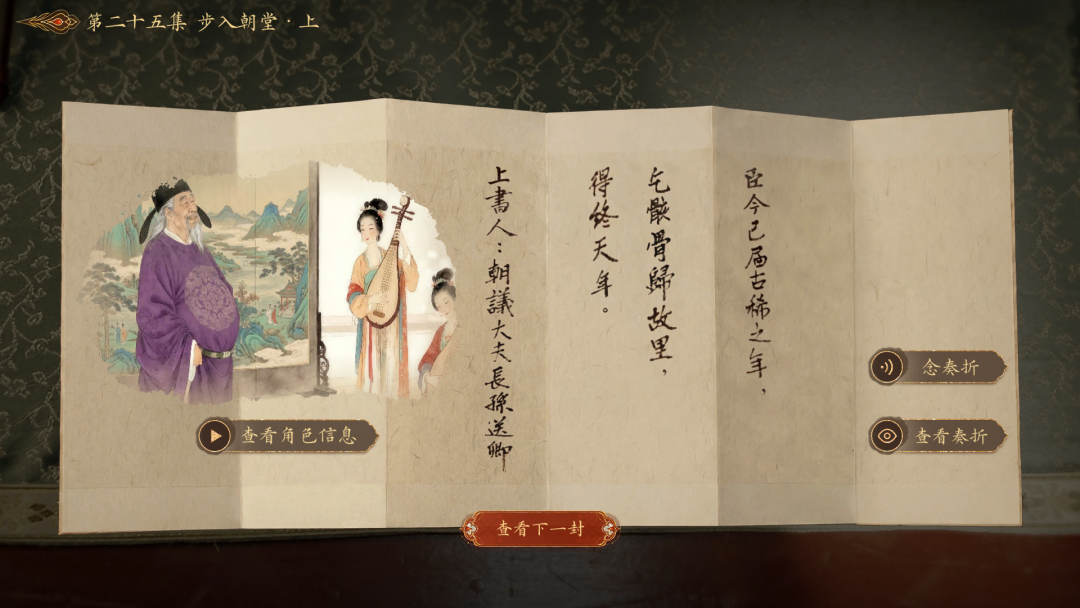
The “Meiniang” chapter of *Prosperous Realm* opened up new possibilities for the interactive film and television market, while the release of the “Empress” chapter brought the series to a close.“Emotion” is never about earth-shattering events, but rather about seeing oneself reflected in this ordinary story. This resonance, rooted in the content itself, has allowed *The Golden Age* to leave a unique mark on the entire interactive film and television genre.
原创文章,作者:gallonwang,禁止转载:https://youxichaguan.com/en/archives/206826