I went to see a friend not long ago, and she told me that Chengdu is getting its own “Only” (IGO) for solo travelers.
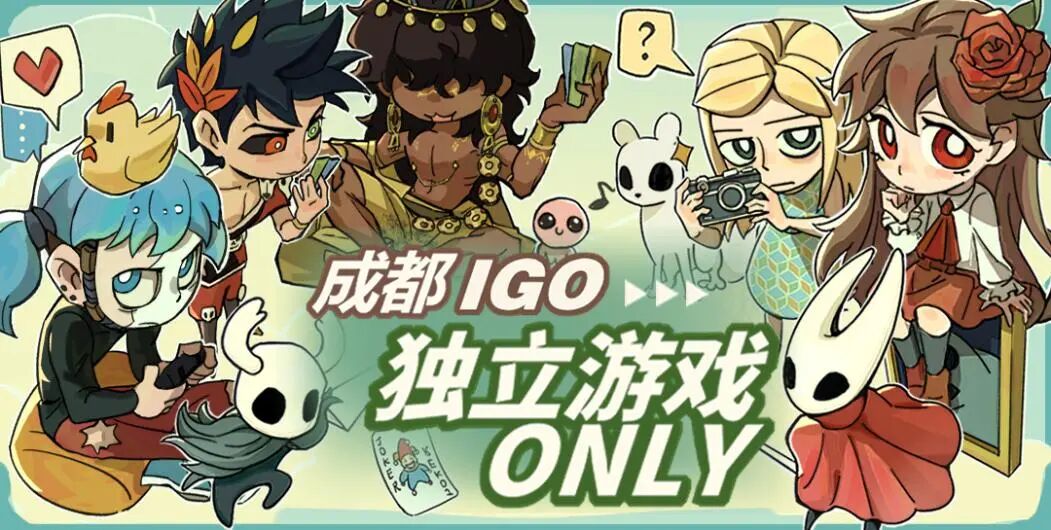
I went back and looked up the news, saw the official images, and my soul as a lone traveler was deeply moved! Deep down, I sensed that this might be the closest I’ve ever come to “someone like me.”
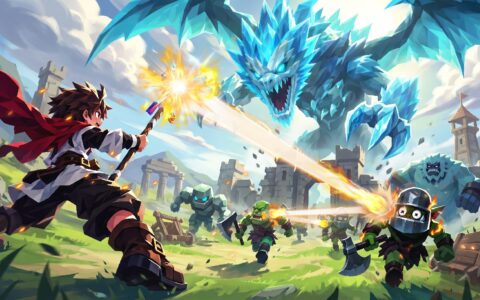
“Indie games” is a rather nuanced category.It typically refers to games developed independently by individuals or small teams, free from the control of major game companies or investors, with developers usually retaining full control over content, style, and gameplay. As a result, indie games are incredibly diverse in number and style, and those that break into the mainstream or earn long-term acclaim often possess a unique character. Different styles naturally attract different audiences.
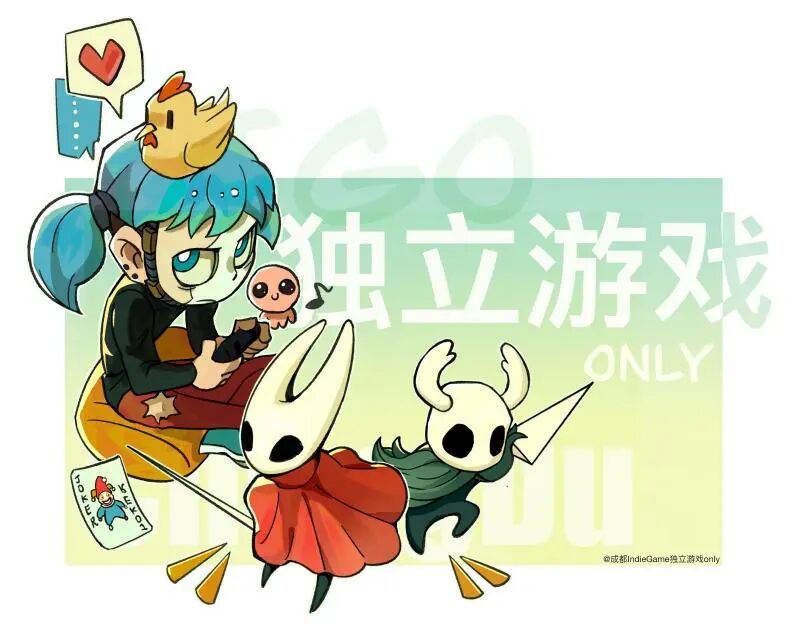
So, with such a broad and diverse range of game genres, is it still possible to pull off “Only”?Yes, it can—and there’s a lot to look forward to. To put it simply: there are certainly plenty of people who enjoy *Hollow Knight*, *Hades*, *The Sultan’s Game*, *Red String Club*, *The Binding of Isaac*, and *Sally Face* all at the same time.
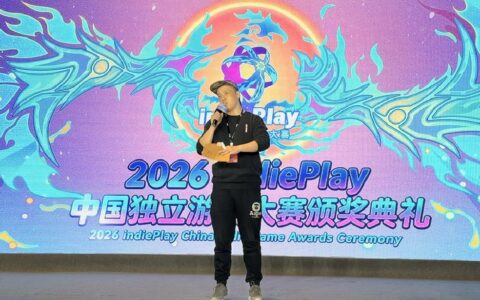
Previously, the “Only” indie game event has been successfully held in Guangzhou and Beijing.
Solo travelers in the Southwest have been waiting far too long for an IGO. It’s finally here.
Who organized it? How was this Only event made possible? This time, the author interviewed two organizers from IGO. Let’s hear about the journey they went through and the work they put in to bring this long-awaited Only event to life.
01
Women and Video Games
Q: Who are the two organizing teachers? Who is the main organizer?
A: We are Roasted Potato and Candle, and Roasted Potato is the main initiator of this IGO.
Q: Could you tell us a bit about your gaming backgrounds? Before you started IGO together, what was your relationship with “indie games”? And how did you end up working together?
A:
Roasted Potato: When I first started playing games, I didn’t really have a concept of what indie games were. After learning more about them and looking back, I realized that many of my favorite games were actually indie titles, and I’ve come to have a deep admiration for indie developers…The first indie games I played were text-based visual novels, followed by Japanese-style RPGs. It’s hard to pinpoint exactly which one was the very first, but if we count *Minecraft*, which I played back in middle school, then I’ve been playing indie games for twelve years now~
I love horror games the most, like *Fear and Hunger*. Compared to typical RPGs, they offer more interesting gameplay and a richer narrative. The characters’ stories are all interconnected, and the various torture elements add to the game’s thrill—even though I keep dying, I just can’t stop starting new games over and over again, hahaha.
Candle: The first indie game I ever played was *Human: Fall Flat*; I started playing it in college.I love its unique atmosphere, innovative gameplay, and beautiful visuals. Speaking of my favorite games, I really enjoy *Soulship*—it’s warm and soothing, with animations as beautiful as works of art. I also love the potion crafting and the relaxing island life in *Island Life*; it’s a comfortable, stress-relieving way to pass the time.
I guess we’re a mix of gamers, developers, and fan creators. We first met while developing indie games. Before that, we were always just vendors or NPCs at various ONLY events, and the Chengdu IGO was our first time organizing an event as hosts.
Baked Potatoes: Speaking of game development, we at IGO recently hit a wall and couldn’t keep going, but we didn’t give up—we decided to organize an expo instead, and we’ve been working on the game while running the expo.
02
Before the Founding of Chengdu IGO
Q: I noticed that the Chengdu IGO posted a call for feedback in July, not long before the CD. In 2025, after the Guangzhou IGO concluded, Jike’s interview with Rui’en, the head of the Guangzhou IGO, was titled “It All Started Because of a CP Delay”—an unexpected event that became the starting point.
So, how did the Chengdu IGO get started? Who first came up with the idea of hosting an “Only” event in Chengdu? Have you had any direct communication with organizers from other regions’ IGOs, or sought their advice or shared experiences with them?
A (Joint Response): We’ve actually been waiting for an opportunity to have an indie-games-only event in Chengdu. Since we didn’t see anyone organizing one, we decided to do it ourselves. The idea came to us very quickly, and we were on the same page right away.
We also sought advice from the organizers of the Guangzhou IGO, and we’re especially grateful to them for sharing their experience.The advice was very practical; perhaps the most practical point was that the specific event content needs to have a clear focus. It also helped us a great deal in terms of our mindset during the early stages of player recruitment. Similarly, we also sought advice from other highly experienced organizers of game-only events, such as Teacher Nezha, the organizer of the Capcom-only event.
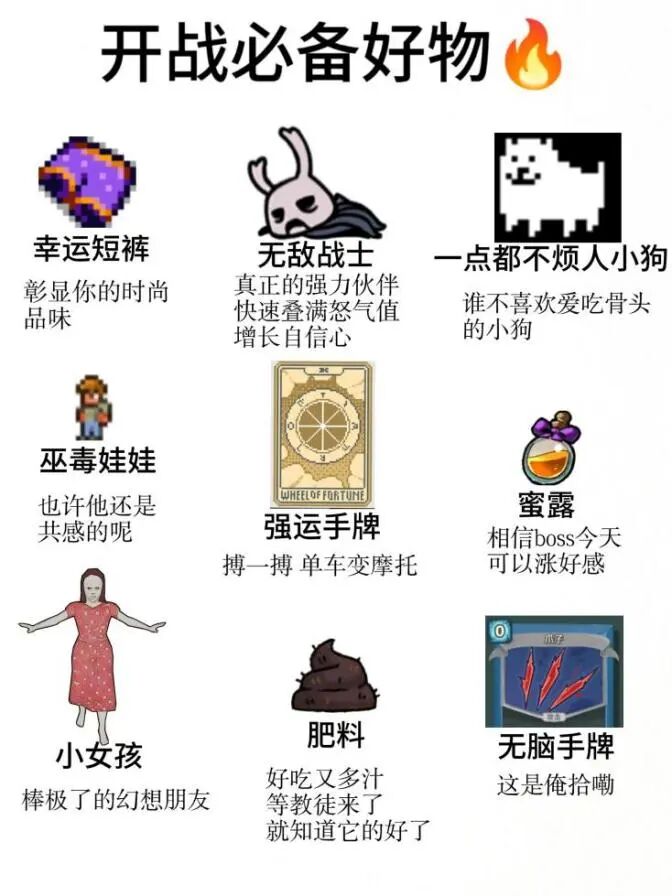
Q: Can you tell us about your expectations for this year’s IGO in Chengdu? How did the results compare to your expectations?
A (Joint Response): Of course, we hope the event wraps up smoothly and that everyone has a great time. For us, this event has been a really enjoyable gathering of enthusiasts, and we also hope the creators at Duyu will be happy to see everyone’s passion.
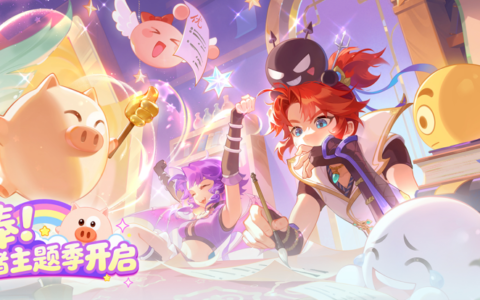
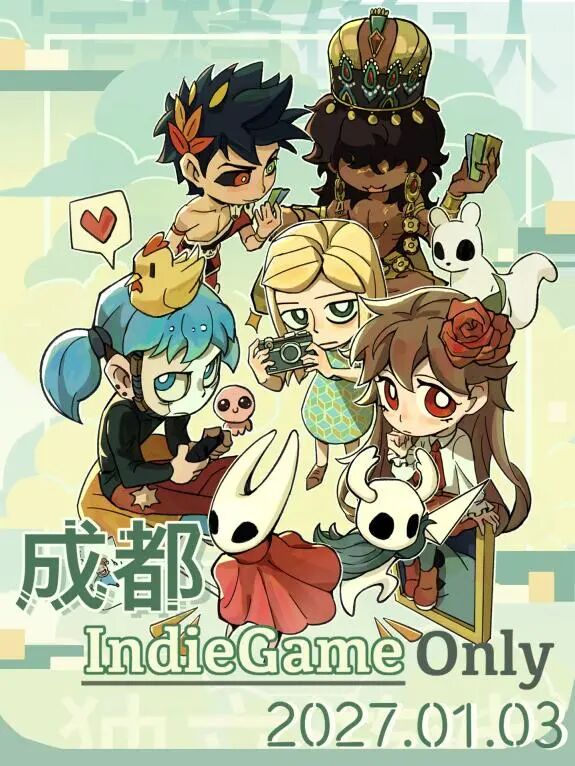
The most challenging period was right at the beginning, during the initial planning phase, when we were worried there wouldn’t be enough like-minded fans. Part of the reason was that “indie games” is such a broad category—we wanted to cover as many IPs as possible, but we weren’t sure how many enthusiasts in Chengdu would actually be willing to attend the expo; we even thought the turnout might be as low as half of what it is now.This issue was easily resolved after the poster was released. We found a promotional artist with a strong personal style, which allowed us to deliver our message powerfully and effectively to indie game enthusiasts. Attracting fans went quite smoothly.
Finding developers is also a frustrating challenge. Since we want to provide a friendly opportunity for developers and players to interact in person, we’ve been actively reaching out to the indie game developer community. We’ve already pestered quite a few local teachers.
However, we haven’t yet attracted enough developers, so we’re still working on it… We’re also reaching out to major indie game developer communities, contacting developers one-on-one, and offering various discounts and promotions. We hope everyone can see our sincerity.
Q: Speaking of posters, I’ve noticed that you’ve chosen many classic indie game IP characters. Are you aware of how popular these IPs are in China and the Southwest region? Have you ever had thoughts like, “These IPs are all great, but there are too few opportunities for fans to gather in China, so let’s use these characters to attract them”? Could you talk about whether this Only event has a selection process that you’ve established?
A (Joint Response): When deciding which IPs to include on the poster, we didn’t base our decision on how popular they were in specific regions. Instead, we first determined the types of games we needed, then selected characters that were more widely recognized within those genres. Additionally, during the initial market research, we learned what people wanted to see, so we aimed to meet the expectations of as many fans as possible.
As long as a game fits the definition of an indie game, we welcome it—and that’s precisely what makes indie games so appealing.
03
What to Consider When Planning an Event
I later learned that the event organizer, Kaoyangyu, was actually still employed. She had to balance her day job with developing her own game and serving as the head of Chengdu Indie Games Only, while also answering numerous questions from visitors every day, reviewing booth applications, and managing media content…
Q: This event features both “fan art booths” and “game-sharing booths.” Could you share some details on how you planned the ratio of booths and the overall tone of the content?
A (Joint Response): Since fanworks still make up a significant portion of our event, there will be more fanwork booths than game-sharing booths.However, we really want everyone to have a relaxing and enjoyable time, so we’ve organized some activities that connect the fan-created booths with the game showcase booths. We’re encouraging visitors to interact more with indie game developers, and we’re keeping crowd density very low so that everyone can enjoy the event without feeling overwhelmed.
As for the selection of games to be featured at the expo, we’ve focused on individual developers with a strong indie spirit, or developers who are already fans of fan-created works themselves—a fit that aligns perfectly with our expo’s vibrant fan culture. The developers who have already confirmed their participation all fall into this category.
Q: “Indie games” cover a very broad spectrum—from *The Binding of Isaac* to *Hollow Knight* to all kinds of student projects—and the overlap among players isn’t necessarily very high.When you were planning the event, did you consider whether “indie games” as a theme for the expo was too broad or just right? Was there ever a moment when you thought about giving this Only event a narrower “focus”?
A (Joint Response): We were called out on that! At first, we also thought it was a bit broad—when we’re anxious, we often find ourselves wanting a narrower focus. But everyone’s enthusiasm has encouraged us, so no matter what, we’ll start by taking this seriously.
Q: Exhibiting comes with costs for developers—they have to prepare demo versions and may have to travel from other cities.When organizing the “Game Sharing Booths,” did you specifically consider how to make the event more cost-effective for developers? If you have to deal with multiple expectations—or even skepticism—from booth owners, players, and the community, has your team established any guidelines in advance for handling such situations?
A (Joint Response): When curating the event, we’ll organize coordinated game activities to guide visitors in experiencing each developer’s game. The developers’ booths will be grouped in one area to facilitate interaction among them, and we’ll provide enough chairs to accommodate more players. We’ll also supply equipment to teams that need it and assist with setting up their booths.
We were very fortunate that we didn’t face much skepticism. While we received a lot of anticipation, we’ve continued to proceed according to our own plans and pace. We agreed that the exhibition would be of this scale—neither larger nor smaller—and we also agreed to refrain from directly using generative AI.
Q: Based on public discussions, it seems that organizers of the Only Exhibition often have to handle curation, promotion, vendor recruitment, on-site coordination, and even customer service and public relations all at once. Could you share your thoughts on how you manage your time and energy?
A (Joint Response): Customer service takes up the most of our energy, but seeing everyone happily discussing the game, creating fan works, and releasing demos—that lively, passionate atmosphere is what keeps us going!
Q: Some media outlets have pointed out that most Only events struggle to turn a profit, rely solely on ticket sales, and often require organizers to handle operations themselves to cut labor costs.I’d also like to gain a realistic understanding of some financial aspects. For example, the 78-yuan visitor ticket for IGO in Chengdu includes a range of materials. What are your decision-making criteria regarding pricing and the selection of giveaways? Within your current cost structure, which component has exceeded your initial estimates the most?
A (Joint Response): The items included with the ticket are in-game items—gold—and not real gold. Therefore, the price reflects the cost of the ticket itself; the giveaways are not particularly valuable. This decision is based on the principles of fan culture; typically, such events include these small gifts.
When we broke down the costs, none of the individual categories actually exceeded our estimates. The “Only” exhibition was indeed difficult to turn a profit on, but we did take a hands-on approach and did our best to make this event a success.
Q: Will the profit or loss from this IGO affect your decision regarding the second round?
A (Joint Response): The financial results won’t affect our decision to hold a second event. It’s still too early for us to consider sustainability. Right now, we want to focus all our efforts on making the first event a success. Of course, deep down, we still hope the expo will become a regular gathering for indie game enthusiasts and developers.
We’d like to take this opportunity to say that if any organizers are interested in hosting a similar event in the future, we welcome you to reach out to us for advice. We’re happy to share our experiences, and we’d also love to meet lots and lots and lots and lots and lots of game developers!
Epilogue
The Chengdu IGO is scheduled for January 3, 2027, offering indie game and fan-made game enthusiasts and developers a valuable opportunity to connect at the start of the year.
Coincidentally, another game expo was held right around the same time—on January 2, 2027, the Infinite Fest (IF Game Expo) took place, marking the first large-scale indie game expo in Southwest China organized by a local team.

Not only do we hope to showcase Chengdu’s excellent products right here at home, but we also aim to provide a more effective and reliable platform for new games that truly want to gain industry recognition.
For more than two decades, Chengdu’s game developers have long been accustomed to unveiling their works for the first time in Beijing, Shanghai, Guangzhou, and Shenzhen, while gamers have grown accustomed to traveling far to attend game conventions and “Only” events elsewhere. Yet this city has fostered a miracle in the gaming industry; it boasts the nation’s strongest R&D heritage, a passion for gaming that has been proven time and again, and is home to many creators who love indie games.These two events complement each other perfectly, serving two distinct ecosystems: one is a platform for the exchange of fan-created works and the showcase of new titles within the mature indie game scene, while the other is a dedicated indie game expo.
On January 2 and January 3, let’s celebrate a New Year’s holiday packed with gaming fun.
原创文章,作者:游茶妹儿,禁止转载:https://youxichaguan.com/en/archives/224905