A great game, while becoming a classic, often possesses a power that transcends the game itself, inspiring fans to explore the culture behind it and even embark on pilgrimages to its real-world locations!
Recently, a game has once again captivated countless foreigners with its martial arts culture. Some have even traveled thousands of miles to China to make a pilgrimage to the filming locations of *Crouching Tiger, Hidden Dragon*, which they consider the holy land of martial arts, or have simply sought out local masters to learn martial arts—all so they can perform the game’s graceful moves in person.
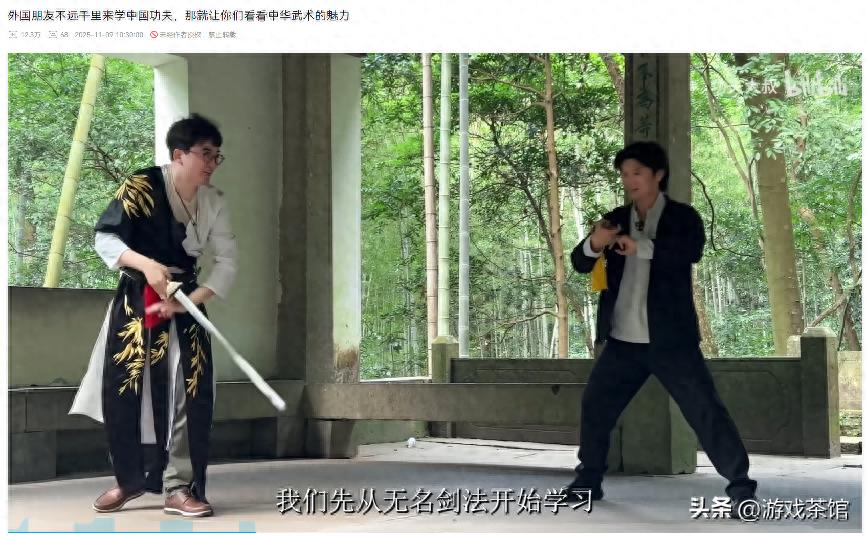
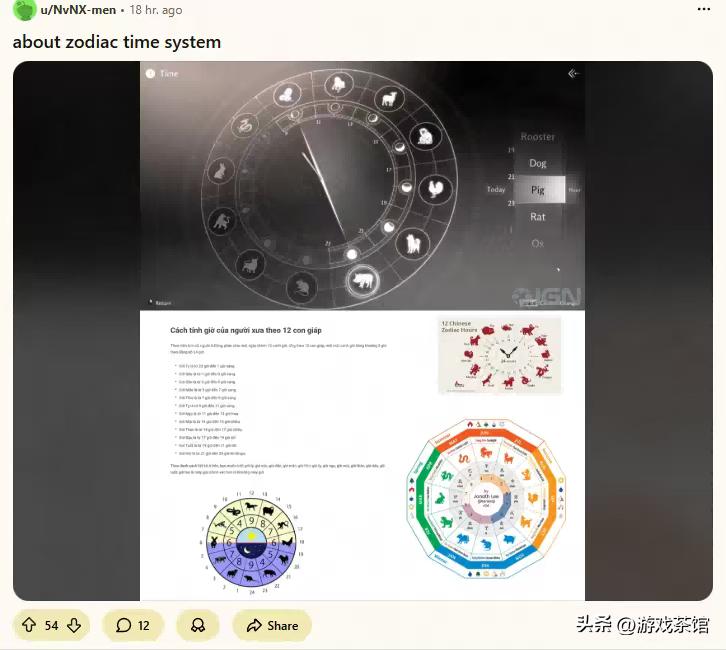
Of course, since most overseas players can’t travel all the way there, they’ve turned into history buffs, delving into every aspect of life in ancient China—for example, studying the Chinese twelve-hour clock system to figure out how time progresses in the game.
So who exactly is behind this game that has once again sparked a craze for Chinese martial arts overseas?
The answer is somewhat unexpected, yet makes perfect sense! It’s *Sixteen Sounds of Yan Yun* (hereinafter referred to as *Yan Yun*), a game that Chinese players have been thoroughly enjoying for a year now. It recently launched its international server, taking a giant stride toward the global market.
"Yan Yun" has achieved a strong initial success worldwide. In fact, even before the international server launched, it had already reached 10 million pre-registrations and topped the pre-order charts in over 16 countries and regions on the PlayStation Store. Since its launch, the overseas version has surpassed 2 million players, with a peak concurrent user count on Steam exceeding 190,000, making it the first Chinese wuxia game to successfully enter the European and American markets.Since the international Steam version of *Yan Yun* blocks IP addresses from mainland China, these figures can be considered almost entirely overseas achievements! In addition to the explosive growth in player numbers, *Yan Yun* shot straight to the Top 2 on the Twitch Games chart upon launch. This further underscores the game’s phenomenal popularity overseas.
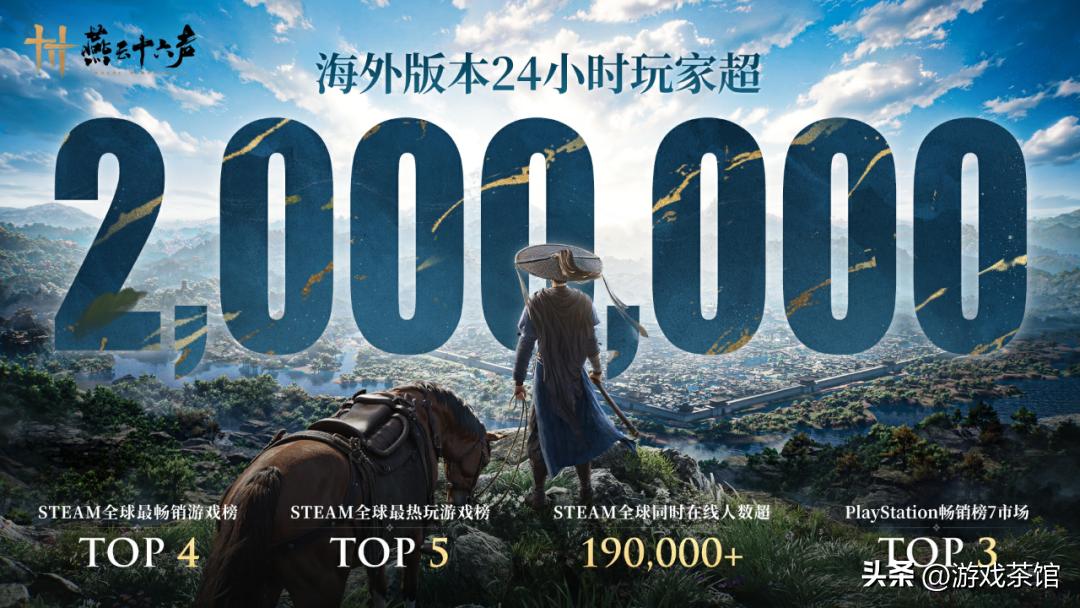
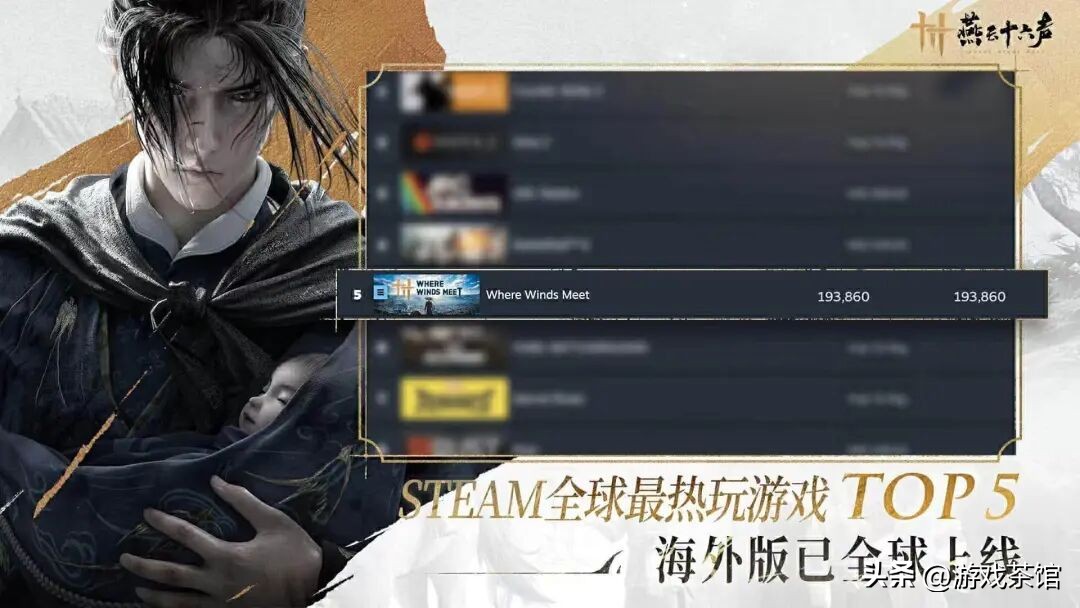
These achievements are impressive enough on both PC and console platforms. For wuxia games—and indeed for Chinese-developed games in general—they can truly be called a milestone.
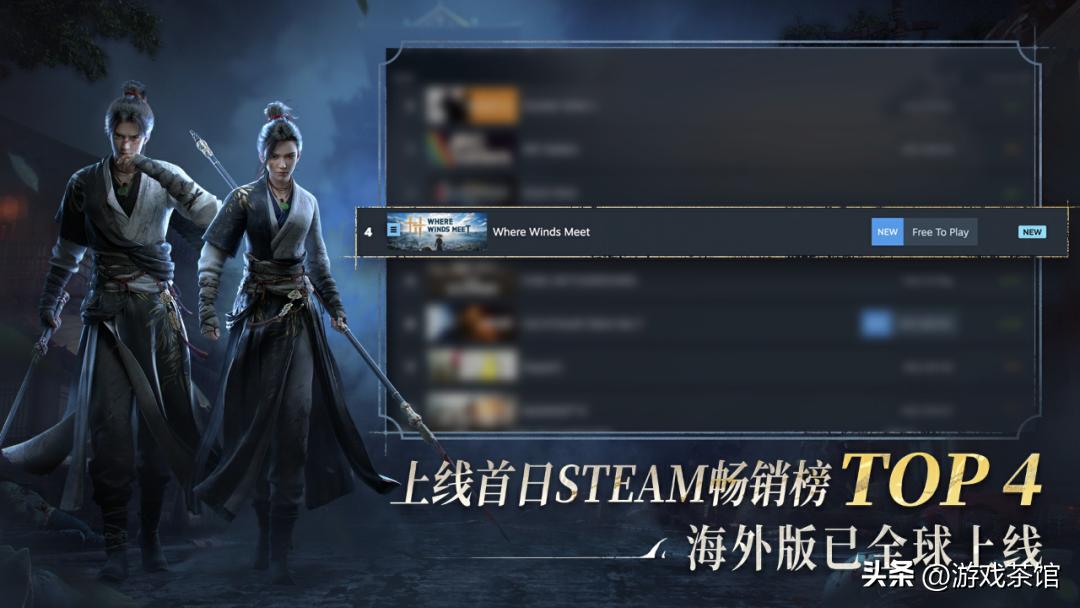
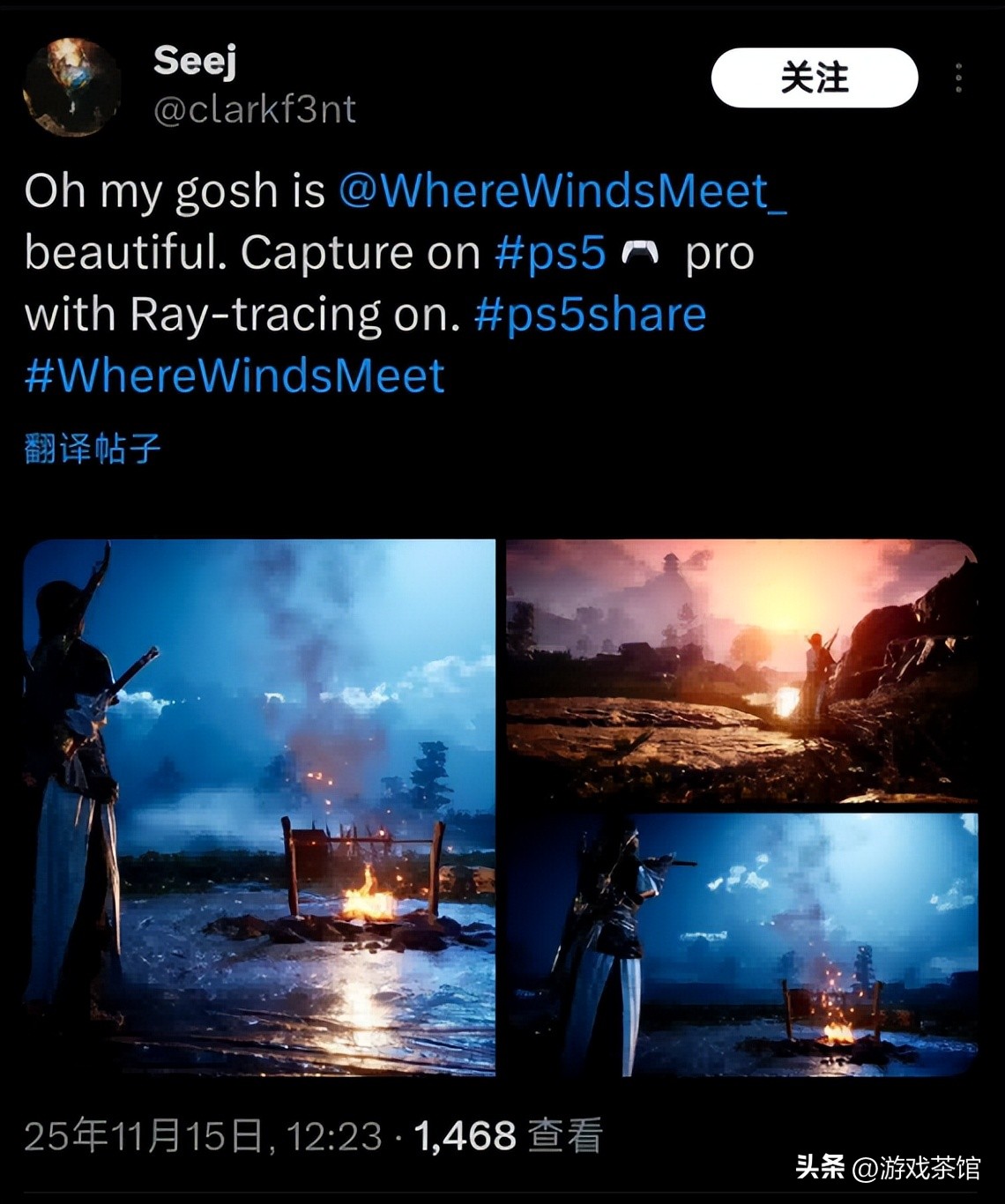
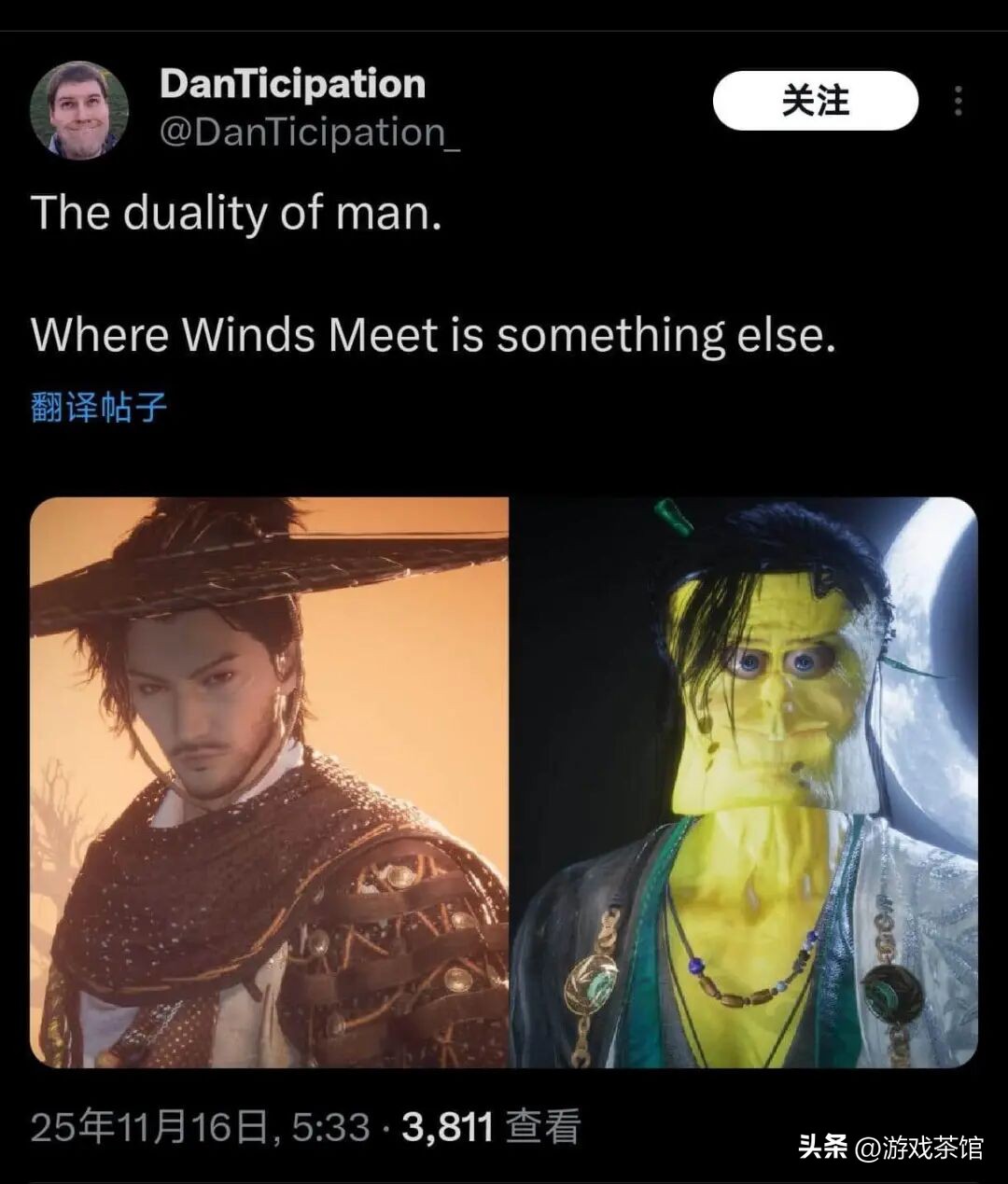
Most notably, *Yan Yun*’s influence overseas has now reached a cultural level. In addition to the aforementioned pilgrimages to martial arts holy sites and the tradition of seeking a master to learn martial arts, on overseas social media platforms like X, we can see a massive number of players actively sharing all kinds of *Yan Yun* content—such as character customization,stunning martial arts scenes, or their experiences with boss battles and quest storylines. Seeing so many foreign users posting content brimming with Eastern charm is truly astonishing—I never imagined that a Chinese martial arts game would finally succeed in going global!
01
Why is "Sixteen Sounds of Yan Yun" still such a huge hit overseas?
In the year since its domestic launch, *Yan Yun* has achieved remarkable success; however, ahead of its international release, many remain concerned about its prospects. The reason for this is that the path to global expansion for Chinese games—especially PC and console titles—is far from as smooth as that of mobile games. They often face more severe challenges in adapting to new markets, and very few games set in a Chinese cultural context have succeeded in going global.
There are many reasons behind this. First, the overall level of industrialization in China’s PC gaming industry is still in its early stages, and most titles lag significantly behind the world’s top games in terms of both scale and quality. Furthermore, games set in a Chinese cultural context face challenges such as difficulties with overseas localization, significant cultural barriers, and a lack of understanding among Western users.
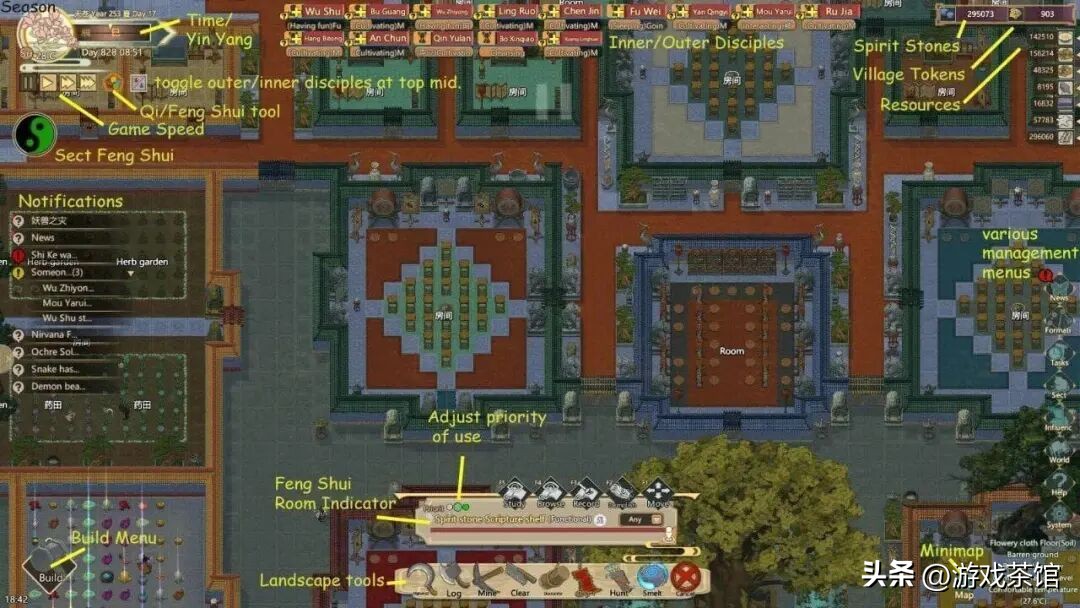
Caption: Some games even rely on foreign players to translate them out of sheer passion, starting from the menus themselves.
Today, *Yan Yun* has successfully broken the curse surrounding the global expansion of wuxia games; it has carved out a path to success with its impressive performance and become a pioneer in the global market for wuxia games. So, exactly what did *Yan Yun* do right?
First, many people tend to attribute the poor performance of Chinese martial arts games overseas to cultural differences.However, in reality, whether it’s martial arts films like *Crouching Tiger, Hidden Dragon* and *The Karate Kid* that once dominated Hollywood, or the online novels that have taken the world by storm in recent years, all demonstrate that typical Chinese cultural content—such as martial arts and xianxia—holds universal and immense appeal for users worldwide and has already established a significant level of cultural recognition.

In fact, in the gaming industry, there are already several Chinese games based on the "knight-errant" theme that have attracted a stable and highly loyal overseas user base.
Therefore, cultural differences are not necessarily an insurmountable obstacle for domestic games entering overseas markets. Rather, they are a double-edged sword: when a game’s quality is lacking, these differences can raise the barrier to entry for overseas players, further diminishing their experience. However, when a game is of exceptional quality, its distinctive local cultural elements can actually become an advantage, helping it stand out from the competition and better showcase its unique appeal.
The success of the international version of *Yan Yun* demonstrates this to a certain extent—the heroic spirit of wandering the martial arts world with a sword in hand, seeking revenge and living life to the fullest, holds a powerful universal appeal. While there has always been significant user potential for this genre worldwide, there has long been a lack of a game capable of reaching sufficient heights in terms of production quality, gameplay depth, and narrative quality, resulting in this potential remaining untapped.
Today, *Yan Yun* has emerged as a trailblazer, successfully captivating overseas players with the allure of wuxia—thanks to its outstanding technical prowess in areas such as art, combat, and open-world design. In fact, both media and player reviews since the game’s launch have largely praised *Yan Yun* for its “exciting combat, outstanding art, and open-world design.”
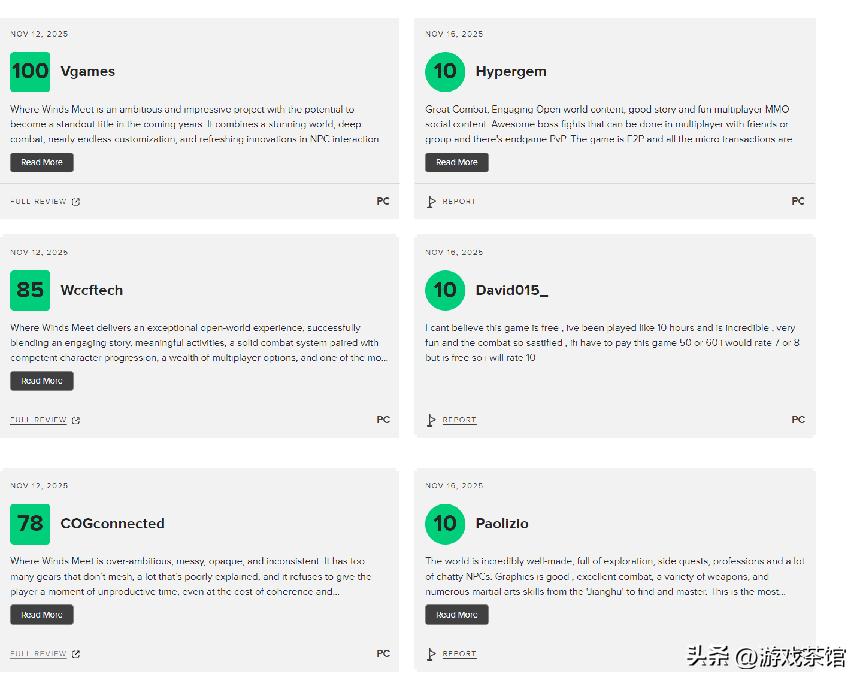
Caption: Both the media and players have generally given positive reviews.
The second reason why *Yan Yun* has taken the world by storm is that it not only offers a unique take on the wuxia genre and Chinese aesthetics, but also presents them in a more modern style—and, of course, this modern presentation is underpinned by cutting-edge technical expertise!
For example, the city of Kaifeng—which is sure to leave a lasting impression on every first-time player—features tiered, intricately arranged architecture and tens of thousands of NPCs, each with their own identities and daily routines. Combined with meticulous historical research, these elements come together to create a vibrant ancient capital that ranks among the finest in the history of open-world game design.
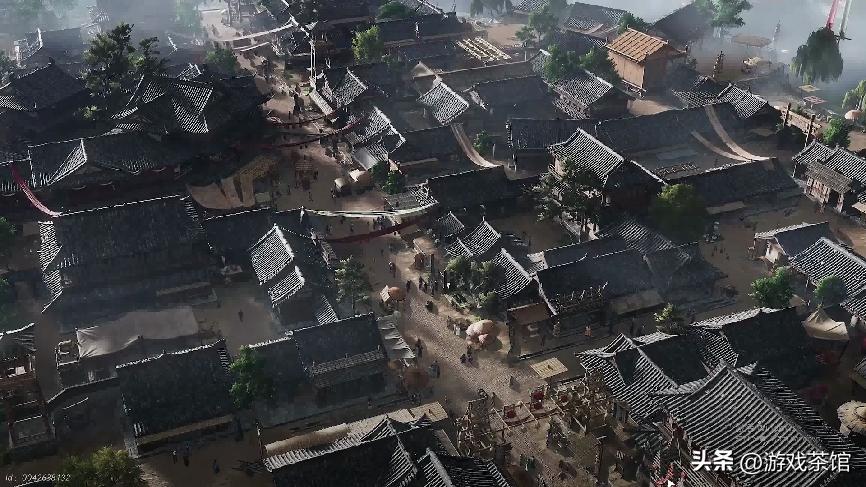
In addition, the action design in *Yan Yun* is outstanding; every move is not only graceful and stylish but also maintains a high degree of realism.The game features a wide variety of weapons, ranging from common swords and spears to the uniquely martial arts-inspired umbrellas and folding fans. Each weapon’s movement mechanics are designed around a core characteristic—such as the spear’s ferocity, the sword’s agility, and the folding fan’s grace—allowing international players to easily grasp the unique aesthetic appeal of these martial arts moves through visual presentation.
Many of the Chinese elements in the open world of *Yan Yun* have also been adapted for the international server to lower the barrier to entry; for example, traditional game elements such as the Chinese character tiles in mahjong and the card game *Yezi Xi* have been simplified and reimagined using symbolic representations.These elements provide foreign players with a more intuitive visual impression of wuxia—or Chinese aesthetics—rather than forcing them to rely solely on abstract textual descriptions to imagine these concepts, thereby significantly lowering the barrier to entry for international players.
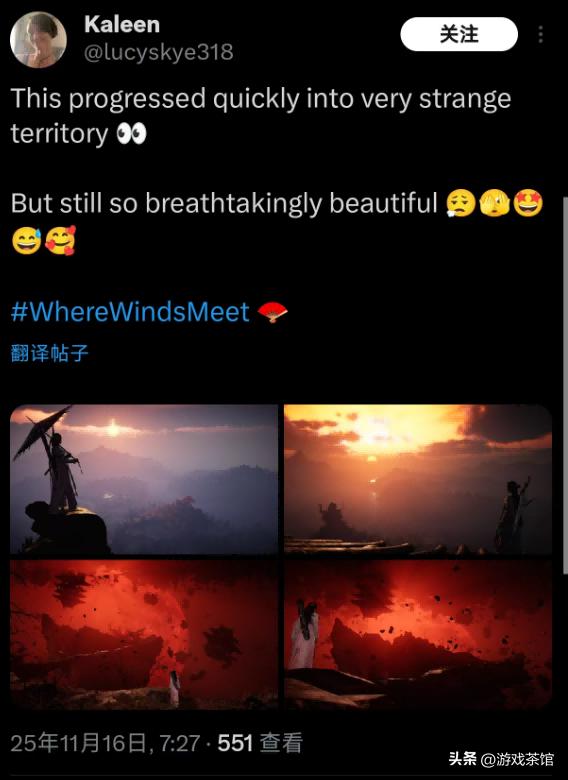
In terms of gameplay and interaction, *Yan Yun* successfully integrates wuxia and Chinese cultural elements into the exploration of its open world. Elements like tai chi, pressure-point strikes, and lightness skills—which are often seen as “stereotypical tropes” of wuxia and kung fu by international players—not only play a crucial role in combat but can also be widely applied to puzzle-solving and exploration throughout the open world!Some international players have noted that the ability to use various martial arts skills to make their characters scale walls and leap across rooftops is the most memorable aspect of *Yan Yun*—for many of them, these elements of martial arts culture are not only novel but also a key factor in ensuring a truly immersive experience!
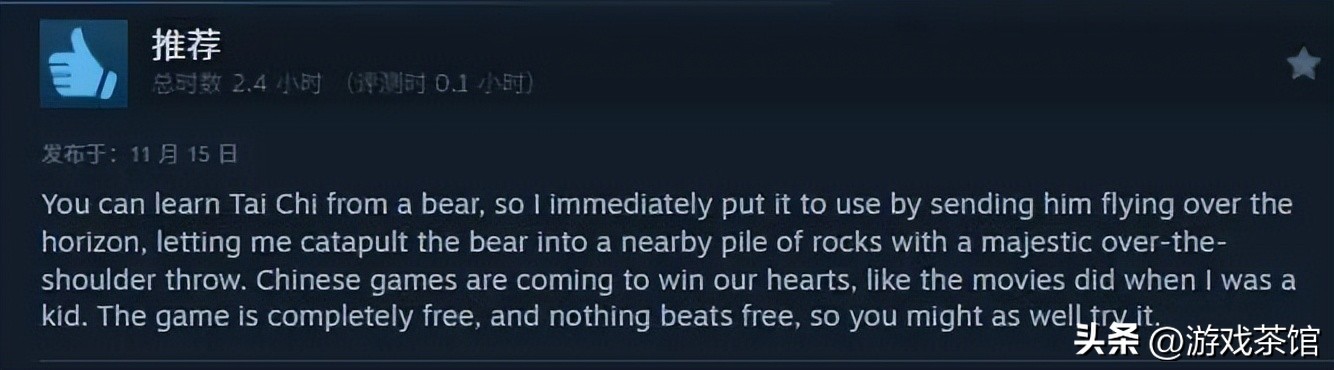
Caption: You can even learn Tai Chi from a bear!
Secondly, the overseas success of *Yan Yun* is also due to the game’s massive scale—or, to put it another way, the awe-inspiring amount of manual labor that went into it!
The first two maps released, Qinghe and Kaifeng, are not only vast in size but also packed with meticulously designed quests and stories that run deep. For instance, Chinese players have long considered the standout feature of *Yan Yun* to be the numerous side quests scattered throughout the map, and this view is now surprisingly consistent among foreign players and media as well.Some overseas media outlets have even compared the quality of *Yan Yun*’s side quests to that of *The Witcher 3*.
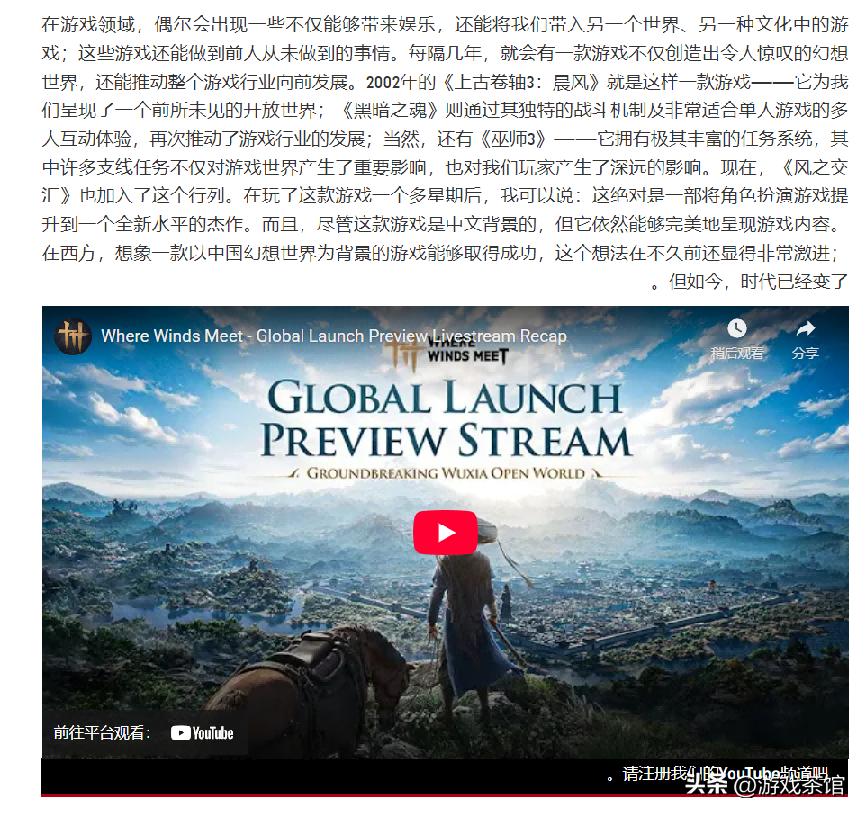
Caption: Reviews of *Yan Yun* from overseas media; the text in the image is machine-translated
Finally, I believe that the success of *The Sixteen Sounds of Yan Yun* in interpreting martial arts culture lies in the fact that it does not cling to abstract and difficult-to-grasp concepts from traditional martial arts fiction, such as the “jianghu” and “great righteousness.” Instead, while preserving the core essence of martial arts culture, it presents it in a more modern way.
This modernization is reflected not only in the storyline and characters but also in the gameplay design of the quests.On the narrative level, many of *Yan Yun*’s quests focus on the stories of ordinary people in turbulent times, moving players by showcasing the hope and noble qualities these characters display amidst external pressures, national grievances, and personal vendettas. By grounding the abstract spirit of chivalry in vivid, real-life struggles, the game makes it easier for international players to bridge cultural divides and connect emotionally with the characters.
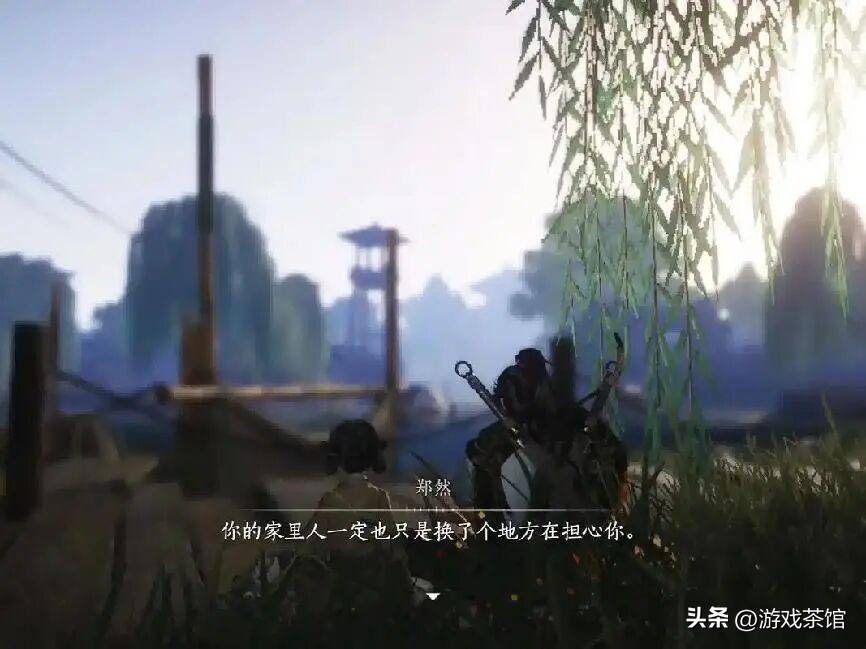
In terms of mission design, *Yan Yun* also features ingenious designs in many of its missions. For example, in the side quest “Jinming Pool,” players must complete a series of puzzles and stealth sequences. During this process, players will interact with historical figures such as Zhao Guangyi and Shi Shouxin, and learn about historical events—such as the “Crowning in Yellow Robes” and the “Relinquishment of Military Power Over a Cup of Wine”—through portraits. While performing stealth sequences, players will also gain insight into the structure of Song Dynasty warships through blueprints.
Throughout this series of events, the mission narrative remains closely intertwined with gameplay, allowing players to experience a thrilling story in a deeply immersive way. In the process, historical figures and events that may be unfamiliar to foreign players are brought to life in a vivid and concise manner through gameplay interactions and character dialogue.Ultimately, players naturally resonate with the conflict and struggle between national duty and personal emotions conveyed at the story’s conclusion. And quests of this caliber are, in fact, a dime a dozen in the game.
02
Can the International Server Offer a Glimpse into Yan Yun's Future Ambitions?
The success of *Yan Yun*’s Chinese server over the past year has already proven its worth. Launching an international server now is undoubtedly a deliberate choice to enter “hell mode.”Differences in culture and payment habits, immense localization pressures, and the operation of overseas communities and events are all challenges that must be addressed. Moreover, once the game goes global, it will have to compete head-to-head with a host of world-class titles. It’s not just a matter of whether the market can be penetrated; the even more pressing question is whether the game can maintain its reputation among discerning overseas users who may not be as familiar with wuxia culture.
Therefore, the decision to take *Yan Yun* global actually carries significant risks, which, in a way, underscores the show’s vision and ambition: to create a wuxia IP with genuine international influence.
Fortunately, through nearly a year of high-quality updates on the Chinese server, *Yan Yun* has demonstrated the team’s ability to consistently produce excellent content and build a world-class IP.
Within less than a year of *Yan Yun*’s official launch, the game has already rolled out two major map expansions: “Hexi” and “Bujian Mountain.” The Hexi region shifts the focus to the Western Regions, showcasing a desert landscape that is strikingly different from the previous two areas."Bujian Mountain," meanwhile, significantly expands the map’s depth, featuring suspension bridges spanning sheer cliffs, hidden caves nestled among the peaks, and integrated elements of the Mohist school. In terms of environmental art, storyline, and content volume, both expansions are fully on par with major DLCs for any AAA game, each offering a completely distinct visual and exploration experience.
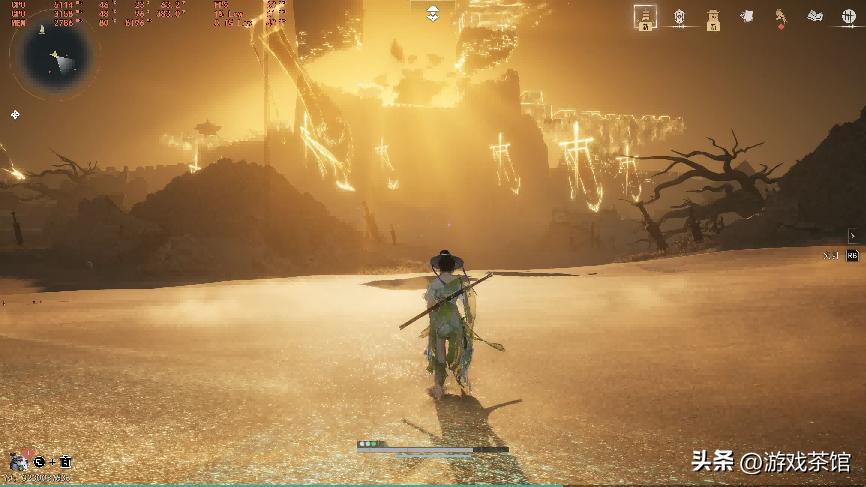
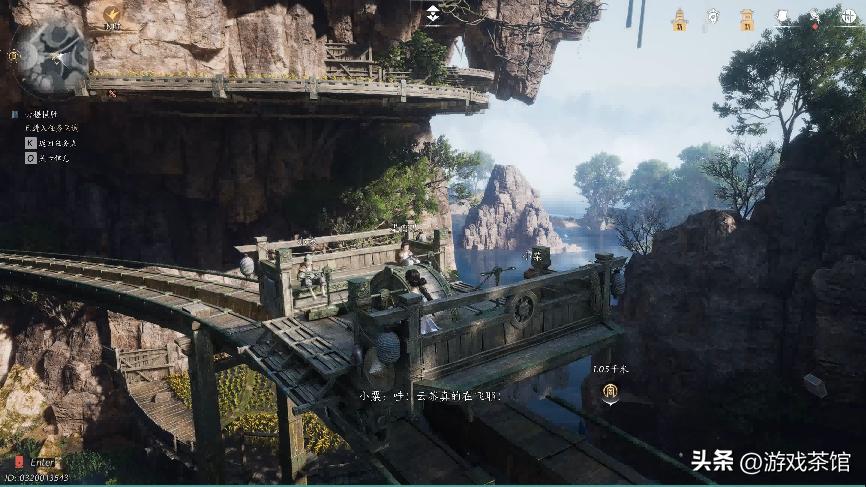
In addition, the two games feature entirely different story themes. The former tells a series of tragic and poignant epic tales of loyalty and righteousness, while the latter seamlessly weaves Mohist philosophy into its narrative. With its vast storyline and meticulously crafted world-building, it feels almost like playing two entirely new games! Such dedication naturally earned the game countless rave reviews upon its release.

By maintaining this high standard of content updates, *Yan Yun*’s hybrid single-player/MMO long-term operation model can also challenge overseas players’ stereotype that “free-to-play games = gacha mechanics.”
As *Yan Yun* expanded into overseas markets, its distribution strategy—which was based on a precise understanding of international players’ preferences—played a crucial role. A week before the international server launched, the developers kicked off a global preview livestream to build anticipation.The entire preview event was conducted entirely in English, and its core content was tailored to the preferences of overseas players. Rather than overemphasizing the game’s wuxia elements, the focus was placed on its rich open-world gameplay and the core concept of being free-to-play with no pay-to-win mechanics.
Backed by the game’s outstanding quality, the publishing team actively promoted it to overseas influencers. Through sincere communication, they secured proactive reviews and recommendations from hundreds of influencers.
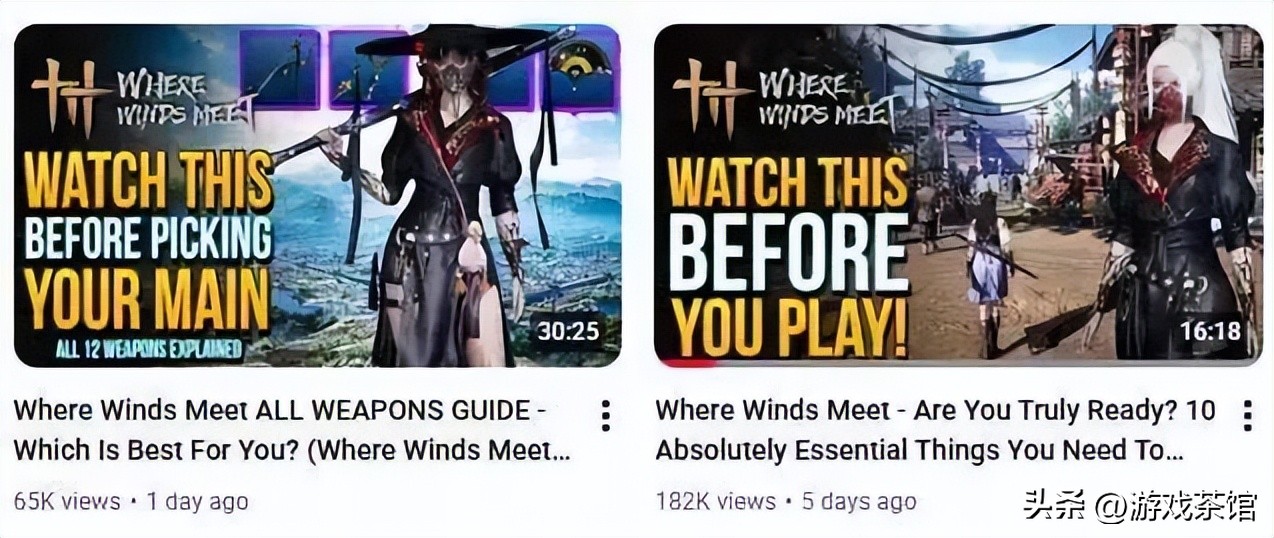
This confident and sincere approach to the game’s content was further conveyed to players by KOLs; the genuine enthusiasm expressed by these organic influencers proved far more appealing to international players than a simple barrage of sponsored content. Ultimately, even before the international server officially launched, overseas users had already come to view *Sixteen Sounds of Yan Yun* as a free, open-world AAA title—essentially an Eastern take on *Red Dead Redemption*.
All these efforts had a positive impact on the game’s explosive word-of-mouth success in its early stages, driving an exponential surge in its popularity and pre-registration numbers. The vast majority of overseas players and influencers have expressed approval of the game’s free-to-play model with in-game cosmetic purchases. Some players even speculated that China must be treating this high-quality game as a tool for cultural export, regardless of cost. (winking face)
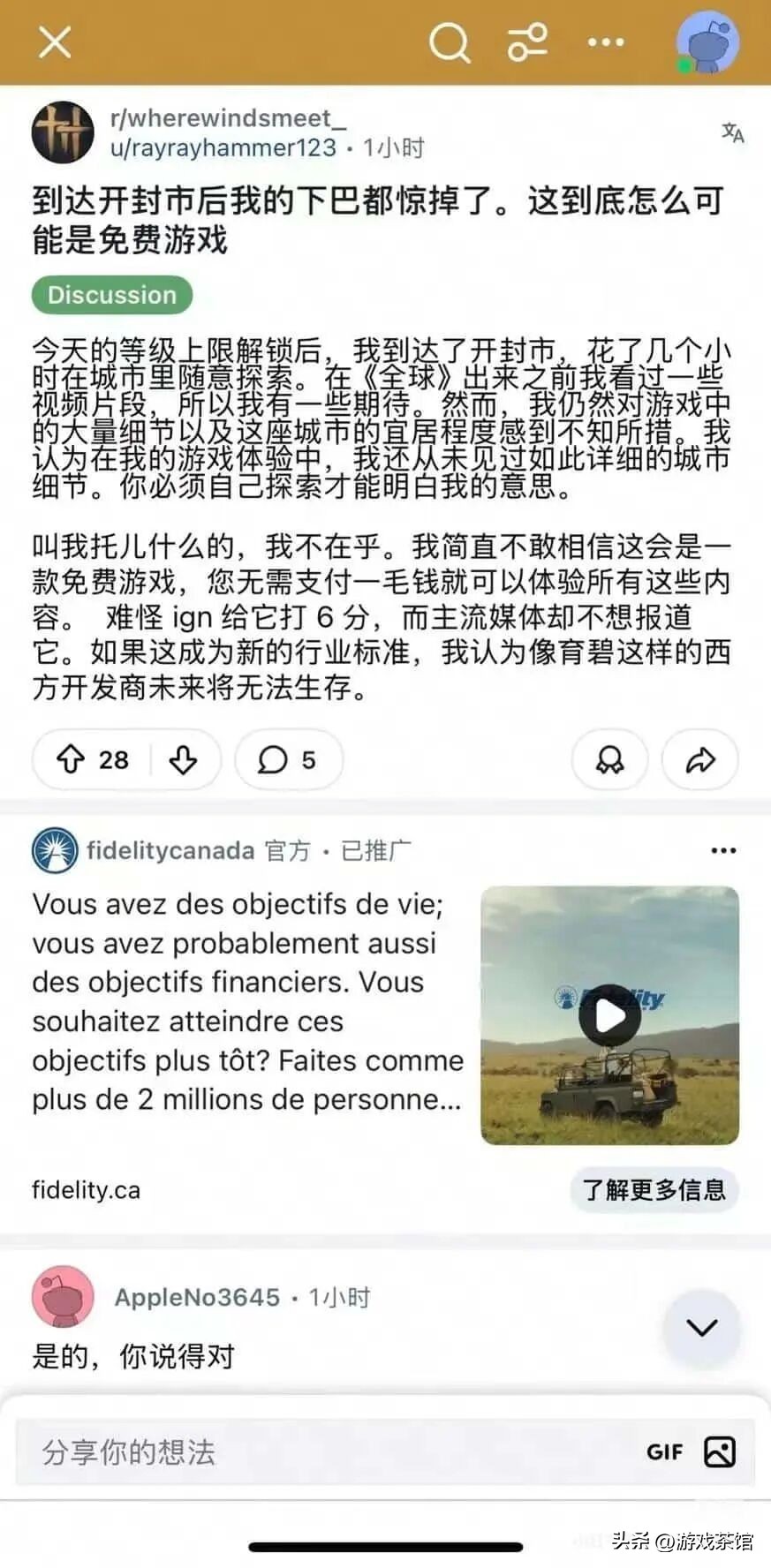
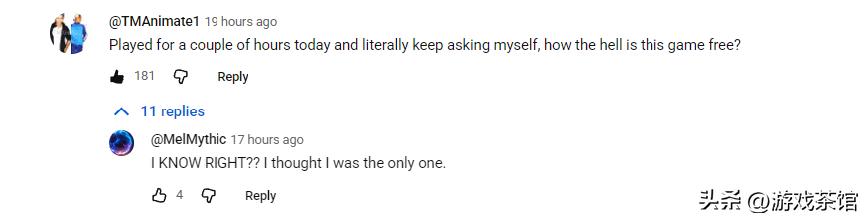
Caption: “After playing for a few hours, I couldn’t help but ask myself, ‘This game is actually free?’”
Not only that, but with the rapid development of domestic games in recent years, the cultural significance they embody has garnered increasing attention. As a result, domestic games have begun to shoulder the responsibility of “cultural export,” whether voluntarily or involuntarily. If a domestic game achieves success in the international market, the benefits extend far beyond mere economic gains. The boost it provides to a brand’s reputation and the expansion of its global influence represent significant intangible assets.
As one of NetEase’s most technically impressive titles, *Sixteen Sounds of Yan Yun* has, to a certain extent, served as a trailblazer and a litmus test.
Judging by the current results, this bold gamble has undoubtedly paid off. During the pre-launch phase of the international server, authoritative media outlets such as Xinhua News Agency and China Youth Online published articles expressing public and critical acclaim for the cultural significance embodied in *Yan Yun*.Since its launch, the game has garnered organic promotion and recommendations from overseas media, video bloggers, and players, truly achieving a spectacular success both domestically and internationally! This will provide a significant boost to NetEase’s future efforts to leverage wuxia culture as a key asset in further expanding its presence in the international market.
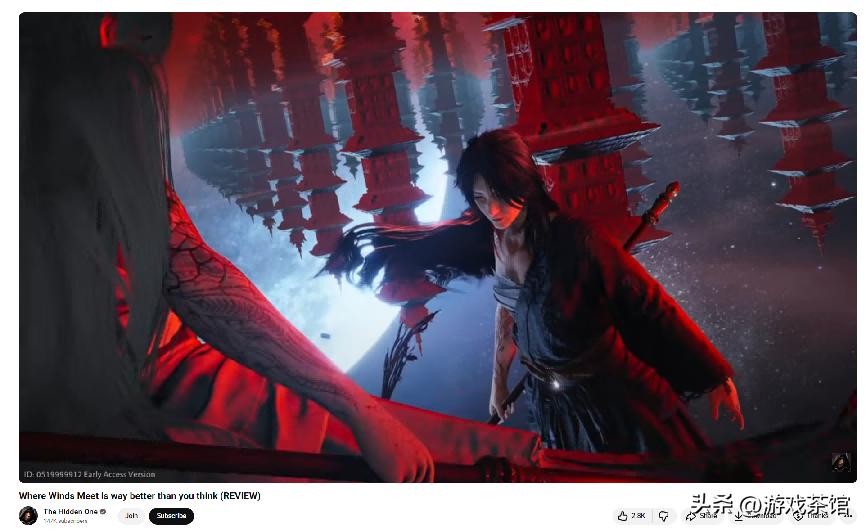
Caption: Many bloggers abroad have taken the initiative to promote the game.
Conclusion
The dazzling success of the international version of *Sixteen Sounds of Yan Yun* has set a fine example for Chinese wuxia games expanding overseas, and there are many lessons to be learned from this experience.Objective factors such as cultural differences and consumer habits need not be insurmountable obstacles on the path to global expansion. When backed by sufficient quality and genuine dedication, these factors can actually become the secret weapons needed to make a name for oneself in the global market! Perhaps in the not-too-distant future, following in the footsteps of *Sixteen Sounds of Yan Yun*, we will witness a flourishing landscape of Chinese-themed games thriving overseas.
原创文章,作者:游茶妹儿,禁止转载:https://youxichaguan.com/en/archives/194647