In recent years, with the growth of MOBA games, this genre has effectively become synonymous with high-DAU titles. At the same time, it has quietly evolved into a major force in the global esports industry, rivaling the shooter genre for dominance.
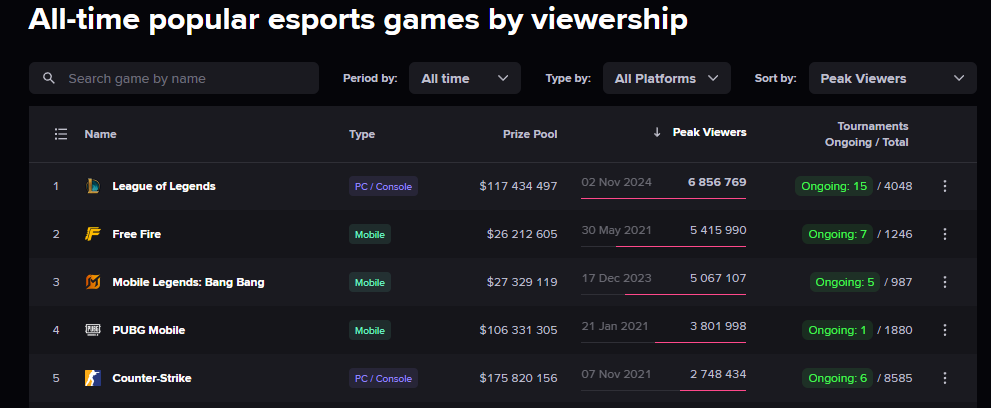
From *DOTA* to *League of Legends*, and then to *Honor of Kings*, *Onmyoji Arena*, and even *300 Heroes*, among others, MOBA games have integrated with diverse themes across different eras and multiple hardware platforms, demonstrating the vitality of games driven by core gameplay mechanics.
However, in recent years, client-based MOBAs have fallen into a state of stagnation. The genre is trapped in a dilemma where established titles struggle to attract new players: Riot Games has noted that the player base for *League of Legends* is aging, with fewer and fewer new players joining; meanwhile, *DOTA 2* hit its lowest online player count in 21 years this past April.
On the other hand, these leading titles boast massive player bases, creating a pronounced Matthew Effect that makes it difficult for new products to break into the market.
Under the combined influence of “stagnant growth” and “dominance by top titles,” current MOBA games are innovating and experimenting with gameplay mechanics and even underlying logic to ensure user retention and expand their user base. New titles have generally adopted a path of differentiation: some, like *Heroes of the Storm*, focus on gameplay innovation, while others, such as *Pokémon Unite*, rely on IP adaptations.

*League of Legends* falls into the former category.
As the MOBA game with the largest player base in history, regardless of whether these changes are effective or not, *League of Legends* has indeed been making content adjustments of varying scales.
This year, it launched the "WASD Mode" on its PBE test server, which reimagines traditional MOBA control schemes.

Image source: Bilibili creator @布锅锅
Simply put, this control scheme uses the “WASD” keys to handle character movement and turning, while the mouse is used for basic attacks and certain skills.
In other words, the "WASD" mode completely abandons the right-click control scheme inherited from RTS games—which is common in MOBA titles like League of Legends—and shifts toward the control logic of FPS games (a style popularized by the FPS genre). This approach was previously tested in League of Legends’ "Endless Rush" game mode.
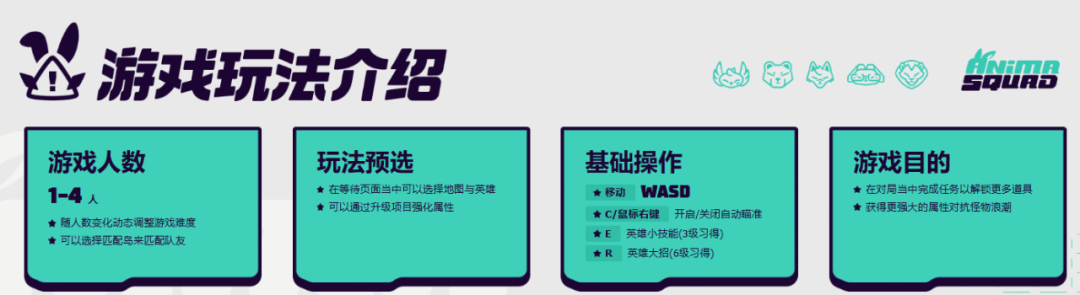
It remains to be seen what impact this change will have on League of Legends’ future product direction and player ecosystem, and I do not intend to explore that in this article.
What I wish to point out is that the introduction of "WASD" controls in MOBA-style games was not pioneered by *League of Legends*. Much earlier, the distinctive MOBA title * smite* adopted the "WASD" control scheme, albeit in a third-person perspective.
More recently, in 2024, an indie game titled *Shape of Dreams*, which blends MOBA and Roguelike genres, integrated the "WASD" control scheme with its gameplay mechanics using a top-down perspective that aligns more closely with traditional MOBA formats.

This indie title may be the best example of how well the "WASD" control scheme complements MOBA gameplay.
01
When the Core Mechanics of MOBA Meet the Randomness of Roguelike
*Shape of Dreams* is an innovative action game developed by the South Korean indie studio Lizard Smoothie and published by NEOWIZ. The team, which originally consisted of two college students, has since grown to four members. The game launched on Steam as a demo last November, and the full version is set to release on September 11.

Judging from the demo version, *Shape of Dreams* has built a roguelike system where in-game builds are centered around hero skills—similar to those in *League of Legends*—while player character attributes and skill variants form the core of out-of-game progression.
The in-game skill set is relatively diverse and bears a strong resemblance to MOBA skill design, featuring damage-dealing, buffing, and survival-oriented abilities that demonstrate clear diversity and complexity.
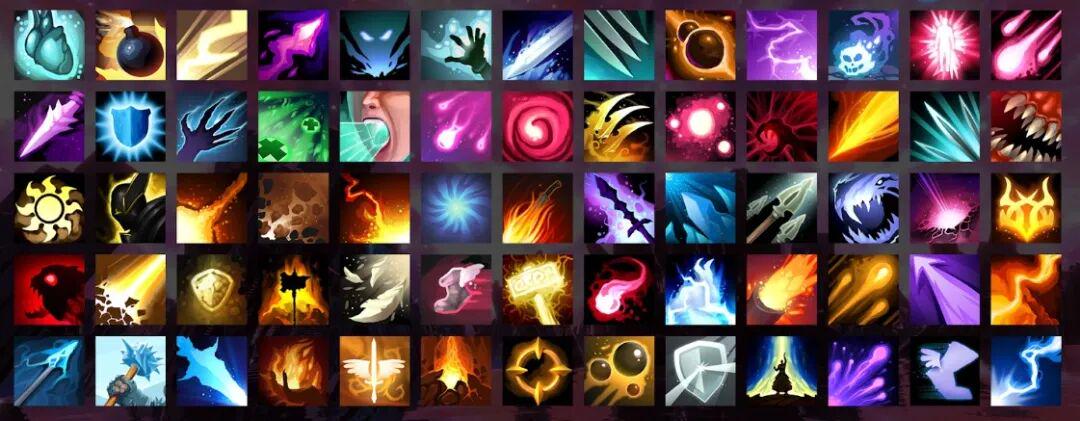
In *League of Legends*, a champion’s role is determined not only by their numerical progression model but also by their skill set—for example, tank-class champions typically possess skills that include crowd control and damage reduction.
Shape of Dreams’ in-game Builds (BDs) achieve this by randomly providing skills with completely different effects for players to combine within a single match. Even though a hero’s personal progression may have a role-specific bias—such as the heavy warrior Vesper—players can still choose an all-assassin skill set during the match, transforming the hero into a “glass cannon.”

In other words, *Shape of Dreams* uses the Build System to free MOBA heroes from the constraints of traditional "role-based" limitations, delivering a deeper level of gameplay.
Beyond Builds, the game is rife with MOBA influences, such as the skill mechanics for both characters and enemies, which include active and passive abilities, as well as targeted and non-targeted attacks. Battles against regular enemies offer a satisfying “mowing down” sensation akin to last-hitting, while boss fights deliver the high-pressure intensity of MOBA PvP.

In terms of actual gameplay, the WASD control scheme in *Shape of Dreams* provides players with more immediate feedback than right-click controls. This is particularly evident during team fights—which feature even more intense, non-targeted skill bursts and require frequent positioning than those in *League of Legends*. With WASD, players gain greater maneuverability, and the input density is significantly reduced.
It can be said that *Shape of Dreams* is an excellent choice for MOBA players to familiarize themselves with the WASD control scheme in advance. Its appeal lies in combining the hit-and-run tactics, skill combos, and competitive nature of MOBA games with the randomness of roguelike games, creating a synergy where the whole is greater than the sum of its parts.
While the two cannot be equated entirely, the signs are clear: overall, if MOBA games were to implement a WASD system similar to *Shape of Dreams*, it would undoubtedly lower the game’s learning curve and help attract new players and expand the player base.
02
Creativity and Reflection
After playing the *Shape of Dreams* demo extensively, intrigued by its uniquely MOBA-like features within a roguelike context, I reached out to the game’s development team, Lizard Smoothie, to discuss their design philosophy.
Lizard Smoothie clearly explained how they combined the core mechanics of MOBA with the exhilarating gameplay of action roguelikes.
Below is the full interview: Q = Game Teahouse A = Shim, Founder of Lizard Smoothie
Q: Could you briefly introduce the Lizard Smoothie team? I heard you’re a team of college students—what kind of development experience do your members have?
A: We are Lizard Smoothie, a group of people who love games, lizards, and smoothies! That’s also where our team name, Lizard Smoothie, comes from.
Our team was founded in January 2023, and we’ve been developing *Shape of Dreams* ever since.
Last September, with the addition of two talented artists, strictly speaking, we are no longer a student team—but initially, it was just the two of us, Kang and me, both computer science majors.

Lizard Smoothie Wins the Indigo 2024 Indie Game Development Award in South Korea
Q: Why did you choose to enter the game industry?
A: I’ve been trying my hand at game development since my freshman year. I’m a huge gaming fan—my life and hobbies revolve almost entirely around games. Later, in a game development club at school, I was introduced to the Unity engine for the first time and instantly fell in love with it. Since then, I’ve frequently created small games for school competitions and game jams.
*Shape of Dreams* was my first commercial project, so it inevitably had its rough edges, but after investing a lot of time and effort into polishing it, I now think it’s a pretty fun game.
As for Kang, he was originally a mechanical engineering student. One day, I showed him what I was working on, and he thought game development sounded really interesting.
So he dropped out of school and started preparing for the Korean college entrance exam (SAT). After taking it, he successfully enrolled in a programming-related major at another university. He was a complete beginner in programming, but he picked it up very quickly. He also has a great artistic sense and is skilled at writing stories, so he’s been a huge help to us in those areas.

Q: *Shape of Dreams* blends MOBA and action-Roguelike elements. What inspired this design? The team has mentioned being influenced by MOBA games like *League of Legends*. Aside from MOBA and Roguelike, what other games or works have inspired you?
A: For me, it’s definitely *Path of Exile 2*.I haven’t played it for very long, but I think when you compare our game to it, you can feel that the experience is very similar yet unique. There’s also *Lost Ark*, *Elden Ring*, and the *Dark Souls* series—their gameplay and boss battles are all exceptionally well-crafted.

*Path of Exile* also uses WASD controls
Q: The skill system is the cornerstone of the game’s build design. How did the team adapt MOBA-style skills for a rogue-like? Could you break down this design?
A: From the very beginning, we recognized that MOBA combat offers a rich and engaging experience, but it also comes with certain challenges related to complexity.
A major reason for this is that certain character skills are designed to be very complex. A complex skill can offer rich interactions during combat and be fun to master, but it can also be overwhelming for newcomers.
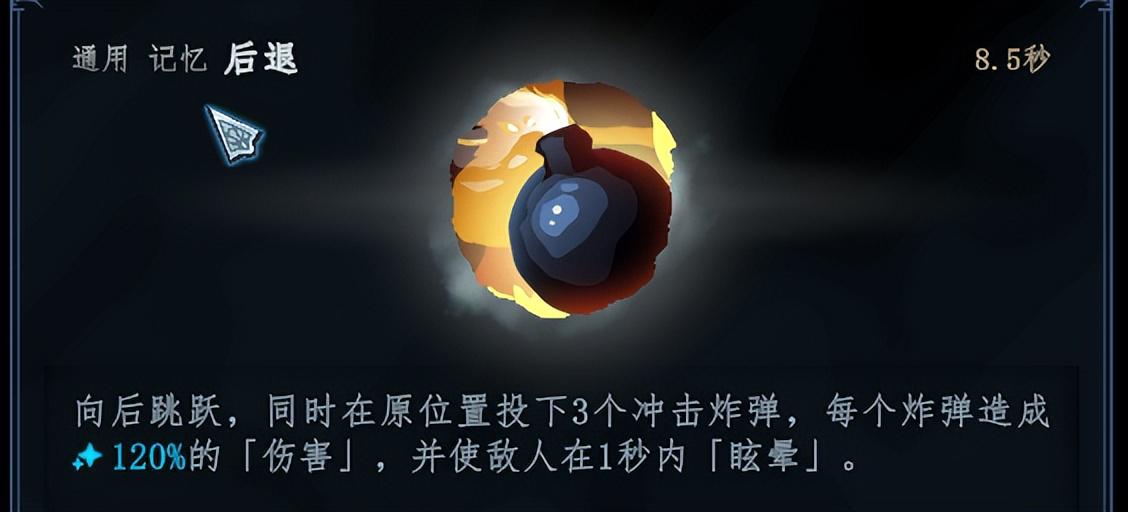
Memory (Skills)
This poses a major challenge for a Roguelike game like ours, as players may encounter new items and skills every minute.
Therefore, we decided to make the game’s “Memories” (skills) relatively basic in function and shift that complexity to “Essences.”
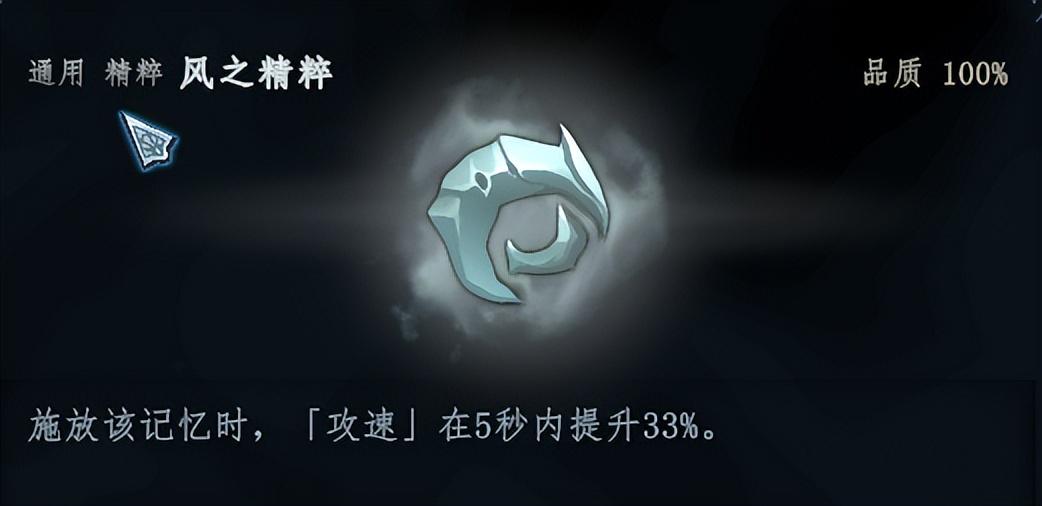
Essences (Additional Effects)
The complex functions that once belonged to skills have now been separated into small gems that can be gradually introduced into the game, allowing the complexity to increase slowly—this makes it easy for beginners to get started while ensuring the late-game remains fun thanks to rich interactions. The same skill, paired with different combinations of gems, can be played in various ways, which is an additional highlight.
Q: The game offers a high degree of freedom in combining Memories and Essences. How did you design the interconnections and depth of these systems to encourage players to experiment with different playstyles?
A: League of Legends features several simple systems that weave together to create a rich, interactive combat experience—this is exactly what we’ve strived to emulate. So our systems draw heavily from MOBA games like League of Legends. We then integrated “Essences” into this framework, allowing Essences and abilities to interact and form a unique skill-building system that lets players strategically enhance their characters.

We’ve also made Memories and Essences hot-swappable, so players can actively seek out synergies between their skills and enchantments, and try out any new skills or strategies at any time. If you just like to mash buttons and watch the screen flash for hours, that’s a perfectly valid way to enjoy the game. But if you like to try new things every now and then, the game lets you do that too.
Q: The setting of the Dream World is very unique. Why did you choose this theme? Was the design of the Hunters intended to control the length of each play session and the decisions players make?
A: The whole idea for the Dream World might stem from the fact that I love sleeping all day. I’m a heavy sleeper—I can sleep 14 hours a day and feel like 8 hours isn’t enough. At the time, I was also fascinated by lucid dreaming, so I practiced it for a while. It’s a lot of fun to grab a magical flying pillow with both hands and soar over buildings.

The core element of the game’s world is “dreams.”
The joy of doing whatever you want in a dream is similar to the feeling you get when playing a game. Sometimes you just want to mess around—like doing something silly like playing AD Vex (an unconventional playstyle in League of Legends where a mage builds AD items)—or completely dominating the game as a powerful top laner. (I’m a top laner myself; that’s the path for real men.) That’s one of the reasons I started building the dream world theme.

The game’s map will be gradually consumed by “Hunters”
The Hunters were, of course, designed with your described goals in mind. It’s a system intended to prevent players from farming resources everywhere and to encourage strategic planning as they traverse the world.
Sometimes, if you really need to go somewhere, it flexibly becomes a risk you can take, or when you have the right items, it becomes a way to farm stats. At the same time, when you become exceptionally powerful, it also becomes a way to showcase your build: leisurely strolling through thousands of meteors and enemies. Also, I believe a game needs some pressure to be fun. That’s why the Hunters are there to push you to progress faster.

Q: How was the game’s art style determined? Why did you choose a style with such intense color clashes to represent the dream world?
A: The first reason is that the game was heavily inspired by *Risk of Rain 2*. That game consumed my entire childhood, and I still play it today.
When we first started developing our game, we began with a visual style similar to *Risk of Rain 2* and built upon that foundation.

Second, visibility and readability are crucial when making this type of game, so we strive to maintain high contrast. Although we still have plenty of room for improvement in this area.
Finally, it’s an art style we can keep up with. We started with just two people, and even now, there are only four of us working on this game. There are actually many art styles to choose from, but this one allows us to quickly create the content we want and get it into players’ hands in a timely manner.
Q: Procedurally generated levels are at the heart of Rogue-like games. How did you design the level generation rules to ensure freshness and playability in every session?
A: Fully procedural map generation was too technically challenging for us, so we designed a system that still offers a diverse player experience.
When generating maps, we incorporate a variety of random elements: some locations have clear markers indicating useful items, allowing players to plan their exploration routes; some areas offer random rewards that assist players in unique ways; and others trigger random events—which could be challenges, helpful hints, or simply fun little surprises.

Q: The character designs in the game are very unique, with each hero having a distinct skill set and playstyle. How does Lizard Smoothie design its heroes?
A: We drew inspiration from how MOBA games categorize roles.
Our goal was to have at least one character representing each class. We also drew inspiration from our favorite characters in the genre.
As a player who primarily plays top lane, I really enjoy playing “Fiona the Unstoppable” in League of Legends and League of Legends: Wild Rift—she was a major source of inspiration when designing “Mist.” “Whitemane” from Heroes of the Storm is also one of my favorites; his mechanics are very unique, and we drew inspiration from him when creating “Orena.”

Q: You’ve mentioned that the game’s final direction will be determined by user feedback. Can you elaborate on what specific player feedback has influenced the game’s development path?
A: A few months ago, we fixed a bug related to the self-damage mechanic, which ended up breaking a specific character build. The build worked because, under certain conditions, self-damage could trigger the "Block" ability of "Mist." So, strictly speaking, this build actually stemmed from a bug we hadn’t caught. Ultimately, when we fixed the code, we added an exception specifically to allow this interaction to persist.
My point is, technically speaking, this build was a bug, and it was absurdly powerful—it made players completely invincible. We could have fixed it and left it at that, but we decided not to.

That day, I realized our development philosophy had shifted—from pursuing a perfectly balanced game to ensuring players could have fun and experience all sorts of quirky, interesting playstyles.
Of course, this doesn’t mean we’ll never make balance adjustments; rather, that experience has made our rules and thought processes for making changes much more solid. For example, if a build is absurdly powerful but difficult to pull off, we’ll leave it as is.
Q: *Shape of Dreams* offers both single-player and co-op modes. Why was it essential to include multiplayer during design? How did the team ensure players have a great experience in both modes while avoiding interference between them?
A: Our main consensus was to make both single-player and co-op valid ways to enjoy the game. If one mode is inferior to the other, it’s not very friendly to the players who choose that mode.
This decision stems from the immense fun we’ve had playing co-op games—titles like the *Rain World* series, *Ark: Survival Evolved*, *Baldur’s Gate 3*, and more. So we were determined that our game absolutely had to have a co-op mode!

The game supports up to four players simultaneously.
We’ve made several adjustments to maintain as consistent an experience as possible. Monster health, damage, and numbers have all been balanced and vary based on difficulty, player count, and monster type (regular monsters, mini-bosses, elite bosses).
Most in-game rewards are awarded individually, and players can choose later whether to share them or not. We’ve also introduced co-op-exclusive “Curses” to add unique challenges to multiplayer sessions. Most characters and “Memories” are available in both single-player and multiplayer modes.
Q: The Lizard Smoothie team is relatively small. From the team’s perspective, what advantages did a small team demonstrate during development? What challenges did you encounter?
A: Whenever we have to make an important game design decision, we almost always discuss it until everyone is in agreement.
In the process, we often end up unintentionally hurting each other’s feelings, but this process sometimes yields brilliant ideas and usually results in more solid, well-rounded decisions. This process is very time-consuming, so I believe it’s a strategy that only works in a small team.
The biggest challenge overall is simply a shortage of manpower. We have a lot planned, but our development progress can’t keep up. This is the main reason we had to push the release date back from May to September.

Q: How has the team’s mindset changed from the demo release to the development of the full version? Did the overwhelmingly positive feedback from early players put pressure on the development of the full version?
A: Without a doubt, the weight of responsibility on our shoulders has grown heavier.

The "Shape of Dreams" demo received overwhelmingly positive reviews
We’ve shifted from “We’re just making this game for fun” to “We’re going to do our absolute best to create an amazing game.” We’re definitely under more pressure than ever before, but we’re also more eager than ever to showcase our game.
Overall, the team still prioritizes the game’s fun factor just as much as we did at the start, but now we also focus on making the game worth players’ time and money. Every new feature we add and every bug we fix brings us a little more joy.
Q: Over the past few years of development, which part or system of *Shape of Dreams* has undergone the most iterations? Why?
A: I think the map generation system has undergone the most iterations of any aspect. Initially, we created several large maps for each area, and players progressed by defeating monsters and opening barriers. But we received feedback that it felt too linear and didn’t feel like a true Roguelike, so we decided to replace it.
We spent three months dedicated to prototyping solutions to address the linearity issue. We ended up with two prototypes: one resembling traditional dungeon crawling (which is the one we’re using now), and another “super-map” system, somewhat similar to the map design in *Ravenswatch*. We ultimately chose the former for reasons including our greater familiarity with the system and overall development complexity.
Later, based on player feedback, we iterated on the map generation algorithm many times—working to stabilize session lengths, introduce interesting structural variations, remove unnecessary branches, and so on. Of course, this also included making the maps more visually appealing.
Q: Some interviews have indicated that the full release of *Shape of Dreams* will contain twice as much content as the demo. Aside from new characters, levels, and bosses, what other content does Lizard Smoothie think players will enjoy?
A: I think the new “Traveler Mastery” and the revamped “Constellation” systems will give players more enjoyment when playing their favorite “Travelers” (characters) and experimenting with constellation builds. At the same time, we hope the new “Memories” and “Essences” will provide players with more ways to create diverse and unique builds.

We also think players will enjoy the new shrines and ruins. Scattered throughout the game world, they’ll assist players on their adventures in fresh and unique ways.
Q: After the game launches, what will be Lizard Smoothie’s release schedule for updates and new content? What will these updates primarily focus on (e.g., new gameplay, new systems, new storylines)?
A: The specific update schedule hasn’t been finalized yet, but we can say we have plenty of plans! We intend to focus equally on new gameplay, new systems, and content related to the game’s lore. Most importantly, we will continuously iterate based on player feedback to improve the player experience. Without player feedback, *Shape of Dreams* wouldn’t be where it is today, so listening to our players is our top priority.
Q: The team seems open to the mod community and player-created content. Will you consider providing official mod support or development tools for players in the future?
A: We think mods are fantastic! We plan to add Steam Workshop integration and mod support shortly after the game’s release. We hope to include a fully-featured mod manager with out-of-the-box functionality that developers will appreciate. We’ll announce an official date later.
Q: Finally, what would Lizard Smoothie most like to say to Chinese players eagerly awaiting the official release of *Shape of Dreams*?
A: Our team has a special place in our hearts for Chinese players—and we’re not kidding.
It’s all thanks to you that *Shape of Dreams* has so many people around the world eagerly awaiting its release. Even when we were just a small team, Chinese players took an interest in our game, writing articles and sharing videos about it.
In the early days, 80% of our traffic came from China! That’s what got our game off the ground and put it on the map for players worldwide. We’re incredibly grateful for the interest and passion you’ve shown for our game, and that’s why we’ll continue to do our absolute best to create a fun game that all our fans can enjoy.
原创文章,作者:茶馆小二,禁止转载:https://youxichaguan.com/en/archives/194558