In June of this year, *Yi Se* emerged as a dark horse and gained some traction overseas. With one million downloads on its first day, this superpower hero-raising RPG not only topped the Free Charts in the U.S., Southeast Asia, and other regions but also broke into the Top 50 of the Top Grossing Charts in 25 regions, including the U.S.According to DianDian Data, the game generated 60 million yuan in revenue during its first month, and *Yise* even debuted at No. 22 on Sensor Tower’s June overseas revenue chart.
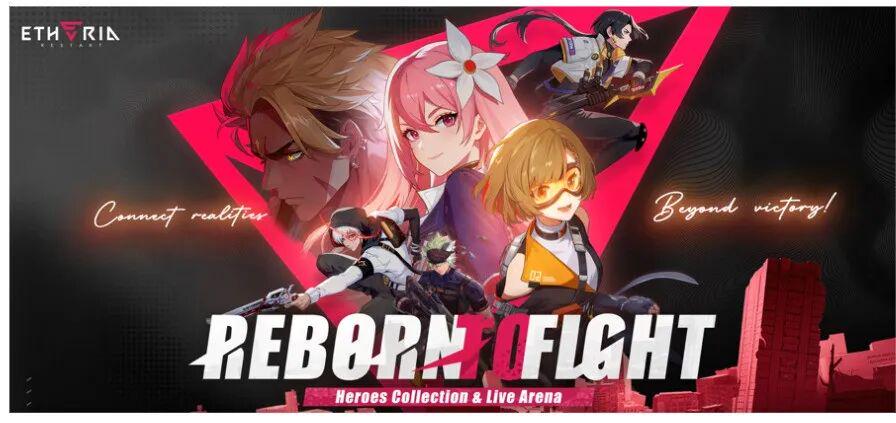
Recently, *Yi Se* launched a paid beta test on both platforms to conduct final testing ahead of its global open beta on September 25. Seizing this opportunity, Teahouse reached out to *Yi Se*’s producer, Jack Zhou, to discuss the five-year journey and comeback of this third-generation *Mage Spirit*-style game.
Launched in 2020 with a 100-person development team, the game underwent five years of development. In the early stages, the team persevered under the pressure of being “not well-received by the outside world.” From the initial lack of interest and disappointment to the explosive success of overseas testing earlier this year, they have finally validated their original vision—finding players who love the *Summoners War* gameplay style.

Xindong’s game business saw nearly 40% year-over-year growth in the first half of the year. After achieving success across multiple genres, including life simulation and idle RPGs, will the upcoming *Yise*, set to launch in the second half of the year, help Xindong carve out new territory in a fresh genre?
01
The Third Generation of "Summoners War"-Style Games
When the project was launched in 2020, the development team set out to create a third-generation "Summoners War"-style game.
Jack Zhou and the studio head are both veterans with years of experience in turn-based RPGs, as well as former co-founders. Reuniting, they pondered: What will the next generation of strategic turn-based games look like? It was then that the “Summoners War” genre came to mind.
This sub-genre was first pioneered by *Summoners War*. In 2014, South Korean developer Com2uS combined strategic card gameplay with an ATB (Active Time Battle) system, layered with long-term progression mechanics like spirit summoning and equipment upgrades, turning it into a globally sensational phenomenon. This success paved the way for second-generation Spirit Summoning games like *Onmyoji* and *Epic Seven*.
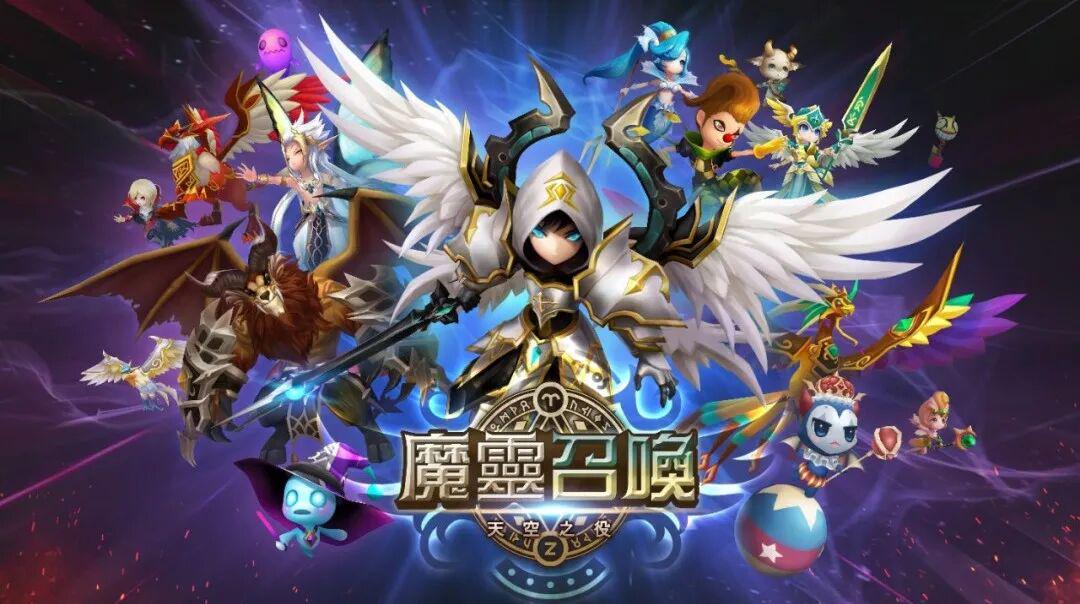
After nearly five years of development, *Ise* unveils the ultimate answer to Xindong’s “third-generation Summoners War-like” vision. Overall, *Ise* builds upon the classic mechanics of the summoner genre while pushing the boundaries of art, storytelling, strategy, and progression systems.
First is the innovation and rejuvenation of the visual experience. Upon launching *Ether*, an opening cinematic and prologue narrative showcase crisp and intricate character and scene rendering. It is reported that *Ether* was developed using the Unreal Engine, with the art team primarily consisting of professionals with backgrounds in console and PC single-player games.


Regarding the game’s world-building, the team drew inspiration from beloved sci-fi and fantasy works like *Blade Runner* and *Ready Player One*, setting the story in a technologically advanced near-future. When a bitter winter strikes, humanity transfers its consciousness to “Iser” to ensure the survival of civilization. One day, a virus infects the “Outsiders,” causing them to go berserk. As a “Hyperlinker,” the player must summon various Outsiders to complete the mission of eradicating the virus.
In terms of narrative experience, *Ether* incorporates sandbox exploration mechanics, seamlessly integrating story and combat. During exploration, new players can eliminate enemies through stealth and ambushes; they will also encounter designated stages that unlock the game’s “Demon’s Souls-like” gameplay.
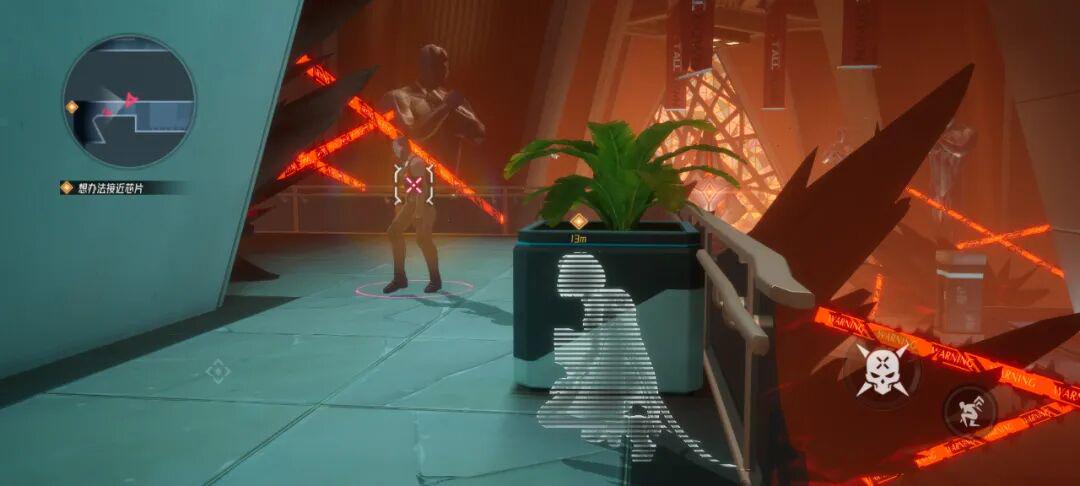
Players familiar with real-time action-turn-based gameplay will find *Yser* relatively easy to pick up. The game’s Outcasts are divided into five elemental types; players can deploy characters based on elemental affinities and build their teams around roles such as damage dealers, support, tempo controllers, and healers. Additionally, *Yser* incorporates a rune system that stacks matrix effects, offering players a richer progression and strategic experience.
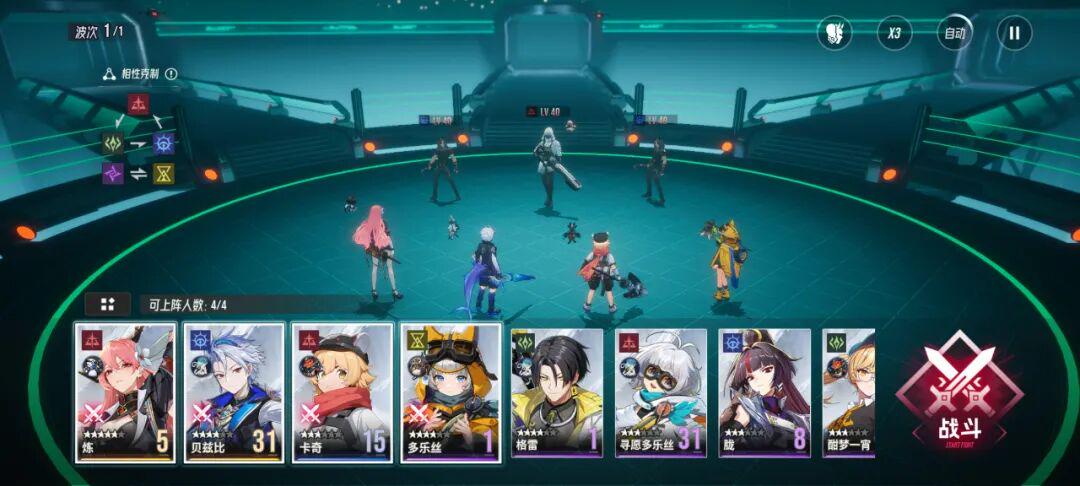
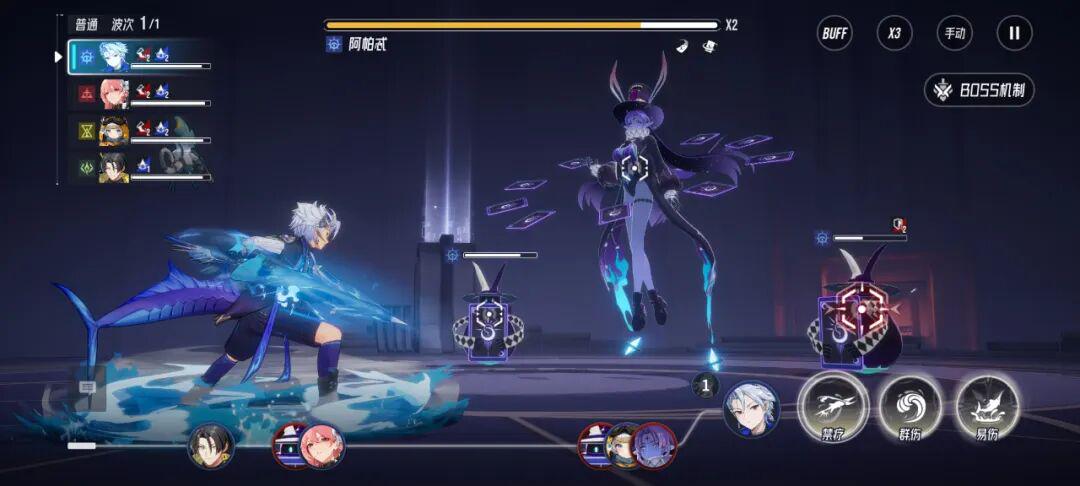
Combat Mechanics
Specifically, in addition to leveling up characters, equipment, and Smart Shells (pets), players can also combine the points attached to equipment and Smart Shells to form different matrix systems. Jack Zhou stated that this original progression system is a polished achievement they are particularly proud of.
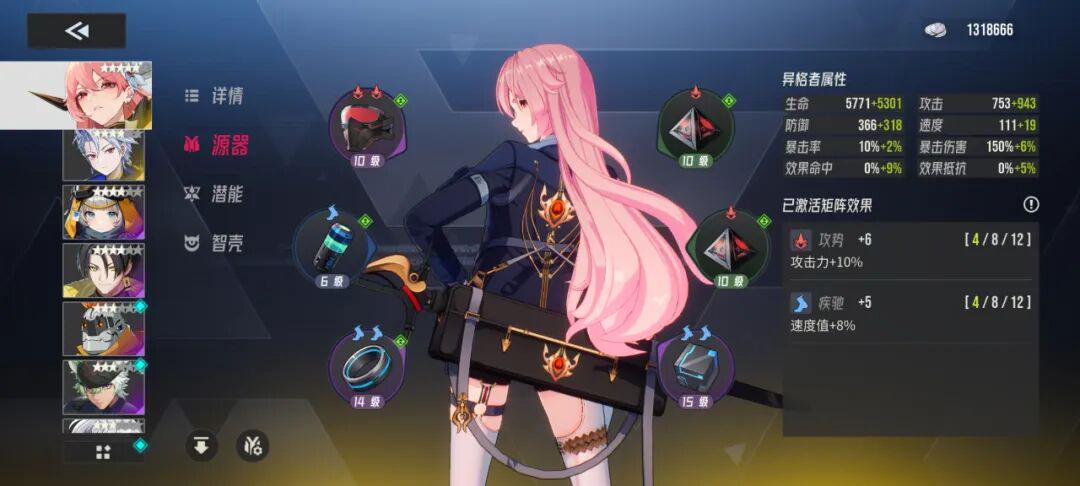
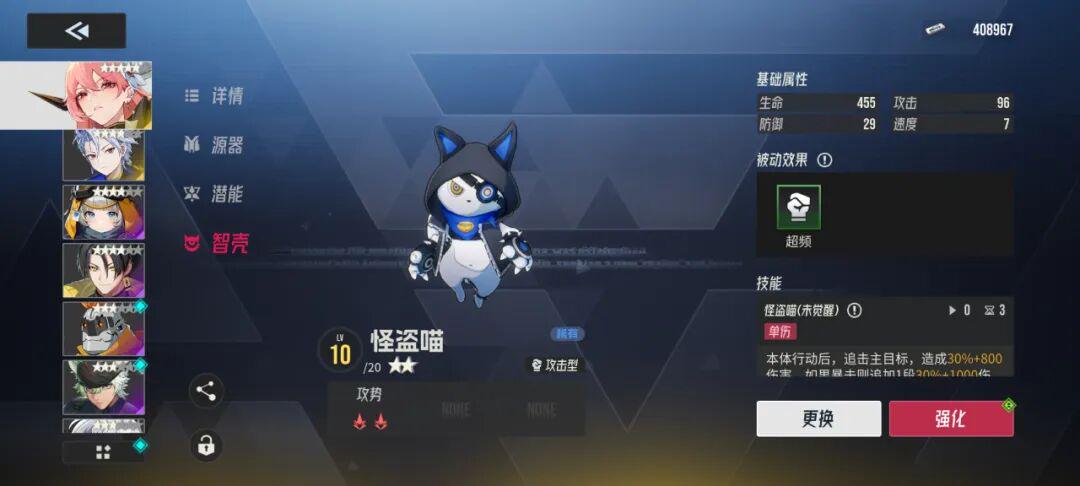
"Equipment + Smart Shell" Form Matrix Effects
By leveling up their characters, players can sequentially unlock costume changes, as well as additional PVE and PVP modes. Notably, PVP gameplay is introduced after the events of Chapter 6. The inclusion of a character ban system adds an element of the thrill found in esports competitions.
After combat, players return to their room, where snow falls outside the window in the depths of winter. The game features various functional elements—such as the Clue Wall and the Iser Terminal—arranged throughout the room. This creates the sensation of truly being immersed in the world of the Iser Era.
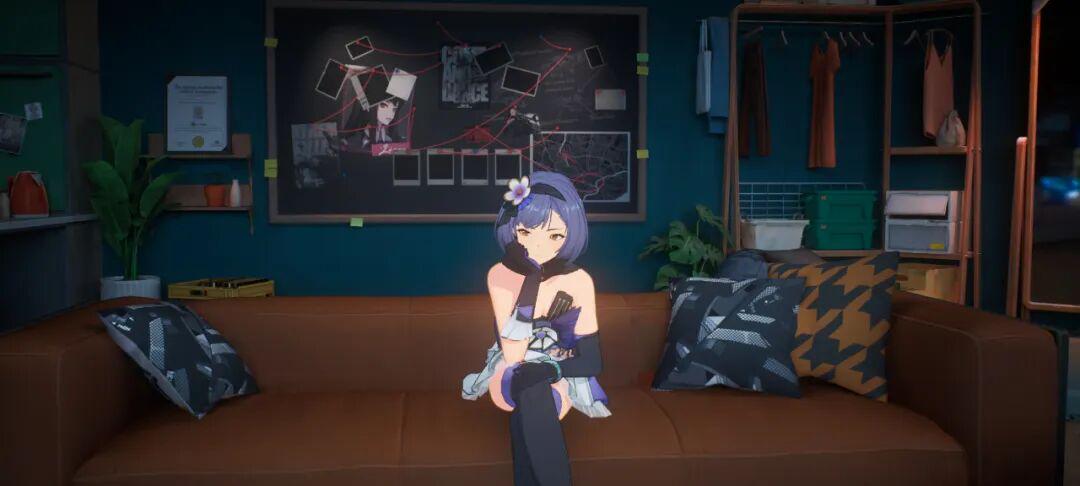
Room Layout
Jack Zhou stated that following innovations in art, gameplay, and monetization, *Yser* has essentially fulfilled their vision for a “third-generation spirit-summoning game.”
02
Early Struggles:
Searching for Players in a Niche Market
But if we rewind to 2022, the initial reveal of *Ys* was met with a somewhat lukewarm reception.
Looking back, Jack Zhou admitted that the team did feel a bit disappointed.
The team set out with high hopes, striving to create an original IP game. But in reality, whether during the initial reveal, the first beta test, or at investment forums, the game’s attention and discussion were as bland as plain water. Jack Zhou joked about this: “At the time, it felt like any other game released was generating more buzz than ours.”
The first beta test was also less than encouraging. Jack Zhou recalls that during the beta in August 2023, players expressed some skepticism regarding the game’s art. Compared to mainstream new releases on the market, *Yise*’s character designs and environmental details fell short of player expectations. Meanwhile, *Genshin Impact* had already launched in 2020. Faced with the rapid advancement of domestic games, the team felt both excitement and immense pressure.
But the team did not waver. Instead, they reflected on market and user feedback, aligning the team’s understanding with market expectations to clarify the direction for future decisions and optimizations.
The primary challenge was visual optimization.

Early testing featured a male protagonist
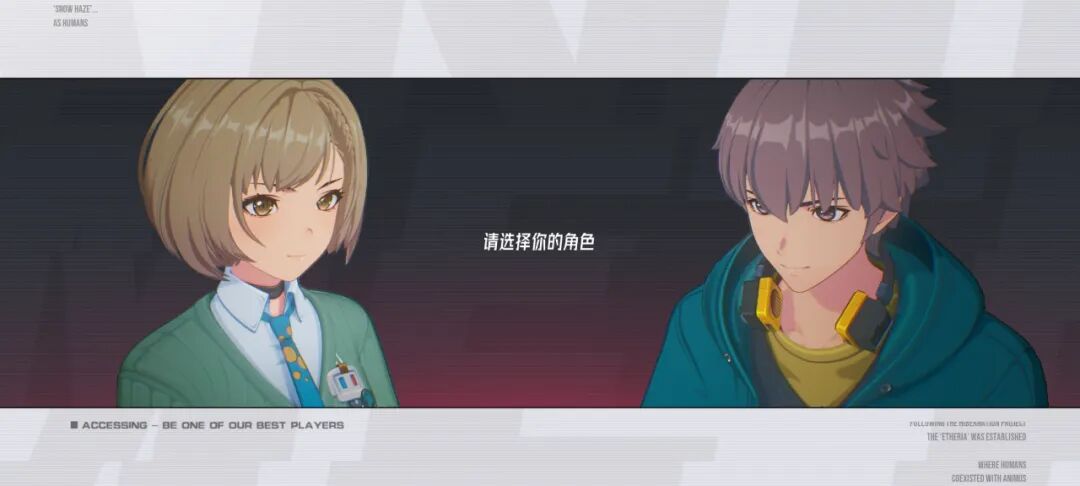
In response to player demand, the team quickly implemented the planned female protagonist into the test version
During the project’s demo phase, Jack Zhou reorganized the art team. Additionally, *Yise* placed greater emphasis on global appeal in character design—striking a balance between the initial minimalist style and the aesthetic preferences of domestic players. At the same time, the team opted for a youthful cel-shaded rendering style for the characters. Jack Zhou noted, “This also served as a technical solution to ensure the game’s visual quality across both PC and mobile platforms.”


Precisely because of this, *Yise* is often mistaken for a mobile game, but the team has observed that players accustomed to mobile game styles may need some time to adjust to the character art.
After adjustments, they are now quite satisfied with the current style. They clearly recognize that in PvP gameplay, the key to the success of *Ether*’s strategic gameplay lies in the characters’ “distinctiveness”—allowing players to quickly identify and understand each character’s “combat role” without feeling like they’re “face-blind.”


Secondly, during the first beta test, the content volume for characters, the main storyline, and gameplay mechanics was very limited. Expanding and optimizing the character pipeline has thus become a key focus for post-beta improvements in *Ys*.
Jack Zhou explained that *Yise*’s gameplay framework differs somewhat from traditional 2D games. Traditional 2D games rarely feature real-time PvP or guild battles, and later stages typically rely on character stories and main storyline updates as core selling points. However, as a magic-spirit game, *Yise* centers on strategic combinations and the breadth of hero collection, meaning “the game requires at least 50 characters to launch the open beta.”
Furthermore, through continuous adjustments to character balance and the expansion of gameplay features—along with countless rounds of testing—the *Ether* team is gradually moving closer to their vision of an ideal monster-summoning game.
They hope the game will first attract “monster-collecting” players—those willing to invest time in farming materials and leveling up, and who enjoy social interaction and PvP. Given the genre’s history, the player base for monster-collecting games should be massive, but in reality, the initial test response for *Yise* seemed relatively muted.
The tide began to turn early this year. During the Taiwan beta, they experienced for the first time the ripple effect of a stone dropped into water. Because the game had been localized into English—and despite no marketing efforts—tens of thousands of players from English-speaking regions flooded the test servers.
The team was greatly encouraged. Just how difficult had it been? As Jack Zhou remarked in an interview, “There really are players who love this genre!” They were thrilled: “They’ve recognized us, and we’ve finally found them.”
03
Overseas Performance Exceeds Expectations
From early testing to launch, the overall response overseas exceeded the team’s expectations.
Jack Zhou recalled the overseas testing phase: “Many organic streamers broadcasted our game; the chat channels were incredibly lively, and the streaming metrics were even higher than when they streamed other games.” Seizing this opportunity, they immediately shifted their overseas release strategy, moving the first open beta launch from Taiwan to Europe and the Americas.
Jack Zhou joked that this might be the “seven-year itch.” They’ve always believed that there would eventually be players who would love this style of gameplay. At the same time, he reflected that if it weren’t for the company’s trust and the time given to polish the game—as the team often says internally—“if this project were at a different company, it might have been axed three times by now.”
*Yi’er*’s overseas open beta performance has been impressive. According to DianDian Data, the game generated over 60 million yuan in revenue across iOS and Google Play in its first month. As of August 29, *Yi’er*’s combined revenue across both platforms exceeded 112 million yuan. According to previous official disclosures, overseas PC players accounted for as much as half of the total player base.
The game has also generated significant buzz overseas. Jack Zhou recalls that during the open beta, he searched YouTube and “saw about 500 to 600 videos every day.” Not only did the open beta trailer garner over 800,000 views, but when overseas streamer Tectone previewed the open beta, he saw the “guaranteed no-miss” gacha design and bluntly stated, “*Ys* will forever change gacha games.” This sparked extensive discussion among players.


YouTube has also become one of the key platforms for *Ise*’s overseas marketing. In addition to leveraging overseas KOLs to precisely target players, data from AppGrowing International shows that *Ise* has also heavily promoted content on social media platforms. On platforms like Facebook and YouTube, *Ise* ran campaigns under the theme “Most Anticipated RPG of 2025,” featuring character showcase trailers and ATB combat gameplay, with daily ad placements peaking at nearly 5,000.

"Freya" themed campaign: 21 days of ad runs, 2 million cumulative impressions
However, following the overseas open beta, *Ys*’s performance has since declined. Jack Zhou believes that *Ys*’s monetization model, which relies heavily on gacha mechanics, leads to periodic drops in the game’s chart rankings. Additionally, based on user reviews, players accustomed to the mobile game market still expect to see more updates to character side stories in *Ys*.

Player Feedback That Left a Lasting Impression on the Producer

How to tackle long-term operation remains a challenge. When sharing the project’s original vision, Jack Zhou said, “Our previous turn-based games leaned toward numerical mechanics,” but this time, “the team wanted to challenge ourselves by creating a long-term operation product with a stronger emphasis on strategy.”
*Ys*’ long-term operation blueprint includes plans such as “two-month-long seasons” and “event challenge modes during seasonal breaks.” According to the team’s vision, not only will “players be able to experience new deck-building mechanics in different seasons to enrich their strategic gameplay,” Jack Zhou noted, “but we also hope that every new hero will bring players fresh experiences and new core synergy ideas.”
Interestingly, *Yi’er* is also building upon the success of Giant Network’s *Summoners War*. As early as January during the beta testing phase, the game hosted an esports tournament in the form of a global invitational. During the overseas open beta, *Yi’er* also held its first international server offline tournament in Shanghai.

“Just like esports games, the tournament featured high-quality broadcasting and venue systems,” Jack Zhou explained. “We hope to bring the competitive fun of turn-based gameplay to more players.” Prior to this, many players were skeptical: “Can turn-based games really host tournaments?” Jack Zhou noted that during the broadcast, some viewers commented that it felt like watching a League of Legends match.

When the Chinese server launches, *Ys* will quickly align its version with the global release. After holding regional qualifiers worldwide, the team plans to bring together the strongest players from different regions by the end of the year, select a city, and host a true global offline tournament.
Jack Zhou said that ideally, they hope the game won’t require too much additional localization work, and that the biggest localization difference for *Ether* might simply be the language.
04
Conclusion:
Is the Turn-Based Genre Timeless?
In today’s mainstream real-time action games, whether players are slashing or casting magic orbs, attack feedback is always presented as dazzling visual effects and spectacular action sequences. Or, in the case of a casual mobile game, players can tackle material dungeons with just a few taps, quickly logging off after trading stamina for resources.
In contrast, *Spirit of the Demon*, which focuses on action bars and turn-based gameplay, feels slower-paced, requiring players to invest more time in gathering resources, leveling up characters, and building teams.
Given today’s fast-paced lifestyle, does turn-based gameplay seem outdated?
Jack Zhou, who has dedicated years to the turn-based genre, and the *Ether* team both insist, “Turn-based gameplay may be old, but it never goes out of style.”
When faced with fast-paced real-time games, he still wants to play a round of *Hearthstone* when he’s tired—that kind of gaming experience is more relaxing. In his view, different players go through different life stages. And the focus of *Ether* remains: to serve players who love the fantasy monster genre well.
“It’s like a collectible card game; when the number of cards in a player’s hand doubles or triples, it offers a completely different experience, much like Magic: The Gathering.”
At the same time, in this fast-paced era, *Ether* inevitably needs to pick up the pace to “lighten the load” for players. Currently, in response to players’ time constraints, the team is addressing related issues, such as how to streamline repetitive and unengaging non-core gameplay.
With the game set to officially launch globally soon, the team is making a final push during the paid beta.
Recently, Xindong released its financial results for the first half of 2025. In the first half of the year, the company’s revenue reached 3.082 billion yuan, representing a 38.8% increase. Of this, game business revenue amounted to 2.071 billion yuan, up 39.4%.
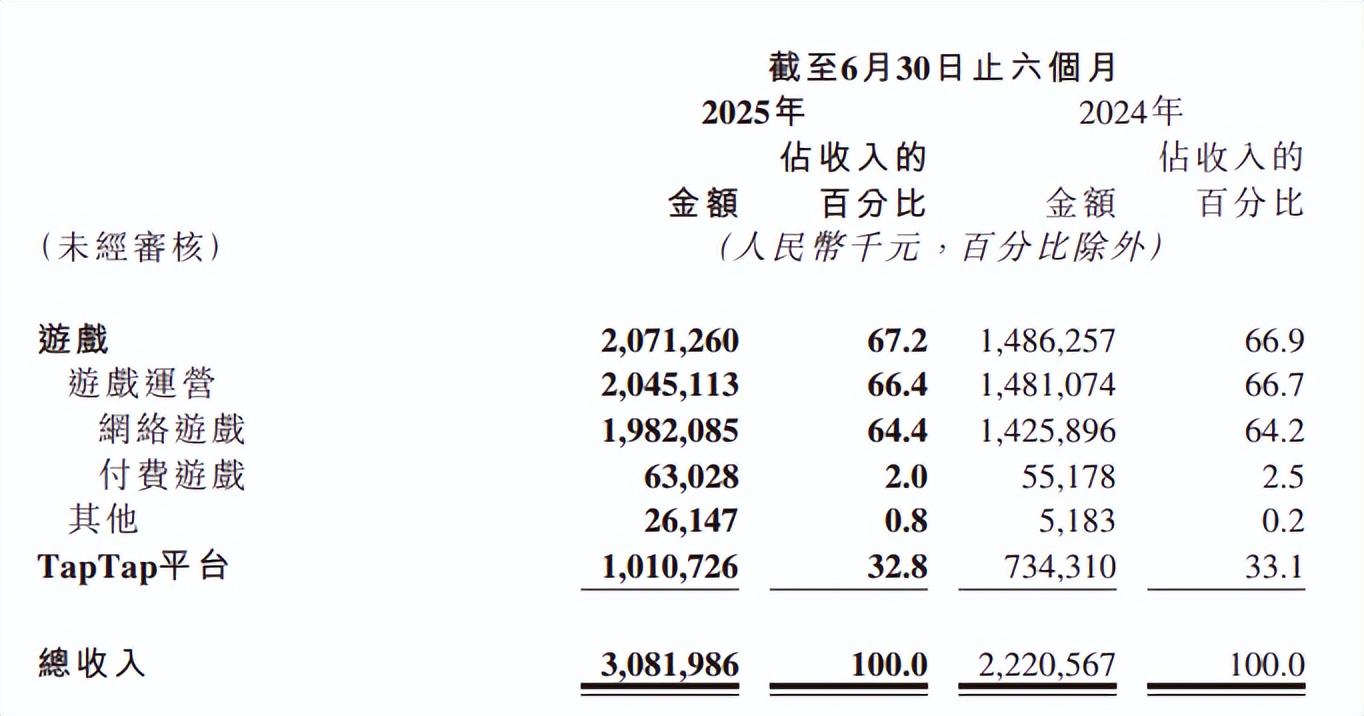
During the earnings call, Xindong’s CEO mentioned *Ys* and noted that the game’s overseas performance exceeded expectations. He also highlighted that this cel-shaded RPG combat game, built using the Unreal Engine, presented new challenges for the team in terms of both technology and genre. The success of the international launch has given them confidence, but with fierce competition in the domestic market, the team will do its utmost to break through, and he continues to explore methods for long-term operation.
Jack Zhou stated that their immediate priority is to ensure a smooth launch of the game in these regions and to further improve its performance.
Following the success of titles across multiple genres, including life simulation and idle RPGs, will *Yise*, set to launch in the second half of the year, help Xindong expand into new territory with this fresh genre? The results of the game’s upcoming global open beta are certainly worth watching.
原创文章,作者:茶馆小二,禁止转载:https://youxichaguan.com/en/archives/194555