From *Legend II* laying the groundwork for gameplay in 2001 to *Hot Blood Legend* sweeping the nation, the “Legend-style gameplay”—centered on the four core elements of “monster hunting and leveling up, free PvP, group sieges, and equipment cultivation”—has maintained its vitality for over two decades.Even though the MMO genre as a whole has seen a decline in popularity recently, Korean developers continue to explore and innovate within this framework, consistently delivering impressive results. Among them, Wemade—the major Korean studio behind *Legend II*—is undoubtedly the most anticipated.
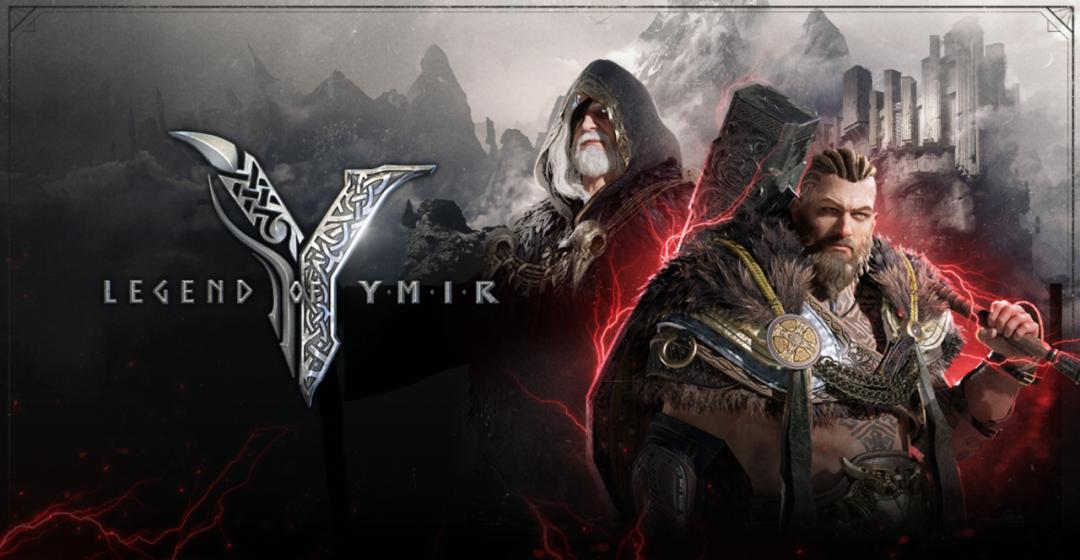
Consequently, when Yumedo announced the launch of its new title, *Legend of Ymir*, it immediately sparked widespread interest and discussion among players. Developed using Unreal Engine 5, the game is set to officially launch its international open beta on October 28 at 12:00 PM Beijing Time, and pre-registration is now open on the GLSail platform.Players can search for the "Legend of Ymir Pre-registration Site" to claim exclusive gift packs and pre-registration rewards. Additional open beta events will also be rolled out on the platform in the coming days.
So what exactly does this game, billed as the “next-generation MMO,” bring to the table? And how does it actually hold up? After participating in the recent closed beta, all the answers have become clear.
What are the limits of free PvP?
This time, *The Legend of Ymir* is focusing its innovations on PvP gameplay: first, "free PvP across the entire map," which maximizes PvP freedom; and second, "large-scale cross-server PvP," which expands the scope of PvP to its fullest extent.
At first, I didn’t really have a clear understanding of all this; I was just following the quests and going through the story. It wasn’t until I left the newbie village for the first time and encountered a “real player” that I realized what was going on. I saw them grinding monsters to level up, so I excitedly rushed over to join in—only to find that my weapon had a mind of its own and accidentally “slashed” them.
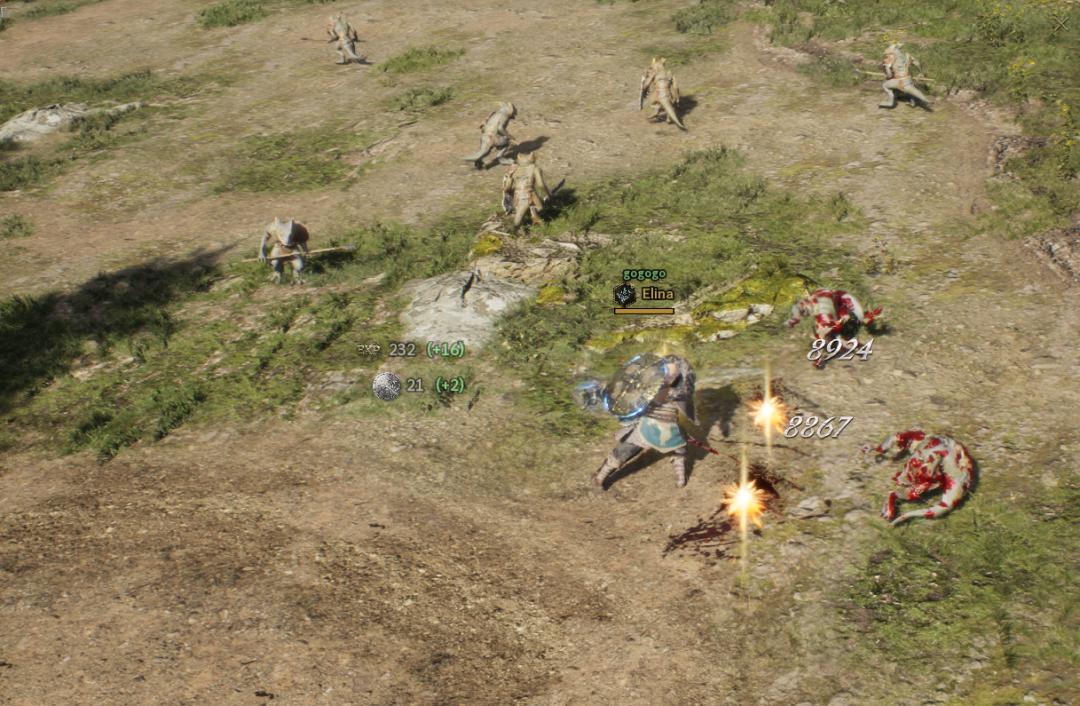
I was totally shocked: Wait… we can start dueling already?!
It turns out that the PvP zones in *The Legend of Emir* are much larger than I imagined!
After accidentally hitting my opponent, I hadn’t even had a chance to explain myself before I got slashed across the face. With no other choice, I had to grit my teeth and fight back. To my surprise, after a few exchanges, I ended up “chopping” my opponent to death in the chaos. With this pyrrhic victory, I slunk away in shame.
As I made a quick getaway, a question popped into my head: If players can duel each other anytime, anywhere, wouldn’t *Legend of Ymir* turn into a dangerous place where high-level players can run roughshod over newbies?
After doing some research, I discovered that in *The Legend of Emir*, aside from the main camp and villages—where NPCs gather—most areas in the wild allow player-versus-player combat. However, the PvP rules vary by region, and there is a corresponding “Good/Evil Score” system in place.
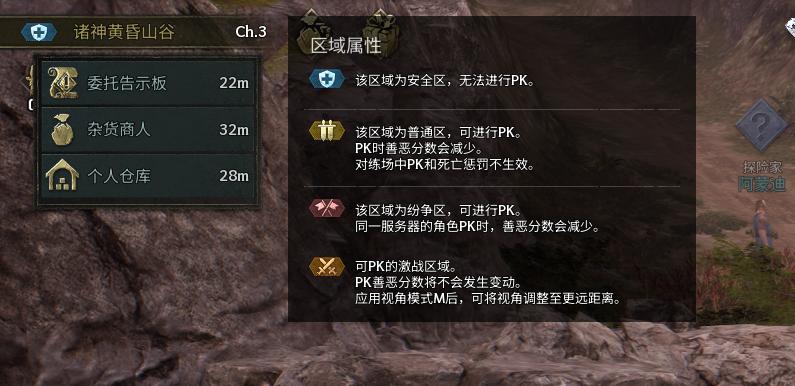
For example, my recent reckless PK resulted in a decrease in my Good/Evil score. In other words, while PK is permitted in most areas, “mindless killing” will result in point deductions; if your Good/Evil score drops too low, it will affect your experience points and your overall gaming experience. Only “Battle Zones” are lawless areas where you can attack indiscriminately without consequences, making them ideal for players seeking thrills.
At the same time, I was able to look up the PvP logs in the backend system to see exactly which server I had “killed” whom on; everything was clearly documented, which indirectly created an invisible sense of accountability—as if “what goes around comes around.”
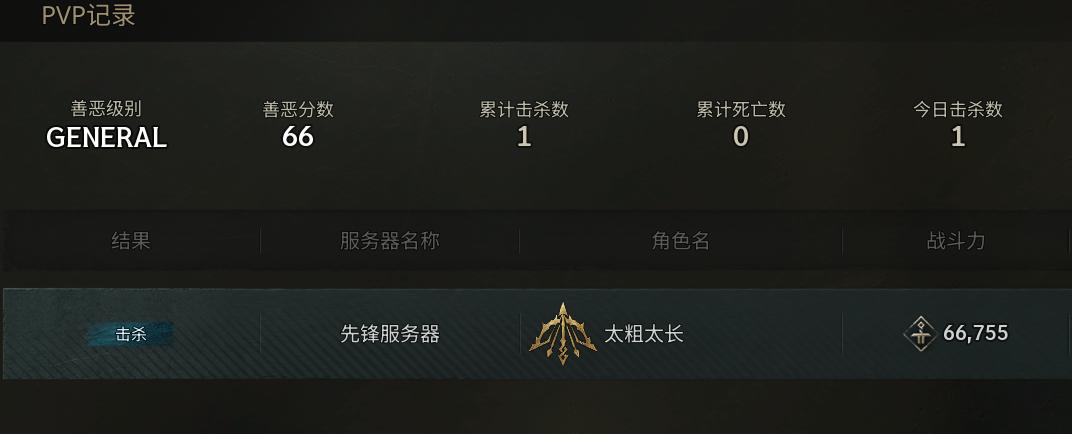
Under such a system, free PvP does not devolve into unrestrained, chaotic combat. Players must weigh the pros and cons before launching an attack, ensuring that the game maintains the necessary order while preserving its freedom.
Of course, in *The Legend of Yimir*, this one-on-one PvP is just a warm-up; “cross-server large-scale PvP” is the most intense and thrilling part, comparable to the climactic moment of capturing Shabak in *Legend*.
In *The Legend of Ymir*, each server represents a faction, and "cross-server battles" refer to PvP between different factions.
It wasn’t until I charged into battle clinging to the old-school belief that “overwhelming stats guarantee victory”—only to be easily taken down by a single combo from two opponents whose combat power was far inferior to mine—that I realized I was completely wrong.
After paying a steep price in deaths, I finally figured out how it works: Cross-server battles are divided into three phases. First, players must fight over 13 control points on the battlefield; next, they must find a way to destroy the central tower to seize the crown; and finally, the most perilous part is fighting a bloody path through the enemy lines to escort the crown to its designated destination.
In this process, individual combat prowess is merely a small factor in the balance of victory; the key to success lies in following the leader’s commands, dividing tasks and working together, advancing cautiously, breaking through the stalemate with strategic moves, and executing spectacular teamwork!
And so, the most memorable PvP battle of the year took place in *Legend of Ymir*: our team had over 20 players, several of whom were not even level 40, while every member of the opposing server was level 40 or higher, with HP and combat power far surpassing ours. By all accounts, we had almost no chance of winning.
However, under the chairman’s strategic leadership, our team employed a feint tactic in the first phase, dispatching our strongest teammates to taunt andand tie up the enemy, we successfully provoked the enemy’s core forces into losing their composure and acting recklessly. This created opportunities for our weaker teammates to deal damage, allowing us to destroy a large number of poorly defended outposts on the outer edges of the map. By doing so, we gained sufficient combat power bonuses and turned the tide of the battle in one fell swoop.
After that, our team rushed to the center of the map, pooled all our strength to push the tower, and seized the crown in one fell swoop before the enemy team could recover.
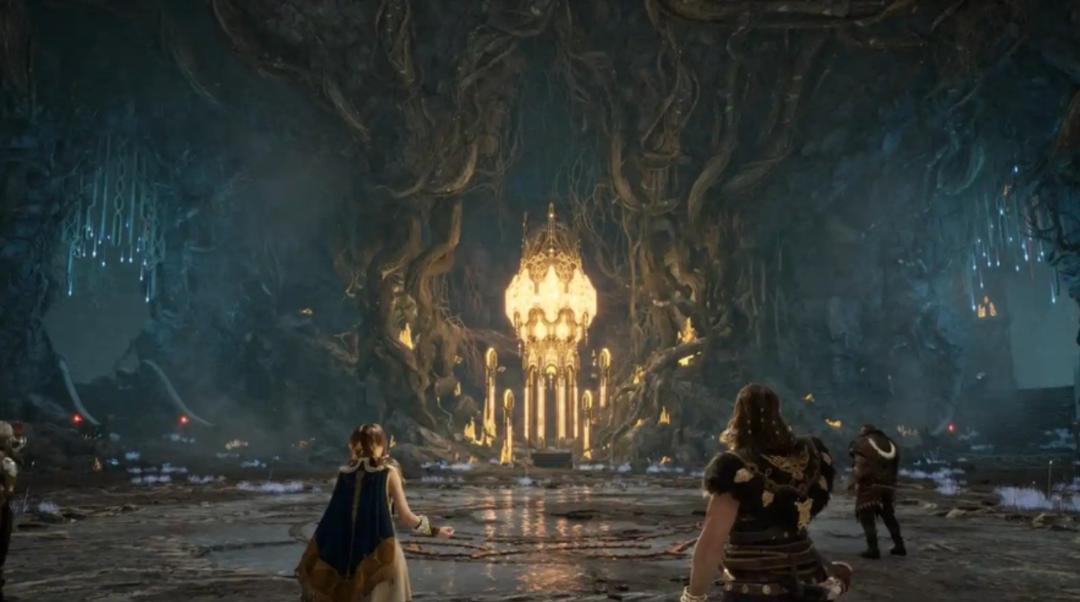
The real test came at the very end—the player carrying the crown moved more slowly and was vulnerable to enemy attacks. In response, the team leader quickly devised the best possible strategy: assigning the least powerful teammates to carry the crown, while the strongest players formed a tight ring around the escort team. Working together and maintaining a tight defense, they managed to hold off the onslaught and secure a hard-fought victory.
When the system confirmed our victory, the chat channel erupted with cheers. That sense of accomplishment—achieved through teamwork and strategy—is something rarely found in other MMOs. Through this experience, I also rediscovered a long-lost sense of belonging to a team; it felt as though the passionate spirit of “fighting alongside my brothers” in the internet cafes of yesteryear had returned.
An Immersive Experience of Norse Mythology
In recent years, AAA titles such as the new *God of War* and *Assassin’s Creed* have increasingly drawn inspiration from Norse mythology, and since *The Legend of Ymir* also adopts this theme, it’s inevitable that players will compare the two. Surprisingly, *The Legend of Ymir*’s interpretation of Norse mythology holds its own against those established AAA titles.
Powered by Unreal Engine 5, the game features lifelike lighting and shadows, intricate architectural textures, richly detailed clothing materials, and majestic mountains, lakes, and seas—all coming together to create a mythical world brimming with texture and epic grandeur. As ravens fly overhead, the crisp air seems to flow right into my lungs, allowing me to truly feel the low rumble emanating from Thor’s hammer in the distance.
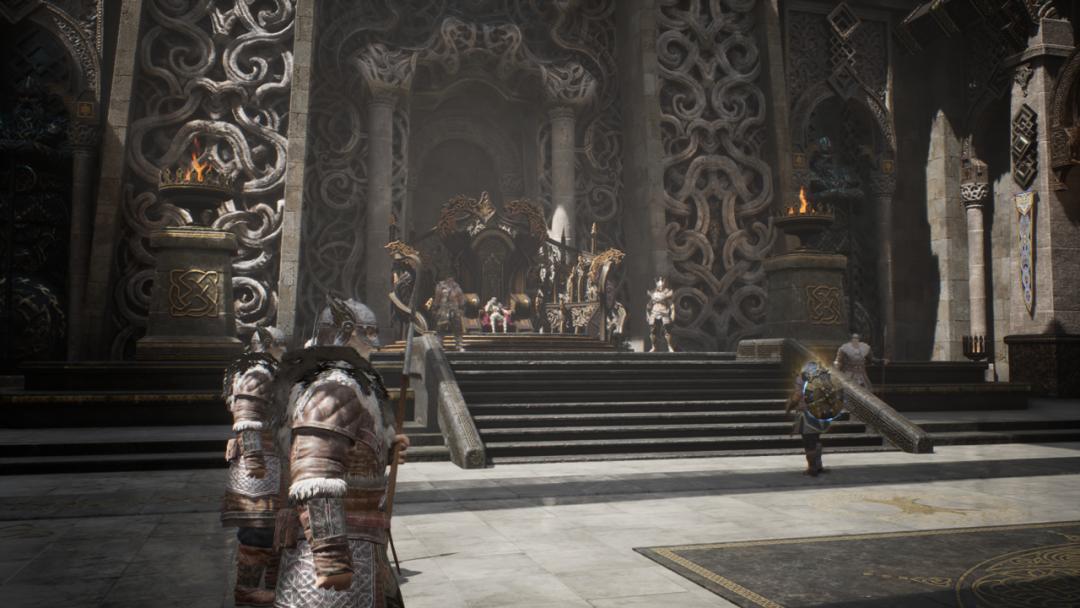
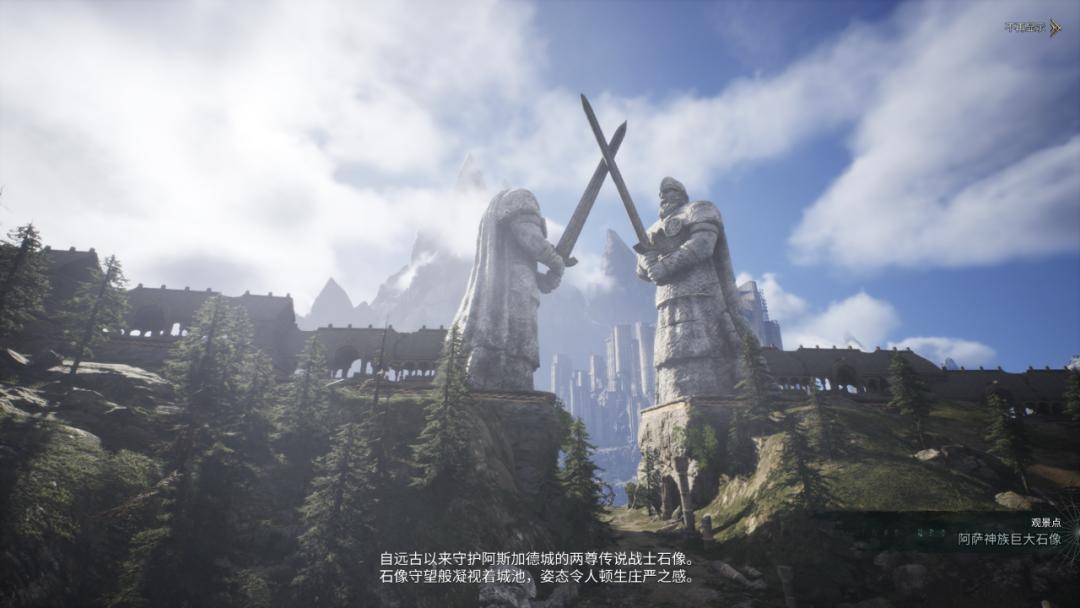
Precisely because *The Legend of Imir* takes such pride in its visuals, the game features a special “viewpoint” system: when players stand at specific viewpoints, a short cutscene plays that ostensibly introduces landmarks but is really just a showcase of the game’s stunning scenery.
Among them, the cliffs of Egil stand steeply by the sea, crisscrossed with gullies carved by the waves, as if narrating the fierce collision between the sea and the land since time immemorial; the colossal stone statues of the Aesir stand majestically on the highlands of Asgard, exuding an aura of calm and majesty.These vivid depictions bring the grandeur and desolation of the Norse world to life, igniting a fiery passion for the story to come!
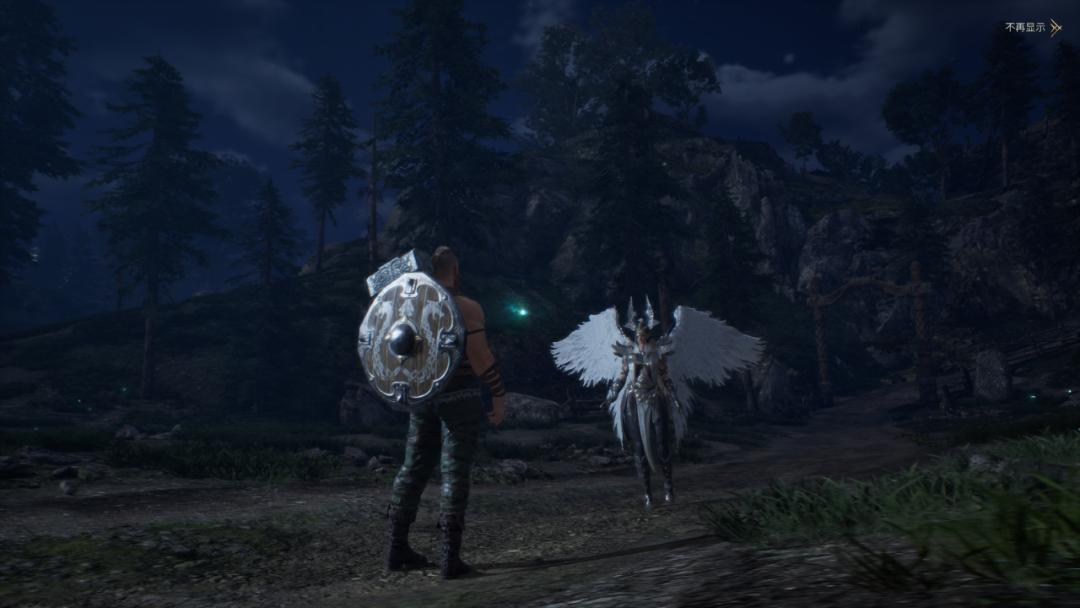
In terms of the main storyline, *The Legend of Ymir* deeply integrates the core elements and spirit of Norse mythology. Not only does it depict the Nine Realms—including Asgard and Jotunheim—but, more importantly, it weaves the profound sense of fate inherent in the myths throughout the narrative—even as the protagonist and his companions do their utmost, they cannot prevent the coming of Ragnarök.
In terms of storytelling, the game also makes skillful use of cinematic-quality shot composition, which is quite rare in large-scale MMOs—and that’s why I’ve found the most faithful portrayal of “Ragnarök” to date in *Legend of Ymir*:
The sky was dyed deep red by the flames of war and blood; the eternal night welcomed its final twilight; the stars lost their light and fell from the heavens; hordes of chaotic monsters poured forth… To be honest, I was completely overwhelmed by the sense of despair conveyed by this cutscene.This epic sense of apocalypse spilled out from the screen, enveloping every sense. And this is actually a cutscene from quite late in the game’s progression—keep in mind that most MMOs tend to pile the most visually stunning cutscenes into the early stages, only to start cutting corners and slacking off in the mid-to-late game. In contrast, *Legend of Ymir* is exceptionally dedicated, featuring high-quality cutscenes throughout the entire experience—truly a game made with the players’ best interests in mind!
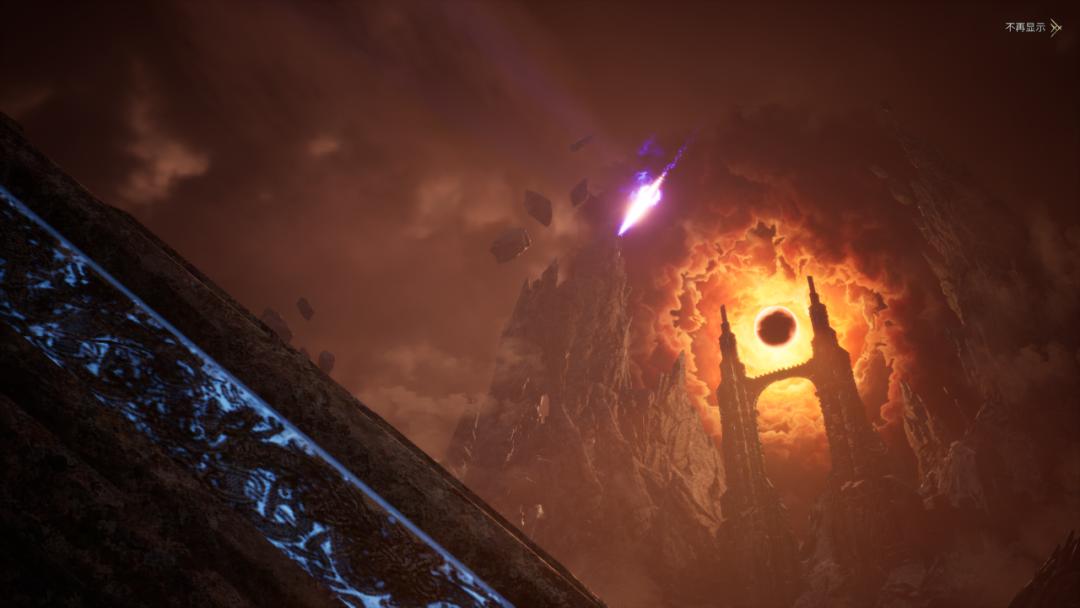
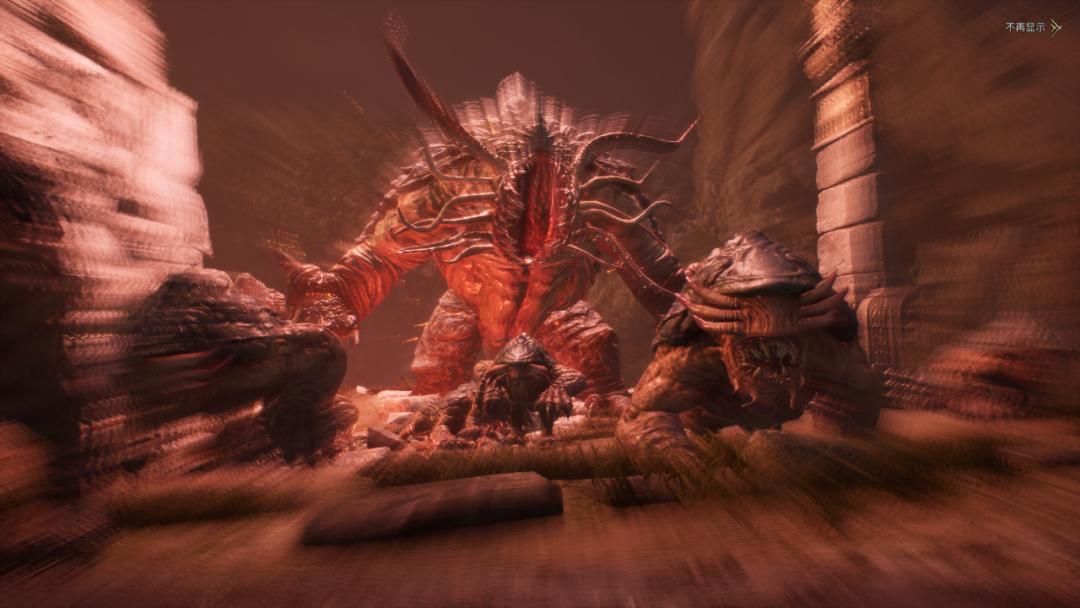
At least when it comes to Ragnarök, compared to many established AAA titles that gloss over this aspect, the presentation in *The Legend of Ymir* is truly impressive, and the sense of impending doom is truly memorable!
Finally, the character design—or aesthetic appeal—typical of Korean MMOs carries over into *Legend of Ymir*. Even though the game is set in the rugged landscapes of Norse mythology, the characters of each class retain a refined and elegant style. Whether male or female, they exude a captivating beauty while still projecting a sense of strength.
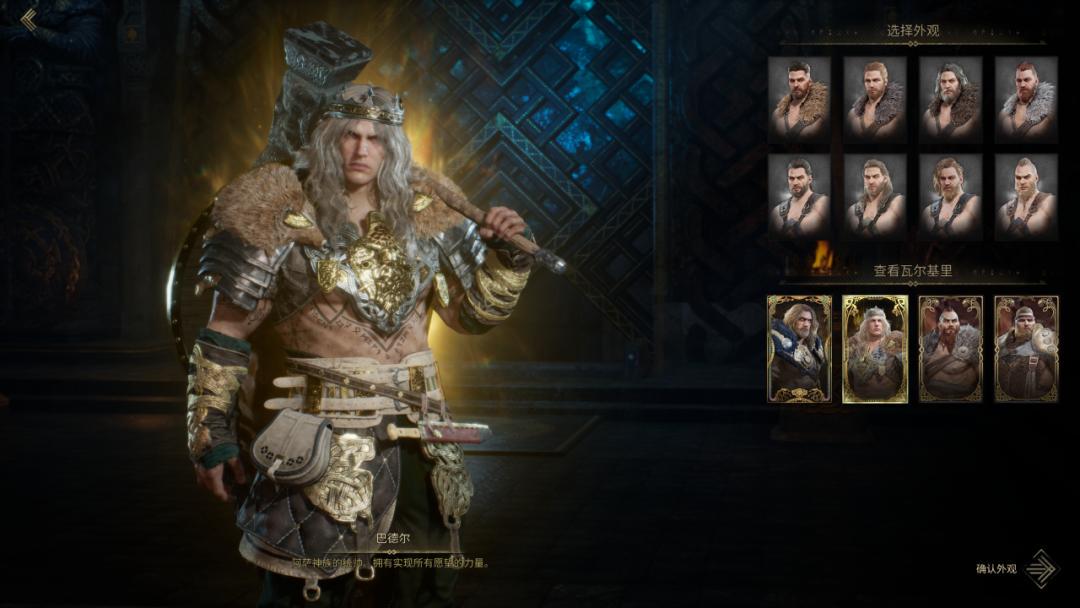
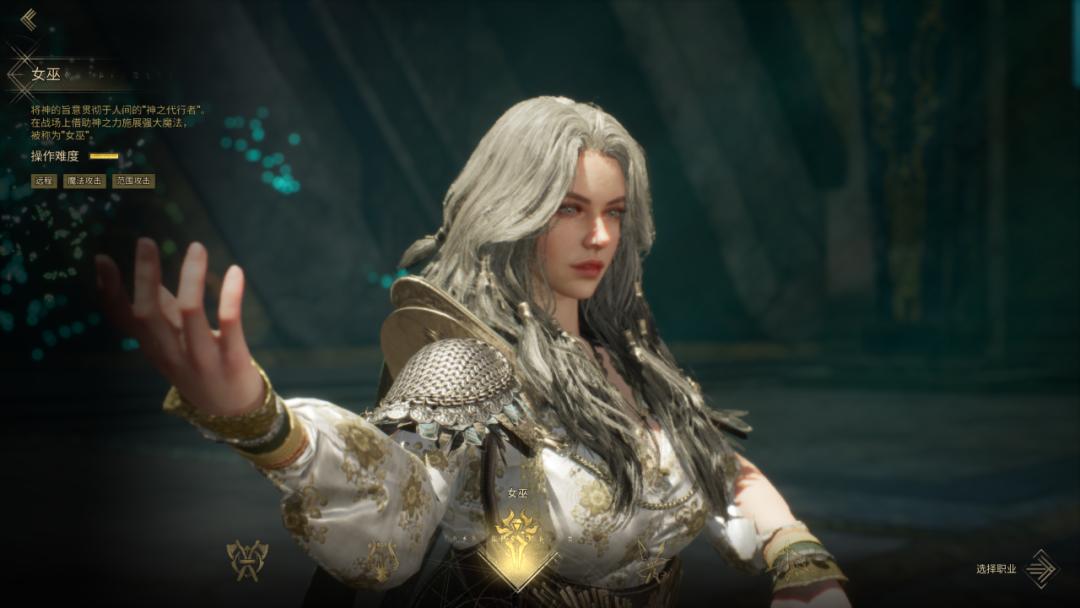
My favorite is the witch outfit: long, silver-gray curls, a white battle robe with golden patterns, fiery red lips, a piercing gaze, and fair skin, striking features, and long legs.The outfit features both the opulent patterns of Norse mythology and the refined fashion design commonly seen in Korean games. Her combat moves are crisp and dynamic, complemented by magical effects and a composed, mature voice. The design is dazzling without resorting to overtly male-appealing elements, exuding a sense of sophistication that perfectly aligns with Asian players’ aesthetic preferences.
The ambition to build a long-term ecosystem
As a long-established genre in the gaming industry, the MMO space is naturally highly competitive. To survive—let alone thrive in the long term—it demands exceptional long-term operational expertise and the ability to build a robust ecosystem. Through this beta test, I’ve gotten a glimpse of *Legend of Ymir*’s ambition for long-term growth.
First of all, *The Legend of Ymir* has established a system that caters to the needs of different players.
For busy office workers and students with limited time, the game offers a rich main storyline and supports auto-pathing, auto-farming, and auto-gathering, freeing players from the need for intensive gameplay so they can focus solely on the story. Beyond the main storyline, side quests and challenges—such as Legendary Quests, Valkyrie Quests, and scenic spots—can also be completed with minimal effort, keeping the pressure to a minimum.
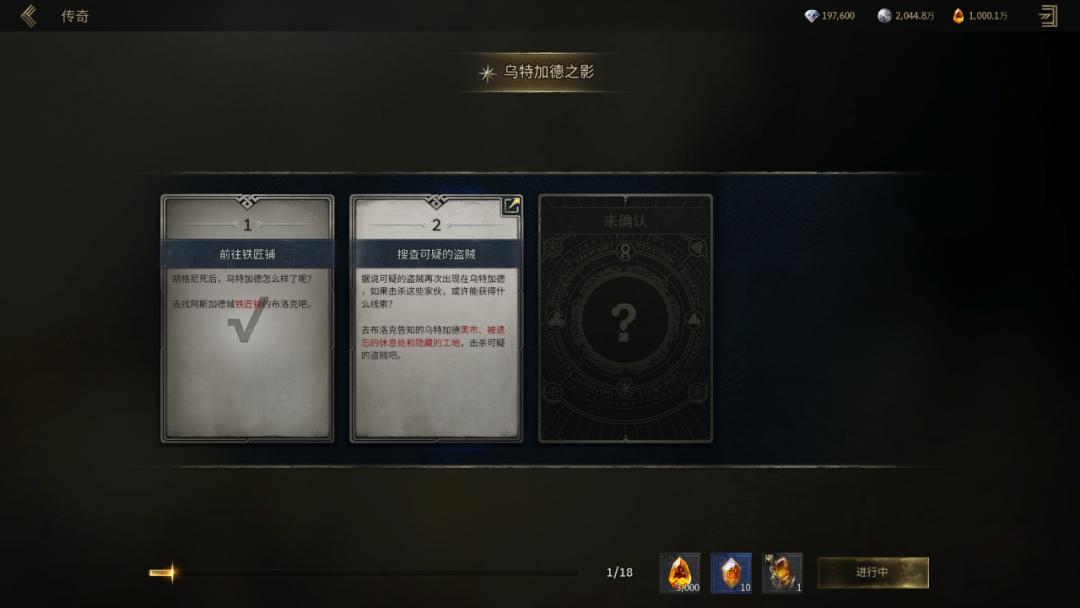
For energetic hardcore players, the game offers advanced challenges that combine skill and strategy. Whether you're taking on world bosses or engaging in guild PvP, you'll need to hone your skills, deepen your understanding of the game, and execute precise maneuvers to deal the most devastating damage!
If you become a guild master, you can command a massive army to win cross-server battles and become a "Conqueror." Not only will you become the brightest star across the entire server, but you’ll also gain "super privileges"—such as the ability to adjust boss respawn times. This is truly the ultimate dream for every ambitious player.Furthermore, even though *Legend of Ymir* has maximized the emphasis on PvP, the game still offers a vast world and rich content for players who prefer to avoid PvP combat: whether it’s earning achievements by completing the main questline, wandering aimlessly to enjoy the Nordic scenery, or teaming up with friends to farm monsters—as long as you stay out of the PvP battle zones, you can explore the entire world of Ymir in your own way, completely stress-free.
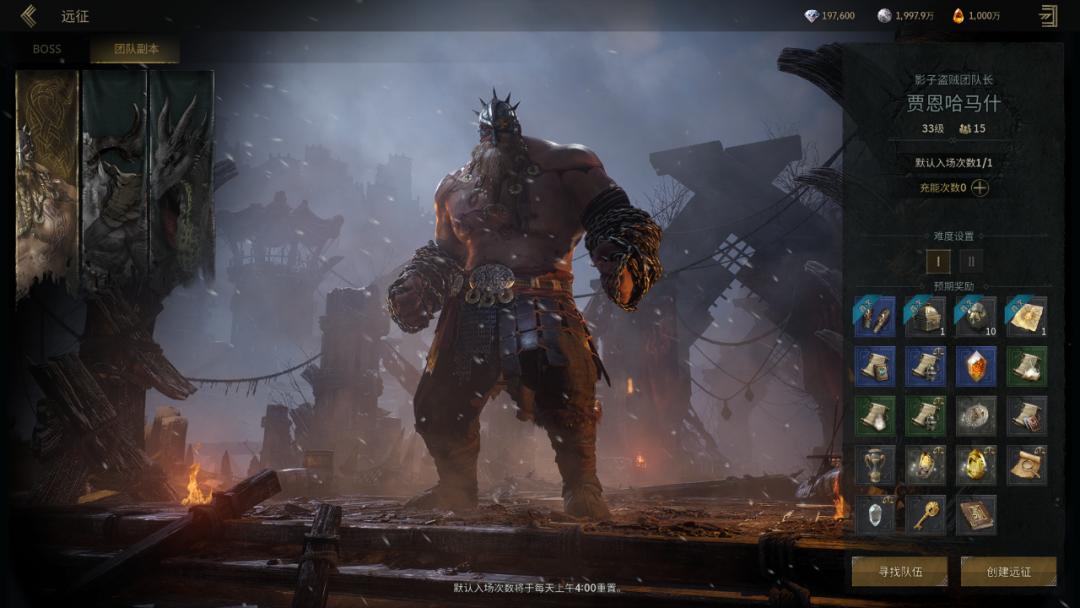
The second highlight of the game’s long-term operation is that *Legend of Ymir* deeply integrates PvE and PvP gameplay, creating a virtuous economic cycle: on the one hand, PvE provides the combat resources essential for PvP, and high-level PvE content also helps players hone their PvP combat skills in advance; on the other hand, winning PvP battles unlocks rewards and grants control over PvE resources.In this way, PvE and PvP are seamlessly integrated into a single ecosystem, ensuring the healthy development of the game’s economy.
"The Legend of Ymir" also adopts the now-popular "seasonal system," ensuring that the game remains fresh and engaging for players. According to official announcements, each subsequent season will feature distinct yet interconnected core gameplay focuses: the Growth Season emphasizes character development, allowing players to rapidly boost their strength; the Competition Season tests players' progress through cross-server battles and other modes; and the Collaboration Season encourages players to form teams and work together to overcome high-difficulty quests and challenges that require coordination.
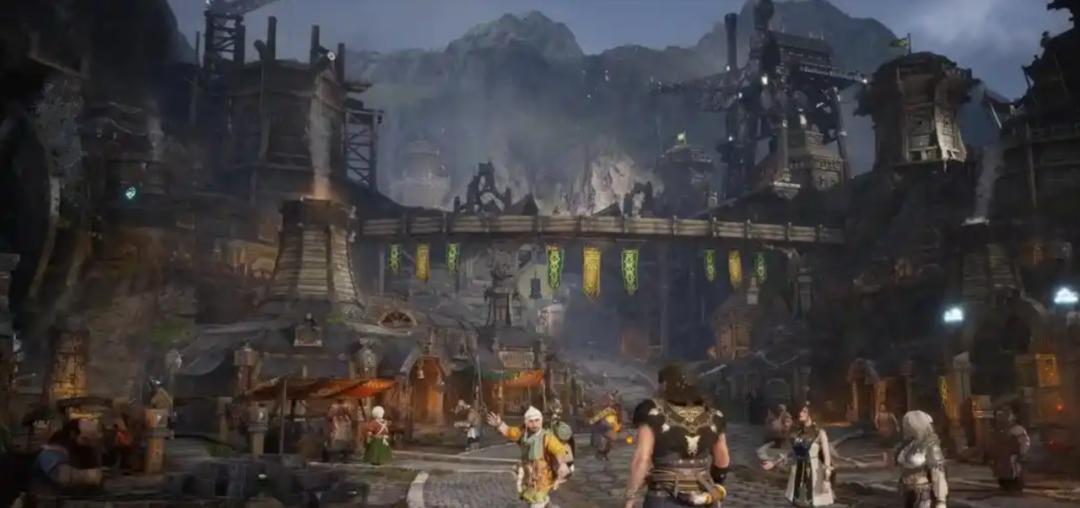
The exclusive tokens and items earned each season are not reset when the season ends; they remain valid after the season concludes and can still be used to redeem past items from the Season Store. This ensures the long-term value of players’ assets and effectively maintains their enthusiasm for participating in each season—a truly well-rounded approach.
Conclusion
How can "Legend-style" games break new ground? *Ymir Legend* offers its own answer through a revolutionary PvP system, an immersive narrative rooted in Norse mythology, and a well-balanced ecosystem. While it hasn’t abandoned traditional core elements such as "monster-slaying and leveling up," "free PvP," and "teamwork," it has elevated the gaming experience through the latest game engine and ingenious mechanics. This proves that "Legend-style" games are far from outdated; they simply need to find new vitality within their heritage.This visually stunning and highly engaging title is undoubtedly one of the most anticipated surprises in the next generation of MMOs.
原创文章,作者:游茶妹儿,禁止转载:https://youxichaguan.com/en/archives/194599