Gazing up at the starry sky, players will have their very own planet. Hop into a little car made of seashells, and you’re ready to embark on an interstellar journey.
A month ago, when miHoYo’s new life simulation game *Starry Valley* released its first trailer, the imagery of interstellar exploration evoked a romantic, *Little Prince*-esque atmosphere. Today, the game has officially launched its global beta test.

"Starry Valley" has always been the subject of much attention. Not only has the life simulation genre surged in popularity as major studios like Tencent, NetEase, and miHoYo have flocked to the space, but as a title from miHoYo, every move "Starry Valley" has made since 2023—from trademark registrations to obtaining publishing licenses—has consistently sparked speculation among players in the comments section: What exactly will miHoYo’s first life simulation game look like?
This first beta test has finally revealed the answer. After having the privilege of experiencing it early, our impression is that it may once again redefine the public’s perception of miHoYo.


In the past, miHoYo was primarily associated with the anime and manga genre within the gaming industry; this time, however, the company has chosen to step outside its comfort zone by introducing the concept of “growing a planet,” allowing this new game to embody a relaxed “slow-living aesthetic”:
The languid piano music makes time seem to slow down. Players can chop each tree three times, then pick up the branches and fruits one by one—their harvesting motions are as diligent as tapping an “electronic wooden fish.” As they collect, create, and explore, the little moments of life come together to nourish the Planet Tree, making this planet even more vibrant and colorful.
At the same time, however, it raises the question: in today’s fast-paced world, where players’ attention spans are becoming increasingly fragmented, can a product that goes against the grain and champions a “slow-living” philosophy truly stand out from the crowd? This may be a challenge shared by the entire life simulation genre—and it is the answer that miHoYo seeks to uncover by stepping outside its comfort zone with *Starry Valley*.
01
Take your time and plant a planet
Overall, *Starlight Valley* remains a content-rich title—a genre in which miHoYo excels—and is a classic life simulation game.
Using music, animation, and a variety of gameplay elements as their foundation, the team has woven together a slow-paced life experience centered on planetary living—one that is both ceremonial and immersive, offering a deep sense of fulfillment.
As indicated by the “8+” rating at the start of the game, *Star Valley* is aimed at a broader audience. The game opens like the pages of a picture book. Players can choose a planet in the starry sky to land on. Accompanied by gentle music, an adventure reminiscent of *The Little Prince* begins.

"Cute and charming" is perhaps the first impression *Star Cuckoo Valley* leaves on players. It’s not just the four-headed, big-eyed protagonist; the game also features a trio of fluffy "starter pets"—a squirrel, a rabbit, and a mop dog—all depicted as anthropomorphic animals.
Drawing inspiration from animals, the team imbued each character with distinct personalities and physical traits—for example, the “Lightfoot” rabbit from the fable is an interstellar racer who wears a tracksuit and is always saying, “What a thrill!” Mo Bai is a kind and dependable butler who often says, “Don’t worry.” The squirrel with the big tail, meanwhile, became a shopkeeper.
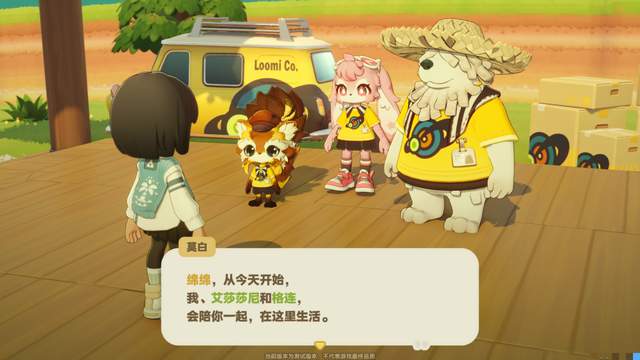
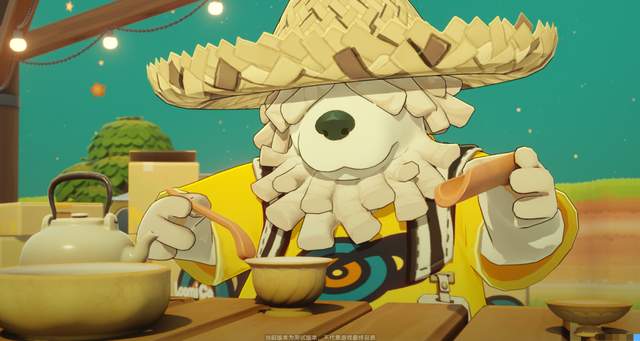
On the first day of arriving on the planet—during the tutorial—*Star Valley* helps players gradually adjust to life in space while periodically infusing the experience with a sense of ritual and whimsy. For example, as players water their seeds, flowers, birds, and fish gradually appear on the planet. Another example is the animation of Mo Bai brewing tea during a break, which instantly transports players into the world of a kung fu sitcom.
Of course, when a "Animal Crossing"-style lifestyle is brought to mobile devices, the key lies in whether it can provide a sense of immersion. And to achieve that immersion, players must first feel engaged—not left with nothing to do.
Surprisingly, during testing, every time a teahouse in *Star Valley* welcomed a new day, I found myself once again immersed in the experience. Especially when playing on PC, *Star Valley* offers a more immersive first-person perspective.
In-game time is synchronized with real time:
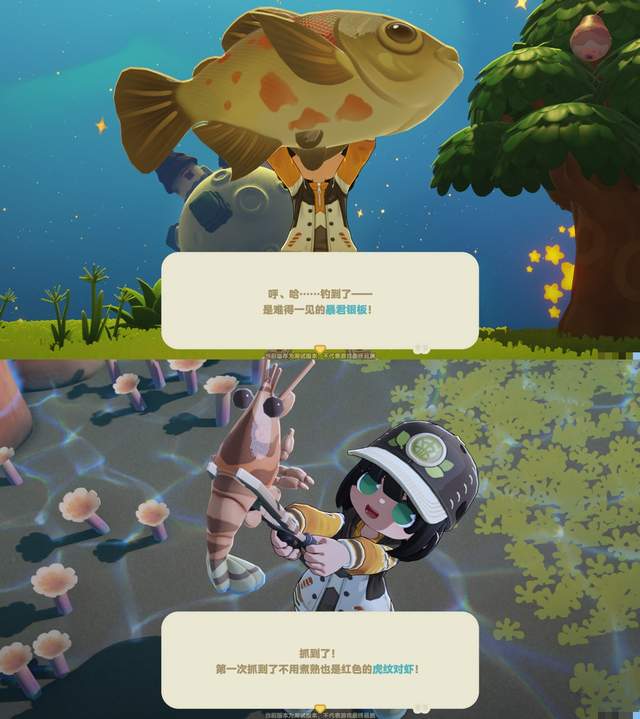
In the early morning, accompanied by cheerful music, players can wade through the shimmering waves to catch a Victory Dawn Crab as it raises its claws;
At noon, with lively music playing and sunlight filtering through the trees, players can once again busily chop down trees and bend down to pick mushrooms;
In the evening, the sound of the zither drifts lazily through the air; under the cover of night, fireflies flit about in the trees, waiting to be caught.
From gathering resources to planting and selling, the tea house is always bustling with activity as its staff run back and forth across the curved surface of the planet. Before you know it, just as you lift the bucket, your stomach growls—and only then do you realize your stamina is gone and it’s time to eat.
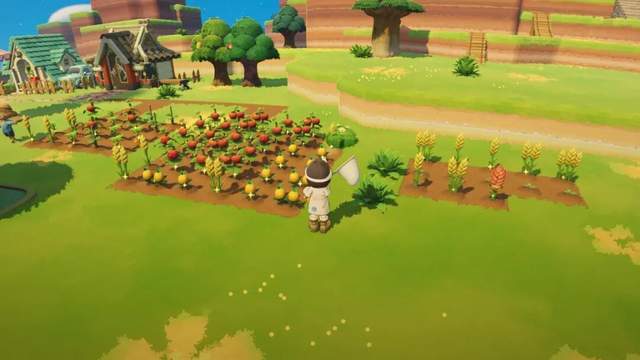
I'm going to sell vegetables on the Good Friend Planet.
At the same time, to reinforce this sense of busyness and fulfillment, the team has designed the game to provide players with more rewards and positive feedback—
Encountering new creatures is always accompanied by exaggerated, dynamic animations that add to the fun; when helping NPCs fulfill their wishes, players are often rewarded with various gifts; and while chopping down trees, furniture design cards occasionally drop from them.
While gathering resources, players will also encounter a type of fluffy spirit called "Achi Bao." These spirits come in five different colors based on the type of resource they represent, and they also serve as materials for leveling up NPC planets. In addition to gold coins, the game offers a reward system based on achievements, known as "Luomi," which can also be used to purchase clothing, resources, and other items.
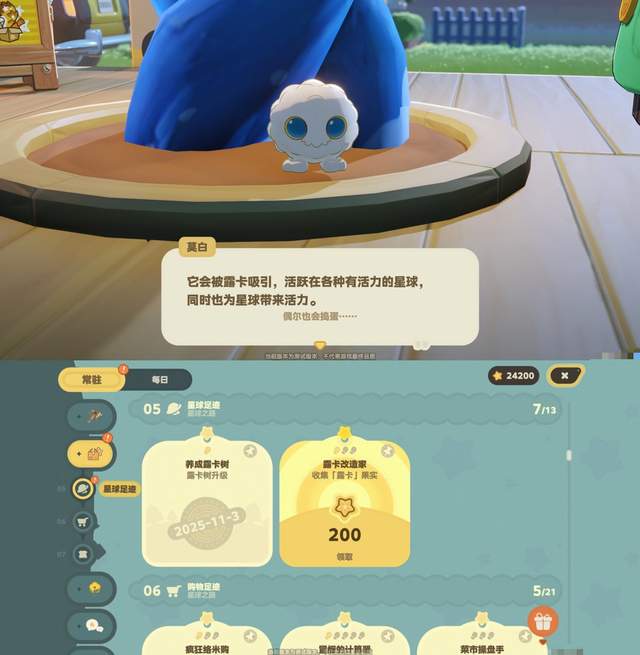
Building on this rich simulation of daily life, *Star Cuckoo Valley* also boldly slows down the in-game pace: resources must be gathered gradually to build homes for residents. Plant seeds take a day to grow. Once the Museum of Wonders and the shop are constructed, they won’t be fully operational until the next day.
It is precisely because of this slow-living aesthetic experience that *Star Valley*, as a content-driven game, allows players to gradually discover the details hidden within its environments and narrative. For example, flowers sprout from the cracks in rock piles. Sometimes, simply standing in front of the stove and experimenting with different recipes can be a novel experience.
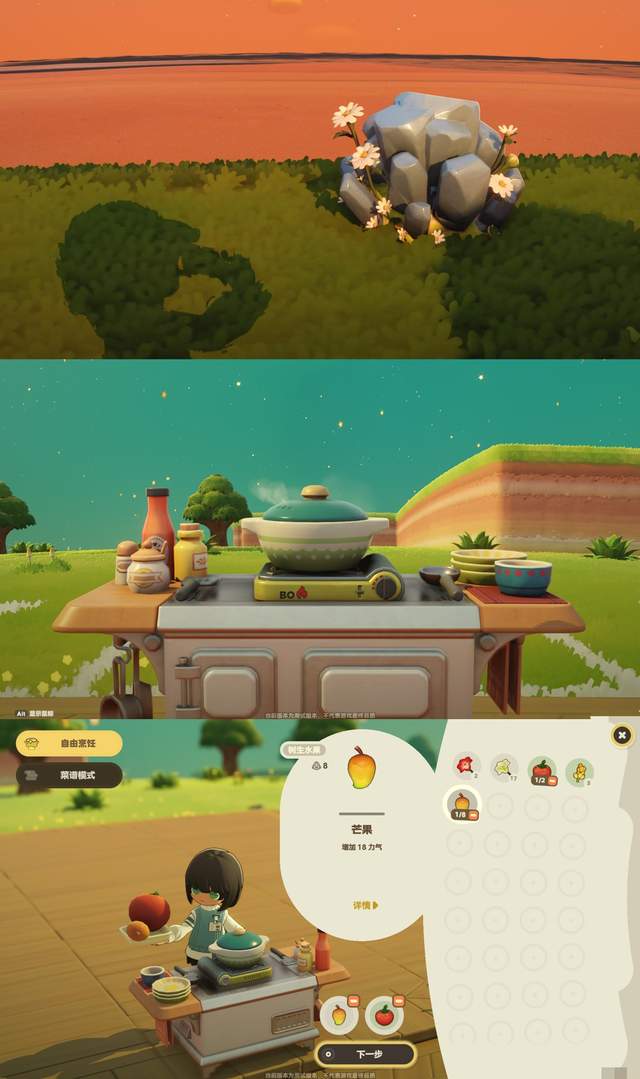
All exploration objectives will also be linked to the residents’ wishes. As wishes are fulfilled, players will earn Luka Fruits to help the Planet Tree grow. This will grant the planet more farmland and wondrous sights, creating a sustainable cycle of exploration and growth that embodies the concept of “cultivating a planet through daily life.”
02
The Other Side of Life Simulation:
Exploration and Socializing
After reading the previous section, Animal Crossing players might think, “Well, this gameplay doesn’t seem all that new.” So next, we’ll focus on what *Starry Valley* has to offer beyond its life simulation elements, including social interaction, exploration, and building.
Overall, regarding these experience modules, this new life simulation game offers engaging content centered around the theme of “interstellar exploration,” with the core experience it aims to convey being: embracing solitude and finding joy in one’s own company.
First, the game’s social experience is designed with both ingenuity and restraint. Encounters between players aren’t triggered by clicking a “Visit” button on the menu bar, but are instead expressed visually—such as gazing up at the night sky and seeing a planet drift across the horizon—evoking the serendipity of chance encounters in the vastness of the universe.
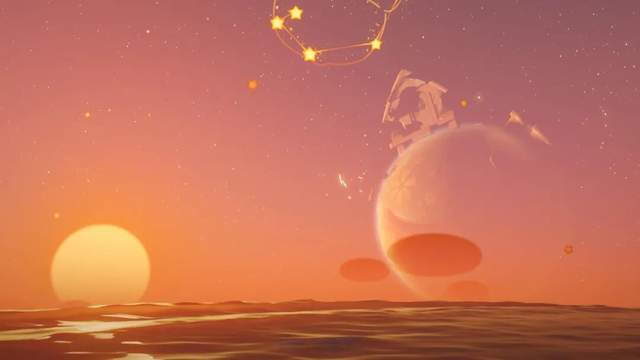
However, even if you happen to meet, this does not mean players can visit freely; they must first obtain the consent of the residents of the other planet. Once you arrive on the other planet, you must meet in person and tap each other’s avatars to become friends.
And that’s exactly why, thanks to this special connection, players are always happy to strike up a conversation whenever they meet. At the teahouse, I ran into a “Star Friend” who loves sharing home decor tips. She said, “I’ve decorated my house to match the style of a home in *Animal Crossing*.” I also happened to meet a farming expert who was sharing his tips; he arranges all his trees in a windbreak formation to make it easier to chop wood and gather resources on a daily basis.
At the same time, even in the multiplayer area "Starlight Market," *Star Valley* has intentionally minimized the visibility of text messages in public spaces. Except in specific cafes and chat areas, unless players are friends, text messages will not be visible to one another—even when they are in the same space.

Neighborhood Music Gameplay
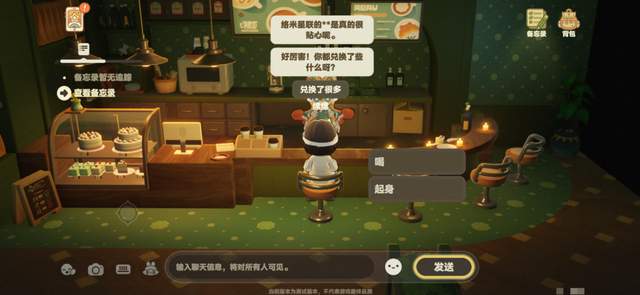
Coffee Shop AI Chat
The benefits of this design in *Star Cuckoo Valley* are also clear: it doesn’t disrupt the immersive experience of the life simulation.
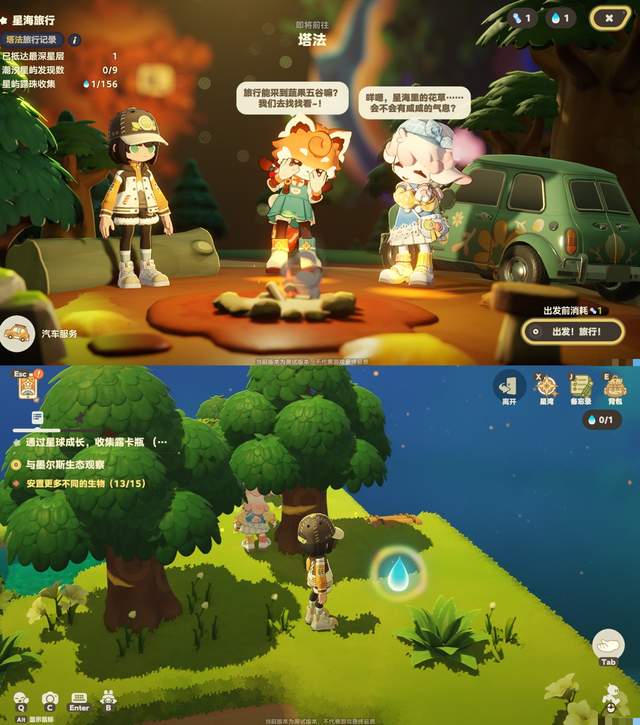
Second, "Star Sea Travel," which focuses on exploration, adds an element of unexpected fun to the game. In the first beta test, players needed batteries to start a journey, which could be purchased with Luomi—with a daily limit of two. Before setting off, players could bring along two animal companions, each with their own gathering specialties.
During their adventure, players will stumble upon various planetary continents. Resembling intricate cubes, these continents offer a miniature-garden-style exploration experience. Each planet has its own unique character; at times, players will feel as though they’ve wandered into *Alice in Wonderland*, while at others, they’ll feel as if they’ve stumbled upon a bustling marketplace.Once inside, players can use the planet’s name as a clue to search for dewdrops. Some dewdrops transform into fish hiding in waterfalls, while others lurk in low-lying areas. With a bit of luck, players may also encounter more animal friends on the planet and invite them to their own world.
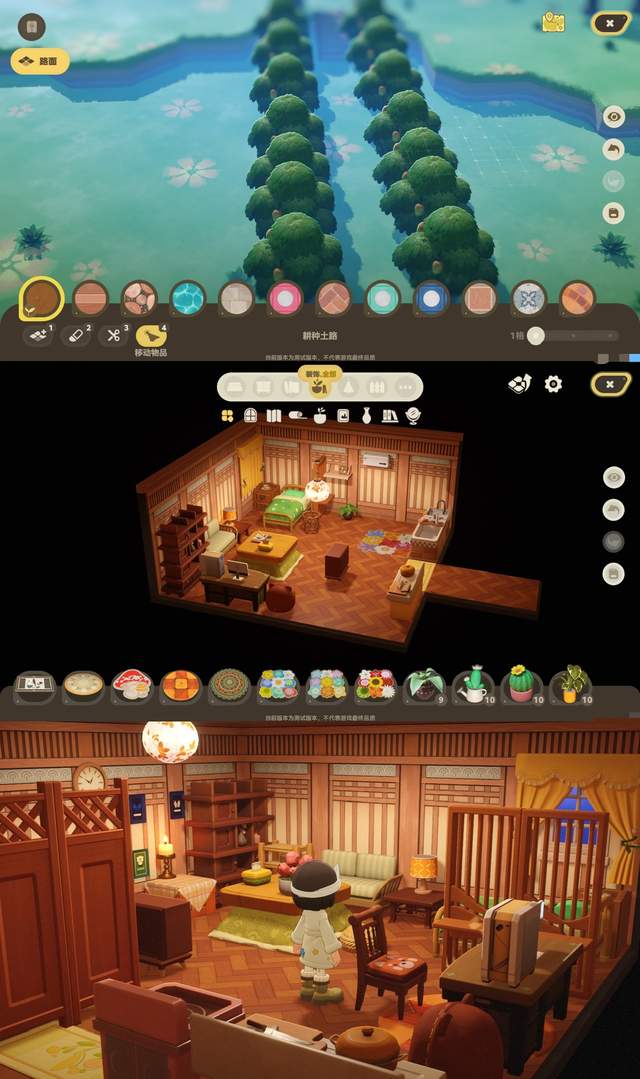
All of these gameplay experiences will ultimately converge into the building mechanics. The building mechanics also highlight the potential for player-generated content (UGC) in *Star Valley* in the future.
According to this initial test, the building mechanics in *Star Valley* are quite smooth in terms of controls and camera movement. One evening, I spent a long time dragging trees around the teahouse, hoping to create a tree-lined path.
When it comes to home decoration, *Star Valley* offers a variety of styles, including fantasy, Japanese, and vintage European. Players can purchase most furniture with gold coins or Luomi, or obtain Inspiration Cards by catching or collecting drifting stars. Once unlocked, players can use raw materials to craft furniture directly.
Overall, as an "8+" game, *Star Valley* does not feature an overly complex progression system. Its progression system is relatively simple and straightforward, focusing primarily on leveling up NPC planets and vehicles, with the necessary materials mainly obtained as byproducts of daily exploration and resource gathering.
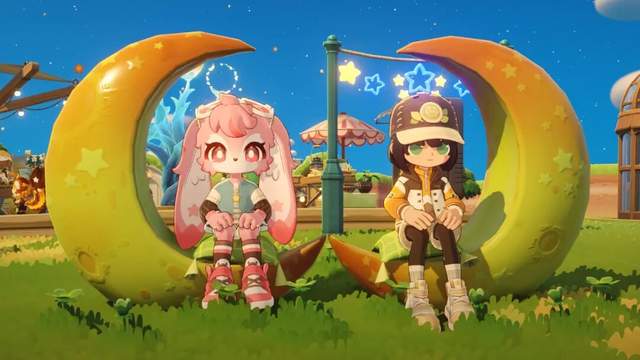
Collect, explore, socialize, and build—everything revolves around shaping the planet into the world you envision. Players can then use their phones to capture these memorable moments and add them to their scrapbook, turning even the most ordinary corners of daily life into something beautiful.
03
The Crowded Animal Crossing Race Track
And Mihoyo's choice
Based on the initial hands-on experience, *Starlight Valley* is a game that emphasizes immersion. Moving beyond its usual strength in the anime-style genre, miHoYo has stepped out of its comfort zone to carve out its own niche in the entirely new life simulation genre.
Looking back at the game’s unveiling process, it’s clear that *Star Valley* has consistently garnered significant attention from the public.
In 2023, when rumors began circulating that miHoYo was developing a life simulation game similar to Animal Crossing, the news quickly spread across overseas forums.
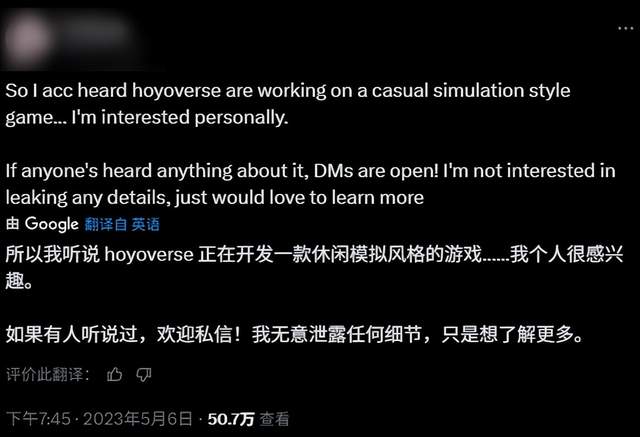
Judging by the game’s marketing and promotional schedule, it’s clear that miHoYo has been proceeding with great caution. In February 2024, miHoYo officially registered a "Starfield" account on Bilibili, and in July of the same year, the game received its publishing license. It wasn’t until this past September—more than a year later—that the game’s promotional video was officially unveiled.
On the one hand, given that Mihoyo is stepping away from its familiar genres to test the waters in a brand-new market segment, its caution is certainly understandable. On the other hand, breaking into the currently booming and highly specialized life simulation genre is also a tough challenge for Mihoyo.
In recent years, following the massive success of *Animal Crossing: New Horizons*, the life simulation genre—often labeled as "Animal Crossing-like"—has become a highly competitive market that domestic developers are rushing to enter. Tencent, NetEase, and Qutang Technology have also been rolling out their own pre-development projects in this space.
However, this genre presents both opportunities and challenges. A game designer specializing in simulation games once told Teahouse that when seeking new avenues to cater to female players in the gaming market, emotional-themed games—such as *Animal Crossing* and *Stardew Valley*—hold great promise. For development teams, creating such products is not only a fulfilling and authentic experience, but if executed well, the games also have the potential to gain traction through word of mouth.
However, he also noted, “That said, this approach is prone to pitfalls, as development costs are high and there isn’t yet a solid business model in place.”
Currently, based on the information available about these products, developers are exploring ways to expand beyond the standard life simulation and management gameplay. Each game incorporates its own unique elements—such as adding Paloo gameplay, including party-themed mini-games, or experimenting with different themes.
However, the challenges are indeed obvious: how to combine monetization with the immersive experience of life simulation games remains a common challenge for development teams. Many Animal Crossing-style life simulation games adopt a freemium model. Based on the first beta test of *Star Valley*, the game has already achieved an immersive life simulation experience, with gameplay expanded to include building and exploration. Therefore, the monetization model may still require further consideration by the team and will likely be revealed in the future.
In today’s market, the question that intrigues us is this: in a saturated mobile gaming market, when a game encourages players to slow down, might it reveal a new frontier of player needs that have yet to be tapped?
Conclusion
“What about you? What kind of planet do you want to create?”
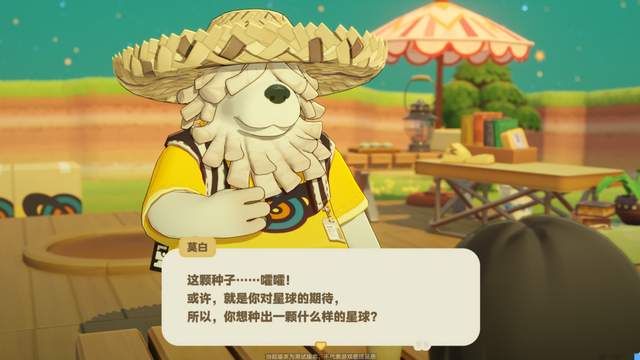
When the game character poses this question to the player, the answer the player has in mind may well become the goal that miHoYo seeks to achieve in its first life simulation game.
Beyond the game itself, *Starlight Valley* is another fruit of miHoYo’s labor. miHoYo continues to reveal new facets of itself. Following the release of several classic titles, the studio has been steadily stepping out of its comfort zone, taking one step at a time to nurture its “Tree of Life” through each new game. It seems miHoYo’s exploration of player needs and untapped markets knows no bounds.
For miHoYo, the answer to what the planet will ultimately look like may always lie in that fruit still missing from the Planet Tree. As for what new vistas *Starfield* will bring to the world between sky and sea, we’ll have to leave that to time.
原创文章,作者:游茶妹儿,禁止转载:https://youxichaguan.com/en/archives/194628