
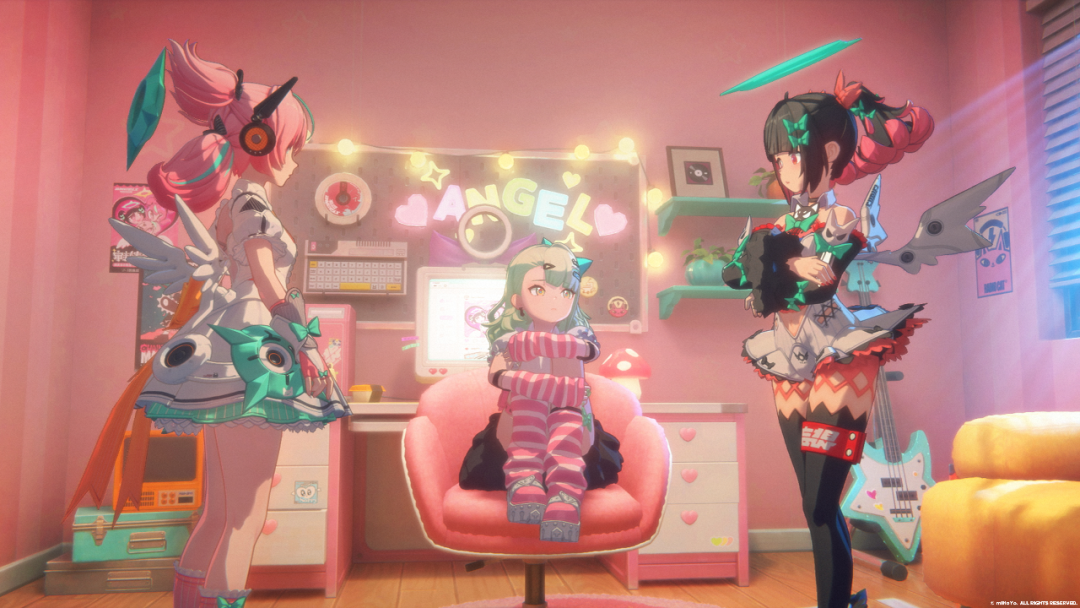
A few days ago (March 19), Apple held a game showcase in Beijing, with CEO Tim Cook in attendance.
As a key component of Apple’s 50th-anniversary global celebration in China, this gameshow differs from the public, semi-open cultural and entertainment events held in New York, Seoul, and even Chengdu’s Taikoo Li—which is also part of the China leg of the tour—in that it is exclusively for Chinese game developers and has a somewhat more understated atmosphere.
At the same time, it also served as a pivotal point in Cook’s current visit to China. (Following the events in Chengdu and this event, Cook attended the China Development Forum held on March 22–23.)
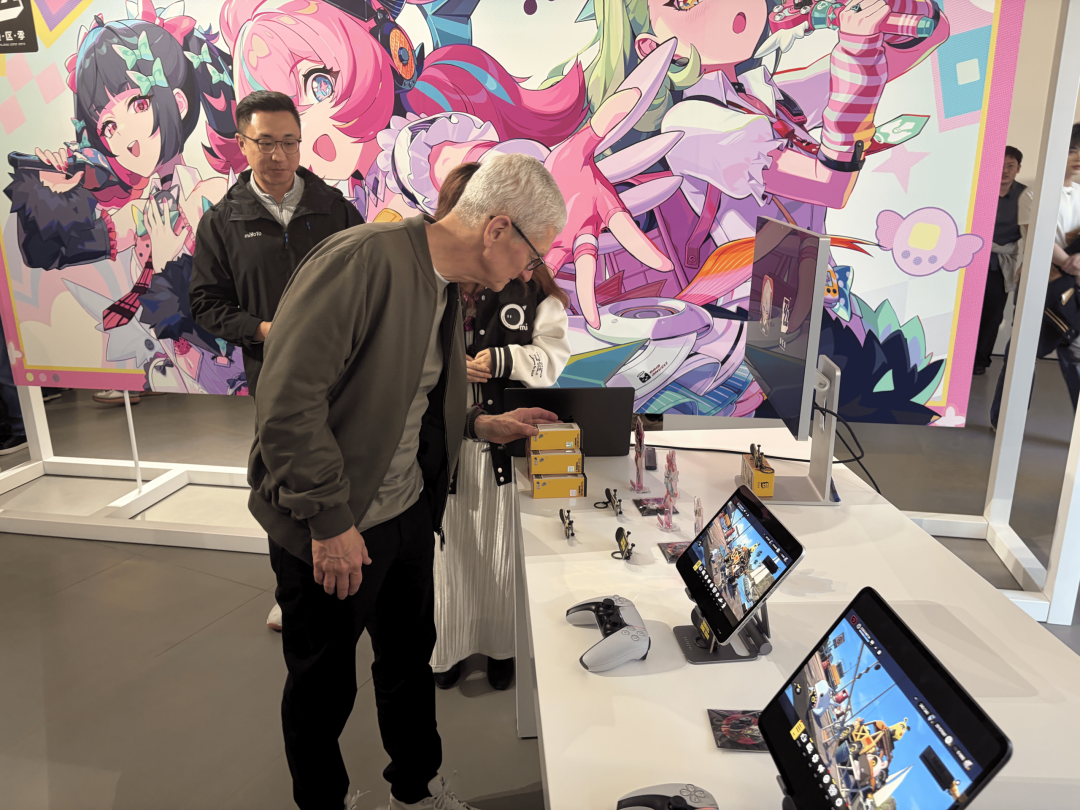
Upon closer examination, we can see that during his recent visit to China, Cook engaged with three key groups: consumers, developers, and Chinese government officials—covering everything from consumer-facing (ToC) to business-facing (ToB) to government-facing (ToG) interactions. His decision to focus the developer meetings specifically on game developers sends an important signal about the hardware giant’s current priorities: its emphasis on the Chinese market and the Chinese gaming industry.
This is by no means an overinterpretation; Apple places great importance on the Chinese market, as evidenced by the frequency of Tim Cook’s visits to China in recent years. On the gaming front, on the 13th of this month, Teahouse reported that Apple had announced a reduction in gaming taxes in China. This adjustment represents a 25% cut, while the tax rate for mini-games has been lowered by 12%—a significant show of support for Chinese game developers.
Aside from the company’s strategy as reflected in the CEO’s actions, the event itself is actually worth discussing in detail, because during the presentation, Cook showcased a total of eight products—each with its own unique features and strengths. Ranging from the widely popular iPhone to the Vision Pro, they essentially covered the entire Apple hardware ecosystem.
Among them is *Zero District*.
01
"Zero Zone": A Slightly Different Kind of "Thrill"
The reason I’ve singled out *Zero* for special mention is that it presents some rather unconventional elements.
Having followed the developments of *Zero Zone* since its launch, we believe it occupies a unique position within miHoYo’s product lineup as a title that represents a “technological breakthrough.”
Last year, Tea House took a risk to report on the technical insights shared at Sony’s PSPC conference regarding how *Zone Zero* pushed the hardware capabilities of the Sony DS controller to their limits. At the time, the development team went into great detail, explaining exactly how they utilized adaptive triggers and overcame limitations in human-computer interaction, among other technical insights.
Much like last time, as a cross-platform product fully optimized for Apple’s ecosystem, *Zero Zone* has been refined over the past year or so to the point where even the Vision Pro version runs incredibly smoothly—so much so that players barely notice the “adaptation” at all. For any software, a good cross-platform experience is one that makes users forget they’re using a cross-platform app in the first place.
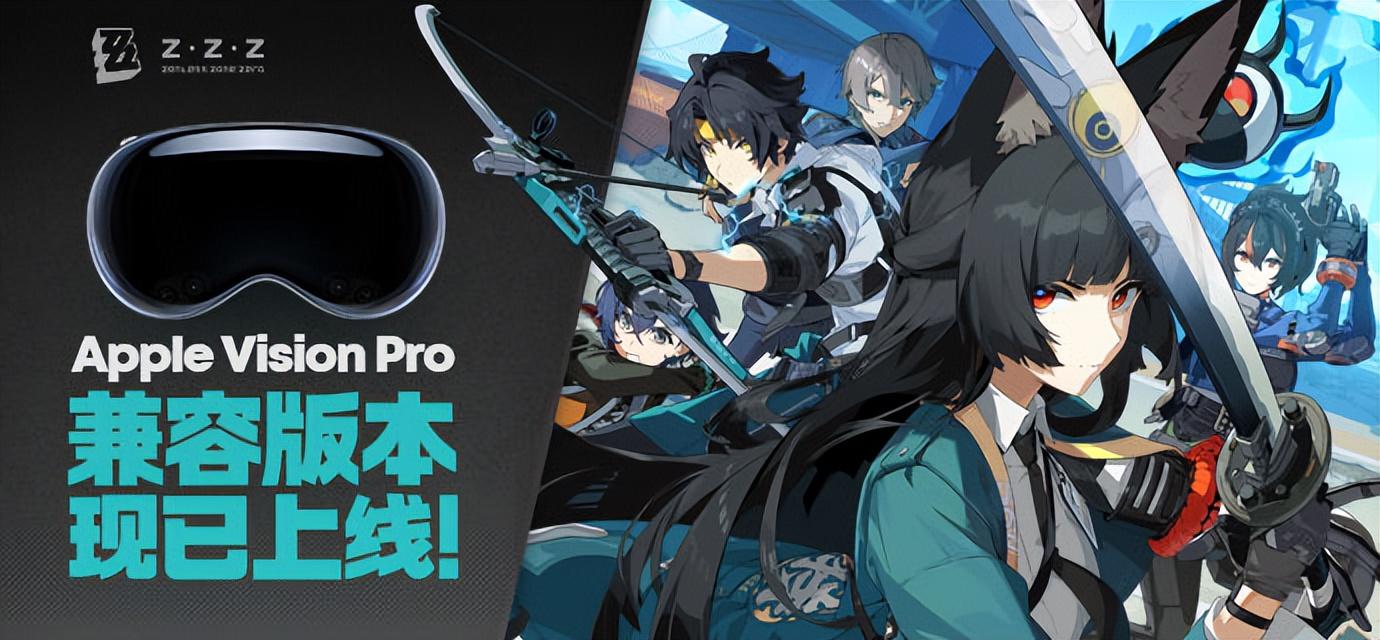
In December 2024, *Zero District* was already available on Vision Pro
Cook was on site to check out the various versions of *Zero*; crucially, the project team demonstrated and shared something with Cook and the other manufacturers and media representatives in attendance that was even rarer and less frequently discussed than the content shared during the PSPC adaptation—namely, a haptic feedback solution designed for mobile devices that rivals the console experience: “Precision Vibration.”
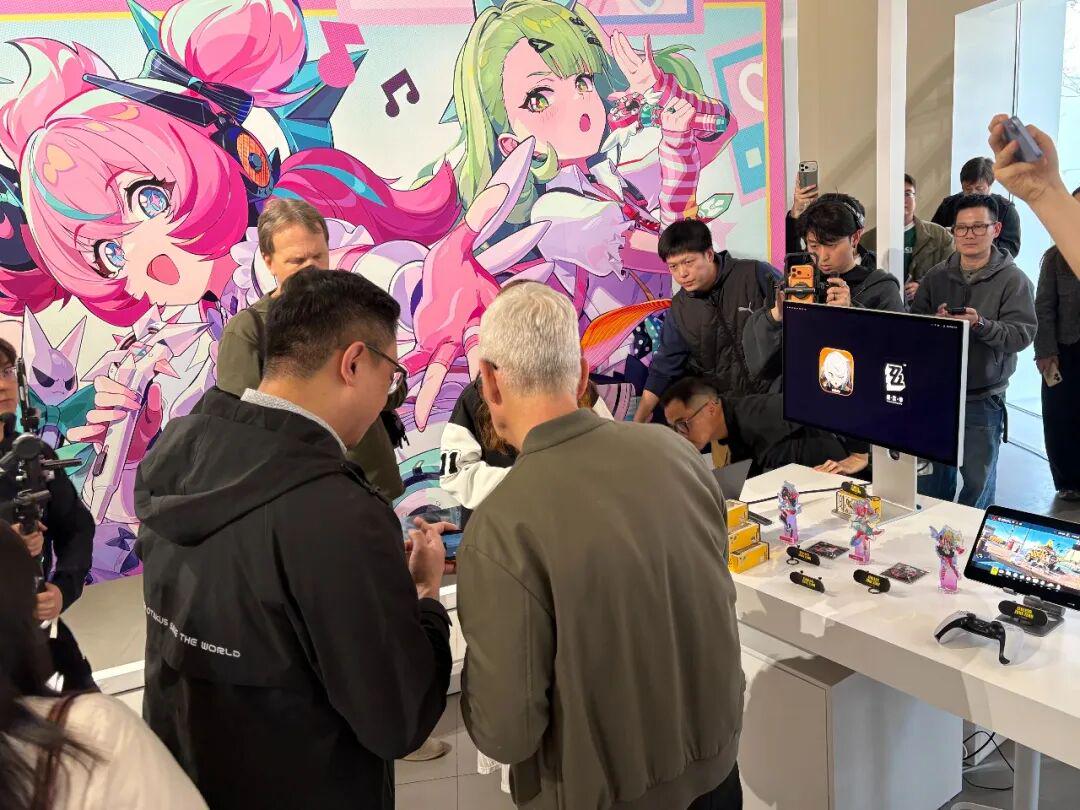
To fully appreciate the significance of this, we feel it’s necessary to first provide some industry context.
For a long time, high-quality haptic feedback has been almost exclusively a console-exclusive experience, largely because console players’ interaction relies on the “controller” as a peripheral device.
As early as 1997, the first-generation Sony DS was equipped with an eccentric rotor motor (ERM)—a feature that would have been completely impossible to install in a mobile phone of that era given its size and hardware capabilities.Since then, major console manufacturers—whether Xbox or Nintendo—have continuously developed various haptic feedback solutions for their controllers, such as the linear HD Rumble in Nintendo’s Joy-Con and the integration of linear motors with adaptive triggers in the new-generation Sony DS controllers, among other innovations.
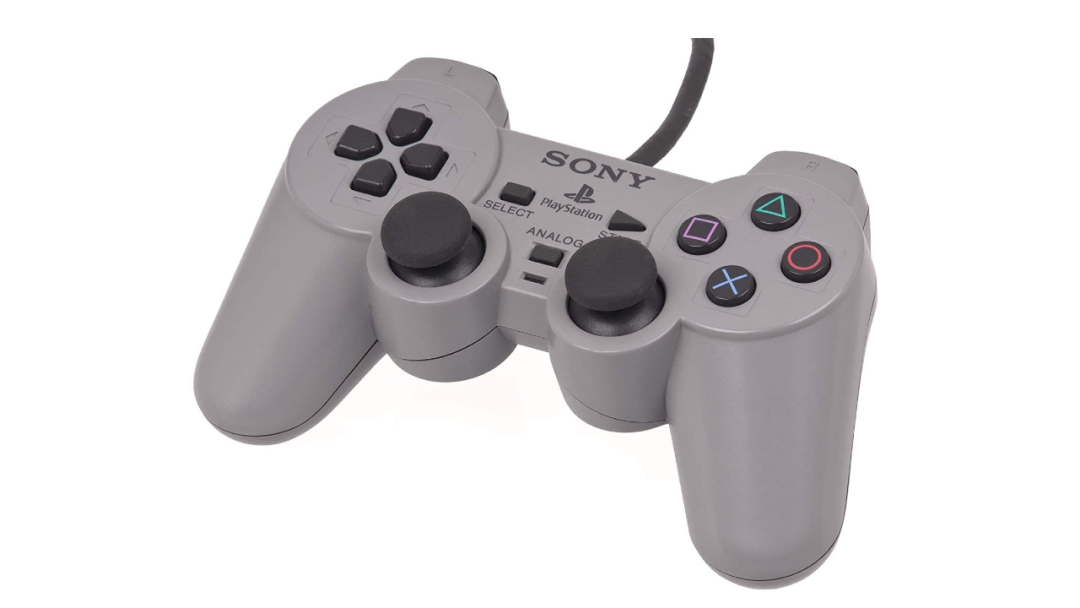
Every advancement in haptic feedback has been accompanied by updates to dedicated hardware. The key point, however, is that nearly all of these developments have taken place on consoles, while mobile devices have lagged significantly behind. Even today, the vast majority of mobile games still rely on basic notification-style vibrations—essentially triggering a fixed pulse when an attack hits—which falls short of true "design."
But does that mean developers don’t want to do it? Not exactly, because the situation on mobile is very complex.
First, the hardware capabilities of smartphones on the market vary widely and are quite diverse. Although the iPhone has featured linear motors for quite some time, many mid-to-low-end Android devices still use older ERM motors. As a result, many smartphones simply lack the hardware foundation necessary to support precise haptic feedback.
Second, even with hardware of equivalent performance, compatibility across different operating systems remains an issue. The same vibration signal may feel completely different on phones of different brands, models, or even operating system versions, making the marginal cost of fine-tuning extremely high.
Third, there is a lack of mature toolchains and case studies for developing haptic solutions for mobile devices. Due to the two issues mentioned above, the industry generally avoids this complicated task. After all, when using a phone, a vibration notification is usually sufficient. Few people consider a phone’s motor specifications and calibration to be key factors when purchasing a device; they are merely a bonus feature.
Therefore, without consumer demand, the production sector cannot take off, nor can standardized production tools and processes emerge—a phenomenon that holds true across virtually every industry.

In other words, *Zero* aims to bring console-quality haptic feedback to mobile devices. They are facing not just a technical challenge, but a completely uncharted territory with virtually no precedent to draw upon.
02
Top-Notch Technical Expertise
During the booth presentation, the *Zero* development team first explained the origins of the "precise vibration" technology.
Around the end of 2024, the technical team behind *Zero Zone* noticed a significant change: mid-to-high-end smartphones on the market—particularly iPhones—had fully transitioned to X-axis linear motors. These motors start and stop faster than the previous REM motors and possess physical characteristics that allow for directional control and precise waveform programming, bearing some resemblance to the linear motors found in Sony’s DS controllers.
The development team quickly realized, “Wait a minute—don’t smartphones have vibration capabilities too?” Advances in hardware had paved the way for “precise vibration” to make the leap from consoles to mobile devices.
As a result, *Zero* began working on this initiative, entering into a deep partnership with RichTap, a subsidiary of AAC Technologies. They first converted the vast library of vibration assets accumulated for the console version into a format compatible with mobile devices. Ultimately, they became the first in the industry to implement controller vibration capabilities on iOS. Now, when you connect a Sony DS controller to an iPhone via Bluetooth, you can experience the same level of vibration precision as in the PS5 version.
Previously, the iOS ecosystem offered virtually no support for haptic feedback passthrough on third-party controllers. Games like *Zero Zone* and RichTap have effectively paved the way for this feature from scratch. As previously detailed in a previous article by Tea House, we won’t go into further detail here.
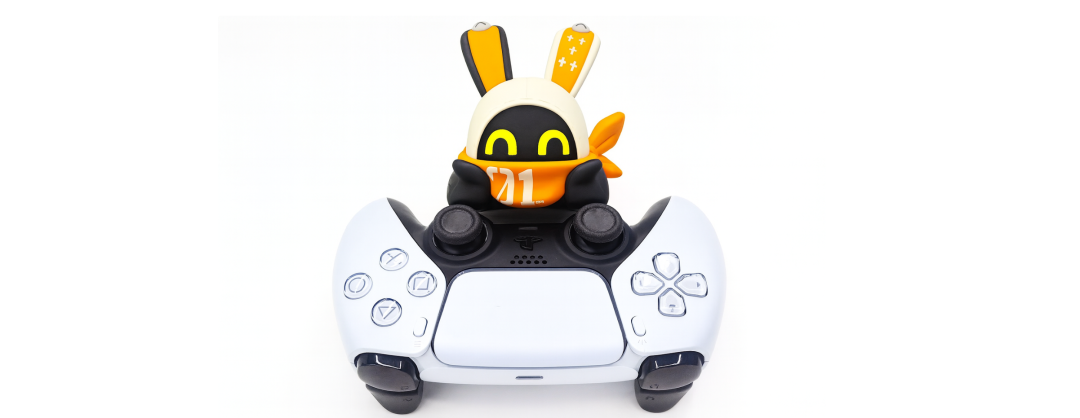
The integration of controllers with mobile devices provided *Zero Zone* with valuable technical insights, allowing the team to focus on overcoming the technical challenges of achieving "precise haptic feedback" on mobile devices without relying on external input devices.
At the event, the *Zero* development team was very candid, stating that the technical implementation of the mobile haptic design went through four stages.
During the functionality validation phase, they integrated the RichTap development kit to verify feasibility on mobile platforms; during the rapid deployment phase, the team built a pipeline compatible with the host-side logic and developed batch conversion tools, significantly reducing the costs associated with cross-platform development; and during the stability assurance phase, they encountered numerous challenges. At this stage, *Zero Zone* identified issues such as signal loss, crashes, and freezing, so they analyzed each crash individually and fixed them one by one.

However, the same vibration signal produces different feedback—both in terms of how it is displayed and perceived—depending on the device and the player. Addressing these inconsistencies is the most challenging and laborious aspect of the user experience validation phase in *Zero Zone*.
To achieve this, the haptic designers for *Zero* created three separate sets of assets for the PS5, Xbox, and mobile platforms, while the system designers provided a comprehensive range of settings that players can freely adjust.
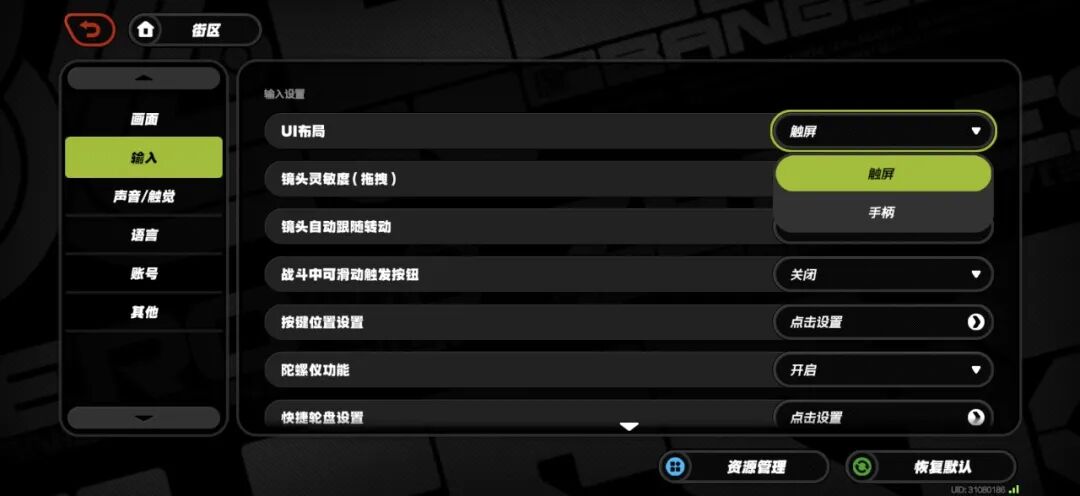
The end result is that on the iOS platform—especially on high-end devices—the haptic feedback in *Zero Zone* comes remarkably close to the console experience.
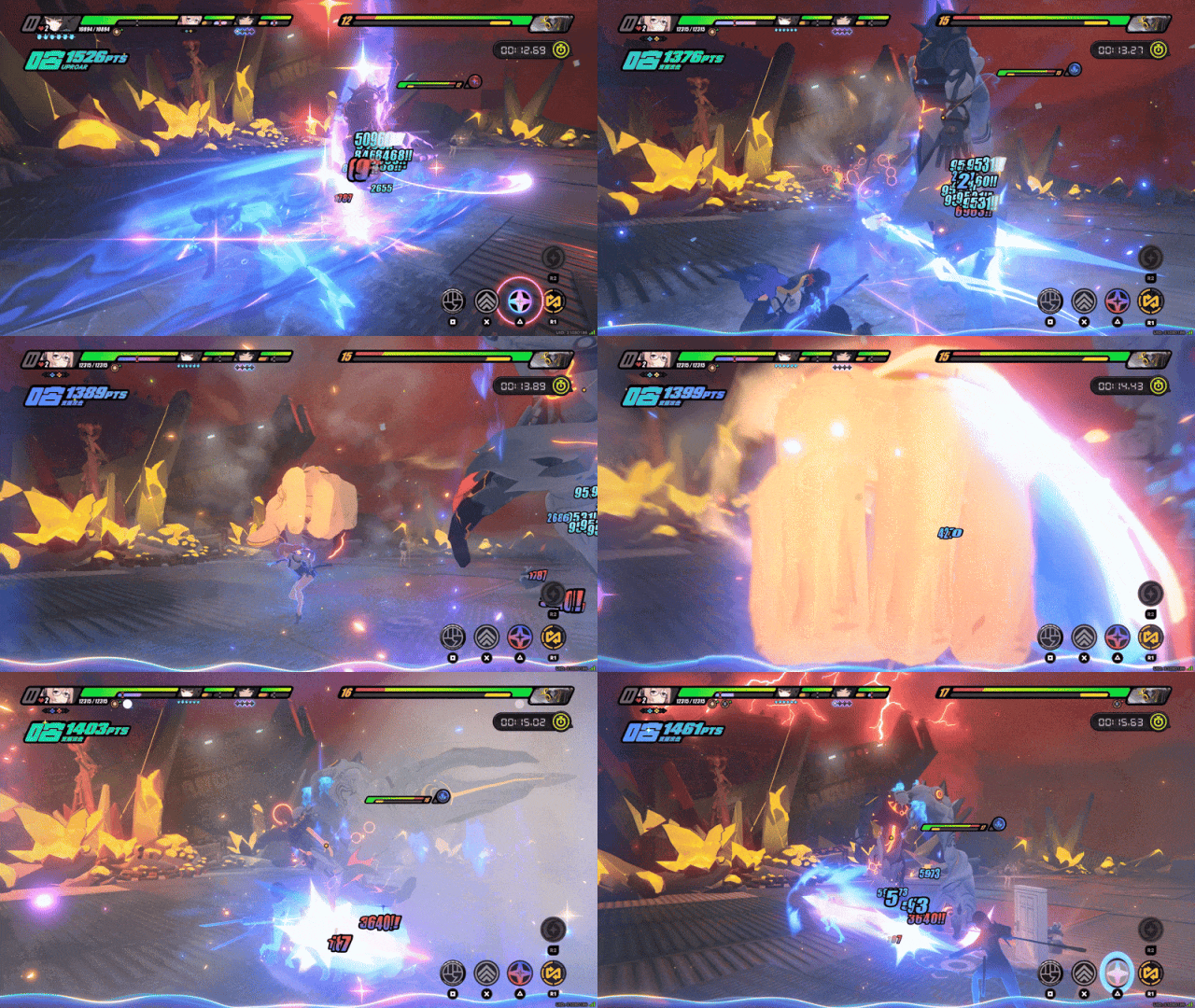
For example, when it comes to attack feedback, as a fast-paced action game, the haptic feedback in *Zero* is an integral part of combat interaction. For instance, Ban'yue's defense and Yi Xuan's parry produce a tactile sensation that is completely different from the standard yellow light.
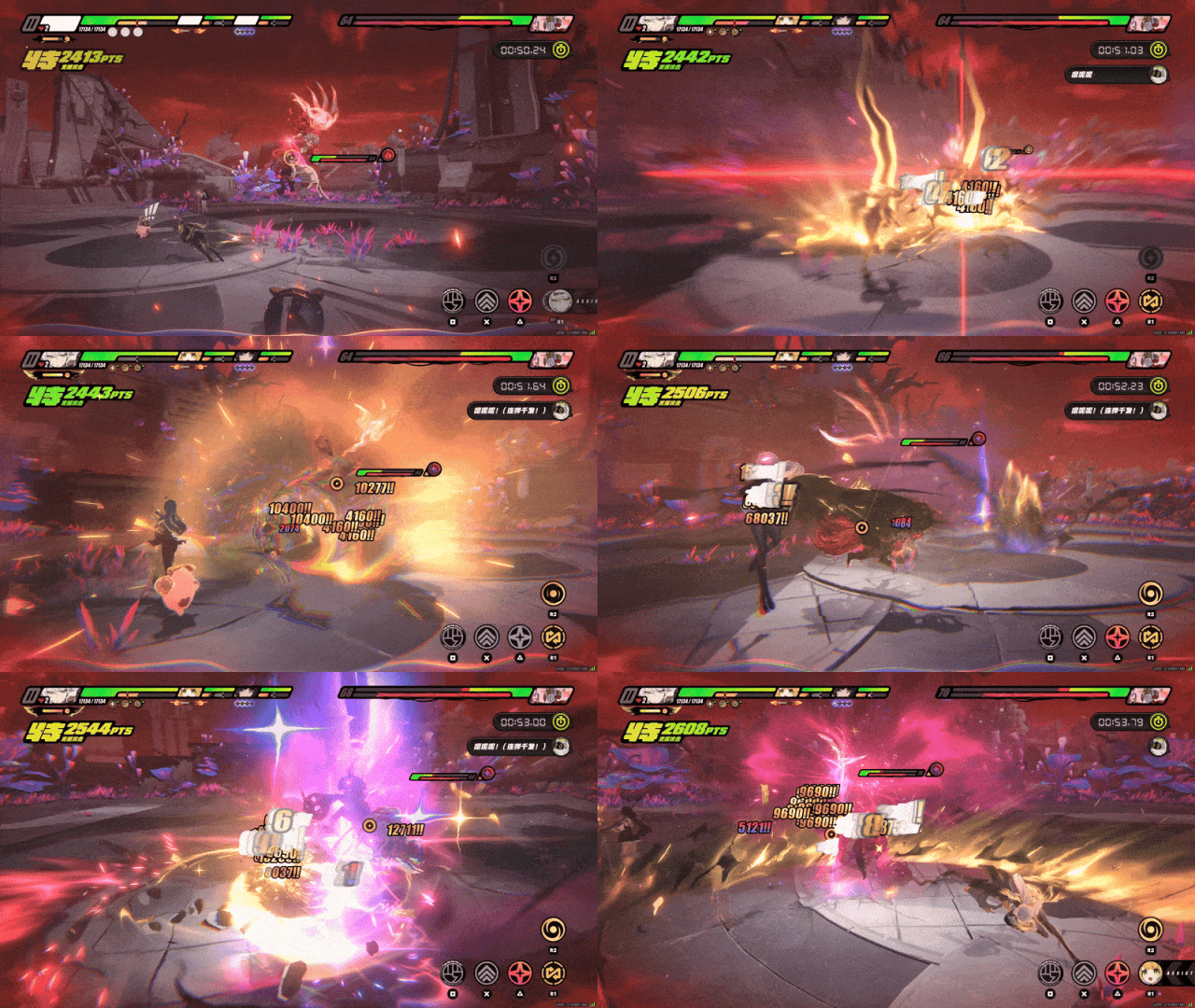
In addition, characters with a fast attack rate produce short, rapid vibrations, while those with a slow attack rate produce strong, powerful vibrations, allowing each character’s combat style to be expressed not only visually and aurally but also through these physical sensations.
Haptic feedback is also fully integrated into the game’s crucial narrative moments. For example, in Version 2.5, when Ye Shunguang attempts to sacrifice himself in the final act, every tap the player makes while moving forward is accompanied by a vibration that conveys the sense of resistance as he pushes against the wind. In Version 2.2, when Sid returns to the location where he first met his adoptive robot father, the wind sweeping through the sea of flowers and the falling teardrops are all accompanied by haptic feedback.
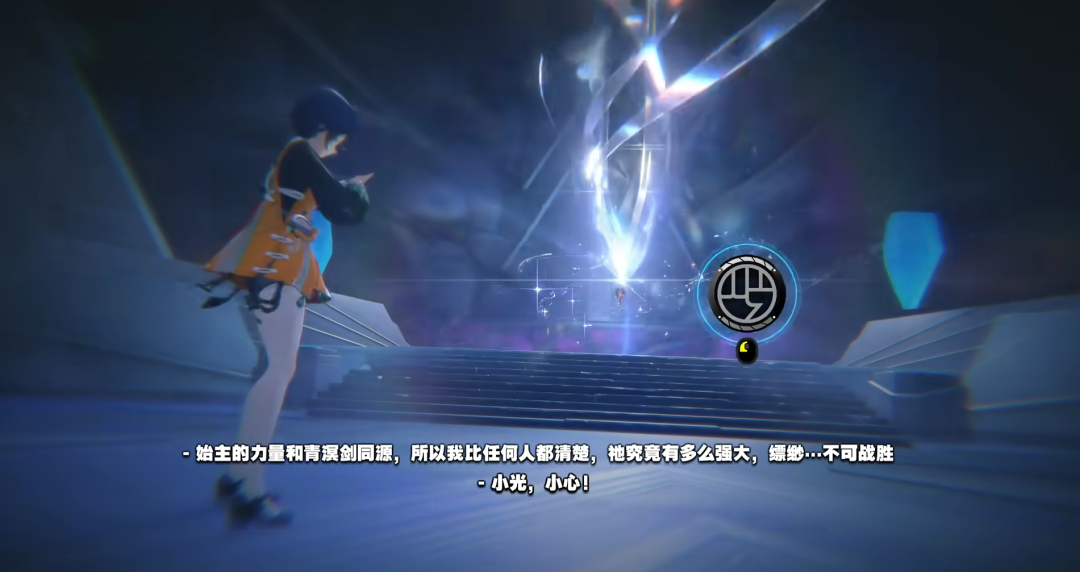
Essentially, what *Zero* ultimately achieves is making vibration serve a purpose that goes far beyond mere "alerts," integrating it into every aspect of interaction and storytelling.
Furthermore, the three functional layers of *Zero*—hints, interaction, and narrative—do not operate in isolation. The development team cited the game’s blade-clash vibration as an example, explaining that this design serves simultaneously as a visual cue for a “successful maneuver,” a physical simulation of “swords clashing,” and an emotional expression of “thrill”—all three layers merging into one seamless experience in an instant.
Based on this, we can summarize the live demonstration of *Zero Zone* into two design principles: first, “less is more,” meaning that every vibration should convey a clear meaning; and second, “distinct variations,” where frequency, amplitude, duration, and waveform each play a specific role, creating an experience that strikes the right balance between intensity and relaxation.
In the words of the development team, they are fine-tuning the game using a "hand-ground coffee" approach, with every aspect of the game crafted by hand.

Cook himself has also praised the *Zero Zone* team’s approach to utilizing Apple’s Core Haptics API.
The development team specifically noted that the haptic designer for *Zero* is actually also serving as the audio designer.
Teahouse believes that this functional arrangement itself reveals the development philosophy behind *Zero Zone*, which is centered on sensory convergence. Whether in terms of functional design, in-game content presentation, or design concepts, it serves as the best illustration of *Zero Zone*’s relentless pursuit of a closed-loop sensory experience that unites sight, sound, and touch.
This approach is evident not only in the game itself, but also in *Cloud: Zero*, which serves as another platform.
In fact, cloud gaming faces even greater challenges, because all of its processing takes place remotely, resulting in latency at every stage—and latency has a significant impact on the haptic feedback experience.
In addition to minimizing latency as much as possible, *Zero*’s approach to haptic feedback in cloud gaming is based on “decoupling.” The development team has separated the vibration trigger signals from the content stream and synchronized them using the low-latency optimization of the audio-video transmission channel, ensuring that the connection between player input and haptic feedback remains strong and immediate even during network fluctuations.
Although they put it so casually, only they know how much hair they’ve lost over the years.
However, at the very least, these efforts have yielded tangible results. By the time Version 2.5 was released, *Zero Zone*’s mobile-optimized haptic feedback was a first-of-its-kind feature in both the multi-platform narrative-driven game and high-speed action-adventure genres, and the underlying technology has been granted a national patent.
Of course, during the presentation, the *Zero* team also demonstrated to Cook the game’s use of global illumination, oversampling on MetalFX, inverse kinematics, runtime dynamic animation, and streaming load and culling strategies on the iOS platform.
These elements are also among the standout strengths of *Zero Zone*, and they ensure that "precise haptic feedback" is no longer a standalone feature, but rather an integral part of the game's overall technical framework.
That is why *Zero* has served as Apple’s “showcase” during this event—precisely because of its long-term investment in technology, making it one of the few products capable of fully translating Apple’s hardware capabilities into a player experience.
Anyway, the Tea House thinks Cook really nailed it this time.
03
Beyond technical prowess, content is also advancing rapidly
As is often said in the gaming community, for a sequel, graphics and gameplay ultimately serve the story. Following the release of a massive Spring Festival update, *Zero Zone* today launched version 2.7, “Heroes Never Die in the Past,” the final installment of the “Delusional Angel” storyline.
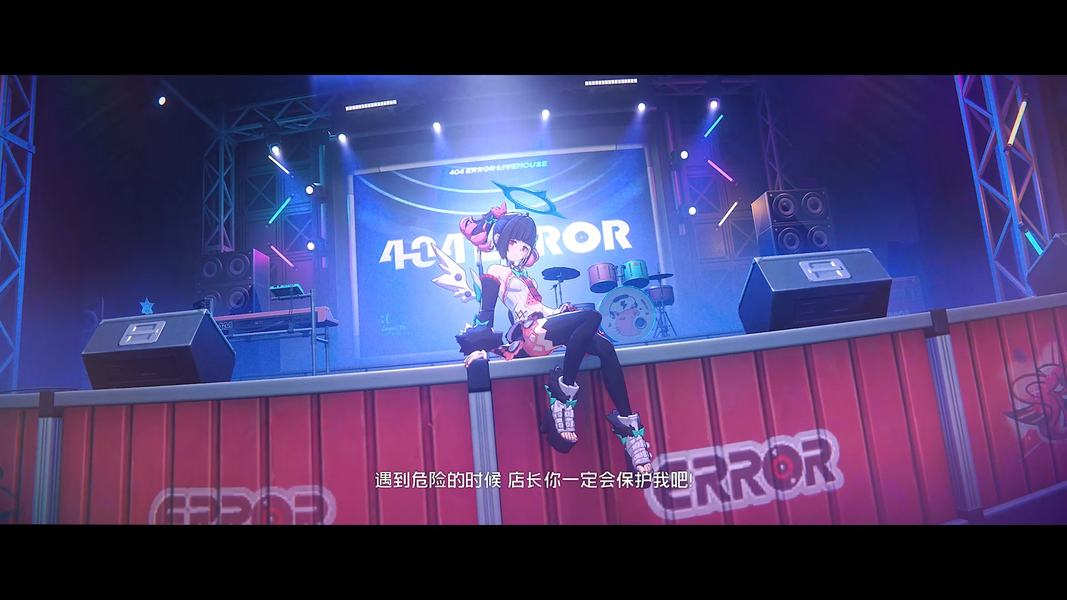
This new chapter focuses on resolving Qianxia’s lack of self-confidence and Arei’s identity crisis, and then centers on the “Hollow Hero Tournament.” By version 2.6, *Absolute Zero* had already demonstrated a remarkable ability to craft ensemble storytelling. The narrative has also begun to explore the character of Nangong Yu.
Overall, she is well-suited to the role of "Captain," guiding Airi and supporting Chisato; however, from a character design perspective, Nangong is a relatively rare type of character in current mobile games—one who "doesn't need to be saved."
Qianxia suffers from social anxiety, and Airi is struggling with an identity crisis, but Nangong doesn’t have a specific emotional wound that needs healing—she’s the one who heals others.
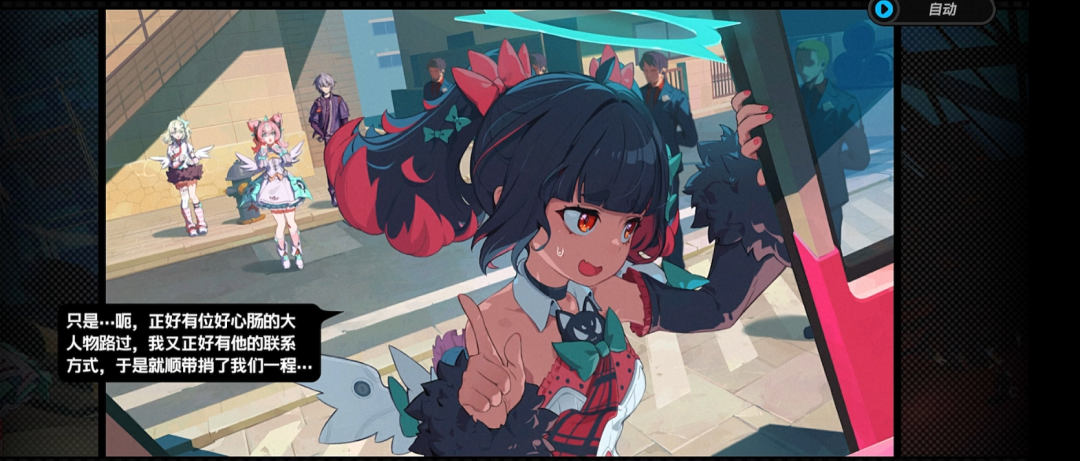
However, this doesn’t mean she’s one-dimensional. *Zero* uses fragmented vignettes to craft a captain who consistently evokes emotional resonance; in other words, through subtle details and moments that showcase what she’s done for her teammates, the game allows players to piece together her true depth on their own.
Meanwhile, the bodyguard helicopter and the X-shaped scar on her back hint at another side to her "Good Captain" persona—some secrets that will likely be revealed during the first half of the match at Nangong's home stadium on February 7.
After nearly two years of operation, *Zero Zone* seems to have become particularly adept at quickly establishing a strong impression of its characters within limited space and making them stand out. After all, the amount of content that can be produced within a given timeframe is limited, so knowing how to schedule the appearances of characters other than the main ones requires a certain degree of finesse.
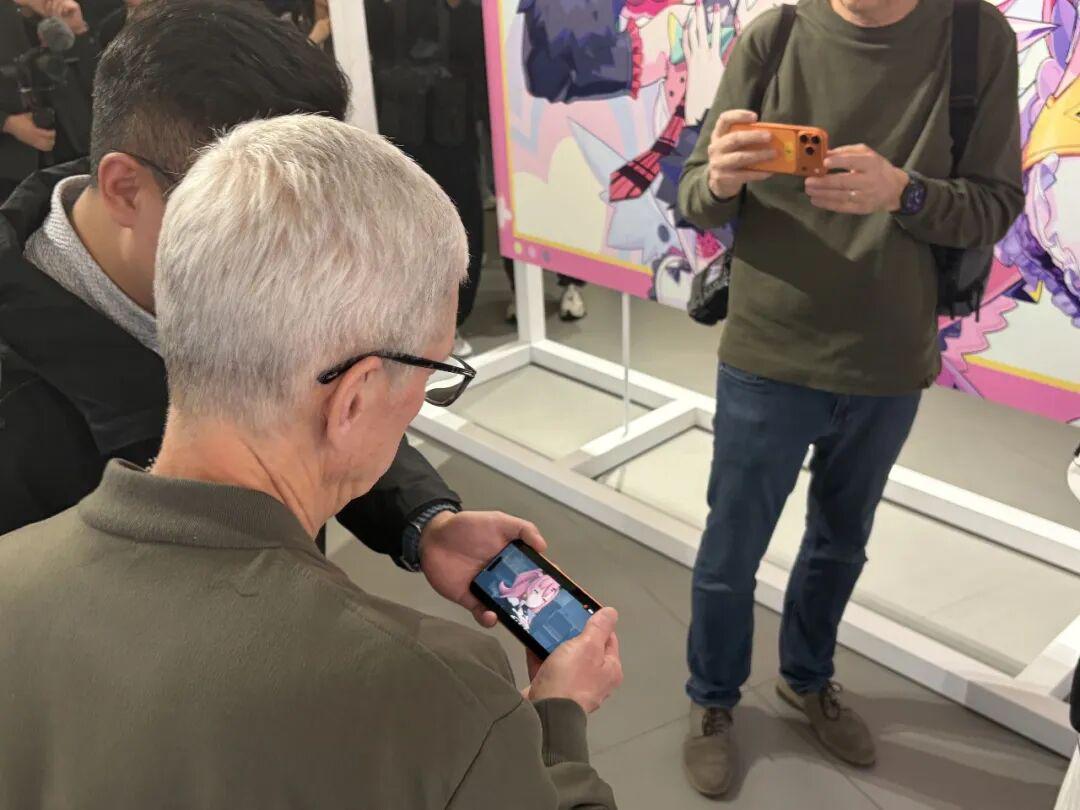
Another character who made an early appearance is Xixifu, the Snake-Human hybrid who served as the host for the second half of 2.7—and this is especially true for her.
Earlier, Xixifu’s character was established in just a few lines of dialogue. First, there was her interaction with Jane. In the natural world, Xixifu’s snake and Jane’s mouse are typically predator and prey, but in *Zero Zone*, the roles are completely reversed—Xixifu seems quite afraid of Jane.This contrast, rooted in real-world logic, vividly brings to life Xixifu’s somewhat hapless and unreliable persona.

From a narratological perspective, a character’s “believability” does not depend on how much space is devoted to them, but rather on whether the author has identified the key moment that best reveals the character’s essence.
Xixifu's stance is precisely in line with this principle.
Furthermore, during the 2.7 PV phase, *Zero* released a main story teaser titled *The Three-Party Pact*, which actually revealed a significant portion of the plot outline. Since the main story of *Zero* is still shrouded in mystery, many players have been poring over this material—which is arguably the most information-packed teaser in history—like Leeuwenhoek.
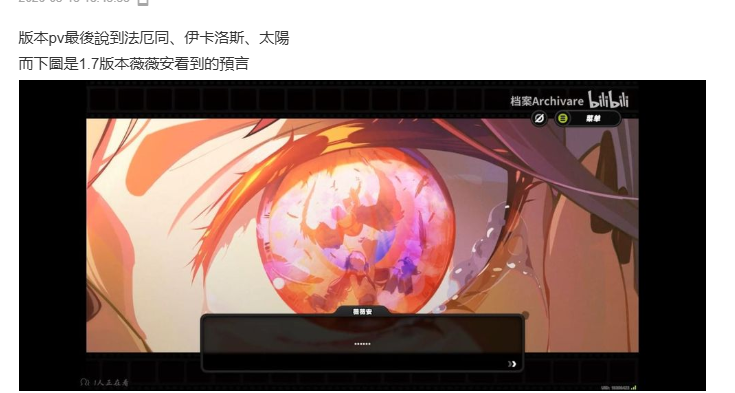
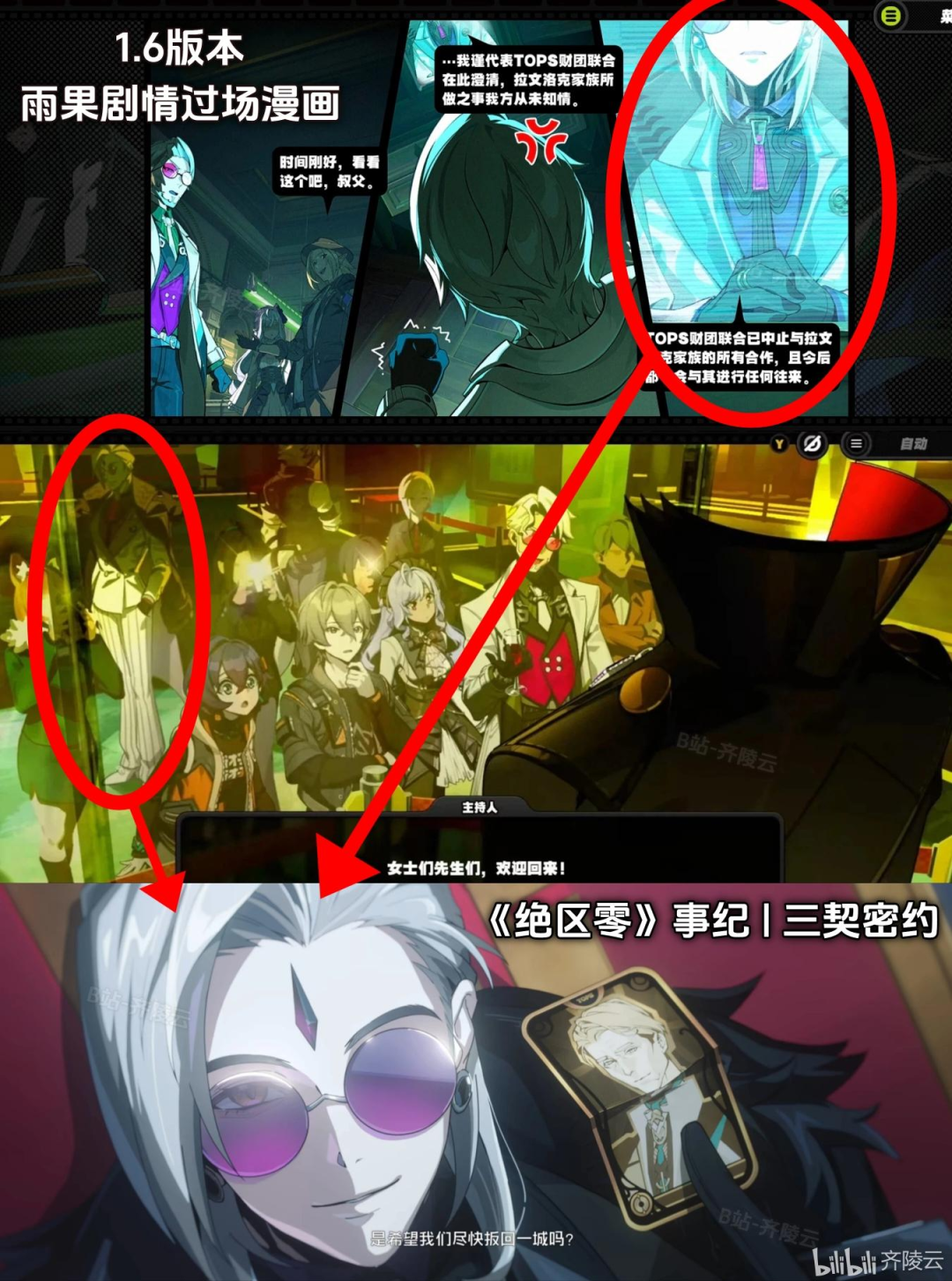
Source: Bahamut
Essentially, it is precisely because *Zero* has pushed the boundaries of the gaming experience on the technical front while continuously infusing fresh content that so many players have become captivated by New Elysium, eager to uncover the stories of the Agents living there—their past, present, and future.
*Zero* has undoubtedly proven that, for mobile games, even the most ingenious touch controls are nothing but a pipe dream without compelling characters to bring them to life. Similarly, a moving story becomes all the more unforgettable when it is enriched by sufficient technical prowess.
Conclusion
As I’ve said before, the technical prowess of *Zero* has always been somewhat of a hidden gem.
This effort is hidden within the distinctive characters, the exhilarating action, and the urban art style infused with the spirit of CRT monitors and Pop Art in *Zero District*, yet it is everywhere.
Just as with "visible" stylistic expressions, every single one relies on "invisible" technology to underpin it.
There’s a saying that not many people seem to mention these days: it’s miHoYo’s slogan—“Geeks Save the World.”
In the eyes of the teahouse, this slogan has always lingered in New Aelido, and it is precisely the core of what makes *Zero District* what it is.
原创文章,作者:游茶妹儿,禁止转载:https://youxichaguan.com/en/archives/194343